
Tanzania Food Guide
Content Information
Recently updated🔥Current Food Trends 2026
What's happening in Tanzania's culinary scene right now
Tanzania's food varies a lot from region to region, and mid-2026 is a good window to see it. June sits in the dry season, when coastal temperatures hover around 25-30°C (77-86°F). The cooking carries centuries of Swahili, Arab, Indian, and African influence, most obviously on Zanzibar, the old Spice Island. Ugali with nyama choma is still the national plate: a stiff cornmeal porridge eaten with charcoal-grilled meat, and it sits at the center of how Tanzanians eat. Lately people draw a clearer line between the spice-heavy Swahili food of the coast and the plainer, heartier cooking inland. In Stone Town, visitors head to Forodhani Night Market for Zanzibar pizza, which isn't pizza at all but a thin dough stuffed and grilled on a griddle. Along the coast you'll find coconut-milk curries, fresh seafood, and pilau rice scented with cardamom, cinnamon, and cloves. The spice trade still shapes the place, and Zanzibar spice tours usually end with cloves, cinnamon, and vanilla for sale. Mango season runs December to March, so June is the off-window for that fruit, but markets stay busy year-round. In Dar es Salaam, waterfront spots like Ngalawa Surf & Turf and The Slipway keep turning out fresh seafood. Street vendors are everywhere, selling mandazi (Swahili doughnuts), vitumbua (rice cakes), and mishkaki (meat skewers). Halal food is easy to find, especially on the coast and in Zanzibar, where most of the population is Muslim. Vegetarians can eat well enough, though the traditional table leans heavily on meat. June also falls in the high travel season (roughly June to October, plus December to February), which keeps safari lodges and beach resorts busy and the dining demand high.
Food Safety Tips
Essential food safety information to help you enjoy Tanzania's cuisine safely and confidently.
Check local water safety recommendations
Look up current water conditions before you go. In some areas, sticking to bottled water is the safer bet.
Choose busy vendors with high turnover
Street food is usually fine when you pick a busy stall that cooks to order rather than reheating.
Be cautious with foods left at room temperature
In the heat, skip anything that has been sitting out for a while.
Dietary Options
vegetarian
MEDIUM AVAILABILITYMost restaurants can put together a vegetarian meal, even if the traditional menu leans toward meat. Look for local vegetable dishes, and in the cities you will also find international places.
vegan
LOW AVAILABILITYVegan choices can be thin at traditional restaurants. International spots and health food stores are your best bet, and it helps to spell out what you do and don't eat.
gluten-free
MEDIUM AVAILABILITYPlenty of staples are gluten-free by nature: ugali made from maize, rice-based pilau, and grilled meats. Just bear in mind that cross-contamination can happen in busy kitchens.
halal
HIGH AVAILABILITYHalal food is easy to come by, especially along the coast in Dar es Salaam, Zanzibar, and Tanga and in Muslim communities elsewhere. Zanzibar is more than 95% Muslim, so halal is simply the default. Swahili cooking lines up with halal rules as long as pork and alcohol are left out.
kosher
VERY LOW AVAILABILITYKosher food is very hard to find in Tanzania. Dar es Salaam has a small Jewish community, but there is almost no kosher infrastructure. Plan to bring your own provisions or stick to naturally kosher items such as fresh fruit, vegetables, and sealed products.
Common Allergens
Peanuts
HIGH PREVALENCEPeanuts turn up often in Tanzanian cooking, particularly in sauces and stews
COMMONLY FOUND IN:
Coconut
HIGH PREVALENCECoconut milk is the backbone of coastal Swahili cooking
COMMONLY FOUND IN:
Shellfish
MEDIUM PREVALENCESeafood, shellfish included, shows up regularly along the coast
COMMONLY FOUND IN:
Essential Food Experiences
These iconic dishes represent the must-have culinary experiences that define Tanzania's food culture for travelers.
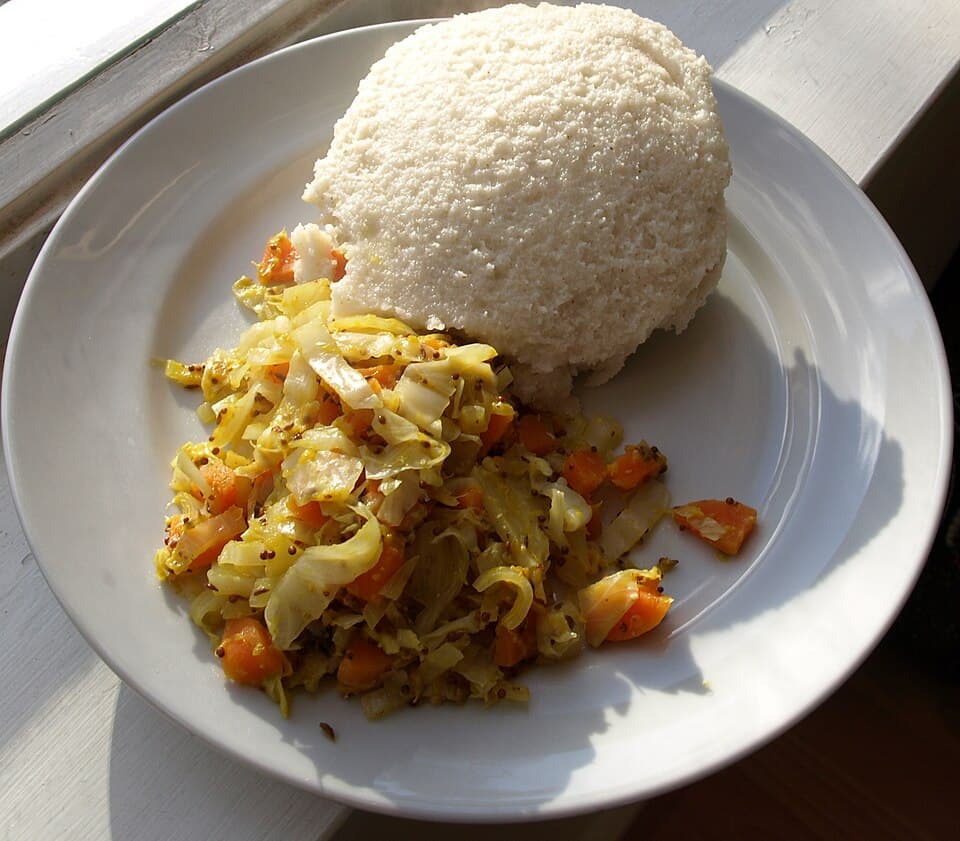
Ugali with Nyama Choma
If one plate sums up Tanzania, this is it. Ugali is a stiff cornmeal porridge of maize flour and water, served with nyama choma, charcoal-grilled goat, beef, or chicken. It shows up daily in nearly every home, and people eat it by hand, rolling small balls of ugali to scoop up stews and meat.
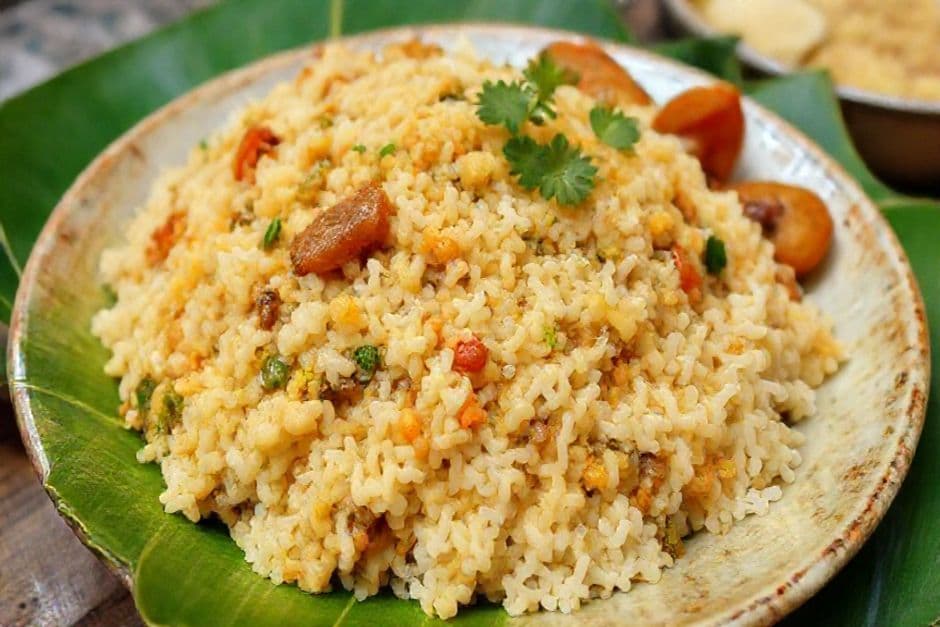
Pilau
A spiced rice and meat dish that owes a lot to Arab and Indian traders. It's cooked with cinnamon, cardamom, cloves, and star anise, and the rice soaks up the spices and the meat broth as it simmers.

Zanzibar Pizza
A Stone Town street-food staple that borrows the name but little else from pizza. Thin dough gets stuffed with meat, vegetables, egg, and mayo, then folded and grilled flat on a griddle. Worth hunting down at least once.

Urojo (Zanzibar Mix)
A Zanzibar street-food favorite built on a tangy potato soup, then loaded with crispy bhajia fritters, cassava chips, chutney, and boiled egg. One bowl with a lot going on, both in flavor and texture.

Mchuzi wa Samaki (Fish Curry)
A coastal fish curry simmered in coconut milk with tamarind, which gives the sauce its tang. The fish comes straight from the Indian Ocean and the spice mix is pure Swahili kitchen.
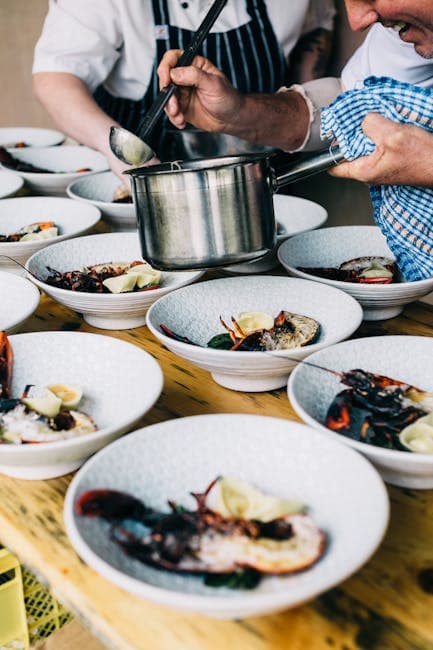
Octopus Coconut Curry
A Zanzibar specialty of octopus slow-cooked in coconut milk with fresh herbs and spices until tender. The coconut and herbs are what make it stick in your memory, and the dish is about as Swahili as it gets.

Mishkaki
Marinated skewers of beef, goat, or chicken grilled over charcoal, seasoned with spices and often served with lime and chili. You'll find them at street stalls all over Tanzania.

Chipsi Mayai
The name just means 'chips and eggs': French fries folded into an omelet and fried together. It's a go-to street snack and bar food across Tanzania, plain but exactly what you want.

Ndizi Nyama (Plantains with Meat)
A savory stew of plantains, or sometimes bananas, cooked with meat in a thick sauce. The fruit brings a little sweetness that plays off the meat.

Wali wa Nazi (Coconut Rice)
Rice cooked in coconut milk, usually paired with coastal seafood and curries. The coconut gives it a creamy texture and a faint sweetness.
Regional Specialties & Local Favorites
Discover the authentic regional dishes and local favorites that showcase Tanzania's diverse culinary traditions.

Mandazi
Swahili doughnuts, only lightly sweet and scented with cardamom, sometimes coconut too. People eat them for breakfast or as a snack, and you'll see them at any local market.
Allergens:

Vitumbua
Small, spongy rice cakes, faintly sweet, made with cardamom and coconut milk and cooked in dimpled cast iron pans. A common breakfast or snack.
Allergens:

Maharage ya Nazi (Beans in Coconut)
Red kidney beans stewed in coconut milk with spices. A coastal favorite, and an easy pick for vegetarians.
Allergens:

Mkate wa Kumimina
A Zanzibar bread made by pouring batter onto a griddle, which gives it an unusual spongy texture. Usually eaten with beans or curry.
Allergens:

Supu ya Ndizi (Plantain Soup)
A filling soup of plantains, meat, and vegetables. The kind of bowl that holds you over for hours.

Kachumbari
A fresh tomato and onion salad with lime, cilantro, and chili. It cuts the richness of grilled meat and shows up alongside it constantly.

Sambusa
Triangular fried pastries stuffed with spiced meat or vegetables. They're close cousins of the samosa, brought over by Indian and Arab traders.
Allergens:
Wali wa Maharage (Rice and Beans)
Rice and beans, often cooked together, plain and dependable and filling enough to be a meal on its own.
Regional Cuisine Highlights
Explore the diverse culinary landscapes across different regions of Tanzania.
Zanzibar & Coastal Swahili
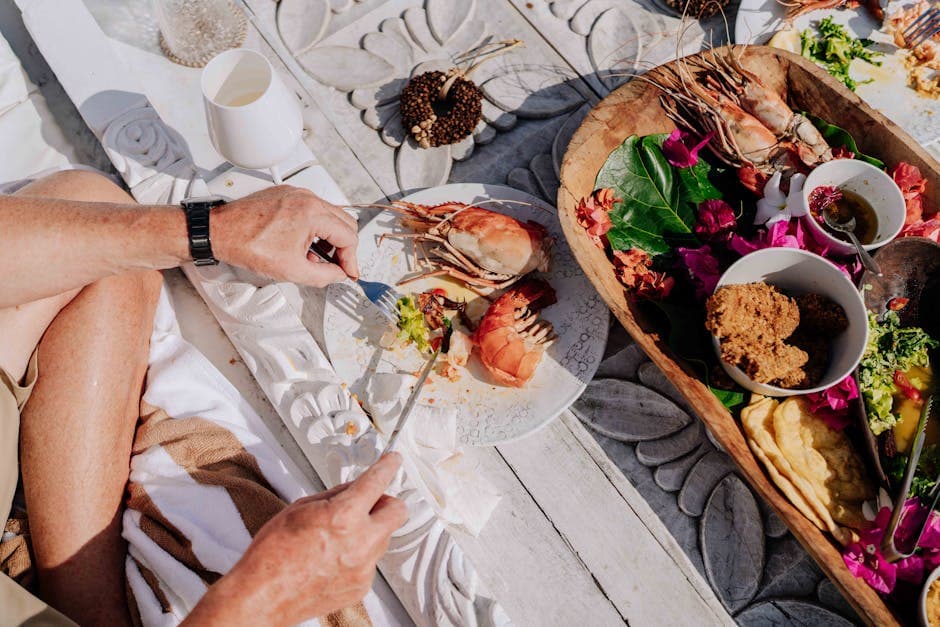
Zanzibar and coastal Swahili cooking carries centuries of spice trade and seafaring arrivals. As locals put it, "we cook like Indians and eat like Arabs." Fresh coconut milk, cloves, cinnamon, cardamom, and seafood run through almost everything: octopus coconut curry, grilled fish, prawn biryani, pilau rice. The heart of the street-food scene is Forodhani Night Market in Stone Town, where the Zanzibar pizza and urojo draw the crowds.
Cultural Significance:
Zanzibar is the cradle of African Swahili culture. Arab, Indian, Persian, and African influences piled up over centuries to produce a cuisine you won't find anywhere else. The spice trade once made these islands some of the most fought-over territory on earth.
Signature Dishes:
- Urojo (Zanzibar Mix) - potato soup with fritters
- Zanzibar Pizza - stuffed grilled flatbread
- Octopus Coconut Curry
- Mchuzi wa Samaki - fish curry with coconut milk
- Pilau - spiced rice
- Biryani - layered rice and meat dish
Key Ingredients:
Mainland (Dar es Salaam & Central)
On the mainland, ugali, the stiff cornmeal porridge, anchors the meal, served with stews, grilled meats, and vegetables. Nyama choma is both a national obsession and a social occasion. The food is filling and uses less spice than the coast, leaning instead on what the charcoal grill brings.
Cultural Significance:
Ugali is more than a dish; it's tied up with how people see themselves. Sharing it from one communal plate is a gesture of togetherness and welcome.
Signature Dishes:
- Ugali na Nyama Choma - cornmeal with grilled meat
- Mishkaki - meat skewers
- Chipsi Mayai - chips and egg omelet
- Ndizi Nyama - plantains with meat
- Maharage - beans
- Wali wa Maharage - rice and beans
Key Ingredients:

Northern (Kilimanjaro & Arusha)
In the north, the cooking owes a lot to the Chagga people around Mount Kilimanjaro. The area is known for its bananas and for mbege, the traditional banana beer. The cooler highland climate supports crops that won't grow on the coast.
Cultural Significance:
The Chagga have worked out an intricate system of banana growing, keeping separate varieties for cooking, brewing, and eating fresh.
Signature Dishes:
- Mbege - banana beer
- Makande - maize and beans cooked together
- Banana stews
- Roasted meats
Key Ingredients:
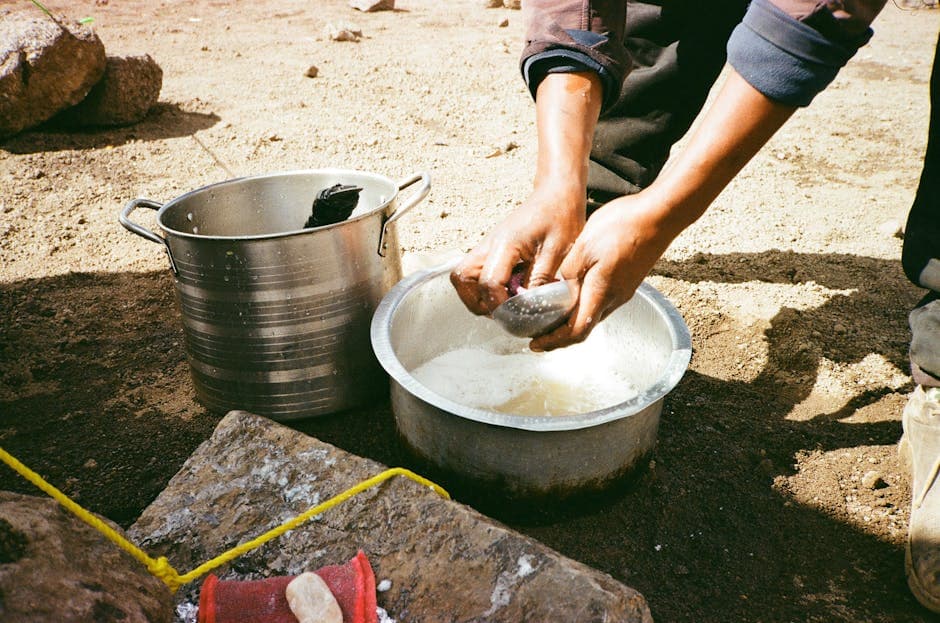
Sweet Delights & Desserts
Indulge in Tanzania's traditional sweet treats and desserts.

Kashata
A coconut candy of grated coconut and sugar, sometimes with peanuts or cardamom worked in. Street vendors sell it everywhere.
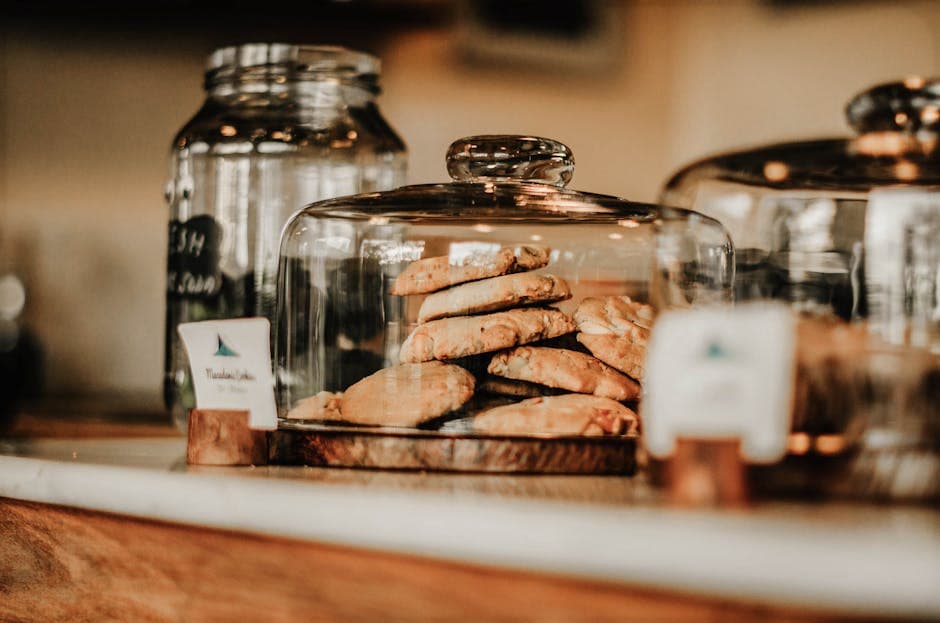
Halua
A sweet, sticky confection big in Zanzibar, with roots in Arab and Indian kitchens. It's made from sugar and ghee and turns up in a range of flavors.

Mkate wa Ufuta
A faintly sweet sesame bread, usually eaten with tea. A Zanzibar regular.
Traditional Beverages
Discover Tanzania's traditional drinks, from locally produced spirits to regional wines.
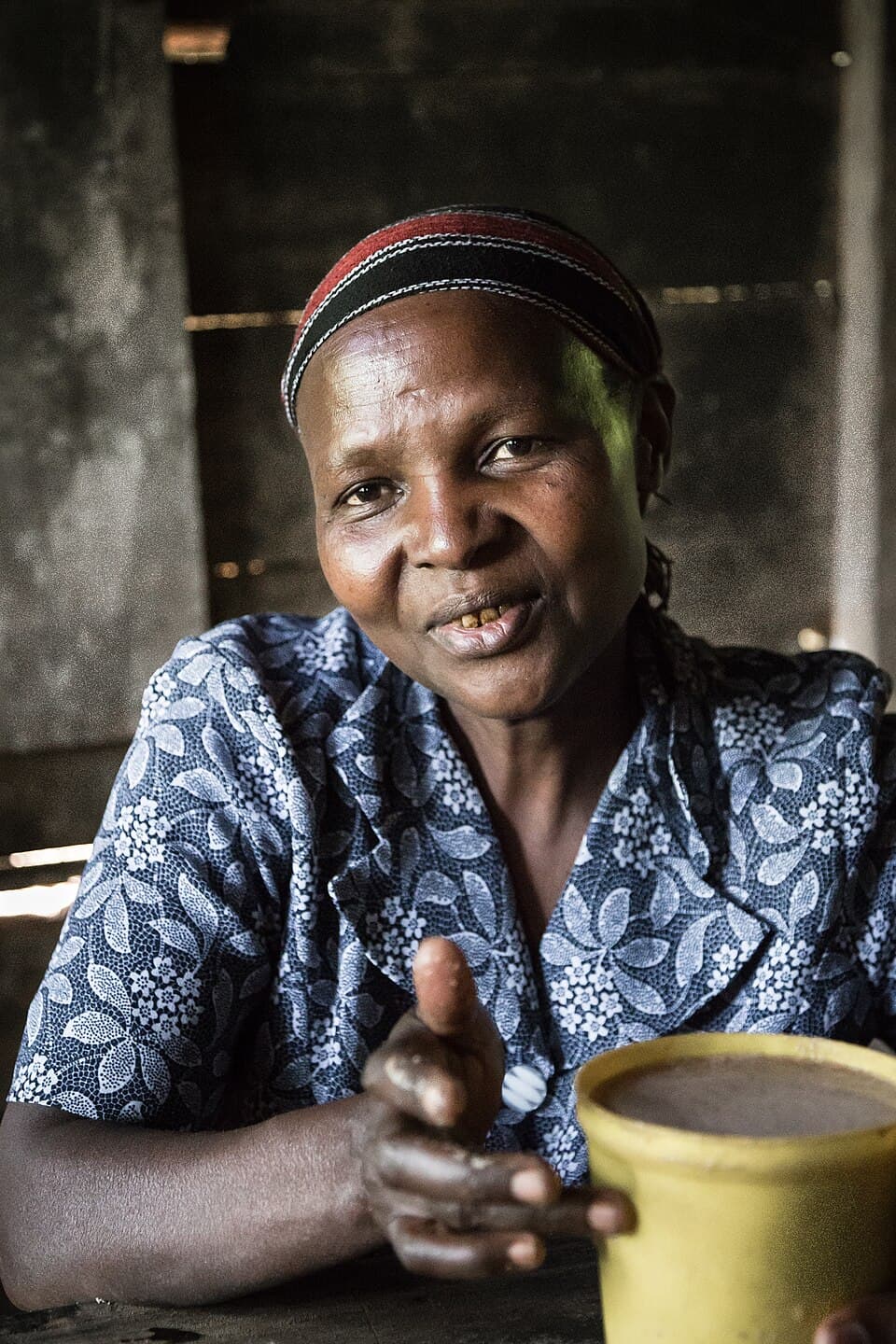
Mbege
A traditional banana beer made by the Chagga people around Kilimanjaro, fermented from bananas and millet.
Wanzuki
A locally distilled sugarcane spirit. It's strong stuff, mostly drunk in rural areas.
Soft Beverages
Discover Tanzania's traditional non-alcoholic drinks, from local teas to refreshing juices.

Tangawizi (Ginger Tea)
Hot ginger tea, usually sweetened and sometimes brightened with lemon. People drink it to warm up and swear by it when they feel a cold coming on.
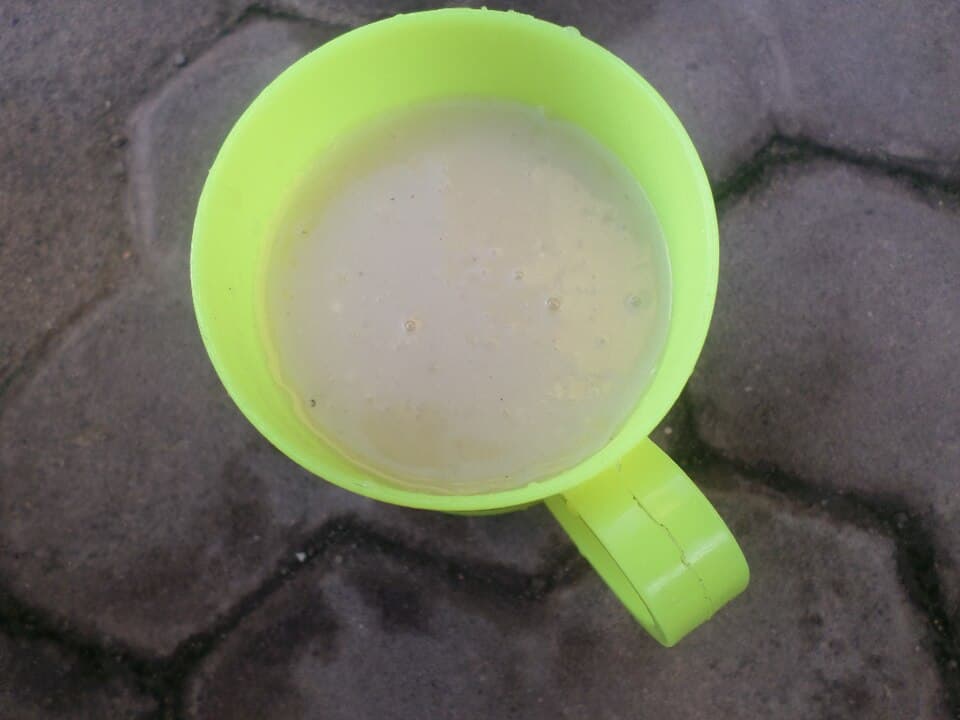
Uji (Porridge Drink)
A thin, drinkable porridge made from millet, maize, or other grains. Mostly a breakfast thing.
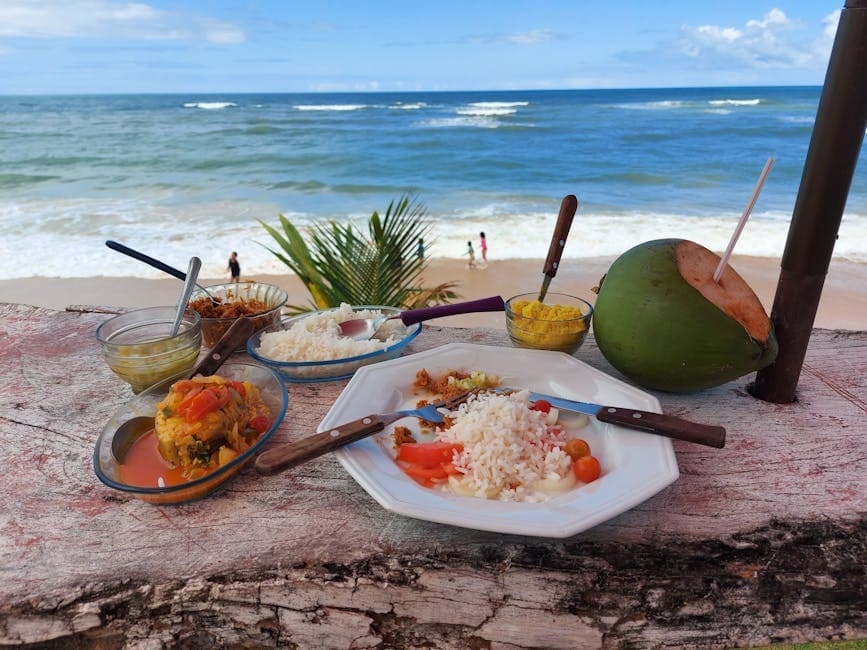
Madafu (Coconut Water)
Fresh water straight from young green coconuts, a coastal go-to on a hot day.
Frequently Asked Questions
Essential information about food and dining in Tanzania.
What is the national dish of Tanzania?
Tanzania's most iconic dishes include Ugali with Nyama Choma, Pilau, Zanzibar Pizza. If one plate sums up Tanzania, this is it. Ugali is a stiff cornmeal porridge of maize flour and water, served with nyama choma, charcoal-grilled goat, beef, or chicken. It shows up daily in nearly every home, and people eat it by hand, rolling small balls of ugali to scoop up stews and meat.
Is street food safe in Tanzania?
Street food in Tanzania can be enjoyed safely by following these guidelines: Check local water safety recommendations Choose busy vendors with high turnover. Look for busy vendors with high turnover, ensure food is cooked fresh and served hot, and avoid raw ingredients if you have a sensitive stomach.
What are the best restaurants in Tanzania?
Tanzania offers diverse dining options from street food stalls to upscale restaurants. For the best experience, ask locals for recommendations, check recent reviews, and look for restaurants that specialize in regional cuisines.
Can vegetarians find food easily in Tanzania?
Vegetarian options in Tanzania are mediumly available. Most restaurants can put together a vegetarian meal, even if the traditional menu leans toward meat. Look for local vegetable dishes, and in the cities you will also find international places.. Many restaurants offer vegetarian dishes, and you'll find plant-based ingredients featured prominently in local cuisine.
What is the average cost of a meal in Tanzania?
Meal costs in Tanzania depend on where you eat. Street food and casual local restaurants are very affordable, typically offering complete meals for a few dollars. Mid-range restaurants charge moderate prices, while fine dining establishments are comparably priced to Western countries.
What are common food allergens in Tanzania?
Common allergens in Tanzania cuisine include Peanuts, Coconut, Shellfish. Peanuts turn up often in Tanzanian cooking, particularly in sauces and stews. These ingredients appear in dishes like Peanut sauces, Stews. Always inform restaurant staff about your allergies.
When is the best time to visit Tanzania for food?
Tanzania offers great food experiences throughout the year. However, visiting during harvest seasons (typically spring and autumn) provides access to the freshest local ingredients. Food festivals and cultural celebrations also offer unique culinary experiences worth planning around.