
Tunisia Food Guide
Content Information
Recently updated🔥Current Food Trends 2026
What's happening in Tunisia's culinary scene right now
Couscous, which UNESCO added to its Intangible Cultural Heritage list in 2020, anchors much of what Tunisian kitchens are doing in 2026. Fine-dining chefs keep reworking it, and a handful of Tunisian restaurants now sit inside the Middle East and North Africa top 50. Chefs Bilel Louchtati and Taïeb Bouhadra took the world title for best couscous at Couscous Fest in Sicily. In the Tunis medinas, brik vendors still compete over who can fry the cleanest runny-egg version. Harissa exports keep climbing as North African flavours catch on abroad. Djerba's Jewish food traditions, including hraymi fish and bkaïla stew, draw a steady stream of food travellers. Around Sfax, more olive growers have switched to organic methods. Lablabi has earned its own specialist breakfast spots, a few of them dressing it up with gourmet toppings. On the coast in Sousse and Hammamet, kitchens cook around the morning catch. Old preservation tricks, dried fish and fermented harissa among them, are turning up again in kitchens chasing zero waste.
Food Safety Tips
Essential food safety information to help you enjoy Tunisia's cuisine safely and confidently.
Bottled water recommended for tourists
Tap water is chlorinated, but visitors are less likely to get an upset stomach sticking to bottled. Skip ice unless you know it came from a reliable source.
Choose busy vendors with high turnover
Tunisian street food is usually fine when the vendor is busy and cooking to order. Brik and lablabi from a popular stall rarely cause trouble.
Be cautious with foods left at room temperature
The Mediterranean heat works against food left out too long. Be wary of anything that has sat at room temperature for a while, seafood and dairy dishes most of all.
Start with small amounts of harissa
Harissa packs serious heat. Taste a little before spooning it on, especially if you are not used to spicy food.
Dietary Options
vegetarian
HIGH AVAILABILITYVegetarians eat well here. Lablabi, mechouia salad, a meatless ojja, and plenty of olive oil-based vegetable dishes are all on offer, and couscous can be made without meat.
vegan
MEDIUM AVAILABILITYCities are getting better for vegans. Mechouia salad, vegetable couscous, and lablabi without the egg all work, though it helps to spell out what you need when ordering.
gluten-free
LOW AVAILABILITYTricky, since wheat turns up in couscous, brik, and bread. Stick to dishes that are gluten-free by nature, such as grilled meats, salads, and rice-based meals.
halal
HIGH AVAILABILITYTunisia is mostly Muslim, so the food is almost always halal. Pork hardly features in traditional cooking.
Common Allergens
Nuts
MEDIUM PREVALENCEAlmonds and pistachios used in desserts like baklava and makrouth
COMMONLY FOUND IN:
Seafood
HIGH PREVALENCEFish and seafood prominent in coastal cuisine
COMMONLY FOUND IN:
Gluten
HIGH PREVALENCEWheat products are staples in couscous, brik, and breads
COMMONLY FOUND IN:
Eggs
HIGH PREVALENCEEggs featured prominently in brik, ojja, and lablabi
COMMONLY FOUND IN:
Essential Food Experiences
These iconic dishes represent the must-have culinary experiences that define Tunisia's food culture for travelers.
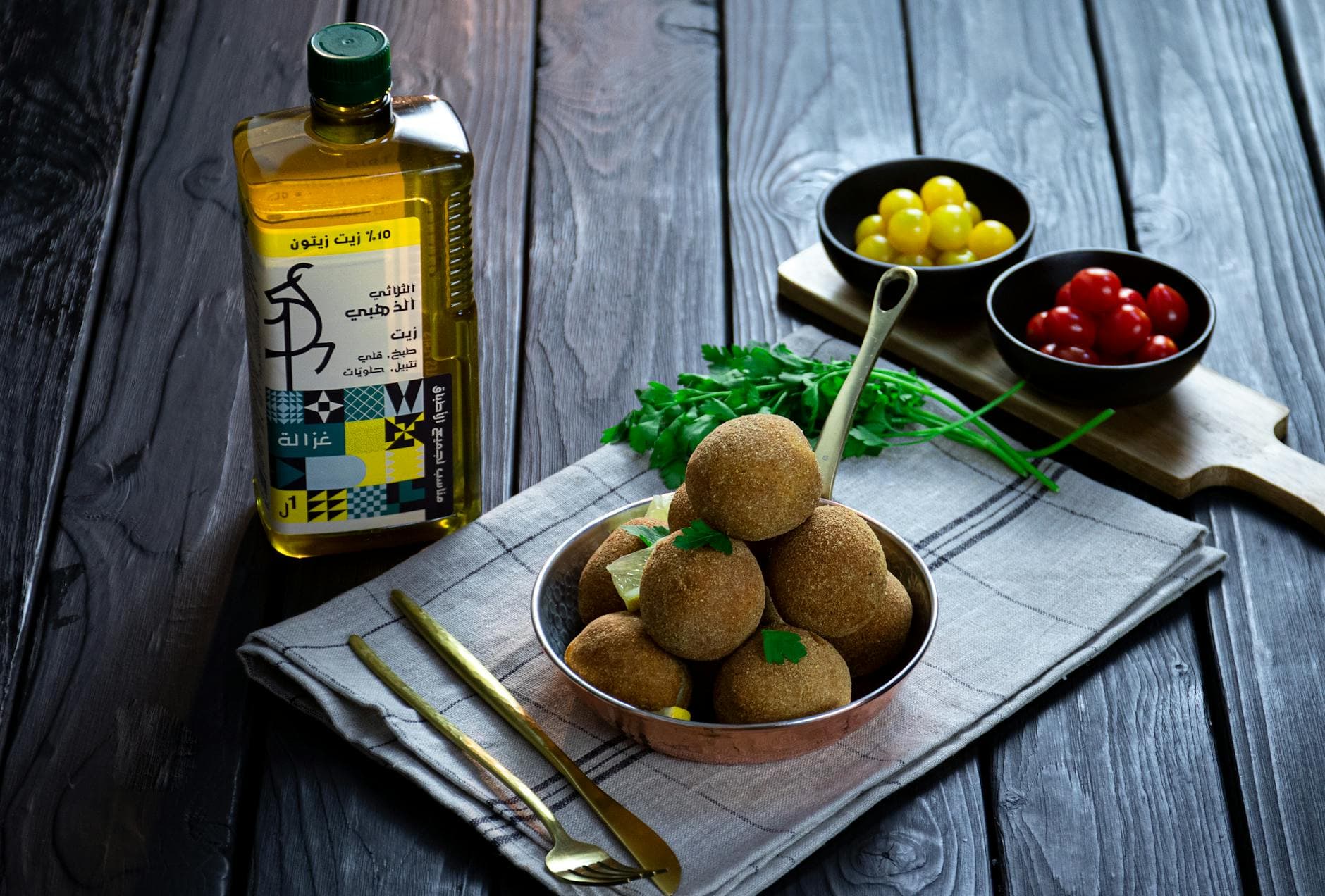
Couscous
Tunisia's national dish, now UNESCO-recognized: steamed semolina granules topped with vegetables, meat, fish, or chickpeas and a generous ladle of broth. What sets the Tunisian version apart from its North African neighbours is the heat, built up with harissa or fresh chili. The dish shifts from region to region, and on the coast it is usually made with fish.
Brik
A deep-fried pastry triangle of paper-thin filo wrapped around a whole egg, tuna, capers, onions, harissa, and parsley. It dates to the Ottoman era, and eating one without losing the runny yolk down your shirt takes practice. The dish is thought to have started in southern Tunisia, probably on Djerba Island.
Lablabi
A chickpea soup that goes back to the 16th century, once a cheap way to fill up and now a winter favourite. Chickpeas in thin broth are poured over chunks of stale bread, then finished with raw egg, harissa, olive oil, cumin, lemon juice, and garlic. It looks rough and tastes like comfort.
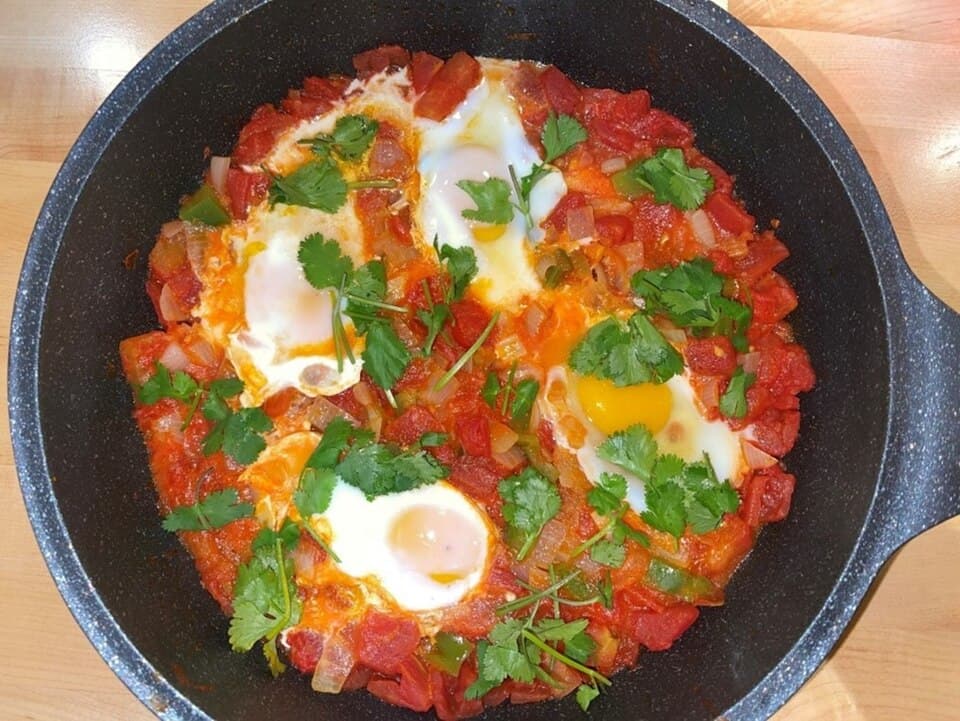
Shakshuka
Eggs poached in a thick tomato sauce simmered with paprika, peppers, harissa, and spices. The dish is generally traced to 16th-century Tunisia and now shows up on brunch menus everywhere. The Tunisian original carries more vegetables and more heat than the versions made elsewhere.
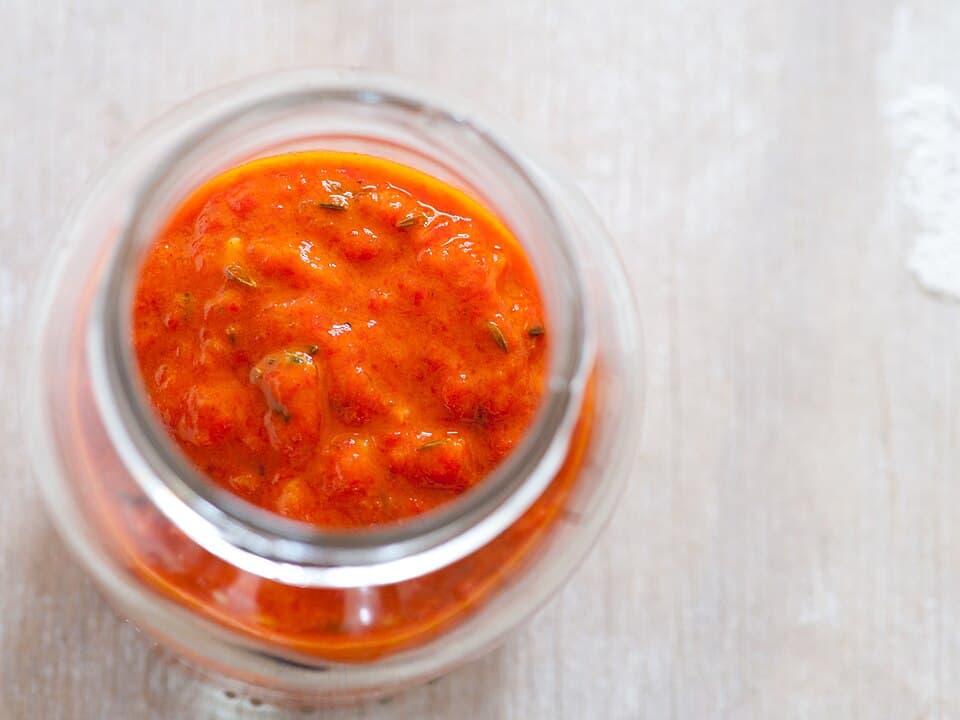
Harissa
The spicy paste at the heart of Tunisian cooking, made from chili peppers, garlic, coriander, caraway, and olive oil. It goes into nearly everything, as a condiment or stirred in while cooking. Around Gabes, cooks reach for hrous instead, a seasoning of roughly half salt-pickled onions and half dried red chili.
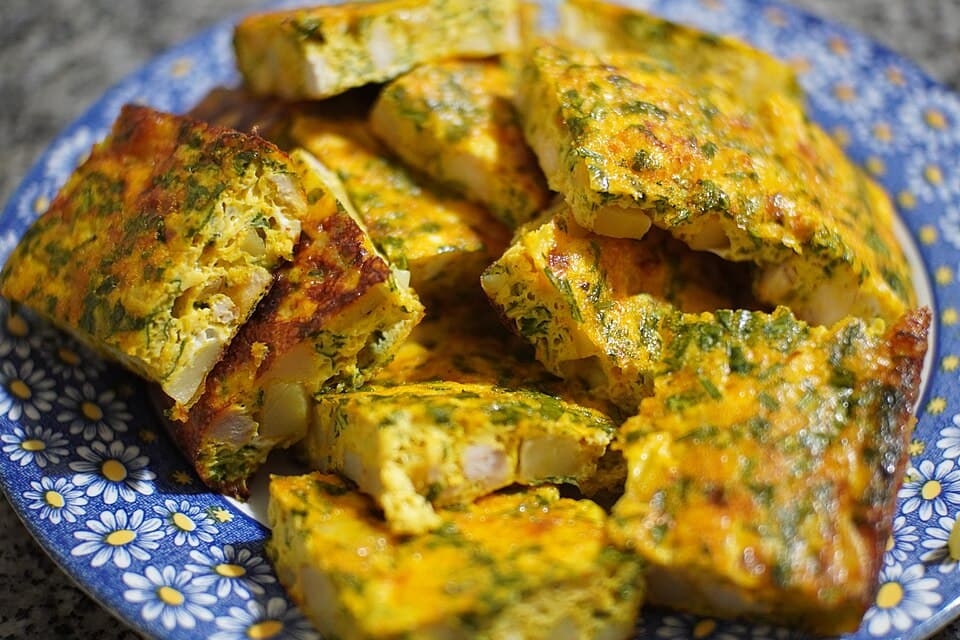
Tunisian Tajine
Despite the name, this is nothing like the Moroccan stew. It is closer to an Italian frittata or a Spanish tortilla: eggs, vegetables, meat, and cheese baked together and seasoned with tabil, a spice mix of dried rose buds and cinnamon. It usually arrives cold, as a snack or starter.
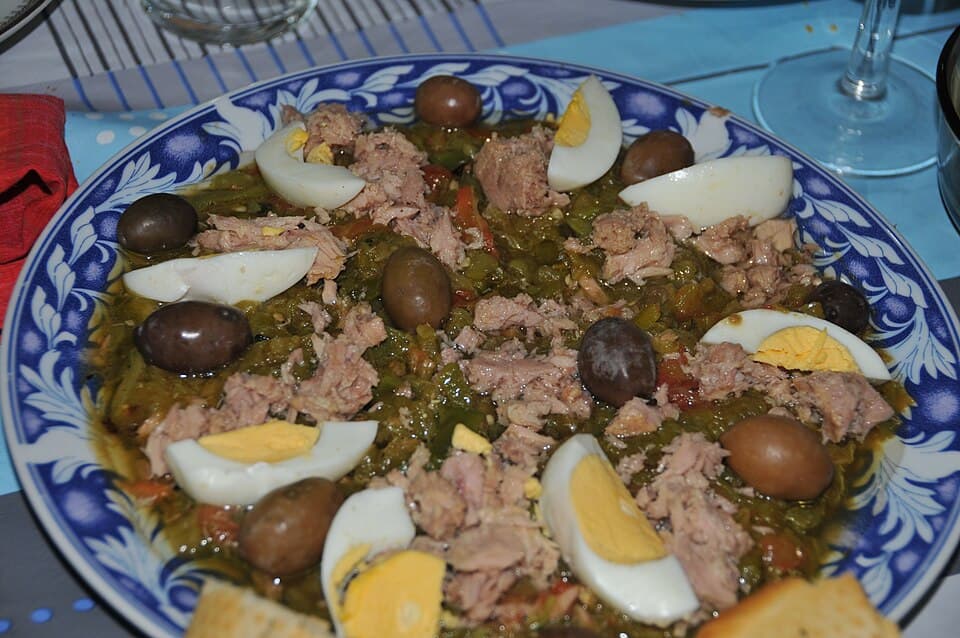
Mechouia Salad
The name means "grilled salad", and that is exactly what it is. Tomatoes and green peppers are charred over an open flame, then chopped fine and mixed with onions, garlic, ground coriander, caraway seeds, lemon juice, and olive oil. It opens almost every meal.
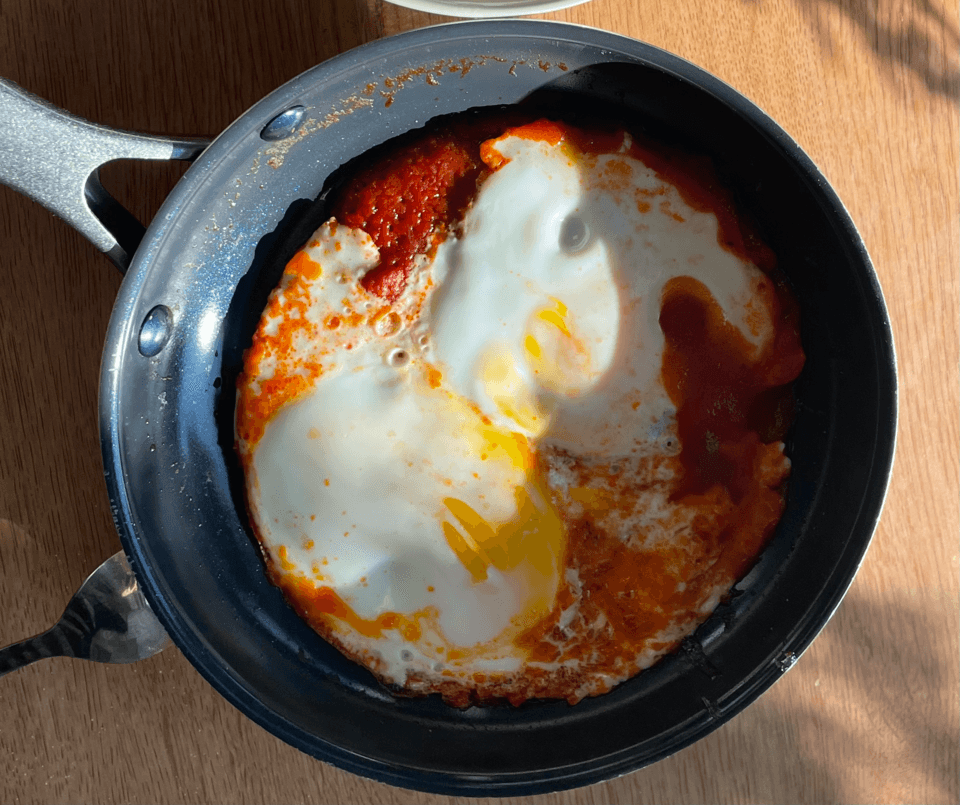
Ojja
A spicy tomato and pepper stew with eggs, close to shakshuka but usually built around meat such as merguez sausage. Where shakshuka tends to stay vegetarian and vegetable-heavy, ojja leans meaty. Both poach eggs in a tomato sauce seasoned the Tunisian way.
Makrouth
A pastry from Sfax: a diamond-shaped semolina cookie stuffed with dates or figs, deep-fried, then soaked in honey or orange blossom syrup. It shows up both at ceremonies and as an everyday sweet, part of the hlou Arbi tradition.
Merguez
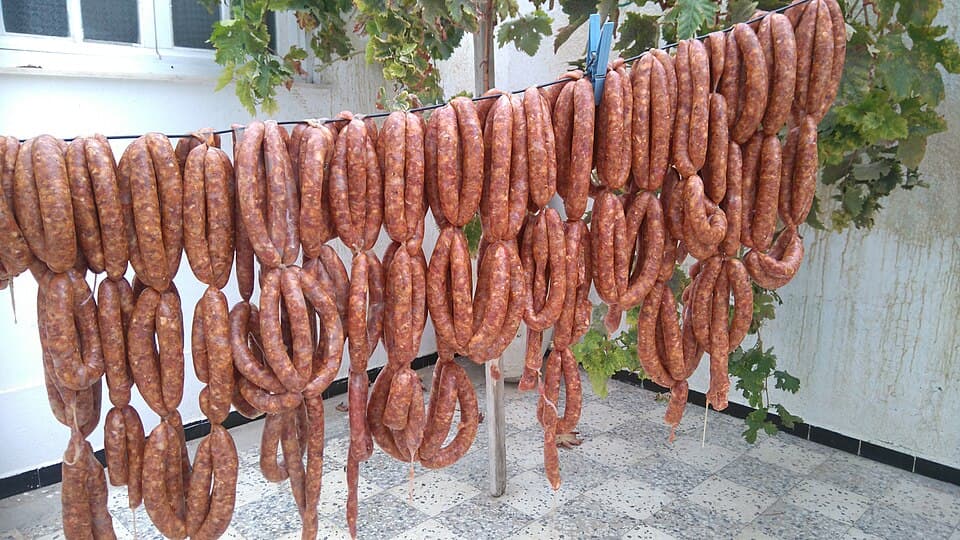
A spicy North African sausage of lamb or beef seasoned with harissa, cumin, and garlic. Grilled, it gets tucked into sandwiches or served next to couscous, and you will find it at nearly every street stall and backyard barbecue.
Regional Specialties & Local Favorites
Discover the authentic regional dishes and local favorites that showcase Tunisia's diverse culinary traditions.
Fricassé
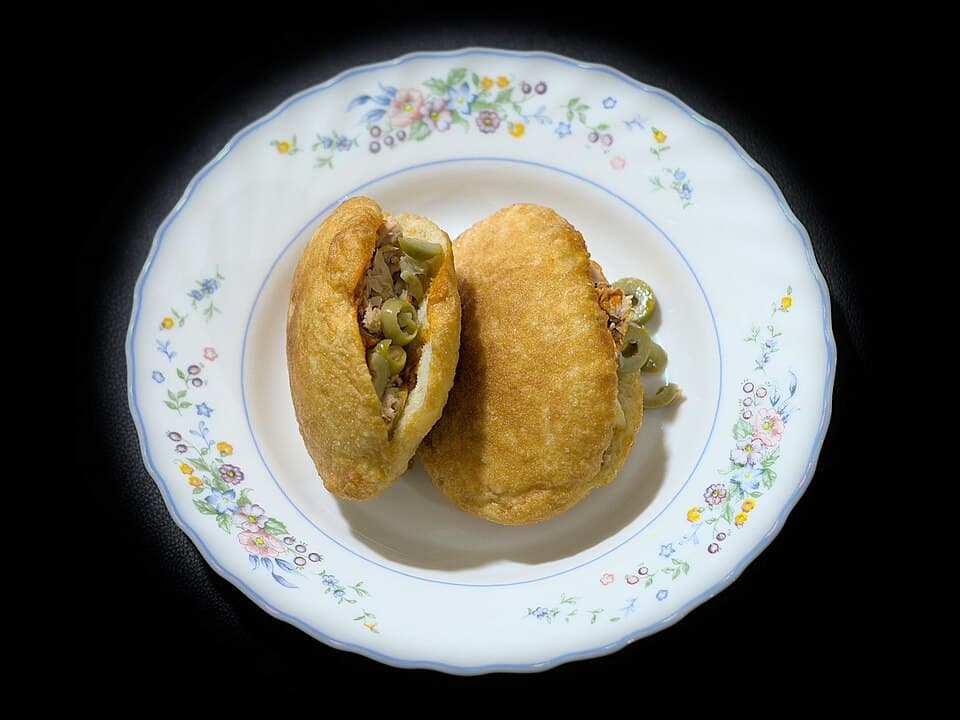
A fried sandwich on soft, doughnut-like dough, packed with tuna, boiled egg, olives, harissa, and preserved lemon. A street-snack favourite.
Allergens:
Chorba
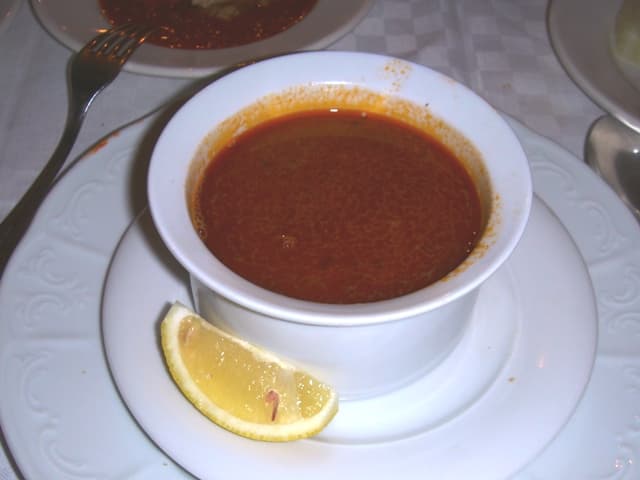
A spiced tomato-broth soup with lamb or chicken, vegetables, and either pasta or rice. It is a regular fixture at the Ramadan iftar table.
Allergens:
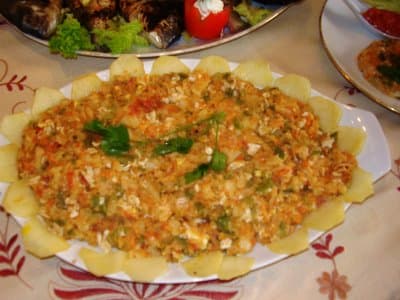
Kefteji
A vegetable stew of fried peppers, tomatoes, pumpkin, and eggs, eaten warm or cold as a starter or a light meal.
Allergens:
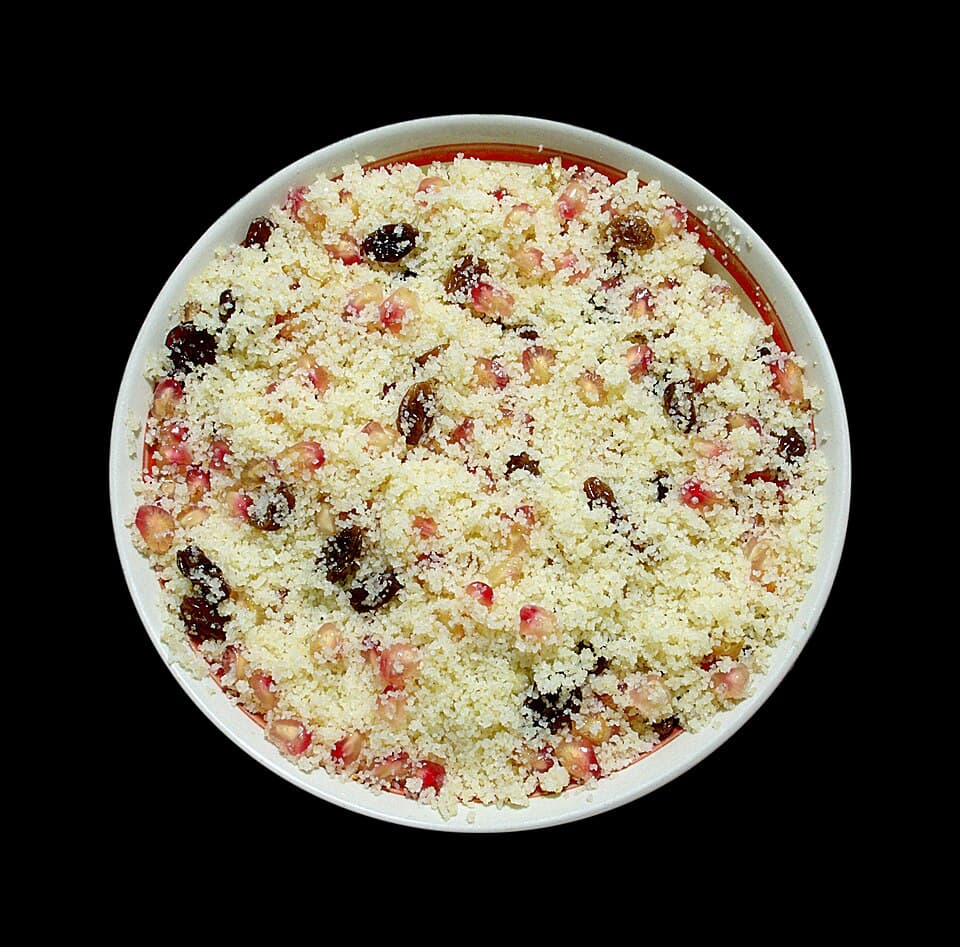
Masfouf
Sweet couscous tossed with butter, sugar, pomegranate seeds, almonds, and dates. Along the coast it doubles as dessert or breakfast.
Allergens:
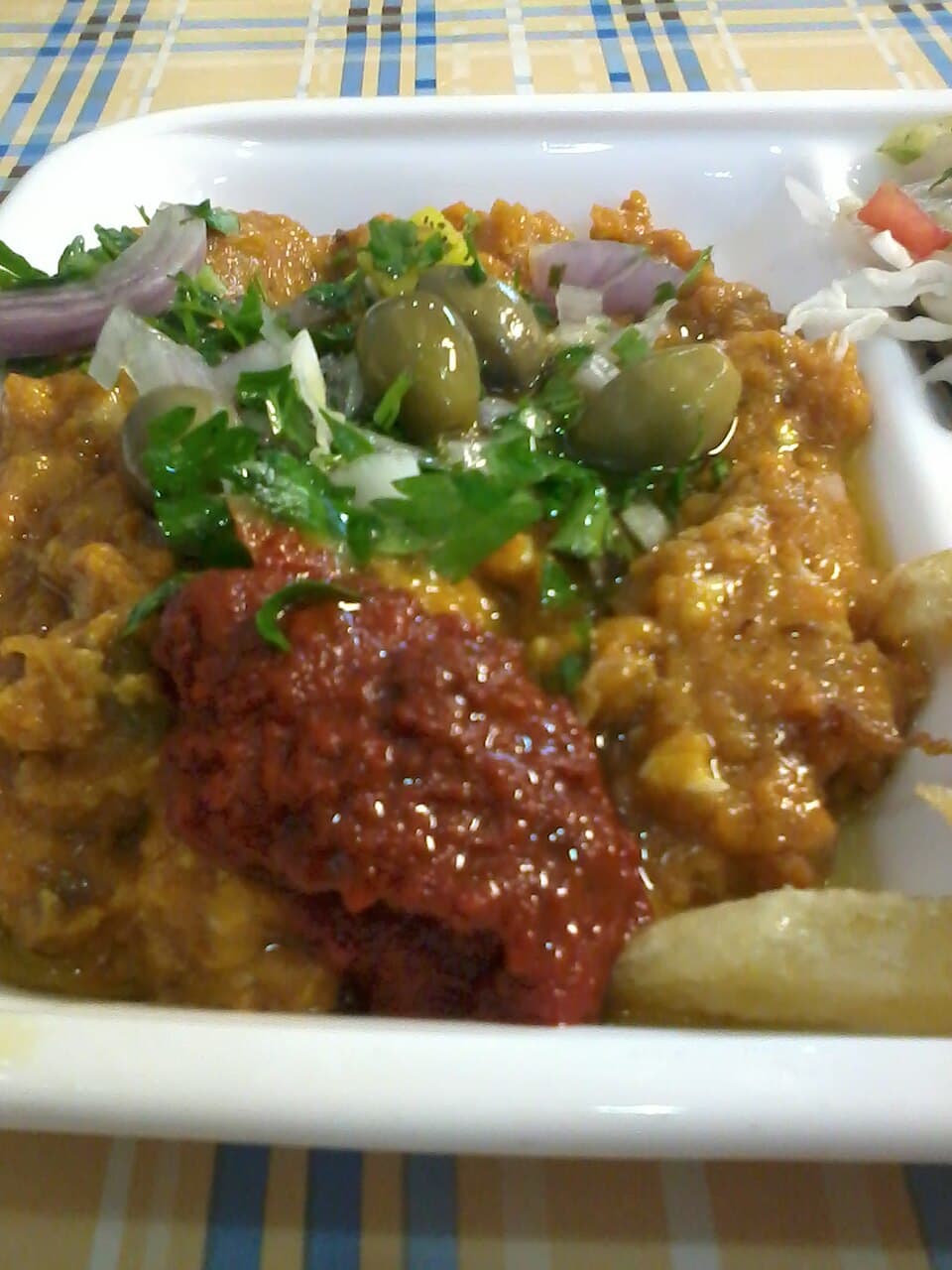
Kafteji
Fried peppers, pumpkin, tomatoes, and egg, all mashed together. Much like kefteji, only with a coarser, mashed texture.
Allergens:
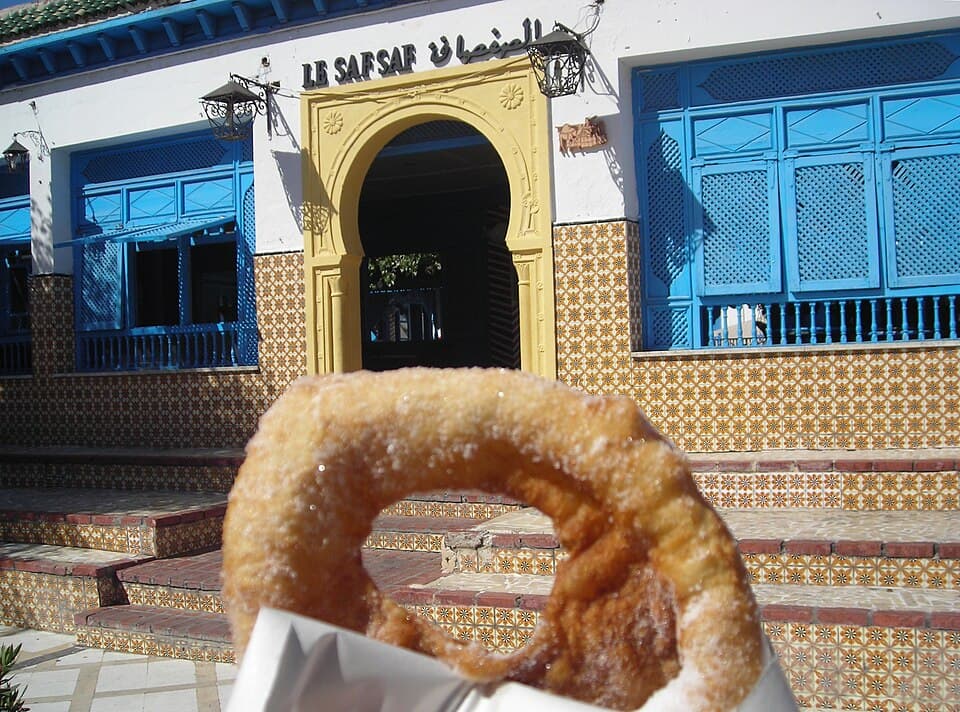
Bambalouni
Doughnuts fried fresh and dusted with sugar, sold by vendors along the beaches in coastal towns.
Allergens:
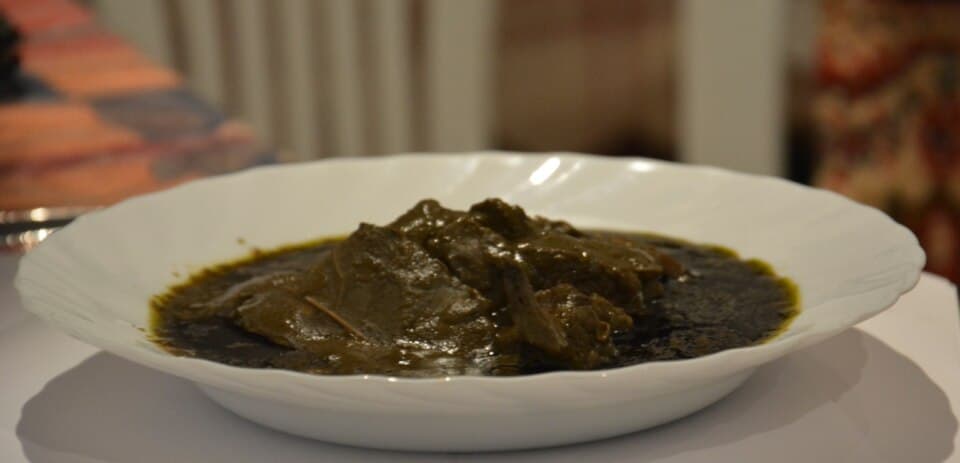
Mloukhiya
A meat stew built on jute leaves (mallow), which give it a thick, almost gluey texture. The consistency takes some getting used to.
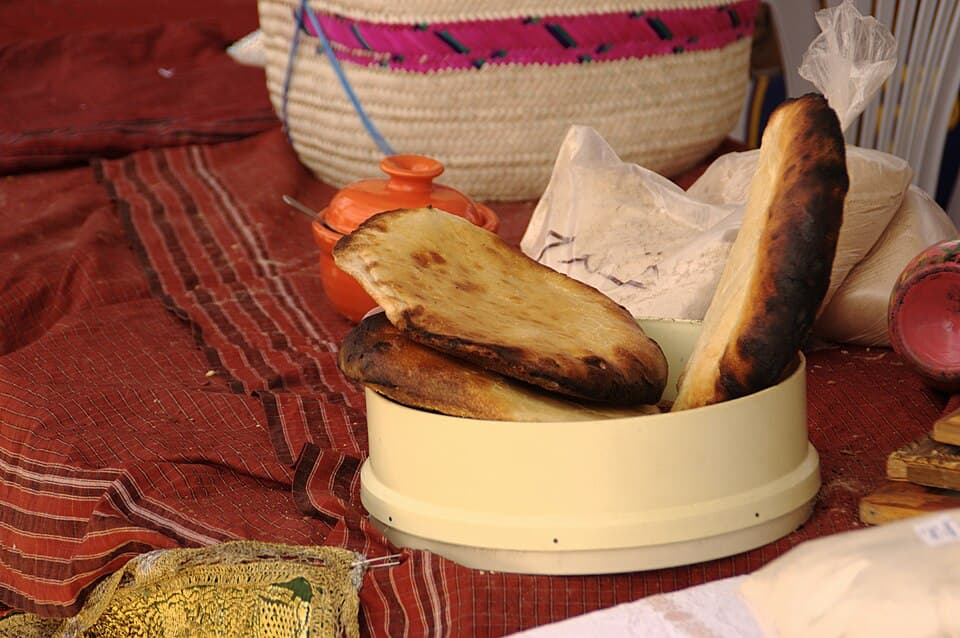
Tabouna Bread
A flatbread baked in a clay oven, also called a tabouna, which gives the name. Thin and crisp outside, soft within. It comes with almost every meal.
Allergens:
Regional Cuisine Highlights
Explore the diverse culinary landscapes across different regions of Tunisia.
Tunis and Northern Tunisia
The capital cooks in a more refined, milder register, with Beldiya families favouring delicate spicing over heavy harissa. The region is known for tabouna bread from traditional clay ovens and for khobz mbesses, a distinctive semolina loaf. The old Ottoman palace kitchens left their mark on the more elaborate dishes. The modern side is well represented too, with a few restaurants landing in the Middle East and North Africa top 50, while in the medinas brik vendors keep refining the runny-egg fold.
Cultural Significance:
Tunis is where the country's cooking shows its polished side, holding onto old recipes while picking up new ideas and a measure of international recognition.
Signature Dishes:
- Brik
- Tabouna bread
- Refined couscous
- Khobz mbesses
Key Ingredients:
Sfax
This coastal city in the east is known for old-school dishes and its pastry work. Marka, a fish soup, and charmoula, a baked mix of raisins, onions, and spices with salted fish, are the local signatures. Sfax keeps two pastry registers going: everyday hlou Arbi such as makrouth, doria, and ghraiba, and the more elaborate wedding sweets like baklawa, mlabbes, and ka'ak warka. In the historic medina, Dar Bellaaj makes its shakshuka with whatever is in season. The city is also a major olive oil producer, and the cooking carries that Mediterranean coastal flavour.
Cultural Significance:
Sfax holds onto Tunisia's pastry-making craft and its coastal fishing traditions, and locals will tell you its makrouth and seafood are the best in the country.
Signature Dishes:
- Marka (fish soup)
- Charmoula
- Makrouth
- Baklawa
- Authentic shakshuka
Key Ingredients:
Djerba Island
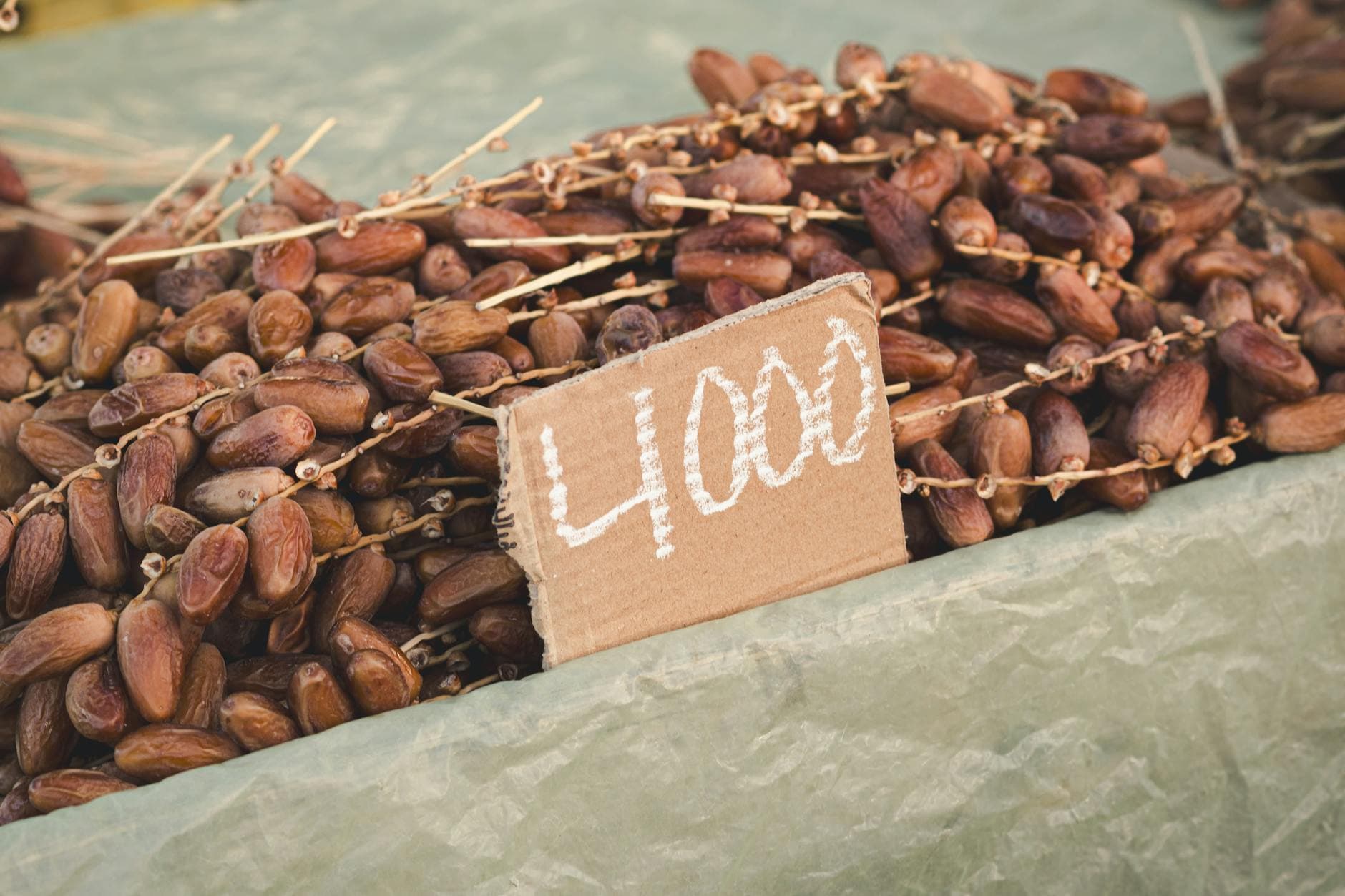
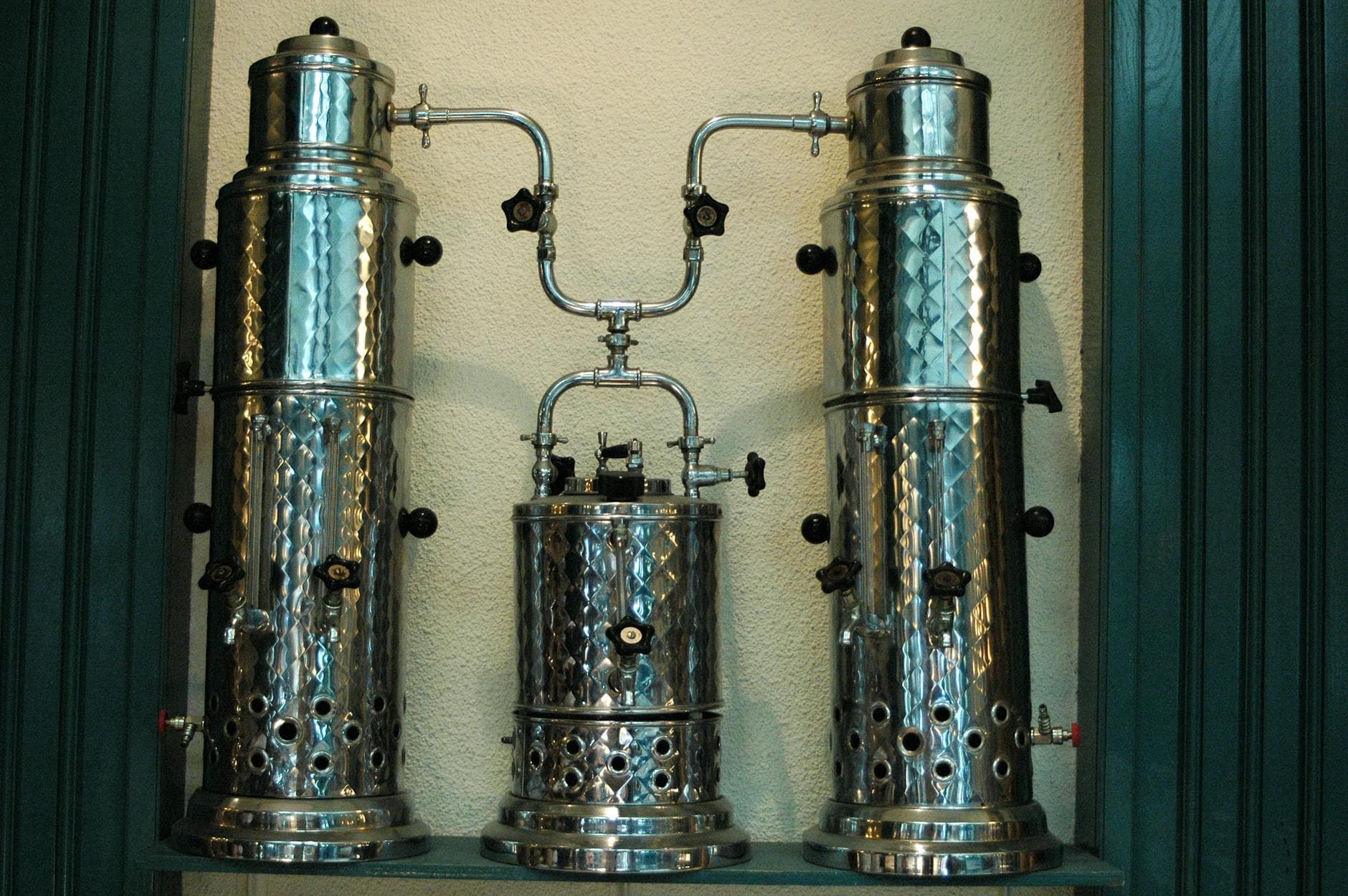
This southern island is known for its steaming methods and for Jewish food traditions going back thousands of years. Cooks use a "bourouhine" couscoussier, the one "with two souls", to cook fish and couscous at the same time. Fish couscous is the island specialty, with the fish pieces and the semolina both cooked in steam. The Jewish community brought banadaj (potato croquettes that trace back to Spanish empanadas), hraymi fish (which Libya shares), and bkaïla, a chard stew made with beef foot. Brik is said to have started here. Kosher food is easy to find alongside the regional seafood dishes.
Cultural Significance:
Djerba is where Jewish, Arab, and Berber cooking meet, and the island holds onto methods and recipes you will not find elsewhere in Tunisia.
Signature Dishes:
- Fish couscous (two-level steaming)
- Hraymi fish
- Bkaïla stew
- Banadaj
- Rouz djerbi
Key Ingredients:
Sweet Delights & Desserts
Indulge in Tunisia's traditional sweet treats and desserts.
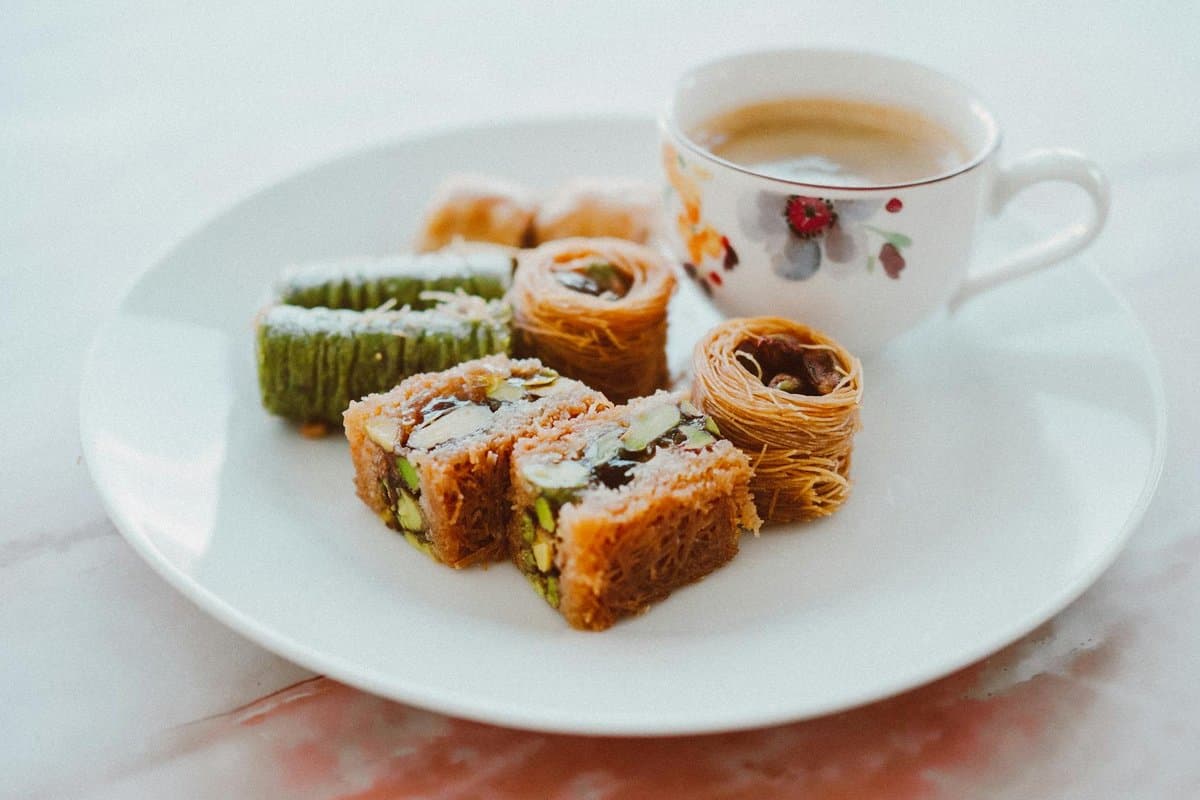
Baklava
Layers of filo packed with pistachios or almonds and soaked in honey or rose water syrup. It is a high-end pastry, the kind reserved for weddings and ceremonies. Sfax is known for its own baklawa variations.
Makrouth
A diamond of semolina pastry filled with dates, deep-fried and soaked in honey. It is a Sfaxian specialty and a mainstay of the everyday hlou Arbi tradition.
Yo-yo
Two small butter cookies sandwiched with jam or cream, named for their yo-yo shape. A common teatime sweet.
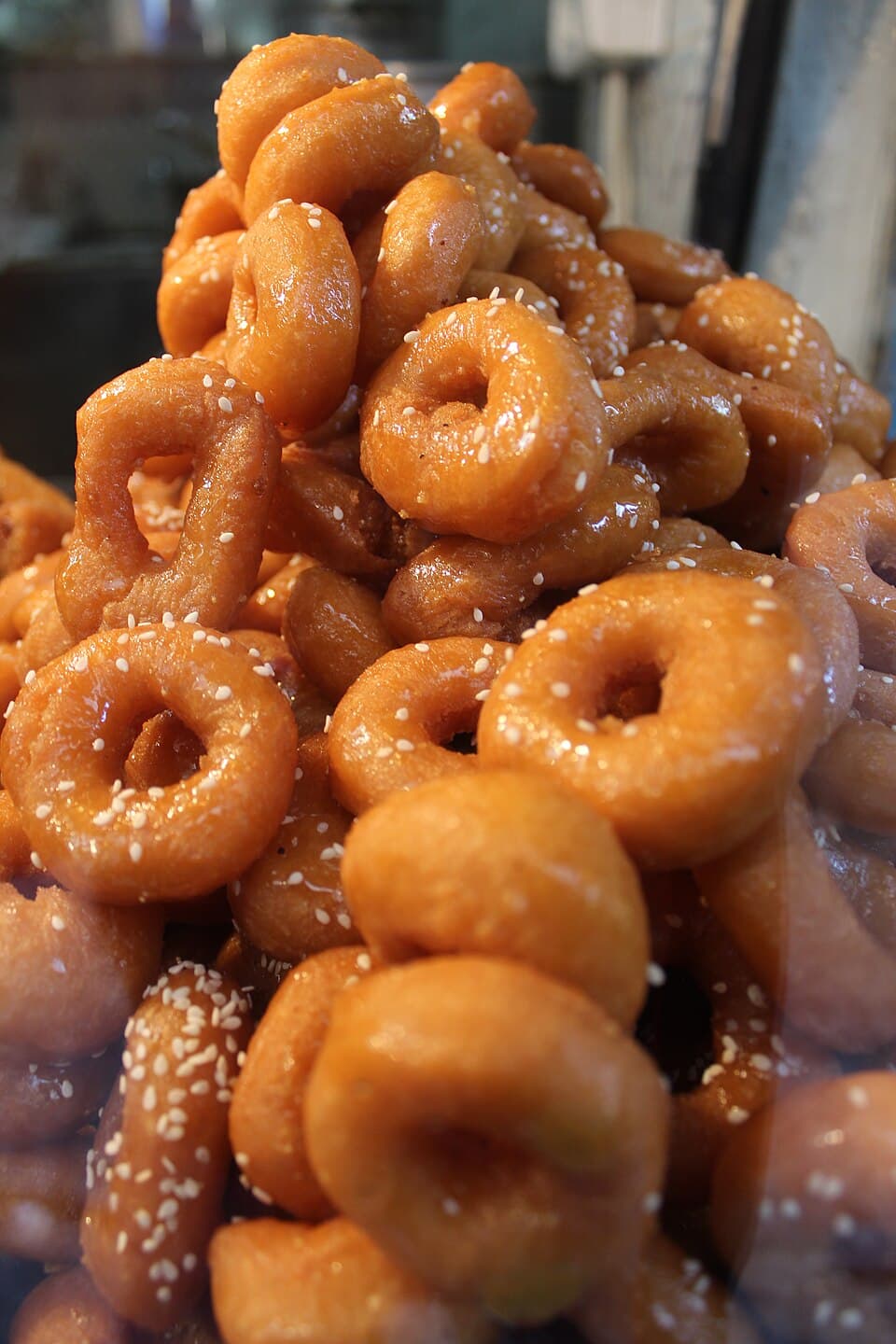
Zlebia
A pretzel-shaped pastry deep-fried and steeped in honey syrup scented with orange blossom or rose water. Crisp and very sweet.
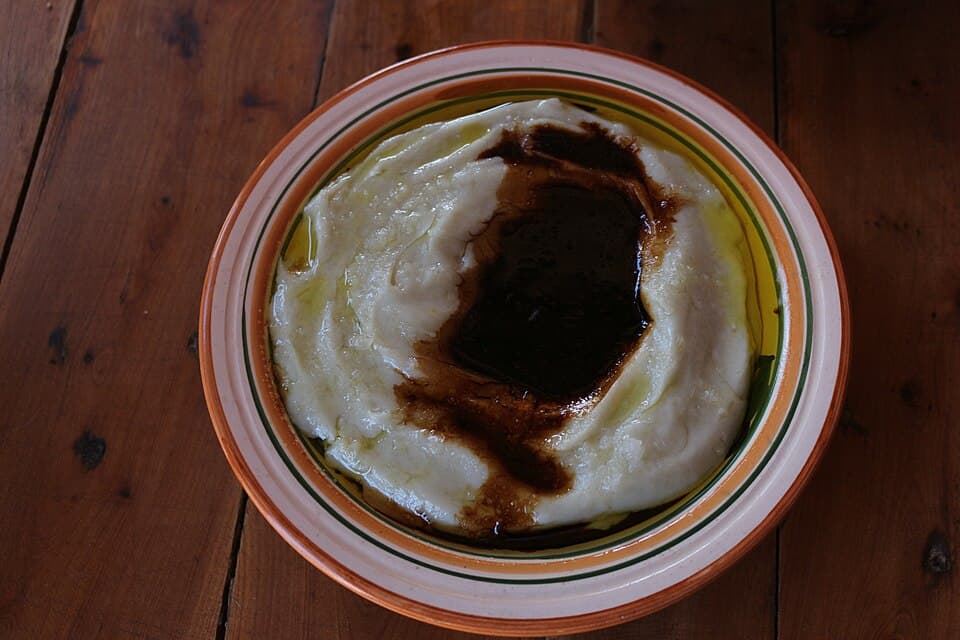
Asida
A wheat-flour pudding cooked down with butter and honey, brought out for celebrations. Dense, warm, and comforting.
Traditional Beverages
Discover Tunisia's traditional drinks, from locally produced spirits to regional wines.
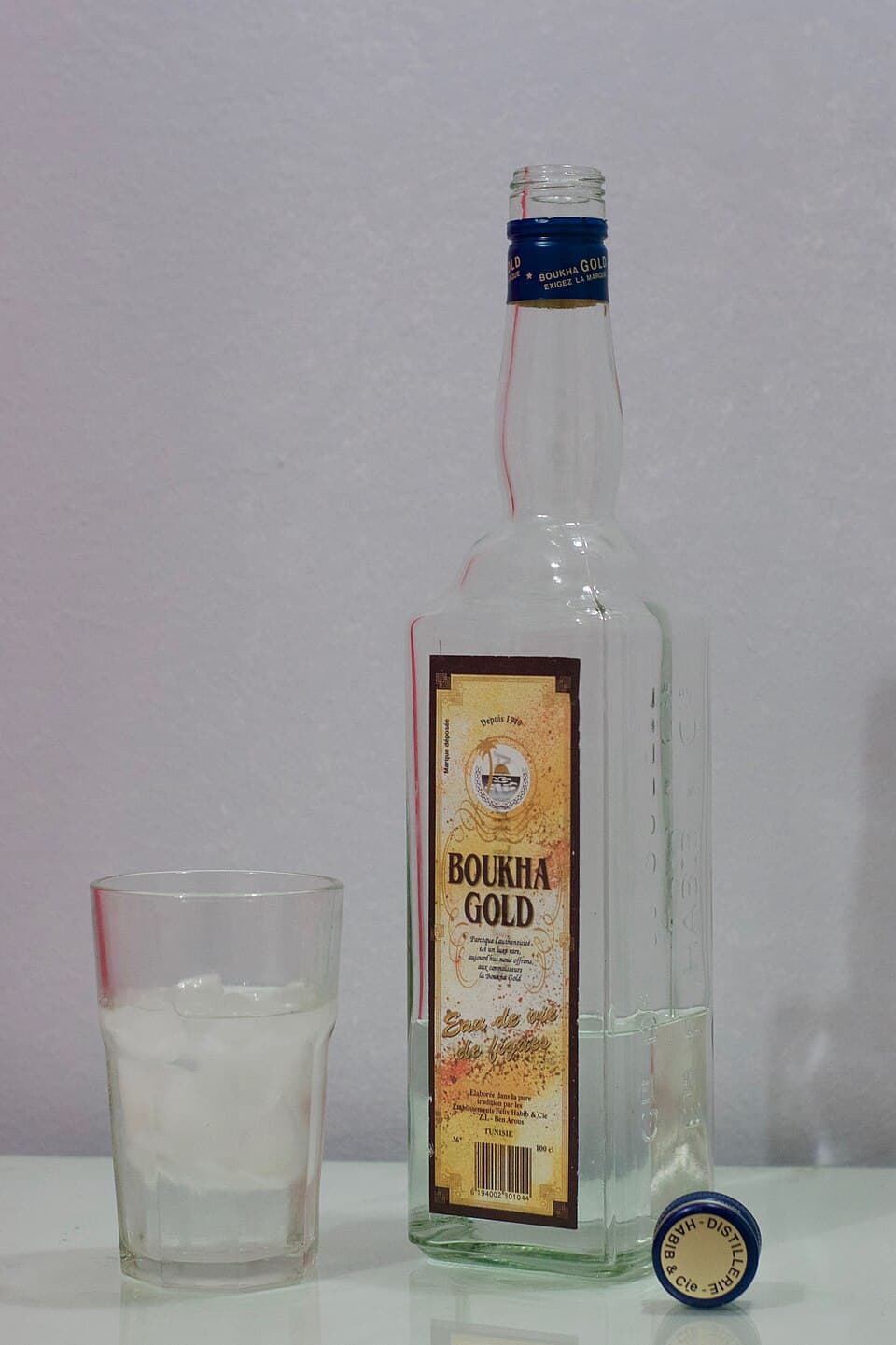
Boukha
A fig-based spirit with an anise note, made largely by Tunisia's Jewish communities. The clear liquor resembles arak and is usually drunk as an aperitif.
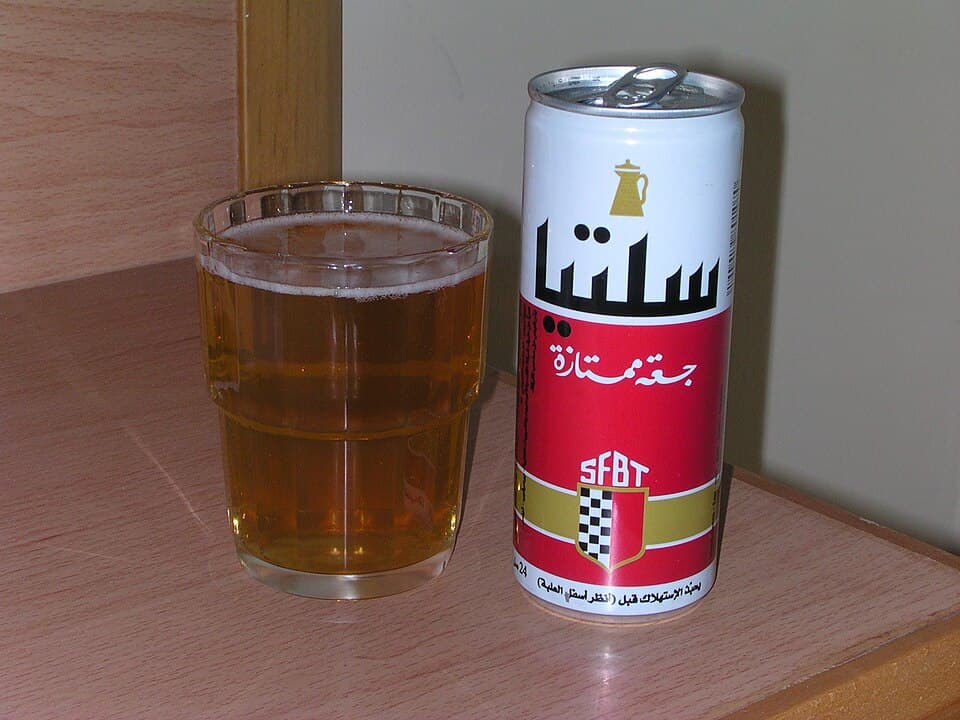
Celtia
A light, easy-drinking Tunisian lager and the country's most common beer brand, found in most restaurants and cafes.
Soft Beverages
Discover Tunisia's traditional non-alcoholic drinks, from local teas to refreshing juices.
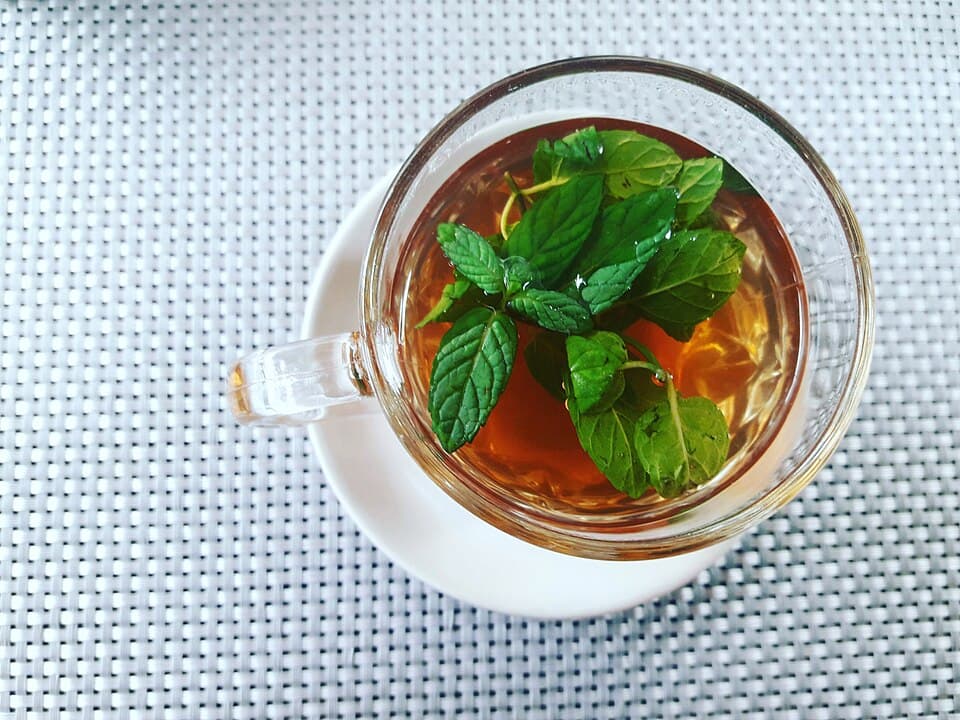
Mint Tea
Sweet green tea with fresh mint, poured all day long. Offering a glass to a guest is a standard gesture of Tunisian hospitality.
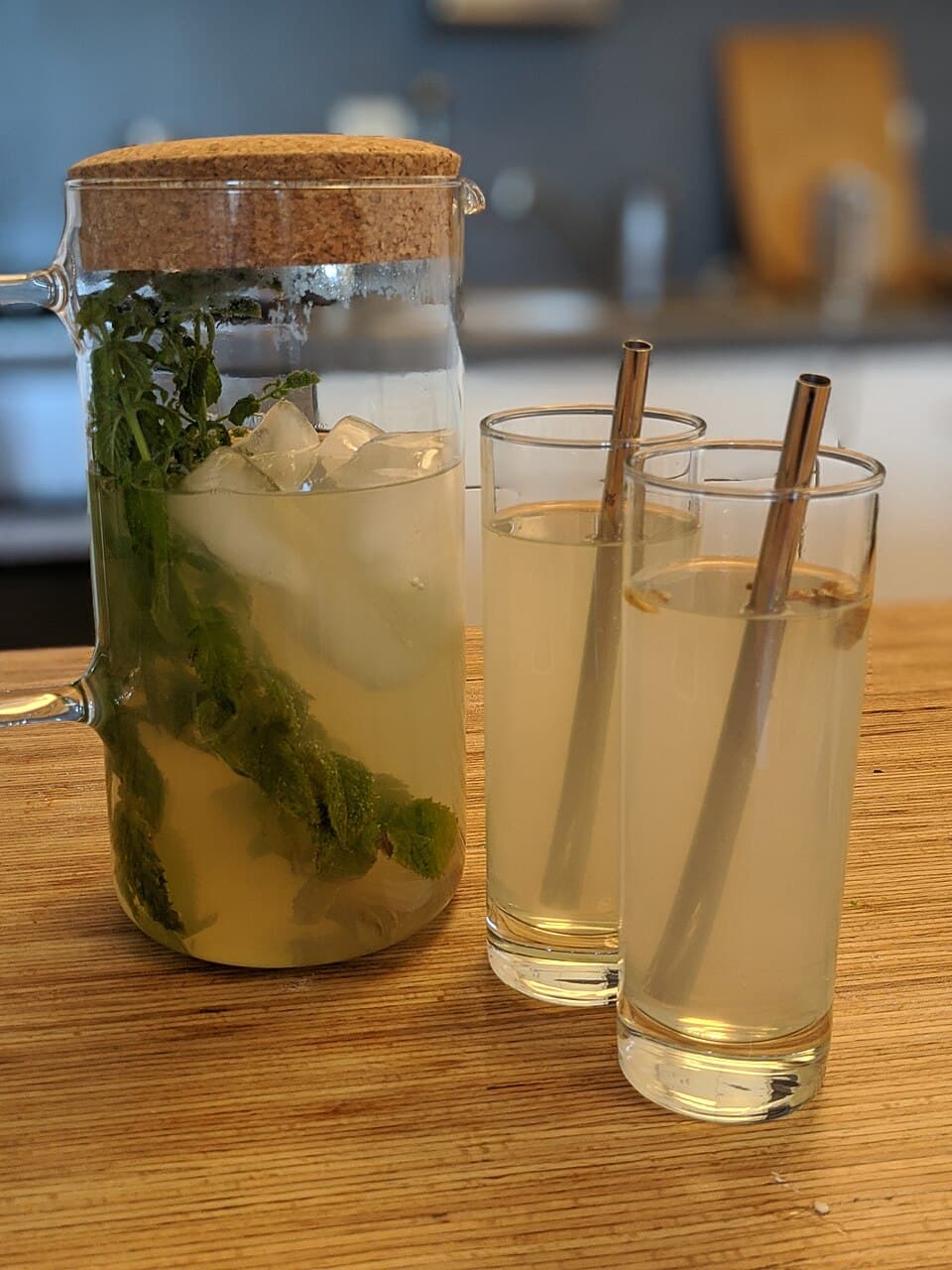
Citronnade
Lemonade made fresh from lemons, water, sugar, and a splash of orange blossom water. A summer drink sold at cafes and by street vendors.
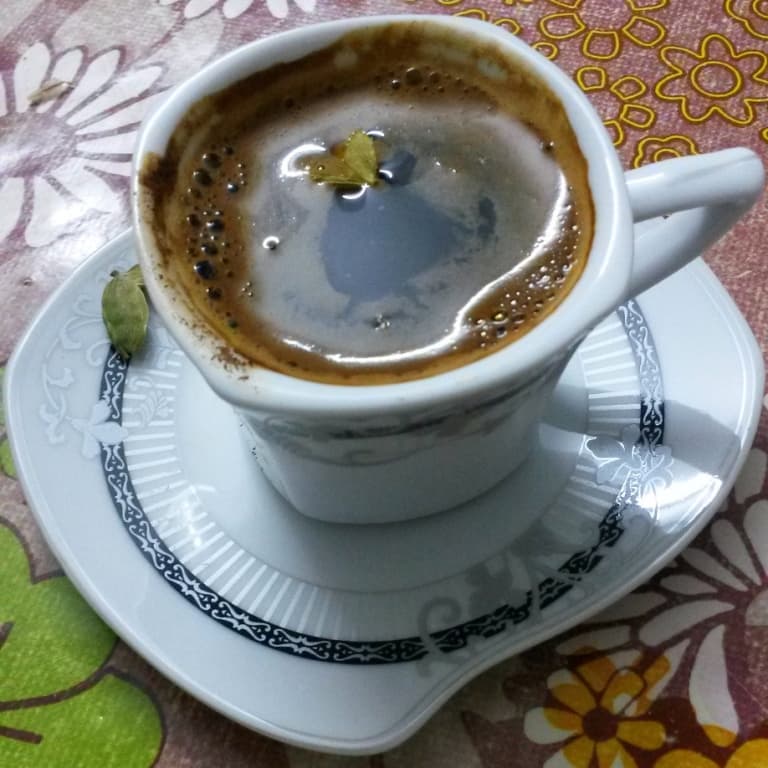
Turkish Coffee
Strong coffee brewed in small pots and poured into tiny cups, often scented with cardamom. Sharing one is its own small social ritual.
Almond Milk
A drink of ground almonds blended with milk, orange blossom water, and rose water, brought out for celebrations and special occasions.
Frequently Asked Questions
Essential information about food and dining in Tunisia.
What is the national dish of Tunisia?
Tunisia's most iconic dishes include Couscous, Brik, Lablabi. Tunisia's national dish, now UNESCO-recognized: steamed semolina granules topped with vegetables, meat, fish, or chickpeas and a generous ladle of broth. What sets the Tunisian version apart from its North African neighbours is the heat, built up with harissa or fresh chili. The dish shifts from region to region, and on the coast it is usually made with fish.
Is street food safe in Tunisia?
Street food in Tunisia can be enjoyed safely by following these guidelines: Bottled water recommended for tourists Choose busy vendors with high turnover. Look for busy vendors with high turnover, ensure food is cooked fresh and served hot, and avoid raw ingredients if you have a sensitive stomach.
What are the best restaurants in Tunisia?
Tunisia offers diverse dining options from street food stalls to upscale restaurants. For the best experience, ask locals for recommendations, check recent reviews, and look for restaurants that specialize in regional cuisines.
Can vegetarians find food easily in Tunisia?
Vegetarian options in Tunisia are highly available. Vegetarians eat well here. Lablabi, mechouia salad, a meatless ojja, and plenty of olive oil-based vegetable dishes are all on offer, and couscous can be made without meat.. Many restaurants offer vegetarian dishes, and you'll find plant-based ingredients featured prominently in local cuisine.
What is the average cost of a meal in Tunisia?
Meal costs in Tunisia depend on where you eat. Street food and casual local restaurants are very affordable, typically offering complete meals for a few dollars. Mid-range restaurants charge moderate prices, while fine dining establishments are comparably priced to Western countries.
What are common food allergens in Tunisia?
Common allergens in Tunisia cuisine include Nuts, Seafood, Gluten. Almonds and pistachios used in desserts like baklava and makrouth. These ingredients appear in dishes like Baklava, Makrouth. Always inform restaurant staff about your allergies.
When is the best time to visit Tunisia for food?
Tunisia offers great food experiences throughout the year. However, visiting during harvest seasons (typically spring and autumn) provides access to the freshest local ingredients. Food festivals and cultural celebrations also offer unique culinary experiences worth planning around.