
Congo Food Guide
Content Information
Recently updated🔥Current Food Trends 2026
What's happening in Congo's culinary scene right now
Through 2026, Congo's nganda restaurants stay at the center of eating out, doubling as social spots that serve dishes from across the regions. Prices remain manageable across the board: street stalls run 500-1,500 FCFA, ngandas 1,000-4,000 FCFA, and the smarter restaurants 7,000-15,000 FCFA. Pointe-Noire still owns the seafood scene, with Chez Gaspard and Sous les Manguiers among the names people name. Saka saka/pondu is still the national dish, and moambe chicken still the dish for celebrations. Fermented cassava (chikwanga) keeps its edge over bread. Pan-African cooking is finding more of an audience too, with places like La Source bringing in Ethiopian and other continental flavors.
Food Safety Tips
Essential food safety information to help you enjoy Congo's cuisine safely and confidently.
Drink only bottled or purified water
Tap water is not safe for consumption. Always use bottled water for drinking and brushing teeth. Avoid ice cubes unless confirmed to be made from purified water.
Choose busy ngandas and street vendors with fresh preparation
Street food and nganda restaurants are generally safe when food is cooked to order. Stick to stalls with high turnover where dishes come out hot. Grilled meats, chikwanga, and pondu are reliable choices.
Eat only freshly prepared hot foods
In the tropical heat, food left out at room temperature spoils fast. Order meals cooked fresh from places with steady custom.
Palm oil is used extensively in traditional cooking
Red palm oil is a staple ingredient. If you have digestive sensitivity, start with small portions of palm oil-based dishes like moambe.
Dietary Options
vegetarian
LOW AVAILABILITYVegetarian eating is hard here, since meat and fish anchor most Congolese cooking. Your best bets are cassava-based dishes (chikwanga, fufu), plantains, rice, and vegetable stews. Ask and saka saka can be made without meat or fish.
vegan
LOW AVAILABILITYVegan options are scarce. Most traditional sauces carry palm oil, fish, or meat. Stick to plain fufu, rice, plantains, cassava, and vegetable dishes. Spell out what you eat, since peanut butter and palm oil turn up in almost everything.
gluten-free
HIGH AVAILABILITYPlenty of traditional dishes are naturally gluten-free, built on cassava, plantains, rice, and corn. Fufu, chikwanga, kwanga, and most stews contain no wheat. The thing to avoid is imported wheat bread.
Common Allergens
Peanuts
HIGH PREVALENCEPeanut butter and groundnuts are essential in many traditional dishes
COMMONLY FOUND IN:
Fish
HIGH PREVALENCESmoked and fresh fish are widely used in traditional cooking
COMMONLY FOUND IN:
Palm Oil
HIGH PREVALENCERed palm oil is fundamental to Congolese cuisine
COMMONLY FOUND IN:
Essential Food Experiences
These iconic dishes represent the must-have culinary experiences that define Congo's food culture for travelers.
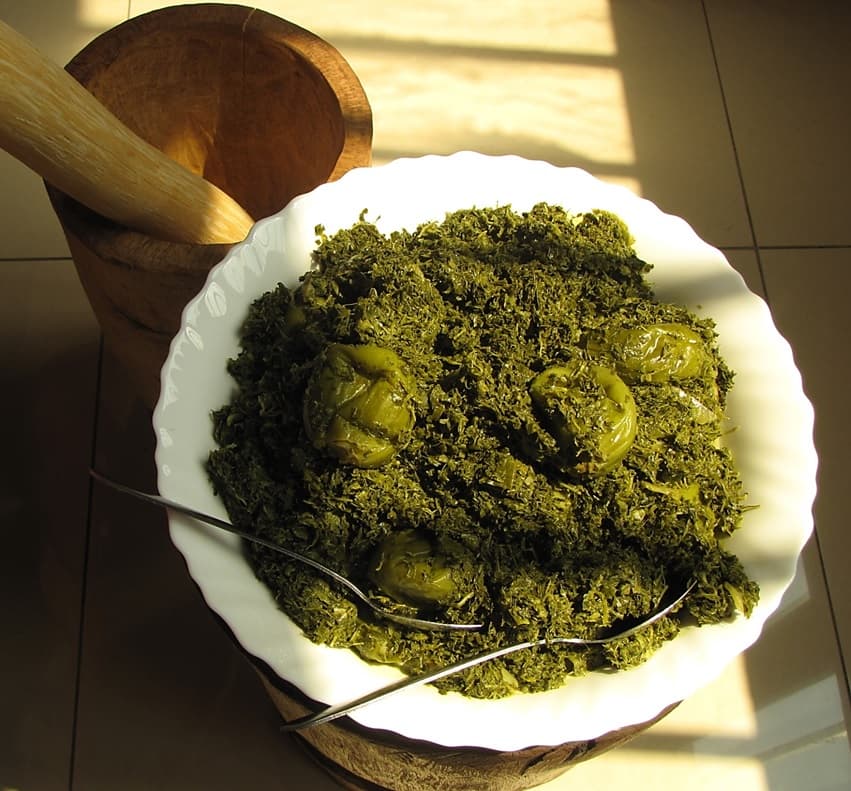
Saka Saka (Pondu)
The national dish of both Congos: ground cassava leaves slow-cooked with palm oil, smoked fish, and peanut butter into a deep, earthy stew. The leaves have to be pounded for hours, which is why it carries so much weight in Congolese cooking. Served with fufu, plantains, or chikwanga.
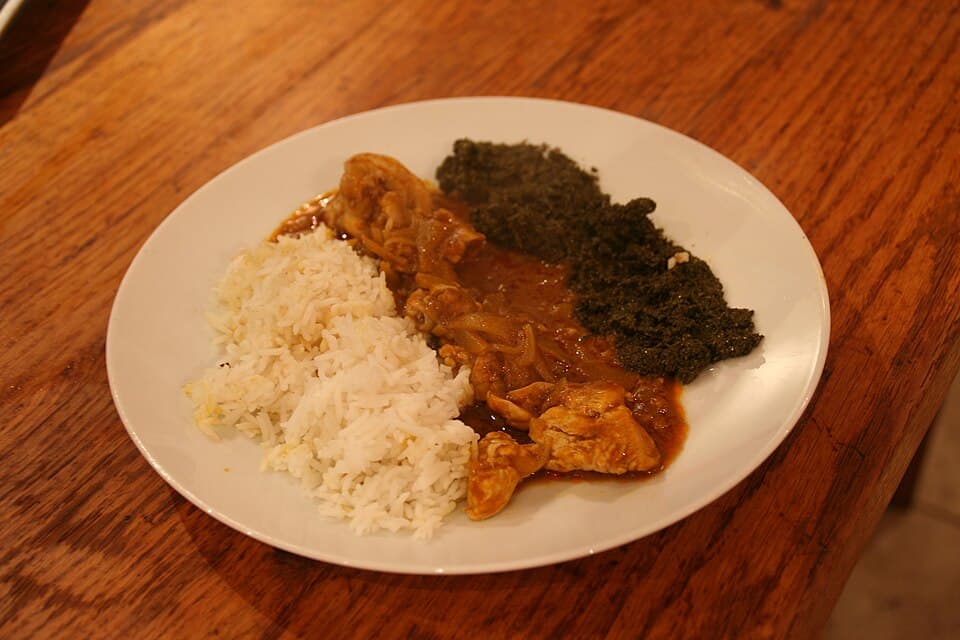
Moambe Chicken (Mossaka)
Roasted chicken simmered in a thick palm-nut sauce, rounded out with nutmeg and peanut butter. Both Congos claim it, and so do Gabon and Angola. The flavors carry traces of both Portuguese and Central African cooking, and it usually shows up for celebrations.
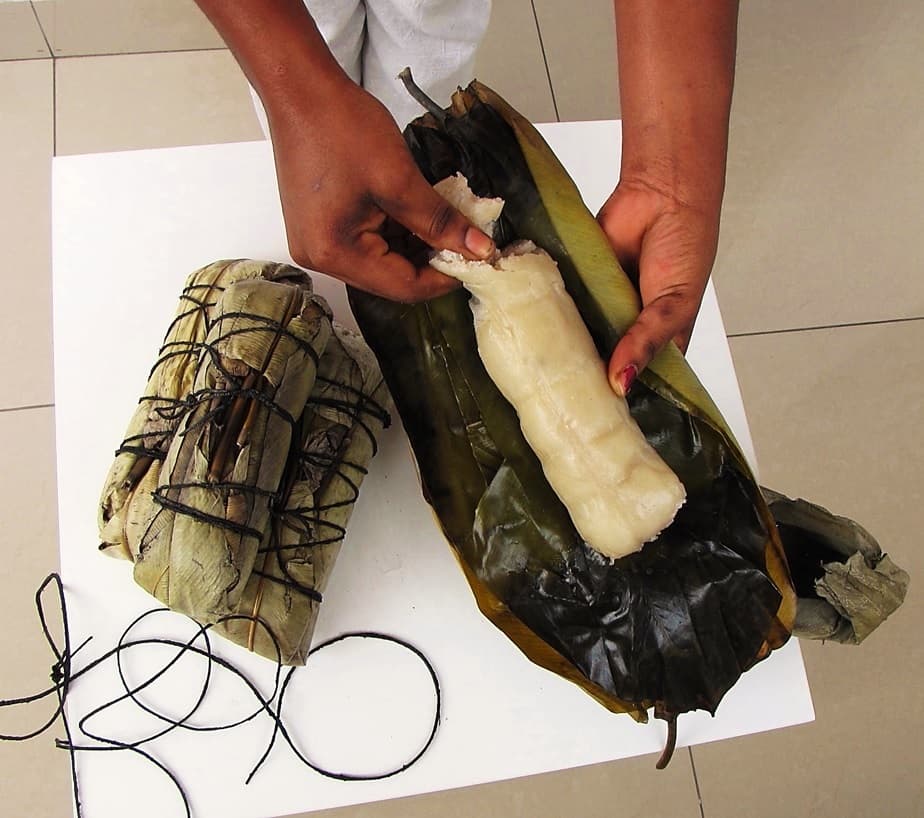
Chikwanga (Kwanga)
Fermented cassava wrapped in banana leaves and steamed into a dense, sticky cake with a slight tang. It soaks up stews and pairs with grilled meats and fish, and few Congolese meals come without it.
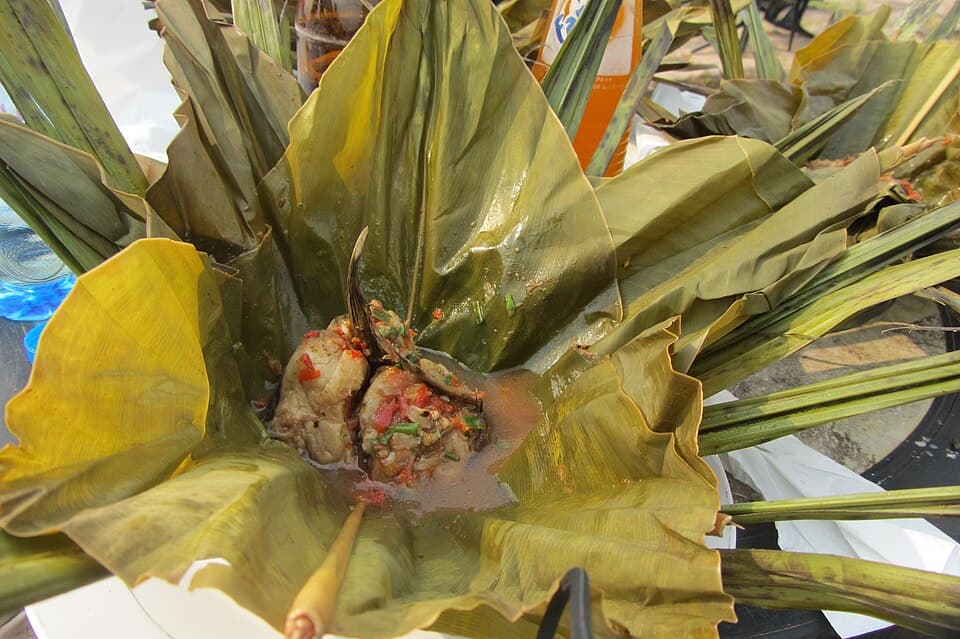
Liboke
Fish, chicken, or meat marinated with spices and vegetables, then wrapped in banana leaves and steamed or grilled. The parcel keeps everything moist and lets the seasonings sink in. You will see it done with almost any protein.
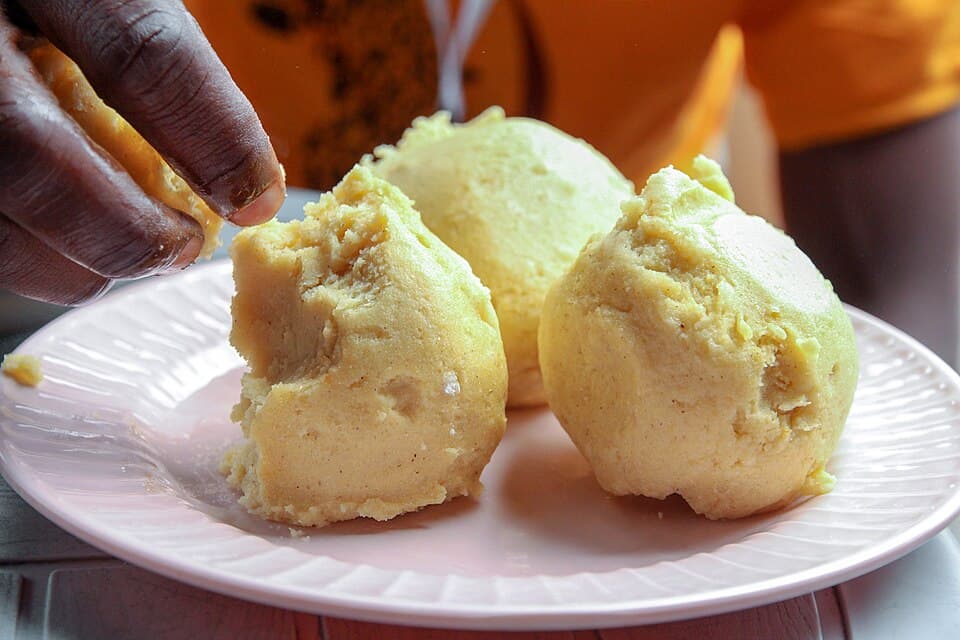
Fufu with Sauce
Pounded cassava or corn flour worked into a thick, sticky paste and served with peanut, palm-nut, or vegetable sauce. You eat it by hand, pinching off a piece to scoop the sauce. It anchors most meals here.
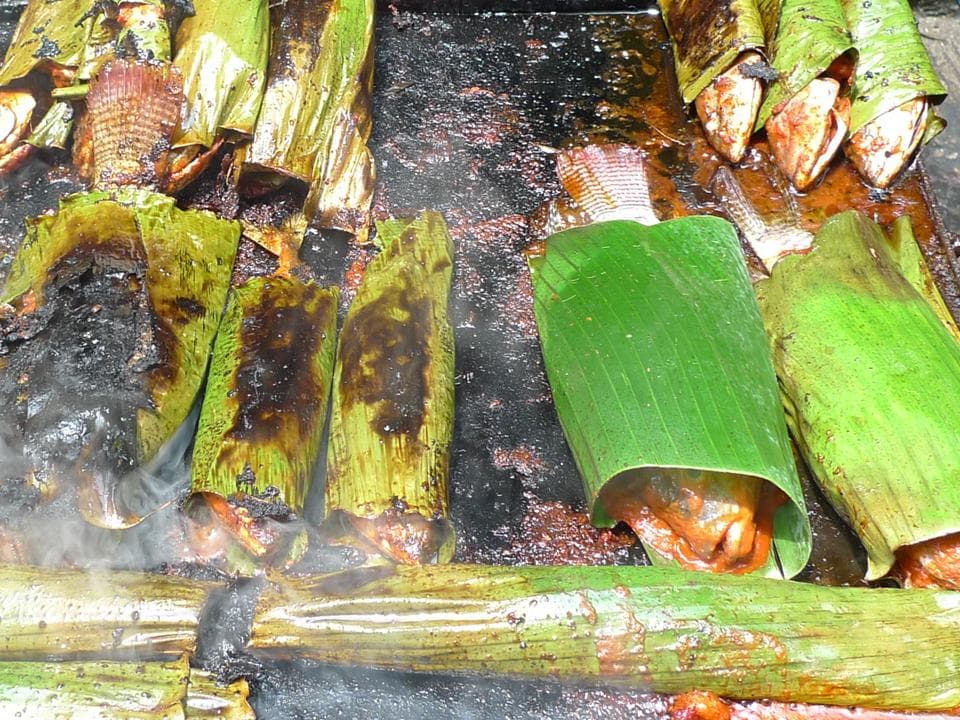
Maboke (Fish in Banana Leaves)
Fresh fish seasoned and wrapped with vegetables in banana leaves, then grilled over charcoal. The leaves lend a faint sweetness and keep the fish from drying out.
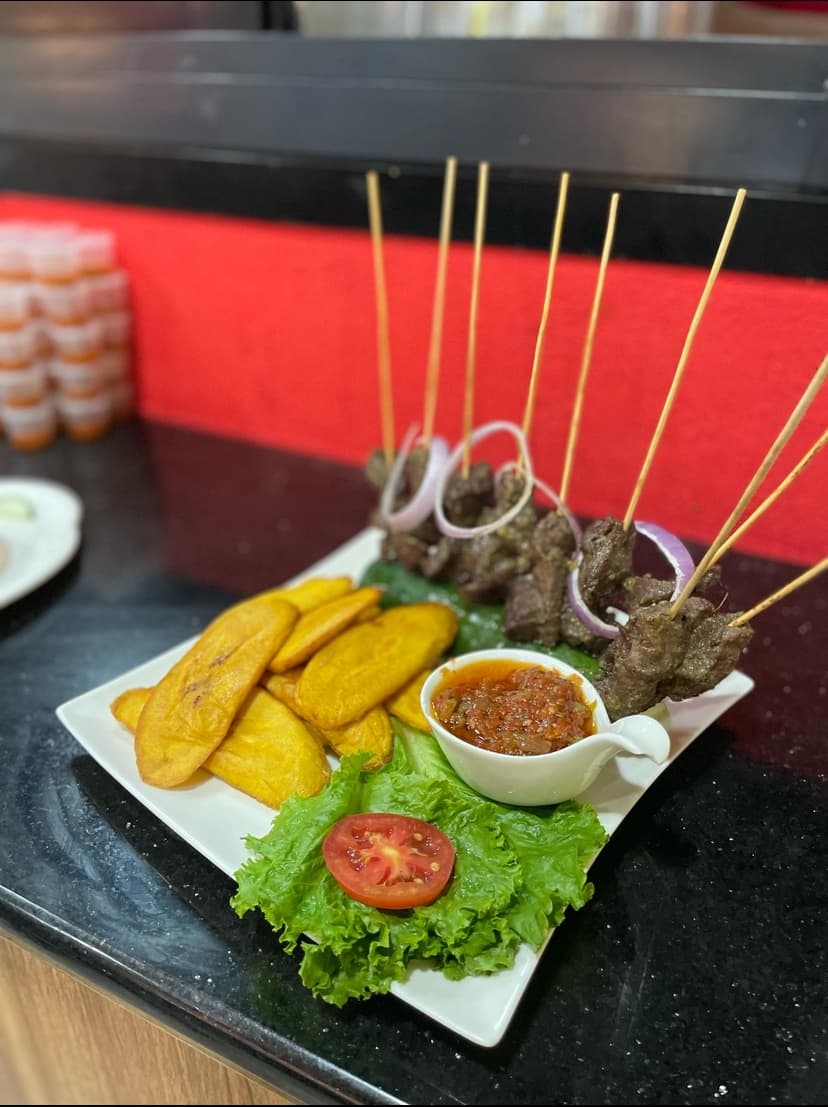
Brochettes
Skewers of beef, goat, or chicken, marinated in spices and grilled over charcoal. A street-food staple, usually served with chikwanga or fried plantains. You will find them on almost every corner come evening.
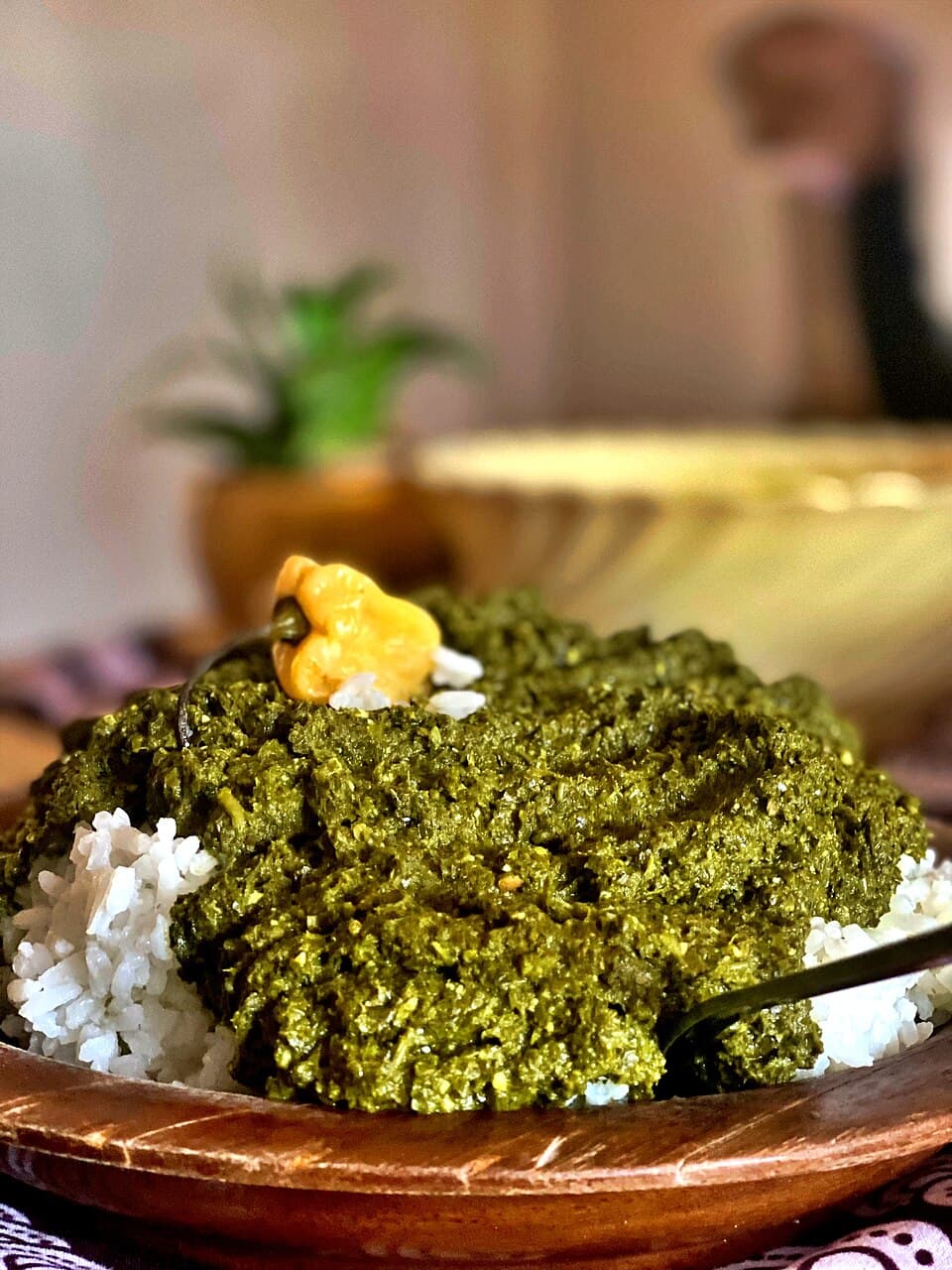
Saka (Cassava Leaf Stew with Coconut)
A coastal take on pondu that adds coconut milk and peanut paste for a creamier finish. It is one more thing cooks do with cassava leaves.
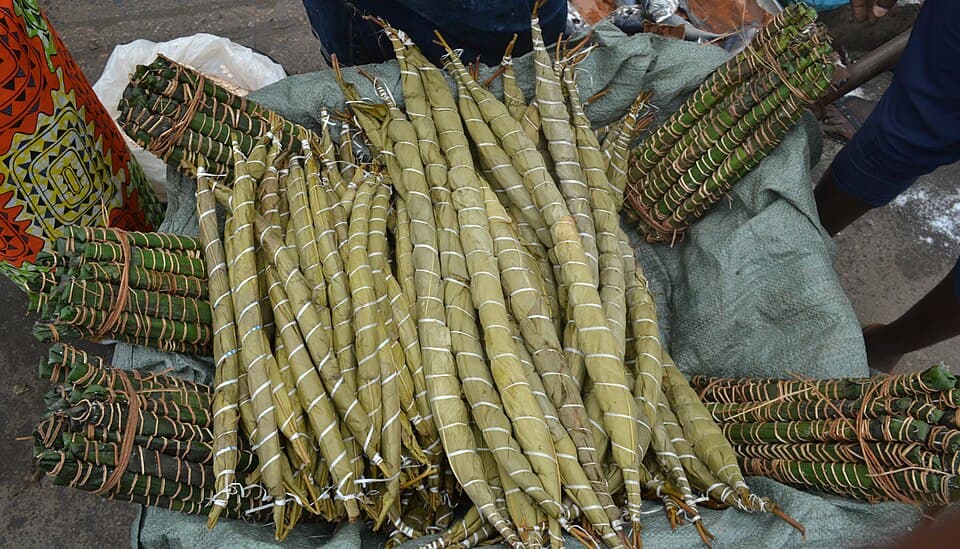
Miondo
Fermented cassava wrapped in leaves, much like chikwanga but left to ferment longer so the sour edge comes through stronger. Common as a side.
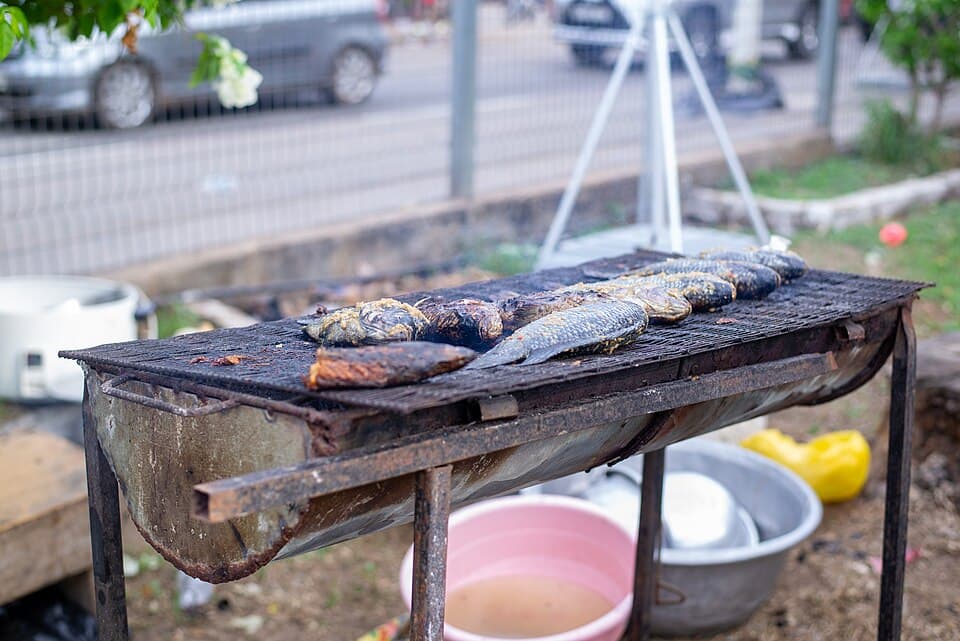
Grilled Tilapia
Tilapia pulled from the Congo River, marinated with spices and grilled whole over charcoal. It comes with plantains or chikwanga, and the plain treatment lets the freshness of the fish do the work.
Regional Specialties & Local Favorites
Discover the authentic regional dishes and local favorites that showcase Congo's diverse culinary traditions.
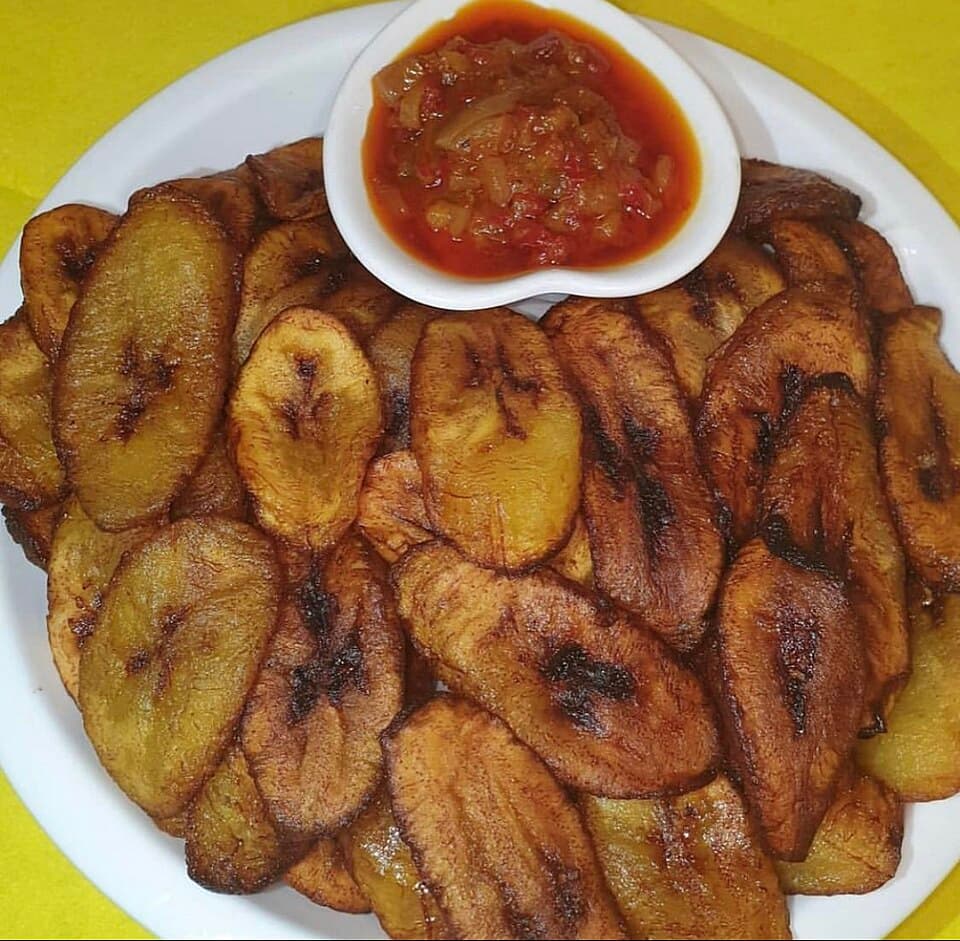
Fried Plantains (Makemba)
Region: Nationwide
Ripe or semi-ripe plantains sliced and fried golden, eaten as a side or a snack. They turn up alongside just about everything.
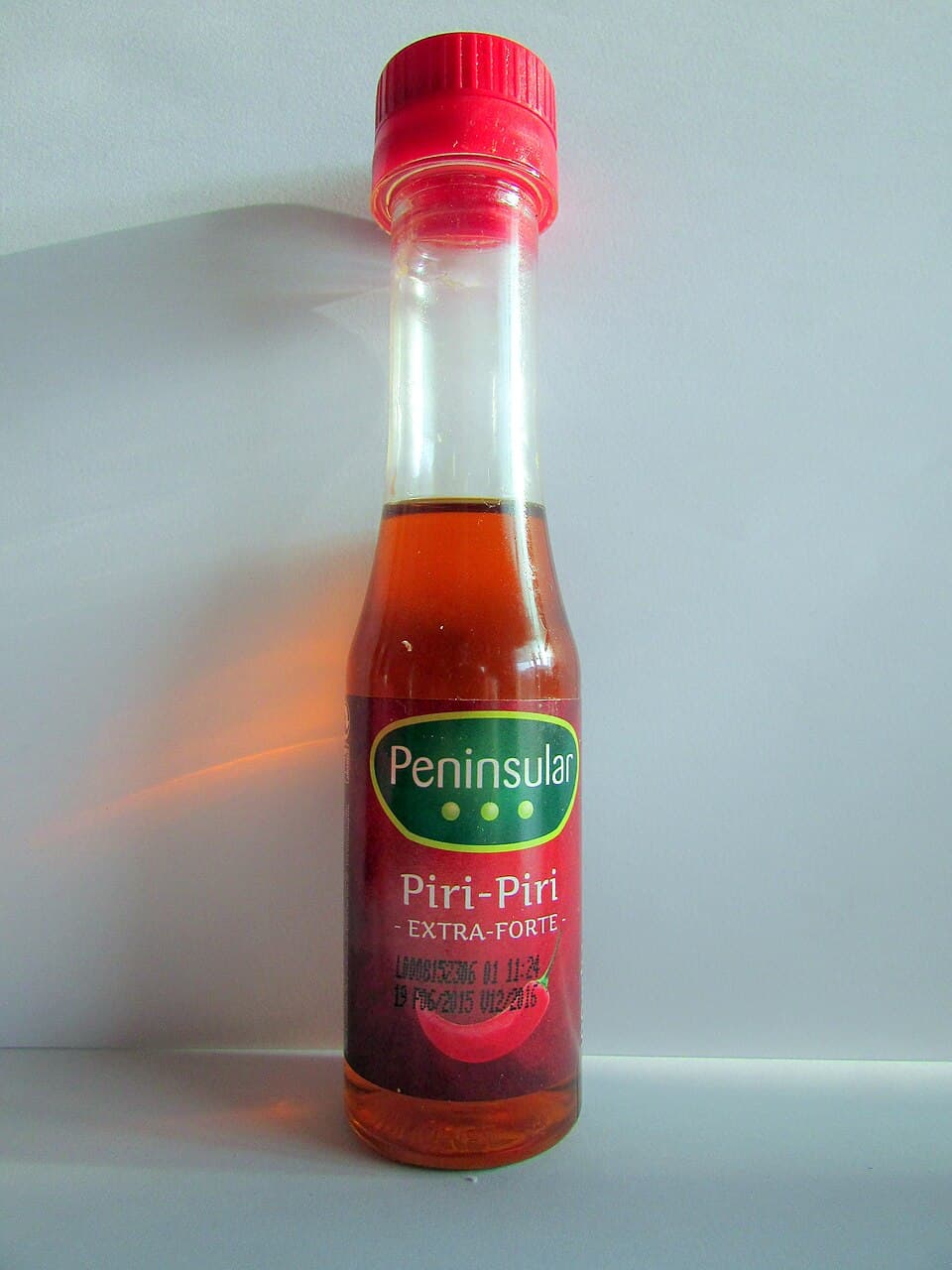
Pili Pili Sauce
Hot chili sauce made from African bird's eye chilies. It sits on every Congolese table.
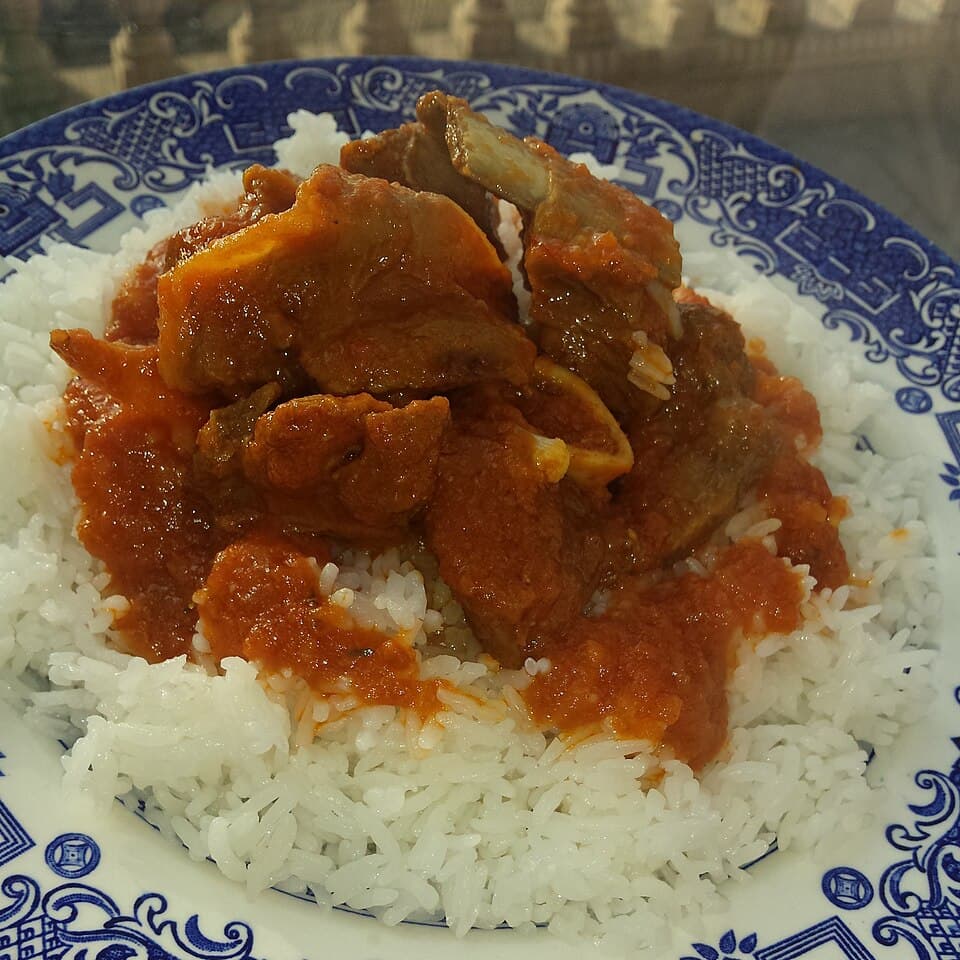
Ntaba (Goat Stew)
Goat meat stewed slow with vegetables and spices until tender, a regular at celebrations.
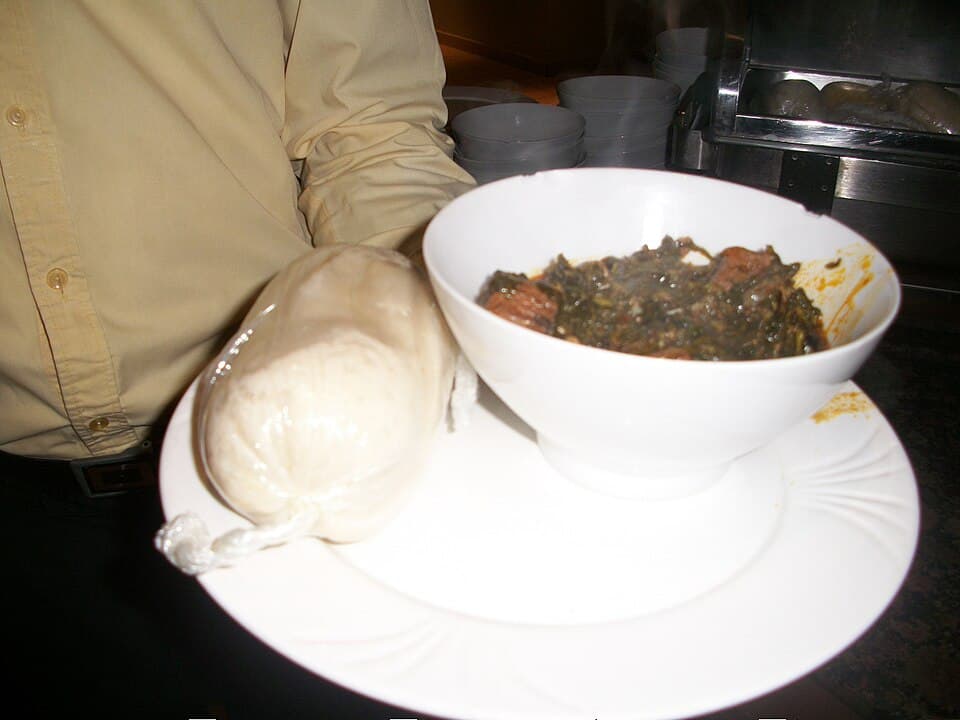
Pounded Yam
Alternative to cassava fufu, made from yams pounded into smooth dough.
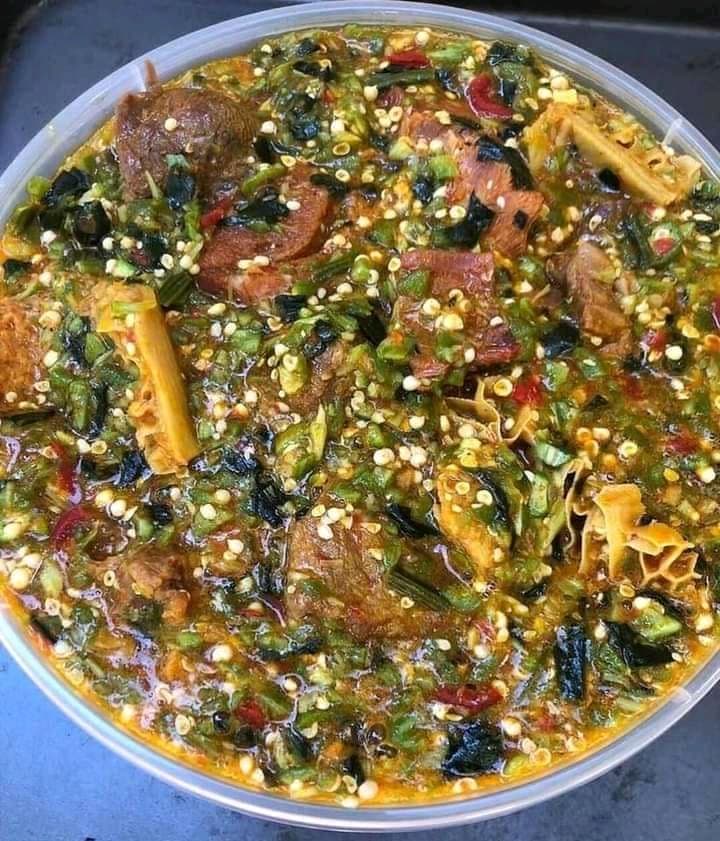
Soup Kandja (Okra Soup)
Thick soup made with okra, fish, and palm oil, eaten with fufu.
Allergens:
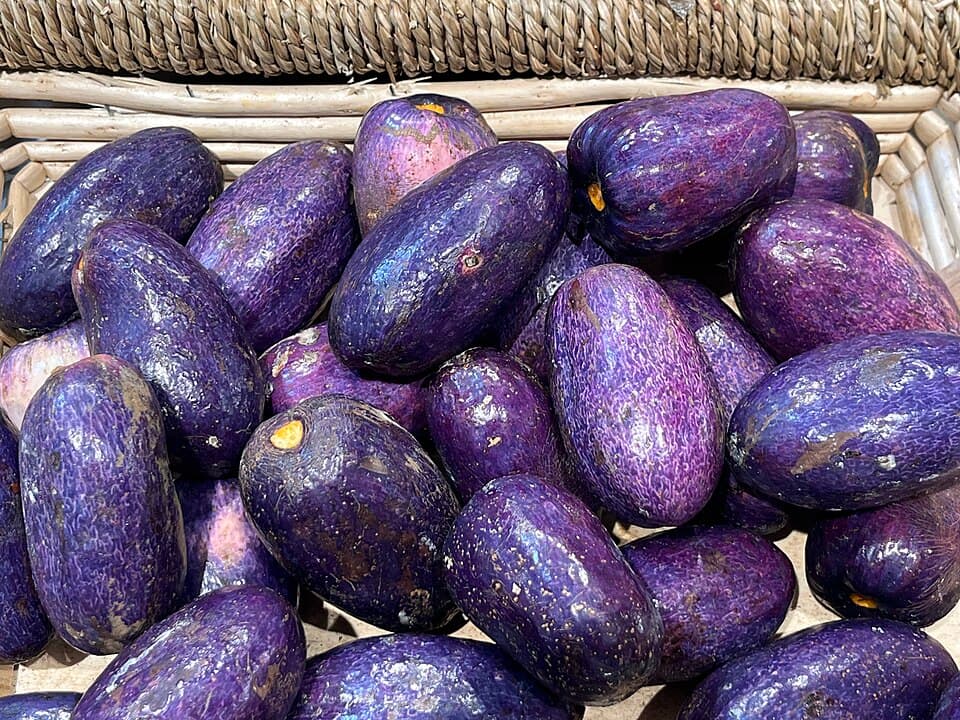
Safou (African Plum)
A local fruit, roasted soft and buttery, eaten with cassava or chikwanga.
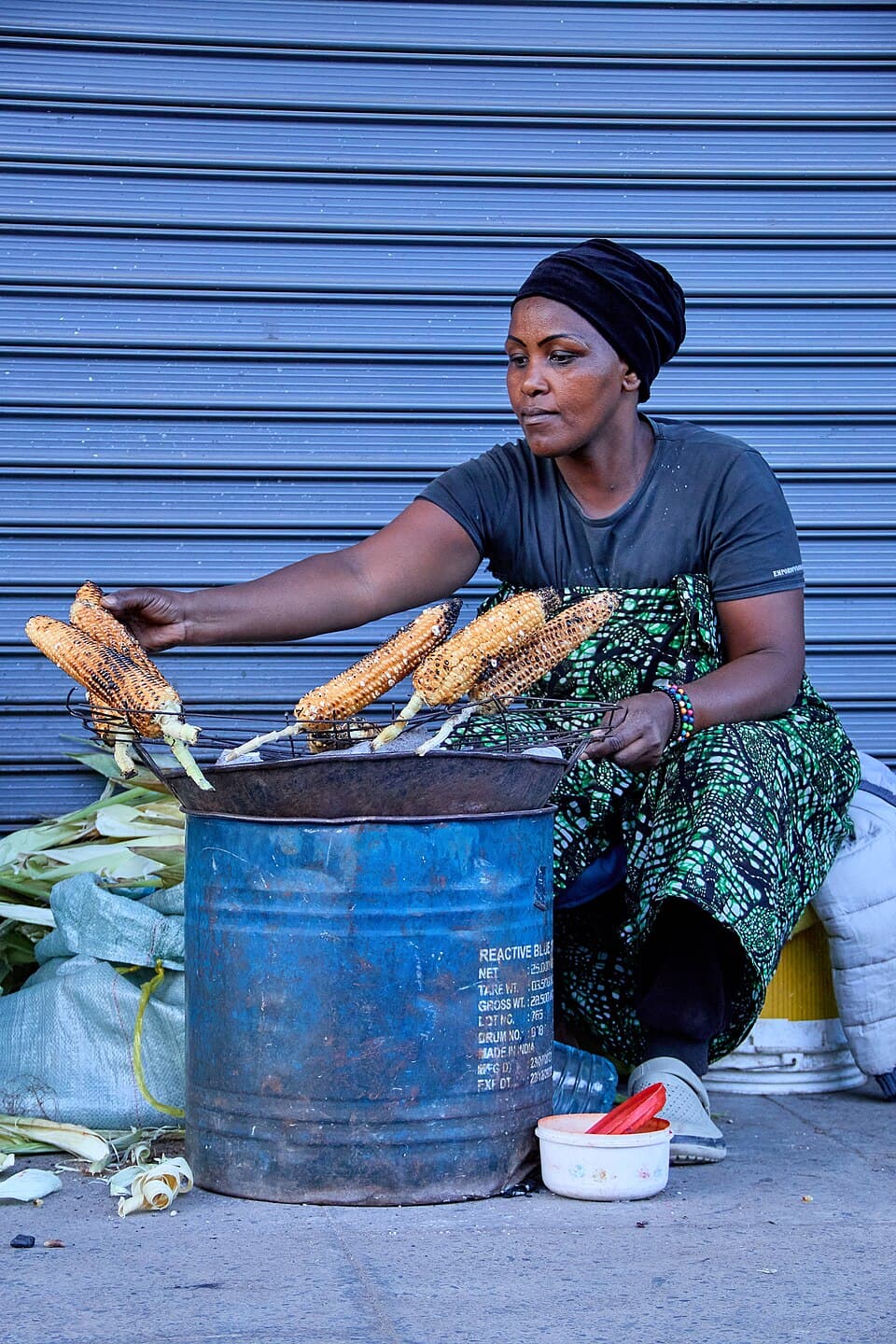
Grilled Corn
Fresh corn grilled over charcoal with salt, popular street snack.
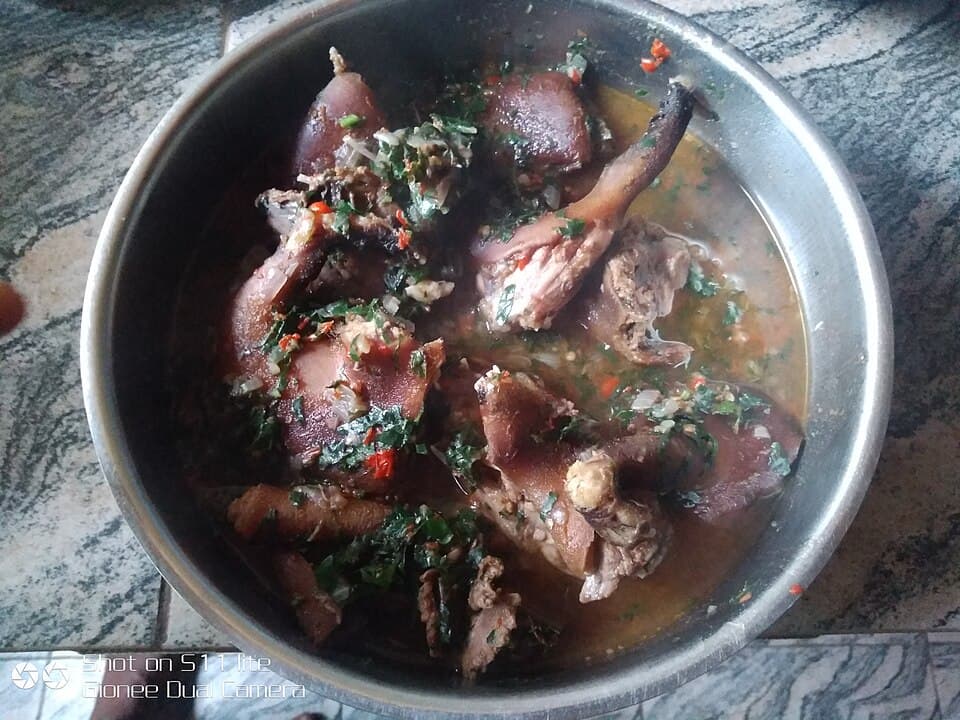
Bush Meat Stew
Wild game cooked down in a thick sauce, a traditional source of protein in rural areas.
Regional Cuisine Highlights
Explore the diverse culinary landscapes across different regions of Congo.
Brazzaville (Capital)
The capital, where nganda restaurants pull together traditional dishes from every region. The French colonial past still shows in the bakeries and in how some restaurants are run.
Signature Dishes:
Key Ingredients:

Pointe-Noire (Coastal)
The economic capital and main port, where the kitchen leans on the sea: grilled fish, maboke, and fish stews. Nganda culture runs strong here, with restaurants cooking regional specialties.
Signature Dishes:
Key Ingredients:

Pool and Plateaux Regions
Rural country where the cooking stays closest to its roots: cassava-based dishes, wild game, and river fish, with little of the tweaking you see in the cities.
Signature Dishes:
Key Ingredients:
Sweet Delights & Desserts
Indulge in Congo's traditional sweet treats and desserts.
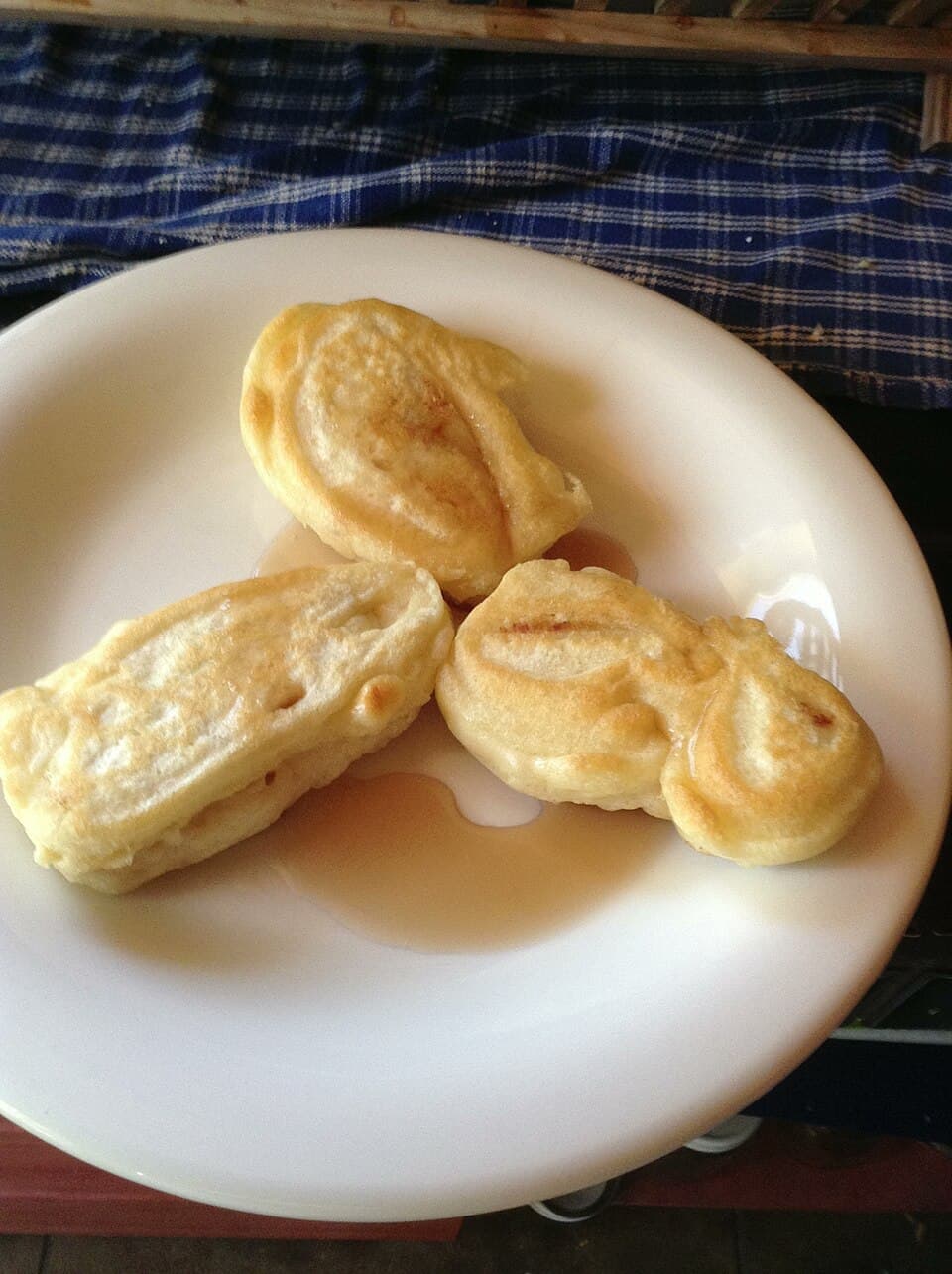
Banana Beignets
Mashed ripe bananas mixed into batter and fried into sweet fritters, often dusted with sugar.
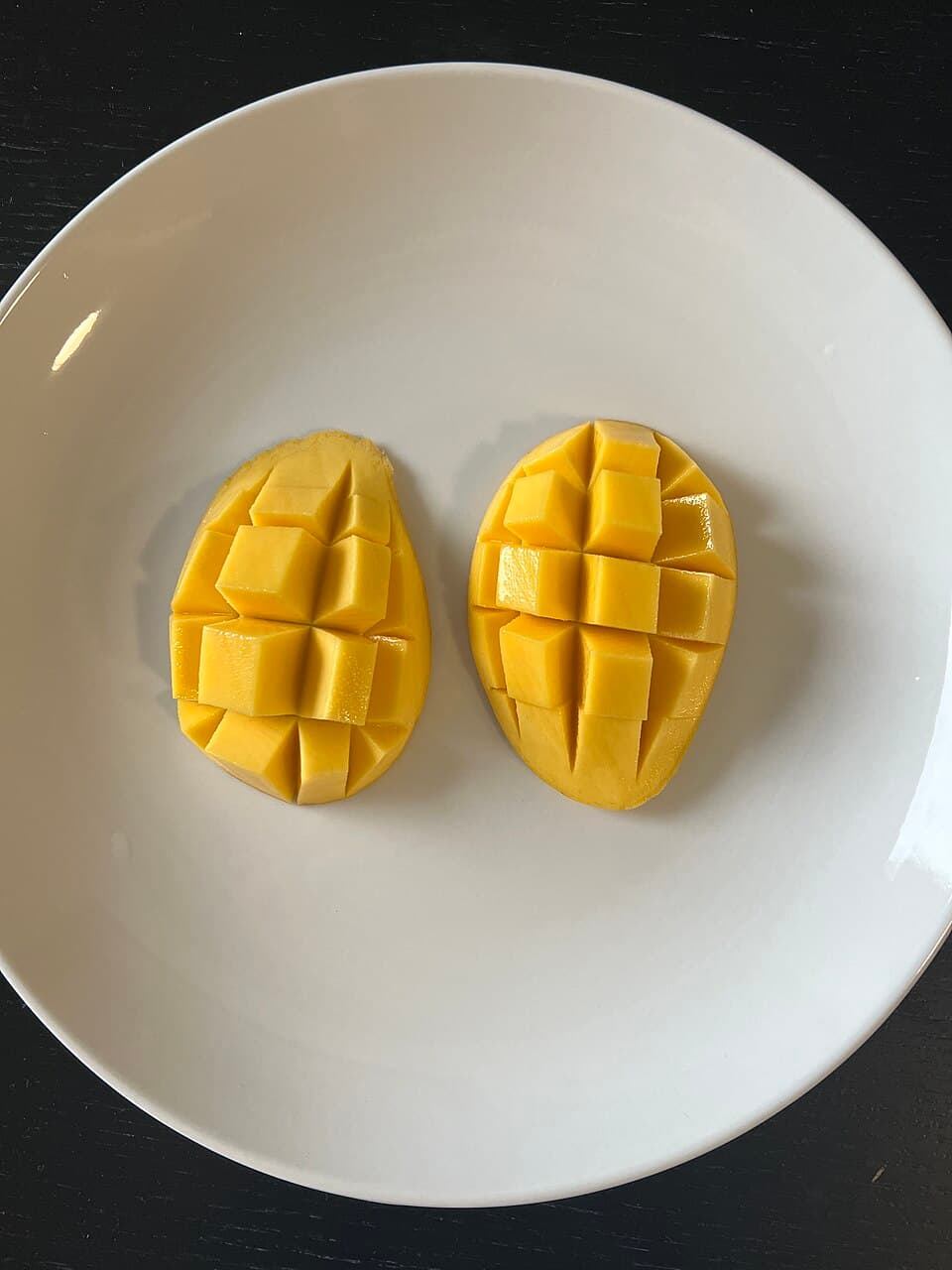
Fresh Mango
Ripe mangoes eaten as they are, hard to beat in mango season.

Peanut Candy
Roasted peanuts mixed with caramelized sugar, a popular sweet treat.
Traditional Beverages
Discover Congo's traditional drinks, from locally produced spirits to regional wines.
Palm Wine
Fermented palm sap, mildly alcoholic with a sweet-tart edge. Tapped and drunk fresh, often the same day.
Primus Beer
The go-to Congolese lager, cold and welcome in the heat.
Ngok (Banana Beer)
Traditional fermented beverage made from bananas, popular in some regions.
Soft Beverages
Discover Congo's traditional non-alcoholic drinks, from local teas to refreshing juices.
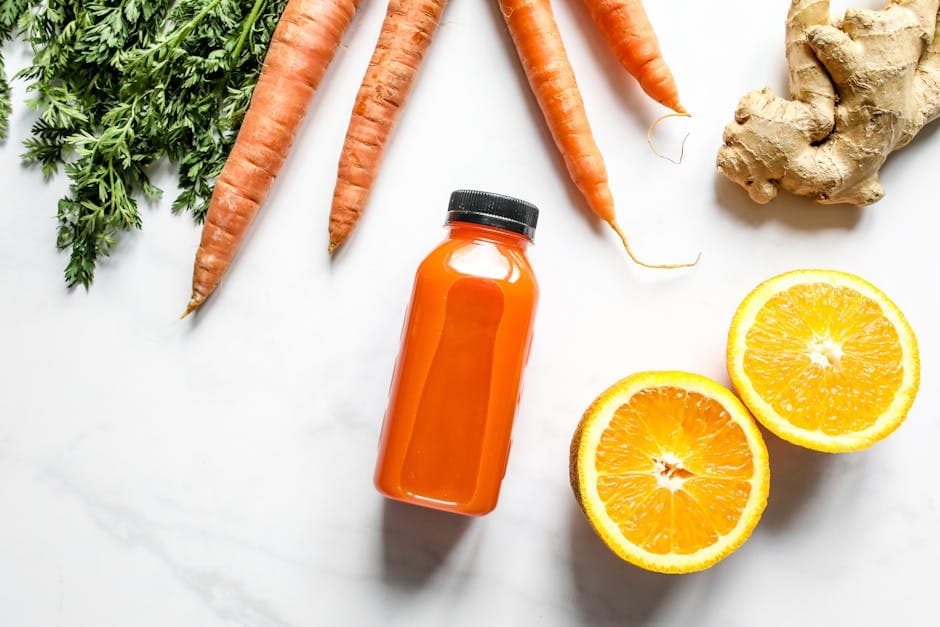
Ginger Juice
Fresh ginger blended with water, sugar, and lemon, sharp and a little fiery.
Bissap (Hibiscus Tea)
Tart red drink made from hibiscus flowers, served cold with sugar.

Fresh Coconut Water
Straight from young coconuts, naturally hydrating and sweet.
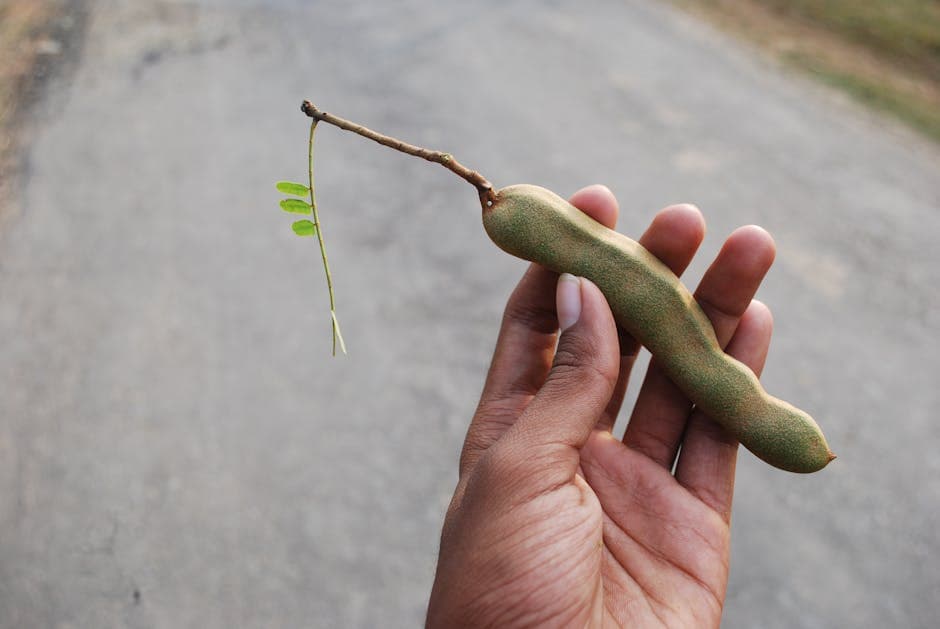
Tamarind Juice
Tart tamarind pulp mixed with water and sugar for a cooling drink.
Frequently Asked Questions
Essential information about food and dining in Congo.
What is the national dish of Congo?
Congo's most iconic dishes include Saka Saka (Pondu), Moambe Chicken (Mossaka), Chikwanga (Kwanga). The national dish of both Congos: ground cassava leaves slow-cooked with palm oil, smoked fish, and peanut butter into a deep, earthy stew. The leaves have to be pounded for hours, which is why it carries so much weight in Congolese cooking. Served with fufu, plantains, or chikwanga.
Is street food safe in Congo?
Street food in Congo can be enjoyed safely by following these guidelines: Drink only bottled or purified water. Look for busy vendors with high turnover, ensure food is cooked fresh and served hot, and avoid raw ingredients if you have a sensitive stomach.
What are the best restaurants in Congo?
Congo offers excellent dining experiences. Top-rated restaurants include Sous les Manguiers, La Source. These establishments showcase authentic Congo cuisine with professional service and high-quality ingredients.
Can vegetarians find food easily in Congo?
Vegetarian options in Congo are lowly available. Vegetarian eating is hard here, since meat and fish anchor most Congolese cooking. Your best bets are cassava-based dishes (chikwanga, fufu), plantains, rice, and vegetable stews. Ask and saka saka can be made without meat or fish.. Many restaurants offer vegetarian dishes, and you'll find plant-based ingredients featured prominently in local cuisine.
What is the average cost of a meal in Congo?
Meal costs in Congo depend on where you eat. Street food and casual local restaurants are very affordable, typically offering complete meals for a few dollars. Mid-range restaurants charge moderate prices, while fine dining establishments are comparably priced to Western countries.
What are common food allergens in Congo?
Common allergens in Congo cuisine include Peanuts, Fish, Palm Oil. Peanut butter and groundnuts are essential in many traditional dishes. These ingredients appear in dishes like Moambe chicken, Saka saka. Always inform restaurant staff about your allergies.
When is the best time to visit Congo for food?
Congo offers great food experiences throughout the year. However, visiting during harvest seasons (typically spring and autumn) provides access to the freshest local ingredients. Food festivals and cultural celebrations also offer unique culinary experiences worth planning around.