
Uganda Food Guide
Content Information
Recently updated🔥Current Food Trends 2026
What's happening in Uganda's culinary scene right now
Uganda has drawn more notice abroad lately for food that has always been ordinary home cooking. Matoke, steamed green bananas, is still what most people eat every day, and the Rolex, a chapati rolled around fried eggs, sells from roadside stands in every town. A handful of Kampala restaurants now run fusion menus that set Ugandan staples next to international dishes. Vegetarian and vegan eating has become easier to find in the cities, partly because younger urban diners watch what they eat more closely than their parents did. Coffee tourism keeps growing around Sipi Falls, where visitors come to see how Uganda grows some of the best arabica in Africa. Groundnut sauce turns up with most meals. Luwombo, cooked in banana leaves, has caught the attention of food writers who find the method unusual. Food festivals have spread to more parts of the country, and in the higher-end Kampala kitchens, sourcing direct from farms has become the norm. Some of the older brewing methods are coming back too.
Food Safety Tips
Essential food safety information to help you enjoy Uganda's cuisine safely and confidently.
Drink bottled or purified water only
Tap water is not safe to drink in most parts of Uganda. Stick to bottled water with the seal intact, or boil or filter water before you drink it.
Choose busy vendors with high turnover
Street food is usually fine at busy stalls where the cooking happens in front of you and stock moves fast. Rolex stands and matoke vendors are generally a safe bet.
Be cautious with foods left at room temperature
Uganda's climate is warm, so skip anything that has been sitting out for a while. Go for food that is cooked fresh and served hot.
Wash fruits and vegetables thoroughly
Wash fruit and vegetables in purified water before eating, and peel fruit yourself where you can to cut the risk of contamination.
Dietary Options
vegetarian
MEDIUM AVAILABILITYVegetarians can eat well on matoke, groundnut sauce, beans, sweet potatoes, cassava, and vegetable dishes. City restaurants carry more choice than rural areas do.
vegan
MEDIUM AVAILABILITYVegan choices are getting better in the cities. Plenty of traditional dishes are vegan as cooked, including matoke, groundnut stew, and most vegetable preparations. Spell out your dietary needs clearly when ordering.
gluten-free
MEDIUM AVAILABILITYA lot of Ugandan food is gluten-free without any special effort: matoke, cassava, sweet potatoes, rice dishes, and grilled meats. Steer clear of posho and chapati.
Common Allergens
Peanuts (Groundnuts)
HIGH PREVALENCEGroundnuts turn up everywhere in Ugandan cooking, mostly in sauces and side dishes
COMMONLY FOUND IN:
Dairy
LOW PREVALENCEDairy is rare in traditional cooking but shows up in more modern dishes
COMMONLY FOUND IN:
Gluten
MEDIUM PREVALENCEWheat shows up in chapati, bread, and a few traditional dishes
COMMONLY FOUND IN:
Sesame (Simsim)
MEDIUM PREVALENCESesame seeds are used widely, especially in northern Uganda
COMMONLY FOUND IN:
Essential Food Experiences
These iconic dishes represent the must-have culinary experiences that define Uganda's food culture for travelers.
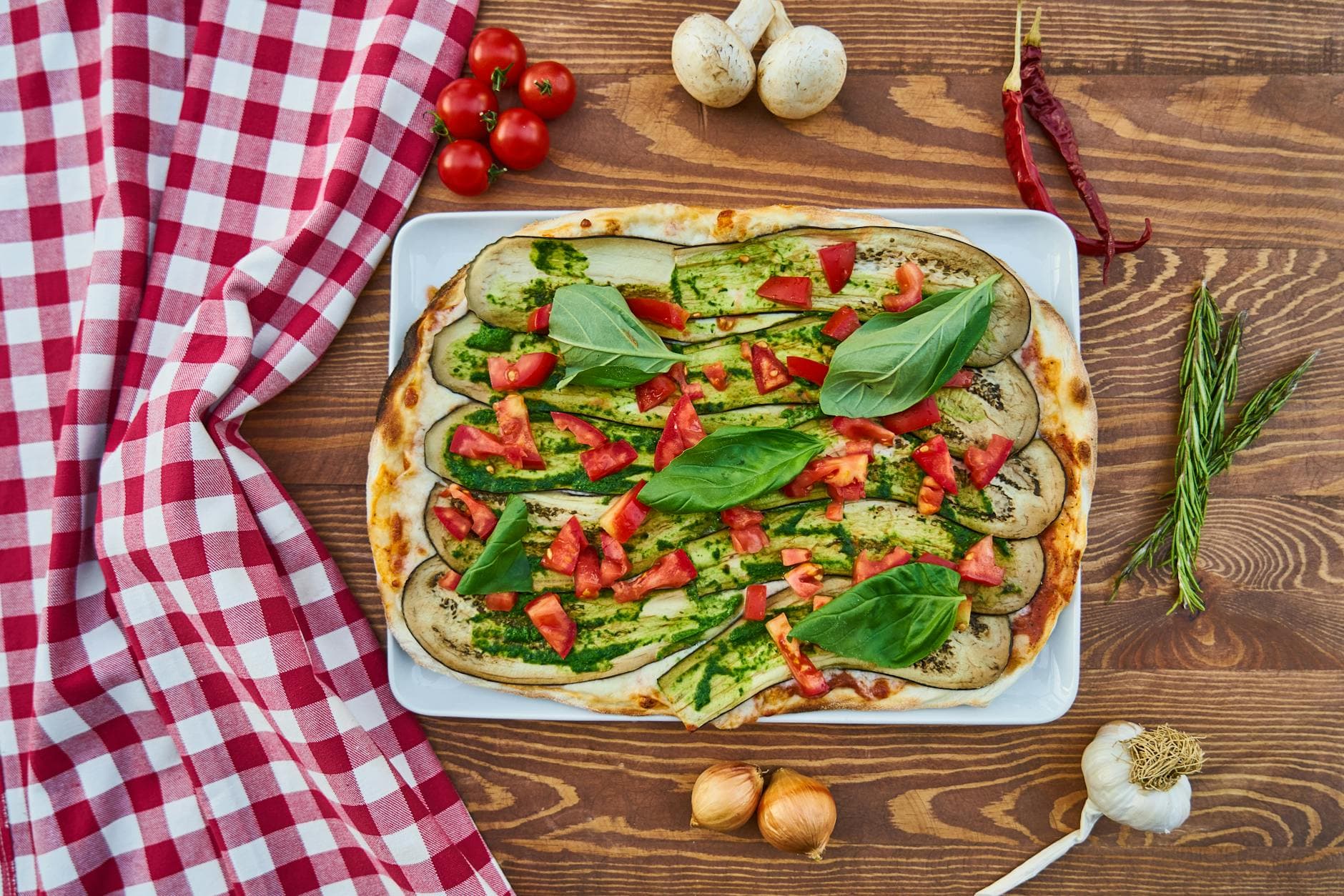
Matoke
Uganda's national dish. Green bananas are peeled, wrapped in banana leaves, and steamed until soft, then mashed smooth. It comes with groundnut sauce, beef stew, or beans. In Buganda cooking, serving matoke to guests is a gesture of respect and generosity.
Rolex
Uganda's best-known street food: a chapati rolled around scrambled eggs, onions, cabbage, and tomato. The name is a play on "rolled eggs". You will find it at almost every roadside stall, made fast and cheap at around 1,500 UGX (about $0.40 USD).

Luwombo
A royal dish from the Buganda Kingdom, once served only to royalty. Chicken, beef, or groundnuts are slow-cooked with spices, vegetables, and sometimes mushrooms inside banana leaves, which give the food a smoky flavor. It still appears at special occasions and family gatherings.

Groundnut Sauce (Ebinyebwa)
A creamy sauce of ground peanuts cooked with water, onions, and salt. The peanuts are pounded or blended into a paste that thickens as it cooks. It goes with matoke, rice, sweet potatoes, or posho, and is one of the most common accompaniments on a Ugandan plate.

Posho (Ugali)
A starchy staple of white or yellow maize flour cooked with water until it forms a stiff, dough-like mass. People eat it by hand, rolling it into balls to scoop up sauces or stews. It accompanies most Ugandan meals.

Malakwang
A northern Ugandan dish, especially among the Acholi. Malakwang leaves, which are like spinach, are cooked with groundnut paste, simsim paste, and sometimes dried fish. It is served with millet bread or posho.

Nsenene (Grasshoppers)
Fried grasshoppers, a seasonal treat that Ugandans treat as something of a luxury. They are caught during the rains, in November to December and again in April to May. High in protein, crisp, and nutty, they are usually fried with onions and sold in markets and at the roadside.

Mandazi
An East African fried pastry, a bit like a doughnut, lightly sweet and spiced with cardamom. People eat it for breakfast or as a snack, usually with chai. It is fried until golden, soft inside with a slightly crisp outside.

Katogo
A breakfast dish where matoke, or sometimes cassava or sweet potato, is cooked in one pot with beans, beef, offal, or vegetables. It is filling and popular among working people. The mix changes from region to region.

Malewa
A bamboo-shoot dish from the Bugisu region of eastern Uganda. The shoots are boiled clean, cut into pieces, and seasoned with rock salt and peanut paste. It is served with rice, posho, sweet potatoes, or matoke.

Muchomo
Grilled meat skewers, usually goat or beef, sold from roadside stands. The meat is marinated in local spices, cooked over charcoal, and served with a tomato-onion relish. It is a favorite evening snack.
Regional Specialties & Local Favorites
Discover the authentic regional dishes and local favorites that showcase Uganda's diverse culinary traditions.
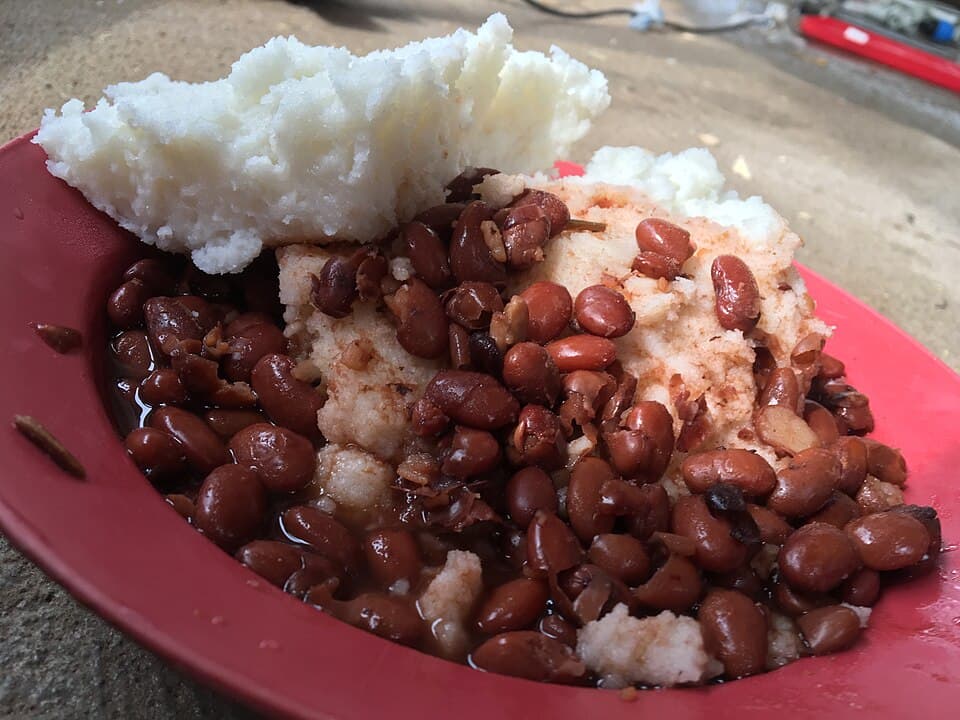
Beans and Posho
Everyday comfort food: boiled beans with posho. It is cheap, filling, and a mainstay for many Ugandan families. The beans are usually cooked with onions, tomatoes, and spices.
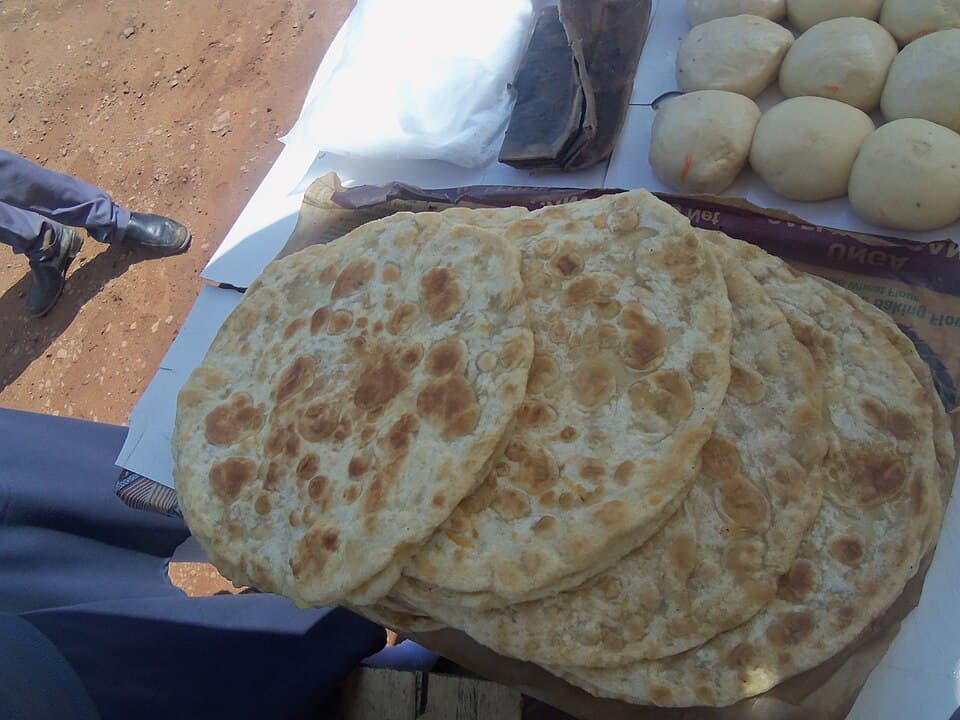
Chapati
A flatbread brought by Indian immigrants that has become part of everyday Ugandan eating. It is made from wheat flour, water, and oil, cooked on a flat griddle. People eat it on its own, with stews or beans, or rolled into a Rolex.
Allergens:
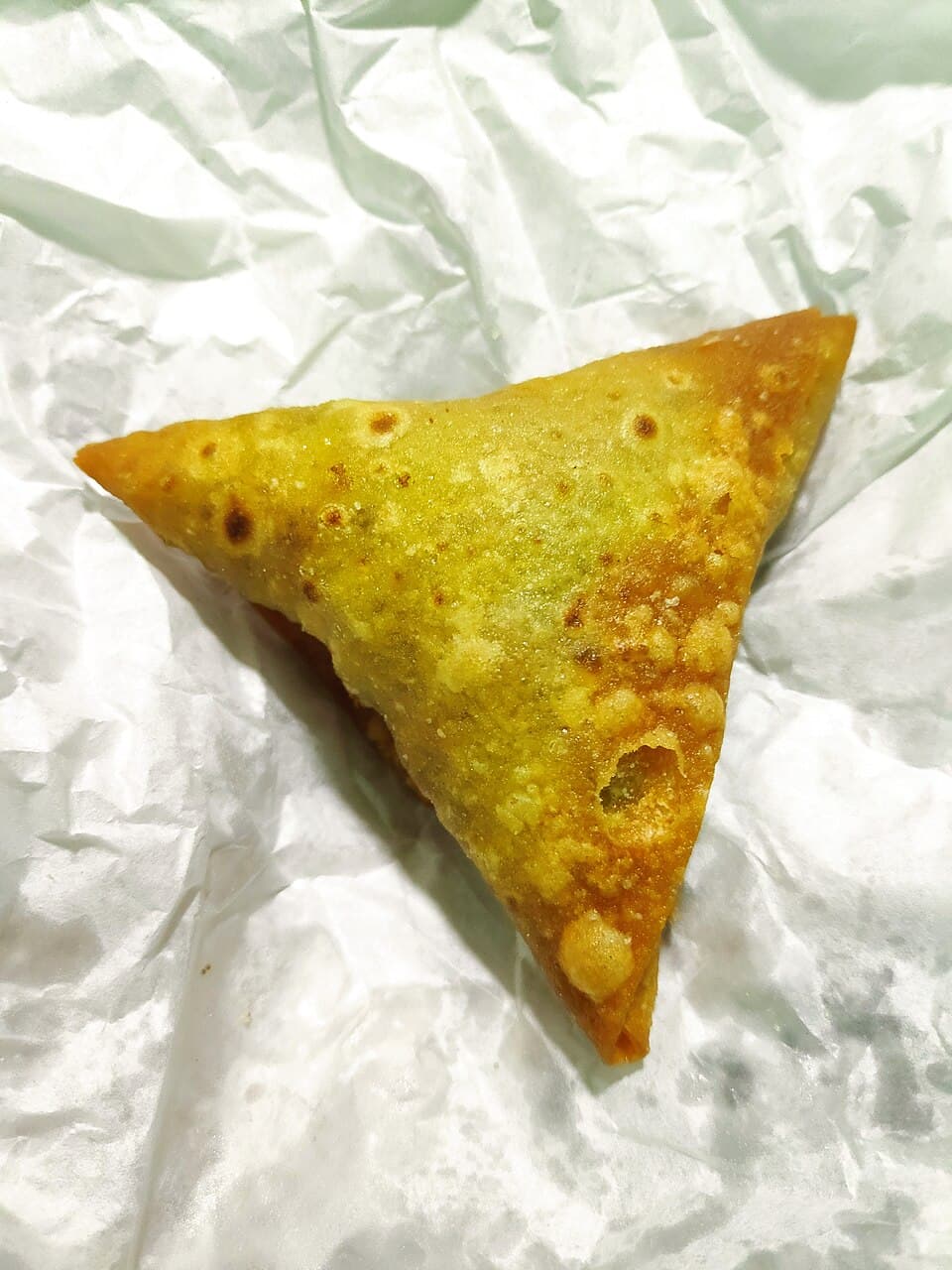
Samosas
A snack with Indian roots: triangular pastries filled with spiced minced meat or vegetables. You will find them with street vendors, in bakeries, and in restaurants. They go well with tea.
Allergens:
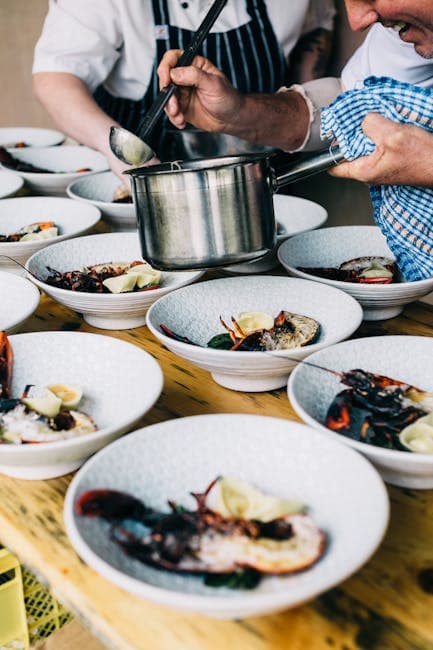
Sim-Sim Sauce
A sesame-paste sauce most common in northern and western Uganda. Roasted sesame seeds are ground and stirred into bean or vegetable stews, adding a nutty flavor and a good amount of protein.
Allergens:
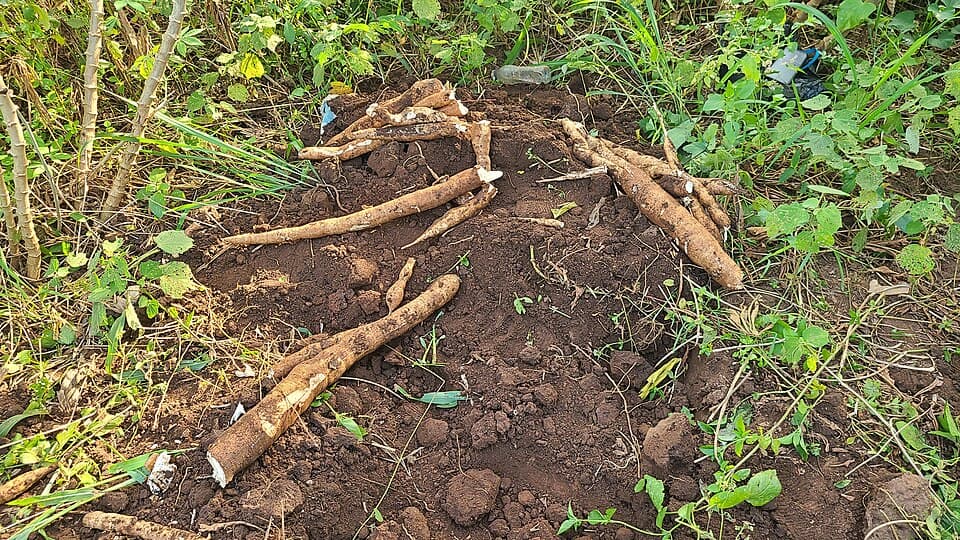
Cassava
A starchy root eaten boiled, fried, or pounded, and especially common in eastern Uganda. It is an energy-dense carbohydrate, usually served with stews or groundnut sauce.
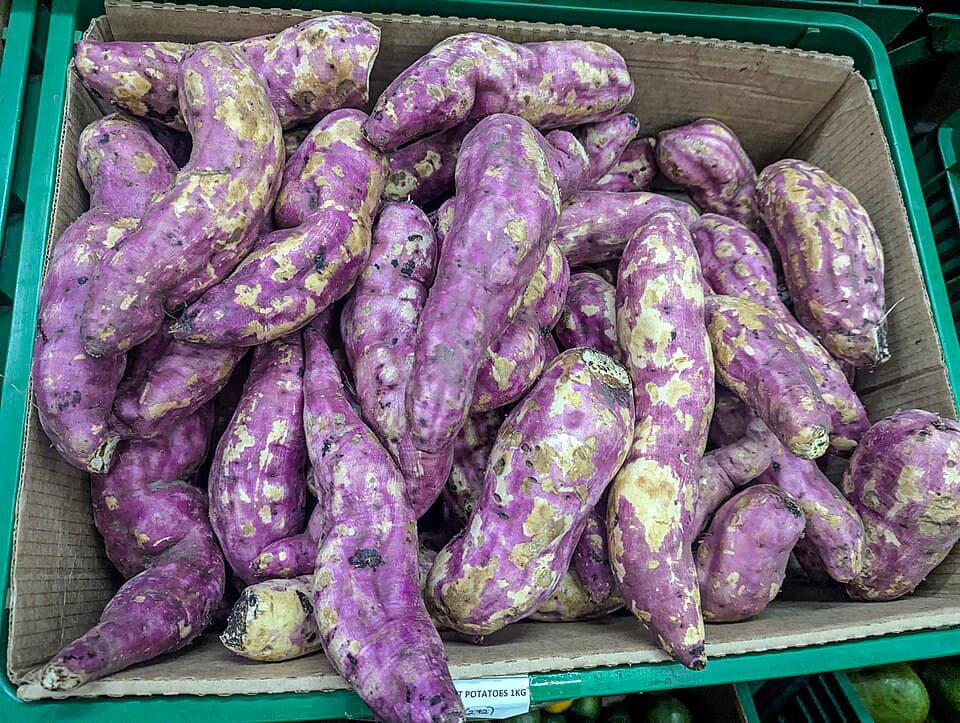
Sweet Potatoes
Eaten all over Uganda, and most of all in the central and eastern regions. They are boiled, roasted, or fried, and turn up as a snack or a side. They are a good source of vitamins.
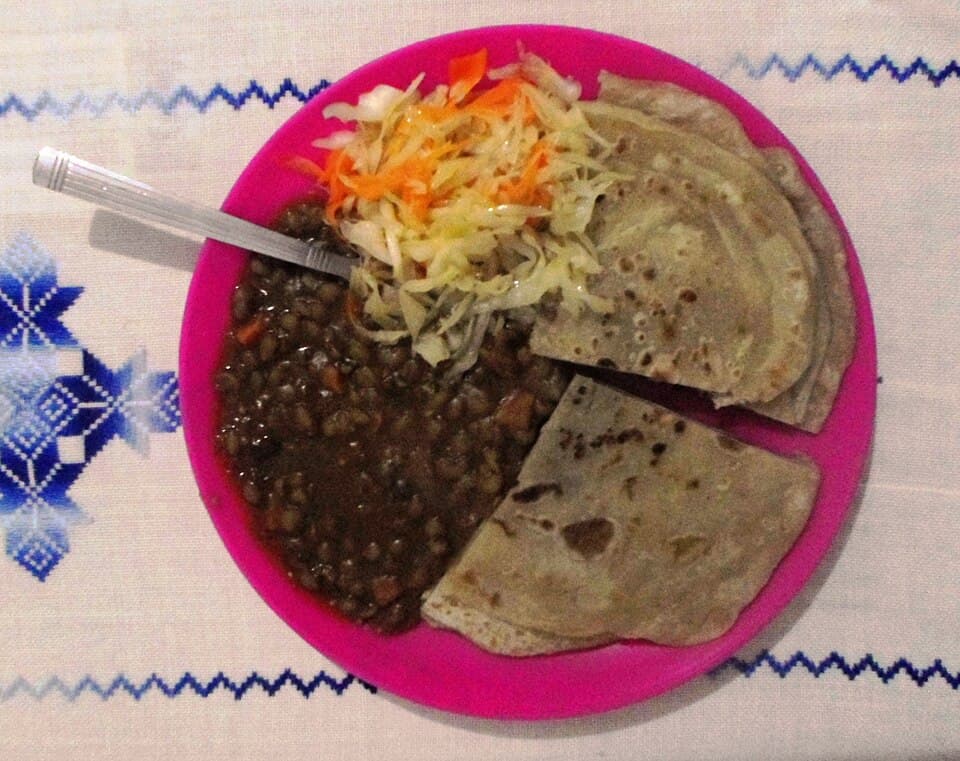
Kikomando
A street-food plate of beans and chopped chapati, sometimes with vegetables added. It is cheap and filling, sold at roadside stands and small eateries across the cities.
Allergens:
Gonja (Roasted Plantains)
Ripe plantains roasted over charcoal until they caramelize and turn sweet. They are a common street snack, especially in Kampala, and the natural sugar makes for a quick pick-me-up.
Regional Cuisine Highlights
Explore the diverse culinary landscapes across different regions of Uganda.
Central Uganda (Buganda)
This is the region around the capital, Kampala, and its cooking revolves around matoke, the steamed green banana. Luwombo, food steamed in banana leaves, is the signature method, and groundnut sauce goes with almost everything. The Buganda Kingdom's historical standing is the reason matoke became the national dish. Beef and chicken stews, beans, and fresh vegetables round out the table.
Signature Dishes:
Key Ingredients:
Northern Uganda
The food here reflects a semi-arid climate and a pastoralist way of life. Millet is the staple grain, made into bread (kalo) and porridge, and sesame (sim-sim) runs through the sauces and pastes. The signature dish is malakwang, a bitter-leaf vegetable stew, where groundnuts and sesame are cooked with greens. Millet beer (ajono or malwa) is brewed for social gatherings.
Signature Dishes:
Key Ingredients:
Eastern Uganda
The east is known for spicier dishes built on groundnuts and simsim seeds. Malewa, made from bamboo shoots, is the local specialty from Bugisu. Cassava is a major staple alongside matoke, and groundnut sauces show up often. The cooking carries both Bantu and Nilotic influences, leaning on vegetables and grains.
Signature Dishes:
Key Ingredients:
Western Uganda
Bananas feature heavily here, in both savory and sweet dishes. The western specialty is eshabwe, a ghee sauce, and millet kalo is a common staple. Dairy is more present than elsewhere thanks to the region's cattle-keeping, and being close to Congo shapes some of the cooking.
Signature Dishes:
Key Ingredients:
Sweet Delights & Desserts
Indulge in Uganda's traditional sweet treats and desserts.
Kabalagala
A pancake-like sweet of ripe bananas, cassava flour, and sugar, fried until golden. It is a common street snack and dessert, particularly in central Uganda.
Sim-Sim Balls
Roasted sesame seeds bound with sugar or honey and shaped into balls or bars. Crunchy, nutty, and sweet, they are sold as a treat in markets.
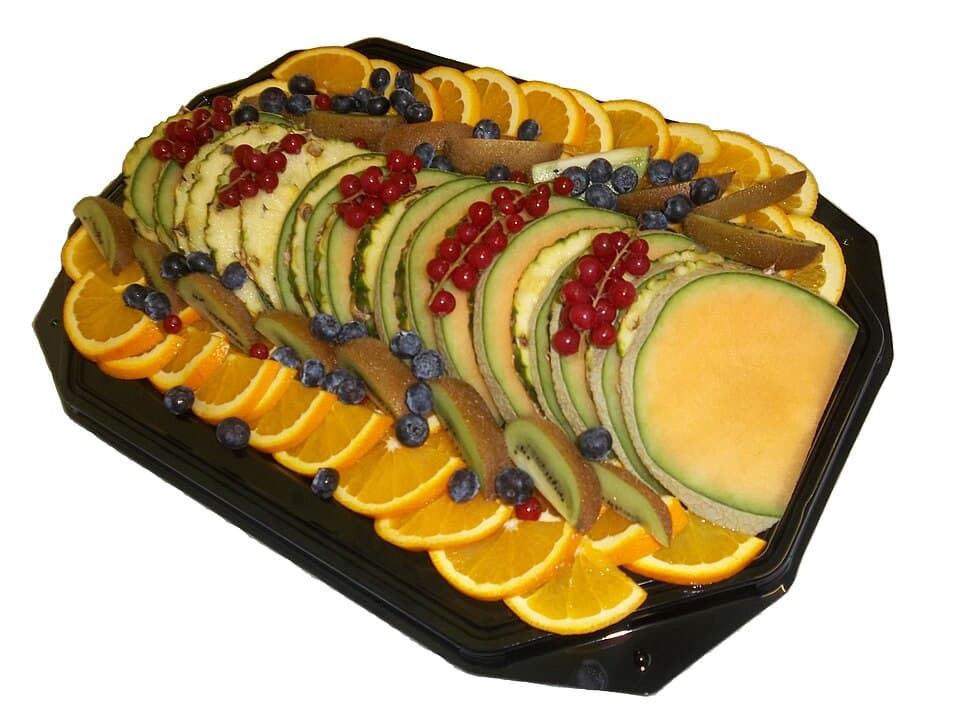
Tropical Fruit Platter
A spread of Uganda's tropical fruit, from pineapples and mangoes to passion fruit, jackfruit, and papaya, usually served fresh as dessert. The equatorial climate gives the fruit a lot of flavor.
Traditional Beverages
Discover Uganda's traditional drinks, from locally produced spirits to regional wines.
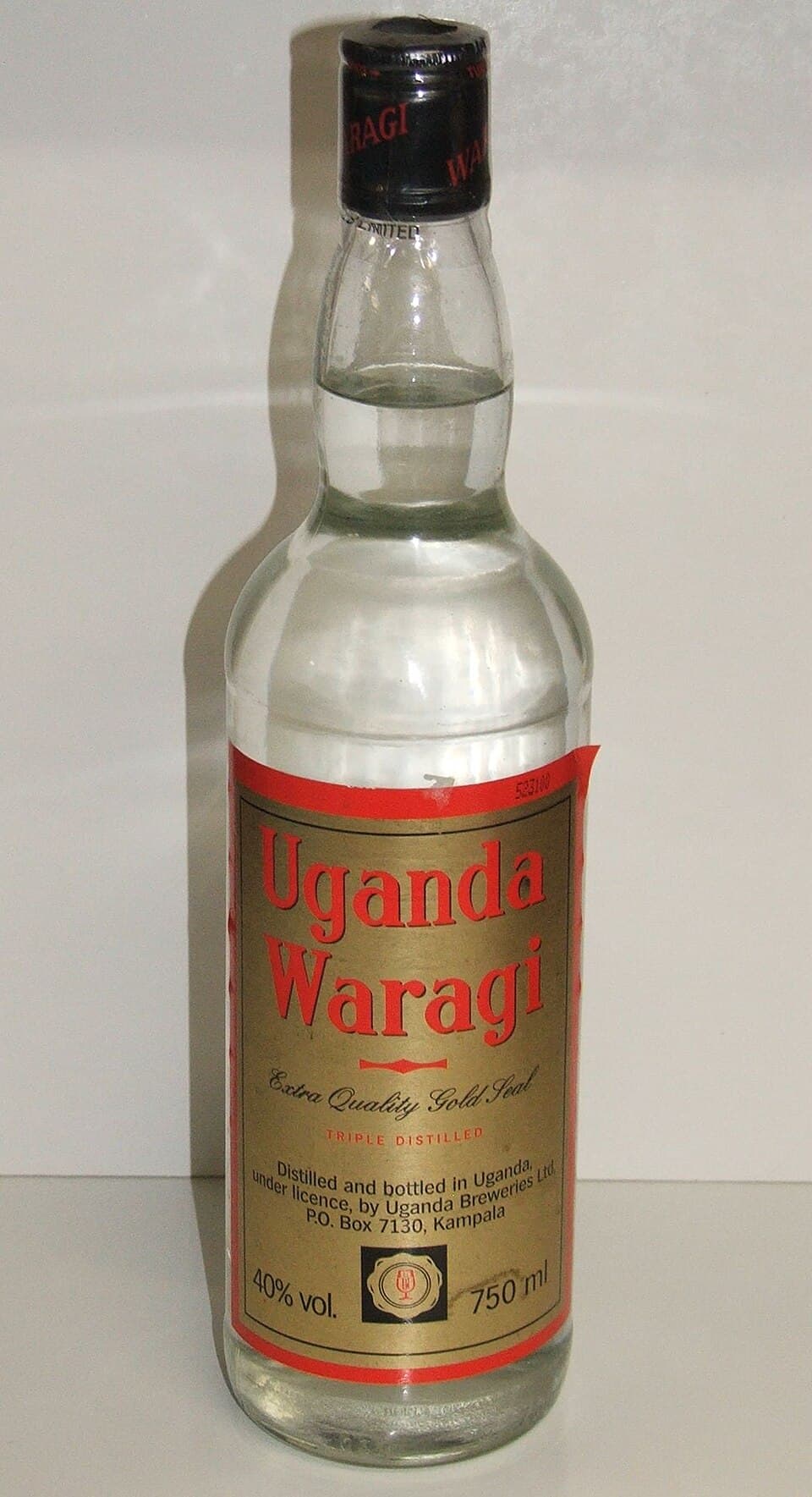
Waragi
A Ugandan gin distilled from bananas or millet. It is strong and carries cultural weight, served at celebrations and social gatherings. Uganda Waragi is the best-known commercial brand.
Ajono (Malwa)
A millet beer from northern Uganda, fermented in large pots and drunk together through long straws. It is mildly alcoholic and shared at gatherings and ceremonies.
Tonto
A banana beer from central Uganda, especially the Buganda region. It is fermented from ripe bananas, slightly sweet and mild in alcohol, and served at traditional ceremonies.
Soft Beverages
Discover Uganda's traditional non-alcoholic drinks, from local teas to refreshing juices.

Ugandan Chai
A strong spiced milk tea, usually sweetened and flavored with ginger and cardamom. People drink it first thing in the morning and on through the day. It is close to Kenyan chai, with some local twists.

Fresh Passion Fruit Juice
Freshly squeezed passion fruit juice, tart and refreshing. Uganda grows very good passion fruit, and the juice is usually sweetened a little and served chilled at restaurants and juice stands.
Bushera
A non-alcoholic fermented millet drink with a slightly sour taste, often had at breakfast. It is filling and probiotic, and popular in western Uganda.
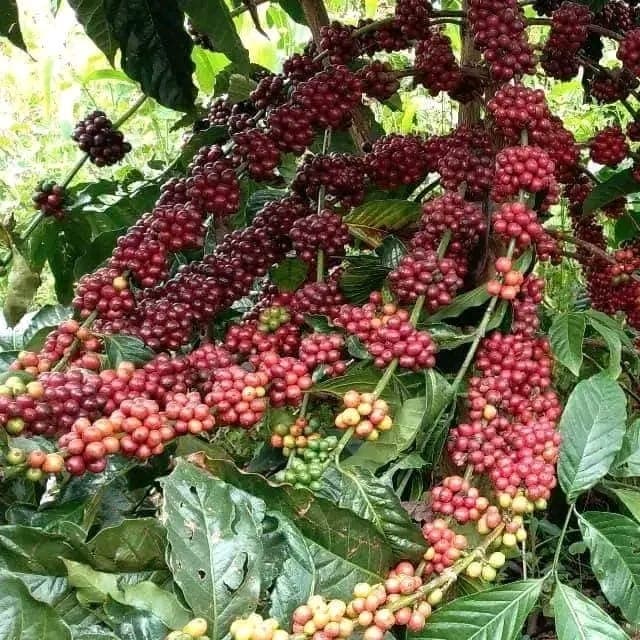
Ugandan Coffee
Arabica and robusta coffee grown on the slopes of Mount Elgon and the Rwenzori Mountains, with a strong, full flavor. Uganda is one of Africa's major coffee exporters.
Frequently Asked Questions
Essential information about food and dining in Uganda.
What is the national dish of Uganda?
Uganda's most iconic dishes include Matoke, Rolex, Luwombo. Uganda's national dish. Green bananas are peeled, wrapped in banana leaves, and steamed until soft, then mashed smooth. It comes with groundnut sauce, beef stew, or beans. In Buganda cooking, serving matoke to guests is a gesture of respect and generosity.
Is street food safe in Uganda?
Street food in Uganda can be enjoyed safely by following these guidelines: Drink bottled or purified water only. Look for busy vendors with high turnover, ensure food is cooked fresh and served hot, and avoid raw ingredients if you have a sensitive stomach.
What are the best restaurants in Uganda?
Uganda offers diverse dining options from street food stalls to upscale restaurants. For the best experience, ask locals for recommendations, check recent reviews, and look for restaurants that specialize in regional cuisines.
Can vegetarians find food easily in Uganda?
Vegetarian options in Uganda are mediumly available. Vegetarians can eat well on matoke, groundnut sauce, beans, sweet potatoes, cassava, and vegetable dishes. City restaurants carry more choice than rural areas do.. Many restaurants offer vegetarian dishes, and you'll find plant-based ingredients featured prominently in local cuisine.
What is the average cost of a meal in Uganda?
Meal costs in Uganda depend on where you eat. Street food and casual local restaurants are very affordable, typically offering complete meals for a few dollars. Mid-range restaurants charge moderate prices, while fine dining establishments are comparably priced to Western countries.
What are common food allergens in Uganda?
Common allergens in Uganda cuisine include Peanuts (Groundnuts), Gluten, Sesame (Simsim). Groundnuts turn up everywhere in Ugandan cooking, mostly in sauces and side dishes. These ingredients appear in dishes like Groundnut sauce, G-nut stew. Always inform restaurant staff about your allergies.
When is the best time to visit Uganda for food?
Uganda offers great food experiences throughout the year. However, visiting during harvest seasons (typically spring and autumn) provides access to the freshest local ingredients. Food festivals and cultural celebrations also offer unique culinary experiences worth planning around.