
Burundi Food Guide
Content Information
Recently updated🔥Current Food Trends 2026
What's happening in Burundi's culinary scene right now
Lake Tanganyika fish keeps showing up on gourmet menus, and cassava leaves (isombe) have caught the attention of nutrition writers abroad. Bujumbura has seen a small revival of craft banana beer (urwarwa) over the past year. Bean dishes are getting written up internationally as a cheap, sustainable protein.
Food Safety Tips
Essential food safety information to help you enjoy Burundi's cuisine safely and confidently.
Drink bottled or purified water only
Tap water is not safe to drink. Use bottled water for drinking and brushing your teeth, and skip ice unless you know it was made from purified water.
Choose busy vendors with visible cooking
Street food is everywhere and usually fine when it comes off the grill fresh. Buy brochettes that are cooked in front of you, and favour stalls that are doing steady business.
Ensure lake fish is fully cooked
Mukeke and ndagala from Lake Tanganyika are safe once they are cooked through. Avoid raw or undercooked fish, and head to the lakeside restaurants if you want it freshest.
Wash and peel produce
Peel fruit where you can and cook vegetables well. Skip raw salads except at places you trust.
Dietary Options
vegetarian
MEDIUM AVAILABILITYVegetarians do well here: isombe (cassava leaves), beans, ugali, sweet potatoes, and a range of vegetable stews. Markets are stocked with fresh produce.
vegan
LOW AVAILABILITYEating vegan takes some explaining at the table. Plenty of bean and vegetable dishes can be made without animal products; ugali with vegetable sides is a safe default.
gluten-free
HIGH AVAILABILITYThe everyday staples are naturally gluten-free: ugali made from cassava or millet, beans, cassava, sweet potatoes, and plantains. Eating gluten-free here is straightforward.
Common Allergens
Peanuts/Groundnuts
HIGH PREVALENCEPeanuts are widely used in cooking
COMMONLY FOUND IN:
Fish
MEDIUM PREVALENCELake Tanganyika fish are common
COMMONLY FOUND IN:
Dairy
LOW PREVALENCEDairy is less common than in other regions
COMMONLY FOUND IN:
Essential Food Experiences
These iconic dishes represent the must-have culinary experiences that define Burundi's food culture for travelers.

Isombe
Burundi's signature dish. Cassava leaves are pounded into a paste and simmered with peanut butter, palm oil, onions, garlic, and spices until thick and filling. You will find it on both sides of the Rwanda border, and it carries a lot of the region's farming history with it.

Ugali (Ubugali)
The base of most East African meals: a dense, dough-like porridge of maize, millet, or cassava flour. Its plain taste is the point, since it carries the flavour of whatever stew it goes with. You eat it by pinching off a piece, pressing a thumb dent into it, and scooping. Meals built around it are usually shared.

Ibiharage (Beans)
Beans are the main protein in Burundi, usually just boiled and salted, sometimes cooked down with a few vegetables. Maharagwe is the coconut-milk version you see across East Africa. They turn up at almost every meal and are woven into daily life.

Mukeke (Fresh Lake Fish)
A firm, mild fish from Lake Tanganyika, usually grilled or fried. The lakeside restaurants in Bujumbura serve it within hours of the catch, and that is where it tastes best.
Ndagala (Small Lake Fish)
Tiny sardine-like fish from Lake Tanganyika, dried and then fried until crisp. High in omega-3s and calcium, they are eaten whole, either as a crunchy snack or piled onto a meal for protein.
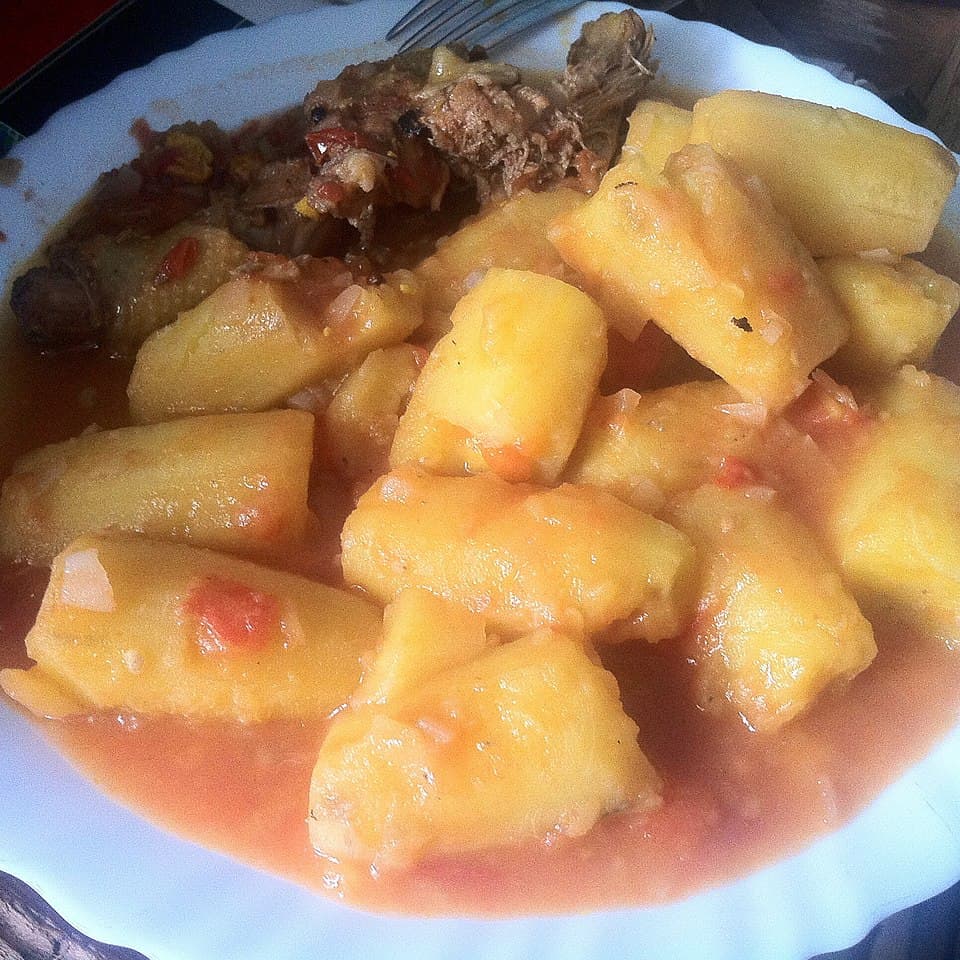
Agatoke (Plantain Stew)
A plantain stew cooked down with tomatoes, green pepper, amaranth, leeks, onions, eggplant, garlic, and celery. It comes either meatless or with meat, and either way it makes a filling, well-seasoned plate.

Renga Renga
A bold spinach stew, the greens cooked down with onions, tomatoes, and spices until deep and aromatic. It is a classic greens dish, usually served alongside ugali.

Uburobe
Cassava flour wrapped in banana leaves and boiled until soft. Wrapping it this way keeps it moist and leaves a faint banana-leaf taste behind. It works as a main or a side.

Boko Boko Harees
Some Burundians call this the national dish. It is a plain but satisfying mix of bulgur wheat, onion, and chicken, the kind of comfort food people gather around.

Brochettes
Skewers of beef, goat, or chicken, seasoned and charred over an open flame. They are a street-food fixture across East Africa, usually served with a spicy sauce on the side.

Sambusas
Triangular fried pastries stuffed with spiced meat or vegetables, the East African take on the samosa. A common street snack.
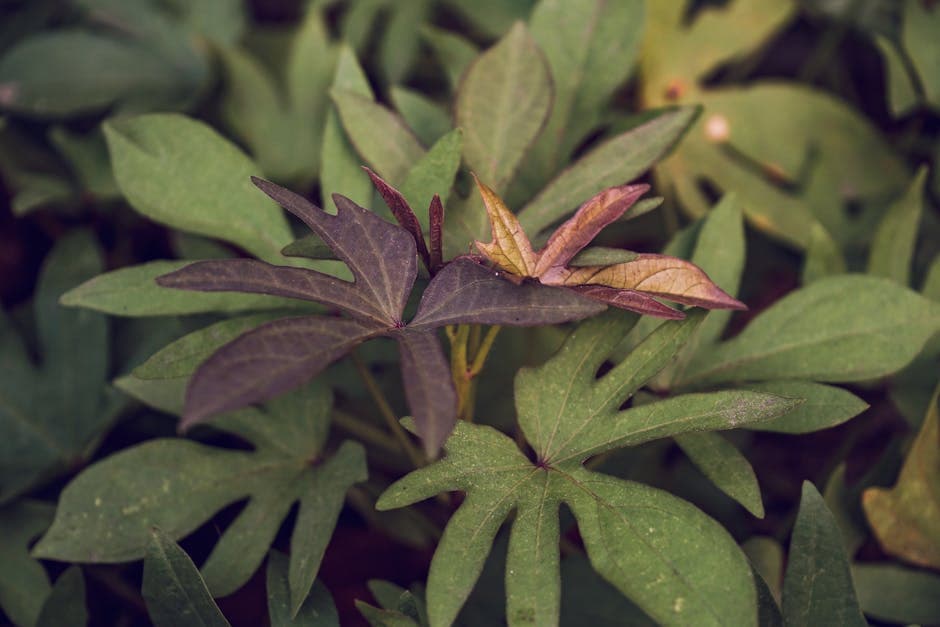
Sweet Potatoes and Cassava
Boiled or roasted root vegetables that form the everyday carbohydrate in Burundi. Sweet potatoes bring a natural sweetness; cassava is plainer but fills you up.
Regional Specialties & Local Favorites
Discover the authentic regional dishes and local favorites that showcase Burundi's diverse culinary traditions.
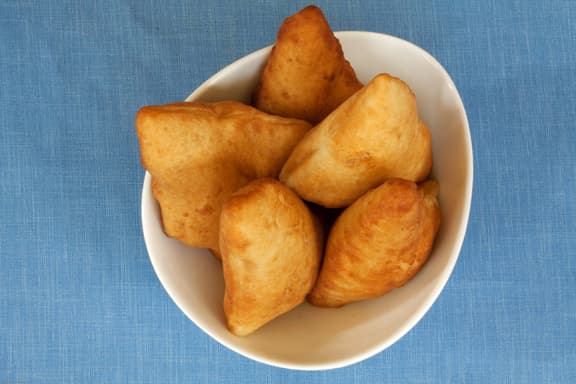
Mandazi
Region: Nationwide
Lightly sweet fried dough, somewhere close to a doughnut. A common breakfast or snack with tea.
Allergens:
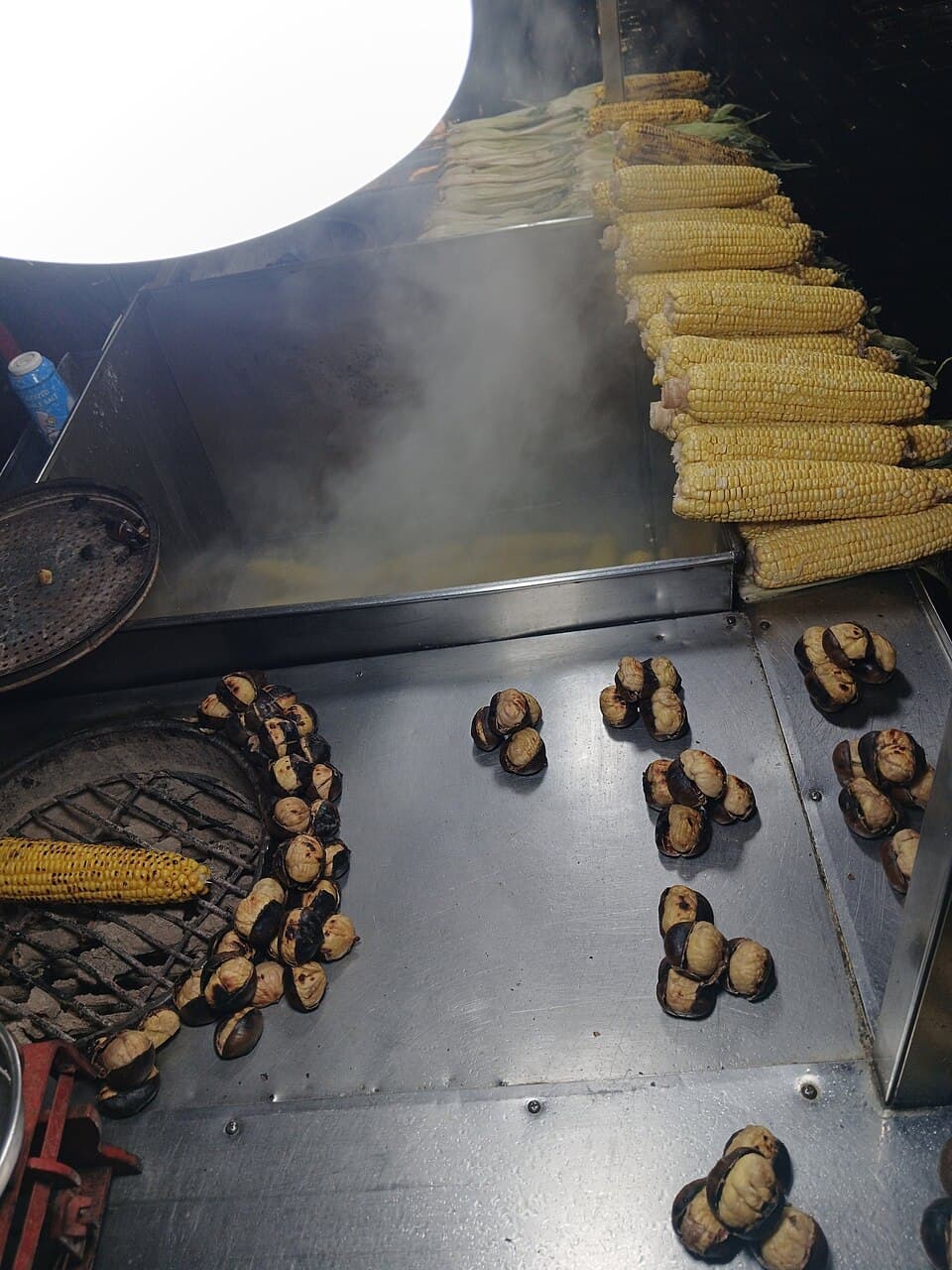
Roasted Maize
Region: Nationwide
Fresh corn roasted over charcoal and sold off street carts. A simple, good snack.
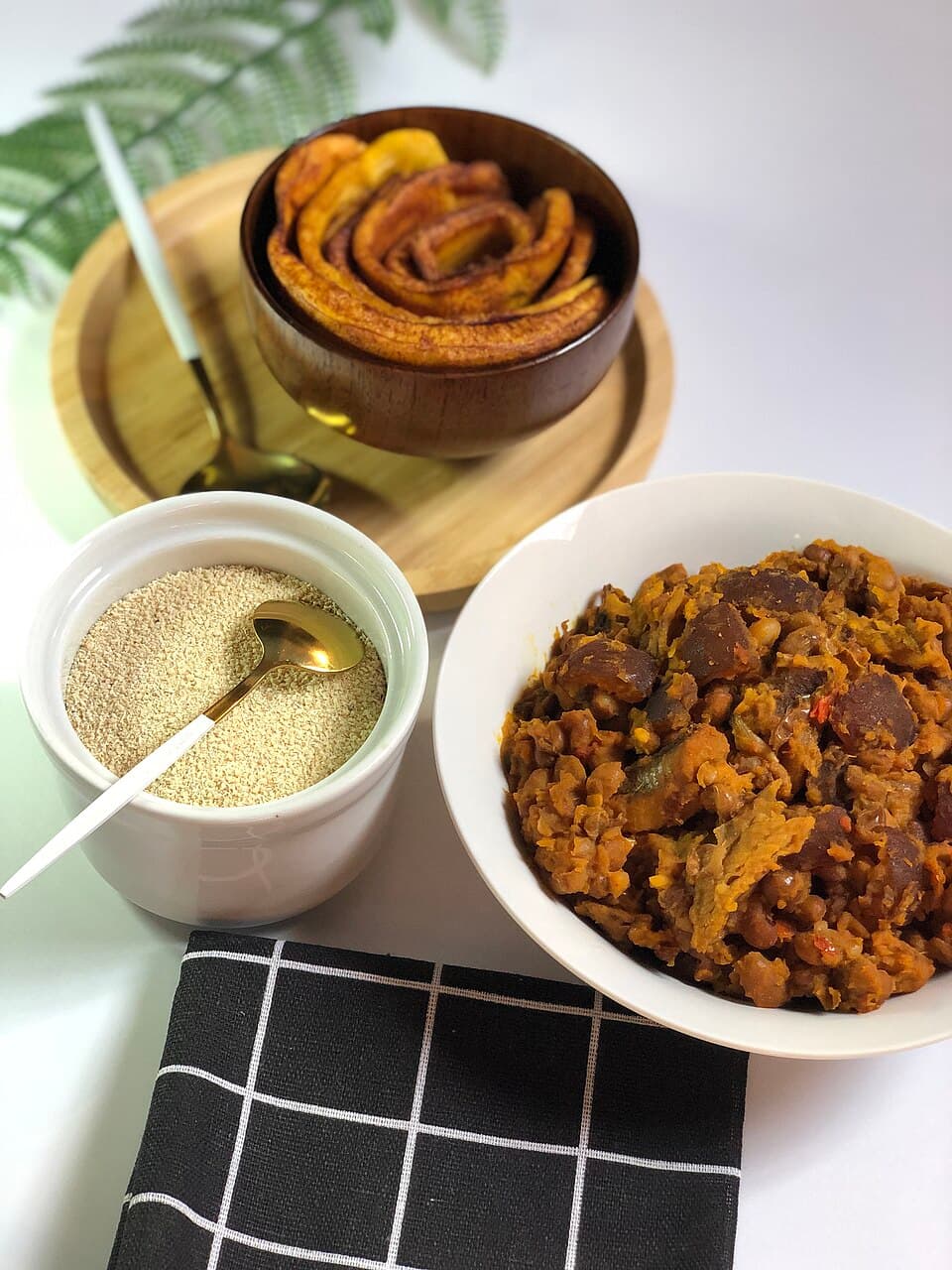
Fried Plantains
Region: Nationwide
Slices of ripe plantain fried until the edges caramelize. Eaten as a snack or a side.
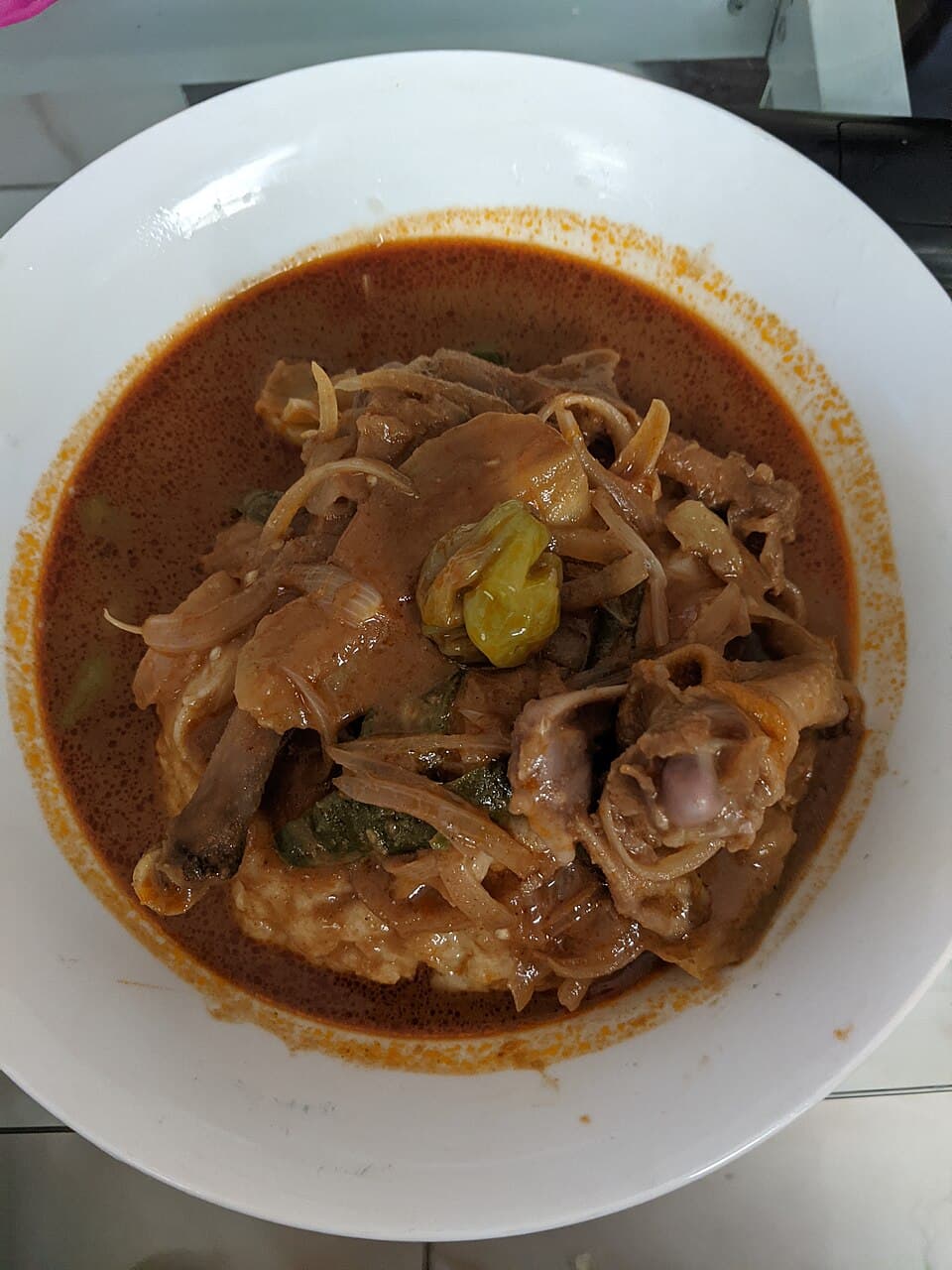
Peanut Sauce
Region: Nationwide
A creamy groundnut sauce spooned over all sorts of dishes.
Allergens:
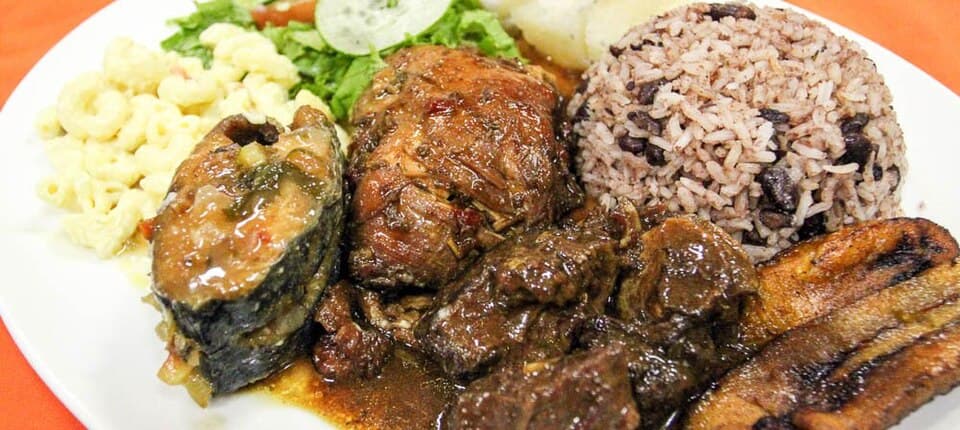
Rice and Beans
Region: Nationwide
Rice and beans together, a daily staple in many households.
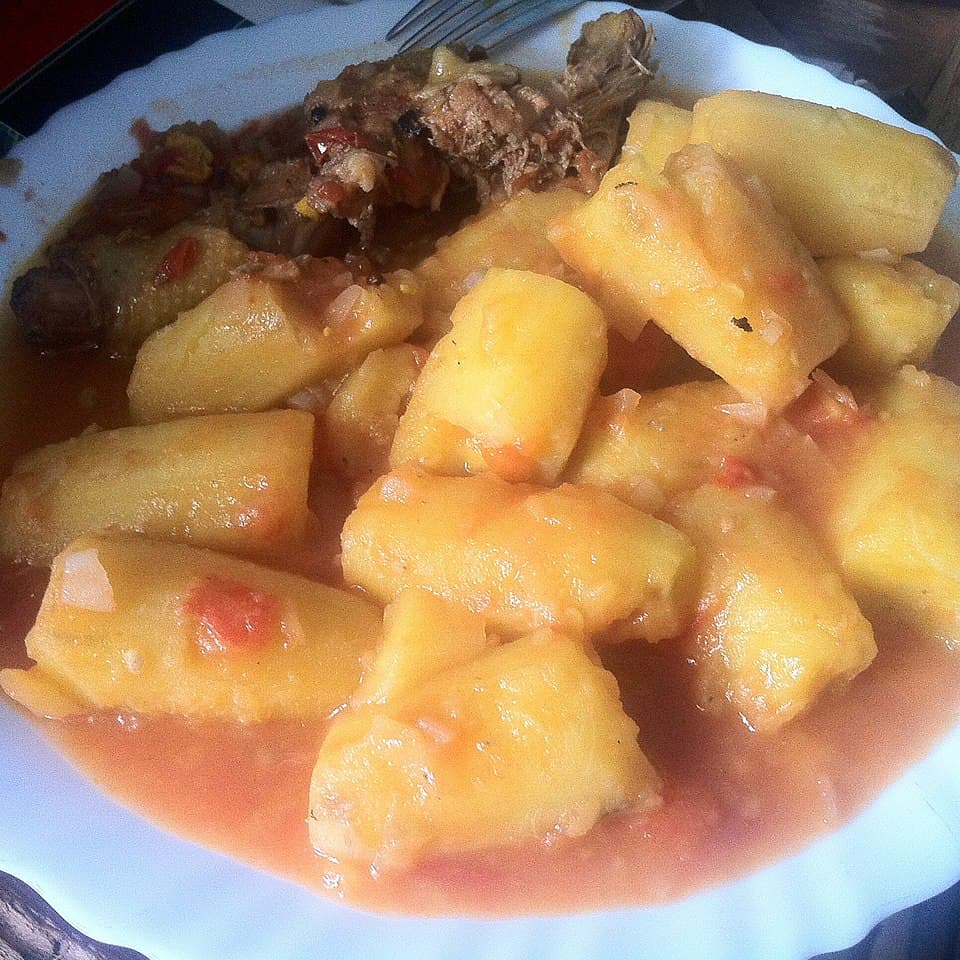
Matoke
Region: Nationwide
Cooked green bananas, a staple starch that ends up close to potato in texture.
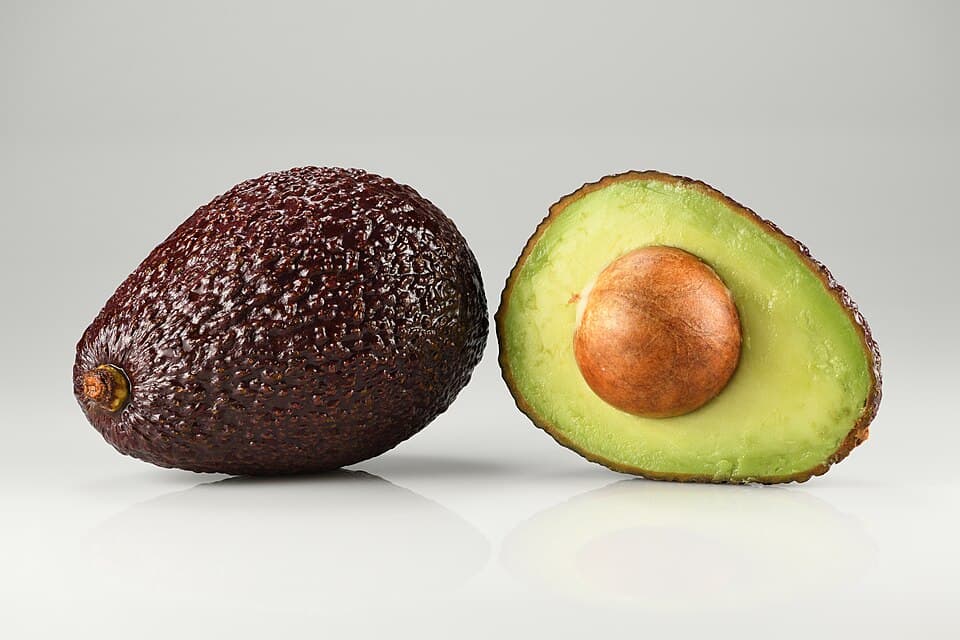
Avocado Salad
Region: Nationwide
Avocados grow well in Burundi, and they often turn up sliced with just salt and lemon.
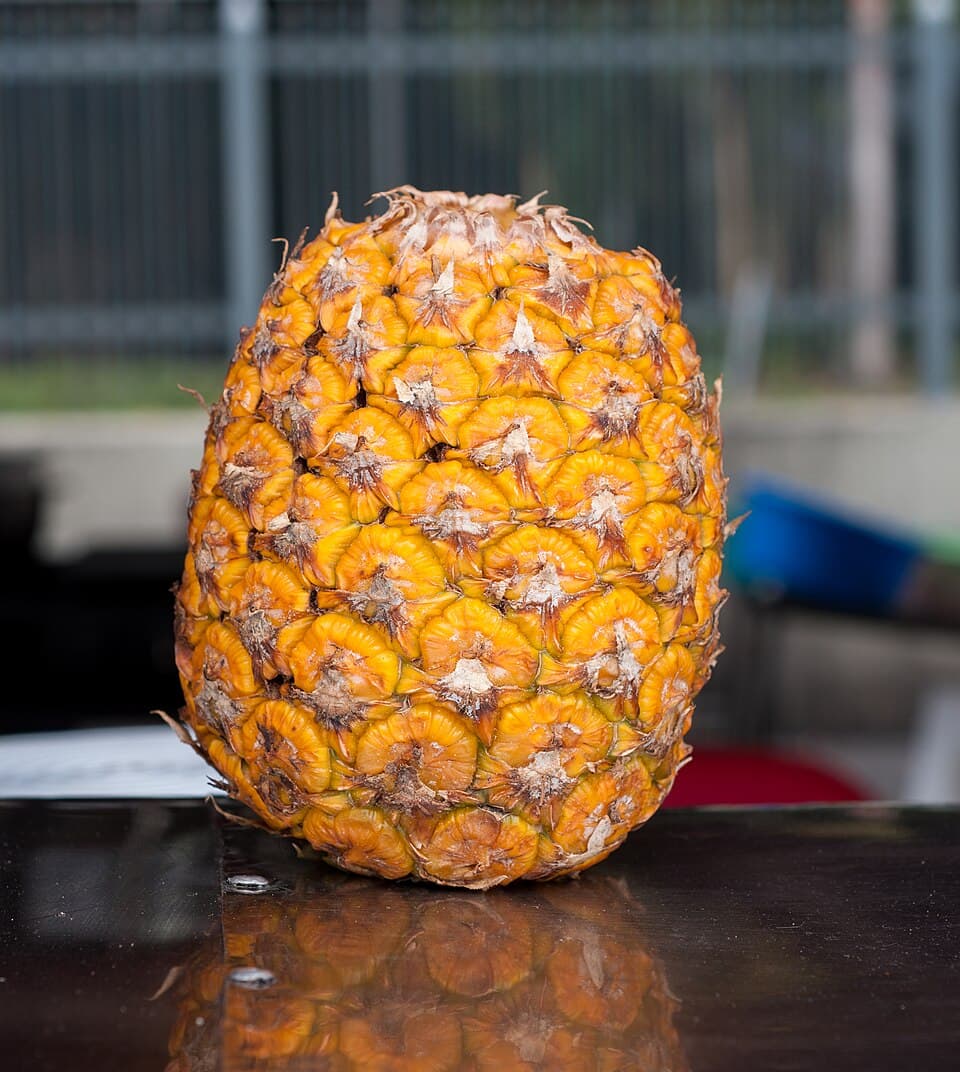
Pineapple
Region: Nationwide
Sweet, juicy pineapples grown locally, eaten fresh or pressed into juice.
Regional Cuisine Highlights
Explore the diverse culinary landscapes across different regions of Burundi.
Bujumbura (Capital & Lake Tanganyika)
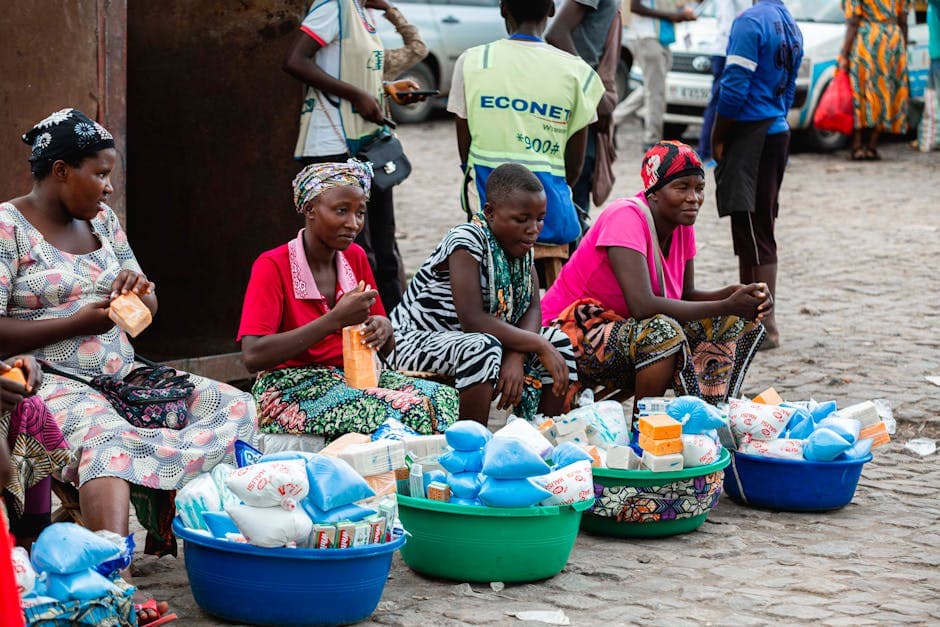
Lakeside cooking built around fresh fish from Lake Tanganyika, where traditional Burundian dishes sit next to international menus. The better restaurants pair lake views with mukeke straight off the boat.
Cultural Significance:
Where lake meets city dining
Signature Dishes:
Key Ingredients:
Gitega (Political Capital)
Traditional Burundian cooking that leans on beans, cassava, and whatever the farms bring in. Afrita restaurant pairs those local flavours with Italian dishes.
Cultural Significance:
Preserving culinary heritage
Signature Dishes:
Key Ingredients:

Highland Regions
The mountains grow beans, potatoes, and coffee, and the meals follow suit: plain, filling plates built on staple crops and whatever vegetables are in season.
Cultural Significance:
Agricultural heartland of Burundi
Signature Dishes:
Key Ingredients:
Sweet Delights & Desserts
Indulge in Burundi's traditional sweet treats and desserts.
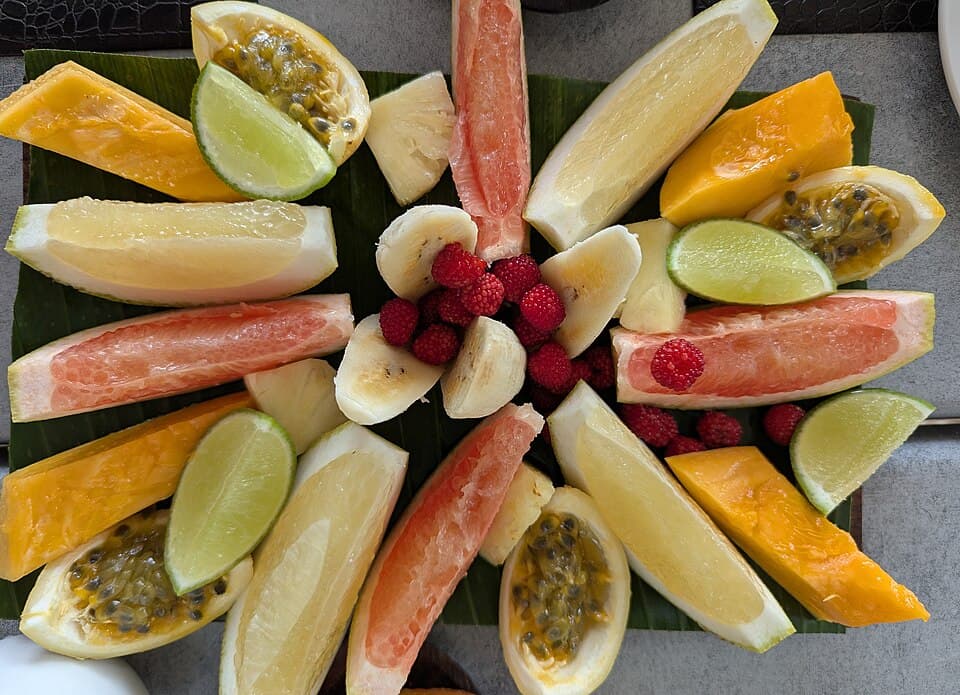
Fresh Tropical Fruits
Region: Nationwide
Bananas, pineapples, mangoes, papayas, and passion fruit, the usual sweet way to end a meal.
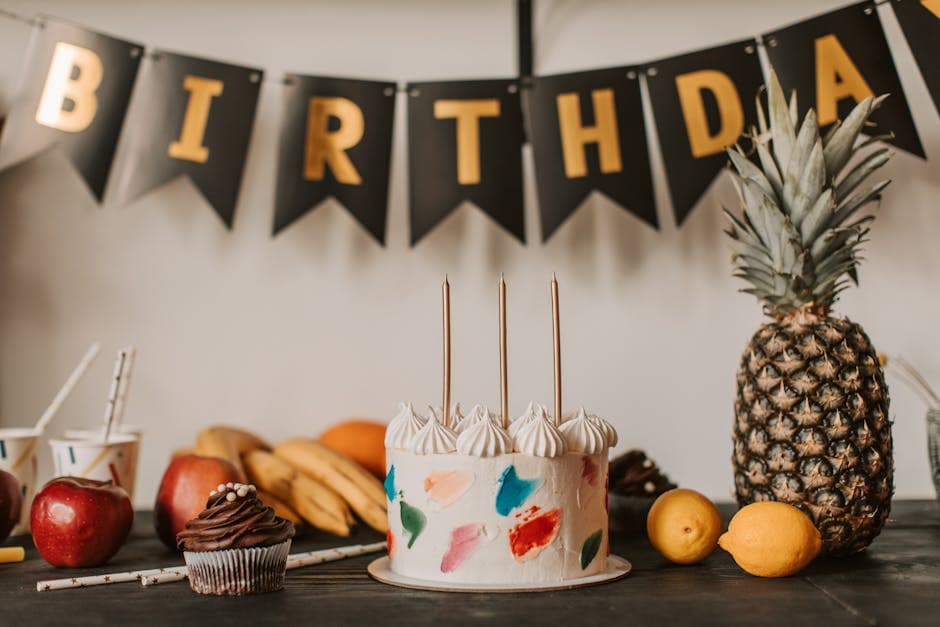
Banana Cake
Region: Urban areas
A plain cake made with ripe bananas, sometimes found at bakeries.
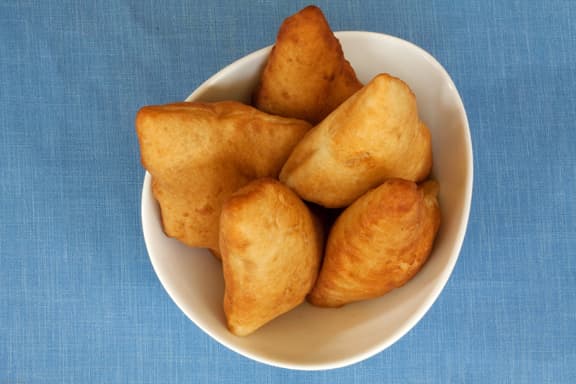
Sweet Fried Dough
Region: Nationwide
Fried dough treats dusted with sugar, a common find at markets.
Traditional Beverages
Discover Burundi's traditional drinks, from locally produced spirits to regional wines.

Impeke / Urwarwa (Banana Beer)
Banana beer made from fermented banana juice, mildly alcoholic with a sweet-and-sour edge. It carries real ceremonial weight in Burundian life.
Primus Beer
The local commercial beer and the most widely drunk one in Burundi. A crisp lager that suits the heat.
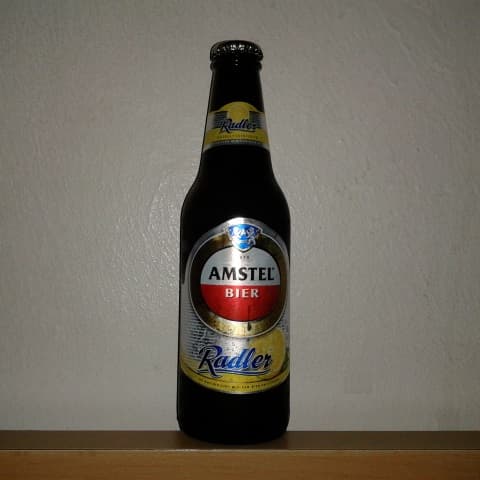
Amstel
An international label brewed locally, the usual alternative to Primus.
Soft Beverages
Discover Burundi's traditional non-alcoholic drinks, from local teas to refreshing juices.

Ikivuguto (Sour Milk)
A fermented milk drink along the lines of buttermilk or kefir, tangy and full of probiotics. A long-standing traditional drink.
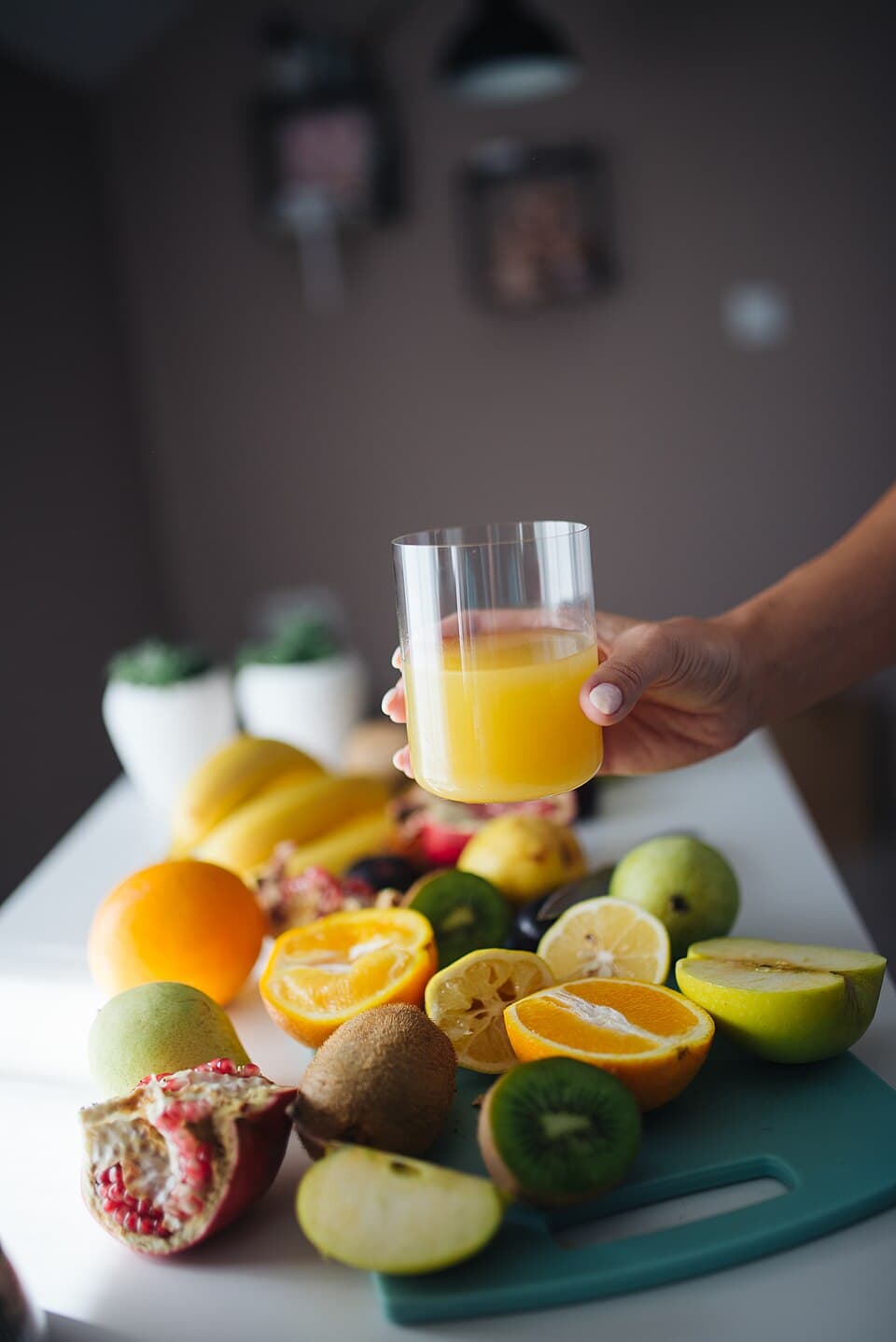
Fresh Fruit Juices
Passion fruit, pineapple, mango, and papaya, squeezed fresh and sweet enough to need nothing added.
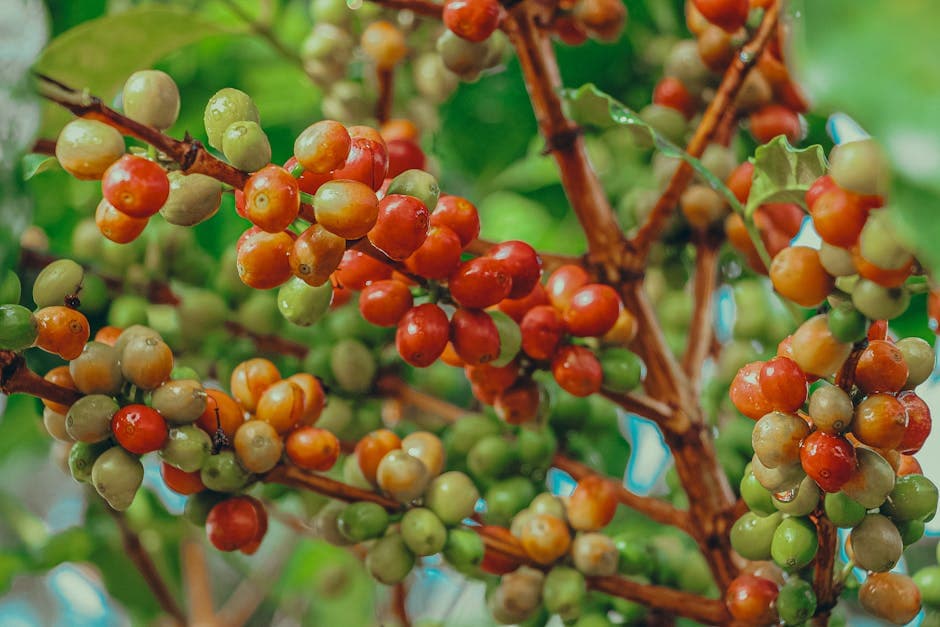
Burundian Coffee
Arabica grown in Burundi's highlands, smooth and full-bodied with a fruity edge. Coffee is one of the country's biggest exports.
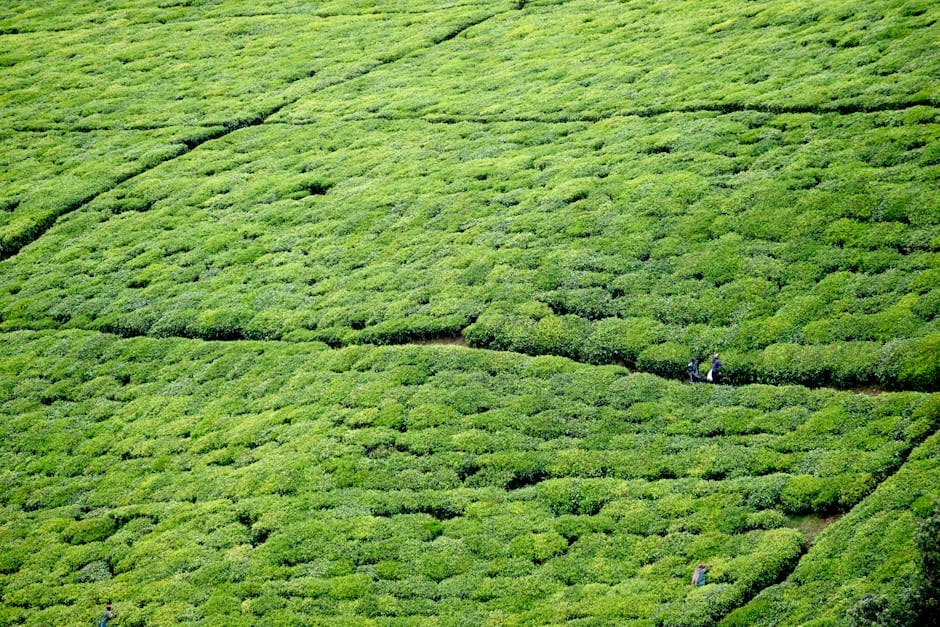
Tea
Black tea, usually taken sweet and milky, morning and afternoon.
Frequently Asked Questions
Essential information about food and dining in Burundi.
What is the national dish of Burundi?
Burundi's most iconic dishes include Isombe, Ugali (Ubugali), Ibiharage (Beans). Burundi's signature dish. Cassava leaves are pounded into a paste and simmered with peanut butter, palm oil, onions, garlic, and spices until thick and filling. You will find it on both sides of the Rwanda border, and it carries a lot of the region's farming history with it.
Is street food safe in Burundi?
Street food in Burundi can be enjoyed safely by following these guidelines: Drink bottled or purified water only. Look for busy vendors with high turnover, ensure food is cooked fresh and served hot, and avoid raw ingredients if you have a sensitive stomach.
What are the best restaurants in Burundi?
Burundi offers excellent dining experiences. Top-rated restaurants include Restaurant Belvedere, Hôtel Restaurant Tanganyika. These establishments showcase authentic Burundi cuisine with professional service and high-quality ingredients.
Can vegetarians find food easily in Burundi?
Vegetarian options in Burundi are mediumly available. Vegetarians do well here: isombe (cassava leaves), beans, ugali, sweet potatoes, and a range of vegetable stews. Markets are stocked with fresh produce.. Many restaurants offer vegetarian dishes, and you'll find plant-based ingredients featured prominently in local cuisine.
What is the average cost of a meal in Burundi?
Meal costs in Burundi depend on where you eat. Street food and casual local restaurants are very affordable, typically offering complete meals for a few dollars. Mid-range restaurants charge moderate prices, while fine dining establishments are comparably priced to Western countries.
What are common food allergens in Burundi?
Common allergens in Burundi cuisine include Peanuts/Groundnuts, Fish. Peanuts are widely used in cooking. These ingredients appear in dishes like Isombe with peanut butter, Sauces. Always inform restaurant staff about your allergies.
When is the best time to visit Burundi for food?
Burundi offers great food experiences throughout the year. However, visiting during harvest seasons (typically spring and autumn) provides access to the freshest local ingredients. Food festivals and cultural celebrations also offer unique culinary experiences worth planning around.