
Nauru Food Guide
Content Information
Recently updated🔥Current Food Trends 2026
What's happening in Nauru's culinary scene right now
Eating on the world's smallest island nation comes with real constraints. Decades of phosphate mining stripped most of the interior, so fresh produce is scarce, and the old Pacific diet of coconut, fish, and pandanus has mostly given way to imported tins and packaged food. The Menen Hotel restaurant remains the closest thing to formal dining, serving a mix of Western and Asian dishes, while a handful of Chinese restaurants run by the local Chinese community account for most of what's left of the eating-out scene. By 2026, small food-security efforts are underway: encouraging coconut planting, steadier reef fishing, and keeping pandanus preservation alive. Worry over the health effects of an imported diet has pushed some Nauruans back toward traditional foods. Local canteens still serve plain daily staples, and coconut toddy (tuba) fermentation carries on. Breadfruit and taro come in from neighbouring Pacific islands to fill gaps in local supply. With no real agriculture, most food reaches the island by cargo ship from Australia and Fiji.
Food Safety Tips
Essential food safety information to help you enjoy Nauru's cuisine safely and confidently.
Drink bottled water only
Nauru's tap water isn't safe to drink; phosphate mining has left it contaminated. Use bottled or filtered water for drinking and even for brushing your teeth. Hotels supply bottled water.
Be cautious with foods left at room temperature
In the tropical heat, food spoils fast. Skip anything that's been left sitting out and stick to freshly prepared meals at hotels and established eateries.
Ensure seafood is freshly caught and properly cooked
Fresh reef fish is fine when cooked properly. Only eat raw fish from sources you trust, and make sure coconut fish uses same-day catch. Larger reef fish can carry ciguatera toxin, so be careful with those.
Check expiration dates on imported products
Most food arrives by cargo ship from Australia and Fiji. Check expiry dates on packaged goods, since shipping delays can leave products closer to their use-by date than you would expect. Buy from established stores.
Dietary Options
vegetarian
LOW AVAILABILITYVegetarians will find slim pickings in Nauru, where the traditional diet leans heavily on seafood and coconut. Chinese restaurants sometimes have vegetable dishes, and shops carry imported canned vegetables and fruit. Give the Menen Hotel notice ahead of time and they can usually put together a vegetarian meal.
vegan
VERY LOW AVAILABILITYVegan meals are almost impossible to find, and fresh produce is both scarce and pricey. You'll mostly get by on coconut (the meat and the water), imported fruit, rice, and taro when it's around. Strict vegans are better off self-catering with imported goods. Explain your needs plainly, since the idea of veganism may not be familiar.
gluten-free
LOW AVAILABILITYNaturally gluten-free traditional foods include coconut fish, fresh seafood, taro, and rice dishes. The catch is that most modern meals now rely on wheat-based imports, so be clear about your needs when you order. Don't count on finding packaged gluten-free products locally.
halal
VERY LOW AVAILABILITYThere's no halal food in Nauru. The small Muslim population (under 0.5%) gets by on seafood and imported foods, and there are no halal-certified restaurants or butchers. Muslim travellers can fall back on fish and vegetarian dishes.
kosher
VERY LOW AVAILABILITYKosher food is unavailable in Nauru, with no Jewish community or kosher certification on the island. Stick to naturally kosher foods such as fresh fish with visible scales, coconuts, fruit, and rice. If you keep strictly kosher, bring your own provisions.
Common Allergens
Coconut
VERY HIGH PREVALENCECoconut turns up in nearly every traditional Nauruan dish, in one form or another.
COMMONLY FOUND IN:
Fish and Seafood
VERY HIGH PREVALENCESeafood is the main source of protein in Nauru and shows up in most traditional dishes.
COMMONLY FOUND IN:
Gluten
HIGH PREVALENCEWheat is common in imported foods and across the modern Nauruan diet.
COMMONLY FOUND IN:
Essential Food Experiences
These iconic dishes represent the must-have culinary experiences that define Nauru's food culture for travelers.

Coconut Fish
Nauru's signature dish takes fresh raw tuna or reef fish, marinates it in lemon or lime juice, then serves it in seasoned coconut cream. The citrus "cooks" the fish much as it would in ceviche, and the coconut milk softens the edge with its creaminess. It's at its best with same-day catch. A staple of Pacific fishing communities, it's often wrapped in banana leaves and brought out at family gatherings.
Grilled Reef Fish
Reef fish such as snapper, grouper, and parrotfish, caught that day and grilled over open flames or coconut-husk coals. The seasoning stays simple, just salt and maybe a squeeze of lime, so the sweet, delicate flesh comes through. It's served whole with rice and a coconut cream sauce. Nauru's fringing reef supplies the daily catch, and this is about as close as it gets to everyday Pacific island eating.

Pandanus Cake
A traditional sweet of preserved pandanus fruit pulp mixed with coconut cream, sometimes bound with arrowroot or cassava flour. The pandanus (screw pine) fruit is soft and starchy, with a faint sweet, nutty taste. The mixture is shaped into cakes and sometimes wrapped in leaves. Pandanus trees hold a sacred place in Pacific culture. Harvest runs November to March, but the preserved pulp keeps it on the table year-round.

Coconut Toddy (Tuba)
A fermented drink made from coconut palm sap. Collectors climb the palms each day to draw fresh liquid from the flower stalks. Drunk fresh it's sweet and non-alcoholic; left to ferment it turns mildly alcoholic and a little sour. Tuba ties into the wider Pacific fermentation traditions and the standing of the coconut palm as the "tree of life." Locals drink the fresh toddy in the morning and save the fermented version for celebrations.

Ibija (Preserved Pandanus)
A way of preserving pandanus in which ripe drupes are pounded, mixed with coconut cream, and sun-dried into hard cakes that keep for months. Ibija is rehydrated with coconut milk and eaten as a sweet treat or stirred into rice. The work involved makes it a special-occasion food, and it reflects the kind of indigenous preservation methods island life demanded.

Fried Breadfruit
Breadfruit brought in from neighbouring Pacific islands, sliced thin and deep-fried like chips or cut into wedges and pan-fried. Cooked, it has a starchy, potato-like texture. Once a Polynesian staple crop, breadfruit grew on Nauru itself before phosphate mining ruined the arable land, so for many it now carries a memory of how things were before the mining.

Taro with Coconut Cream
Imported taro root boiled until tender, then mashed or left in chunks under a thick coconut cream sauce. The root's mild sweet, nutty taste sits well with the coconut. Cooks use either the purple or white variety. Taro is part of the Polynesian table, though Nauru now brings it in from Fiji and Samoa rather than growing its own.

Gedageda (Seafood Soup)
A Nauruan seafood stew built from the fresh catch, fish, clams, and shellfish, seasoned with ginger, garlic, and sometimes chilli. Coconut milk forms the broth, and onions and tomatoes go in when they're available. It's a warming, filling meal that fits the Pacific habit of eating together, and most families cook it their own way.

Fresh Coconut Water
The water from young green coconuts, served straight from the nut. It's naturally sweet, hydrating, and full of electrolytes, which makes it a good answer to Nauru's heat. Vendors and locals crack the nuts open to order. Once you've finished the water, you scoop out the soft meat inside and eat it. Coconut palms are the island's single most important food source.
Rice with Tinned Fish
The everyday Nauruan plate, and a sign of how much the island leans on imports: white rice with canned mackerel, tuna, or corned beef in tomato sauce. It isn't traditional, but it's what most Nauruans actually eat day to day. When there's no fresh catch, tinned fish is the cheap protein that fills the gap, usually cooked up with onions and garlic. It's a plain marker of the island's food-security struggles.
Regional Specialties & Local Favorites
Discover the authentic regional dishes and local favorites that showcase Nauru's diverse culinary traditions.
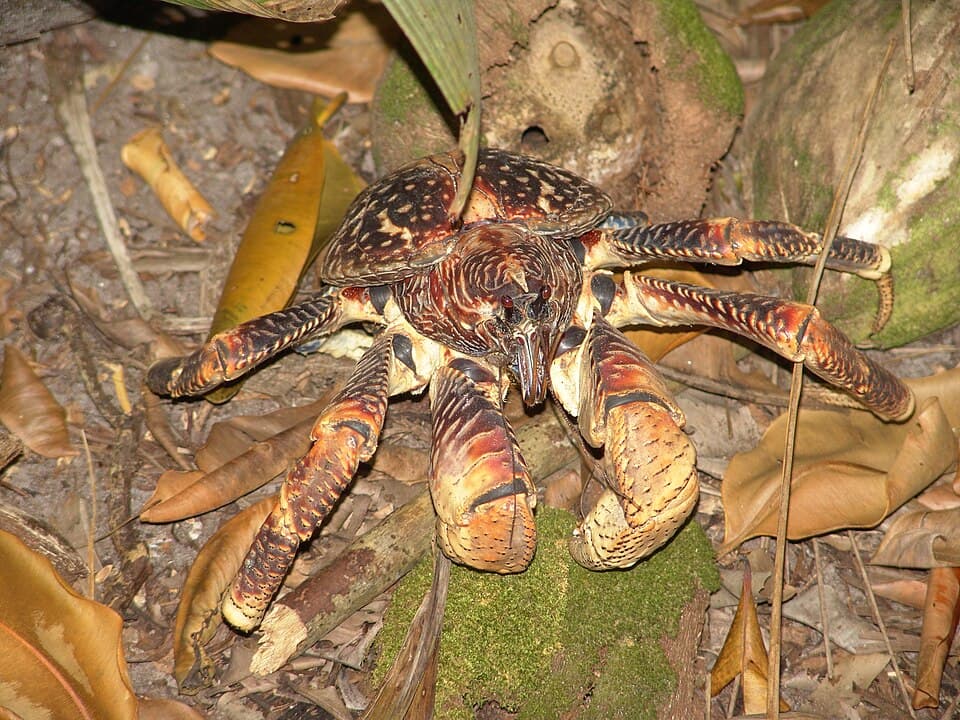
Coconut Crab
A large land crab prized across the Pacific, though overharvesting has made it scarce in Nauru. Coconut crabs reach up to 4kg, live along the coast, and climb trees to get at coconuts. When you can find one, the meat is steamed or grilled with coconut cream and tastes rich and sweet. It's protected on some Pacific islands, so whether you'll see it at all depends on where you are.
Allergens:
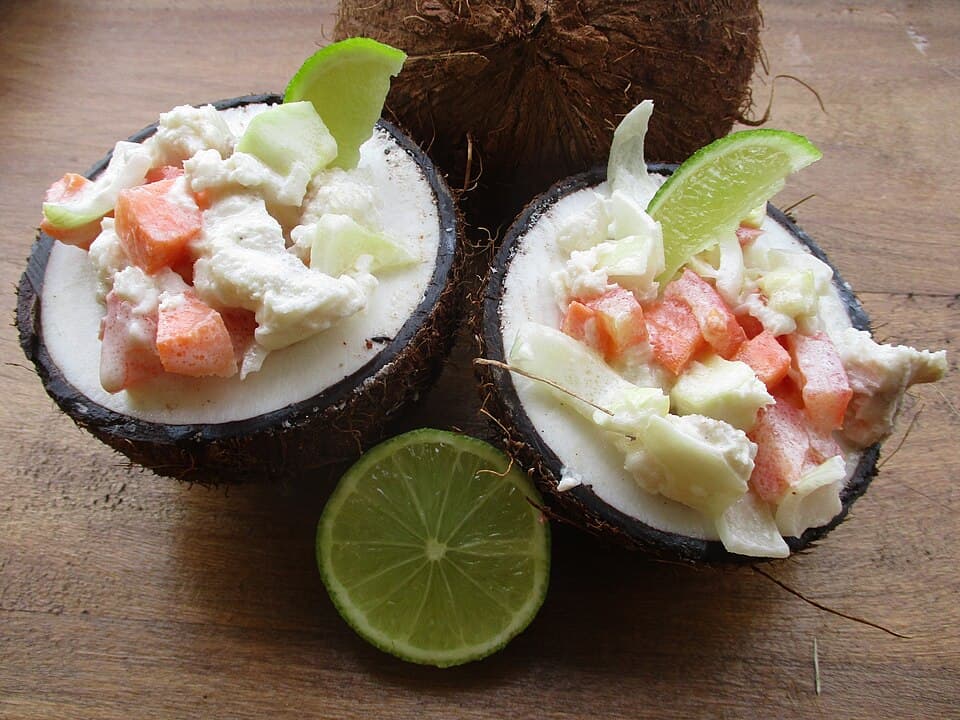
Ika Mata (Raw Fish Salad)
A Pacific raw-fish salad of cubed fresh tuna or reef fish marinated in citrus, then tossed with diced tomato, onion, cucumber, and coconut cream. It's light and full of flavour, which suits the climate. Versions of it turn up all across the Pacific, and it's one of the standard ways to handle the day's fresh catch.
Allergens:
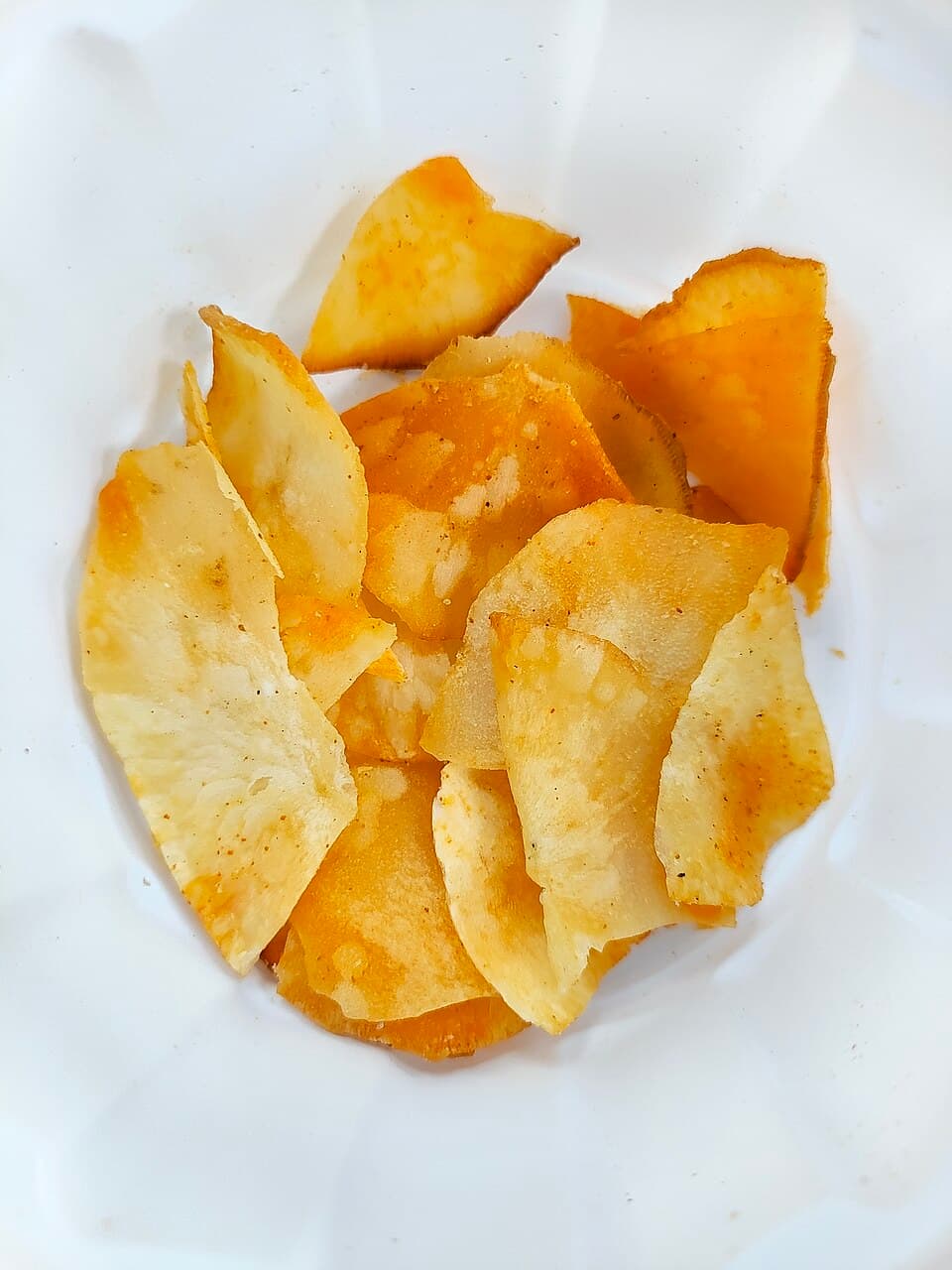
Cassava Chips
Imported cassava root sliced thin and deep-fried until crisp. It's starchy with a touch of sweetness, which makes for a good snack or side. Cassava, the tapioca plant, is a Polynesian staple crop that Nauru now imports. You'll find the chips at local canteens and in homes as a cheap source of carbohydrate.
Banana Poi
Ripe bananas mashed with coconut cream into a sweet, creamy dessert, sometimes thickened with arrowroot or tapioca. A simple Pacific sweet that makes use of plentiful coconuts and imported bananas. It shows up at family meals and on special occasions.
Allergens:
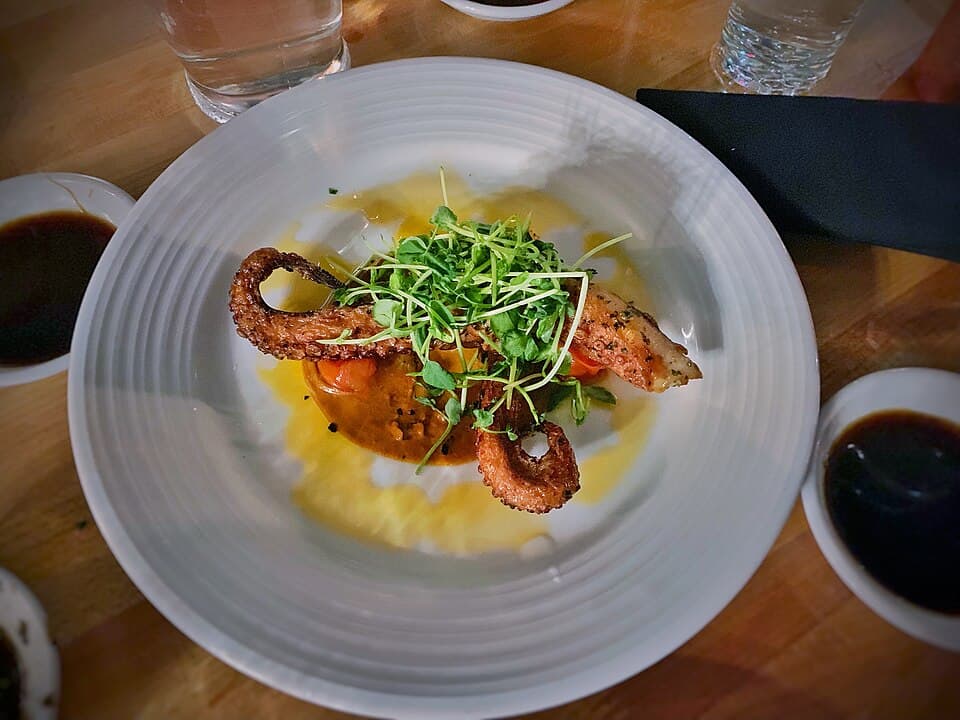
Grilled Octopus
Octopus caught off Nauru's reef, tenderised and grilled over open flames or a coconut-husk fire, then seasoned with salt, lime, and garlic. The texture stays chewy and the flavour turns smoky and charred. Catching octopus takes skill and good timing. It's served as a protein-heavy main or a starter.
Allergens:
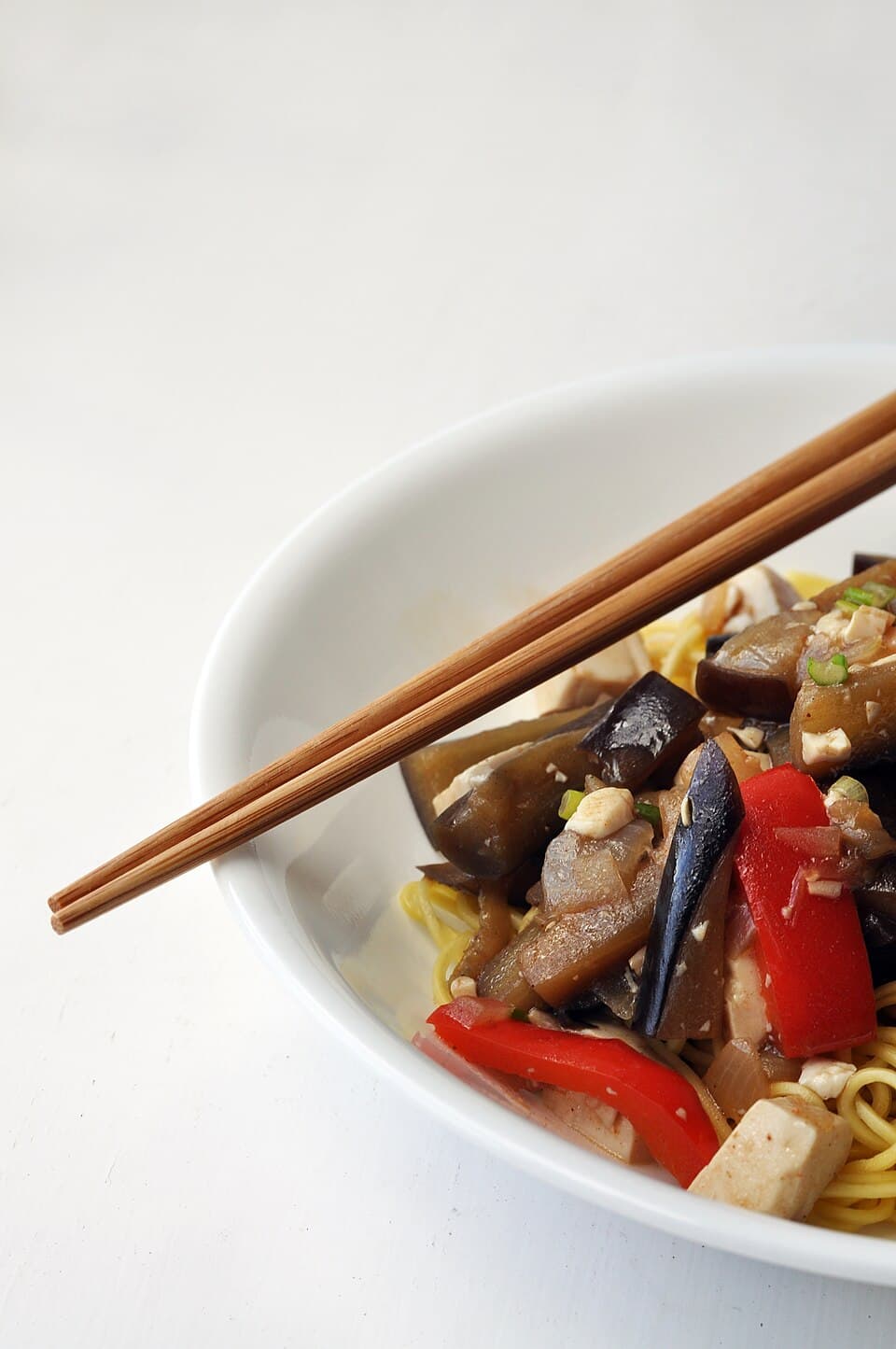
Chinese Stir-Fry
Stir-fries are the contribution of Nauru's Chinese community to the local restaurant table: mostly imported mixed vegetables with chicken, pork, or seafood in a soy-based sauce, served over rice. They sum up modern eating out on the island, where Chinese eateries do most of the cooking.
Allergens:
Roasted Breadfruit
A whole breadfruit roasted over an open fire until the skin blackens and the inside goes soft. You scoop out the flesh and eat it with coconut cream or butter; cooked, it's starchy and bread-like. Imported from Fiji and Samoa, it brings a taste of older Pacific farming to Nauru.
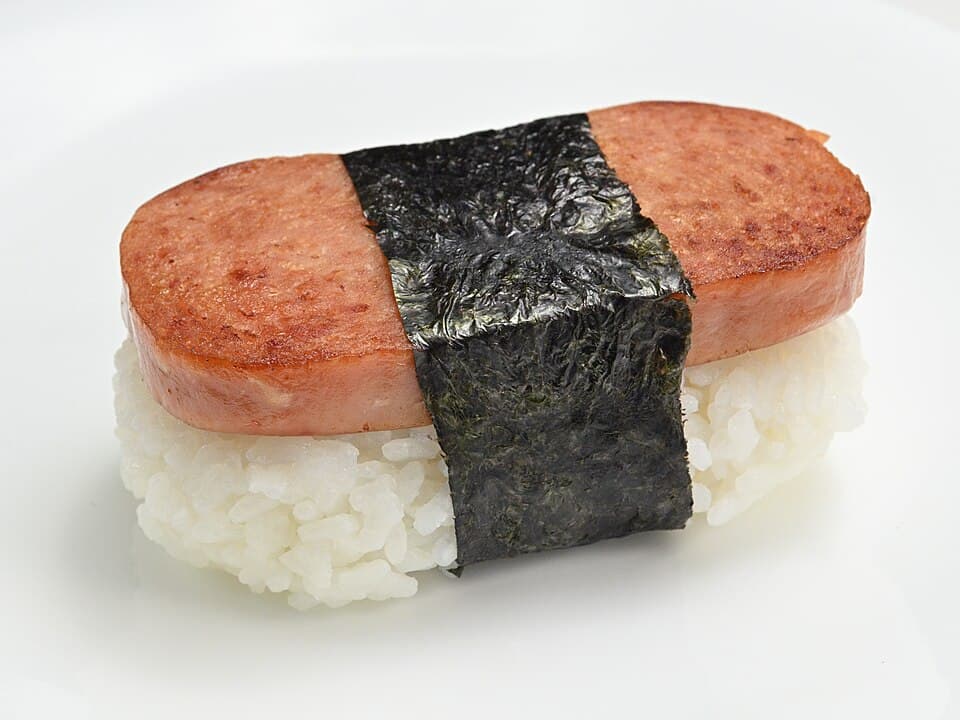
Spam Musubi (Pacific Adaptation)
A Pacific take on the Japanese spam musubi: grilled slices of spam on rice, sometimes wrapped in seaweed. It points to both American and Asian marks on Pacific food. Cheap, filling, and built around imported canned meat, it's a favourite at local canteens.
Allergens:
Regional Cuisine Highlights
Explore the diverse culinary landscapes across different regions of Nauru.
Coastal Nauru (All Districts)
At 21 square kilometres, Nauru is among the world's smallest countries and has no separate regional cuisines to speak of. Food here grows out of coastal life, fishing, and coconut growing. The old diet of coconut fish, reef fishing, and pandanus has largely been pushed aside by imported tins, the knock-on effect of the environmental damage from phosphate mining. All 14 districts face the same food problems and keep the same customs.
Cultural Significance:
Nauru's food carries a Pacific heritage that phosphate mining interrupted. The old coconut-and-fishing diet stands for the abundance that came before the mining, while today's heavy dependence on imports lays bare the island's continuing food-security troubles. Coconut toddy fermentation and pandanus preservation keep the thread to broader Pacific traditions intact.
Signature Dishes:
- Coconut fish
- Grilled reef fish
- Pandanus preparations
- Coconut toddy
Key Ingredients:
Sweet Delights & Desserts
Indulge in Nauru's traditional sweet treats and desserts.
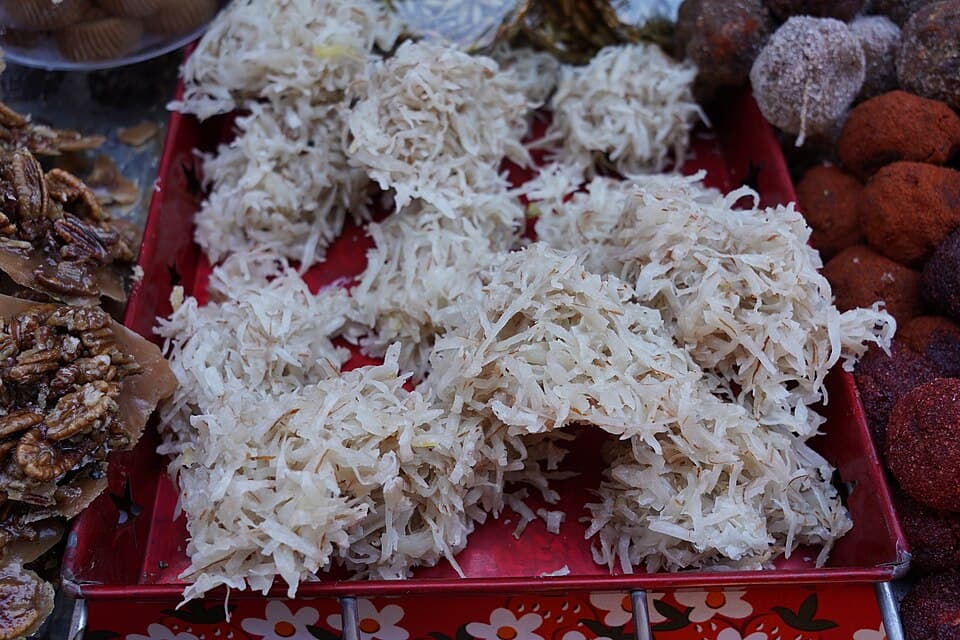
Coconut Candy
Grated coconut meat cooked down with sugar (honey in the old days) and shaped into balls or bars, sometimes scented with vanilla or pandanus. The result is chewy and heavily coconut. A mainstay sweet across the Pacific that puts the islands' plentiful coconuts to use.
Pani Popo (Coconut Bread)
Sweet bread rolls of Samoan origin, baked sitting in a coconut cream sauce that the soft rolls soak up as they cook. They're served warm, either as dessert or a breakfast treat, and they're a reminder that Nauru's food still connects to the wider Pacific despite the island's isolation.
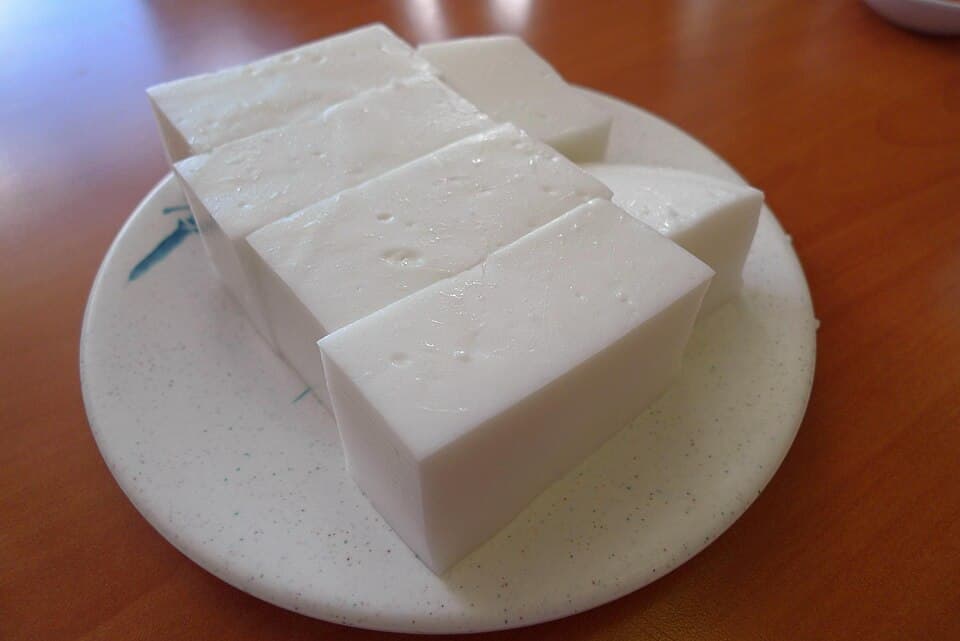
Haupia (Coconut Pudding)
A Hawaiian-style coconut milk pudding thickened with cornstarch or arrowroot, set firm and cut into squares. It's smooth and creamy, with a clean coconut taste. Served chilled, it makes a cooling dessert, and because it's so easy to make it's popular right across the Pacific.
Traditional Beverages
Discover Nauru's traditional drinks, from locally produced spirits to regional wines.
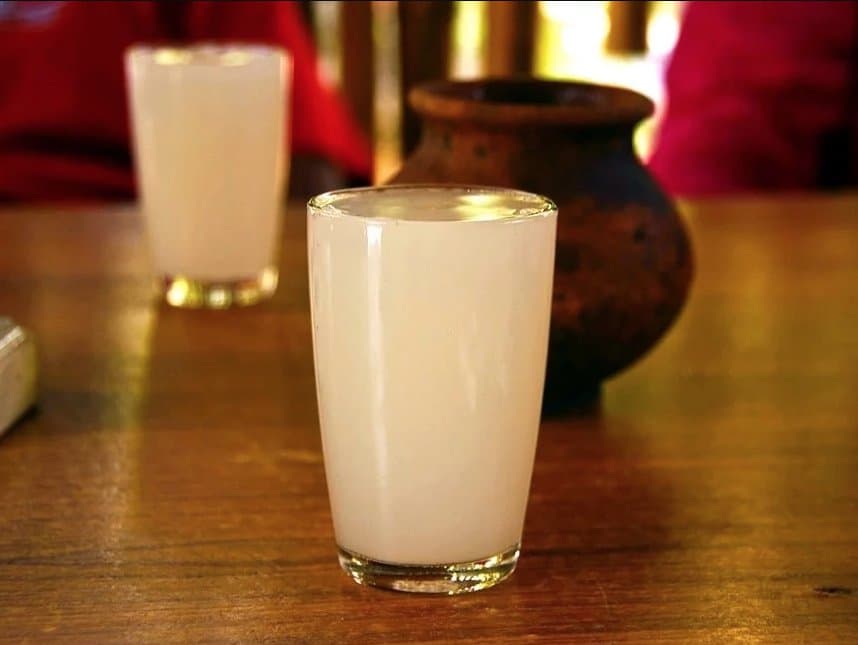
Coconut Toddy (Fermented Tuba)
Coconut palm sap left to ferment, ending up mildly alcoholic at 2-4%, with a slightly sour, yeasty taste. A traditional Pacific drink that carries cultural weight, brought out at celebrations and social gatherings.
Soft Beverages
Discover Nauru's traditional non-alcoholic drinks, from local teas to refreshing juices.
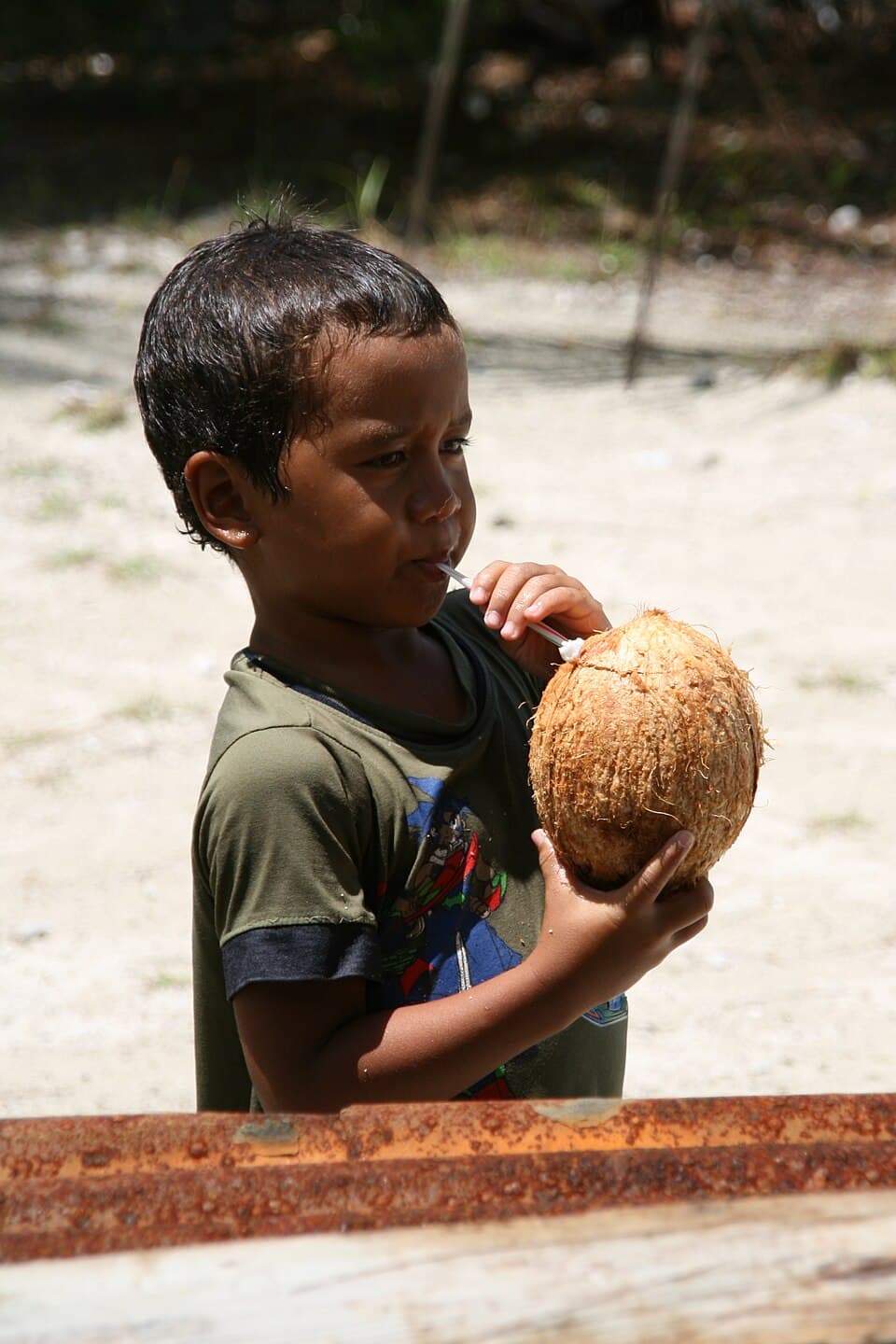
Fresh Coconut Water
Coconut water from young green coconuts: naturally sweet, hydrating, and served straight from the nut.
Fresh Tuba (Non-fermented)
Coconut palm sap drunk fresh, before it ferments. Sweet and light, it's a morning drink, and you have to get to it within hours of collection or it starts to ferment on its own.
Pandanus Juice
Juice pressed from ripe pandanus fruit, sometimes thinned with water and sweetened. It has an unusual fruity, slightly nutty taste, and it's a cooling drink when pandanus is in season (November to March).
Frequently Asked Questions
Essential information about food and dining in Nauru.
What is the national dish of Nauru?
Nauru's most iconic dishes include Coconut Fish, Grilled Reef Fish, Pandanus Cake. Nauru's signature dish takes fresh raw tuna or reef fish, marinates it in lemon or lime juice, then serves it in seasoned coconut cream. The citrus "cooks" the fish much as it would in ceviche, and the coconut milk softens the edge with its creaminess. It's at its best with same-day catch. A staple of Pacific fishing communities, it's often wrapped in banana leaves and brought out at family gatherings.
Is street food safe in Nauru?
Street food in Nauru can be enjoyed safely by following these guidelines: Drink bottled water only. Look for busy vendors with high turnover, ensure food is cooked fresh and served hot, and avoid raw ingredients if you have a sensitive stomach.
What are the best restaurants in Nauru?
Nauru offers diverse dining options from street food stalls to upscale restaurants. For the best experience, ask locals for recommendations, check recent reviews, and look for restaurants that specialize in regional cuisines.
Can vegetarians find food easily in Nauru?
Vegetarian options in Nauru are lowly available. Vegetarians will find slim pickings in Nauru, where the traditional diet leans heavily on seafood and coconut. Chinese restaurants sometimes have vegetable dishes, and shops carry imported canned vegetables and fruit. Give the Menen Hotel notice ahead of time and they can usually put together a vegetarian meal.. Many restaurants offer vegetarian dishes, and you'll find plant-based ingredients featured prominently in local cuisine.
What is the average cost of a meal in Nauru?
Meal costs in Nauru depend on where you eat. Street food and casual local restaurants are very affordable, typically offering complete meals for a few dollars. Mid-range restaurants charge moderate prices, while fine dining establishments are comparably priced to Western countries.
What are common food allergens in Nauru?
Common allergens in Nauru cuisine include Gluten. Wheat is common in imported foods and across the modern Nauruan diet.. These ingredients appear in dishes like Bread, Imported pastries. Always inform restaurant staff about your allergies.
When is the best time to visit Nauru for food?
Nauru offers great food experiences throughout the year. However, visiting during harvest seasons (typically spring and autumn) provides access to the freshest local ingredients. Food festivals and cultural celebrations also offer unique culinary experiences worth planning around.