
Mongolia Food Guide
Content Information
Recently updated🔥Current Food Trends 2026
What's happening in Mongolia's culinary scene right now
In 2026 Mongolia's food still runs on two tracks: nomadic cooking that hasn't changed much in centuries, and a capital where cooks borrow freely from Korea and China. Buuz, the steamed mutton or beef dumpling, gets eaten year-round and stacks up by the dozen at Tsagaan Sar (Lunar New Year), where families take their buuz-folding seriously. Khuushuur, the fried version, belongs to Naadam in July; locals will tell you the festival doesn't count until you've eaten one. Airag, fermented mare's milk, comes out in summer at festivals and family gatherings, poured into big bowls and tasting sour and faintly fizzy at 1-3% alcohol. There's renewed interest in the old seasonal rhythm too: 'White Foods,' the dairy of the summer months, against the 'Red Months' of winter when the diet turns to meat. Borts, meat cut into strips and air-dried in the winter cold, then keeps through the Gobi heat; in the desert it's usually goat or camel. Ulaanbaatar's restaurants keep multiplying. Modern Nomads (a Lonely Planet pick for a full traditional spread), The Moriton (known for khuushuur and its banshtai tsai milk-tea broth), and Altan Gadas, which runs a 7pm show with contortionists, throat singers, and murin khuur players. The Khaan Buuz chain is the local fast food: dependable nogootoi shol vegetable soup, buuz with suutei tsai salted milk tea, and niislel salad, a Mongolian potato salad with boiled meat. At The Bull hot-pot chain you cook your own meat, noodles, and vegetables at the table. In the west, Kazakh cooking shapes the menu, with beshbarmak (boiled meat over noodles) and kazy (smoked, dried horse sausage). The Gobi leans on camel and yak stews. Gobi sea buckthorn, vitamin-heavy and entirely wild, keeps turning up as a health food. Climate change is shifting herding patterns, but the food traditions tied to the herds have held. The international scene in the capital grows each year, though traditional cooking is still the heart of it.
Food Safety Tips
Essential food safety information to help you enjoy Mongolia's cuisine safely and confidently.
Bottled water essential, especially outside Ulaanbaatar
Don't drink tap water anywhere in Mongolia. Bottled water is easy to find in Ulaanbaatar and tourist areas, but stock up before you leave for the countryside. Boiled water is fine.
Be cautious with traditional dairy from nomadic sources
Dairy from nomadic families (airag, suutei tsai, fresh cheese) is usually safe, but the fermentation and unfamiliar bacteria can unsettle a sensitive stomach. Start with small portions. If you'd rather play it safe, stick to restaurant versions.
Ensure meat is thoroughly cooked
Mongolian cooking is meat-heavy. Make sure mutton, beef, and horse meat are cooked through. Established Ulaanbaatar restaurants keep good standards; take more care at remote ger camps.
Try airag in moderation if unfamiliar
Airag is mildly alcoholic at 1-3%, and if you're not used to fermented dairy it can upset your stomach. Try a small amount in summer when it's freshly made. It's worth tasting, just pace yourself.
Dietary Options
vegetarian
LOW AVAILABILITYEating vegetarian is hard here, since the traditional diet revolves around meat. Some Ulaanbaatar restaurants do vegetable dishes, salads, and dairy options, and Khaan Buuz has nogootoi shol (vegetable soup). Ask for "noghoo" (vegetables) dishes. Dairy is everywhere in summer.
vegan
VERY LOW AVAILABILITYVegan eating is very tough. The nomadic diet is built on meat and dairy. In Ulaanbaatar, Chinese and Korean restaurants may have vegetable dishes; say "no meat, no dairy" clearly. If you keep strict vegan, pack supplemental food, as rural areas offer almost nothing.
gluten-free
MEDIUM AVAILABILITYMore manageable than you might expect. Buuz and khuushuur use wheat dough, but plenty of meat dishes (boodog, grilled meats, stews) have no gluten to begin with. Dairy is fine and rice is common. Say "no flour" (talh gui). Ulaanbaatar restaurants are the easiest to work with.
Common Allergens
Dairy
HIGH PREVALENCEDairy is central, especially through the summer "White Foods" months
COMMONLY FOUND IN:
Gluten
MEDIUM PREVALENCEWheat dough used in dumpling preparations and noodle dishes
COMMONLY FOUND IN:
Meat
HIGH PREVALENCEMutton, beef, horse, camel, and yak meat are dietary staples
COMMONLY FOUND IN:
Essential Food Experiences
These iconic dishes represent the must-have culinary experiences that define Mongolia's food culture for travelers.

Buuz (Бууз)
The country's signature dish: steamed dumplings stuffed with mutton or beef, onion, and seasoning. People eat them daily, and they're the heart of Tsagaan Sar (Lunar New Year), when families fold them by the hundred. Most households guard their own recipe and folding technique. Juicy and savory. You'll find them everywhere, from Khaan Buuz counters to Modern Nomads.

Khuushuur (Хуушуур)
A flat, deep-fried take on buuz: minced meat and vegetables sealed in dough and fried to gold. It's everywhere during festival season, above all at Naadam, and there's an old line that you haven't really done Naadam until you've eaten one. Crisp shell, juicy filling. The Moriton makes a good plate of them.

Tsuivan (Цуйван)
Stir-fried meat and vegetables with hand-pulled noodles, so common that nearly every restaurant in Ulaanbaatar serves it. The cook fries the meat and vegetables, adds water, and steams the dough noodles in that broth, which is what gives them their flavor. Hearty, filling comfort food.

Boodog
A whole goat or marmot cooked from the inside out, with hot stones packed into the carcass. It shows up at big celebrations and victory feasts. Stories hold that Chinggis Khan threw boodog banquets for his warriors after a win, and it's still prepared with that kind of ceremony. As traditional as Mongolian cooking gets.

Airag (Fermented Mare's Milk)
Fresh mare's milk left to ferment in a leather bag or wooden barrel for several days, stirred often with a wooden paddle. The result is slightly sour, fizzy, and lightly alcoholic at 1-3%. People drink it from large bowls at summer festivals, family gatherings, and rituals. It sits at the center of nomadic summer life.

Borts (Air-Dried Meat)
Thin strips of meat hung to air-dry in the sub-zero cold at the start of winter, after which they hold up even through the Gobi heat. It's a clever way to keep meat without refrigeration. In the Gobi it's made from goat and camel, and you rehydrate it later in soups and stews. The technique goes back centuries.

Banshtai Tsai (Milk Tea Broth Soup)
Dried meat simmered in a milk-tea broth, a comfort bowl that works in any season. The Moriton's version is rated among the best in Ulaanbaatar. It folds tea, dairy, and meat into one warming dish, and it's a nomadic staple.

Suutei Tsai (Salted Milk Tea)
Salted milk tea: black tea boiled with milk, salt, and sometimes butter. It gets poured all day long and is the standard welcome drink in a ger. Rich and savory rather than sweet. Khaan Buuz serves it alongside buuz.

Beshbarmak (Western Mongolia - Kazakh Influence)
Boiled meat laid over wide noodles, a Kazakh dish that came into western Mongolia through the Altai. Tender meat, soft noodles, rich broth. It points to the Kazakh communities that have long lived in the west.

Kazy (Horse Meat Sausage)
A horse-meat sausage from western Mongolia, smoked and dried. It's a Kazakh specialty that took hold around the Altai Mountains. Rich and gamey, sliced thin and served as a delicacy.

Niislel Salad
The Mongolian potato salad: boiled meat, potatoes, eggs, peas, carrots, pickles, and mayonnaise. You'll see it at Khaan Buuz and at traditional restaurants as a comfort-food side.
Regional Specialties & Local Favorites
Discover the authentic regional dishes and local favorites that showcase Mongolia's diverse culinary traditions.
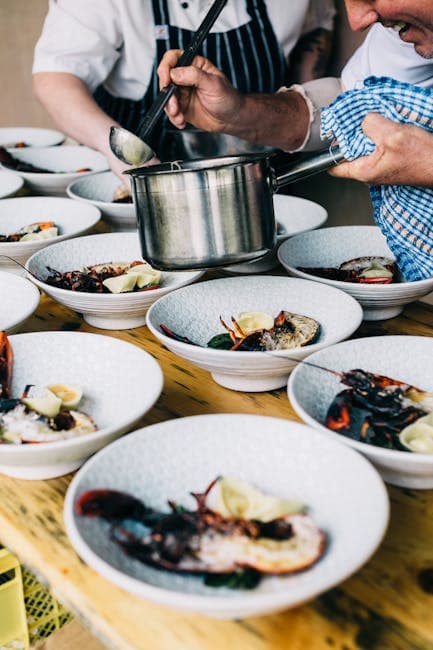
Nogootoi Shol (Vegetable Soup)
One of the few dishes here built around vegetables. It's reliable, easy to find at Khaan Buuz, and a welcome break in an otherwise meat-heavy diet.
Grilled Mutton
Mutton grilled plain, seasoned with salt and sometimes cumin. A fixture at outdoor barbecues and restaurants alike. Smoky and tender.
Camel or Yak Meat Stew (Gobi/Mountain Regions)
In the Gobi and the mountains, camel and yak go into thick stews. Both have a strong, distinct flavor, and which you get depends on what the local herds raise.
Fresh Mongolian Cheese
Made from cow, sheep, goat, or yak milk. The hard, dried form is a summer snack and part of the "White Foods" dairy diet. Salty, tangy, and it keeps for a long time.
Allergens:
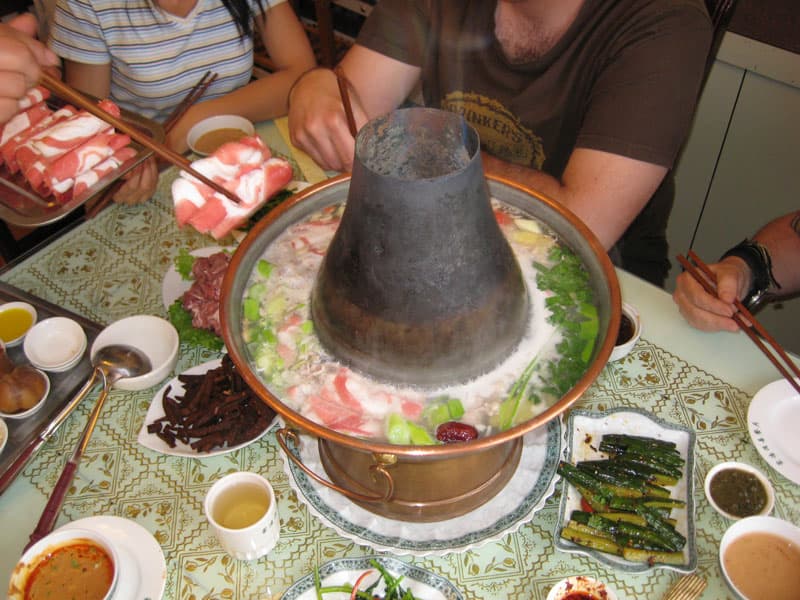
Hot Pot (The Bull Chain)
A newer Ulaanbaatar habit: you cook your own meat, noodles, and vegetables at the table. Mongolian ingredients meet a Chinese and Korean hot-pot setup. Popular with locals.
Allergens:
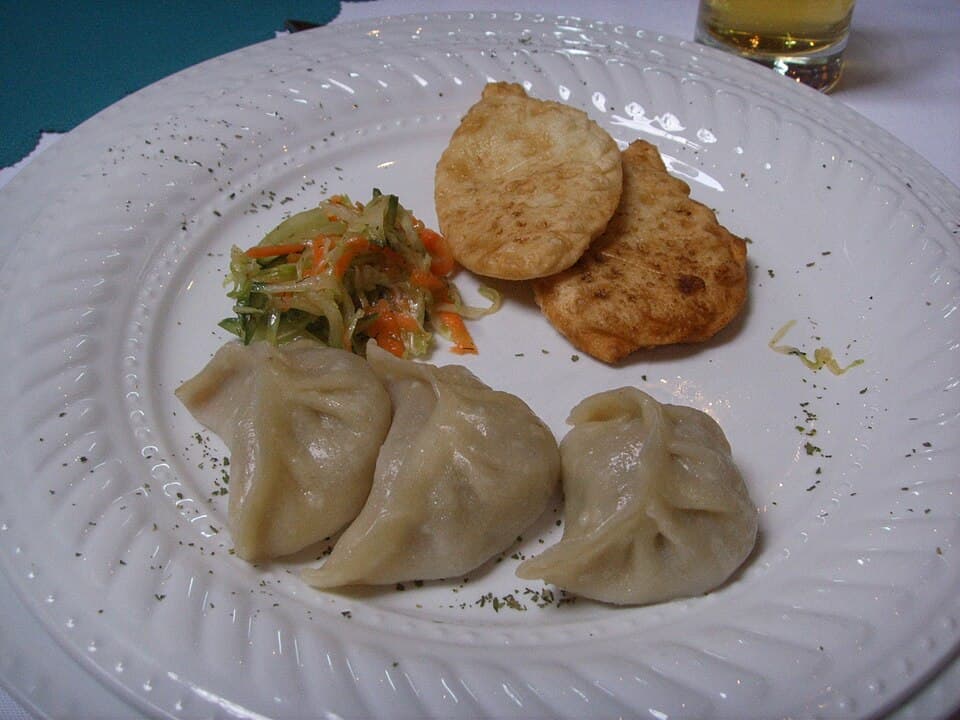
Fried Meat Dumplings (Pan-Fried)
Buuz or khuushuur cooked in a pan instead of deep-fried, so they come out crisp on the bottom and steamed on top. Common as street food and on restaurant menus, and lighter on oil than the deep-fried kind.
Allergens:
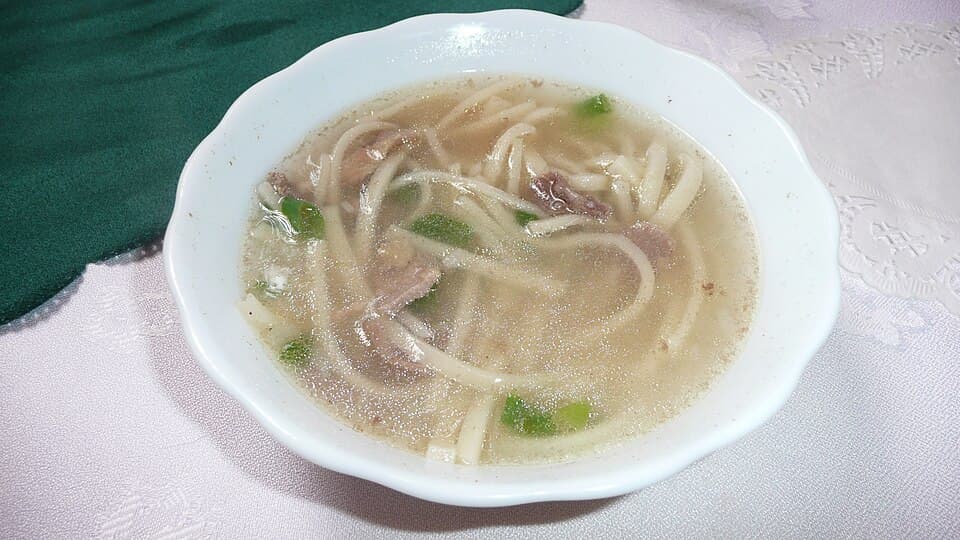
Mutton Noodle Soup
A plain, warming soup of mutton and noodles in broth. People eat it for breakfast and lunch, and you can get it at almost any local eatery.
Allergens:
Korean-Influenced Spicy Dishes
Some Ulaanbaatar kitchens now put Korean heat into traditional Mongolian dishes, a sign of how much the capital's food scene has opened up.
Allergens:
Regional Cuisine Highlights
Explore the diverse culinary landscapes across different regions of Mongolia.
Ulaanbaatar (Capital)
The capital has the widest range of restaurants, covering both traditional and modern cooking. Modern Nomads (a Lonely Planet pick for a classic spread), The Moriton (known for khuushuur and banshtai tsai), Altan Gadas (cultural shows nightly at 7pm), the Khaan Buuz fast-food chain, and The Bull for hot pot. Cooks here borrow from Korean and Chinese kitchens, and the international scene keeps growing, though traditional food still leads.
Signature Dishes:
Key Ingredients:
Gobi Desert Region
The desert shapes what people eat, and camel and goat take the lead. Borts, the air-dried meat that holds up in the heat, is at its best here, made by drying goat and camel in the winter cold. Sea buckthorn grows in the same harsh ground and packs in vitamins. In country this dry, the old preservation methods are a matter of survival.
Signature Dishes:
Key Ingredients:
Western Mongolia (Altai Mountains - Kazakh Region)
Kazakh cooking gives this corner its own identity. Beshbarmak (boiled meat over noodles) and kazy (smoked, dried horse sausage) are the specialties. Horse meat shows up more often than elsewhere in the country, and the seasoning differs from central Mongolia. It's a reflection of the Kazakh communities living in the west.
Signature Dishes:
Key Ingredients:
Northern Mountain Regions
Yak runs through the cooking in the northern mountains, from stews to dairy made with yak milk. The cooler climate calls for different preservation methods than the Gobi. The forests here add wild mushrooms and berries on top of the meat and dairy.
Signature Dishes:
Key Ingredients:
Sweet Delights & Desserts
Indulge in Mongolia's traditional sweet treats and desserts.
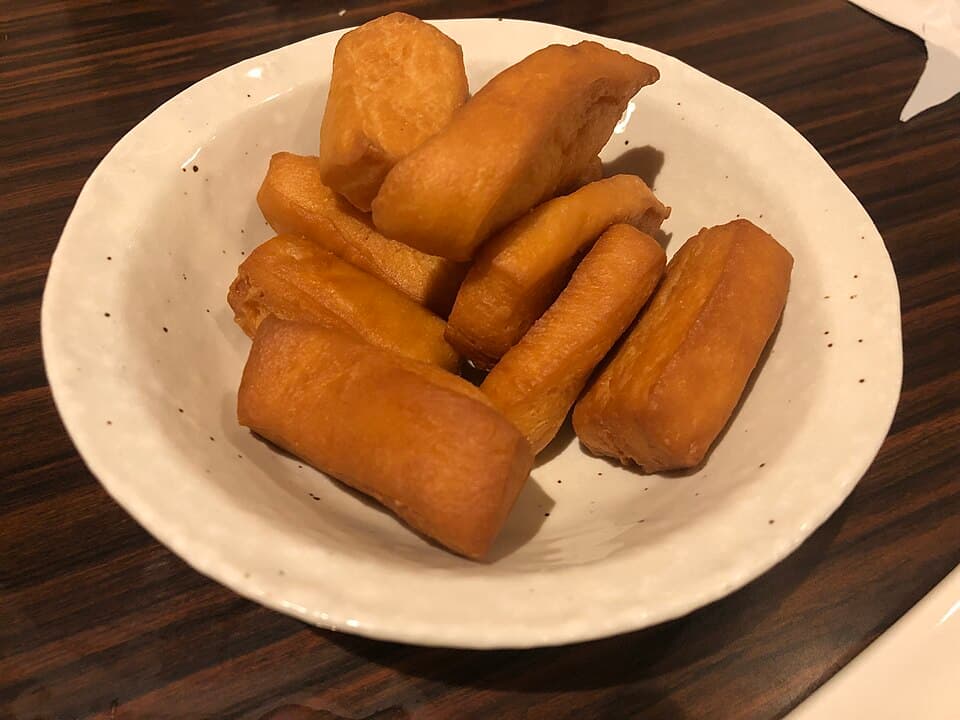
Boortsog
Fried dough cookies, cut into rectangles and deep-fried until golden and crisp. They come out at Tsagaan Sar and other celebrations, often stacked into tall decorative pyramids. Lightly sweet and crunchy.
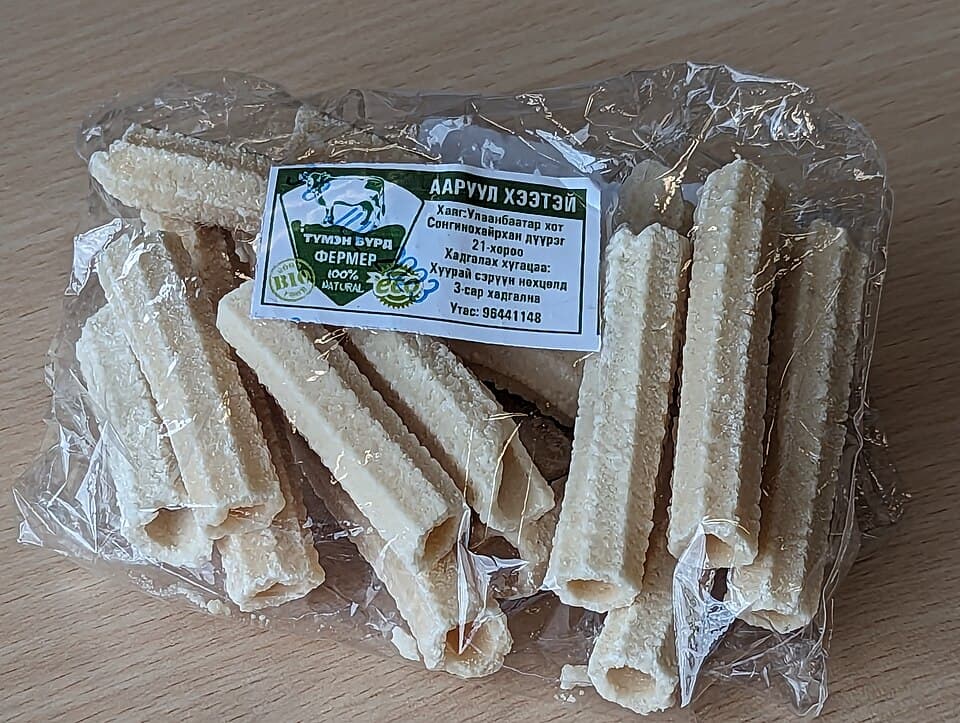
Aaruul (Dried Curds)
Dried cheese curds, hard and sour, that keep almost indefinitely. A long-standing nomadic snack made from whatever milk is on hand. It takes some getting used to, and it shows how the "White Foods" get preserved.
Sea Buckthorn Candy
Made from Gobi sea buckthorn berries, which are wild and loaded with vitamins. The sweet-tart candies have caught on lately, a modern use for an old Gobi ingredient.
Traditional Beverages
Discover Mongolia's traditional drinks, from locally produced spirits to regional wines.
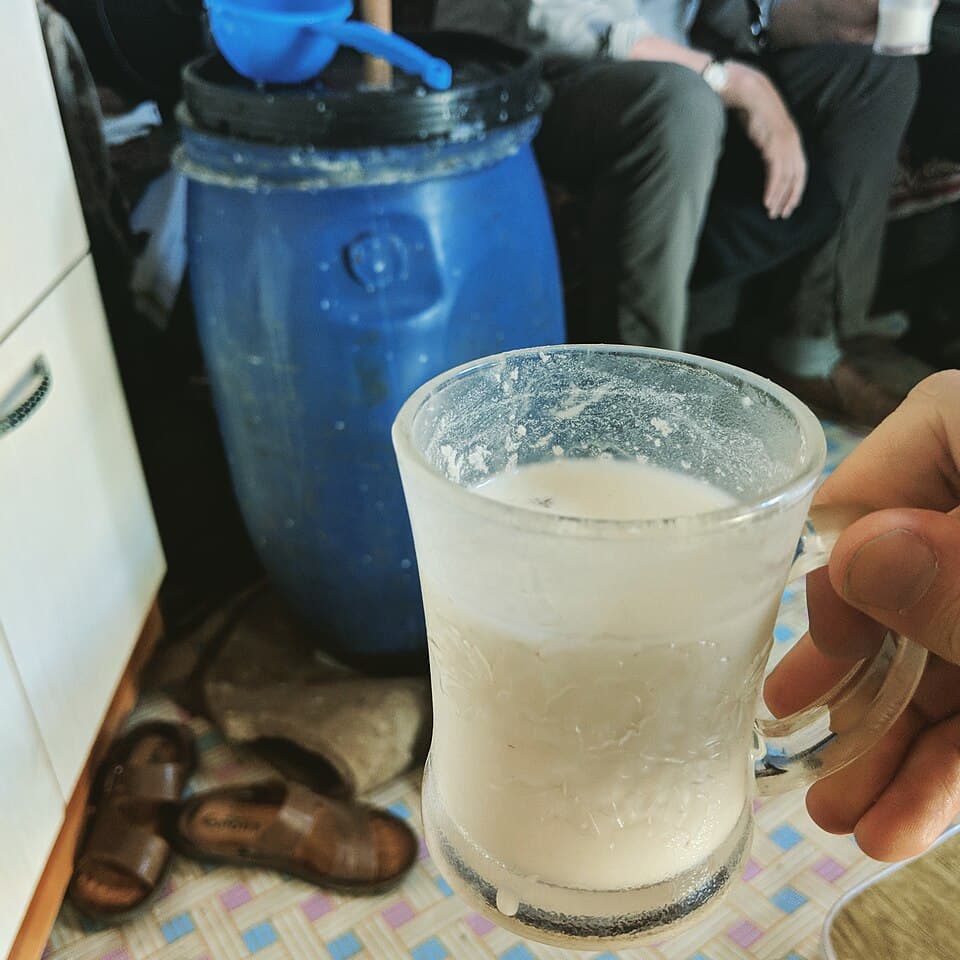
Airag (Fermented Mare's Milk)
Fermented mare's milk, lightly alcoholic at 1-3%. Slightly sour and fizzy, poured into big bowls at summer festivals and gatherings. It's tied closely to nomadic life and to the rituals of hospitality.
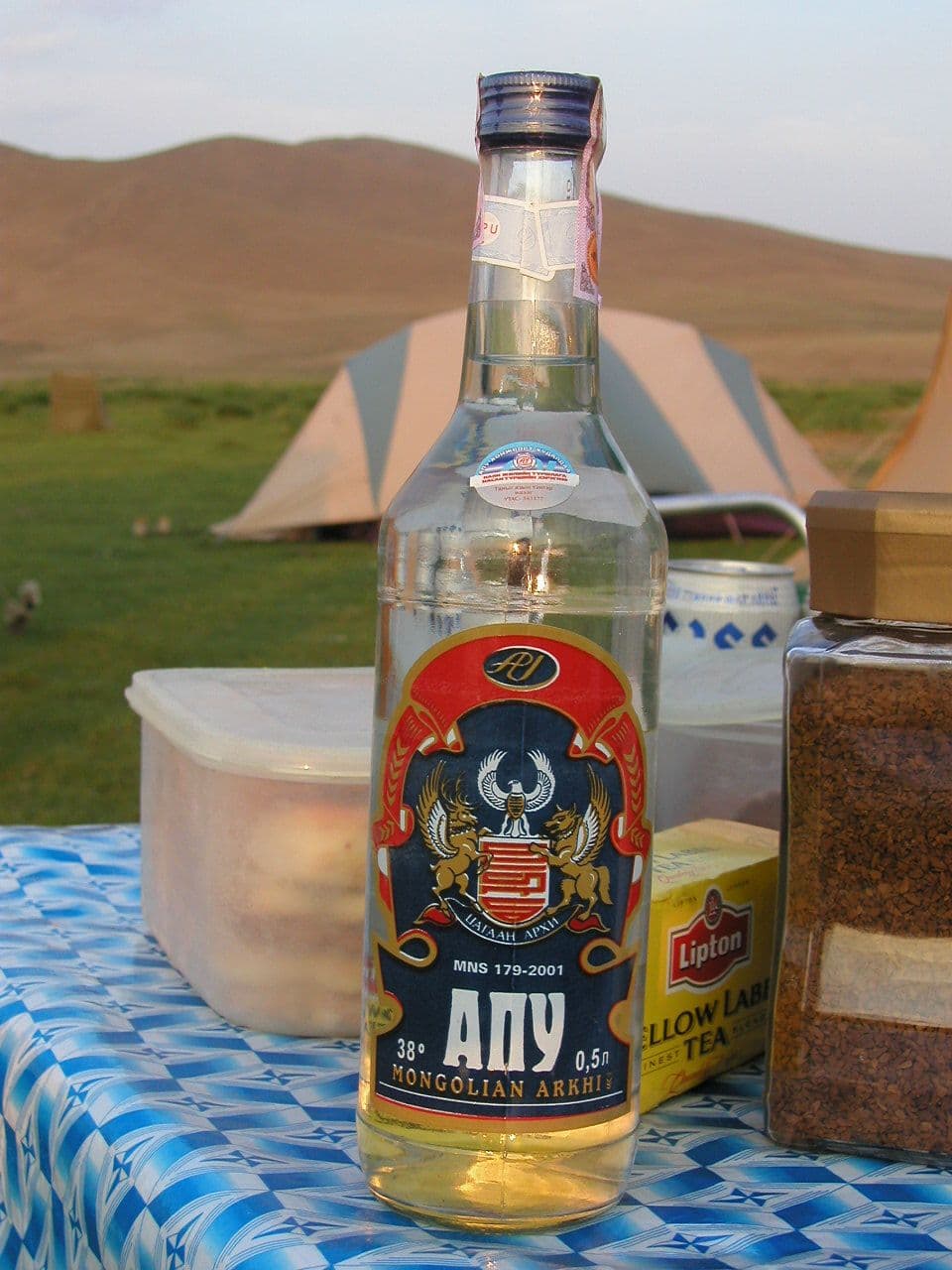
Arkhi (Mongolian Vodka)
A clear, strong spirit distilled from airag or grain. It comes out at celebrations and social gatherings and is a fixture of Mongolian drinking.
Shimiin Arkhi (Yogurt Vodka)
A Mongolian spirit distilled from yogurt, which gives it a faint tang. The homemade version usually runs stronger than anything sold commercially.
Soft Beverages
Discover Mongolia's traditional non-alcoholic drinks, from local teas to refreshing juices.
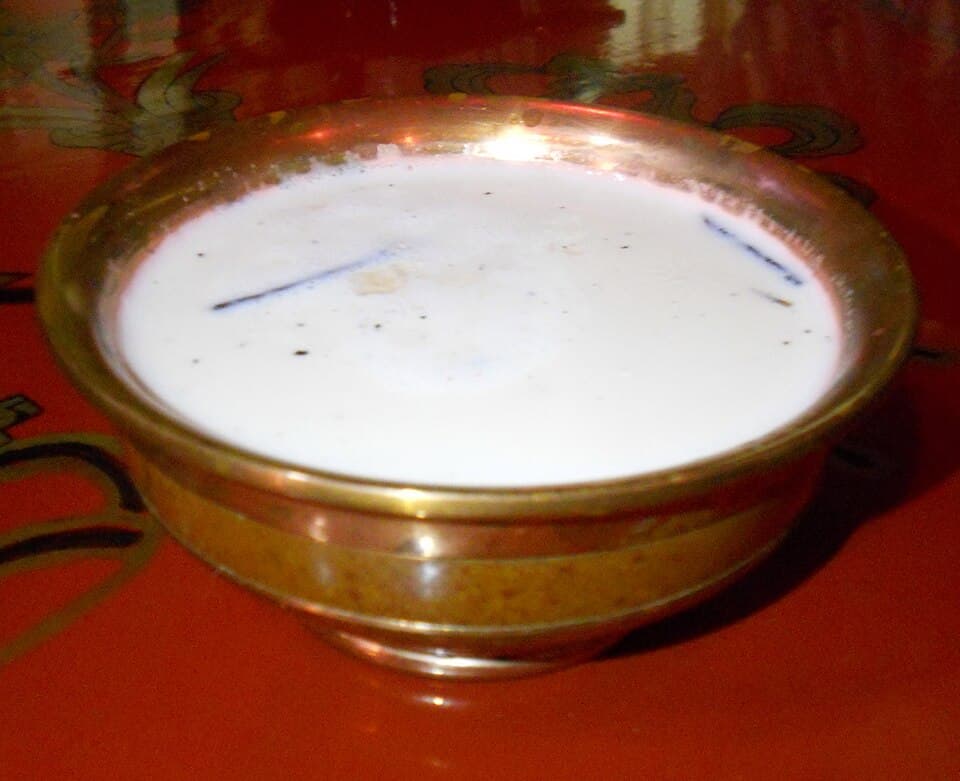
Suutei Tsai (Salted Milk Tea)
An everyday drink: black tea boiled with milk, salt, and sometimes butter. It gets served all day in gers and restaurants. Rich and savory, and about as central to the culture as a drink can be.
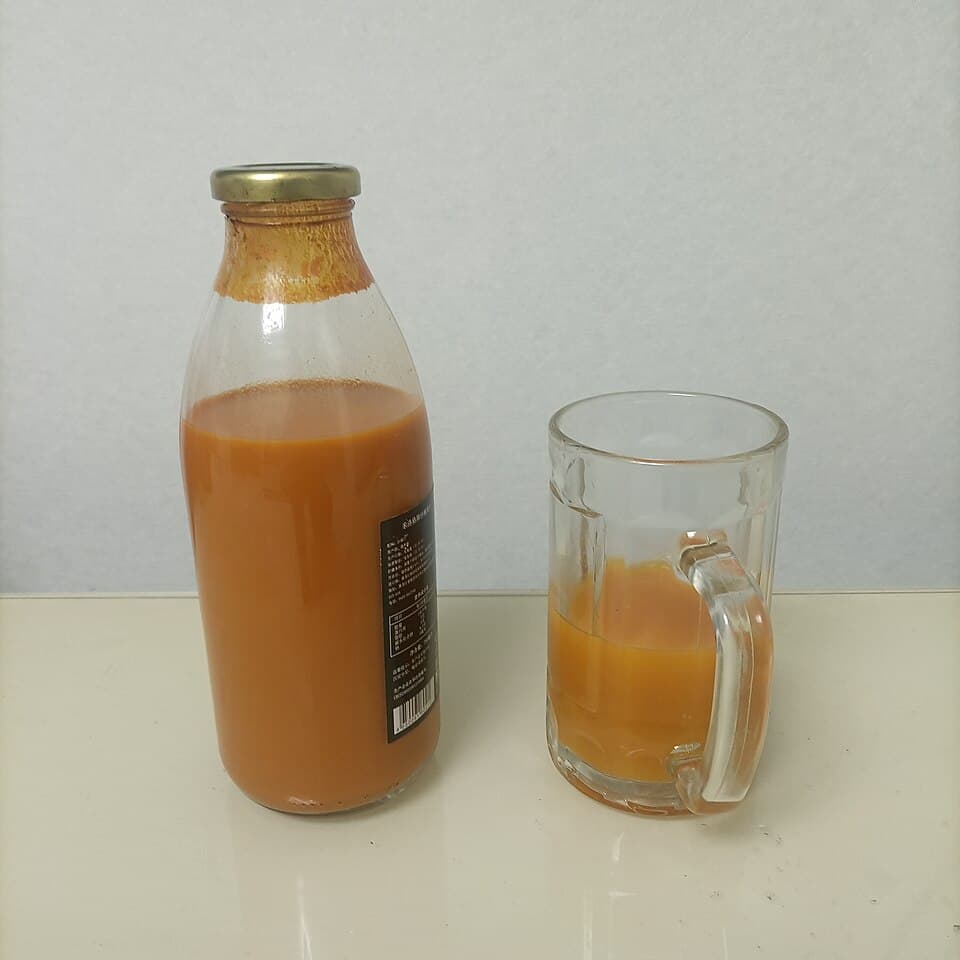
Sea Buckthorn Juice
Pressed from sea buckthorn that grows in the Gobi, where few plants survive. It carries a lot of vitamins and organic acids. Tangy with a touch of sweetness, and increasingly sold as a health drink.
Traditional Yogurt Drink
A fermented yogurt drink, close to kefir. Tangy and refreshing, full of probiotics, and served chilled. It belongs to the summer "White Foods" dairy season.
Frequently Asked Questions
Essential information about food and dining in Mongolia.
What is the national dish of Mongolia?
Mongolia's most iconic dishes include Buuz (Бууз), Khuushuur (Хуушуур), Tsuivan (Цуйван). The country's signature dish: steamed dumplings stuffed with mutton or beef, onion, and seasoning. People eat them daily, and they're the heart of Tsagaan Sar (Lunar New Year), when families fold them by the hundred. Most households guard their own recipe and folding technique. Juicy and savory. You'll find them everywhere, from Khaan Buuz counters to Modern Nomads.
Is street food safe in Mongolia?
Street food in Mongolia can be enjoyed safely by following these guidelines: Bottled water essential, especially outside Ulaanbaatar. Look for busy vendors with high turnover, ensure food is cooked fresh and served hot, and avoid raw ingredients if you have a sensitive stomach.
What are the best restaurants in Mongolia?
Mongolia offers diverse dining options from street food stalls to upscale restaurants. For the best experience, ask locals for recommendations, check recent reviews, and look for restaurants that specialize in regional cuisines.
Can vegetarians find food easily in Mongolia?
Vegetarian options in Mongolia are lowly available. Eating vegetarian is hard here, since the traditional diet revolves around meat. Some Ulaanbaatar restaurants do vegetable dishes, salads, and dairy options, and Khaan Buuz has nogootoi shol (vegetable soup). Ask for "noghoo" (vegetables) dishes. Dairy is everywhere in summer.. Many restaurants offer vegetarian dishes, and you'll find plant-based ingredients featured prominently in local cuisine.
What is the average cost of a meal in Mongolia?
Meal costs in Mongolia depend on where you eat. Street food and casual local restaurants are very affordable, typically offering complete meals for a few dollars. Mid-range restaurants charge moderate prices, while fine dining establishments are comparably priced to Western countries.
What are common food allergens in Mongolia?
Common allergens in Mongolia cuisine include Dairy, Gluten, Meat. Dairy is central, especially through the summer "White Foods" months. These ingredients appear in dishes like Airag (fermented mare milk), Suutei tsai (salted milk tea). Always inform restaurant staff about your allergies.
When is the best time to visit Mongolia for food?
Mongolia offers great food experiences throughout the year. However, visiting during harvest seasons (typically spring and autumn) provides access to the freshest local ingredients. Food festivals and cultural celebrations also offer unique culinary experiences worth planning around.