
Iran Food Guide
Content Information
Recently updated🔥Current Food Trends 2026
What's happening in Iran's culinary scene right now
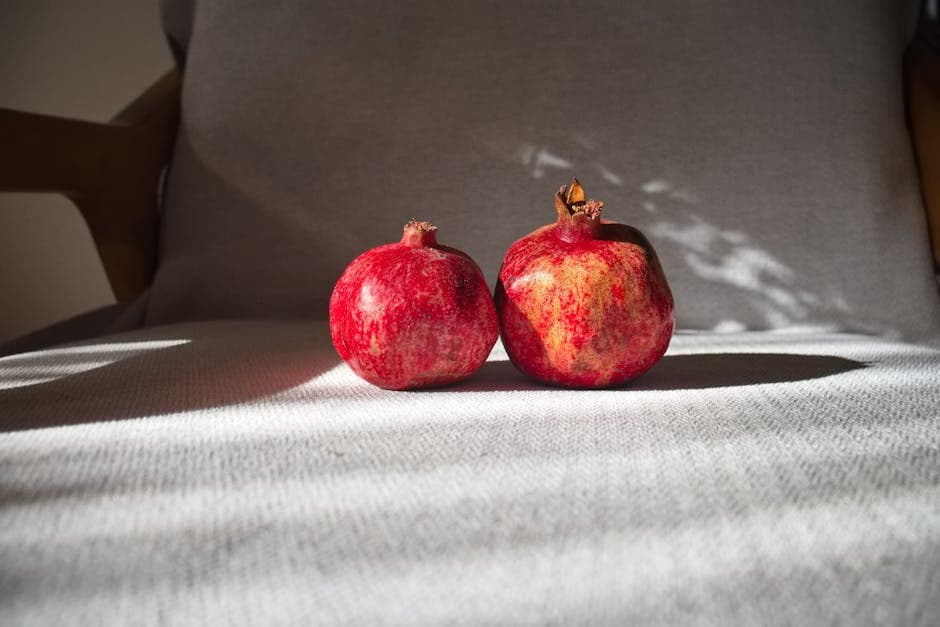
Persian cooking in 2026 still leans on old recipes, though plating has gotten more careful in newer Tehran kitchens. Rasht, the capital of Gilan Province, holds UNESCO's 'Creative City of Gastronomy' title. Tehran's dining runs the full range, from century-old chelow kebab houses to younger Persian restaurants doing their own thing. International Ghormeh Sabzi Day, marked in late November after Thanksgiving, has pushed the dish onto menus abroad. Cooks are still judged by their tahdig, the crisp rice crust at the bottom of the pot. Saffron turns up everywhere, which makes sense given Iran grows more of it than anywhere else. The regions stay separate in taste: Gilan piles on herbs, Isfahan serves its biryani as ground lamb over bread, and Shiraz has its kalam polo. Slow Food chapters work to keep traditional recipes and local produce going. Pomegranate molasses, barberries (zereshk) and dried limes (limoo omani) carry most of the flavor. Local food festivals keep growing. Copper pots are still the cookware people trust. Most cooking happens at home, where recipes pass down through families. Hospitality means a long table and endless tea. Food sits close to poetry and identity here, and that hasn't changed.
Food Safety Tips
Essential food safety information to help you enjoy Iran's cuisine safely and confidently.
Drink bottled water in most areas
Tehran, Isfahan and Shiraz all treat their tap water, but travelers should stick to bottled to avoid an upset stomach. In rural areas, drink bottled water without exception. Skip ice unless you know it came from purified water.
Choose busy vendors with high turnover
Persian street food is safe to eat as long as you pick stalls that cook to order and move a lot of product. Busy kebab stands, bread bakeries (noon) and juice vendors who cut fruit in front of you are good bets. Skip fruit that has been sitting pre-cut.
Be cautious with foods left at room temperature
In hot weather, steer clear of dairy dishes and rice that has sat out for a while. Kebabs off the grill, stews (khoresht) and rice cooked to order are your safest bets.
Dietary Options
vegetarian
MEDIUM AVAILABILITYPersian cuisine gives vegetarians plenty to work with: herb dishes, eggplant stew (khoresh bademjan), rice plates, fresh herbs (sabzi), Shirazi salad and an assortment of mezze. Traditional restaurants will cook vegetarian khoreshts. Say so clearly, since meat stock sometimes sneaks in.
vegan
LOW AVAILABILITYVegan eating is harder but doable. Look to rice cooked without butter, vegetable khoreshts, fresh herbs, fruit, nuts and flatbreads (some contain dairy, so ask). Most desserts use dairy. Tehran is catching on to veganism. Spell out your needs and name dairy, eggs and honey specifically.
gluten-free
MEDIUM AVAILABILITYSeveral Persian staples are gluten-free by default: rice meals (chelow, polow), kebabs (check there are no bread fillers), vegetable and herb stews, salads and fruit. Avoid the flatbreads (sangak, lavash, barbari), and be wary of kashk, a fermented whey that can carry gluten traces. Because so much of the food centers on rice, gluten-free dining is manageable. Make your needs clear.
halal
HIGH AVAILABILITYAs an Islamic Republic, Iran serves halal food almost without exception. Meat is slaughtered under Islamic law, pork is absent, and alcohol is banned. Restaurants, street vendors and home kitchens all comply, which makes Iran one of the easiest places to keep halal. Vegetarian dishes are plentiful too if you want range.
kosher
VERY LOW AVAILABILITYKosher food is hard to find in Iran. The Jewish community is small, around 8,500 people, most of them in Tehran, and the kosher facilities it keeps are not open to tourists. There are no kosher restaurants or widely sold certified products. Your best options are vegetarian or pescatarian dishes, or cooking for yourself. Fish must have scales, so sturgeon caviar is out, and keeping dairy and meat apart is tricky. Plan before you arrive.
Common Allergens
Nuts
HIGH PREVALENCEWalnuts, almonds and pistachios run through Persian cooking. Walnuts thicken Fesenjan, nuts fill baklava and gaz, and they show up as garnish on plenty of dishes.
COMMONLY FOUND IN:
Dairy
MEDIUM PREVALENCEYogurt (mast), kashk (fermented whey), butter and cheese turn up both inside dishes and alongside them
COMMONLY FOUND IN:
Gluten
HIGH PREVALENCEWheat flatbreads such as sangak, lavash, barbari and taftoon are everyday staples in Persian cooking
COMMONLY FOUND IN:
Essential Food Experiences
These iconic dishes represent the must-have culinary experiences that define Iran's food culture for travelers.
Chelow Kabab
Iran's national dish: grilled kebabs with saffron basmati rice (chelow). The varieties cover Kabab Koobideh (minced lamb or beef), Kabab Barg (lamb fillet), Joojeh Kabab (chicken) and Kabab Chenjeh (lamb chunks). It comes with grilled tomatoes, fresh herbs, a pat of butter on the rice and a dusting of sumac. The rice matters as much as the meat, and a good tahdig (crispy bottom) is the giveaway of a skilled cook. You'll find it at chelow kebabi houses across the country. The ingredient list is short, so quality is everything. Eat it with lavash, herbs like basil, mint and tarragon, raw onion and yogurt (mast). It anchors family meals and celebrations. In Tehran, Nayeb and Shamshiri are the names to know.
Ghormeh Sabzi
Iran's unofficial national stew, a herb khoresh with kidney beans, dried limes and lamb or beef. The herbs are parsley, cilantro, fenugreek leaves (shanbalileh) and leeks or green onions, sautéed down and cooked with the meat, beans, dried black limes (limoo omani, tangy and citrusy) and turmeric. It goes over rice. The flavor lands tangy, herby and savory all at once. It takes hours, mostly because the herbs need patient sautéing, and every family makes it a little differently. International Ghormeh Sabzi Day in late November celebrates it abroad. You'll meet it in homes and traditional restaurants, and it's a candidate for UNESCO intangible heritage status.
Tahdig
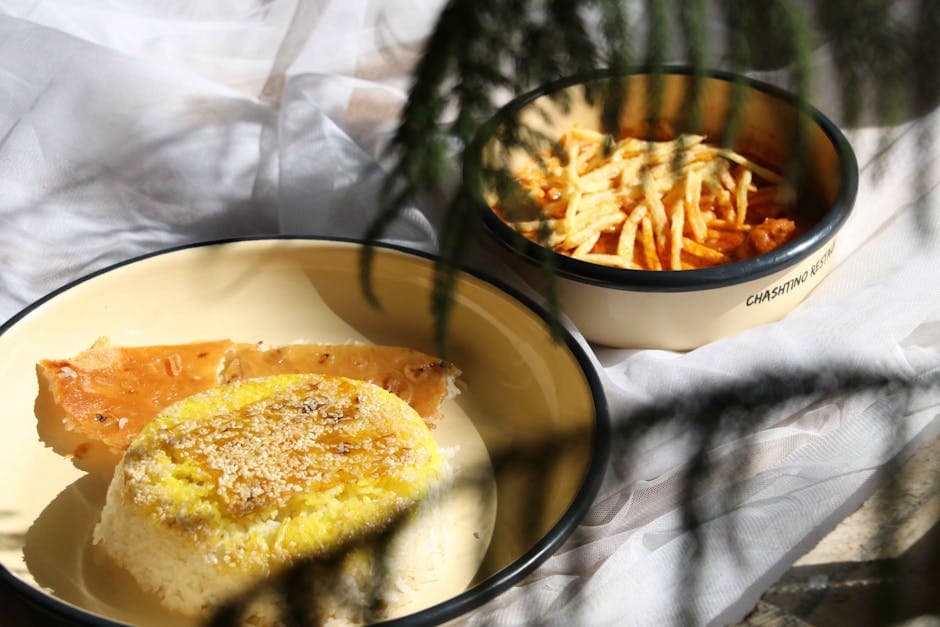
The golden, crisp rice crust from the bottom of the pot, and the most fought-over part of any Persian rice dish. The name says it: 'tah' is bottom, 'dig' is pot. You get it by laying oil or butter at the base and steaming over low heat. It can be made of plain rice, potato slices, bread (lavash or taftoon) or a yogurt-saffron mix. Cooks are judged on it: the right tahdig is golden and crisp, never burned. It's set out where guests can see it, a small gesture of hospitality, and family meals routinely turn into a contest over who gets it. You'll find it in homes and good restaurants, served with chelow, polow and other rice dishes. For many it stands for pride and craft at the table.
Fesenjan (Khoresht-e Fesenjan)
A Persian stew built on ground walnuts and pomegranate molasses, with chicken or duck. The flavor runs sweet, sour and nutty. Walnuts are ground to a paste and cooked slowly with pomegranate molasses (rob-e anar), onions, the meat and sometimes eggplant, until the sauce is thick, creamy and deep brown. It's served over rice and shows up on nearly every wedding menu. Up north in Gilan, cooks traditionally use duck, and fish versions exist too. The slow cook is what builds the flavor, and getting the sweet-sour balance right takes adjusting with sugar or more molasses. You'll mostly see it in traditional restaurants and at special occasions.
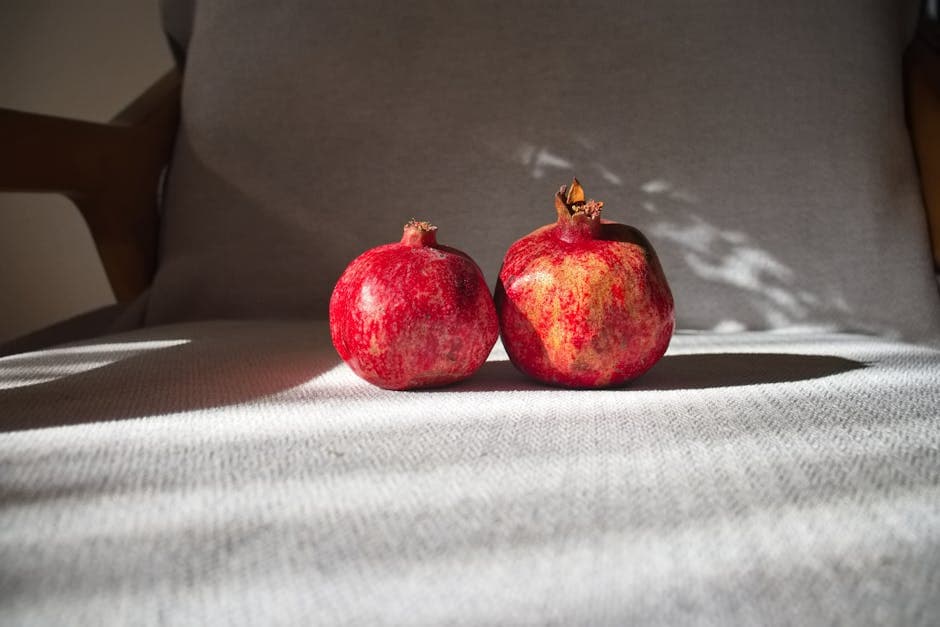
Zereshk Polo ba Morgh
A celebration rice dish: saffron rice with barberries (zereshk) and chicken. The barberries, small tart red berries, are sautéed with sugar and butter, sometimes with slivered pistachios or almonds, then layered into saffron basmati. The chicken braises separately with onions, tomato paste, turmeric and saffron. The rice steams up fluffy with a tahdig underneath. The look is the draw, golden rice scattered with red berries, which is why it's a wedding and party staple. Khorasan grows more barberries than anywhere in the world. The sweet-tart berries play off the savory chicken, and it's usually served with yogurt and Shirazi salad. It scales well for a crowd, which keeps it on the celebration table.
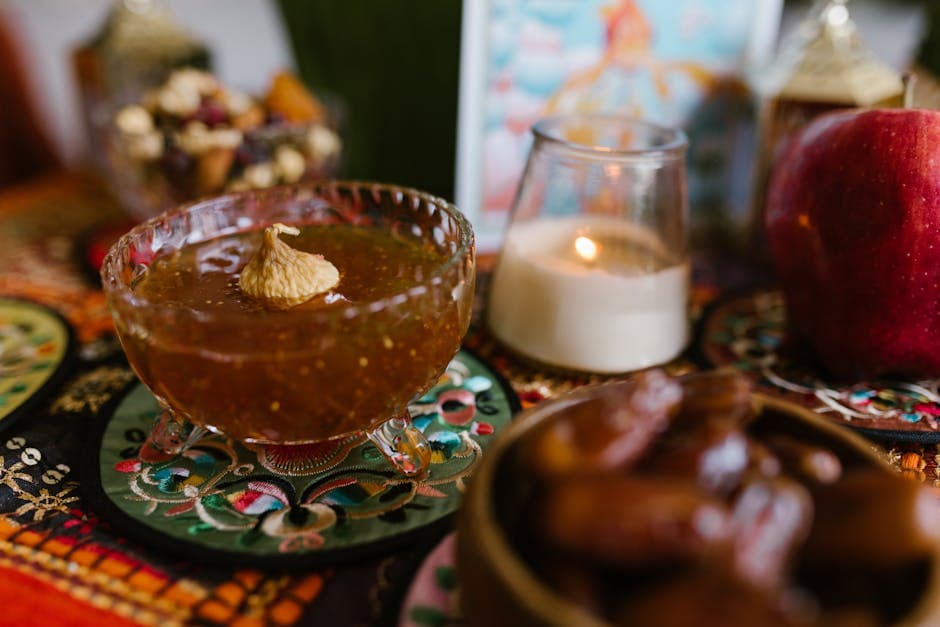
Khoresh Bademjan
An eggplant stew: fried eggplant in a tomato base with lamb or beef and dried limes. The eggplant is fried golden, then folded in with sautéed meat, tomatoes, onions, turmeric and dried limes (limoo omani), sometimes with yellow split peas. It simmers until the eggplant goes soft and the flavors settle. Served over rice, it's comfort food and a home-cooking standby. Recipes shift around the country, some sweeter with more tomato, some sharper with more lime. Drop the meat and it works as a vegetarian dish. You'll find it in homes and traditional restaurants, and it shows off how well Persian cooks handle eggplant.
Ash-e Reshteh
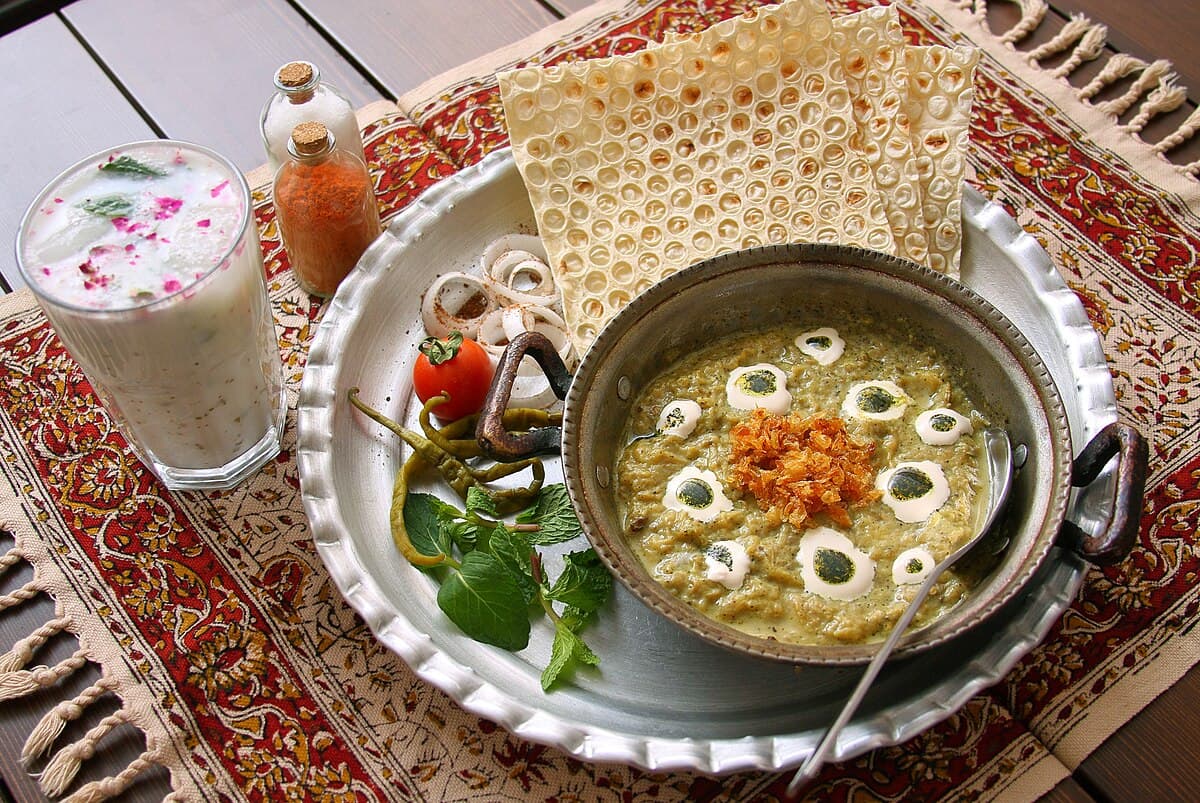
A thick Persian noodle soup of herbs, legumes, reshteh noodles and kashk (fermented whey). It carries chickpeas, lentils, kidney beans, fresh herbs (parsley, cilantro, spinach, dill), fried onions, garlic and turmeric, finished with a drizzle of kashk, fried mint and caramelized onions. It's filling and made for special occasions and cold-weather meals. The noodles are read as life's many paths, so the dish carries a sense of good fortune. Gilan in the north claims it, though it's popular everywhere, and it's easy to keep vegetarian. It's one of many ash soups in the Persian repertoire.
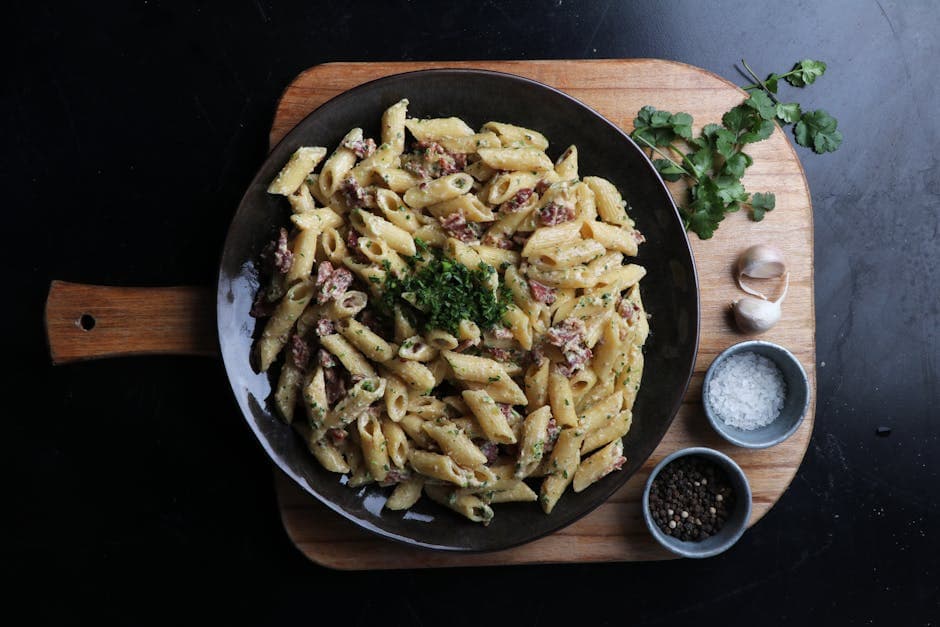
Kabab Koobideh
A ground-meat kebab: minced lamb or beef worked with grated onion and spices, then grilled on flat skewers. The mix has to be smooth and well kneaded, because keeping it on the skewer over the fire takes practice. Seasoning is salt, pepper and sometimes turmeric and sumac. Charcoal does the rest, and the smoke is the point. It comes with rice (chelow), grilled tomatoes, herbs and lavash, eaten either wrapped in the bread or over the rice. It's the most common kebab in Iran and the specialty of Tehran's kebab houses. The ingredients are basic, so good meat matters, as does the texture, neither too fine nor too coarse.
Shirazi Salad
A fresh Persian salad of diced cucumber, tomato and onion with lemon juice and dried mint. It cuts through rich kebabs and rice dishes. The vegetables are diced small and even, then dressed with lemon juice, olive oil, salt and dried mint, sometimes fresh herbs, and occasionally a splash of pomegranate molasses. It started in Shiraz in the south and now turns up at nearly every meal to reset the palate. Vegan, quick and light, you'll find it in homes, restaurants and at street stalls. It's a standard part of the mezze spread and a good window into how much Iran relies on fresh herbs and vegetables.
Saffron Ice Cream (Bastani Sonnati)
Traditional Persian ice cream flavored with saffron, rose water and pistachios, with frozen chunks of cream running through it. The texture is the surprise: chewy cream pieces (set with salep, an orchid-root thickener), a creamy saffron base and crushed pistachios. It's served in a bowl or pressed between thin wafers, bright yellow from the saffron and fragrant with rose water. You'll get it from street vendors and ice cream shops (bastani) all year, more so in summer, sometimes poured over with cherry syrup (sharbat albaloo). Floral, saffron and nut flavors all sit right in the Persian wheelhouse.
Lavash Bread
A thin, soft, pliable Persian flatbread that shows up at every meal. It bakes in tandoor ovens (tanoor) and comes out in large thin sheets. People use it to wrap kebabs, scoop up stews, or eat with cheese and herbs at breakfast. Bakeries (noon and sangak shops) sell it fresh all day. The texture is slightly chewy, the flavor subtle. At the table it doubles as a utensil. There are several types: sangak (whole wheat, baked on hot pebbles), lavash (thin), barbari (thick) and taftoon (soft). Bread is bedrock in Persian dining.
Regional Specialties & Local Favorites
Discover the authentic regional dishes and local favorites that showcase Iran's diverse culinary traditions.
Noon-o-Panir-o-Sabzi (Bread, Cheese, Herbs)
A standard Persian breakfast: fresh flatbread with feta, herbs (basil, mint, tarragon, radishes) and walnuts. Light and easy to put together first thing.
Allergens:
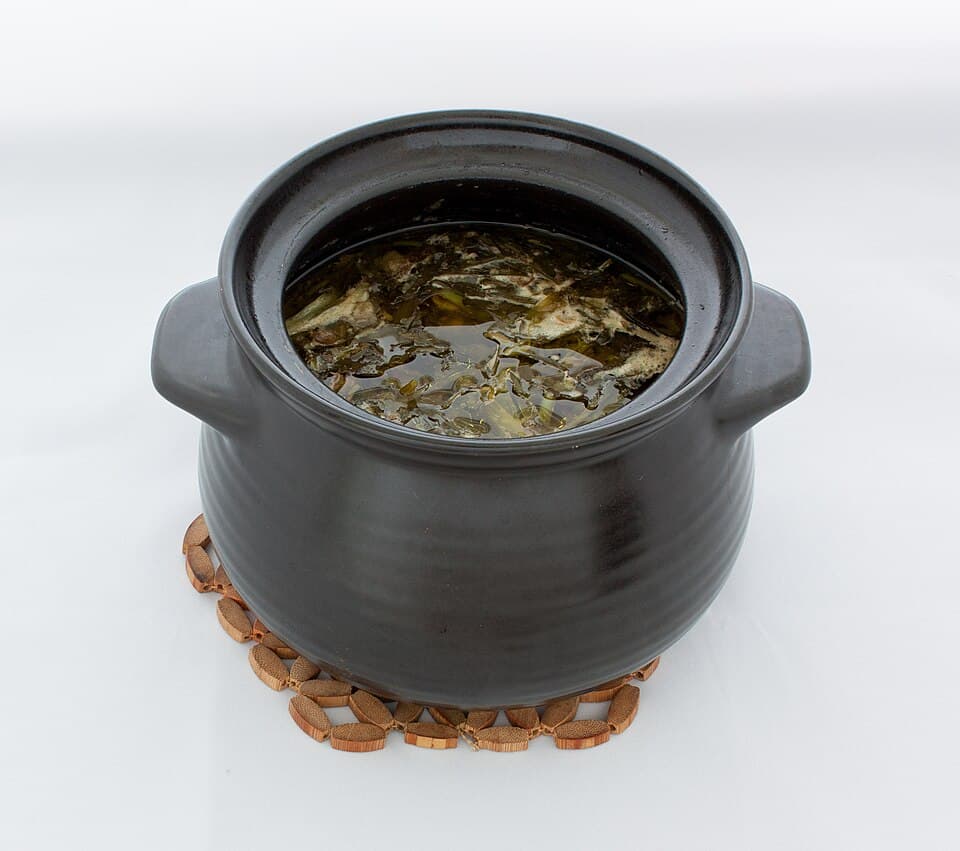
Abgoosht (Dizi)
A slow-cooked Persian stew of lamb, chickpeas, white beans, potatoes, tomatoes and dried limes, made in a stone pot. You drain off the broth and eat it with bread, then mash the solids together (goosht koobideh). Classic comfort food.
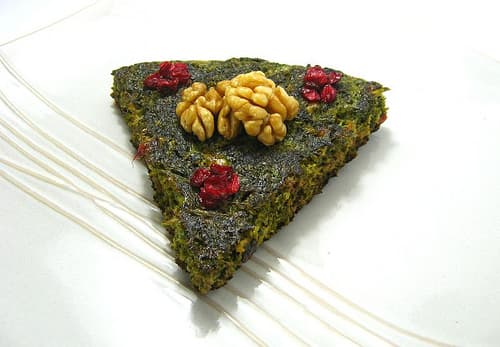
Kuku Sabzi
A herb frittata: eggs packed with parsley, cilantro, dill and fenugreek, plus walnuts and barberries. Eaten as a starter or main with bread and yogurt, and a fixture at Nowruz, the Persian New Year.
Allergens:
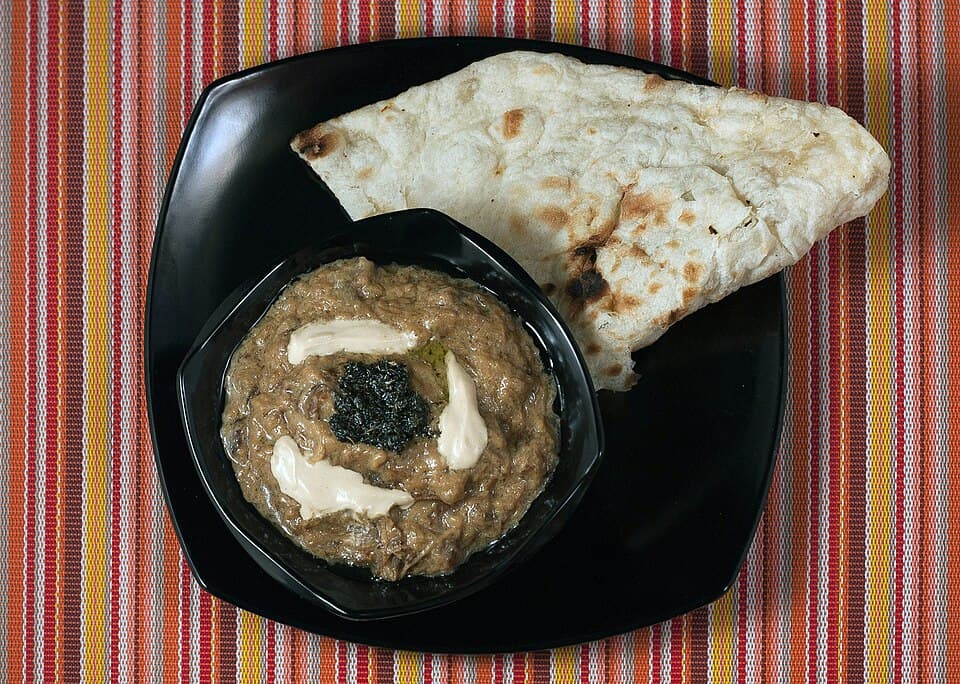
Kashk-e Bademjan
An eggplant dip: fried eggplant mashed with kashk (fermented whey), garlic, caramelized onions and dried mint. Served as a starter with bread, savory and tangy.
Allergens:
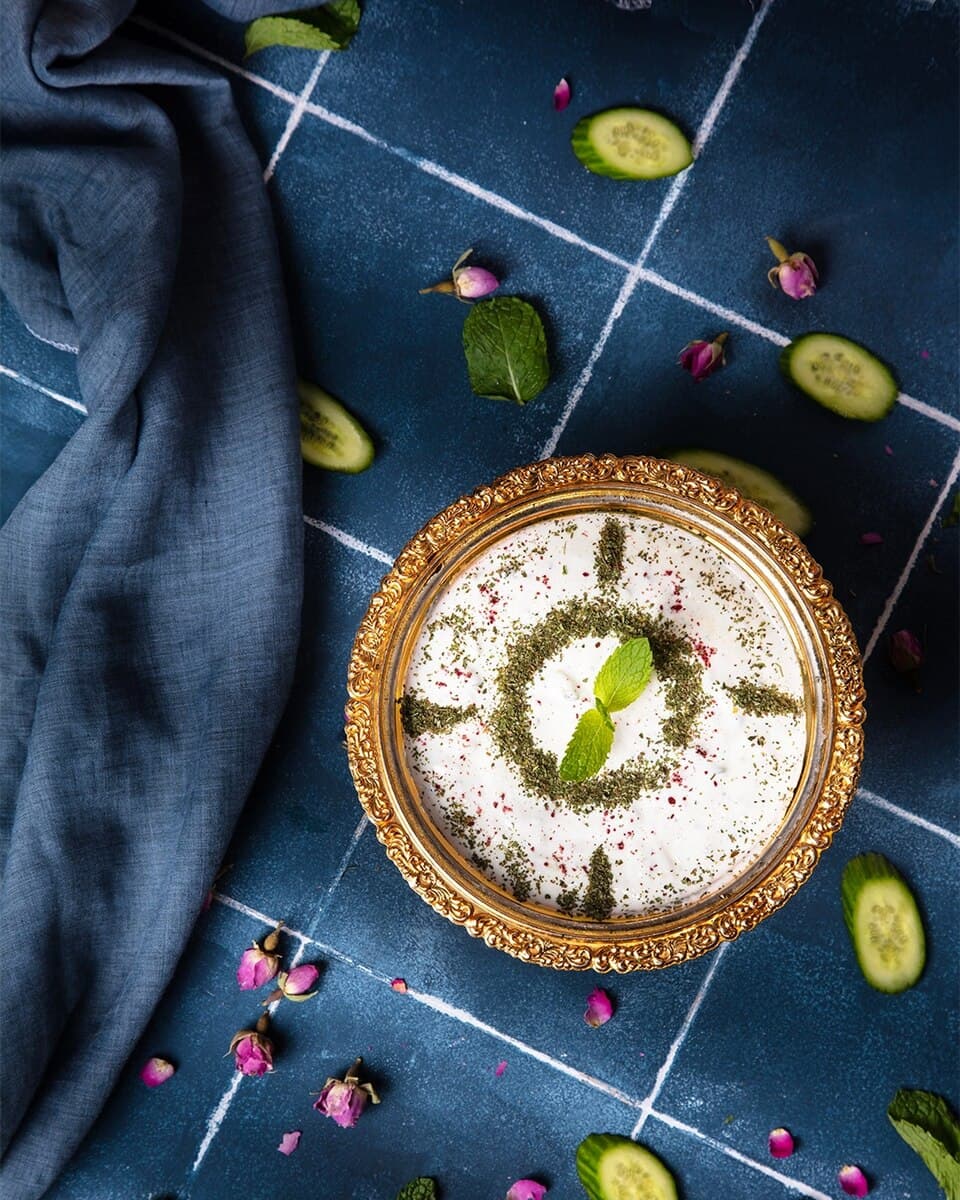
Mast-o-Khiar (Yogurt Cucumber)
A cooling yogurt side: thick yogurt with diced cucumber and dried mint, sometimes raisins and walnuts. Served cold next to kebabs and rice to balance the heavier food.
Allergens:
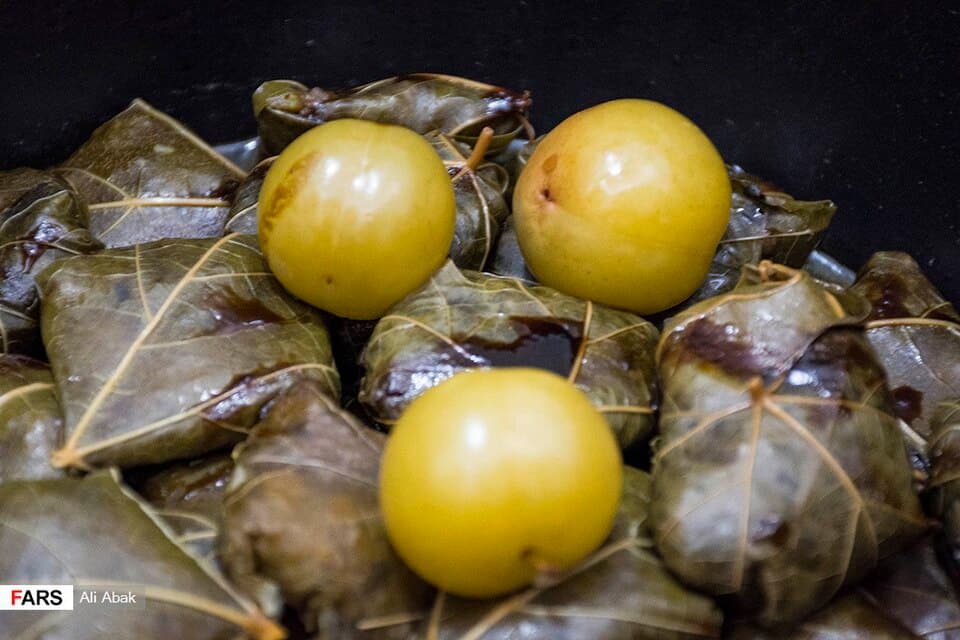
Dolmeh (Stuffed Vegetables)
Grape leaves and vegetables (peppers, eggplant, tomatoes) stuffed with rice, split peas, herbs and sometimes meat, then cooked in tomato broth or lemon juice. A home-cooking favorite.
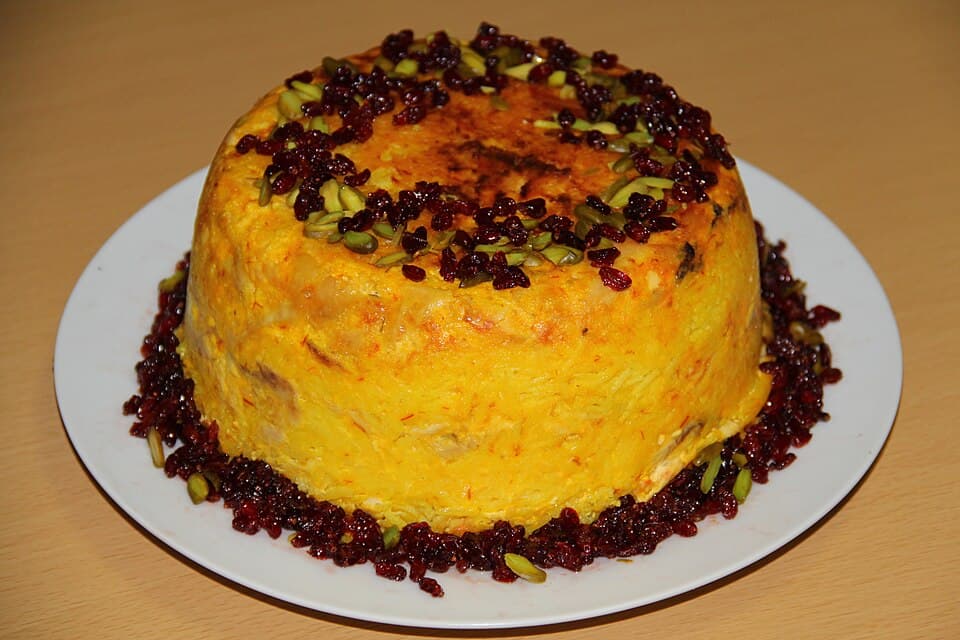
Tahchin
A baked saffron rice cake with a crisp crust, filled with yogurt-marinated chicken, barberries and saffron. It gets flipped to serve so the golden crust sits on top. A celebration dish.
Allergens:
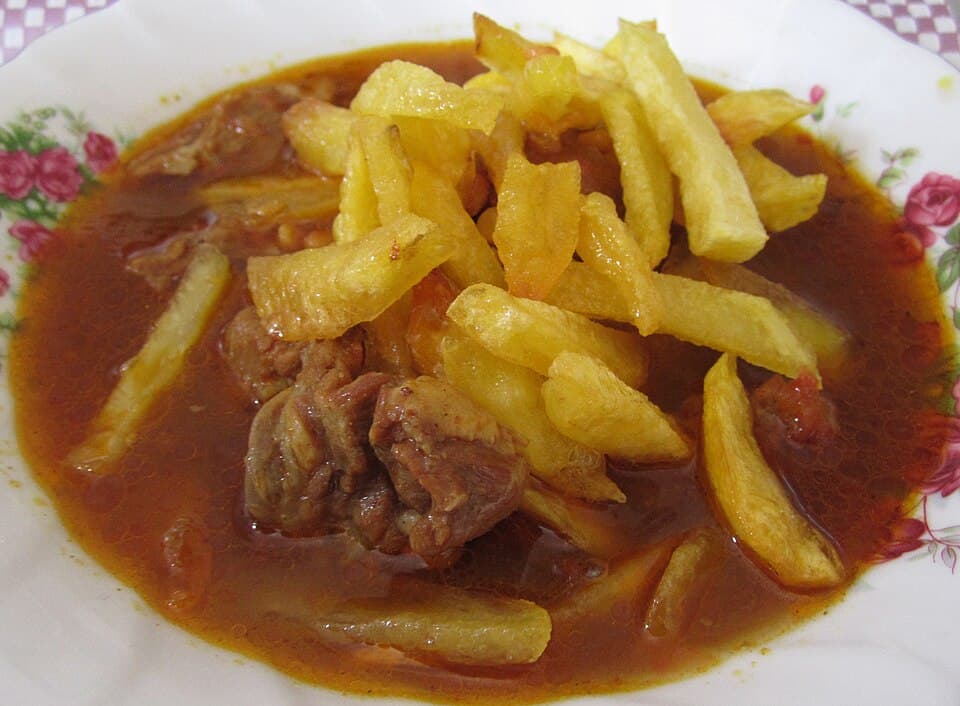
Khoresht-e Gheymeh
A yellow split pea stew with lamb, dried limes, fried potatoes and tomato, topped with crisp fried potato sticks. Comfort food, served over rice.
Regional Cuisine Highlights
Explore the diverse culinary landscapes across different regions of Iran.
Gilan (Northern Iran)
Gilan Province sits on the Caspian coast, and its capital Rasht holds UNESCO Creative City of Gastronomy status. It may be Iran's most respected food region. The humid climate grows herbs in abundance, so the cooking leans heavily on them, and the rice dishes are unlike anywhere else. Seafood comes straight from the Caspian, including sturgeon and whitefish. The flavors run more sour and herb-forward than the rest of the country, with less spice. The province also grows olives and citrus and still cooks in traditional clay pots.
Cultural Significance:
Gilan has Iran's most distinct regional food culture, and the UNESCO listing recognizes how well it has held onto that heritage. Its reliance on vegetables, herbs and fish rather than meat sets it apart from central and southern Iran, and you can still see the Silk Road's mark on it. Iranians travel here to eat. Traditional methods survive, and the cooking follows the seasons closely, from spring herbs to the fall rice harvest.
Signature Dishes:
Key Ingredients:
Isfahan (Central Iran)
Isfahan, a historic cultural center, has cooking all its own. Its biryani is nothing like the Indian one: ground lamb or beef with cinnamon and spices, served over flatbread instead of rice, with a bowl of broth on the side. The city's sweet shops are famous, and gaz (nougat) started here. Expect elaborate rice dishes and traditional sweets, with presentation that nods to Isfahan's artistic streak.
Cultural Significance:
Isfahan's food carries the weight of its time as the Safavid capital. The elaborate rice dishes echo the city's architecture, and gaz, a centuries-old craft, remains a sought-after souvenir. The biryani technique exists nowhere else in Iran. Food is bound up with the city's identity, and its sweet-making is unusually refined, a legacy of royal court patronage. Even the way dishes are plated reflects Isfahan's eye for aesthetics.
Signature Dishes:
Key Ingredients:
Shiraz (Southern Iran)
Shiraz, in Fars Province, has its own roster of local dishes and ingredients. Kalam Polo (cabbage rice with meatballs) started here, and Shirazi Salad takes the city's name. Wine was made here long before Islam, and the Shiraz grape variety is named for the city. Local citrus, especially sour oranges, finds its way into the cooking, and fresh herbs run through the food.
Cultural Significance:
Shiraz's cooking grows out of the southern climate and what the land produces, and a dish like Kalam Polo shows how vegetable-forward it can be. The city's poetic heritage, the legacy of Hafez and Saadi, threads into its food culture and its ideas of hospitality and refinement. Faloodeh, the frozen noodle dessert, is closely tied to Shiraz. The food is simpler than Gilan's up north but no less flavorful, with a clear emphasis on fresh ingredients.
Signature Dishes:
Key Ingredients:
Sweet Delights & Desserts
Indulge in Iran's traditional sweet treats and desserts.
Faloodeh
Region: Shiraz origin, nationwide
An old Persian frozen dessert: thin rice noodles set in rose water syrup, served with fresh lime juice. It comes from Shiraz. The noodles freeze into something icy and cold, floral from the rose water and tart from the lime. It's a summer favorite but eaten year-round, sold at ice cream shops and by street vendors, sometimes paired with saffron ice cream (bastani). The thin frozen noodles give it a texture you won't find elsewhere, and it leans hard into the rose water flavor Iranians love. Found across the country, but it's a Shiraz specialty.
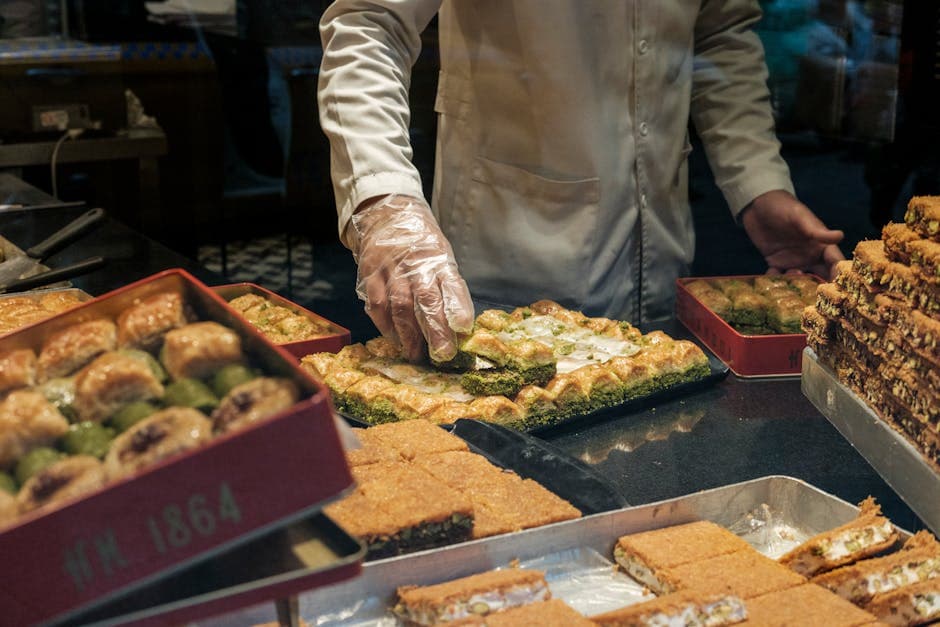
Baklava
Layered phyllo pastry packed with chopped nuts (pistachios, walnuts, almonds) and sweetened with rose water syrup or honey. The layers are crisp and flaky, the filling rich, the syrup sweet. What sets the Persian version apart from the Turkish and Arab ones is the rose water and saffron in the syrup. It's cut into diamonds and served with tea, mostly at celebrations and Nowruz, the Persian New Year. You'll find it at pastry shops (ghannad) and bakeries. Getting the thin phyllo right takes practice.
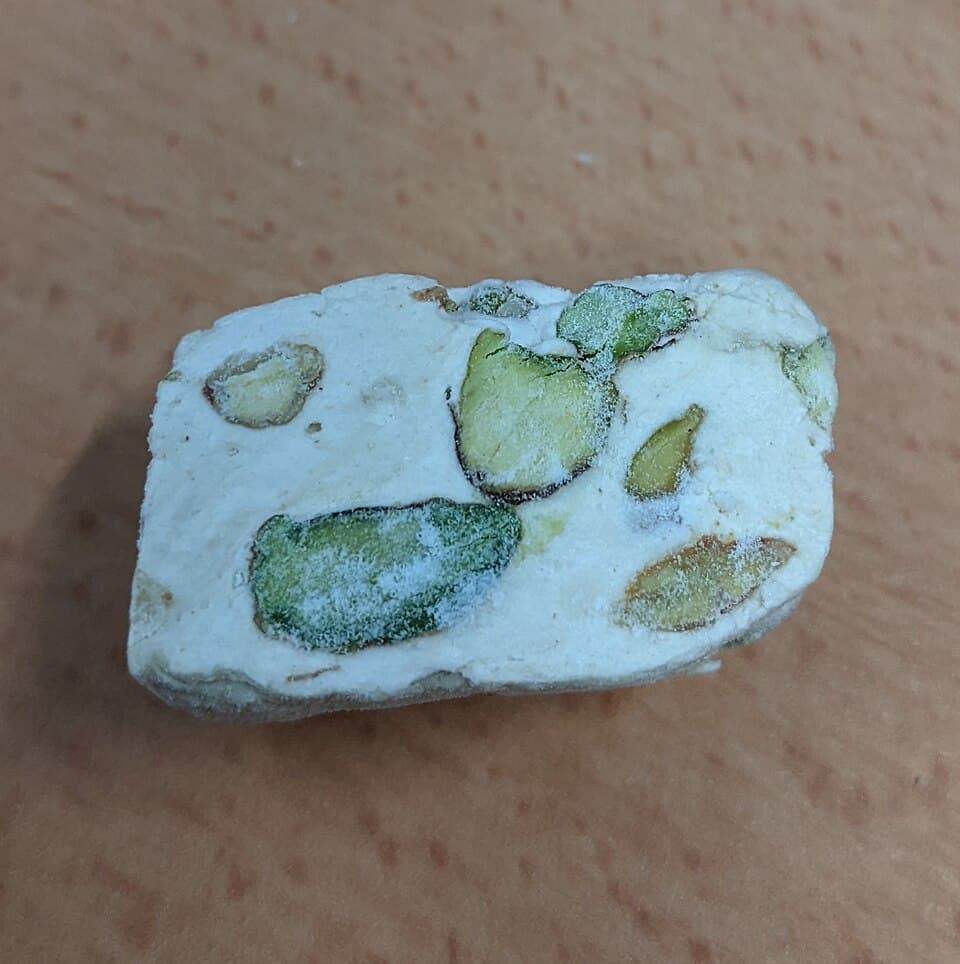
Gaz
A Persian nougat from Isfahan: pistachio pieces, rose water, egg whites and sugar, chewy and sweet. Its distinctive flavor comes from the sap of the angebin plant. It's wrapped in decorative paper and sold as a souvenir, with almond and walnut versions around too. People eat it with tea and hand it out as wedding favors and gifts. You'll find it in sweet shops (ghannad). The recipe goes back centuries and reflects Isfahan's long sweet-making tradition.
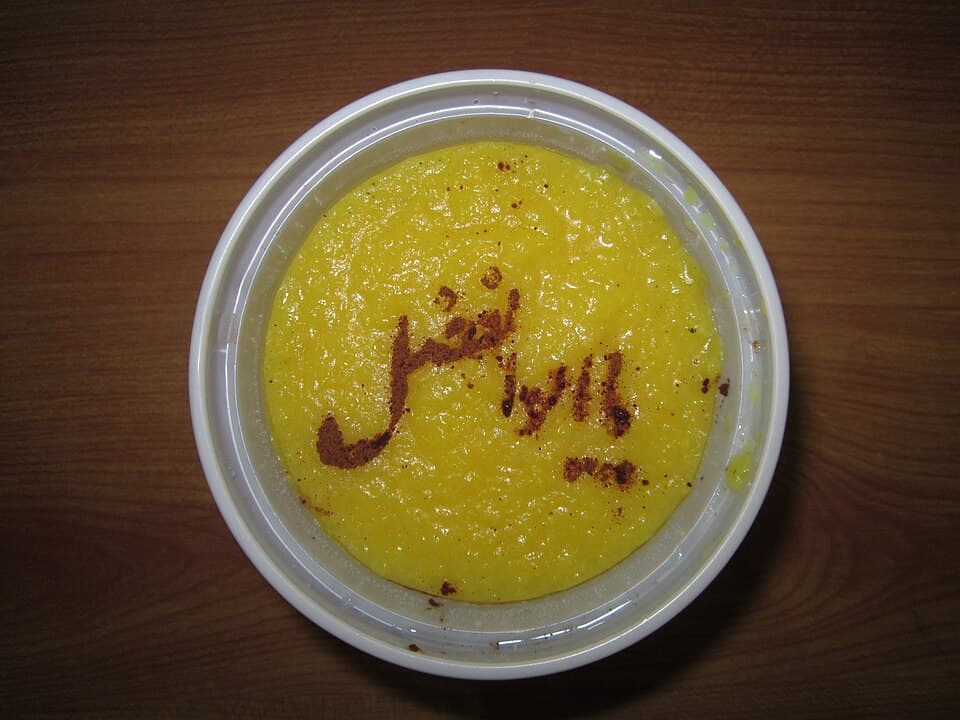
Sholeh Zard
A saffron rice pudding: rice cooked down with sugar, saffron, rose water and butter. The saffron turns it bright yellow, the texture is creamy, the aroma floral. It's garnished with cinnamon and slivered almonds or pistachios and served chilled, usually at religious occasions, celebrations and during Ramadan. You'll find it in homes and traditional restaurants. A few plain ingredients add up to something elegant, and it's a good example of how Iranians handle saffron.
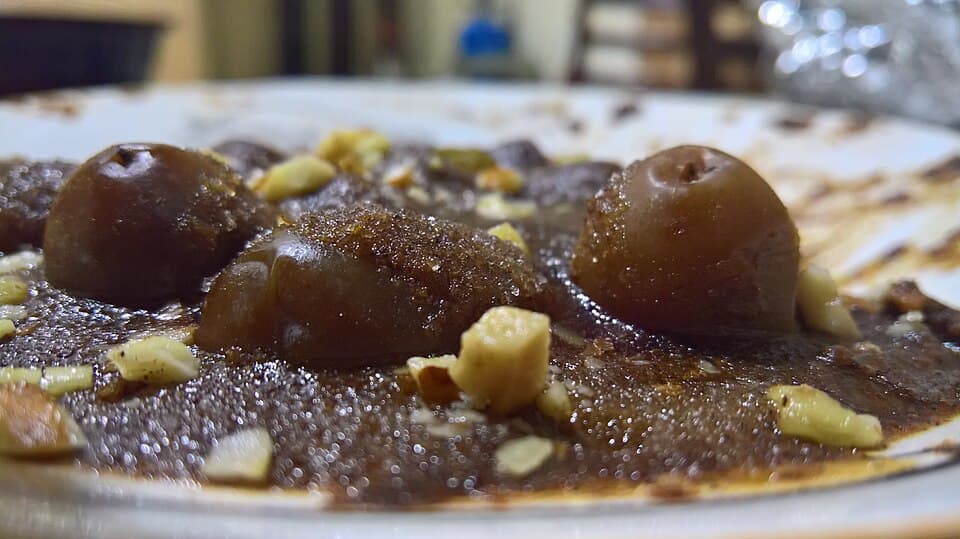
Ranginak
A date dessert from southern Iran: pitted dates stuffed with walnuts, rolled in a flour-and-butter mixture, sometimes dusted with powdered sugar or coconut. Rich, sweet and nutty. It's a Persian Gulf specialty made from just dates, walnuts, flour and butter, common in the southern provinces of Bushehr and Khuzestan, especially at Nowruz and other celebrations. The recipe passes down through families and grows out of the region's date farming.
Traditional Beverages
Discover Iran's traditional drinks, from locally produced spirits to regional wines.
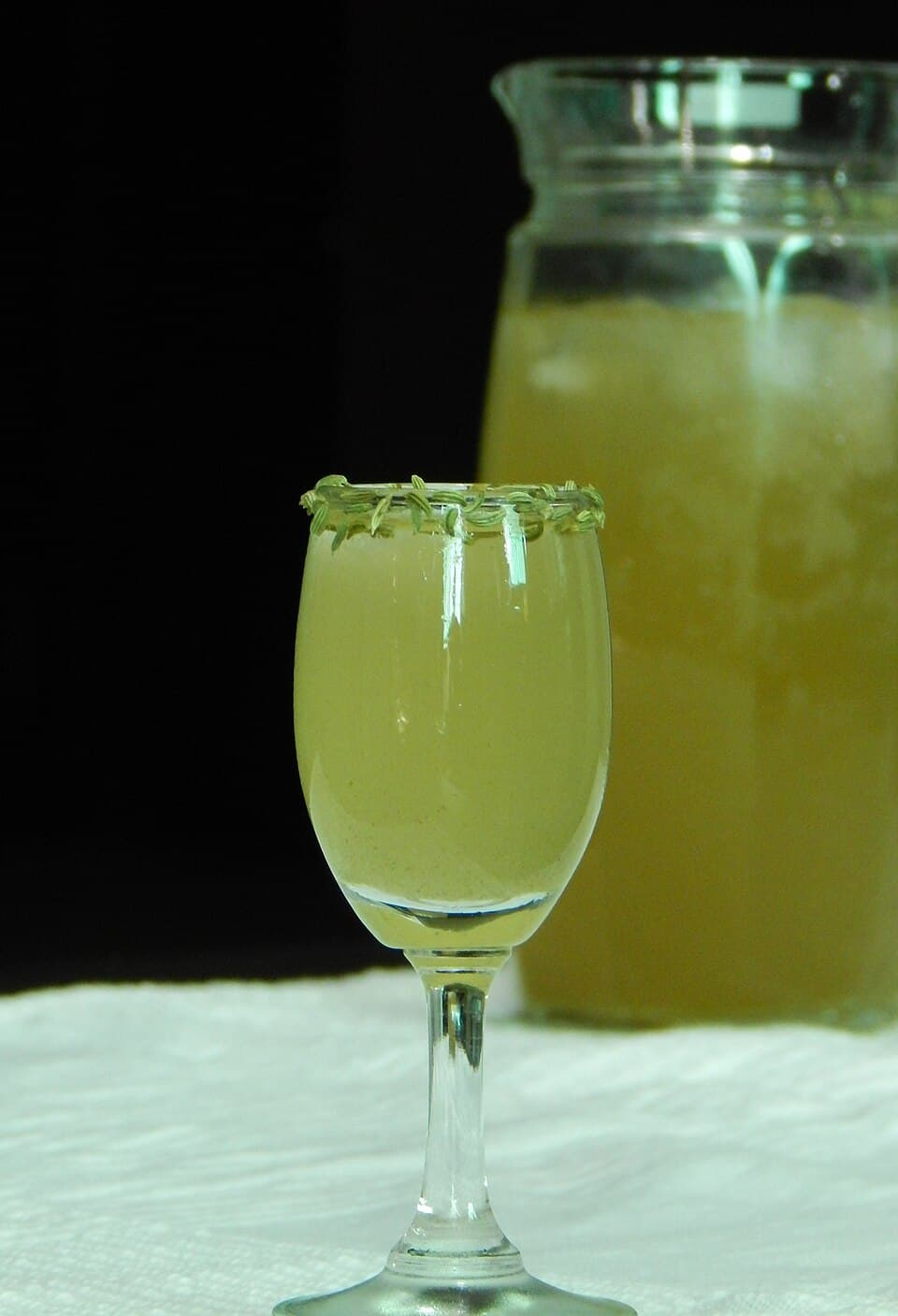
Sharbat (Traditional Syrups)
Non-alcoholic Persian drinks made by mixing fruit, flower or herb syrups with water. Common ones include rose water sharbat, sour cherry (albaloo), pomegranate, saffron and the vinegar-and-mint sekanjabin. Served chilled. Note: alcohol is prohibited in Iran.
Soft Beverages
Discover Iran's traditional non-alcoholic drinks, from local teas to refreshing juices.

Doogh
A savory yogurt drink seasoned with salt and dried mint, sometimes carbonated. Served cold, it cuts through the richness of kebabs and rice and is said to help digestion. It's everywhere, in restaurants, homes and bottled on store shelves, sometimes with added herbs or cucumber. Newcomers often need a few sips to come around, but locals drink it constantly, especially in summer.

Chai (Persian Tea)
Strong black tea served in small glasses (estekan) without milk, usually sipped through a sugar cube held in the teeth. Offering it to a guest is automatic in Iran. It's traditionally brewed in a samovar and drunk all day, after meals, with sweets and over conversation. Tea houses (chai khane) are social hubs. Tea came in along the Silk Road and is now woven into daily life.

Sharbat Albaloo (Sour Cherry Syrup)
A sweet-tart syrup made from sour cherries and mixed with cold water. Bright red and cooling, it's served over ice in summer and sometimes poured over saffron ice cream (bastani). Found in juice shops and homes, it's a summer staple and part of Iran's broader fruit-syrup (sharbat) tradition.
Frequently Asked Questions
Essential information about food and dining in Iran.
What is the national dish of Iran?
Iran's most iconic dishes include Chelow Kabab, Ghormeh Sabzi, Tahdig. Iran's national dish: grilled kebabs with saffron basmati rice (chelow). The varieties cover Kabab Koobideh (minced lamb or beef), Kabab Barg (lamb fillet), Joojeh Kabab (chicken) and Kabab Chenjeh (lamb chunks). It comes with grilled tomatoes, fresh herbs, a pat of butter on the rice and a dusting of sumac. The rice matters as much as the meat, and a good tahdig (crispy bottom) is the giveaway of a skilled cook. You'll find it at chelow kebabi houses across the country. The ingredient list is short, so quality is everything. Eat it with lavash, herbs like basil, mint and tarragon, raw onion and yogurt (mast). It anchors family meals and celebrations. In Tehran, Nayeb and Shamshiri are the names to know.
Is street food safe in Iran?
Street food in Iran can be enjoyed safely by following these guidelines: Drink bottled water in most areas Choose busy vendors with high turnover. Look for busy vendors with high turnover, ensure food is cooked fresh and served hot, and avoid raw ingredients if you have a sensitive stomach.
What are the best restaurants in Iran?
Iran offers diverse dining options from street food stalls to upscale restaurants. For the best experience, ask locals for recommendations, check recent reviews, and look for restaurants that specialize in regional cuisines.
Can vegetarians find food easily in Iran?
Vegetarian options in Iran are mediumly available. Persian cuisine gives vegetarians plenty to work with: herb dishes, eggplant stew (khoresh bademjan), rice plates, fresh herbs (sabzi), Shirazi salad and an assortment of mezze. Traditional restaurants will cook vegetarian khoreshts. Say so clearly, since meat stock sometimes sneaks in.. Many restaurants offer vegetarian dishes, and you'll find plant-based ingredients featured prominently in local cuisine.
What is the average cost of a meal in Iran?
Meal costs in Iran depend on where you eat. Street food and casual local restaurants are very affordable, typically offering complete meals for a few dollars. Mid-range restaurants charge moderate prices, while fine dining establishments are comparably priced to Western countries.
What are common food allergens in Iran?
Common allergens in Iran cuisine include Nuts, Dairy, Gluten. Walnuts, almonds and pistachios run through Persian cooking. Walnuts thicken Fesenjan, nuts fill baklava and gaz, and they show up as garnish on plenty of dishes.. These ingredients appear in dishes like Fesenjan, Baklava. Always inform restaurant staff about your allergies.
When is the best time to visit Iran for food?
Iran offers great food experiences throughout the year. However, visiting during harvest seasons (typically spring and autumn) provides access to the freshest local ingredients. Food festivals and cultural celebrations also offer unique culinary experiences worth planning around.