
Timor-Leste Food Guide
Content Information
Recently updated🔥Current Food Trends 2026
What's happening in Timor-Leste's culinary scene right now
Timor-Leste's food in mid-2026 still runs on two things: coffee and the mix of Portuguese, Indonesian, and indigenous cooking that two centuries of history left behind. June falls in the dry season, so coastal Dili is warm and a little less humid than the November-April wet months. Coffee is woven into daily life here in a way it isn't in many countries that grow it for export - people actually drink their own beans, every day. The Hibrido de Timor variety, found in 1927 below Mount Ramelau, went on to underpin coffee breeding programs worldwide. June lands right at the start of the harvest, which runs May to September, so Dili cafes are pouring fresh, and several roasters have award-winning lots. Letefoho Café draws the coffee crowd, sourcing organic beans from mountain plantations at 1500-1600 MASL. The standard local brew, kopi timor, hasn't changed: coarse grounds steeped in hot water in a plain pot, which keeps the body full and the flavor strong. On the food side, Ikan Sabuko - Spanish mackerel in a tamarind marinade with basil and capsicum - is a coastal favorite, wrapped in palm leaves and grilled over fire in the villages outside Dili. Batar Daan, a stew of corn, mung beans, and pumpkin, shows up around corn harvest. Katupa, rice cooked in coconut milk inside palm leaves, turns up at village markets and ceremonies. Agora Food Studio does a more polished version of all this in Dili, training young Timorese cooks and building its menu around local produce. Most of the cooking stays plain and direct, leaning on fresh ingredients and old methods. Dili doesn't have the dense street-food scene you find in bigger Southeast Asian capitals, but the beachside BBQ stalls are about as local as it gets. Tourist numbers remain low next to the neighbors, which means the food hasn't been smoothed over for visitors.
Food Safety Tips
Essential food safety information to help you enjoy Timor-Leste's cuisine safely and confidently.
Drink bottled or purified water only
Tap water is not safe for drinking in Timor-Leste. Always use bottled water with intact seals, even for brushing teeth.
Choose busy vendors with high turnover
Street food is fine when you pick stalls that are clearly popular and cooking to order. The beachside BBQ stalls tend to be a safe bet.
Be cautious with foods left at room temperature
In this heat, skip anything that has been sitting out for a while and order food that comes off the heat fresh.
Dietary Options
vegetarian
MEDIUM AVAILABILITYYou can eat vegetarian here, though most traditional cooking centers on meat or fish. Batar Daan (corn and bean stew) and various vegetable dishes are easy to find, and Dili's international restaurants give you more to work with.
vegan
LOW AVAILABILITYVegan choices are thin in traditional restaurants. Spell out what you can and can't eat, since some dishes can be made vegan by leaving out the meat and dairy.
gluten-free
MEDIUM AVAILABILITYPlenty of traditional dishes are naturally gluten-free - rice-based Katupa, grilled fish, corn-based Batar Daan - though cross-contamination is always possible.
halal
LOW AVAILABILITYTimor-Leste is over 97% Catholic, so halal food is hard to come by. A few restaurants may accommodate a halal request if you ask ahead. There are Muslim communities, but very little halal infrastructure.
kosher
VERY LOW AVAILABILITYThere is no kosher food in Timor-Leste and no Jewish community or kosher supply chain to support it. Plan to bring your own provisions or stick to naturally kosher items like fresh fruit, vegetables, and sealed products.
Common Allergens
Peanuts
MEDIUM PREVALENCEPeanuts are used in some Indonesian-influenced dishes
COMMONLY FOUND IN:
Coconut
HIGH PREVALENCECoconut milk is widely used in traditional Timorese cooking
COMMONLY FOUND IN:
Fish
HIGH PREVALENCEFish and seafood are staples in coastal cuisine
COMMONLY FOUND IN:
Essential Food Experiences
These iconic dishes represent the must-have culinary experiences that define Timor-Leste's food culture for travelers.
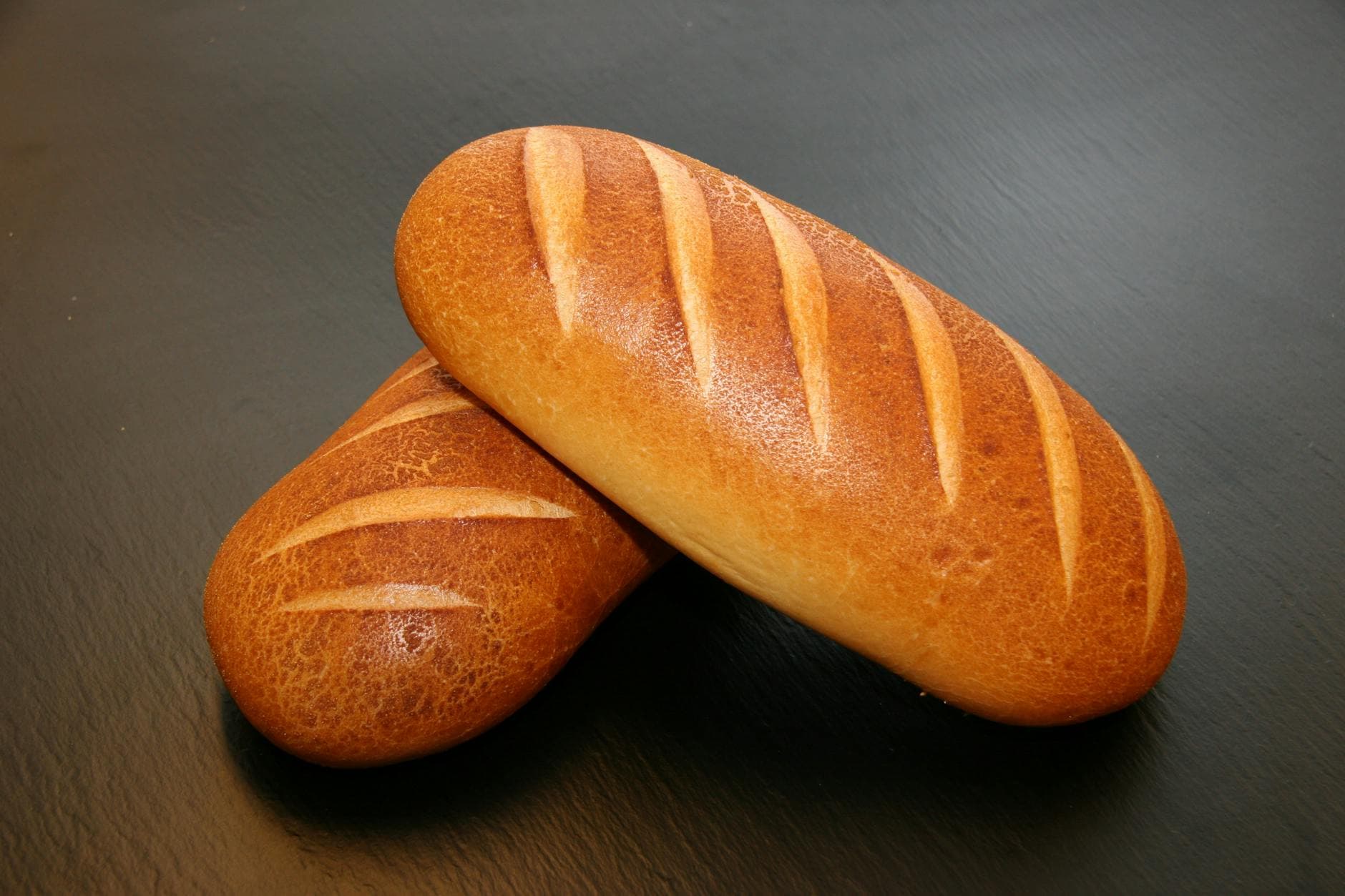
Ikan Sabuko
Spanish mackerel marinated in tangy tamarind with basil and capsicum. In the coastal villages outside Dili, the fish is mixed with tamarind sauce and spices, wrapped tight in palm leaves, and grilled over fire. It usually comes to the table with fresh vegetables alongside.
Batar Daan (Batar Da'an)
A filling stew of corn, mung beans, and pumpkin that turns up in households all over the country. Everything simmers together until it thickens, and it works at any meal. It is cooked most often around the corn harvest, which says a lot about how close Timorese life sits to its farming calendar.
Katupa
Rice cooked with local spices and coconut milk, bundled in palm leaves and steamed through. The leaves do more than hold it together; they leave a faint herby smell on the rice. You will find it at village markets and at ceremonies, and it sums up how plain and direct Timorese cooking can be.
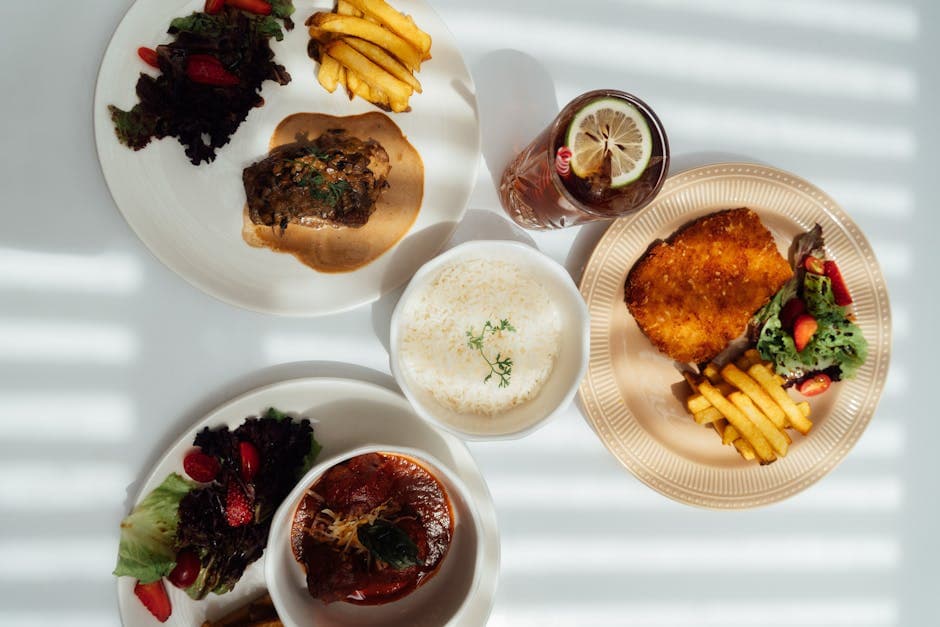
Caril (Timorese Curry)
A coconut-milk curry with Portuguese roots, made with meat or fish, local vegetables, and spices. The colonial history is right there in the bowl.
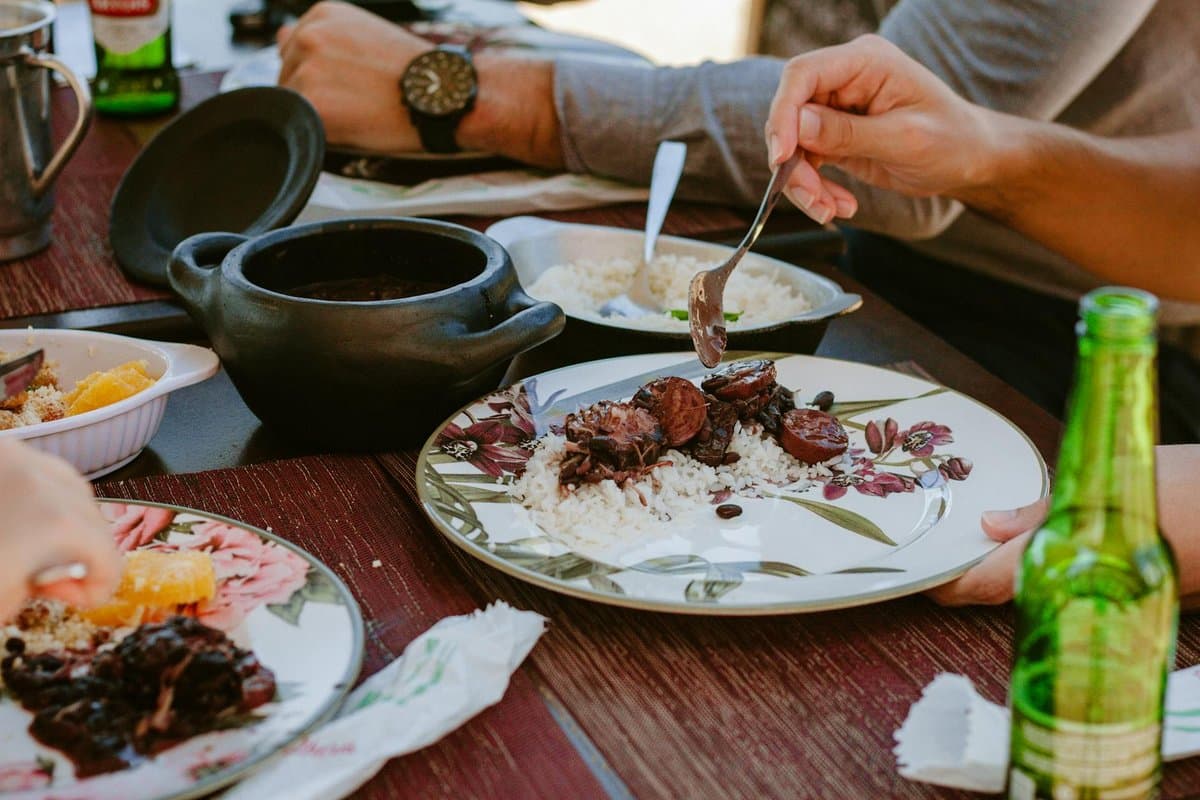
Feijoada Timorense
The Timorese take on Portuguese bean stew, built from local beans, pork, and vegetables. Filling and well seasoned, another holdover from colonial kitchens.
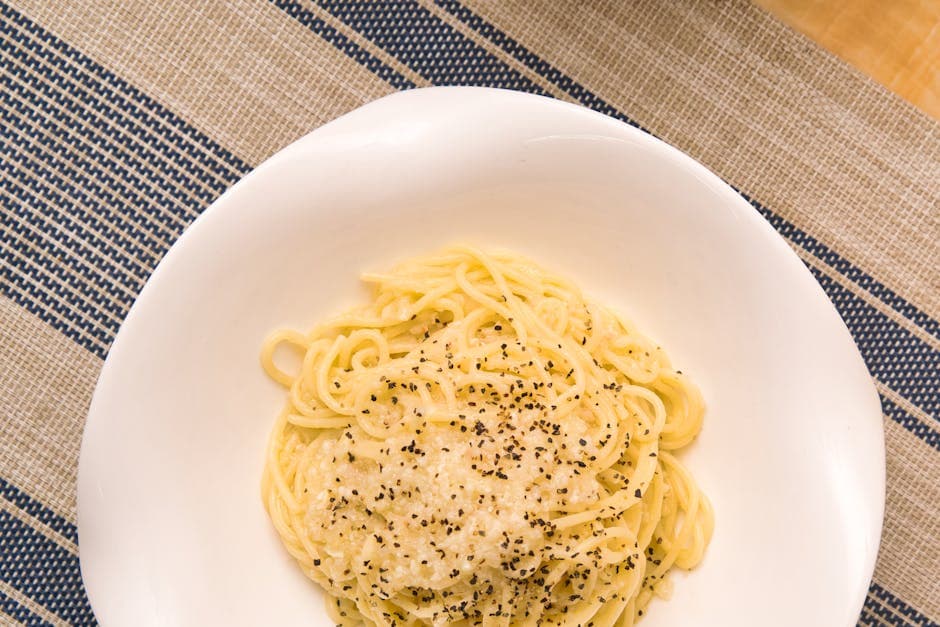
Ikan Pepes
Spiced fish wrapped in banana leaves and grilled. The leaves add their own aroma and keep the fish from drying out.
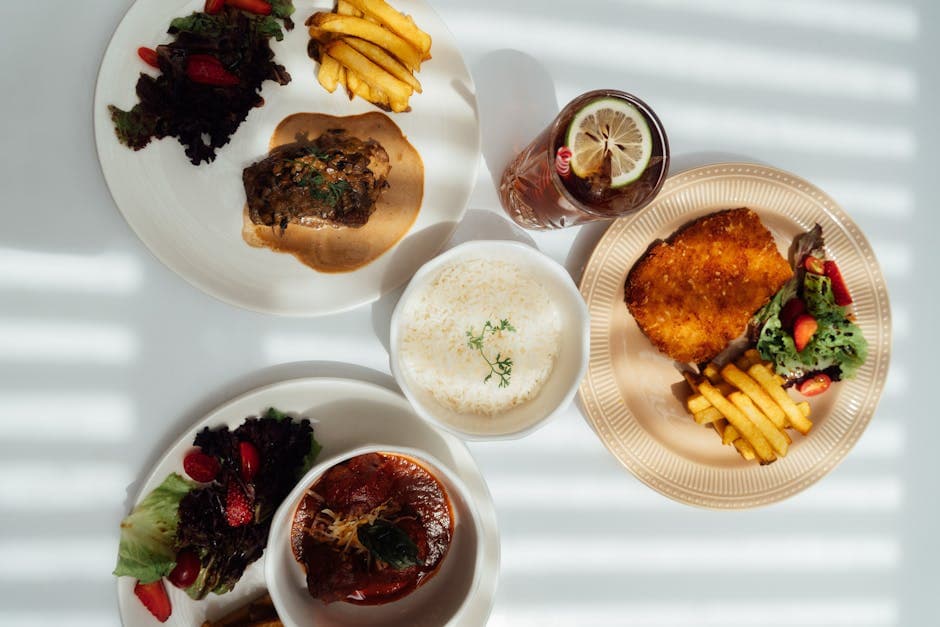
Tukir
A soup of corn, pumpkin, and mung beans. Close to Batar Daan but looser and brothier.
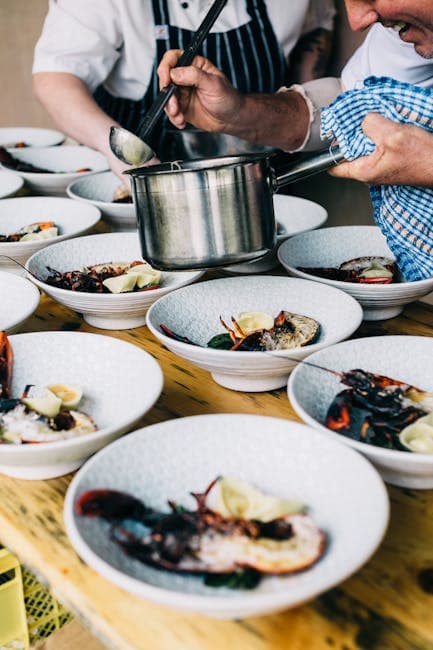
Budu (Fish Paste)
A fermented fish sauce and paste used to season and finish many dishes. It is pungent, and Timorese cooking would not be the same without it.

Ai-manas (Chili Paste)
A hot chili paste of local chilies, lime, and salt. It lands on the table with most meals to add heat.
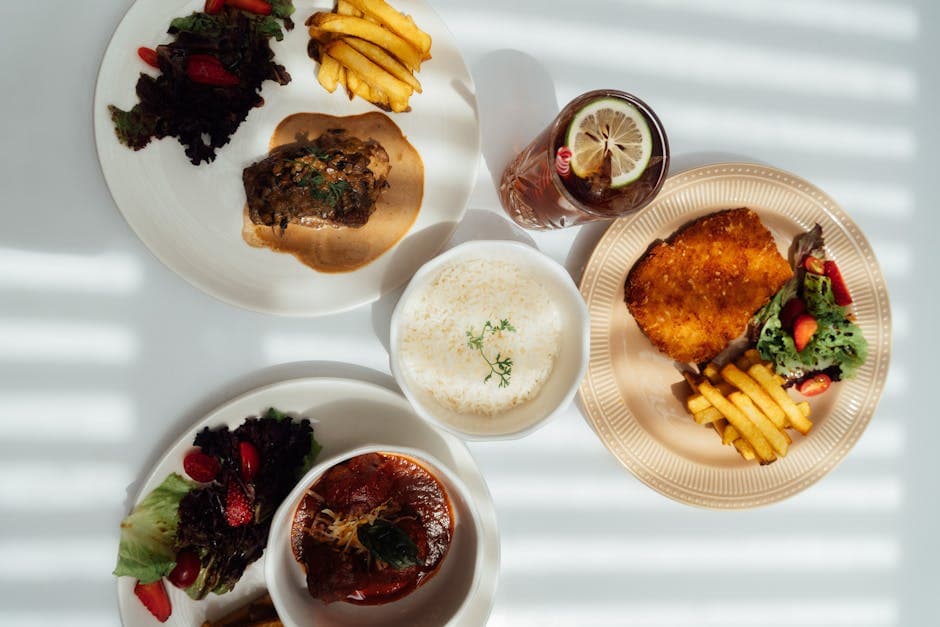
Tapai (Fermented Cassava)
Sweet fermented cassava eaten as a snack, with a mild kick of alcohol from the fermentation. Soft, sticky, and a little tangy.
Regional Specialties & Local Favorites
Discover the authentic regional dishes and local favorites that showcase Timor-Leste's diverse culinary traditions.
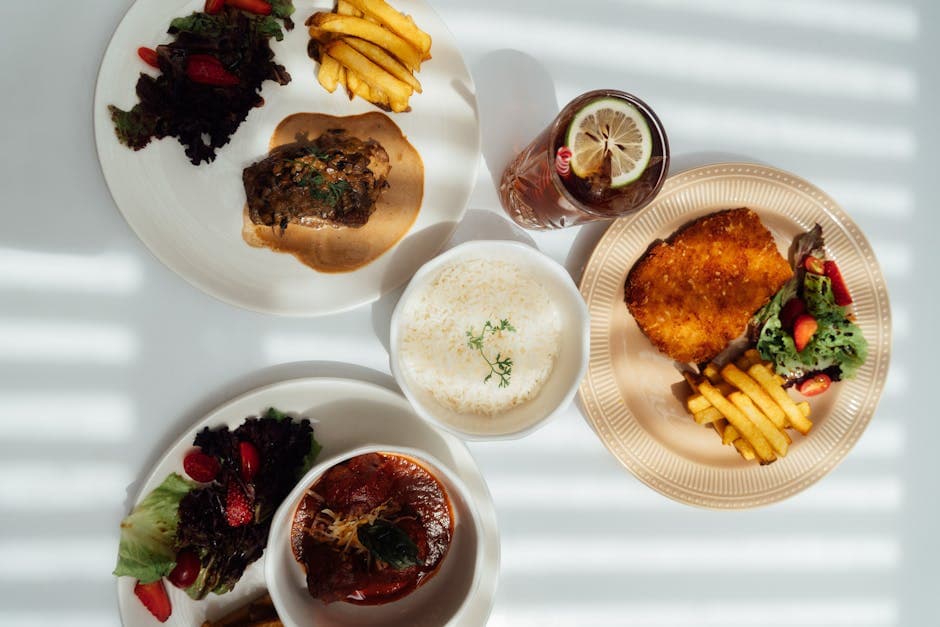
Batar Daan (Corn Stew)
A filling stew of corn, mung beans, and pumpkin that many Timorese households cook day to day.
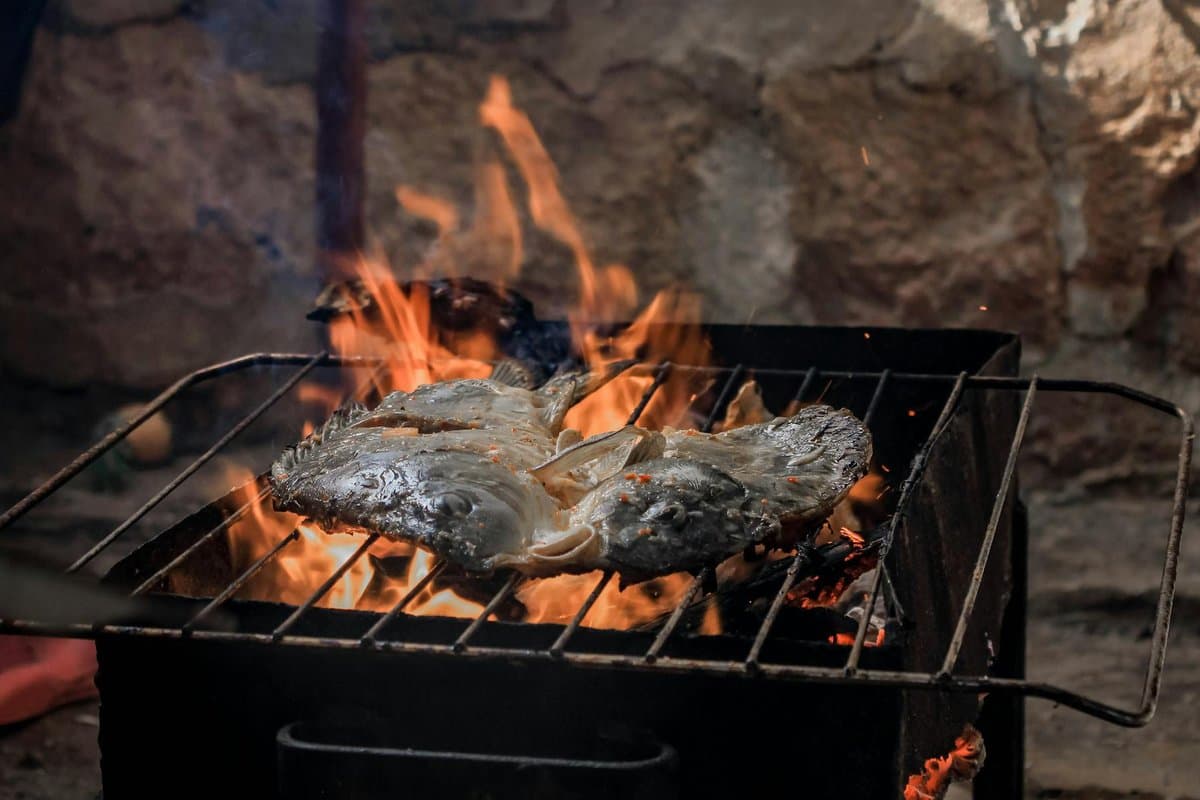
Grilled Fish with Rice
Fish straight off the boat, grilled and served with rice and vegetables. Plain coastal cooking that holds up.
Allergens:
Cassava Leaves with Coconut
Young cassava leaves simmered in coconut milk with spices. A well-seasoned, filling vegetable dish.
Allergens:
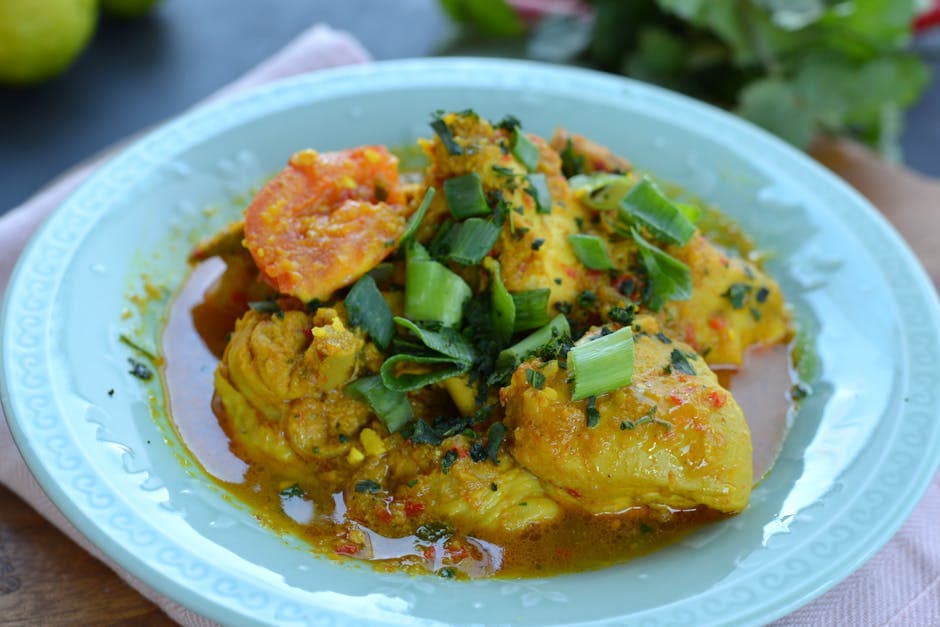
Chicken with Tamarind
Chicken braised in tangy tamarind with local spices, sitting somewhere between Portuguese and Indonesian cooking.
Sweet Potato with Coconut
Sweet potatoes cooked in coconut milk, eaten as a snack or a light dessert.
Allergens:
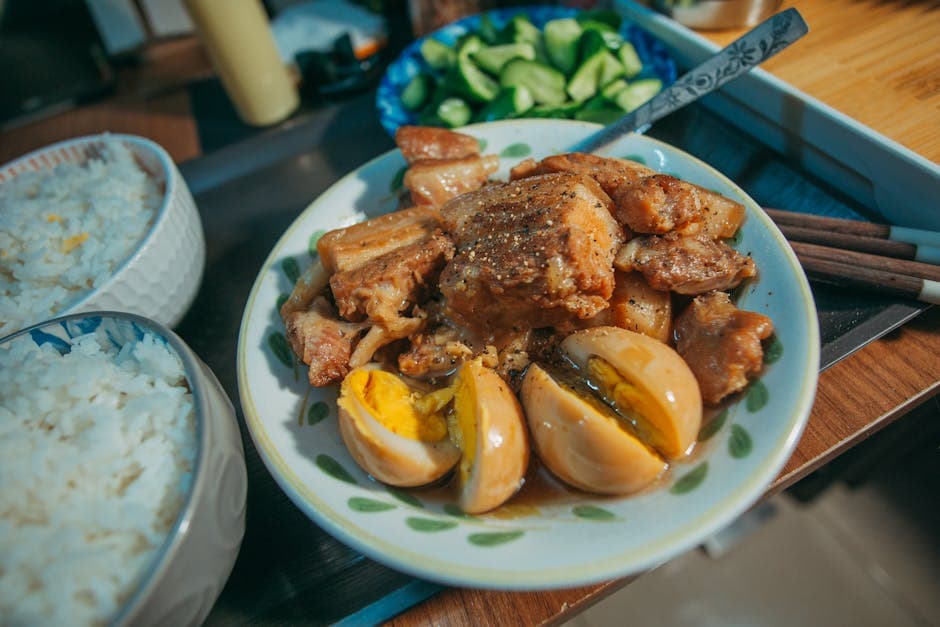
Pork Adobo Timorense
Timorese version of Filipino/Portuguese adobo, with pork marinated in vinegar and spices.
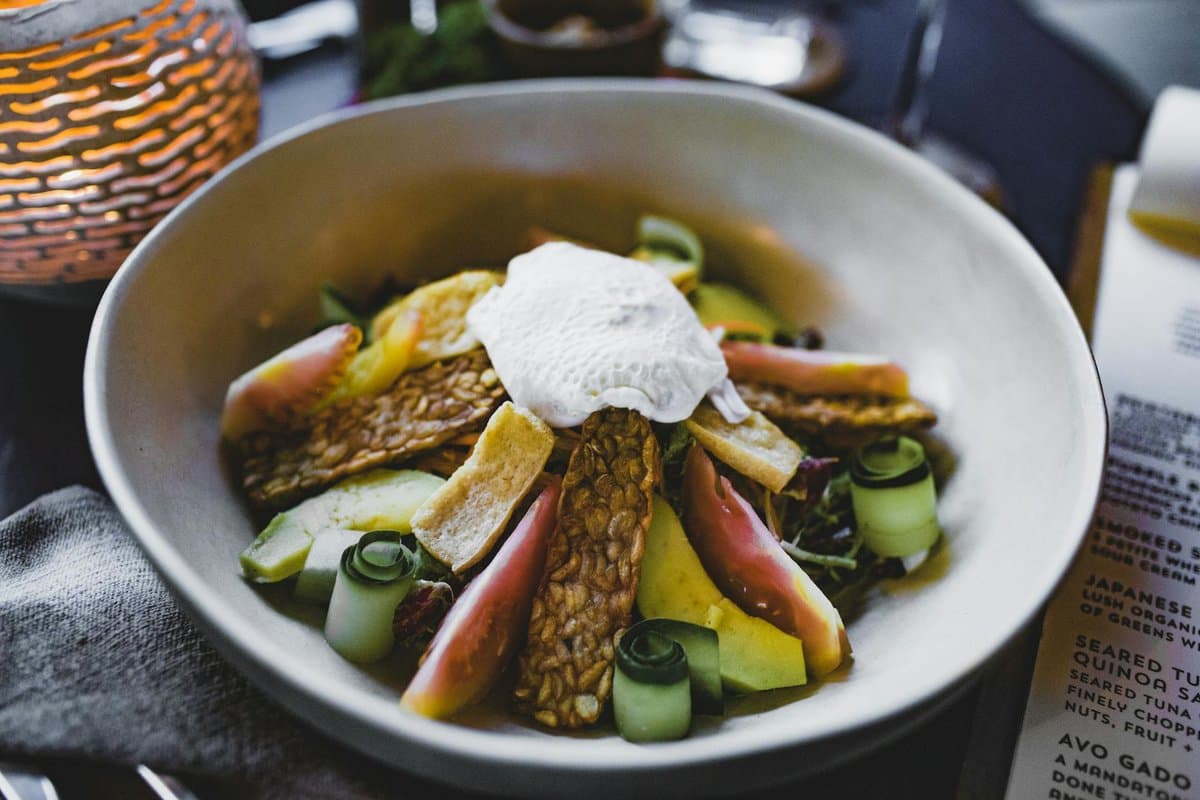
Tempeh
Indonesian-influenced fermented soybean cake, often fried or cooked in curry.
Allergens:

Corn on the Cob
Corn, grilled or boiled, and one of the more common street snacks.
Regional Cuisine Highlights
Explore the diverse culinary landscapes across different regions of Timor-Leste.
Coastal Lowlands (Dili Region)
Cooking along the coast leans on fresh seafood, with Portuguese technique and Indonesian seasoning layered over it. Dili, the capital, has the widest range, from beachside BBQ stalls to a more polished spot like Agora Food Studio. Ikan Sabuko comes out of the coastal villages, and the Portuguese legacy still shows in dishes like Caril and Feijoada.
Cultural Significance:
Coastal cooking carries the mark of centuries of Portuguese rule and sea trade with Indonesia and farther afield.
Signature Dishes:
- Ikan Sabuko - mackerel in tamarind marinade
- Grilled fresh fish
- Ikan Pepes - fish in banana leaves
- Caril - Portuguese-style curry
- Seafood with coconut milk
Key Ingredients:
Mountain Highlands (Coffee Growing Regions)
Up in the hills, the food revolves around coffee and the crops that grow in the cooler climate. Hibrido de Timor coffee grows below Mount Ramelau at 1500-1600 MASL, in areas like Ermera, Ainaro, Maubisse, Aileu, and Letefoho. Corn, beans, and root vegetables make up most of the daily diet, and Batar Daan is a highland fixture.
Cultural Significance:
Coffee has been part of life here for more than two centuries, and unlike many coffee-growing nations, people drink their own beans every day. The highlands produce about half the country's coffee, which is its leading agricultural export.
Signature Dishes:
- Kopi Timor - the local coffee
- Batar Daan - corn, bean, and pumpkin stew
- Tukir - corn and vegetable soup
- Roasted corn
- Sweet potato dishes
Key Ingredients:
Eastern Region (Indonesian Influence)
The east leans more Indonesian, with tempeh, Indonesian-style curries, and sambal on the table. The cooking has more in common with West Timor, the Indonesian province across the border.
Cultural Significance:
The east keeps closer cultural and culinary ties to Indonesia, a result of how near the border sits and the history the two share.
Signature Dishes:
- Tempeh dishes
- Sambal (Indonesian chili paste)
- Indonesian-style curries
- Tapai (fermented cassava)
Key Ingredients:
Sweet Delights & Desserts
Indulge in Timor-Leste's traditional sweet treats and desserts.
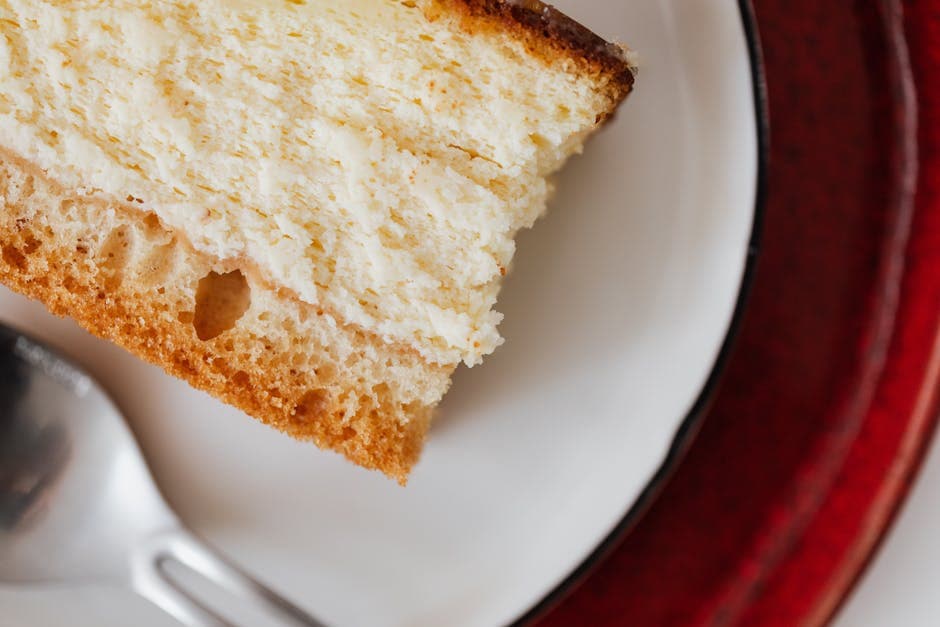
Bolu Kemojo
A sponge cake that owes its style to Portuguese baking. Soft, lightly sweet, and usually served with coffee.
Pudim (Timorese Pudding)
Portuguese-style caramel pudding left behind by colonial kitchens. Creamy, sweet, and finished with caramel sauce.
Coconut Sweet Rice
Sticky rice cooked with coconut milk and palm sugar. A plain, traditional sweet.
Traditional Beverages
Discover Timor-Leste's traditional drinks, from locally produced spirits to regional wines.
Tua Mutin (Palm Wine)
Palm wine tapped from palm trees and fermented locally. The taste runs sweet with a sour edge.
Aguardente (Local Spirit)
A local distilled spirit, usually from palm sap or sugarcane. It hits hard.
Soft Beverages
Discover Timor-Leste's traditional non-alcoholic drinks, from local teas to refreshing juices.
Kopi Timor (Timor Coffee)
Timorese coffee, coarse-ground and steeped with hot water in a plain pot. The Hibrido de Timor variety pours bold, with hints of fruit and chocolate - a smooth Arabica, low in acidity, with sweet treacle and soft-fruit notes on the finish. In rural homes, the beans get roasted in a pan over an open fire and then pounded into powder.
Cha (Tea)
Tea is common and often served sweet, with both Portuguese and Indonesian habits shaping how it is made.
Fresh Coconut Water
Coconut water poured straight from young coconuts, which is hard to beat in this heat.
Frequently Asked Questions
Essential information about food and dining in Timor-Leste.
What is the national dish of Timor-Leste?
Timor-Leste's most iconic dishes include Ikan Sabuko, Batar Daan (Batar Da'an), Katupa. Spanish mackerel marinated in tangy tamarind with basil and capsicum. In the coastal villages outside Dili, the fish is mixed with tamarind sauce and spices, wrapped tight in palm leaves, and grilled over fire. It usually comes to the table with fresh vegetables alongside.
Is street food safe in Timor-Leste?
Street food in Timor-Leste can be enjoyed safely by following these guidelines: Drink bottled or purified water only. Look for busy vendors with high turnover, ensure food is cooked fresh and served hot, and avoid raw ingredients if you have a sensitive stomach.
What are the best restaurants in Timor-Leste?
Timor-Leste offers diverse dining options from street food stalls to upscale restaurants. For the best experience, ask locals for recommendations, check recent reviews, and look for restaurants that specialize in regional cuisines.
Can vegetarians find food easily in Timor-Leste?
Vegetarian options in Timor-Leste are mediumly available. You can eat vegetarian here, though most traditional cooking centers on meat or fish. Batar Daan (corn and bean stew) and various vegetable dishes are easy to find, and Dili's international restaurants give you more to work with.. Many restaurants offer vegetarian dishes, and you'll find plant-based ingredients featured prominently in local cuisine.
What is the average cost of a meal in Timor-Leste?
Meal costs in Timor-Leste depend on where you eat. Street food and casual local restaurants are very affordable, typically offering complete meals for a few dollars. Mid-range restaurants charge moderate prices, while fine dining establishments are comparably priced to Western countries.
What are common food allergens in Timor-Leste?
Common allergens in Timor-Leste cuisine include Peanuts, Coconut, Fish. Peanuts are used in some Indonesian-influenced dishes. These ingredients appear in dishes like Satay-style dishes, Some sauces. Always inform restaurant staff about your allergies.
When is the best time to visit Timor-Leste for food?
Timor-Leste offers great food experiences throughout the year. However, visiting during harvest seasons (typically spring and autumn) provides access to the freshest local ingredients. Food festivals and cultural celebrations also offer unique culinary experiences worth planning around.