
Tonga Food Guide
Content Information
Recently updated🔥Current Food Trends 2026
What's happening in Tonga's culinary scene right now
Tongan food in mid-2026 still rests on what it always has: the umu underground oven, coconut cream in almost everything, fish off the reef, and the big Sunday feast after church. June lands in the cooler dry season, around 20-26°C/68-79°F, which suits long outdoor meals and the citrus and root crops that ripen now. Nuku'alofa keeps opening waterfront restaurants, but the umu hasn't budged from its place beside them. Lu Pulu, the national dish of corned beef, coconut cream and taro leaves, anchors most celebrations. Traditional Polynesian cooking has drawn fresh attention these past couple of years, and umu pits now turn up regularly at cultural tours and resort experiences. Seafood stays at the center, whether that's ota ika cured in lime and coconut cream, grilled lobster, or octopus simmered in coconut milk. The church calendar runs the week, so most restaurants close Sundays while families gather for post-service feasts. Coconut cream, called lolo, goes into nearly every dish, and the everyday starches are cassava, taro, kumala (sweet potato), breadfruit and yams. Eating well here costs little, since the markets sell fresh produce and umu-cooked food. A small coffee culture has settled in at the European-leaning cafes around the capital.
Food Safety Tips
Essential food safety information to help you enjoy Tonga's cuisine safely and confidently.
Drink bottled water in rural areas
Tap water in Nuku'alofa is generally safe to drink, but stick to bottled water in rural areas and on the outer islands. Most resorts and hotels run filtered water systems.
Choose busy vendors with fresh turnover
Talamahu Market and the local food stalls are generally safe. Pick vendors with steady customer traffic and food prepared in plain sight. Get there in the morning for the freshest produce and umu-cooked dishes.
Ensure seafood is freshly caught and properly stored
Seafood spoils fast in the tropical heat. Check that fish have clear eyes, firm flesh and no strong smell. Ota ika uses raw fish, so it should be made from the day catch and eaten the same day.
Stock up on Saturday - most restaurants closed Sunday
Tonga keeps a strict Sunday Sabbath. Almost every restaurant, cafe and shop shuts for the day, leaving only resort and hotel kitchens open. Buy what you need on Saturday and plan your Sunday meals around that.
Dietary Options
vegetarian
MEDIUM AVAILABILITYVegetarians can build meals around taro, cassava, breadfruit, kumala, tropical fruit and coconut-based dishes. Talamahu Market is well stocked with fresh produce, and the European-style cafes in Nuku'alofa serve meatless meals.
vegan
LOW AVAILABILITYVegan eating is harder here, since coconut cream (lolo) is fine but meat runs through most of the cooking. Plain root vegetables like taro, cassava and yams, tropical fruit, and some umu-baked vegetables are naturally vegan. Spell out your needs clearly when you order.
gluten-free
HIGH AVAILABILITYTraditional Tongan food is gluten-free by default, built on root vegetables (taro, cassava, kumala), seafood, meat, coconut and fruit. Steer clear of imported baked goods and soy sauce. Safe bets include umu foods, ota ika, grilled fish, lu dishes and fresh tropical fruit.
halal
VERY LOW AVAILABILITYTonga is overwhelmingly Christian (Free Wesleyan Church 36%, Catholic 15%, Mormon 18%), and there is no halal certification here. Muslim travelers can reach out to the small Muslim community in Nuku'alofa, or fall back on seafood, vegetarian dishes and sealed imported products.
kosher
VERY LOW AVAILABILITYTonga has no Jewish community and no kosher certification. If you keep kosher, bring your own provisions or get by on sealed imported products, fresh produce and naturally kosher items such as plain fish and vegetables.
Common Allergens
Coconut
VERY HIGH PREVALENCECoconut cream (lolo) sits at the heart of Tongan cooking and turns up in nearly every traditional dish
COMMONLY FOUND IN:
Seafood
HIGH PREVALENCEFish, octopus, crayfish and shellfish are everyday food along the coast
COMMONLY FOUND IN:
Gluten
MEDIUM PREVALENCETraditional Tongan food is gluten-free, but imported wheat products are now common in the modern diet
COMMONLY FOUND IN:
Essential Food Experiences
These iconic dishes represent the must-have culinary experiences that define Tonga's food culture for travelers.
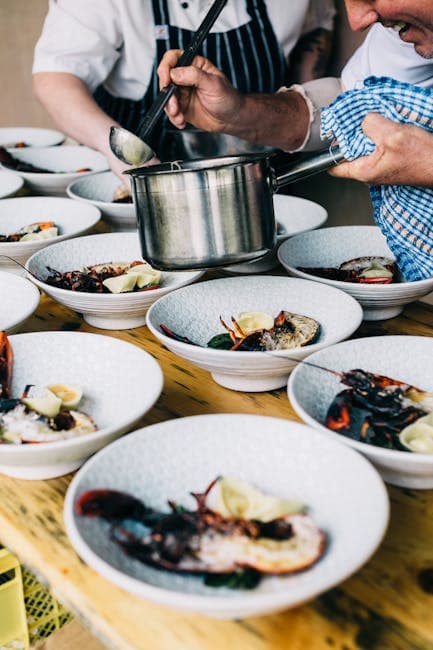
Lu Pulu (Tonga's National Dish)
Tonga's signature dish: corned beef and coconut cream wrapped in taro leaves (lu) and cooked in the umu underground oven until soft. The name puts together "lu" (taro leaves) and "pulu" (beef). It stands for Tongan hospitality and shows up at feasts, weddings and other celebrations. Making it is a group effort, with families wrapping the parcels together.
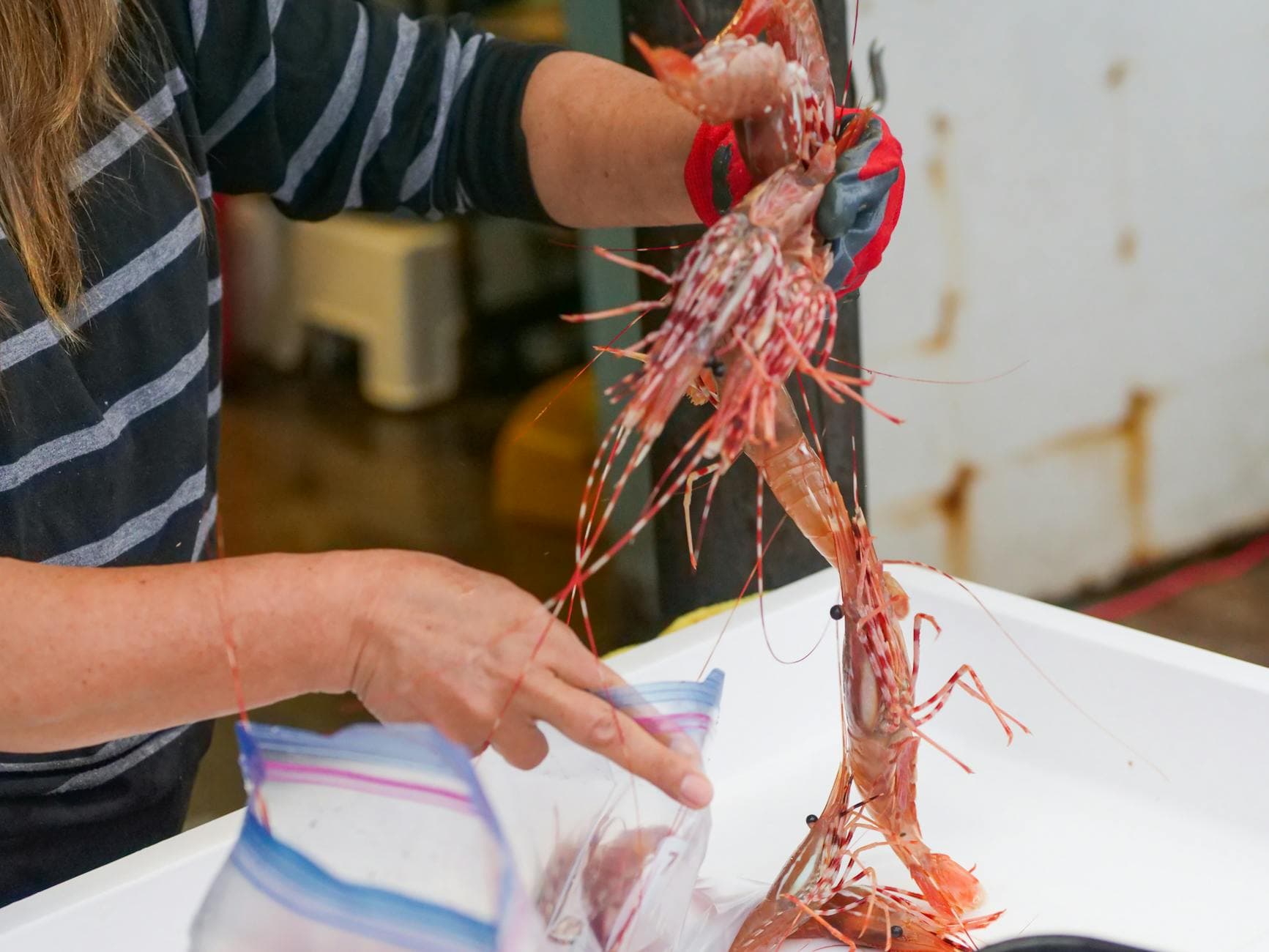
Ota Ika (Raw Fish Salad)
Tonga's raw fish salad, often named alongside Lu Pulu as a national dish: white fish cured in lime juice and coconut cream, then tossed with tomato, onion, cucumber and sometimes chili. It sits somewhere between ceviche and poke. The fish has to be caught that day, and the result eats light and cool, which suits the climate. You will find it at nearly every restaurant and feast.
Umu Feast
The umu is the Tongan underground oven, where food slow-cooks over hot volcanic stones under a cover of banana leaves. A full umu might hold a whole roasted pig, Lu Pulu, chicken, octopus, lobster, root vegetables (taro, cassava, kumala) and parcels wrapped in taro leaves. Everything comes out smoky and tender. It is central to Tongan life, fired up for Sunday feasts, weddings and celebrations, and the cooking runs three to four hours.
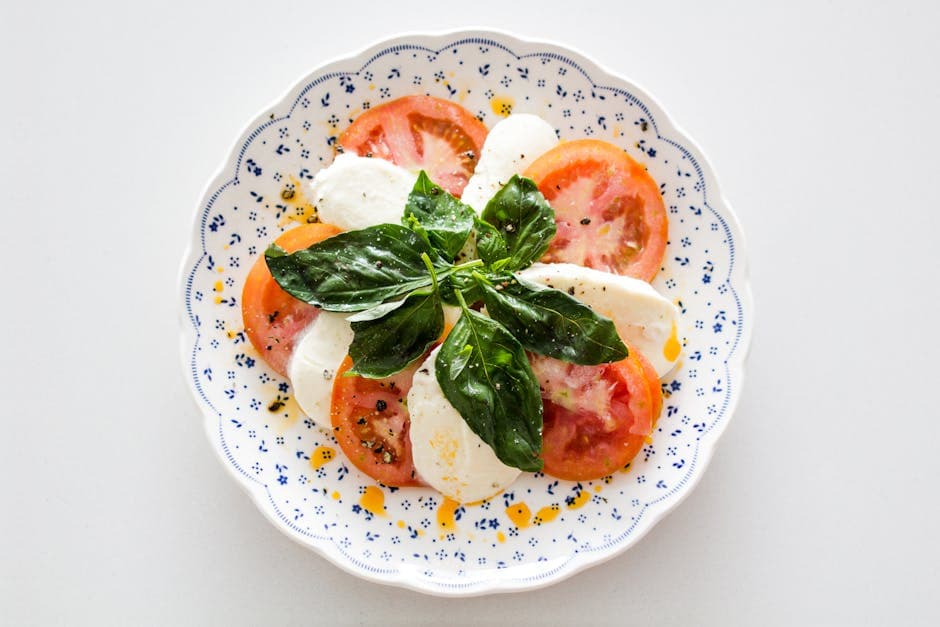
Lu Sipi (Lamb in Coconut Cream)
Chunks of lamb slow-cooked in coconut cream with taro leaves, wrapped in foil and heated in the umu. It comes out for holidays and celebrations. As the lamb cooks, its fat melts into the coconut cream and the sauce turns thick and savory. The method follows Lu Pulu, just with lamb in place of corned beef.
Feke (Octopus in Coconut Milk)
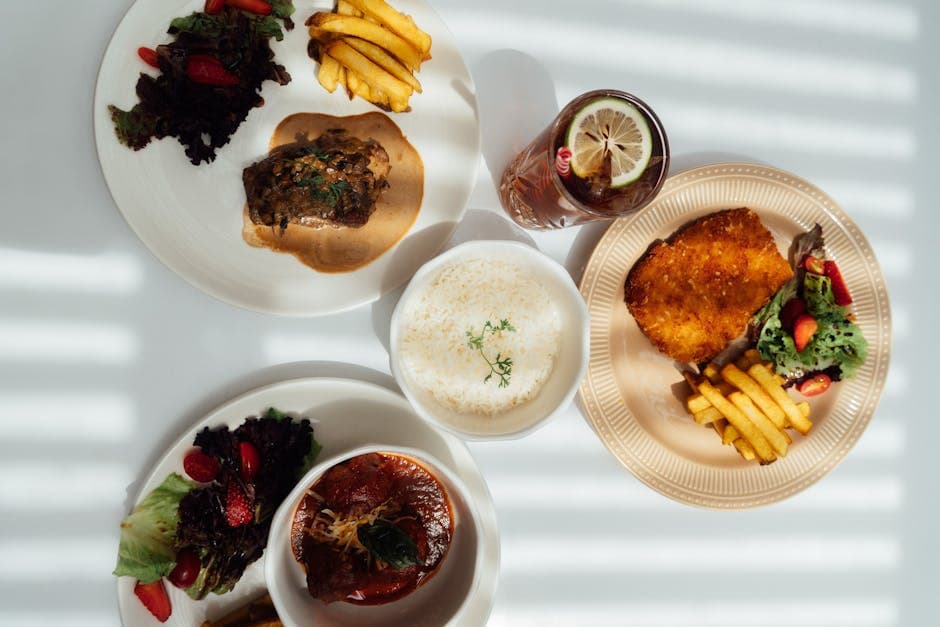
Octopus simmered in coconut milk until soft, usually with onion, chili and lime juice. It can be cooked in the umu or on the stovetop. Octopus is plentiful in Tongan waters, and cooked right it turns very tender. You will find it at feasts and seafood restaurants.
Vai Siaine (Banana Coconut Pudding)
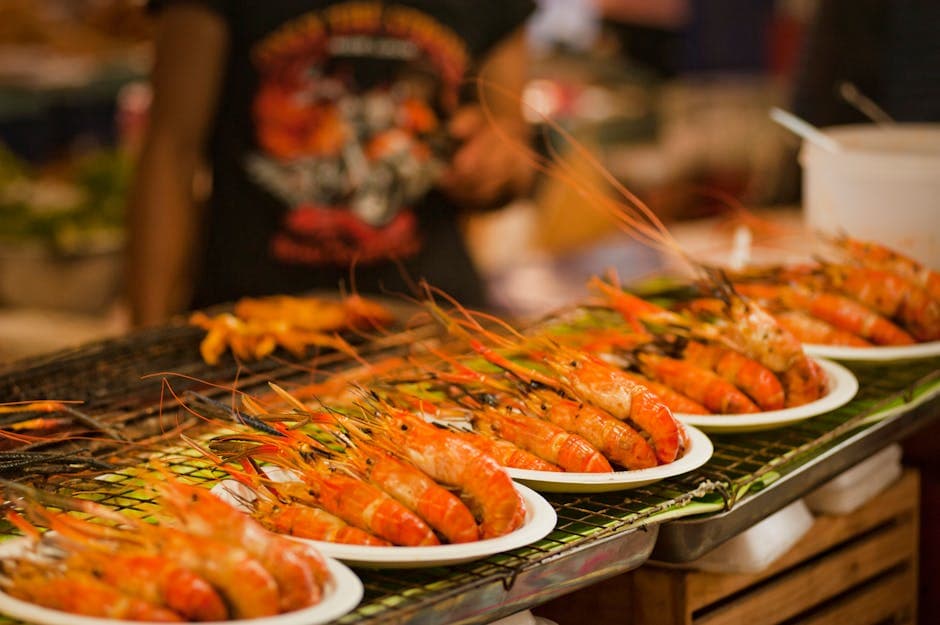
A traditional dessert made by boiling bananas in coconut milk into a smooth, sweet pudding. It is served warm, topped with coconut shavings or pieces of fresh fruit. A few simple ingredients make for comforting food, and it often appears at family gatherings or as a treat for kids.
Ika Loloi (Fish in Coconut Cream)
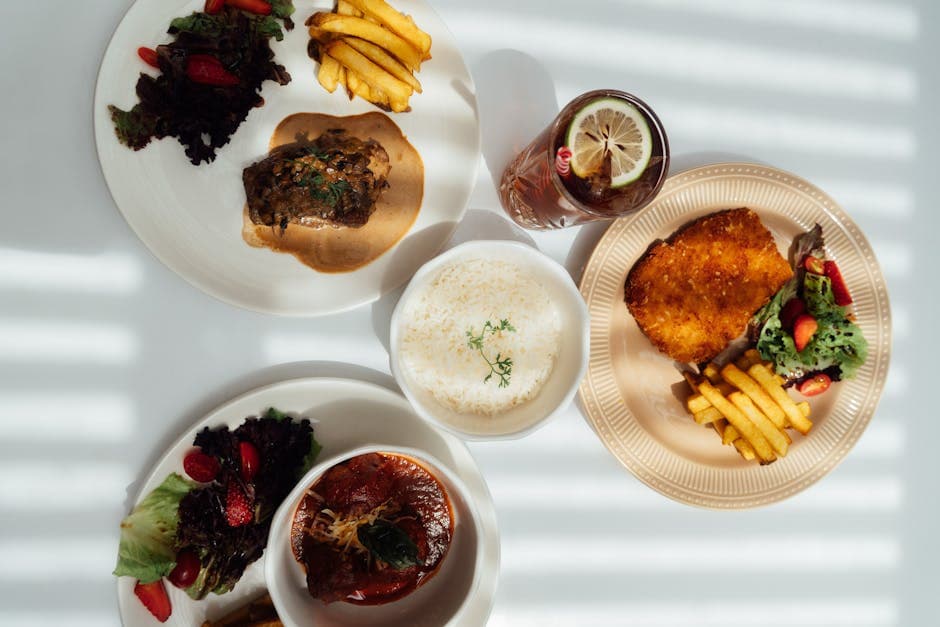
Fresh fish cooked in coconut cream with onions and seasonings, whether baked, umu-cooked or done on the stovetop. It leans on Tonga's fresh seafood and the coconut that defines the cooking. Because the fish is cooked rather than raw like ota ika, it is milder and tends to go down well with visitors.
Topai (Tongan Dumplings)
Sweet dumplings of flour, coconut cream and sugar, boiled in coconut milk. They are starchy and filling, eaten for breakfast or as dessert. Some cooks fold in mashed banana or taro. Dumplings like these turn up across Polynesia, but the Tongan version goes heavy on coconut.
Manioke (Cassava)
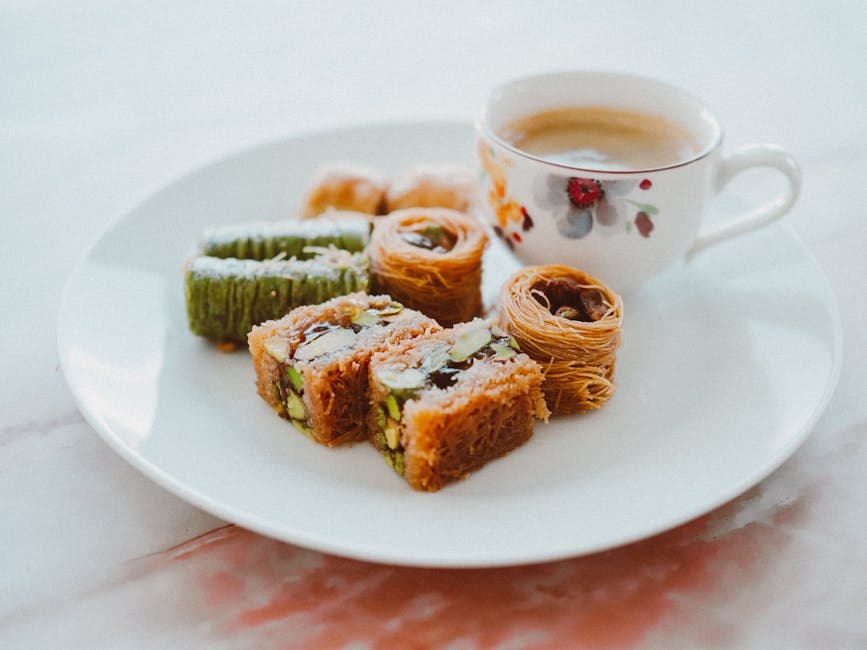
Cassava, or tapioca root, is a staple starch in Tonga, served boiled, umu-baked or mashed with coconut cream. Its plain flavor makes it a good foil for the heavier coconut dishes. It carries much of the carbohydrate in the traditional diet and usually shares the table with Lu Pulu or grilled meats at a feast.
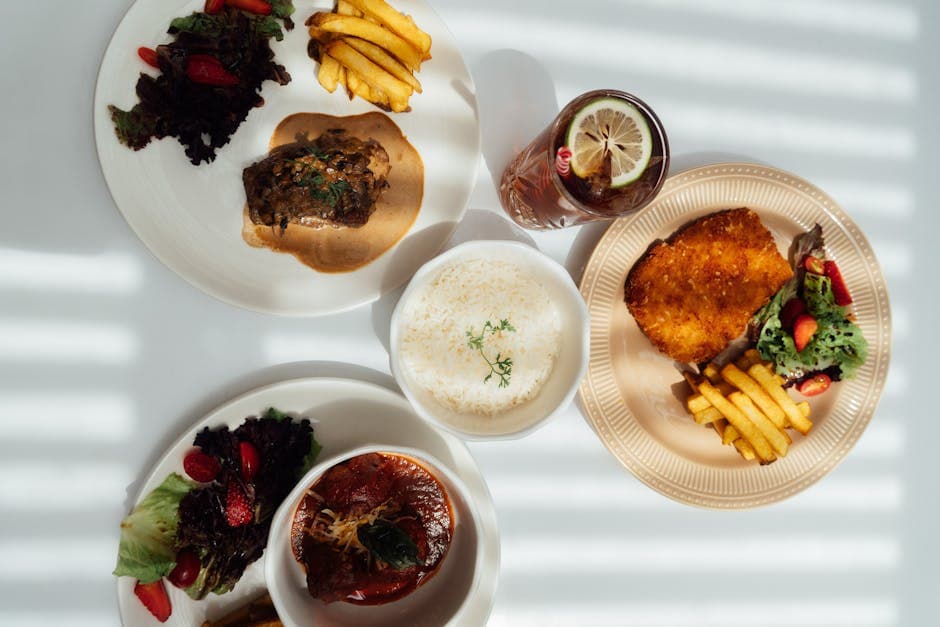
Faikakai Topai (Sweet Coconut Dumplings)
A traditional dessert soup of sweet dumplings floating in a caramelized coconut milk sauce. The dumplings, made from flour and coconut, simmer in coconut milk sweetened with sugar or a caramel syrup. It is warm comfort food and a fixture at family gatherings.
Talo (Taro Root)
Taro root is an old Polynesian staple and a cornerstone of the Tongan diet, served boiled, umu-baked or mashed. The flesh is starchy and faintly sweet, with a purple-grey color. The leaves, called lu, matter just as much, used to wrap Lu Pulu and other dishes. It is a culturally important crop, grown in traditional plantation systems, and it appears at every feast.
Regional Specialties & Local Favorites
Discover the authentic regional dishes and local favorites that showcase Tonga's diverse culinary traditions.

Grilled Lobster
Fresh Tongan lobster grilled with garlic butter or a coconut cream sauce. It is plentiful in local waters, which makes a usually pricey treat affordable for visitors. The waterfront restaurants in Nuku'alofa, with their ocean views, are the place to eat it.
Allergens:
Roast Suckling Pig
A whole pig slow-roasted in the umu until the meat is tender and the skin crisp. It is the centerpiece of big feasts and celebrations, the meat falling off the bone with a smoky umu flavor running through it. The usual sides are taro, kumala and coconut cream.
Kumala (Sweet Potato)
Tongan sweet potato, purple-fleshed and naturally sweet, served umu-baked, boiled or mashed with coconut cream. It is a staple carbohydrate, packed with nutrients, and usually sits next to the savory meats and fish at a feast.
Coconut Bread
Sweet bread made with coconut milk and grated coconut, baked until golden. You will find it at bakeries and markets, eaten at breakfast or as a snack with tea or coffee. It marries European bread-making with the coconut Tonga has in spades.
Allergens:
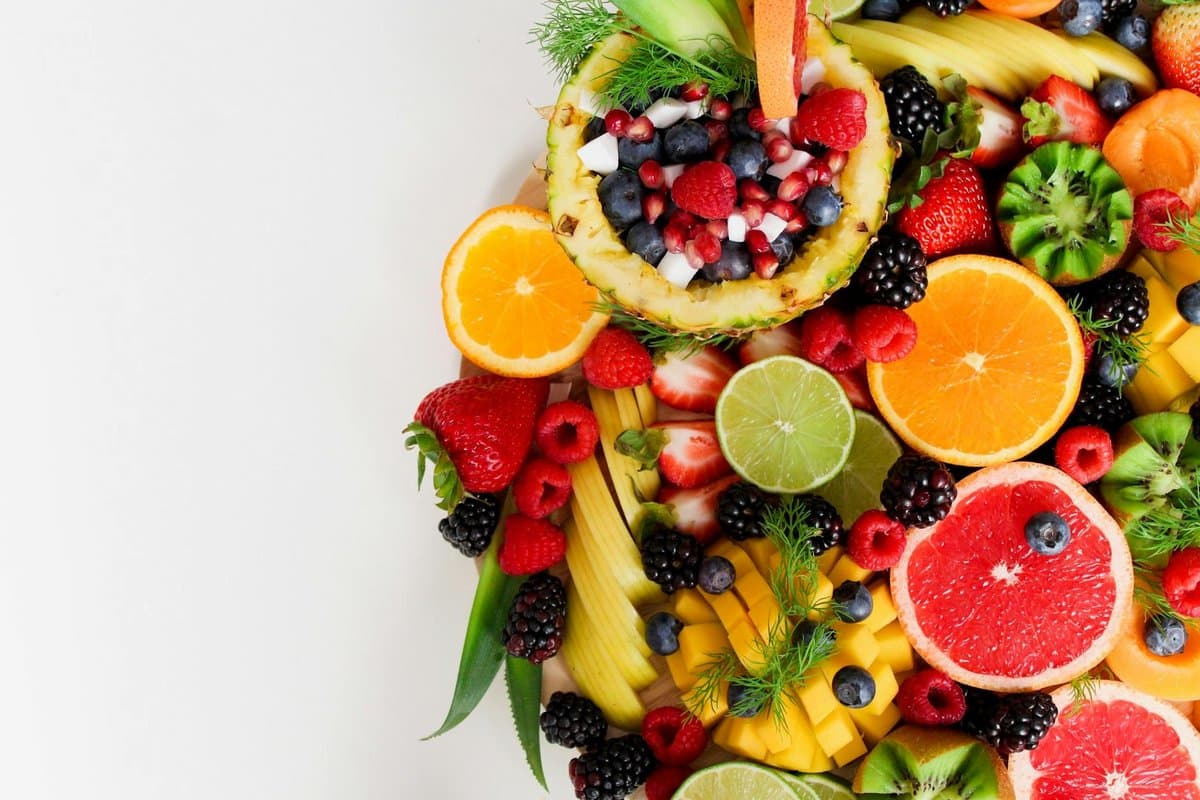
Fresh Tropical Fruit Plate
A spread of tropical fruit: sweet pineapple, mango, papaya, watermelon, passion fruit and banana. Mango season peaks around December, but something is always ripe. It turns up at breakfast, as dessert or as a snack, sold at Talamahu Market and by roadside vendors.

Cassava Chips
Cassava sliced thin and fried crisp, then salted or sweetened. They show up as a snack at markets and at specialty cafes like Tupu'Anga. Think of them as a local stand-in for potato chips, made from a root vegetable Tongans have always eaten.
Corned Beef with Taro
A simple, filling plate of canned corned beef (pulu) with boiled taro or kumala. This is everyday home cooking, and it shows how traditional taro and imported corned beef sit side by side in the Tongan kitchen. The same pairing forms the base of the national dish, Lu Pulu.
Tongan-Style Chicken
Chicken cooked in coconut cream with onions, often wrapped in taro leaves and umu-baked. It is a cheaper option than the lamb used in Lu Sipi, and it shows up at family meals and smaller gatherings.
Allergens:
Regional Cuisine Highlights
Explore the diverse culinary landscapes across different regions of Tonga.
Tongatapu (Main Island including Nuku'alofa)
Tongatapu holds the capital, Nuku'alofa, and about 70% of the country's population, and it has the most varied food scene. Restaurants in town mix umu cooking with European, Asian and modern Pacific cooking, and the waterfront spots lean on fresh local seafood. Talamahu Market sells traditional foods, fresh produce and umu-cooked specialties. Imported ingredients are easy to come by here, which opens the door to fusion, while the Sunday feast keeps the traditional side alive.
Cultural Significance:
The food on Tongatapu shows modern Tongan life and old Polynesian custom living together. Restaurants in Nuku'alofa cater to visitors from abroad, while the Sunday umu feast keeps the through-line to the past. Talamahu Market is where older cooks pass traditional foods and methods down to the next generation.
Signature Dishes:
- Lu Pulu
- Ota Ika
- Umu feasts
- Grilled lobster
- Fresh tropical fruits
Key Ingredients:
Vava'u Islands
The Vava'u archipelago (65 islands, 17 inhabited) is known for clear water, sailing, whale watching and plenty of fresh seafood. The cooking leans hard on what the ocean gives: fresh fish, lobster, octopus, sea urchin. Being remote, it stays more traditional, and the umu is still the main way villages cook. Less food comes in by ship, so people lean on local fishing, taro, coconut and breadfruit.
Cultural Significance:
Vava'u food is rooted in Tonga's fishing culture. The distance keeps the old food ways going with little Western influence, and the umu remains the main cooking method. Sailing tourism brings some outside flavors, but the local traditions hold.
Signature Dishes:
- Fresh grilled fish
- Lobster
- Octopus (feke)
- Ota Ika
- Umu seafood
Key Ingredients:
Ha'apai Islands
The Ha'apai group (51 islands between Tongatapu and Vava'u) is the most traditional part of Tonga. With little tourism or development, the cooking stays closest to old Polynesian methods. Most people fish and farm for themselves, and the umu is central. The food rests on taro, cassava, breadfruit, coconut and fresh fish, with very little brought in from outside. Whole fish go on open fires, and root vegetables go in the umu.
Cultural Significance:
Ha'apai keeps old Tongan food culture intact. With little outside influence, methods used for centuries carry on, and the umu is fired daily, not just for ceremonies. Sharing food across the community runs strong. This is about as close to the original island cooking of Polynesia as you will find.
Signature Dishes:
- Traditional umu feasts
- Whole grilled fish
- Taro and coconut dishes
- Breadfruit preparations
- Simple coconut puddings
Key Ingredients:
Sweet Delights & Desserts
Indulge in Tonga's traditional sweet treats and desserts.

Cassava Tart
A sweet tart of grated cassava, coconut cream, sugar and eggs, baked until golden. It is a regular on dessert menus, including at the Waterfront Restaurant, and it pairs traditional cassava with European baking.
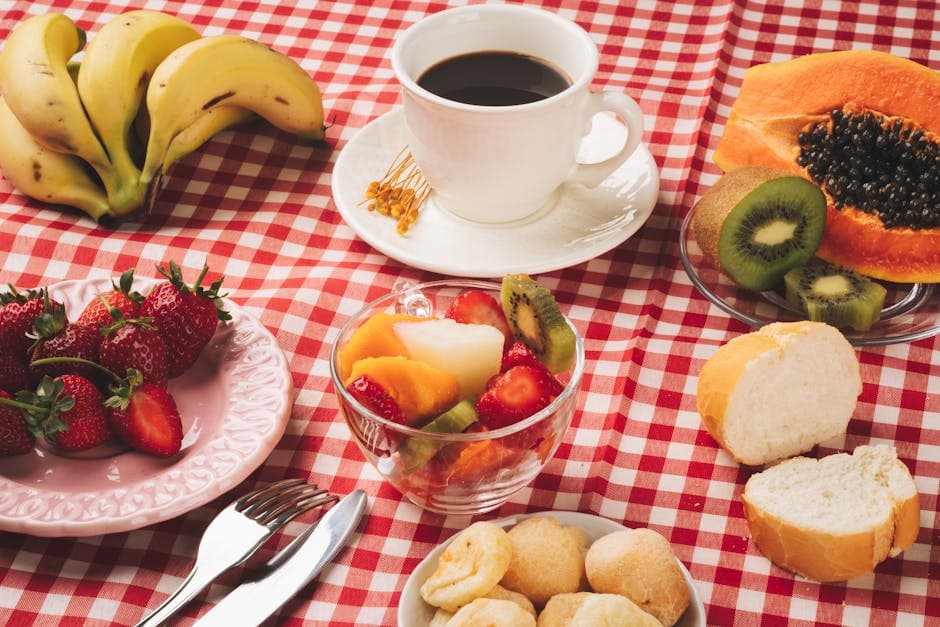
Tropical Cheesecake
A newer dessert seen around Nuku'alofa restaurants: cheesecake under a layer of fresh tropical fruit, usually mango, passion fruit and papaya. It puts a European dessert together with the fruit Tonga grows so much of.
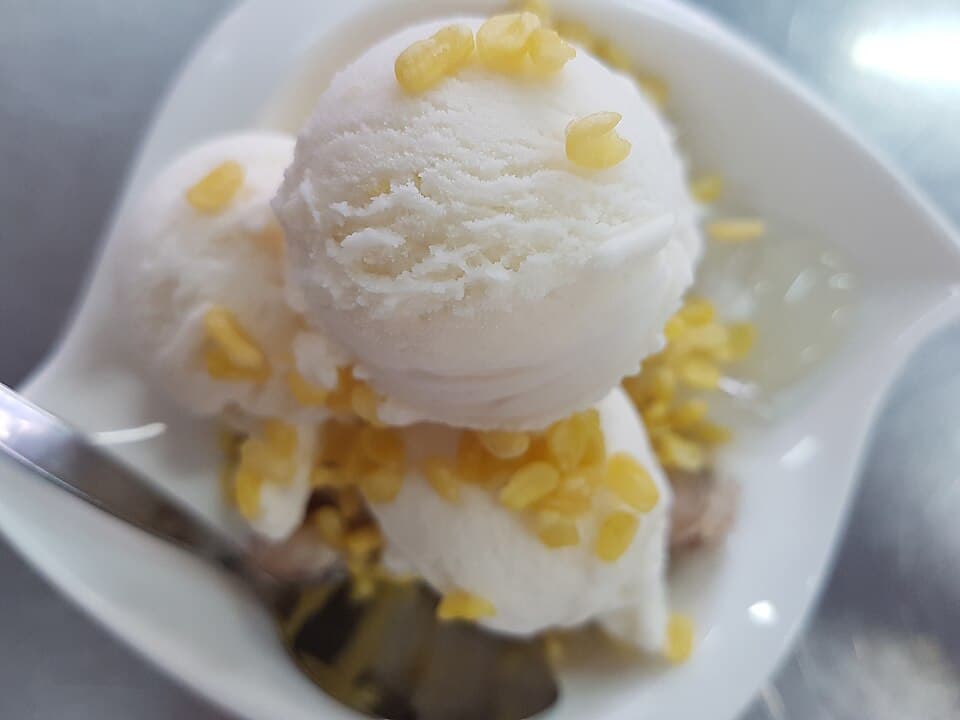
Coconut Ice Cream
Creamy ice cream made with fresh coconut cream and coconut meat, just the thing in the heat. Cafes and restaurants around Nuku'alofa serve it, and the real coconut flavor comes through stronger than anything store-bought.
Traditional Beverages
Discover Tonga's traditional drinks, from locally produced spirits to regional wines.
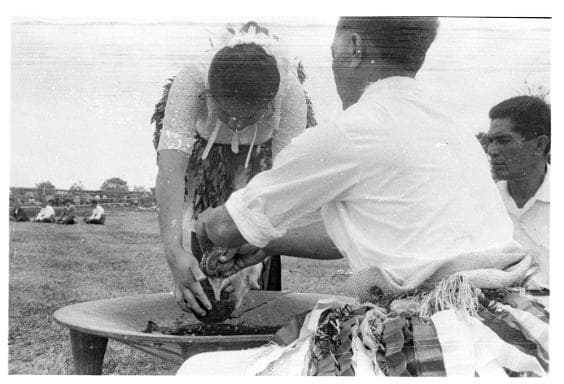
Kava
A ceremonial drink made from kava root (Piper methysticum), with a mild sedative effect. It is drunk at formal gatherings and kava clubs, and it tastes earthy and a little bitter. Kava runs deep in Tongan social and ceremonial life. There is no alcohol in it, but it relaxes you.
Soft Beverages
Discover Tonga's traditional non-alcoholic drinks, from local teas to refreshing juices.
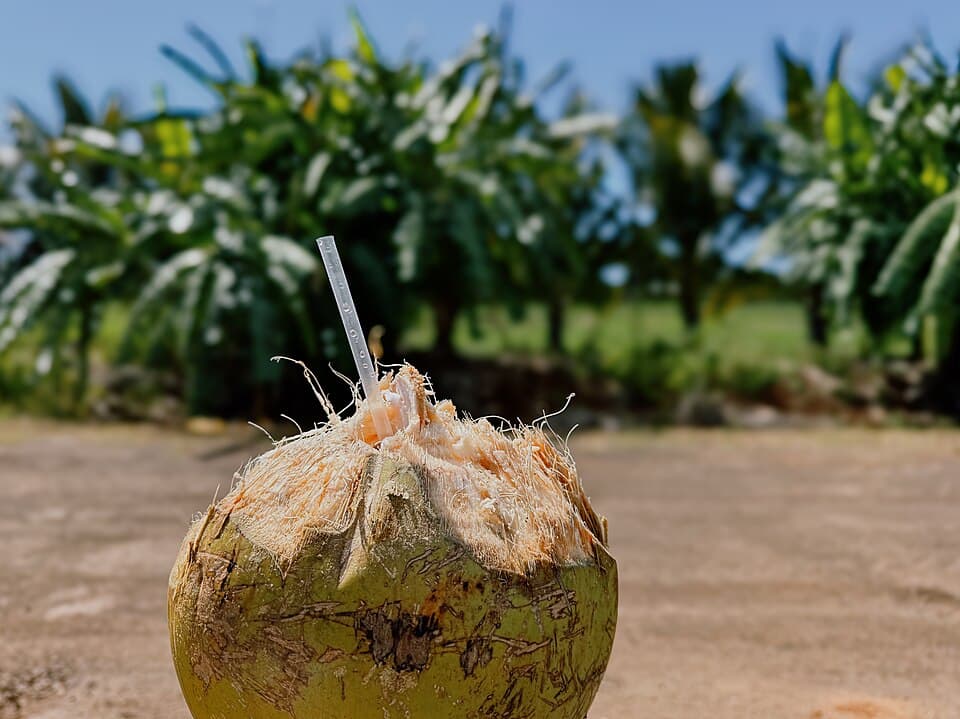
Fresh Coconut Water
Coconut water straight from young green coconuts. It is naturally sweet, hydrating and full of electrolytes, and you can find it everywhere, at markets, with roadside vendors and on the beach. Most often you drink it from the coconut itself through a straw.
Tongan Coffee
Coffee roasted locally at the Tupu'Anga Cafe roastery. Coffee growing is still a small industry here, but it is expanding. The flavor is smooth and full, and the cafes around Nuku'alofa often serve it with coconut bread or cassava cake.
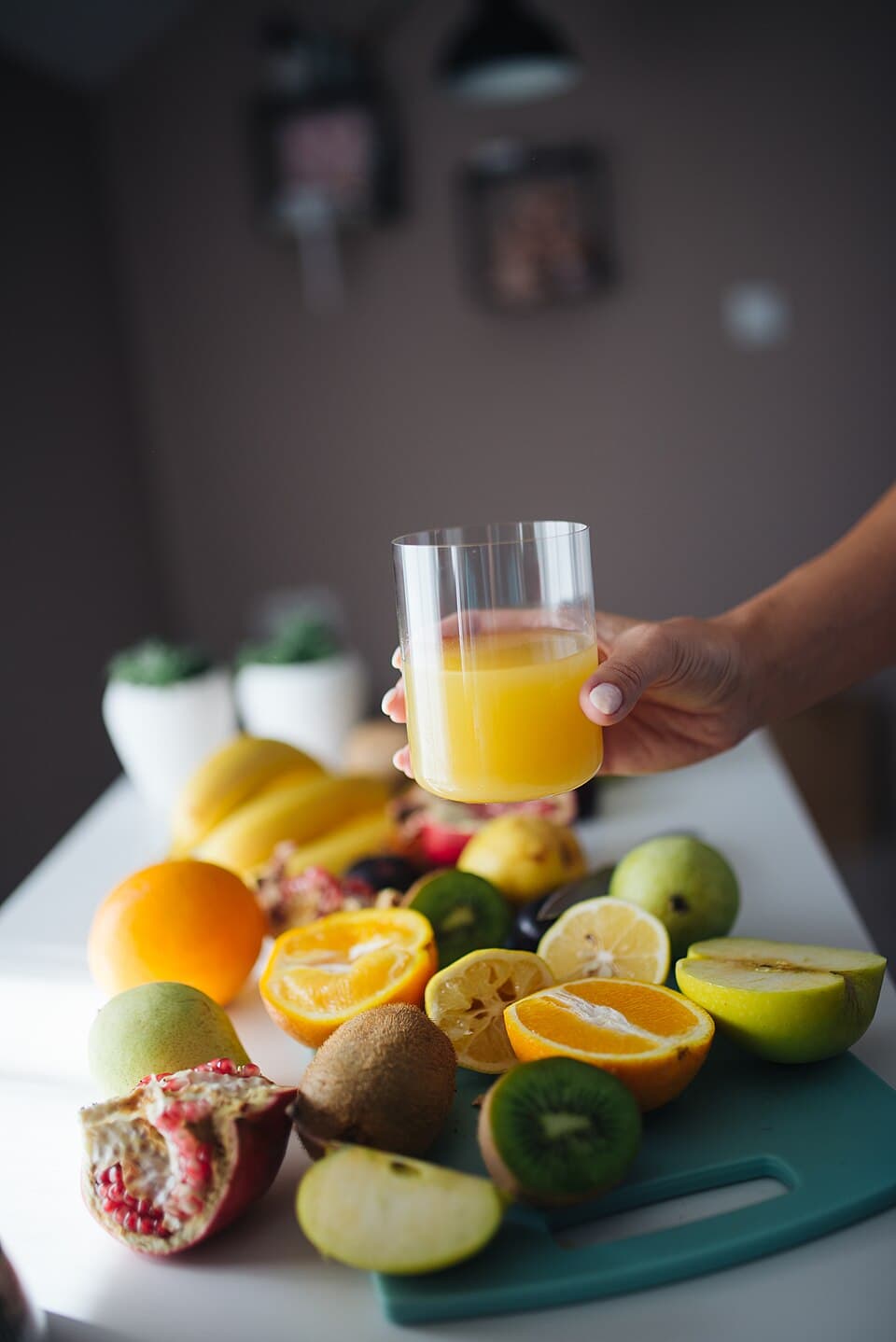
Fresh Fruit Juice
Tropical fruit juices squeezed to order at markets and cafes: pineapple, mango, papaya, watermelon, passion fruit. Ripe tropical fruit is sweet enough that no one bothers adding sugar.
Frequently Asked Questions
Essential information about food and dining in Tonga.
What is the national dish of Tonga?
Tonga's most iconic dishes include Lu Pulu (Tonga's National Dish), Ota Ika (Raw Fish Salad), Umu Feast. Tonga's signature dish: corned beef and coconut cream wrapped in taro leaves (lu) and cooked in the umu underground oven until soft. The name puts together "lu" (taro leaves) and "pulu" (beef). It stands for Tongan hospitality and shows up at feasts, weddings and other celebrations. Making it is a group effort, with families wrapping the parcels together.
Is street food safe in Tonga?
Street food in Tonga can be enjoyed safely by following these guidelines: Drink bottled water in rural areas Choose busy vendors with fresh turnover. Look for busy vendors with high turnover, ensure food is cooked fresh and served hot, and avoid raw ingredients if you have a sensitive stomach.
What are the best restaurants in Tonga?
Tonga offers diverse dining options from street food stalls to upscale restaurants. For the best experience, ask locals for recommendations, check recent reviews, and look for restaurants that specialize in regional cuisines.
Can vegetarians find food easily in Tonga?
Vegetarian options in Tonga are mediumly available. Vegetarians can build meals around taro, cassava, breadfruit, kumala, tropical fruit and coconut-based dishes. Talamahu Market is well stocked with fresh produce, and the European-style cafes in Nuku'alofa serve meatless meals.. Many restaurants offer vegetarian dishes, and you'll find plant-based ingredients featured prominently in local cuisine.
What is the average cost of a meal in Tonga?
Meal costs in Tonga depend on where you eat. Street food and casual local restaurants are very affordable, typically offering complete meals for a few dollars. Mid-range restaurants charge moderate prices, while fine dining establishments are comparably priced to Western countries.
What are common food allergens in Tonga?
Common allergens in Tonga cuisine include Seafood, Gluten. Fish, octopus, crayfish and shellfish are everyday food along the coast. These ingredients appear in dishes like Ota Ika, Feke. Always inform restaurant staff about your allergies.
When is the best time to visit Tonga for food?
Tonga offers great food experiences throughout the year. However, visiting during harvest seasons (typically spring and autumn) provides access to the freshest local ingredients. Food festivals and cultural celebrations also offer unique culinary experiences worth planning around.