
Burkina Faso Food Guide
Content Information
Recently updated🔥Current Food Trends 2026
What's happening in Burkina Faso's culinary scene right now
In 2026, poulet bicyclette keeps showing up in international food writing as shorthand for West African cooking done the old way. Ouagadougou cafes are plating tô with dressed-up toppings, and maquis menus are folding in more cross-border dishes. Small dolo breweries continue to grow, putting the millet beer on more menus than it used to reach.
Food Safety Tips
Essential food safety information to help you enjoy Burkina Faso's cuisine safely and confidently.
Drink bottled or purified water only
Tap water is not safe for drinking. Always use bottled water, even for brushing teeth. Avoid ice cubes unless made from purified water.
Choose busy maquis with high turnover
Street food and maquis restaurants are everyday eating here. Pick vendors who cook to order in front of you and who draw a steady local crowd.
Be especially cautious in hot weather
The Sahel heat spoils food fast. Skip anything that has been sitting out and order meals that come to you hot off the fire.
Wash fruits and vegetables with purified water
Peel fruits when possible. Vegetables should be cooked. Avoid raw salads unless at upscale restaurants.
Dietary Options
vegetarian
MEDIUM AVAILABILITYVegetarians can eat tô with vegetable sauces, bean dishes, yams, and vegetable stews. Markets are well stocked with fresh produce.
vegan
LOW AVAILABILITYVegan eating is possible but you will need to explain what you want. Many vegetable dishes are made without dairy anyway. Stick to rice, beans, and vegetable-based sauces.
gluten-free
MEDIUM AVAILABILITYStaples like tô (millet/sorghum), rice, and yams are naturally gluten-free, but kitchens rarely guard against cross-contamination, so spell out your needs.
halal
HIGH AVAILABILITYBurkina Faso is predominantly Muslim. Halal meat is widely available throughout the country.
Common Allergens
Peanuts/Groundnuts
HIGH PREVALENCEPeanuts are essential to West African cuisine
COMMONLY FOUND IN:
Fish
MEDIUM PREVALENCEDried and fresh fish are common
COMMONLY FOUND IN:
Sesame
LOW PREVALENCEUsed in some traditional dishes
COMMONLY FOUND IN:
Essential Food Experiences
These iconic dishes represent the must-have culinary experiences that define Burkina Faso's food culture for travelers.
Riz Gras (Fat Rice)
Burkina Faso's national dish: rice cooked down in a heavy tomato sauce with plenty of oil, onions, garlic, and spices, usually served with beef, chicken, or goat. It is close cousin to Senegalese thieboudienne but seasoned the Burkinabé way.

Tô
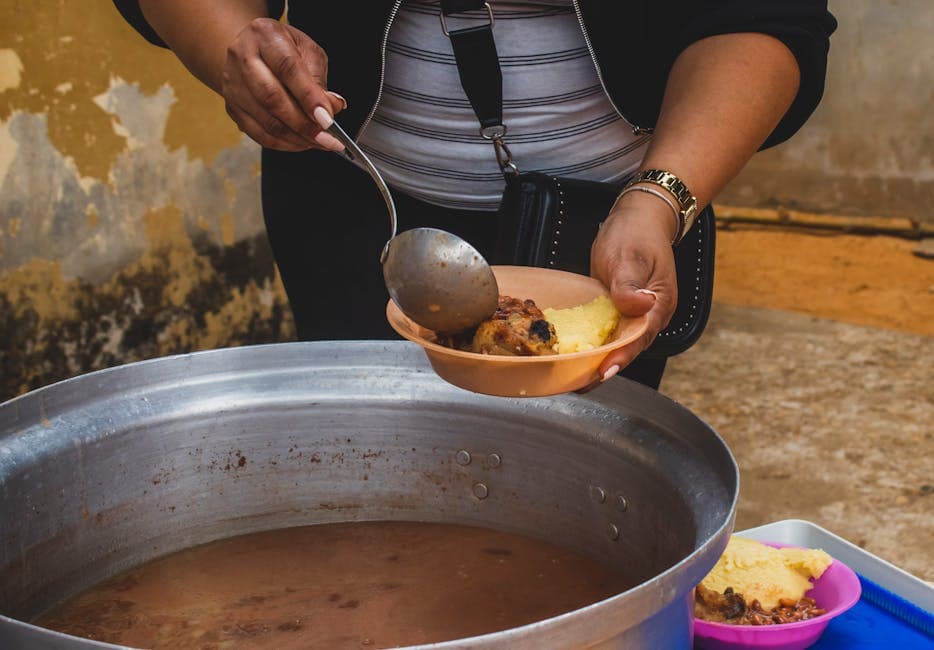
The backbone of Burkinabé cooking: a thick porridge of ground sorghum, millet, or maize. It comes with a sauce, usually sauce gombo (okra), sauce arachide (peanut), or ragout, and people eat it together from a shared dish.

Poulet Bicyclette (Bicycle Chicken)
Free-range chicken that got its name from being carried to market lashed to bicycle handlebars. The meat is lean and full of flavor, marinated in garlic, ginger, and chili and grilled over open flame. One of the best things you can eat off the street here.

Mafe (Tigadeguena)
A peanut-sauce stew with lamb, beef, or chicken, simmered with sweet potatoes, vegetables, and onions. The groundnut sauce turns thick and creamy, and it eats like comfort food.

Ragout
A meat stew of goat, beef, or lamb cooked with tomatoes, onions, and local spices, usually eaten with tô or rice. Ask three cooks and you will get three recipes.
Sauce Gombo
An okra sauce with the slippery texture locals go for, ladled over tô. It is made with okra, tomatoes, and vegetables, and it shows up alongside most traditional meals.
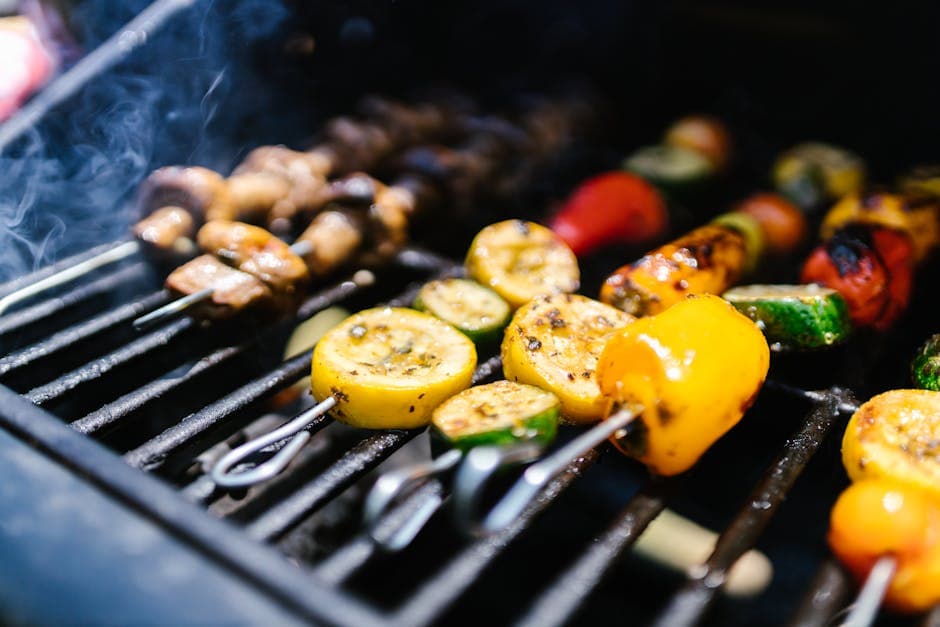
Brochettes
Grilled meat skewers, usually beef, chicken, liver, or goat, rubbed with a spicy marinade. You will find them at roadside stands and maquis across the country.
Poulet Télévise (Televised Chicken)
Whole chickens turning on outdoor rotisseries, nicknamed for the way watching them spin beats whatever is on TV. A Ouagadougou specialty, well seasoned and slow-roasted.

Beignets
Deep-fried dough balls, crisp outside and soft in the middle. People eat them for breakfast or as a snack, usually with coffee or tea.

Riz au Gras de Mouton
Rice cooked in lamb fat and tomato sauce, a richer take on riz gras.
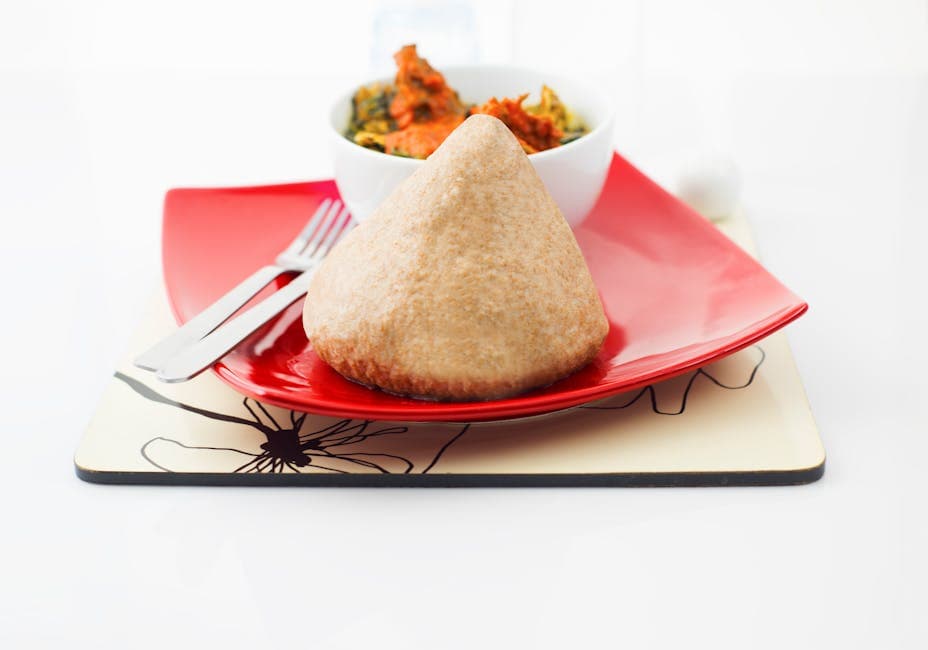
Fufu
Cassava, yam, or plantain pounded into a smooth, stretchy dough and served with soups and stews. Getting the texture right takes practice.
Attieke
A cassava couscous from Ivory Coast that caught on in Burkina Faso, served with grilled fish or chicken and a spicy sauce.
Regional Specialties & Local Favorites
Discover the authentic regional dishes and local favorites that showcase Burkina Faso's diverse culinary traditions.
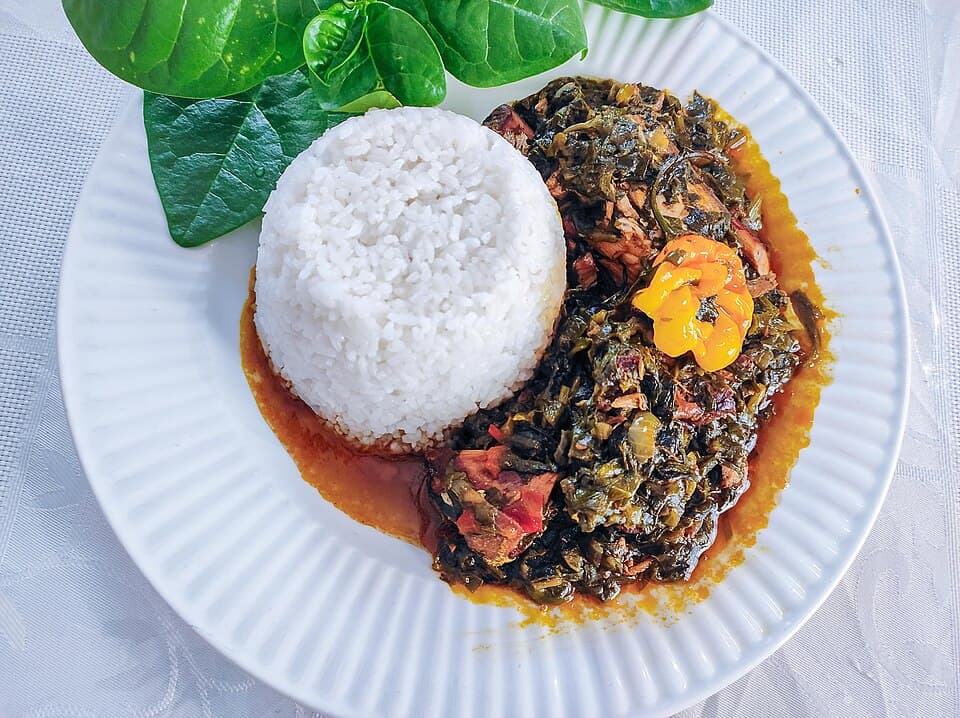
Riz Sauce
Region: Nationwide
Plain rice with a tomato-based sauce and meat. For a lot of Burkinabé families this is dinner most nights.
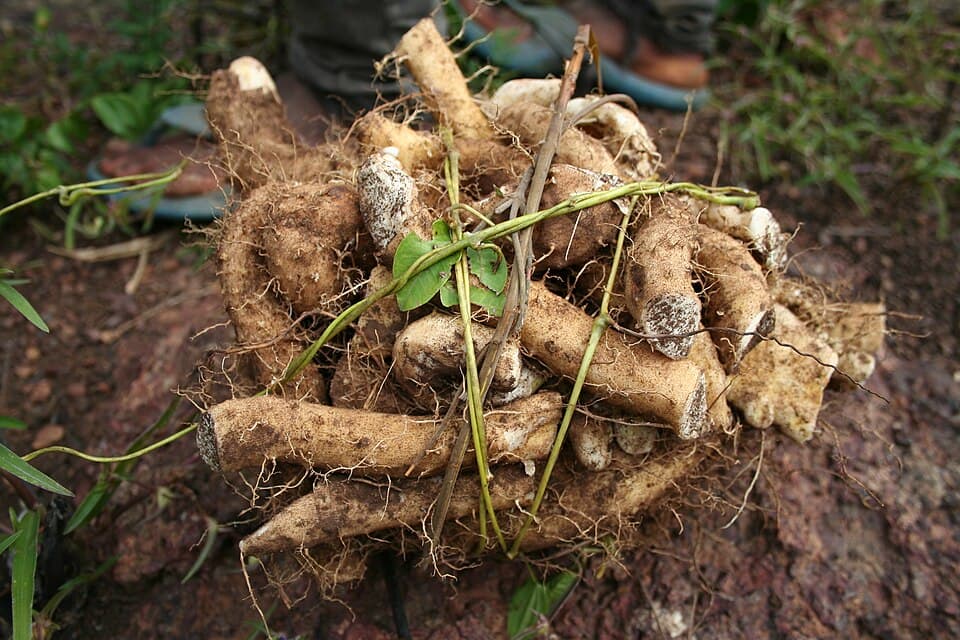
Yams
Region: Nationwide
Yams boiled or fried, served with a spicy sauce or on the side.
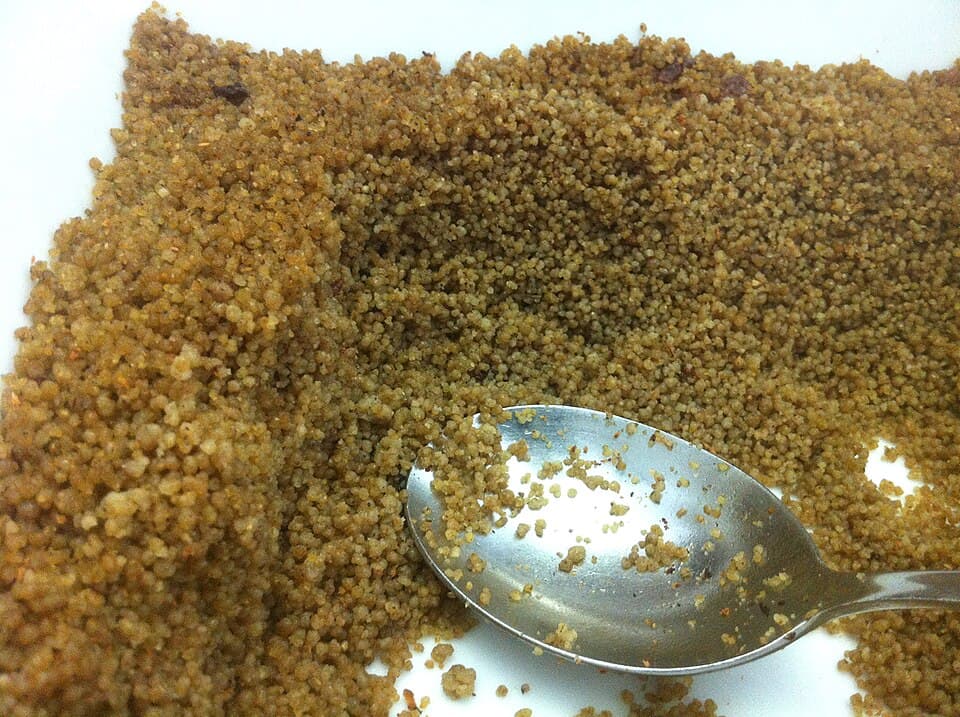
Couscous
Region: Nationwide
West African couscous (different from North African) made from millet or maize.
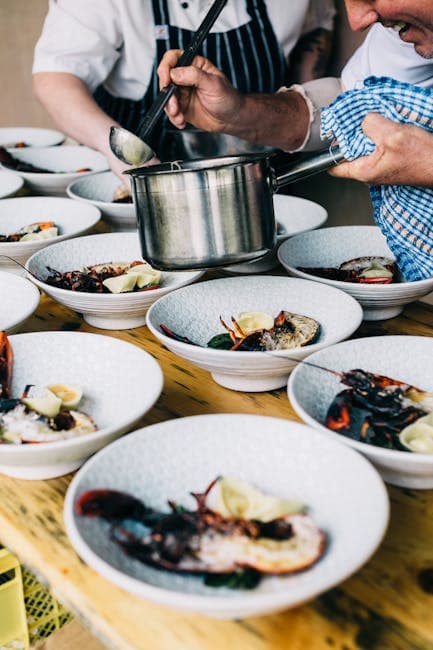
Bean Stew
Region: Nationwide
A filling stew of cowpeas or black-eyed peas cooked with onions and tomatoes.
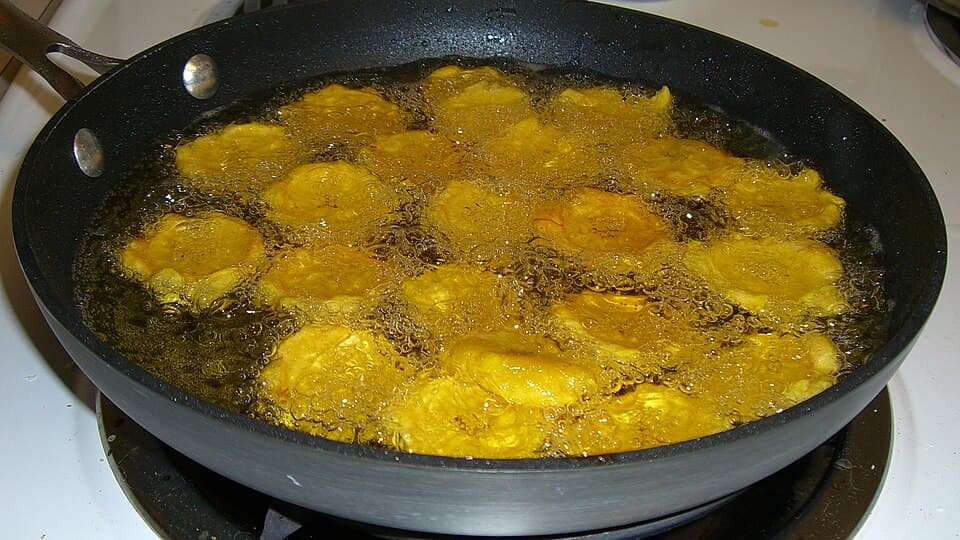
Fried Plantains
Region: Nationwide
Plantain slices fried sweet or savory, a common street snack.
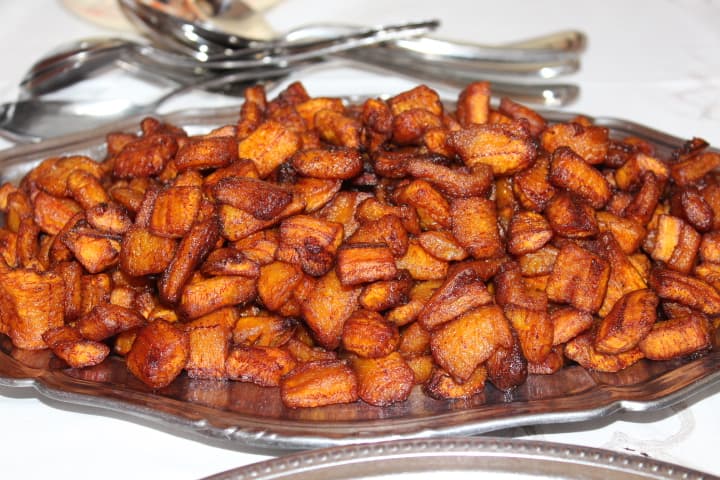
Alloco
Region: Urban areas
Fried plantain from Ivory Coast that has become a street-food regular in Burkina Faso.
Maize Porridge
Region: Nationwide
A breakfast porridge of ground maize, taken with sugar or milk.
Allergens:
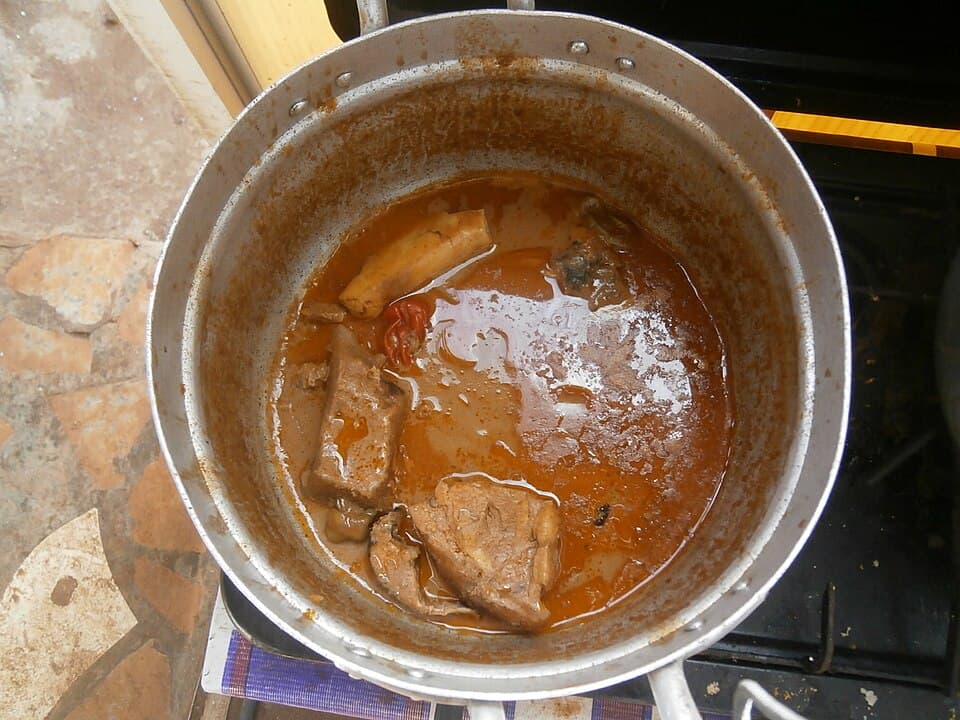
Peanut Soup
Region: Nationwide
A creamy groundnut soup with vegetables, sometimes with meat added.
Allergens:
Regional Cuisine Highlights
Explore the diverse culinary landscapes across different regions of Burkina Faso.
Ouagadougou (Capital)
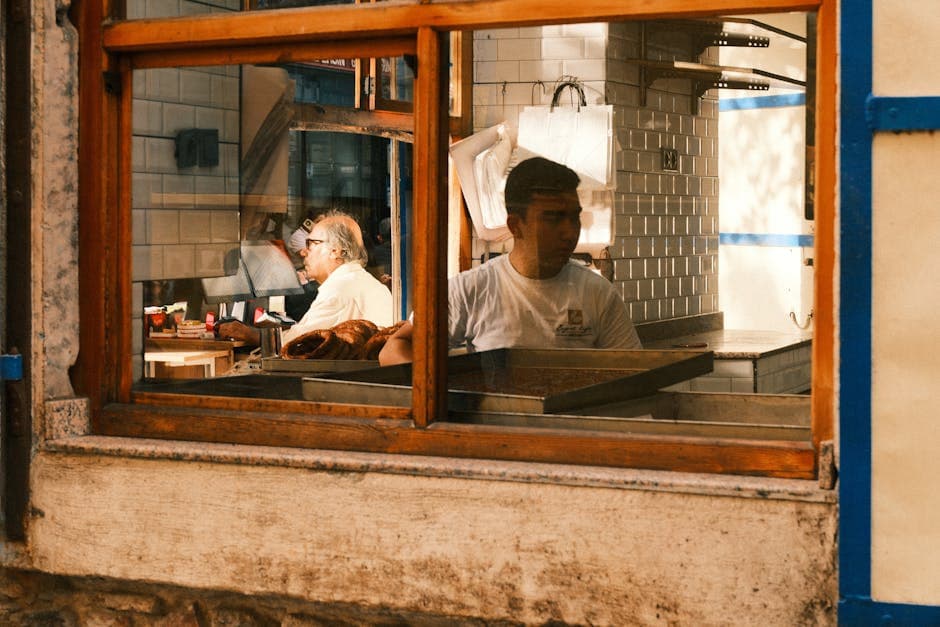
A strong maquis scene where Burkinabé cooking meets Ivorian influence. The city is known for poulet télévise, dressed-up versions of riz gras, and street food of every kind.
Cultural Significance:
Center of Burkinabé culinary innovation
Signature Dishes:
Key Ingredients:
Bobo-Dioulasso
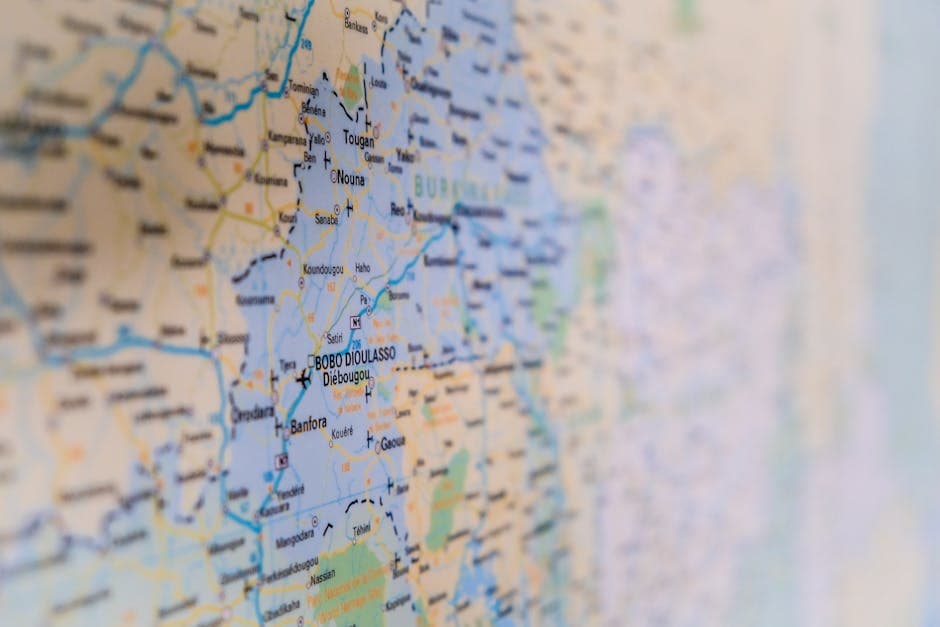
The country's second city, with deep food traditions. It is the place for well-made tô, old dolo houses, and market eating.
Cultural Significance:
Preserving traditional food culture
Signature Dishes:
Key Ingredients:
Sahel Region
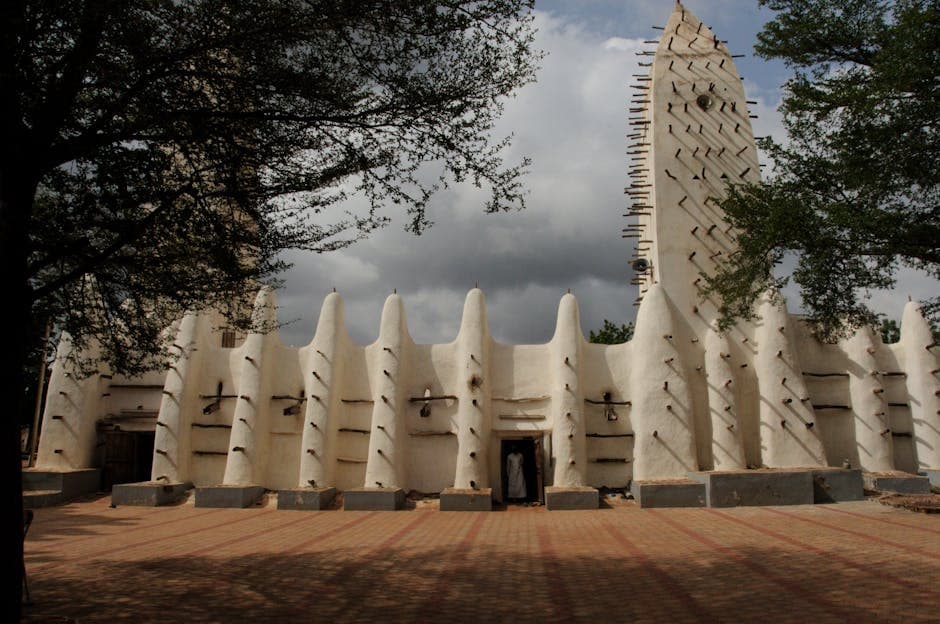
Northern cooking shaped by herding life, leaning on millet, sorghum, and dairy.
Cultural Significance:
Nomadic and pastoralist food traditions
Signature Dishes:
Key Ingredients:
Sweet Delights & Desserts
Indulge in Burkina Faso's traditional sweet treats and desserts.

Degue
Region: Nationwide
Millet porridge stirred with yogurt, vanilla, and nutmeg. Cool and light, eaten as dessert or breakfast.
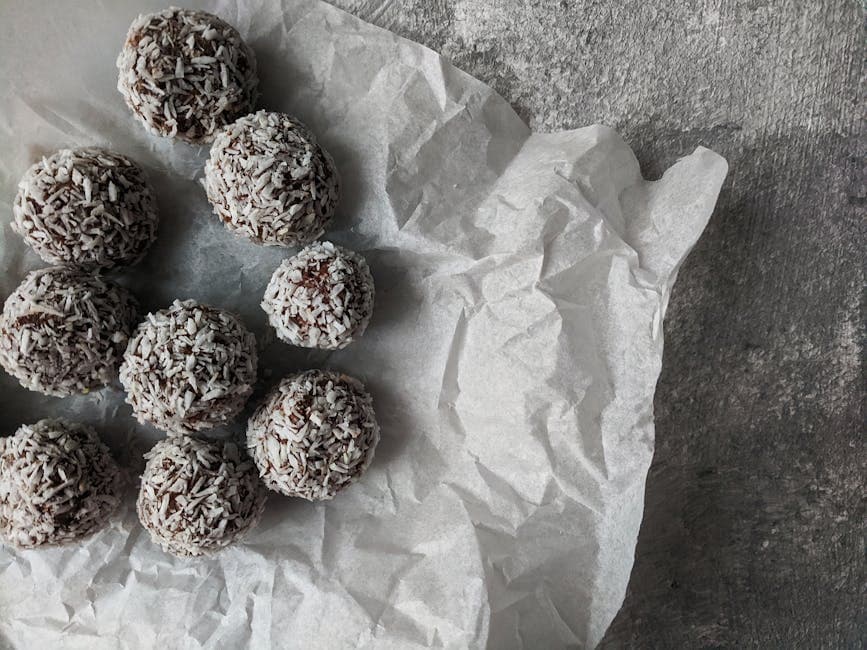
Coconut Balls
Region: Nationwide
Sweets of coconut and sugar, sold at most markets.
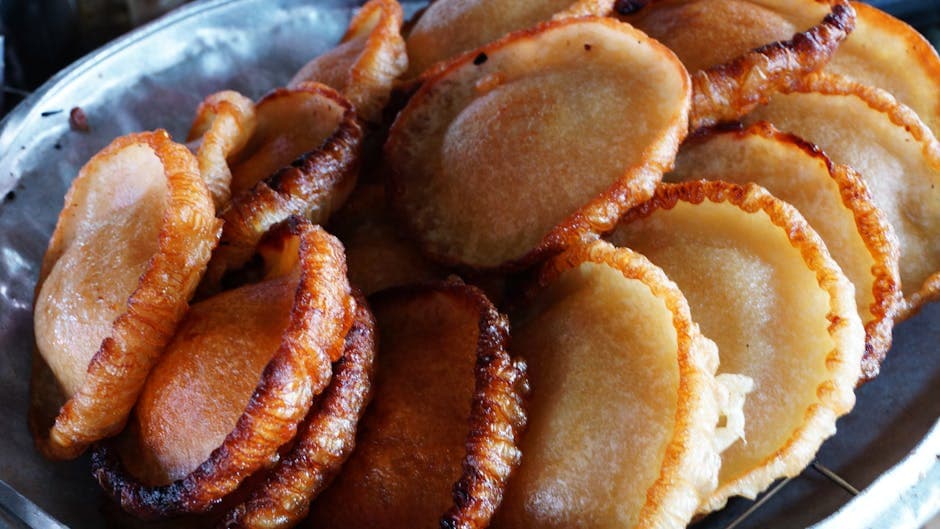
Fried Dough Sweets
Region: Nationwide
Fried pastries dusted with sugar, sold by street vendors.
Traditional Beverages
Discover Burkina Faso's traditional drinks, from locally produced spirits to regional wines.
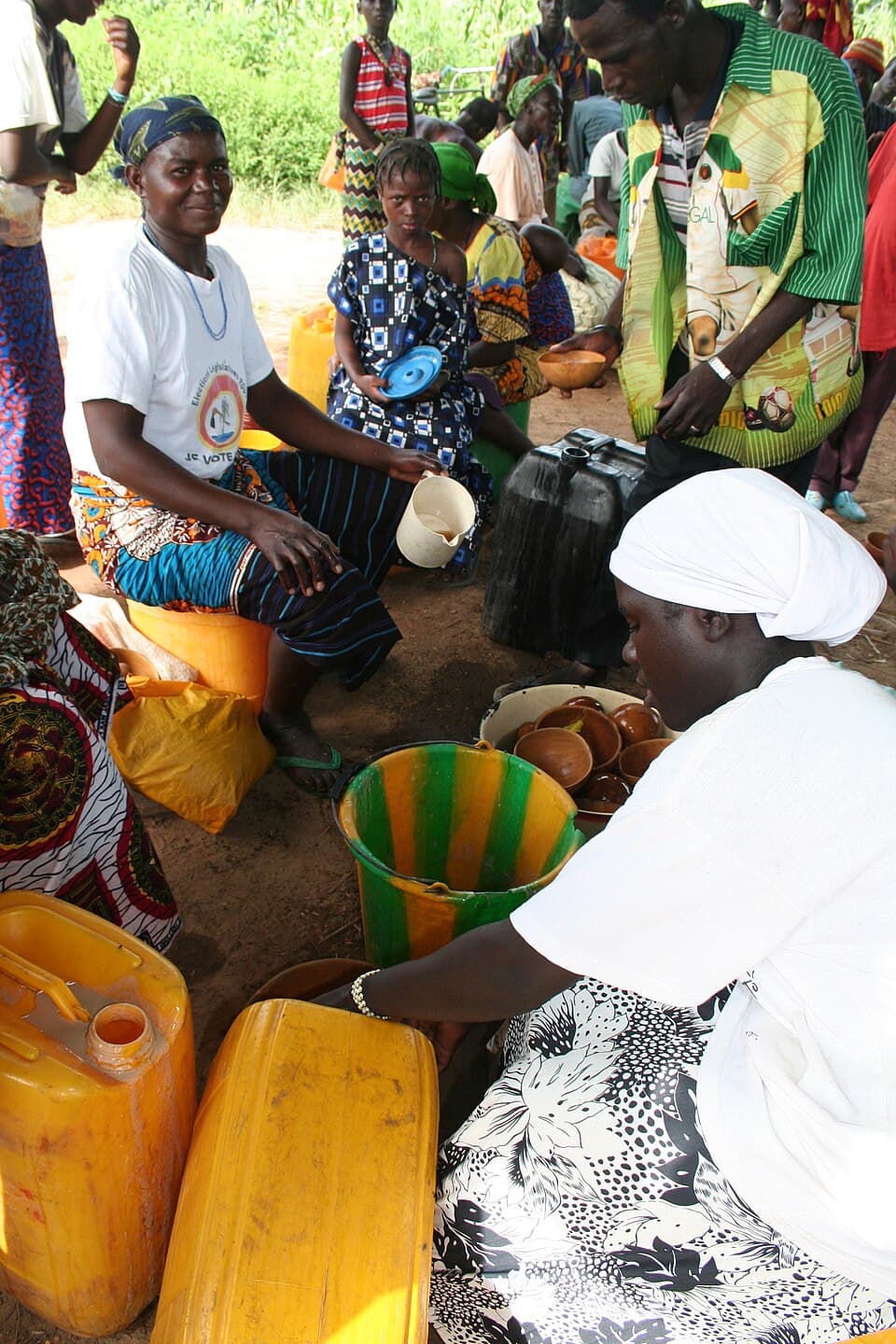
Dolo
Millet beer with a mildly sour, earthy taste, served fresh and unfiltered. It pours at festivals, markets, and gatherings, and it carries real weight in Burkinabé tradition.
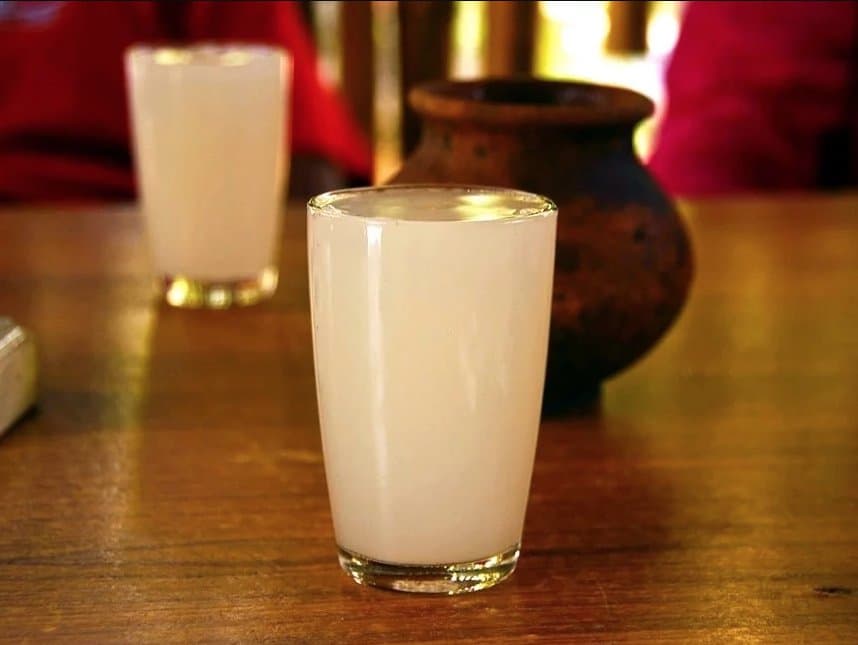
Palm Wine
Fermented palm sap, sweet when fresh and turning sour as it sits. A drink kept for celebrations.
Soft Beverages
Discover Burkina Faso's traditional non-alcoholic drinks, from local teas to refreshing juices.
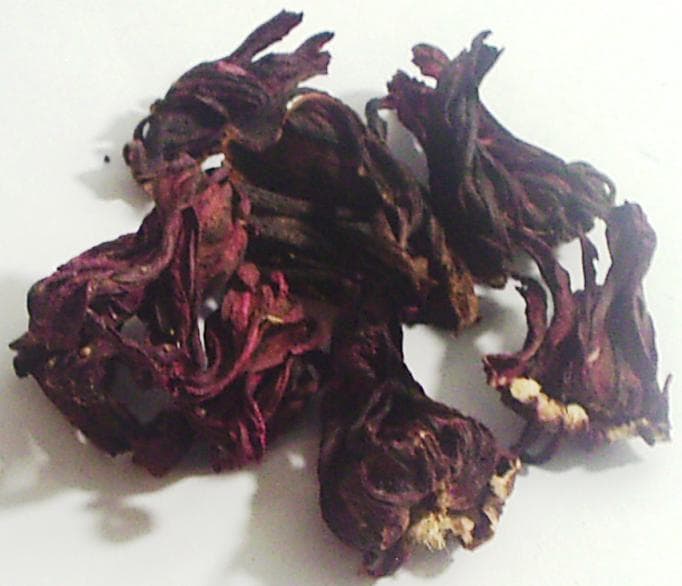
Bissap
Hibiscus tea served cold, sweet-tart and deep red, with a good dose of vitamin C. A standby drink across West Africa.
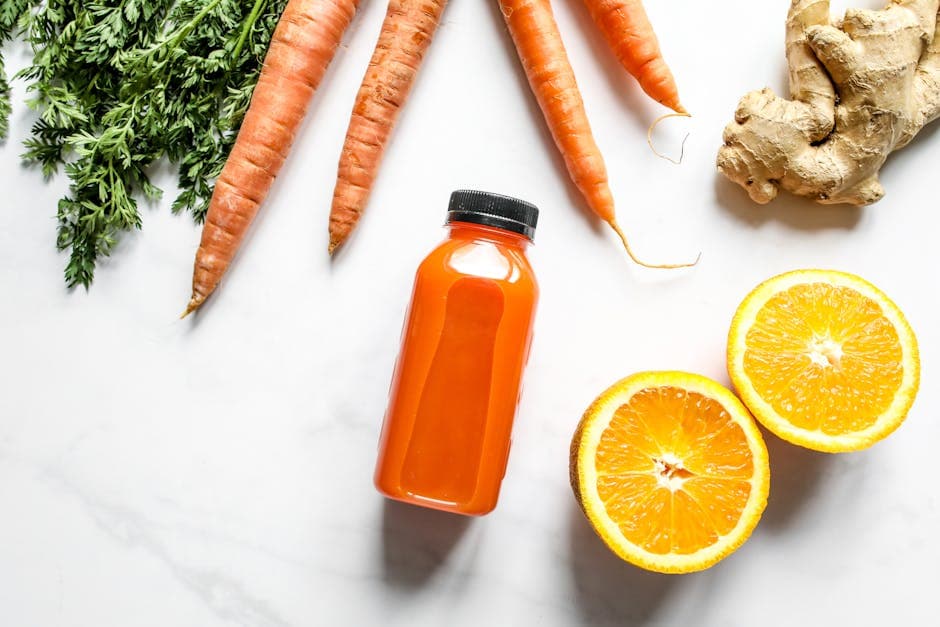
Ginger Juice
A spicy ginger drink mixed with lemon, sugar, and sometimes pineapple. Good against the heat.
Zom-Kom
A drink of millet flour, tamarind, and spices. Filling enough to count as a small meal.
Frequently Asked Questions
Essential information about food and dining in Burkina Faso.
What is the national dish of Burkina Faso?
Burkina Faso's most iconic dishes include Riz Gras (Fat Rice), Tô, Poulet Bicyclette (Bicycle Chicken). Burkina Faso's national dish: rice cooked down in a heavy tomato sauce with plenty of oil, onions, garlic, and spices, usually served with beef, chicken, or goat. It is close cousin to Senegalese thieboudienne but seasoned the Burkinabé way.
Is street food safe in Burkina Faso?
Street food in Burkina Faso can be enjoyed safely by following these guidelines: Drink bottled or purified water only Be especially cautious in hot weather. Look for busy vendors with high turnover, ensure food is cooked fresh and served hot, and avoid raw ingredients if you have a sensitive stomach.
What are the best restaurants in Burkina Faso?
Burkina Faso offers excellent dining experiences. Top-rated restaurants include Gondwana, Villa Kaya. These establishments showcase authentic Burkina Faso cuisine with professional service and high-quality ingredients.
Can vegetarians find food easily in Burkina Faso?
Vegetarian options in Burkina Faso are mediumly available. Vegetarians can eat tô with vegetable sauces, bean dishes, yams, and vegetable stews. Markets are well stocked with fresh produce.. Many restaurants offer vegetarian dishes, and you'll find plant-based ingredients featured prominently in local cuisine.
What is the average cost of a meal in Burkina Faso?
Meal costs in Burkina Faso depend on where you eat. Street food and casual local restaurants are very affordable, typically offering complete meals for a few dollars. Mid-range restaurants charge moderate prices, while fine dining establishments are comparably priced to Western countries.
What are common food allergens in Burkina Faso?
Common allergens in Burkina Faso cuisine include Peanuts/Groundnuts, Fish. Peanuts are essential to West African cuisine. These ingredients appear in dishes like Mafe (peanut stew), Sauces. Always inform restaurant staff about your allergies.
When is the best time to visit Burkina Faso for food?
Burkina Faso offers great food experiences throughout the year. However, visiting during harvest seasons (typically spring and autumn) provides access to the freshest local ingredients. Food festivals and cultural celebrations also offer unique culinary experiences worth planning around.