
Saint Lucia Food Guide
Content Information
Recently updated🔥Current Food Trends 2026
What's happening in Saint Lucia's culinary scene right now
Saint Lucia's food scene in 2026 still carries the energy of Creole Heritage Month each October into the rest of the year. Green Fig and Saltfish, the national dish of unripe bananas with salted cod, says a lot about where the island gets its food: bananas from the fields, cod from the long history of salt-preserved imports tied to the colonial trade. Tourist numbers peak in the cooler months, when temperatures sit around 24-28°C (75-82°F) and cruise ships unload thousands of visitors near Castries Market and the Creole restaurants close by. French, British, and East Indian cooking have all left a mark, and the island's earliest foods endure too: the Caribs and Arawaks ate mangoes, oranges, tangerines, avocados, and breadfruit long before any of that arrived. Bouyon, a thick one-pot stew of meat, dumplings, ground provisions, and herbs, is what families cook for gatherings. Callaloo soup, which traces back to West Africa, leans on leafy greens, okra, potatoes, seafood, and sometimes a little coconut milk. The Coal Pot keeps cooking on the Castries waterfront, and Pink Plantation House serves French Creole dishes in a colonial house well over a century old. The roadside shacks are where locals grab lunch at local prices, often a bouillon simmered over a clay coal pot. Lambi (conch), grilled fish, curried goat, and rice and peas show up on plates every day. Saint Lucia Distillers keeps the rum tradition going, and there is more attention now to where the seafood comes from. Come Christmas, the traditional dishes get the full treatment and markets fill up with local produce and ready-made food.
Food Safety Tips
Essential food safety information to help you enjoy Saint Lucia's cuisine safely and confidently.
Tap water generally safe in tourist areas
Tap water at hotels and restaurants in tourist areas is generally safe to drink. If you have a sensitive stomach, or you are heading somewhere remote, stick with bottled water.
Local shacks are safe and authentic
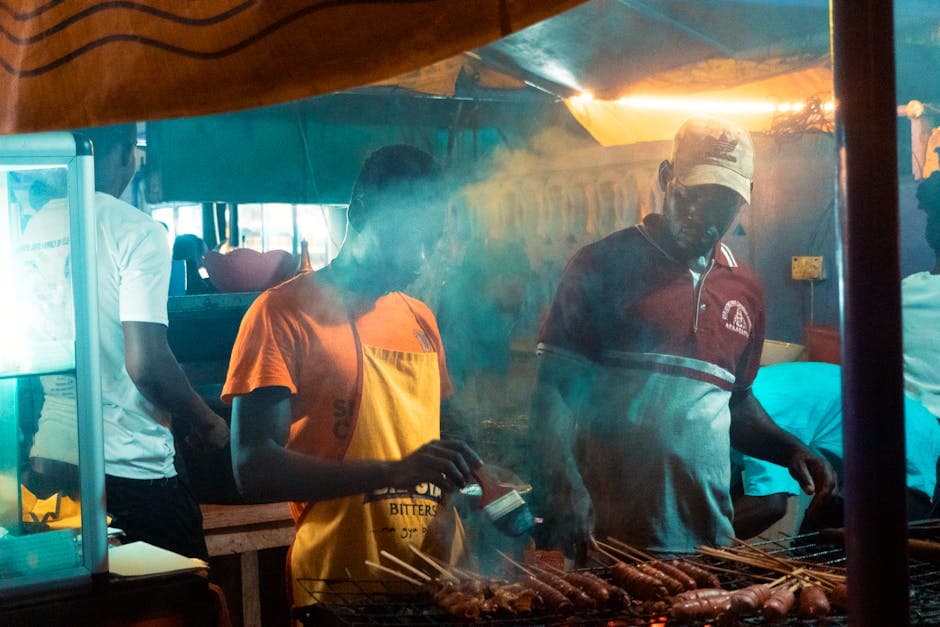
The roadside food shacks serve the same food locals eat every day, and it is safe. Pick the busy ones where the food moves fast and stays fresh.
Seafood is fresh and safe when properly prepared
The seafood here is fresh, and the restaurants worth eating at handle it properly. Order the fish, lambi (conch), or lobster without worry.
Castries Market offers fresh, safe options
The food section of Castries Central Market cooks traditional dishes like bouillon to order, so it is fresh and safe. Locals and tourists both pack it at lunchtime.
Dietary Options
vegetarian
MEDIUM AVAILABILITYVegetarians can eat well here: callaloo soup, rice and peas, provisions (root vegetables), fried plantains, and salads are all easy to find, and most restaurants do a few vegetable Creole dishes.
vegan
LOW AVAILABILITYVegan eating takes some effort. Traditional cooking relies on butter, fish sauce, and meat broth, so spell out what you need. International restaurants tend to be the easier bet.
gluten-free
MEDIUM AVAILABILITYA lot of the traditional cooking happens to be gluten-free already, built around rice, provisions (yams, sweet potatoes, breadfruit), and fresh seafood. Let your server know what to avoid.
Common Allergens
Seafood
HIGH PREVALENCEFish, conch (lambi), lobster, and shellfish are primary proteins
COMMONLY FOUND IN:
Gluten
MEDIUM PREVALENCEFlour-based foods including dumplings and baked goods
COMMONLY FOUND IN:
Coconut
MEDIUM PREVALENCECoconut and coconut milk used in some traditional dishes
COMMONLY FOUND IN:
Spices
HIGH PREVALENCEHeavy use of Caribbean spices and hot peppers
COMMONLY FOUND IN:
Essential Food Experiences
These iconic dishes represent the must-have culinary experiences that define Saint Lucia's food culture for travelers.
Green Fig and Saltfish
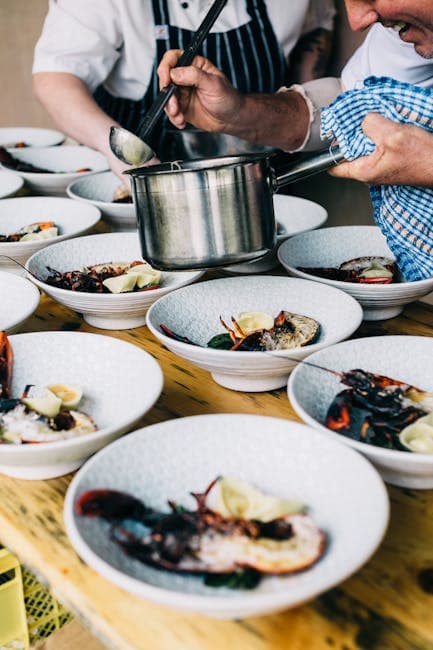
Saint Lucia's national dish. "Green figs" are unripe bananas, boiled soft and tossed with salted cod that has been sautéed with onions, peppers, and spices. People eat it for breakfast or as a full meal, any time of year, though it really comes out for cultural festivals and Creole Heritage Month.
Bouyon
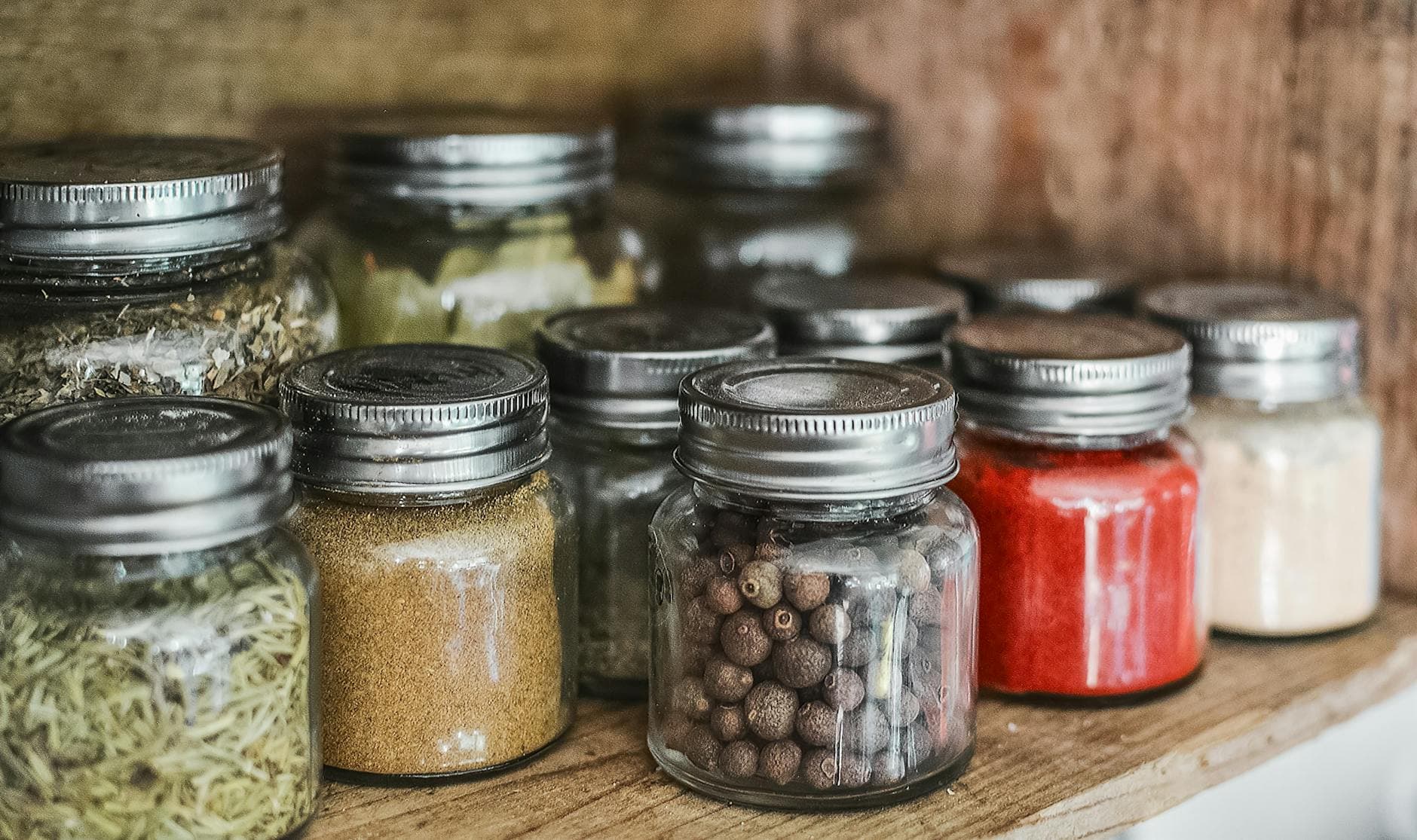
A hearty one-pot stew of meat (chicken, pork, or beef), dumplings, ground provisions like yams and sweet potatoes, and local herbs. This is the comfort food families cook for gatherings and special occasions, and a good way to taste how Saint Lucian seasoning works.
Callaloo Soup
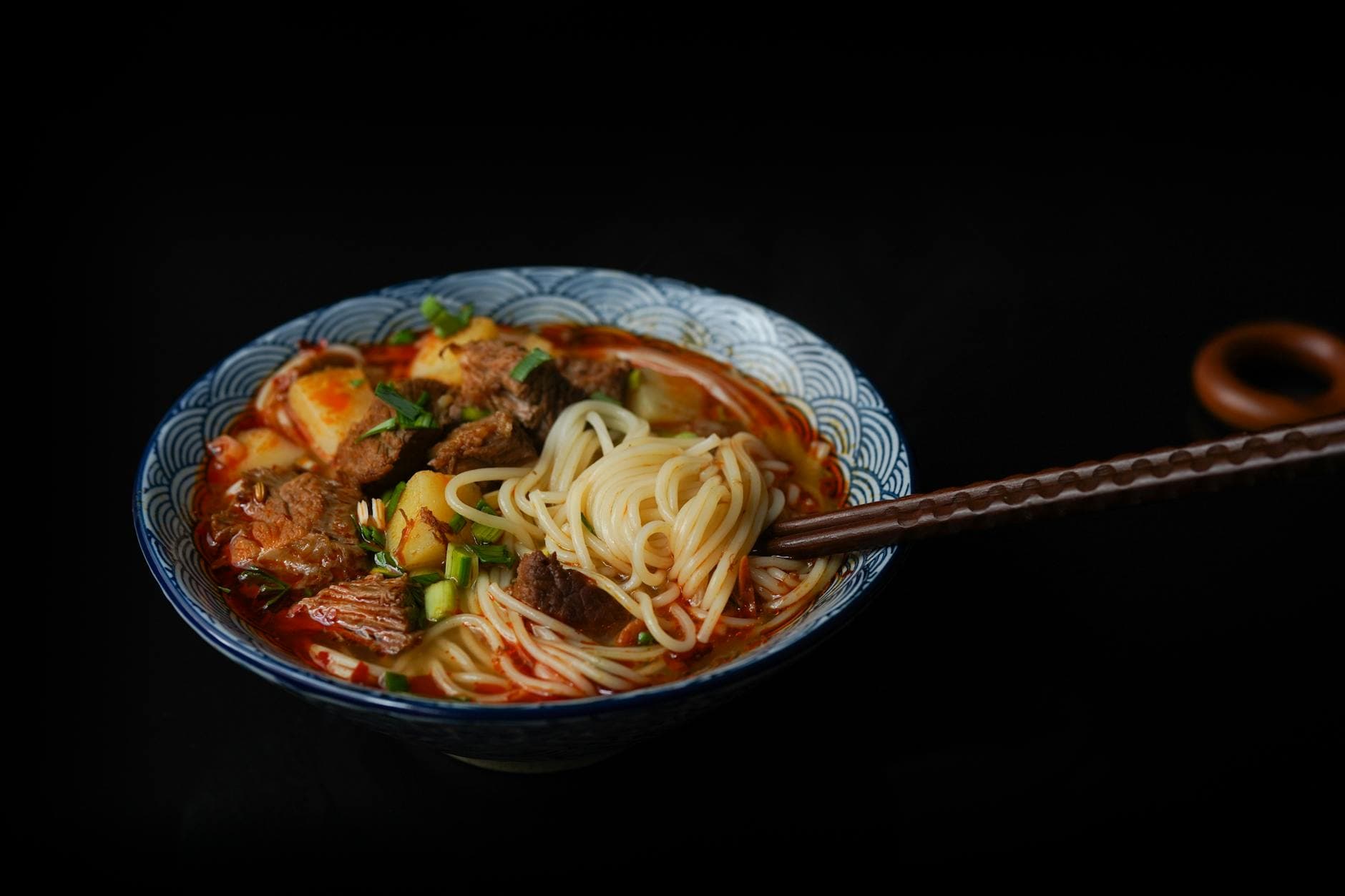
A thick, filling soup with roots in West Africa. The base is callaloo, a leafy green close to spinach, cooked down with okra, potatoes, and garlic, sometimes with seafood or meat added. A splash of coconut milk in some versions takes the edge off the spice.
Lambi (Conch)
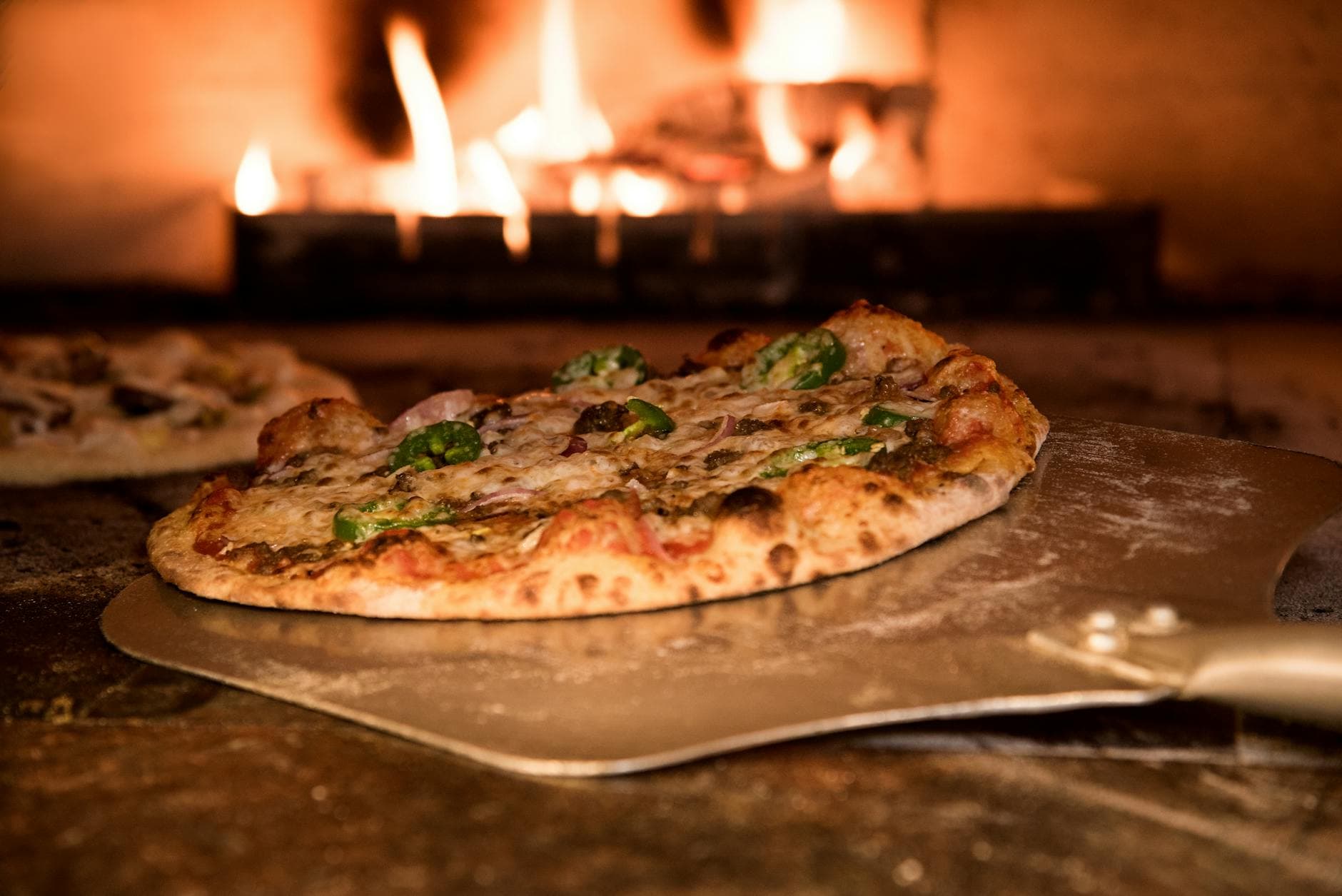
Caribbean conch, cooked a few different ways: grilled, simmered in Creole sauce, or fried into fritters. Done right it stays tender, with a mild sweetness. Coastal restaurants are the place to find it.
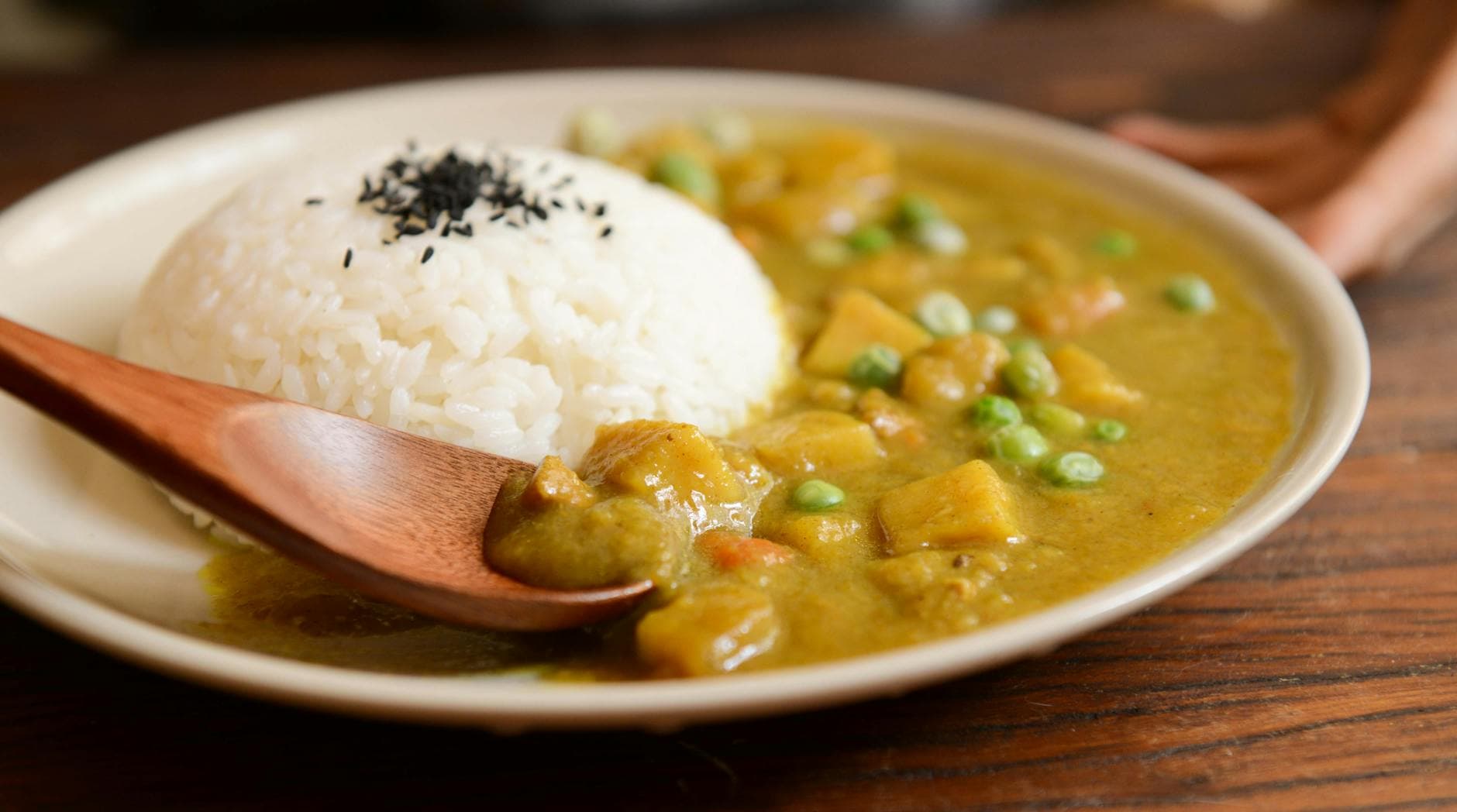
Rice and Peas
The everyday side: rice cooked with red beans (despite the name, not peas), coconut milk, thyme, and seasoning. It turns up alongside nearly every meal.

Curried Goat
Goat slow-cooked until tender in Caribbean curry spices, with potatoes and aromatics. Deep and savory, and a fixture at celebrations.
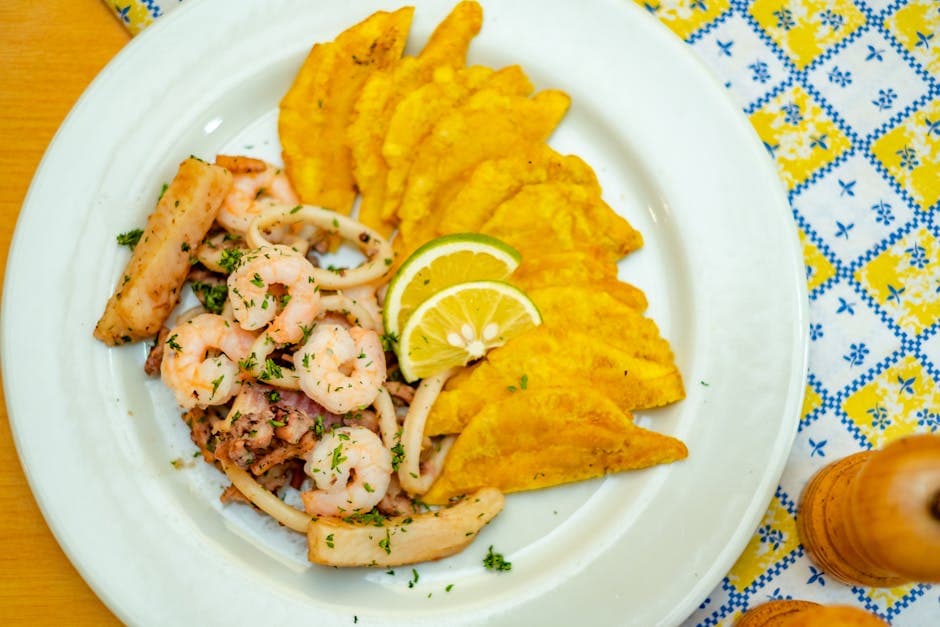
Fried Plantains
Ripe plantains sliced and fried until the edges go gold and caramelized. They land somewhere between sweet and savory, good as a side or on their own.
Provisions
Ground provisions are the root vegetables that anchor a plate here: dasheen, yams, sweet potatoes, and breadfruit, usually boiled and served as a filling, starchy side.
Grilled Fish
Local fish straight off the boat, often snapper, mahi-mahi, or grouper, grilled with Creole spices and served with vegetables. The cooking stays simple so the fish does the work.
Accra (Saltfish Fritters)
Fritters of salted cod, flour, and spices, deep-fried until crisp on the outside and soft in the middle. Eaten as a snack or starter, usually with hot sauce on the side.
Regional Specialties & Local Favorites
Discover the authentic regional dishes and local favorites that showcase Saint Lucia's diverse culinary traditions.
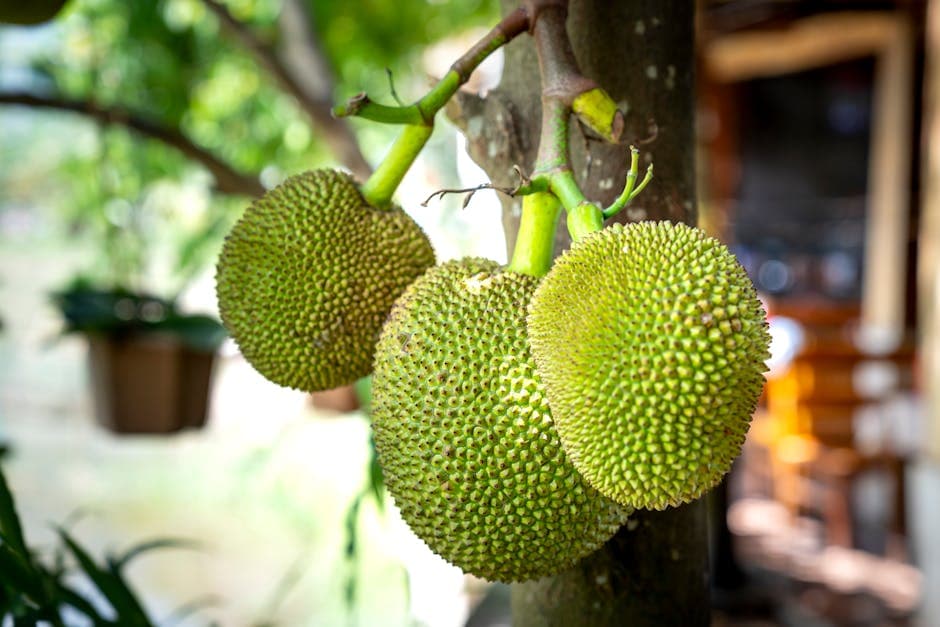
Breadfruit
A starchy fruit that came to the Caribbean from the Pacific. Roasted, boiled, or fried, it has a potato-like texture and mild taste, and it has been a staple for generations.
Pepper Pot
A spicy one-pot stew of meats, callaloo, okra, and Caribbean spices. What sets it apart is cassareep, a dark cassava-based sauce that gives the dish its distinctive depth.
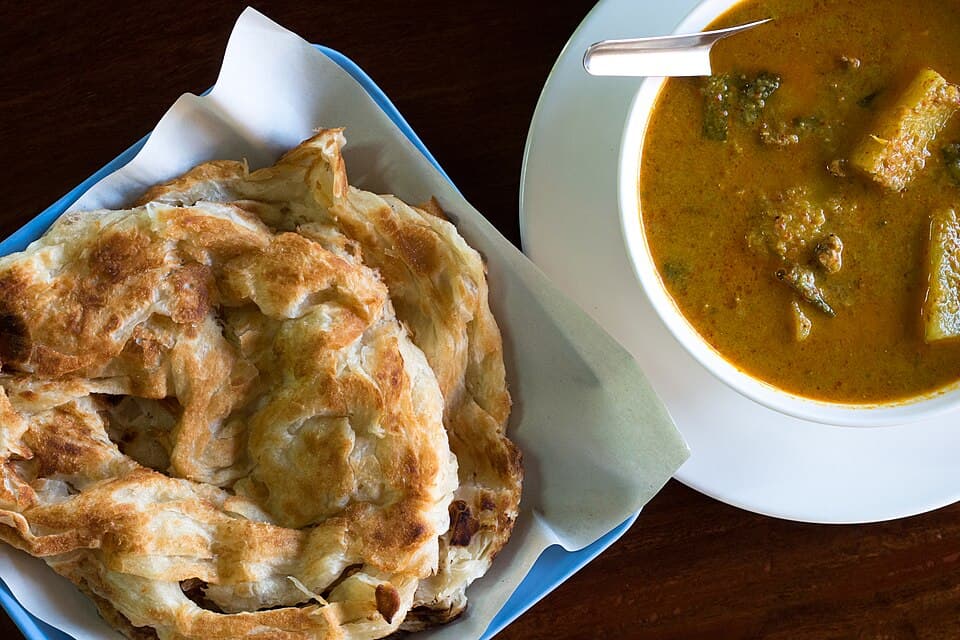
Roti
A flatbread wrap that came with East Indian settlers, filled with curried chicken, goat, or vegetables. It is a go-to for a quick, cheap meal off the street.
Allergens:
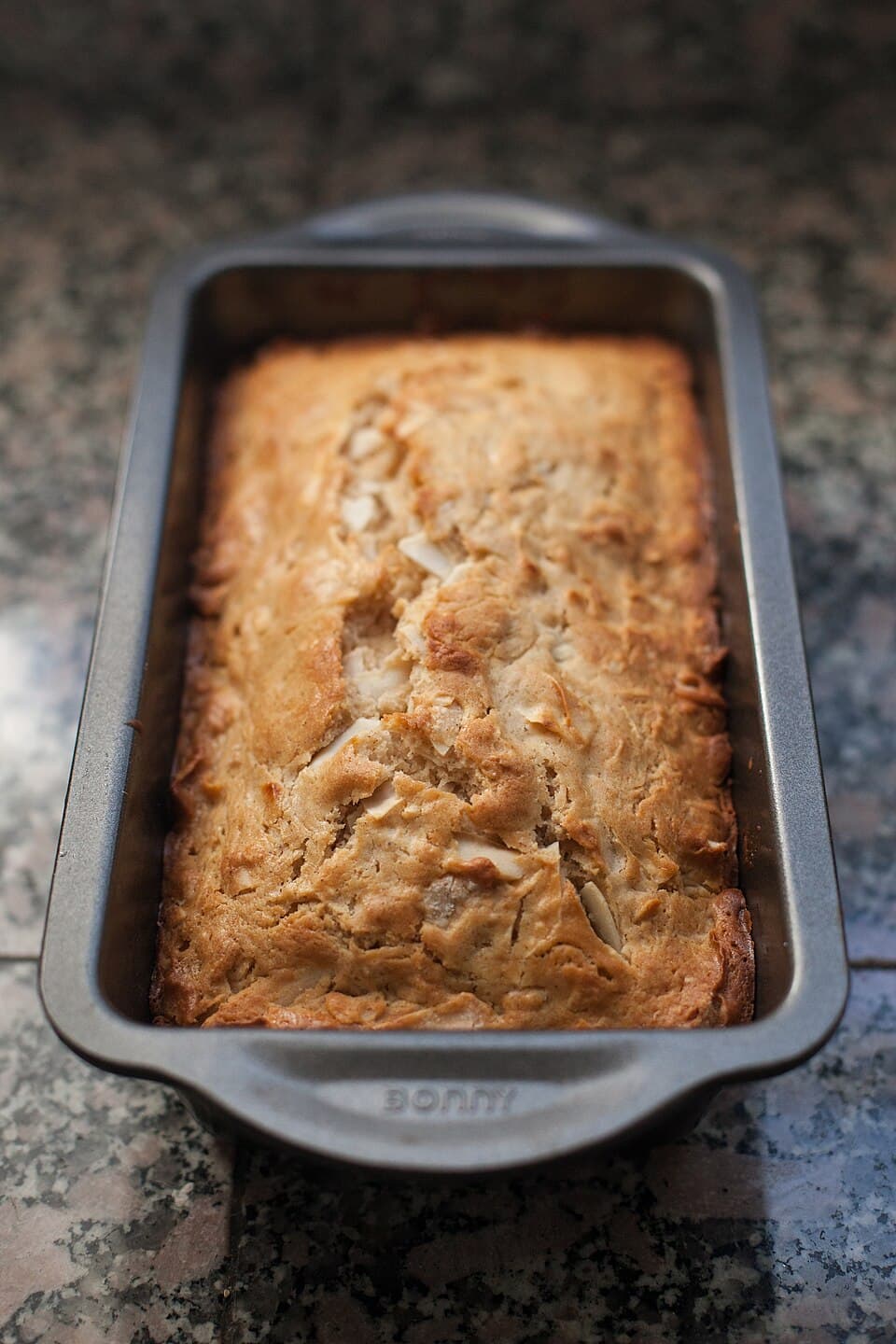
Coconut Bread
A dense, moist sweet bread made with fresh coconut. Good with butter at breakfast or just on its own as a snack.
Allergens:
Bakes (Fried Dough)
Light, fluffy fried dough eaten at breakfast or as a snack, usually paired with saltfish, cheese, or jam.
Allergens:
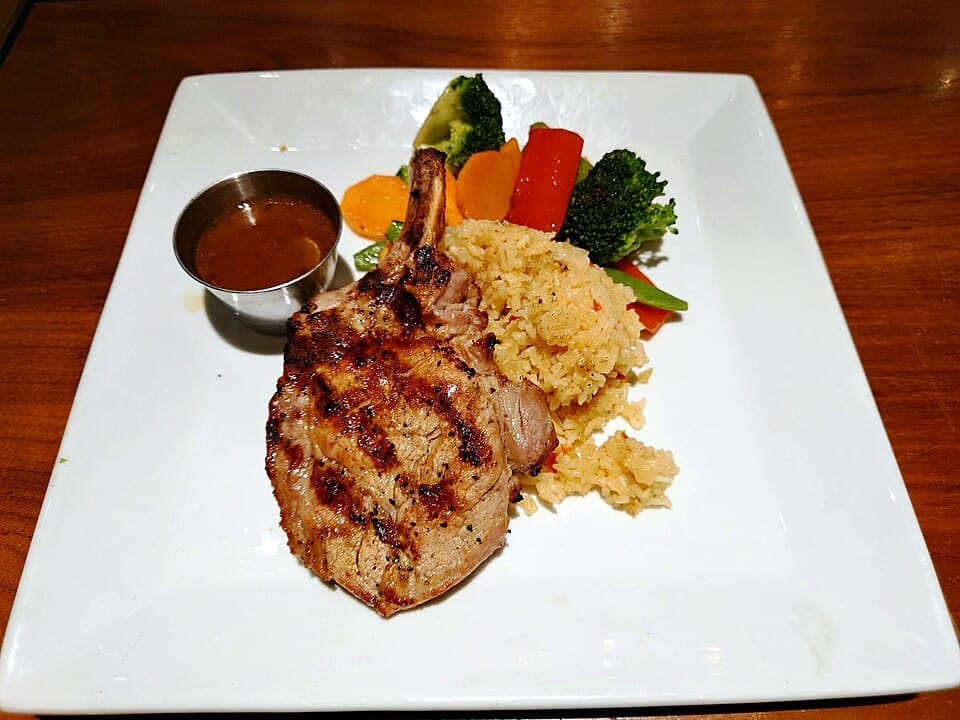
Pork Chops with Local Spices
Pork chops rubbed with Caribbean spices, then grilled or pan-fried, and served with rice and peas and provisions.
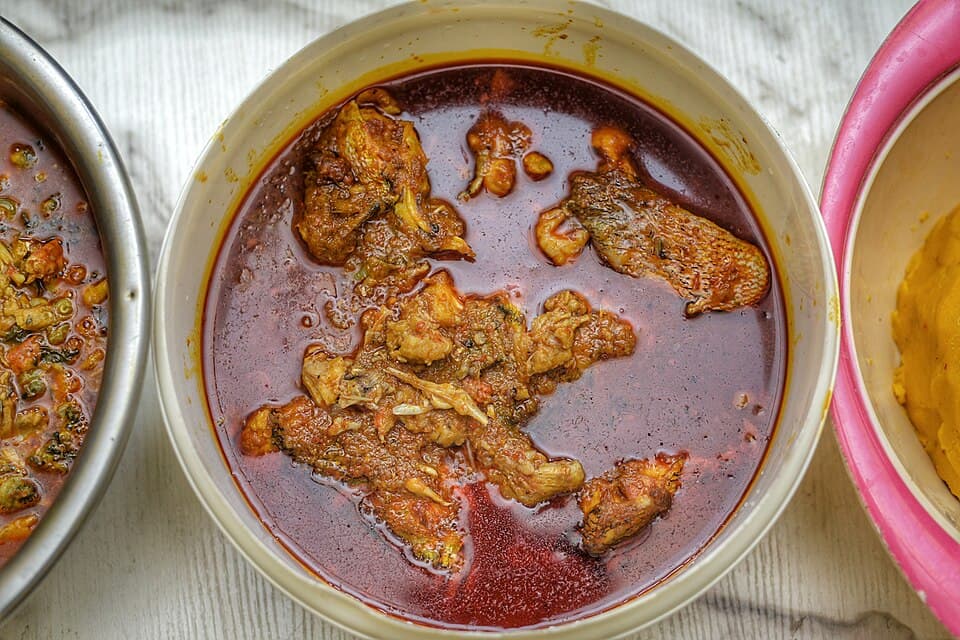
Fish Stew
Local fish simmered in Creole sauce with vegetables until it all comes together. Rich, warming comfort food.
Allergens:
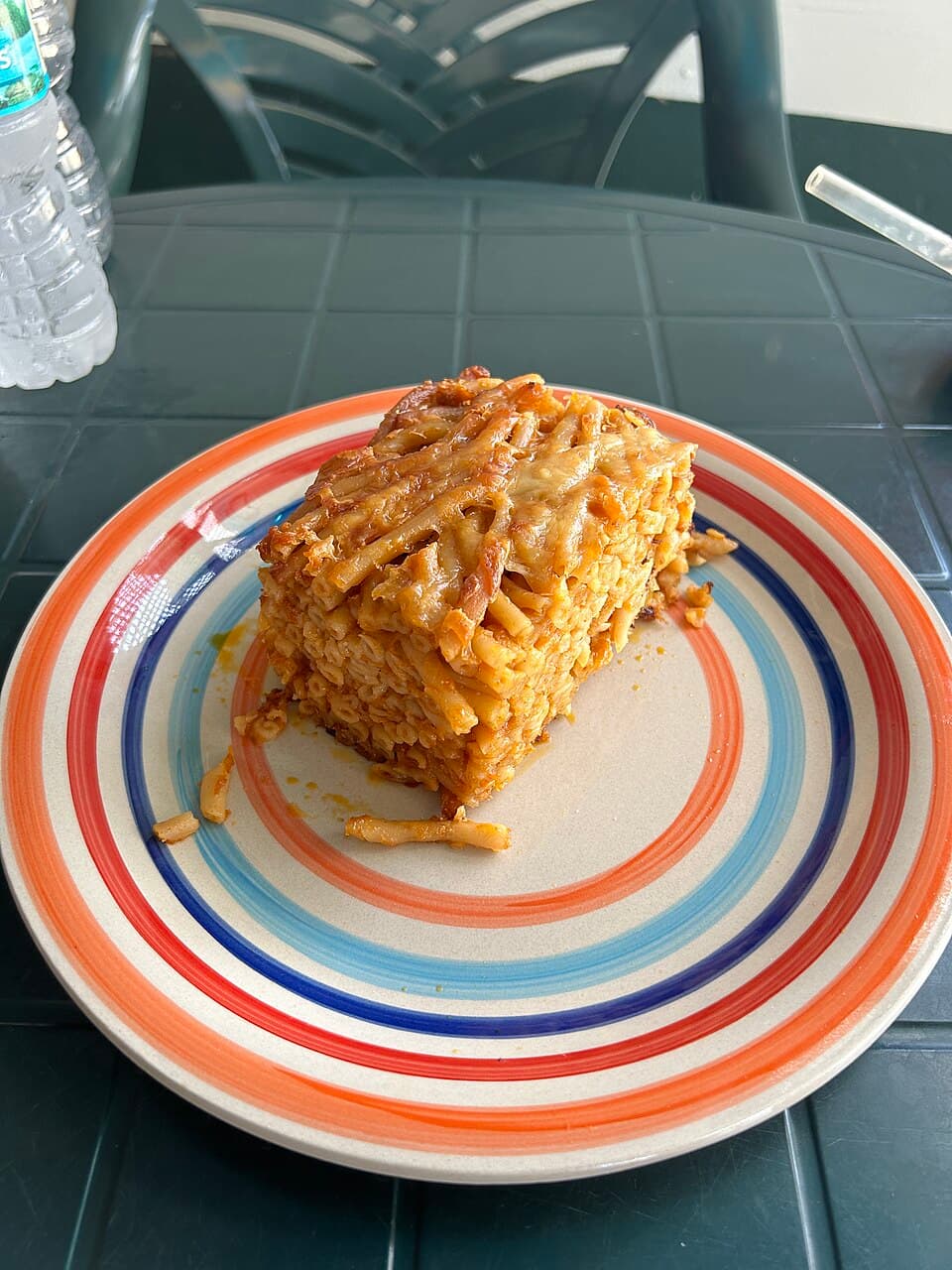
Macaroni Pie
The Caribbean take on baked macaroni and cheese, seasoned with local spices and set firm enough to cut into slices. It shows up as a side at celebrations.
Allergens:
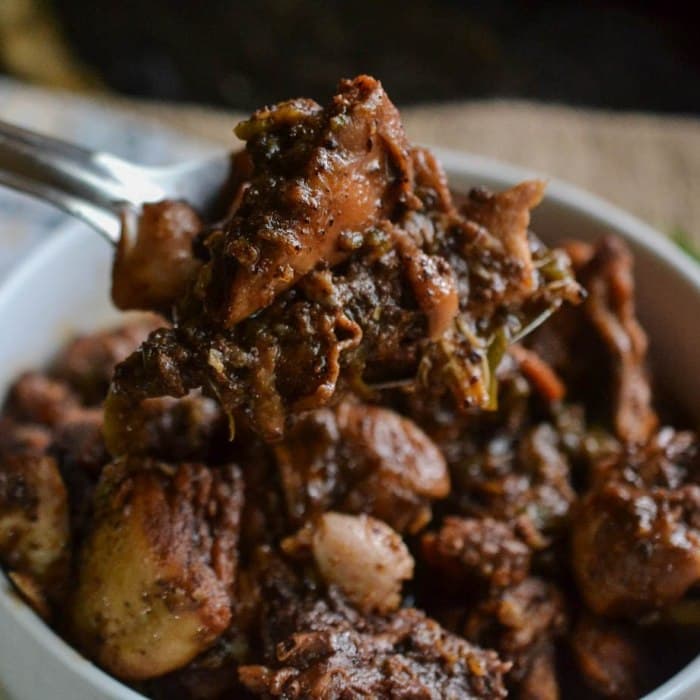
Stewed Chicken
Chicken stewed down in a rich brown sauce with herbs and spices until tender, then spooned over rice.
Regional Cuisine Highlights
Explore the diverse culinary landscapes across different regions of Saint Lucia.
Castries (North)
The capital, where the dining runs from waterfront restaurants to the food stalls at Castries Market to small Creole kitchens. You will find both traditional and modern Saint Lucian cooking here.
Signature Dishes:
Key Ingredients:
Soufrière (West Coast)
A fishing village where the seafood comes in fresh each day from local boats. Sitting in the shadow of the Pitons, it also has some of the island's most striking places to eat.
Signature Dishes:
Key Ingredients:
Vieux Fort (South)
A southern town with small local eateries and home-style cooking. Fewer tourists make it through, and the food stays closer to the traditional.
Signature Dishes:
Key Ingredients:
Sweet Delights & Desserts
Indulge in Saint Lucia's traditional sweet treats and desserts.
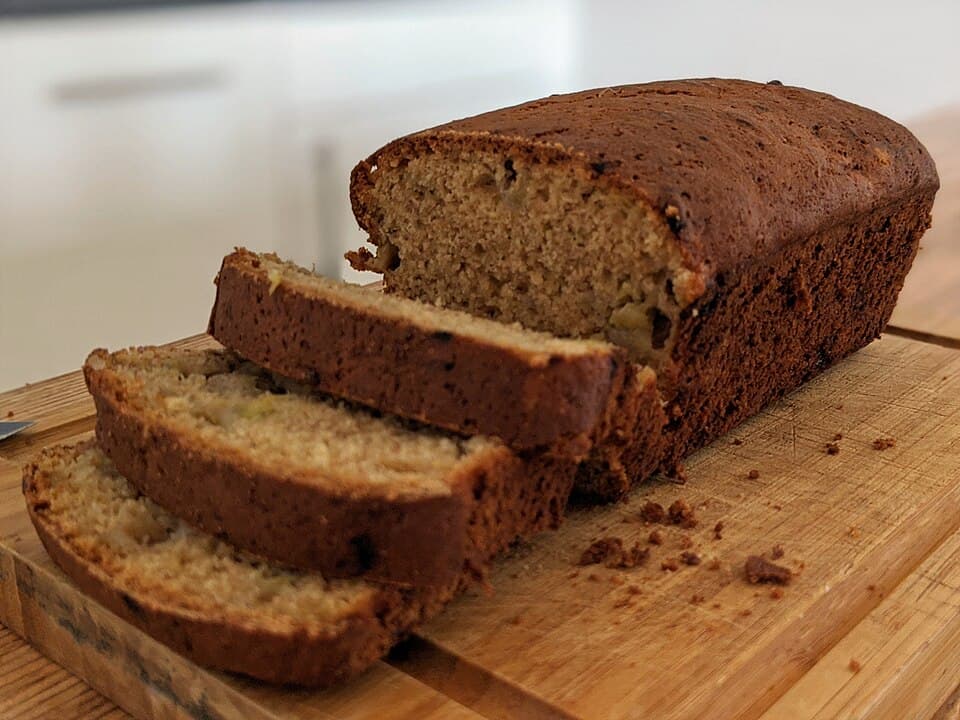
Banana Bread
Moist bread baked with ripe bananas, spices, and sometimes a measure of rum. Sweet and fragrant, and it goes well with tea or coffee.
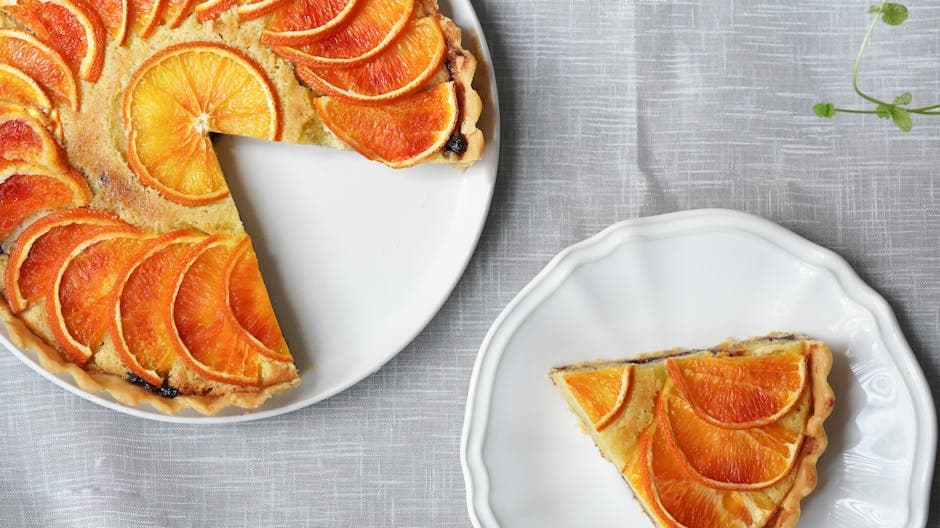
Coconut Tart
A flaky pastry with a spiced coconut filling at its center. A traditional sweet that comes out for celebrations.
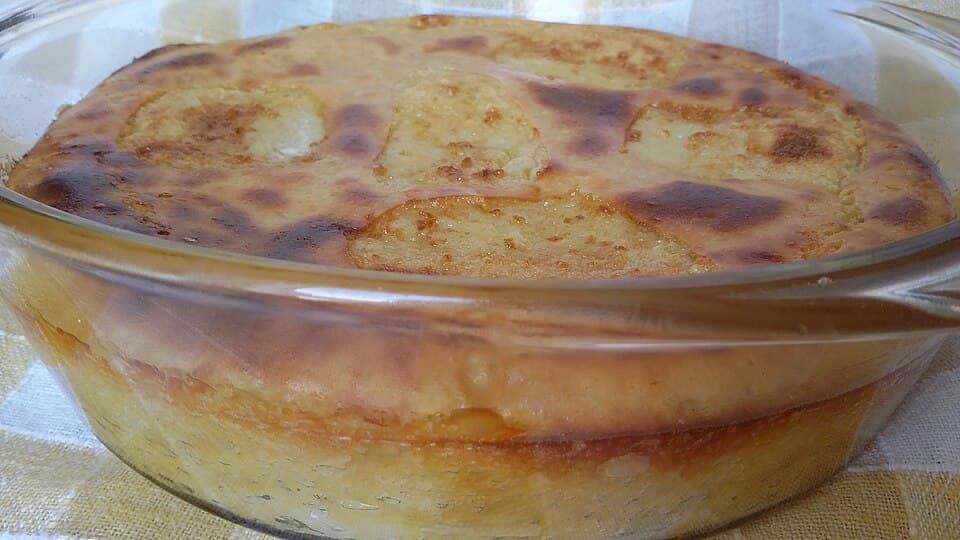
Sweet Potato Pudding
A dense pudding of grated sweet potato, coconut, spices, and sometimes rum. Rich enough to finish a meal on its own.
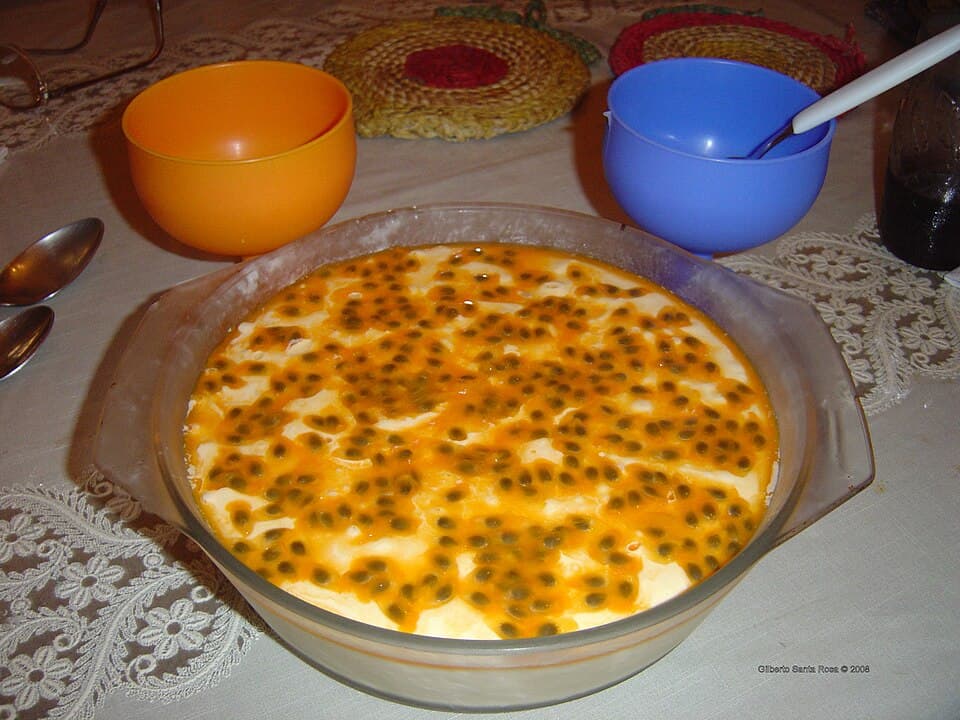
Passion Fruit Mousse
A light, airy mousse made with fresh passion fruit, equal parts tangy and sweet. A good way to cool down after a spicy meal.
Traditional Beverages
Discover Saint Lucia's traditional drinks, from locally produced spirits to regional wines.
Saint Lucian Rum
Rum from Saint Lucia Distillers, with a serious reputation behind it. Chairman's Reserve and Admiral Rodney are the premium bottlings, good sipped neat or mixed into cocktails.
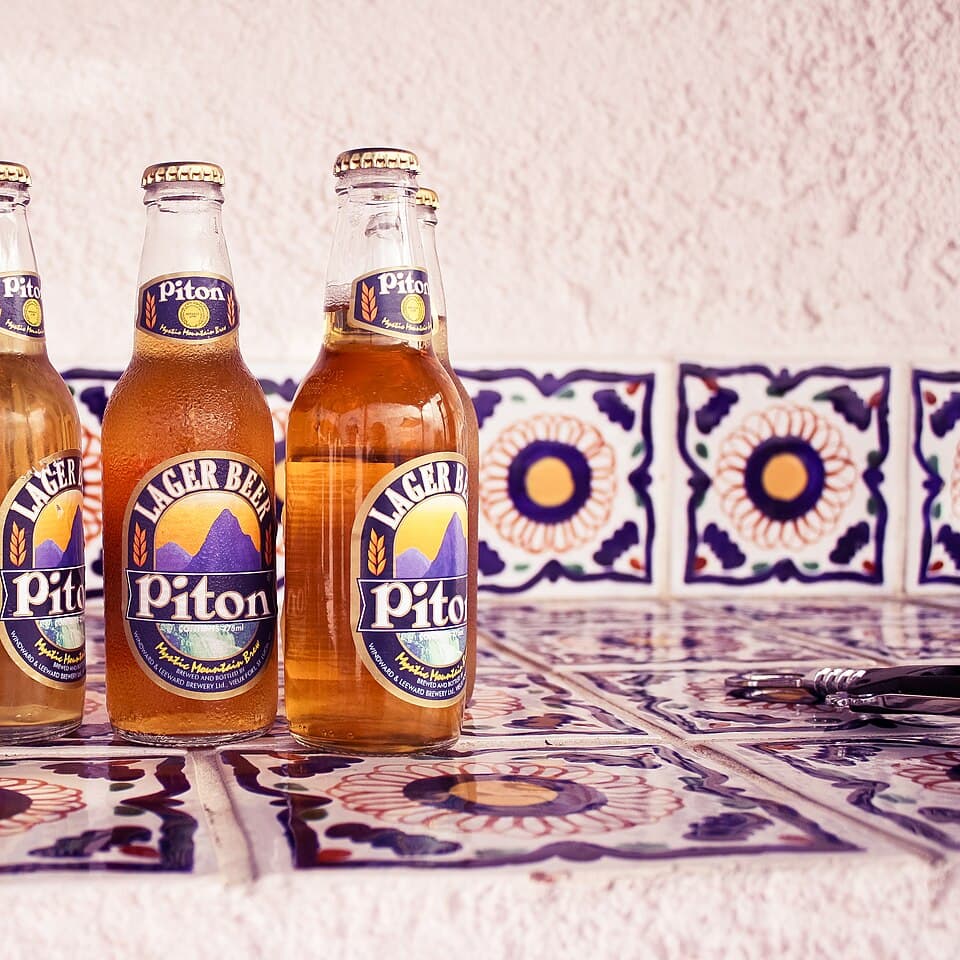
Piton Beer
The local lager, named after the Piton mountains, and something of a point of national pride. Light and crisp, which suits the heat.
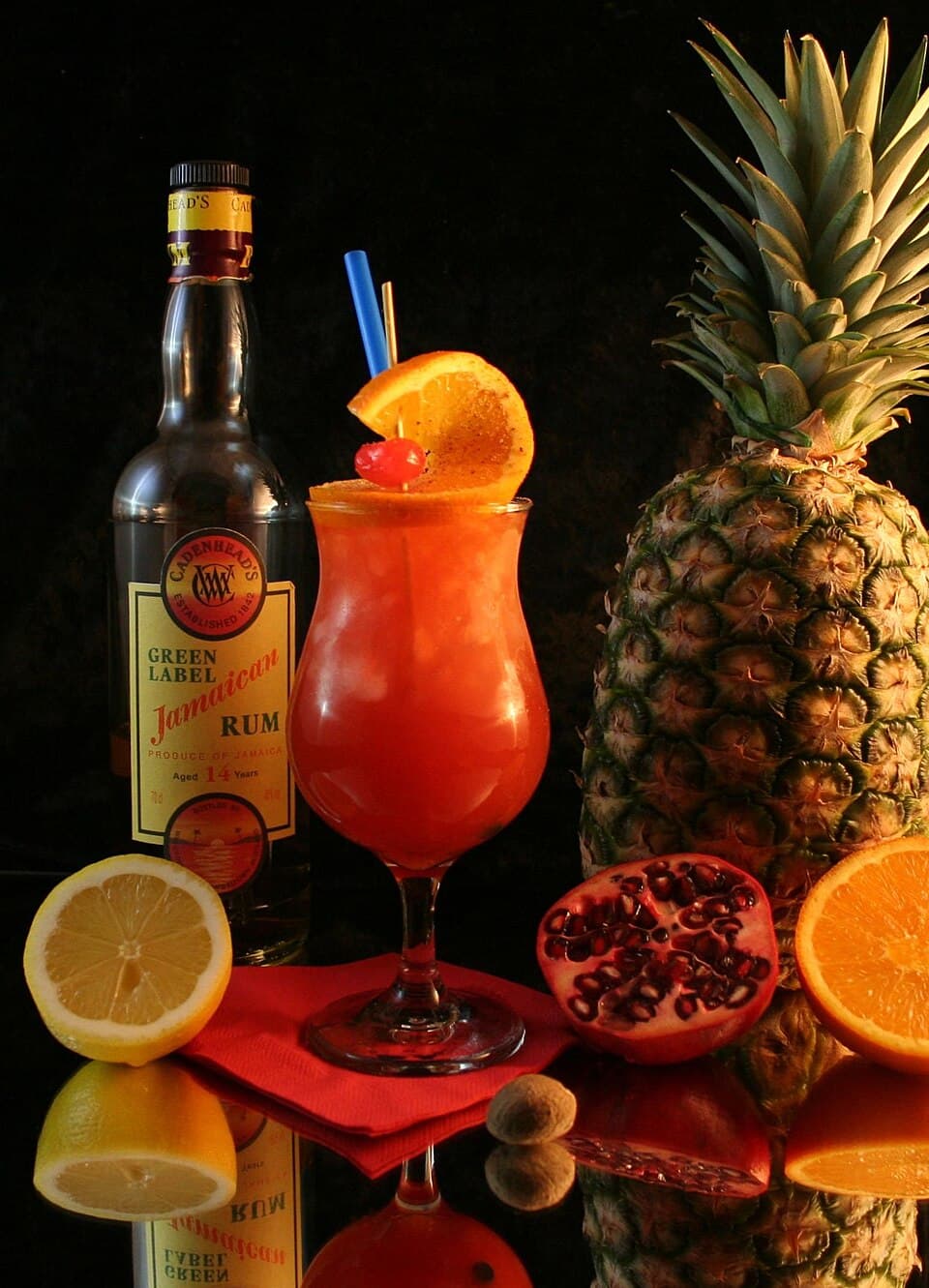
Rum Punch
The Caribbean cocktail, built from rum, fruit juices, grenadine, and a grating of nutmeg. Strong and sweet, and no two bars make it quite the same way.
Soft Beverages
Discover Saint Lucia's traditional non-alcoholic drinks, from local teas to refreshing juices.
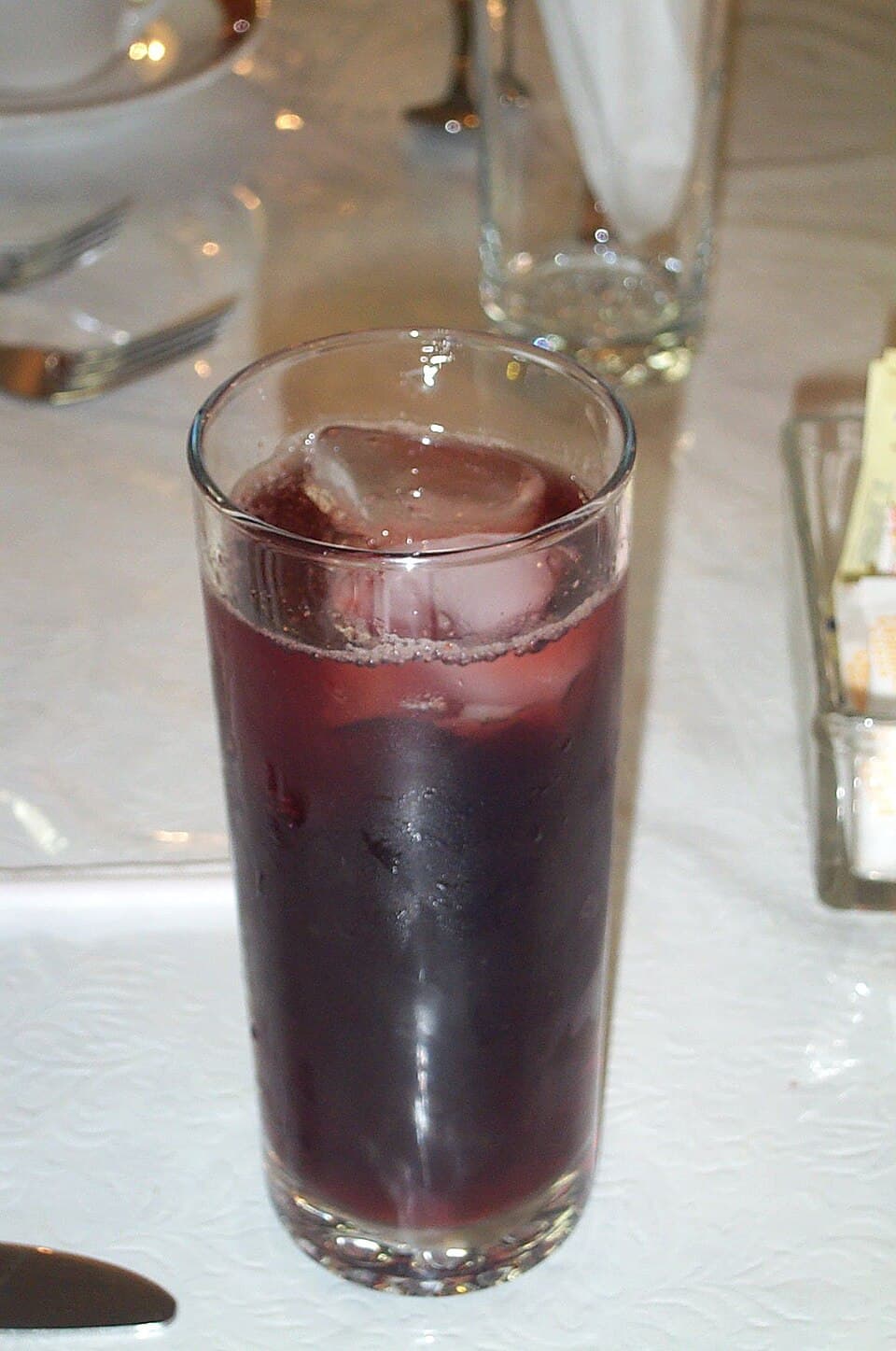
Sorrel Drink
A Christmas drink steeped from hibiscus flowers, spices, and sugar. Deep red, tart, and spiced, and served cold.
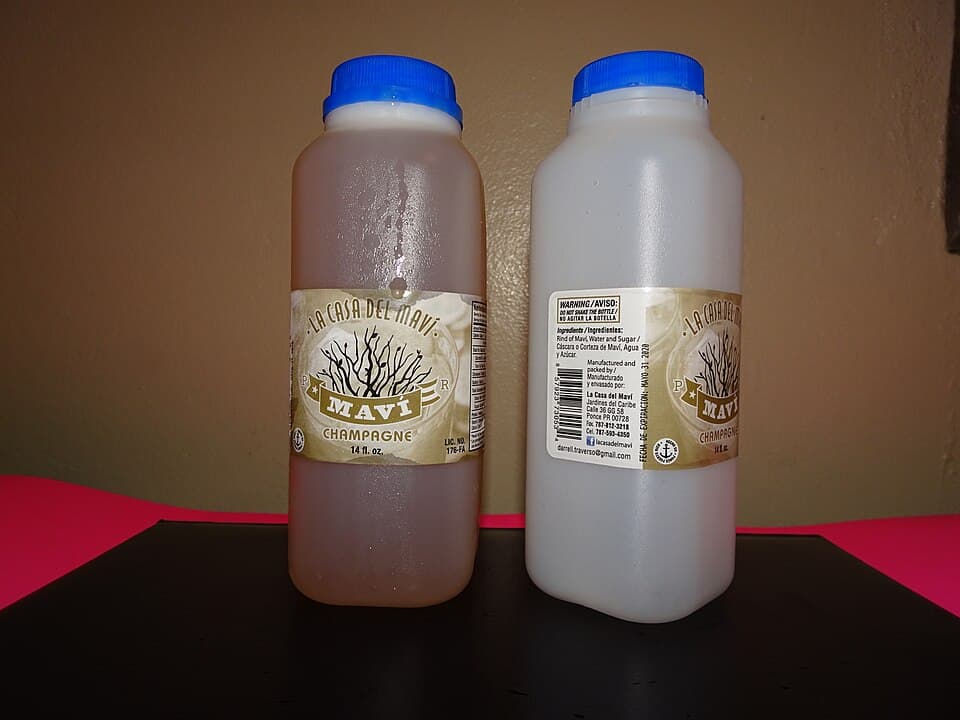
Mauby
A drink brewed from tree bark, spices, and sugar, with a bitter-sweet edge that takes some getting used to. It has a longstanding reputation as a tonic.
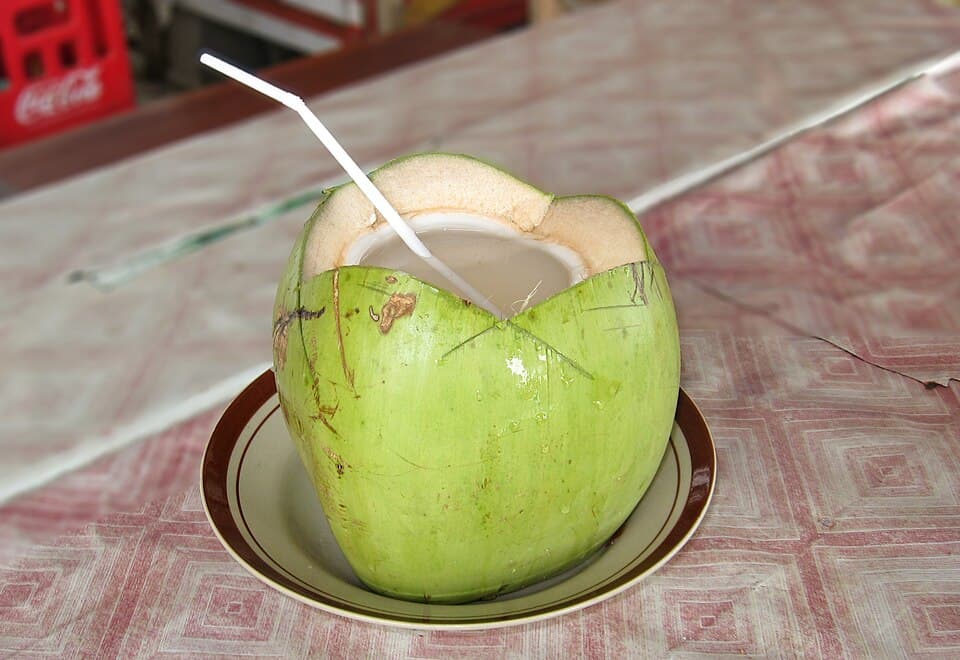
Fresh Coconut Water
Water from young coconuts, served straight from the shell. Naturally sweet, and exactly what you want in the heat.
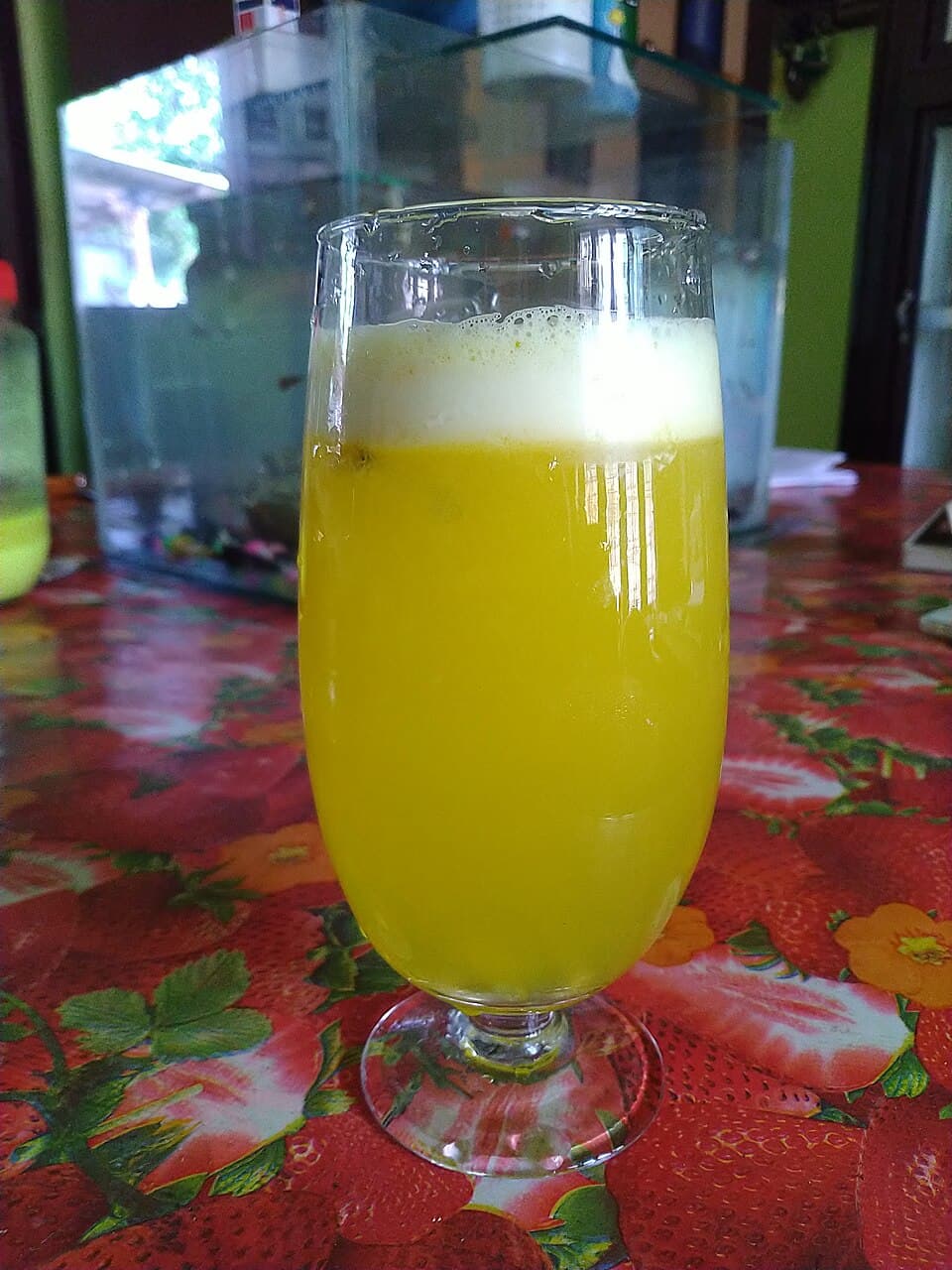
Passion Fruit Juice
Fresh passion fruit juice, tangy and fragrant, usually cut with a bit of sugar and water.
Frequently Asked Questions
Essential information about food and dining in Saint Lucia.
What is the national dish of Saint Lucia?
Saint Lucia's most iconic dishes include Green Fig and Saltfish, Bouyon, Callaloo Soup. Saint Lucia's national dish. "Green figs" are unripe bananas, boiled soft and tossed with salted cod that has been sautéed with onions, peppers, and spices. People eat it for breakfast or as a full meal, any time of year, though it really comes out for cultural festivals and Creole Heritage Month.
Is street food safe in Saint Lucia?
Street food in Saint Lucia can be enjoyed safely by following these guidelines: Tap water generally safe in tourist areas Local shacks are safe and authentic. Look for busy vendors with high turnover, ensure food is cooked fresh and served hot, and avoid raw ingredients if you have a sensitive stomach.
What are the best restaurants in Saint Lucia?
Saint Lucia offers excellent dining experiences. Top-rated restaurants include The Coal Pot Restaurant, Pink Plantation House, Flavours of the Grill. These establishments showcase authentic Saint Lucia cuisine with professional service and high-quality ingredients.
Can vegetarians find food easily in Saint Lucia?
Vegetarian options in Saint Lucia are mediumly available. Vegetarians can eat well here: callaloo soup, rice and peas, provisions (root vegetables), fried plantains, and salads are all easy to find, and most restaurants do a few vegetable Creole dishes.. Many restaurants offer vegetarian dishes, and you'll find plant-based ingredients featured prominently in local cuisine.
What is the average cost of a meal in Saint Lucia?
Meal costs in Saint Lucia depend on where you eat. Street food and casual local restaurants are very affordable, typically offering complete meals for a few dollars. Mid-range restaurants charge moderate prices, while fine dining establishments are comparably priced to Western countries.
What are common food allergens in Saint Lucia?
Common allergens in Saint Lucia cuisine include Seafood, Gluten, Coconut. Fish, conch (lambi), lobster, and shellfish are primary proteins. These ingredients appear in dishes like Saltfish, Lambi (conch). Always inform restaurant staff about your allergies.
When is the best time to visit Saint Lucia for food?
Saint Lucia offers great food experiences throughout the year. However, visiting during harvest seasons (typically spring and autumn) provides access to the freshest local ingredients. Food festivals and cultural celebrations also offer unique culinary experiences worth planning around.