
United States Food Guide
Content Information
Recently updatedFood Safety Tips
Essential food safety information to help you enjoy United States's cuisine safely and confidently.
Watch for allergen warnings on menus
The US has strict food labeling laws. Most restaurants mark common allergens on their menus, but always double-check with staff if you have severe allergies.
Be aware of large portion sizes
American restaurants typically serve very large portions. Consider sharing meals or asking for a to-go box to avoid overeating or food waste.
Check food safety ratings
Most US cities require restaurants to display their health inspection ratings. Look for an "A" grade or similar high rating when choosing where to eat.
Be cautious with raw seafood
While sushi and raw seafood are generally safe in the US, pregnant women, young children, and those with compromised immune systems should avoid them.
Dietary Options
vegetarian
HIGH AVAILABILITYVegetarian options are widely available in most American cities and towns, with many restaurants offering dedicated vegetarian menu sections.
vegan
HIGH AVAILABILITYVegan dining has grown significantly, especially in major cities. Many restaurants offer vegan options, and dedicated vegan eateries are common.
gluten-free
HIGH AVAILABILITYGluten-free awareness is high in the US, with most restaurants offering gluten-free options and understanding cross-contamination issues.
halal
MEDIUM AVAILABILITYHalal options are widely available in major cities and areas with large Muslim populations. Smaller towns may have more limited options.
kosher
MEDIUM AVAILABILITYKosher restaurants and food options are common in areas with significant Jewish populations, particularly in New York, Los Angeles, and Miami.
Common Allergens
Peanuts
HIGH PREVALENCEPeanuts are extremely common in American cuisine, from peanut butter to Thai-inspired dishes and desserts.
COMMONLY FOUND IN:
Dairy
HIGH PREVALENCEDairy products feature prominently in American cuisine, especially cheese in many dishes.
COMMONLY FOUND IN:
Wheat
HIGH PREVALENCEWheat is a staple in American diets, found in breads, pastries, and as thickeners in many dishes.
COMMONLY FOUND IN:
Shellfish
MEDIUM PREVALENCEShellfish is common in many American seafood dishes, particularly in coastal regions.
COMMONLY FOUND IN:
Tree Nuts
MEDIUM PREVALENCEVarious tree nuts appear in American desserts, salads, and as garnishes.
COMMONLY FOUND IN:
Essential Food Experiences
These iconic dishes represent the must-have culinary experiences that define United States's food culture for travelers.

Hamburger
A ground beef patty on a toasted bun, dressed however you like: cheese, lettuce, tomato, pickles, onions, special sauces. The range runs from fast-food versions to craft burgers built on dry-aged beef, caramelized onions, and artisan cheese. Regional takes include the California burger with avocado, the Carolina burger topped with coleslaw, and the smash burger with its thin, crispy edges.

BBQ Ribs
Slow-cooked until the meat slips off the bone, ribs map out America's regional BBQ split: Texas leans on beef ribs with a simple rub and mesquite smoke, Kansas City on thick sweet sauce and burnt ends, North Carolina on vinegar-based sauce and pulled pork, Memphis on a dry rub, St. Louis on spare ribs in a tomato-based sauce. Every region swears its version is the best, so try them all and pick your own.

Apple Pie
There is a reason people say "as American as apple pie." A flaky, buttery crust holds cinnamon-spiced apple slices, baked until golden and bubbling. Serve it warm with vanilla ice cream ("à la mode") or, as New Englanders do, with a slice of sharp cheddar. Come November, the apple cider is fresh-pressed and the pies come straight from the orchard.

New England Clam Chowder
Creamy soup with clams, potatoes, and onions. The New England version is milk-based, unlike Manhattan-style (which is tomato-based).

Southern Fried Chicken
Chicken pieces coated in seasoned flour and deep-fried until crispy. A staple in Southern cuisine, often served with sides like mashed potatoes and gravy.

Tex-Mex Tacos
American adaptation of Mexican tacos, typically with ground beef, lettuce, cheese, and sour cream in a crispy corn or soft flour tortilla.

Lobster Roll
New England specialty consisting of chunks of lobster meat mixed with mayonnaise and served in a grilled hot dog bun. Often served with fries or potato chips.

Deep Dish Pizza
Chicago's signature pie: a buttery crust pressed into a deep pan, layered with mozzarella, fillings like sausage, peppers, and mushrooms, and chunky tomato sauce ladled on top. It is filling enough that you eat it with a fork and knife. Pizza has become one of the bigger stories in American food lately, and by 2026 regional styles like Detroit square, New Haven apizza, and New York's foldable slices are drawing attention well beyond their home cities.

Philly Cheesesteak
Philadelphia's defining sandwich: thinly sliced ribeye griddled with onions, topped with Cheez Whiz the traditional way or provolone or American cheese, served on an Amoroso's roll. Ordering comes down to one question, "wit or witout" onions. Pat's and Geno's have the famous rivalry, but most locals will point you to a spot of their own.

Biscuits and Gravy
A Southern breakfast staple: fluffy, buttery biscuits smothered in creamy sausage gravy made from pan drippings, milk, and black pepper. It is heavy, filling morning food, the kind you find in diners and home kitchens all over the South.
Regional Specialties & Local Favorites
Discover the authentic regional dishes and local favorites that showcase United States's diverse culinary traditions.
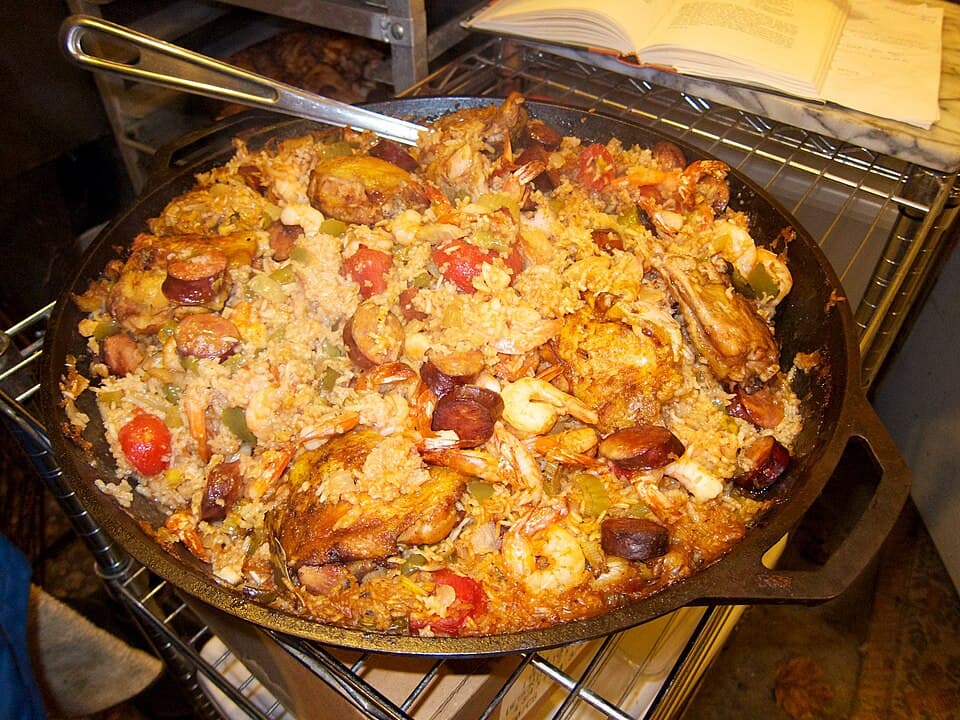
Jambalaya
A Creole rice dish from Louisiana, shaped by Spanish and French cooking, built on sausage, chicken, seafood, and the "holy trinity" of bell peppers, celery, and onions.
Allergens:
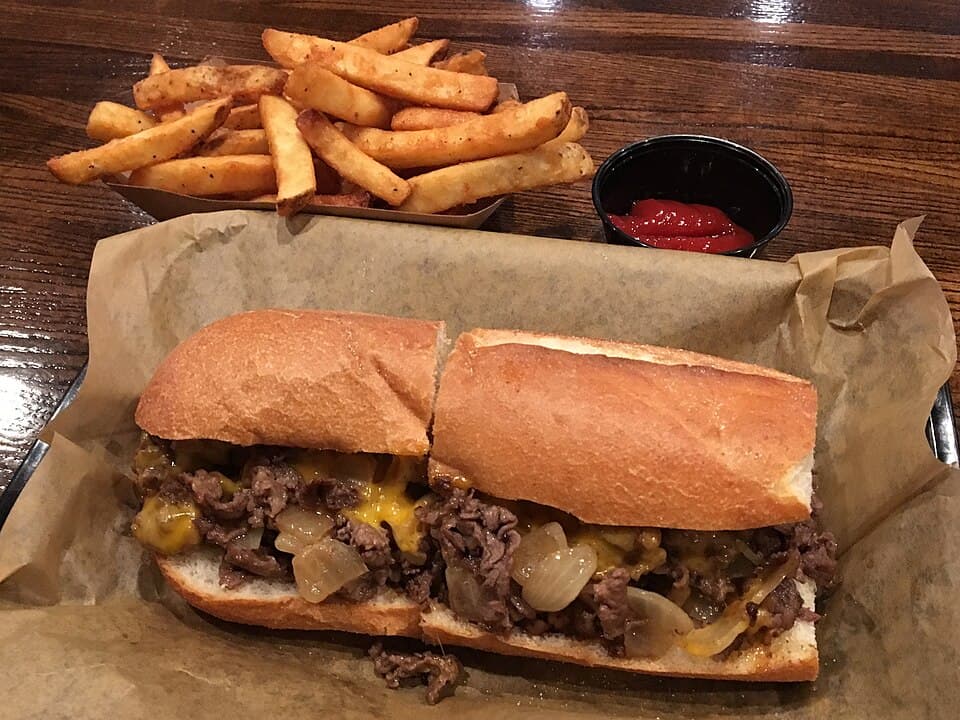
Philly Cheesesteak
A Philadelphia specialty sandwich made with thinly sliced beefsteak, melted cheese (traditionally Cheez Whiz), and caramelized onions served on a long hoagie roll.
Allergens:
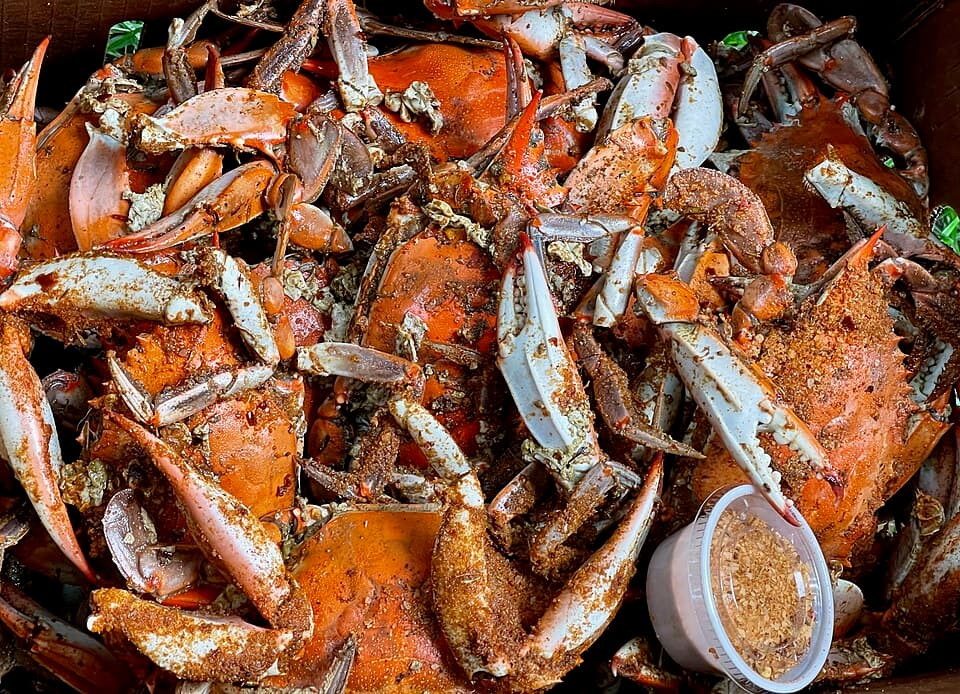
Maryland Blue Crab
Steamed blue crabs dusted with Old Bay, a Chesapeake Bay tradition where everyone gathers around a newspaper-covered table and picks the sweet meat out of the shells together.
Allergens:
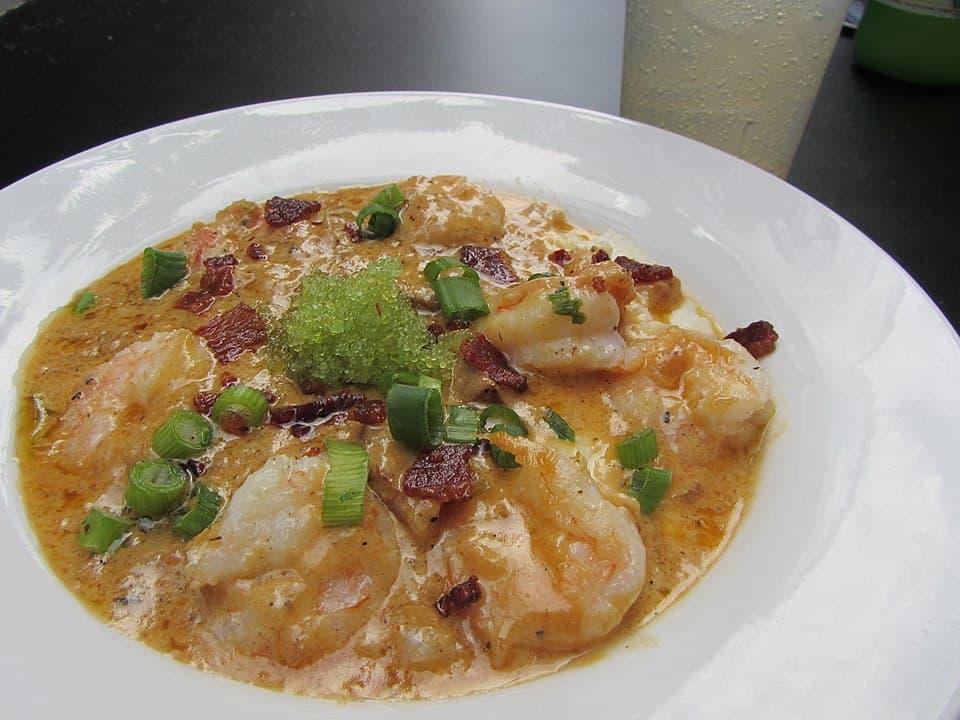
Shrimp and Grits
A Southern comfort dish combining creamy stone-ground grits topped with sautéed shrimp, often featuring bacon, mushrooms, and a savory sauce with Cajun or Creole seasonings.
Allergens:

Key Lime Pie
Florida's signature dessert: a tart, creamy filling made from tiny Key limes in a graham cracker crust, topped with whipped cream. Sweet and tangy in equal measure.
Allergens:
Regional Cuisine Highlights
Explore the diverse culinary landscapes across different regions of United States.
Southern United States
Known for comfort foods like fried chicken and biscuits
Cultural Significance:
Southern cooking grew out of African American and European traditions over generations
Signature Dishes:
- Fried Chicken
- Biscuits and Gravy
- Peach Cobbler
Key Ingredients:
Sweet Delights & Desserts
Indulge in United States's traditional sweet treats and desserts.
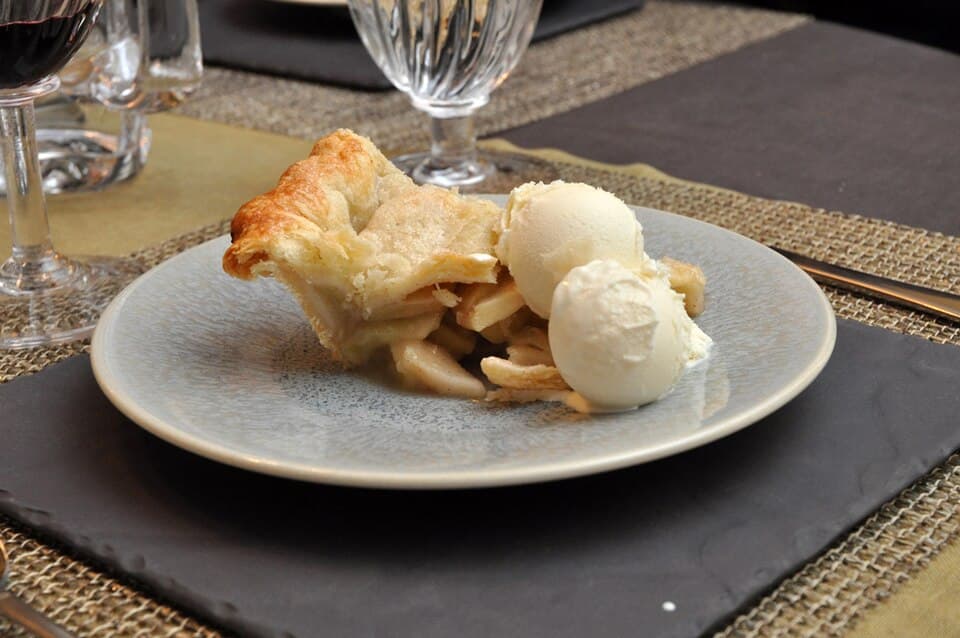
Apple Pie
Region: Nationwide
America's signature dessert: tender, cinnamon-spiced apple slices in a flaky, buttery crust, baked until golden. It is at its best in autumn, alongside fresh-pressed cider, when the November harvest fills farmstands with pies. Serve it warm with vanilla ice cream or, New England-style, with sharp cheddar cheese.
Cruffins (Croissant-Muffin Hybrid)
Region: Nationwide (Urban bakeries)
Croissant dough baked in a muffin tin, so you get the buttery layers in a shape you can eat on the go. They took off in 2025, with menu mentions up 224% year over year, and they remain a bakery-case fixture in 2026. Filled with custard, jam, or Nutella and dusted with cinnamon sugar, they turn up in artisan bakeries coast to coast.

Pecan Pie
Region: Southern United States
A Southern classic: a rich, sweet filling studded with toasted pecans in a flaky crust, often flavored with bourbon or vanilla. It shows up on every Thanksgiving table and stays in rotation year-round down South. Bakers argue endlessly over whether the filling belongs in corn syrup, maple syrup, or honey.

Cake Pops
Region: Nationwide
These blew up in 2025, jumping 386% on menus, and they have held their spot in 2026. Bite-sized cake balls on sticks, dipped in chocolate or candy coating and decorated with care. The portion is small enough for a treat without committing to a whole slice. Flavors run from plain vanilla to matcha-yuzu and 'swicy' sweet-spicy combinations.
Key Lime Pie
Region: Florida / Southern United States
Florida's signature pie: a tart, creamy filling made from tiny Key limes, sweetened condensed milk, and egg yolks in a graham cracker crust, finished with whipped cream or meringue. It is tangy and light, with a tropical edge.

Brownies (Premium Childhood Refresh)
Region: Nationwide
Lately bakers have been giving childhood treats a grown-up makeover, and brownies are a prime example. Think butter-popcorn brownies, salted caramel swirls, and espresso-laced fudge brownies made with single-origin chocolate. The old fudgy-versus-cakey argument is still going. The range stretches from box-mix nostalgia to gourmet bakery versions.

Cheesecake (New York Style)
Region: New York / Nationwide
Dense, creamy New York-style cheesecake on a graham cracker crust. Tangy flavors have been driving the category, with 39% of consumers reaching for tart and citrus profiles. Heading into 2026, yuzu (up 19%), cranberry, and fermented notes are showing up alongside the usual strawberry and blueberry toppings.
Cereal Milk Croissants
Region: Urban bakeries nationwide
A bakery riff on a childhood breakfast: buttery croissants filled with pastry cream steeped in cereal milk, the kind you get from a bowl of Fruity Pebbles or Cinnamon Toast Crunch. It is part of the same wave of nostalgic flavors getting an artisan upgrade.
Frequently Asked Questions
Essential information about food and dining in United States.
What is the national dish of United States?
United States's most iconic dishes include Hamburger, BBQ Ribs, Apple Pie. A ground beef patty on a toasted bun, dressed however you like: cheese, lettuce, tomato, pickles, onions, special sauces. The range runs from fast-food versions to craft burgers built on dry-aged beef, caramelized onions, and artisan cheese. Regional takes include the California burger with avocado, the Carolina burger topped with coleslaw, and the smash burger with its thin, crispy edges.
Is street food safe in United States?
Street food in United States can be enjoyed safely by following these guidelines: Watch for allergen warnings on menus Be aware of large portion sizes. Look for busy vendors with high turnover, ensure food is cooked fresh and served hot, and avoid raw ingredients if you have a sensitive stomach.
What are the best restaurants in United States?
United States offers diverse dining options from street food stalls to upscale restaurants. For the best experience, ask locals for recommendations, check recent reviews, and look for restaurants that specialize in regional cuisines.
Can vegetarians find food easily in United States?
Vegetarian options in United States are highly available. Vegetarian options are widely available in most American cities and towns, with many restaurants offering dedicated vegetarian menu sections.. Many restaurants offer vegetarian dishes, and you'll find plant-based ingredients featured prominently in local cuisine.
What is the average cost of a meal in United States?
Meal costs in United States depend on where you eat. Street food and casual local restaurants are very affordable, typically offering complete meals for a few dollars. Mid-range restaurants charge moderate prices, while fine dining establishments are comparably priced to Western countries.
What are common food allergens in United States?
Common allergens in United States cuisine include Peanuts, Dairy, Wheat. Peanuts are extremely common in American cuisine, from peanut butter to Thai-inspired dishes and desserts.. These ingredients appear in dishes like Peanut butter, Trail mix. Always inform restaurant staff about your allergies.
When is the best time to visit United States for food?
United States offers great food experiences throughout the year. However, visiting during harvest seasons (typically spring and autumn) provides access to the freshest local ingredients. Food festivals and cultural celebrations also offer unique culinary experiences worth planning around.