
Ukraine Food Guide
Content Information
Recently updated🔥Current Food Trends 2026
What's happening in Ukraine's culinary scene right now
In 2026, Ukrainian cooking carries more weight abroad than it has in decades, pushed forward by diaspora cooks and a hard insistence on getting the old recipes right. UNESCO lists borscht as intangible cultural heritage. Ukrainian restaurants keep opening overseas, from Veselka in New York to Ruta in Washington DC, and the chefs behind them talk about a "New Ukrainian Cuisine" that drops the Soviet baggage. In Kyiv, Ievgen Klopotenko, who won MasterChef Ukraine, runs "100 Years Back in the Future" and has become the public face of that shift. The work leans on pre-Soviet recipes and ingredients tied to place: Carpathian trout, Black Sea oysters, Polissya berries, Zakarpattia buffalo cheese. Varenyky travel well, and cooks now stuff them with olives, pumpkin, nettle, or strawberries alongside the usual potato and cheese. Small distilleries bottle artisanal horilka. Restaurants in Lviv and Kyiv experiment, some with molecular technique, without abandoning the source material. Regional cooking gets its due too: Hutsul banosh, Odesa seafood, the chocolate trade in Lviv. Local sourcing runs deep, down to Danube herring, Azov goby, and Dnipro pike perch. The wine industry is finding its feet. Salo still gets its own festivals in Poltava and Lutsk. By one measure, demand for new Ukrainian restaurants now matches what Italian openings drew back in 2023.
Food Safety Tips
Essential food safety information to help you enjoy Ukraine's cuisine safely and confidently.
Tap water quality varies by region
Tap water in Kyiv, Lviv, and Odesa is generally safe, though plenty of locals stick to bottled. Outside the cities, drink bottled or purified water.
Street food generally safe from busy vendors
Street food such as varenyky, kovbasa, and pampushky is usually fine when you buy from an established vendor whose stock moves fast.
High hygiene standards in urban restaurants
Restaurants in the larger cities keep good hygiene. Both traditional korchma and newer places hold to solid food safety practices.
Wash fresh produce thoroughly
Market produce is generally safe. Wash fruit and vegetables before eating, particularly anything you plan to eat raw.
Dietary Options
vegetarian
HIGH AVAILABILITYVegetarians eat well here. Varenyky come filled with potato, cheese, mushroom, or sauerkraut, and there are deruny (potato pancakes), meatless borscht, salads, and grain dishes. City restaurants carry long vegetarian menus.
vegan
MEDIUM AVAILABILITYKyiv, Lviv, and Odesa have an expanding vegan scene, and many traditional dishes adapt easily. Spell out what you need when ordering. Dedicated vegan spots are multiplying in the bigger cities.
gluten-free
MEDIUM AVAILABILITYAwareness of gluten-free needs is improving. Naturally safe choices include borscht, deruny, some varenyky, grilled meats, and vegetable dishes. Restaurants in the main cities increasingly understand the request.
Common Allergens
Dairy
VERY HIGH PREVALENCEDairy turns up everywhere in Ukrainian cooking: smetana (sour cream), cottage cheese, butter
COMMONLY FOUND IN:
Gluten
HIGH PREVALENCEWheat sits at the base of much Ukrainian cooking
COMMONLY FOUND IN:
Eggs
HIGH PREVALENCEEggs show up across traditional cooking and baking
COMMONLY FOUND IN:
Nuts
MEDIUM PREVALENCENuts appear in desserts and a handful of traditional dishes
COMMONLY FOUND IN:
Essential Food Experiences
These iconic dishes represent the must-have culinary experiences that define Ukraine's food culture for travelers.
Borscht
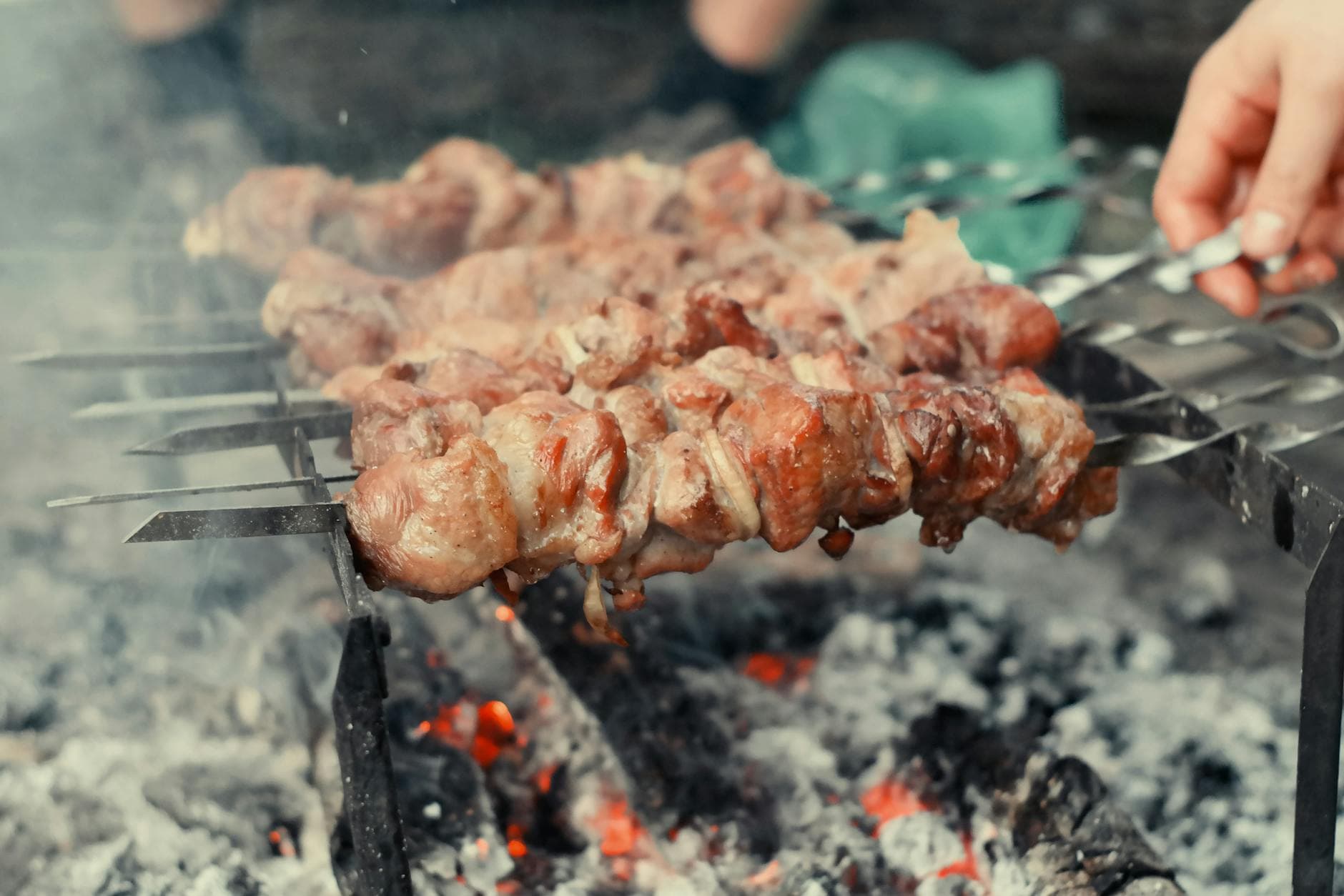
The dish Ukrainians point to first: a deep red beet soup built on beef or pork, cabbage, and root vegetables. UNESCO lists it as intangible cultural heritage. Recipes shift from region to region, and ten families will give you ten different borschts. It comes with smetana (sour cream) and garlic pampushky (bread). The flavor is earthy and a little sweet, with a lot going on underneath.

Varenyky (Pierogi)
Ukrainian dumplings, close cousins of Polish pierogi, with a filling for every occasion. The traditional ones hold potato and cheese, sauerkraut, mushrooms, cherries, or cottage cheese; newer kitchens go for olives, pumpkin, nettle, or strawberries. They arrive under smetana and fried onions. You will find them at village festivals and at city restaurants alike, and they are pure comfort food.

Chicken Kyiv (Kotleta po-Kyivsky)
Named for the capital: a breaded chicken breast wrapped around cold herb butter. Cut into it and the melted butter spills out. The origins are argued over, but Kyiv is where it got perfected. Expect a crisp golden crust, tender meat, and a rich butter center. The Kiev Restaurant in Kyiv does the version people rate highest.

Salo
Cured pork fat, about as Ukrainian as food gets. It is sliced thin, rubbed with garlic, pepper, and spices, then aged. People eat it on black bread with vodka or Ukrainian beer. Two festivals honor it every year: Poltava in February and Lutsk in September. It is a cultural rite of passage more than a snack, and worth trying if you are game.

Holubtsi
Cabbage leaves wrapped around ground meat, rice, onions, and spices, then simmered in tomato sauce. They turn up at weeknight dinners, family gatherings, and holidays. This is home cooking handed down through generations, and it tastes like it.

Deruny (Potato Pancakes)
Crisp potato pancakes of grated potato, egg, and flour, fried until golden and served with smetana. People eat them for breakfast or as a side. They turn up across the country, with small regional tweaks here and there.

Banosh
A Hutsul (Carpathian) dish of corn grits cooked down in sour cream and topped with fried pork fat, mushrooms, and bryndza cheese. Carpathian restaurants cook it over open fire. It is rich, filling mountain food.

Solyanka
A thick, sour, gently spicy soup loaded with beef, sausage, and ham, plus pickles, olives, lemon, and smetana. The flavor runs deep and tangy. Restaurants serve it across Ukraine, most often when the weather turns cold.

Pampushky with Garlic
Small round rolls brushed with garlic and oil, the standard partner to borscht. They are soft and fluffy with a heavy hit of garlic, and most Ukrainian soups feel incomplete without them.
Syrniki
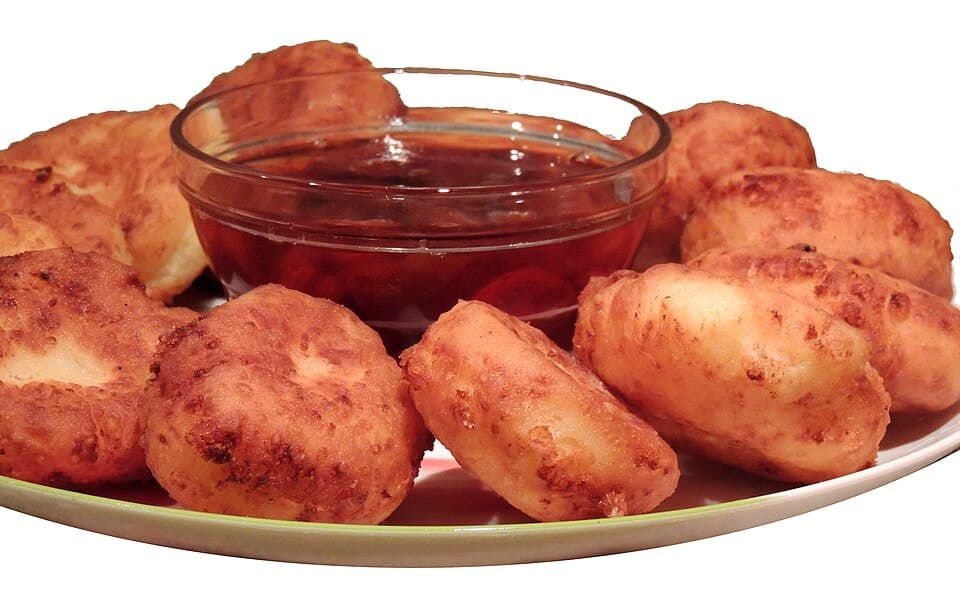
Cottage cheese pancakes with a touch of sweetness, served with smetana, jam, or honey. Crisp at the edges, soft in the middle. Ukrainians eat them at breakfast and again as dessert.

Olivier Salad
A holiday salad of diced potato, carrot, peas, pickles, egg, and meat bound in mayonnaise. No Ukrainian New Year table is without it. Elsewhere it goes by "Russian salad," but it is woven deep into Ukrainian celebrations.
Regional Specialties & Local Favorites
Discover the authentic regional dishes and local favorites that showcase Ukraine's diverse culinary traditions.
Kovbasa (Ukrainian Sausage)
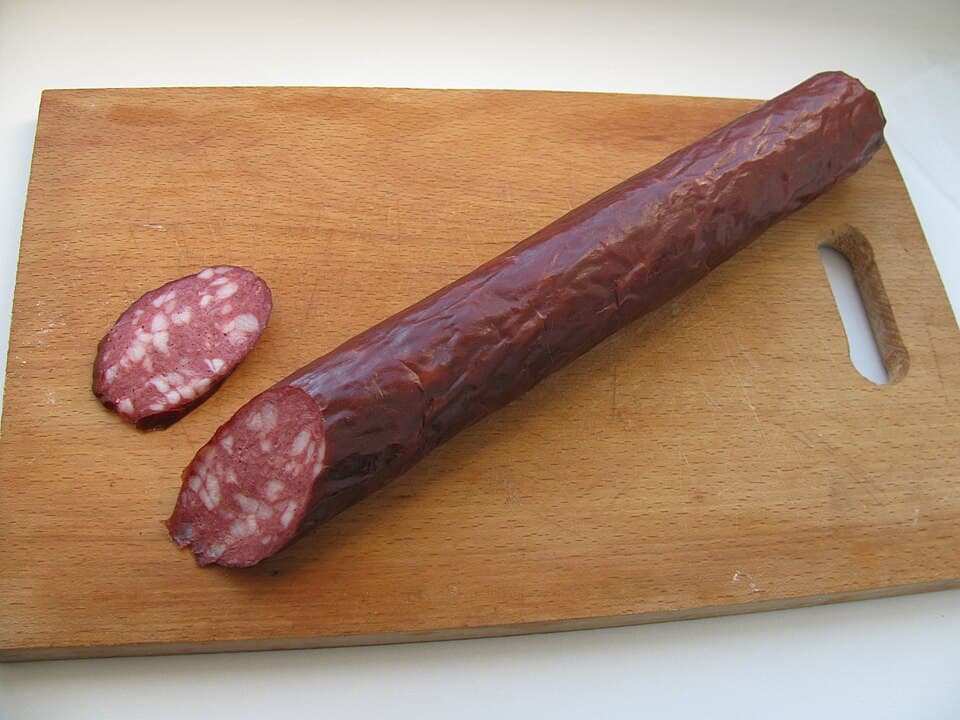
Ukrainian sausage comes smoked, fresh, or heavy with garlic. It is both street food and a kitchen staple, and each region turns out its own style.
Halushky
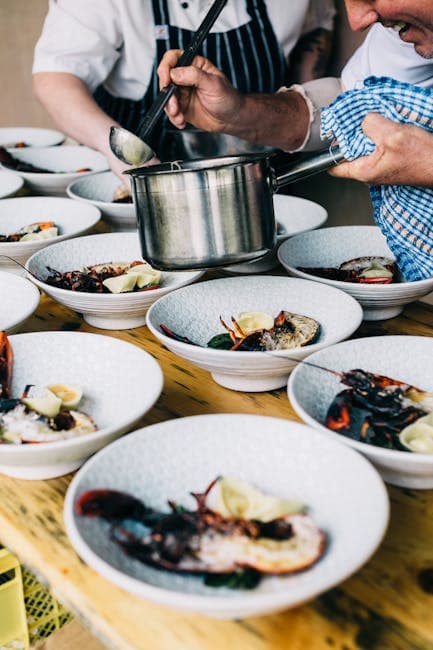
Small boiled dough dumplings, not far off gnocchi. They usually come with sour cream, fried onions, or a mushroom sauce, and they are comfort food the country over.
Allergens:
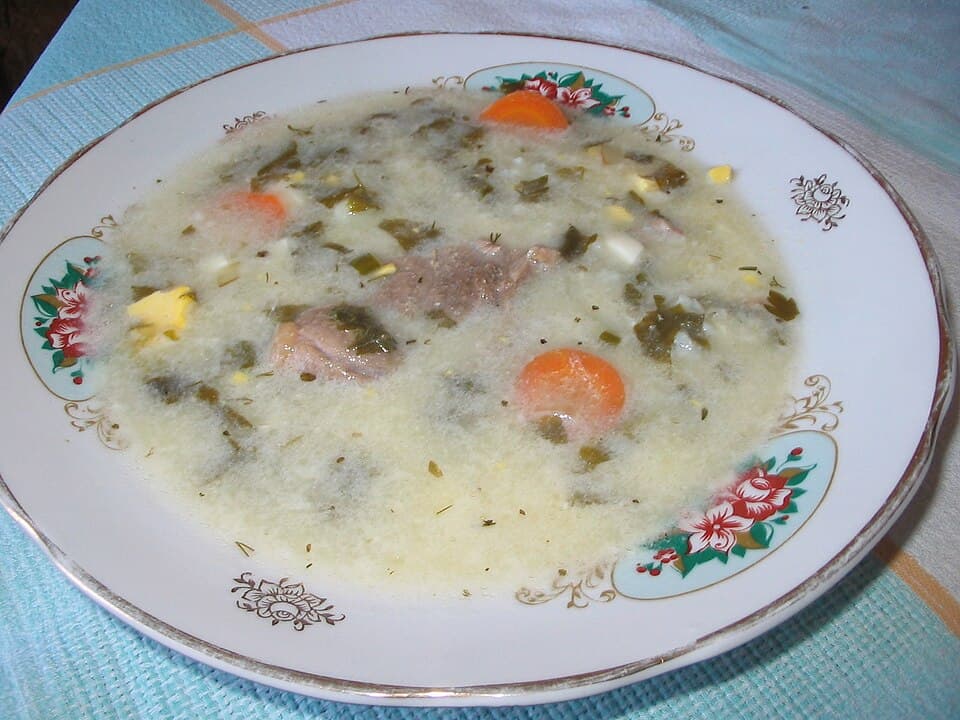
Green Borscht
The spring borscht, made with sorrel, spinach, or nettle in place of beets. It comes out bright green and tart, served with hard-boiled eggs and smetana.
Allergens:
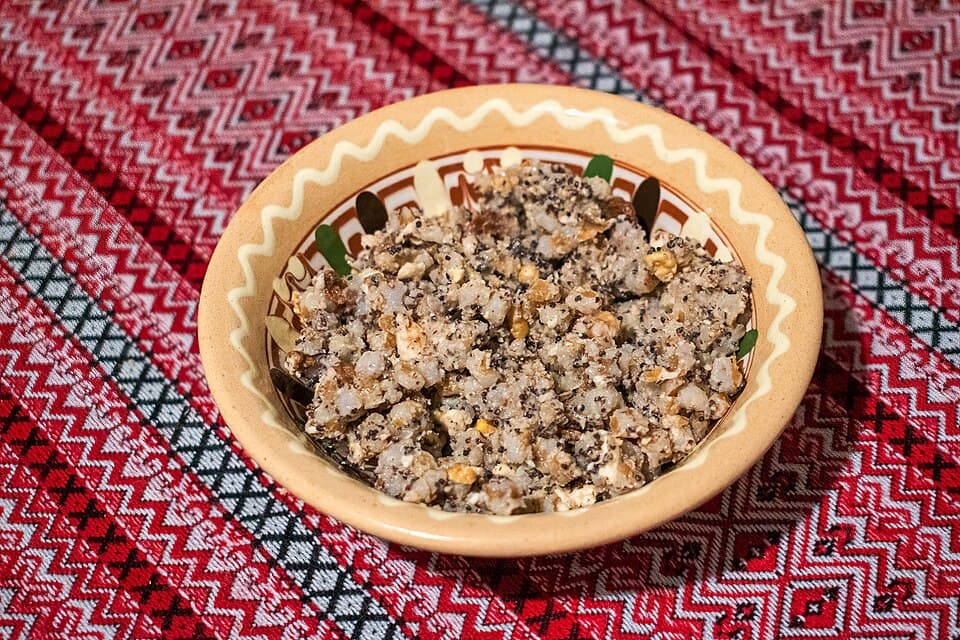
Kutya
A sweet grain pudding of wheat, poppy seeds, honey, and nuts. It anchors the Christmas Eve table and carries ritual meaning, standing in for prosperity in the year ahead.
Allergens:
Kapusta (Braised Cabbage)
Cabbage braised slowly with onions, sometimes with mushrooms or meat thrown in. Plain but full of flavor, it works as a side or a main, and it shows how central cabbage is to the Ukrainian kitchen.
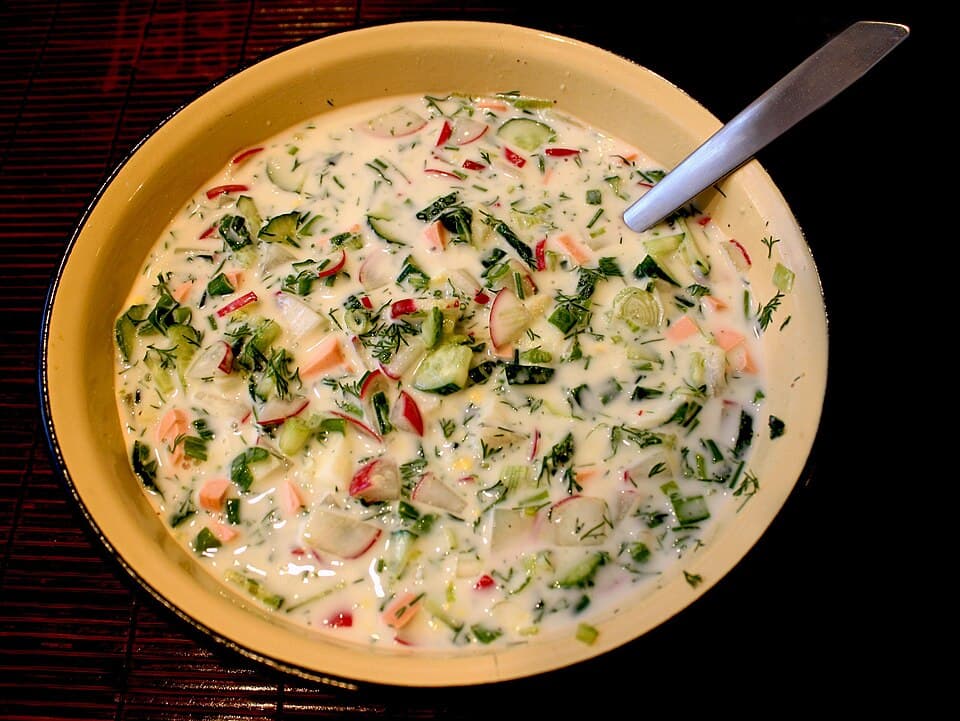
Okroshka
A cold summer soup built on kvass, the fermented bread drink, with vegetables, eggs, and meat. It is what people reach for in the heat, mainly from June through August.
Allergens:
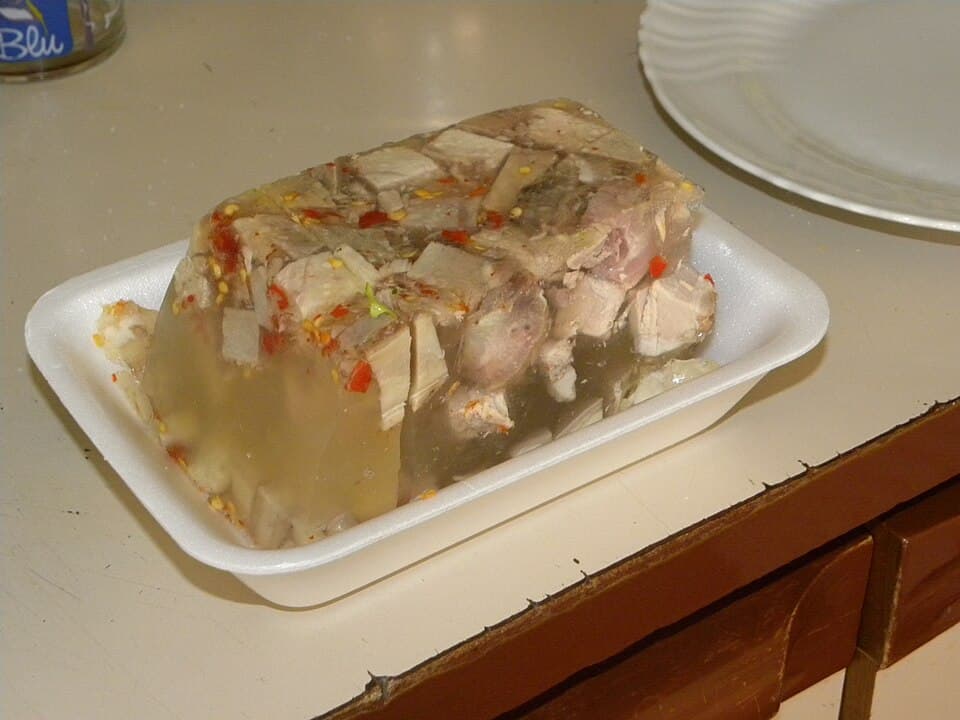
Studynets (Holodets)
Meat set in jelly, the gelatin drawn straight from pork or beef bones. Served cold with horseradish or mustard, it is a fixture at festive meals.
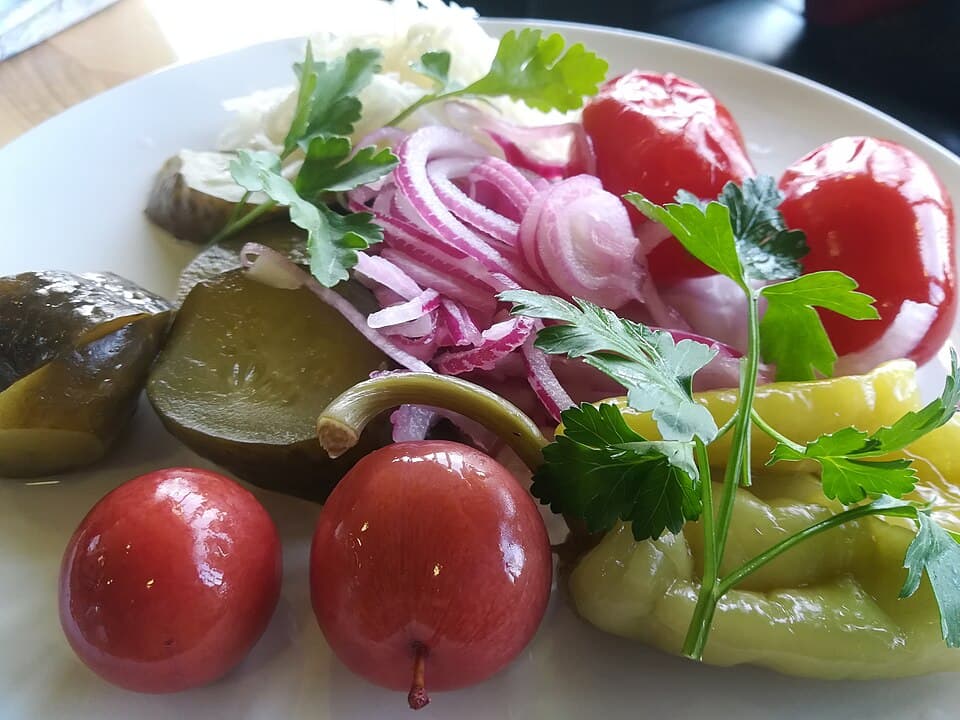
Pickled Vegetables
Pickling runs deep here: cucumbers, tomatoes, cabbage for sauerkraut, mushrooms. Households put them up for winter, then bring them out all year as appetizers and sides.
Regional Cuisine Highlights
Explore the diverse culinary landscapes across different regions of Ukraine.
Kyiv and Central Ukraine
This is the core of Ukrainian cooking, home to classic borscht, Chicken Kyiv, and varenyky, with roots in Cossack tradition. The restaurant scene moves fast, and chefs like Ievgen Klopotenko have built a "New Ukrainian Cuisine" around it. The cooking leans on hearty soups, potatoes, and wheat.
Signature Dishes:
Key Ingredients:
Western Ukraine (Lviv, Carpathians)
The cooking here carries Polish, Hungarian, and Austrian marks. Look for Carpathian banosh (corn grits with cheese), Hutsul cheeses, and smoked meats. Lviv runs on chocolate and coffee houses. Up in the mountains the food is built on dairy, from bryndza to vurda, and the region leans on sheep products and what the forest gives, including mushrooms and berries.
Signature Dishes:
Key Ingredients:
Southern Ukraine (Odesa, Black Sea Coast)
Coastal cooking built around seafood, with Greek, Jewish, and Turkish threads running through it. Odesa has its own table, shaped by the sea: Black Sea oysters, mussels, gobies, herring. Fish gets grilled, smoked, or dropped into soup. The reliance on vegetables and herbs gives it a Mediterranean tilt.
Signature Dishes:
Key Ingredients:
Northern Ukraine (Polissya)
Forest and wetland set the terms here. Potatoes became the staple in the north, and cooks lean on mushrooms, berries like blueberries and lingonberries, and river fish. The dishes are plain and rustic, rooted in peasant cooking, and rye bread shows up more often than wheat.
Signature Dishes:
Key Ingredients:
Sweet Delights & Desserts
Indulge in Ukraine's traditional sweet treats and desserts.
Syrniki
Lightly sweet cottage cheese pancakes, served with sour cream, jam, or honey. A breakfast favorite.
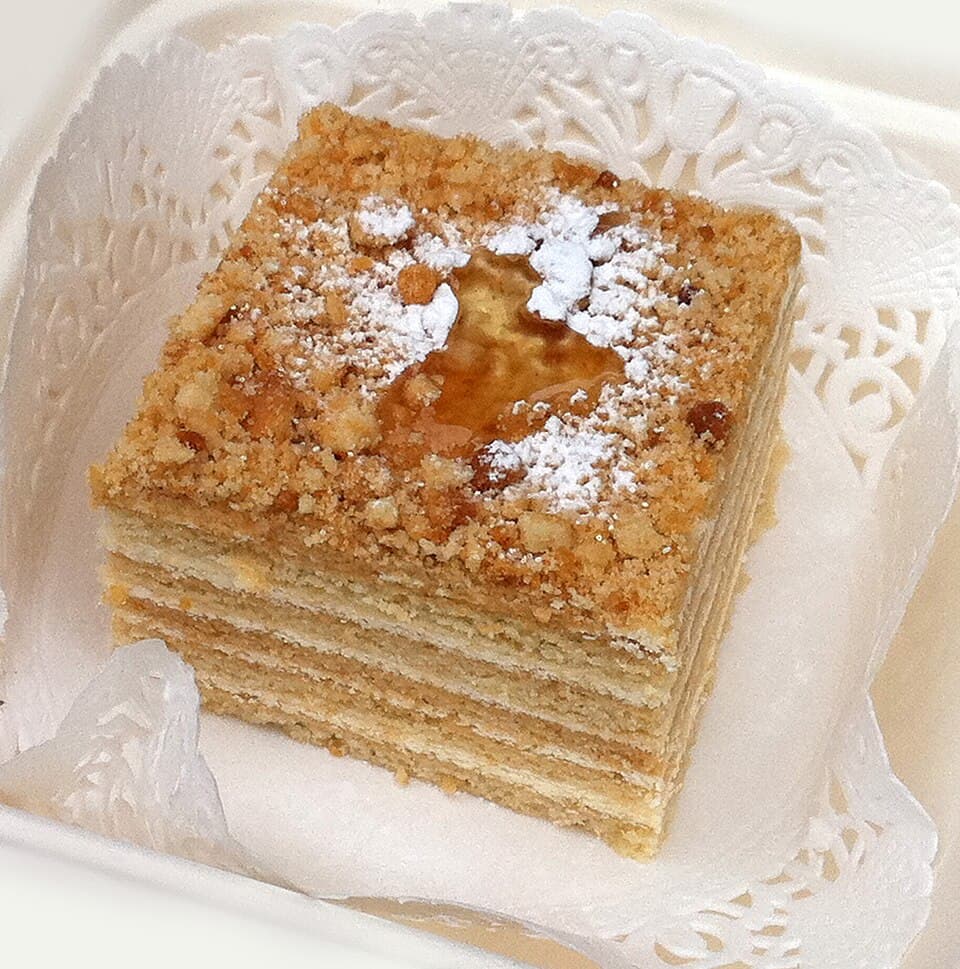
Medovik (Honey Cake)
A many-layered honey cake with cream between the layers. Sweet and rich, with the honey coming through clearly. It is a celebration cake across Ukraine and the wider region.
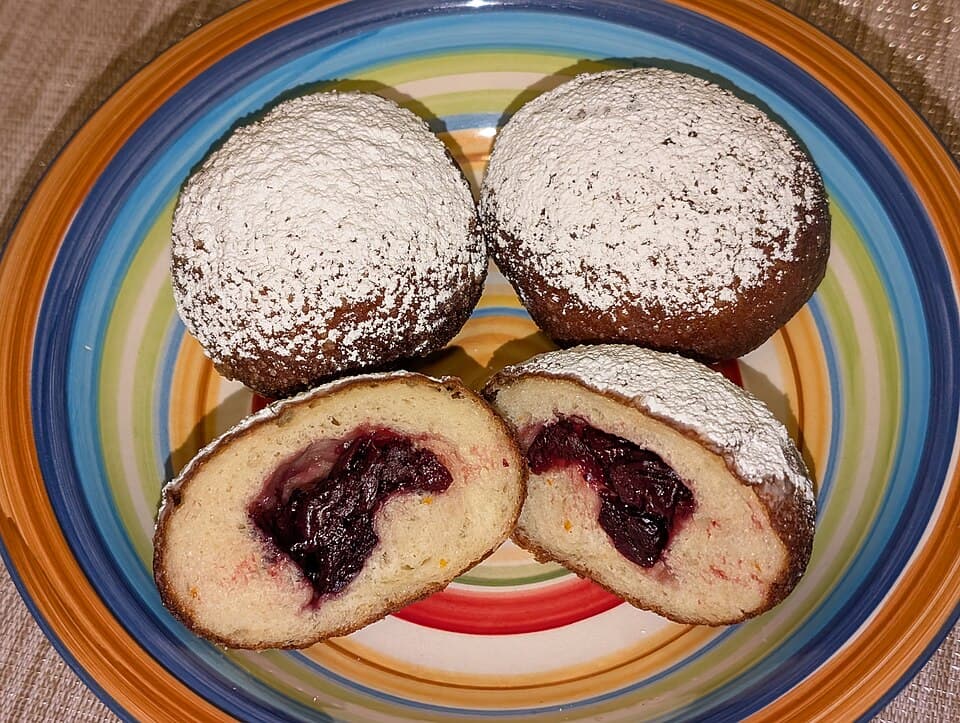
Pampushky (Sweet)
The sweet take on pampushky: fried doughnuts filled with jam or dusted with powdered sugar. A common street dessert.
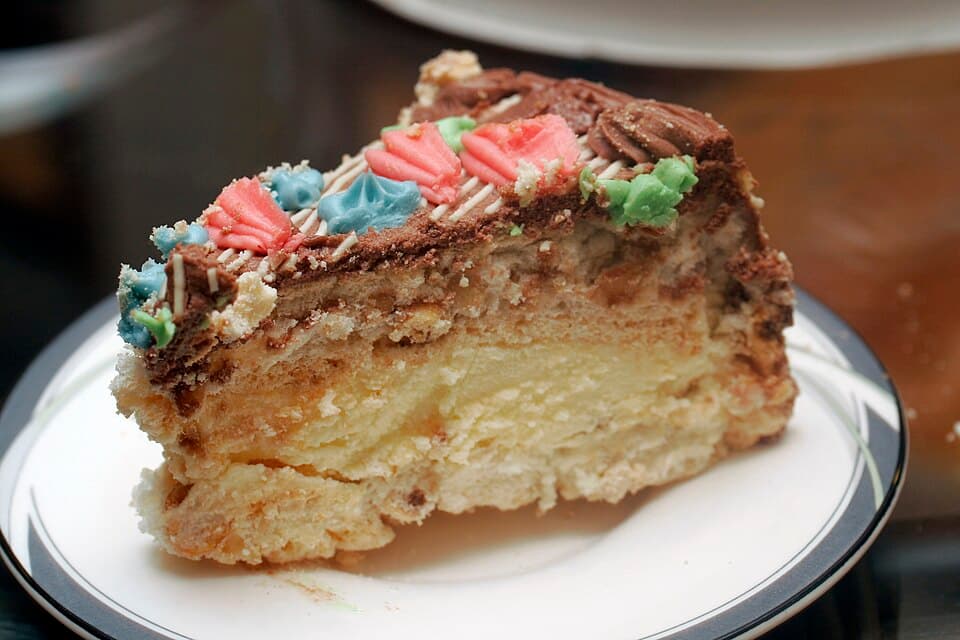
Kyiv Cake
Kyiv's signature layered cake, built from hazelnut meringue, buttercream, and chocolate glaze. It dates to the Soviet years and has stayed a favorite ever since.
Traditional Beverages
Discover Ukraine's traditional drinks, from locally produced spirits to regional wines.
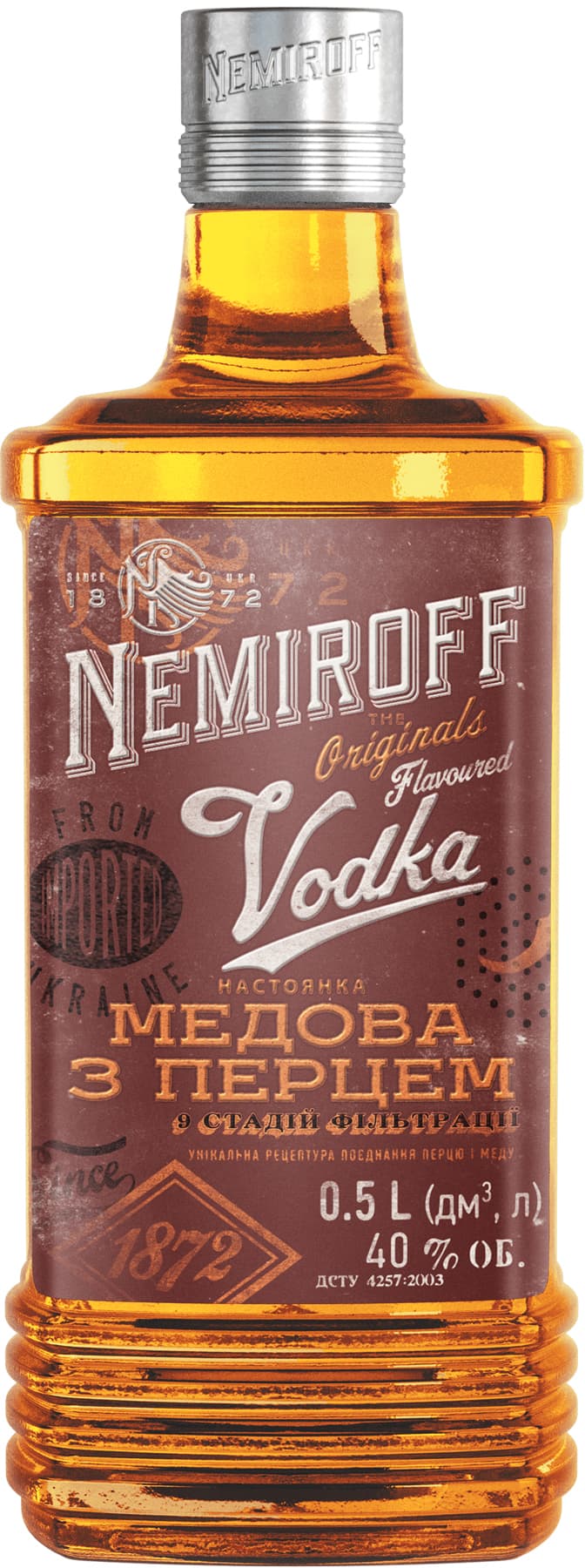
Horilka (Ukrainian Vodka)
Ukrainian vodka, often infused with honey, pepper, or herbs. It comes out for toasts and celebrations, and pouring it for guests is part of how hospitality works here. Smooth but strong.
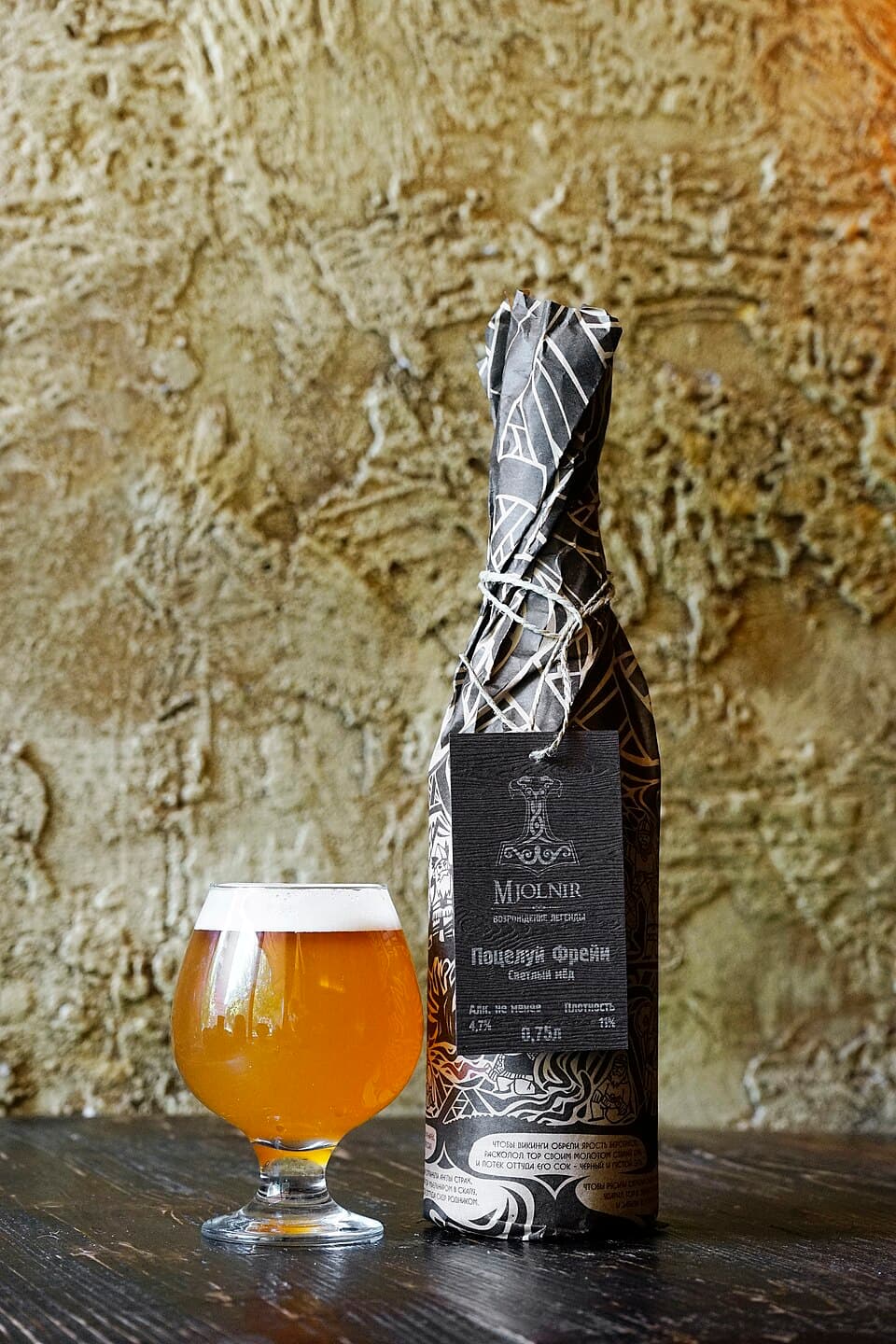
Medovukha
An old honey-based drink in the mead family, going back centuries. It is sweet and smooth, with honey and spice on the finish.

Nalyvka
A fruit liqueur made by steeping cherries, blackcurrants, or cranberries in vodka with sugar. Plenty of households make their own. Sweet, fruity, and stronger than it tastes.
Soft Beverages
Discover Ukraine's traditional non-alcoholic drinks, from local teas to refreshing juices.
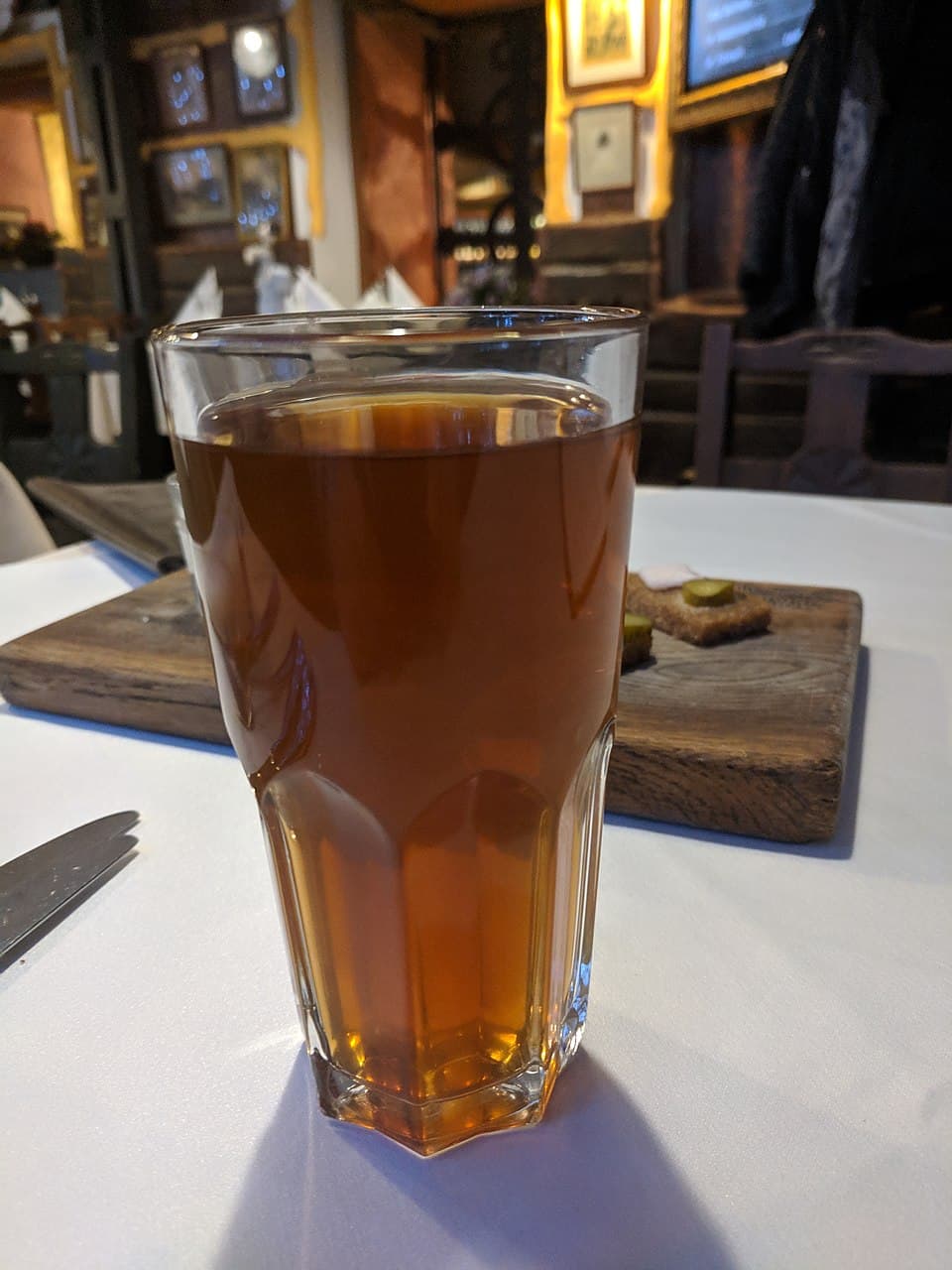
Uzvar
A drink simmered from dried apples, pears, prunes, and berries. It belongs on the Christmas Eve table and is served warm or cold, naturally sweet with no sugar added.
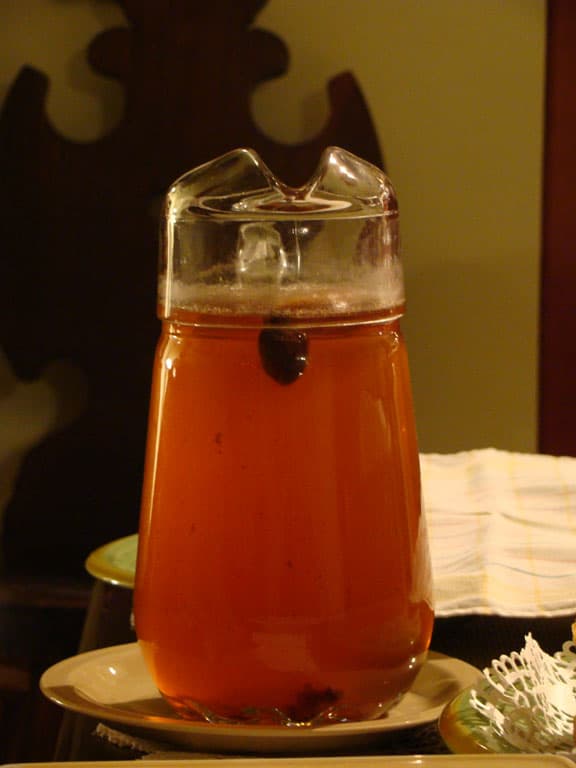
Kompot
A sweet drink made by boiling fresh or dried fruit with sugar. Households serve it all year, warm in winter and chilled in summer.
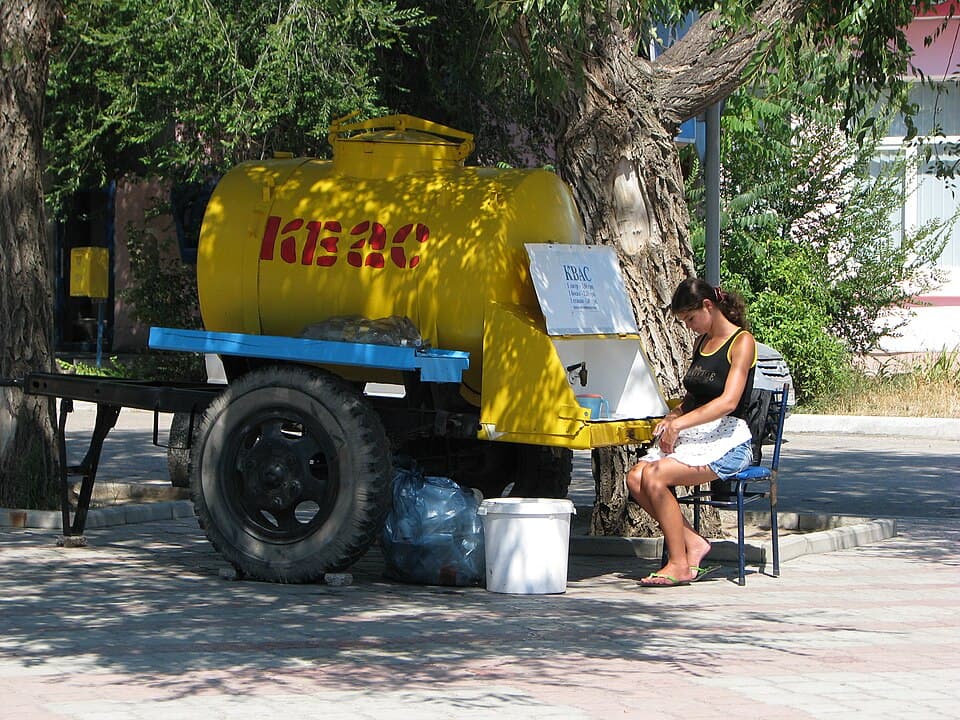
Kvass
A fermented rye bread drink, barely alcoholic at 1-2%, tangy and refreshing. In summer it is sold on the street straight from tanks. A long-standing Slavic drink.
Ryazhenka
Fermented baked milk, in the kefir family but sweeter and creamier. People drink it at breakfast, often with pastries, and it carries the usual probiotic benefits.
Frequently Asked Questions
Essential information about food and dining in Ukraine.
What is the national dish of Ukraine?
Ukraine's most iconic dishes include Borscht, Varenyky (Pierogi), Chicken Kyiv (Kotleta po-Kyivsky). The dish Ukrainians point to first: a deep red beet soup built on beef or pork, cabbage, and root vegetables. UNESCO lists it as intangible cultural heritage. Recipes shift from region to region, and ten families will give you ten different borschts. It comes with smetana (sour cream) and garlic pampushky (bread). The flavor is earthy and a little sweet, with a lot going on underneath.
Is street food safe in Ukraine?
Street food in Ukraine can be enjoyed safely by following these guidelines: Tap water quality varies by region Street food generally safe from busy vendors. Look for busy vendors with high turnover, ensure food is cooked fresh and served hot, and avoid raw ingredients if you have a sensitive stomach.
What are the best restaurants in Ukraine?
Ukraine offers diverse dining options from street food stalls to upscale restaurants. For the best experience, ask locals for recommendations, check recent reviews, and look for restaurants that specialize in regional cuisines.
Can vegetarians find food easily in Ukraine?
Vegetarian options in Ukraine are highly available. Vegetarians eat well here. Varenyky come filled with potato, cheese, mushroom, or sauerkraut, and there are deruny (potato pancakes), meatless borscht, salads, and grain dishes. City restaurants carry long vegetarian menus.. Many restaurants offer vegetarian dishes, and you'll find plant-based ingredients featured prominently in local cuisine.
What is the average cost of a meal in Ukraine?
Meal costs in Ukraine depend on where you eat. Street food and casual local restaurants are very affordable, typically offering complete meals for a few dollars. Mid-range restaurants charge moderate prices, while fine dining establishments are comparably priced to Western countries.
What are common food allergens in Ukraine?
Common allergens in Ukraine cuisine include Gluten, Eggs, Nuts. Wheat sits at the base of much Ukrainian cooking. These ingredients appear in dishes like Varenyky dough, Pampushky. Always inform restaurant staff about your allergies.
When is the best time to visit Ukraine for food?
Ukraine offers great food experiences throughout the year. However, visiting during harvest seasons (typically spring and autumn) provides access to the freshest local ingredients. Food festivals and cultural celebrations also offer unique culinary experiences worth planning around.