
Moldova Food Guide
Content Information
Recently updated🔥Current Food Trends 2026
What's happening in Moldova's culinary scene right now
In 2026, Moldova's food scene is still riding the wave that pairs old village cooking with serious wine tourism. Wine sits at the centre of it. Mileștii Mici holds the world's largest collection, around 2 million bottles down 55km of underground tunnels, while Cricova runs 120km of tunnels and stores 1.3 million bottles, some going back to 1902 vintages. Plăcintă turn up everywhere, from alimentara corner shops to white-tablecloth restaurants, stuffed with anything from brinza cheese to cabbage to sweet fruit. In Chisinau, places like La Plăcinte, La Taifas, Vatra Neamului and Salcioara have led the revival, and the farm-to-table push keeps regional growers supplying their kitchens. Gagauzia is busy reclaiming its Turkish-rooted cooking, from gozleme to kavurma, bulgur dishes and kurban lamb stew. Mămăligă, the wet cornbread, stays the everyday comfort food, eaten with mujdei garlic sauce, sheep cheese and pickles. Zeamă, the chicken soup spiked with lovage, is more ritual than recipe; people serve it hot with cream and chilies at noon the day after a wedding. Up north the cooking borrows from Ukraine (borscht, kapusniak, kasha), while southern Gagauzia leans on mutton, with shorpa soup and jellied head cheese. Wine estates such as Kara Gani pair their bottles with kurban stew. Eastern Moldova, around Transnistria, carries Russian influence, and Bulgarian communities bring Shopski salad, vegetable pots and knot-shaped bread. Eating out stays cheap, and traditional restaurants give you a lot for the money. Bit by bit, village by village, a post-Soviet food identity is being put back together.
Food Safety Tips
Essential food safety information to help you enjoy Moldova's cuisine safely and confidently.
Bottled water recommended in rural areas
Tap water in Chisinau is generally safe, though its mineral content can upset a sensitive stomach. Bottled water is cheap and easy to find. Out in the villages and smaller towns, stick to bottled.
Choose vendors with high turnover for fresh plăcintă
The plăcintă sold in alimentara shops and by street vendors are generally fine to eat. Buy from busy spots that bake them fresh through the day, and skip anything that looks like it has been sitting around.
Morning visits offer freshest produce and dairy
Local markets and farm stands have very fresh produce, and the morning brings the best of it. The homemade cheese (brinza) and other dairy from local farmers is safe to eat and tastes excellent.
Underground cellars are cool and safe year-round
The cellar tours at Mileștii Mici and Cricova are safe. Sixty to eighty metres down, the temperature stays cool and steady all year, and the tastings are run professionally with proper hygiene.
Dietary Options
vegetarian
HIGH AVAILABILITYVegetarians eat well in Moldova. Mămăligă comes with cheese or mushroom stew (ciulama), plăcintă are filled with cheese, cabbage or potato, and zeamă turns up in meat-free versions too. Traditional restaurants are used to the request.
vegan
MEDIUM AVAILABILITYVegan choices are getting better, particularly in Chisinau. Plenty of dishes lean on dairy or meat, but vegetable plăcintă (cabbage, potato), grilled vegetables, salads and a few soups can work. Be clear when you order, since dairy runs through most traditional cooking.
gluten-free
LOW AVAILABILITYDoable, but it takes some care. Mămăligă (cornbread) is naturally gluten-free and easy to find, and many meat dishes, soups and salads will work. Bread, plăcintă and sarmale all contain wheat. The smarter restaurants in Chisinau handle the request better than rural kitchens.
Common Allergens
Dairy
HIGH PREVALENCECheese, sour cream, and milk products are fundamental to Moldovan cuisine
COMMONLY FOUND IN:
Gluten
HIGH PREVALENCEWheat-based products are staples including bread, pastries, and stuffed dishes
COMMONLY FOUND IN:
Eggs
MEDIUM PREVALENCEUsed in baked goods and some traditional preparations
COMMONLY FOUND IN:
Essential Food Experiences
These iconic dishes represent the must-have culinary experiences that define Moldova's food culture for travelers.

Mămăligă (Mamaliga)
Moldova's defining dish: a moist cornbread with the texture of thick polenta, cooked down until it holds firm enough to cut with a fork. This old peasant staple comes with mujdei (garlic sauce), sheep's cheese, pickles, meat stew, fried fish, scrambled eggs or mushroom stew (ciulama). You will see it at every traditional meal and every celebration.

Plăcintă (Placinta)
You will run into these constantly, from alimentara corner shops to restaurant menus. Fried bread wrapped around a filling, usually brinza (homemade cheese), varza (cabbage) or cartofi (potatoes), with sweet apple or fruit versions as well. Moldovans are proud of their plăcintă, and it is the country's default cheap snack on the move.

Sarmale
Cabbage leaves rolled around minced meat and rice, then braised in tomato sauce until tender. Hearty, filling Moldovan cooking at its most typical, usually served with sour cream on the side for dipping. Order it at any traditional restaurant.

Zeamă
A much-loved chicken soup simmered with homemade noodles and fresh herbs, lovage above all, and given a sour edge from lemon. For Moldovans it carries the weight of comfort, healing and ceremony, and it lands on the table before anything else. The custom is to serve it hot with cream and chili peppers at noon the day after a wedding.

Mici (Mititei)
Skinless grilled sausages of beef, lamb and pork, seasoned with garlic, black pepper and other spices. They come straight off the grill with mustard and fresh bread, and show up at restaurants and at any outdoor gathering.

Moldovan Wine
Moldova has made wine for centuries, and you cannot really know the country without it. Mileștii Mici holds the world's biggest collection, 1.5 to 2 million bottles down 55km of tunnels 30 to 80 metres underground, while Cricova runs 120km of tunnels and 1.3 million bottles, including 1902 vintages. Expect tastings, vineyard tours, and good bottles for little money at dinner.

Kurban (Gagauzia)
A southern Gagauzia dish of bulgur and lamb stew laced with pork, carrying clear Turkish roots. Kara Gani winery serves it with plăcintă. Heavily seasoned and full of flavour, it has become a symbol of the Gagauzian food revival.

Shorpa (Gagauzia)
A heavily spiced mutton soup from Gagauzia. The Gagauz, who descend from pre-Ottoman Turkic people, make it with their own blend of seasonings. It speaks to the region's distinct identity, and sheep meat is one of the three pillars of Gagauzian cooking.

Borscht (Northern Moldova)
Along the Ukrainian border, borscht (beet soup) is a fixture. It is built from beets, cabbage and meat, and served with sour cream and fresh bread, a clear sign of Ukrainian influence in the north of Moldova.

Gagauzian Head Cheese
A jellied cold cut, much like aspic, set with meat from the head of a calf or pig. Common in Gagauzia, it comes from older preservation methods and is served cold as a starter.

Ciulama (Mushroom Stew)
A creamy mushroom stew, usually eaten with mămăligă. Fresh mushrooms, onions, cream and herbs go into it. Plain comfort food that shows up on traditional menus across Moldova.
Regional Specialties & Local Favorites
Discover the authentic regional dishes and local favorites that showcase Moldova's diverse culinary traditions.
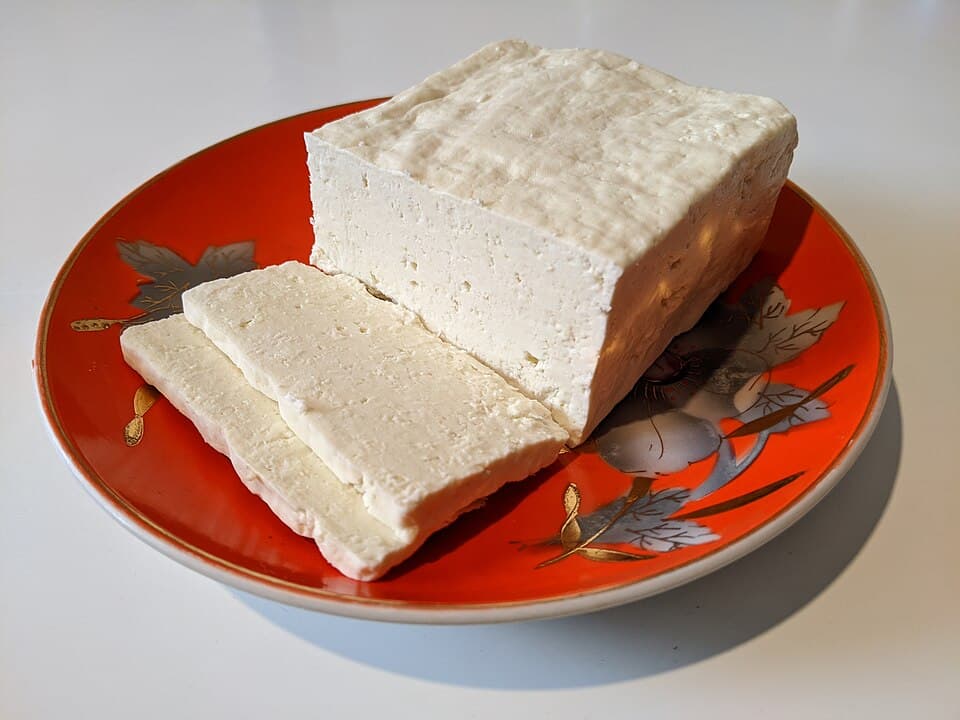
Brinza Cheese
Homemade sheep's cheese, salty and crumbly, that turns up alongside almost everything. It goes with mămăligă, inside plăcintă, or as a side to soups and stews, and you will find it at markets and traditional restaurants.
Allergens:
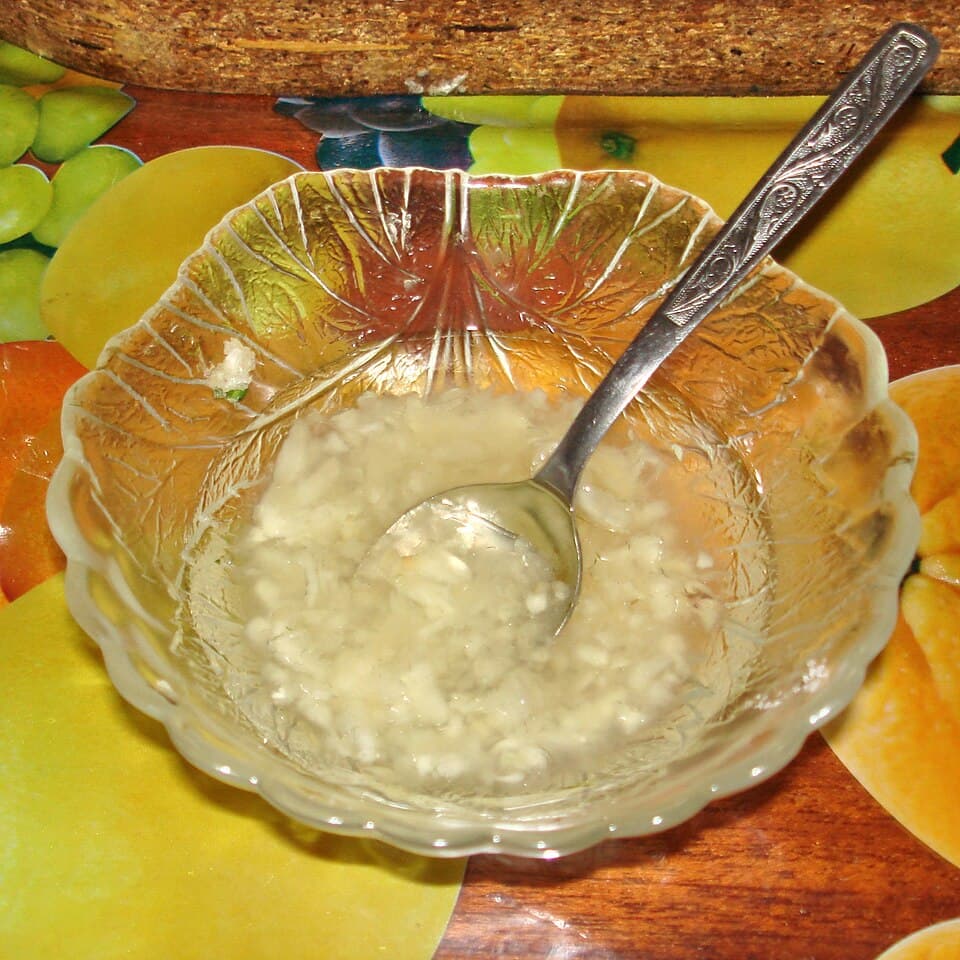
Mujdei (Garlic Sauce)
A garlic sauce of crushed garlic, salt and water, sometimes loosened with vinegar or broth. Sharp and pungent, it goes with mămăligă, grilled meats and fish.
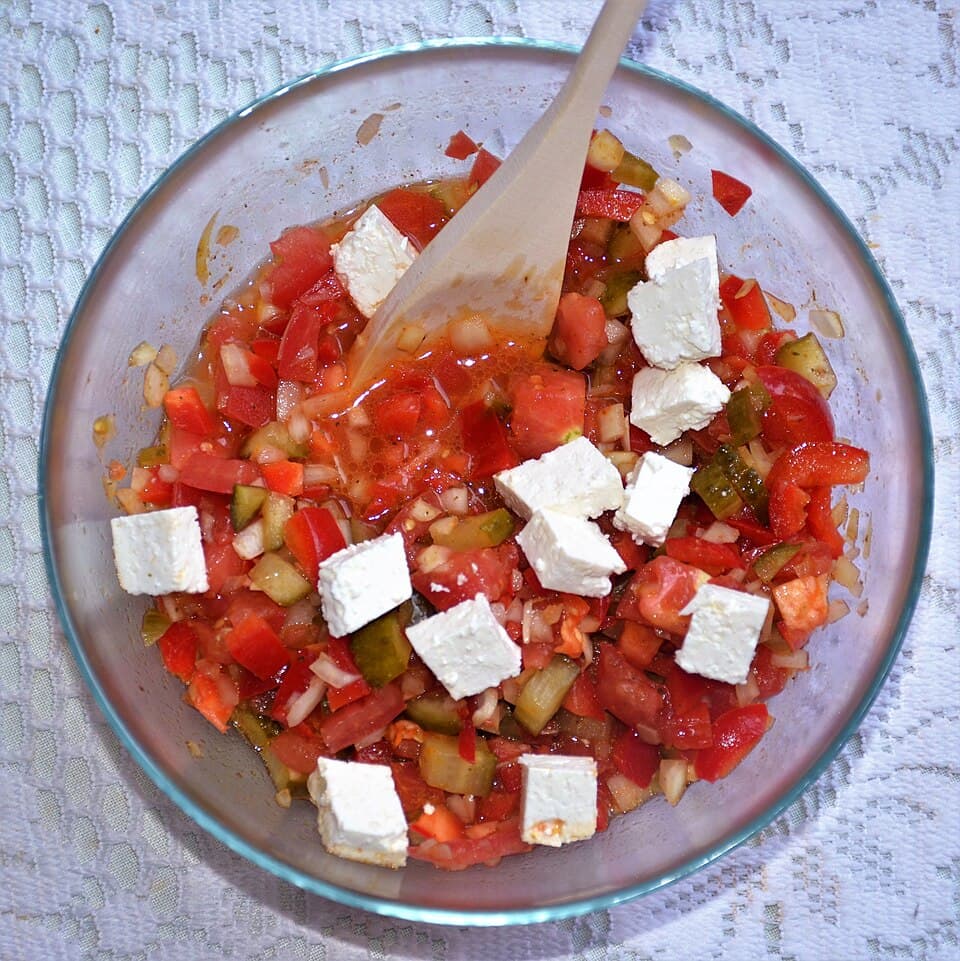
Shopski Salad
A salad brought by the Bulgarian communities of southern Moldova, made from tomatoes, cucumbers, onions and peppers under a heap of grated white cheese. A light, fresh way to start a meal.
Allergens:
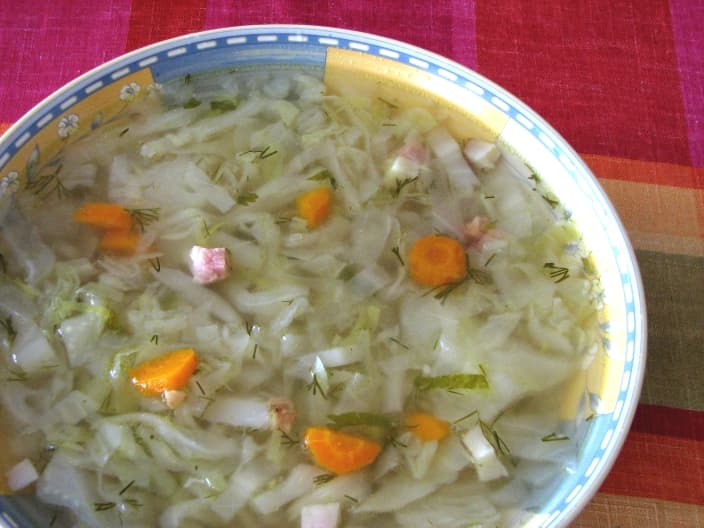
Kapusniak
A stewed cabbage dish from the Ukrainian-leaning north, warming and filling, often with pork or sausage stirred through. You will find it on traditional restaurant menus.
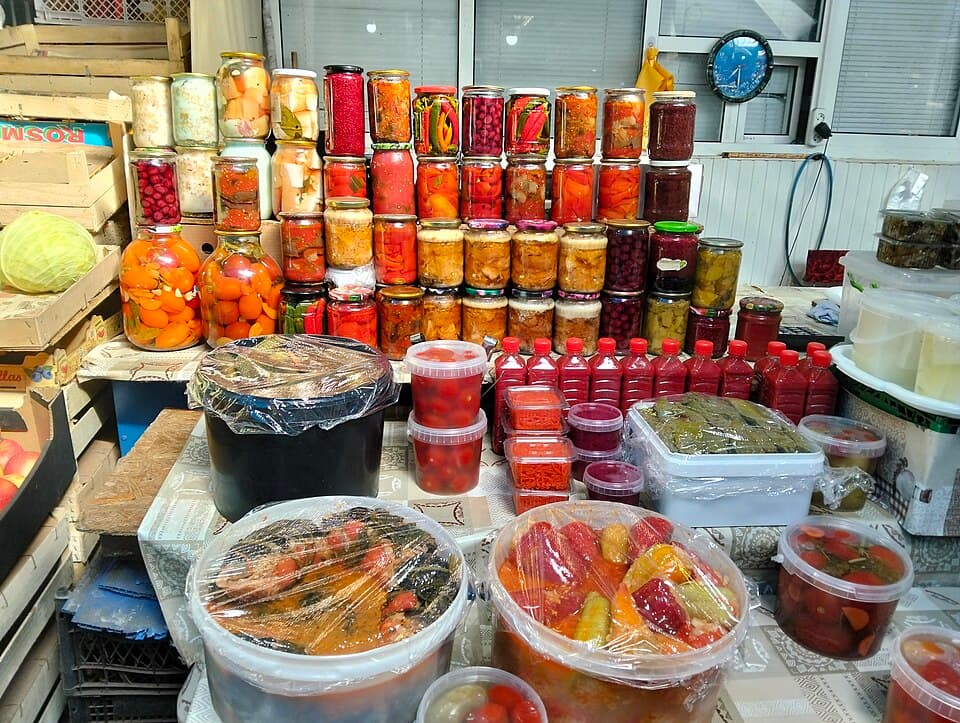
Fresh Pickled Vegetables
Pickled cucumbers, tomatoes, peppers and cabbage land beside nearly every traditional meal. Tangy and crunchy, they cut through the richer dishes.
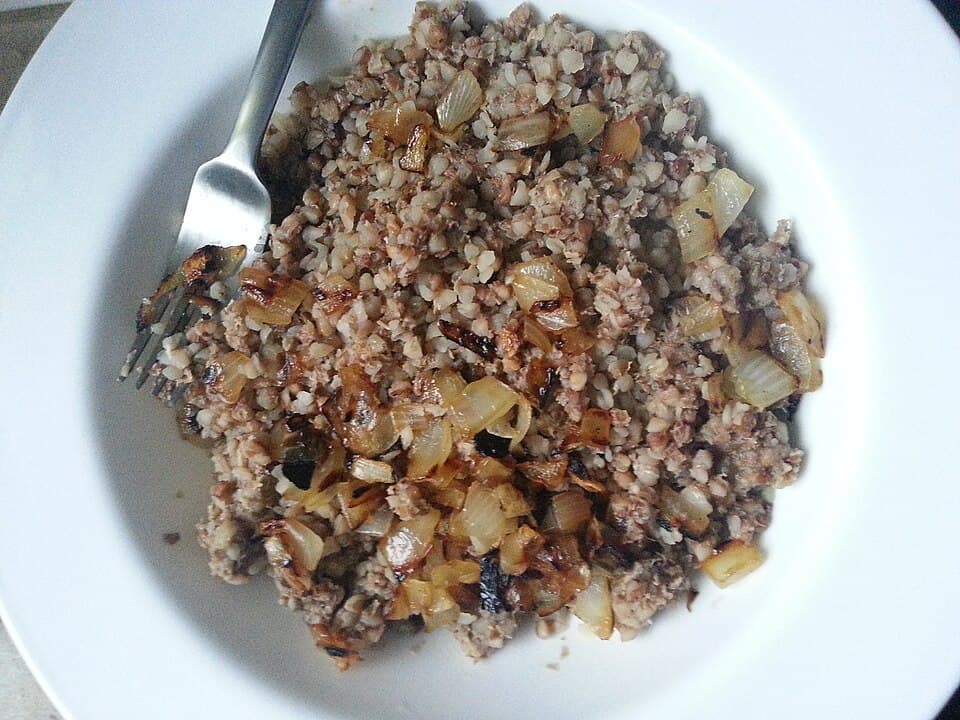
Kasha (Buckwheat Porridge)
Buckwheat porridge from northern Moldova and its Ukrainian communities, eaten as a side or at breakfast. Nutty in flavour, substantial in texture, and naturally gluten-free.
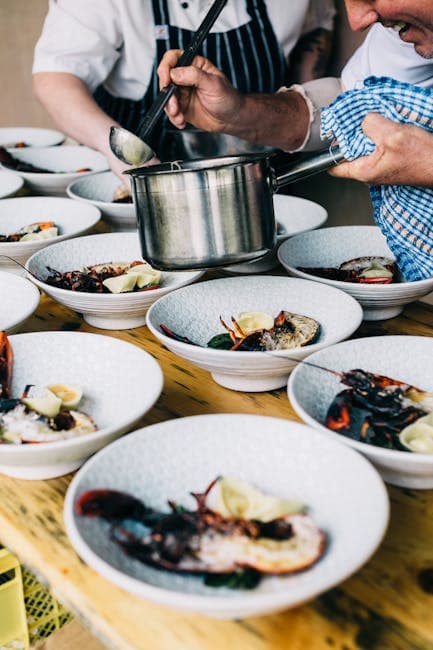
Mangea (Bulgarian Influence)
A saucy chicken dish from the Bessarabian Bulgarian communities of the south, one more thread in Moldova's mix of food cultures.
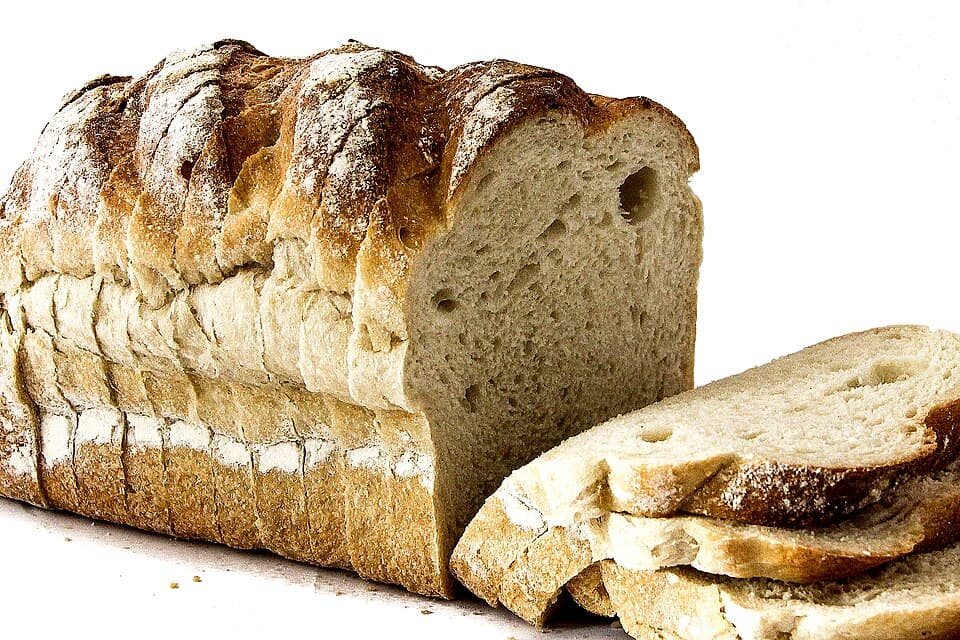
Fresh Bread
Bakeries turn out fresh bread every day, from plain peasant loaves to the knot-shaped Bulgarian kind. Warm, crusty and fragrant, it goes with every meal.
Allergens:
Regional Cuisine Highlights
Explore the diverse culinary landscapes across different regions of Moldova.
Chisinau and Central Moldova
Chisinau has the densest run of traditional restaurants, among them La Plăcinte, La Taifas, Vatra Neamului, Salcioara and Pegas. They put out polished versions of the classics and keep strong wine lists. The farm-to-table movement is at its strongest here, with regional farmers feeding the kitchens, and the city sits at the centre of Moldova's food revival.
Signature Dishes:
Key Ingredients:
Gagauzia (Southern Moldova)
This autonomous region, home to the Turkic-descended Gagauz, is reconnecting with its heritage through cooking. The repertoire runs to gozleme (stuffed flatbread), kavurma (preserved meat), bulgur dishes, pilaf, halvah and baklava. Three things hold it up: sheep meat, homemade wine and sheep cheese. Kara Gani winery serves kurban (lamb-bulgur stew) and traditional plăcintă, while shorpa (mutton soup) and head cheese are the signatures. The revival is well under way.
Signature Dishes:
Key Ingredients:
Northern Moldova (Ukrainian Border)
The cooking here overlaps heavily with Ukraine: borscht (beet soup), kapusniak (stewed cabbage), kasha (buckwheat porridge) and sliced bacon. Ukrainian communities keep these dishes alive, and the food reads like the crossroads it is between Moldova and Ukraine.
Signature Dishes:
Key Ingredients:
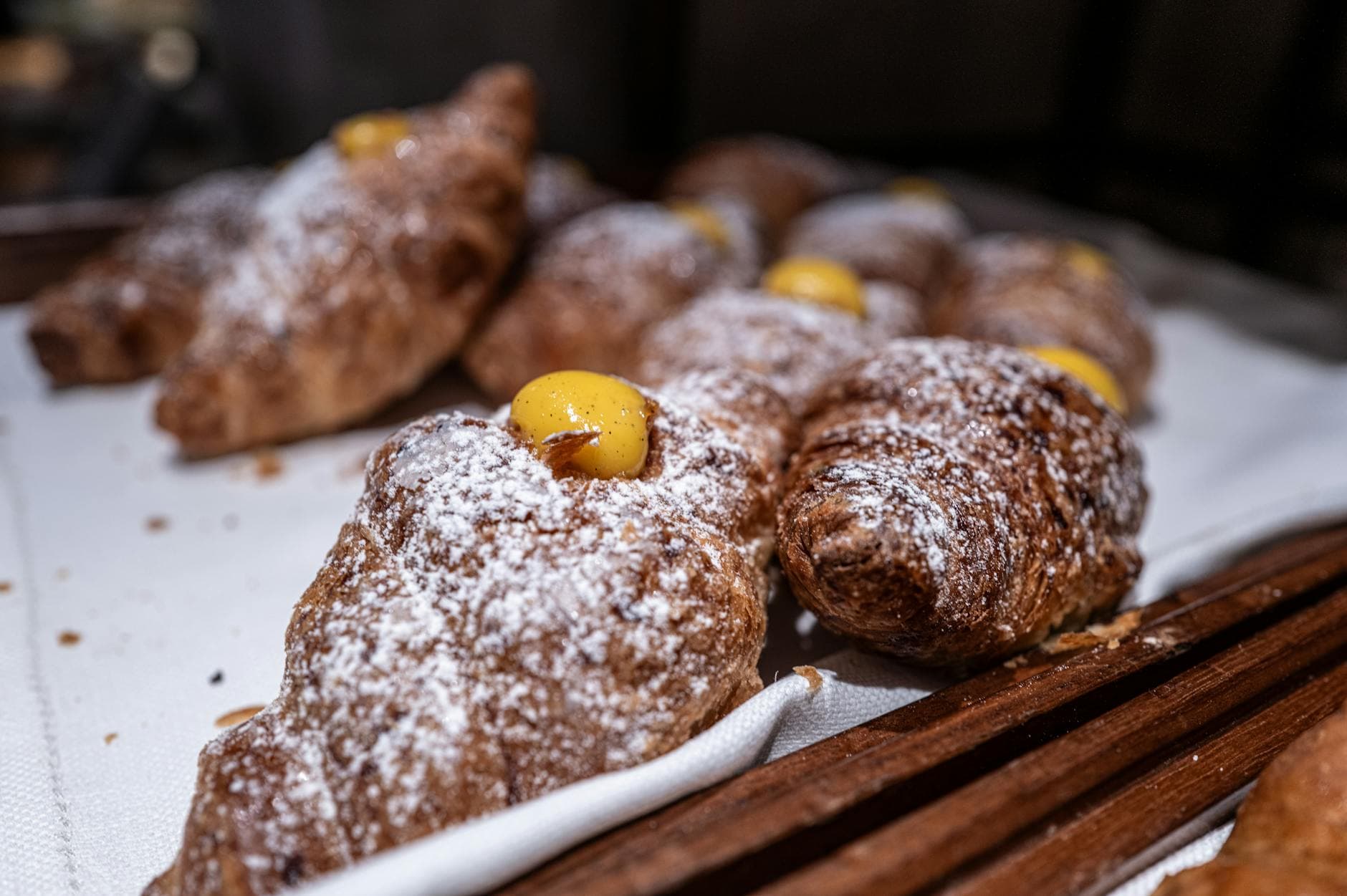
Southern Moldova (Bulgarian Communities)
Bessarabian Bulgarians bring their own dishes to the table: mangea (chicken in sauce), Shopski salad, vegetable pots, sponge cake and knot-shaped bread. Their methods and habits add another layer to Moldova's mixed food culture.
Signature Dishes:
Key Ingredients:
Sweet Delights & Desserts
Indulge in Moldova's traditional sweet treats and desserts.
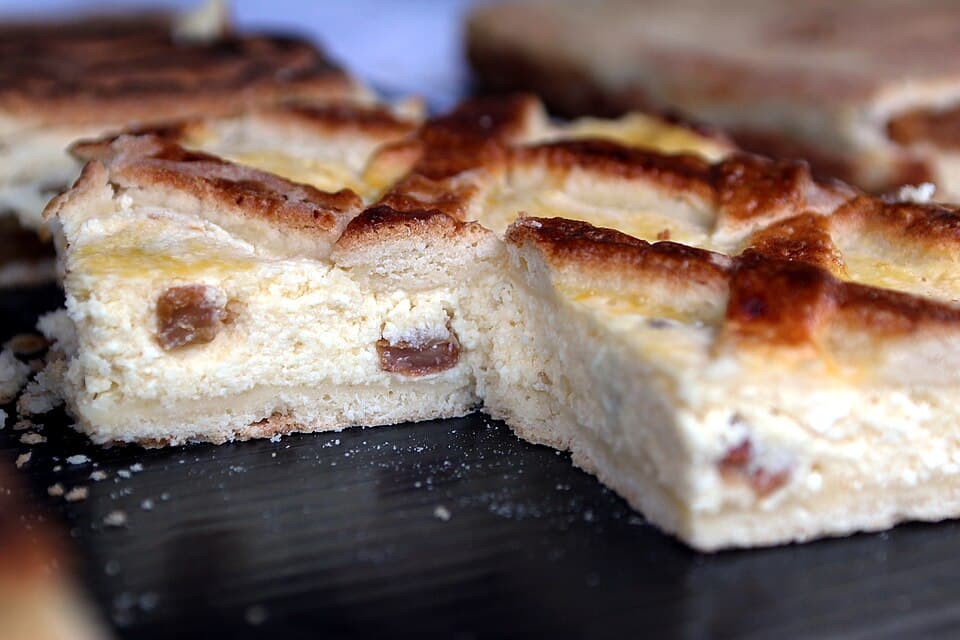
Sweet Plăcintă
The dessert side of plăcintă, filled with sweet cheese, apples, cherries or other fruit and dusted with powdered sugar. Sold in bakeries and at traditional restaurants.
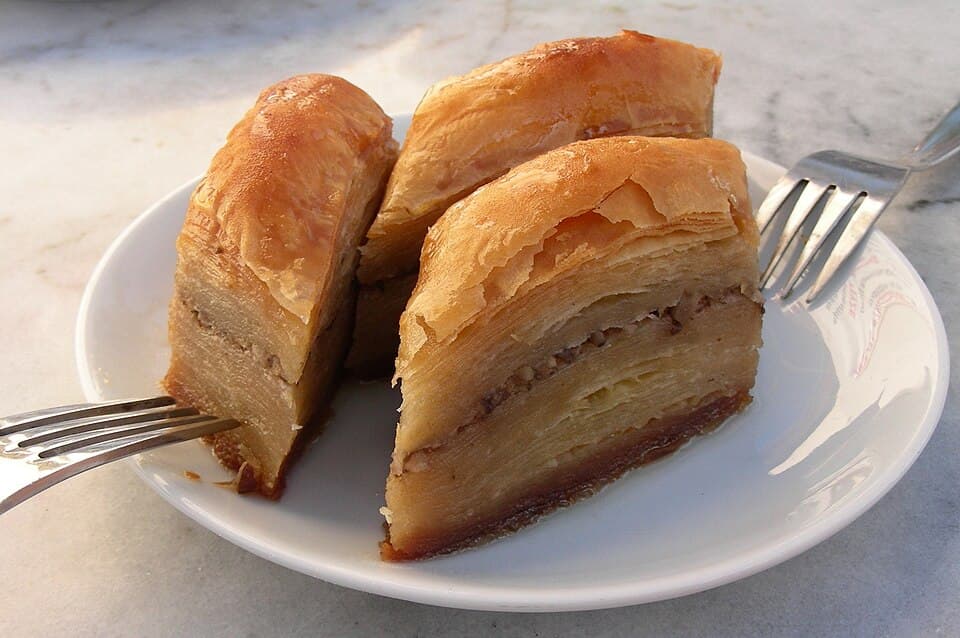
Baklava (Gagauzia)
From Turkish-influenced Gagauzia: layers of phyllo with nuts and honey syrup. Sweet, flaky and rich, and part of the Gagauz people's heritage.
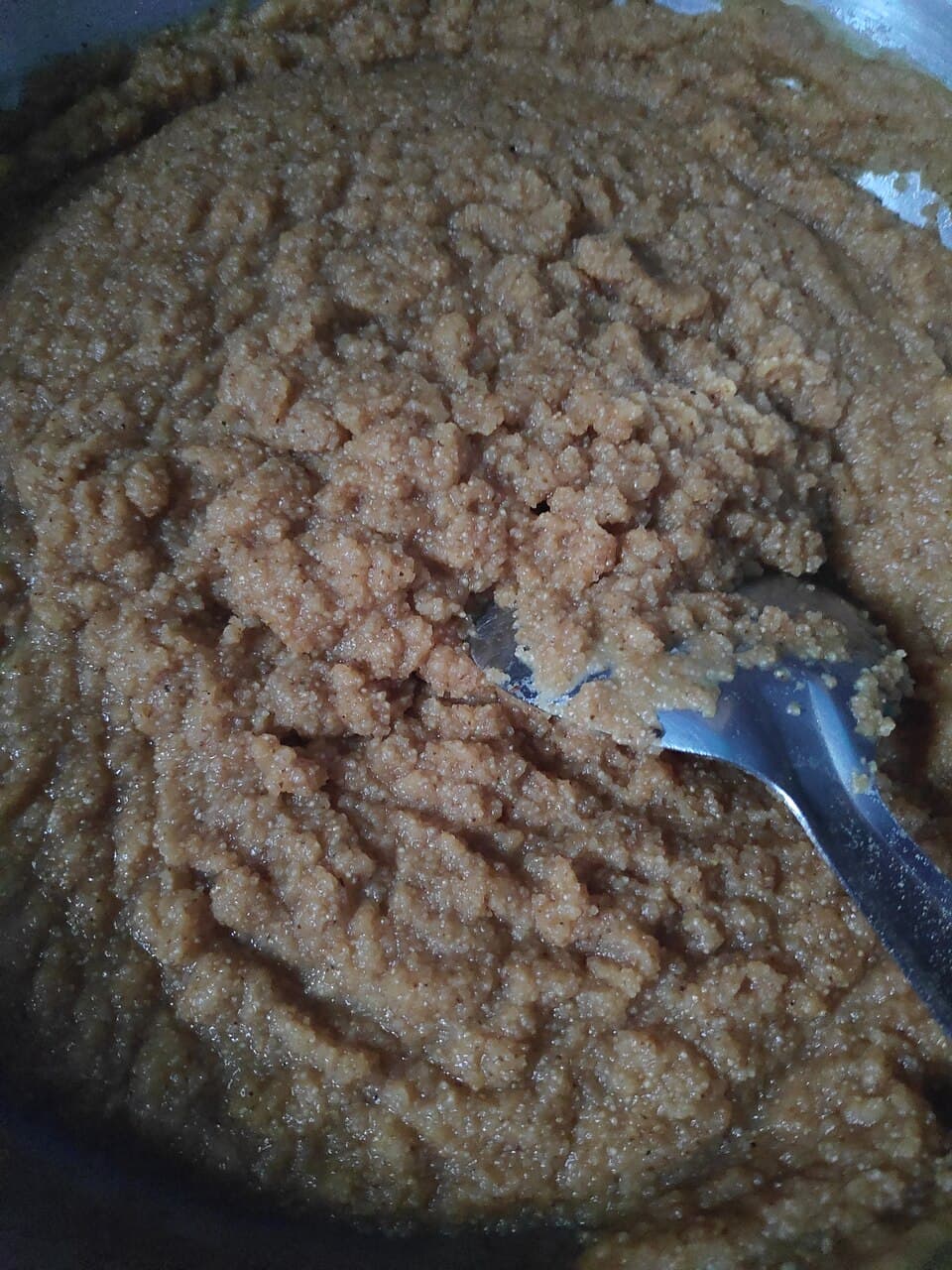
Halvah (Gagauzia)
A Gagauzian sweet made from sesame paste or sunflower seeds worked with sugar or honey. Dense and crumbly, very sweet.
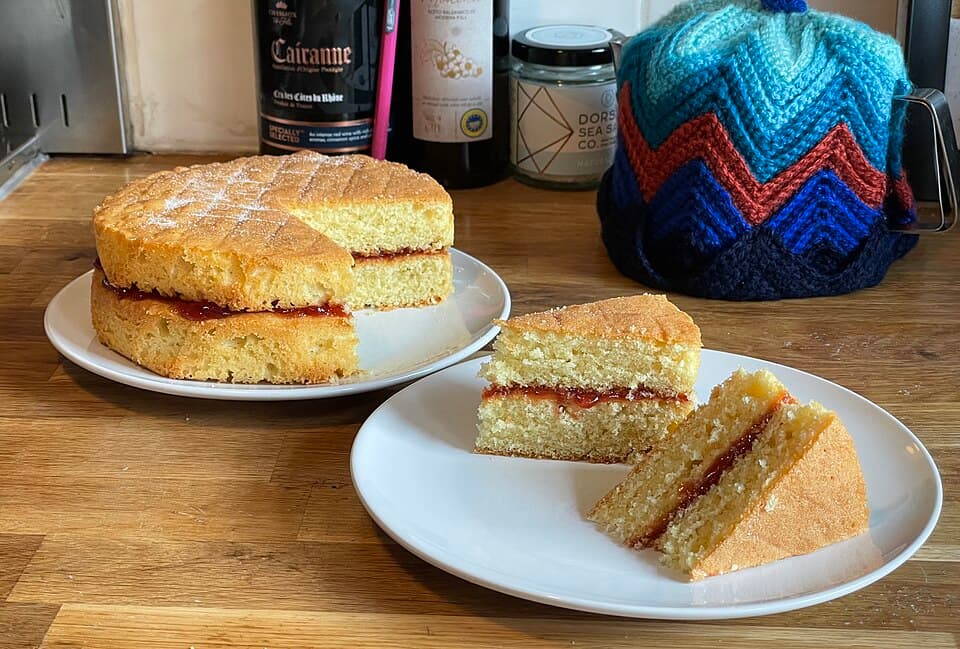
Sponge Cake (Bulgarian Influence)
A light, airy sponge cake brought by the Bulgarian communities, usually served with tea or coffee at family gatherings.
Traditional Beverages
Discover Moldova's traditional drinks, from locally produced spirits to regional wines.
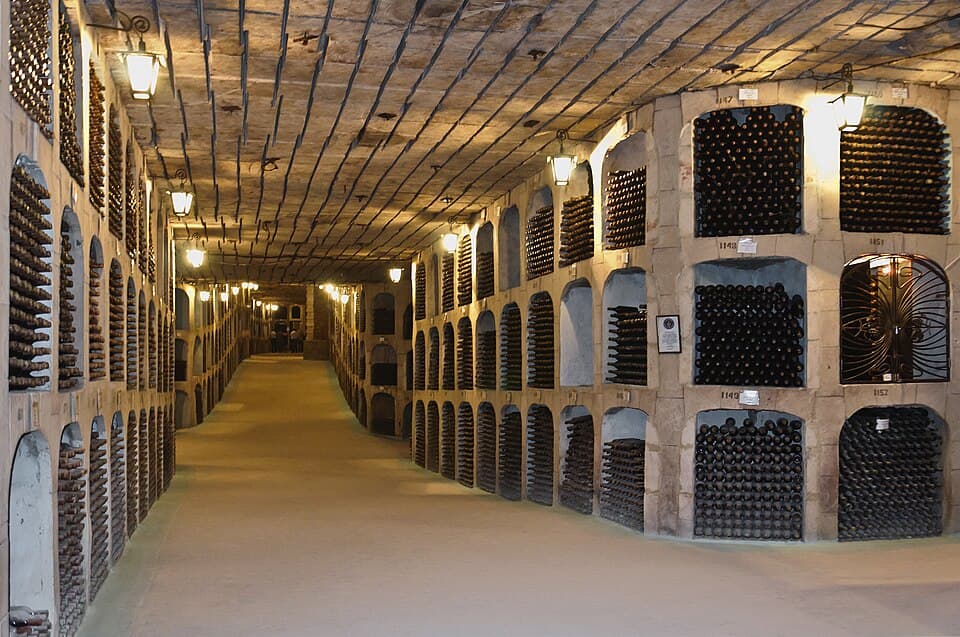
Moldovan Wine
The country's pride, with a wine culture that goes back centuries and bottles that hold their own anywhere. Tour the underground cellars at Mileștii Mici and Cricova. Both reds and whites are very good and cost little, and no trip here feels complete without them.
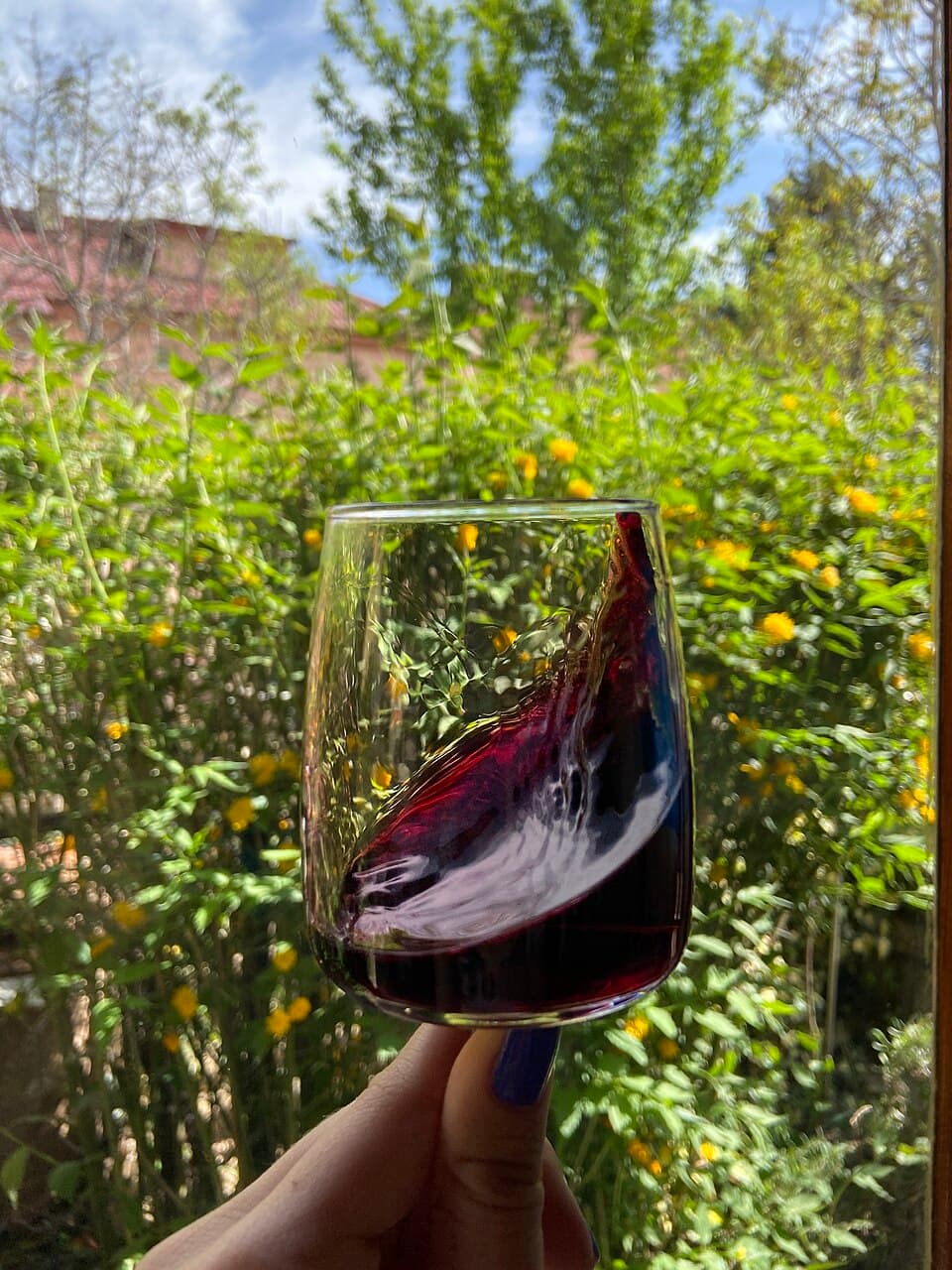
Homemade Wine
Almost every Moldovan family makes its own wine. Stay with locals or pass through the villages and you will likely be handed a glass of the household vintage. The quality is hit or miss, but the gesture is worth more than the wine.
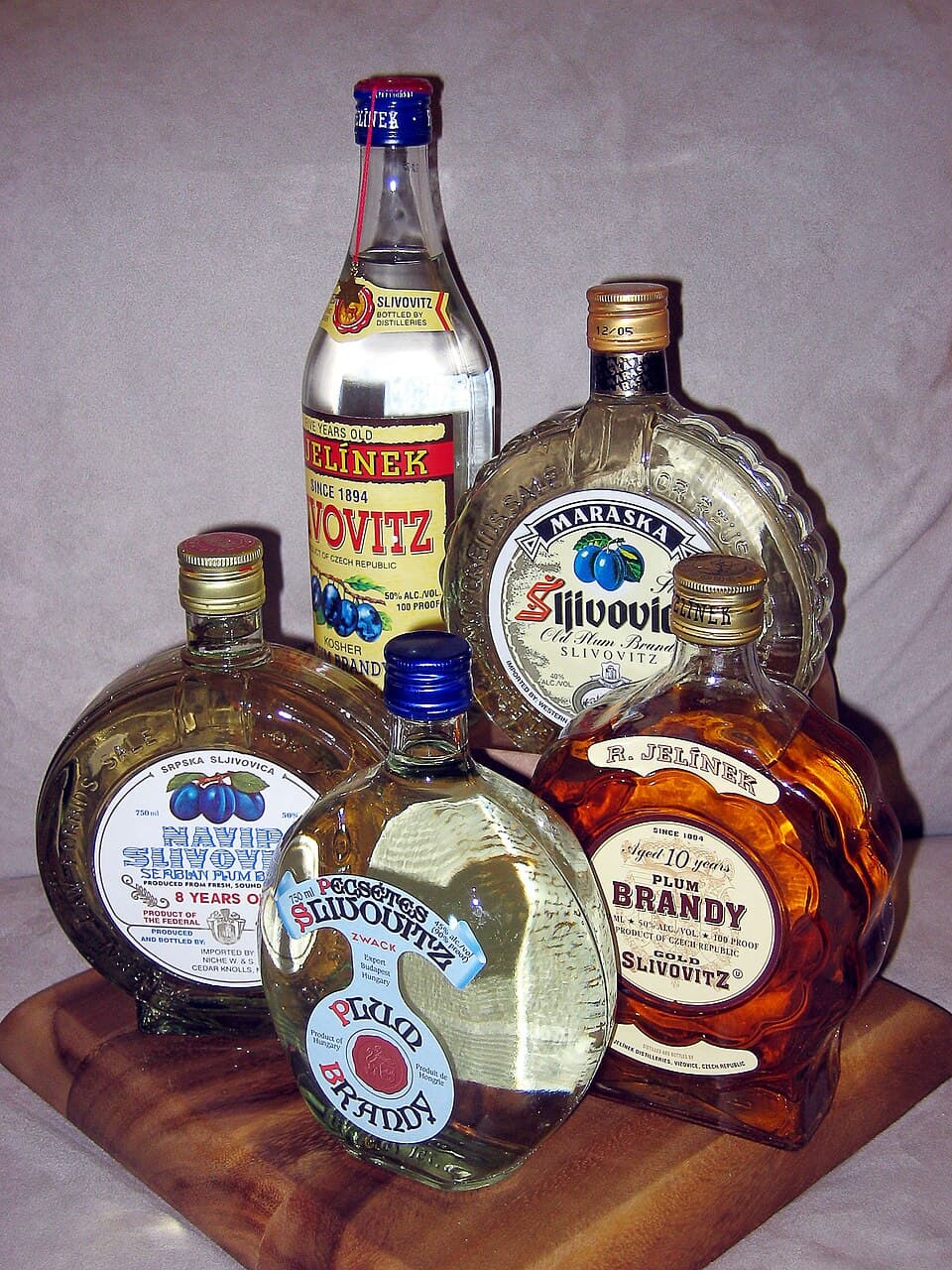
Rachiu (Fruit Brandy)
A fruit brandy distilled from plums, apples or whatever else is to hand. Strong and aromatic, it comes out at celebrations and family gatherings.
Soft Beverages
Discover Moldova's traditional non-alcoholic drinks, from local teas to refreshing juices.
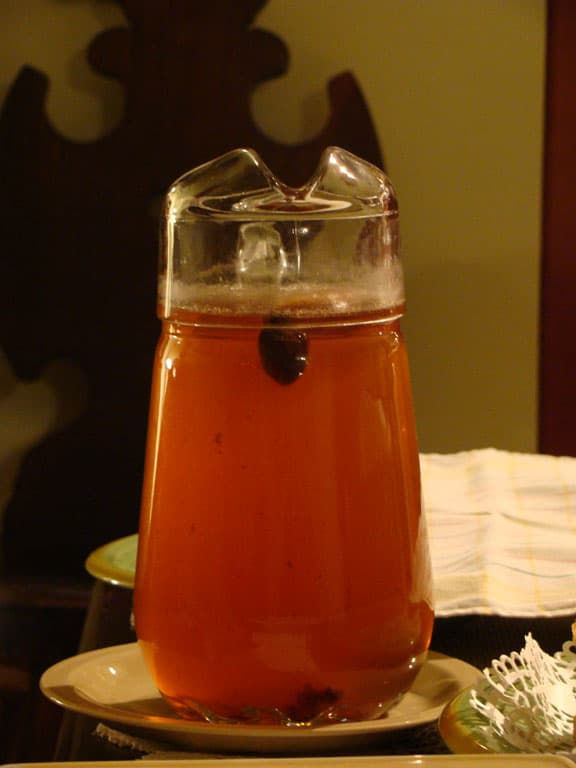
Compot
A fruit drink made by boiling fresh or dried fruit with sugar, served either chilled or warm. Naturally sweet and easy to drink, it turns up at family meals and in restaurants.
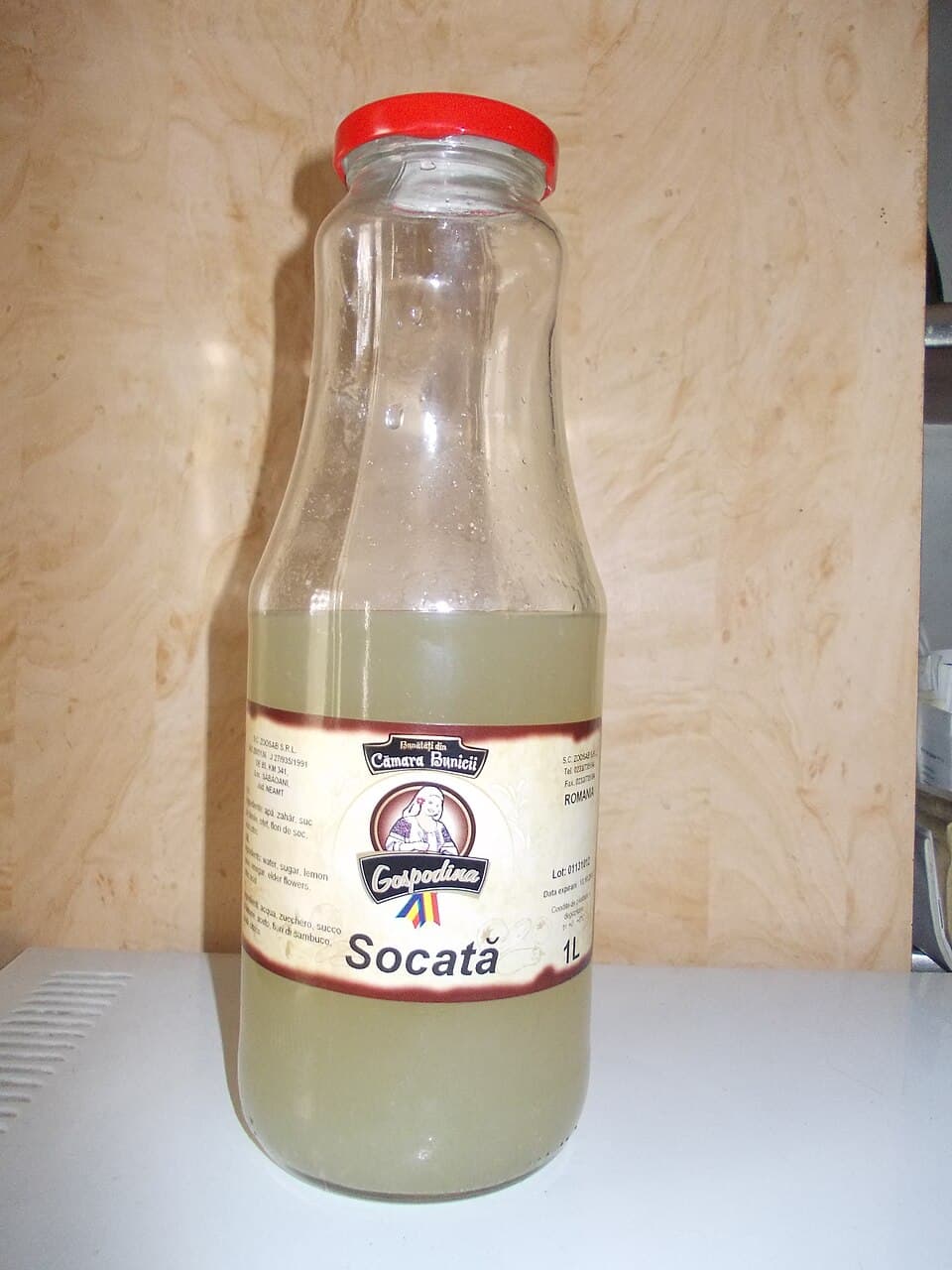
Socată (Elderflower Drink)
A fermented elderflower drink, lightly fizzy and floral. People make it in late spring when the elderflowers bloom. Think elderflower cordial, but with a natural ferment behind it.
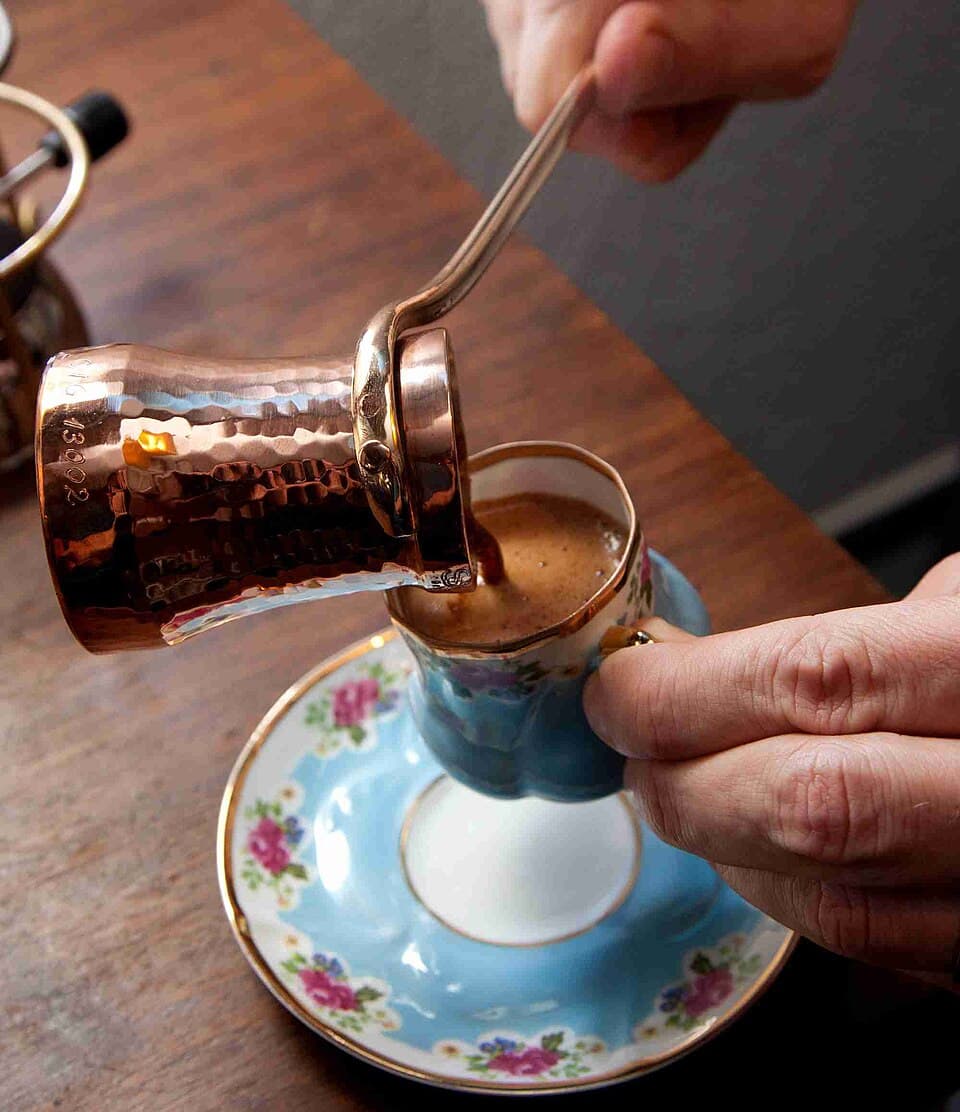
Turkish Coffee (Gagauzia)
In Gagauzia the coffee is Turkish-style: finely ground, boiled with water and sugar in a cezve pot. Strong, thick and aromatic.
Frequently Asked Questions
Essential information about food and dining in Moldova.
What is the national dish of Moldova?
Moldova's most iconic dishes include Mămăligă (Mamaliga), Plăcintă (Placinta), Sarmale. Moldova's defining dish: a moist cornbread with the texture of thick polenta, cooked down until it holds firm enough to cut with a fork. This old peasant staple comes with mujdei (garlic sauce), sheep's cheese, pickles, meat stew, fried fish, scrambled eggs or mushroom stew (ciulama). You will see it at every traditional meal and every celebration.
Is street food safe in Moldova?
Street food in Moldova can be enjoyed safely by following these guidelines: Bottled water recommended in rural areas Choose vendors with high turnover for fresh plăcintă. Look for busy vendors with high turnover, ensure food is cooked fresh and served hot, and avoid raw ingredients if you have a sensitive stomach.
What are the best restaurants in Moldova?
Moldova offers diverse dining options from street food stalls to upscale restaurants. For the best experience, ask locals for recommendations, check recent reviews, and look for restaurants that specialize in regional cuisines.
Can vegetarians find food easily in Moldova?
Vegetarian options in Moldova are highly available. Vegetarians eat well in Moldova. Mămăligă comes with cheese or mushroom stew (ciulama), plăcintă are filled with cheese, cabbage or potato, and zeamă turns up in meat-free versions too. Traditional restaurants are used to the request.. Many restaurants offer vegetarian dishes, and you'll find plant-based ingredients featured prominently in local cuisine.
What is the average cost of a meal in Moldova?
Meal costs in Moldova depend on where you eat. Street food and casual local restaurants are very affordable, typically offering complete meals for a few dollars. Mid-range restaurants charge moderate prices, while fine dining establishments are comparably priced to Western countries.
What are common food allergens in Moldova?
Common allergens in Moldova cuisine include Dairy, Gluten, Eggs. Cheese, sour cream, and milk products are fundamental to Moldovan cuisine. These ingredients appear in dishes like Plăcintă with brinza cheese, Sarmale served with sour cream. Always inform restaurant staff about your allergies.
When is the best time to visit Moldova for food?
Moldova offers great food experiences throughout the year. However, visiting during harvest seasons (typically spring and autumn) provides access to the freshest local ingredients. Food festivals and cultural celebrations also offer unique culinary experiences worth planning around.