
Albania Food Guide
Content Information
Recently updated🔥Current Food Trends 2026
What's happening in Albania's culinary scene right now
In 2026, Albanian cooking sits at the meeting point of the Adriatic and the Balkans, with Ottoman roots, Mediterranean produce, mountain traditions, and a fast-growing food tourism scene all pulling at it. Summer along the coast is warm and dry, which suits long lunches of grilled fish and late dinners outdoors, while the highlands stay cooler. The tourism surge on the Albanian Riviera keeps pushing restaurant investment in Sarandë, Vlorë, and Himarë, where beachfront dining has expanded year after year. In Tirana, the dining scene keeps shifting: Mullixhiu works on a farm-to-table model built around Albanian ingredients, Oda reworks old recipes in a contemporary room, and Ceren focuses on Albanian comfort food. Ottoman cooking still shapes the everyday table, from byrek and qofte to tavë kosi and baklava, all carried over from centuries of Turkish rule. The pantry pulls in two directions at once: fresh seafood off the Adriatic, lamb from the highlands, and vegetables from the valleys inland. Albanian olive oil keeps earning attention abroad, and the wine revival continues, with indigenous grapes like Shesh i Zi, Kallmet, and Puls showing up in the Berat and Përmet wine regions. Raki, the homemade grape brandy that counts as a national spirit, still arrives alongside meze at most tables. Coffee runs through daily life here, with espresso bars on nearly every corner and Turkish coffee kept for slower moments. Slow Food has a foothold too, in Përmet's qumështor dairy products, Korçë's brewing history, and Gjirokastër's stone houses and hospitality. The religious mix shapes the food as well: a Muslim majority (58%) means halal is easy to find, and the Orthodox Christian community (17%) keeps its own holiday traditions. Prices stay low by Western European standards, which is part of why food-minded travelers keep coming.
Food Safety Tips
Essential food safety information to help you enjoy Albania's cuisine safely and confidently.
Check food hygiene standards in Albania
Food hygiene in Albania is generally solid, but it pays to stick with restaurants that look clean and well kept.
Drink bottled water in Albania
Stick to bottled water in Albania, particularly out in rural areas where the supply can be inconsistent.
Be cautious with street food in Albania
Albanian street food is usually safe and worth trying. Pick vendors who are busy and keep a clean stall.
Dietary Options
vegetarian
MEDIUM AVAILABILITYVegetarian food is easier to find in Albania than it used to be, especially in cities and tourist towns.
vegan
LOW AVAILABILITYVegan choices are thin on the ground, since most traditional dishes lean on animal products. Bigger cities do have a few dedicated spots.
gluten-free
LOW AVAILABILITYGluten-free food can be hard to track down in Albania. It helps to learn a few phrases so you can explain what you can't eat.
halal
MEDIUM AVAILABILITYWith a Muslim-majority population (58%), halal food is easy to come by, especially in cities. Plenty of restaurants serve halal meat without needing formal certification, so traditional Albanian places are a safe bet.
kosher
VERY LOW AVAILABILITYKosher food is extremely rare in Albania, which has a Jewish community of only around 200 people. There are no kosher restaurants and no certification setup. Observant travelers will need to bring their own provisions or get by on sealed international products, fresh produce, and naturally kosher items.
Common Allergens
Nuts
MEDIUM PREVALENCENuts turn up often in Albanian cooking, mostly in desserts but also in a few savory dishes.
COMMONLY FOUND IN:
Dairy
HIGH PREVALENCEDairy shows up everywhere in Albania and anchors a lot of traditional dishes.
COMMONLY FOUND IN:
Wheat
HIGH PREVALENCEWheat is a staple here, going into bread, pastries, and plenty of other foods.
COMMONLY FOUND IN:
Essential Food Experiences
These iconic dishes represent the must-have culinary experiences that define Albania's food culture for travelers.
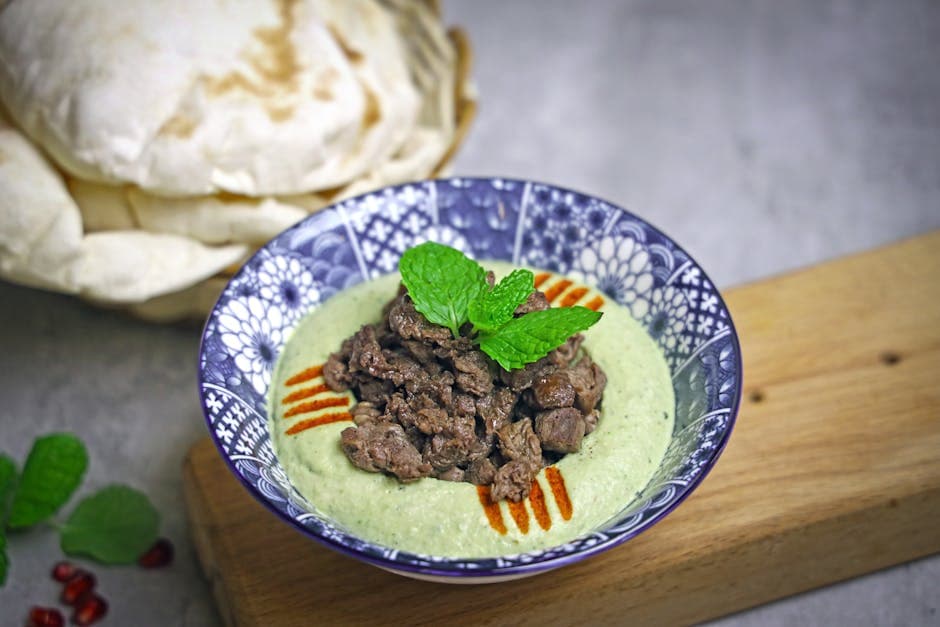
Tavë Kosi (Baked Lamb with Yogurt)
Albania's national dish and a deep comfort food. Lamb is baked under a creamy yogurt-and-egg sauce with rice, oregano, and garlic until the top sets into a golden crust and the meat turns fork-tender. It comes from Elbasan in Ottoman times. The story goes that 15th-century residents made it for an Ottoman sultan using leftover lamb that had been marinated in yogurt. You'll see it at family gatherings and on special occasions.
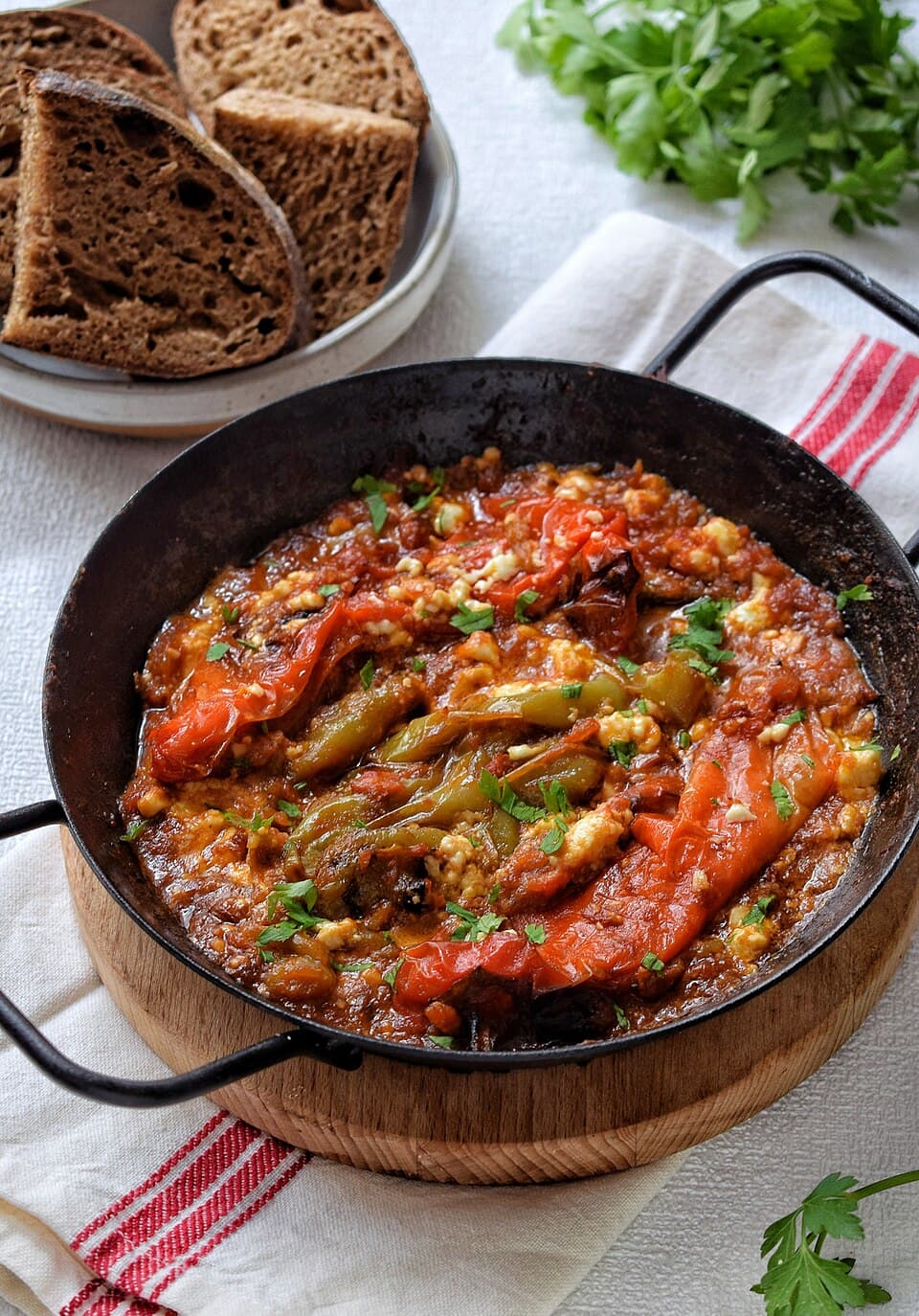
Fërgesë Tirane (Tirana Casserole)
Tirana's signature dish: peppers, tomatoes, and gjizë (cottage cheese) baked together. The name comes from 'fërgoj', meaning 'to fry'. There are two versions, one with peppers (the Tirana style) and one with liver (the Elbasan style), and the pepper one is the more popular of the two. It arrives bubbling hot, with crusty bread for dipping. This is everyday urban Albanian cooking at its most reliable.
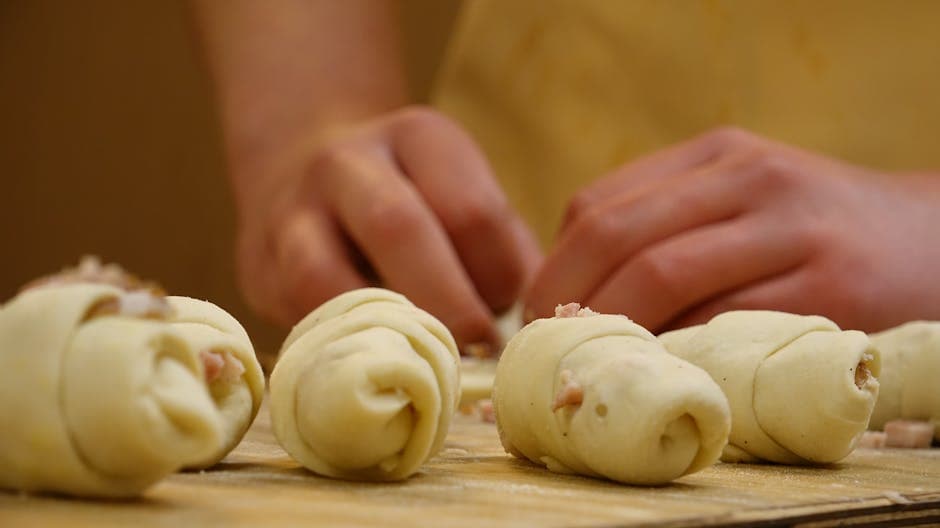
Byrek (Savory Pie)
Probably the most widely eaten food in Albania, and cheap to boot. Layers of phyllo dough are filled with cheese, spinach, meat, or tomatoes. It traces back to the Ottoman Empire, where it's börek in Turkey and burek across the Balkans. Buy it from street vendors and bakeries in the morning, when it's just out of the oven. Fillings shift by region: the coast sometimes works in seafood, while the mountains lean toward heartier meat. People eat it for breakfast, lunch, or as a snack at any hour.
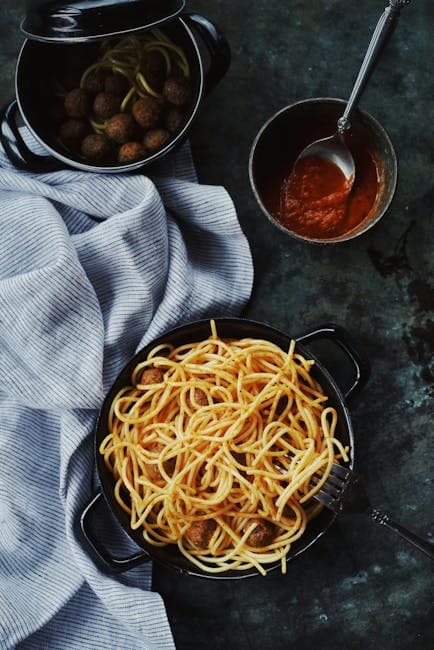
Qofte (Albanian Meatballs)
Meatballs made from minced beef, chicken, lamb, or pork mixed with herbs, spices, and vegetables, then grilled, baked, or deep-fried. They're at their best off a charcoal grill, where they pick up a smoky edge. The most famous qofte shop is Te Met Kodra, near Pazar i Ri in Tirana. They come with bread, salad, and yogurt sauce, and you'll find them at restaurants and on home tables alike. The Balkans and the Middle East have their own takes, but the Albanian one stands on its own.
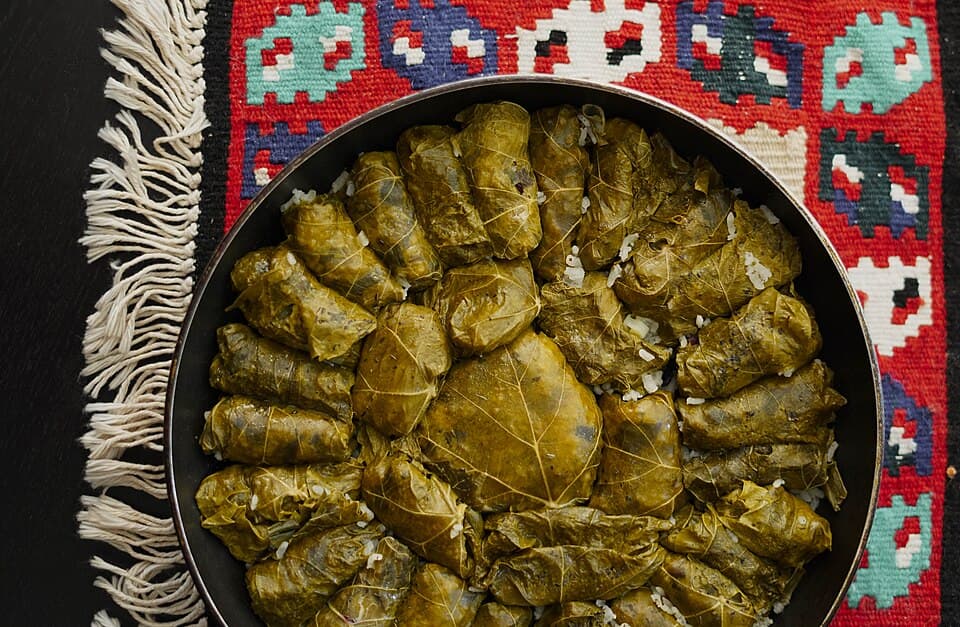
Japrak (Stuffed Grape Leaves)
The Albanian take on dolma: grape leaves wrapped around rice, minced meat, and herbs, then slow-cooked until tender and served with yogurt sauce. It's a staple in Berat and across southern Albania, usually made in big batches for family gatherings. The wrapping itself is a social affair, with relatives sitting down together to roll hundreds of leaves. The dish carries both Mediterranean and Ottoman influences.
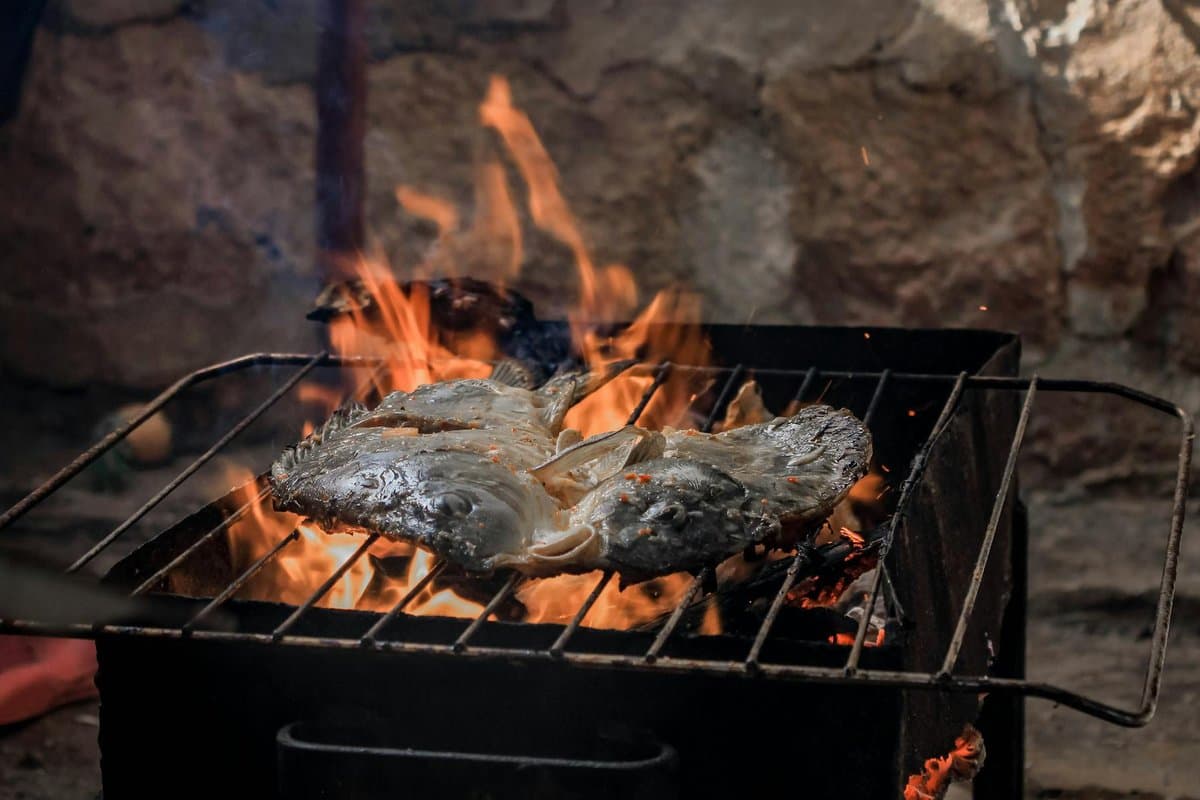
Peshk në Zgarë (Grilled Fish)
Whole Adriatic fish grilled over charcoal and kept simple with olive oil, lemon, garlic, and herbs. It's a coastal staple in Sarandë, Vlorë, Himarë, and Durrës. Common catches are sea bass, gilt-head bream, and red mullet, often finished with white vinegar and virgin olive oil from southern Albania. It's served with fresh salad and crusty bread, and it sums up the country's Mediterranean coast cooking.
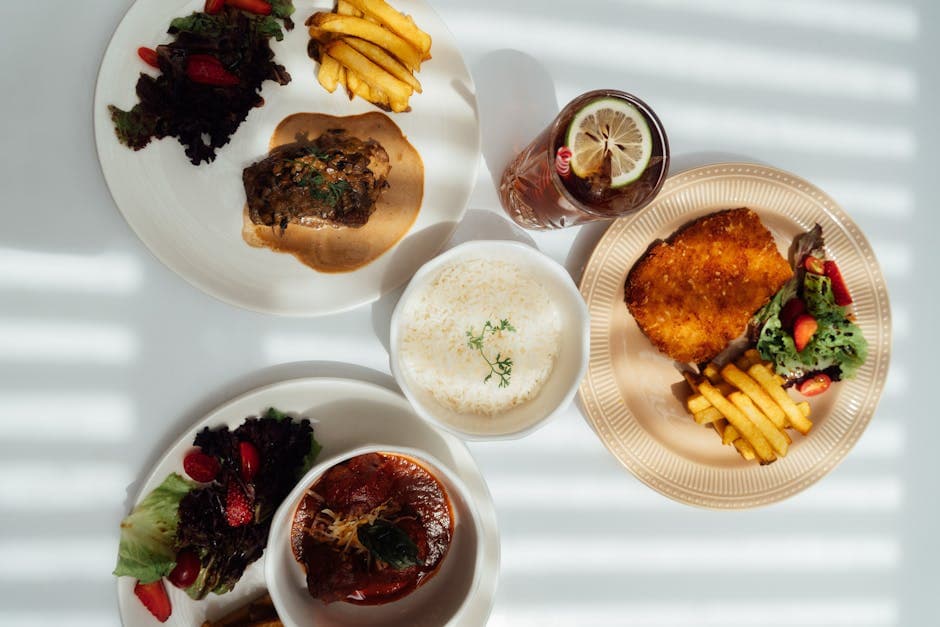
Jani me Fasule (Bean Soup)
A filling white bean soup with vegetables and herbs, sometimes meat, that highland communities lean on through winter. It simmers for hours until it turns creamy. Versions vary by region: some cooks fold in smoked meat, others keep it vegetarian. It's served with cornbread and stands for the sustaining mountain food of inland Albania.
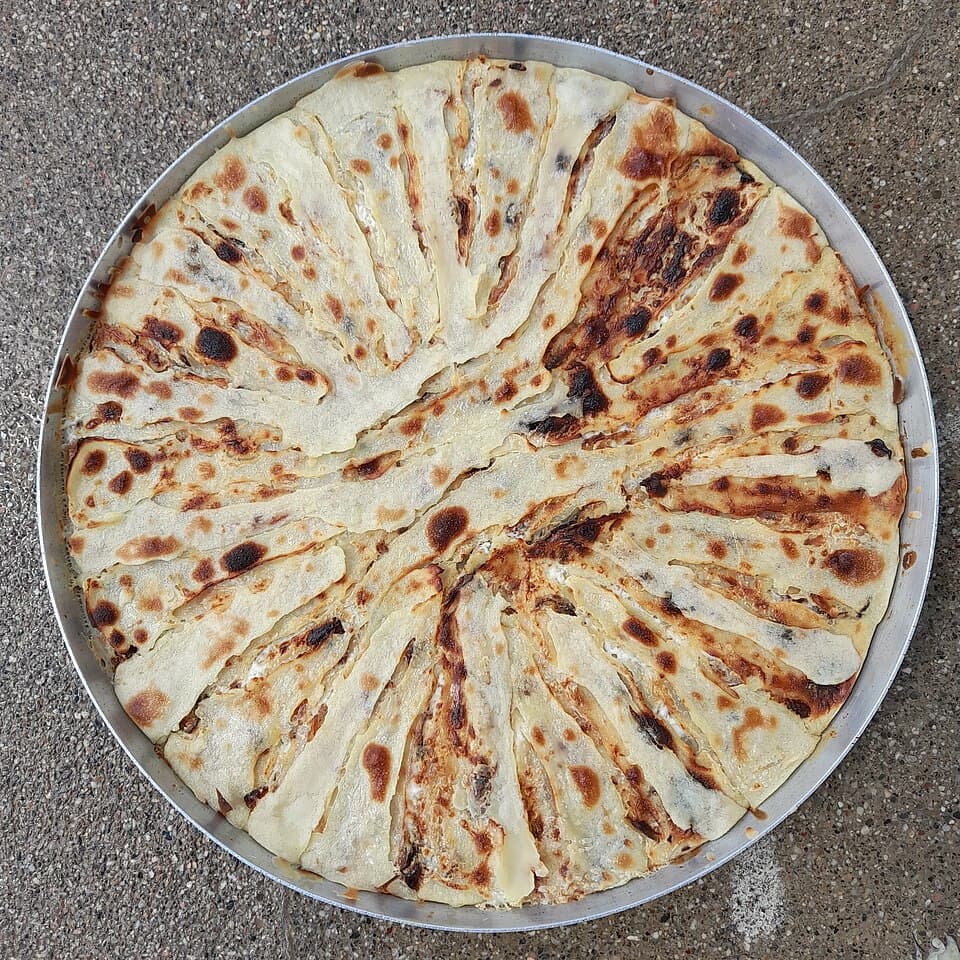
Flija (Layered Pancake)
A layered pancake from northern Albania and Kosovo. Thin layers of batter are cooked one at a time and brushed with cream in between, so the whole thing builds up into something cake-like. It's done over an open fire with coals set on top for even heat. Because it takes so long, it's reserved for special occasions. It's cut into wedges and can go savory or sweet. For Albanians it stands for both hospitality and patience.
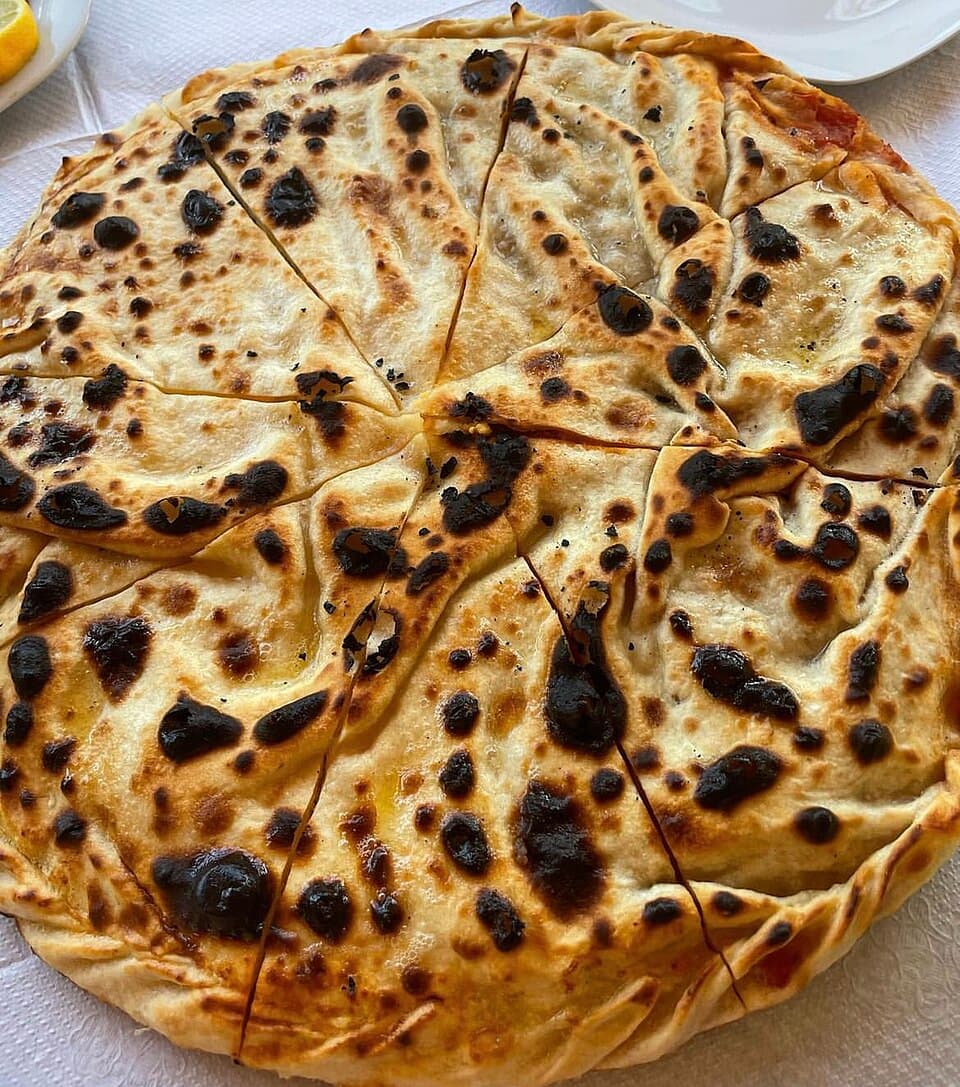
Lakror (Savory Pie)
A savory pie from southern Albania, above all Gjirokastër. Corn-flour or wheat dough is filled with wild greens, leeks, and onions, sometimes cheese or meat, then baked until golden and crisp. Recipes get handed down within families, so they differ house to house. You can order it at Piazza Restaurant in Gjirokastër. It's not byrek: the crust is thicker and more rustic.
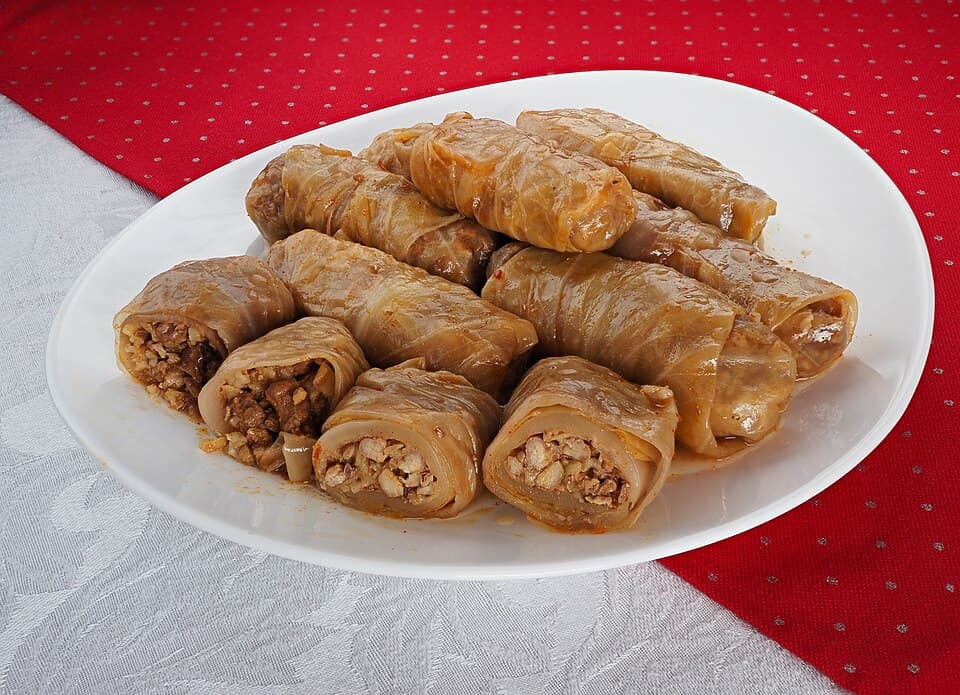
Sarma (Cabbage Rolls)
Cabbage leaves filled with rice and chopped meat, then slow-cooked in tomato sauce. It's mostly a northern dish, made around Shkoder, though this Ottoman-rooted recipe turns up across the Balkans. Cooks make big quantities for winter celebrations and serve it with bread and yogurt. The work involved makes it a special-occasion meal that stands for family coming together.
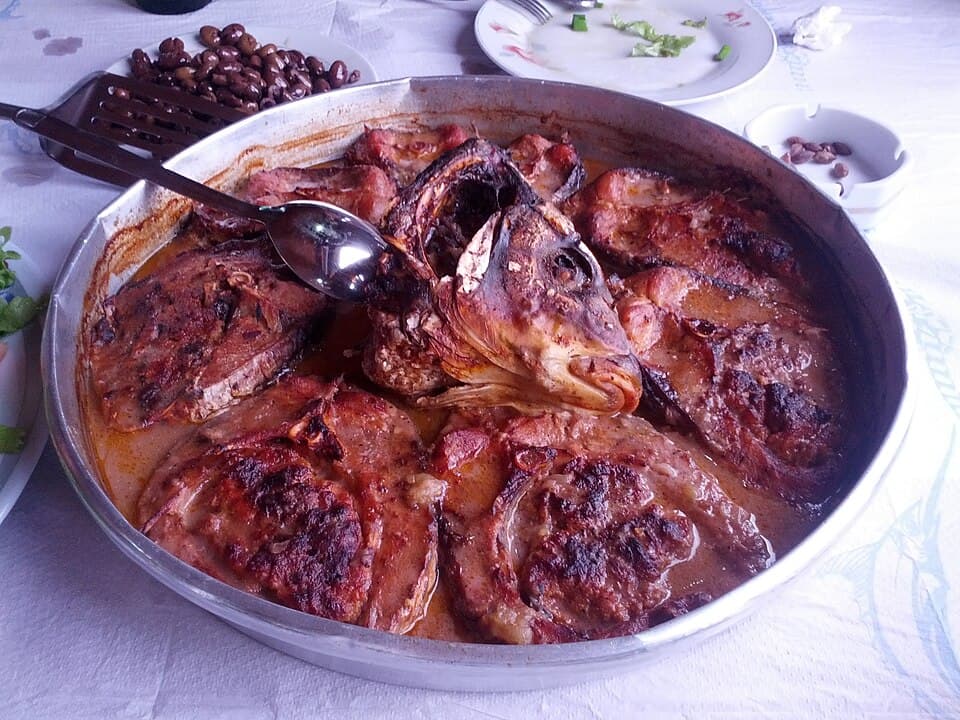
Tave Krapi (Baked Carp from Shkoder)
Shkoder's best-known dish: whole carp from Shkoder lake baked with oil, onions, garlic, grape vinegar, dried plums, sugar, and spices. The sweet-and-sour result is particular to northern Albania. Lake fish sits at the center of Shkoder cooking, a reflection of a region with access to lake, river, and sea, and the fish traditions that come with it.
Regional Specialties & Local Favorites
Discover the authentic regional dishes and local favorites that showcase Albania's diverse culinary traditions.
Qofte (Meatballs)
Meatballs made from ground meat and spices, served all kinds of ways, from grilled to stewed.
Speca të Mbushura (Stuffed Peppers)
Bell peppers filled with rice, ground meat, and vegetables. You'll see it on tables across the country.
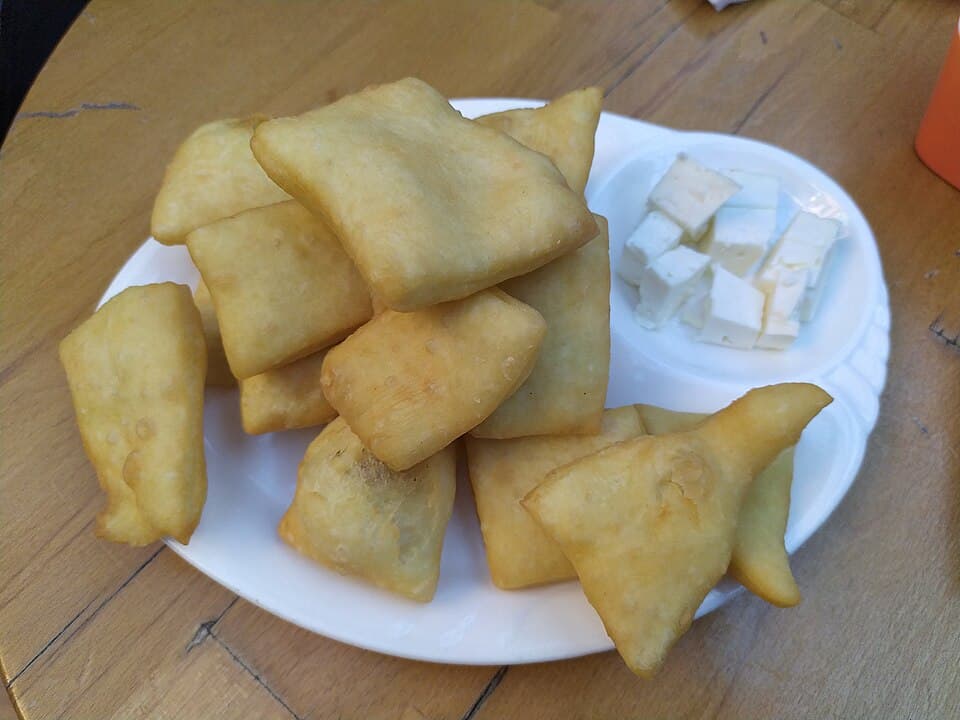
Petulla (Fried Dough)
Deep-fried dough balls, usually dusted with powdered sugar or drizzled with honey. They're a favorite at Gjirokastër's Piazza Restaurant and from street vendors.
Allergens:
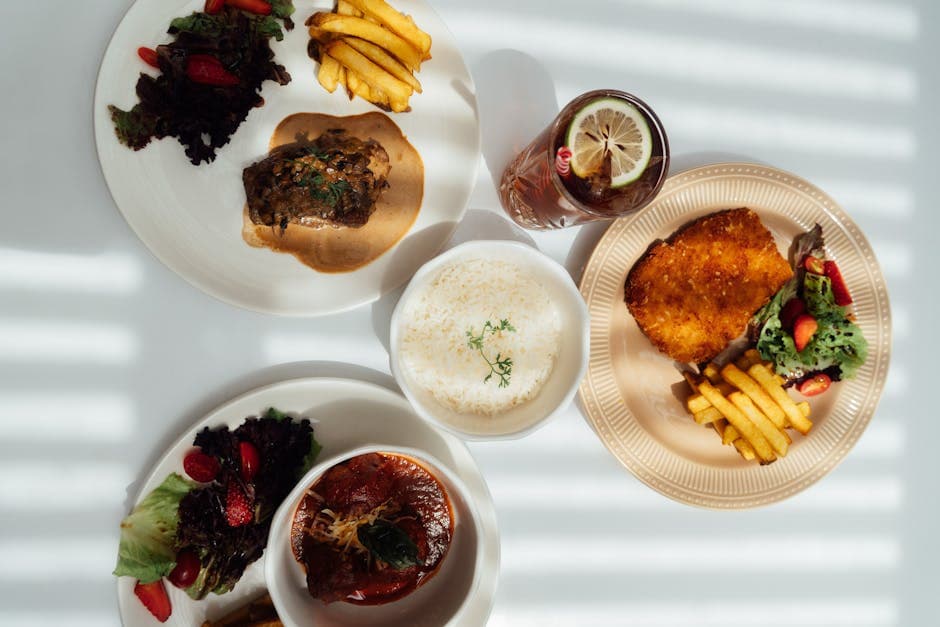
Sufllaqe (Albanian Gyro)
An Albanian street-food staple: grilled meat, usually chicken or pork, tucked into pita with fresh vegetables, fries, and sauce. It's the local cousin of the Greek gyro and the Turkish doner. Vendors sell it all over Tirana and the tourist areas. Quick, filling, and cheap, it's an easy meal on the go.
Allergens:
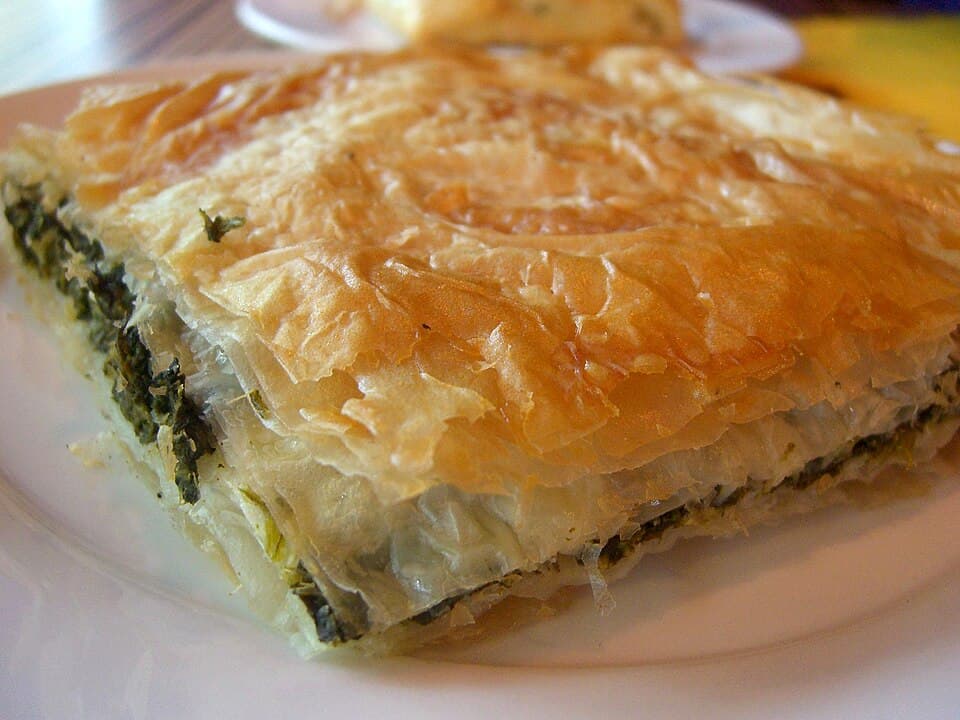
Byrek me Spinaq (Spinach Pie)
A vegetarian byrek filled with spinach, onions, herbs, and sometimes feta. It's lighter than the meat versions and a common breakfast or lunch. Every bakery and street vendor seems to have it, and it's best eaten warm and fresh.
Allergens:
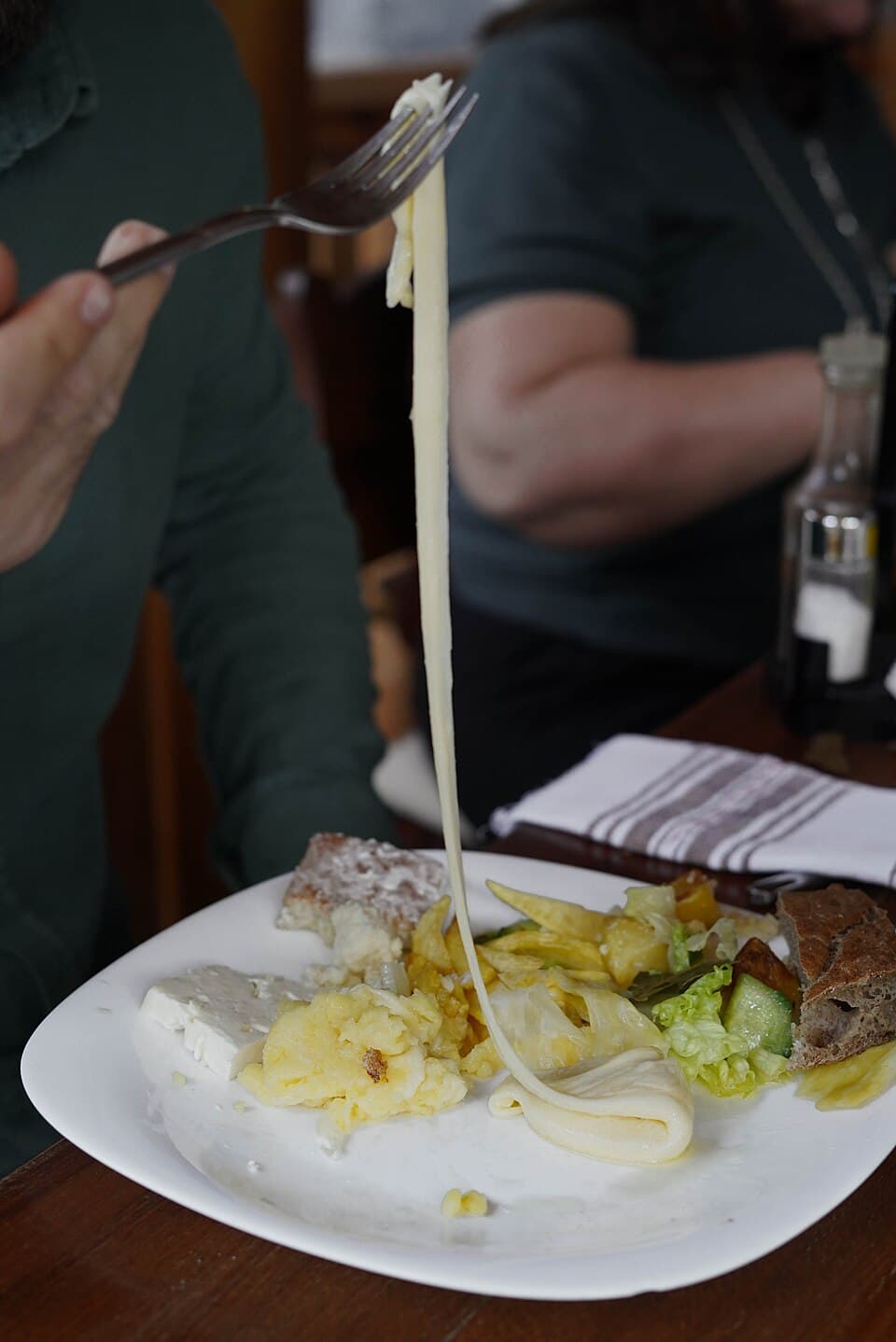
Kackavall (Grilled Cheese)
An Albanian hard cheese, close to kashkaval, grilled until it's crisp outside and molten within. It's served as an appetizer or meze with bread, and sometimes breaded and fried instead. Restaurants and taverns pour it with raki.
Allergens:
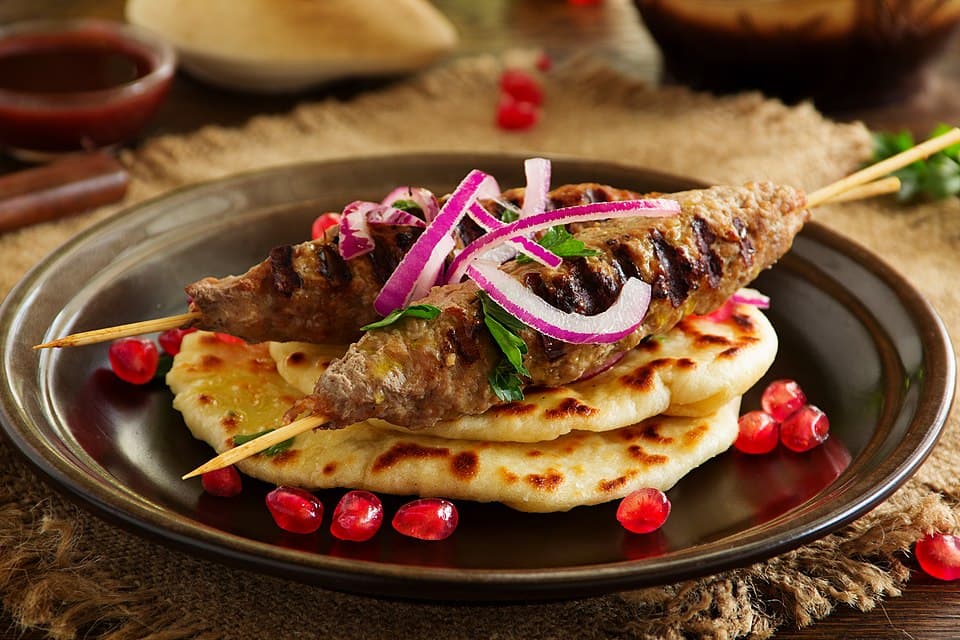
Qebapa (Grilled Sausages)
Small grilled sausages of minced meat, a favorite in the mountain regions and a close relative of Balkan ćevapi. They come with bread, onions, and kajmak (clotted cream), sold at grill restaurants and street vendors. They're a clear sign of Albania's Balkan food ties.
Allergens:
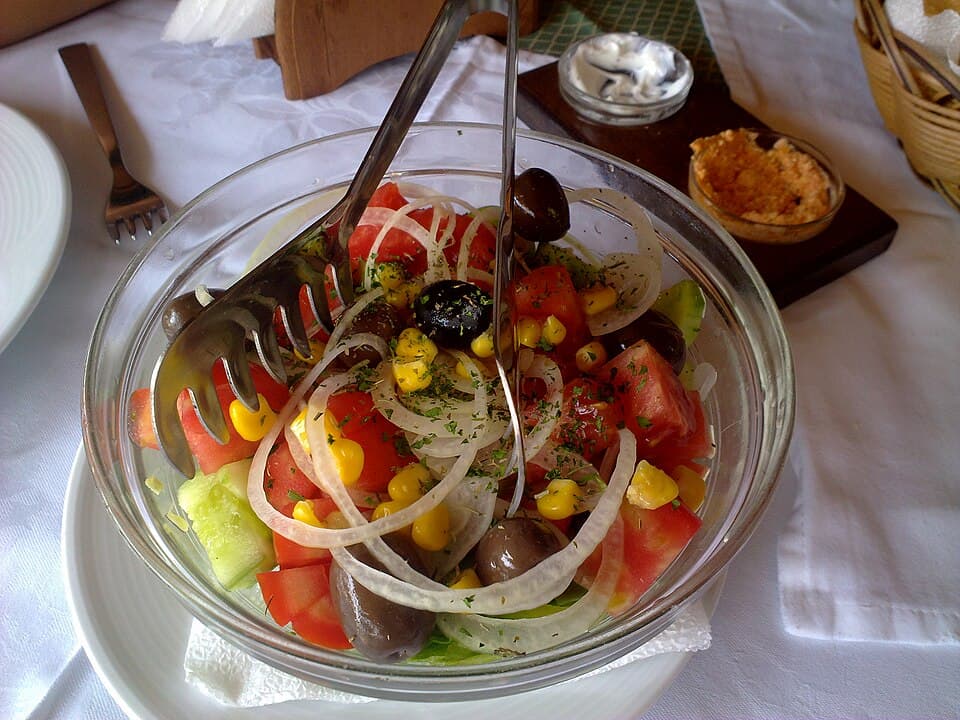
Fresh Albanian Salad
A plain, fresh salad of tomatoes, cucumbers, onions, peppers, olives, and feta-style white cheese, dressed with olive oil and vinegar. It comes with nearly every meal and lets the quality of the local vegetables and olive oil do the talking. It's a fixture of how Albanians eat.
Allergens:
Regional Cuisine Highlights
Explore the diverse culinary landscapes across different regions of Albania.
Tirana (Central Albania)
Tirana's food mixes the traditional with the modern. As the capital, it's where you can watch Albanian cooking change and pick up outside influences. The signature plate is fërgesë Tirane, a casserole of peppers, tomatoes, and gjizë cheese. Being near the sea gives the cooking a Mediterranean lean, and the range of ingredients that flow into the city opens the door to new combinations without losing the Albanian thread.
Cultural Significance:
Being the capital, Tirana is where you see Albanian food moving forward. Oda Garden in Pazari i Ri does a proper tavë kosi, while Mullixhiu sources from Albanian farms and reworks the old dishes with newer techniques. Together they map out what modern Albanian cooking looks like.
Signature Dishes:
- Fërgesë Tirane
- Byrek
- Qofte
Key Ingredients:
Shkodër (Northern Albania)
The cooking up north pulls from rural, coastal, and mountain life all at once. It draws on fish from Shkoder lake, the rivers, and the sea, alongside mountain meat like lamb and goat. Fish dishes such as tave krapi are well known, and the table also covers lamb, beef, pork, and chicken, plus local fruit and vegetables. Sarma is mostly a northern thing here. Corn bread, root vegetables, walnuts, and chestnuts round out the regional pantry.
Cultural Significance:
Shkoder's geography gives it a cuisine that combines lake, river, and sea fish with mountain meats. The north holds onto its own food traditions and reflects a rural, self-sufficient way of eating.
Signature Dishes:
- Tave Krapi (baked carp)
- Sarma (cabbage rolls)
- Lake fish preparations
- Mountain lamb dishes
Key Ingredients:
Korça (Southeast Albania)
Korça is known for hearty meat dishes and full flavors, among them tavë kosi and lakror në sach (meat baked in a pan). It also has a strong beer tradition, with Birra Korça brewed here since 1928. The cooler highland climate suits filling food, and goat-milk products set the area apart. The cooking reflects both the region's farming past and Ottoman influence.
Cultural Significance:
Korça's cooking carries its history as a cultural and farming hub, and its brewing heritage sets it apart from the rest of the country. Sitting up in the highlands, it leans toward warming, sustaining dishes.
Signature Dishes:
- Tavë Kosi
- Lakror në Sach
- Petulla
Key Ingredients:
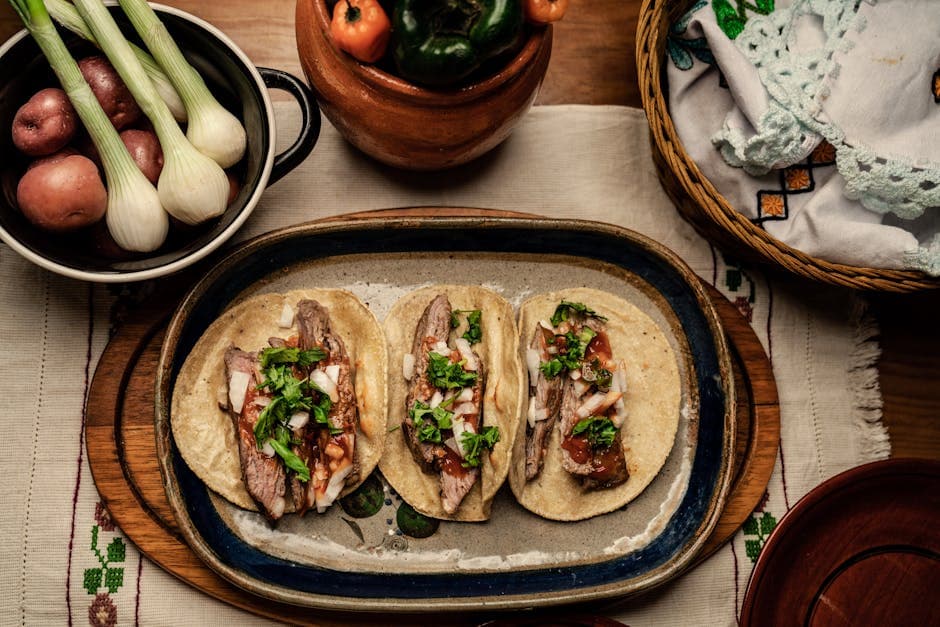
Gjirokastër (Southern Albania)
Gjirokastër cooks with fresh local ingredients, set against the town's stone architecture. The regional specialty is oshaf, the dried fig and grape dish, and you'll also find pasha qofte (meatball soup) and byrek me kungull (pumpkin byrek). Eating in this UNESCO-listed stone city has its own atmosphere, and the southern location brings Mediterranean influences into the food.
Cultural Significance:
Gjirokastër's food shows off the area's farm produce and older cooking methods, all within a historic stone city. Piazza Restaurant is a good place to try the regional dishes. It stands for southern Albanian food heritage and the hospitality that goes with it.
Signature Dishes:
- Pasha qofte (Meatball soup)
- Oshaf
- Byrek me Kungull (Pumpkin Byrek)
Key Ingredients:
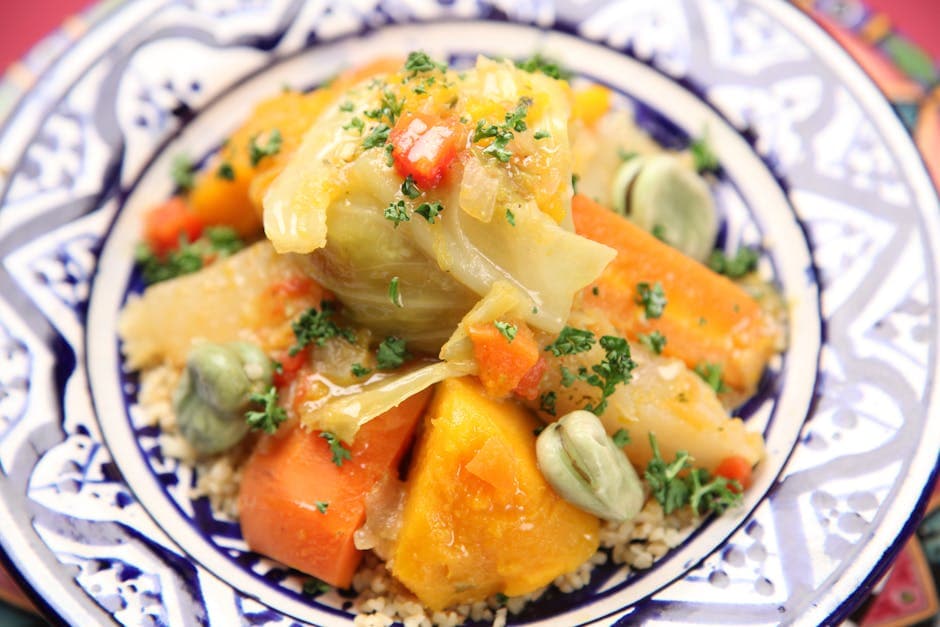
Albanian Riviera (Vlorë, Sarandë, Himarë)
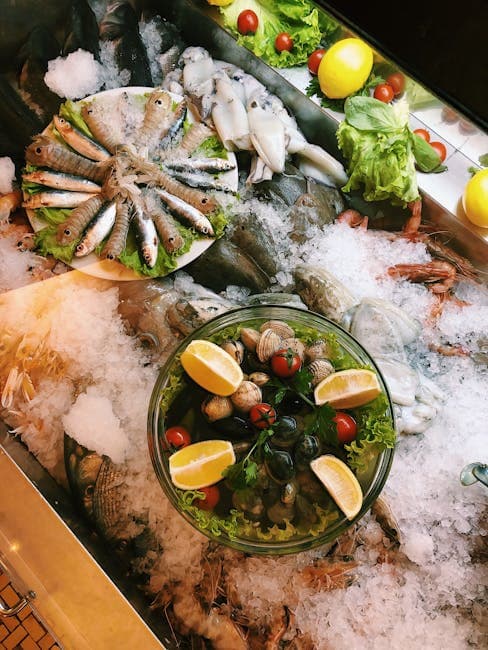
Cooking along the coast revolves around fresh Adriatic seafood: grilled fish, calamari, octopus, cuttlefish, red mullet, sea bass, and gilt-head bream. It's finished with white vinegar and virgin olive oil from southern Albania, and citrus grows well in the area. The tourism boom keeps pushing new beachfront restaurants. This is the Mediterranean diet at its most straightforward, fresh and simple.
Cultural Significance:
The Albanian Riviera is the Mediterranean face of Albanian cooking. Vlorë, Sarandë, and Himarë take their seafood seriously. Tourism has brought more polished coastal dining, even as the old fishing-village food culture holds on. The mild climate makes outdoor dining possible for much of the year.
Signature Dishes:
- Peshk në Zgarë (grilled fish)
- Calamari
- Octopus salad
- Fresh seafood platters
Key Ingredients:
Sweet Delights & Desserts
Indulge in Albania's traditional sweet treats and desserts.
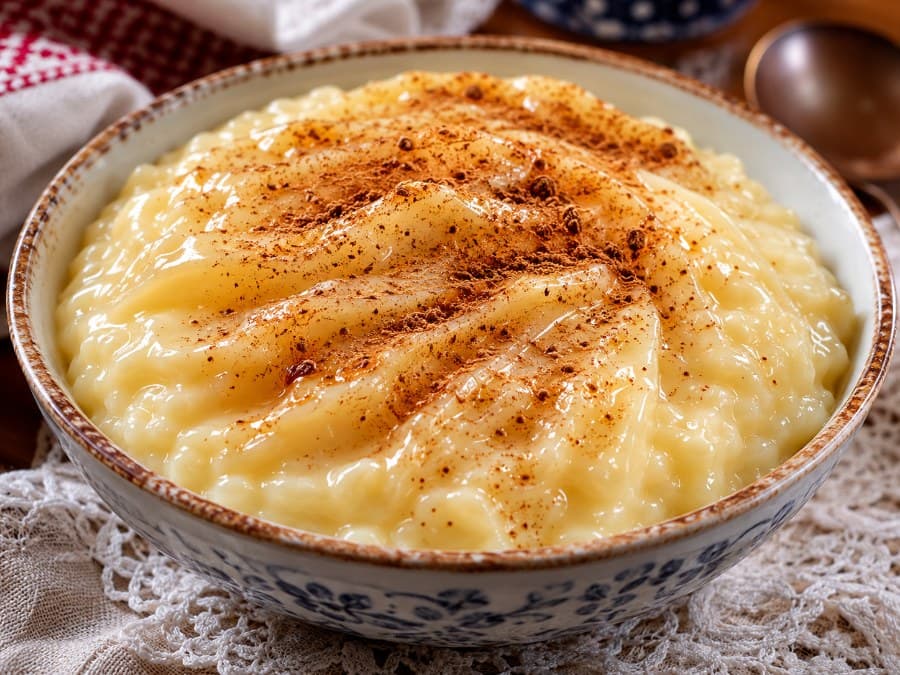
Hasude (Sweet Pudding)
An old-fashioned dessert of corn flour, sugar, and butter, usually scented with cinnamon or vanilla.
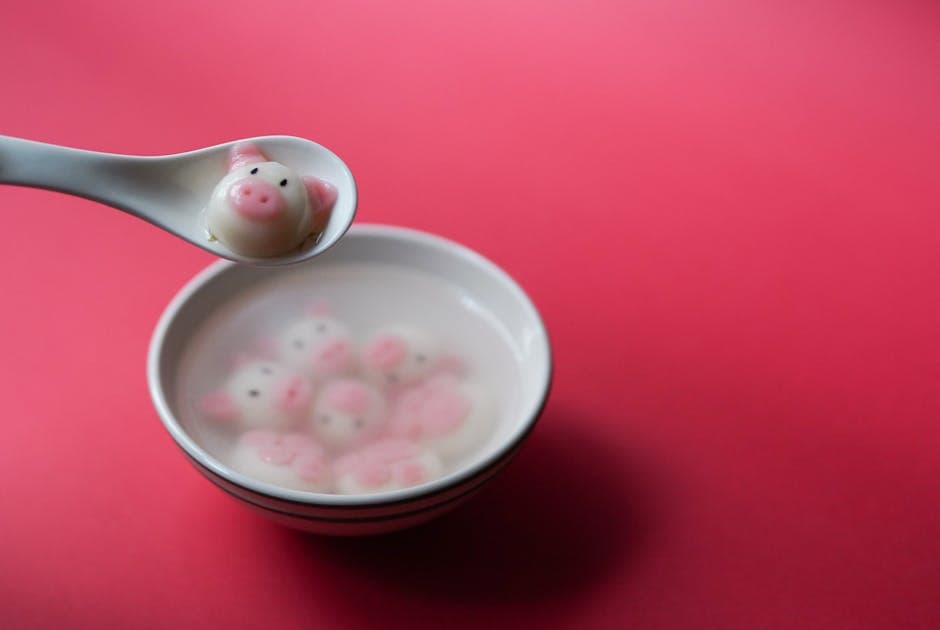
Kabuni (Rice Pudding)
A rich rice pudding built on caramelized sugar, raisins, and nuts, usually saved for special occasions.
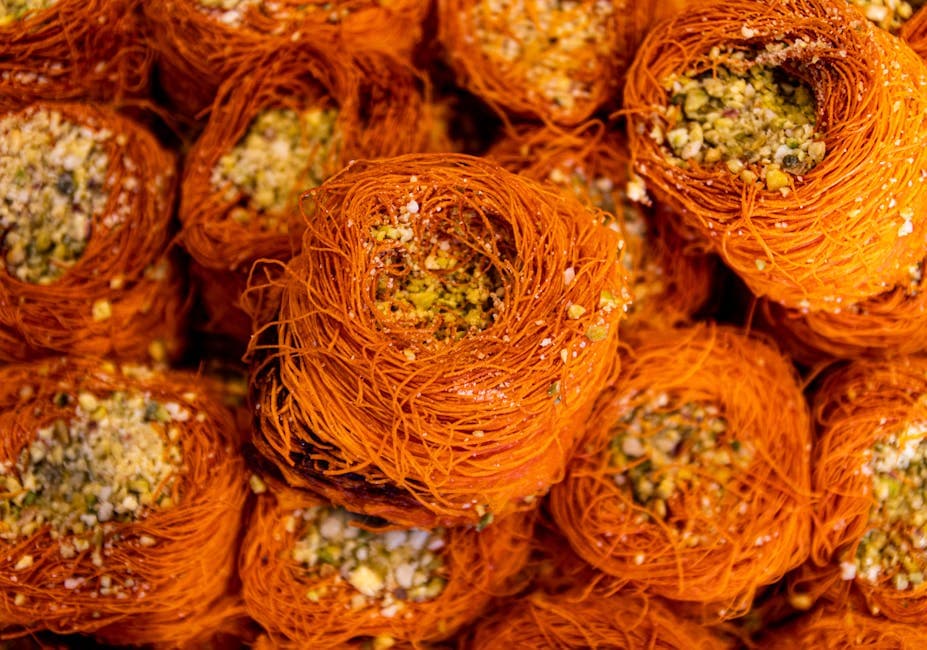
Kadaif (Shredded Pastry)
A sweet pastry of shredded phyllo soaked in syrup, often packed with nuts.
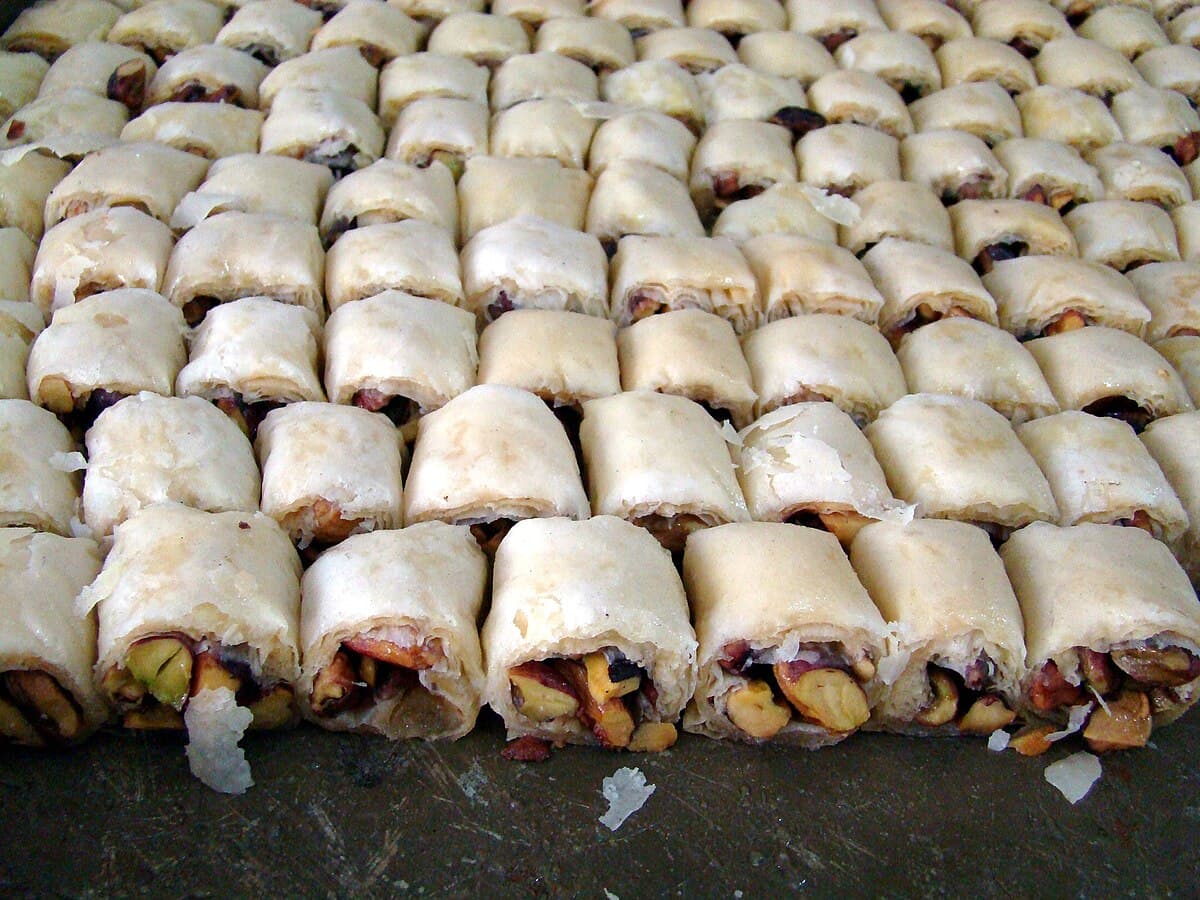
Albanian Baklava
Layers of phyllo with chopped walnuts, sweetened with honey or sugar syrup. The Albanian version follows Ottoman tradition but with its own local touches. It shows up at celebrations and in pastry shops, sweet and rich.
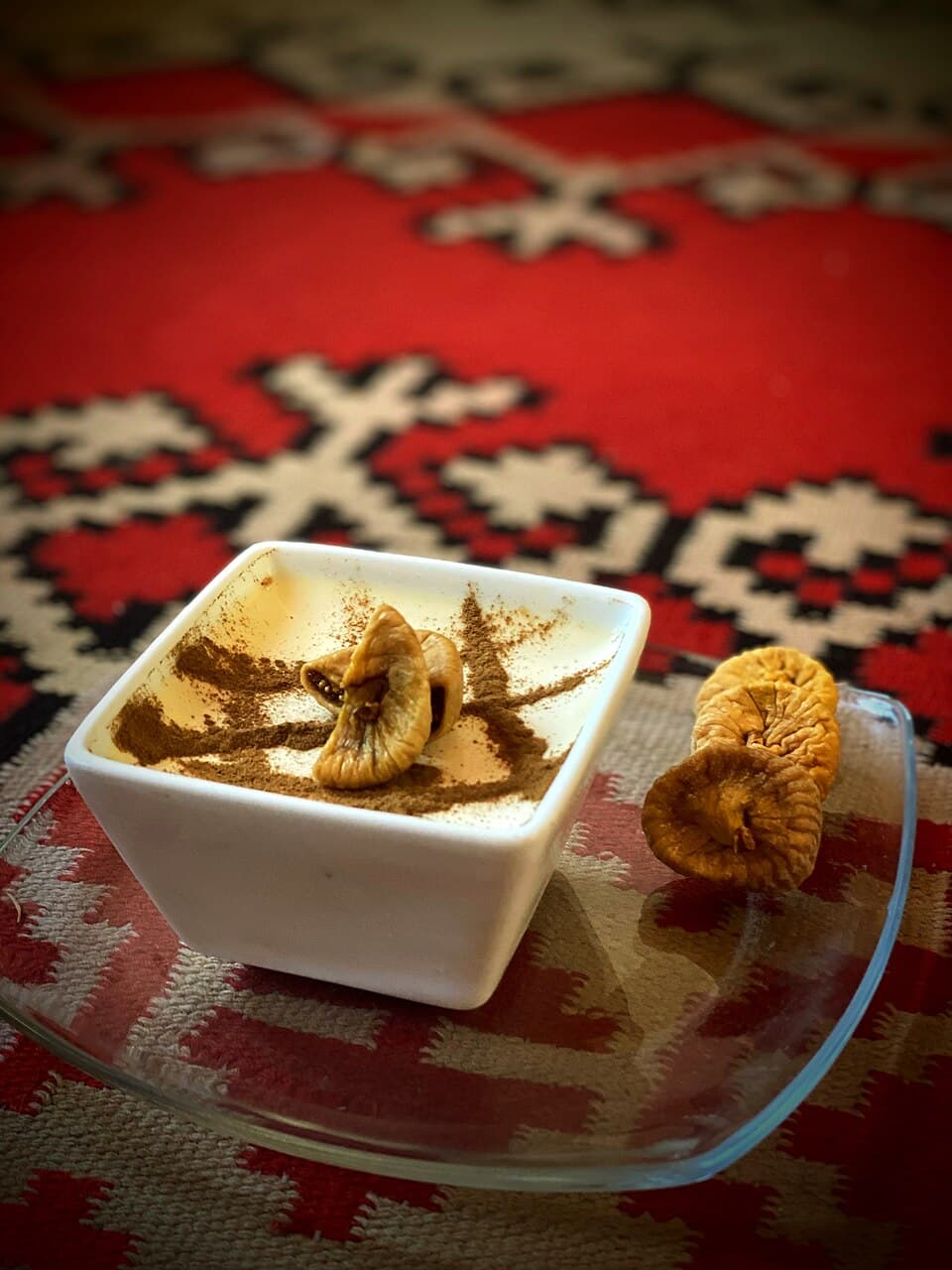
Oshaf (Dried Fig and Grape Dessert)
A Gjirokastër specialty: dried figs and grapes cooked in spiced syrup, served warm or cold. It's a winter dessert from the days when fresh fruit wasn't around, and it speaks to the southern habit of preserving fruit.
Traditional Beverages
Discover Albania's traditional drinks, from locally produced spirits to regional wines.
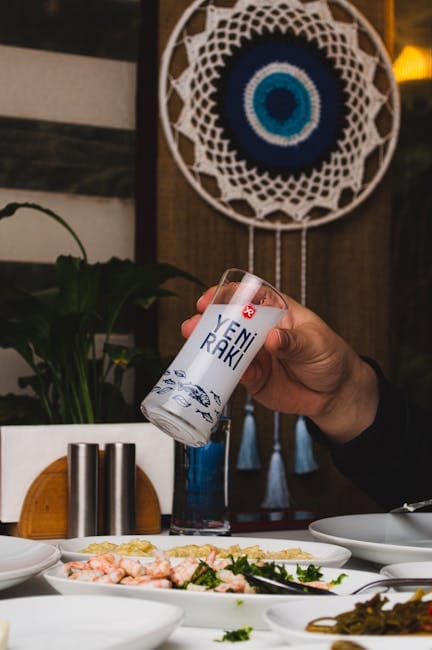
Raki (Grape Brandy)
Albania's national spirit, a strong grape brandy taken as an aperitif or a digestif. The homemade kind, raki shtëpie, is held to be the best. It's served neat or with water. Offering it to guests is part of how hospitality works here, and it pairs naturally with a spread of meze.
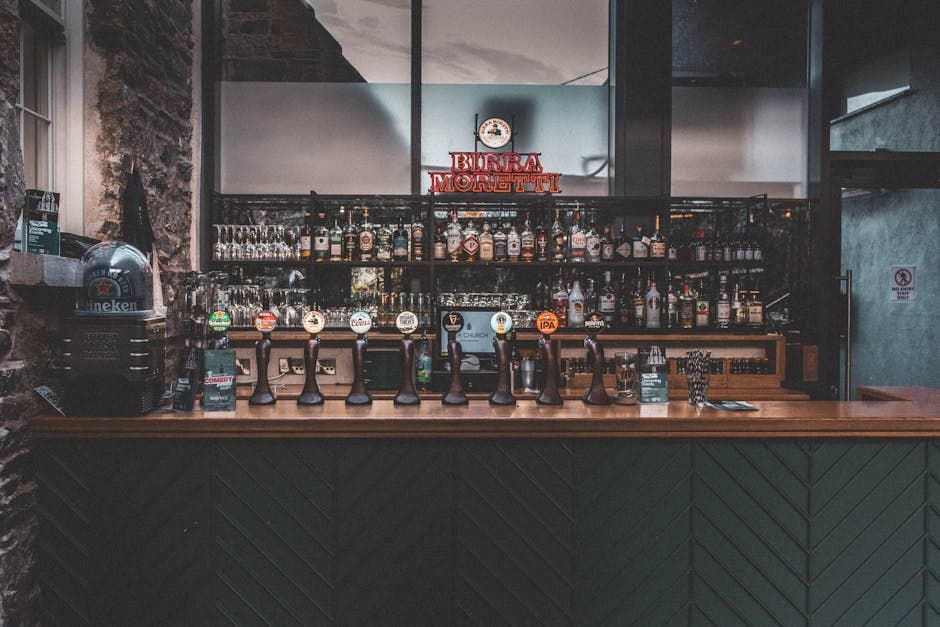
Birra Korça (Korça Beer)
Albania's most popular beer, brewed in Korça since 1928. It's a crisp lager and a point of pride for the town's brewing tradition. You'll find it across the country, and it goes well with grilled meats and Albanian food in general. The annual Korça Beer Festival marks the brewing heritage.
Verë (Albanian Wine)
Albania has been making wine for a very long time. Indigenous grapes like Shesh i Zi (black), Kallmet (red), and Puls (white) are starting to get noticed, and the Berat and Përmet wine regions turn out some good bottles. The country's wine revival has been drawing international attention.
Soft Beverages
Discover Albania's traditional non-alcoholic drinks, from local teas to refreshing juices.
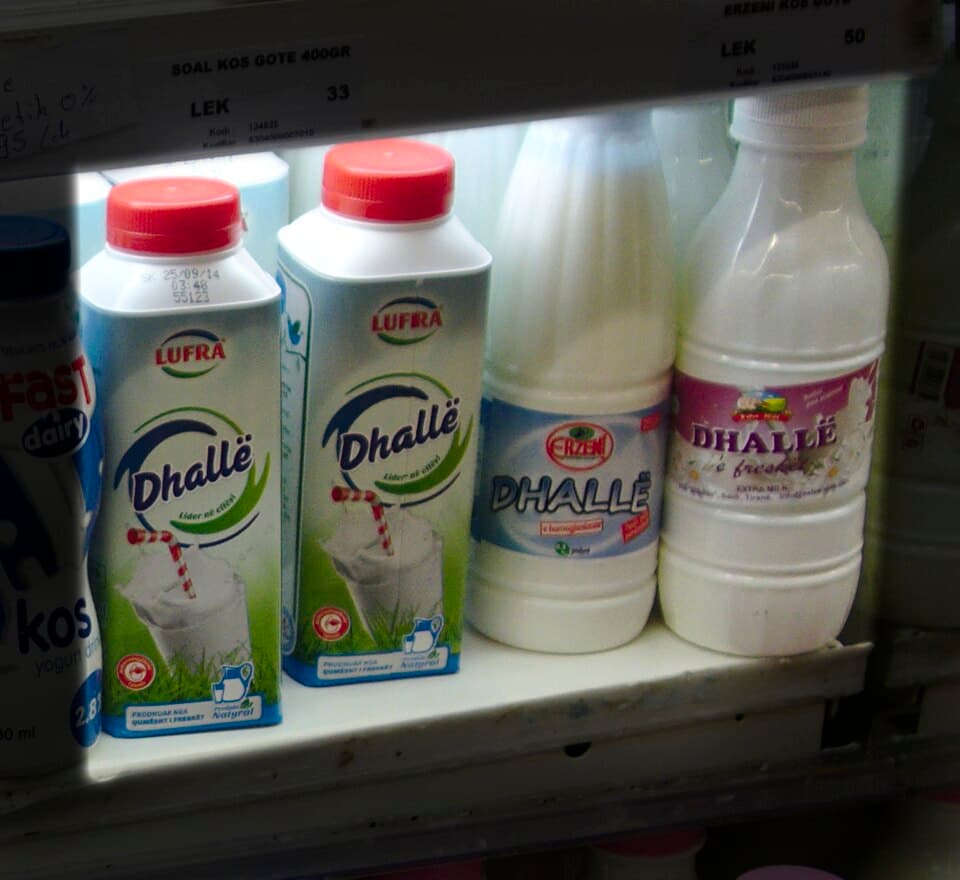
Dhallë (Yogurt Drink)
A yogurt drink thinned with water and seasoned with salt, served cold and most welcome in summer. It cuts through heavier Albanian dishes and is close to Turkish ayran. It's made from good local yogurt.
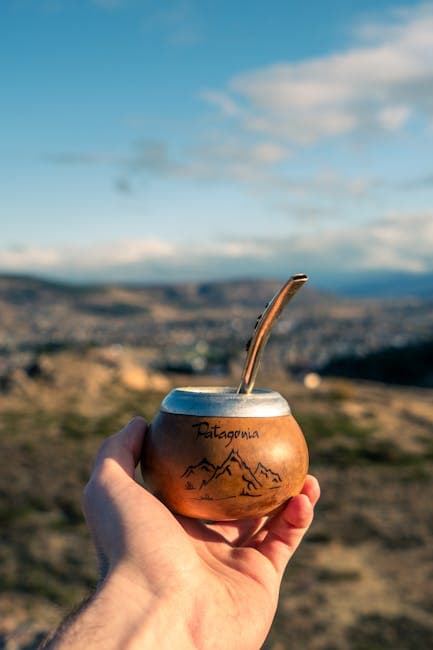
Çaj Mali (Mountain Tea)
A herbal tea made from Sideritis plants that grow in the Albanian mountains. It's valued for its anti-inflammatory and antioxidant properties and has a light, aromatic taste, often sweetened with honey. People drink it all over Albania, especially through the winter.
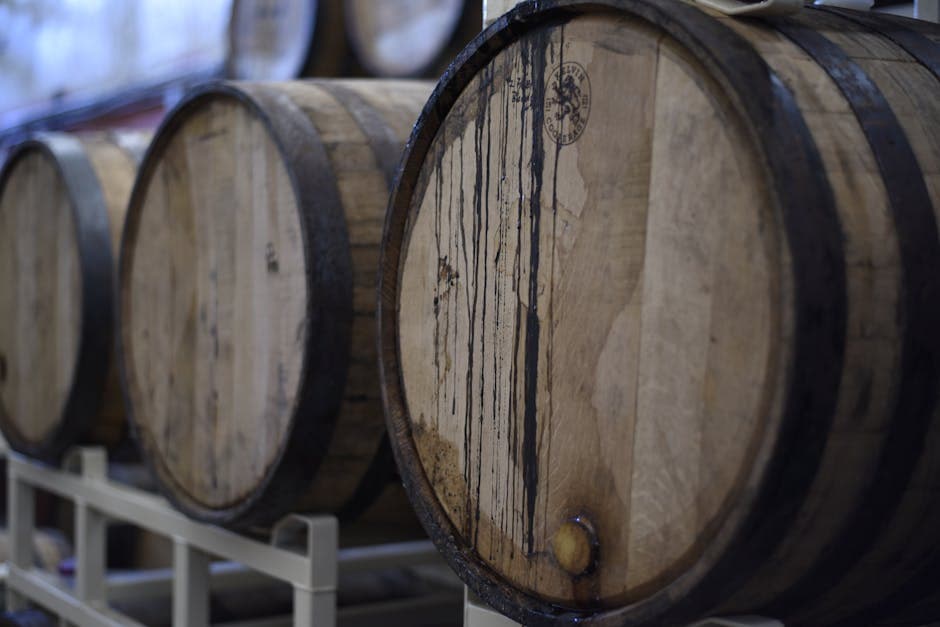
Bozë (Fermented Maize Drink)
A fermented maize drink, slightly sweet and tangy, with a low alcohol content around 1%. It's a winter favorite sold by street vendors. The drink goes back a long way and is shared across the Balkans. It's an acquired taste, but it matters culturally here.
Albanian Coffee (Kafe Turke)
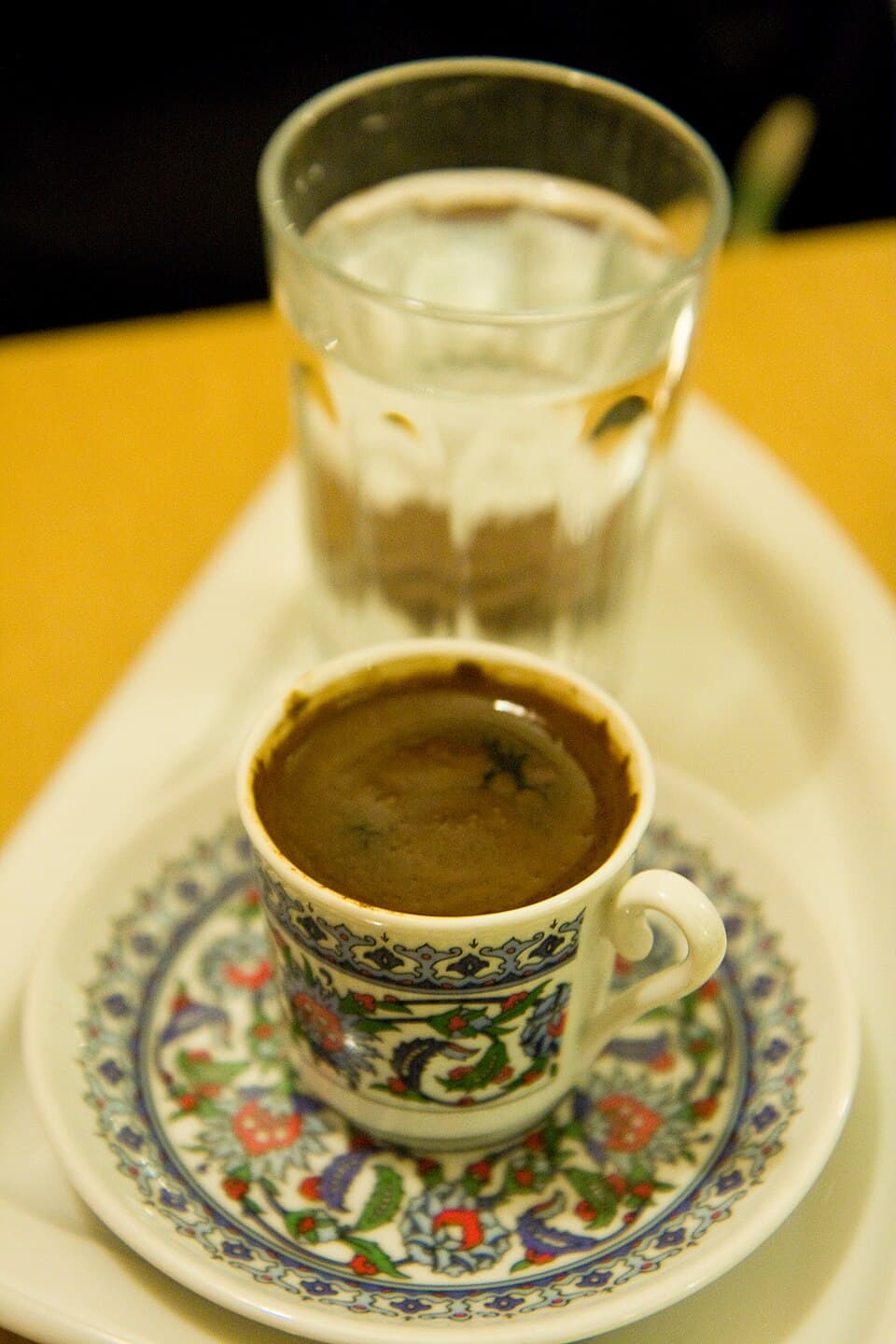
Strong coffee in the Turkish style, with finely ground beans boiled in a jezve and poured into small cups with foam on top. Coffee runs through social life here, and espresso bars are everywhere, but the slower Turkish-style cup is kept for unhurried moments.
Frequently Asked Questions
Essential information about food and dining in Albania.
What is the national dish of Albania?
Albania's most iconic dishes include Tavë Kosi (Baked Lamb with Yogurt), Fërgesë Tirane (Tirana Casserole), Byrek (Savory Pie). Albania's national dish and a deep comfort food. Lamb is baked under a creamy yogurt-and-egg sauce with rice, oregano, and garlic until the top sets into a golden crust and the meat turns fork-tender. It comes from Elbasan in Ottoman times. The story goes that 15th-century residents made it for an Ottoman sultan using leftover lamb that had been marinated in yogurt. You'll see it at family gatherings and on special occasions.
Is street food safe in Albania?
Street food in Albania can be enjoyed safely by following these guidelines: Check food hygiene standards in Albania Drink bottled water in Albania. Look for busy vendors with high turnover, ensure food is cooked fresh and served hot, and avoid raw ingredients if you have a sensitive stomach.
What are the best restaurants in Albania?
Albania offers diverse dining options from street food stalls to upscale restaurants. For the best experience, ask locals for recommendations, check recent reviews, and look for restaurants that specialize in regional cuisines.
Can vegetarians find food easily in Albania?
Vegetarian options in Albania are mediumly available. Vegetarian food is easier to find in Albania than it used to be, especially in cities and tourist towns.. Many restaurants offer vegetarian dishes, and you'll find plant-based ingredients featured prominently in local cuisine.
What is the average cost of a meal in Albania?
Meal costs in Albania depend on where you eat. Street food and casual local restaurants are very affordable, typically offering complete meals for a few dollars. Mid-range restaurants charge moderate prices, while fine dining establishments are comparably priced to Western countries.
What are common food allergens in Albania?
Common allergens in Albania cuisine include Nuts, Dairy, Wheat. Nuts turn up often in Albanian cooking, mostly in desserts but also in a few savory dishes.. These ingredients appear in dishes like Desserts, Sauces. Always inform restaurant staff about your allergies.
When is the best time to visit Albania for food?
Albania offers great food experiences throughout the year. However, visiting during harvest seasons (typically spring and autumn) provides access to the freshest local ingredients. Food festivals and cultural celebrations also offer unique culinary experiences worth planning around.