
Comoros Food Guide
Content Information
Recently updated🔥Current Food Trends 2026
What's happening in Comoros's culinary scene right now
Food tourism in Comoros leans on the islands' mix of African, Arab, French, and Malagasy cooking. Langouste à la vanille is still the dish most people travel for, and there is steady interest in visiting the vanilla farms behind it, since Comoros ranks just after Madagascar as a producer. Seafood sustainability has gained ground, with Mohéli Marine Park pushing responsible fishing. Moroni's dining scene keeps growing, and a handful of upscale spots like Les Arcades and La Corniche now draw food-minded visitors. Mkatra foutra and pilao remain everyday staples. Island-hopping food tours are catching on as a way to taste how each island cooks differently.
Food Safety Tips
Essential food safety information to help you enjoy Comoros's cuisine safely and confidently.
Drink bottled water only
Tap water is not safe for drinking. Always use bottled water for drinking and ice. Boil water if bottled is unavailable.
Ensure seafood is fresh and properly cooked
Seafood is plentiful but needs careful handling. Pick restaurants with steady turnover where the catch looks fresh, and make sure langouste and fish are cooked all the way through.
Choose busy vendors with visible hygiene
Street food such as mkatra foutra and grilled fish is usually fine when it comes from a stall with plenty of customers. Look for food cooked to order and served hot.
Island cuisine can be quite spicy
Comorian cooking leans on chilies, cloves, and cardamom. If you have a low tolerance for heat, ask how spicy a dish is before ordering.
Dietary Options
vegetarian
MEDIUM AVAILABILITYVegetarian options include mkatra foutra (bread), pilao without meat, rice dishes, cassava preparations, plantains, and coconut-based curries. Most restaurants can prepare vegetarian versions of traditional dishes.
vegan
LOW AVAILABILITYVegan options are limited due to heavy use of coconut milk and fish. Focus on plain rice, cassava, plantains, and vegetable preparations. Coconut milk is plant-based but used extensively. Communicate dietary needs clearly.
gluten-free
MEDIUM AVAILABILITYMany traditional dishes are naturally gluten-free, based on rice, cassava, plantains, and coconut. Avoid mkatra foutra and wheat-based breads. Pilao (rice dish) is excellent gluten-free option.
halal
HIGH AVAILABILITYAs a predominantly Muslim nation (99%), virtually all meat is halal. Pork is not consumed, and Islamic dietary laws are strictly followed throughout the islands.
Common Allergens
Shellfish
HIGH PREVALENCELobster, shrimp, prawns, and crabs are central to island cuisine
COMMONLY FOUND IN:
Fish
HIGH PREVALENCEFresh fish features in most traditional dishes
COMMONLY FOUND IN:
Coconut
HIGH PREVALENCECoconut milk and coconut cream are fundamental ingredients
COMMONLY FOUND IN:
Gluten
MEDIUM PREVALENCEWheat flour used in breads and some preparations
COMMONLY FOUND IN:
Essential Food Experiences
These iconic dishes represent the must-have culinary experiences that define Comoros's food culture for travelers.
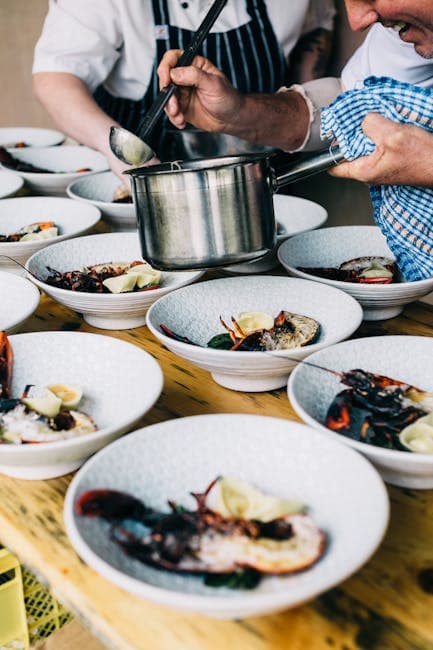
Langouste à la Vanille
The national dish, and the one most visitors come for. South African rock lobster is cooked in a creamy vanilla sauce built on white wine, butter, and shallots. Comoros grows much of its own vanilla, so the pairing of local beans with fresh lobster lands somewhere between sweet and savory without tipping into dessert.
Mkatra Foutra
A yeasted bread made with coconut milk or cream instead of dairy, since the islands have no real dairy industry. It comes out fluffy and faintly sweet, often dusted with sesame seeds and cooked on a ghee-brushed griddle. Omani traders are credited with bringing it over, and it pairs well with curry or rougaille at breakfast.
Pilao (Pilaou)
A spiced rice dish that owes a lot to Indian cooking. Basmati is simmered with cardamom, cinnamon, cloves, saffron, and garam masala, traditionally with beef, though chicken and chickpea versions are common. It usually arrives topped with fried onions and raisins.
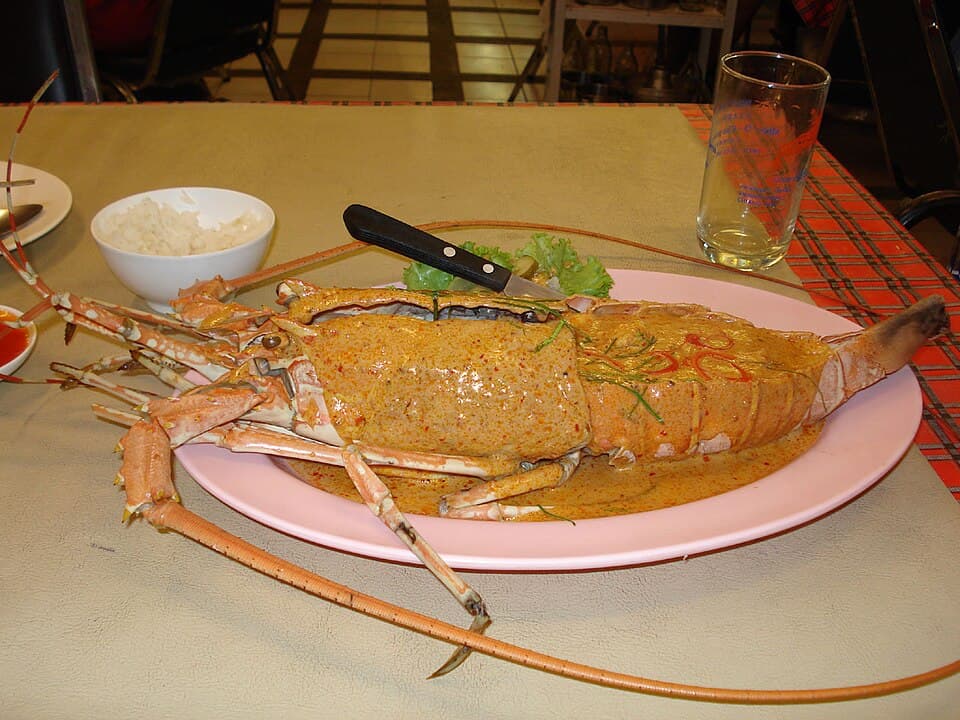
Langouste au Coco
Rock lobster cooked in a coconut sauce seasoned with garlic, ginger, and local spices. It is the coconut-milk counterpart to the vanilla version, and a coastal staple across the archipelago.
M'tsolola (Fish Stew)
A fish stew simmered in coconut milk with tomatoes, onions, and spices until the fish turns tender. It is everyday home cooking rather than restaurant fare, and all the better for it.
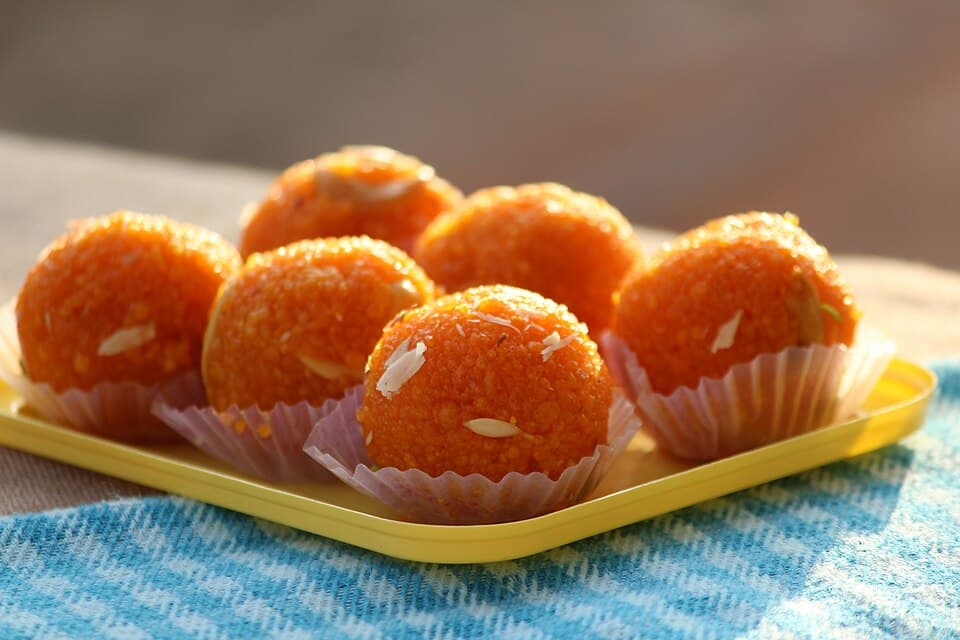
Ladu (Sweet Rice Balls)
Sweet balls of rice flour, coconut, cardamom, and sugar, usually made for weddings, festivals, and other celebrations.
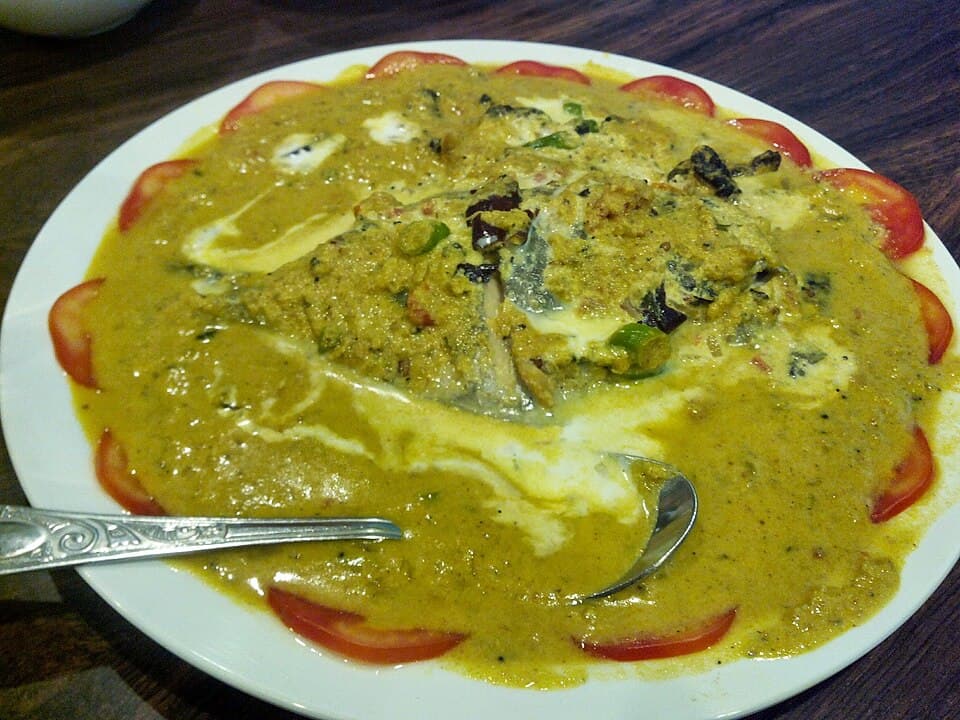
Coconut Fish Curry
The day's catch cooked in a coconut curry sauce with turmeric, cumin, and local spices, served over rice or cassava. This is what most people actually eat day to day.
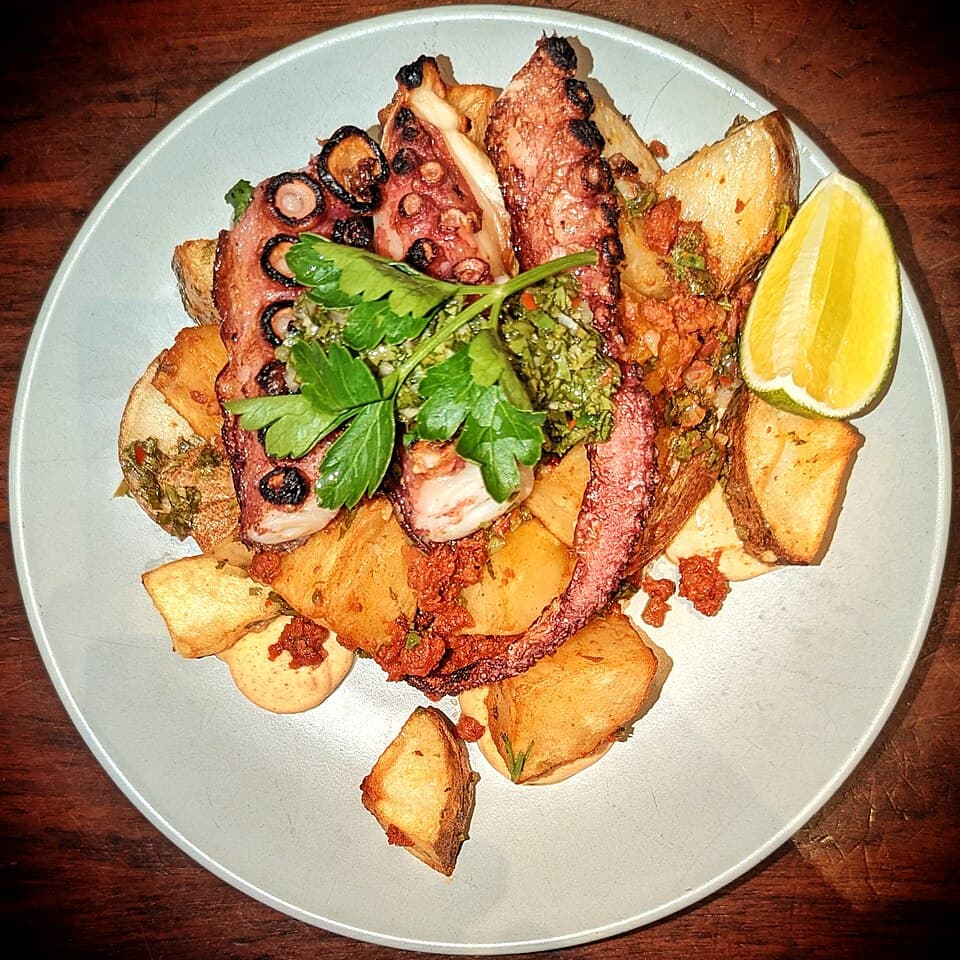
Grilled Octopus
Octopus marinated in spices and grilled until tender, then finished with lemon and garlic. One of the simpler ways the islands serve their seafood.
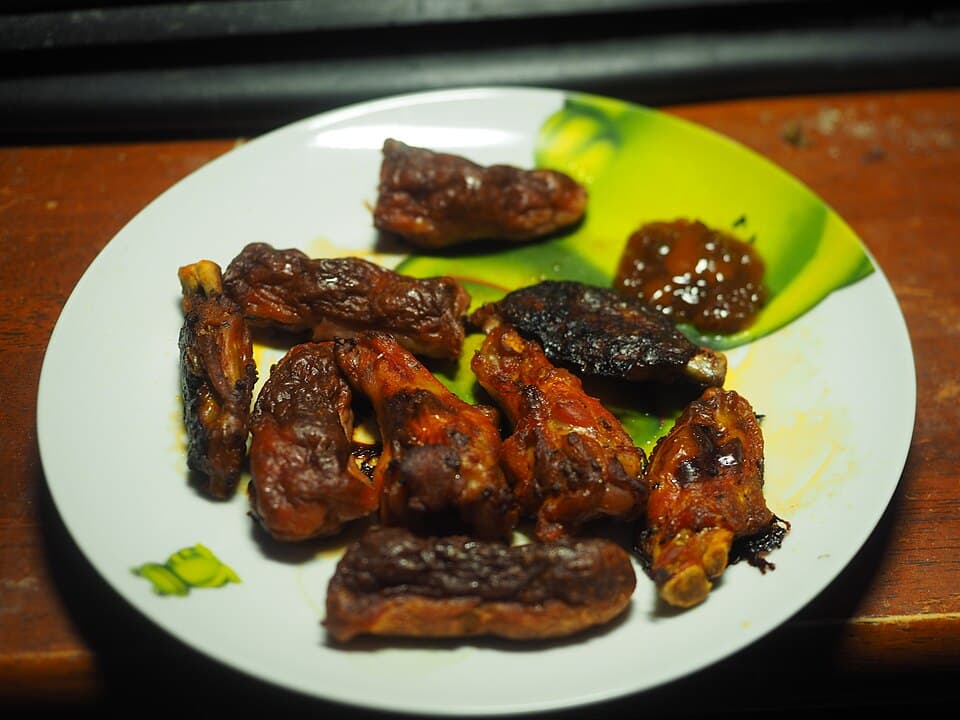
Mabawa (Fried Chicken Wings)
Chicken wings marinated in island spices and fried until crisp. A common snack and street food that carries both African and Arabic seasoning.
Cassava with Coconut Sauce
Boiled or steamed cassava under a coconut sauce, sometimes with fish or vegetables added. Plain, filling, and a regular fixture on the table.
Regional Specialties & Local Favorites
Discover the authentic regional dishes and local favorites that showcase Comoros's diverse culinary traditions.
Rougaille
Region: Nationwide
A tomato sauce cooked down with onions, garlic, and spices, often with fish or meat in it, served over rice or with mkatra foutra.
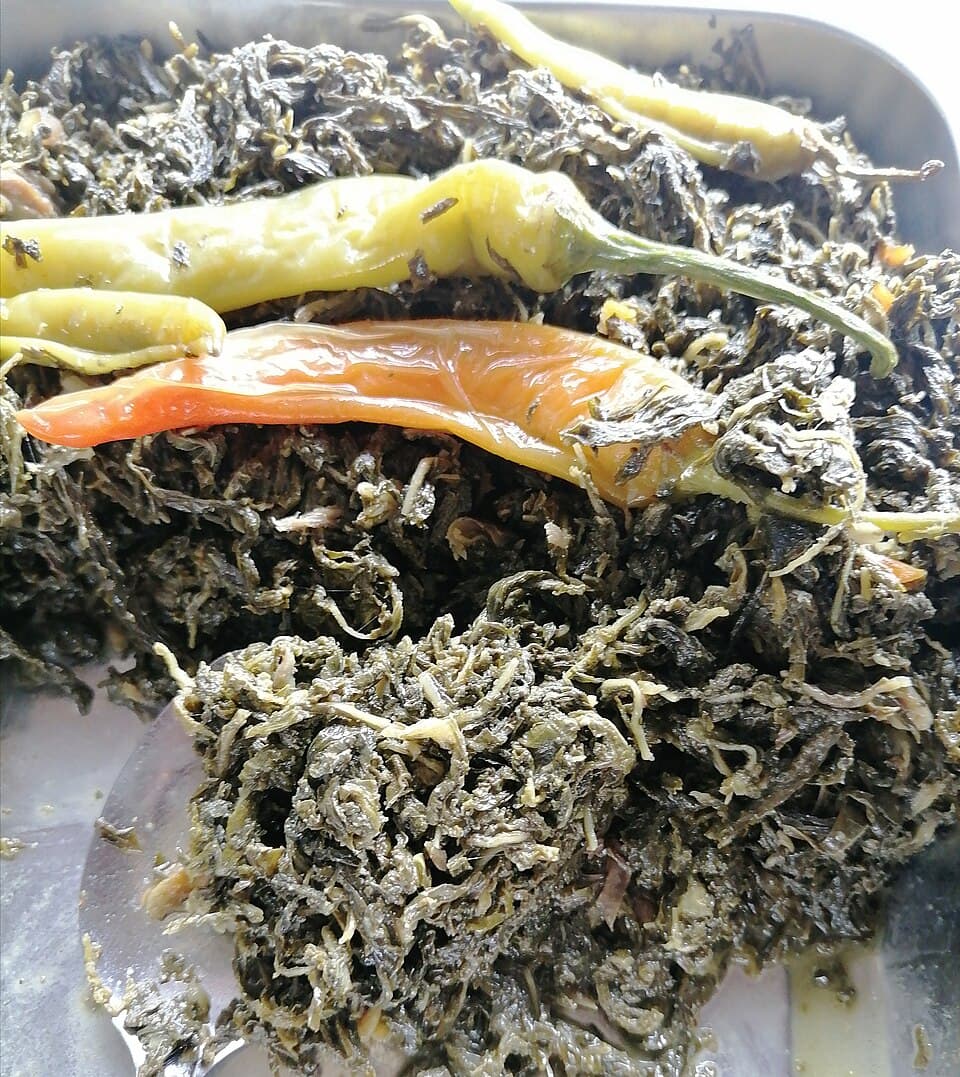
Mataba
Cassava leaves stewed in coconut milk with spices, a dish you will also find across the other Indian Ocean islands.
Allergens:
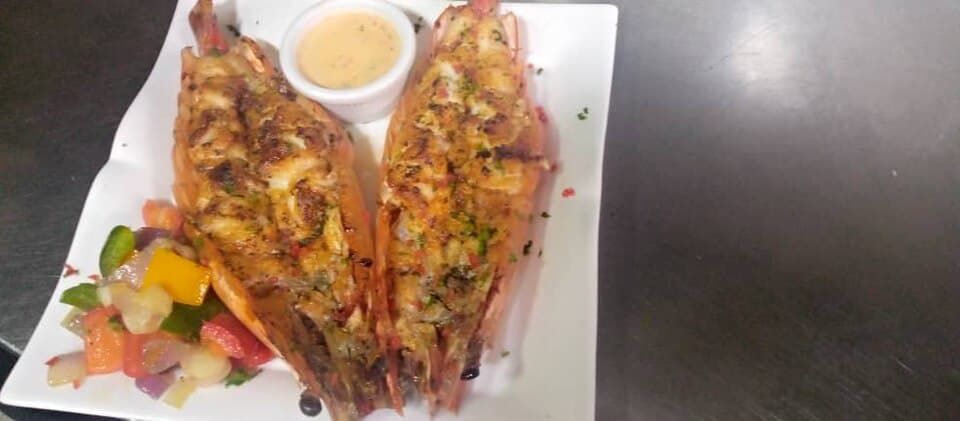
Grilled Prawns
Prawns marinated in island spices and lemon, then grilled.
Allergens:
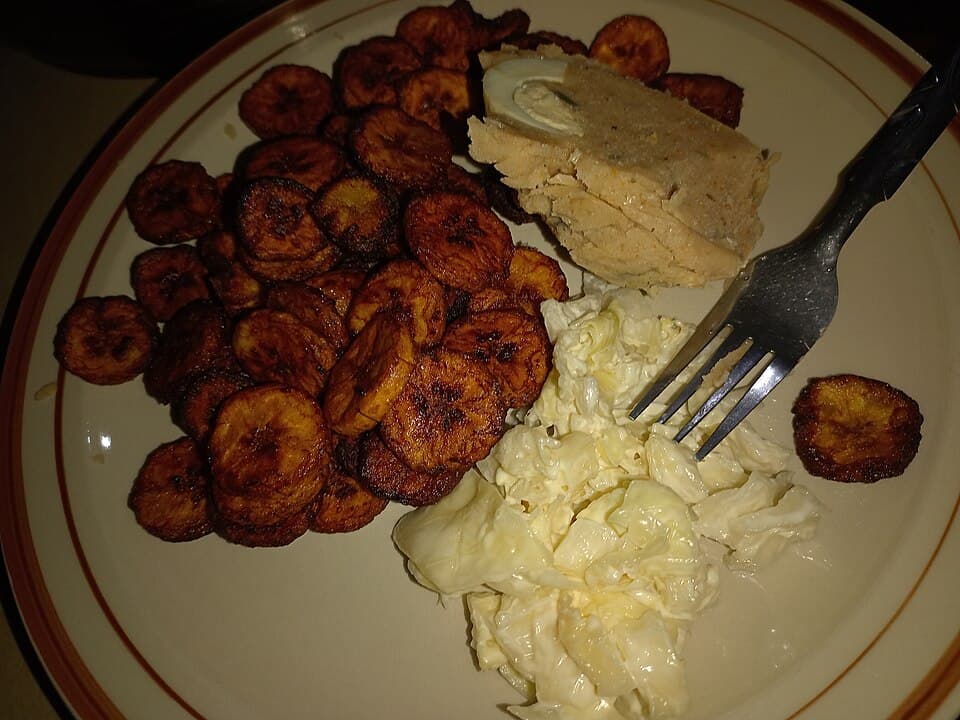
Fried Plantains
Ripe plantains fried until the edges caramelize, eaten as a side or a snack.
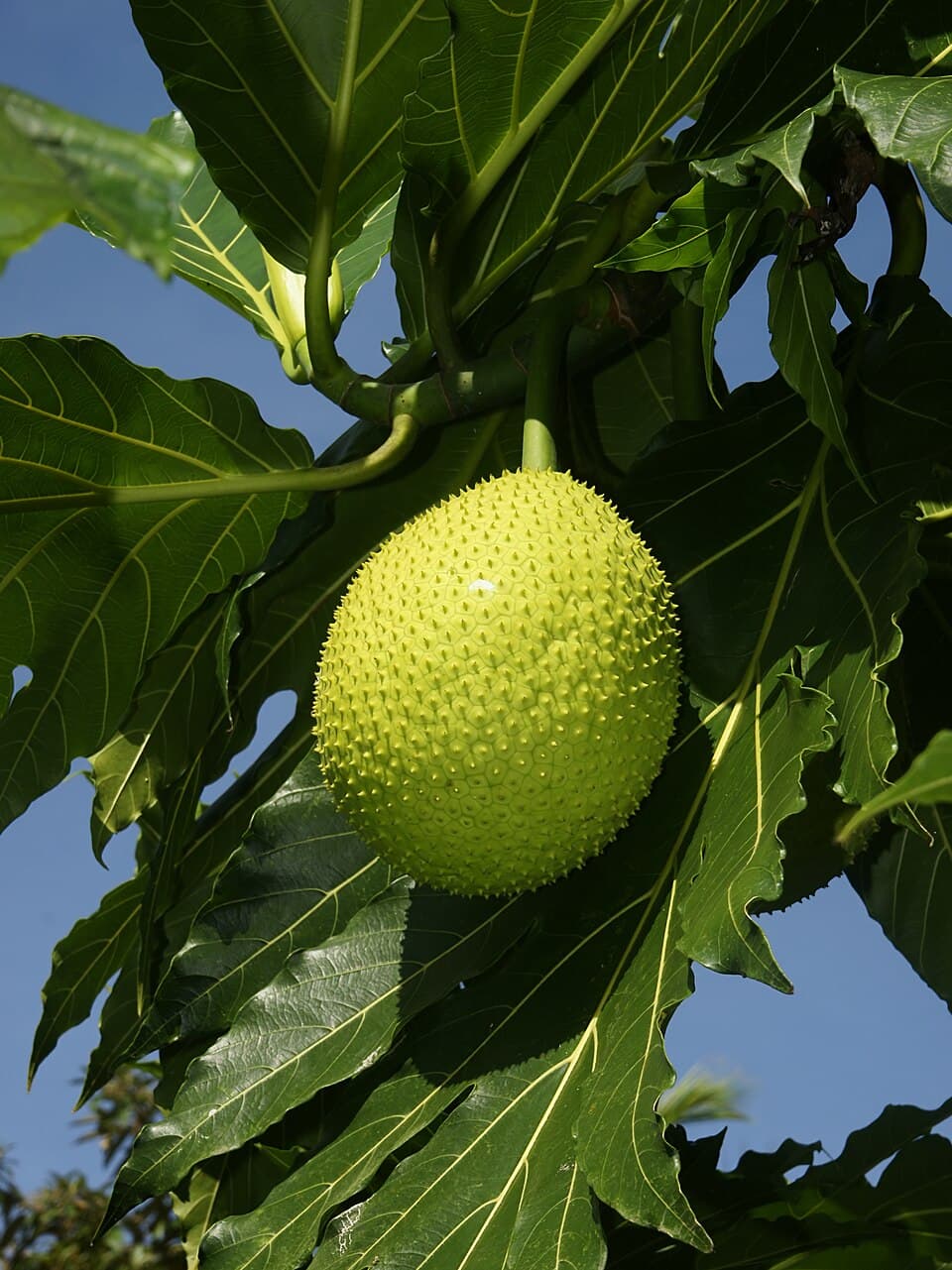
Breadfruit
Local breadfruit cooked any number of ways, whether boiled, fried, or roasted.
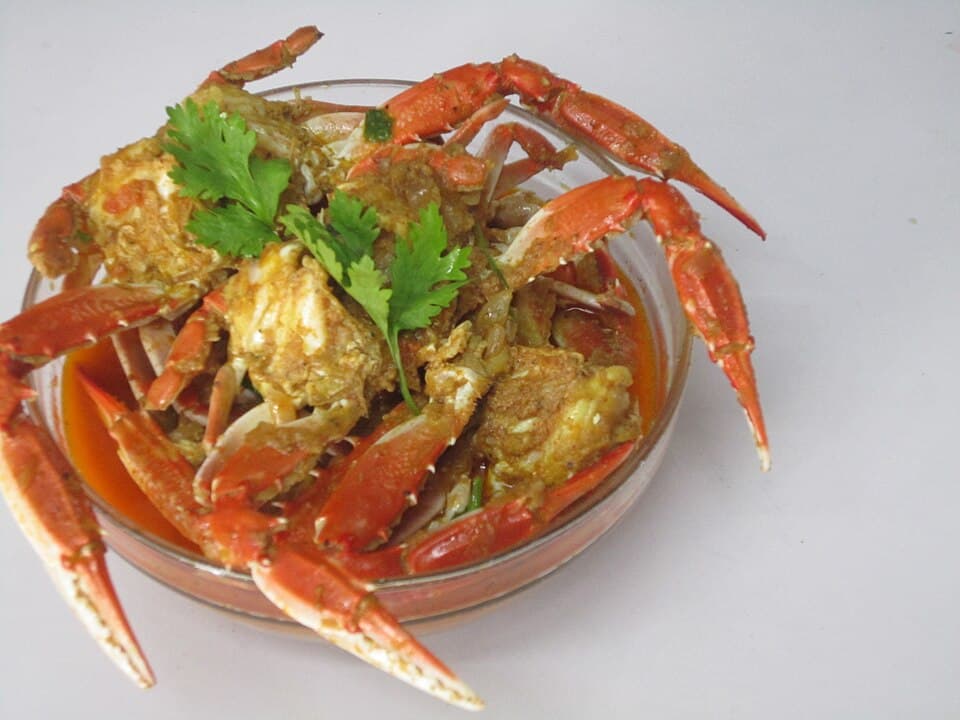
Crab Curry
Crab cooked in a coconut curry sauce with island spices.
Allergens:
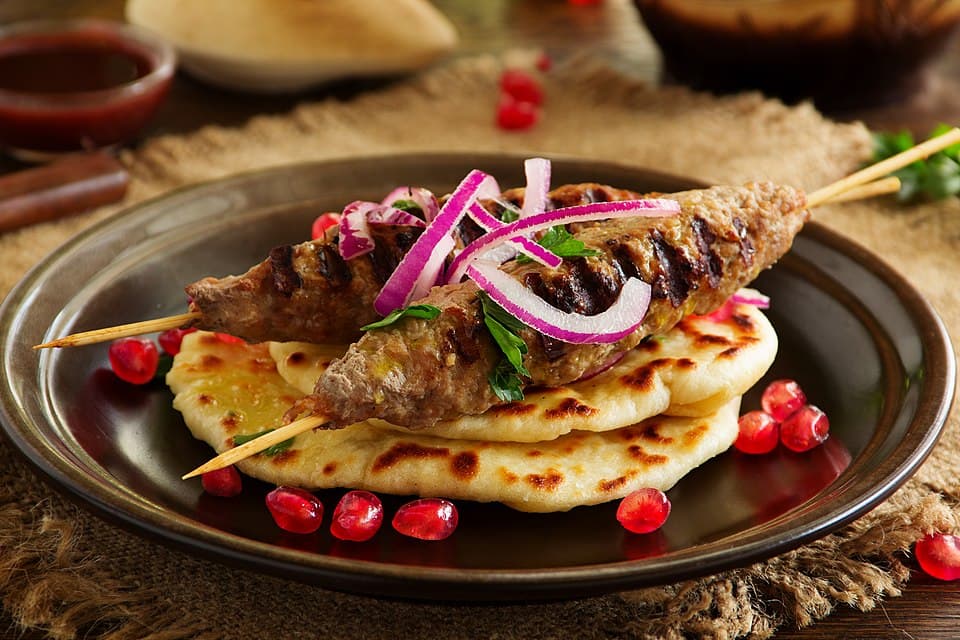
Meat Kebabs (Mshakiki)
Grilled meat skewers rubbed with traditional spice blends, a favorite from the stalls near Vendredi Mosque.
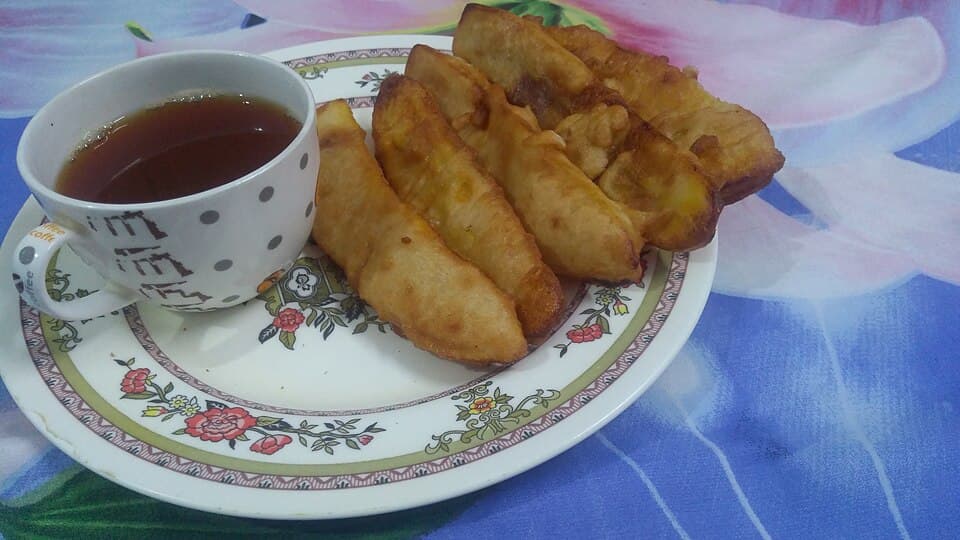
Banana Fritters
Sweet fritters close to mkatra foutra, made with mashed banana worked into the batter.
Allergens:
Regional Cuisine Highlights
Explore the diverse culinary landscapes across different regions of Comoros.
Grande Comore (Moroni)
The largest island and home to the capital, with the most developed dining scene. Its restaurants turn out polished Langouste à la vanille alongside cooking that draws on French, African, and Arabic traditions.
Signature Dishes:
Key Ingredients:
Anjouan
Anjouan goes by the "perfume island" for its ylang-ylang, and that fragrance carries into the kitchen. Cloves, vanilla, and cinnamon turn up in both savory plates and sweets.
Signature Dishes:
Key Ingredients:
Mohéli
The smallest island, with the cleanest waters of the three. Mohéli's cooking is built around seafood, mostly lobster, octopus, and reef fish, kept simple so the fish itself does the talking.
Signature Dishes:
Key Ingredients:
Sweet Delights & Desserts
Indulge in Comoros's traditional sweet treats and desserts.
Ladu (Sweet Rice Balls)
A sweet of rice flour, coconut, and cardamom, made mostly for celebrations.
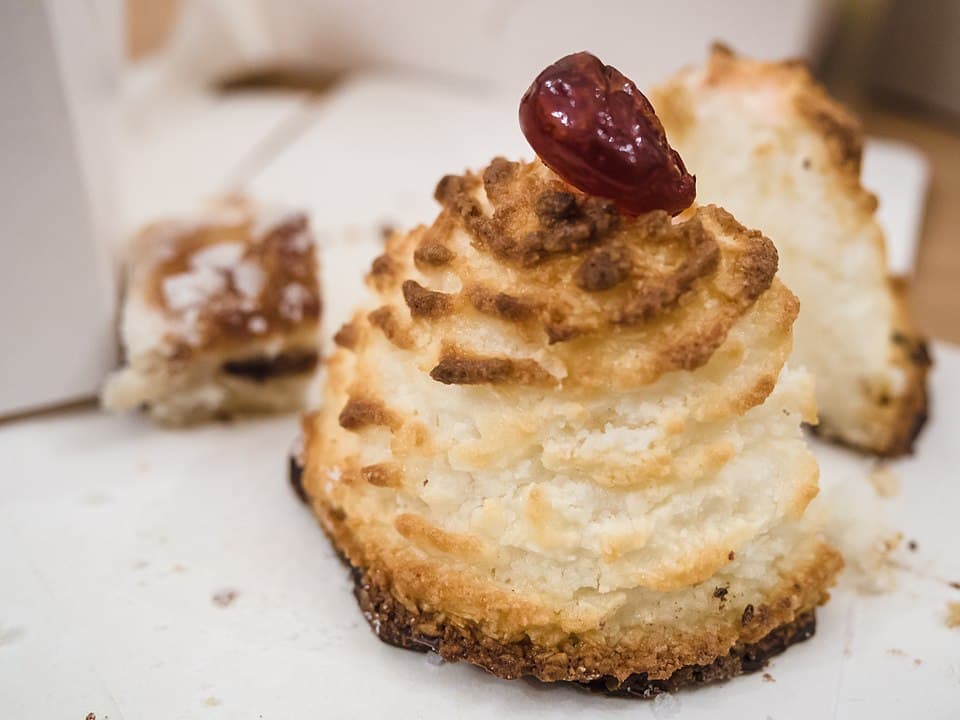
Coconut Macaroons
Sweet coconut cookies, a holdover from the French colonial era.
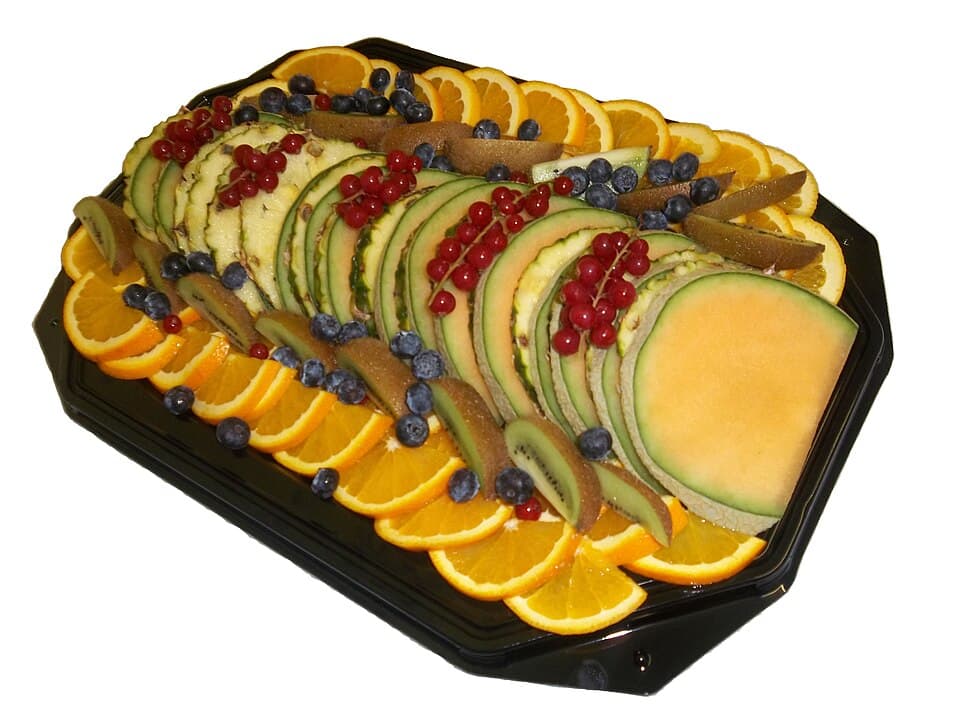
Fresh Tropical Fruit Platter
Mangoes, papayas, bananas, and passion fruit, served as is. The default island dessert.
Traditional Beverages
Discover Comoros's traditional drinks, from locally produced spirits to regional wines.
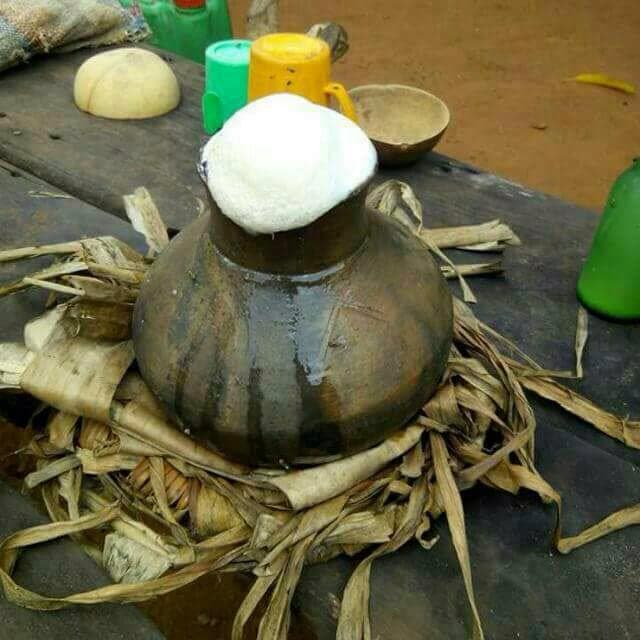
Trembo (Palm Wine)
Palm sap left to ferment on its own, ending up mildly alcoholic with a sweet-sour edge. It is drunk fresh and carries real cultural weight.
Soft Beverages
Discover Comoros's traditional non-alcoholic drinks, from local teas to refreshing juices.
Vanilla Lemonade
Lemonade steeped with local vanilla beans, an island twist on the usual.
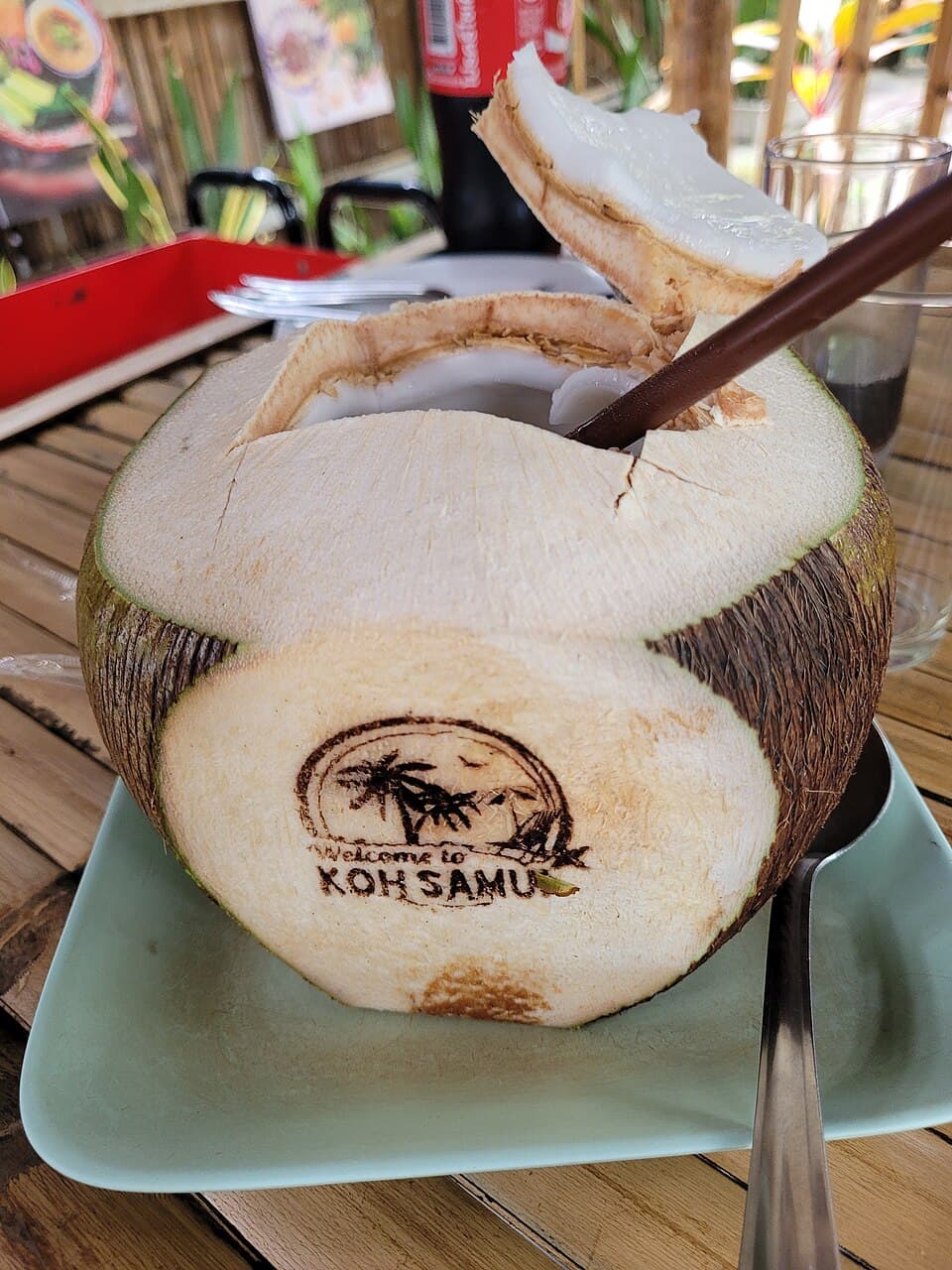
Fresh Coconut Water
Poured straight from young coconuts, lightly sweet and good for the heat.
Ylang-Ylang Tea
A fragrant tea brewed from ylang-ylang flowers, one of the islands' best-known exports.
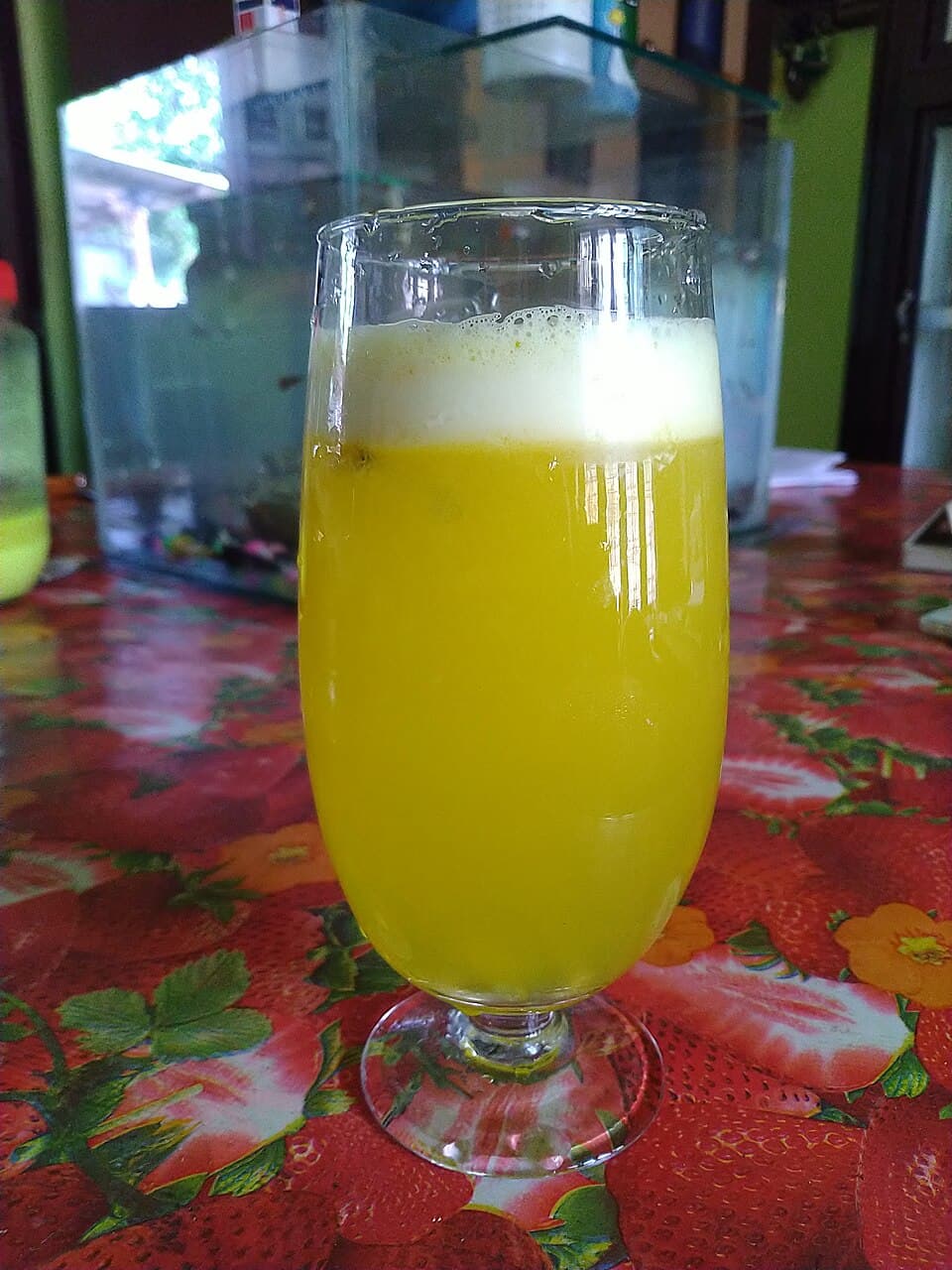
Passion Fruit Juice
Passion fruit blended with sugar and water.
Frequently Asked Questions
Essential information about food and dining in Comoros.
What is the national dish of Comoros?
Comoros's most iconic dishes include Langouste à la Vanille, Mkatra Foutra, Pilao (Pilaou). The national dish, and the one most visitors come for. South African rock lobster is cooked in a creamy vanilla sauce built on white wine, butter, and shallots. Comoros grows much of its own vanilla, so the pairing of local beans with fresh lobster lands somewhere between sweet and savory without tipping into dessert.
Is street food safe in Comoros?
Street food in Comoros can be enjoyed safely by following these guidelines: Drink bottled water only. Look for busy vendors with high turnover, ensure food is cooked fresh and served hot, and avoid raw ingredients if you have a sensitive stomach.
What are the best restaurants in Comoros?
Comoros offers excellent dining experiences. Top-rated restaurants include Le Restaurant des Arcades (Les Arcades), La Corniche, Le Grill du Volcan. These establishments showcase authentic Comoros cuisine with professional service and high-quality ingredients.
Can vegetarians find food easily in Comoros?
Vegetarian options in Comoros are mediumly available. Vegetarian options include mkatra foutra (bread), pilao without meat, rice dishes, cassava preparations, plantains, and coconut-based curries. Most restaurants can prepare vegetarian versions of traditional dishes.. Many restaurants offer vegetarian dishes, and you'll find plant-based ingredients featured prominently in local cuisine.
What is the average cost of a meal in Comoros?
Meal costs in Comoros depend on where you eat. Street food and casual local restaurants are very affordable, typically offering complete meals for a few dollars. Mid-range restaurants charge moderate prices, while fine dining establishments are comparably priced to Western countries.
What are common food allergens in Comoros?
Common allergens in Comoros cuisine include Shellfish, Fish, Coconut. Lobster, shrimp, prawns, and crabs are central to island cuisine. These ingredients appear in dishes like Langouste à la vanille, Langouste au coco. Always inform restaurant staff about your allergies.
When is the best time to visit Comoros for food?
Comoros offers great food experiences throughout the year. However, visiting during harvest seasons (typically spring and autumn) provides access to the freshest local ingredients. Food festivals and cultural celebrations also offer unique culinary experiences worth planning around.