
Ivory Coast Food Guide
Content Information
Recently updated🔥Current Food Trends 2026
What's happening in Ivory Coast's culinary scene right now
In 2026, Abidjan has settled into its role as West Africa's busiest food city. Attiéké, the fermented cassava couscous, is getting fresh attention from chefs who plate it carefully and treat it as more than a side. Maquis, the open-air eateries that braise chicken and fish to order, fill the streets of Treichville, Yopougon and Cocody. Kedjenou, the slow-cooked chicken stew sealed in a pot and shaken rather than stirred, stays the dish people name first. Higher-end kitchens pair Ivorian ingredients with French technique, a habit left over from the colonial years. As the world's largest cocoa producer, the country is finally building a small bean-to-bar chocolate scene at home. Fish from the Gulf of Guinea turns up everywhere, grilled or done as poisson braisé. Street vendors sell alloco (fried plantain), garba (fried tuna over attiéké) and foutou from morning to night. Local robusta coffee, long shipped abroad, is slowly being drunk here too. Palm wine and bangui remain the everyday traditional drinks. November brings the yam, plantain and cassava harvest. Baguettes and café culture sit alongside village cooking, a French inheritance that never left. Abidjan pushes the new ideas while the interior keeps the old village kitchens running. There is more talk now of cutting plastic and buying from local farmers, and regional festivals still showcase what each area cooks. The Akan, Baoulé, Malinké and Senoufo each bring their own dishes, and piment, ginger and garlic run through most of them.
Food Safety Tips
Essential food safety information to help you enjoy Ivory Coast's cuisine safely and confidently.
Drink bottled or boiled water only
Tap water is not safe to drink in Ivory Coast. Use bottled water for drinking, brushing your teeth and preparing food. You will find bottled water easily in cities and tourist areas.
Choose busy vendors with high turnover
Street food is usually fine when you pick a busy stall cooking to order. A long line of locals means the food moves fast and stays fresh. Maquis in well-known neighborhoods tend to keep decent standards.
Avoid foods left at room temperature
In this heat, skip anything that has been sitting out for a while. Go for meals served hot and freshly cooked. Braised dishes at maquis are usually a safe bet since they cook all the way through.
Peel fruit yourself and eat cooked vegetables
Stick to fruit you can peel yourself, like bananas, oranges and mangoes. Wash vegetables with bottled water or eat them cooked, and give any market produce a thorough rinse.
Dietary Options
vegetarian
MEDIUM AVAILABILITYYou can eat vegetarian here, though meat and fish sit at the center of most Ivorian cooking. Attiéké, alloco (fried plantain) and kedjenou can all be made without meat. International restaurants in Abidjan give you more to choose from. Just ask for dishes without meat or fish.
vegan
LOW AVAILABILITYVegan eating is harder but doable. Alloco (fried plantain), boiled cassava and yams are vegan as they come, and palm oil, used almost everywhere, is plant-based. Fish sauce shows up a lot, so be clear about what you need. A few international restaurants in Abidjan will work around vegan requests.
gluten-free
HIGH AVAILABILITYA lot of the traditional food is gluten-free without trying. Attiéké (cassava), foutou (pounded yam or plantain), alloco and rice dishes all qualify. Bread and wheat matter less here than in Western kitchens, so eating gluten-free on local food is straightforward.
halal
HIGH AVAILABILITYHalal food is easy to find. About 42% of the population is Muslim, mostly in the north, and most meat sold is halal slaughtered. Abidjan has plenty of halal restaurants, especially in Muslim neighborhoods like Treichville and Adjamé. Pork is uncommon, and traditional Ivorian cooking fits halal requirements well anyway. Look for restaurants showing halal certification.
kosher
VERY LOW AVAILABILITYKosher food is almost impossible to find given how small the Jewish community is. There are no kosher restaurants or certified kitchens, so self-catering is really the only route. Lean on sealed packaged goods and fresh fruit and vegetables. Fish is around, but check how it was prepared. The big international hotels may be able to help with enough notice.
Common Allergens
Peanuts and Groundnuts
HIGH PREVALENCEPeanuts, known locally as groundnuts, turn up in sauces, stews and snacks across Ivorian cooking.
COMMONLY FOUND IN:
Fish and Shellfish
HIGH PREVALENCEFresh and smoked fish sit at the heart of coastal cooking, and fish sauce and dried fish are used to season many dishes.
COMMONLY FOUND IN:
Palm Oil
HIGH PREVALENCERed palm oil is the main cooking fat here and goes into most traditional dishes.
COMMONLY FOUND IN:
Essential Food Experiences
These iconic dishes represent the must-have culinary experiences that define Ivory Coast's food culture for travelers.
Attiéké
The country's everyday staple: cassava that is fermented, grated and steamed down to a couscous-like grain. It tastes light with a faint sourness. People eat it with almost anything, grilled fish, chicken, meat or vegetables, usually pinching it into a ball by hand. You find it at street carts and white-tablecloth restaurants alike, and for most Ivorians it is simply daily food.
Kedjenou
The national dish, a spicy stew of chicken or guinea fowl. The name comes from the Baoulé word for "shaken," because the pot is sealed and shaken now and then so nothing sticks or burns, never stirred. No liquid goes in; the meat cooks in its own juices with tomatoes, onions, eggplant, ginger, garlic and hot peppers. The result is deeply flavored and tender. It comes with attiéké, rice or foutou and shows up at maquis and traditional restaurants, a dish built entirely on indigenous cooking methods.
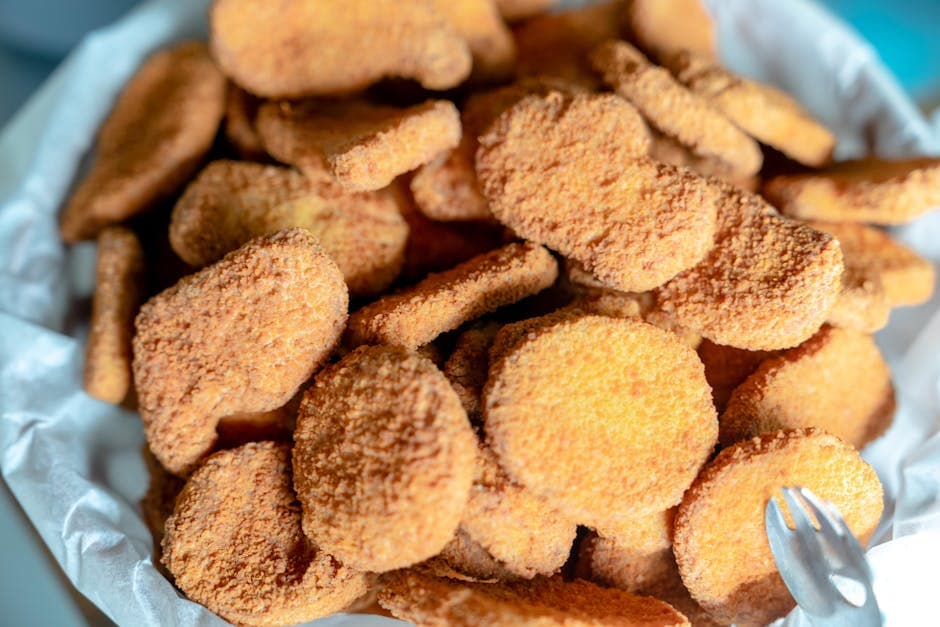
Alloco
A street-food favorite: ripe plantain fried in palm oil until golden and caramelized, served with a spicy onion-chili sauce. Eat it on its own as a snack, add a hard-boiled egg to make it a meal, or have it on the side of grilled fish or chicken. The sweet plantain plays against the heat of the sauce. Cheap, filling and sold by vendors all over the cities, it works for breakfast, lunch, dinner or anything in between.

Garba
Abidjan's go-to quick meal: chunks of fried tuna over attiéké, topped with fresh onions, tomatoes and a heavy hand of spicy chili sauce. It started as cheap, filling food for workers and remains a popular midday plate. The name may come from "garbage," a nod to humble origins, but the dish is loved across the whole city now. Look for it at street stalls and casual spots, especially in Treichville and Adjamé.
Foutou
A dish the Akan hold dear: starch (cassava, yam, plantain or cocoa yam) pounded in a tall mortar and pestle until it turns smooth, stretchy and dough-like. It goes with soups and sauces, whether a clear pepper soup, peanut soup or palm nut soup. You eat it by hand, pinching off a piece and dipping it. Making it takes real work, which is part of why it reads as both comfort food and celebration food. Each tuber gives its own flavor and texture.
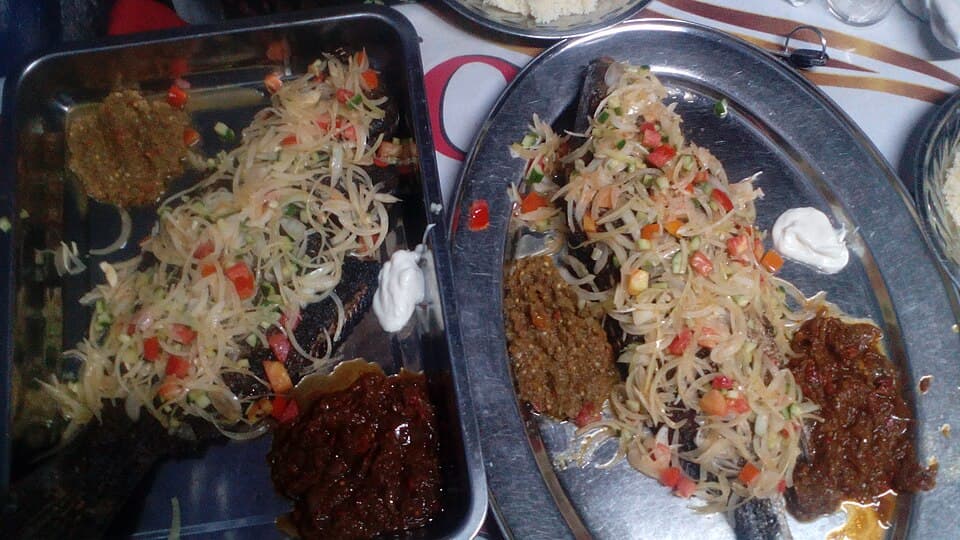
Poisson Braisé (Braised Fish)
Whole fish marinated in garlic, lemon, parsley, pepper and ginger, then cooked slowly over a hot grill. Tilapia, capitaine and barracuda are the usual choices. It arrives with attiéké, alloco or rice, often alongside a spicy tomato-onion sauce. This is the dish that defines the open-air maquis, with a smoky, charred skin and tender meat underneath. It started on the coast but you will find it across the country.
Poulet Braisé (Braised Chicken)
Chicken marinated in spices, herbs and piment, then grilled slowly over a low fire until smoky and tender. Nearly every maquis in the country serves it, usually with attiéké, alloco or fries. It is food meant for sharing, the plate friends pick at over drinks, and it sits at the center of how Ivorians eat out.
Bangui (Palm Wine)
A fermented drink made from the sap of the oil palm or raffia palm. Fresh, it is sweet and milky white; as it ferments it turns sour and stronger. People drink it in villages and cities alike, served from calabash gourds or plastic bottles. Fresh palm wine runs low in alcohol (2-4%), but that climbs the longer it sits. Look for it at local bars and from the tappers themselves.
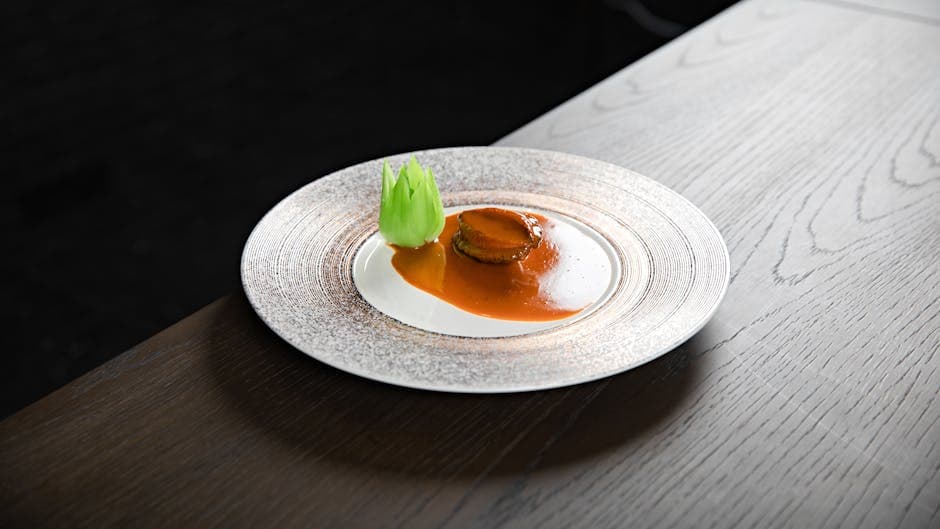
Sauce Graine (Palm Nut Soup)
A thick soup built from palm nuts, not palm oil. The palm fruits are boiled, pounded and strained into a creamy base, then simmered with chicken, beef or goat, plus fish and vegetables. It comes out orange-red and nutty, served over rice or with foutou. The preparation takes time, which is part of why it carries weight at ceremonies. Different ethnic groups cook their own versions.

Placali
Fermented cassava dough, much like foutou but left to ferment longer, which gives it a sour edge. It is cooked down with hot water until smooth and served with okra soup, palm nut soup or fish soups. A southern specialty, especially among the Ebrié and Attié, eaten by hand. The sourness takes some getting used to. Fermenting the cassava this way both preserves it and carries real meaning for the southern communities who make it.
Regional Specialties & Local Favorites
Discover the authentic regional dishes and local favorites that showcase Ivory Coast's diverse culinary traditions.
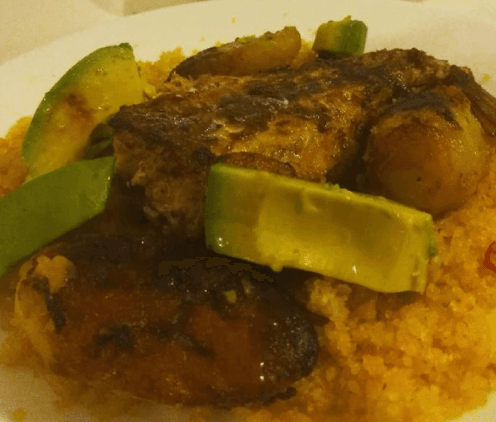
Attiéké with Grilled Fish
A classic pairing of fermented cassava couscous with grilled fish and a spicy onion sauce. You find it everywhere, from street stalls to sit-down restaurants. About as Ivorian as a meal gets.
Allergens:
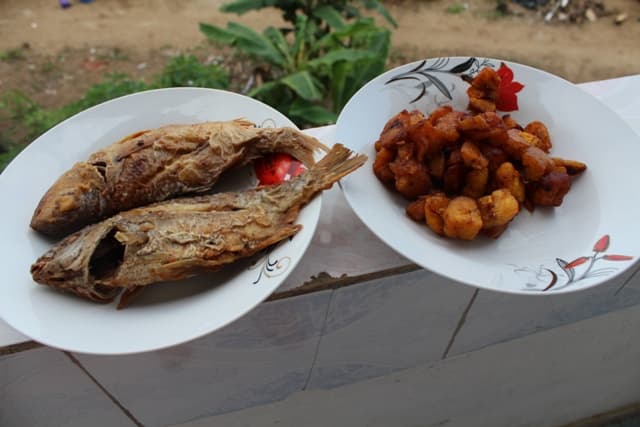
Alloco
Ripe plantains fried in palm oil and served with a spicy onion-chili sauce. It works as a street snack, a side or a meal on its own, the sweet plantain balancing the heat.
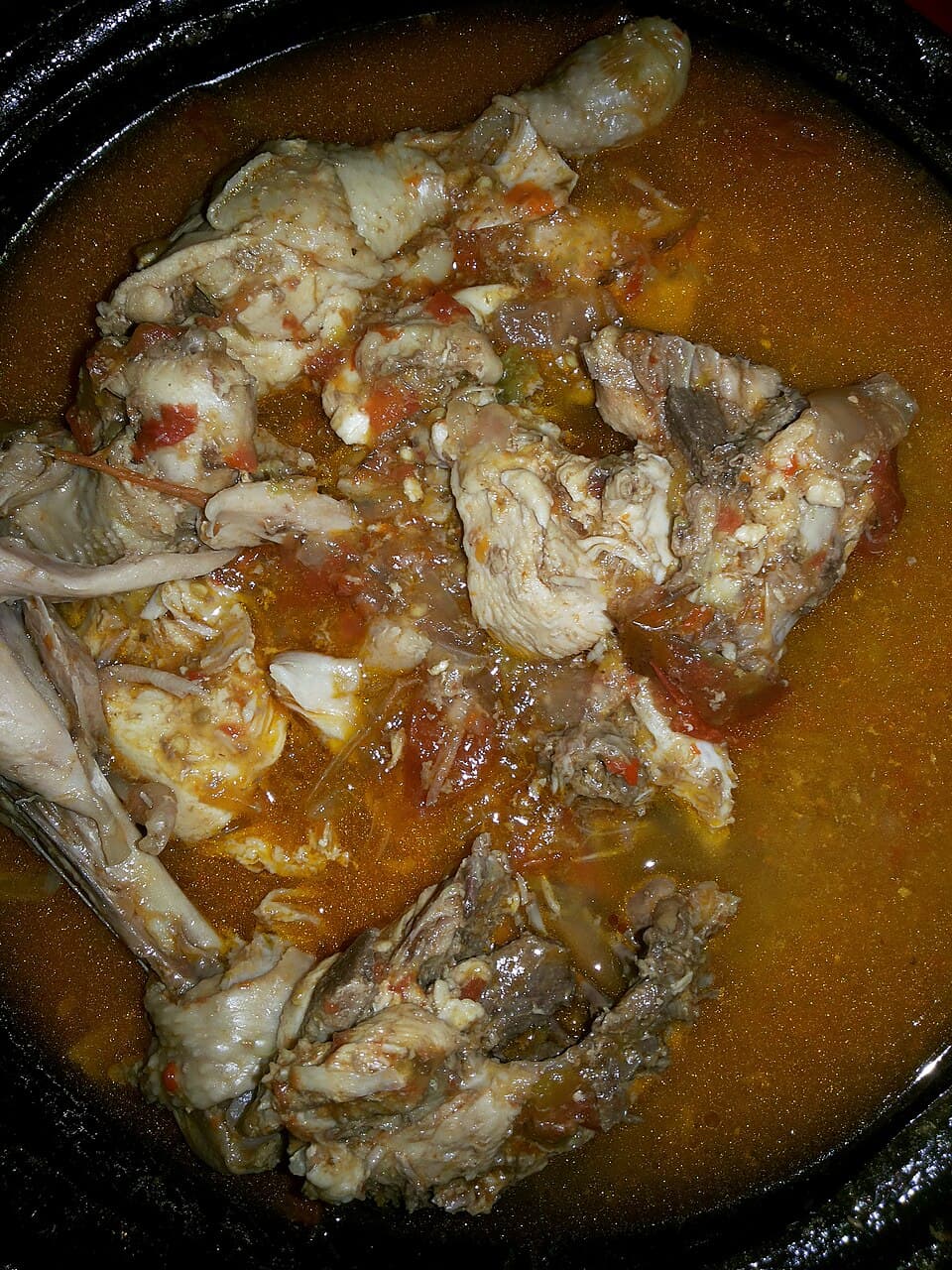
Kedjenou
Chicken or guinea fowl slow-cooked in a sealed pot with vegetables and spices. No liquid is added; the meat cooks in its own juices. The national dish, and a showcase for indigenous cooking methods.
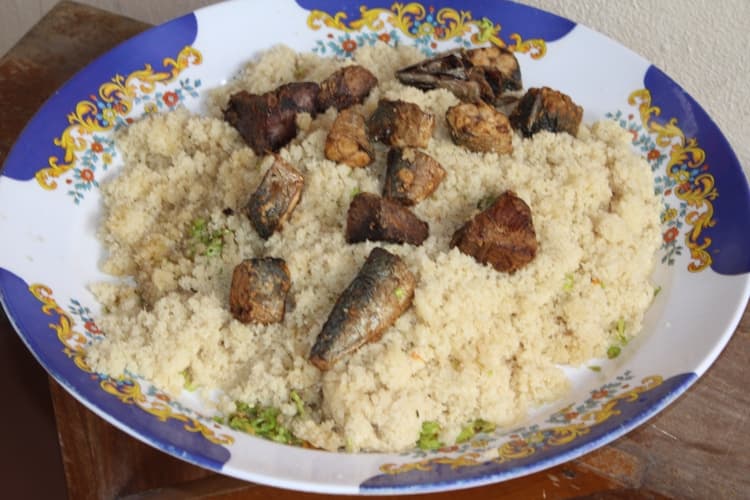
Garba
Fried tuna over attiéké with onions, tomatoes and a spicy sauce. A cheap, filling meal with working-class roots that Abidjan never stopped loving.
Allergens:
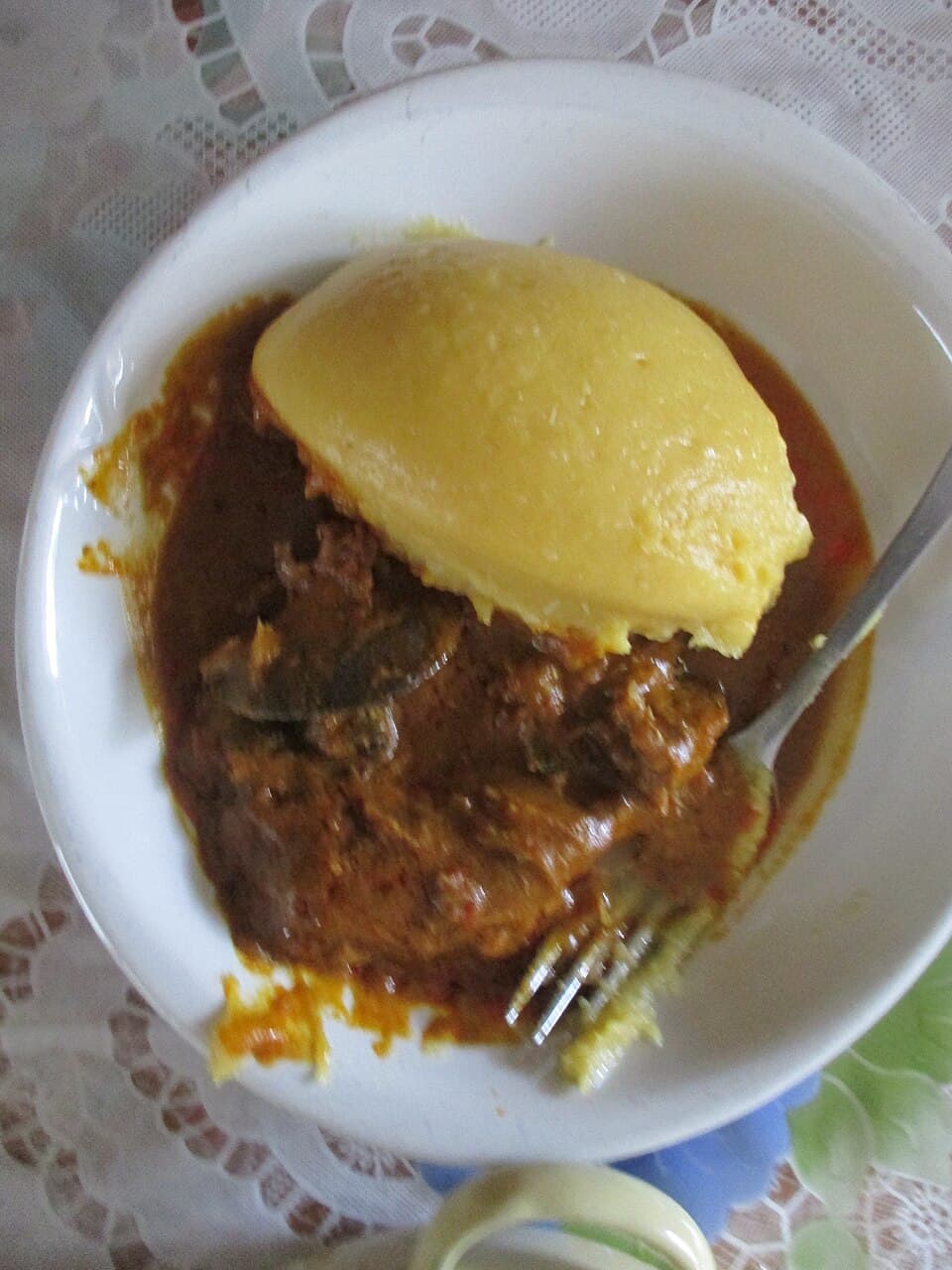
Foutou with Light Soup
Pounded yam, cassava or plantain served with a pepper soup, eaten by hand. Comfort food that also turns up at celebrations.
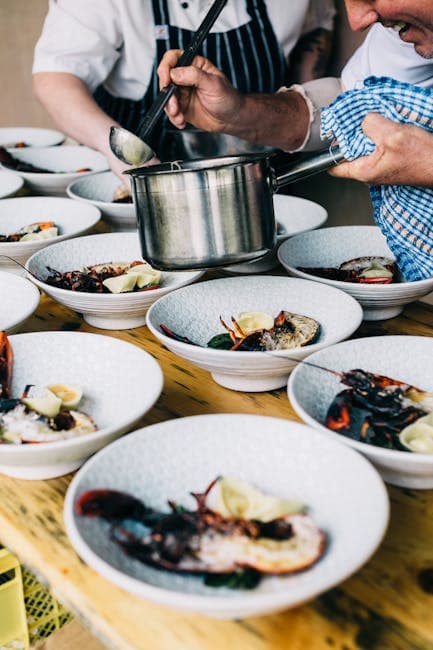
Maquis Braised Meats
Grilled chicken, fish or meat from the open-air maquis, eaten with drinks and music going. This is the heart of how Ivorians dine out.
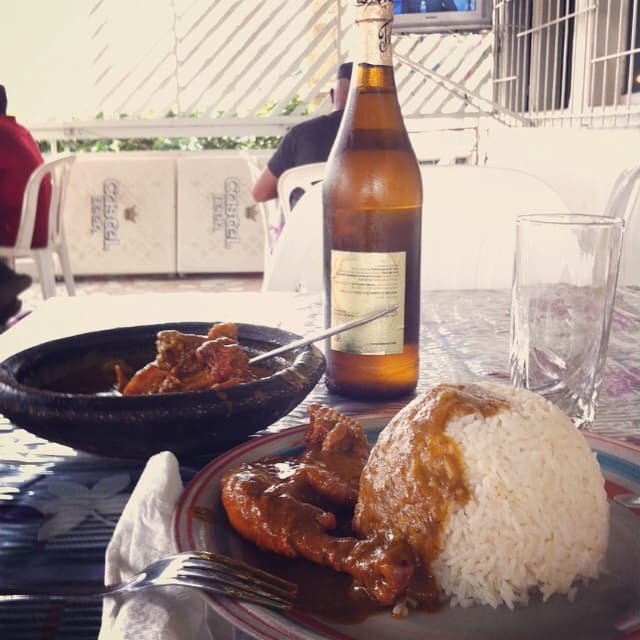
Sauce Arachide (Peanut Sauce)
A peanut-based stew with meat and vegetables, ladled over rice. Creamy and savory, it is a West African classic eaten all over the country.
Allergens:
Bangui (Palm Wine)
Fermented palm sap, sweet when fresh and stronger the longer it ferments. The drink people pass around at gatherings and maquis.
Regional Cuisine Highlights
Explore the diverse culinary landscapes across different regions of Ivory Coast.
Abidjan (Economic Capital)
As the economic capital, Abidjan pulls in every Ivorian ethnic group along with cooks from abroad, and the food shows it. Maquis culture is strongest here, with open-air braised-meat spots spread through Treichville, Yopougon, Cocody and Marcory Zone 4. Street vendors selling garba, alloco and attiéké are on every corner. Higher-end kitchens marry Ivorian ingredients with French technique, while Lebanese, Chinese and Italian restaurants fill out the rest. The coastal setting means fresh fish from the Gulf of Guinea, and Plateau holds international cafes and bistros. This is urban Ivorian food at its most current.
Cultural Significance:
Abidjan holds together the country's ethnic mix and its economic drive. The maquis is where Ivorians come together over food, drinks and music, while the street food carries the energy of the working class. French colonial heritage lingers in the café culture, the boulangeries and the way restaurants are run. As the economic engine, the city pushes new cooking forward without dropping the traditional plates.
Signature Dishes:
- Garba (fried tuna with attiéké)
- Maquis braised chicken and fish
- Alloco from street vendors
- Kedjenou at traditional restaurants
- Fresh grilled fish from coastal markets
Key Ingredients:

Northern Ivory Coast (Savanna Region)
The north leans Sahelian and Muslim in its cooking. The drier land grows millet, sorghum, groundnuts and rice rather than the crops of the south. Grilled meat is everywhere, from brochettes to grilled lamb, and tô, a millet porridge, is a fixture. Sauce arachide, the peanut sauce, is a staple, and cooks reach for groundnut oil more than palm oil. With a Muslim majority, the meat is halal and there is less drinking. The Malinké, Senoufo and Lobi each cook their own way, and northern markets stock dried fish and smoked meat to keep food through the heat.
Cultural Significance:
The food of the north ties Ivory Coast to the wider Sahel. Old trade routes carried Islam and its cooking down into the region. Markets matter a great deal here, with Korhogo's among the best known. The mix of peoples brings variety, and the difference in crops gives the north a food identity all its own, distinct from the southern rainforest.
Signature Dishes:
- Tô (millet or sorghum porridge)
- Sauce arachide (peanut sauce)
- Brochettes (grilled meat skewers)
- Riz gras (jollof-style rice)
- Grilled lamb
Key Ingredients:
Southern Coastal Region
The southern coast cooks around seafood, coconut and palm. Lagoon fishing brings in fresh fish, crab and shrimp, and the coastal Ebrié, Attié, Nzima and Ahizi all have long fishing roots. Placali, the fermented cassava dough, is more common here than attiéké, and palm nut soup (sauce graine) is the regional specialty, with fresh coconut milk going into many sauces. Grand-Bassam, the old colonial town, has its seafood restaurants. The humid rainforest supports cocoa, coffee, plantains and cassava, and the cooking leans more toward stews than the grill.
Cultural Significance:
The southern coast carries Ivorian cultures that go back well before the colonial era. Grand-Bassam, the first colonial capital and now a UNESCO site, holds its own food heritage. The fishing communities keep their old practices, and the rainforest's range of ingredients shapes what ends up in the pot. This is some of the least globalized cooking in the country.
Signature Dishes:
- Placali with fish soup
- Sauce graine (palm nut soup)
- Fresh lagoon fish
- Seafood kedjenou
- Coconut-based sauces
Key Ingredients:
Sweet Delights & Desserts
Indulge in Ivory Coast's traditional sweet treats and desserts.
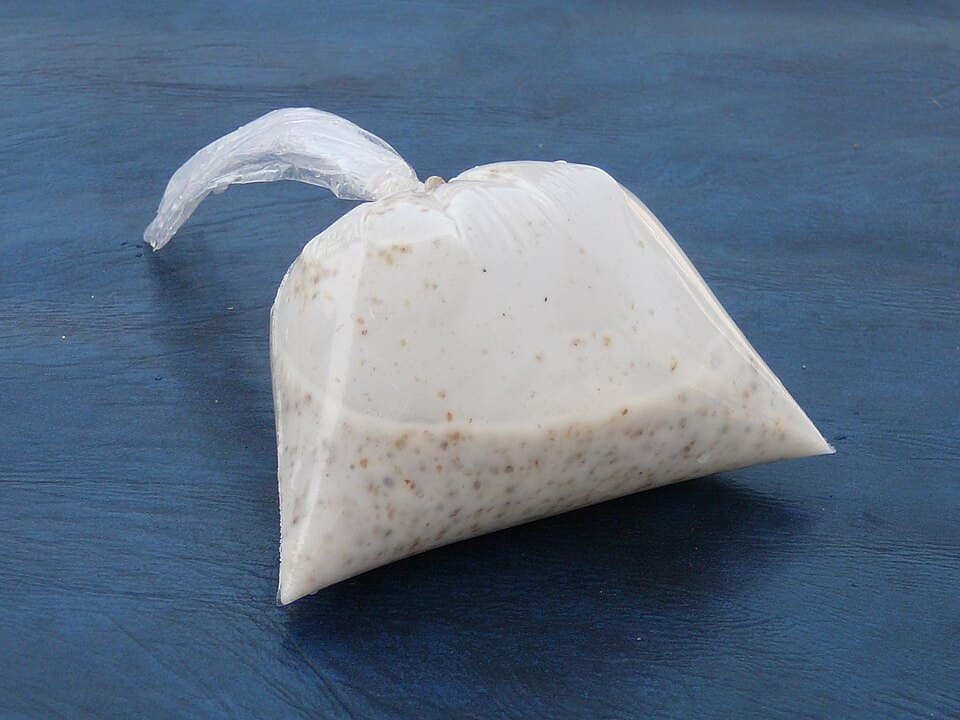
Dégué
Sweet millet couscous stirred into yogurt with vanilla, sometimes pineapple or mango, and served chilled. It is light and cooling, a West African dessert sold at street stalls and cafes across the country. The ingredients are plain but it satisfies.
Cocoa-based Sweets
As the world's largest cocoa producer, Ivory Coast is starting to keep some of that chocolate at home. Local chocolatiers turn Ivorian cocoa into bars, truffles and pralines, and a handful of Abidjan shops now run bean-to-bar. There is clear pride in the cocoa heritage and the quality of the cacao coming out of different regions.
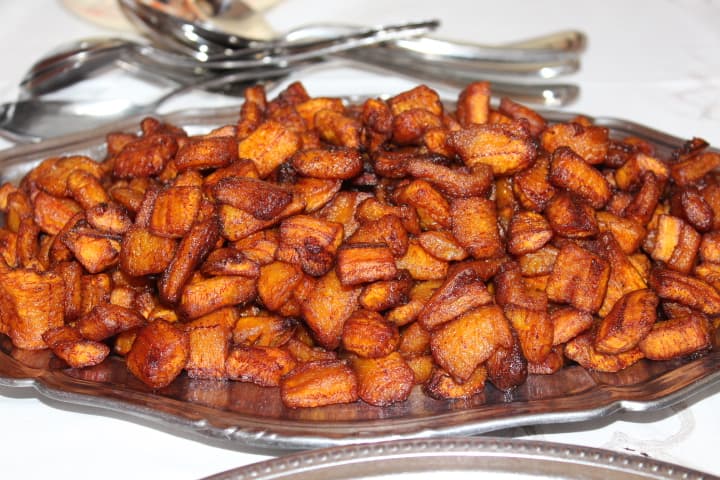
Fried Plantain with Honey
Ripe plantains fried until caramelized, then drizzled with honey or sugar. Frying concentrates the plantain's own sweetness, so it needs little else. A simple dessert or snack you pick up at street stalls.
Fresh Tropical Fruits
The country grows mangoes, pineapples, papayas, coconuts and soursop in abundance, and ripe fruit often stands in for dessert. Market stalls sell it cut and ready to eat. It reflects a West African leaning toward natural sweetness over heavy puddings.
Traditional Beverages
Discover Ivory Coast's traditional drinks, from locally produced spirits to regional wines.
Bangui (Palm Wine)
A fermented drink made from the sap of the oil palm or raffia palm. Fresh, it is sweet and milky white; with time it grows sour and stronger. People drink it in villages and cities, served from calabash gourds or plastic bottles. Fresh, it sits around 2-4% alcohol, climbing as it ferments.
Koutoukou
A clear, strong spirit distilled from palm wine, essentially Ivorian moonshine, running 40-50% alcohol. It is made by traditional methods and turns up in rural areas and some city bars, poured at gatherings and celebrations.
Soft Beverages
Discover Ivory Coast's traditional non-alcoholic drinks, from local teas to refreshing juices.

Bissap (Hibiscus Tea)
A cold drink steeped from dried hibiscus flowers (sorrel) and sweetened with sugar. It comes out deep red and tart, and it is high in vitamin C. A West African staple sold by street vendors and restaurants, sometimes spiked with mint, ginger or vanilla. Many drink it instead of soda.
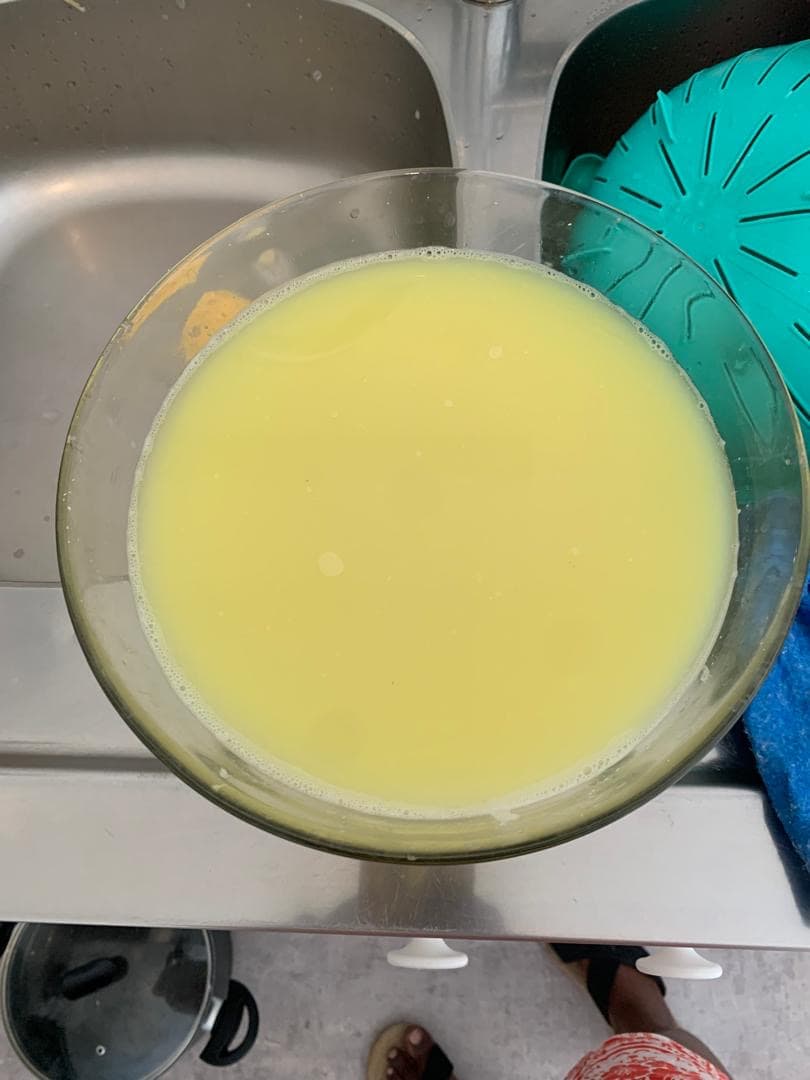
Gnamakoudji (Ginger Juice)
A cold ginger juice sweetened with sugar, sometimes with pineapple or lemon added. The ginger hits hard, sharp and refreshing, and many drink it for the supposed health benefits. A common street drink sold in plastic bags or bottles, and a West African tradition.
Nescafé (Local Coffee)
Instant coffee is oddly popular for a country that grows coffee. Street vendors pour hot Nescafé into small cups, served sweet with condensed milk, a habit shaped by French café culture. The local robusta has long been exported, while instant is what most people drink at home.
Frequently Asked Questions
Essential information about food and dining in Ivory Coast.
What is the national dish of Ivory Coast?
Ivory Coast's most iconic dishes include Attiéké, Kedjenou, Alloco. The country's everyday staple: cassava that is fermented, grated and steamed down to a couscous-like grain. It tastes light with a faint sourness. People eat it with almost anything, grilled fish, chicken, meat or vegetables, usually pinching it into a ball by hand. You find it at street carts and white-tablecloth restaurants alike, and for most Ivorians it is simply daily food.
Is street food safe in Ivory Coast?
Street food in Ivory Coast can be enjoyed safely by following these guidelines: Drink bottled or boiled water only. Look for busy vendors with high turnover, ensure food is cooked fresh and served hot, and avoid raw ingredients if you have a sensitive stomach.
What are the best restaurants in Ivory Coast?
Ivory Coast offers diverse dining options from street food stalls to upscale restaurants. For the best experience, ask locals for recommendations, check recent reviews, and look for restaurants that specialize in regional cuisines.
Can vegetarians find food easily in Ivory Coast?
Vegetarian options in Ivory Coast are mediumly available. You can eat vegetarian here, though meat and fish sit at the center of most Ivorian cooking. Attiéké, alloco (fried plantain) and kedjenou can all be made without meat. International restaurants in Abidjan give you more to choose from. Just ask for dishes without meat or fish.. Many restaurants offer vegetarian dishes, and you'll find plant-based ingredients featured prominently in local cuisine.
What is the average cost of a meal in Ivory Coast?
Meal costs in Ivory Coast depend on where you eat. Street food and casual local restaurants are very affordable, typically offering complete meals for a few dollars. Mid-range restaurants charge moderate prices, while fine dining establishments are comparably priced to Western countries.
What are common food allergens in Ivory Coast?
Common allergens in Ivory Coast cuisine include Peanuts and Groundnuts, Fish and Shellfish, Palm Oil. Peanuts, known locally as groundnuts, turn up in sauces, stews and snacks across Ivorian cooking.. These ingredients appear in dishes like Groundnut soup, Peanut sauces. Always inform restaurant staff about your allergies.
When is the best time to visit Ivory Coast for food?
Ivory Coast offers great food experiences throughout the year. However, visiting during harvest seasons (typically spring and autumn) provides access to the freshest local ingredients. Food festivals and cultural celebrations also offer unique culinary experiences worth planning around.