
Namibia Food Guide
Content Information
Recently updated🔥Current Food Trends 2026
What's happening in Namibia's culinary scene right now
By 2026, game meat, safari-lodge dining, and a growing number of craft breweries define how Namibia eats. Kapana, the township grilled-meat trade, has put Windhoek's Katutura on the map, and the Single Quarters Open Market now draws visitors who come specifically to eat there. German colonial habits live on in the lagers and bakeries, even as a food-sovereignty push brings back ingredients like mahangu (pearl millet) and mopane worms. Safari lodges have leaned into zero-waste kitchens and solar cooking, often sourcing from nearby farms. On the coast, Swakopmund pairs German pastries with Atlantic seafood. Camelthorn Brewing Company and Urban Brewing anchor the craft beer scene, and Neuras Estate keeps making wine in the Namib Desert against long odds. The current threads worth watching: more sustainable game farming, renewed interest in traditional fermented drinks, and kitchens mixing African and European cooking.
Food Safety Tips
Essential food safety information to help you enjoy Namibia's cuisine safely and confidently.
Drink bottled or filtered water
Tap water in Windhoek and the larger towns is generally safe to drink. Quality drops off in rural areas, so carry bottled water or a filter once you leave the towns.
Handle game meat safely
Game meat such as kudu, springbok, and oryx should be cooked through to avoid parasites. Established restaurants and safari lodges hold to proper standards.
Sun protection for outdoor dining
The UV here is fierce. At outdoor braais and kapana markets, wear sunscreen and a hat and stay in the shade when you can.
Check food sourcing at informal markets
Hygiene varies a lot among kapana and street vendors. Go for the busy stalls where meat turns over fast and you can see how it's handled.
Dietary Options
vegetarian
MEDIUM AVAILABILITYIn Windhoek, Swakopmund, and the tourist areas you'll find pasta, salads, vegetable potjiekos, and gem squash on menus. The traditional cooking leans heavily on meat, but more urban restaurants are putting together vegetarian dishes. Safari lodges can usually accommodate if you let them know ahead of time.
vegan
LOW AVAILABILITYOutside Windhoek and Swakopmund, vegan choices thin out fast. Namibian cooking depends on meat and dairy, though city cafes now stock plant-based milks and serve salads and vegetable dishes. Strict vegans do best self-catering with fresh market produce. Safari lodges can manage with advance notice.
gluten-free
MEDIUM AVAILABILITYGluten-free eating is getting easier in the cities. Traditional dishes built on mahangu (pearl millet) and sorghum, like oshifima, contain no gluten to begin with, though wheat flour runs through most modern bread and baking. Windhoek supermarkets carry imported gluten-free products. Be clear about your needs when you order.
halal
LOW AVAILABILITYHalal food tracks Windhoek's small Muslim community, under 1% of the population. Hanan Halal Butchery and a handful of Indian and Pakistani restaurants sell halal-certified meat. Game meat is not certified. Vegetarian and seafood dishes work as fallbacks. Swakopmund has little to offer, so observant Muslims may want to self-cater.
kosher
VERY LOW AVAILABILITYKosher food is almost nonexistent here, with no certified restaurants or butchers. Windhoek's Jewish community of roughly 100 people gets by on imported kosher products and home cooking. Fish such as kingklip and Cape salmon are fine where the scales are visible. Salads, vegetables, and fruit make safer bets. Plan to bring your own kosher provisions or stick to foods that are naturally kosher.
Common Allergens
Peanuts
MEDIUM PREVALENCEPeanuts (groundnuts) are used in northern Namibian cuisine, particularly in Ovambo stews and sauces.
COMMONLY FOUND IN:
Wheat
HIGH PREVALENCEWheat flour is used extensively in bread, pastries, and modern Namibian cuisine despite traditional gluten-free grains.
COMMONLY FOUND IN:
Dairy
HIGH PREVALENCEDairy products are common in Namibian cuisine with German colonial influence and local milk production.
COMMONLY FOUND IN:
Eggs
MEDIUM PREVALENCEEggs are used in baked goods, desserts, and breakfast dishes throughout Namibia.
COMMONLY FOUND IN:
Essential Food Experiences
These iconic dishes represent the must-have culinary experiences that define Namibia's food culture for travelers.
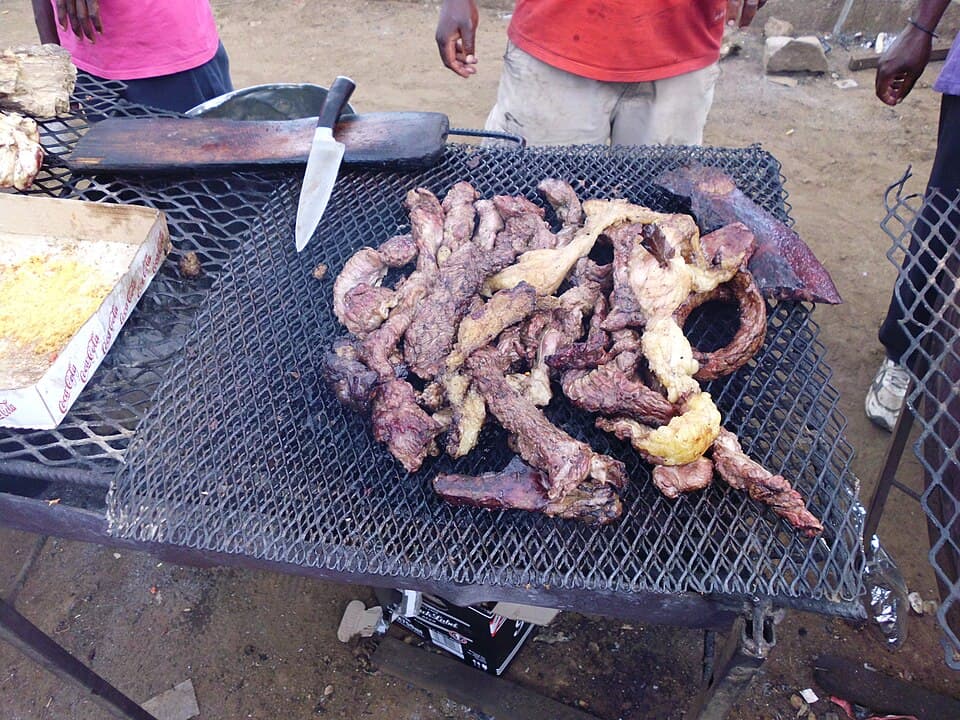
Kapana
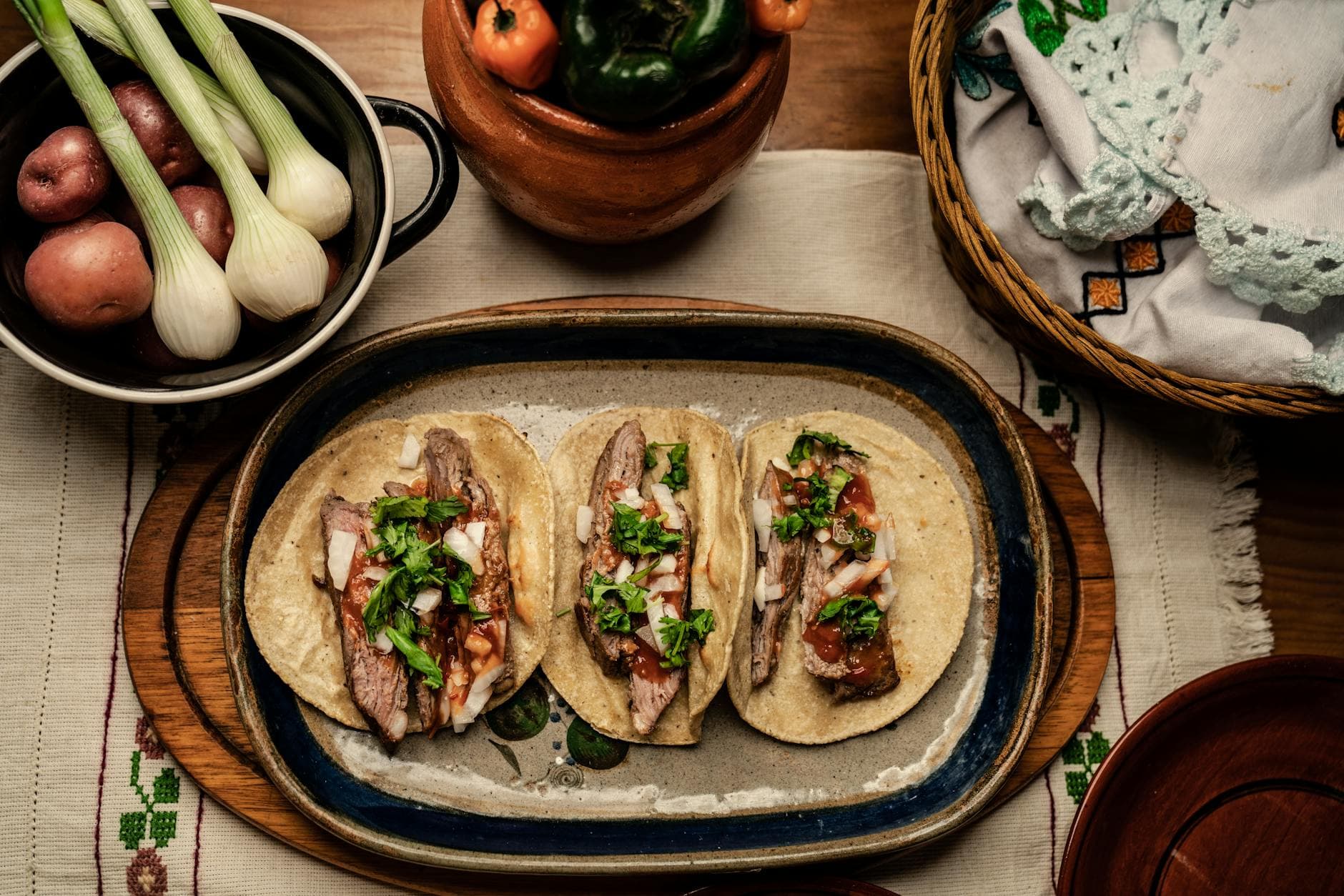
Namibia's signature street food: thin strips of beef grilled over open flames at informal markets, served with chili sauce, onions, and tomatoes. The place to eat it is the Single Quarters Open Market in Windhoek's Katutura township, where vendors grill to order while you wait. You sit on shared benches, the atmosphere is loud and friendly, and a plate costs next to nothing.
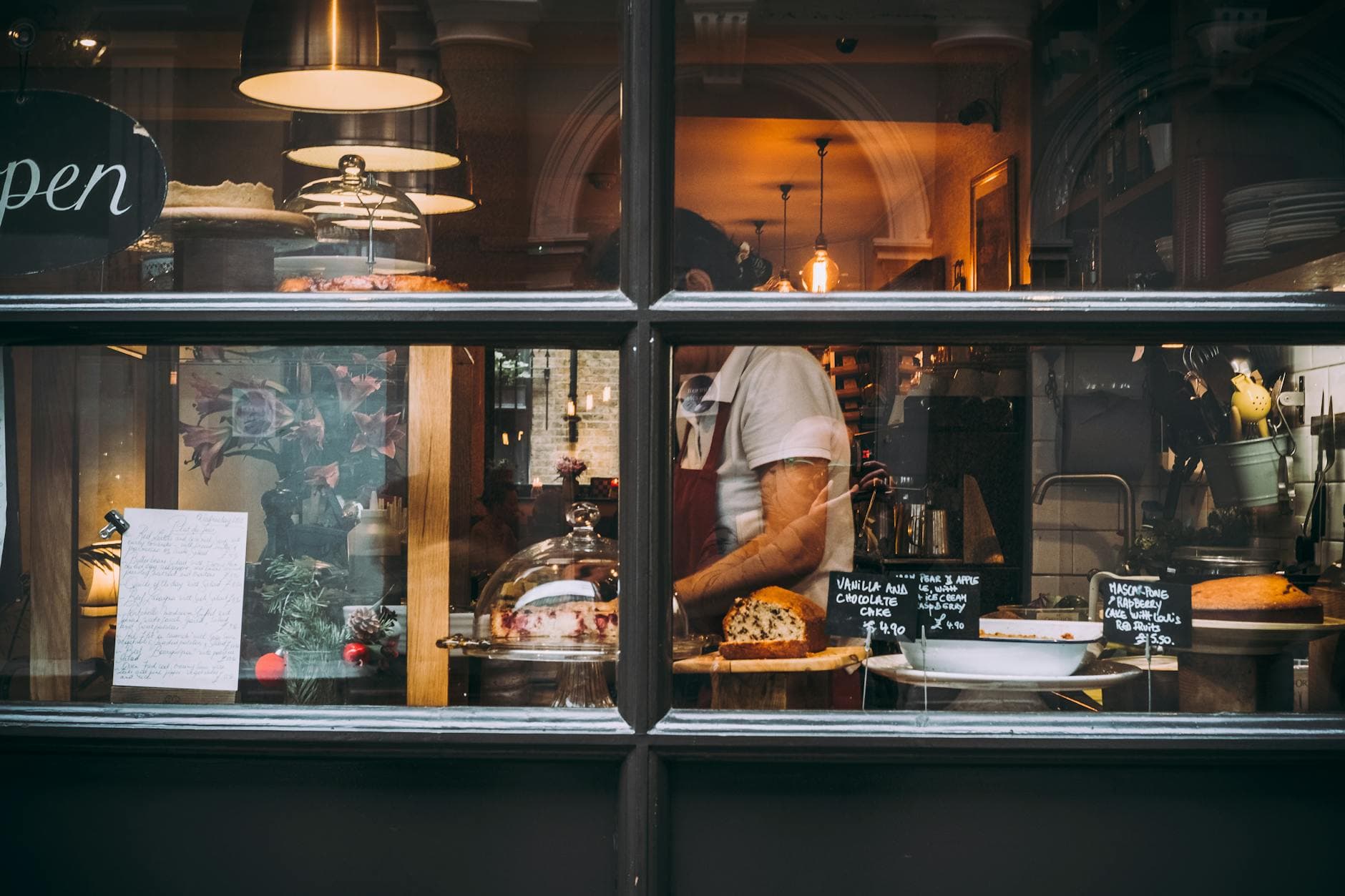
Biltong
A dried, cured meat snack made from beef, kudu, springbok, or ostrich. The meat is marinated in vinegar, salt, coriander, and black pepper, then air-dried for days. Unlike jerky, Namibian biltong stays slightly moist inside while firming up on the outside. You'll find it in supermarkets, at petrol stations, and in specialty shops, and it's the standard companion to a long drive and a cold beer.
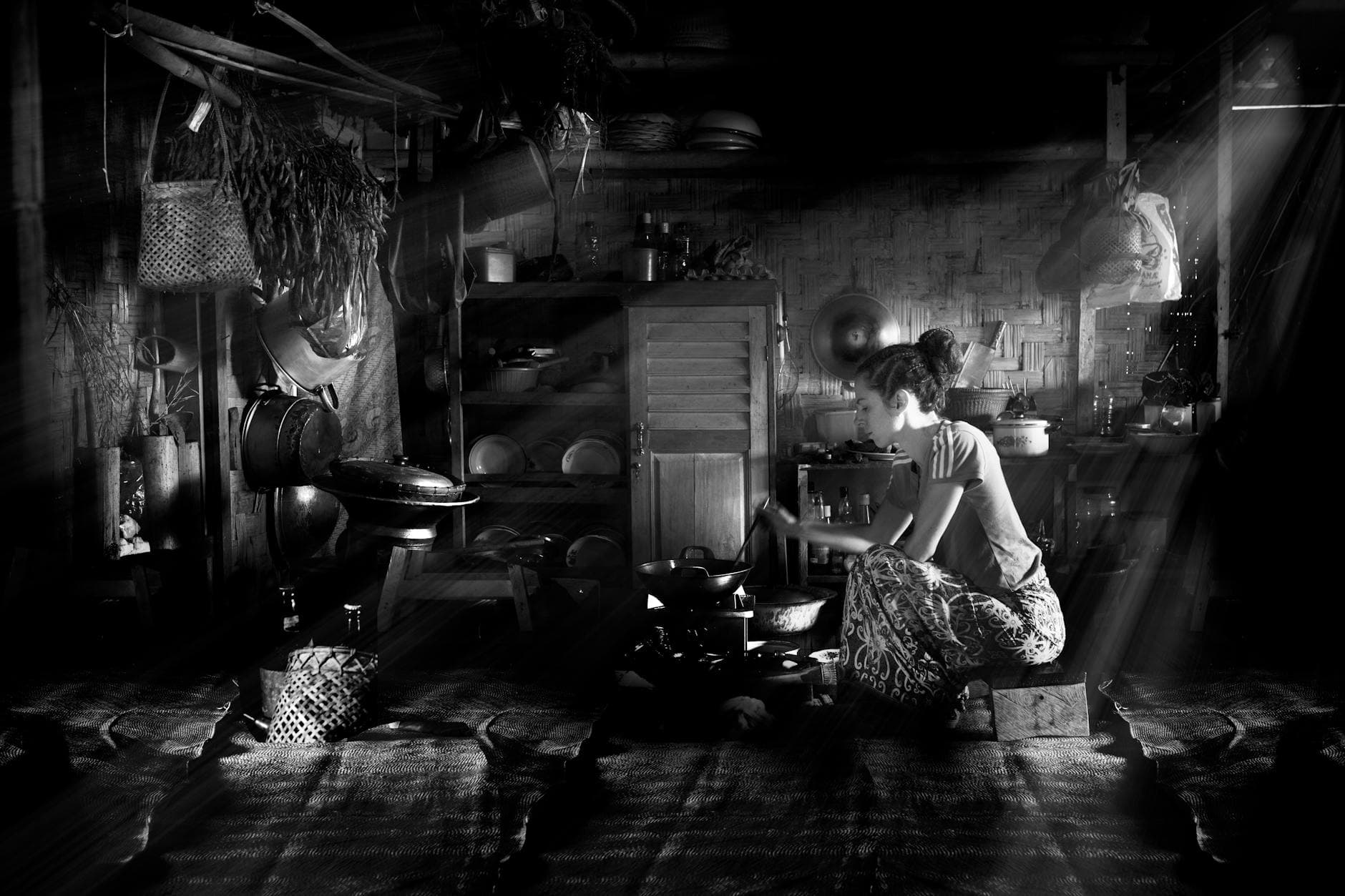
Oshifima with Oshikandela
The everyday staple of northern Namibia: a thick porridge of mahangu flour (pearl millet) cooked stiff with water and served with oshikandela, a meat or fish stew with onions and tomatoes. You eat it by hand, rolling the porridge into balls and dipping them into the stew. It sits at the center of Ovambo cooking and goes back well before the colonial era.
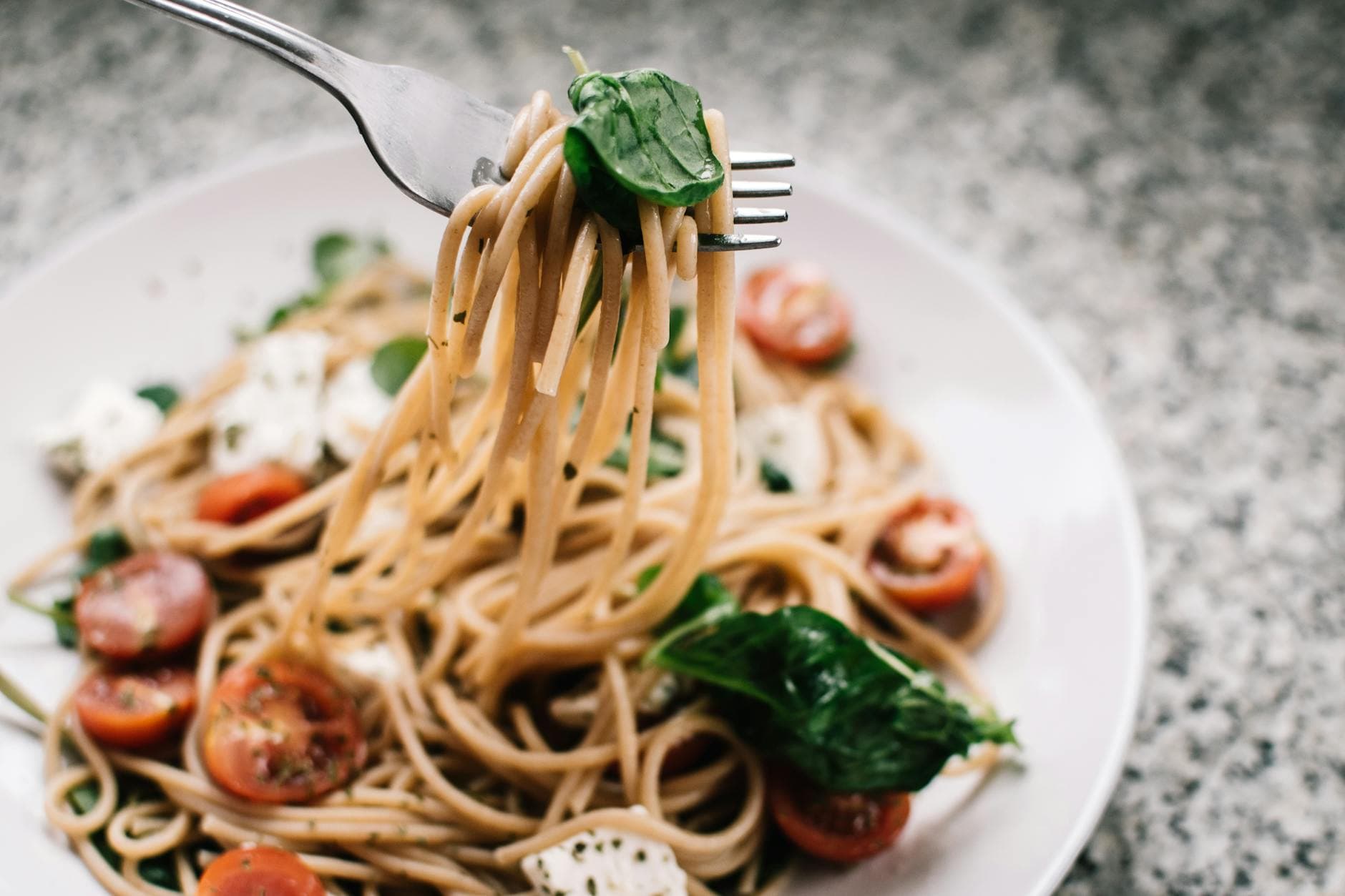
Potjiekos
A stew slow-cooked in a three-legged cast iron pot over an open fire. Cooks layer meat (lamb, beef, or game), potatoes, carrots, onions, and spices, then leave it unstirred so the flavors meld but the ingredients keep their own texture. It's cooked outdoors at braais and gatherings, and most families have their own variation they don't readily share.
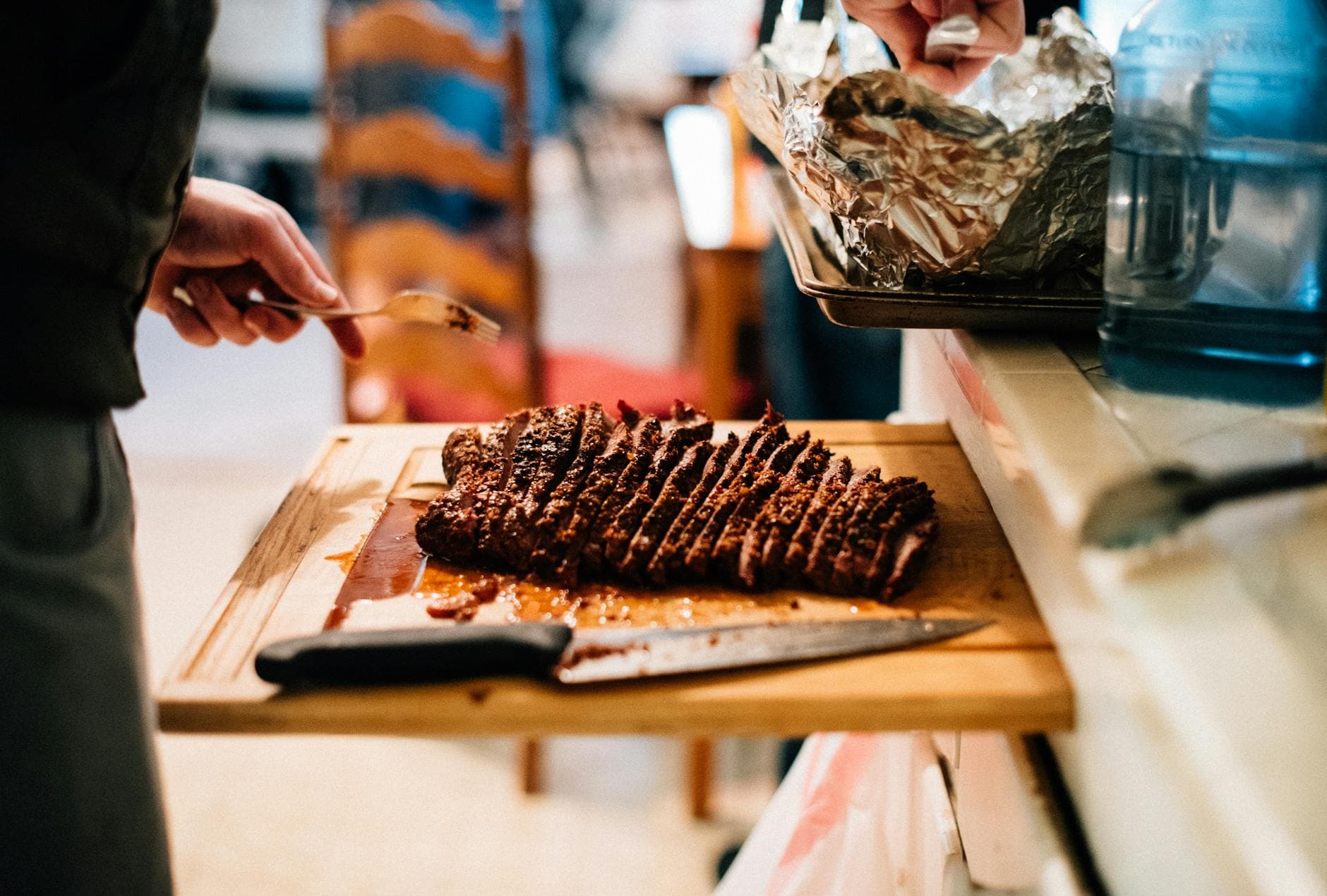
Braai (Barbecue)
Grilling outdoors over wood or charcoal is something close to a national pastime, and the braai is where it happens: boerewors (spiced sausage), steaks, lamb chops, and game meat cooked over the coals. It's as much a social occasion as a meal, and families turn out for it. The usual sides are pap (maize porridge), salads, and bread. The techniques get handed down from one generation to the next.
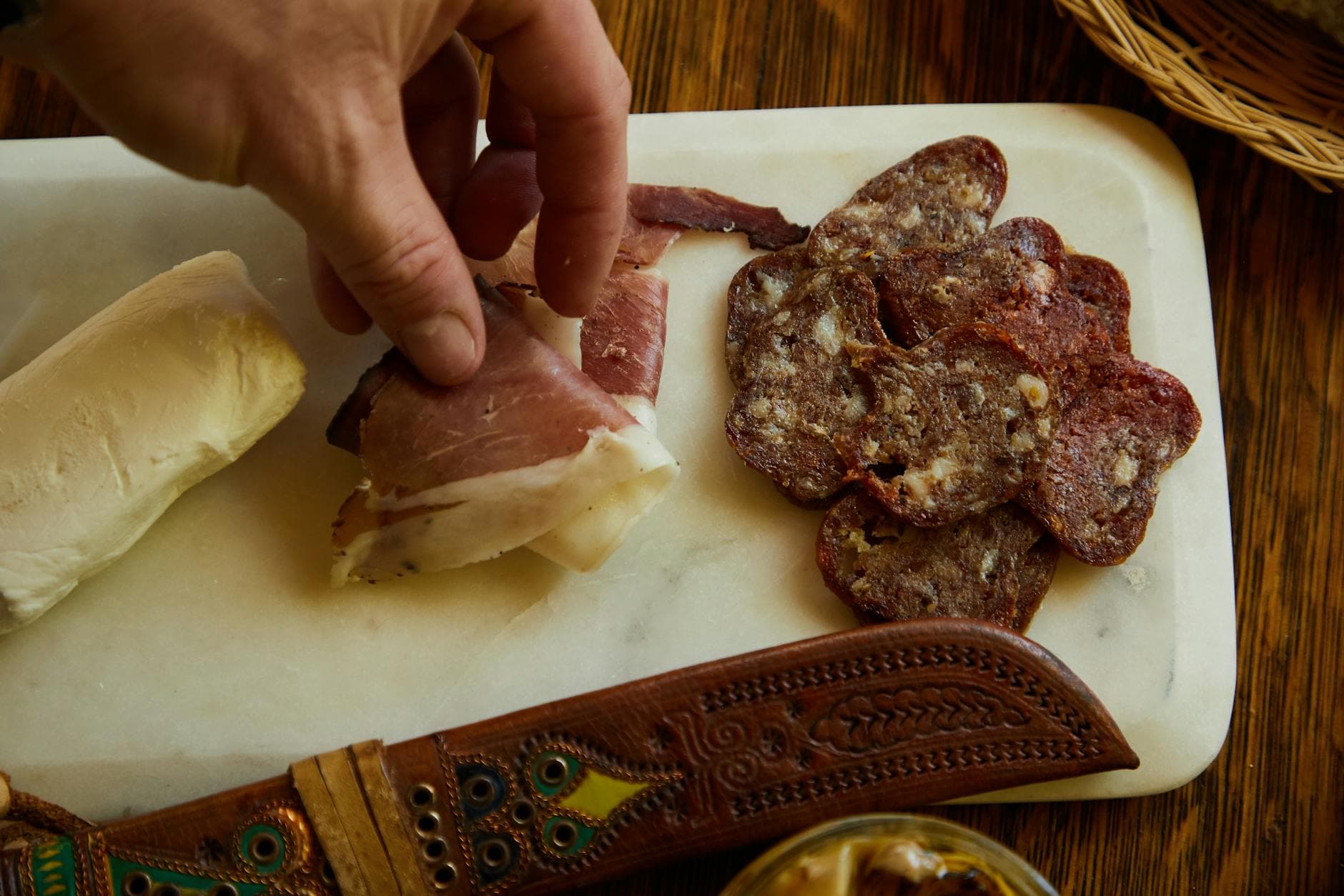
Game Meat Platter
A spread of Namibia's game meats: kudu, springbok, gemsbok (oryx), ostrich, and zebra, usually grilled or served as carpaccio. Game runs leaner and tastes stronger than beef, and it comes from sustainable farms and wild herds. Safari lodges and restaurants like Joe's Beerhouse in Windhoek put out tasting platters so you can compare them. Each meat has its own flavor and texture.
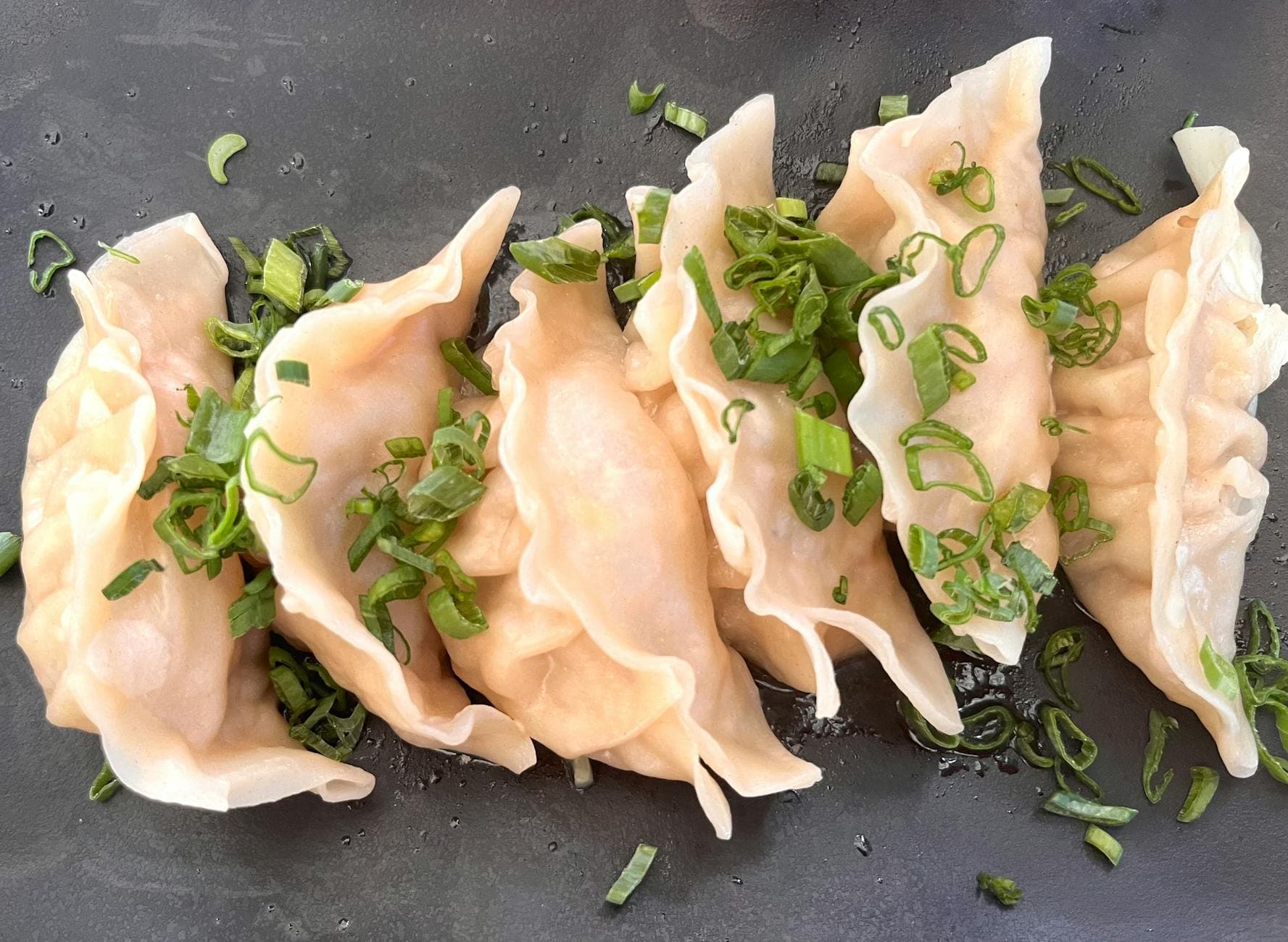
Mopane Worms
Caterpillars of the Emperor moth, gathered from mopane trees and then dried or fried with spices. They run over 60% protein and have been eaten in northern Namibia for generations. Fried, they turn crunchy with an earthy, nutty taste. You'll see them in markets and at some tourist restaurants, and they're drawing attention abroad as a low-impact protein.
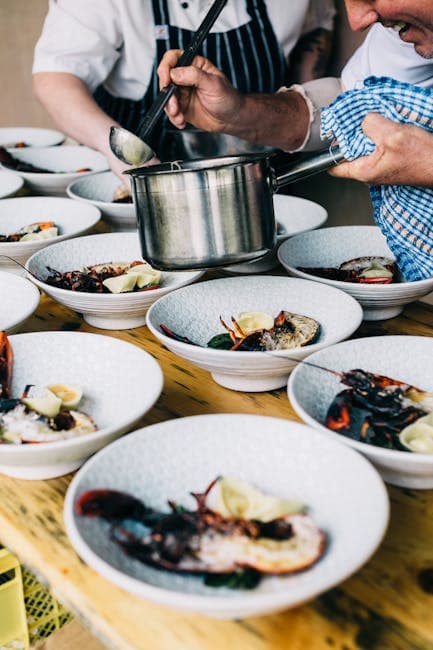
Walende (Marula Fruit Wine)
A traditional wine fermented from marula fruit gathered off the marula trees of northern Namibia. It's sweet and fruity, runs 8 to 12% alcohol, and comes out at celebrations and gatherings. The marula tree matters a great deal here, and there's the well-known story of elephants getting at the fermenting fruit. Walende is part of a long line of home fermentation.
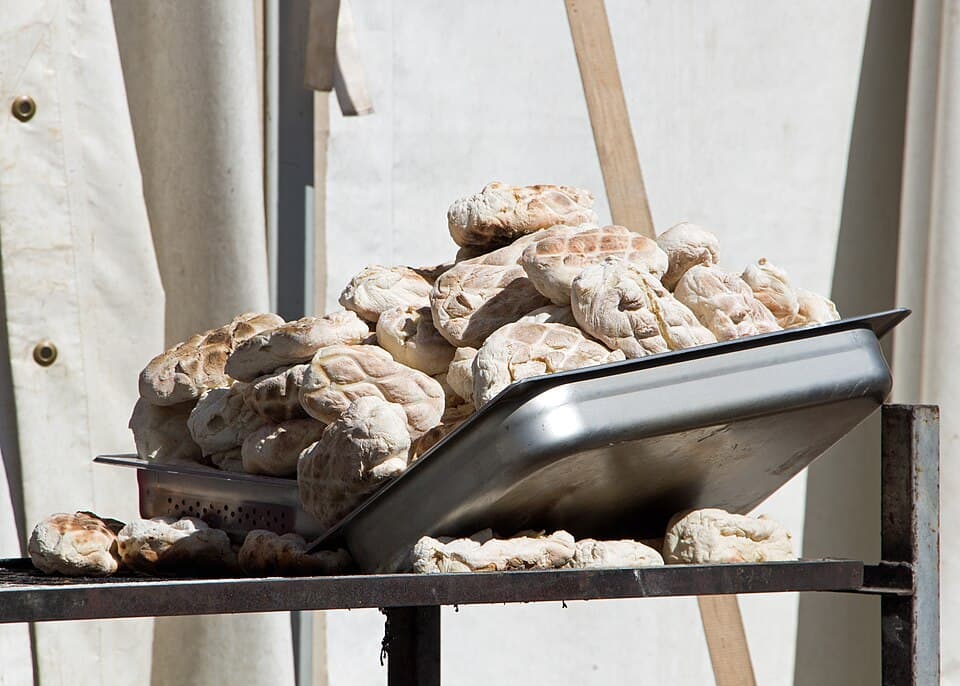
Roosterkoek
Afrikaner bread rolls cooked right on the braai grates, which gives them a smoky, charred crust and a soft interior. They're served hot with butter, jam, or cheese, and they turn up at any proper braai, good for soaking up meat juices and sauces. The name is Afrikaans for 'grilled cake.' Families keep their own dough recipes and grilling habits.
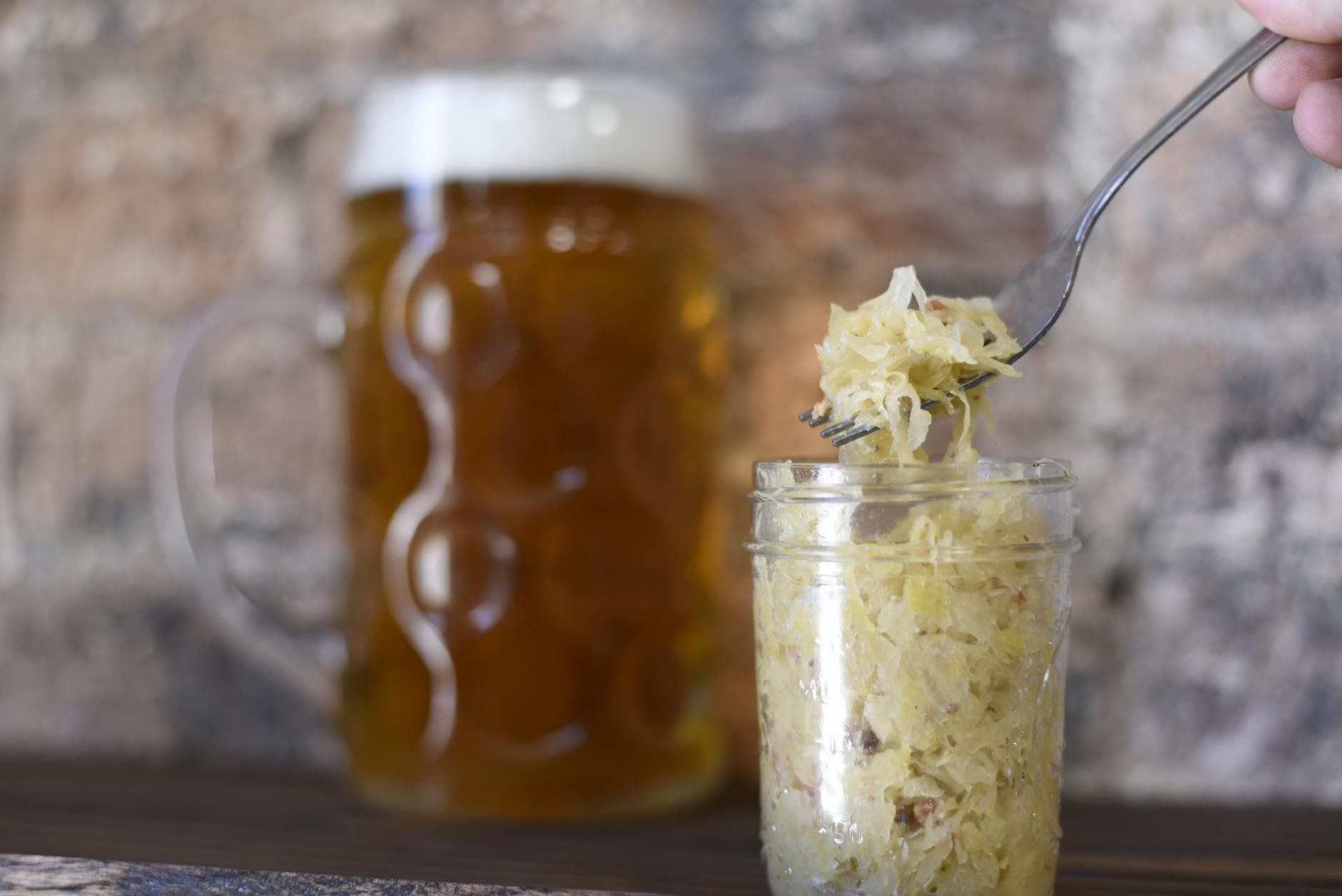
Windhoek Lager
Namibia's flagship beer, brewed since 1920 to the German Reinheitsgebot purity law, with nothing but barley, hops, yeast, and Namibian water. It's a crisp pilsner at 4% ABV, drunk ice-cold against the desert heat. Namibia Breweries Limited ships it to more than 20 countries, and the brewery runs tours that trace how German brewing was adapted to African conditions.
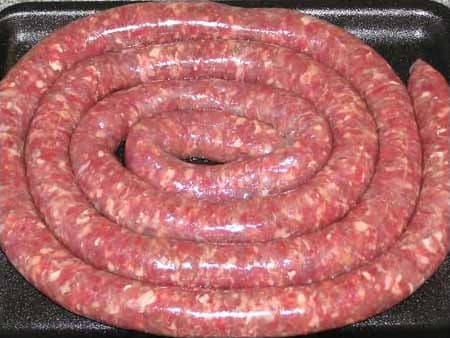
Boerewors
A spiced sausage of coarsely ground beef (or game) mixed with pork fat, coriander, black pepper, nutmeg, and cloves, packed into natural casing and wound into a long coil. It's the staple of the braai, grilled over the coals until the skin crisps and the inside stays juicy. To count as real boerewors it has to be at least 90% meat.
Regional Specialties & Local Favorites
Discover the authentic regional dishes and local favorites that showcase Namibia's diverse culinary traditions.
Vetkoek
Deep-fried dough bread, like a savory doughnut, often stuffed with spiced mince, cheese, or jam. The name means 'fat cake,' and you'll find it at roadside stalls and markets across the country. The crust fries up golden and crisp over a fluffy center. Eat it hot, straight from the fryer.
Allergens:
Pap (Maize Porridge)
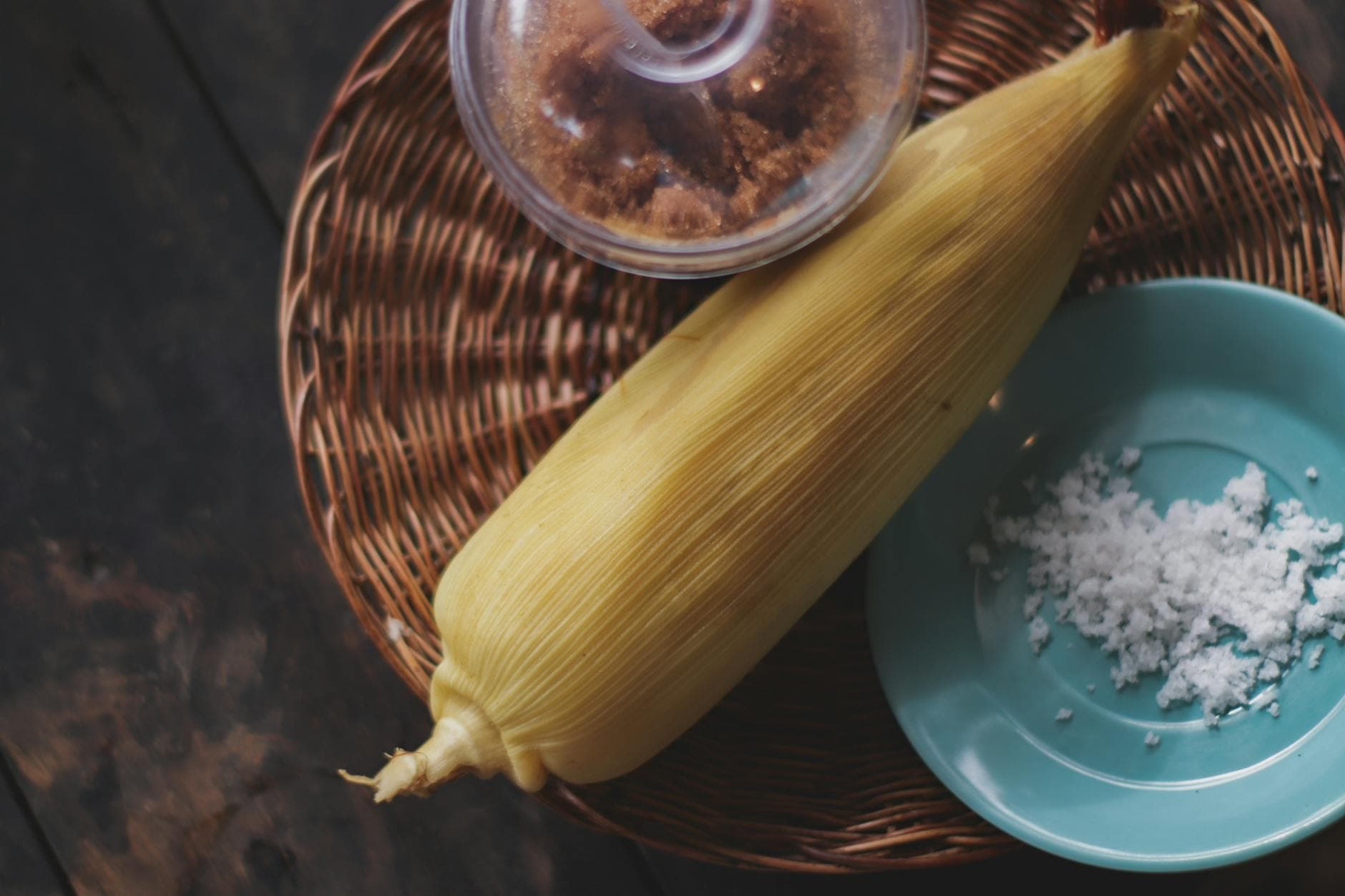
A staple starch of white maize meal cooked with water, served soft as breakfast porridge or stiff as a dinner side. It shows up at every braai alongside the meat and gravy. It's a bit like polenta but with its own texture. People eat it by hand, rolling it into balls to scoop up stews and sauces.
Chakalaka
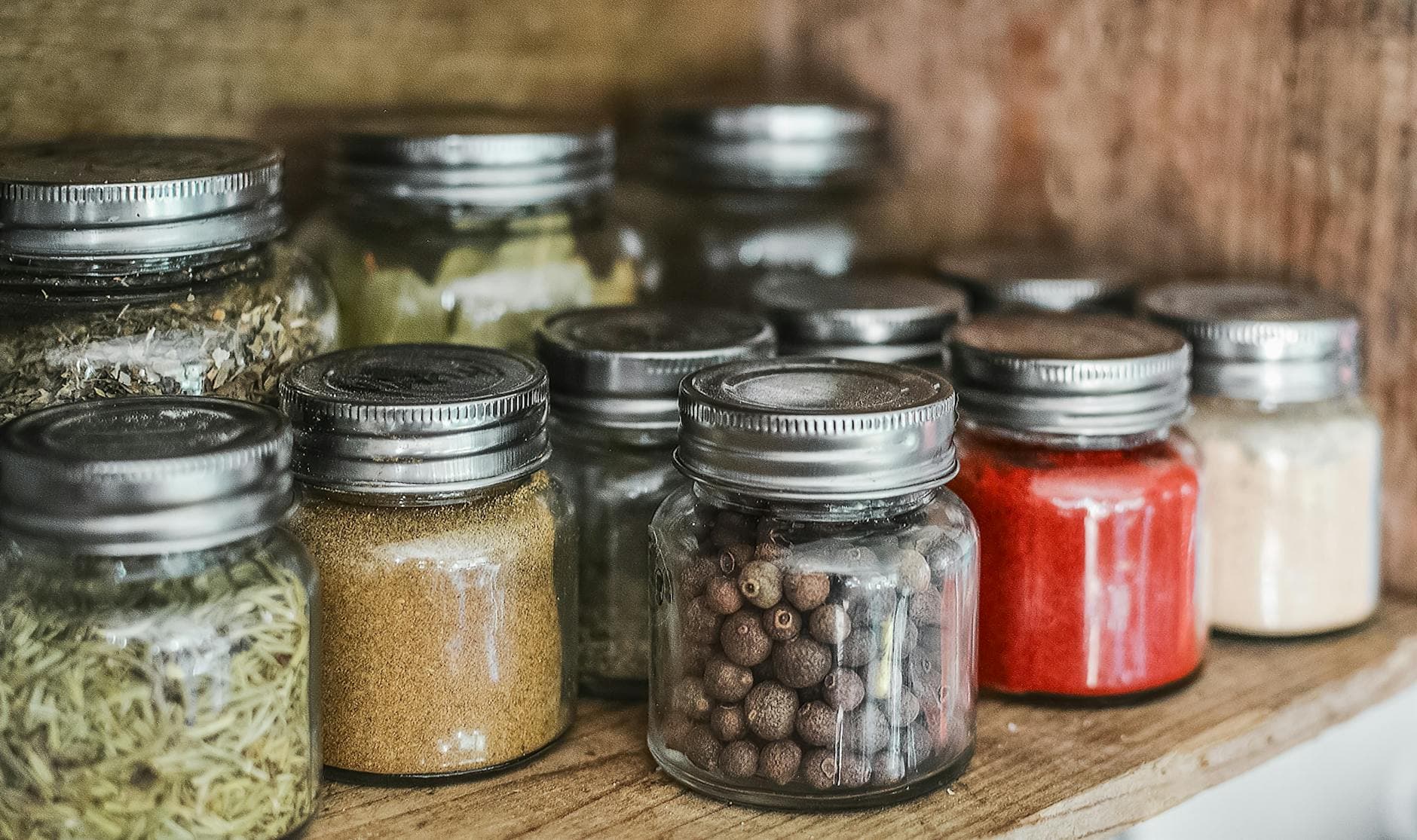
A spicy vegetable relish of onions, tomatoes, peppers, carrots, beans, and curry spices. It's a standard braai side, adding heat to grilled meat and pap. Every household makes it differently, and the spice level varies. Serve it hot or cold.
Kingklip
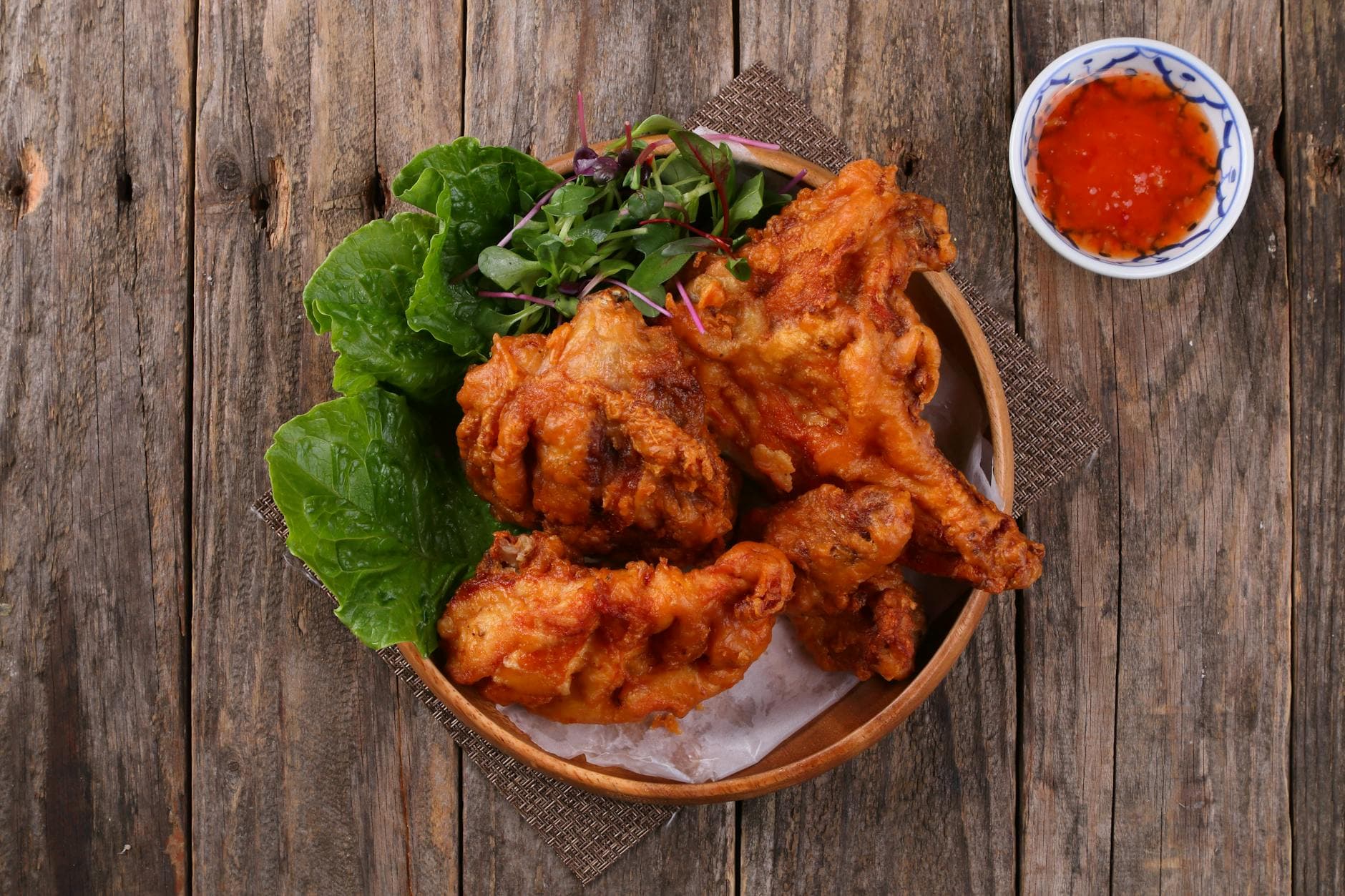
A sought-after white fish from Namibia's Atlantic coast, with a sweet, delicate flavor and firm flesh. It's grilled, baked, or fried at seafood restaurants in Swakopmund and Walvis Bay. The cold Benguela Current keeps these waters rich in nutrients, which is why the seafood here is so good.
Allergens:
Ombidi (Wild Spinach)
A leafy green gathered from wild plants in northern Namibia and cooked down with onions and tomatoes. It tastes slightly bitter and earthy and carries plenty of iron and vitamins. It's served as a side with oshifima and meat stews, and it's part of the wider effort to keep indigenous foods on the table.
Droëwors
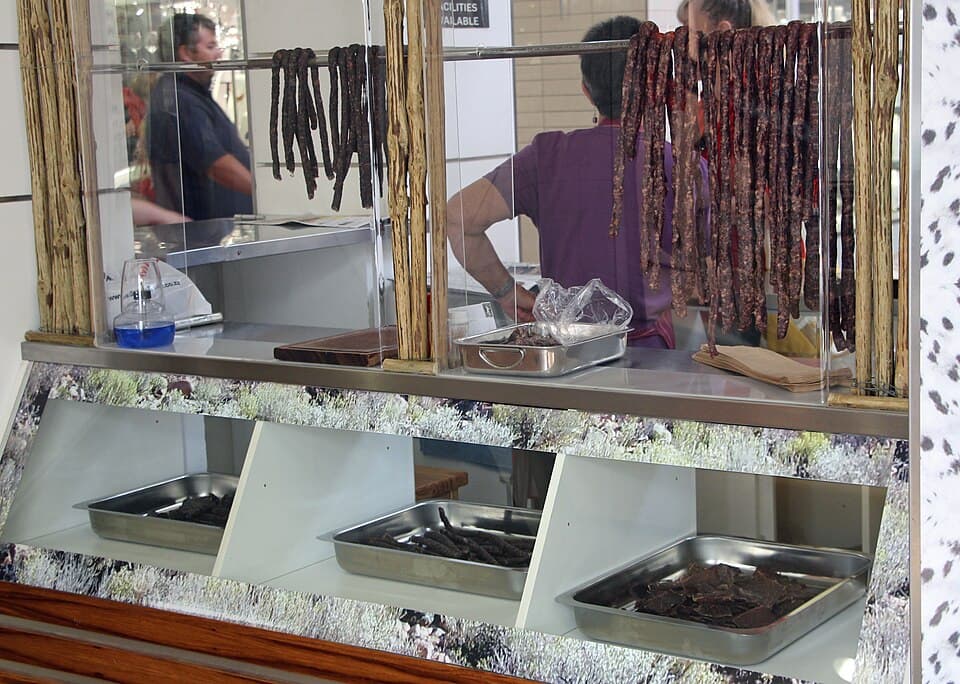
Biltong's sausage cousin: beef with coriander, pepper, and vinegar, air-dried until firm. It's a favorite snack for road trips and hikes, chewy with a concentrated, savory taste. Goes well with a Windhoek Lager.
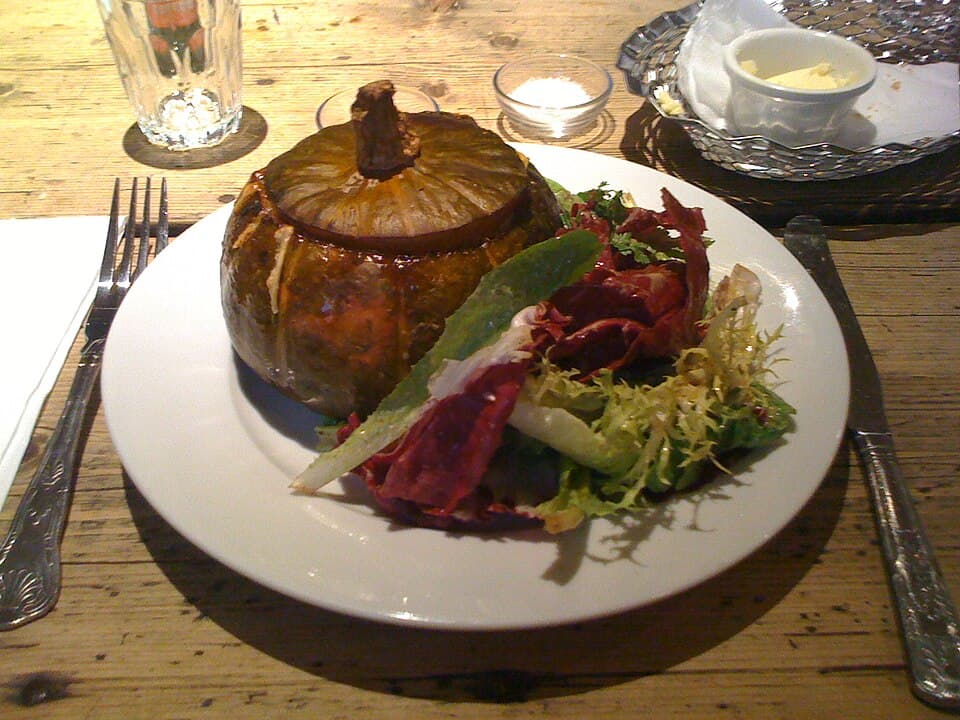
Gem Squash
A small round squash, halved and baked with butter, cinnamon, and brown sugar until soft. It's a common side at braais and restaurants, its sweetness playing off the grilled meat. The flesh turns creamy and scoops straight out of the skin.
Allergens:
Snoek (Smoked Fish)
Smoked barracouta, popular along the coast and especially in Swakopmund. The smoke gives it a rich flavor, and the flesh flakes apart. It's grilled over the coals at braais or worked into curries and stews. A West Coast specialty with Cape Dutch roots.
Allergens:
Regional Cuisine Highlights
Explore the diverse culinary landscapes across different regions of Namibia.
Khomas (Windhoek)
The capital region, where German colonial habits meet African cooking. Windhoek has European-style restaurants, craft breweries like Camelthorn Brewing and Urban Brewing, and the kapana markets out in Katutura township. Joe's Beerhouse sums up the city's dining: game platters, a German beer-garden feel, and pan-African decor. The Single Quarters Open Market in Katutura is where you go for the street-food side of it.
Cultural Significance:
Windhoek reflects Namibia's post-independence identity, keeping the German colonial kitchen alongside indigenous African cooking and newer fusion ideas.
Signature Dishes:
- Kapana (grilled meat)
- German schnitzel with game meat
- Windhoek Lager and craft beer
Key Ingredients:
Erongo (Swakopmund & Walvis Bay)
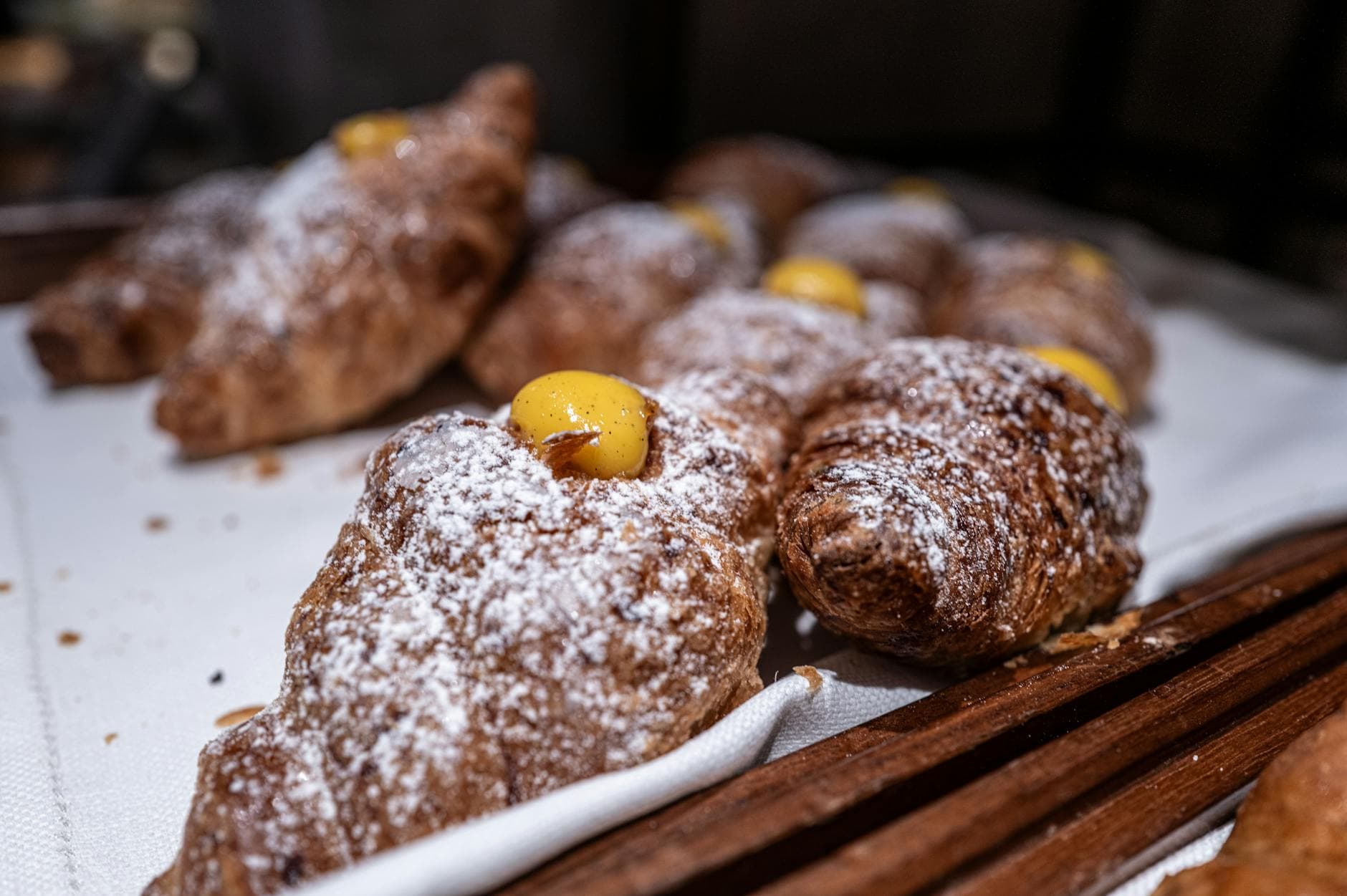
A coastal region known for Atlantic seafood and German colonial architecture. Swakopmund is the country's beach resort town, with German-leaning food and bakeries that turn out strudel, pretzels, and Black Forest cake. The Atlantic brings oysters, kingklip, kabeljou (kob), and crayfish. Walvis Bay is the main port and has fresh seafood markets. The Tug Restaurant and The Brewer & Butcher are the coastal places to eat.
Cultural Significance:
Swakopmund holds onto its German colonial past in both its buildings and its food while remaining a coastal Namibian town. For many international tourists it's the entry point, offering European comforts with an African edge.
Signature Dishes:
- Fresh Atlantic oysters
- Kingklip with lemon butter
- German pastries and cakes
Key Ingredients:
Oshana & Omusati (Ovamboland)
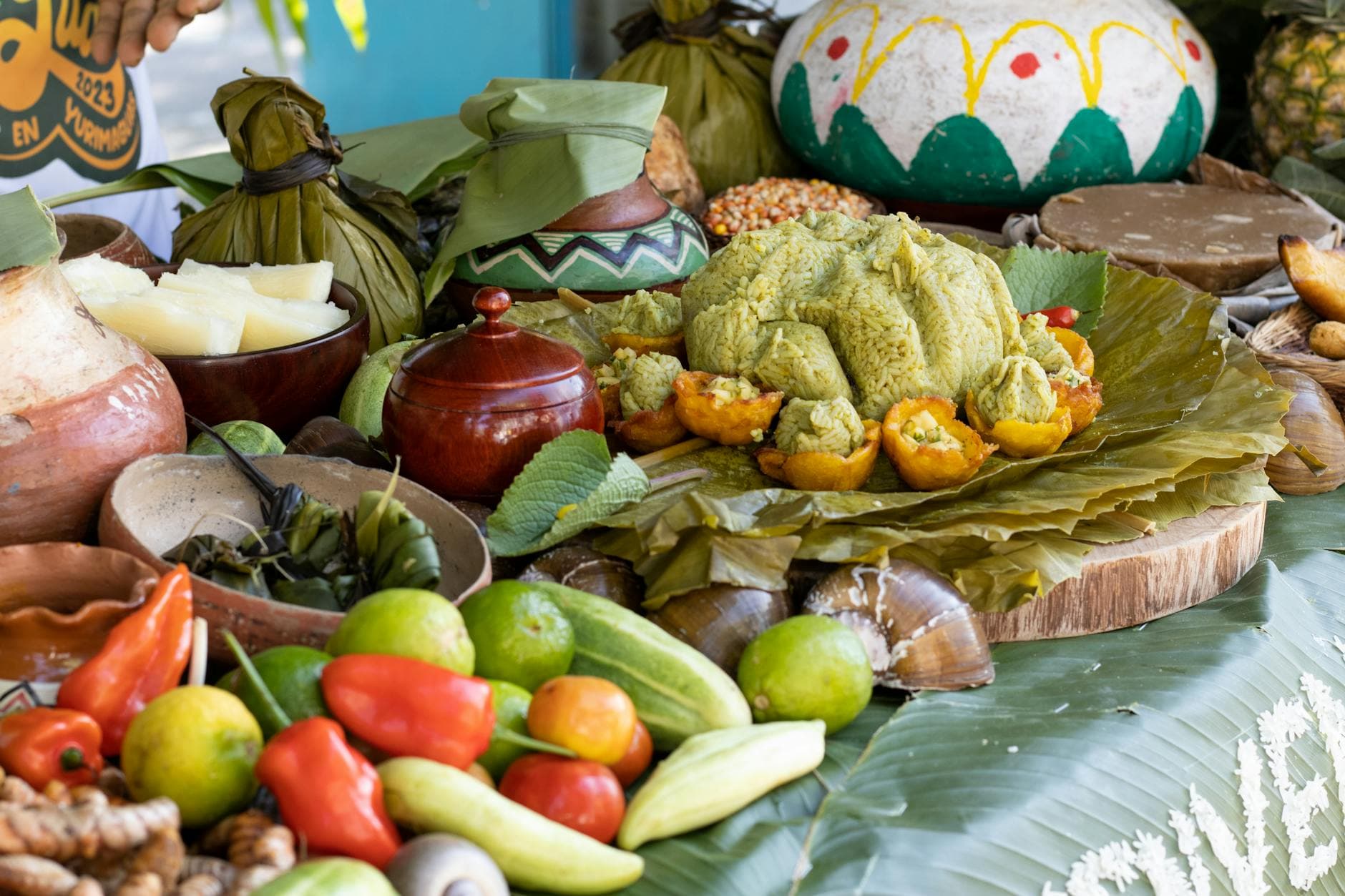
The densely populated north, home to the Ovambo, Namibia's largest ethnic group at about half the population. The cooking here turns on oshifima (mahangu porridge), oshikandela (meat or fish stew), ombidi (wild spinach), and omapala (caterpillar snacks). Mahangu (pearl millet) is the staple grain, ground into flour for porridge and fermented for eembe, the alcoholic drink, and oshikandela, the non-alcoholic one.
Cultural Significance:
Ovamboland keeps pre-colonial food systems alive, which is part of how the community holds onto its own food and identity. Growing mahangu and preparing it the traditional way carries Ovambo identity forward even as modern influences arrive.
Signature Dishes:
- Oshifima (mahangu porridge)
- Ombidi (wild spinach)
- Mopane worms and caterpillars
Key Ingredients:
Sweet Delights & Desserts
Indulge in Namibia's traditional sweet treats and desserts.
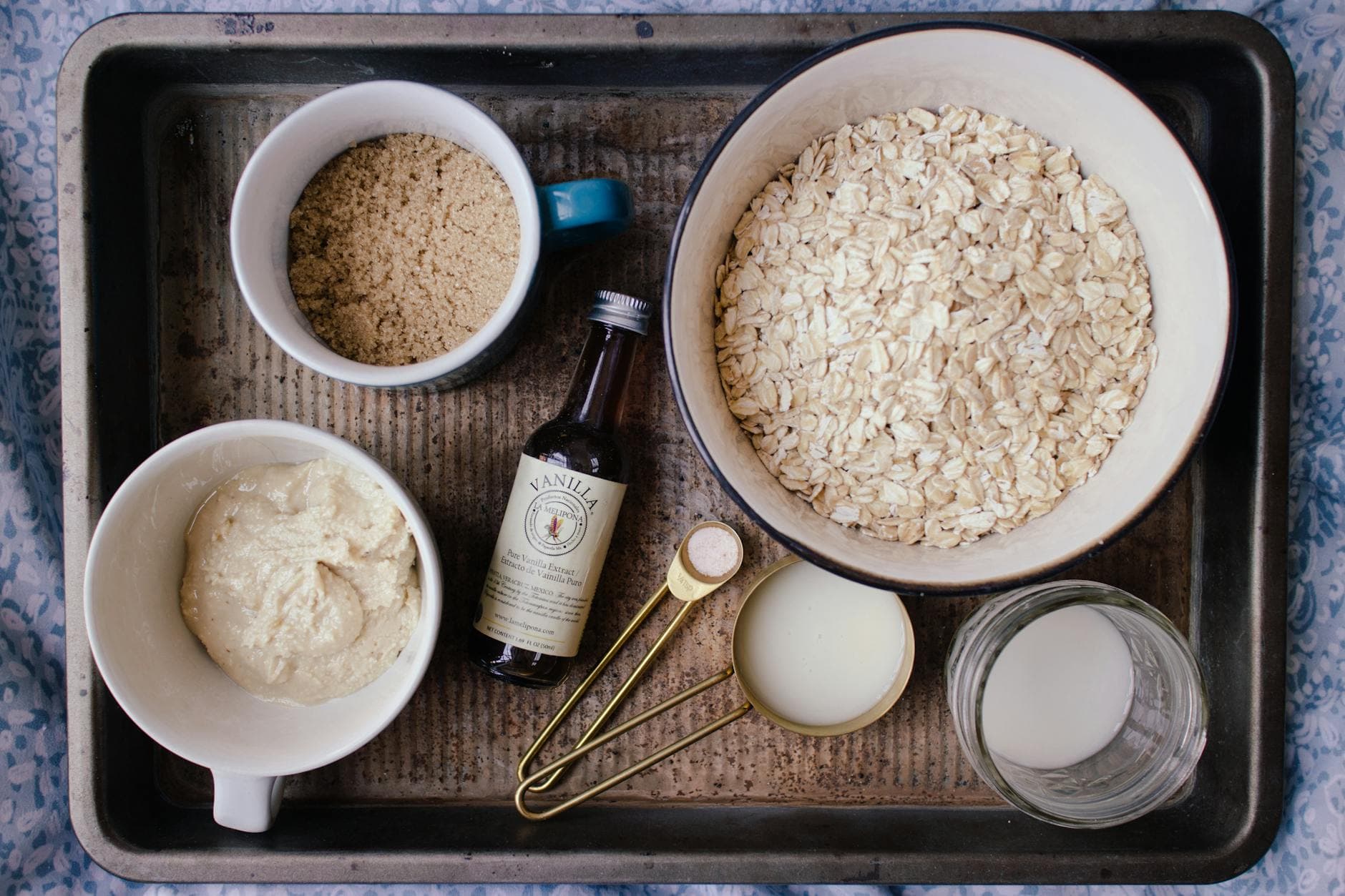
Melktert (Milk Tart)
A creamy custard tart of South African origin, with a flaky crust, a vanilla-scented sweet milk filling, and a dusting of cinnamon. It's a favorite across Namibia, showing up at celebrations, church gatherings, and cafes. The custard sets smooth and firm, and it's sweet without being too much.
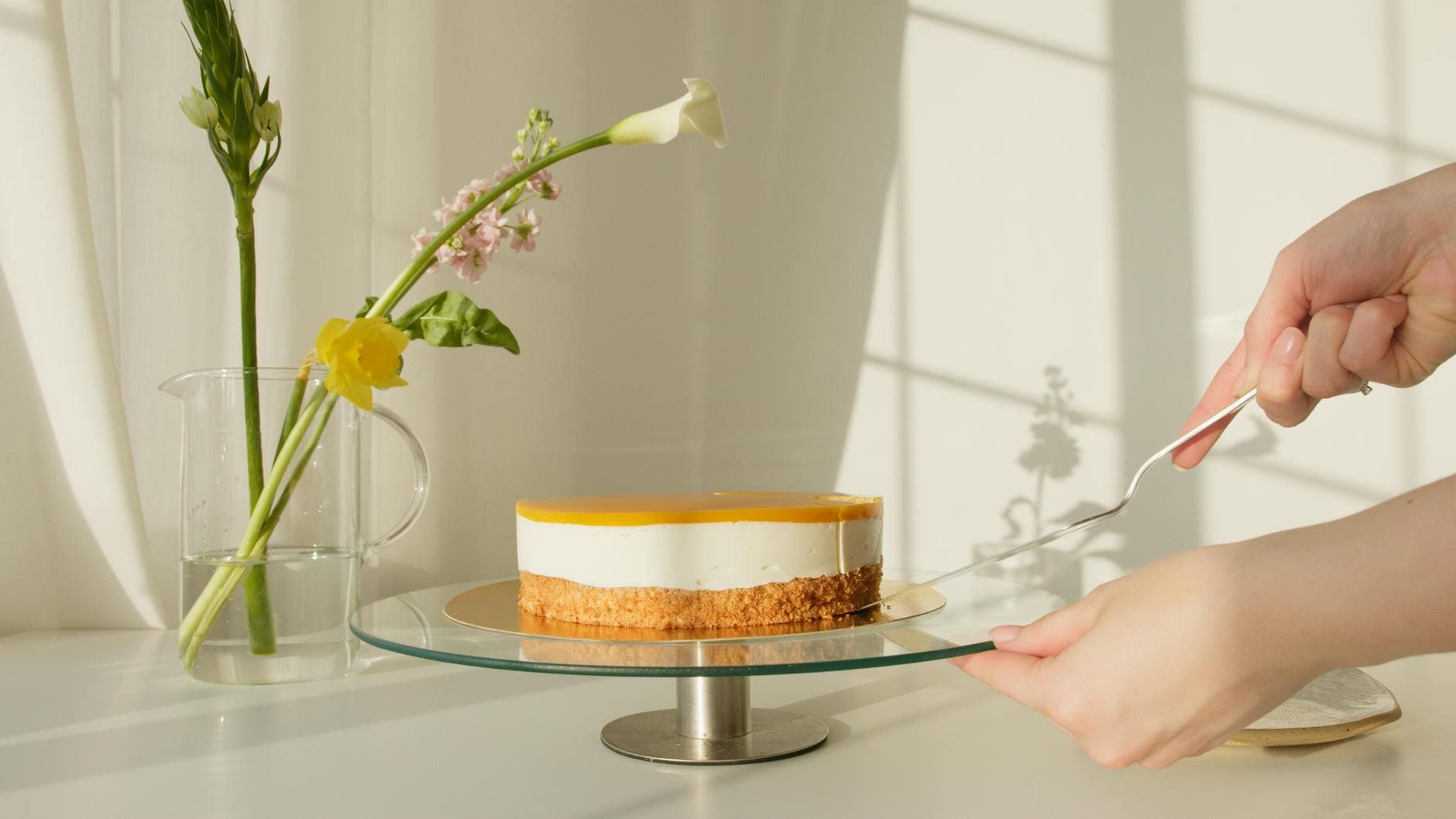
Koeksisters
Twisted, deep-fried dough soaked in ice-cold sugar syrup, so the outside turns sticky and crunchy while the inside drinks up the syrup. They take work: the dough is plaited, fried, and dunked in cold syrup right away so it absorbs as much as possible. An Afrikaner classic sold at church bazaars and bakeries.
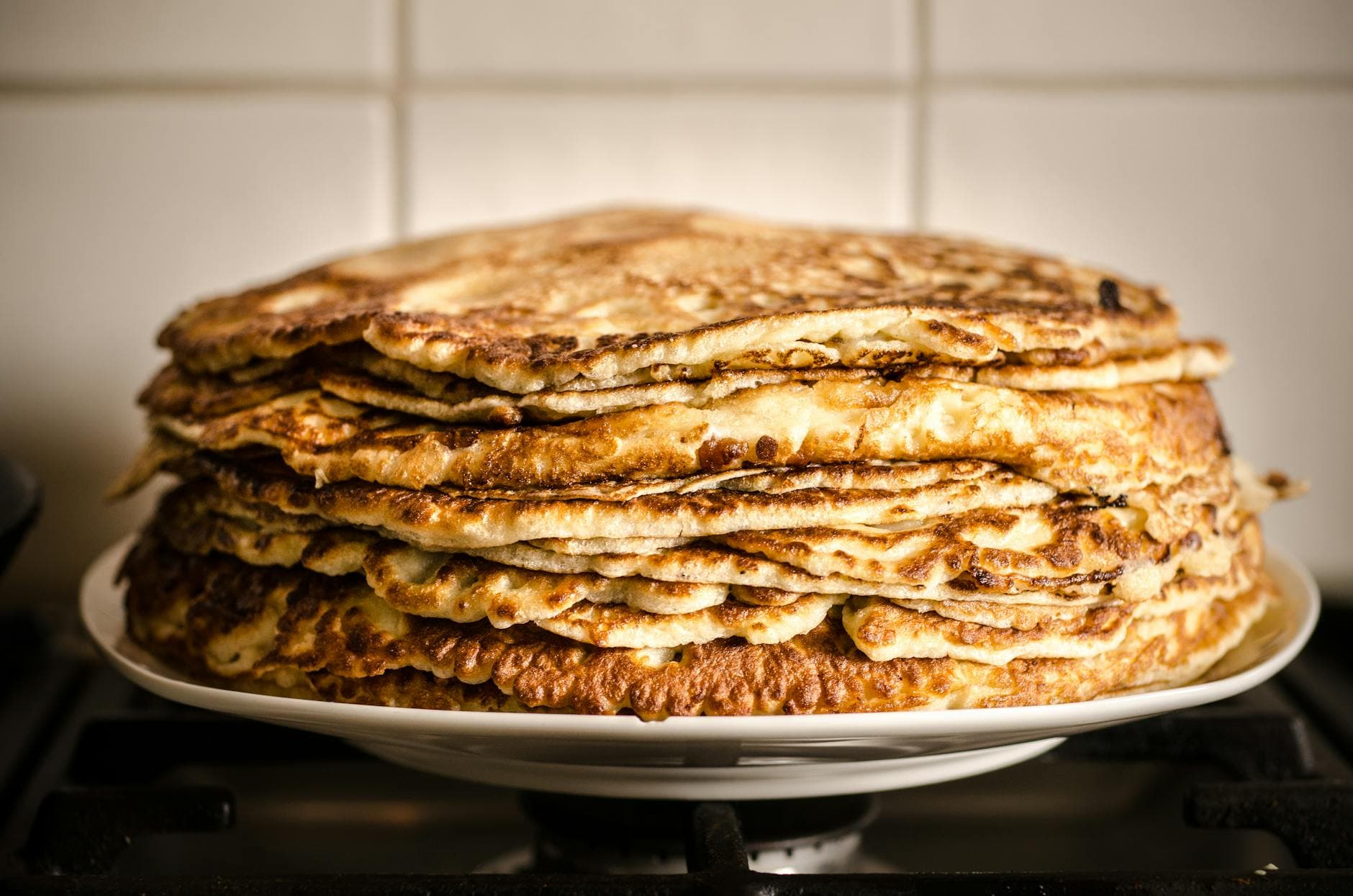
Rusks (Buttermilk Beskuit)
Twice-baked biscuits, much like Italian biscotti, made from buttermilk, sugar, flour, and butter, cut into fingers and dried slow in a low oven until they're hard as rock. You dunk them in coffee or tea to soften them first. They keep for ages, which makes them a breakfast fixture and a reliable road-trip snack.
Peppermint Crisp Tart
A no-bake dessert built from layers of crushed Tennis biscuits (caramel cookies), whipped cream, and crumbled Peppermint Crisp chocolate. Chilled until it sets, it holds distinct layers of crunchy biscuit, creamy filling, and minty chocolate. People make it because it's easy and goes down well with a crowd.
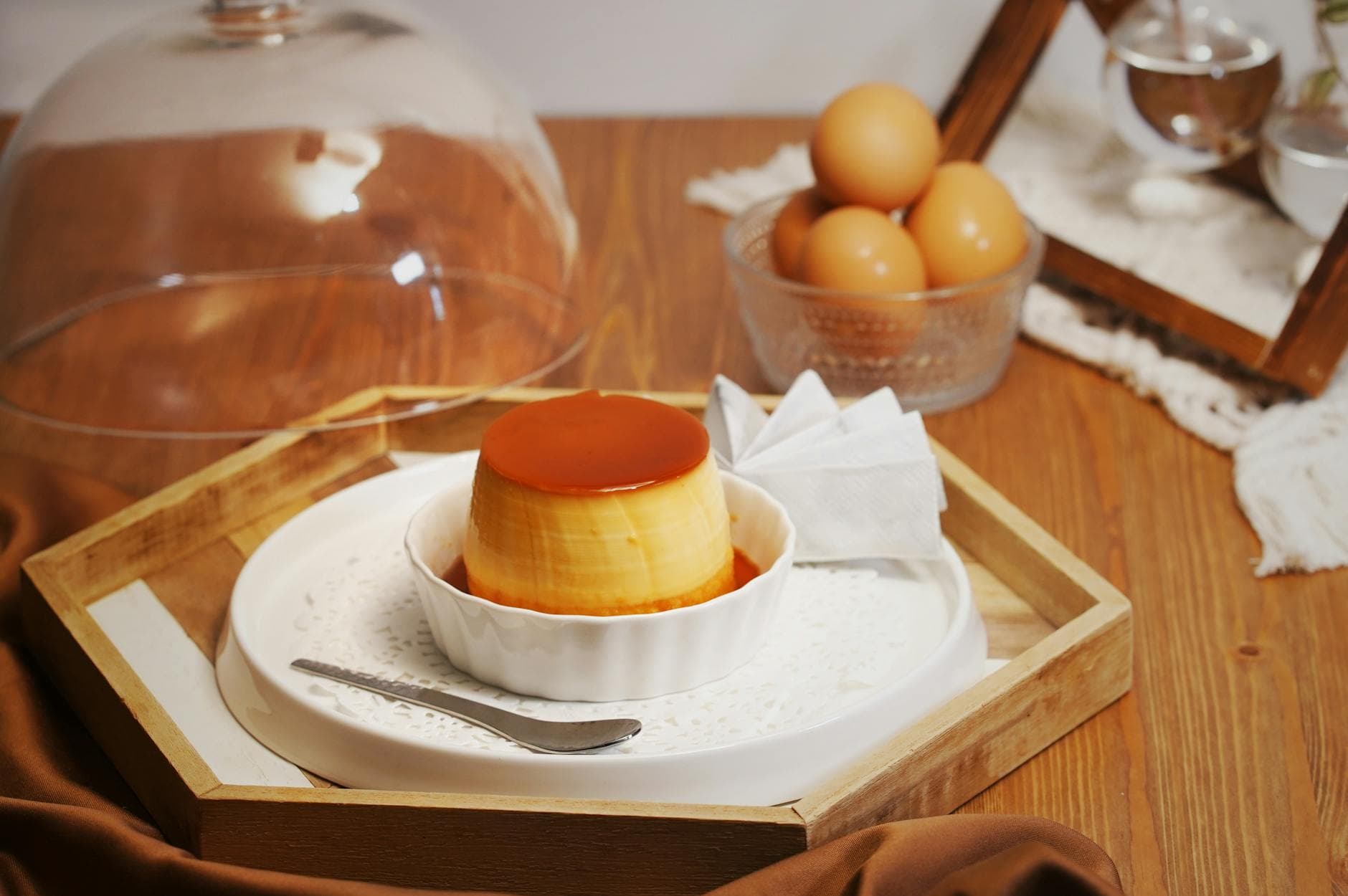
Malva Pudding
A sweet sponge pudding with apricot jam baked into the batter, then soaked in cream or custard sauce while it's still hot so it stays rich and moist. It started in South Africa but is just as popular in Namibia, served warm with vanilla ice cream or whipped cream.
Traditional Beverages
Discover Namibia's traditional drinks, from locally produced spirits to regional wines.
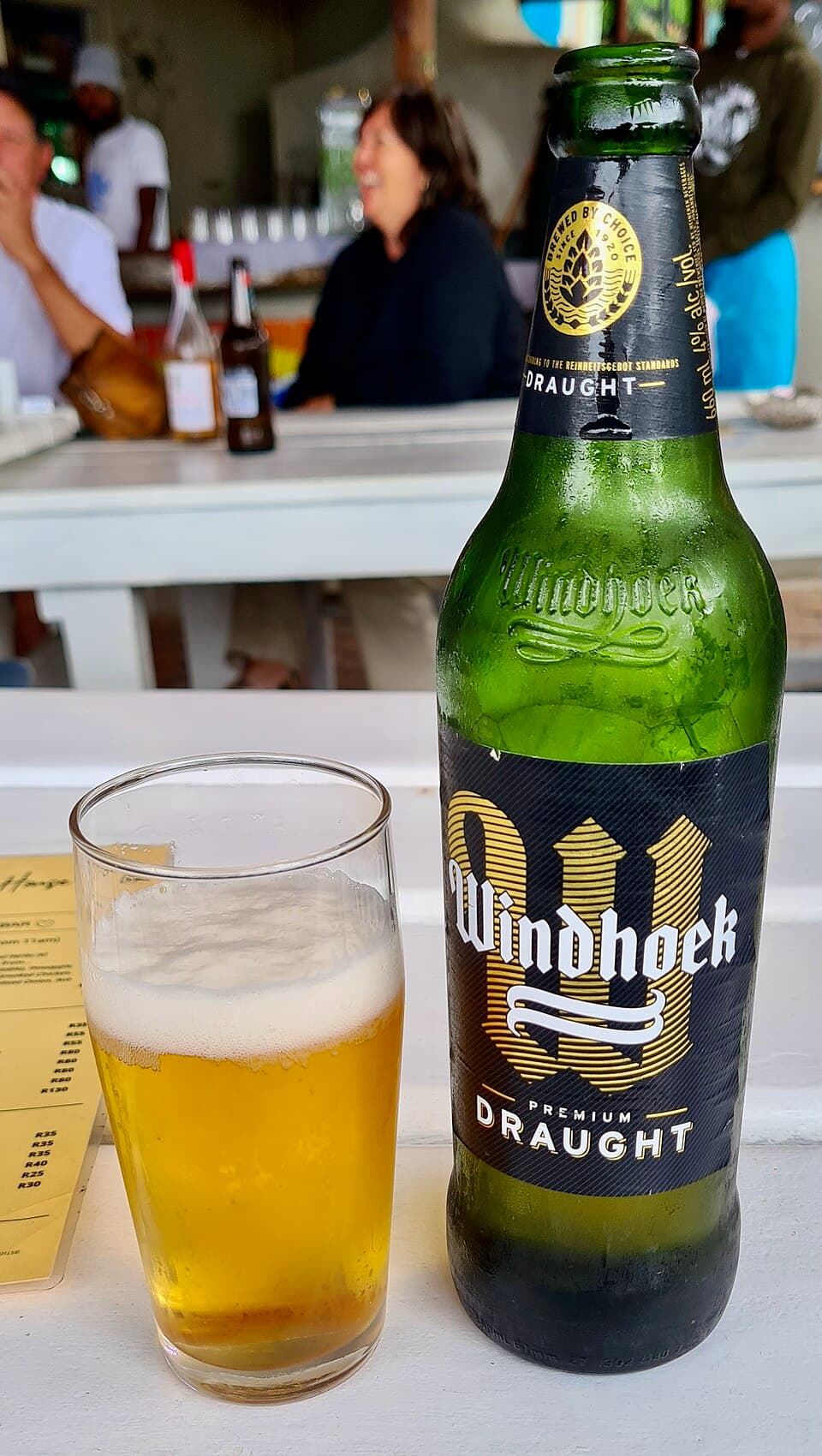
Windhoek Lager
Namibia's flagship beer, brewed since 1920 to the German Reinheitsgebot purity law. A crisp pilsner at 4% ABV made with local barley and Namibian water. It's exported widely and stands as a national symbol.
Walende
A wine fermented from ripe marula fruit, sweet and fruity, drunk at celebrations in northern Namibia. It's homebrewed, and the recipe shifts from one area to the next.
Eembe
A fermented mahangu (pearl millet) drink from northern Namibia, cloudy and slightly sour with a yeasty taste. It's poured at ceremonies and gatherings.
Soft Beverages
Discover Namibia's traditional non-alcoholic drinks, from local teas to refreshing juices.
Oshikandela (Non-alcoholic Mahangu Drink)
A fermented mahangu drink, like Eembe but without the alcohol. It's thick and a little tangy, and people in northern Namibia drink it for nourishment. It keeps you going and hydrated in the heat.
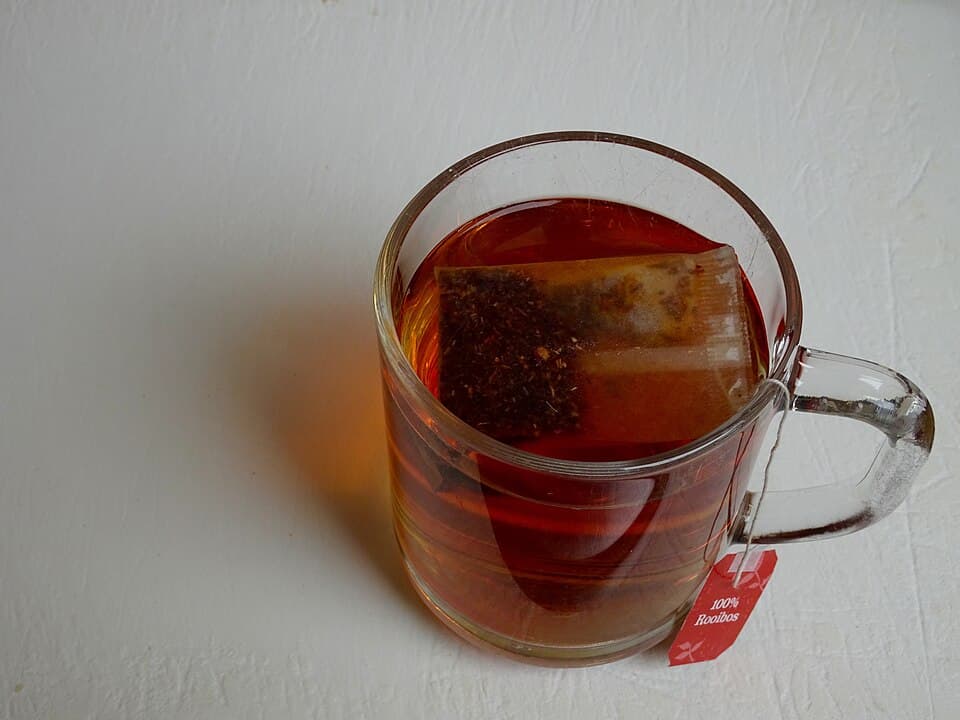
Rooibos Tea
A caffeine-free herbal tea from the rooibos plant, native to southern Africa. It's common across Namibia, drunk hot or iced with honey or milk, and it carries antioxidants and minerals.
Rock Shandy
A South African-style non-alcoholic mixed drink of lemonade, soda water, and Angostura bitters, served over ice with a slice of lemon. It's refreshing and slightly bitter, well suited to the heat.
Frequently Asked Questions
Essential information about food and dining in Namibia.
What is the national dish of Namibia?
Namibia's most iconic dishes include Kapana, Biltong, Oshifima with Oshikandela. Namibia's signature street food: thin strips of beef grilled over open flames at informal markets, served with chili sauce, onions, and tomatoes. The place to eat it is the Single Quarters Open Market in Windhoek's Katutura township, where vendors grill to order while you wait. You sit on shared benches, the atmosphere is loud and friendly, and a plate costs next to nothing.
Is street food safe in Namibia?
Street food in Namibia can be enjoyed safely by following these guidelines: Drink bottled or filtered water Handle game meat safely. Look for busy vendors with high turnover, ensure food is cooked fresh and served hot, and avoid raw ingredients if you have a sensitive stomach.
What are the best restaurants in Namibia?
Namibia offers diverse dining options from street food stalls to upscale restaurants. For the best experience, ask locals for recommendations, check recent reviews, and look for restaurants that specialize in regional cuisines.
Can vegetarians find food easily in Namibia?
Vegetarian options in Namibia are mediumly available. In Windhoek, Swakopmund, and the tourist areas you'll find pasta, salads, vegetable potjiekos, and gem squash on menus. The traditional cooking leans heavily on meat, but more urban restaurants are putting together vegetarian dishes. Safari lodges can usually accommodate if you let them know ahead of time.. Many restaurants offer vegetarian dishes, and you'll find plant-based ingredients featured prominently in local cuisine.
What is the average cost of a meal in Namibia?
Meal costs in Namibia depend on where you eat. Street food and casual local restaurants are very affordable, typically offering complete meals for a few dollars. Mid-range restaurants charge moderate prices, while fine dining establishments are comparably priced to Western countries.
What are common food allergens in Namibia?
Common allergens in Namibia cuisine include Peanuts, Wheat, Dairy. Peanuts (groundnuts) are used in northern Namibian cuisine, particularly in Ovambo stews and sauces.. These ingredients appear in dishes like Oshifima with peanut sauce, Groundnut stews. Always inform restaurant staff about your allergies.
When is the best time to visit Namibia for food?
Namibia offers great food experiences throughout the year. However, visiting during harvest seasons (typically spring and autumn) provides access to the freshest local ingredients. Food festivals and cultural celebrations also offer unique culinary experiences worth planning around.