
Liberia Food Guide
Content Information
Recently updated🔥Current Food Trends 2026
What's happening in Liberia's culinary scene right now
Liberian food in 2026 still leans on its two main roots: Americo-Liberian Creole cooking and older West African traditions. Dumboy, the pounded cassava dough with its elastic texture, turns up everywhere, usually next to a bowl of palm butter soup or cassava leaf stew. Rice is the thing people eat every day, and the price of it shapes the household budget; Jollof rice is what comes out for weekends and celebrations. Monrovia's restaurants have kept growing since the Ebola years, from The Living Room at the Royal Grand Hotel doing sushi, to the Cape Restaurant working local and international flavours together, to Barracuda Bar for seafood. Fine dining has crept in too, with Cinderella's Moroccan Restaurant and the Chinese kitchen at Silk Road. The chop houses hold their ground: Aunty Nana and Mama Sheriff still ladle out cassava leaf stew and groundnut soup. Palm butter soup sits at the centre of most gatherings, cooked down from palm nuts with chicken, ham, pepper, dried fish and okra. Cassava leaf, ground fine and braised in palm oil with meat and fish, is a dish most cooks take pride in. On the street you find Monroe Chicken, fried fish stalls and roasted plantains. The Creole side of the country shows up in gumbo-like soups, rice at the heart of the meal, and a steady level of heat. Fufu comes in cassava, plantain or taro versions, eaten with light soup or palava sauce, while check rice is the dressed-up version reserved for special days. Around November the harvest comes in, with cassava processing, rice in the paddies and plantains everywhere. The harder facts remain: roughly 70 percent of the country's rice is imported, inflation bites, and infrastructure is patchy. Food keeps communities going, shared at the table and pounded together at the mortar, with market women carrying much of the tradition. There's also growing push to plant and eat local cassava and rice varieties and lean less on imports.
Food Safety Tips
Essential food safety information to help you enjoy Liberia's cuisine safely and confidently.
Drink bottled or boiled water only
Tap water in Monrovia and the countryside is not safe to drink. Stick to bottled water with the seal intact, or boil water for at least a minute first.
Choose busy vendors with visible cooking
Street food is everywhere and usually fine when it is cooked to order. Go to stalls that are busy, where the surfaces are hot and you can watch the food being made. Skip anything pre-cooked that has been sitting out.
Avoid foods left at room temperature in tropical heat
In Liberia's tropical heat, bacteria multiply fast. Avoid anything that has been left out, particularly dairy, meat and seafood, and order meals that come out hot and freshly cooked.
Ensure seafood is freshly caught and properly cooked
The coast has plenty of fresh fish, but check that the catch came in that day. Steer clear of raw or undercooked seafood, and eat near the fishing ports where the fish has the shortest journey to the plate.
Wash hands frequently or use sanitizer
Sanitation is limited in many places, so carry sanitizer and wash up before eating. Eating with your hands is the norm here, which makes clean hands matter even more.
Dietary Options
vegetarian
MEDIUM AVAILABILITYYou can eat vegetarian here, but bear in mind Liberian cooking leans hard on meat and fish. Rice with vegetable stews, fried plantains, beans and cassava dishes all work. In Monrovia, places like Oporto Grill and Rangoli put out vegetarian mezze, salads and pasta. Palm oil is plant-based, but a lot of stews are built on meat or fish stock, so say plainly "No meat, no fish" (locally, "I no want meat"). Palm butter soup is usually cooked with meat, though a cook will often adapt it. Fufu from cassava or plantain is vegetarian on its own, so pair it with a vegetable-only soup.
vegan
LOW AVAILABILITYEating vegan takes some effort, since meat, fish and dairy run through most of the cooking. Rice, beans, fried plantains and cassava are naturally vegan. The catch is that palm oil shows up almost everywhere (plant-based but heavy), soups usually start from fish or meat stock, and butter and dairy are common. International restaurants in Monrovia can often work around it. Spell it out: "No meat, no fish, no milk, no eggs, no animal products." The simplest route is cooking for yourself, since markets carry fresh vegetables, fruit, rice, beans and cassava. Jollof rice is sometimes made with vegetable stock, so it is worth asking.
gluten-free
HIGH AVAILABILITYEating gluten-free is straightforward, since the food is built on rice and people eat it daily. Cassava in the form of fufu and dumboy, along with plantains, yams and cocoyam, are all gluten-free starches, and grilled meats, fish and vegetable stews carry no gluten. Watch out for two things: urban bakeries use more wheat flour now for bread and pastries, and shared fryers can cross-contaminate. The older cooking was gluten-free by default, resting on cassava and rice. To be clear with a cook, say "I cannot eat wheat flour" or "No bread."
halal
MEDIUM AVAILABILITYHalal food is reasonably easy to find. Muslims make up somewhere around 12 to 20 percent of the population, mostly in the northern counties and Monrovia's Muslim neighbourhoods, and Muslim-owned places serve halal meat as a matter of course. Pork barely features in traditional Liberian cooking anyway, where bushmeat, chicken, beef and fish do the work. There is no formal certification, so it runs on trust; just ask "The meat be halal?" The Lebanese restaurants common in Monrovia serve halal as well. Alcohol is sold freely here, but non-alcoholic choices are always on hand. Ramadan is widely observed, and restaurants in Muslim areas may shut during the day and open again for iftar.
kosher
LOW AVAILABILITYThere is no kosher food to be had. The country has no Jewish community, no certification and no ritual slaughter. If you keep kosher, plan to cater for yourself: sealed packaged goods (some imports carry a hechsher), fresh fruit, vegetables and eggs. Fish with fins and scales is available, both Atlantic catches and freshwater tilapia. There is no kosher meat or poultry. Vegetarian Liberian dishes can work, provided you confirm there are no insect-based ingredients, no mixing of meat and dairy, and no grape products without supervision.
Common Allergens
Peanuts (Groundnuts)
HIGH PREVALENCEPeanuts, known locally as groundnuts, run through the cooking in sauces, soups and snacks
COMMONLY FOUND IN:
Palm Oil
HIGH PREVALENCERed palm oil is the base of most Liberian soups, stews and sauces
COMMONLY FOUND IN:
Fish and Seafood
HIGH PREVALENCEFish, both fresh and dried, turns up in soups and stews across the country
COMMONLY FOUND IN:
Okra
MEDIUM PREVALENCEOkra is used to thicken soups and stews
COMMONLY FOUND IN:
Essential Food Experiences
These iconic dishes represent the must-have culinary experiences that define Liberia's food culture for travelers.
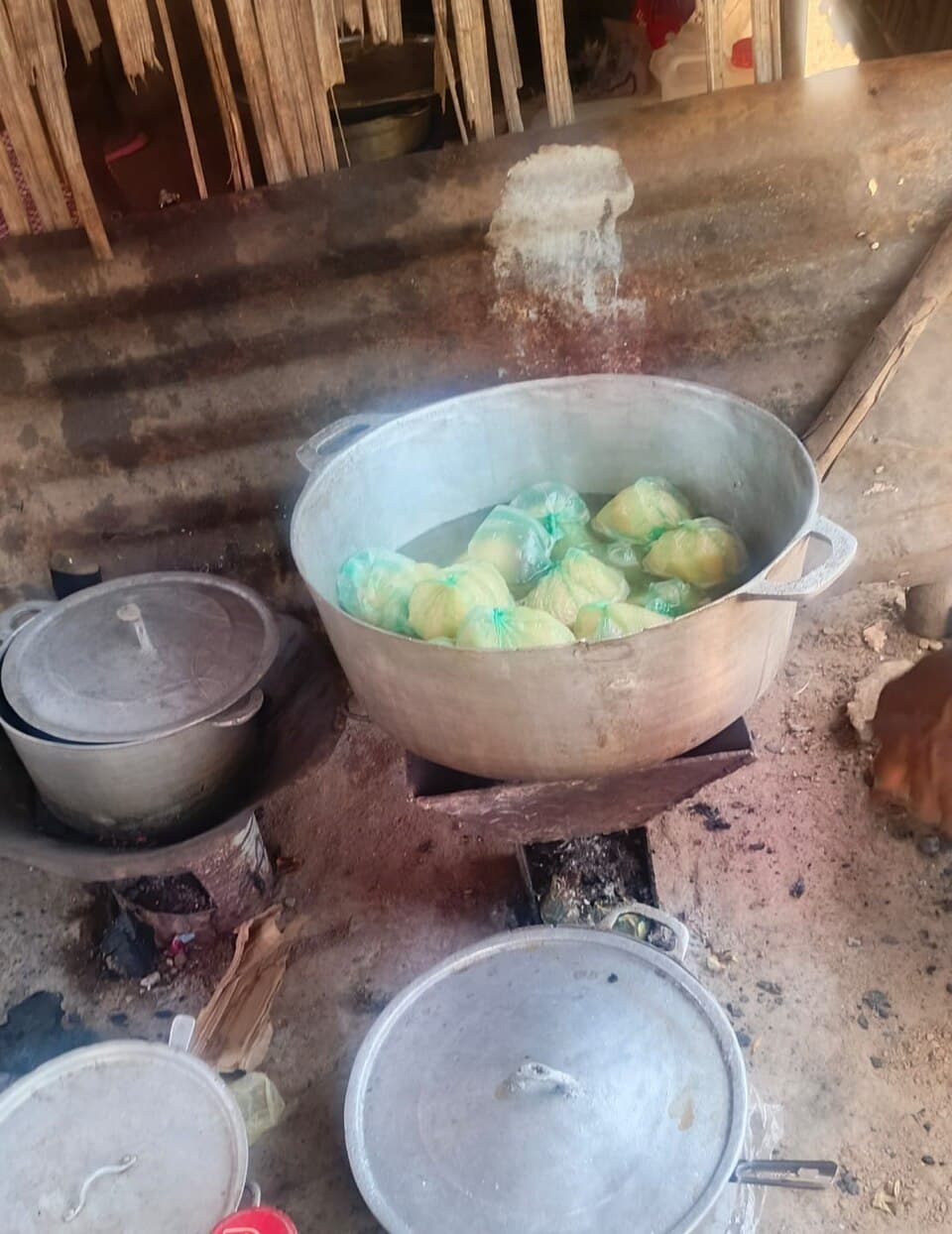
Dumboy
The dish most associated with Liberia. Cassava is boiled, then pounded until it turns elastic and dough-like, and it comes with palm butter soup, cassava leaf stew or palava sauce. Tradition says you swallow it rather than chew. The pounding is a shared affair, a steady beat from a wooden mortar and pestle that neighbours recognise by ear. For many Liberians it is the taste of home. The texture is close to fufu, but the way it is made is its own.
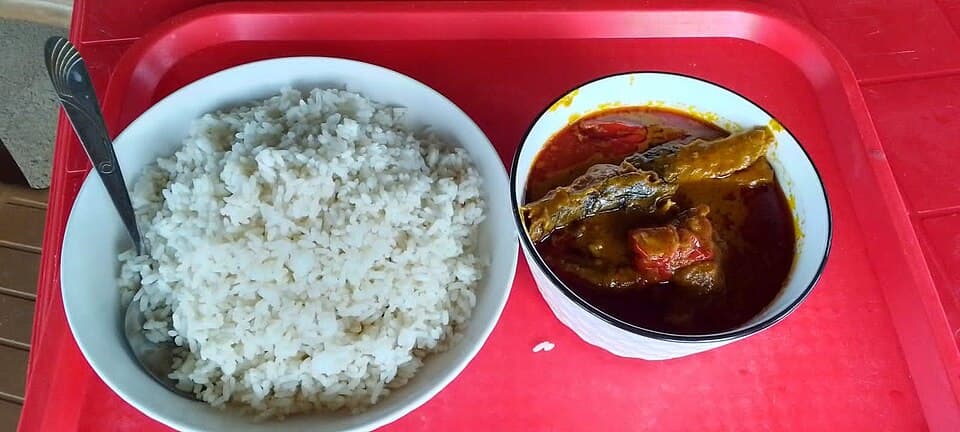
Palm Butter Soup
A thick, savoury soup that starts with palm nuts, boiled and ground into a creamy base, then built up with chicken, ham, pepper, dried fish, okra and seasonings. The palm oil gives it a deep orange-red colour and the flavour runs deep. It is eaten with dumboy, fufu or rice. Getting there takes work, soaking, boiling and pounding the palm nuts to draw out the oil and cream. It is the dish people put at the heart of a gathering, and most families guard their own version of the recipe.
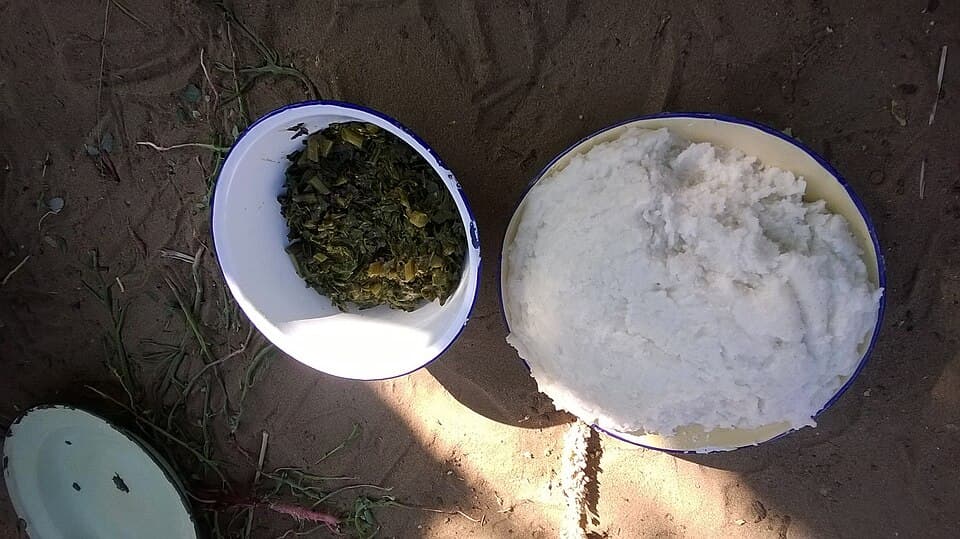
Cassava Leaf (Gbassajama)
A signature Liberian stew. Cassava leaves are ground to a fine paste and cooked down with palm oil, meat (chicken, beef or bushmeat), fish and seasonings. The flavour is savoury and earthy with a faint bitterness, and the long simmer of four to six hours softens the leaves and brings out depth. Serve it with rice, fufu or dumboy. Versions of it run across West and Central Africa, where it goes by Saka Saka or Pondu in Congo. It is nutritious comfort food with real meaning behind it.
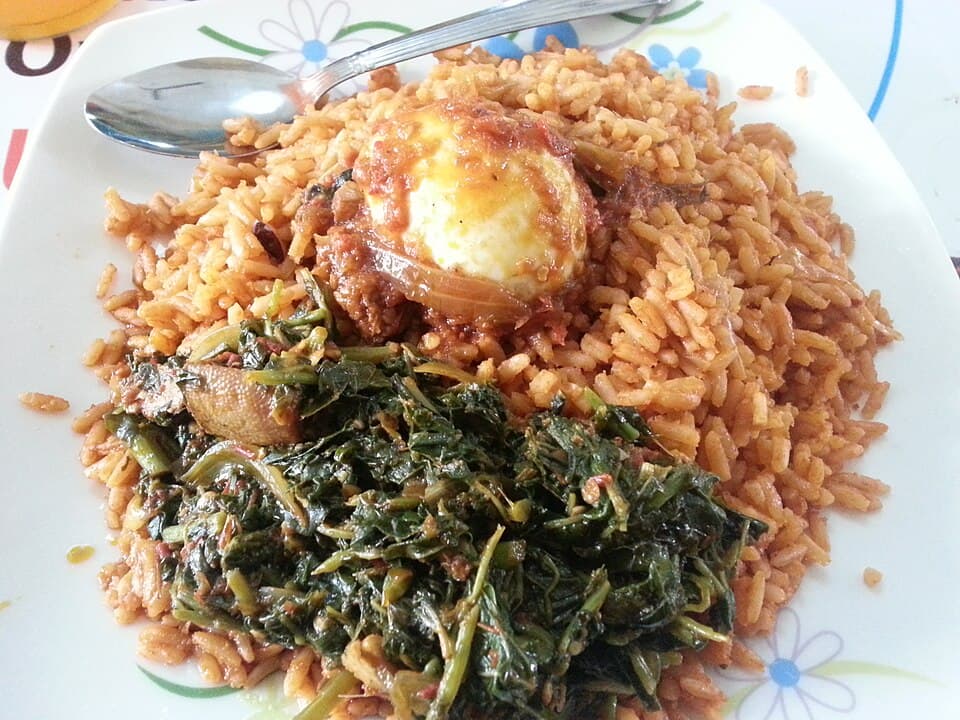
Jollof Rice
The West African one-pot rice, made the Liberian way: deep tomato flavour, a smoky undertone and plenty of spice. The rice cooks with tomatoes, tomato paste, onions, peppers, dried herbs and either chicken or beef. Compared with its neighbours, the Liberian one is richer and milder than the Nigerian version and smokier than the Ghanaian. It shows up at parties, weddings and Sunday family dinners, and you can taste the Creole lineage in it, a West African pilaf carrying a touch of the American South.
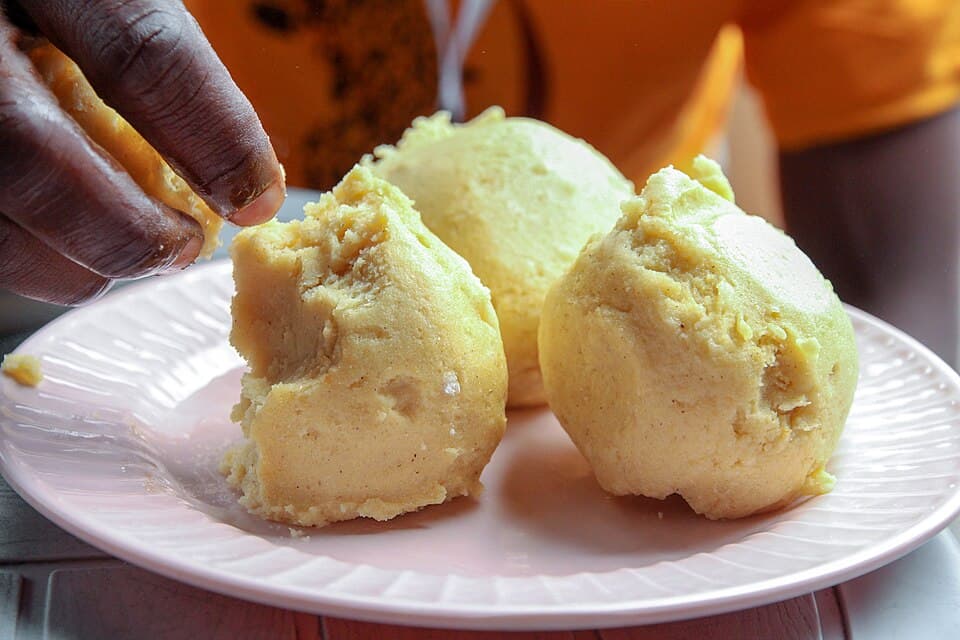
Fufu
A smooth, stretchy dough pounded from dried cassava, plantain or taro root. It goes with light soup, palm butter soup, peanut soup or cassava leaf stew. The texture is elastic and filling, a bit like mashed potato but chewier, and you eat it with your hands, pinching off a piece to scoop up the soup. Fufu is a staple across West Africa; the Liberian versions use locally grown cassava and plantains.
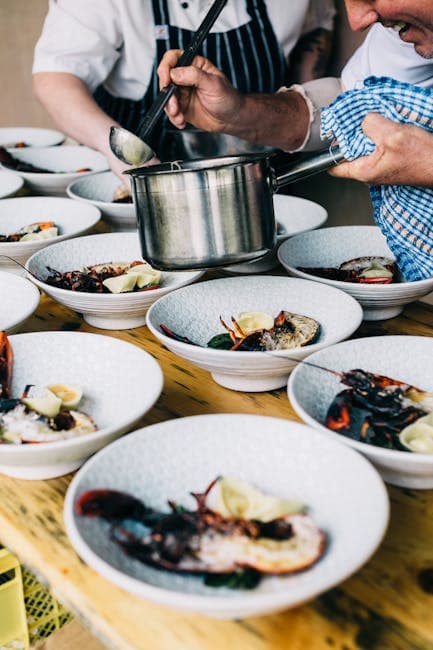
Check Rice
A dressed-up rice dish saved for special occasions, cooked with a particular blend of seasonings, spices and vegetables, and set out alongside other Liberian dishes at celebrations. The recipe shifts from family to family and region to region; some add coconut milk, others rely on a certain mix of herbs. It is the everyday staple taken up a notch for festive days.
Country Chop
A mixed dish pulling together meats (chicken, beef, fish) and greens (cassava leaf, potato greens, collard greens), all cooked down in palm oil. It is a one-pot meal made for sharing and stretching what you have, hearty and full of flavour, eaten with rice or dumboy. The layering of proteins, vegetables and a rich sauce is classic African home cooking.
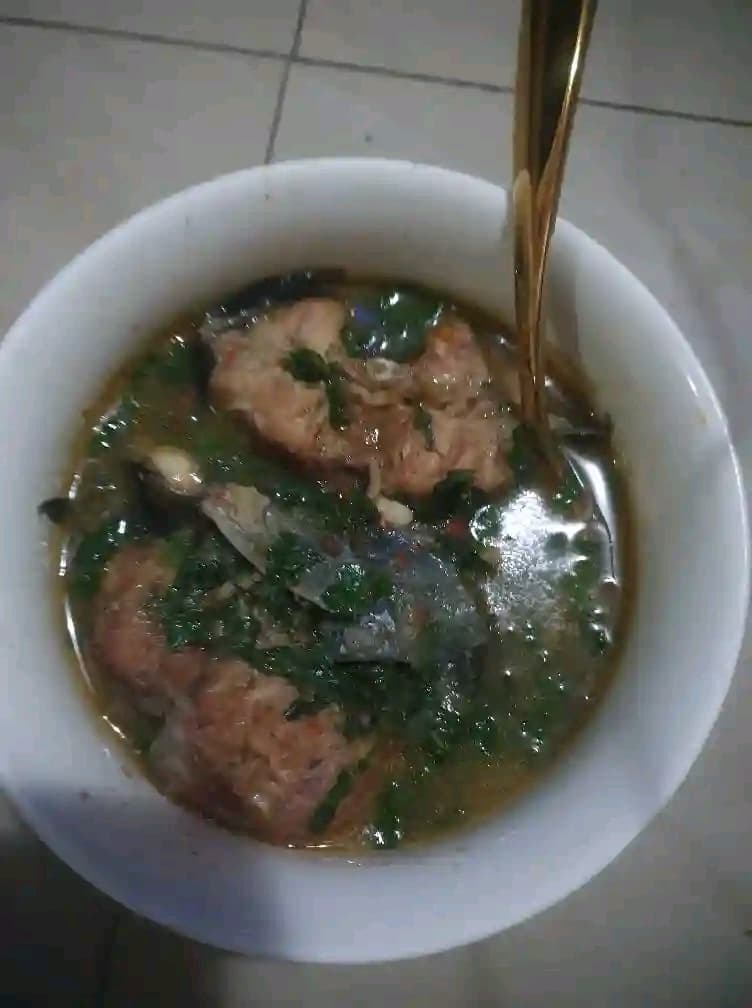
Pepper Soup
A spicy, aromatic broth built on meat (goat, chicken or fish), hot peppers like habanero and Scotch bonnet, spices and herbs. It arrives steaming and goes with fufu or rice. People reach for it to fight off a cold or a hangover and to warm up, and the heat is no joke. You find it all over West Africa, but the Liberian versions tend to be especially peppery.

Geebe (GB)
A cassava-based food held dear by the Gio and Mano people of the Nimba region. The cassava is processed and fermented, then cooked to a consistency all its own. It is a regional specialty that shows how varied Liberia's ethnic cooking is. Making it takes real labour, and it carries weight for the inland communities, often appearing at ceremonies and gatherings.
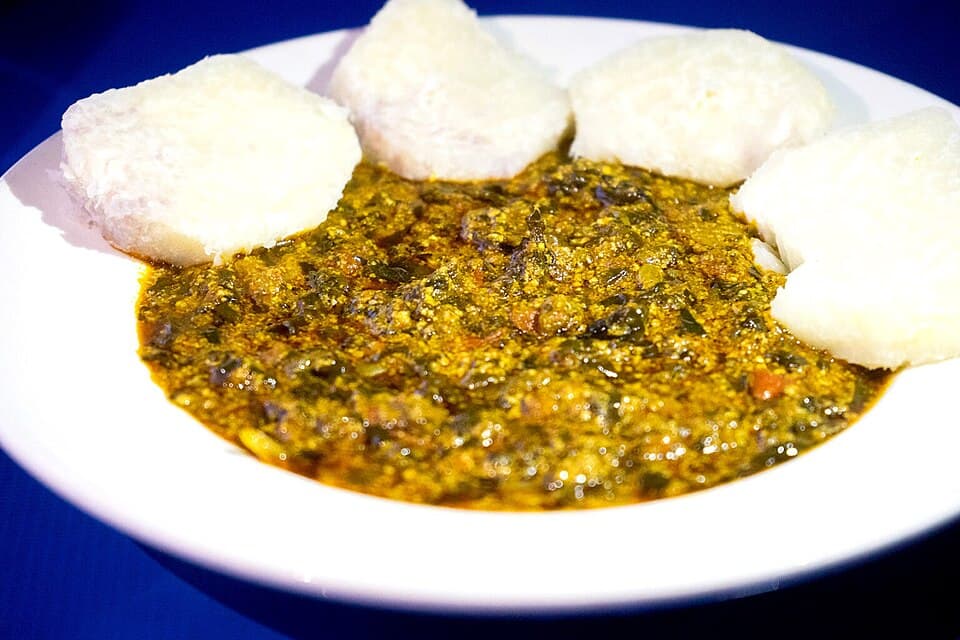
Palava Sauce
A thick, well-seasoned stew of leafy greens (plato leaves, collard greens, spinach) with palm oil, meat or fish, onions, peppers and seasonings. It is a cousin of cassava leaf made with different greens, coming out smoother and a touch sweeter. Eat it with rice, fufu or dumboy. The name traces back to the Portuguese "palavra", meaning word, the idea being that a sauce this good gets people talking.
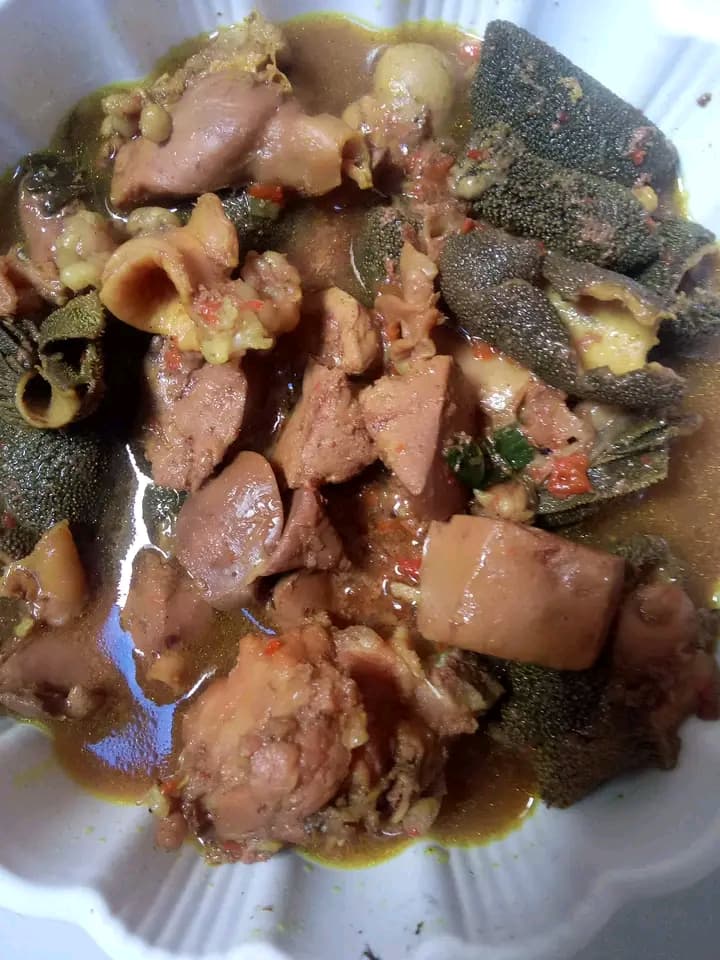
Liberian Beef Internal Soup
A hearty soup of beef tripe, intestines and other organ meats with vegetables and spices. It is comfort food that people turn to when they want building up, slow-cooked until everything is tender, with a rich broth and layered flavour. It usually comes with rice or fufu. The dish is nose-to-tail cooking in practice, using the whole animal and wasting little.
Regional Specialties & Local Favorites
Discover the authentic regional dishes and local favorites that showcase Liberia's diverse culinary traditions.
Dumboy with Palm Butter
A classic Liberian plate: pounded cassava dough with rich palm nut soup, the taste of home cooking.
Allergens:
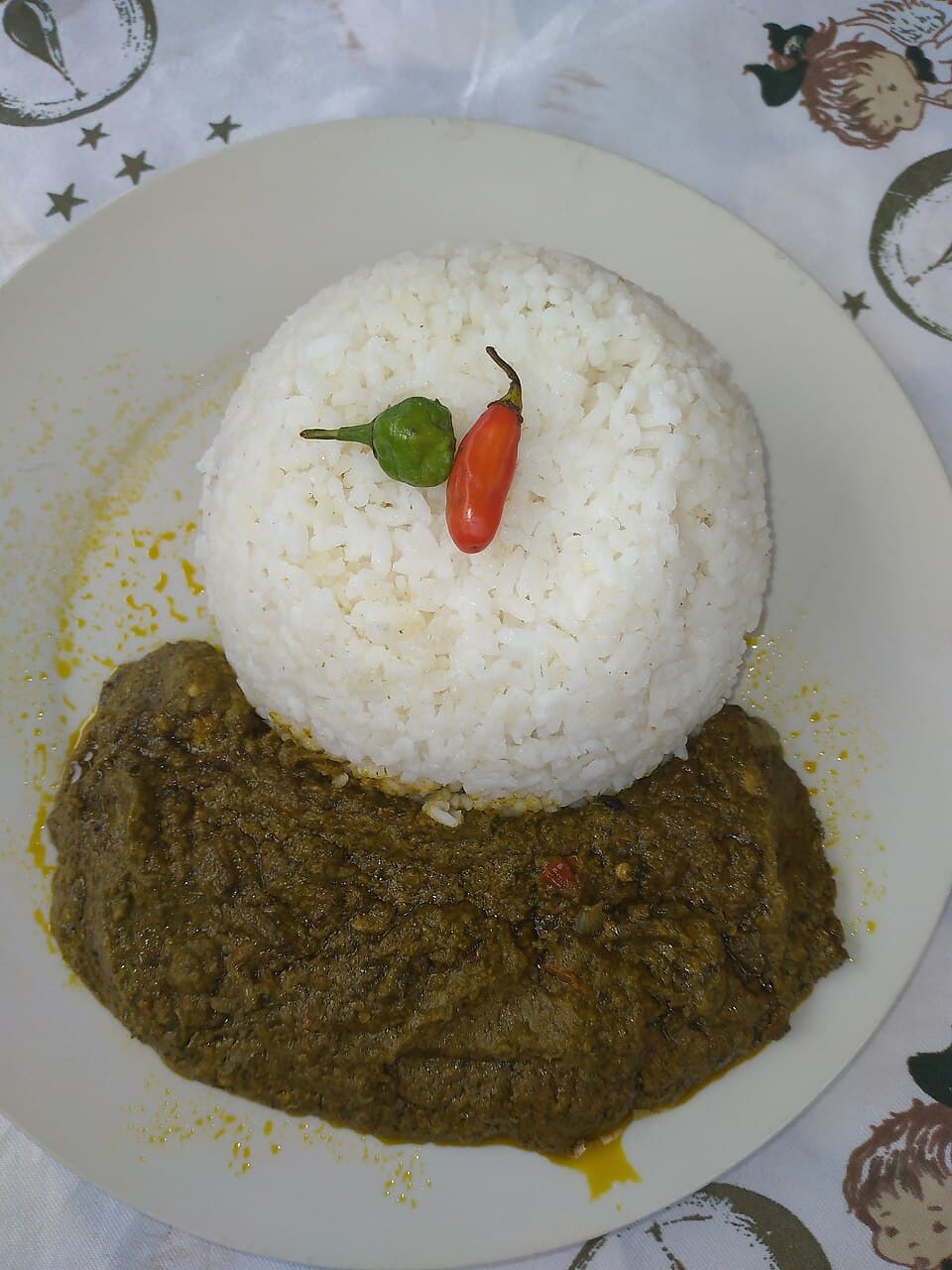
Cassava Leaf Stew
The country's comfort food: ground cassava leaves cooked with meat, fish and palm oil, served over rice.
Allergens:
Jollof Rice
The West African staple, Liberian-style: deep tomato flavour, smoky spices, with chicken or beef.
Fufu
Stretchy cassava or plantain dough eaten with soups and stews, an everyday staple starch.
Pepper Soup
A fiery broth of meat or fish with hot peppers and herbs, warming and seriously spiced.
Allergens:
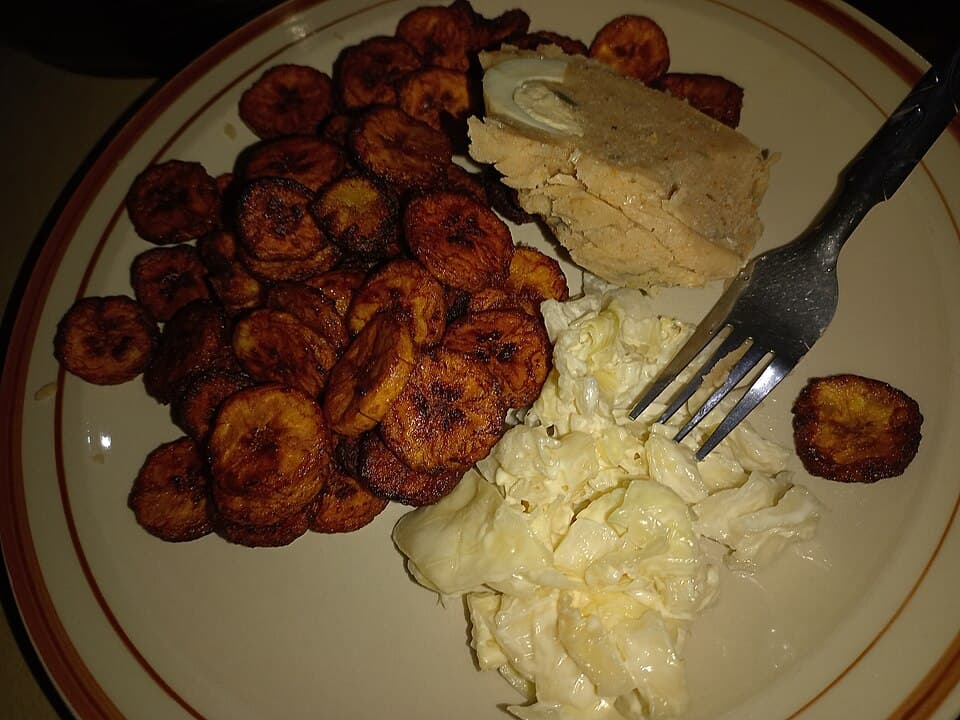
Fried Plantains
Ripe plantains sliced and fried until golden and caramelised, a sweet street snack.
Country Chop
Mixed meats, greens and vegetables cooked down in palm oil, a one-pot dish made for sharing.
Allergens:
Palm Butter Soup
Rich palm nut soup with meat, fish and okra, the centrepiece of a Liberian table.
Allergens:
Regional Cuisine Highlights
Explore the diverse culinary landscapes across different regions of Liberia.
Monrovia (Coastal Capital)
Monrovia, the capital on the Atlantic coast, pulls together everything in Liberian cooking: Americo-Liberian Creole tradition, indigenous dishes and influences from abroad. The restaurant scene keeps growing, from The Living Room at the Royal Grand Hotel doing sushi and seafood, to the Cape Restaurant blending local and international cooking, to Barracuda Bar for modern seafood. The chop houses balance it out, with Aunty Nana and Mama Sheriff ladling generous bowls of cassava leaf stew, palm butter soup and groundnut soup. On the street there is Monroe Chicken on the grill, fried fish stalls working the daily catch, roasted plantains and kanya vendors. Being on the coast, the city has plenty of fresh fish, shrimp and crab, and grilled fish with pepper sauce is a favourite. The markets, Red Light and Waterside, sell the raw materials: fresh cassava, palm nuts, dried fish and tropical fruit. With expatriates and a diplomatic crowd, there is steady demand for Lebanese, Chinese and Indian food too. The Creole thread shows in the gumbo-style soups, the rice at the centre of the meal, and the peppery seasoning that nods to the American South.
Cultural Significance:
Monrovia carries Liberia's complicated identity. Founded by freed American slaves in 1822, its Americo-Liberian Creole culture sits at the meeting point of African and American influence, and the food shows that same mix: West African staples like cassava, rice and palm oil cooked with Creole habits, the long-simmered soups and layered flavours. The civil wars from 1989 to 2003 wrecked much of the infrastructure, yet the food traditions held communities together, and the growth of the restaurant trade is one of the clearer signs of recovery. The 2014 to 2016 Ebola epidemic pushed hand-washing and hygiene to the front of people's minds. Through all of it, the markets stayed busy, the street vendors kept working, and families went on sharing dumboy.
Signature Dishes:
- Fresh grilled fish
- Cassava leaf stew
- Palm butter soup
- Jollof rice
- Street food (fried plantains, roasted corn)
Key Ingredients:
Nimba County (Inland Tribes)
Nimba County, mountainous and up in the northeast, is home to the Gio, Mano and Dan peoples, who have held onto their food traditions. Geebe, a fermented cassava dish, is especially prized here. Rice matters too, grown in terraced paddies along the hillsides. Bushmeat shows up more than on the coast, with deer, antelope and bush pig taken under longstanding hunting rules. Cassava processing is done by hand, with women pounding and fermenting it for dumboy and geebe the old way. Palm wine tapping is common and the fresh wine is a social drink. Pepper soup gets made with game meat, wild herbs and a lot of heat. The calendar shapes the eating, planting around April and May, harvesting from October into November. Ceremonies bring communal feasts, livestock slaughtered, rice cooked in big pots, palm wine passed around. The county is remote, market access is thin and the civil war left its mark, but communities grow much of their own rice, cassava and vegetables and hunt for the rest.
Cultural Significance:
Nimba's cooking holds onto indigenous food traditions that predate Americo-Liberian settlement, the ethnic tribal kitchens of the Gio, Mano and Dan, who keep ancestral recipes and methods going. Specific dishes mark life events, from births and initiations to weddings and funerals. Making geebe takes know-how passed from mother to daughter and elder to younger. Bushmeat hunting falls under traditional authorities, who set sustainable limits and protect taboo animals. The civil war scattered communities, but those who returned have brought the food traditions back. The cuisine sets Nimba apart from the coast and ties people to the land and to their ancestors.
Signature Dishes:
- Geebe (GB - cassava specialty)
- Bushmeat pepper soup
- Rice (locally grown)
- Dumboy
- Palm wine (fresh tapped)
Key Ingredients:
Grand Bassa County (Central Coastal)
Grand Bassa County sits on the central coast around Buchanan, and fishing drives the food. The daily catch brings in barracuda, snapper, grouper, shrimp and crab. Cassava leaf stew is a favourite, and the coastal version uses more seafood than meat. Fufu, made from the cassava that grows easily here, comes with light fish soup or palava sauce. Coconuts are everywhere, turning up as fresh coconut water, coconut rice and coconut desserts. Street food runs to fried fish, grilled lobster in season and roasted plantains. The port at Buchanan brings in wheat flour, cooking oil and canned goods, so the kitchen mixes the traditional staples of cassava, rice and palm oil with modern conveniences. The fishing communities keep their rhythms, the men out before dawn and back with the catch, the women smoking and drying fish to keep it. Palm oil production is a cottage industry, with families processing the nuts and selling the red oil at market.
Cultural Significance:
Grand Bassa's cooking comes out of its maritime life, with fishing families holding up both the economy and the food traditions. Preparing cassava leaf is a social thing, women gathering to grind the leaves and trade techniques. Smoking fish was the way to preserve it and move it inland before refrigeration, and that habit stuck. The food culture is communal: fishing cooperatives share their catch, churches run fish-fry fundraisers, and families pass smoked fish around as gifts. Buchanan's history as an iron ore export port brought in international workers and the food influences that came with them. The strains now are overfishing, climate change cutting into the catch, and pollution, and the response has been a shift toward sustainable fishing and some early work on aquaculture.
Signature Dishes:
- Fresh grilled fish
- Cassava leaf with seafood
- Fufu with fish soup
- Coconut rice
- Smoked/dried fish
Key Ingredients:
Sweet Delights & Desserts
Indulge in Liberia's traditional sweet treats and desserts.

Kanya (Peanut Candy)
A traditional sweet of roasted peanuts, sugar and ginger, crunchy and nutty with a little spice to it. Street vendors sell it fresh in small packages, and it goes down well with children and adults.
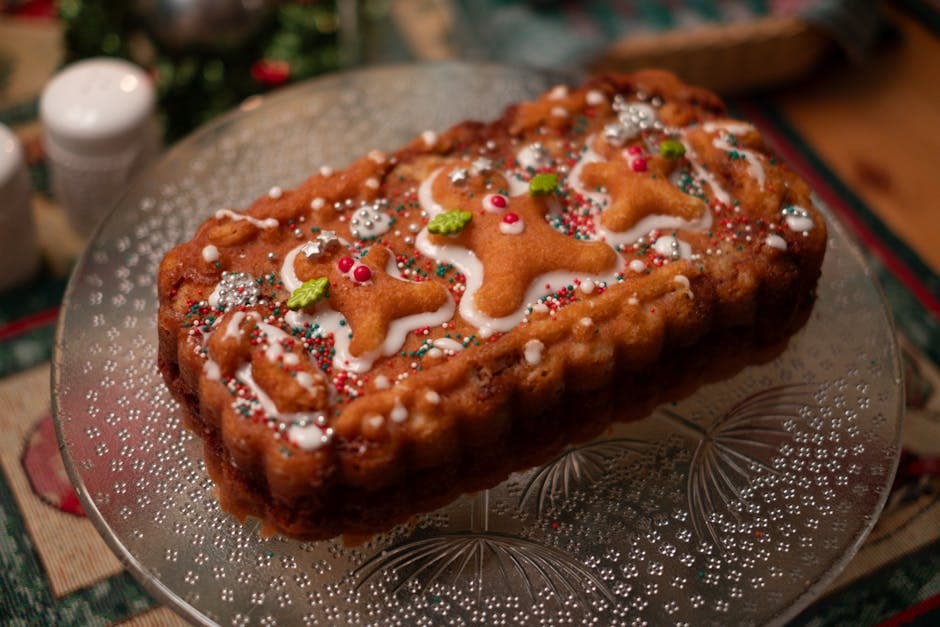
Ginger Beer Cake
A moist cake flavoured with ginger beer and spices, drawn from Creole baking. Sweet, spicy and aromatic, it shows up at celebrations and holidays, an echo of American South baking made with West African ingredients.
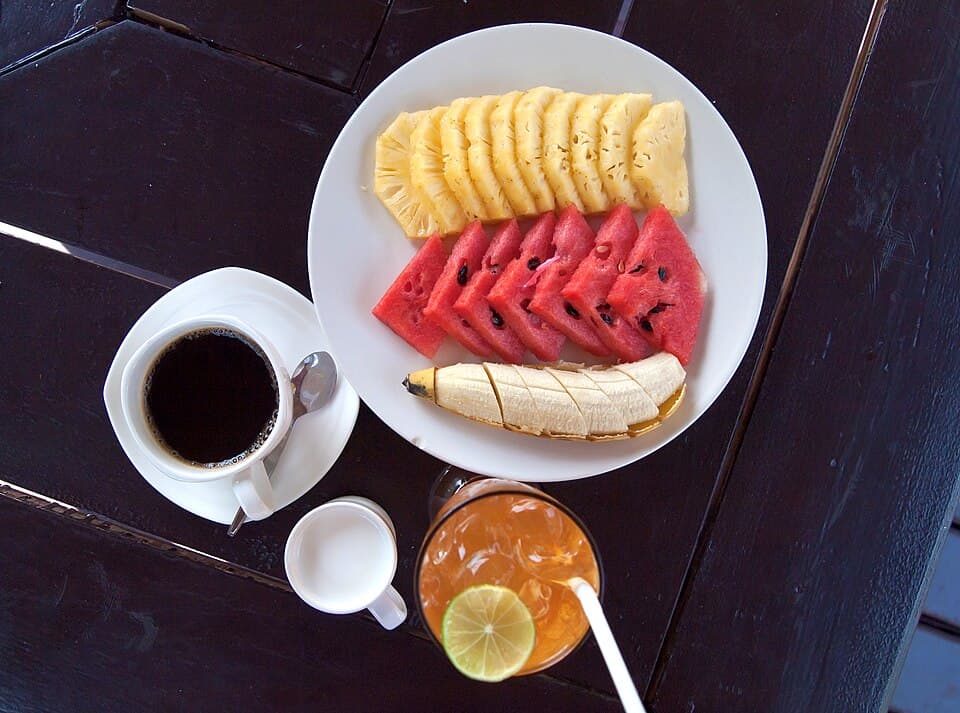
Fruit Salad
Fresh tropical fruit, pineapple, mango, papaya, banana and citrus, tossed with lime juice and sometimes coconut. Refreshing and naturally sweet, it is a simple dessert that makes the most of what grows here.
Traditional Beverages
Discover Liberia's traditional drinks, from locally produced spirits to regional wines.
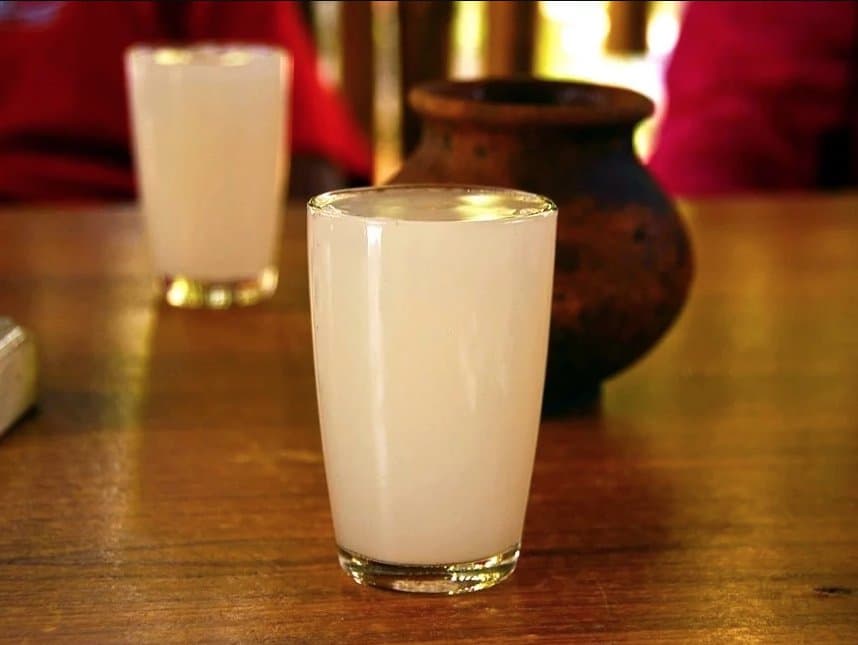
Palm Wine (Tapped)
Sap tapped from palm trees that ferments on its own. Fresh, it is naturally sweet; left a while, it turns mildly alcoholic at 2 to 4 percent. The drink is milky-white, fizzy and refreshing, tapped daily and drunk quickly before it ferments too far. In villages and rural areas it is a social drink, poured at gatherings and ceremonies.
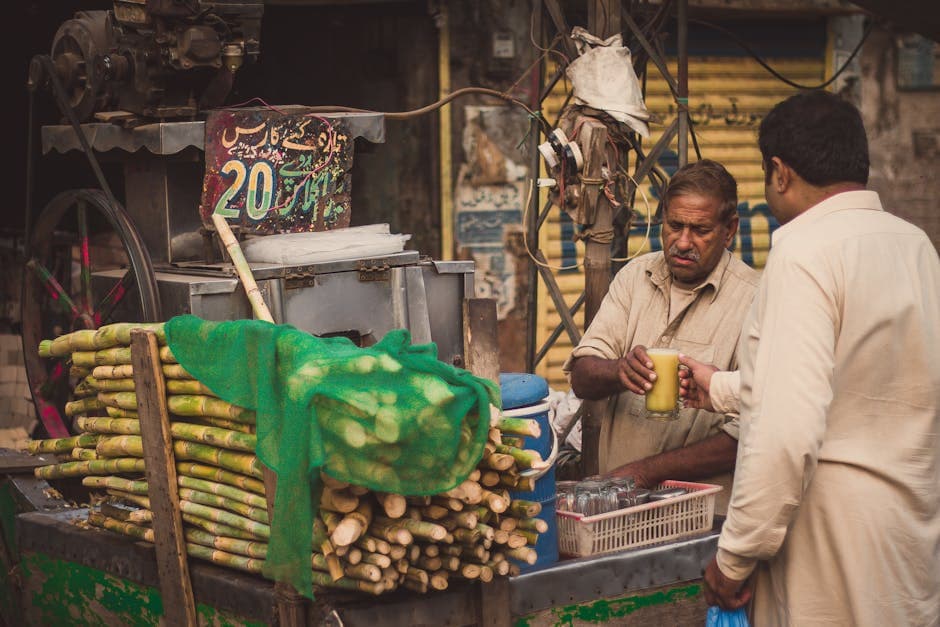
Cane Juice (Fermented)
A traditional spirit made from fermented sugarcane juice, sweet and potent, brewed locally in rural areas. It hits harder than palm wine and comes out for celebrations and social events.
Soft Beverages
Discover Liberia's traditional non-alcoholic drinks, from local teas to refreshing juices.
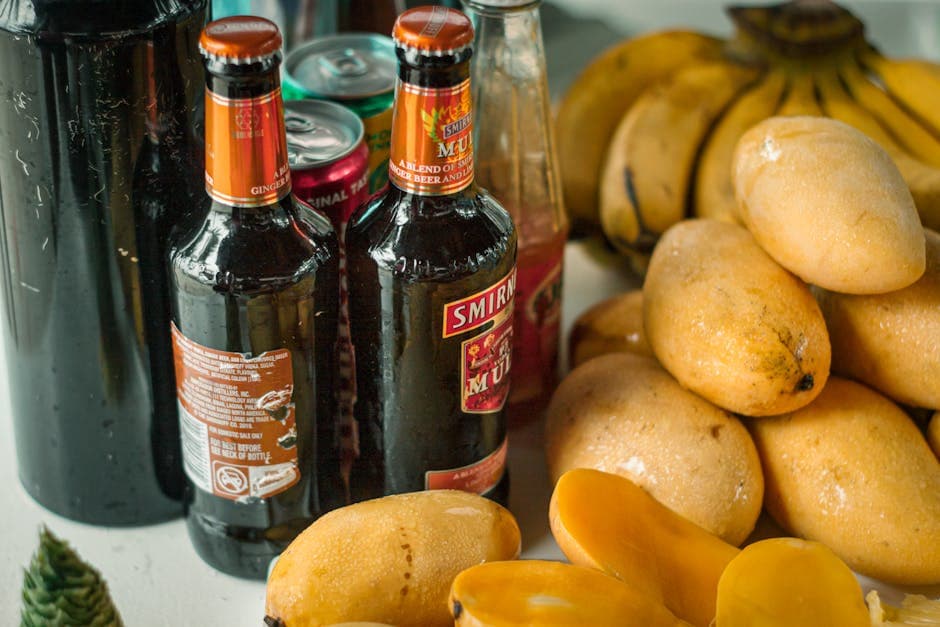
Ginger Beer
A homemade spiced ginger drink of fresh ginger, sugar, lime juice and water, lightly fermented. It is refreshing, spicy and a little fizzy, sold by street vendors and made in kitchens all over Liberia. It is non-alcoholic, or barely alcoholic once fermented, and people drink it for the digestion.
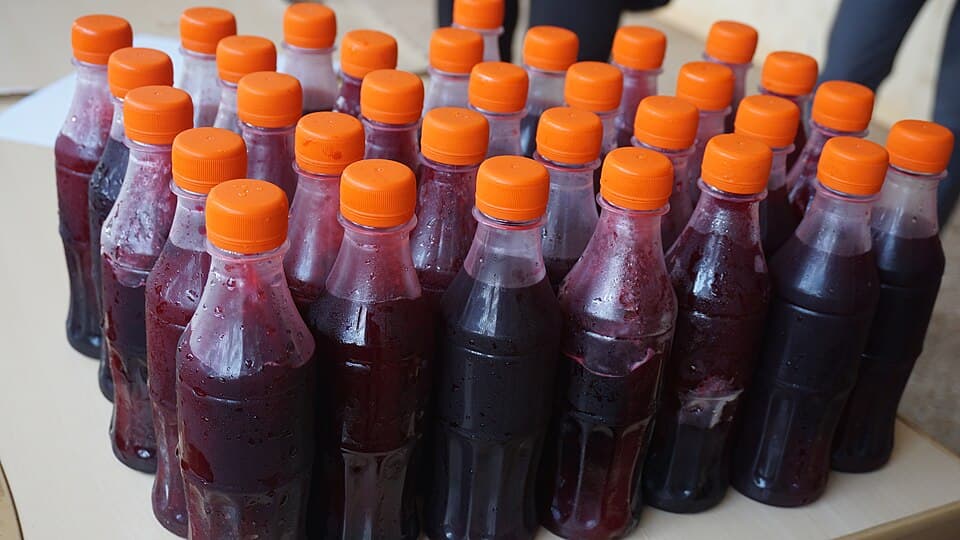
Bissap (Hibiscus Tea)
A deep red tea steeped from dried hibiscus flowers with sugar and sometimes ginger or mint. It is tart and refreshing, served cold as a juice or hot as a tea. You find it across West Africa, and in Creole circles it goes by sorrel.
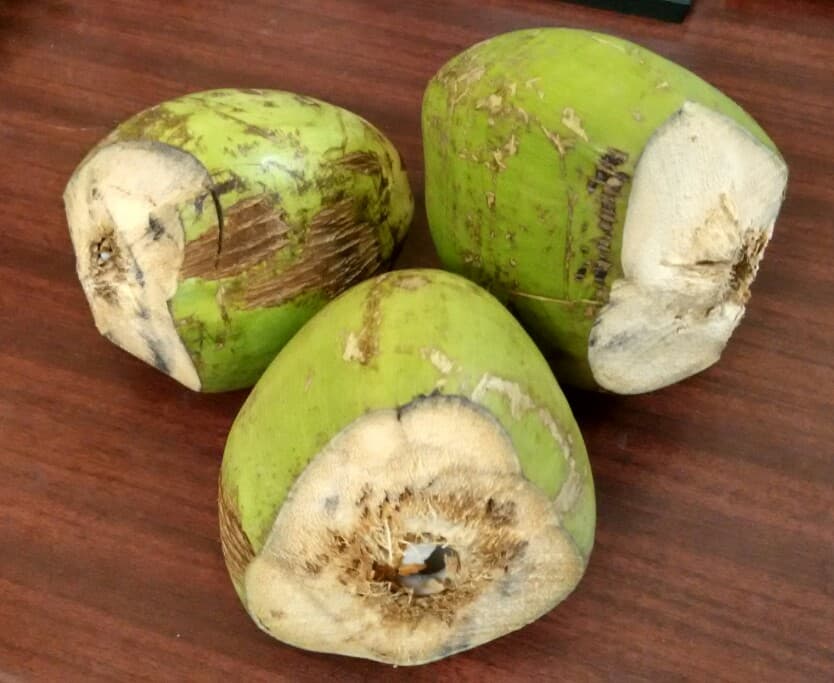
Fresh Coconut Water
Coconut water straight from young green coconuts. Vendors hack one open with a machete and hand it over with a straw. It is slightly sweet, refreshing and full of electrolytes, a beach snack and street staple that keeps you going in the tropical heat.
Frequently Asked Questions
Essential information about food and dining in Liberia.
What is the national dish of Liberia?
Liberia's most iconic dishes include Dumboy, Palm Butter Soup, Cassava Leaf (Gbassajama). The dish most associated with Liberia. Cassava is boiled, then pounded until it turns elastic and dough-like, and it comes with palm butter soup, cassava leaf stew or palava sauce. Tradition says you swallow it rather than chew. The pounding is a shared affair, a steady beat from a wooden mortar and pestle that neighbours recognise by ear. For many Liberians it is the taste of home. The texture is close to fufu, but the way it is made is its own.
Is street food safe in Liberia?
Street food in Liberia can be enjoyed safely by following these guidelines: Drink bottled or boiled water only Avoid foods left at room temperature in tropical heat. Look for busy vendors with high turnover, ensure food is cooked fresh and served hot, and avoid raw ingredients if you have a sensitive stomach.
What are the best restaurants in Liberia?
Liberia offers diverse dining options from street food stalls to upscale restaurants. For the best experience, ask locals for recommendations, check recent reviews, and look for restaurants that specialize in regional cuisines.
Can vegetarians find food easily in Liberia?
Vegetarian options in Liberia are mediumly available. You can eat vegetarian here, but bear in mind Liberian cooking leans hard on meat and fish. Rice with vegetable stews, fried plantains, beans and cassava dishes all work. In Monrovia, places like Oporto Grill and Rangoli put out vegetarian mezze, salads and pasta. Palm oil is plant-based, but a lot of stews are built on meat or fish stock, so say plainly "No meat, no fish" (locally, "I no want meat"). Palm butter soup is usually cooked with meat, though a cook will often adapt it. Fufu from cassava or plantain is vegetarian on its own, so pair it with a vegetable-only soup.. Many restaurants offer vegetarian dishes, and you'll find plant-based ingredients featured prominently in local cuisine.
What is the average cost of a meal in Liberia?
Meal costs in Liberia depend on where you eat. Street food and casual local restaurants are very affordable, typically offering complete meals for a few dollars. Mid-range restaurants charge moderate prices, while fine dining establishments are comparably priced to Western countries.
What are common food allergens in Liberia?
Common allergens in Liberia cuisine include Peanuts (Groundnuts), Palm Oil, Fish and Seafood. Peanuts, known locally as groundnuts, run through the cooking in sauces, soups and snacks. These ingredients appear in dishes like Groundnut soup (peanut butter soup), Peanut sauce. Always inform restaurant staff about your allergies.
When is the best time to visit Liberia for food?
Liberia offers great food experiences throughout the year. However, visiting during harvest seasons (typically spring and autumn) provides access to the freshest local ingredients. Food festivals and cultural celebrations also offer unique culinary experiences worth planning around.