
Myanmar Food Guide
Content Information
Recently updated🔥Current Food Trends 2026
What's happening in Myanmar's culinary scene right now
Myanmar's food culture in 2026 carries on through a difficult political stretch, holding onto its traditions even as travel stays complicated. The cool dry season (15-28°C/59-82°F) is still the easiest time to visit. Mohinga is the default breakfast, ladled out by street vendors from first light. Laphet thoke, the pickled tea leaf salad, has earned a following abroad as the dish most associated with Myanmar. At lunch, Shan noodles turn up everywhere in Yangon, Mandalay, and Bagan. Vendors keep frying samosas, mont pyar thalet (rice pancakes), and other snacks in the markets. Yangon's 19th Street BBQ still draws crowds after dark for grilled skewers and cold beer. The old tea shops pour strong tea with condensed milk and stay busy with talk and small plates. Cooking splits along regional lines: Upper Myanmar leans on meat, Lower Myanmar on seafood. Fermented staples carry the flavor base, from ngapi (fish paste) to pon ye gyi (bean paste out of Bagan) and the pickled tea leaves. A number of well-known restaurants in tourist districts shut down after the 2021 unrest, but hawker centers and small family kitchens have kept their standards up. Burmese curries are still cooked slow in oil the old way. After dark, daytime market squares fill with food stalls. Monastery vegetarian cooking has won over more diners. Myanmar beer and rum stay easy to find.
Food Safety Tips
Essential food safety information to help you enjoy Myanmar's cuisine safely and confidently.
Only drink bottled or properly purified water
Tap water in Myanmar is not safe for drinking. Always use sealed bottled water, including for brushing teeth and ice in drinks.
Choose busy vendors with high turnover and hot food
Street food runs through everyday life in Myanmar. Pick stalls with a steady local crowd, where food is cooked to order and served hot. Yangon's 19th Street BBQ and the market stalls keep good standards.
Be cautious with raw salads unless properly washed
Laphet thoke (tea leaf salad) is fine at decent restaurants, but take care with raw vegetables that may have been rinsed in contaminated water.
Avoid foods sitting at room temperature in hot weather
In tropical heat, go for food that has just been cooked rather than anything left standing. Hot noodles and grilled dishes are the safest bet.
Dietary Options
vegetarian
HIGH AVAILABILITYBuddhist tradition means vegetarians eat well in Myanmar. Monastery food is meat-free by custom, and most restaurants put out vegetable curries, tofu dishes, and other vegetable plates. Shan State cooks especially well for vegetarians.
vegan
MEDIUM AVAILABILITYVegans can find dishes, though fish sauce and shrimp paste show up in a lot of cooking. Ask for food without ngapi (fermented fish or shrimp paste). Shan tofu dishes and vegetable curries can usually be made vegan.
gluten-free
HIGH AVAILABILITYRice is the staple here, so a lot of Myanmar food is gluten-free to begin with. Rice noodles, rice dishes, and curries are usually fine. Watch out for soy sauce and a few of the fermented pastes.
halal
MEDIUM AVAILABILITYYou will find halal food where there are Muslim communities, mainly in Yangon and parts of the coast. Where it is hard to find, seafood is usually a safe fallback.
Common Allergens
Peanuts
HIGH PREVALENCEPeanuts and peanut oil are extensively used in Myanmar cuisine
COMMONLY FOUND IN:
Fish/Shellfish
VERY HIGH PREVALENCEFish sauce, dried shrimp, and ngapi (fermented fish paste) are fundamental flavoring agents
COMMONLY FOUND IN:
Soy
MEDIUM PREVALENCESoy sauce and fermented soy products are common
COMMONLY FOUND IN:
Sesame
MEDIUM PREVALENCESesame seeds and oil appear in various dishes
COMMONLY FOUND IN:
Essential Food Experiences
These iconic dishes represent the must-have culinary experiences that define Myanmar's food culture for travelers.

Mohinga
Myanmar's unofficial national dish, a fish noodle soup that most people eat for breakfast. Catfish simmers down with lemongrass, ginger, garlic, and banana tree stem into the broth, then rice noodles go in, topped with boiled egg, crispy fritters, and fresh herbs. From dawn you can find it on almost any street corner.
Laphet Thoke (Tea Leaf Salad)
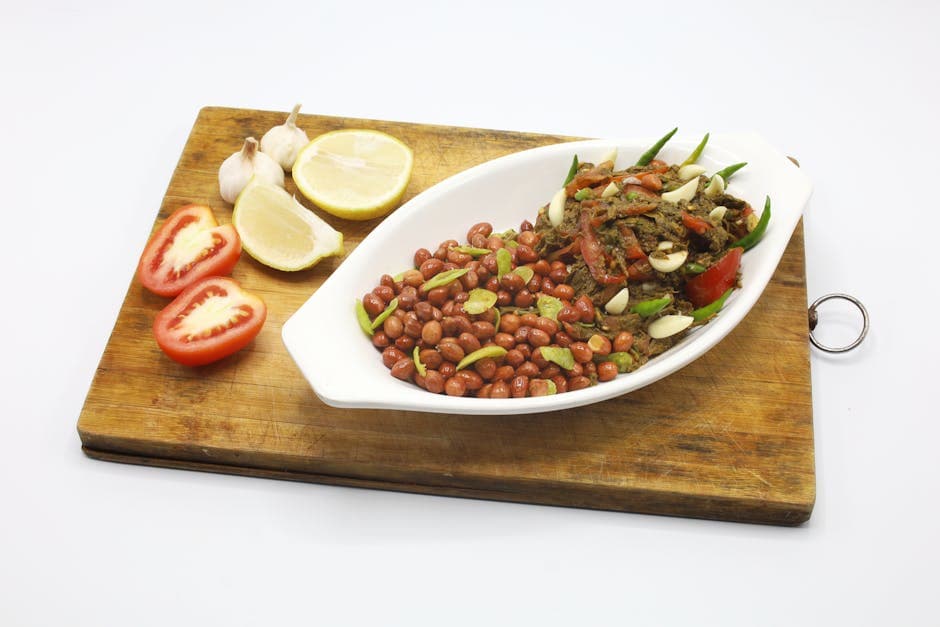
The dish that sets Myanmar apart: soft pickled tea leaves tossed with roasted peanuts, crunchy beans, toasted sesame, fried garlic, dried shrimp, and chopped tomato. People eat it as a snack, after a meal, or at gatherings. This is the one cuisine that eats tea leaves rather than just brewing them, and the salad turns up at religious and social occasions alike.
Shan Noodles
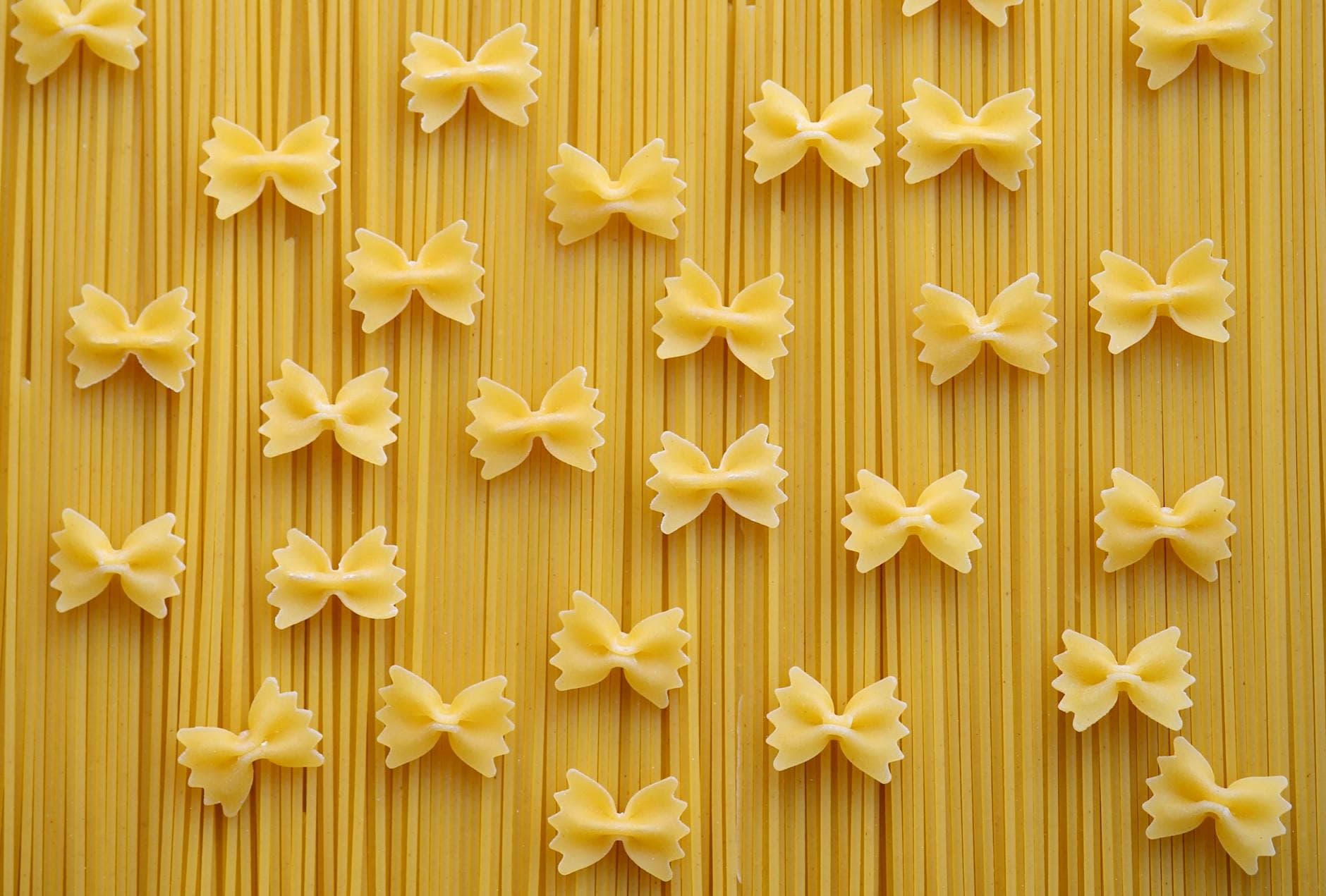
A Shan State dish that the whole country has taken to. Thin rice noodles come two ways: a soup version in light clear broth with chicken or pork, garlic oil, and herbs, or a dry version tossed with a soybean sauce, meat, and fresh greens. Plain in the best sense, with the flavors well judged. 999 Shan Noodle House in Yangon does a good one.
Htamin Jin
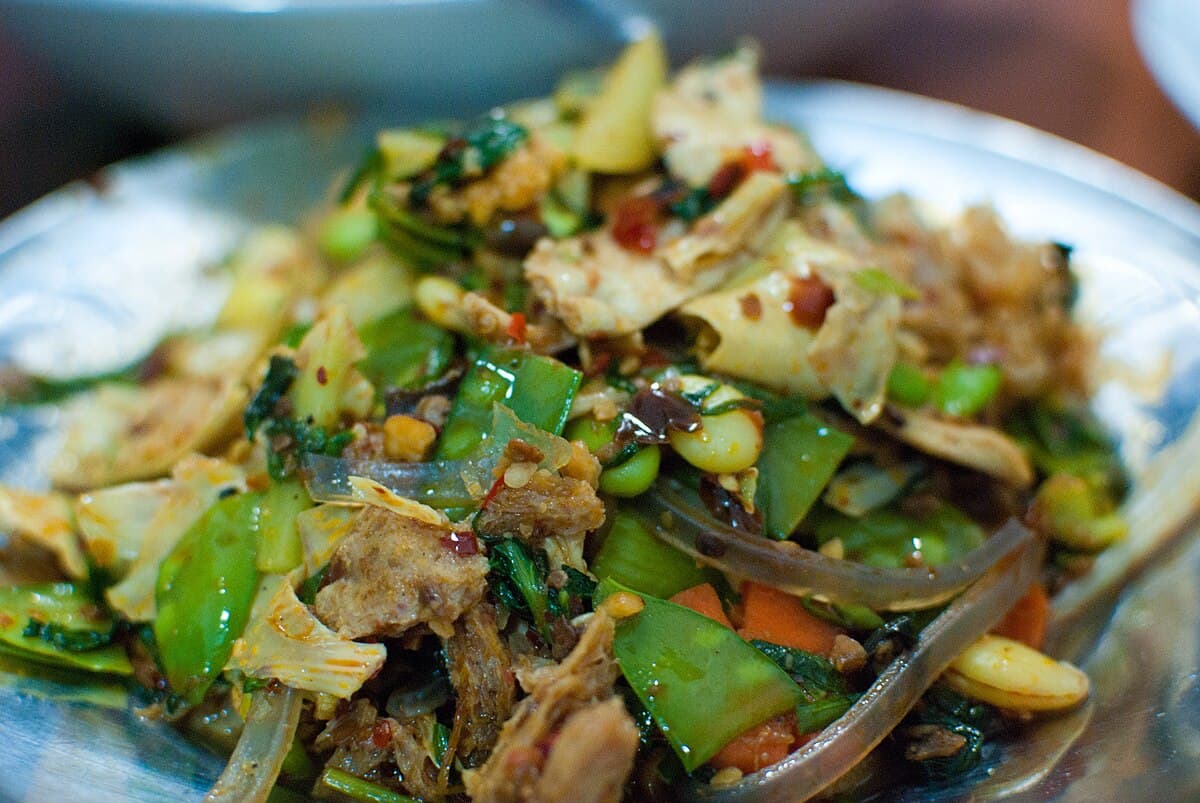
A Shan dish of fermented rice kneaded together with fresh fish, mashed potato or taro, and tomato paste, shaped into patties and fried. Sliced garlic fried crisp and chives go on top, usually with roasted chili flakes in oil on the side. The fermentation is what gives it that tang.
Burmese Curry
Burmese curries work differently from Thai or Indian ones. They cook slow in a lot of oil until the meat falls apart, usually chicken, pork, beef, or goat seasoned with turmeric, ginger, garlic, and chili. The meal comes with rice and a spread of sides, often soup, vegetables, and salads. The oil both preserves the curry and shapes its flavor.
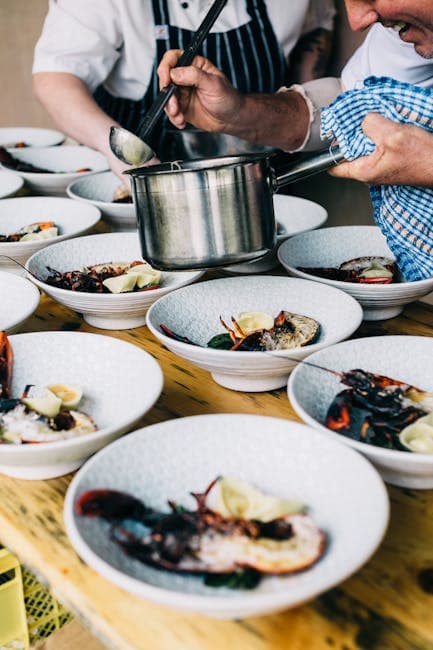
Nga Htamin (Fish with Rice)
A whole fried fish over rice with a tangy tomato sauce. It is a plain dish that leans on fresh river or sea fish, the crisp skin playing off the steamed rice and the savory-sour sauce.
Mont Hinjo (Fish Cake Noodle Soup)
Rice noodles in a savory broth under homemade fish cakes, crispy fritters, and fresh herbs. Lighter than mohinga, and just as good for breakfast.
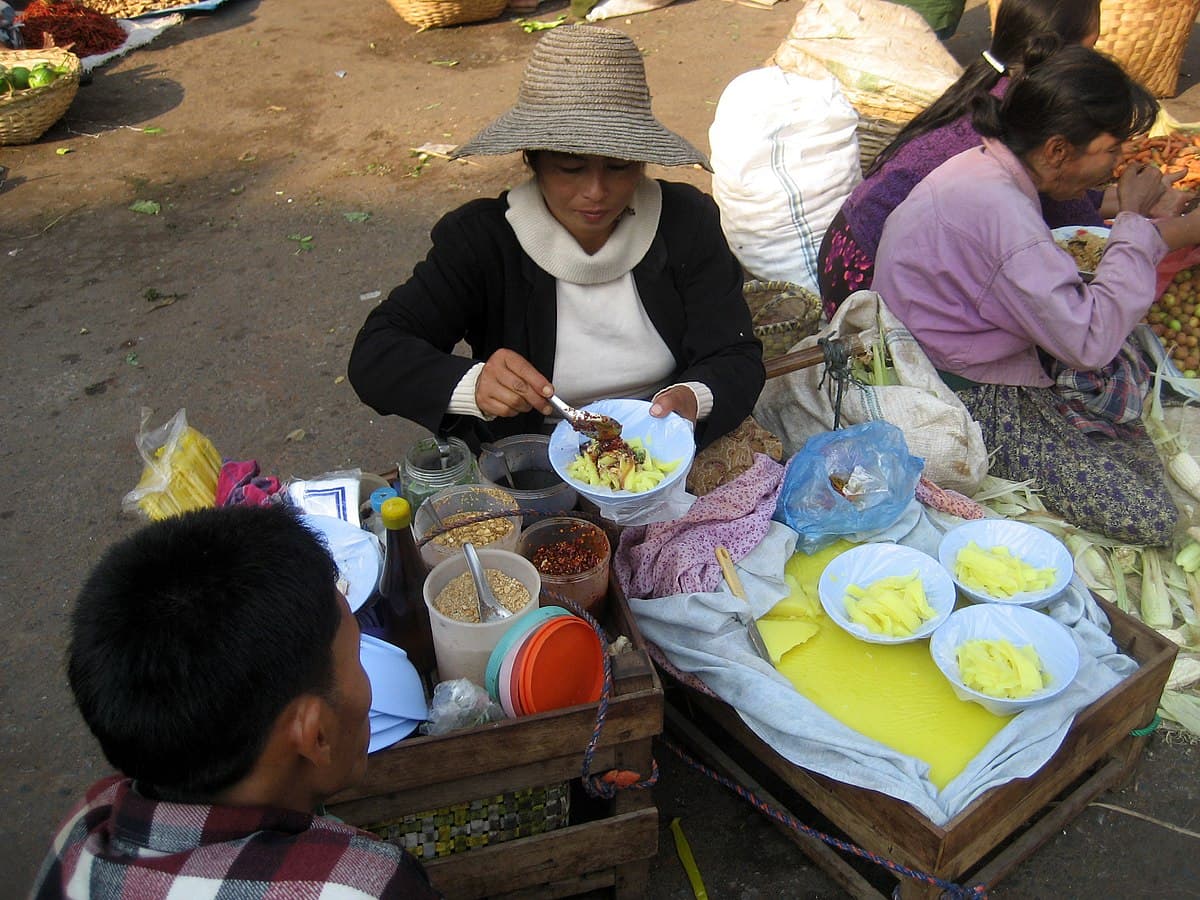
Shan Tofu
Shan tofu is made from chickpea flour rather than soy, which gives it a yellow color and a silky texture. It comes warm under chili oil and pickled vegetables, or cold in salads. You find it in Myanmar, above all in Shan State.
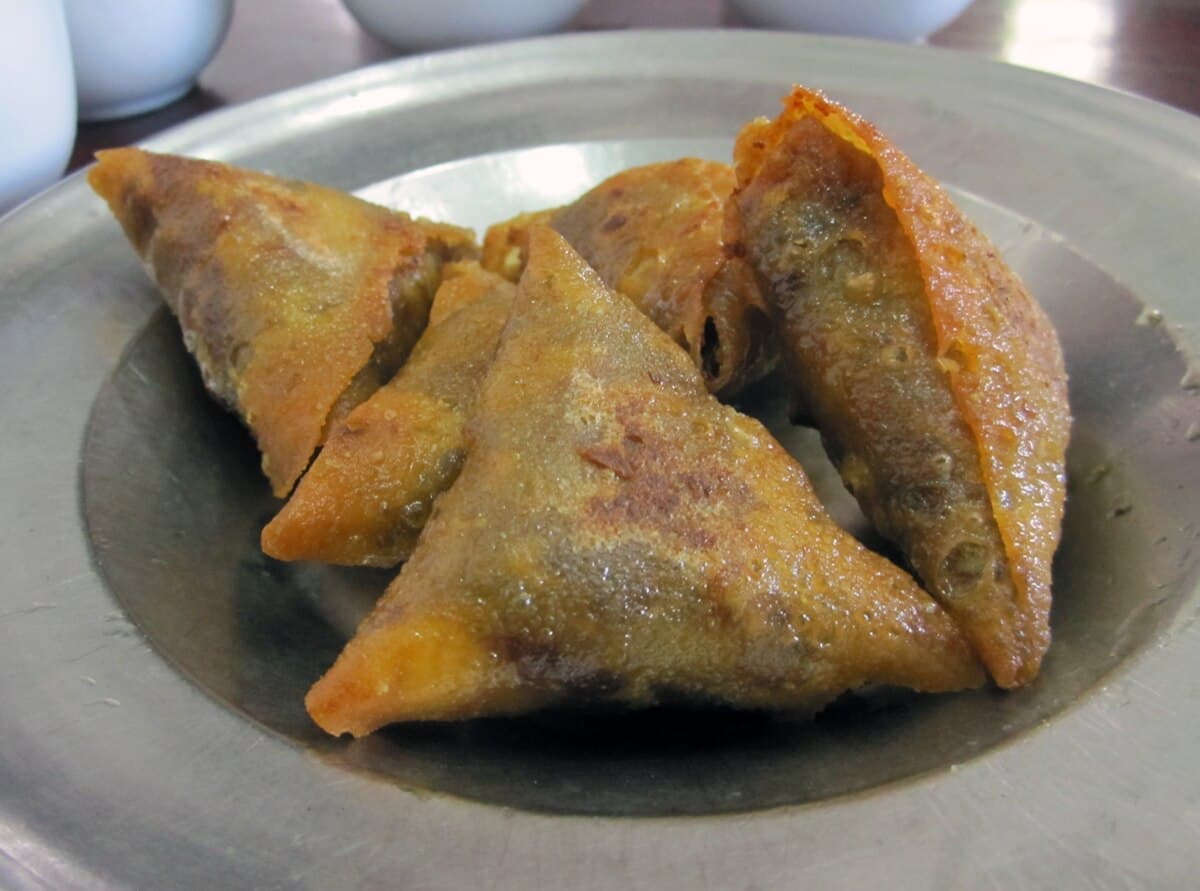
Samusa (Burmese Samosa)
Myanmar's take on the samosa, stuffed with spiced potato, peas, and sometimes meat, then deep-fried until golden. A common street snack, usually eaten with a sweet-sour tamarind sauce.
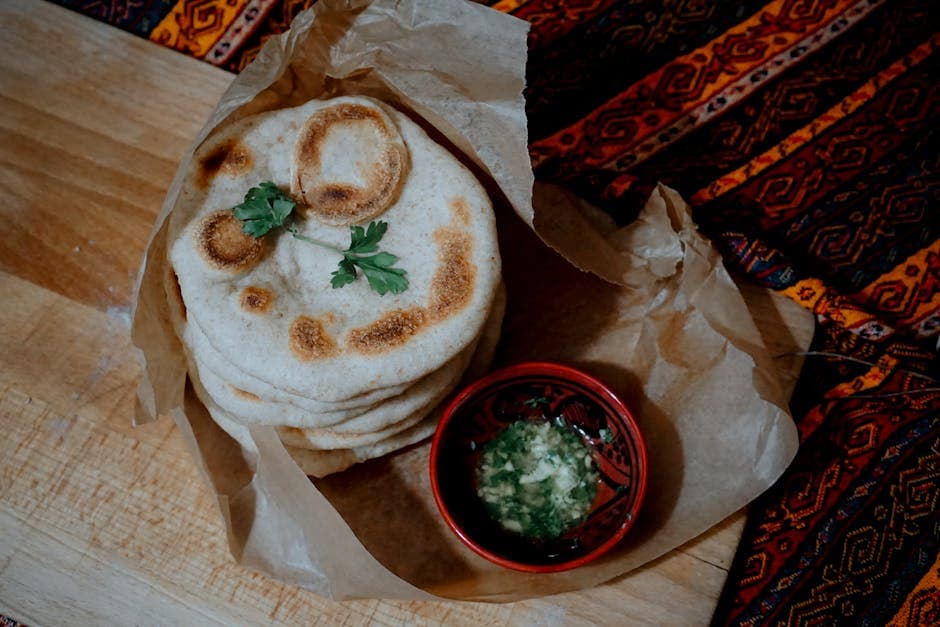
Nan Gyi Thoke
Thick round rice noodles tossed with spiced chicken curry, hard-boiled egg, onion, and crispy chickpea fritters, dressed with chili oil and lime. It is served at room temperature and makes a solid lunch. Mandalay is especially fond of it.
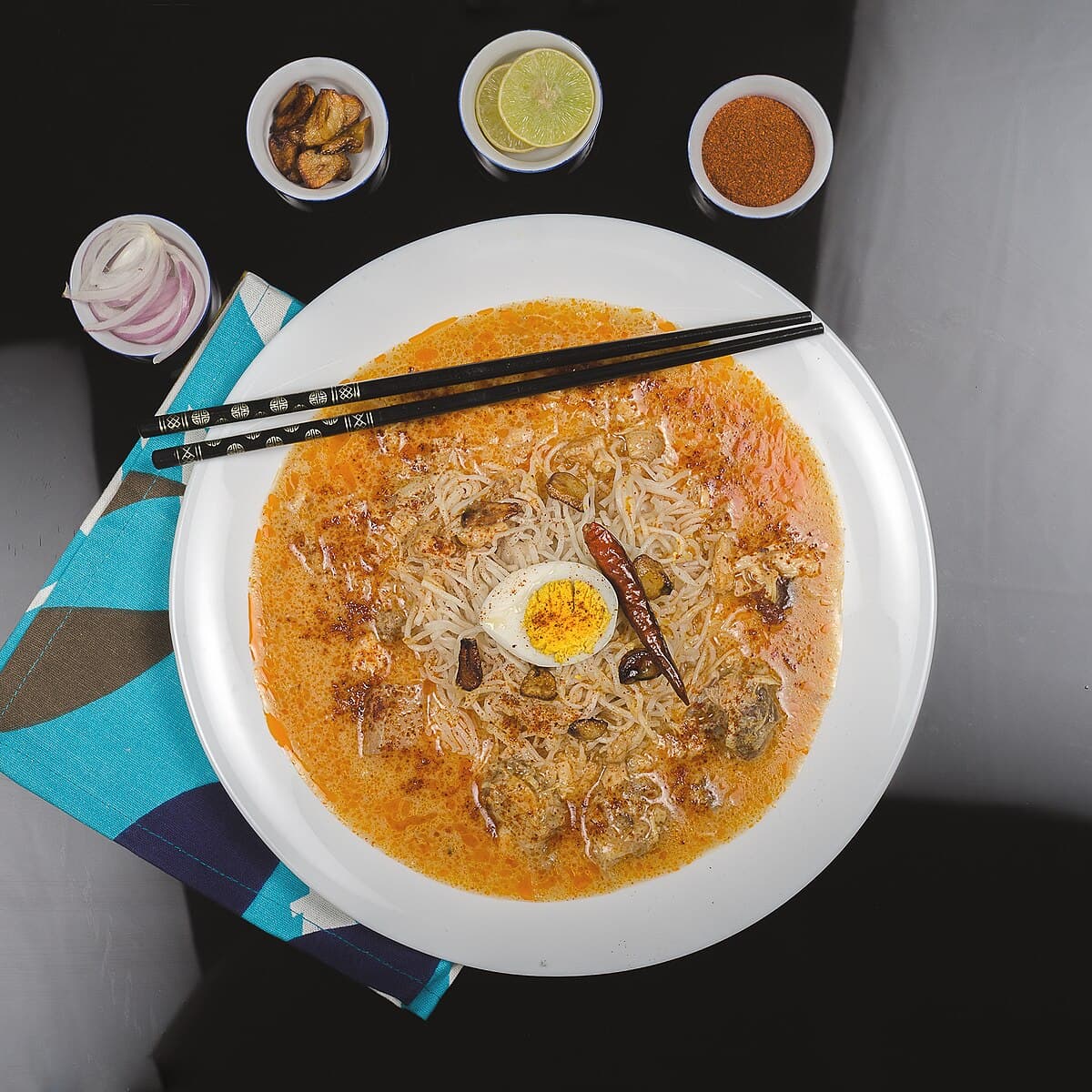
Ohn No Khao Swe
Egg noodles in a creamy coconut curry broth with chicken, finished with crispy noodles, lime, chili, and fresh cilantro. Rich and comforting, with roots in Mon cooking.
Pone Yay Gyi (Fermented Soybean Paste)
A thick, salty fermented soybean paste most associated with the Bagan area. It works as a condiment or gets cooked into dishes. The taste takes some getting used to, but locals love it. There is something of Japanese miso about it, though it is its own Burmese thing.
Regional Specialties & Local Favorites
Discover the authentic regional dishes and local favorites that showcase Myanmar's diverse culinary traditions.
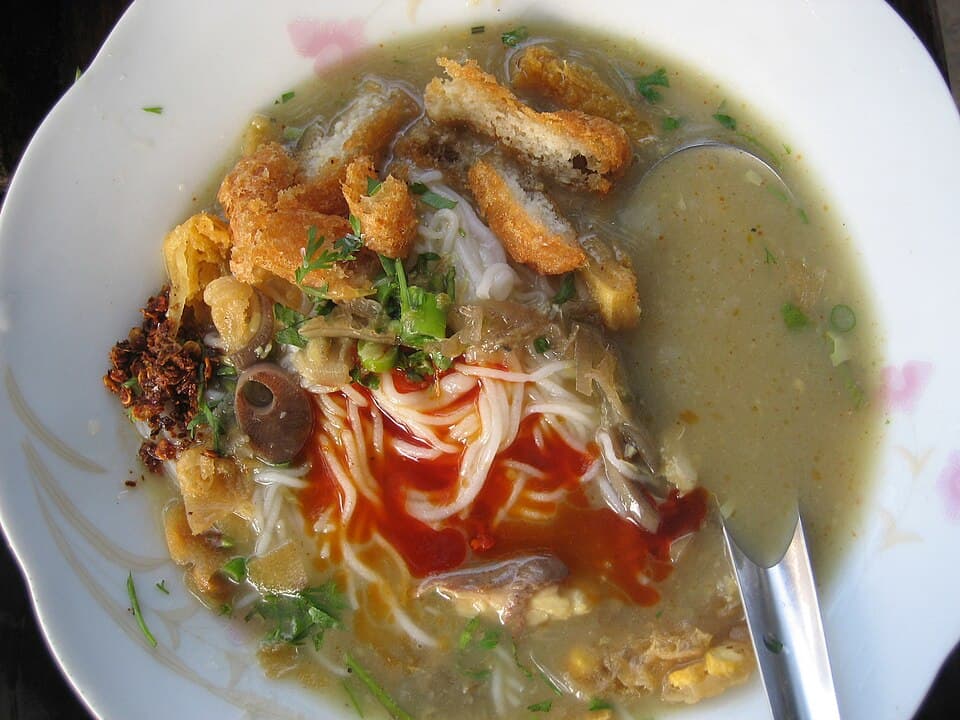
Mohinga
The national breakfast: rice noodles in catfish broth with banana stem, crispy fritters, and hard-boiled egg. Street stalls sell it from dawn.
Allergens:
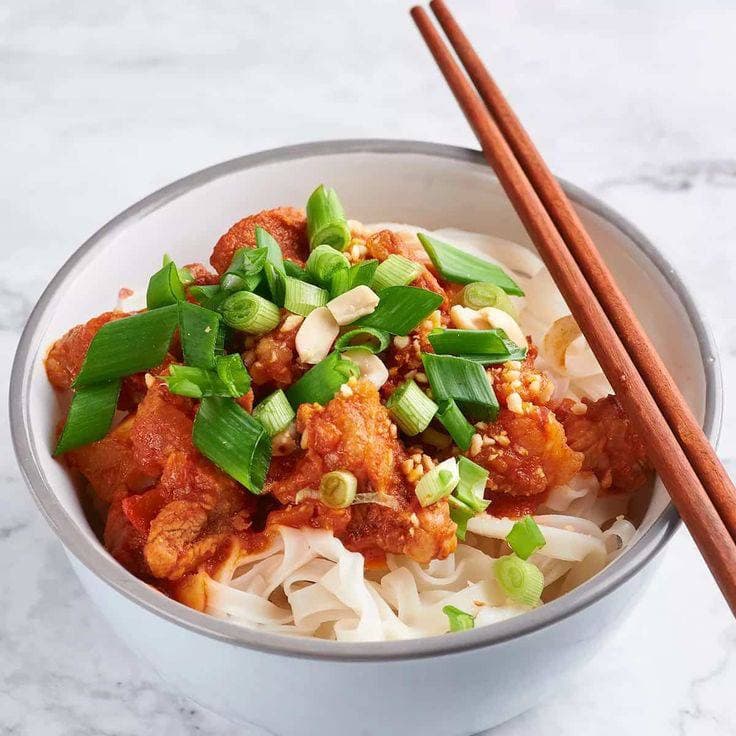
Shan Khao Swe
Shan-style noodles, either in soup or dry with soybean sauce. Plain, comforting, and about as Myanmar as it gets.
Allergens:
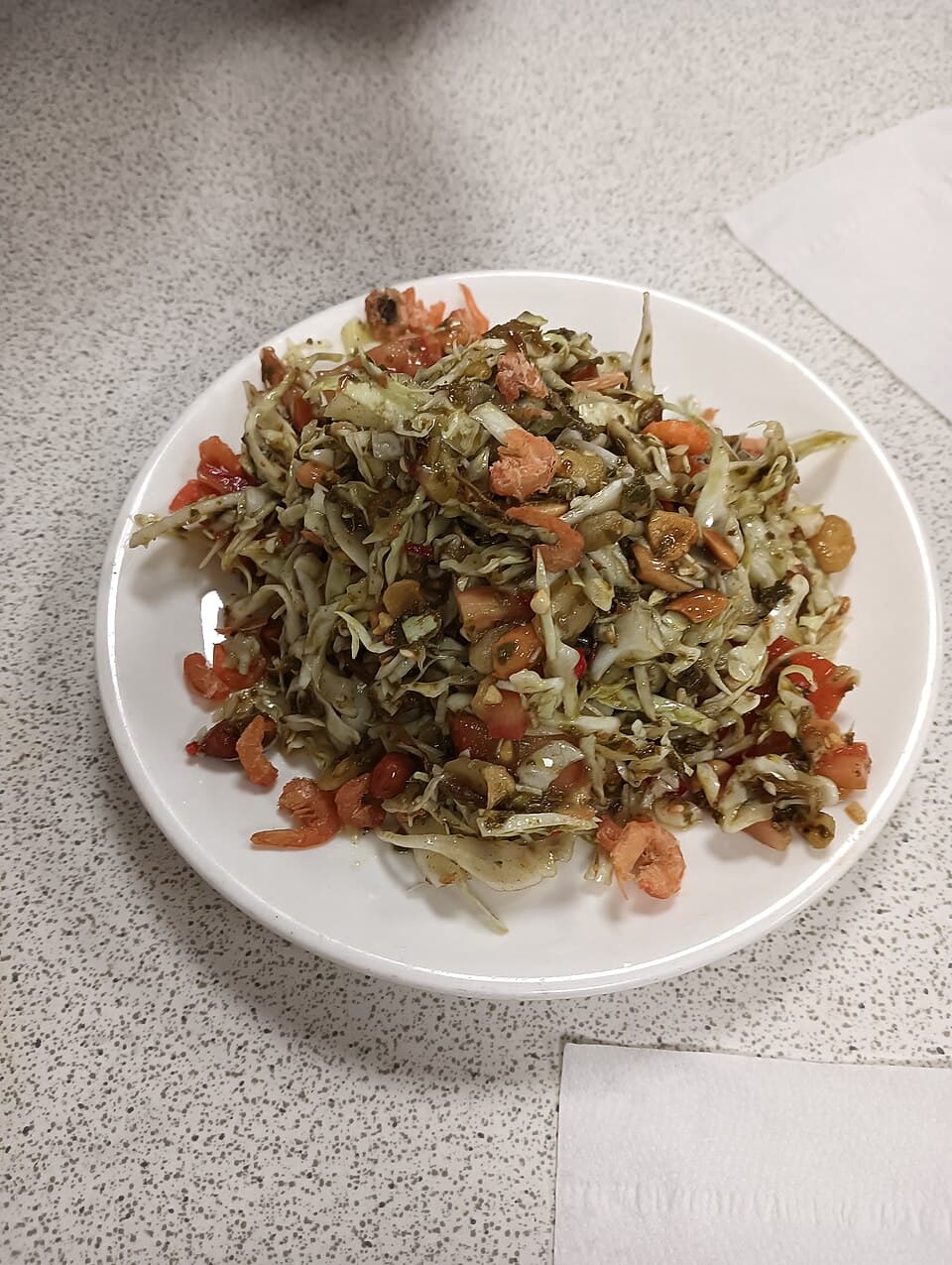
Tea Leaf Salad
Pickled tea leaf salad with nuts, seeds, and crunchy beans. Nothing else in Myanmar cooking is quite like it.
Allergens:
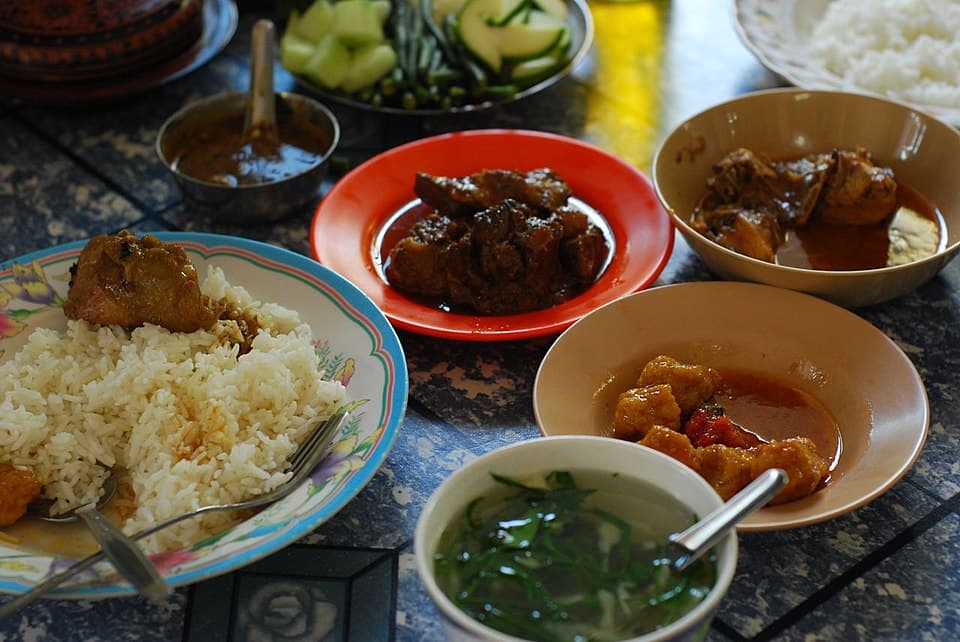
Burmese Curry Plate
An oil-based curry with rice and a spread of side dishes. Pick chicken, pork, beef, or fish.
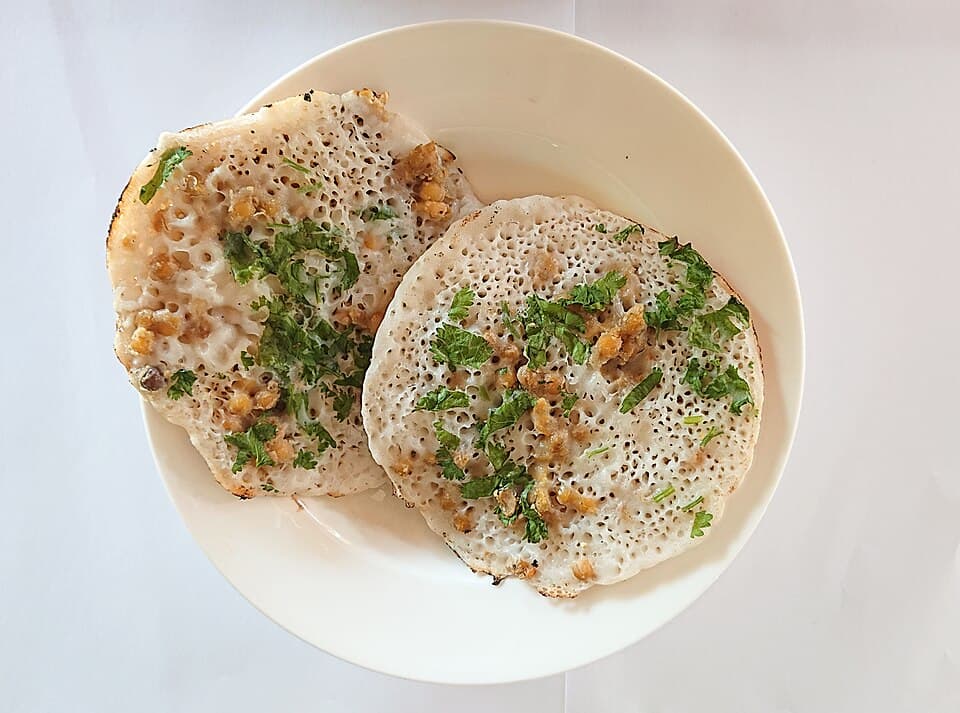
Mont Pyar Thalet
Rice pancakes, crisp on the outside and soft within. A common breakfast or market snack, especially in Mandalay.
BBQ Skewers
Grilled meat and vegetables along 19th Street in Yangon or at the night markets. Best with a cold Myanmar beer.
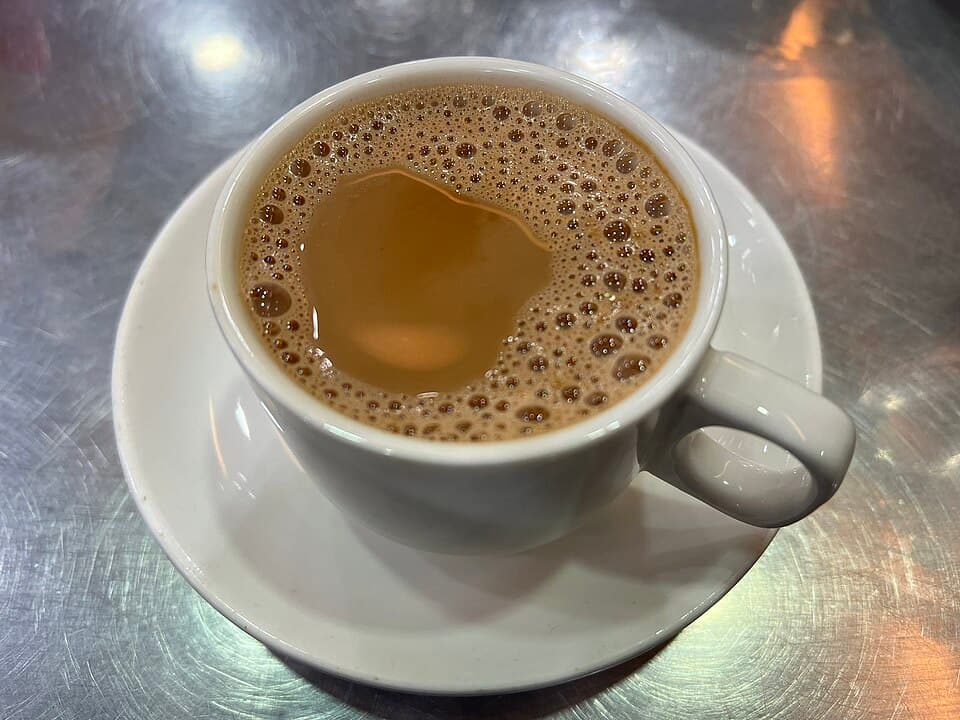
Myanmar Tea
Strong black tea with condensed milk and sugar, poured at the old tea shops where people gather to talk.
Allergens:
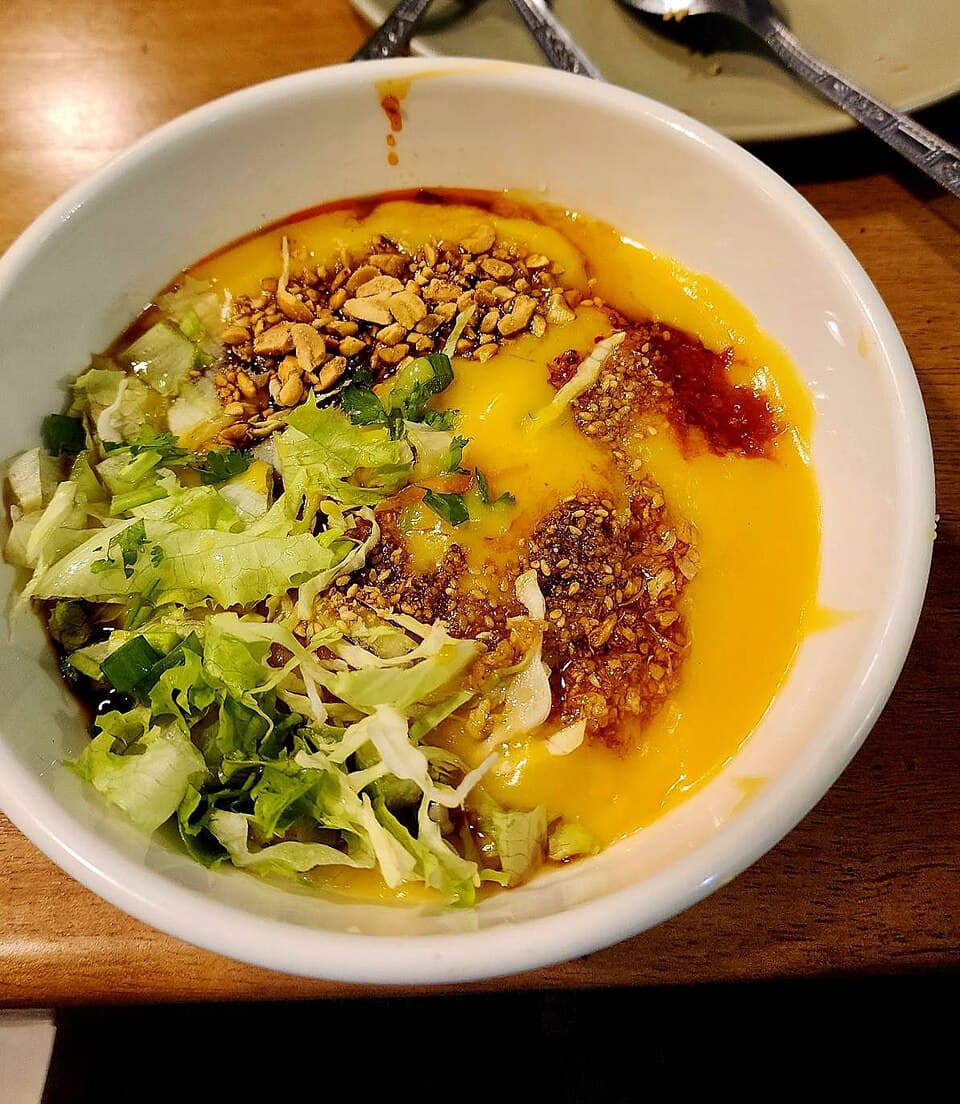
Tohu Nway (Warm Shan Tofu)
Warm chickpea tofu under chili oil and pickled vegetables, with a texture you will not find elsewhere.
Regional Cuisine Highlights
Explore the diverse culinary landscapes across different regions of Myanmar.
Lower Myanmar (Yangon & Coastal Areas)
The sea and rivers shape the cooking here, with fish, seafood, and ngapi (fermented fish paste) running through it. Mohinga started in this part of the country and is still the breakfast of choice. Southern Myanmar, especially Mawlamyaing, has a reputation for its food, as the Burmese saying goes: "Mandalay for eloquence, Yangon for boasting, Mawlamyaing for food."
Signature Dishes:
Key Ingredients:
Upper Myanmar (Mandalay, Magway, Sagaing)
In the Bamar heartland the cooking leans on meat, poultry, pulses, and beans rather than seafood. Nan gyi thoke, a thick noodle salad, is the Mandalay specialty, and the oil-based curries cook slow until tender. Zegyo Market is the place for traditional snacks and Shan noodles.
Signature Dishes:
Key Ingredients:
Shan State
Shan State has a cooking of its own, with its own noodle styles, chickpea-based Shan tofu, and fermented soybean dishes. Shan noodles, soup and dry alike, are eaten across the whole country. Lou Sam Sip in Yangon cooks the real thing, and the salads draw on local vegetables and herbs you do not see elsewhere.
Signature Dishes:
Key Ingredients:
Sweet Delights & Desserts
Indulge in Myanmar's traditional sweet treats and desserts.
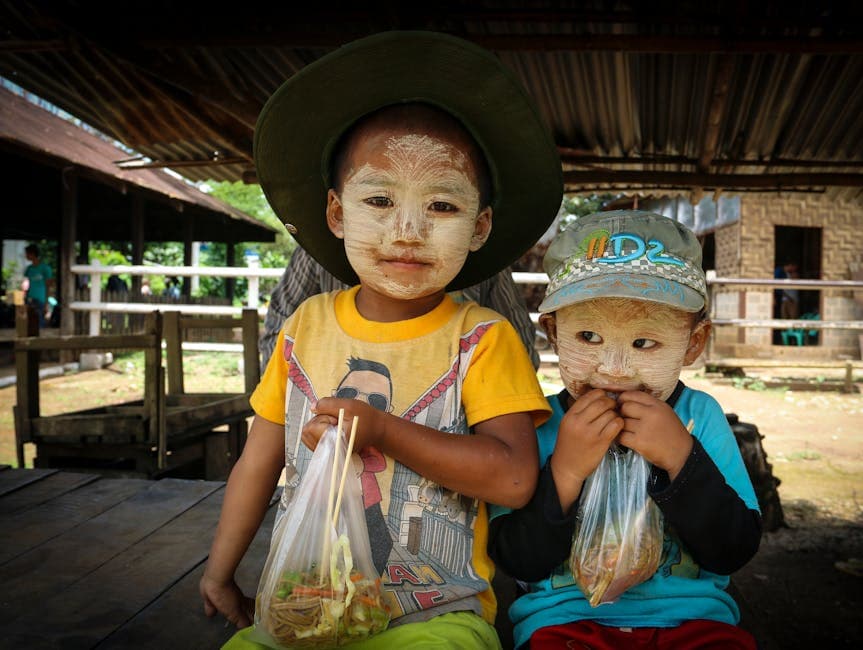
Mont Lone Yay Paw
Glutinous rice balls with a palm sugar center, rolled in grated coconut. Sweet and chewy, and a long-standing favorite.
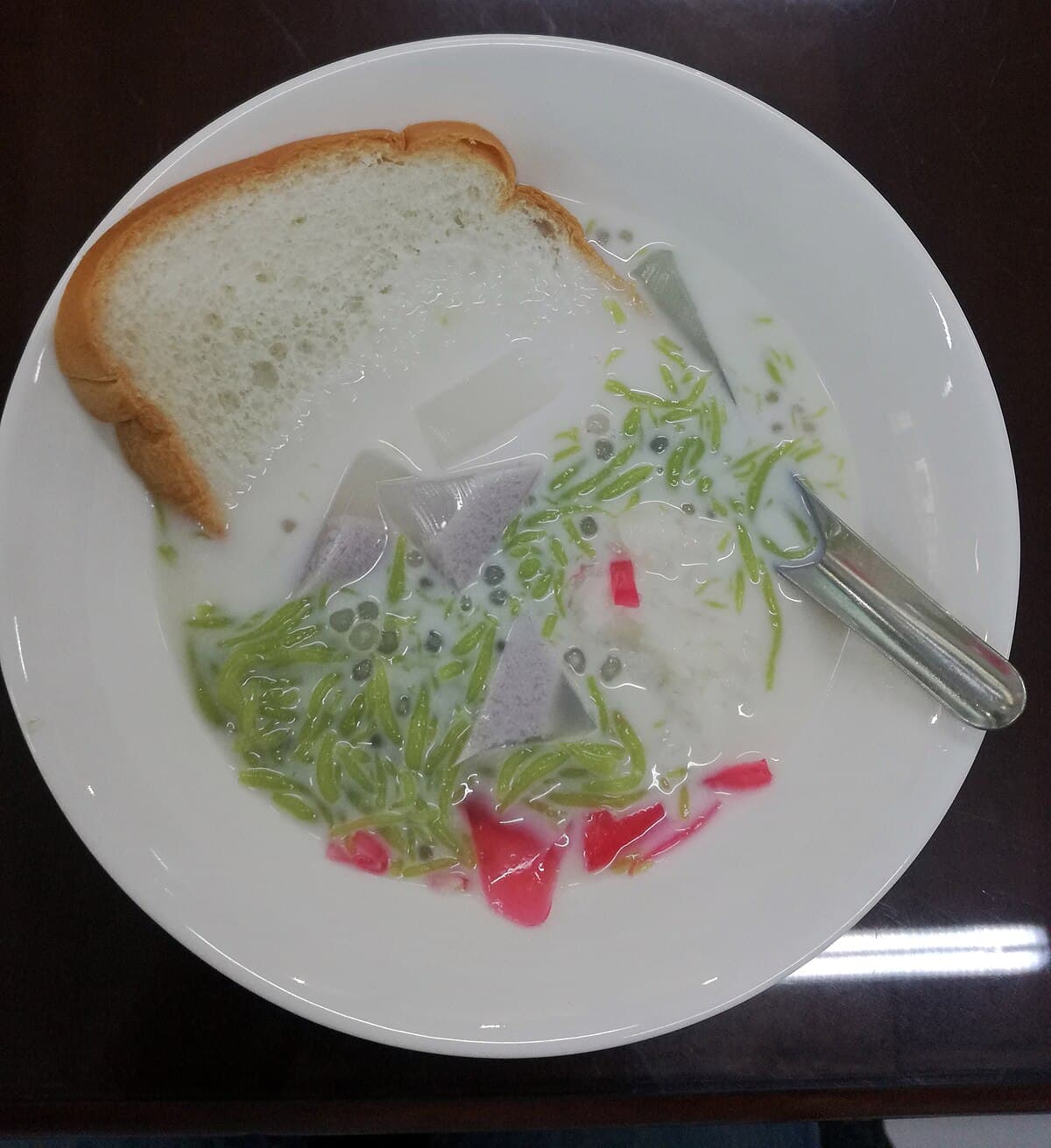
Shwe Yin Aye
A cold dessert soup of coconut milk, jelly, tapioca pearls, bread, and ice, made for hot afternoons. You can find it at Bogyoke Market and from street vendors.
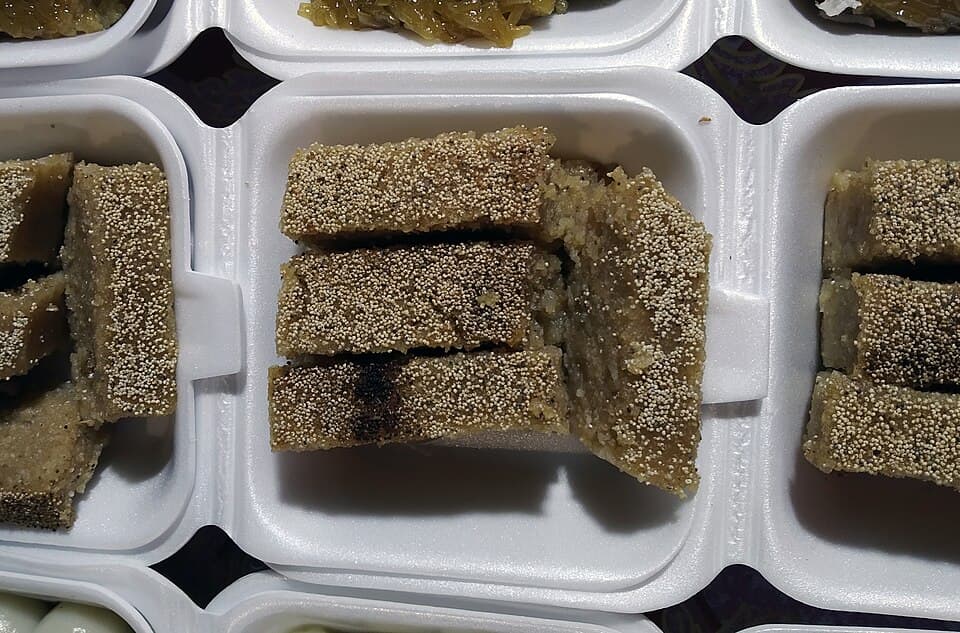
Sanwin Makin
A semolina cake made with coconut milk, butter, and raisins, kept moist and scented with cardamom. It turns up at celebrations.
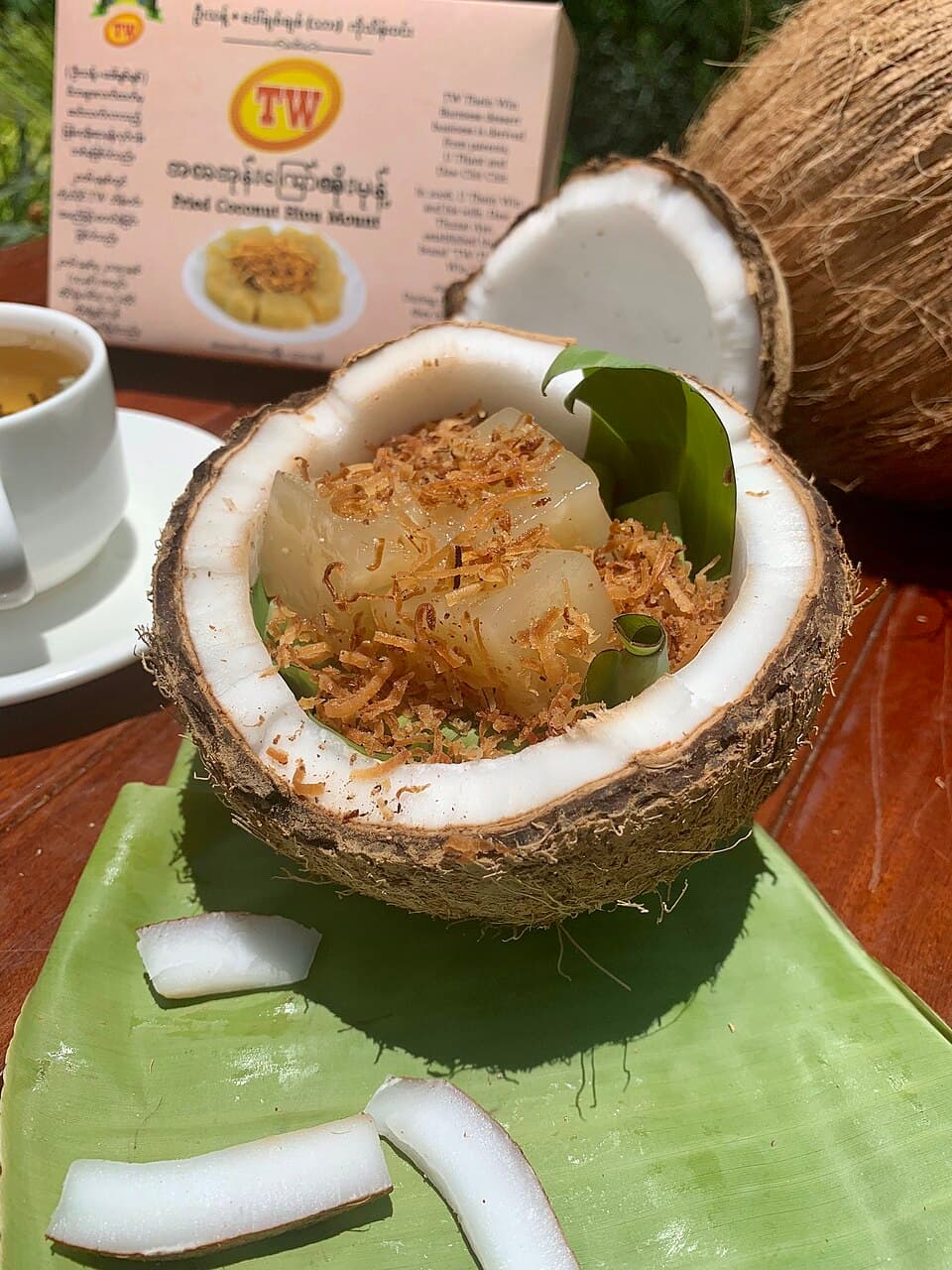
Htoe Mont
A layered agar-agar jelly in bright colors. Light, cooling, and good to look at. Often sold in the markets.
Traditional Beverages
Discover Myanmar's traditional drinks, from locally produced spirits to regional wines.
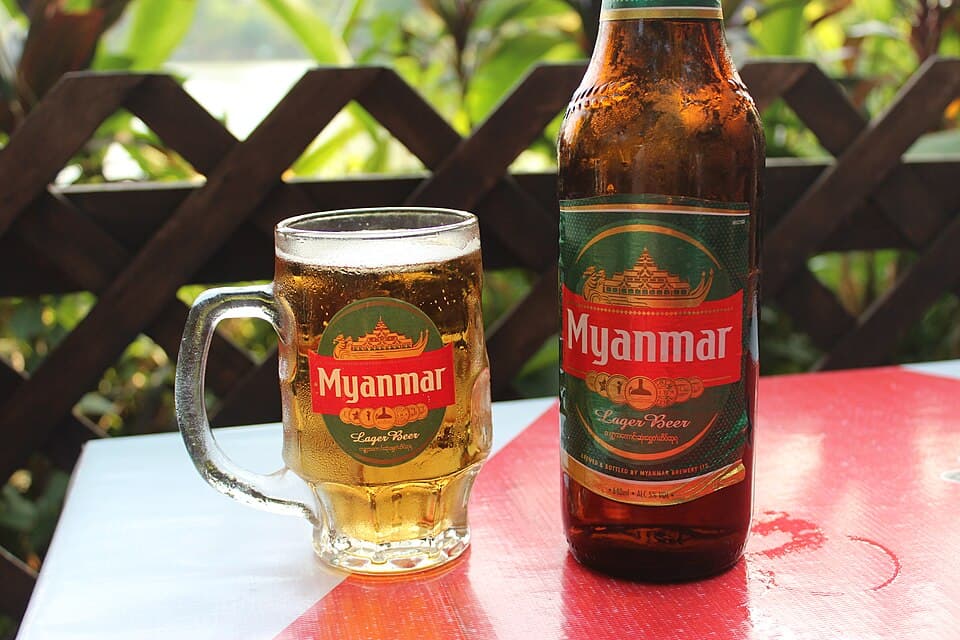
Myanmar Beer
The national lager, brewed since colonial days. Crisp and easy-drinking, and it holds up well against spicy food. You will find it at restaurants and street stalls everywhere.
Mandalay Rum
A local rum made in Myanmar, smooth and cheap, drunk neat or with a mixer. It has a steady place in how people drink here.
Soft Beverages
Discover Myanmar's traditional non-alcoholic drinks, from local teas to refreshing juices.
Myanmar Tea (Laphet Yay)
Strong black tea with condensed milk and sugar, hot or iced. It anchors tea shop life, where people sit to talk and snack.
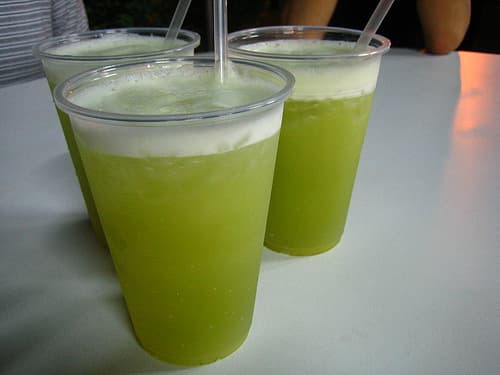
Sugarcane Juice
Sugarcane pressed fresh at markets and street stalls. Sweet and reviving in the heat.
Toddy Palm Juice
Juice tapped fresh from toddy palms, lightly sweet. A country drink you mostly come across in rural areas.
Frequently Asked Questions
Essential information about food and dining in Myanmar.
What is the national dish of Myanmar?
Myanmar's most iconic dishes include Mohinga, Laphet Thoke (Tea Leaf Salad), Shan Noodles. Myanmar's unofficial national dish, a fish noodle soup that most people eat for breakfast. Catfish simmers down with lemongrass, ginger, garlic, and banana tree stem into the broth, then rice noodles go in, topped with boiled egg, crispy fritters, and fresh herbs. From dawn you can find it on almost any street corner.
Is street food safe in Myanmar?
Street food in Myanmar can be enjoyed safely by following these guidelines: Only drink bottled or properly purified water. Look for busy vendors with high turnover, ensure food is cooked fresh and served hot, and avoid raw ingredients if you have a sensitive stomach.
What are the best restaurants in Myanmar?
Myanmar offers diverse dining options from street food stalls to upscale restaurants. For the best experience, ask locals for recommendations, check recent reviews, and look for restaurants that specialize in regional cuisines.
Can vegetarians find food easily in Myanmar?
Vegetarian options in Myanmar are highly available. Buddhist tradition means vegetarians eat well in Myanmar. Monastery food is meat-free by custom, and most restaurants put out vegetable curries, tofu dishes, and other vegetable plates. Shan State cooks especially well for vegetarians.. Many restaurants offer vegetarian dishes, and you'll find plant-based ingredients featured prominently in local cuisine.
What is the average cost of a meal in Myanmar?
Meal costs in Myanmar depend on where you eat. Street food and casual local restaurants are very affordable, typically offering complete meals for a few dollars. Mid-range restaurants charge moderate prices, while fine dining establishments are comparably priced to Western countries.
What are common food allergens in Myanmar?
Common allergens in Myanmar cuisine include Peanuts, Soy, Sesame. Peanuts and peanut oil are extensively used in Myanmar cuisine. These ingredients appear in dishes like Salads, Shan noodles. Always inform restaurant staff about your allergies.
When is the best time to visit Myanmar for food?
Myanmar offers great food experiences throughout the year. However, visiting during harvest seasons (typically spring and autumn) provides access to the freshest local ingredients. Food festivals and cultural celebrations also offer unique culinary experiences worth planning around.