
Turkey Food Guide
Content Information
Recently updated🔥Current Food Trends 2026
What's happening in Turkey's culinary scene right now
In 2026, two threads run through Turkish food: the UNESCO-listed Turkish coffee tradition and a renewed interest in Ottoman palace cooking, with Istanbul setting the pace internationally. The Michelin Guide Istanbul, first published in 2024, recognized 54 restaurants, among them Turk Fatih Tutak, which holds two stars for its modern Anatolian cooking, and Neolokal, which earned one for the way it works with regional ingredients. Food tourism keeps growing. Gaziantep, a UNESCO Creative City of Gastronomy and the country's baklava capital, has more than 60 çörekçi shops, while Antakya in Hatay province draws people for its künefe. Bakers are reviving old grains too, working siyez wheat from Kastamonu and karakılçık wheat from Çorum back into their loaves. Older preservation methods such as turşu (pickles) and kavurma (meat preserved in fat) are being recast as zero-waste cooking. Breakfast culture has spread well past Van's famous spread, with small breakfast houses building menus around local cheeses, several kinds of honey, and homemade preserves. In the meyhanes of Beyoğlu, cooks are giving classic meze new readings.
Food Safety Tips
Essential food safety information to help you enjoy Turkey's cuisine safely and confidently.
Be cautious with tap water
Tap water is usually chlorinated, but most locals and visitors stick to bottled water for drinking.
Watch out for street food in high heat
During the summer, take extra care with meat-based street food, which may not be held at a safe temperature.
Be aware of raw dairy products
Some traditional Turkish cheeses are made with unpasteurized milk, so ask if you want to avoid raw dairy.
Be careful with salads in rural areas
Out in the countryside, raw vegetables may be washed with untreated water, so cooked vegetables are the safer bet.
Dietary Options
vegetarian
HIGH AVAILABILITYVegetarians eat well in Turkey. Meze (appetizers), vegetable dishes, and meals built around legumes are easy to find.
vegan
MEDIUM AVAILABILITYYou can find vegan food, and there's more of it during religious fasting periods, though dairy turns up in a lot of dishes.
halal
HIGH AVAILABILITYAs a predominantly Muslim country, Turkey serves halal food almost everywhere.
gluten-free
MEDIUM AVAILABILITYBread is central to Turkish cooking, but rice and vegetable dishes give you gluten-free choices. Rice pilav, grilled meats without marinades, vegetable stews (türlü), and rice-based desserts like sütlaç contain no gluten. More restaurants in Istanbul, Ankara, and Antalya now mark gluten-free items on their menus, and some newer bakeries work with buckwheat and rice flour.
kosher
LOW AVAILABILITYKosher food is mostly confined to Istanbul's historic Jewish neighborhoods (Karaköy, Galata, Ortaköy), where kosher-certified restaurants, butchers, and bakeries serve the Sephardic community. Staff around the Neve Shalom Synagogue can point you toward kosher dining. The main difficulties are that Turkish cooking often mixes meat and dairy, and kitchen cross-contamination is hard to rule out, so look for places with rabbinical supervision. Fish such as sea bass (levrek) and sea bream (çipura) from the Bosphorus are fine when scales are visible, and vegetarian meze platters of hummus, baba ghanoush, and stuffed vine leaves tend to be the safer kosher-friendly choice.
Common Allergens
Tree Nuts
HIGH PREVALENCEPistachios, hazelnuts, and walnuts show up across Turkish desserts and a few savory dishes.
COMMONLY FOUND IN:
Dairy
HIGH PREVALENCEYogurt and cheese sit at the heart of Turkish cooking.
COMMONLY FOUND IN:
Wheat
HIGH PREVALENCEWheat is the staple grain here, turning up in breads, pastries, and countless dishes.
COMMONLY FOUND IN:
Sesame
HIGH PREVALENCESesame seeds and tahini paste are used widely in Turkish cooking.
COMMONLY FOUND IN:
Essential Food Experiences
These iconic dishes represent the must-have culinary experiences that define Turkey's food culture for travelers.
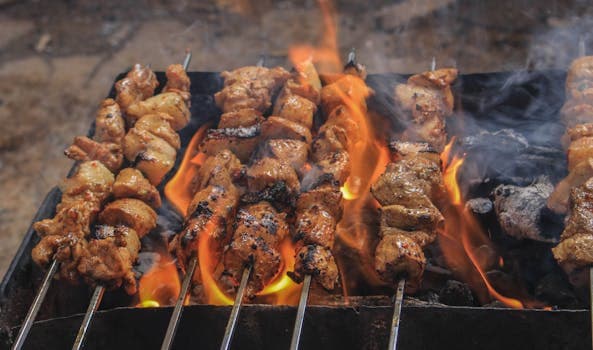
Kebab
Grilled or skewered meat in many forms, with the recipe changing from one region to the next. Döner, şiş, and Adana kebabs are the best known.
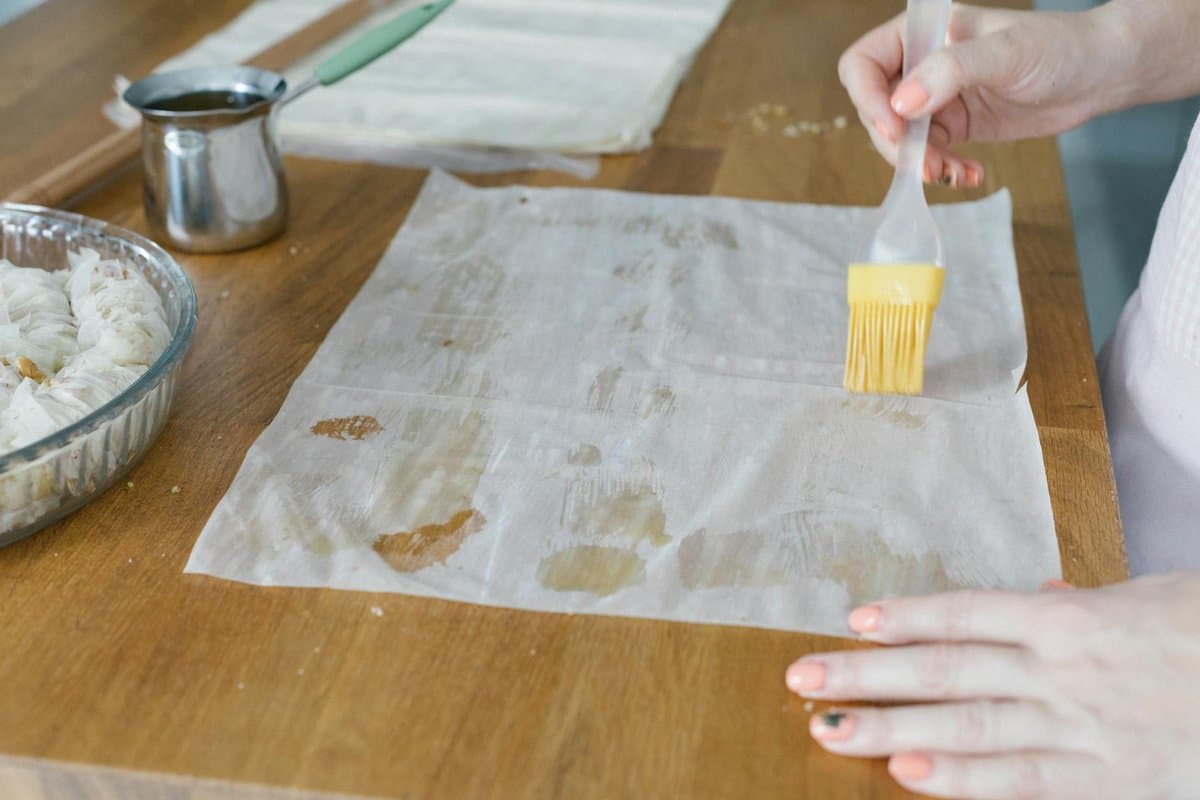
Baklava
Layers of filo packed with chopped nuts and soaked in syrup or honey. The Turkish version usually leans on pistachios.
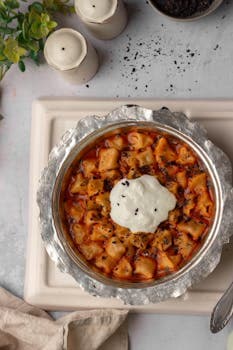
Manti
Tiny dumplings stuffed with spiced meat, usually served under garlicky yogurt and a spoonful of spiced butter or oil.
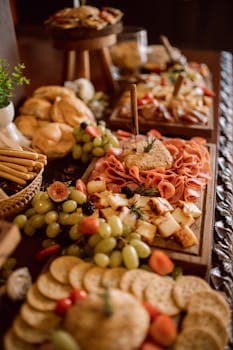
Meze
A spread of small appetizer plates such as hummus, cacık (yogurt with cucumber), and an assortment of vegetable dishes.
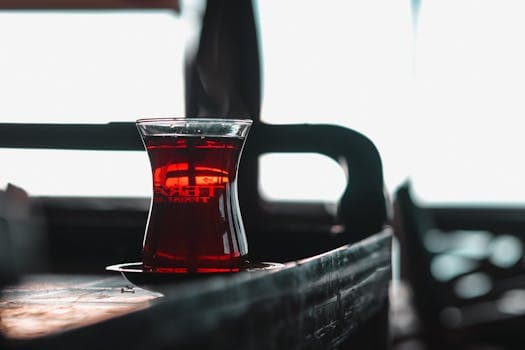
Turkish Tea (Çay)
Strong black tea poured into small tulip-shaped glasses. It's woven into Turkish hospitality and the rhythm of the day.
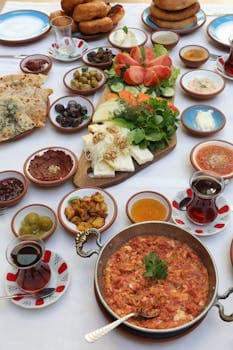
Börek
A savory pastry of thin, flaky dough wrapped around fillings like cheese, spinach, or minced meat.
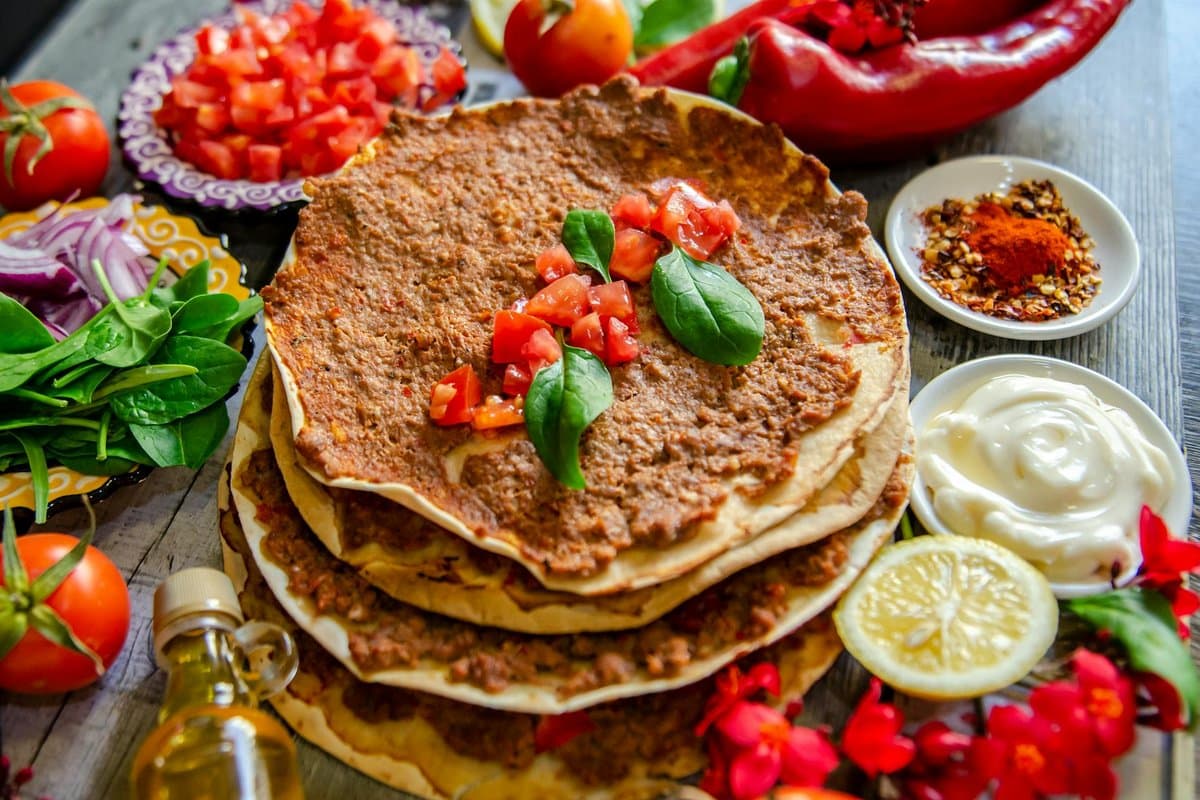
Lahmacun
A thin, crisp flatbread spread with minced meat (usually lamb or beef), tomatoes, peppers, onions, and parsley, then seasoned with spices. People call it 'Turkish pizza' and eat it rolled up with lettuce, tomato, a squeeze of lemon, and sumac. Gaziantep and Adana are especially known for it. As of 2026, some artisan lahmacun houses bake with heritage wheat varieties that they say taste better and sit easier.
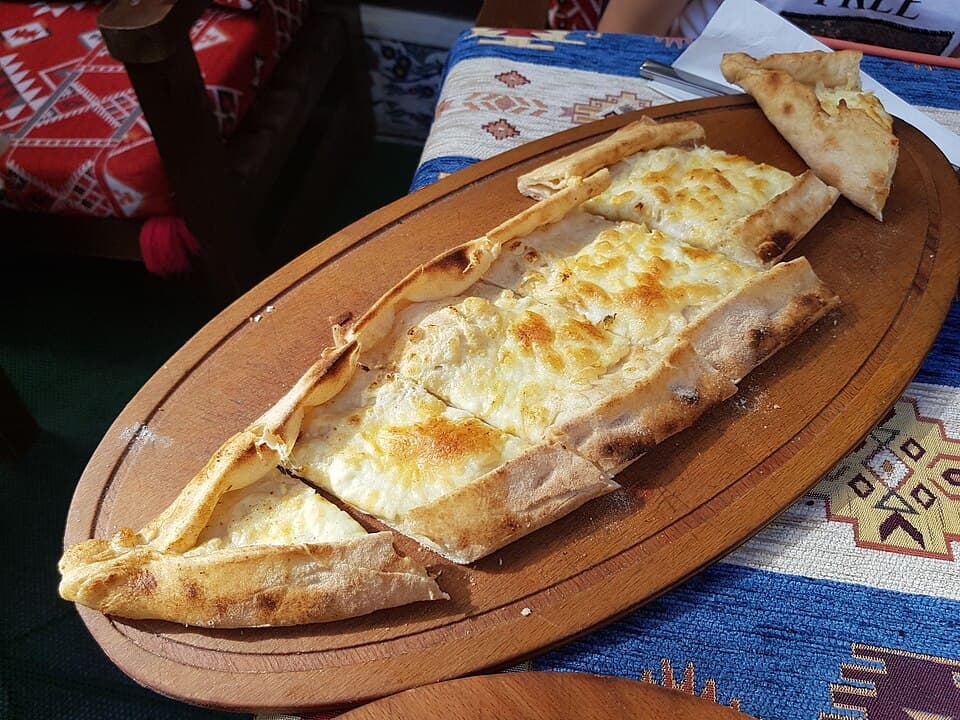
Pide
Boat-shaped flatbread with raised edges and a range of toppings: minced meat (kıymalı), cheese (peynirli), egg (yumurtalı), or Turkish sausage (sucuklu). Once it comes out of the oven, the dough gets brushed with butter for a glossy finish. The Black Sea coast favors cheese-filled pide, and Trabzon's pide shops have a name of their own. You'll find it as everyday comfort food in pideci restaurants countrywide.
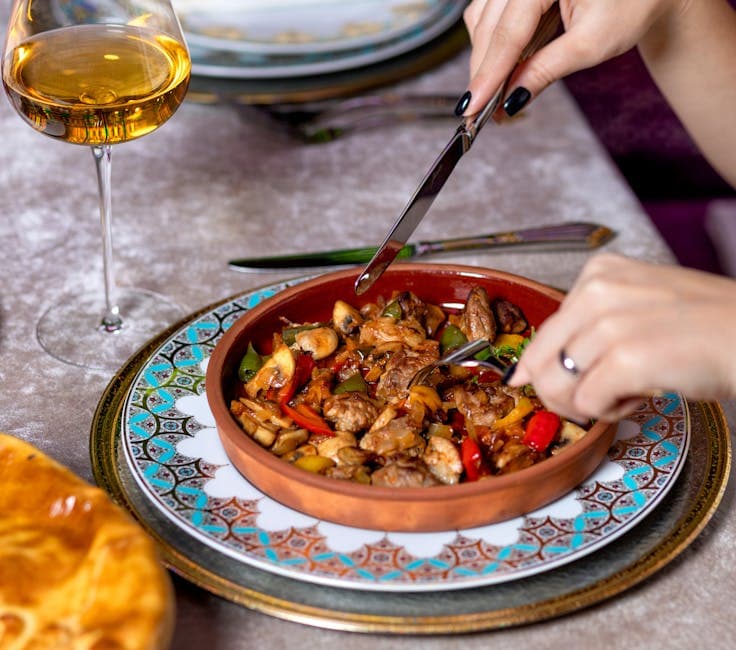
İskender Kebab
Bursa's signature plate: thinly sliced döner meat laid over pieces of pide bread, covered with tomato sauce and melted butter, with yogurt on the side. İskender Efendi created it in 1867, and the dish carries a clear Ottoman polish. The original İskenderoglu restaurant in Bursa still follows the old recipe, while versions of it turn up across the country.

Simit
A ring of bread crusted in sesame seeds, chewy inside and crisp outside. It's Turkey's classic street snack, sold by simitçi vendors all over the cities and best eaten warm with tea, white cheese, olives, or Nutella. Istanbul gets through roughly 2.5 million of them a day. Lately, artisan simit shops have started offering whole-grain versions and fancier toppings and accompaniments.
Regional Specialties & Local Favorites
Discover the authentic regional dishes and local favorites that showcase Turkey's diverse culinary traditions.

Turkish Breakfast
A long, generous morning spread of cheeses, olives, tomatoes, cucumber, eggs, breads, jams, honey, and tea. It's hospitality served on a table.
Allergens:
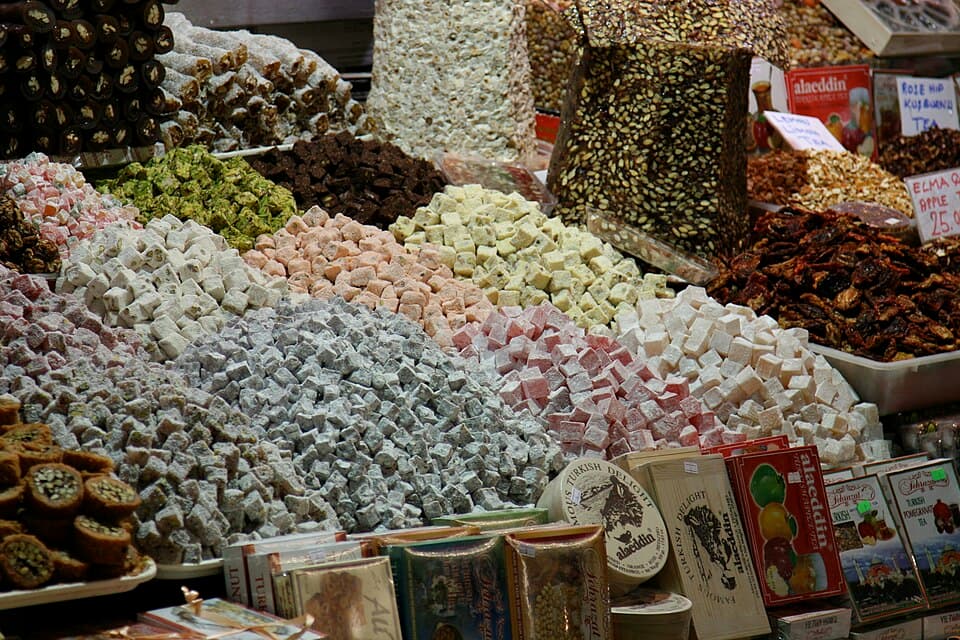
Turkish Delight (Lokum)
A soft, gel-like sweet flavored with rosewater, lemon, or mint, dusted with powdered sugar or studded with nuts. The recipe goes back centuries.
Allergens:
Regional Cuisine Highlights
Explore the diverse culinary landscapes across different regions of Turkey.
Southeastern Anatolia Region (Güneydoğu Anadolu Bölgesi)
This is spice country: kebabs, lahmacun, and deep, slow-cooked stews. The cooking leans on Middle Eastern flavors, with meat and spice doing most of the work.
Cultural Significance:
The region's food carries traces of the many peoples who have lived and traded here over the centuries.
Signature Dishes:
- Lahmacun
- Şanlıurfa Kebap
- Ciğer Kebap
Key Ingredients:
Aegean Region (Ege Bölgesi)
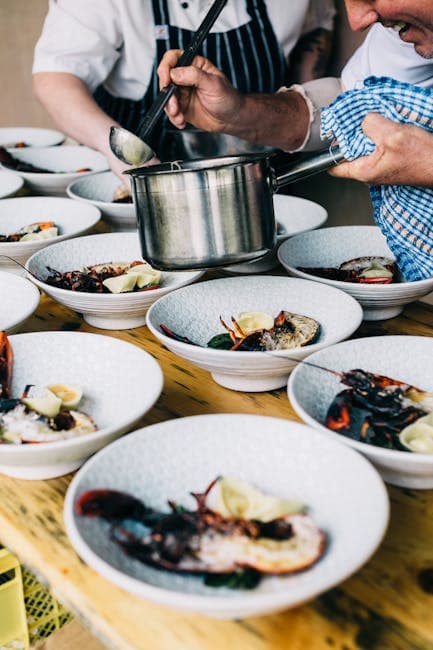
Built on fresh seafood, olive oil, and herbs. The cooking here is lighter and Mediterranean in spirit, following whatever vegetables and herbs are in season.
Cultural Significance:
The menu follows directly from the coastline and the steady supply of fresh produce.
Signature Dishes:
- Zeytinyağlı Yaprak Sarma (Stuffed Vine Leaves)
- Enginar Dolması (Stuffed Artichokes)
- Balık Izgara (Grilled Fish)
Key Ingredients:
Black Sea Region (Karadeniz Bölgesi)
Hearty cooking built around corn, anchovies, and dairy. The mountains behind and the sea in front both shape what ends up on the plate.
Cultural Significance:
The wet climate and local crops gave this cuisine a character you won't find elsewhere in Turkey.
Signature Dishes:
- Mısır Ekmeği (Cornbread)
- Hamsi Tava (Fried Anchovies)
- Karalahana Çorbası (Black Cabbage Soup)
Key Ingredients:
Istanbul and Marmara Region
The cosmopolitan center of Turkish food, where Ottoman palace cooking sits alongside new ideas. Istanbul's Michelin-starred kitchens, like Turk Fatih Tutak and Neolokal, rework Anatolian ingredients with modern technique. In Beyoğlu, the old meyhane (tavern) culture is alive with meze platters and rakı. On the street you'll find balık ekmek (fish sandwiches) from the Eminönü boats, vendors selling midye dolma (stuffed mussels), and kumpir (loaded baked potatoes). The city's tables increasingly mix Turkish, Greek, Armenian, and Jewish traditions.
Cultural Significance:
Standing between Europe and Asia, Istanbul has been swapping recipes for more than 2,000 years, and UNESCO recognizes its food heritage.
Signature Dishes:
- Balık Ekmek (Fish Sandwich)
- Midye Dolma (Stuffed Mussels)
- İmam Bayıldı (Stuffed Eggplant)
Key Ingredients:
Central Anatolia (İç Anadolu Bölgesi)
Wheat country, and home to some of the oldest civilizations on earth. In Cappadocia, testi kebabı is cooked in a sealed clay pot that's cracked open at the table. Konya, the spiritual home of the Whirling Dervishes, is known for etli ekmek (flatbread with meat) and fırın kebabı, and Sivas has meatball recipes all its own. One recent thread is the revival of siyez wheat from Kastamonu for artisan bread.
Cultural Significance:
Some of the cooking methods here reach back to the Hittites, and today's chefs are digging up forgotten grains and old ways of preserving food.
Signature Dishes:
- Testi Kebabı (Pottery Kebab)
- Etli Ekmek (Flatbread with Meat)
- Mantı (from Kayseri)
Key Ingredients:
Eastern Anatolia (Doğu Anadolu Bölgesi)
A mountainous region best known for Van breakfast (Van kahvaltısı), a sprawling spread of dozens of local cheeses, several kinds of honey, clotted cream (kaymak), preserves, and breads. Hard winters pushed cooks to master preservation: kavurma (meat preserved in fat), dried meats, and pickles. Çiğ köfte (raw meatballs) come from Adıyaman, though these days they're often made without meat. Van honey has become a draw in its own right, and its highland-flower varieties fetch high prices abroad.
Cultural Significance:
The harsh climate and remoteness kept old food traditions intact, and the elaborate breakfast became a way of showing hospitality and plenty in a place where neither came easily.
Signature Dishes:
- Van Kahvaltısı (Van Breakfast)
- Otlu Peynir (Herbed Cheese)
- Kavurma
Key Ingredients:
Sweet Delights & Desserts
Indulge in Turkey's traditional sweet treats and desserts.
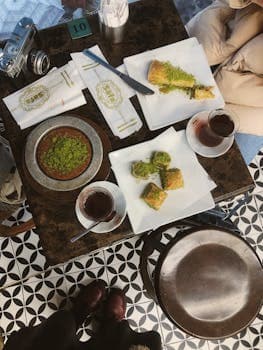
Künefe
Shredded pastry layered with cheese, soaked in syrup, and often scattered with pistachios. Served warm and gooey, it's a southeastern favorite.
Lokum (Turkish Delight)
Small, chewy cubes of gelled starch and sugar, usually flavored with rosewater, lemon, or mint. A traditional sweet to nibble alongside Turkish coffee or tea.
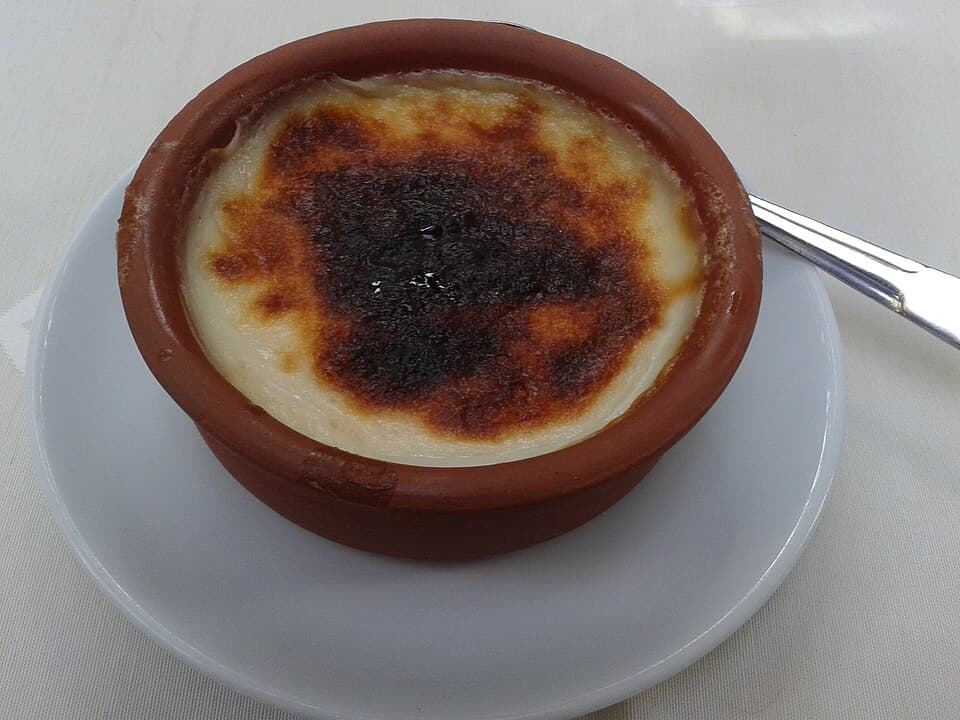
Sütlaç (Rice Pudding)
Creamy rice pudding made from milk, sugar, rice, and vanilla, often baked until a golden skin caramelizes on top. It's served chilled or at room temperature, sometimes dusted with cinnamon or ground pistachios. You'll find it in just about every Turkish home and restaurant, a holdover from Ottoman palace kitchens.
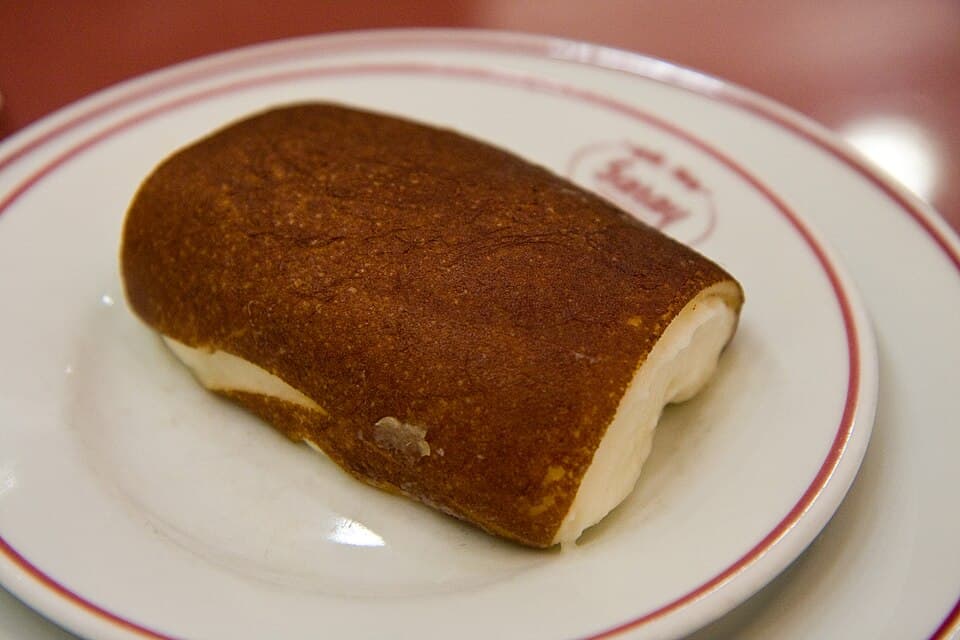
Kazandibi
The name means 'bottom of the pot', and that's the point: a creamy milk pudding with a deliberately caramelized, slightly scorched base. It's made with finely shredded chicken breast (you'd never know it's there), milk, sugar, and rice flour, then caramelized over heat. Another Ottoman palace dessert, prized for the contrast between its smooth body and burnt edge.
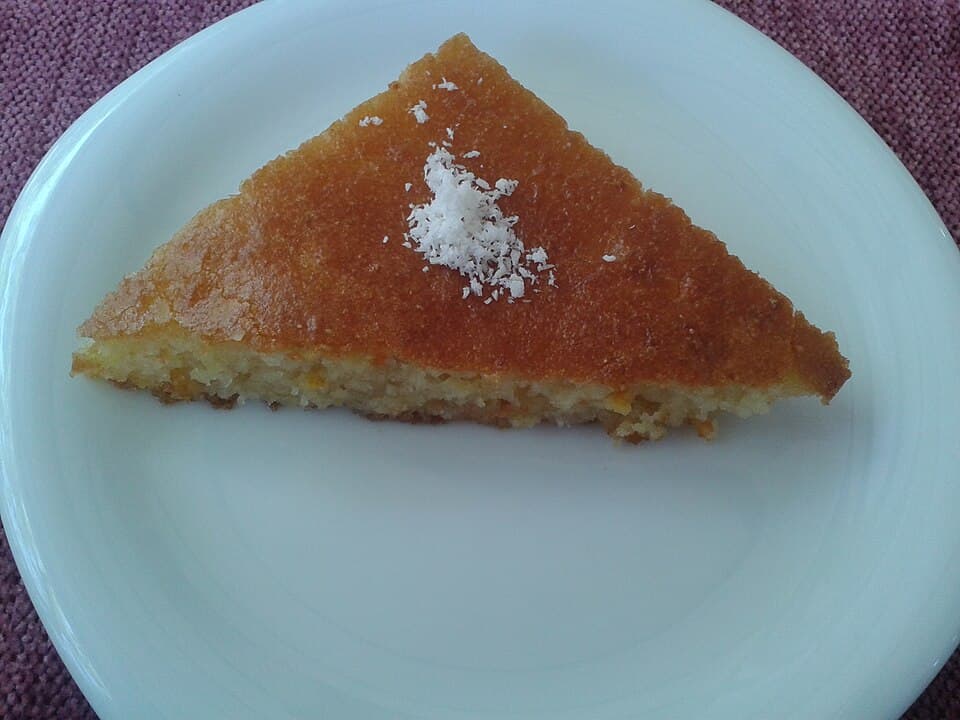
Revani
A moist semolina cake soaked in lemon-scented syrup and topped with shredded coconut or ground pistachios. It's plain enough for an everyday treat and dressed up enough for celebrations. Some regions add yogurt to the batter to keep it moist. These days you'll also see versions made with alternative sweeteners and old-grain semolina.
Tavuk Göğsü
An Ottoman palace dessert built from finely shredded chicken breast, milk, sugar, and rice flour, worked into a silky pudding in which the chicken disappears entirely. It's usually finished with a dusting of cinnamon. The dish says a lot about Ottoman imperial cooking, which valued texture and restraint over obvious flavors. Look for it in traditional dessert shops (muhallebici).
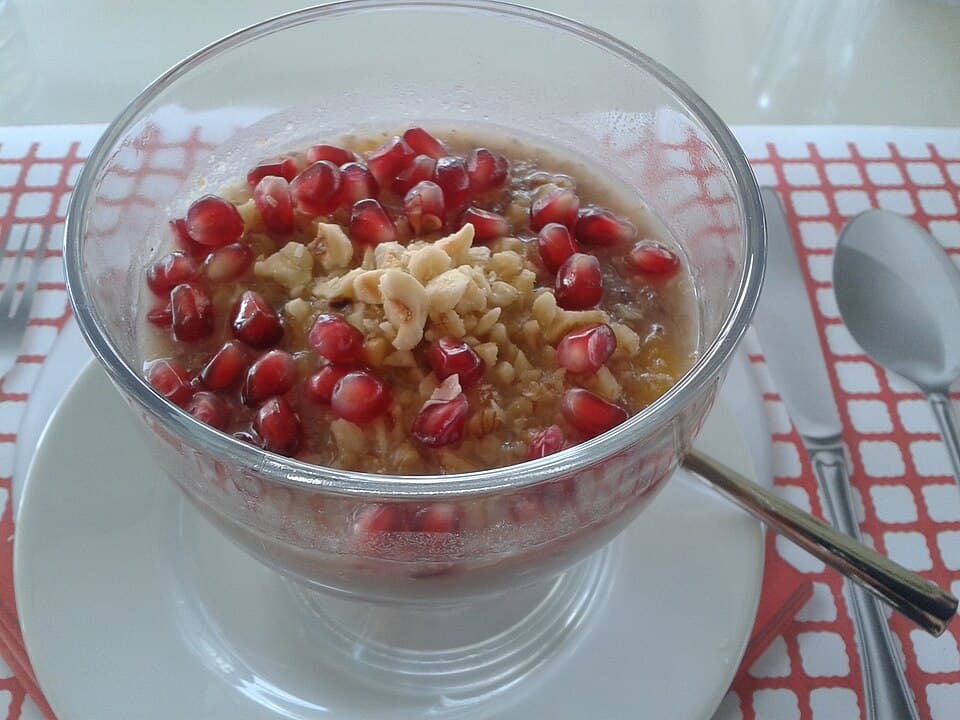
Aşure (Noah's Pudding)
A symbolic dessert with at least 15 ingredients, among them wheat, chickpeas, beans, dried fruits, nuts, and spices, all simmered together and finished with pomegranate seeds, walnuts, and cinnamon. People make it during the Islamic month of Muharram and share it with neighbors in memory of Noah's Ark. Recipes pass down through families and change from one kitchen to the next, which is part of why it carries so much meaning.
Traditional Beverages
Discover Turkey's traditional drinks, from locally produced spirits to regional wines.
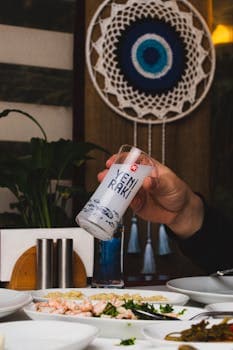
Rakı (Raki)
An anise spirit that clouds to milky white when you add water and ice. It's drunk slowly over meze and conversation.

Efes Pilsen
Turkey's most common lager, brewed locally and poured with meals or among friends.
Soft Beverages
Discover Turkey's traditional non-alcoholic drinks, from local teas to refreshing juices.

Çay (Turkish Tea)
Strong black tea brewed in a stacked double teapot and served in small, tulip-shaped glasses. People drink it all day long.
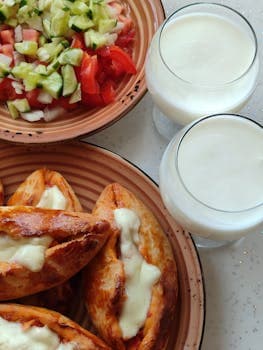
Ayran (Yogurt Drink)
A cool, savory yogurt drink of diluted yogurt, water, and salt. It pairs especially well with kebabs and other meat dishes.
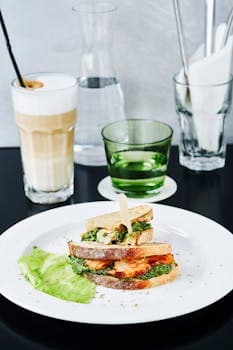
Salgam Suyu (Turnip Juice)
A tangy, slightly spicy fermented turnip juice from the southern Adana region, drunk cold and on its own.
Frequently Asked Questions
Essential information about food and dining in Turkey.
What is the national dish of Turkey?
Turkey's most iconic dishes include Kebab, Baklava, Manti. Grilled or skewered meat in many forms, with the recipe changing from one region to the next. Döner, şiş, and Adana kebabs are the best known.
Is street food safe in Turkey?
Street food in Turkey can be enjoyed safely by following these guidelines: Be cautious with tap water Watch out for street food in high heat. Look for busy vendors with high turnover, ensure food is cooked fresh and served hot, and avoid raw ingredients if you have a sensitive stomach.
What are the best restaurants in Turkey?
Turkey offers diverse dining options from street food stalls to upscale restaurants. For the best experience, ask locals for recommendations, check recent reviews, and look for restaurants that specialize in regional cuisines.
Can vegetarians find food easily in Turkey?
Vegetarian options in Turkey are highly available. Vegetarians eat well in Turkey. Meze (appetizers), vegetable dishes, and meals built around legumes are easy to find.. Many restaurants offer vegetarian dishes, and you'll find plant-based ingredients featured prominently in local cuisine.
What is the average cost of a meal in Turkey?
Meal costs in Turkey depend on where you eat. Street food and casual local restaurants are very affordable, typically offering complete meals for a few dollars. Mid-range restaurants charge moderate prices, while fine dining establishments are comparably priced to Western countries.
What are common food allergens in Turkey?
Common allergens in Turkey cuisine include Tree Nuts, Dairy, Wheat. Pistachios, hazelnuts, and walnuts show up across Turkish desserts and a few savory dishes.. These ingredients appear in dishes like Baklava, Turkish delight. Always inform restaurant staff about your allergies.
When is the best time to visit Turkey for food?
Turkey offers great food experiences throughout the year. However, visiting during harvest seasons (typically spring and autumn) provides access to the freshest local ingredients. Food festivals and cultural celebrations also offer unique culinary experiences worth planning around.