
United Arab Emirates Food Guide
Content Information
Recently updated🔥Current Food Trends 2026
What's happening in United Arab Emirates's culinary scene right now
Going into 2026, the UAE's food scene keeps pulling in two directions at once: deep Emirati tradition on one side, ambitious modern cooking on the other. The Michelin map keeps growing, with Erth (the first Emirati restaurant to earn a star), STAY by Yannick Alléno, and 11 Woodfire anchoring the high end. Cooler winter months in the 18-26°C/64-79°F range pull diners outdoors across Dubai Marina, JBR, and Downtown. Traditional kitchens have found a real audience too: Al Fanar, Siraj, and Al Khayma Heritage serve machboos, harees, and luqaimat in settings built around the food rather than the spectacle. UAE National Day on December 2 brings patriotic food festivals and Emirati pop-ups. On the sustainability side, the Bustanica vertical farm, lab-grown meat trials, and a push toward responsibly caught Gulf seafood are reshaping supply chains. With more than 200 nationalities living here, Filipino, Indian, Pakistani, and Lebanese kitchens are everywhere, and the Expo 2020 legacy still feeds the appetite for cross-cultural concepts. Dates remain central, from Medjool and Khalas varieties to date syrup and date-stuffed sweets that now turn up well beyond the home table. None of this has priced out the basics: shawarma, koshari, and manakish are still a few dirhams away on most streets. The festive stretch into the new year fills calendars with holiday menus, New Year's Eve dinners, and the winter run of the Dubai Food Festival.
Food Safety Tips
Essential food safety information to help you enjoy United Arab Emirates's cuisine safely and confidently.
Tap water is generally safe
Tap water is safe for brushing teeth and showering, but many visitors and residents prefer bottled water for drinking.
High food safety standards
The UAE maintains very high food safety standards, particularly in Dubai and Abu Dhabi. Most restaurants follow strict hygiene protocols.
Be cautious during Ramadan
If visiting during Ramadan, be respectful of fasting hours and aware that some restaurants may have different operating hours.
Stay hydrated
Due to the extreme heat, especially in summer months, dehydration is a risk. Drink plenty of water, particularly when outdoors.
Dietary Options
vegetarian
HIGH AVAILABILITYDue to the multicultural nature of the UAE, particularly Dubai, vegetarian options are widely available in most restaurants.
vegan
MEDIUM AVAILABILITYVegan options are increasingly common, especially in tourist areas and international restaurants in Dubai and Abu Dhabi.
gluten-free
MEDIUM AVAILABILITYMany international restaurants offer gluten-free options, though it is less common in traditional Arabic restaurants.
halal
HIGH AVAILABILITYAs a Muslim country, nearly all locally-produced meat is halal. Non-halal food is typically only served in specific areas of international hotels.
kosher
VERY LOW AVAILABILITYKosher food is hard to find in the UAE, and Jewish community infrastructure is limited. Chabad of UAE runs in Dubai and provides some kosher services. The 2020 Abraham Accords with Israel opened the door, but kosher restaurants are still scarce. Observant travelers are best off bringing provisions or relying on sealed international kosher products stocked by some Dubai supermarkets.
Common Allergens
Nuts
HIGH PREVALENCENuts are common in Emirati and Middle Eastern cuisine, particularly in desserts and some savory dishes.
COMMONLY FOUND IN:
Dairy
MEDIUM PREVALENCEYogurt and cheese are common ingredients in many Middle Eastern dishes.
COMMONLY FOUND IN:
Wheat
HIGH PREVALENCEWheat is a staple in Arabic bread and many other dishes.
COMMONLY FOUND IN:
Seafood
MEDIUM PREVALENCEGiven the coastal location, seafood is common in traditional Emirati cuisine.
COMMONLY FOUND IN:
Essential Food Experiences
These iconic dishes represent the must-have culinary experiences that define United Arab Emirates's food culture for travelers.
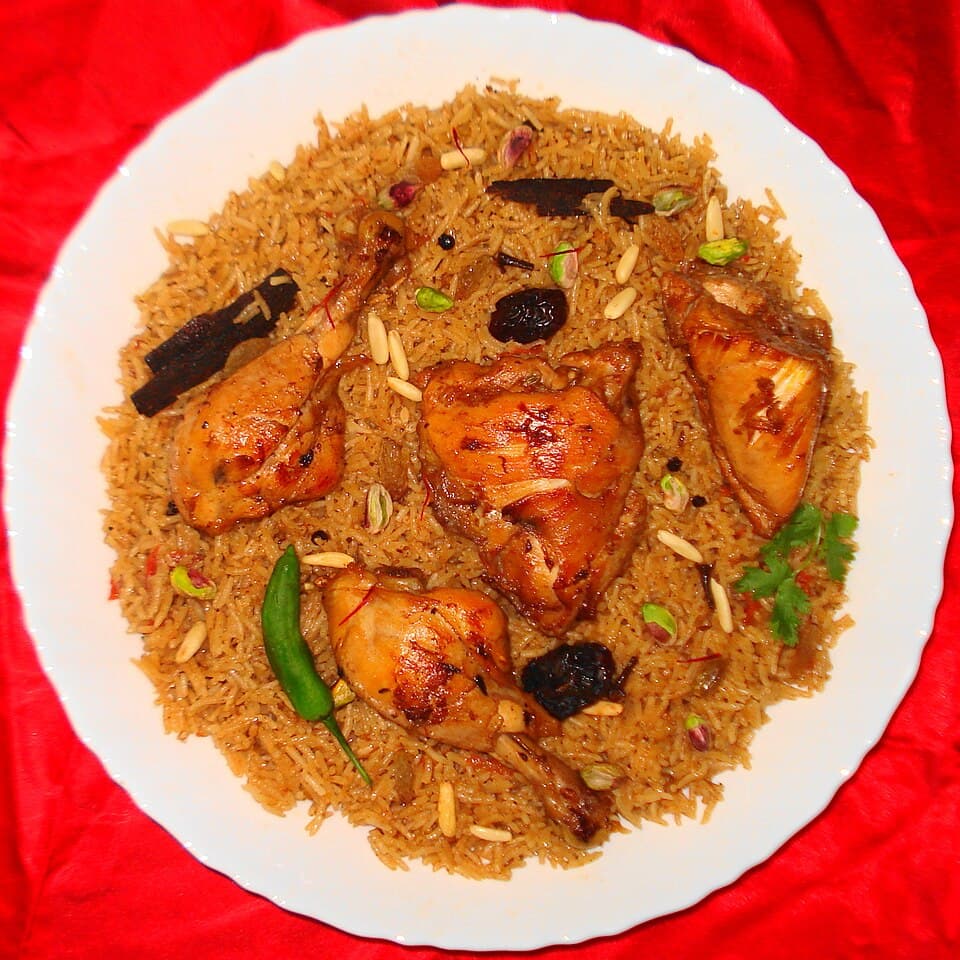
Al Machboos
The go-to rice dish in Emirati cooking, close to a biryani. It is made with chicken, lamb, or fish and seasoned with cardamom, cinnamon, cloves, lemon, and sometimes saffron. You will find it at most family gatherings and celebrations.
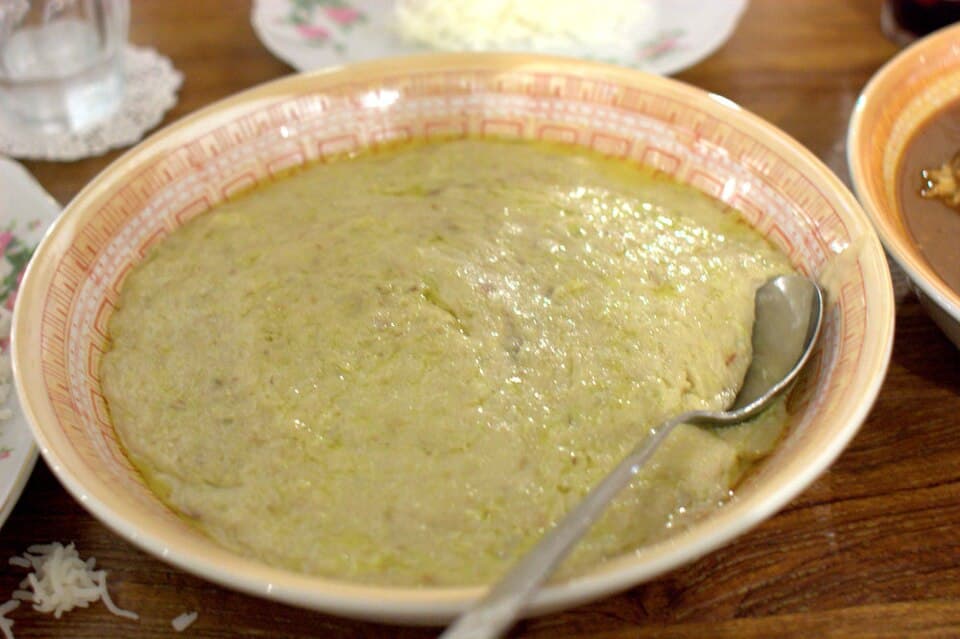
Al Harees
A dish held in high regard, especially during Ramadan and Eid. Cracked wheat and meat, usually chicken or lamb, are slow-cooked for hours in clay pots until the mixture turns into a creamy porridge, then finished with ghee or cinnamon.
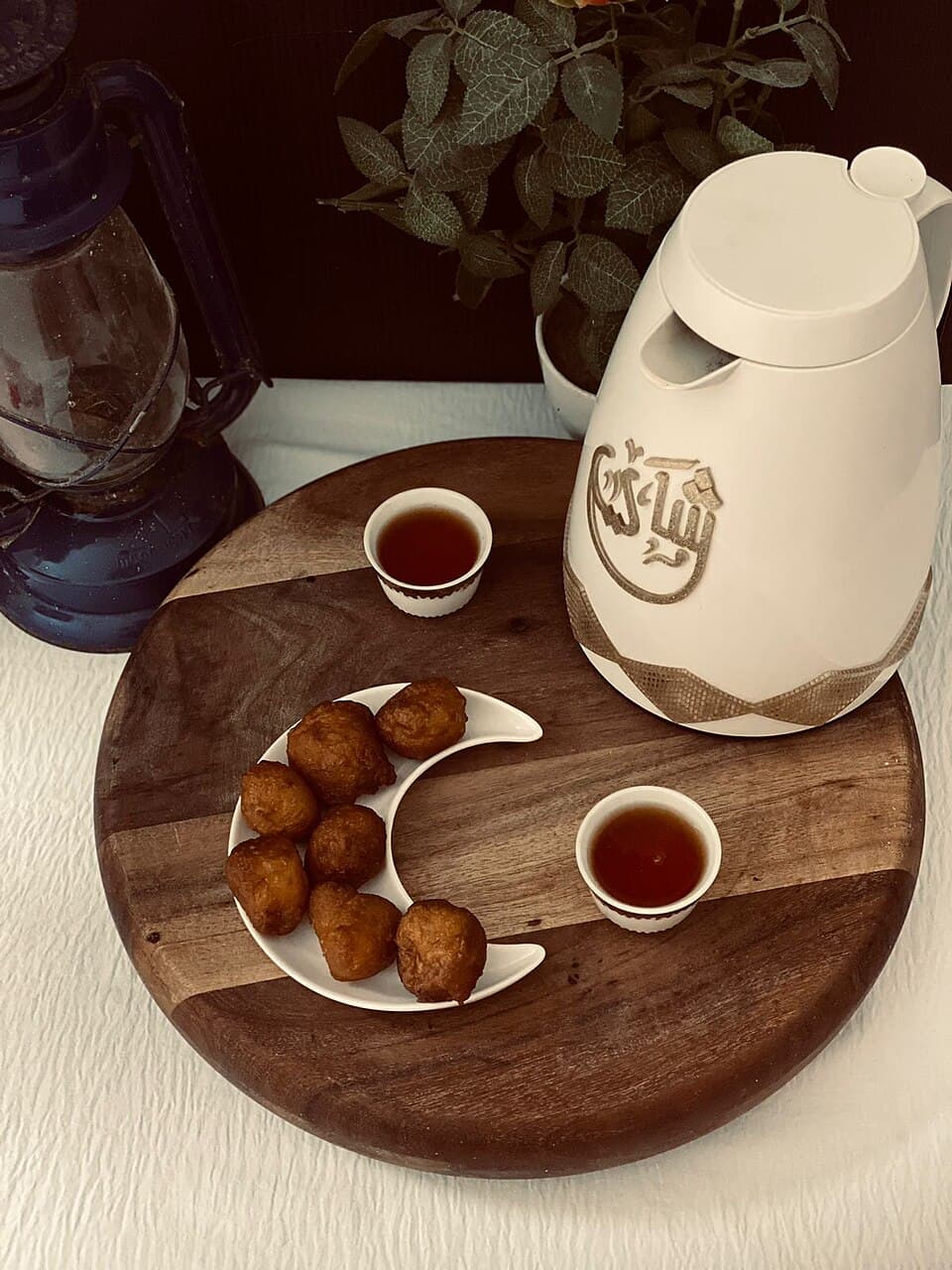
Luqaimat
An Emirati dessert of deep-fried dough balls, crisp outside and soft inside, drizzled with date syrup or honey. It usually appears during Ramadan, when sharing food carries real weight.
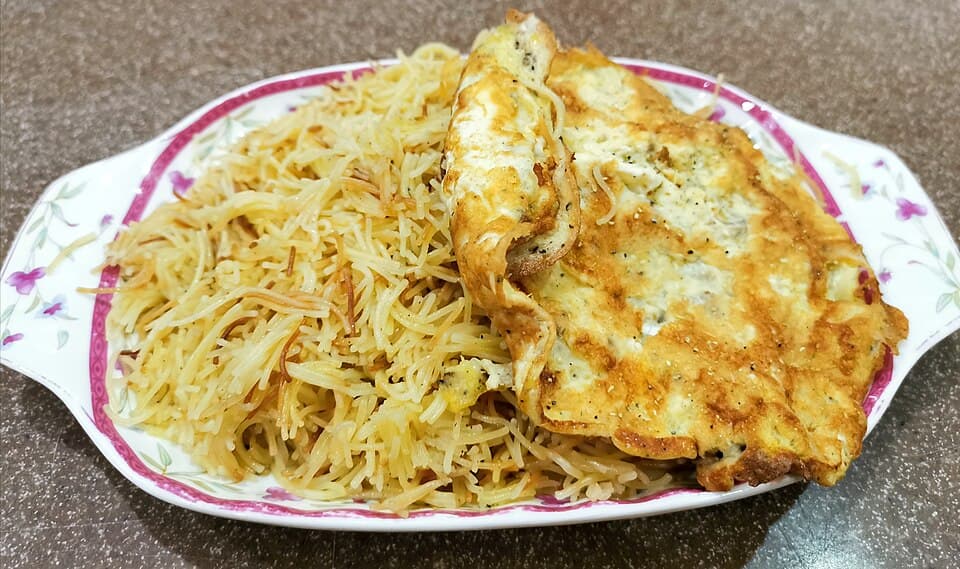
Balaleet
An Emirati breakfast of sweet vermicelli noodles scented with cardamom, saffron, and rose water, served under a savory omelet. That sweet-and-savory pairing is what makes it stand out.
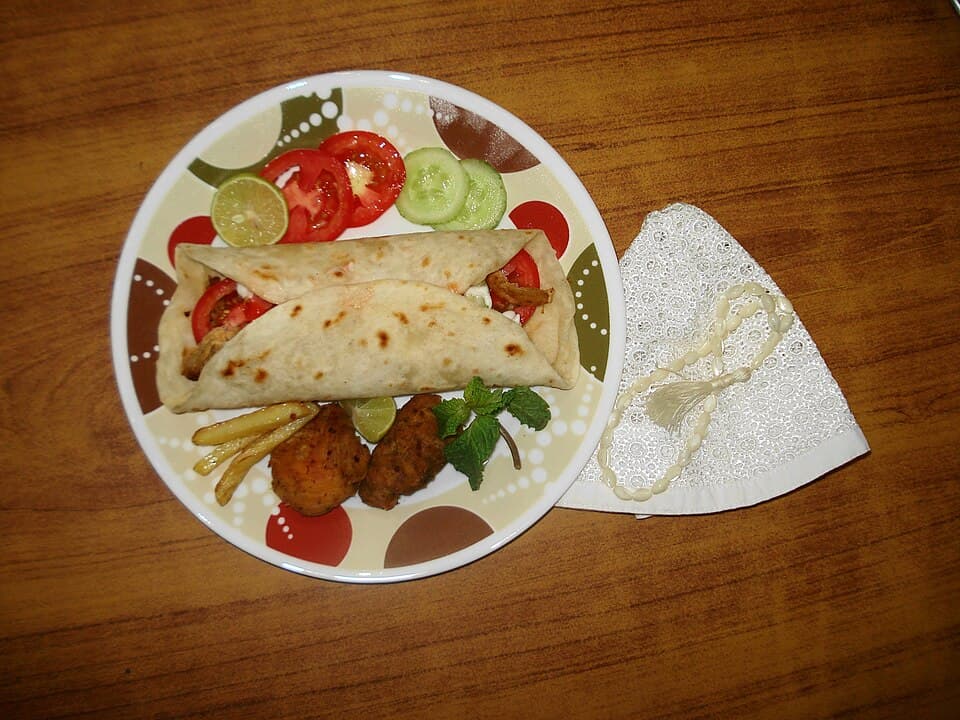
Shawarma
Levantine by origin, shawarma is everywhere in the UAE. Thinly sliced marinated chicken, lamb, or beef goes into flatbread with garlic sauce, pickles, and vegetables. You will find a stand on just about every corner.
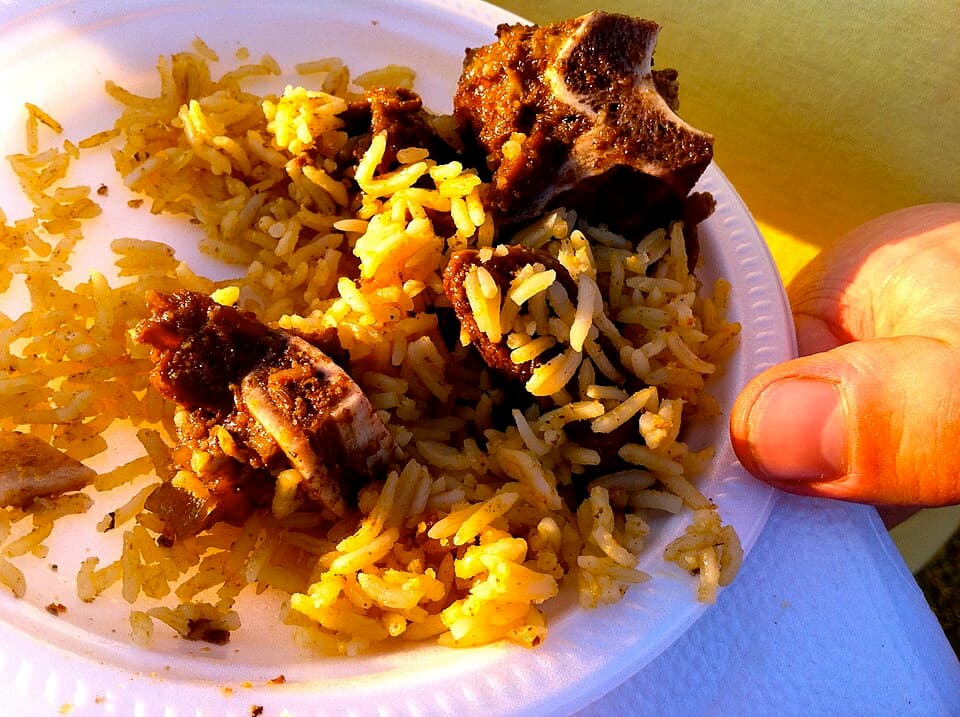
Camel Meat
A traditional Emirati meat saved for special occasions and celebrations. It turns up grilled, stewed, or shaped into burgers. Camel is high in protein and carries less fat than beef.
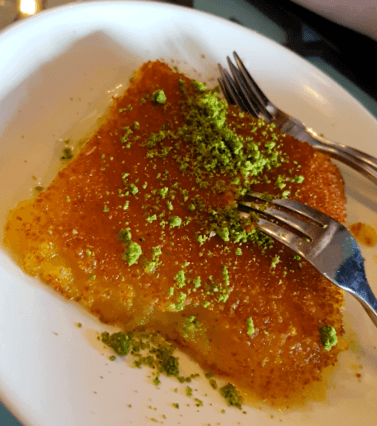
Knafeh
A sweet cheese pastry built from thin noodle-like strands soaked in sugar syrup, layered over cheese and finished with crushed pistachios. Most bakeries make a version of it.
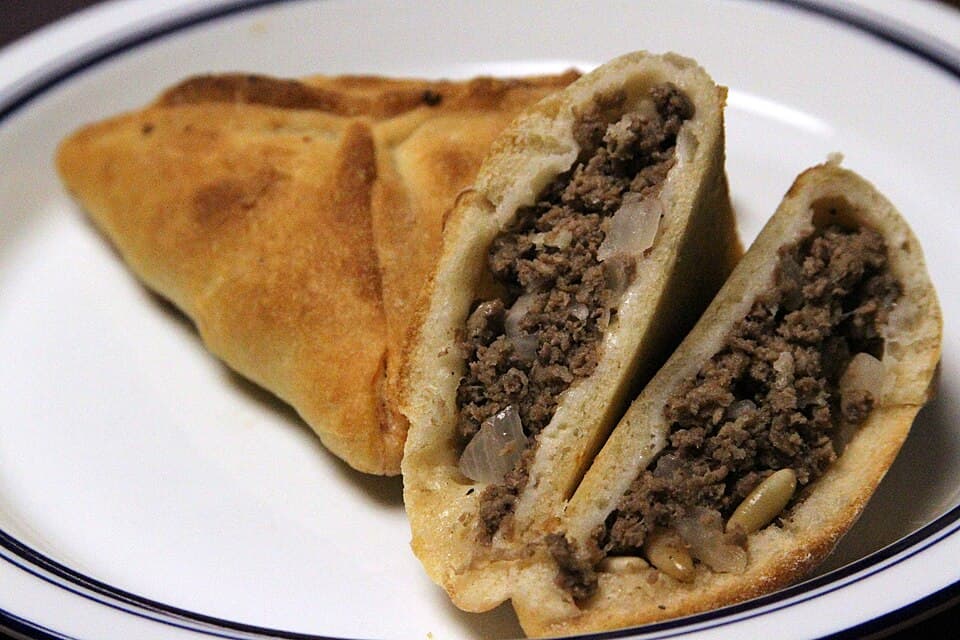
Fatayer
Triangular or boat-shaped pastries filled with spinach, cheese, or minced meat. Eaten warm with yogurt, usually at breakfast or as a snack.
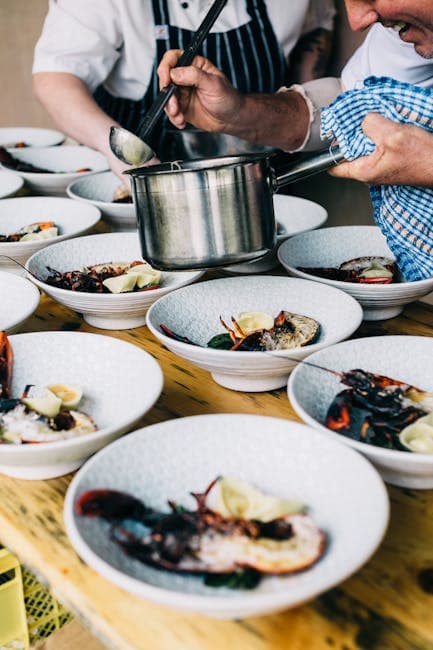
Madrouba
Chicken or fish cooked down with rice and spices until it thickens into a porridge. It shows up often during Ramadan.
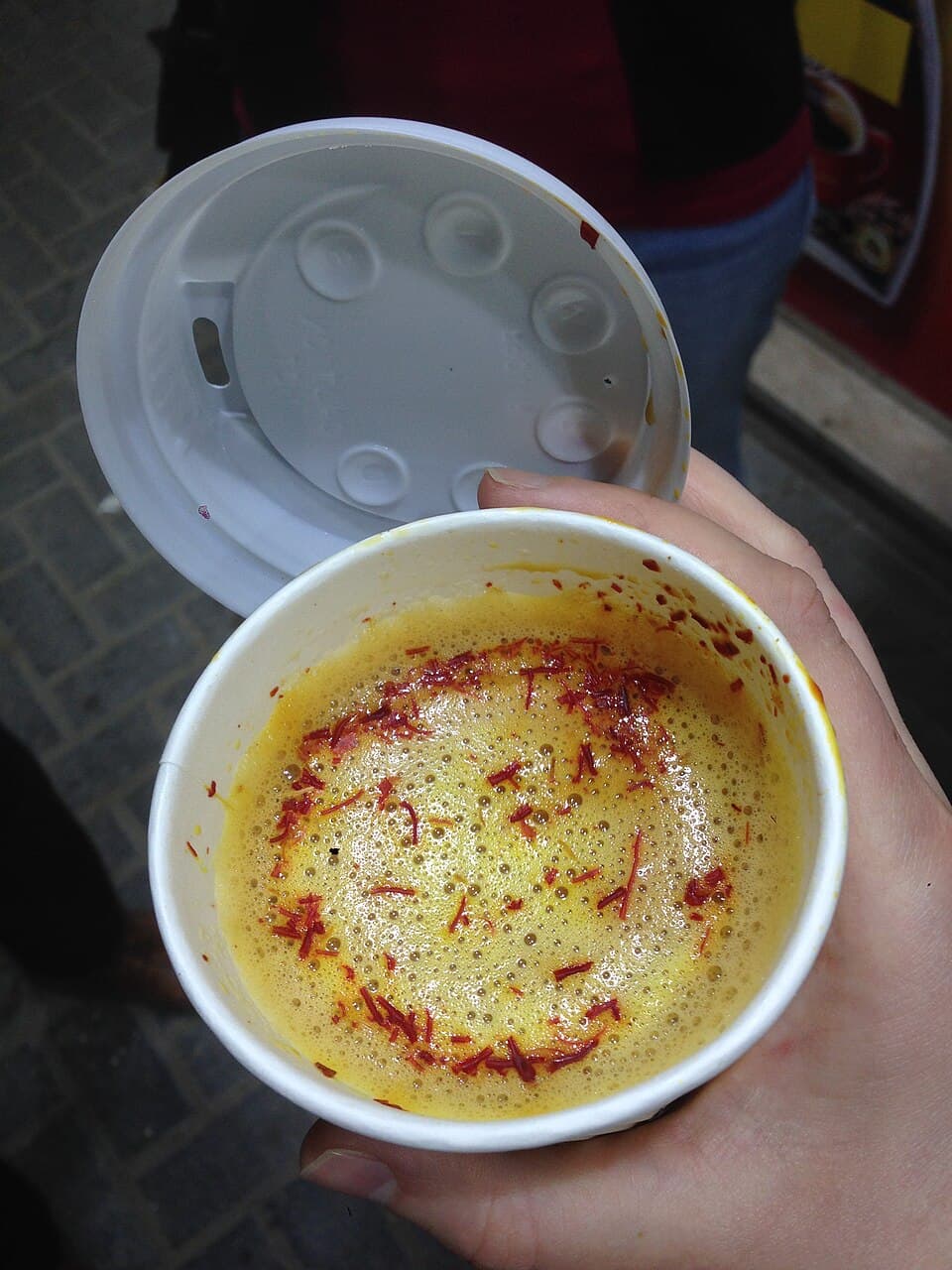
Karak Chai
The unofficial national drink. Strong milky tea brewed with cardamom, saffron, and evaporated milk, poured into small cups all day long at cafes and at home.
Stuffed Camel
About as extravagant as Emirati cooking gets, and reserved for weddings and major celebrations. A whole camel is stuffed with lamb, which is stuffed with chicken, which is in turn stuffed with fish and eggs.
Regional Specialties & Local Favorites
Discover the authentic regional dishes and local favorites that showcase United Arab Emirates's diverse culinary traditions.
Chebab
Emirati pancakes flavored with cardamom and saffron, typically served with date syrup or honey for breakfast.
Allergens:
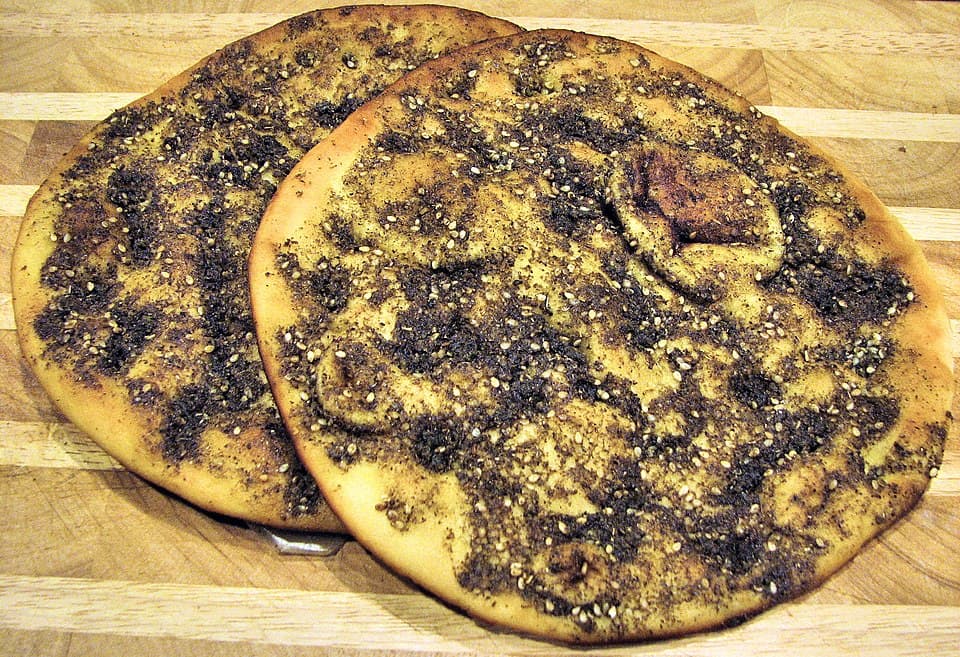
Manakish
Levantine flatbread topped with zaatar, cheese, or minced meat. A popular breakfast and snack item found in every bakery.
Allergens:
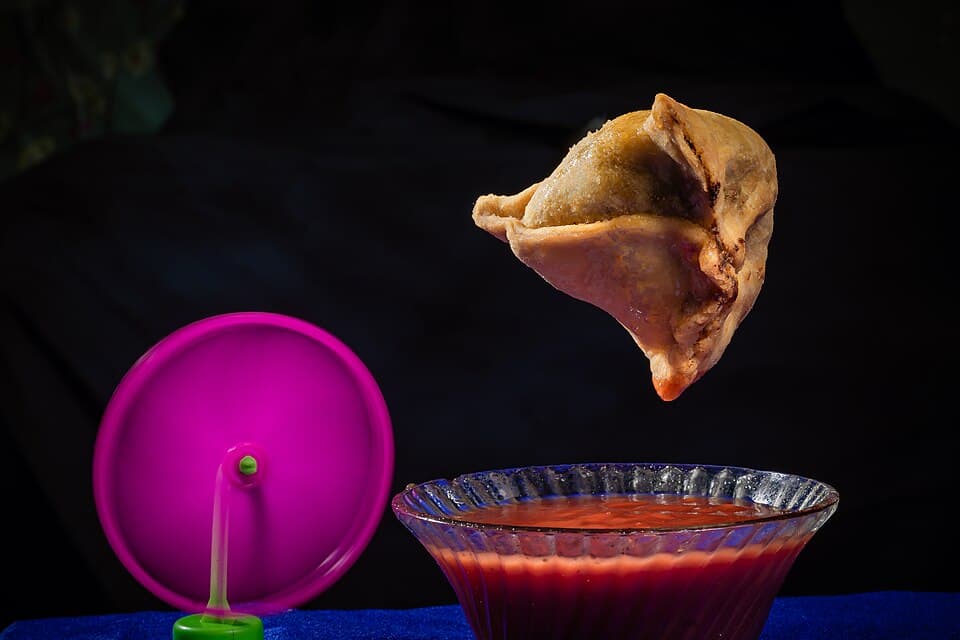
Sambousa
Triangular fried pastries filled with spiced meat, cheese, or vegetables. A fixture at the Ramadan iftar table.
Allergens:
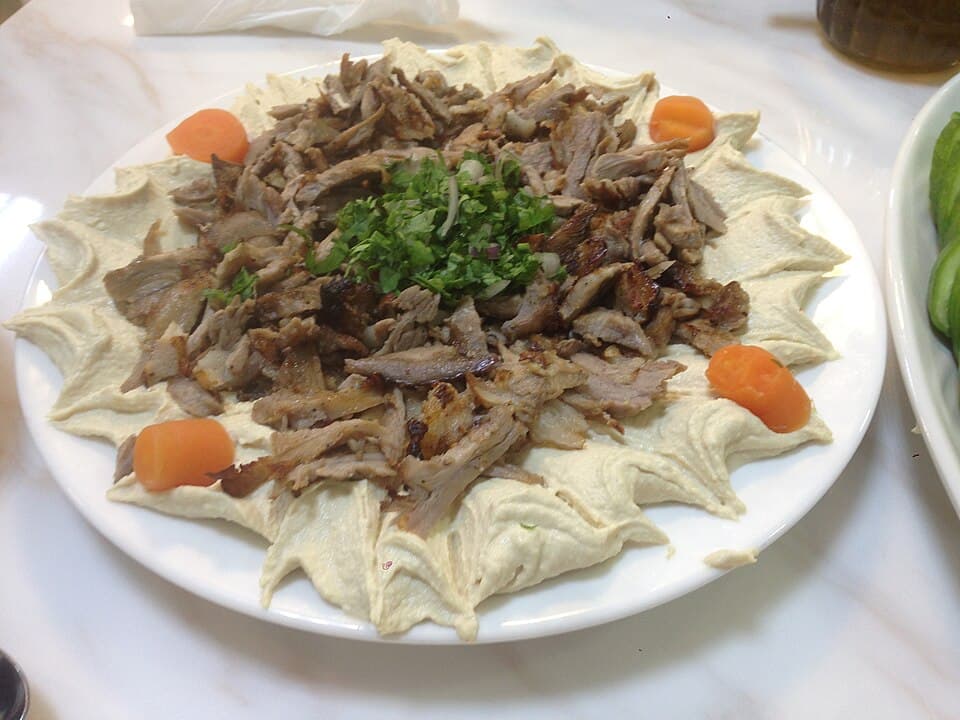
Hummus
Creamy chickpea dip blended with tahini, lemon juice, and garlic. Served with warm pita bread at nearly every meal.
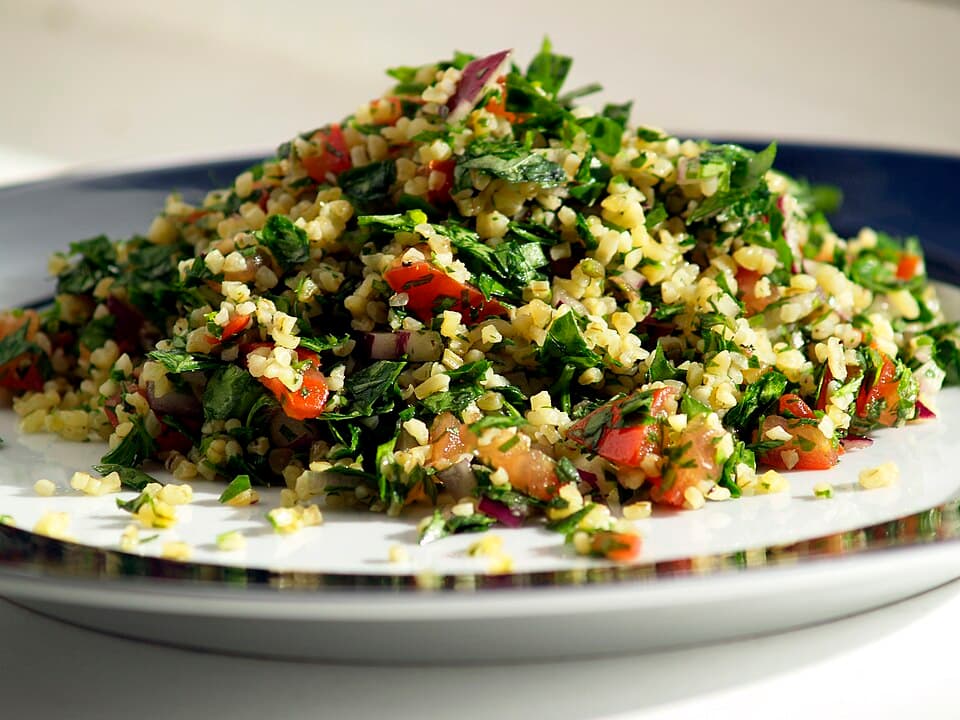
Tabbouleh
A parsley salad cut with bulgur wheat, tomatoes, mint, onion, and a lemon dressing that keeps it sharp.
Allergens:
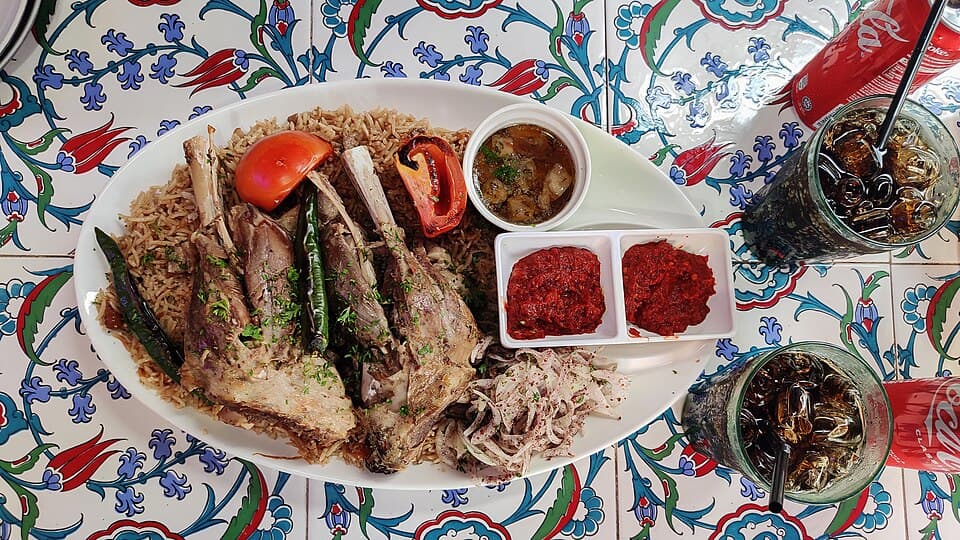
Ghuzi
Roasted lamb served on a bed of rice mixed with vegetables and nuts. A festive dish for special occasions.
Allergens:
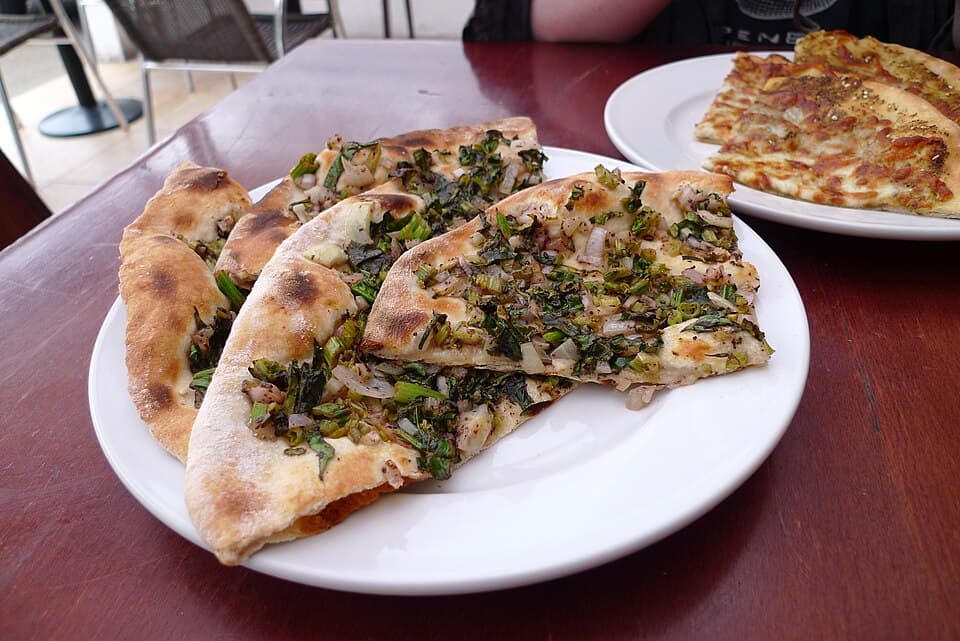
Manousheh
Lebanese-style flatbread topped with zaatar, cheese, or labneh, folded and eaten on the way to work.
Allergens:
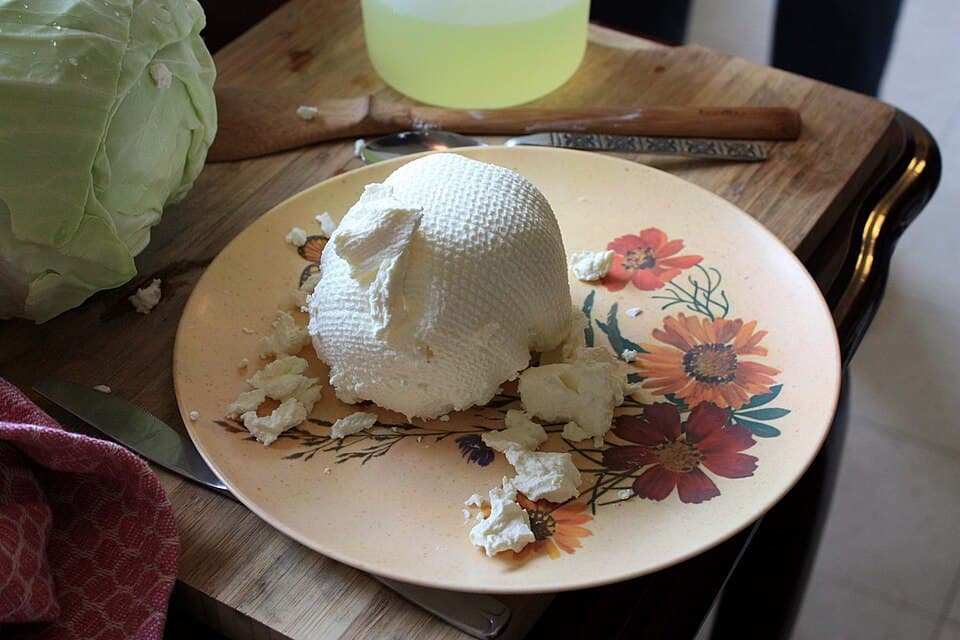
Labneh
Thick strained yogurt cheese drizzled with olive oil, often served with bread for breakfast.
Allergens:
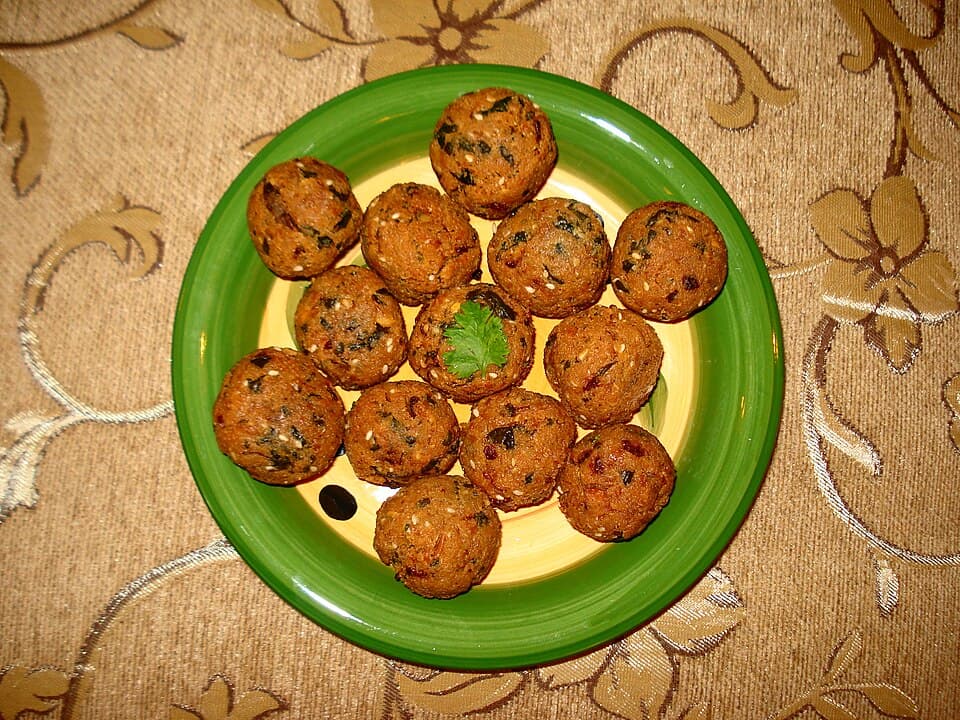
Falafel
Deep-fried chickpea balls seasoned with herbs and spices. Served in pita with tahini sauce and vegetables.
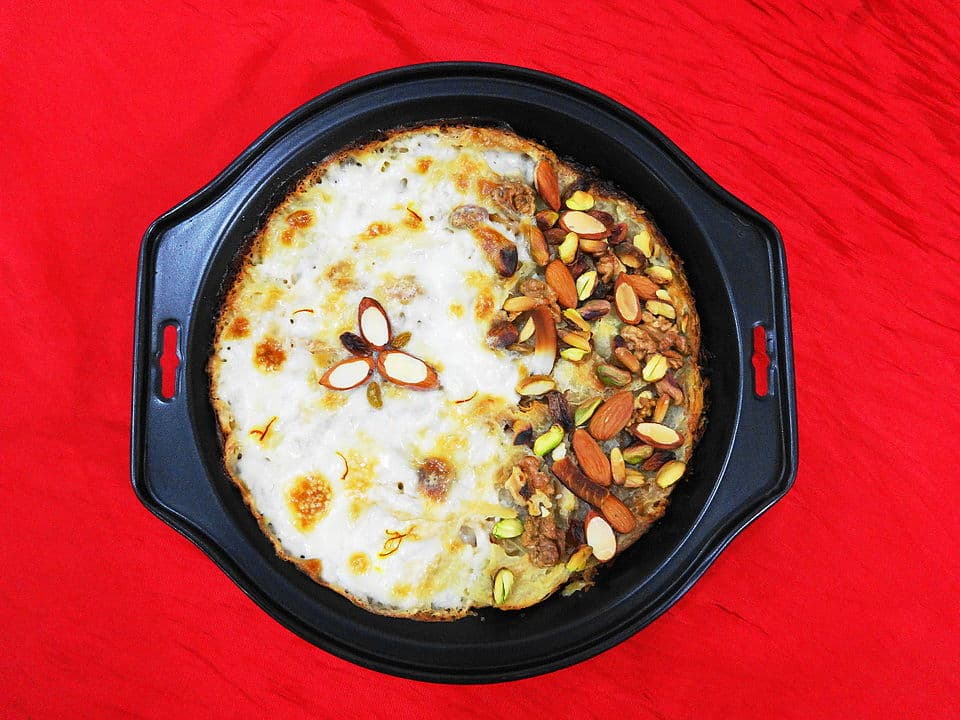
Umm Ali
Egyptian bread pudding made with puff pastry, milk, sugar, and nuts. Served warm, often after a heavy meal.
Allergens:
Frequently Asked Questions
Essential information about food and dining in United Arab Emirates.
What is the national dish of United Arab Emirates?
United Arab Emirates's most iconic dishes include Al Machboos, Al Harees, Luqaimat. The go-to rice dish in Emirati cooking, close to a biryani. It is made with chicken, lamb, or fish and seasoned with cardamom, cinnamon, cloves, lemon, and sometimes saffron. You will find it at most family gatherings and celebrations.
Is street food safe in United Arab Emirates?
Street food in United Arab Emirates can be enjoyed safely by following these guidelines: Tap water is generally safe High food safety standards. Look for busy vendors with high turnover, ensure food is cooked fresh and served hot, and avoid raw ingredients if you have a sensitive stomach.
What are the best restaurants in United Arab Emirates?
United Arab Emirates offers excellent dining experiences. Top-rated restaurants include Erth Restaurant, Siraj Restaurant, Al Fanar Restaurant & Café. These establishments showcase authentic United Arab Emirates cuisine with professional service and high-quality ingredients.
Can vegetarians find food easily in United Arab Emirates?
Vegetarian options in United Arab Emirates are highly available. Due to the multicultural nature of the UAE, particularly Dubai, vegetarian options are widely available in most restaurants.. Many restaurants offer vegetarian dishes, and you'll find plant-based ingredients featured prominently in local cuisine.
What is the average cost of a meal in United Arab Emirates?
Meal costs in United Arab Emirates depend on where you eat. Street food and casual local restaurants are very affordable, typically offering complete meals for a few dollars. Mid-range restaurants charge moderate prices, while fine dining establishments are comparably priced to Western countries.
What are common food allergens in United Arab Emirates?
Common allergens in United Arab Emirates cuisine include Nuts, Dairy, Wheat. Nuts are common in Emirati and Middle Eastern cuisine, particularly in desserts and some savory dishes.. These ingredients appear in dishes like Baklava, Kunafa. Always inform restaurant staff about your allergies.
When is the best time to visit United Arab Emirates for food?
United Arab Emirates offers great food experiences throughout the year. However, visiting during harvest seasons (typically spring and autumn) provides access to the freshest local ingredients. Food festivals and cultural celebrations also offer unique culinary experiences worth planning around.