
Belarus Food Guide
Content Information
Recently updated🔥Current Food Trends 2026
What's happening in Belarus's culinary scene right now
Heading into 2026, Belarusian cooking still runs on the same foundations: the potato (draniki above all), a post-Soviet revival of older recipes, Orthodox Christian food traditions, mushroom foraging, and unapologetically heavy Slavic comfort food. In Minsk the dining scene has been splitting in two directions at once. Soviet-nostalgia stolovayas keep serving cheap canteen lunches, while a younger crowd of chefs reworks heritage dishes for a growing gastropub movement, and farm-to-table estates pull cooks out to the countryside. The gastronomic tourism push the National Tourism Agency launched in late 2025 has carried into the new year, documenting machanka and kvass-fermentation know-how and pairing old recipes with newer plating. Russian, Polish, and Lithuanian influences sit openly in the food. Winter is the country's natural larder season: the potato harvest is stored for the cold months (Belarus calls itself the 'Blue-eyed Potato Republic'), wild mushrooms go into preserves, cabbage is set to ferment, and beets are put up for khaladnik. Around Catholic Christmas on December 25 and Orthodox Christmas on January 7, Kaliady winter-solstice customs shape the table, krupnik honey liqueur gets poured warm against the cold, and weekends fill with babka bread baking.
Food Safety Tips
Essential food safety information to help you enjoy Belarus's cuisine safely and confidently.
Check food hygiene standards in Belarus
Food hygiene in Belarus is generally good, but stick to restaurants that look clean and well-kept.
Drink bottled water in Belarus
Stick to bottled water, especially in rural areas where tap quality varies.
Be cautious with street food in Belarus
With street food, pick vendors who are busy and handle food carefully; high turnover means fresher stock.
Dietary Options
vegetarian
MEDIUM AVAILABILITYVegetarian eating is getting easier in Belarus, mostly in Minsk and other cities. Several traditional dishes happen to be meat-free: draniki with sour cream, khaladnik (cold beet soup), mushroom dishes, buckwheat kasha, vegetable salads, and blini. Mushrooms turn up everywhere. The cuisine still leans heavily on meat, so say what you need clearly. Farm-to-table places tend to have the most vegetable-forward menus.
vegan
LOW AVAILABILITYVegan eating is hard in traditional Belarusian cooking, which leans on sour cream, butter, and cheese. Minsk now has a handful of vegan cafes and health-food spots. Some dishes are vegan by default: certain mushroom soups (check there's no cream), buckwheat porridge, vegetable stews, pickled vegetables, and kvass. Spell out your needs clearly. Plenty of Soviet-era vegetable dishes can be adapted on request.
gluten-free
LOW AVAILABILITYGoing gluten-free is tough here. Bread, wheat, and rye run through the cuisine, and even kvass is made from rye bread. Awareness is slowly improving in Minsk. Some things are naturally gluten-free: draniki (only if no flour is added, so ask), buckwheat kasha, mushroom dishes, and meat or fish with vegetables. Learn a few Russian phrases to explain celiac disease, and pack your own supplies for rural trips.
halal
VERY LOW AVAILABILITYBelarus is mostly Orthodox Christian (about 48%) and secular, with a very small Muslim population (around 0.5%). Halal restaurants are scarce and limited to a few Tatar and Central Asian eateries in Minsk. There is no halal certification system. Being landlocked, the country offers few seafood fallbacks, and vegetarian alternatives are thin. The Belarusian Muslim community in Minsk can point you to options.
kosher
VERY LOW AVAILABILITYBelarus has a small Jewish community, still recovering from the Holocaust and decades of Soviet-era emigration. Kosher infrastructure is limited; Minsk has a Chabad center that can help travelers, but there are no certified kosher restaurants. Jewish historical sites survive in Minsk and Grodno. If you keep kosher, bring provisions or arrange things through community organizations before you arrive.
Common Allergens
Nuts
MEDIUM PREVALENCEVarious nuts are common in Belarus's cuisine, particularly in desserts and some savory dishes.
COMMONLY FOUND IN:
Dairy
HIGH PREVALENCEDairy products are widely used in Belarus, featuring in many traditional dishes.
COMMONLY FOUND IN:
Wheat
HIGH PREVALENCEWheat is a staple in Belarus's cuisine, used in bread, pastries, and many other foods.
COMMONLY FOUND IN:
Essential Food Experiences
These iconic dishes represent the must-have culinary experiences that define Belarus's food culture for travelers.
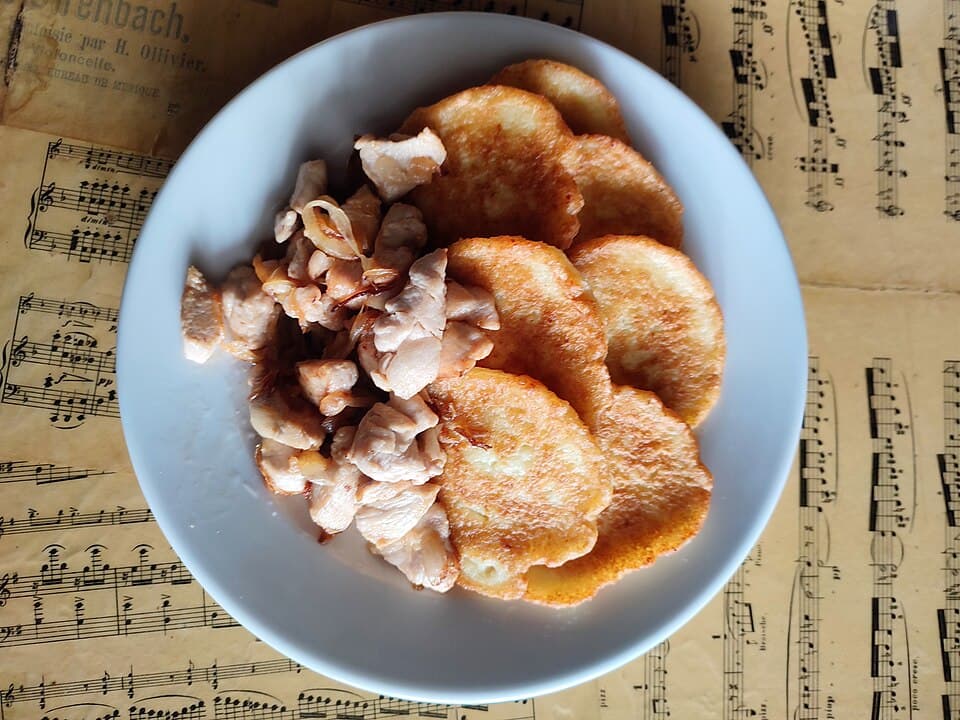
Дранікі (Draniki)
The national dish: grated potato pancakes fried until golden and crisp at the edges. Onions go in the batter, sometimes a little flour or egg to bind it. They come with sour cream (smetana) or machanka sauce, and every family cooks them slightly differently. You will find them at breakfast, lunch, and dinner, on street stalls and in proper restaurants alike. They are the reason Belarus calls itself the 'Blue-eyed Potato Republic'.
.jpg&w=3840&q=75)
Мачанка (Machanka)
A thick gravy of pork ribs and sausages, onions, a flour roux, and sour cream, simmered for hours until it turns dark brown from the caramelized onions and meat. It is usually served with draniki or bliny (thin pancakes), a heavy winter dish that started in the Grodno region and still shows up at celebrations.
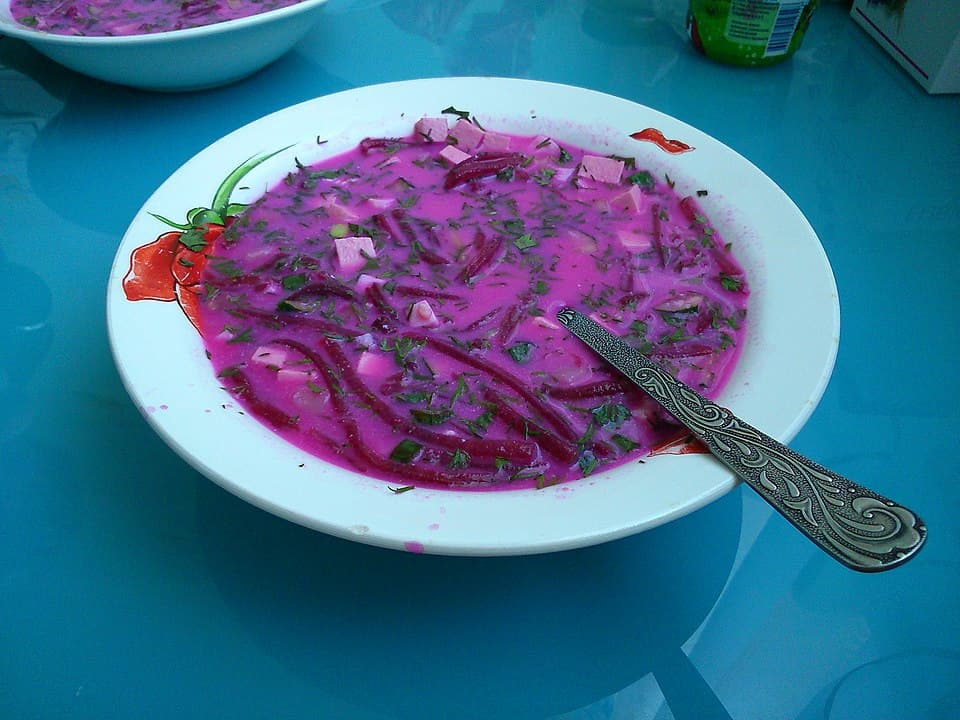
Халаднік (Khaladnik)
A cold beet soup eaten through the summer, somewhere between Russian okroshka and Lithuanian šaltibarščiai. Boiled beets, cucumbers, radishes, scallions, dill, and hard-boiled eggs go into kefir or sour cream, which turns the whole thing bright pink. Served chilled, it is at its best from June through August: tangy and light.

Babka (Potato Casserole)
A potato casserole, not to be confused with the sweet yeast cake of the same name. Grated potatoes are mixed with fried pork cracklings, onions, and eggs, then baked until the outside crusts over and the inside stays tender. Mushrooms sometimes go in. It is a Grodno region dish with peasant roots, dense and filling, served with sour cream.
Верашчака (Verashchaka)
Bliny served with a meat sauce of pork or sausages simmered in kvass with onions and spices. The kvass gives the sauce a dark, sharp depth. The dish takes its name from a 19th-century Minsk tavern keeper called Vereshchak, and it still turns up as a festive meal rooted in old Minsk cooking.
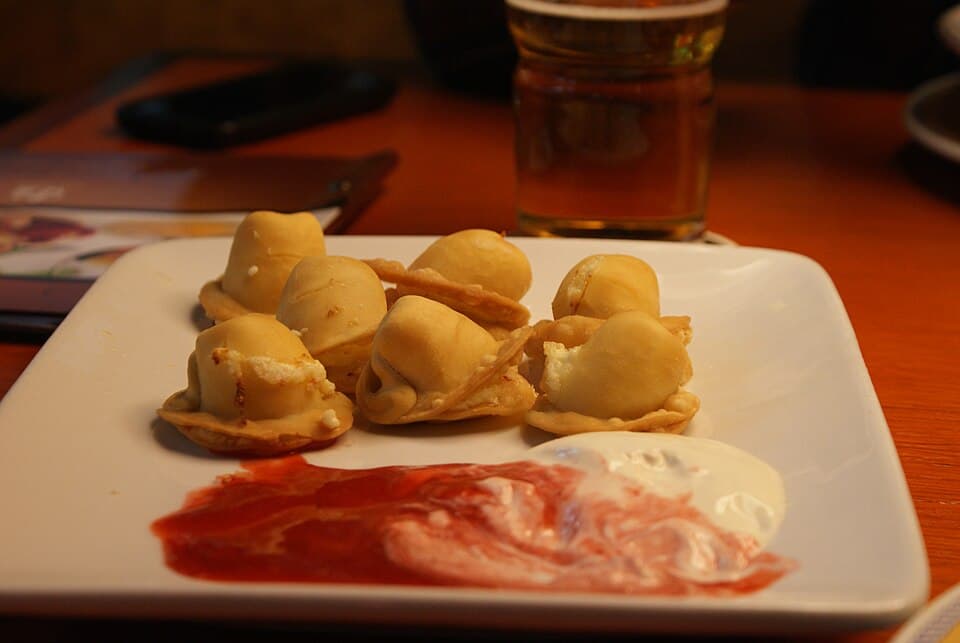
Калдуны (Kalduny/Kolduni)
Belarusian dumplings filled with meat (pork or beef), mushrooms, or cottage cheese, then boiled or fried. They are cousins to Polish pierogi and Russian pelmeni but their own thing, served with sour cream, fried onions, or butter. Making them takes time, so they tend to show up at holidays and family gatherings.
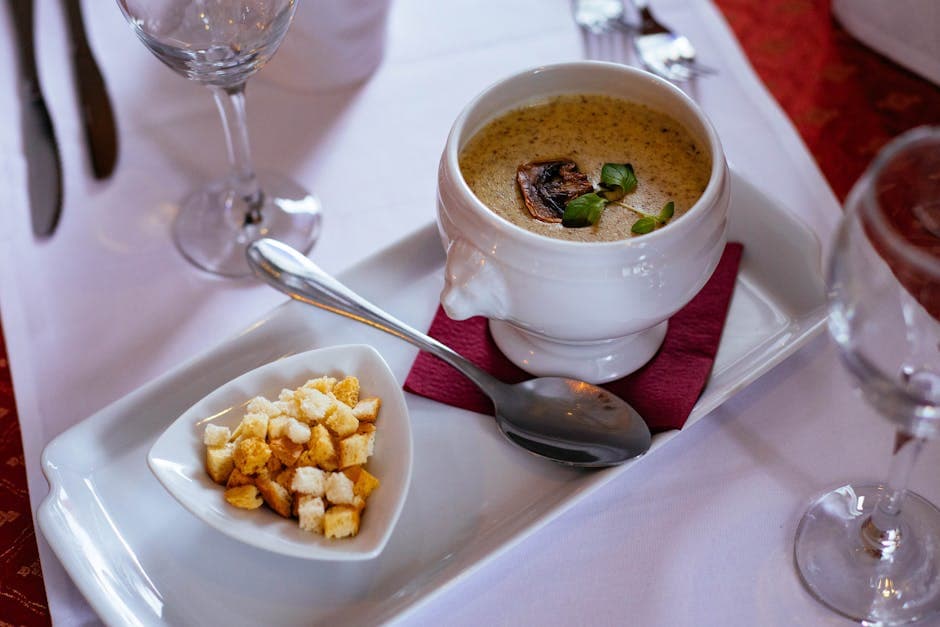
Кінжалот/Kinzhalot (Mushroom Soup)
A mushroom soup built on wild boletus and chanterelles foraged from Belarusian forests, cooked down with potatoes, onions, barley or buckwheat, and dill. Dried mushrooms often go in to deepen the flavor. It is an autumn dish, best from September into October, and tied to the country's foraging tradition.
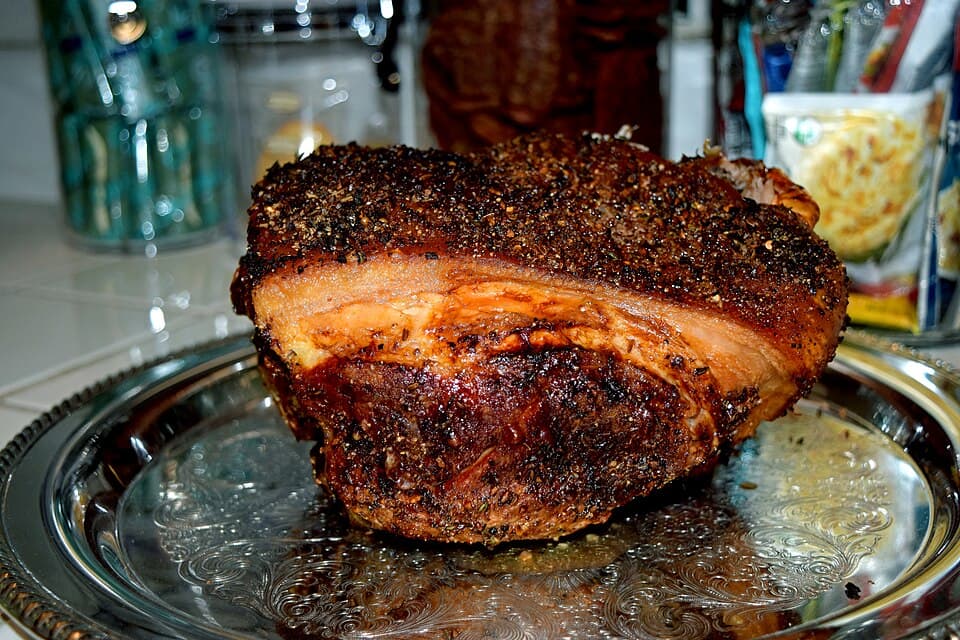
Пячыста/Pyachysta (Roasted Meat)
Pork shoulder or ham slow-roasted with garlic, onions, and spices until it falls apart. It often comes cold, sliced thin, with horseradish (khren) or mustard alongside. The dish goes back to pre-Soviet noble kitchens and still appears at weddings, holidays, and other celebrations.
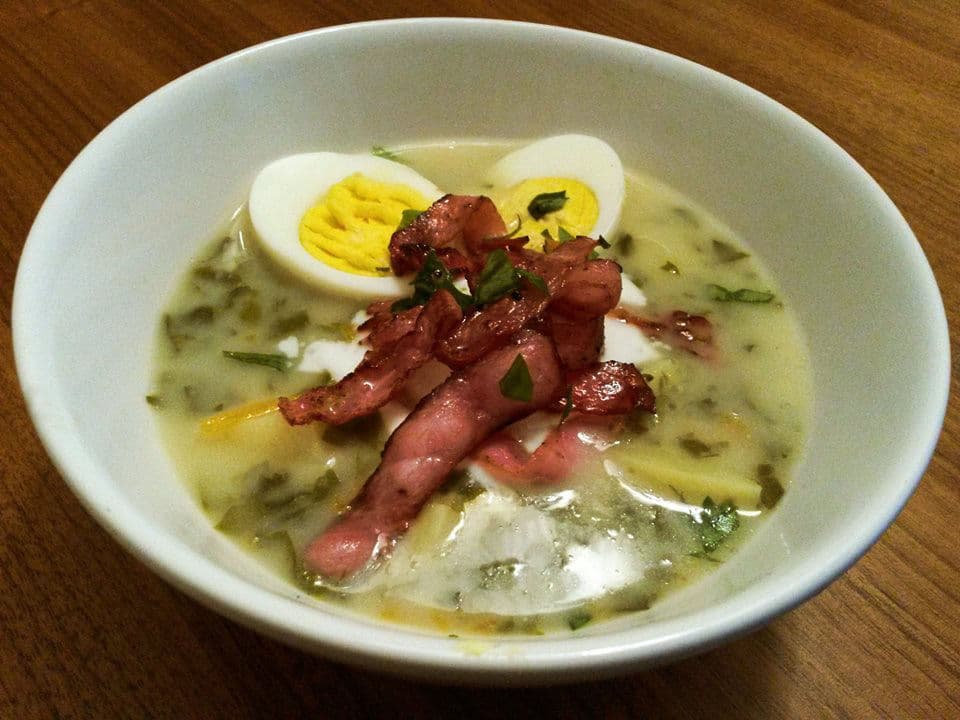
Sorrel Soup (Shchavel)
A spring soup of fresh sorrel, picked wild or grown in the garden, cooked with potatoes and finished with hard-boiled eggs and sour cream. The sorrel turns it bright green and gives it a tart, lemony edge from the oxalic acid. It is a peasant dish tied to foraging, eaten in May and June when sorrel is everywhere.
Salo (Cured Pork Fat)
Cured pork fatback, an Eastern European staple. It is salted, sometimes smoked, and seasoned with garlic, black pepper, and paprika, then sliced thin and eaten on dark rye bread. The curing started as a way to preserve fat through winter, and the calories suited a cold climate. Locals take it with vodka or samogon (moonshine). Visitors tend to either love it or leave it.
Essential Food Experiences
Immerse yourself in Belarus's culinary culture through these authentic food experiences.
A Taste of Belarus at Komarovsky Market
Komarovsky is Minsk's largest indoor market, sheltered under a sweeping Soviet-era concrete dome. Farmers sell produce, cheeses, and cured meats straight off their stalls, and most are happy to let you taste before you buy. It is the best single place to see how Belarusians actually shop and eat.
Must Try:
A Medieval Feast in a Traditional Karchma
A 'karchma' is an old Belarusian tavern, and restaurants built in that style trade in wood, stone, and live folk music. The food is the peasant cooking that still anchors Belarusian cuisine, the kind eaten across the old Grand Duchy of Lithuania. Come hungry; portions run large.
Must Try:
Soviet-Era Canteen Dining at Lido
Lido is a self-service 'stolovaya', the canteen format that has fed this part of the world since Soviet times. You slide a tray past a long buffet of Belarusian and Soviet-era dishes, pay by the plate, and eat in a folk-themed dining hall. It is cheap, fast, and exactly where locals grab lunch.
Must Try:
Master Potato Pancakes at a Country Estate
An agrotourism farmstead outside the city is the place to actually learn draniki, taught hands-on by a host working from a family recipe. Most visits also include a walk around the property and a full meal built from what the farm grows.
Must Try:
Regional Specialties & Local Favorites
Discover the authentic regional dishes and local favorites that showcase Belarus's diverse culinary traditions.
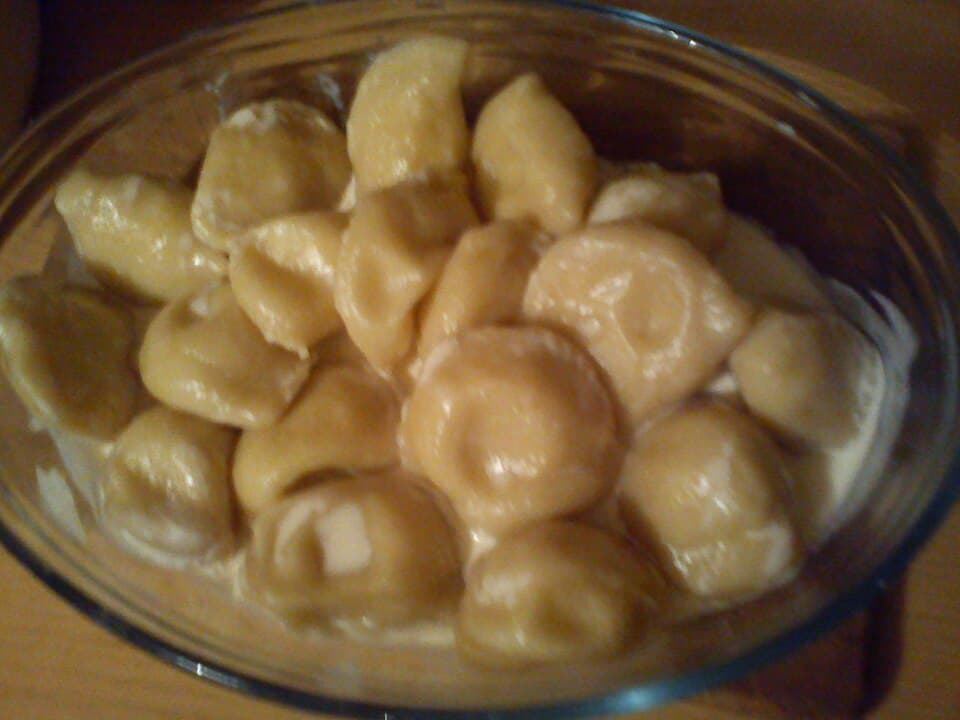
Kletski
Small, boiled dumplings filled with meat, mushrooms, or potatoes. Often served in broth or with fried onions.
Allergens:
Babka (Sweet Yeast Bread)
A sweet bread made with yeast, eggs, and raisins. Often served during holidays and special occasions.
Allergens:
Pyachysta
A hearty stew made with various meats and vegetables, often cooked in a clay pot. A popular dish for celebrations and gatherings.
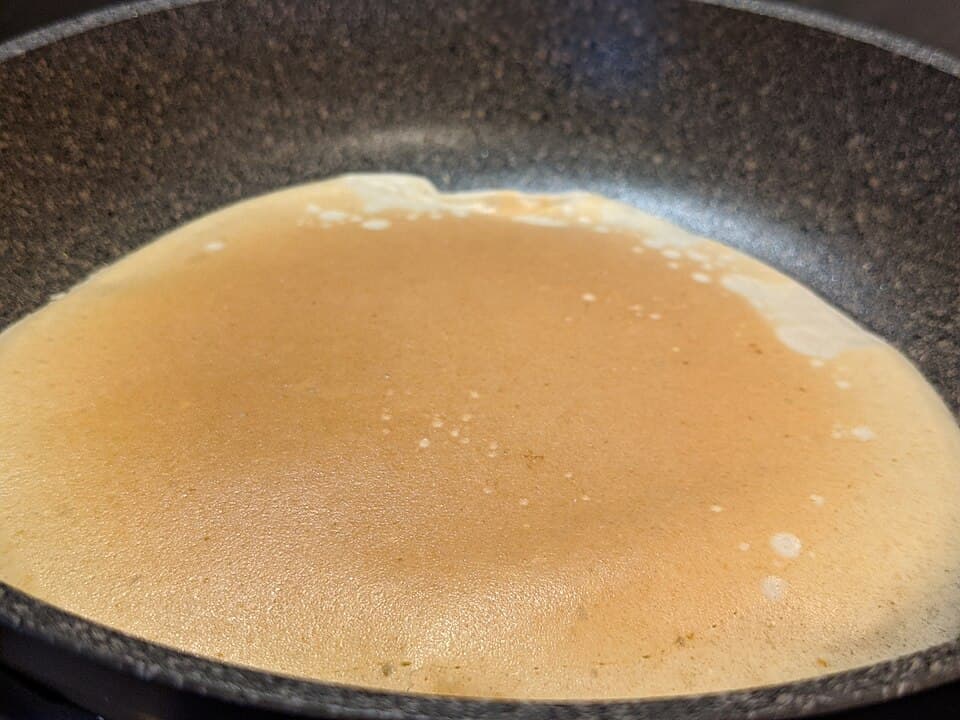
Bliny (Thin Pancakes)
Thin pancakes close to French crepes, served with sweet toppings like jam, honey, or condensed milk, or rolled around savory fillings of mushrooms, cheese, or meat. They are central to the Maslenitsa festival and a year-round comfort food.
Allergens:
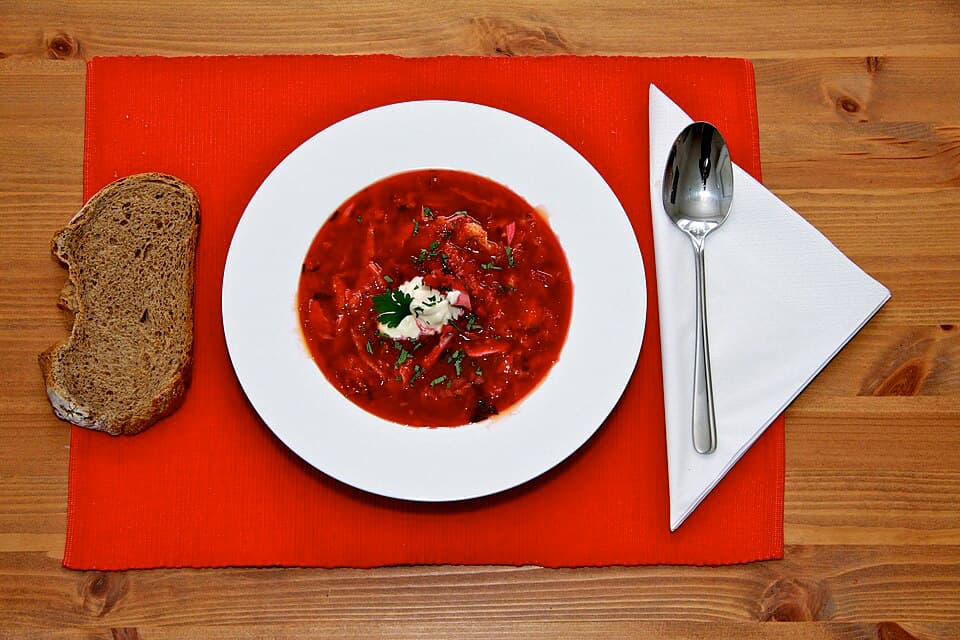
Borsch (Belarusian-style)
Beet soup with cabbage, potatoes, and meat, the Belarusian cousin of Ukrainian borsch. It comes out deep red, served with sour cream and dark rye bread, and warms you through in winter.
Allergens:
Buckwheat Kasha
Buckwheat porridge cooked with butter or milk, eaten as a side or at breakfast. It is naturally gluten-free, with a nutty flavor, and has carried over from Soviet-era kitchens into everyday cooking today.
Allergens:
Olivier Salad
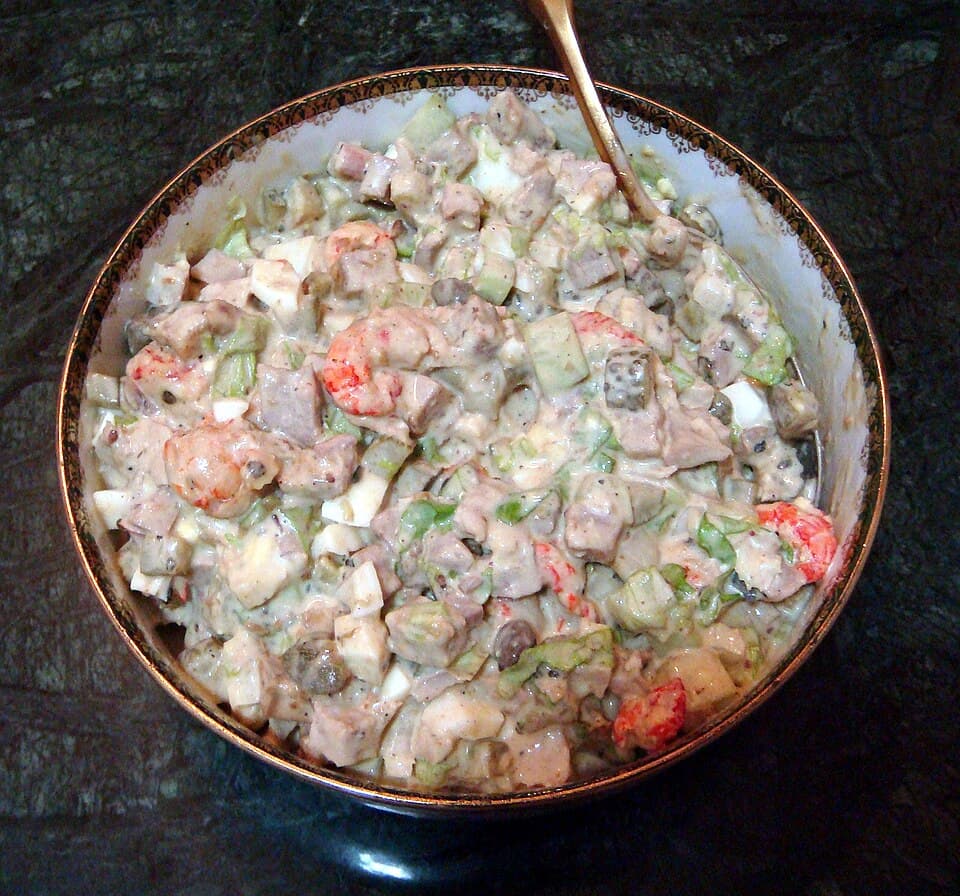
A Soviet-era potato salad of diced vegetables, eggs, pickles, and peas bound in mayonnaise. No New Year's table is complete without it, and every family makes it a little differently.
Allergens:
Pickled Vegetables
Cucumbers, tomatoes, cabbage (as sauerkraut), and mushrooms put up for the winter. They show up as appetizers (zakuski) or side dishes, tangy and full of the kind of fermentation that comes from long-held family pickling habits.
Regional Specialties
Discover unique dishes from different regions of Belarus.
Kryvyanka (Крывянка) / Kishka (Кішка)
Polesia (Brest and Gomel Regions)
A blood sausage common to rural Polesia, born from the habit of wasting nothing after a slaughter. Pig intestines are stuffed with fresh pig's blood, buckwheat or barley groats, and fried salo with onions, then baked or fried. Most households make it in autumn, when the pigs are killed.
Key Ingredients:
Kletski s Dushoy (Клёцкі з душамі)
Vitebsk Region
The name translates to "dumplings with a soul" - the soul being the savory filling tucked inside large potato dumplings. The dough mixes grated raw and boiled potatoes, which gives it a dense but tender bite. Inside goes minced meat with fried onions or mushrooms. They are boiled and served with sour cream and fried pork cracklings.
Key Ingredients:
Kindziuk (Кіндзюк)
Grodno Region
An air-dried, cured sausage that owes a lot to Lithuanian cooking across the border, where it goes by Skilandis. Coarsely chopped pork is seasoned with salt, garlic, and pepper, packed into a natural casing (often a pig's stomach), then pressed and left to mature for several months. The result is dense and tangy, with a deep, concentrated flavor.
Key Ingredients:
Draniki po-Mogilevski (Дранікі па-магілёўску)
Mogilev Region
Draniki are a national dish, but Mogilev turns the potato pancakes into a full meal. Freshly fried draniki get layered into clay pots with a stew of meat, mushrooms, and onions, then baked. As the pots heat through, the pancakes soak up the gravy. Rustic, filling, and meant for cold weather.
Key Ingredients:
Regional Cuisine Highlights
Explore the diverse culinary landscapes across different regions of Belarus.
Grodno Region (Western Belarus)
Western Belarus, hard against the Polish and Lithuanian borders. The cooking here leans on potatoes, with carefully made draniki, babka, and kalduny dumplings as local specialties. Centuries under the Grand Duchy of Lithuania and a mix of Catholic and Orthodox custom left their mark, and this farming heartland holds onto its folk recipes more than most.
Cultural Significance:
Sitting where Poland and Lithuania meet, Grodno blended their cooking with its own. The fertile soil suited potatoes, and the region kept more of the old Belarusian methods than anywhere else. The noble estates that once dotted the area refined what was, at root, peasant food.
Signature Dishes:
- Draniki
- Babka
- Kalduny
Key Ingredients:

Brest Region (Polesie/Southern Belarus)
The marshy south, the Polesie region along the Pripyat. The cooking sits between Belarusian and Ukrainian, with freshwater fish from the Pripyat River and grain-heavy dishes filling out the rest. Cross-border trade and the old Brest Fortress are both part of the area's character.
Cultural Significance:
The Polesie wetlands gave the area a cuisine of their own, with the Pripyat River supplying fish for protein. Ukrainian influence shows up in the borsch variations and in pampushki, and some of the region's food customs trace back to pre-Christian Slavic practice.
Signature Dishes:
- Machanka
- River fish dishes
- Kletski
- Pampushki
Key Ingredients:

Vitebsk Region (Northern Belarus)
The forested north, where mushroom foraging is a way of life and boletus and chanterelles fill autumn baskets. Cooking here means heavy stews and game meat suited to a cold climate, alongside berry picking in season. This was the old Polotsk principality, and Russian Old Believer communities still keep their traditional foods alive.
Cultural Significance:
The vast northern forests, covering about 40% of the land, shape what people eat. Mushroom foraging runs deep here, with families guarding their favorite spots, and game meat reflects a long hunting tradition. The Old Believers have held onto pre-Petrine Russian cooking for generations.
Signature Dishes:
- Mushroom soup
- Pyachysta
- Verashchaka
- Wild game stews
Key Ingredients:
Minsk Region (Central Belarus)
The capital region, where city and countryside cooking meet. Modern gastropubs are reviving old recipes, while Soviet-nostalgia stolovayas keep serving the canteen lunches of decades past. A farm-to-table movement has taken hold too, and as the historical center of Belarusian statehood, Minsk is where the country's cuisine is changing fastest.
Cultural Significance:
Minsk is where tradition and the new kitchen meet, and where a post-Soviet food identity is still taking shape. Young chefs dig up forgotten recipes, the stolovayas hold onto Soviet-era habits, and the capital draws in dishes from every region of the country.
Signature Dishes:
- Draniki (refined versions)
- Verashchaka
- Modern interpretations of traditional dishes
Key Ingredients:
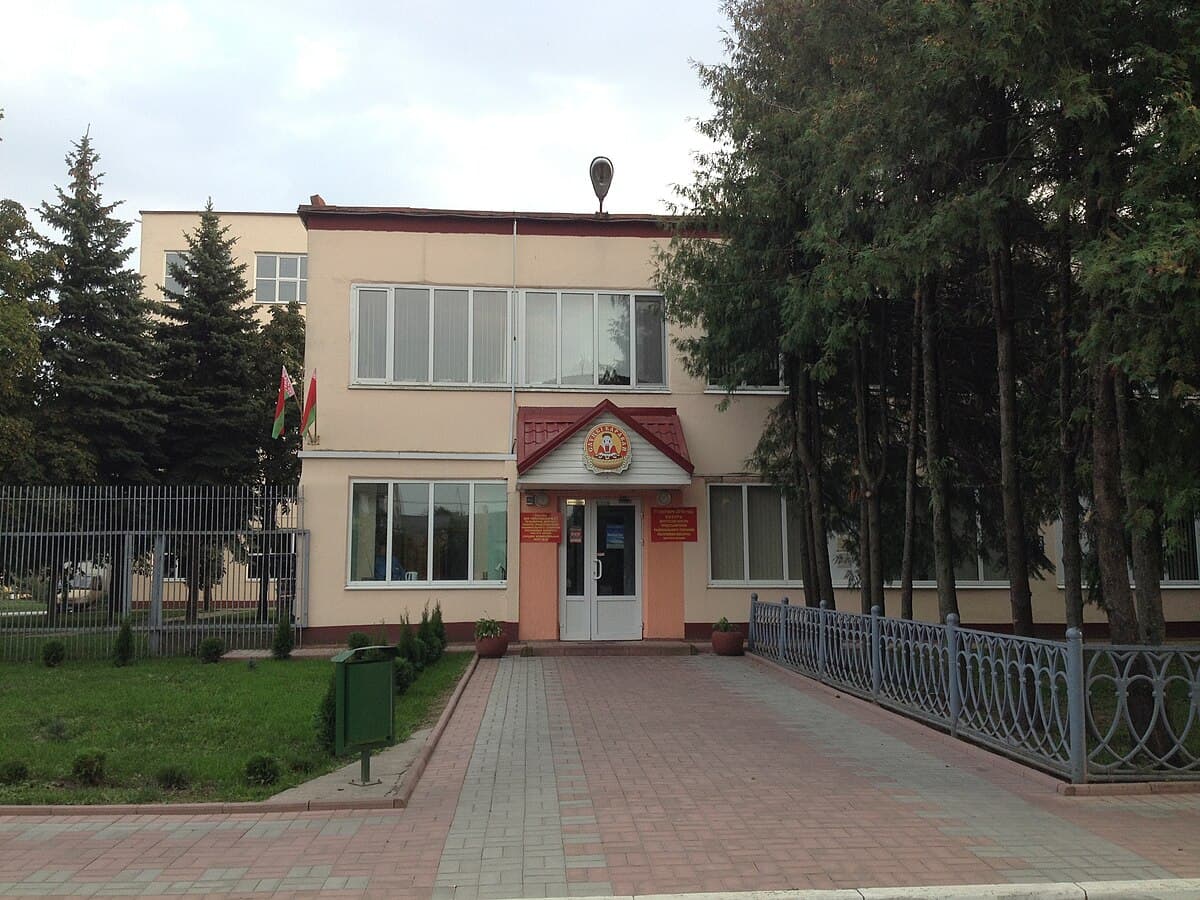
Gomel Region (Southeastern Belarus)
The southeast, on the border with Ukraine and Russia. The 1986 Chernobyl disaster hit the northern parts of the region and reshaped its food culture. Ukrainian influence is strong in the borsch and varenyky, Russian Old Believer communities have their own kitchens, and the food draws on Dnieper River fish and locally grown sunflowers.
Cultural Significance:
Wedged between Ukraine and Russia, Gomel pulls cooking from both alongside its own. The relocations after Chernobyl moved people and changed what they ate, the Old Believers kept their old recipes, and the local sunflower-oil production runs through much of the cooking.
Signature Dishes:
- Borsch (Ukrainian-style)
- Varenyky (dumplings)
- Sunflower seed dishes
- River fish
Key Ingredients:
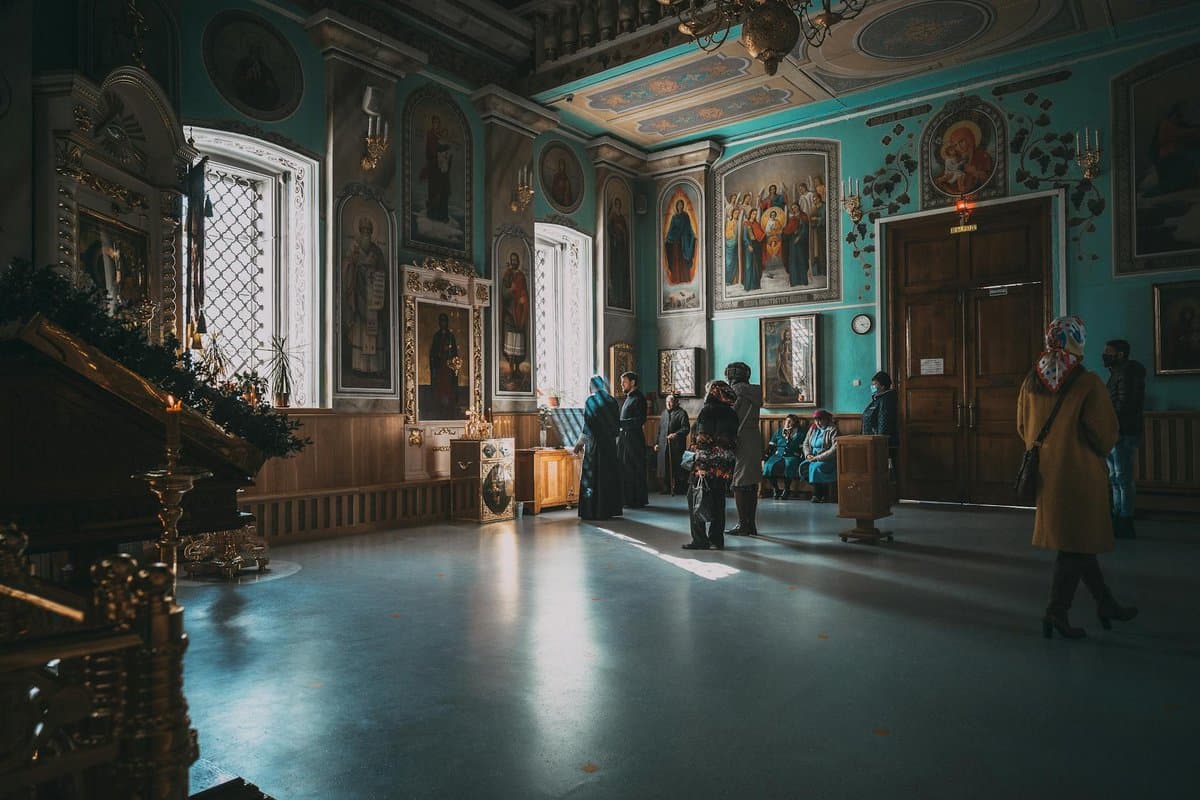
Sweet Delights & Desserts
Indulge in Belarus's traditional sweet treats and desserts.

Smazhenka
Apples, the tart Antonovka variety by preference, fried in butter with sugar and cinnamon, sometimes with walnuts thrown in. They are served warm with sour cream or honey. It is an autumn dessert with peasant roots, the orchard's harvest put to good use.

Pryaniki
Spiced gingerbread cookies made with honey, flour, and a mix of cinnamon, ginger, cardamom, and cloves, usually finished with a white icing glaze. Some are filled with jam. They keep well, so they are boxed up as gifts and brought out for the holidays, especially Christmas and New Year. The tradition is shared across Russia and Belarus.
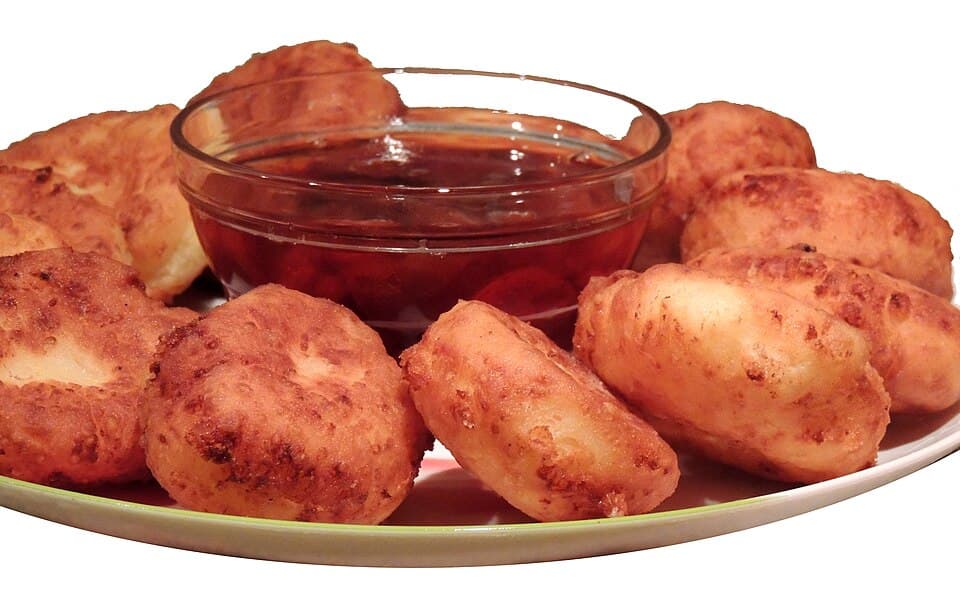
Syrniki (Cottage Cheese Pancakes)
Sweet pancakes made from tvorog (cottage cheese or quark) with eggs, flour, and sugar, pan-fried until golden outside and fluffy within. They come with sour cream, jam, honey, or fresh berries, eaten at breakfast or as dessert. A Soviet-era staple, they are still a fixture in stolovayas.
Mazurek (Easter Cake)
A flat Easter cake on a shortbread-like base, topped with colorful icing, dried fruit, nuts, and sometimes chocolate. The decorating runs to each family's own style. It is made for Easter (Пасха/Pascha) and often blessed in church, a Polish-Belarusian tradition marking the spring.
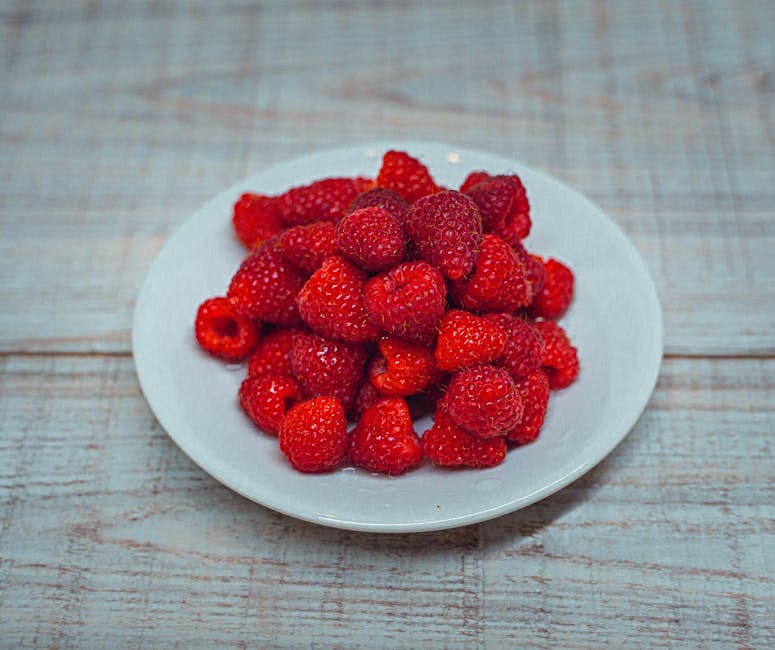
Kletski with Berries
Sweet dumplings filled with fresh blueberries, strawberries, or cherries, or with fruit preserves, then boiled and served with sour cream and sugar. The dough is much like pierogi, and the filling bursts juicy when you bite in. It is a summer dessert made when the berries are in season.
Apple Charlotte (Sharlotka)
An apple cake of sliced apples folded into a light sponge batter and baked until golden. It needs little more than apples, eggs, flour, and sugar. The texture is airy with chunks of apple throughout, and it is served warm with tea in autumn. The name comes from Charlotte russe, though the cake is its own thing, and most grandmothers have a version.
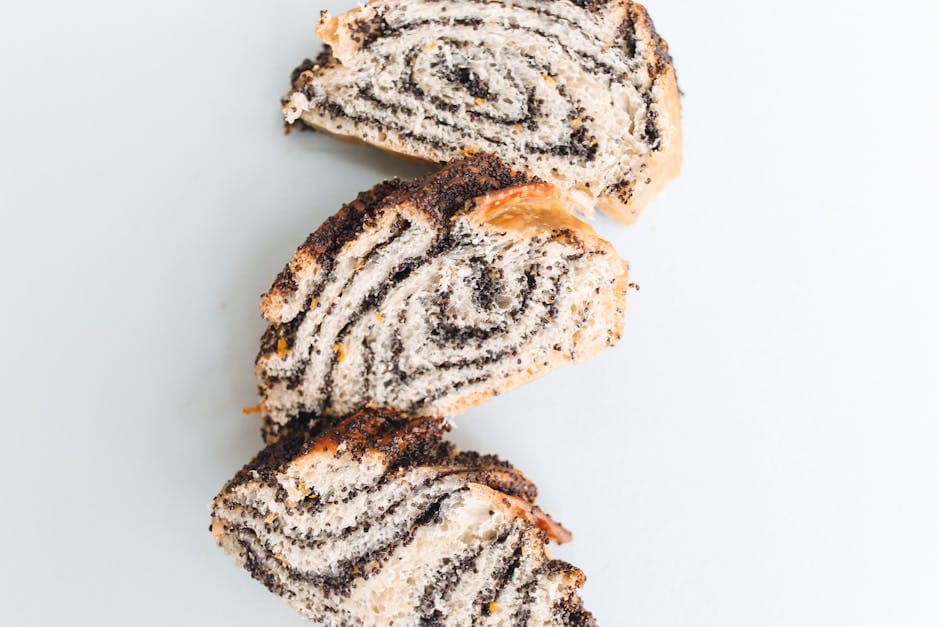
Poppy Seed Roll (Makavets)
A sweet yeast bread rolled around a filling of ground poppy seeds mixed with honey and sugar, sometimes raisins or nuts. Cut it and the spiral shows. It takes some work to make and stands as a centerpiece at Christmas and Easter, where the poppy seeds are taken to stand for prosperity. Rich and slightly crunchy.
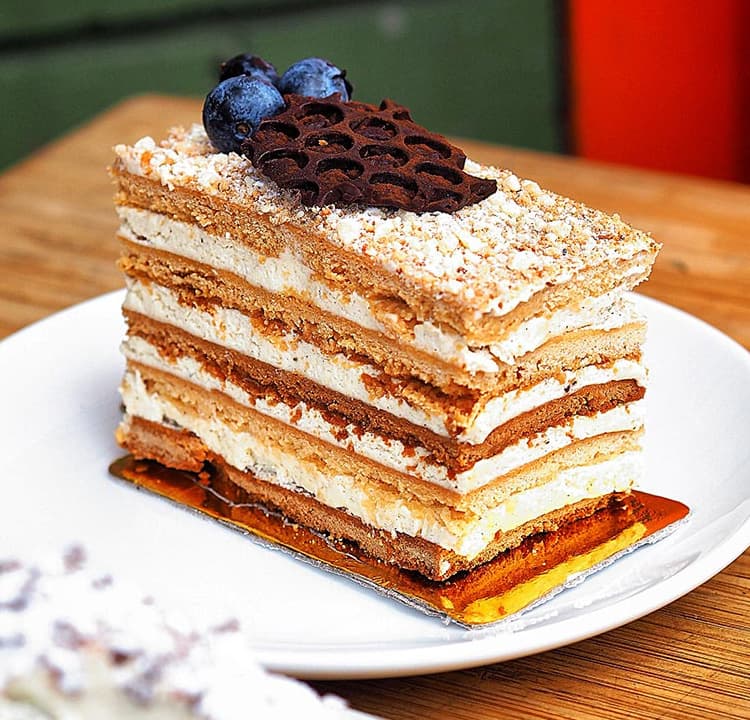
Honey Cake (Medovik)
A cake of thin honey sponge layers, eight to twelve of them, with sweetened condensed milk or sour cream frosting between. It needs an overnight rest for the layers to soften, so it takes patience to get right. Sweet and moist with honey all the way through, it is a Soviet-era classic that turns up at birthdays and holidays.
Traditional Beverages
Discover Belarus's traditional drinks, from locally produced spirits to regional wines.
Krupnik
A traditional honey-based liqueur, often spiced with herbs and spices.
Krambambulya
A strong alcoholic beverage made with vodka, honey, and spices.
Soft Beverages
Discover Belarus's traditional non-alcoholic drinks, from local teas to refreshing juices.
Kvass
A traditional fermented beverage made from rye bread. It has a slight alcoholic content but is classified as non-alcoholic in Belarus.
Kompot
A homemade fruit drink prepared by cooking fruits in water with sugar.
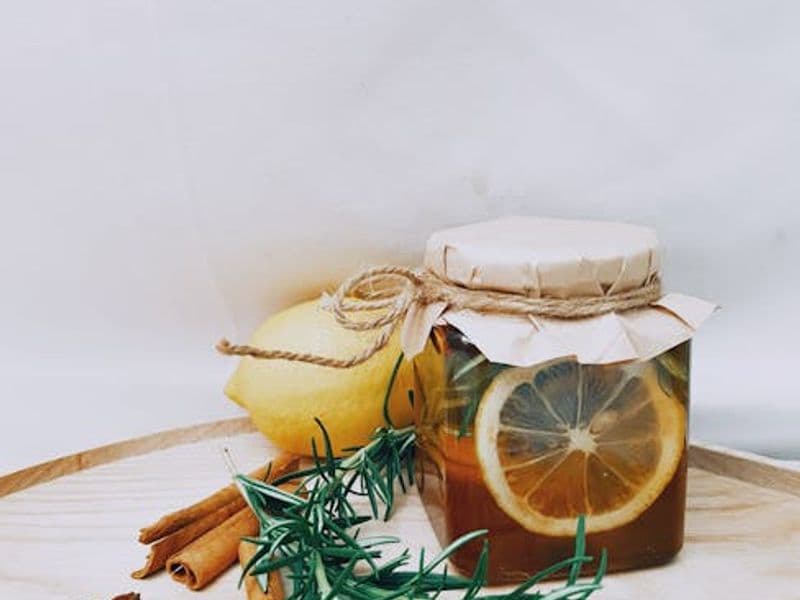
Herbal Tea
Various herbal teas, such as chamomile and mint, are commonly consumed.
Frequently Asked Questions
Essential information about food and dining in Belarus.
What is the national dish of Belarus?
Belarus's most iconic dishes include Дранікі (Draniki), Мачанка (Machanka), Халаднік (Khaladnik). The national dish: grated potato pancakes fried until golden and crisp at the edges. Onions go in the batter, sometimes a little flour or egg to bind it. They come with sour cream (smetana) or machanka sauce, and every family cooks them slightly differently. You will find them at breakfast, lunch, and dinner, on street stalls and in proper restaurants alike. They are the reason Belarus calls itself the 'Blue-eyed Potato Republic'.
Is street food safe in Belarus?
Street food in Belarus can be enjoyed safely by following these guidelines: Check food hygiene standards in Belarus Drink bottled water in Belarus. Look for busy vendors with high turnover, ensure food is cooked fresh and served hot, and avoid raw ingredients if you have a sensitive stomach.
What are the best restaurants in Belarus?
Belarus offers diverse dining options from street food stalls to upscale restaurants. For the best experience, ask locals for recommendations, check recent reviews, and look for restaurants that specialize in regional cuisines.
Can vegetarians find food easily in Belarus?
Vegetarian options in Belarus are mediumly available. Vegetarian eating is getting easier in Belarus, mostly in Minsk and other cities. Several traditional dishes happen to be meat-free: draniki with sour cream, khaladnik (cold beet soup), mushroom dishes, buckwheat kasha, vegetable salads, and blini. Mushrooms turn up everywhere. The cuisine still leans heavily on meat, so say what you need clearly. Farm-to-table places tend to have the most vegetable-forward menus.. Many restaurants offer vegetarian dishes, and you'll find plant-based ingredients featured prominently in local cuisine.
What is the average cost of a meal in Belarus?
Meal costs in Belarus depend on where you eat. Street food and casual local restaurants are very affordable, typically offering complete meals for a few dollars. Mid-range restaurants charge moderate prices, while fine dining establishments are comparably priced to Western countries.
What are common food allergens in Belarus?
Common allergens in Belarus cuisine include Nuts, Dairy, Wheat. Various nuts are common in Belarus's cuisine, particularly in desserts and some savory dishes.. These ingredients appear in dishes like Desserts, Sauces. Always inform restaurant staff about your allergies.
When is the best time to visit Belarus for food?
Belarus offers great food experiences throughout the year. However, visiting during harvest seasons (typically spring and autumn) provides access to the freshest local ingredients. Food festivals and cultural celebrations also offer unique culinary experiences worth planning around.