
Bahamas Food Guide
Content Information
Recently updated🔥Current Food Trends 2026
What's happening in Bahamas's culinary scene right now
Conch still anchors Bahamian eating in 2026, and most menus lead with it. The Fish Fry at Arawak Cay in Nassau runs Wednesday through Sunday, with live music and seafood cooked at roadside stands. Clips of conch salad being chopped to order at beachside shacks keep circulating on social media. Sustainability has become a real concern: conch numbers have dropped sharply, around 71 percent, and that has fed an 'eat local, buy local' push. Spiny lobster season peaks November through March, so premium tails show up everywhere in those months. On the Out Islands, places like Exuma and Eleuthera keep family recipes going, and pea soup with dumplings often turns up as a Wednesday lunch special. Johnnycake is back on breakfast menus, sometimes with a modern spin. Rum runs deep here, from tours at John Watling's Distillery to the Sky Juice cocktail. Scotch bonnet, allspice, and thyme carry most of the flavor. Cracked conch holds its place as the go-to street food, while the higher-end kitchens work Bahamian dishes through contemporary technique.
Food Safety Tips
Essential food safety information to help you enjoy Bahamas's cuisine safely and confidently.
Check food hygiene standards in Bahamas
Food hygiene in the Bahamas is generally good, but stick to restaurants that look clean and well kept.
Drink bottled water in Bahamas
Drink bottled water in the Bahamas, particularly on the Out Islands and in rural areas where supply quality varies.
Be cautious with street food in Bahamas
Street food here is usually safe and worth seeking out. Pick stalls that stay busy and handle food cleanly.
Wash fruits and vegetables thoroughly.
Rinse fruits and vegetables in purified water before eating, especially anything raw.
Dietary Options
vegetarian
MEDIUM AVAILABILITYVegetarian food is easier to find than it used to be, especially in Nassau, Paradise Island, and the larger resorts. Peas 'n' rice, fried plantains, baked mac and cheese, vegetable sides, and tropical fruit plates all work. International restaurants widen the choices further.
vegan
LOW AVAILABILITYVegan eating takes more planning, since traditional cooking leans on seafood, dairy, and butter. Nassau and the resort areas do have a few dedicated spots. Naturally vegan choices include some peas 'n' rice (check whether bacon or pork went in), plantains, fresh fruit, and certain johnnycake.
gluten-free
MEDIUM AVAILABILITYGluten-free eating is manageable, mostly at upscale restaurants and tourist-facing resorts. A lot of traditional food is gluten-free anyway: grilled or steamed seafood (skip anything breaded), peas 'n' rice, plantains, and fresh fruit. Spell out your needs clearly, since awareness varies from place to place.
halal
VERY LOW AVAILABILITYThe Bahamas is mostly Christian (Baptist, Anglican, Catholic), and halal food is hard to come by. The small Muslim population, mainly immigrant communities, keeps a handful of halal options in Nassau. Seafood is the practical fallback for Muslim travelers.
kosher
VERY LOW AVAILABILITYThe Bahamas has a tiny Jewish community based in Nassau, and there is no kosher certification system. If you keep kosher, contact Nassau's Jewish community or pack your own provisions. Resorts can sometimes accommodate requests if you give them advance notice.
Common Allergens
Nuts
MEDIUM PREVALENCENuts show up across Bahamian cooking, mostly in desserts and a few savory dishes.
COMMONLY FOUND IN:
Dairy
HIGH PREVALENCEDairy turns up in plenty of traditional dishes, from baked mac to creamy sauces and puddings.
COMMONLY FOUND IN:
Wheat
HIGH PREVALENCEWheat is everywhere in the local diet, in bread, pastries, dumplings, and more.
COMMONLY FOUND IN:
Essential Food Experiences
These iconic dishes represent the must-have culinary experiences that define Bahamas's food culture for travelers.
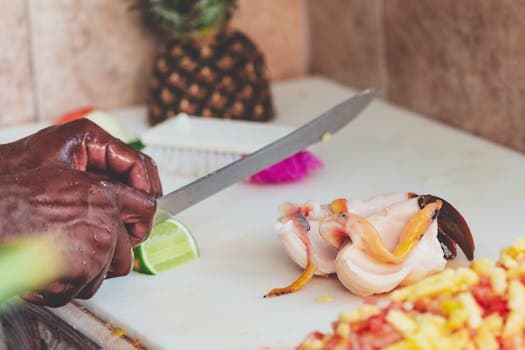
Conch Salad (Konk Salad)
Diced raw conch tossed with tomatoes, onions, green peppers, lime and sour orange juice, scotch bonnet, and spices. This is the national dish, ocean-to-table in the most literal sense. At Fish Fry stands you can watch the conch get pulled from the shell, diced, and mixed in front of you.
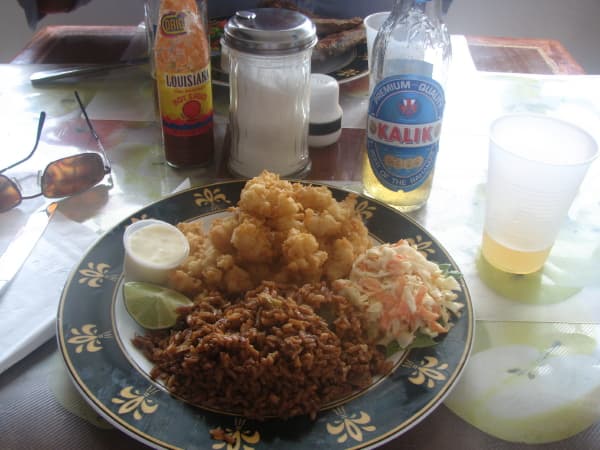
Cracked Conch (Kracked Konk)
Conch pounded thin to tenderize it, then dredged in flour, egg wash, and seasoned breadcrumbs and deep-fried until golden. It comes with tartar sauce, hot sauce, or spicy mayo, crunchy outside and tender within. You'll find it as street food and as an appetizer at Fish Fry. A Bahamian comfort classic.
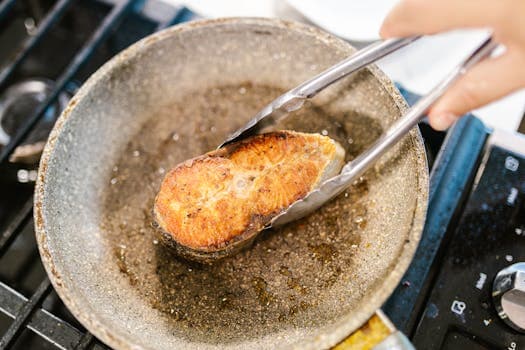
Fish Fry Experience
More a night out than a meal, centered on Arawak Cay (the Nassau Fish Fry), busiest Wednesday through Saturday nights. Fresh grouper, snapper, or lionfish, fried or grilled, comes with peas 'n' rice, coleslaw, potato salad, plantains, and johnnycake. Add live music, dancing, and cold Kalik beer. It's as much about the culture as the food.
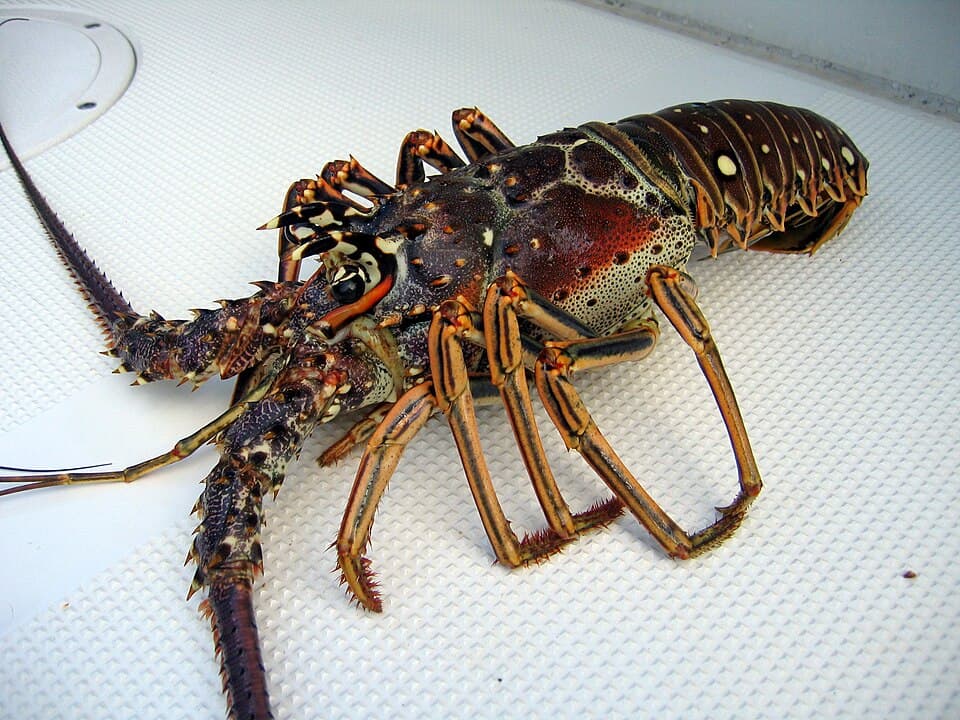
Bahamian Rock Lobster (Spiny Lobster)
Spiny lobster has no claws and all the meat sits in the tail, unlike Maine lobster. It's grilled, boiled, or broiled with butter, garlic, and lime. Season runs August to March, with November at its best. The meat is sweet and firm, served whole or as a tail. This is the premium catch of Bahamian waters.
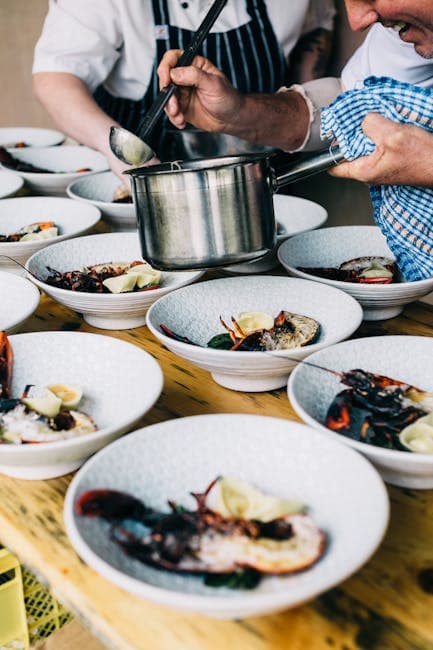
Souse (Chicken Souse)
A traditional soup-stew built on chicken (or sheep tongue) with potatoes, onions, celery, lime juice, allspice, bay leaves, and scotch bonnet. The broth is water-based rather than creamy, tangy and peppery. Bahamians eat it for breakfast or to shake off a hangover. It traces back to African-Bahamian cooking.
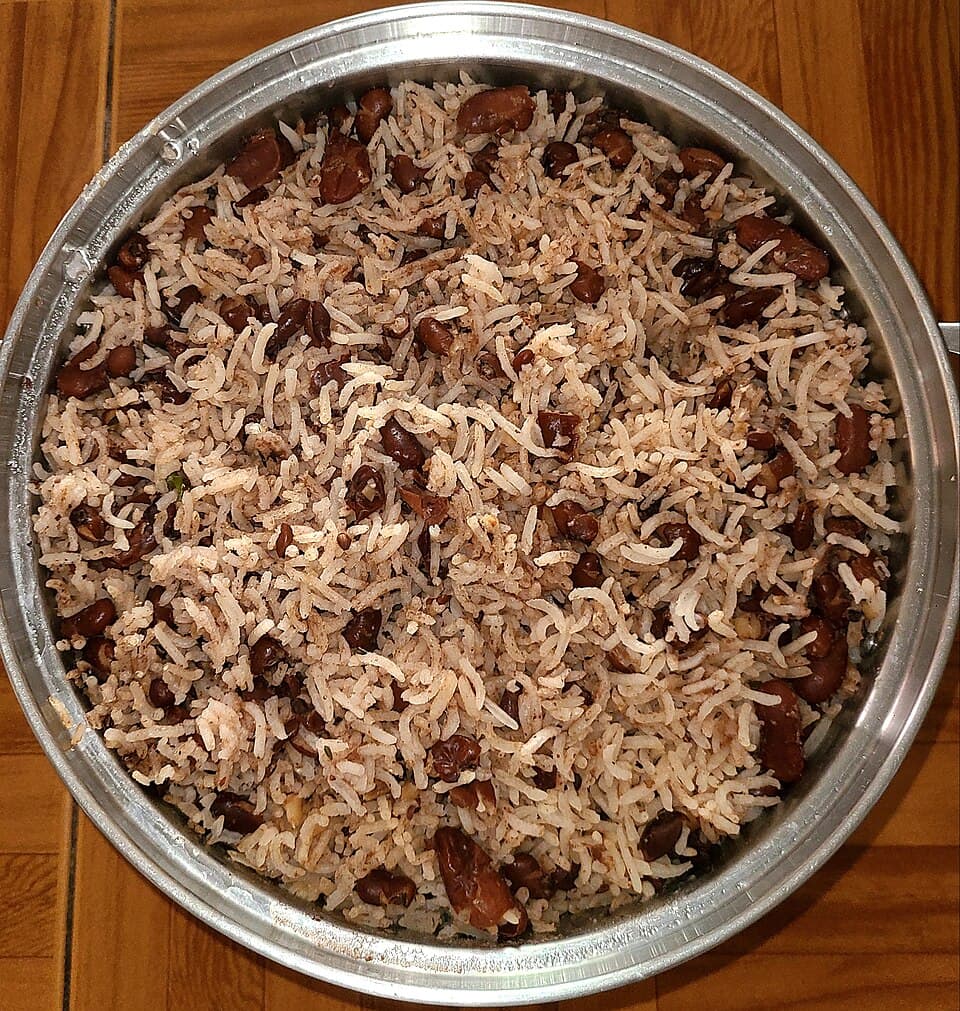
Peas 'n' Rice
The side dish that turns up with nearly every meal. Pigeon peas (or red kidney beans) and rice cooked down with coconut milk, thyme, onions, bell peppers, tomato paste, and salt pork or bacon. Creamy and comforting, with a 'peas 'n' grits' variation. It's the backbone of Bahamian home cooking, where Caribbean and African traditions meet.
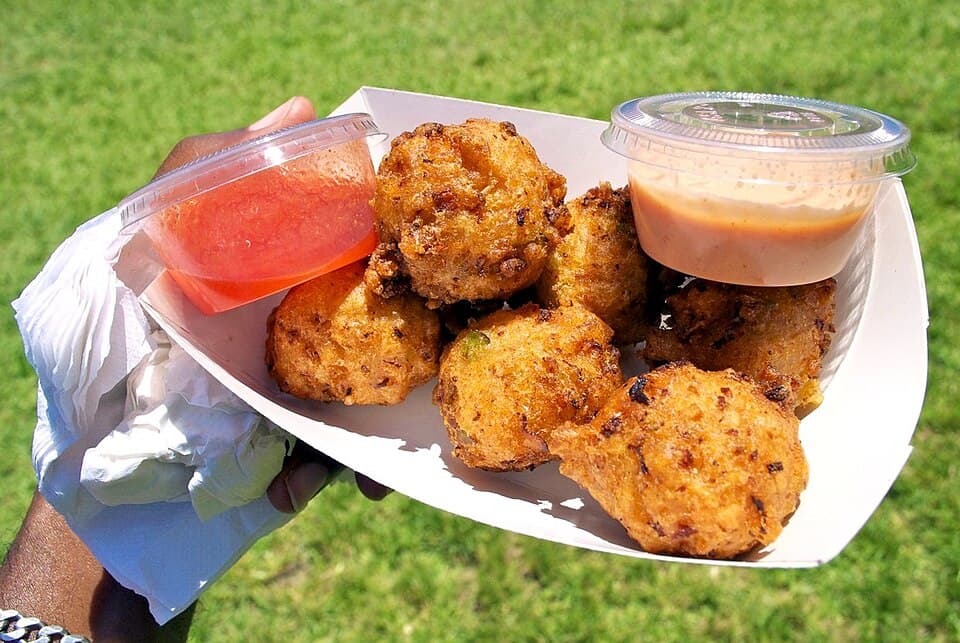
Conch Fritters
Deep-fried dough balls packed with diced conch, onions, bell peppers, celery, and scotch bonnet. Crisp outside, fluffy inside, with tender bits of conch throughout. They come with tartar, hot sauce, or spicy mayo for dipping. You'll see them at Fish Fry, beach bars, and restaurants, and at just about every party.
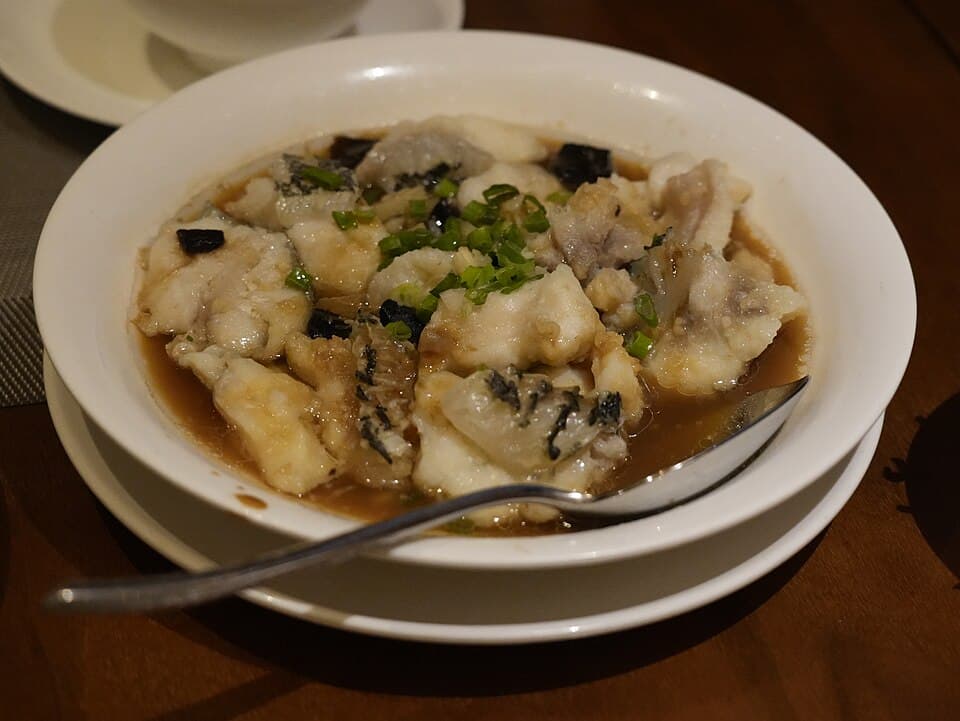
Steamed Fish
Whole grouper, snapper, or yellowtail steamed with onions, tomatoes, bell peppers, celery, thyme, and lime juice, sometimes finished with coconut milk. A light preparation that lets the fish do the talking. Often served at breakfast with grits or johnnycake. It sums up the Bahamian habit of keeping fresh fish simple.
Boil Fish & Johnnycake
A classic Bahamian breakfast of whole snapper or grouper boiled with onions, tomatoes, and peppers, served with johnnycake and sometimes grits. It's a fisherman's meal, hearty and plain. The slightly sweet johnnycake is there to mop up the broth. This is Out Islands cooking at its most honest.
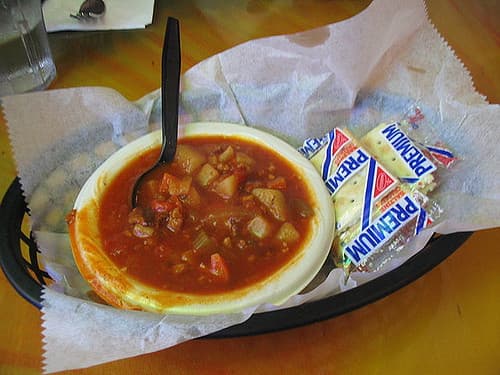
Stew Conch
Conch braised with tomatoes, onions, bell peppers, thyme, and sometimes potatoes and carrots until the gravy turns thick and the meat goes tender, which takes time. It's spooned over rice or served with peas 'n' rice. Where conch salad is raw and bright, this is the slow-cooked comfort version, and the recipe shifts from island to island.
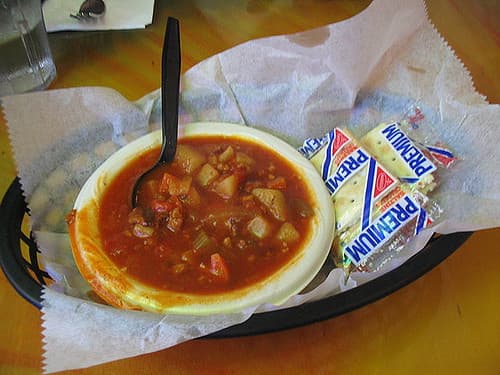
Conch Chowder
A warming soup of diced conch with potatoes, celery, onions, bell peppers, tomatoes, scotch bonnet, thyme, and sometimes coconut milk. A common lunch order, usually with hot sauce on the side. Depending on the kitchen it runs anywhere from a clear broth to a thick, cream-based bowl.
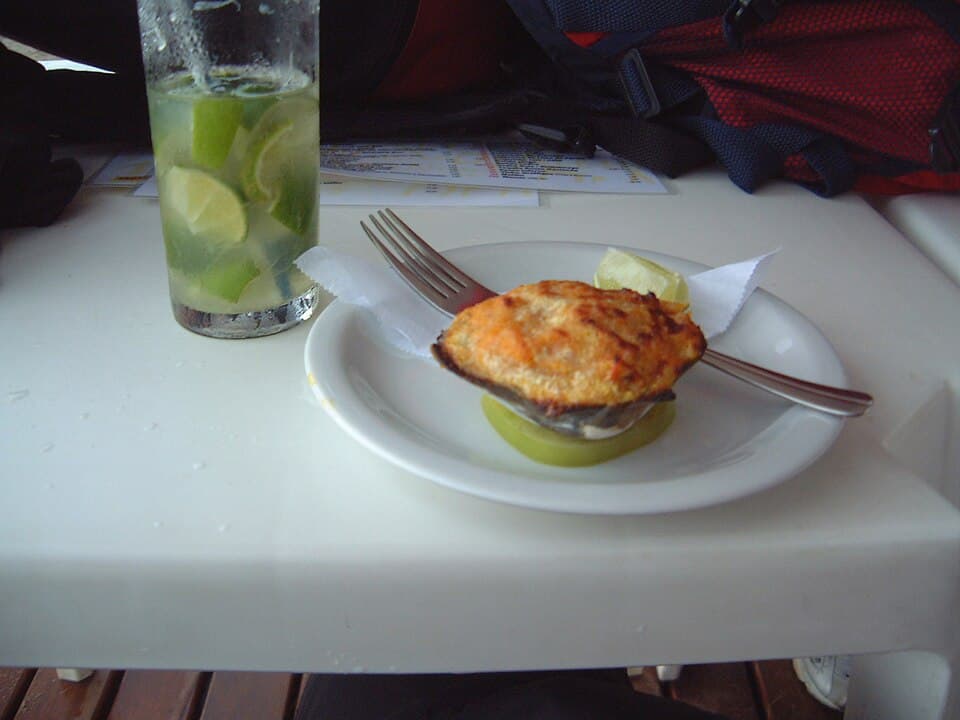
Baked Crab
Land crab meat mixed with breadcrumbs, onions, peppers, spices, and lime juice, packed back into the shells and baked until golden. The crab is sweet, the topping crunchy. It's an Out Islands specialty that shows up at outdoor gatherings, and using the shell as the dish is part of its resourceful charm.
Regional Specialties & Local Favorites
Discover the authentic regional dishes and local favorites that showcase Bahamas's diverse culinary traditions.
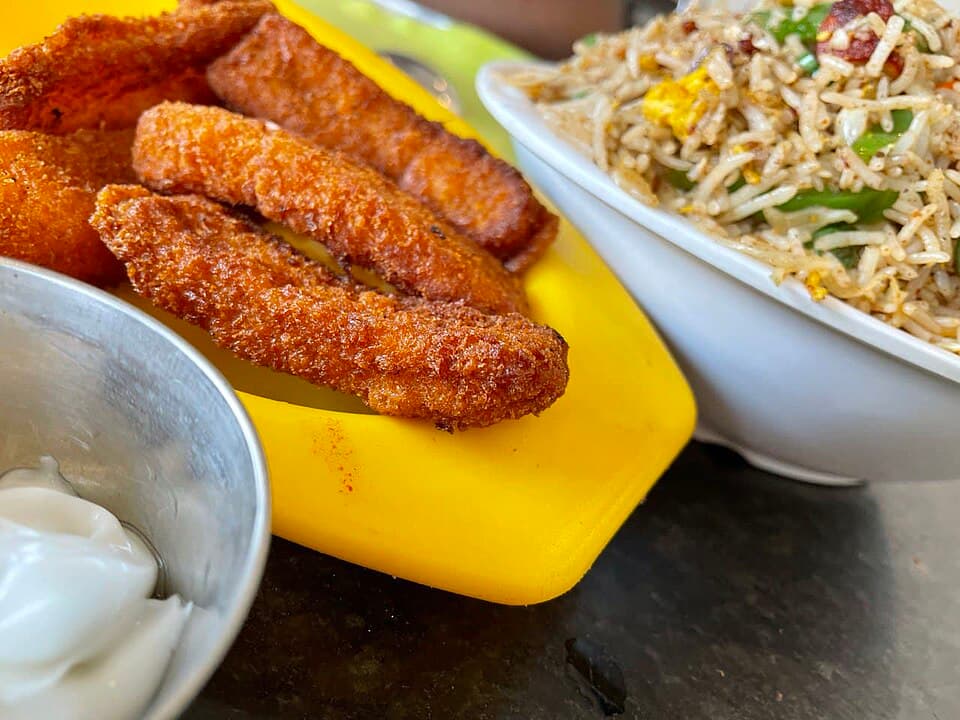
Grouper Fingers
Grouper fillets cut into strips, breaded, and deep-fried crisp, served with fries, coleslaw, and tartar sauce. Tender white fish under a crunchy coating, ordered as an appetizer or a casual meal at beach bars and Fish Fry.
Allergens:
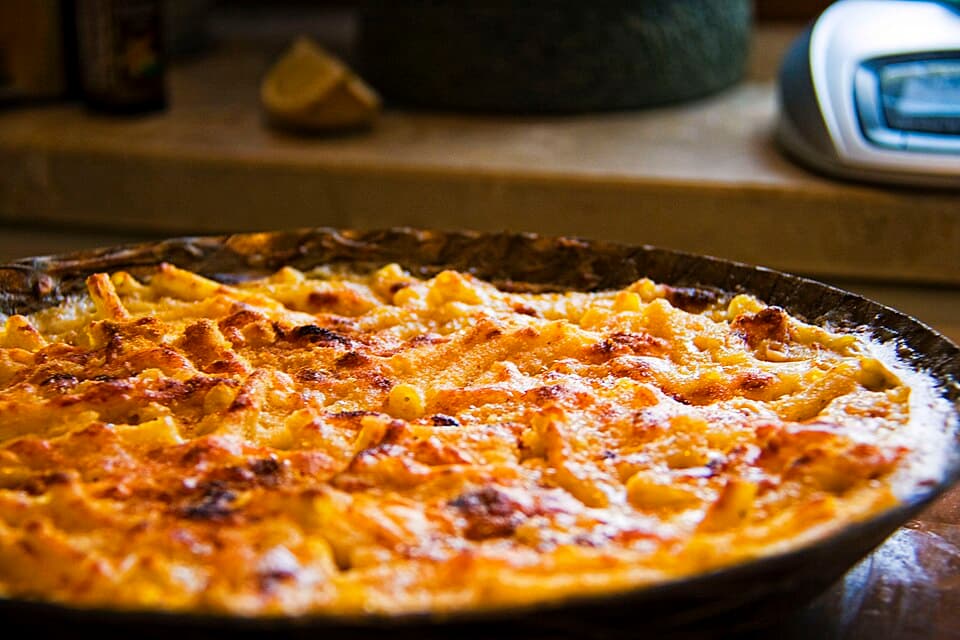
Macaroni and Cheese (Baked Mac)
Macaroni baked with sharp cheddar, evaporated milk, eggs, mustard, and butter. It sets firmer than the American version and slices into squares. A Sunday dinner fixture that also shows up at celebrations.
Allergens:
Guava Duff
Guava paste rolled inside sweet dough, boiled in cloth the way the British make pudding, then sliced and served warm under a buttery rum sauce. Rich and comforting.
Allergens:
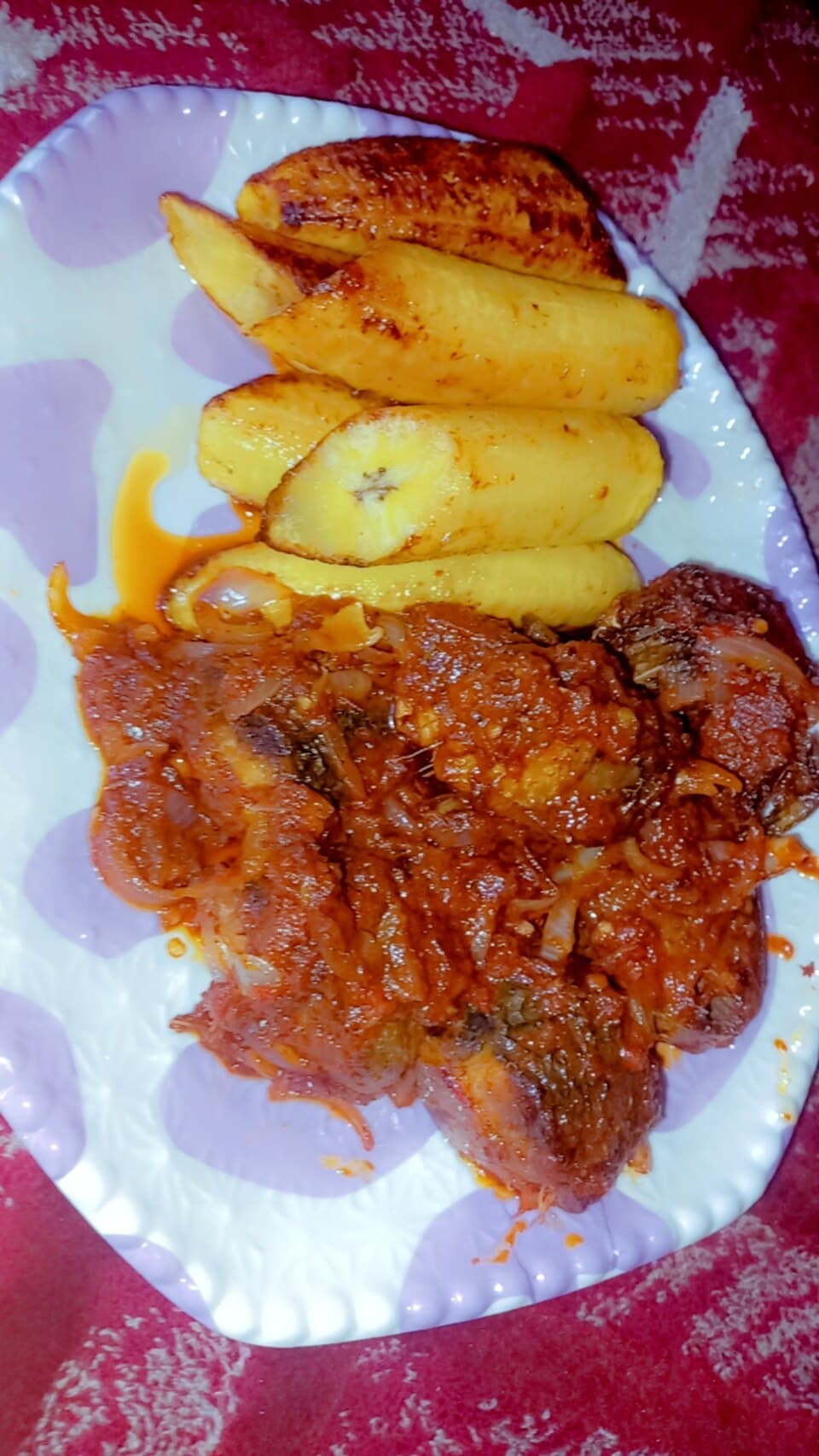
Plantains (Fried)
Ripe plantains sliced and fried until they caramelize, soft in the middle with crisp edges. A standard side with fish or chicken, and one of the clearest African influences in Caribbean cooking.
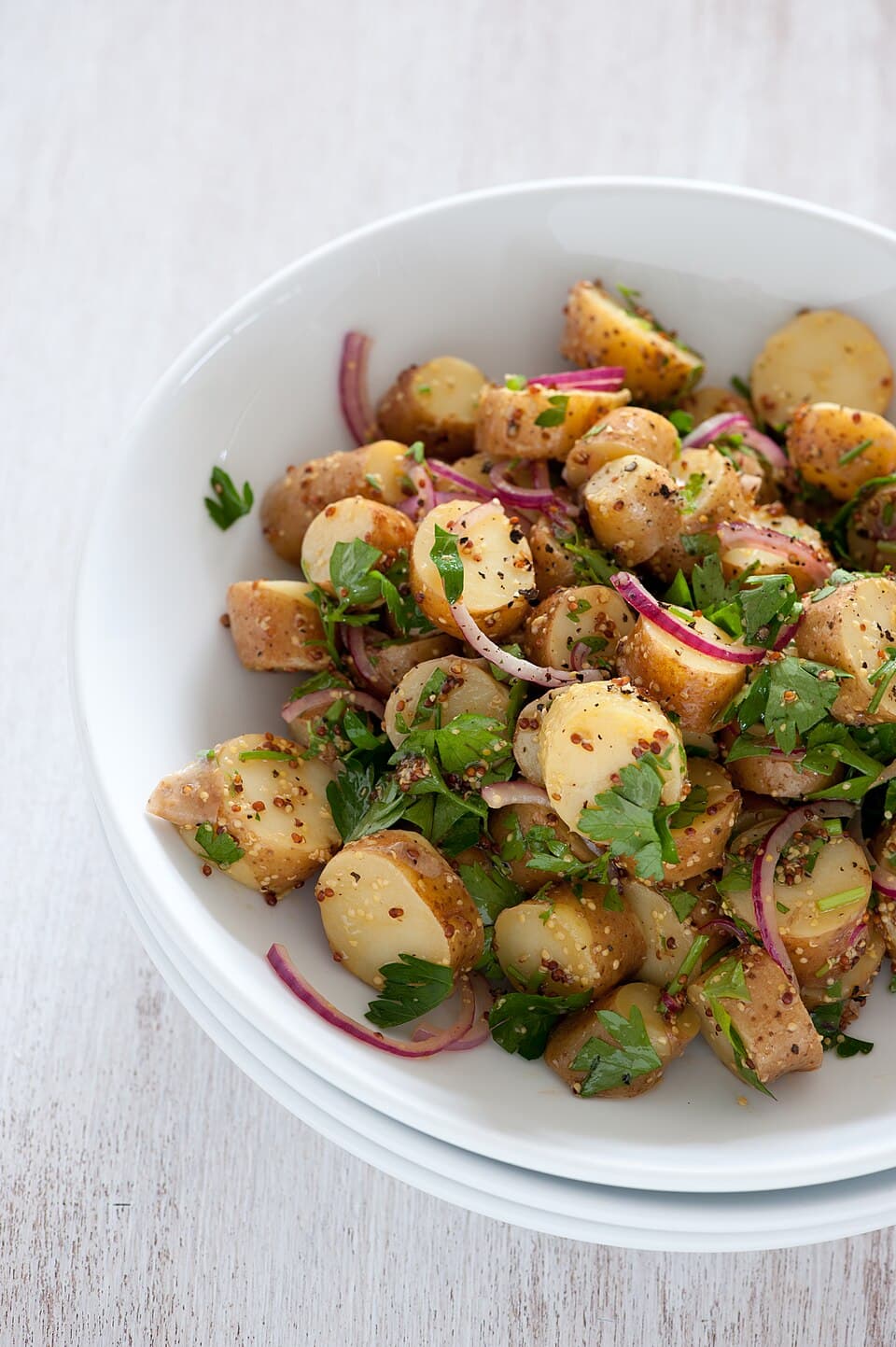
Potato Salad
The Bahamian take on potato salad: boiled potatoes, hard-boiled eggs, celery, onions, and bell peppers bound with mayonnaise and mustard. Served chilled at Fish Fry, cookouts, and Sunday dinners.
Allergens:
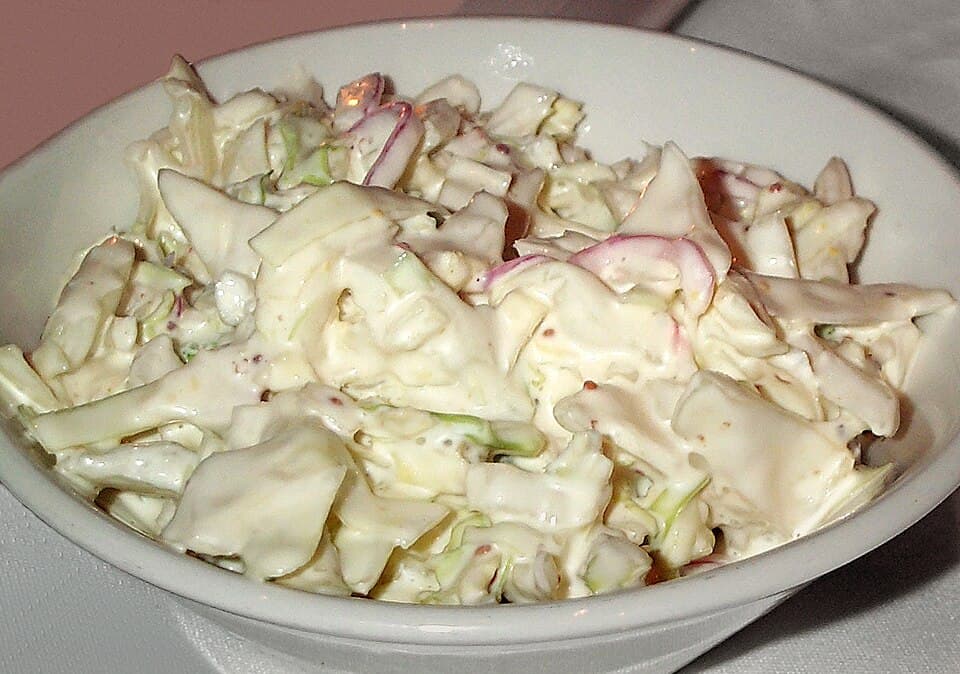
Coleslaw (Bahamian Style)
Shredded cabbage, carrots, and onions in a vinegar dressing cut with sugar, tangy and a little sweet. It rides alongside fried fish and conch at every Fish Fry.
Lionfish (Invasive Species Special)
Lionfish, an invasive species, grilled, fried, or served as ceviche. The flesh is mild and flaky, close to grouper. Eating it started as a way to control the population and caught on as a genuinely sustainable choice. More forward-looking restaurants are putting it on the menu.
Allergens:
Bahamian Stew Fish
Whole fish stewed down with tomatoes, onions, peppers, celery, thyme, and lime, served over grits or white rice. Unlike steamed fish, this one carries a thicker, tomato-based gravy.
Allergens:
Regional Cuisine Highlights
Explore the diverse culinary landscapes across different regions of Bahamas.
Nassau & Paradise Island
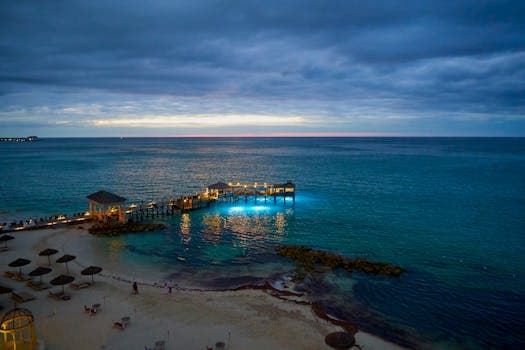
Nassau, the capital, mixes traditional Bahamian cooking with international menus. The Arawak Cay Fish Fry is the Wednesday-to-Sunday-night draw for conch salad, cracked conch, and grilled seafood, all with live music. Over on Paradise Island, the higher-end kitchens take Bahamian food in a contemporary direction. Worth knowing: Twin Brothers and Goldie's Conch House at the Fish Fry, McKenzie's Conch Shack, which has made fresh conch salad for 35-plus years, and The Poop Deck for waterfront dining with conch burgers and grouper.
Cultural Significance:
The Fish Fry is where Nassau eats together. Locals and visitors share tables over fresh seafood, cold Kalik, and live Junkanoo music, and it sits at the center of how Bahamians eat today.
Signature Dishes:
- Conch salad (made fresh to order)
- Cracked conch sandwiches
- Conch fritters with dipping sauces
- Grilled grouper and snapper
- Sky Juice cocktails
Key Ingredients:
Grand Bahama Island (Freeport)
Grand Bahama's food reflects how close it sits to Florida and how mixed its population is. Seafood leads, with cracked conch and lobster tail (August to March). Port Lucaya Marketplace has beachfront dining that runs from international to Bahamian fusion, and stone crab claws (October to May) are a regional catch. The island balances tourist-friendly spots against everyday Bahamian places serving peas 'n' rice, steamed fish, and johnnycake breakfasts.
Cultural Significance:
Grand Bahama's cooking carries several cultures and Florida's nearness at once, producing a Bahamian-American fusion that still holds onto traditional island flavors.
Signature Dishes:
- Cracked conch with spicy mayo
- Lobster tail (in season)
- Stone crab claws
- Grouper fingers
- Bahamian breakfast (boil fish, johnnycake, grits)
Key Ingredients:

Out Islands (Exuma, Eleuthera, Abaco)
The Out Islands keep Bahamian cooking close to its roots, on family recipes handed down for generations. Exuma's Fish Fry in George Town serves conch salad, pea soup and dumplings (the Wednesday lunch special), and coconut fried shrimp. Santanna's on Little Exuma is known for its homemade pepper sauces. On Eleuthera, Uncle Bernie's Place does the traditional breakfast of fried plantains, johnnycakes, and fish stew. Cooking here stays simple, built around the day's catch, local produce, and old techniques. Big D's Conch Shack in Exuma and Front Porch Restaurant in Eleuthera are good examples.
Cultural Significance:
Out Islands cooking holds onto the older flavors of the Bahamas, the food culture from before tourism, when meals were built on whatever was fresh, local, and in season, cooked the way it always had been.
Signature Dishes:
- Pea soup and dumplings (pigeon peas)
- Fresh conch salad (made beachside)
- Souse (chicken or sheep tongue)
- Baked crab
- Johnnycake with fried fish
Key Ingredients:

Sweet Delights & Desserts
Indulge in Bahamas's traditional sweet treats and desserts.
Benny Cake (Beni Kek)
A dense, lightly sweet cake built on toasted benne (sesame) seeds, which give it a nutty flavor. It came to the islands through enslaved Africans. People eat it with coffee or tea at breakfast or in the afternoon, and because it keeps well it was long carried as travel food.
Rum Cake (Rum Kek)
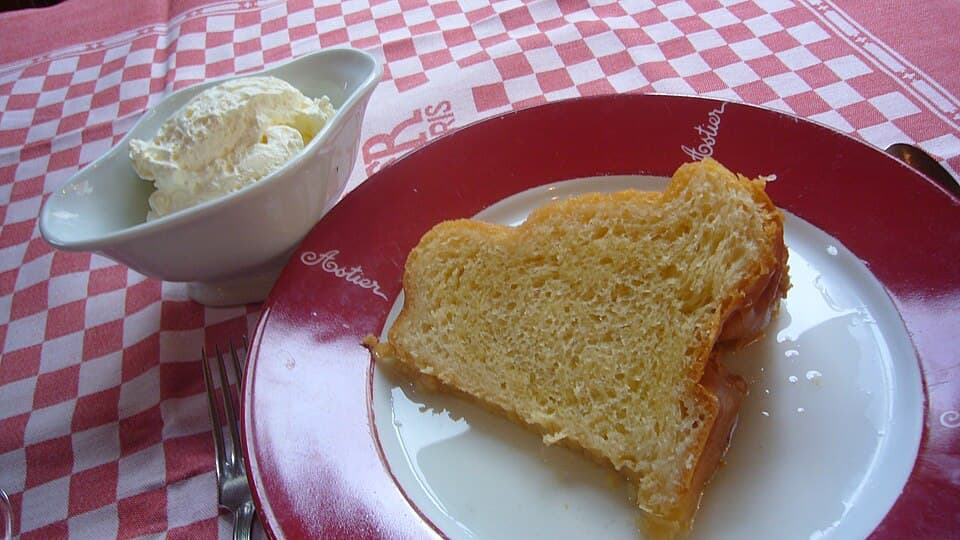
A moist butter cake soaked in dark rum syrup, sometimes with dried fruit or nuts worked in. Rich and boozy, it comes out at Christmas, New Year, Junkanoo, and weddings. The boxed versions sell as souvenirs, but the homemade ones are far better.
Pineapple Tart (Painaple Tart)
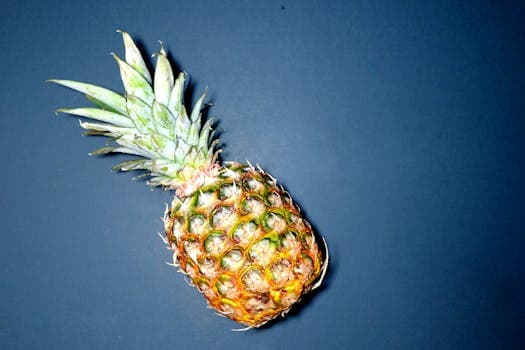
A small, handheld tart with a buttery shell and a sweet-tangy filling of pineapple preserves. Bakeries keep them on hand, and they're easy to eat with afternoon tea or on the move.
Guava Duff (Guava Duf)
Guava paste rolled in sweet dough, boiled in cloth the way British pudding is made, then sliced and topped with a buttery rum sauce. Dense, sweet, and warming, it comes out for special occasions and Sunday dinners. The fiddly preparation is part of why it feels like an event, and it shows British colonial cooking reworked with tropical fruit.
Coconut Tart
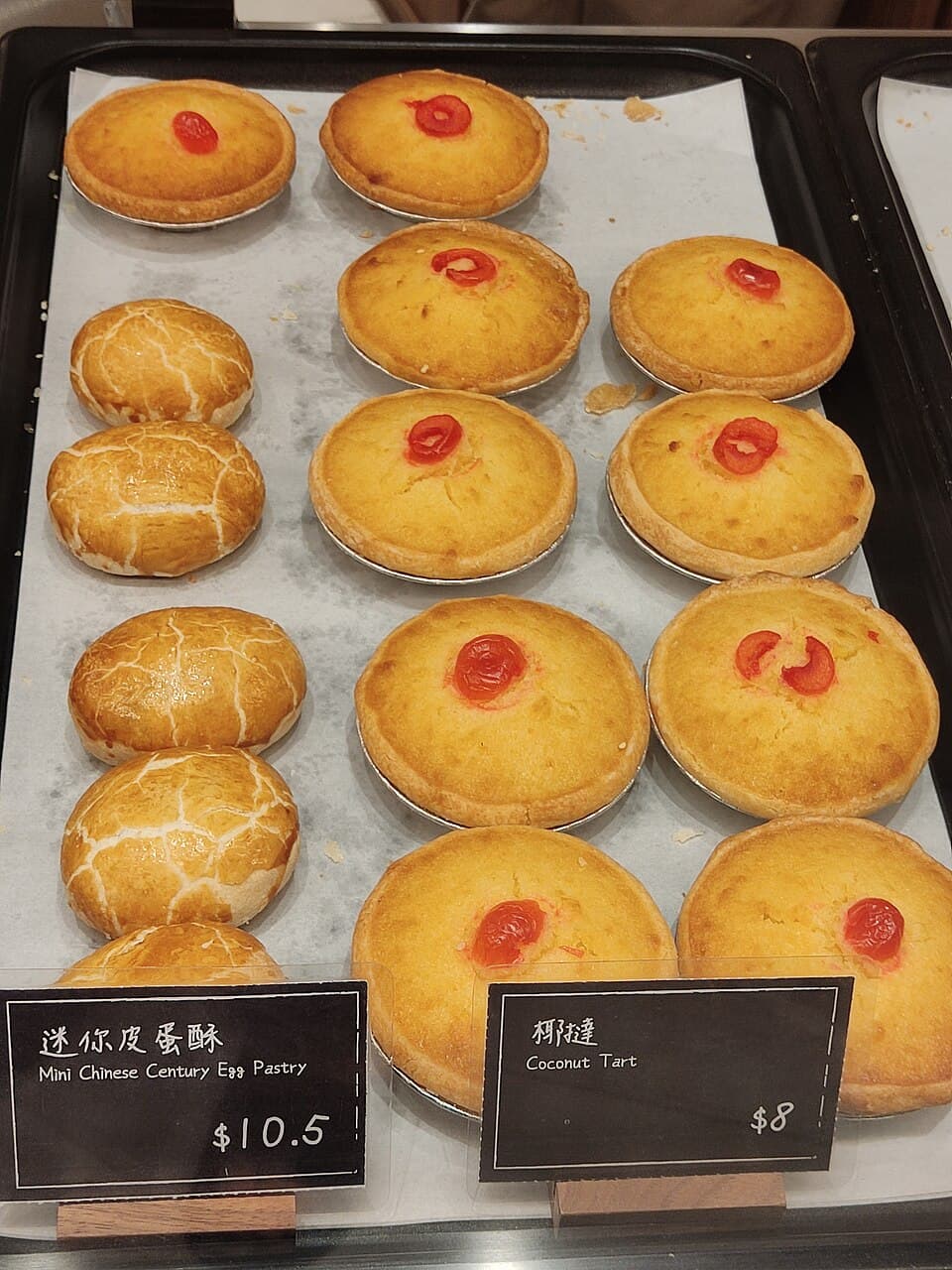
A small flaky tart filled with sweetened shredded coconut, sometimes tinted pink. It sits next to pineapple tarts in bakery cases, an easy snack or tea-time treat that puts the islands' coconut to use.
Rock Candy
Hard sugar candy in flavors like peppermint, cinnamon, and fruit, made by boiling syrup to the hard-crack stage and cooling it on marble. It's a childhood sweet that turns up in local shops and markets, the kind of old-fashioned candy people made before factories did.
Tamarind Balls
Tamarind pulp worked together with sugar and often rolled in more sugar, sweet and sour and chewy enough to keep you coming back. Sold as street food and in local markets, it's a natural, preservative-free sweet with African-Caribbean roots in how tropical fruit got preserved.
Sweet Potato Pudding
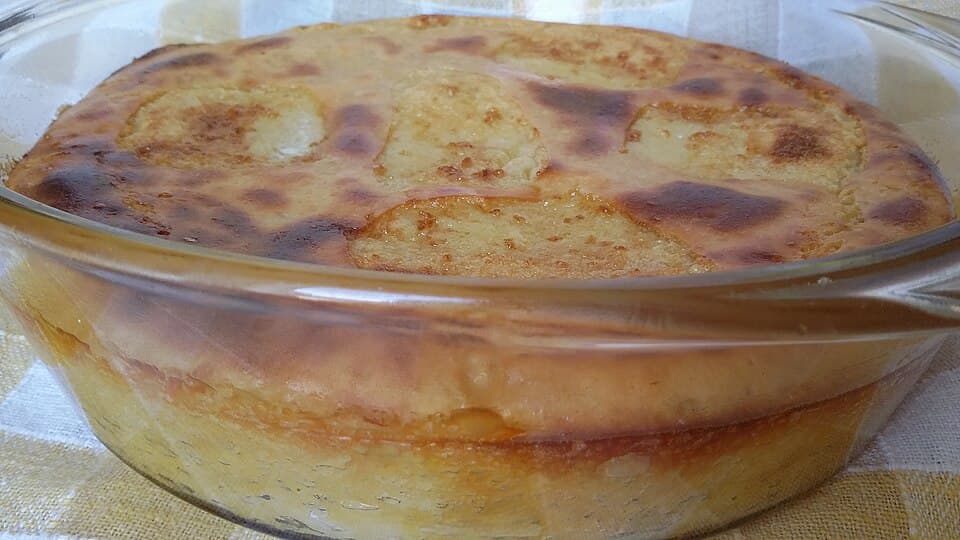
A dense, spiced pudding of grated sweet potato, coconut milk, condensed milk, and warm spices like cinnamon, nutmeg, and vanilla, sometimes with raisins, baked until it sets. Served warm or cold, it's a comfort dessert from the African-Caribbean kitchen that shows up at holidays and special occasions.
Traditional Beverages
Discover Bahamas's traditional drinks, from locally produced spirits to regional wines.

Sky Juice (Skai Joos)
A Bahamian cocktail of gin, coconut water, condensed milk, and ice. Creamy and cooling, it suits the heat well.
Goombay Smash (Goombay Smash)
A strong cocktail blending several rums with pineapple juice, coconut rum, and apricot brandy. Fruity up front, with a real kick behind it.
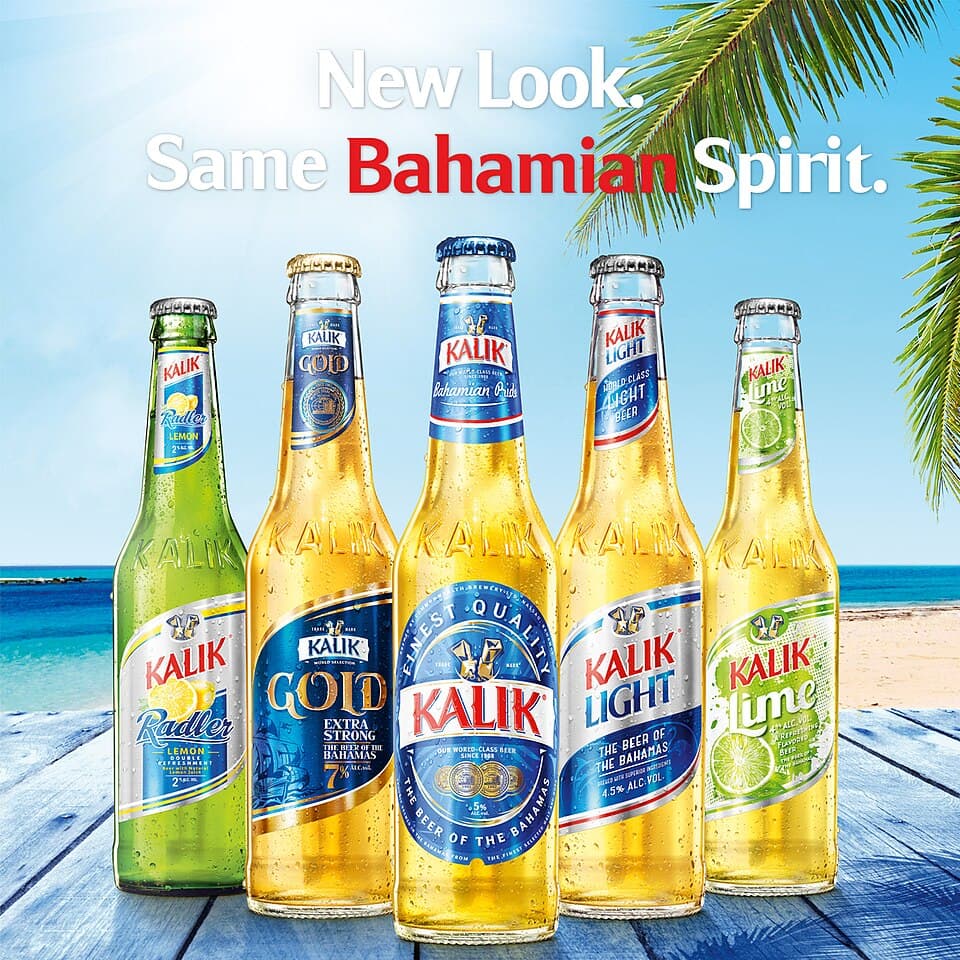
Kalik (Kalik)
The local beer, brewed in the Bahamas and sold as Kalik Light, Regular, and Gold. The everyday pour at Fish Fry and beach bars.
Soft Beverages
Discover Bahamas's traditional non-alcoholic drinks, from local teas to refreshing juices.

Switcha (Switcha)
Bahamian limeade made with limes, sugar, and water. Simple and sharp, it's what locals reach for to cool off.

Goombay Punch (Goombay Punch)
A sweet, fizzy soft drink that comes in pineapple, fruit punch, and grapefruit. Locals and visitors drink it alike.
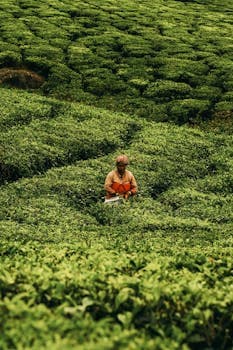
Bush Tea (Bush Tee)
A traditional herbal tea brewed from local leaves, barks, and roots, long taken as a home remedy. Each blend tastes different and is brewed for a different ailment.
Frequently Asked Questions
Essential information about food and dining in Bahamas.
What is the national dish of Bahamas?
Bahamas's most iconic dishes include Conch Salad (Konk Salad), Cracked Conch (Kracked Konk), Fish Fry Experience. Diced raw conch tossed with tomatoes, onions, green peppers, lime and sour orange juice, scotch bonnet, and spices. This is the national dish, ocean-to-table in the most literal sense. At Fish Fry stands you can watch the conch get pulled from the shell, diced, and mixed in front of you.
Is street food safe in Bahamas?
Street food in Bahamas can be enjoyed safely by following these guidelines: Check food hygiene standards in Bahamas Drink bottled water in Bahamas. Look for busy vendors with high turnover, ensure food is cooked fresh and served hot, and avoid raw ingredients if you have a sensitive stomach.
What are the best restaurants in Bahamas?
Bahamas offers diverse dining options from street food stalls to upscale restaurants. For the best experience, ask locals for recommendations, check recent reviews, and look for restaurants that specialize in regional cuisines.
Can vegetarians find food easily in Bahamas?
Vegetarian options in Bahamas are mediumly available. Vegetarian food is easier to find than it used to be, especially in Nassau, Paradise Island, and the larger resorts. Peas 'n' rice, fried plantains, baked mac and cheese, vegetable sides, and tropical fruit plates all work. International restaurants widen the choices further.. Many restaurants offer vegetarian dishes, and you'll find plant-based ingredients featured prominently in local cuisine.
What is the average cost of a meal in Bahamas?
Meal costs in Bahamas depend on where you eat. Street food and casual local restaurants are very affordable, typically offering complete meals for a few dollars. Mid-range restaurants charge moderate prices, while fine dining establishments are comparably priced to Western countries.
What are common food allergens in Bahamas?
Common allergens in Bahamas cuisine include Nuts, Dairy, Wheat. Nuts show up across Bahamian cooking, mostly in desserts and a few savory dishes.. These ingredients appear in dishes like Desserts, Sauces. Always inform restaurant staff about your allergies.
When is the best time to visit Bahamas for food?
Bahamas offers great food experiences throughout the year. However, visiting during harvest seasons (typically spring and autumn) provides access to the freshest local ingredients. Food festivals and cultural celebrations also offer unique culinary experiences worth planning around.