
Slovenia Food Guide
Content Information
Recently updated🔥Current Food Trends 2026
What's happening in Slovenia's culinary scene right now
Slovenia still trades on its turn as European Region of Gastronomy, and in 2026 the country leans into its 24 gastronomic regions and farm-to-table cooking. Winter is the high season for Alpine food and Christmas markets. In Ljubljana, the Michelin-starred Restavracija Strelec and Gostišče Grič anchor the fine-dining end, while the old gostilnas keep cooking recipes that go back generations. Potica is having a moment, with cooks pushing past the standard walnut into chocolate, tarragon and hazelnut fillings. Kranjska klobasa, the Carniolan sausage, carries EU protected status and is better known abroad now. Alpine cheesemakers keep turning out PDO Tolminc and Bovški sir. On the coast and the Karst, Istrian cooking pulls in Mediterranean and Central European habits at once: truffle hunts, olive oil tastings, and Kraški pršut aged in the Bora wind. Wine tourism runs across all three regions, and Slovenian orange wines have found a global audience. Sustainability shapes a lot of it now, from zero-waste kitchens to local sourcing and a foraging culture. Štruklji has made the jump from home kitchens to plated restaurant dishes. Prekmurska gibanica stays the pride of the Pannonian east, Idrijski žlikrofi carry the area's mining history, and Lake Bled's kremna rezina is as fixed as ever. Beekeeping produces excellent honey, and beekeeper's breakfasts have become a tourist draw. Styrian pumpkin seed oil tints salads a deep green. Prices stay a real advantage: a good meal rarely tops €12-15. The Green Slovenia push keeps organic farming and wild foraging front and center.
Food Safety Tips
Essential food safety information to help you enjoy Slovenia's cuisine safely and confidently.
Tap water is safe and high quality throughout Slovenia
Slovenia's tap water comes largely from Alpine sources and is very clean. Drink it straight from the tap and skip the bottled water.
EU food safety regulations strictly enforced
As an EU member, Slovenia follows strict food safety rules, and restaurants and vendors are inspected regularly.
Only eat wild mushrooms from expert foragers
Foraging for mushrooms is popular but takes real knowledge, and poisonous species grow here. Buy from markets or restaurants, and never pick anything you cannot identify.
Fresh dairy widely available and safe
Slovenian dairy is good and safe to eat. Mountain farms still make unpasteurized cheeses the traditional way; these are generally fine, but tell staff about any allergies.
Dietary Options
vegetarian
MEDIUM AVAILABILITYVegetarians do well in Ljubljana and the tourist areas, and the choice keeps growing. Traditional cooking already offers a lot to work with: vegetable dishes, štruklji with cheese fillings, mushroom dishes, and žganci (buckwheat spoonbread). Plenty of restaurants will do a meat-free version of a classic.
vegan
MEDIUM AVAILABILITYLjubljana has a growing vegan scene with its own restaurants and cafes. Several traditional dishes adapt easily, such as buckwheat žganci, vegetable soups and ajdovi žganci. In rural areas the idea is less familiar, so spell out what you need.
gluten-free
MEDIUM AVAILABILITYAwareness is on the rise, particularly in Ljubljana and tourist spots. Buckwheat dishes like ajdovi žganci are naturally gluten-free, and many restaurants stock gluten-free bread and pasta. Be clear about your needs when you order.
halal
LOW AVAILABILITYOutside Ljubljana, halal food is hard to find. A few Middle Eastern and Turkish places in the capital serve halal meat. Vegetarian and fish dishes are easy to come by as a fallback.
Common Allergens
Nuts
HIGH PREVALENCEWalnuts essential in potica, hazelnut oil used in salads
COMMONLY FOUND IN:
Dairy
HIGH PREVALENCECheese, cream, butter central to Alpine cuisine
COMMONLY FOUND IN:
Gluten
HIGH PREVALENCEWheat in bread, pastries, dumplings throughout cuisine
COMMONLY FOUND IN:
Eggs
MEDIUM PREVALENCEUsed in doughs, dumplings, and desserts
COMMONLY FOUND IN:
Essential Food Experiences
These iconic dishes represent the must-have culinary experiences that define Slovenia's food culture for travelers.
Potica
Slovenia's signature rolled cake, on record since 1575, comes in more than 60 fillings. The classic walnut version wraps ground walnuts, honey and cream in a thin yeast dough. It shows up at Christmas, Easter and weddings, and most families guard a recipe handed down over generations.

Kranjska Klobasa (Carniolan Sausage)
Slovenia's best-known sausage, EU-protected since 2015. The rules are strict: at least 68% pork and 12% beef, with bacon capped at 20%. Garlic, pepper and salt give it a smoky bite. The name dates to 1896 and traces back to the Carniola region. Eat it boiled or grilled with sauerkraut, mustard and fresh horseradish.

Idrijski Žlikrofi
Small hat-shaped dumplings from the mining town of Idrija, and the first Slovenian dish to earn protected designation of origin, in 2010. The filling is potato, onion and bacon, and the classic pairing is a lamb sauce called bakalca. The dish is bound up with the town's mining past.

Štruklji
Rolled-dough dumplings with either sweet or savory fillings, among them cottage cheese, walnut, apple and tarragon. They can be boiled, baked or steamed. The dish goes back to the 17th century and runs to more than 80 fillings. Depending on what is inside, it works as a main, a side or a dessert.
Prekmurska Gibanica
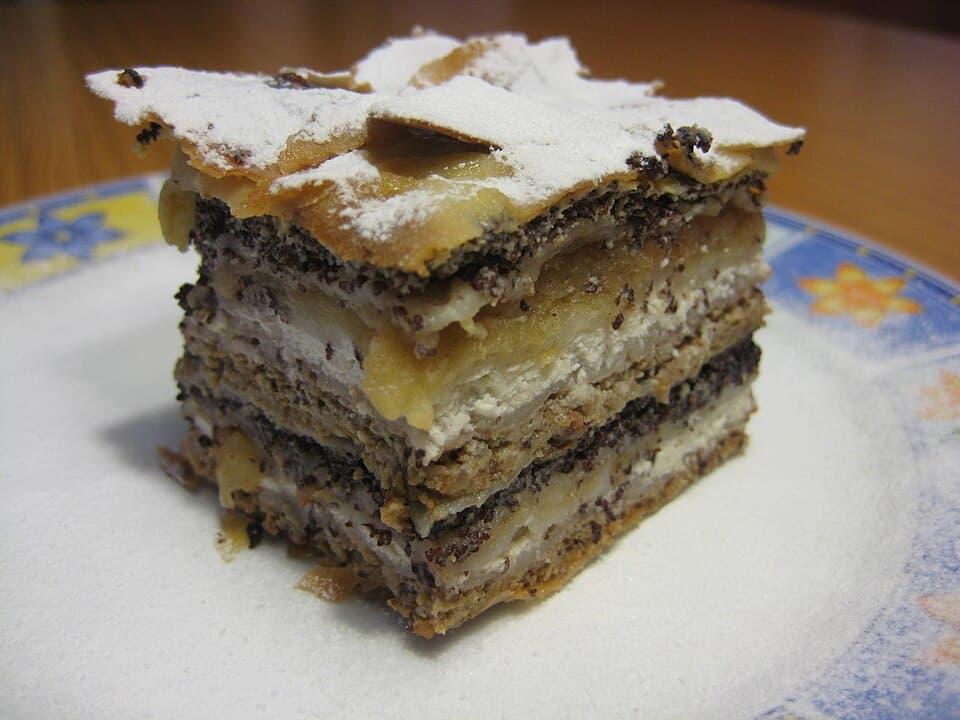
A layered pastry from the Prekmurje region, holding EU Traditional Speciality Guaranteed status. It uses four fillings, poppy seeds, walnuts, apples and cottage cheese, with raisins added in. Thin sheets of pastry alternate with the sweet layers. No celebration in the region is complete without it.

Kremna Rezina (Bled Cream Cake)
The famous Lake Bled dessert: buttery puff pastry layered with thick vanilla cream and whipped cream. It was created in 1953 at Hotel Park, and you should order one while you are at the lake. The pleasure is the contrast between the crisp pastry and the soft cream.

Jota
A filling bean and sauerkraut soup from the Karst. It combines beans, sauerkraut, potatoes and bacon, and often smoked pork ribs as well, which makes it a winter staple. Versions differ around the country, and the Primorska one uses fresh cabbage in place of sauerkraut.

Bovški Sir (Bovec Cheese)
A hard cow's-milk cheese from around Bovec, with protected designation of origin. The milk comes from cows grazing Alpine meadows, and the cheese ages at least 60 days, turning nutty with a slight bite. It ranks among the country's best artisan cheeses.

Kraški Pršut (Kras Prosciutto)
Dry-cured ham from the Karst, with protected geographical indication. It is salted with sea salt and air-dried in the cold Bora wind for at least 12 months. Serve it sliced thin with Karst Teran wine, olives and bread, where Mediterranean and Alpine habits meet.

Ajdovi Žganci
Crumbly buckwheat porridge, eaten with cracklings, sour milk or mushroom sauce. It started as peasant food and is now treated as a healthy choice, and it happens to be gluten-free. In the Alpine regions it was a staple that kept farmers and mountain workers going.

Belokranjska Pogača
A flatbread from Bela Krajina baked for holidays and celebrations, traditionally for weddings. It is round, with a pattern pressed into the top, and carries protected traditional specialty status. People eat it with cottage cheese spreads or honey.
Regional Specialties & Local Favorites
Discover the authentic regional dishes and local favorites that showcase Slovenia's diverse culinary traditions.
Ričet
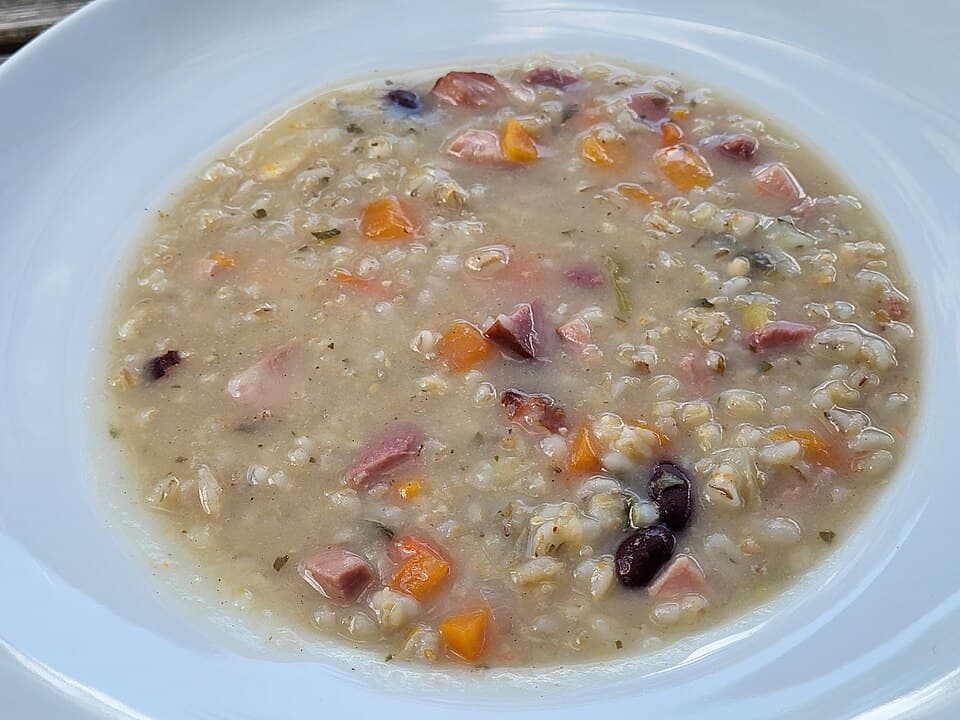
A thick barley and bean soup with smoked pork and vegetables. It is a one-pot farmhouse meal, filling and warming, the kind of thing you want in cold weather.
Allergens:
Žganci
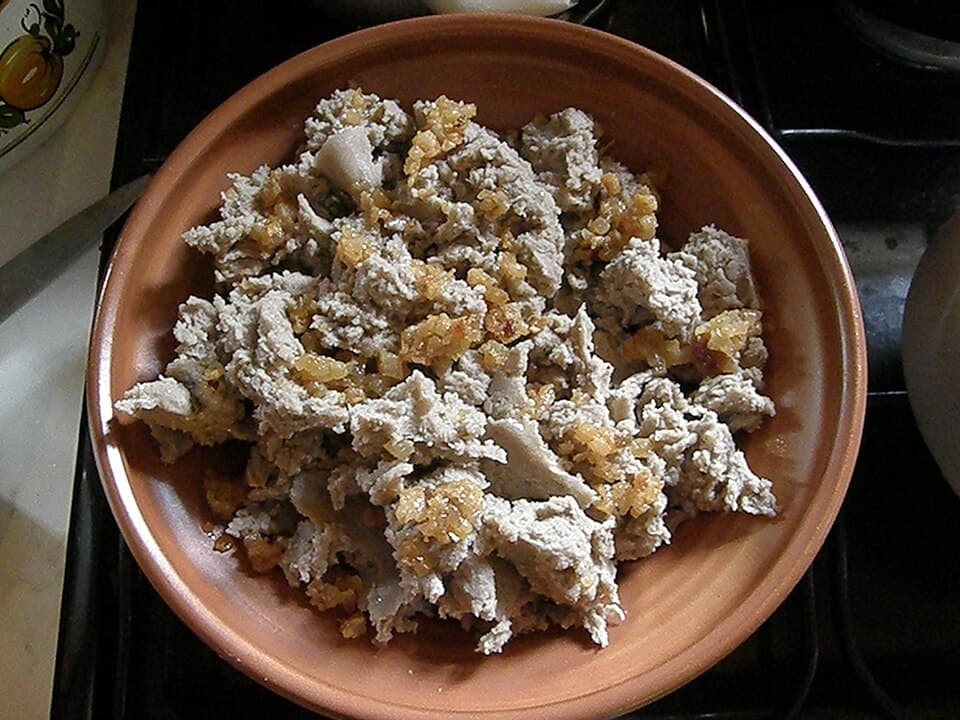
Crumbly porridge made from buckwheat, corn or wheat flour, served as a side with cracklings, sour milk or mushroom sauce. Each region has its own take, from ajdovi žganci made with buckwheat to koruzni žganci made with corn.
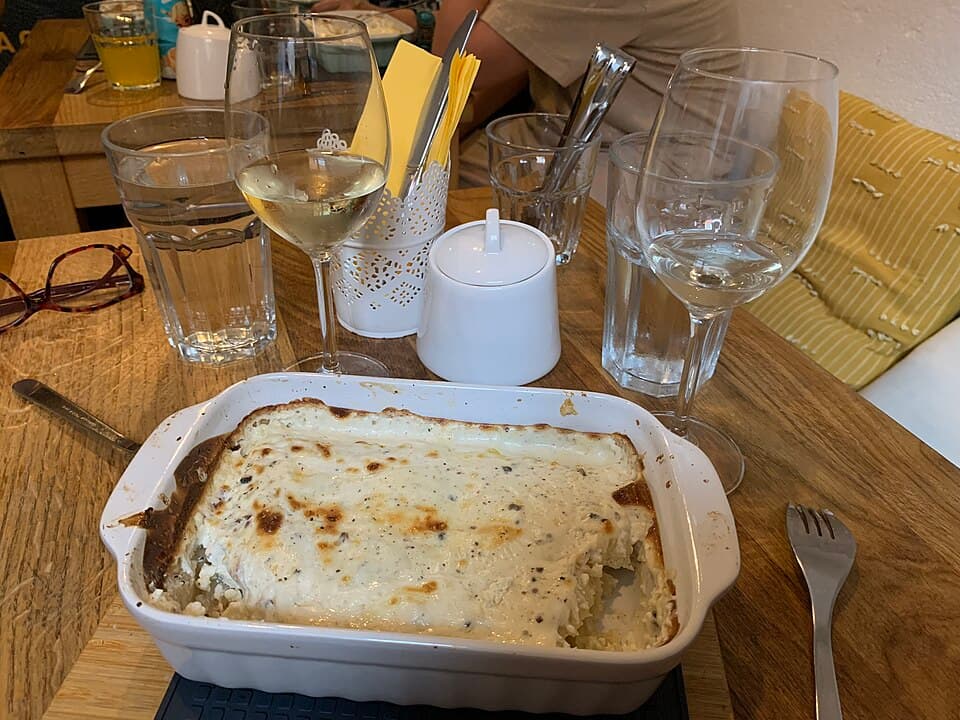
Štruklji with Cottage Cheese
The most common štruklji, filled with cottage cheese, eggs and cream. It can lean savory or a little sweet. Boiled is the classic, though baked is just as easy to find.
Allergens:
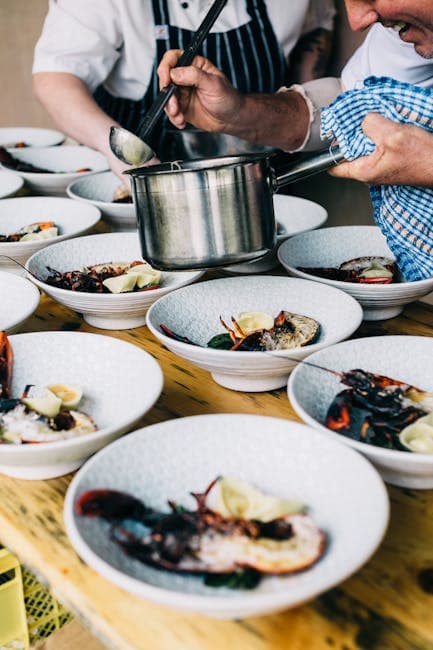
Bograč
A goulash-style stew built from several meats, usually beef, pork and venison, with vegetables, cooked in a cauldron over an open fire. It is a Prekmurje specialty with clear Hungarian influence.
Kraški Zrezek
A veal or pork cutlet topped with Kraški pršut and Karst cheese. It is a coastal-region dish that draws on both land and sea.
Allergens:
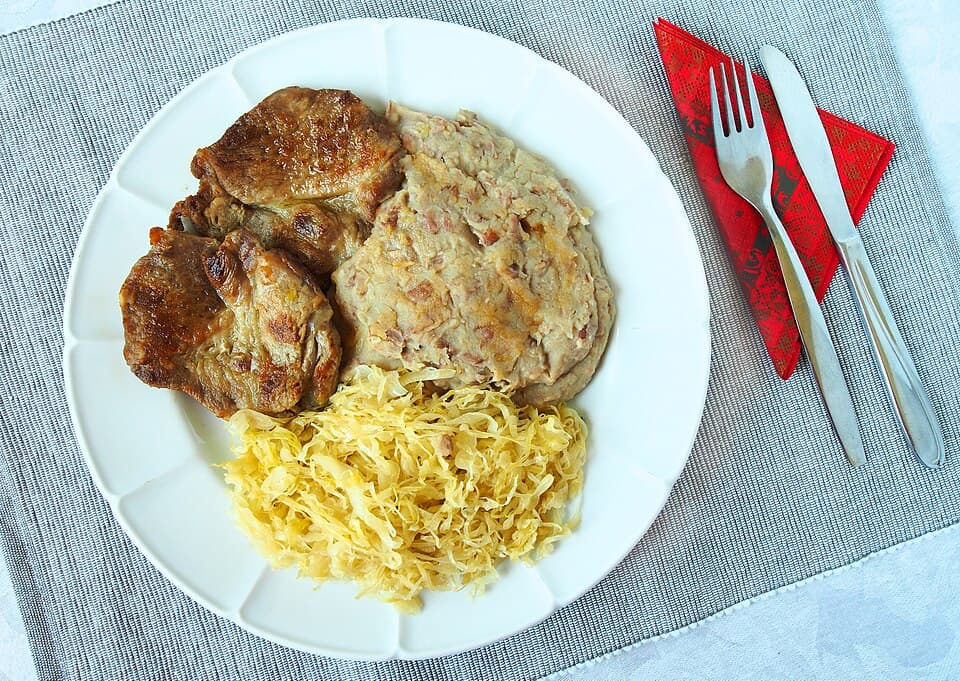
Matevž
Mashed beans and potatoes with cracklings, a plain Alpine peasant dish. It is simple, warming food, usually served alongside sauerkraut.
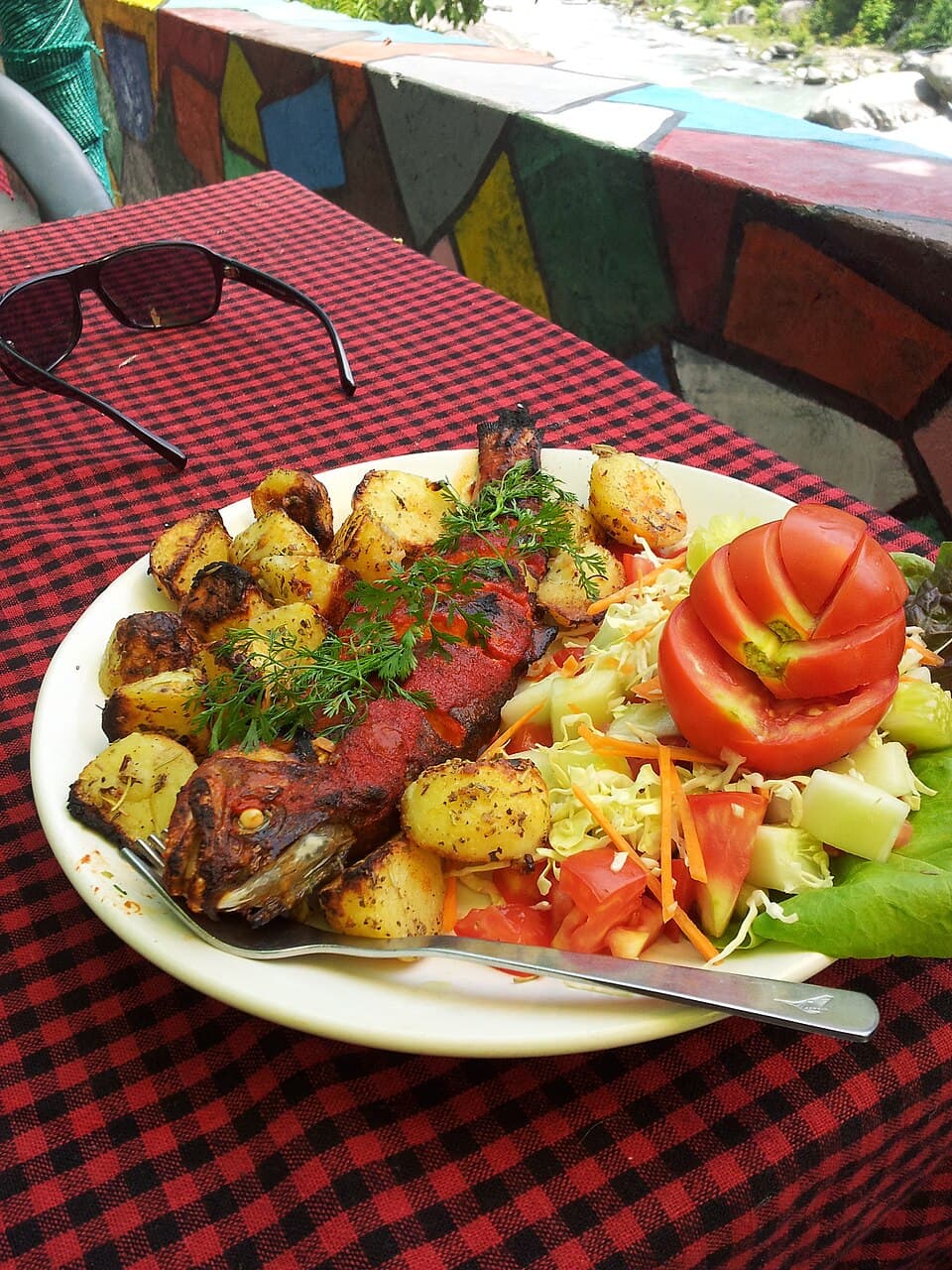
Trout from Soča River
Marble trout, a species native to the green Soča River. It is usually grilled or pan-fried in butter with almonds, and valued for its delicate flavor.
Allergens:
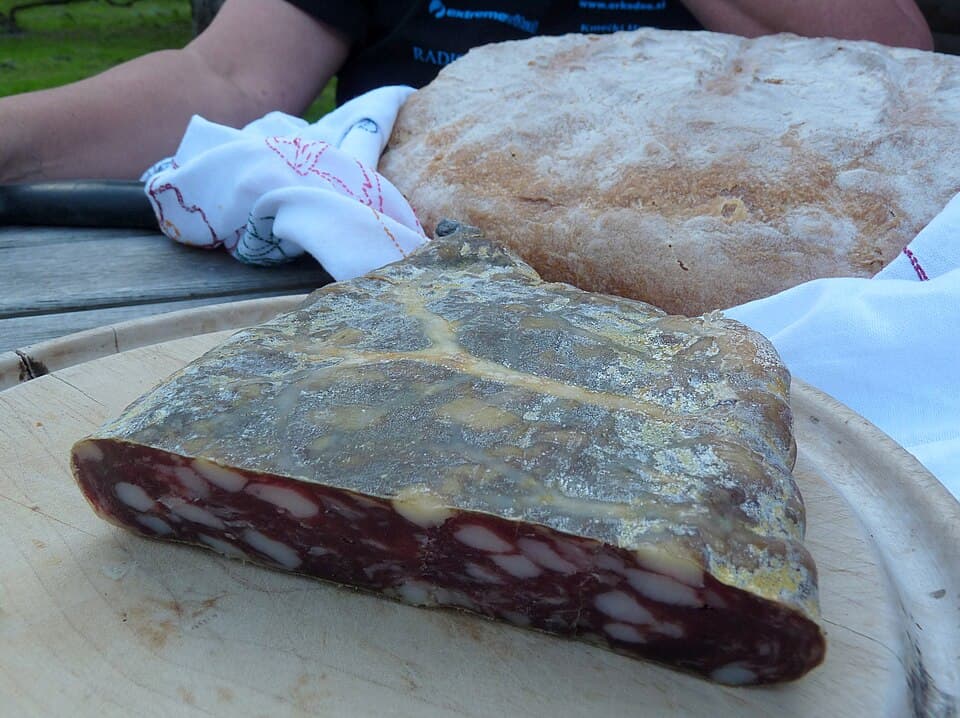
Savinjski Želodec
A smoked sausage of minced pork from the Savinja Valley, with protected geographical indication. Eat it sliced cold or grilled.
Šelinka
A soup made from pork head, vegetables and vinegar, a peasant dish that uses the whole animal. The flavor is strong and unusual.
Regional Cuisine Highlights
Explore the diverse culinary landscapes across different regions of Slovenia.
Alpine Slovenia (Gorenjska)
Alpine cooking built around dairy from the mountain pastures, with cheeses like Tolminc and Bovški sir, both PDO and made from that milk. Add river trout, buckwheat dishes and slow stews. The clear rivers hold marble trout and brown trout.
Signature Dishes:
Key Ingredients:
Mediterranean & Karst (Primorska)
The cooking of the coast and the Karst, with Kraški pršut dried by the Bora wind, olive oil, seafood and wild asparagus. The Venetian Republic left its mark too, in polenta and fritaja, a herb omelet. Teran wine goes with the prosciutto, and Mediterranean meets Alpine on the plate.
Signature Dishes:
Key Ingredients:
Pannonian (Eastern Slovenia - Prekmurje & Prlekija)
The food of the fertile eastern plains, with strong Hungarian influence. Think pastries like Prekmurska gibanica, pumpkin seed oil with its protected geographical indication, and pork specialties. This is a grain-rich region with a generous table, best known for gibanica and its layered fillings.
Signature Dishes:
Key Ingredients:
Sweet Delights & Desserts
Indulge in Slovenia's traditional sweet treats and desserts.
Potica
The holiday dessert Slovenians reach for first: a rolled cake with walnut filling, though more than 60 fillings exist, from hazelnut and chocolate to tarragon, poppy seed and honey.
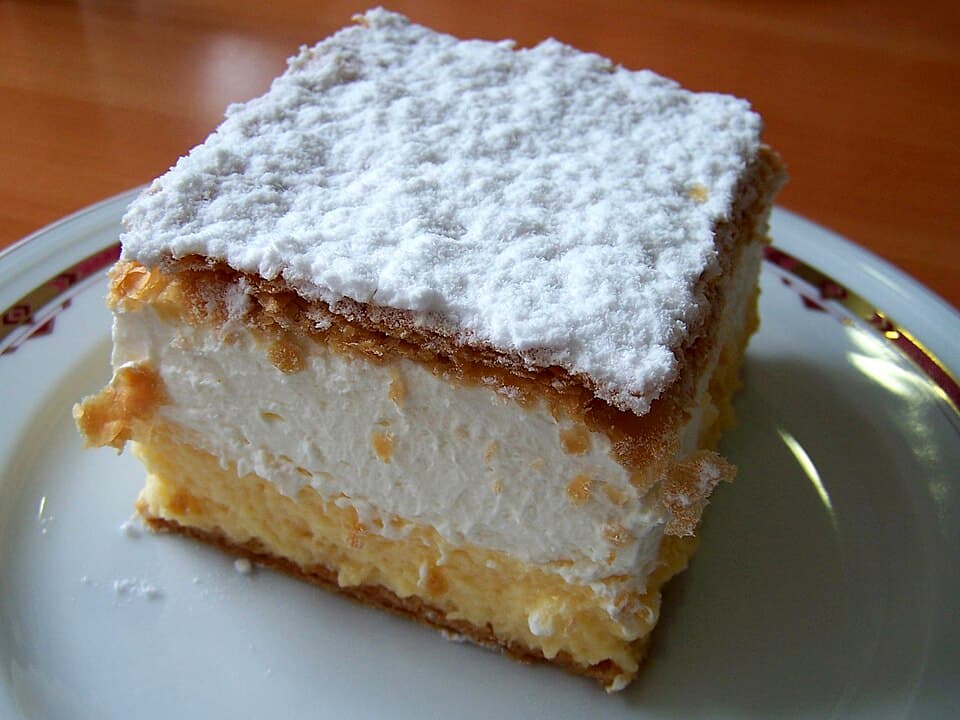
Kremna Rezina
The Bled cream cake: vanilla custard and whipped cream between crisp puff pastry. More than 15 million have been sold since 1953.
Prekmurska Gibanica
A many-layered pastry from Prekmurje, with poppy seeds, walnuts, apples and cottage cheese set between thin sheets of dough.
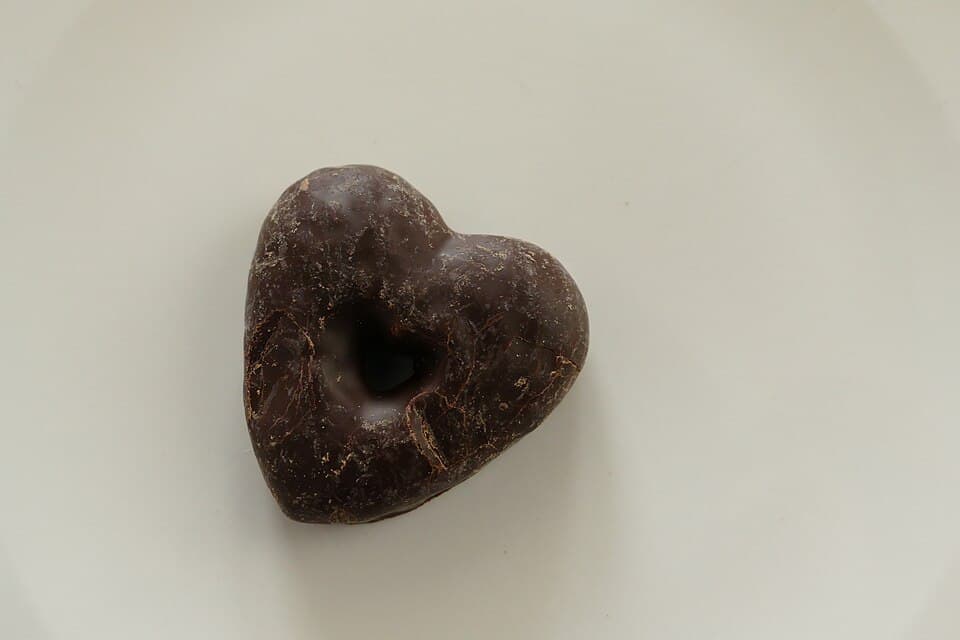
Medenjaki
Honey cookies, often iced. The heart-shaped ones turn up at festivals and markets, and the lectar gingerbread from Radovljica is the best known.
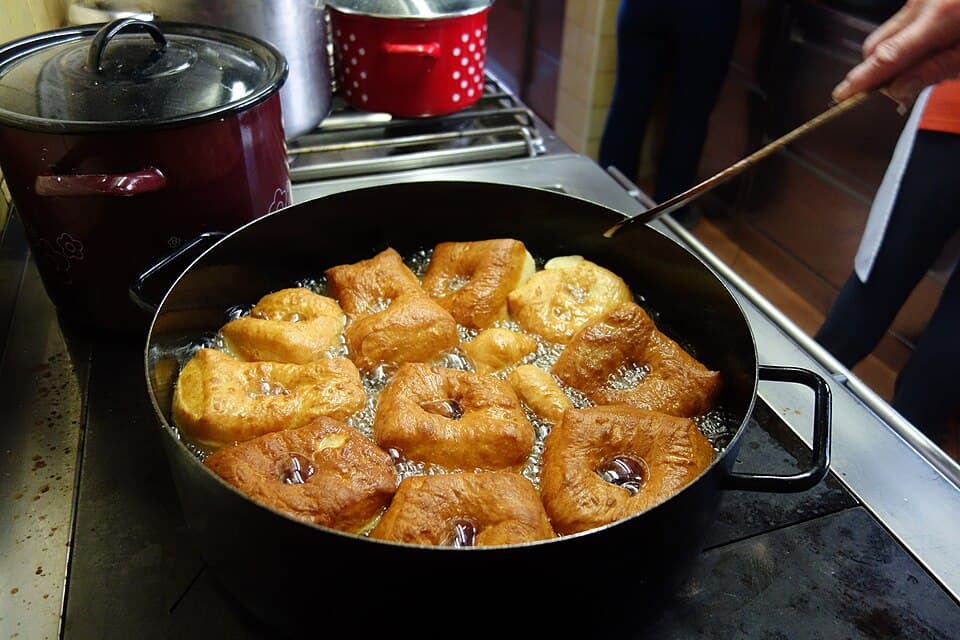
Flancati
Fried ribbons of pastry dusted with powdered sugar. They are a carnival treat, eaten especially around the Kurentovanje festival.
Traditional Beverages
Discover Slovenia's traditional drinks, from locally produced spirits to regional wines.
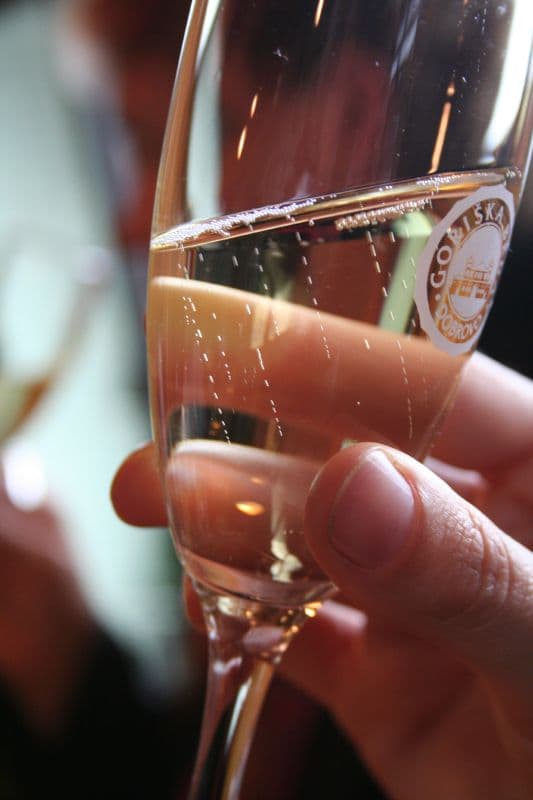
Slovenian Wine
Wines from three regions, Primorska on the coast, Posavje and Podravje. The country is known for orange or amber wines made with skin contact, the red Teran and the white Rebula, on a winemaking tradition that runs past 350 years.
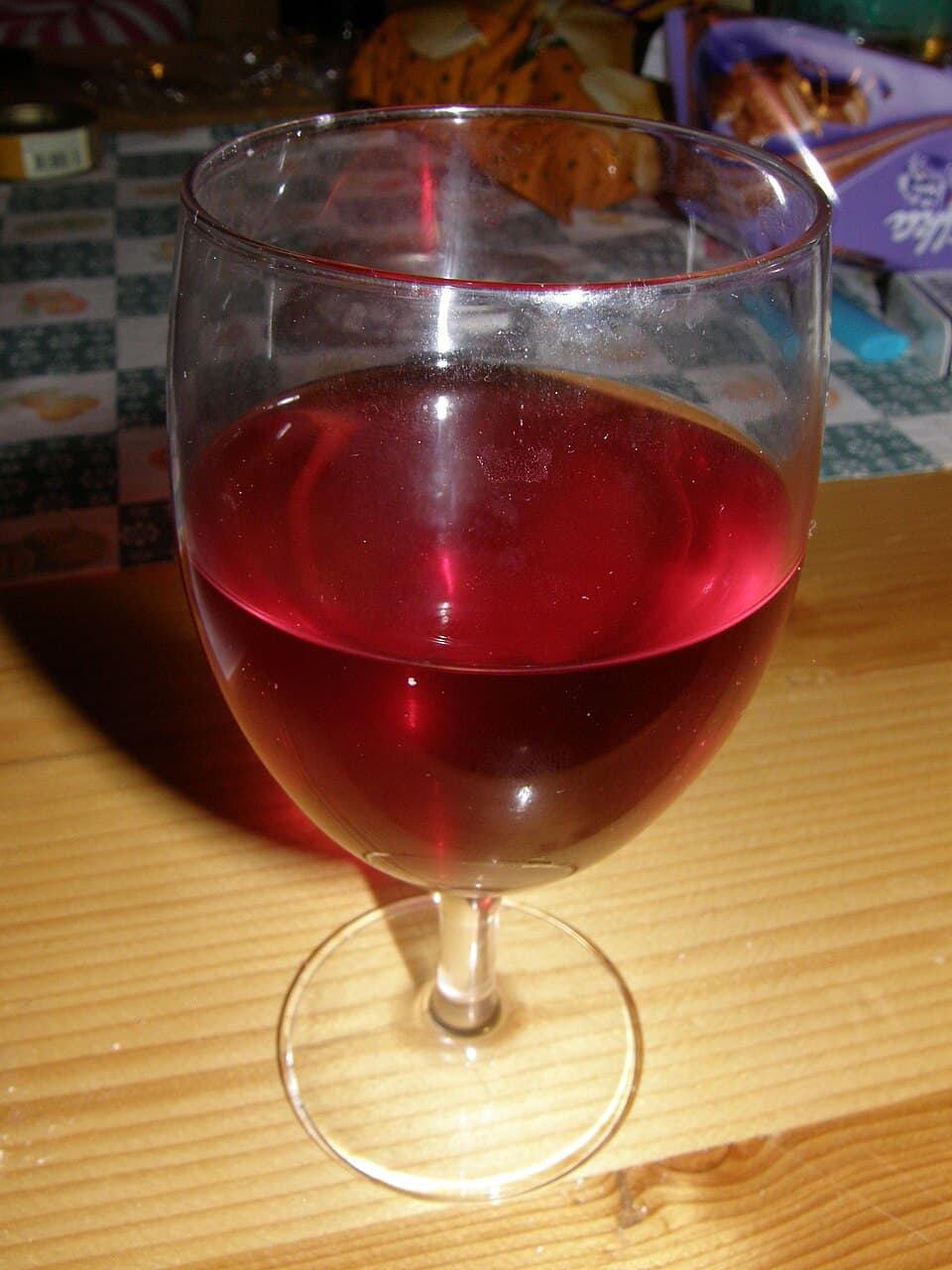
Cviček
A light red found only in Dolenjska, with protected designation of origin. It is low in alcohol at 8.5-10%, a touch acidic, and made for everyday meals. It is the only EU wine with a regulated low alcohol level.
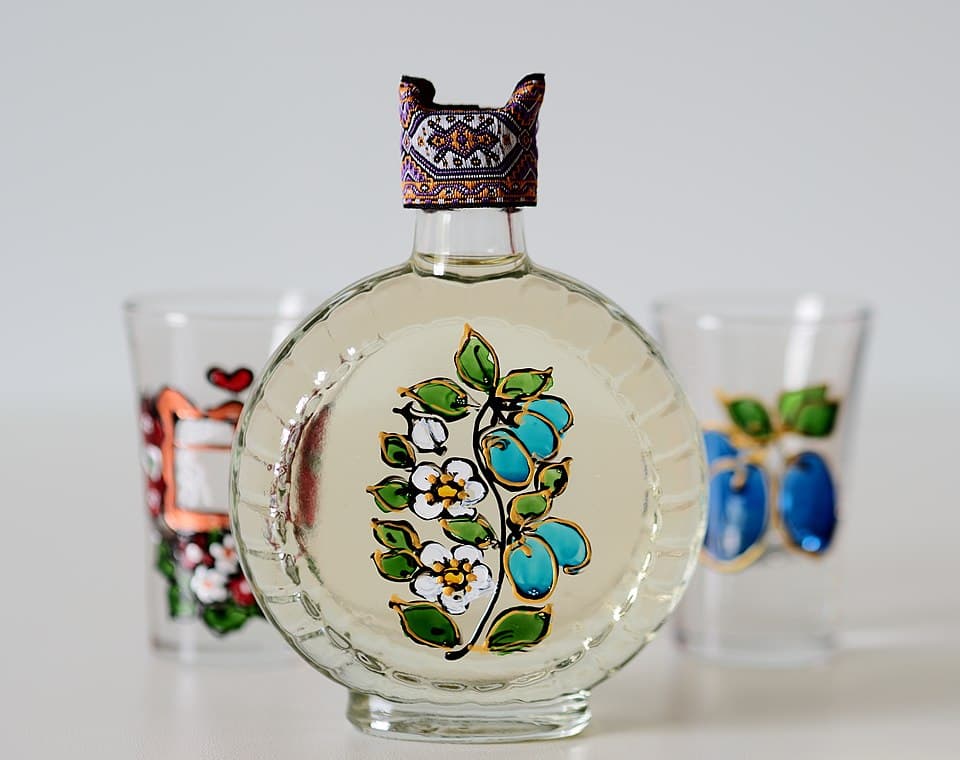
Slivovka (Plum Brandy)
A fruit brandy made from plums. Most families distill their own. It is poured as a digestif and offered to guests on arrival, smooth and aromatic.
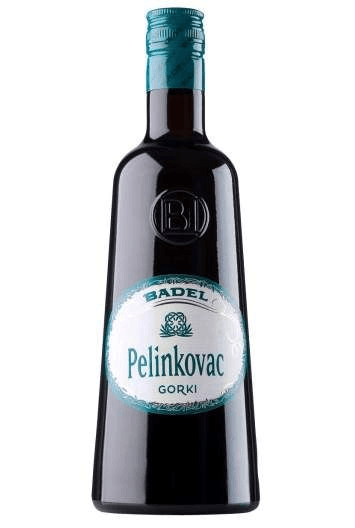
Pelinkovec
A herbal liqueur built on wormwood and other Alpine herbs. It was a homemade drink and is now made commercially too. The taste is bitter-sweet, and it is served as a digestif.
Soft Beverages
Discover Slovenia's traditional non-alcoholic drinks, from local teas to refreshing juices.
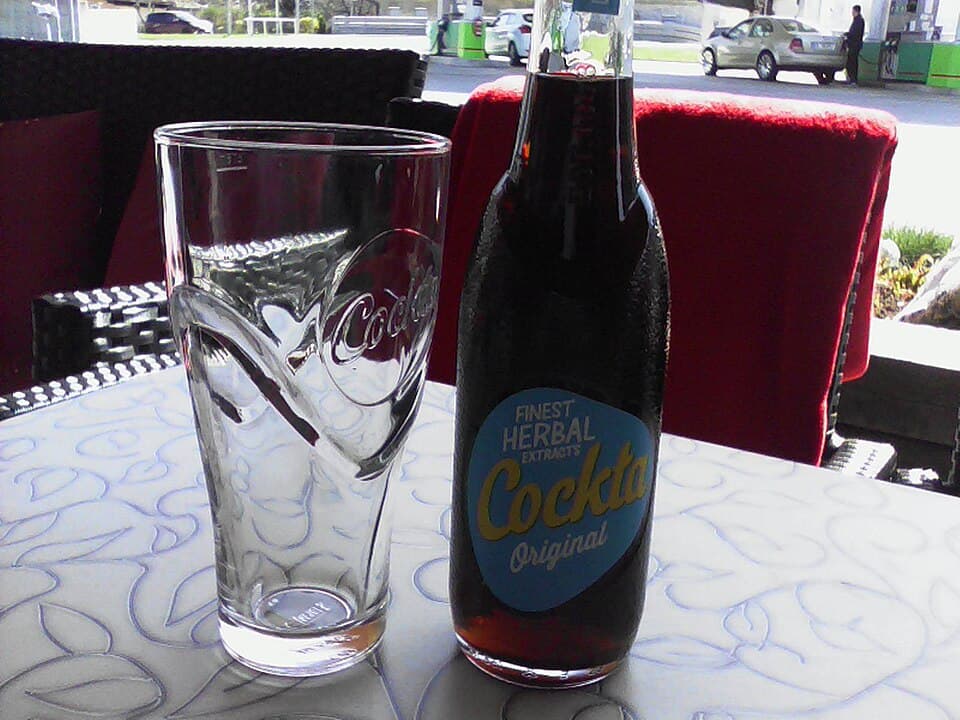
Cockta
A Slovenian soft drink from 1953, made as a homegrown answer to Coca-Cola. It is flavored with herbs, rose hip and lemon, and is still sold across the former Yugoslavia.
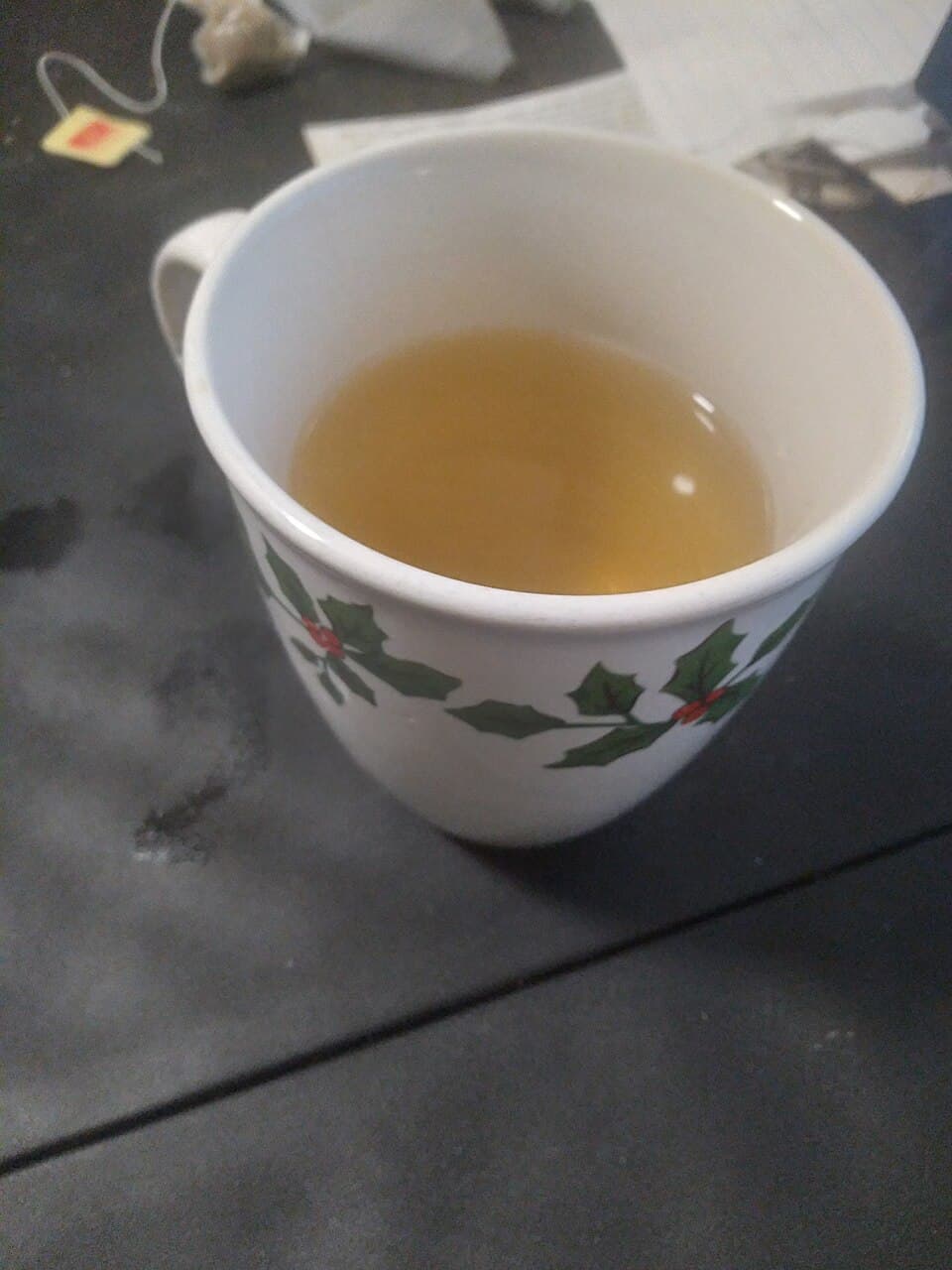
Alpine Herbal Tea
Teas made from Alpine herbs such as mint, linden, chamomile and elderflower. Many are homemade from herbs people gather themselves.
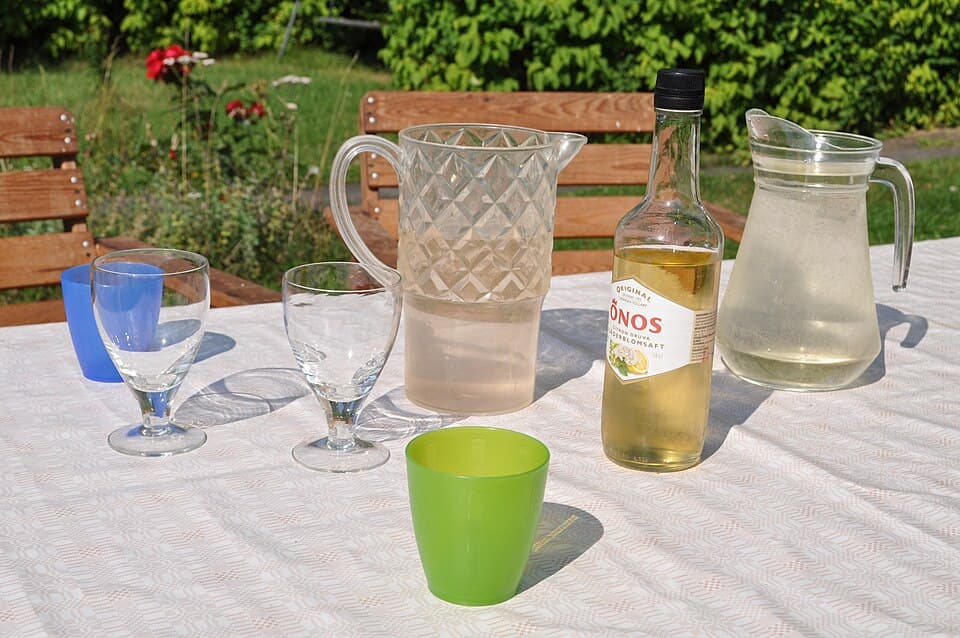
Elderflower Syrup
A cordial made from elderflower blossoms, mixed with water for a cool drink. People make it at home in spring when the elderflowers come out.
Frequently Asked Questions
Essential information about food and dining in Slovenia.
What is the national dish of Slovenia?
Slovenia's most iconic dishes include Potica, Kranjska Klobasa (Carniolan Sausage), Idrijski Žlikrofi. Slovenia's signature rolled cake, on record since 1575, comes in more than 60 fillings. The classic walnut version wraps ground walnuts, honey and cream in a thin yeast dough. It shows up at Christmas, Easter and weddings, and most families guard a recipe handed down over generations.
Is street food safe in Slovenia?
Street food in Slovenia can be enjoyed safely by following these guidelines: Tap water is safe and high quality throughout Slovenia EU food safety regulations strictly enforced. Look for busy vendors with high turnover, ensure food is cooked fresh and served hot, and avoid raw ingredients if you have a sensitive stomach.
What are the best restaurants in Slovenia?
Slovenia offers diverse dining options from street food stalls to upscale restaurants. For the best experience, ask locals for recommendations, check recent reviews, and look for restaurants that specialize in regional cuisines.
Can vegetarians find food easily in Slovenia?
Vegetarian options in Slovenia are mediumly available. Vegetarians do well in Ljubljana and the tourist areas, and the choice keeps growing. Traditional cooking already offers a lot to work with: vegetable dishes, štruklji with cheese fillings, mushroom dishes, and žganci (buckwheat spoonbread). Plenty of restaurants will do a meat-free version of a classic.. Many restaurants offer vegetarian dishes, and you'll find plant-based ingredients featured prominently in local cuisine.
What is the average cost of a meal in Slovenia?
Meal costs in Slovenia depend on where you eat. Street food and casual local restaurants are very affordable, typically offering complete meals for a few dollars. Mid-range restaurants charge moderate prices, while fine dining establishments are comparably priced to Western countries.
What are common food allergens in Slovenia?
Common allergens in Slovenia cuisine include Nuts, Dairy, Gluten. Walnuts essential in potica, hazelnut oil used in salads. These ingredients appear in dishes like Potica (walnut roll), Orehova potica. Always inform restaurant staff about your allergies.
When is the best time to visit Slovenia for food?
Slovenia offers great food experiences throughout the year. However, visiting during harvest seasons (typically spring and autumn) provides access to the freshest local ingredients. Food festivals and cultural celebrations also offer unique culinary experiences worth planning around.