
Micronesia Food Guide
Content Information
Recently updated🔥Current Food Trends 2026
What's happening in Micronesia's culinary scene right now
In 2026 the 'Go Local!' movement still shapes how Micronesians eat, pushing traditional island foods ahead of imported processed goods for reasons of health, culture, and food security. Pohnpei's farm-to-table places, including The Village Hotel and Mangrove Bay, cook with ingredients sourced close to home. Breadfruit and taro have come back as the main starches in many households, taking the spot white rice held for decades. Sakau bars keep spreading across all four states (Pohnpei, Chuuk, Yap, Kosrae), serving the kava-based ceremonial drink to wider crowds. Cooks are also experimenting, putting local staples through Chinese stir-frying and pairing them with Western ingredients. Pohnpeian pepper has built a name abroad, praised for its strong fragrance and the fact that it stays fresh all year. Older methods survive alongside the new ones: breadfruit is still steamed on hot stones under coconut husks. Daily catches from the surrounding ocean anchor most menus, and coconut crab from Chuuk has become a prize. Diners increasingly favor Kosrae citrus, reef fish, and the old crops. Japanese influence runs deep in Chuuk, where sashimi is everyday food. Much of this is a deliberate turn away from the processed-food habits that took hold in the 1970s, back toward staples with real nutrition. The Taste of the Marianas International Food Festival (May 2025) put Pacific island cooking on display. With few restaurants to go around (roughly 10 on Pohnpei, only 4 on Kosrae), home kitchens and local markets carry most of the food culture.
Food Safety Tips
Essential food safety information to help you enjoy Micronesia's cuisine safely and confidently.
Bottled water recommended, especially on outer islands
Tap water may be fine in the main towns of Kolonia (Pohnpei) and Weno (Chuuk), but stick to bottled water on the outer atolls. Ask your accommodation about the local supply.
Ensure seafood is freshly caught and properly stored
Seafood is everywhere, so check that fish was caught the same day and kept cold in the tropical heat. Established restaurants and markets in Kolonia and Weno generally handle this well. To avoid ciguatera, ask locals which reef fish are safe to eat.
Traditional cooking methods are generally safe
Foods cooked the traditional way, such as stone-cooked breadfruit or steamed taro, are safe when made fresh. Islanders have handled these ingredients for centuries and know how to prepare them.
Consume sakau (kava) in moderation at established bars
Sakau is mildly narcotic and relaxing. Start small to see how it affects you, and drink it at an established sakau bar in Pohnpei rather than an informal setting. Skip it if you plan to drive or operate equipment.
Dietary Options
vegetarian
MEDIUM AVAILABILITYTraditional Micronesian cooking gives vegetarians plenty to work with: taro, breadfruit, banana, coconut dishes, and Yapese taro fritters. That said, seafood and pork run through most menus, so say "no meat or fish" clearly. Chinese restaurants in Kolonia do vegetable stir-fries.
vegan
LOW AVAILABILITYVegan choices are limited but possible. Lean on naturally plant-based dishes: breadfruit cooked in coconut, taro preparations (check there is no animal broth), fresh tropical fruit, and vegetable sides. Coconut milk turns up almost everywhere. International hotels can sometimes accommodate requests.
gluten-free
HIGH AVAILABILITYGluten-free eaters do well here. The traditional staples, taro, breadfruit, sweet potato, coconut, rice, and fresh fish, contain no gluten. Watch imported processed foods and sauces, which can. Yapese taro fritters and most traditional dishes are safe.
Common Allergens
Seafood
HIGH PREVALENCEFish, shellfish, and reef creatures are fundamental to island cuisine
COMMONLY FOUND IN:
Coconut
HIGH PREVALENCECoconut and coconut milk are used extensively in traditional cooking
COMMONLY FOUND IN:
Gluten
LOW PREVALENCETraditional cuisine is naturally gluten-free, but imported foods may contain wheat
COMMONLY FOUND IN:
Essential Food Experiences
These iconic dishes represent the must-have culinary experiences that define Micronesia's food culture for travelers.

Breadfruit (Mai)
Breadfruit is the backbone of island cooking. The traditional method steams whole fruits on hot stones under a layer of coconut husks, which gives the flesh its deep flavor and firm texture. Known as "Mai" throughout Micronesia, it also gets boiled, roasted, or fried, eating much like potato but with a faint tropical sweetness.

Sakau (Kava)
A ceremonial drink with real cultural weight, made by grinding kava roots into powder and mixing them with water. It brings on relaxation and a mild euphoria, and gets shared at social gatherings, ceremonies, and rituals. Pohnpei is dotted with sakau bars pouring this mildly narcotic drink, which matters to both island culture and the local economy.

Grilled Fresh Tuna or Snapper
Pulled from the Pacific waters around the islands that morning, tuna and snapper go straight onto the grill and arrive with a squeeze of lime and a side of rice or taro. The freshness is the whole point, and it is about as Micronesian as a meal gets.

Taro with Coconut Milk
A plain, comforting dish of taro root cooked in coconut milk, either baked or boiled. The creamy coconut softens the earthy taro, and the pairing has fed island communities for centuries.

Yapese Taro Fritters
These fritters lean on taro, the cornerstone of Yapese cooking. Grated taro is mixed with coconut milk and a little sweetness, then fried until golden, crisp on the outside and soft within. They show up as a snack at local celebrations and carry the communal spirit of Yap.

Coconut Crab (Chuuk)
A Chuuk delicacy. These oversized land crabs eat mostly coconut, which leaves their meat both sweet and savory. They are usually boiled or grilled and served with coconut milk or a dipping sauce. The price keeps them to special occasions.

Chuukese Sashimi
A nod to Japanese influence: thin slices of raw, just-caught tuna with little seasoning, dipped in soy sauce and wasabi or a local hot pepper paste. You will find it at Weno Market and the seafood restaurants around Chuuk.

FahFah Erah (Kosrae)
A traditional Kosraean dish of soft pounded taro folded with banana and coated in coconut milk. It comes out sweet, creamy, and a little unusual in texture. You will see it at cultural events and family gatherings on Kosrae.

Kosraean Mahi-Mahi Ceviche
Fresh mahi-mahi from the coral reefs, tossed with lime juice, onions, coconut milk, and a pinch of chili flakes. The citrus "cooks" the fish while the coconut milk rounds it out. Light and refreshing, and a good measure of what Kosrae's reefs bring in.

Pohnpeian Pepper Chicken
Built around Pohnpeian pepper, widely rated among the best pepper anywhere for its strong fragrance, full flavor, and year-round freshness. Chicken thighs are cooked with the local pepper, onions, and soy sauce. Pohnpei's humidity keeps the pepper's oils intact, which is where the aroma comes from.

Grilled Octopus
Reef octopus grilled over an open flame until tender, with a bit of char at the edges. Sold at Weno Market and coastal restaurants. The plain treatment leaves room for its sweet, briny flavor.
Regional Specialties & Local Favorites
Discover the authentic regional dishes and local favorites that showcase Micronesia's diverse culinary traditions.
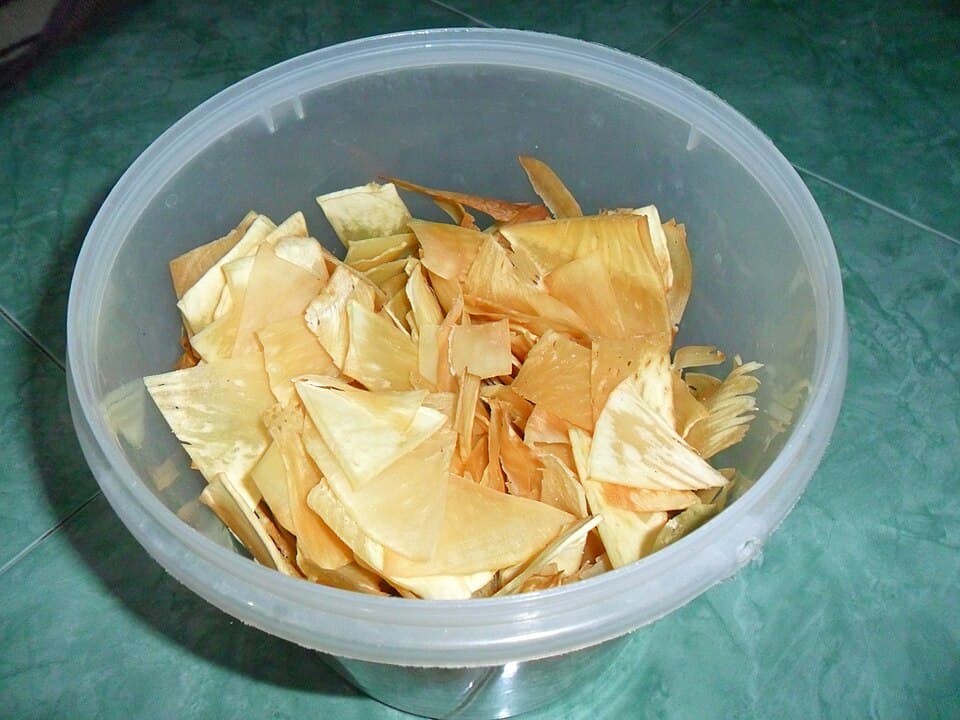
Fried Breadfruit Chips
Breadfruit sliced thin, fried crisp, and salted. Joy Hotel and Restaurant in Kolonia puts them out as free appetizers. They are eaten all over the islands, much like potato chips but with their own tropical flavor.
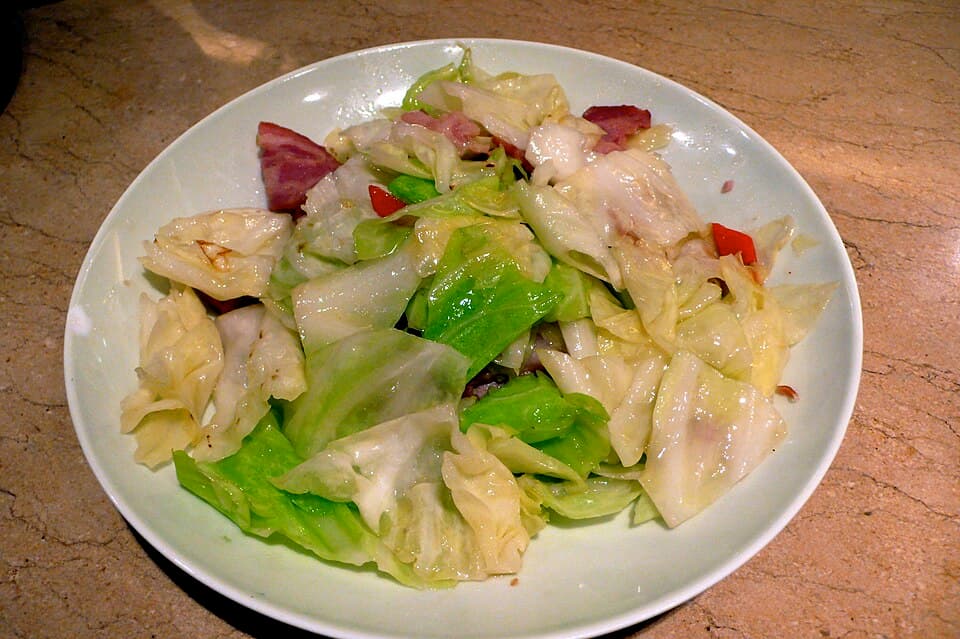
Chinese Stir-Fried Vegetables
Chinese food has a following across Micronesia. China Star Restaurant in Kolonia builds its stir-fries from fresh local vegetables, a small example of island ingredients meeting outside techniques.
Allergens:
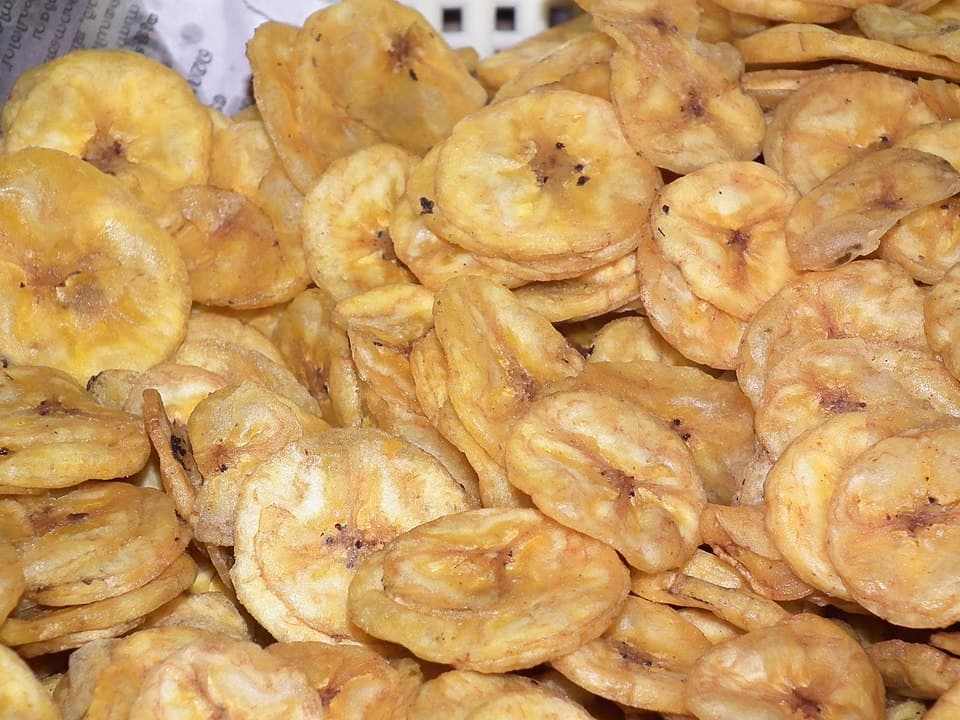
Banana Chips
Sweet bananas sliced and fried until golden and crisp. They come out next to the breadfruit chips as free appetizers. Hard to stop eating, and a good way to taste the island banana varieties.
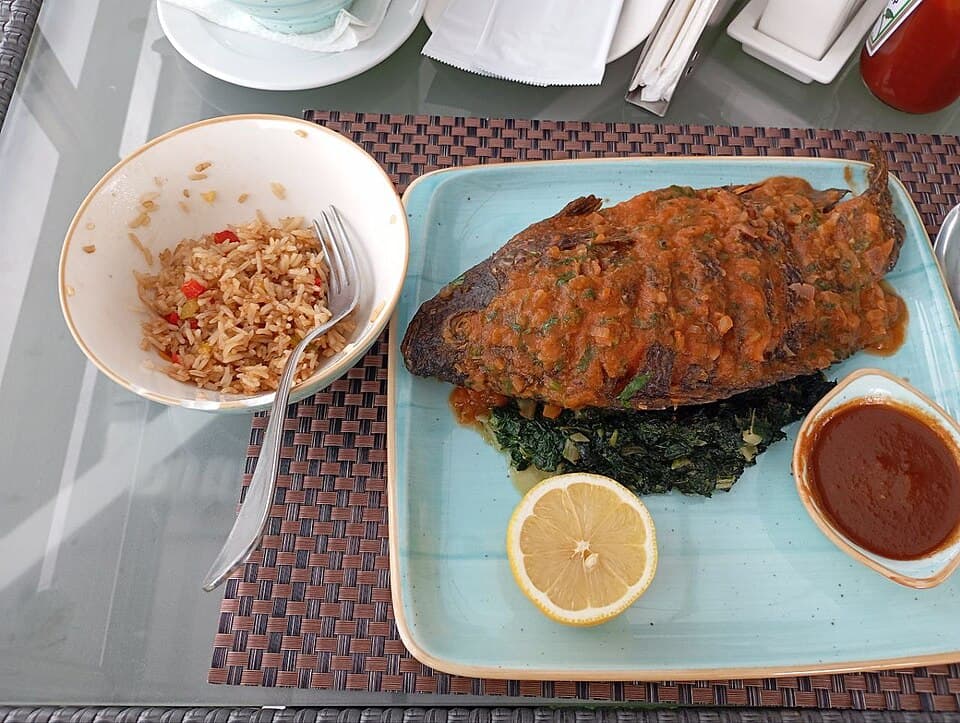
Rice with Grilled Fish
White rice is imported but has settled in as a standard side. It comes with the day's grilled catch (snapper, tuna, mahi-mahi), seasoned with not much more than lime and salt. Most local eateries serve it.
Allergens:
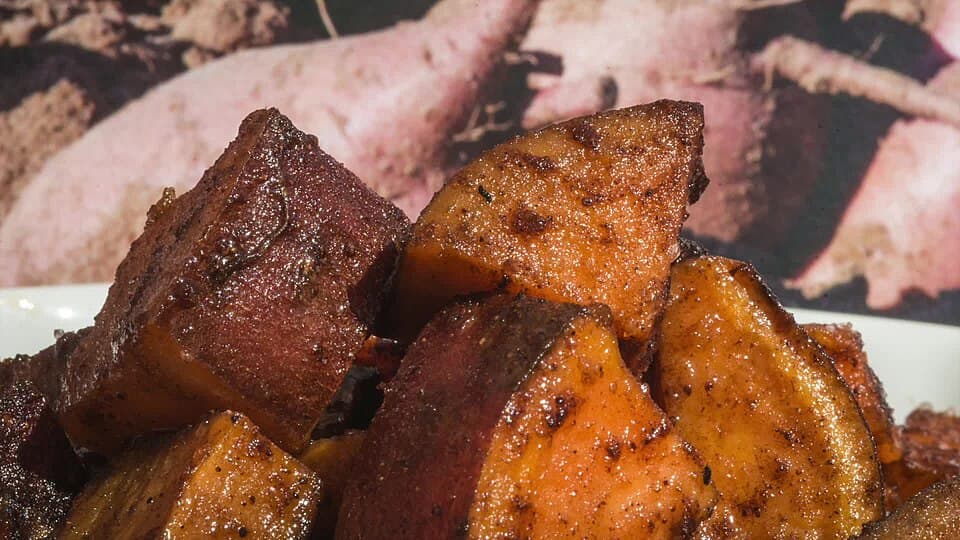
Sweet Potato
A staple crop that sits alongside taro and breadfruit, eaten boiled, roasted, or baked. It is sweet on its own and good for you, and it features in the "Go Local!" campaign promoting traditional foods.
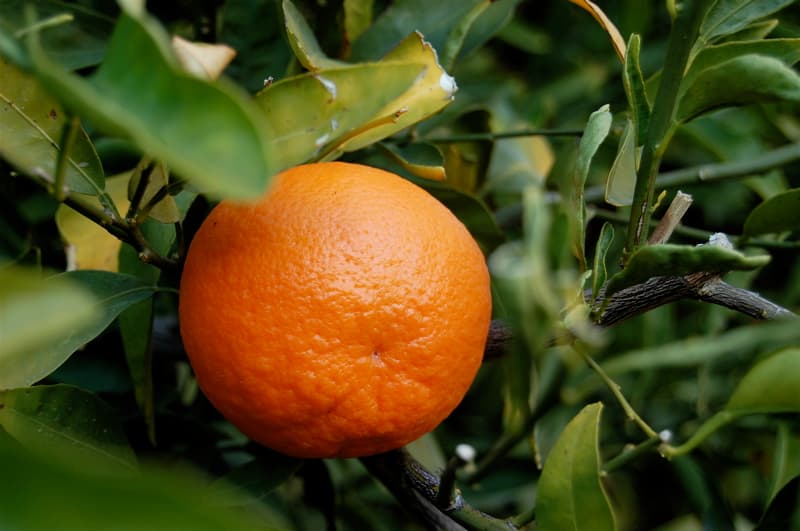
Kosraean Tangerines
Kosrae is known for seedless, juicy citrus. Tangerines, oranges, limes, and mandarins turn up at fruit stands all over the island. Picked fresh and remarkably sweet, they make an easy healthy snack.
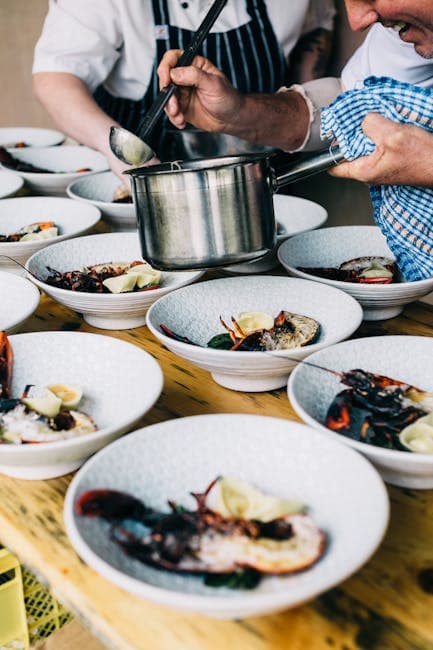
Taro and Breadfruit Stir-Fry
A newer dish that tosses traditional taro and breadfruit with soy sauce and stir-fried chicken. It shows islanders trying outside-inspired ways to cook their own staples.
Allergens:
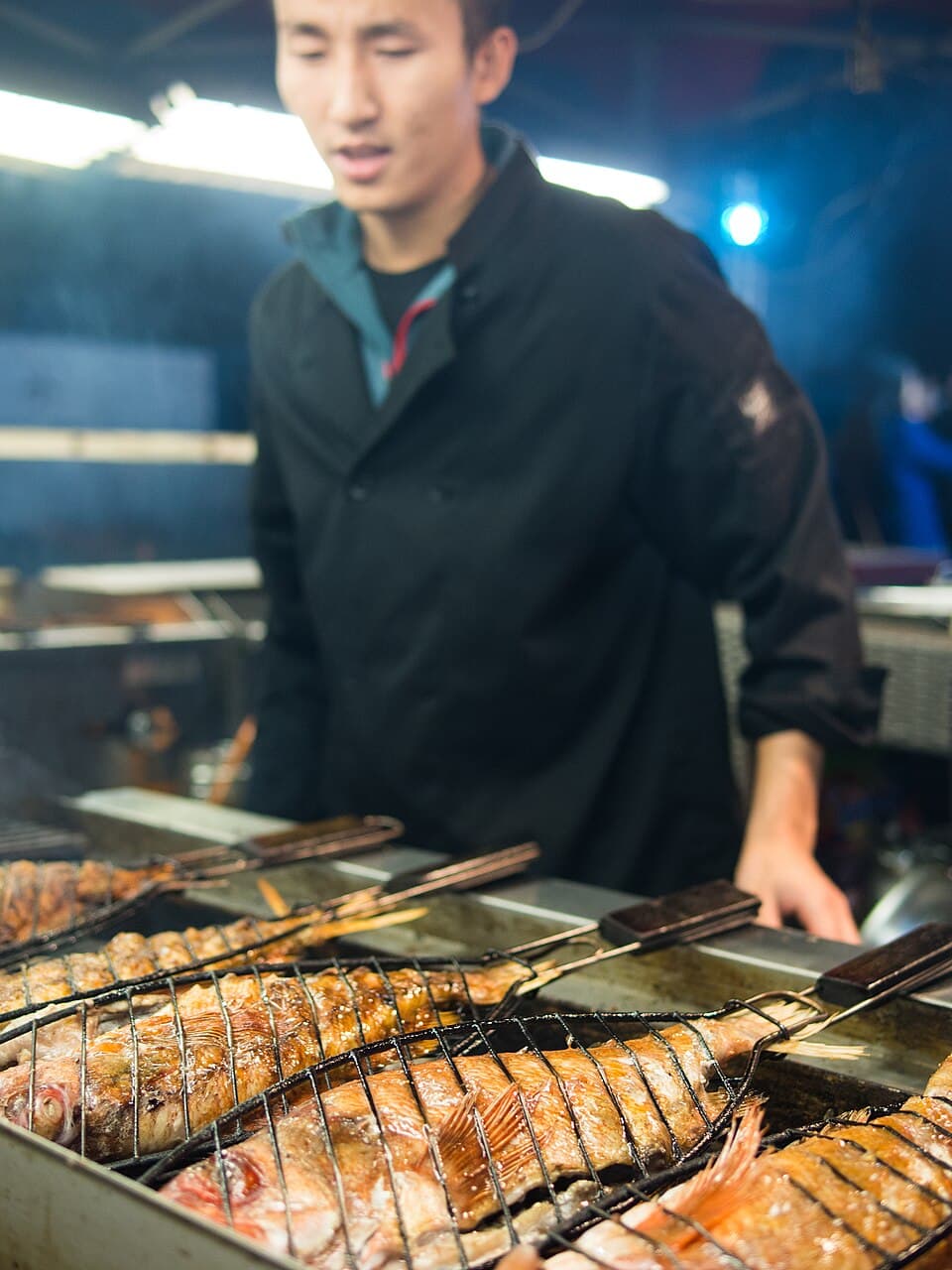
Roasted Reef Fish
Whole reef fish of various kinds, roasted with little seasoning. A regular at local gatherings and beach cookouts. The skin crisps up, the flesh stays tender, and the wood fire leaves a smoky edge.
Allergens:
Regional Cuisine Highlights
Explore the diverse culinary landscapes across different regions of Micronesia.
Pohnpei State
Home of Pohnpeian pepper, widely rated the best anywhere for its fragrance and year-round freshness, so spicy dishes are the local signature. Sakau culture runs strong, with bars all over. Pohnpei also has the most restaurants in the country (around 10), among them China Star, Joy Hotel, The Village Hotel, and Mangrove Bay, and the farm-to-table movement is furthest along here. Breadfruit is still cooked the old way on hot stones.
Signature Dishes:
Key Ingredients:
Chuuk State
Best known for coconut crab, the top delicacy here, its meat sweet from a coconut diet. Japanese influence shows in a strong sashimi culture. Weno Market has the best seafood, including grilled octopus, fresh tuna sashimi, and reef fish. Alcohol is largely banned, which sets Chuuk apart. Divers drawn to Chuuk Lagoon fill the ocean-view tables at Manta Ray Bar & Grill.
Signature Dishes:
Key Ingredients:
Yap State
Taro leads here, and the signature dish is the Yapese taro fritter: grated taro with coconut and sugar, fried golden. Yap holds onto traditional practices more tightly than the other states, and its food culture centers on eating together and on celebration. Yap is famous for its stone money, but taro is what really runs daily life.
Signature Dishes:
Key Ingredients:
Kosrae State (The Sleeping Lady)
Kosrae, nicknamed the "Sleeping Lady," is citrus country, with seedless tangerines, oranges, limes, and mandarins sold at fruit stands all over. The island has only 4 restaurants, among them seaside Bully's, which specializes in lobster, crab, and shellfish. The signature dish is FahFah Erah, made from taro, banana, and coconut, and fresh mahi-mahi ceviche puts the reef catch front and center. Old and new cooking sit side by side in a quiet island setting.
Signature Dishes:
Key Ingredients:
Sweet Delights & Desserts
Indulge in Micronesia's traditional sweet treats and desserts.

Coconut Pudding
Fresh grated coconut mixed with sugar, sometimes with taro or cassava worked in, then steamed or baked. It sets up creamy and tastes strongly of coconut. A fixture at celebrations and family meals.
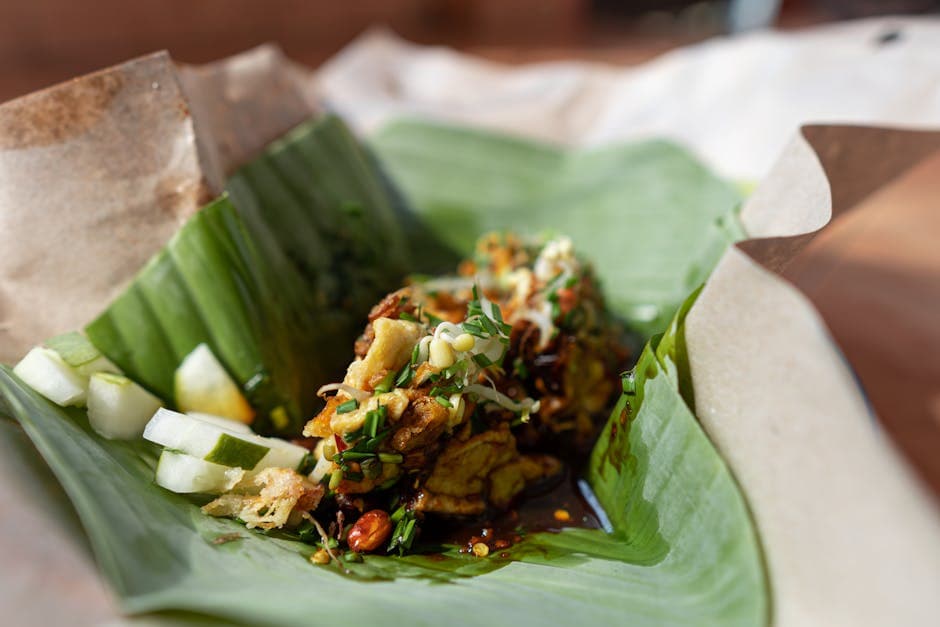
Fried Banana
Ripe bananas in a light batter, deep-fried until golden, crisp outside and soft and caramelized within. A plain dessert you will find at local eateries and street vendors.
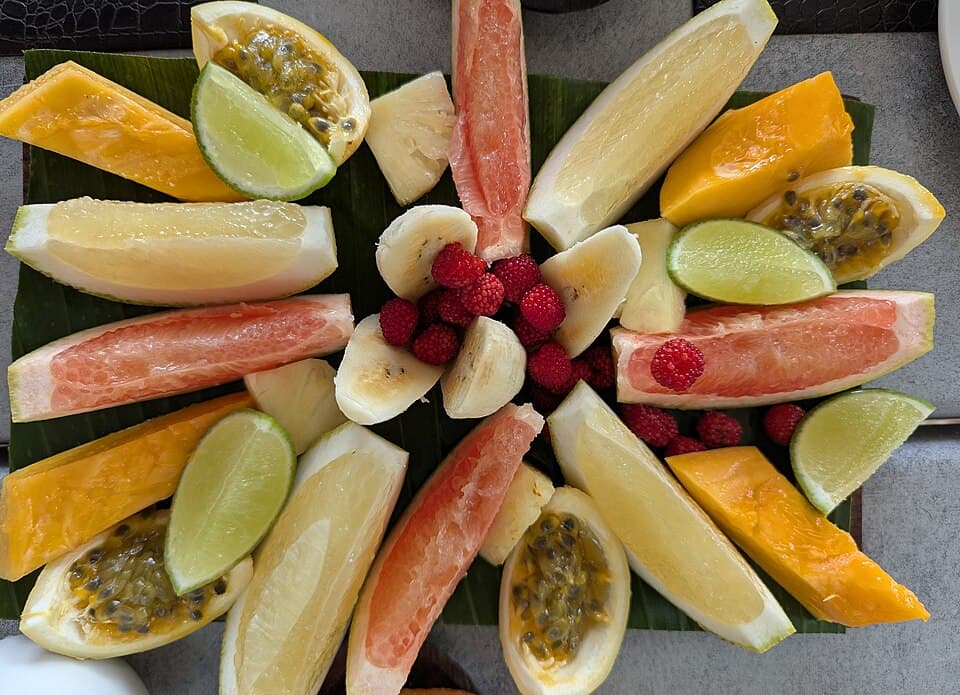
Fresh Tropical Fruit Platter
A spread of island fruit: papaya, mango, pineapple, passion fruit, and Kosraean citrus. Sweet on its own and a cooling way to finish a meal in the tropical heat.
Traditional Beverages
Discover Micronesia's traditional drinks, from locally produced spirits to regional wines.
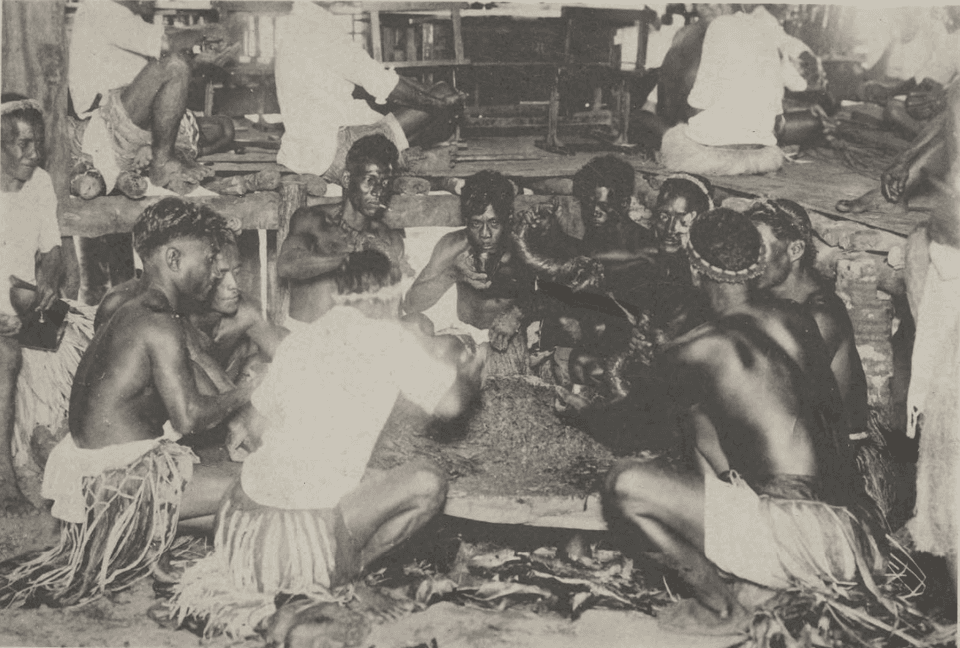
Sakau (Kava)
A ceremonial drink made from kava roots, calming and mildly narcotic. It is central to Pohnpeian culture and now drunk across all four states, served in sakau bars throughout Pohnpei. Not alcoholic, but psychoactive.
Soft Beverages
Discover Micronesia's traditional non-alcoholic drinks, from local teas to refreshing juices.
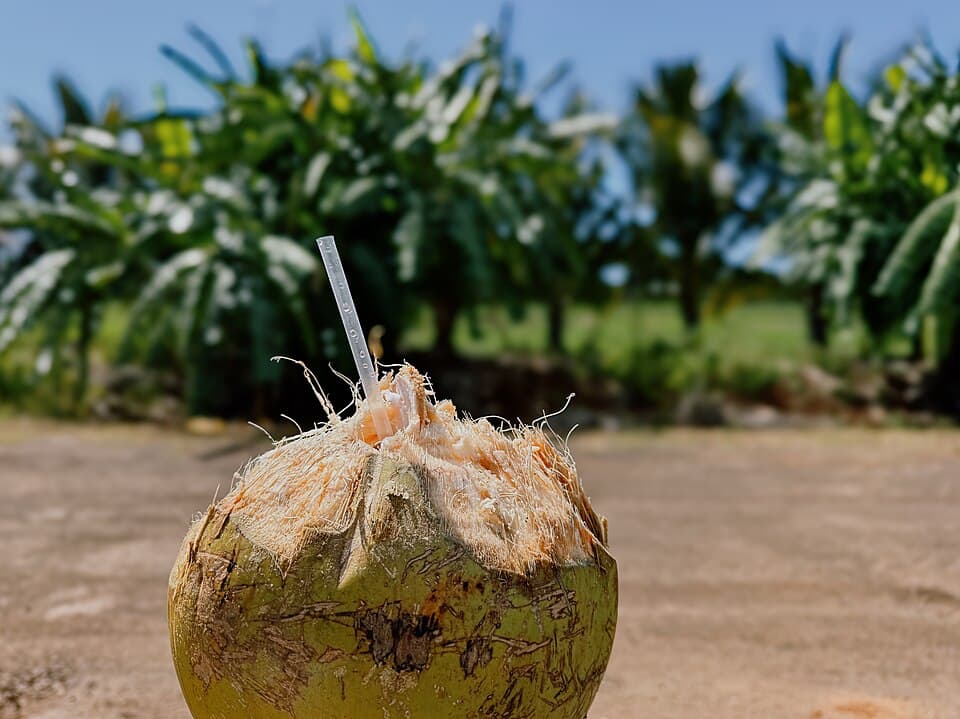
Fresh Coconut Water
Poured straight from young green coconuts. Sweet, full of electrolytes, and exactly what you want in the heat. Sold at markets and roadside stands across the islands.
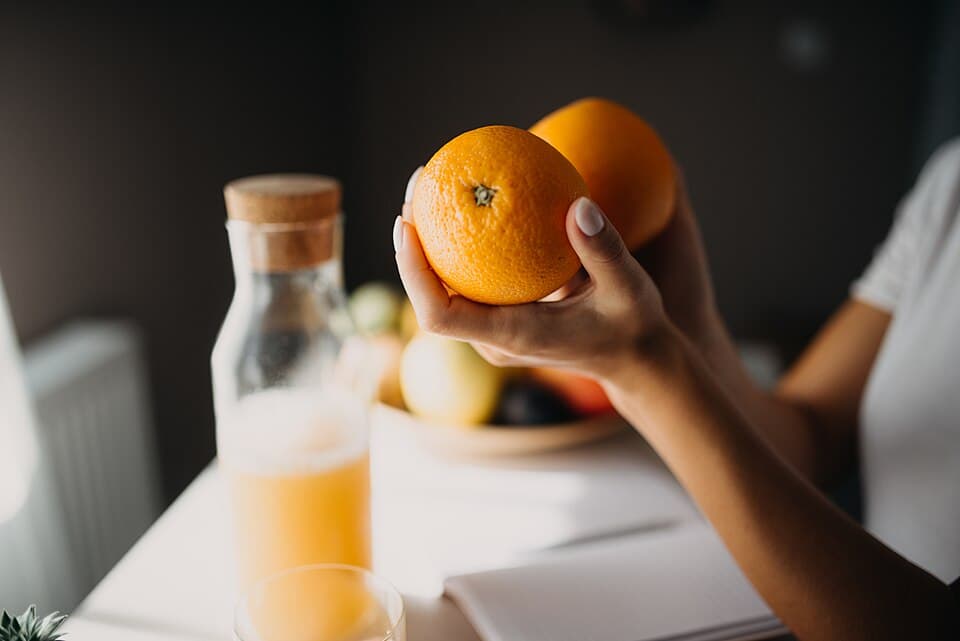
Fresh Citrus Juice
Orange, tangerine, and lime juice squeezed from the citrus groves Kosrae is known for. Fresh and sweet enough that it needs no added sugar.
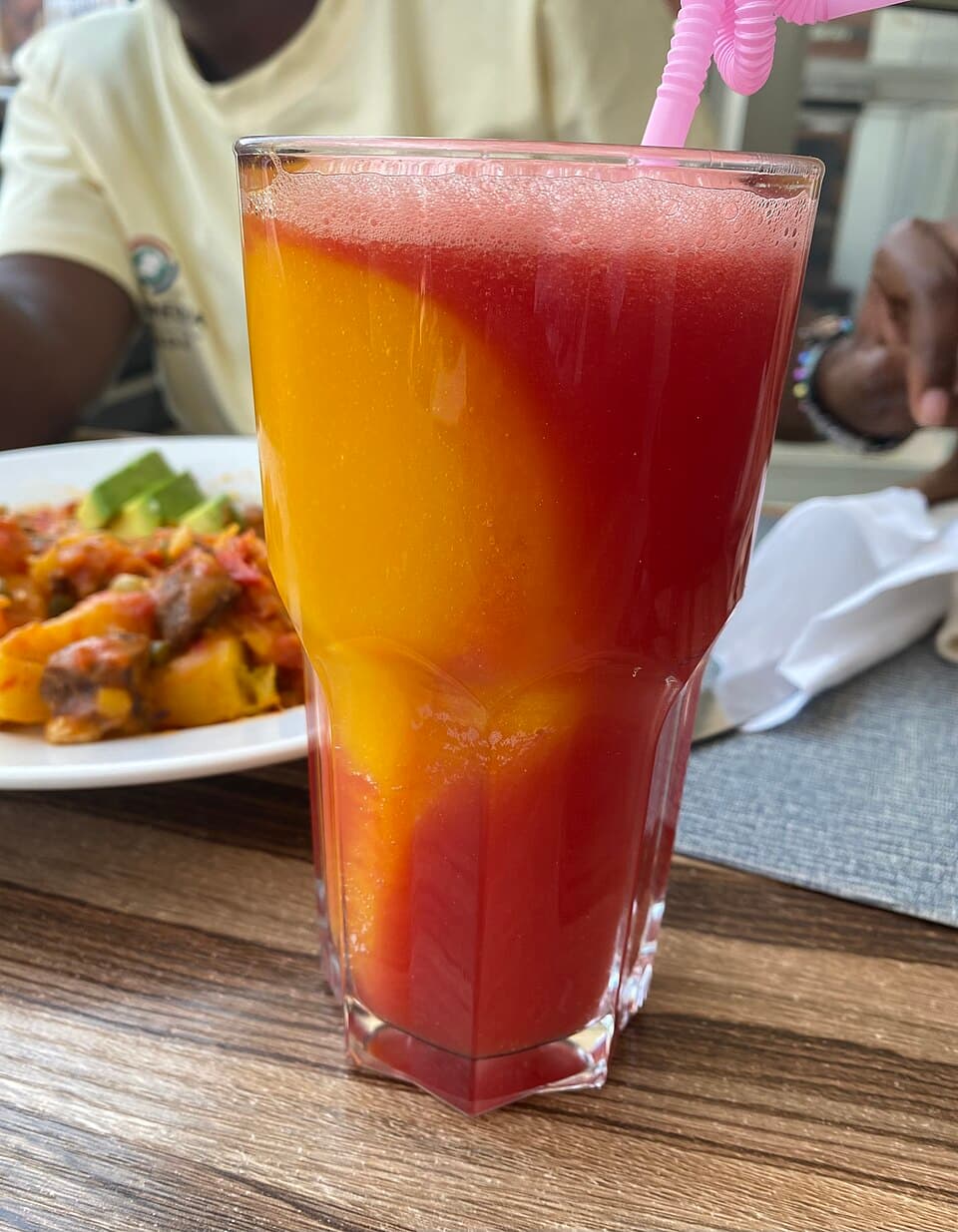
Sea Buckthorn Juice
Tangy, sweet juice pressed from local passion fruit. High in vitamin C, with a tropical flavor that does not turn up in many other drinks.
Frequently Asked Questions
Essential information about food and dining in Micronesia.
What is the national dish of Micronesia?
Micronesia's most iconic dishes include Breadfruit (Mai), Sakau (Kava), Grilled Fresh Tuna or Snapper. Breadfruit is the backbone of island cooking. The traditional method steams whole fruits on hot stones under a layer of coconut husks, which gives the flesh its deep flavor and firm texture. Known as "Mai" throughout Micronesia, it also gets boiled, roasted, or fried, eating much like potato but with a faint tropical sweetness.
Is street food safe in Micronesia?
Street food in Micronesia can be enjoyed safely by following these guidelines: Bottled water recommended, especially on outer islands Ensure seafood is freshly caught and properly stored. Look for busy vendors with high turnover, ensure food is cooked fresh and served hot, and avoid raw ingredients if you have a sensitive stomach.
What are the best restaurants in Micronesia?
Micronesia offers diverse dining options from street food stalls to upscale restaurants. For the best experience, ask locals for recommendations, check recent reviews, and look for restaurants that specialize in regional cuisines.
Can vegetarians find food easily in Micronesia?
Vegetarian options in Micronesia are mediumly available. Traditional Micronesian cooking gives vegetarians plenty to work with: taro, breadfruit, banana, coconut dishes, and Yapese taro fritters. That said, seafood and pork run through most menus, so say "no meat or fish" clearly. Chinese restaurants in Kolonia do vegetable stir-fries.. Many restaurants offer vegetarian dishes, and you'll find plant-based ingredients featured prominently in local cuisine.
What is the average cost of a meal in Micronesia?
Meal costs in Micronesia depend on where you eat. Street food and casual local restaurants are very affordable, typically offering complete meals for a few dollars. Mid-range restaurants charge moderate prices, while fine dining establishments are comparably priced to Western countries.
What are common food allergens in Micronesia?
Common allergens in Micronesia cuisine include Seafood, Coconut. Fish, shellfish, and reef creatures are fundamental to island cuisine. These ingredients appear in dishes like Grilled tuna, Chuukese sashimi. Always inform restaurant staff about your allergies.
When is the best time to visit Micronesia for food?
Micronesia offers great food experiences throughout the year. However, visiting during harvest seasons (typically spring and autumn) provides access to the freshest local ingredients. Food festivals and cultural celebrations also offer unique culinary experiences worth planning around.