
Equatorial Guinea Food Guide
Content Information
Recently updated🔥Current Food Trends 2026
What's happening in Equatorial Guinea's culinary scene right now
Equatorial Guinea's food in 2026 sits at the meeting point of African indigenous cooking and Spanish colonial habits. Succotash is still the national dish, though where it came from is contested: some trace it to freed slaves returning from the northeastern United States, others to African origins that reached the American South through slavery. The capital, Malabo, on Bioko Island, and Bata, on the Rio Muni mainland, hold most of the country's restaurants. The Spanish influence shows up most clearly in the local paella, made with chicken or guinea fowl and sometimes shrimp, using black-eyed peas in place of saffron. Pepesup, a spicy fish soup, is the signature of a country built around fishing. Malabo's kitchens lean international, with Moroccan, French, Chinese and Italian options; Bata offers a similar range plus more local Spanish fare. Day to day, people eat cassava, bananas, rice and yam alongside chicken, meat (often game from local hunting) or fish. The coast keeps fresh seafood, pepper soup and fufu central, while inland and rural areas stay focused on meat and fish, leaving the Spanish-influenced restaurants and their potato omelettes to the towns. New hotels in Malabo and Bata keep widening the choices. Worth knowing: Africana in Malabo pairs meat and fish with local specialties like osang tea, chucku-chucku, bitalif soup and mendjaa. Bar le Paris is comfortable for foreigners and runs a Thai, Italian, Chinese and Manchurian menu plus American desserts such as apple pie and banana splits. Paris Gastro on Carretera de Luba sets fresh crayfish, oysters, prawns, crab and lobster against palm trees, the sea, and makossa and soukous on the speakers. La Luna does fine dining with a local accent and views over the coastline. Tipping runs 10 to 15 percent unless a service charge is already on the bill. Bata's nightlife runs late, and Hotel Millennium has the city's best disco. Tripadvisor lists 31 Malabo restaurants across 483 reviews.
Food Safety Tips
Essential food safety information to help you enjoy Equatorial Guinea's cuisine safely and confidently.
Drink bottled water only
Tap water is not safe to drink. Stick to bottled water for drinking and brushing your teeth, and check the seal before you buy.
Choose busy vendors with visible cooking
Street food is usually fine at busy stalls, where you can watch it being cooked fresh and served hot.
Avoid foods at room temperature in tropical heat
The heat spoils food fast, so skip anything that has been sitting out and order dishes prepared hot to order.
Ensure seafood is fresh and properly cooked
Seafood is everywhere along the coast. Make sure fish and shellfish are fresh and fully cooked, and buy from sellers you trust.
Dietary Options
vegetarian
LOW AVAILABILITYVegetarians have a hard time here, since the traditional cooking centers on meat and fish. International restaurants in Malabo and Bata carry a few meatless dishes, and you can always fall back on rice, plantains, yam, cassava and vegetables.
vegan
VERY LOW AVAILABILITYVegan eating is tough. Traditional dishes usually involve meat, fish or dairy. International restaurants can sometimes work around it, so spell out what you need.
gluten-free
MEDIUM AVAILABILITYPlenty of traditional dishes built on rice, cassava, yam and plantains are naturally gluten-free, though cross-contamination is still a risk. Make your needs clear when you order.
Common Allergens
Seafood
HIGH PREVALENCESeafood turns up constantly, a product of the coastline and the country's fishing tradition
COMMONLY FOUND IN:
Peanuts
MEDIUM PREVALENCEPeanuts show up in a number of traditional sauces and stews
COMMONLY FOUND IN:
Dairy
LOW PREVALENCEDairy is rare in traditional cooking but common in the Spanish-influenced dishes
COMMONLY FOUND IN:
Essential Food Experiences
These iconic dishes represent the must-have culinary experiences that define Equatorial Guinea's food culture for travelers.

Succotash
The national dish: beans, corn and vegetables, usually served with meat or fish. The recipe shifts from region to region, but the ingredients stay fresh and locally grown. Its origins are argued over, traced either to freed slaves who brought it back from the northeastern United States or to an African dish that slaves introduced to the American South. Filling and nourishing.

Pepesup (Peppersoup)
A spicy fish soup that sums up the country's fishing life. Fresh fish simmers with hot peppers, spices and vegetables into a warming, fragrant broth. Every region has its own take. A coastal staple, usually eaten with fufu or rice.
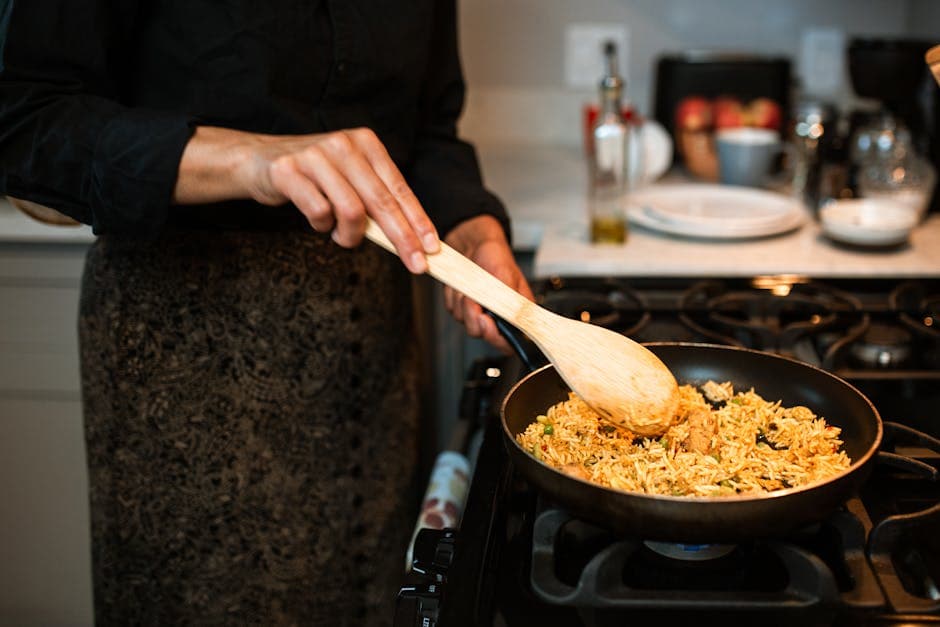
Paella (Equatoguinean Style)
A Spanish-rooted celebration dish, usually built on chicken or guinea fowl, with shrimp added along the coast. The local version drops the saffron and works in black-eyed peas or other beans. It comes out for special occasions and shows the colonial heritage reworked with local ingredients.

Fufu
A starchy staple of cassava, yam or plantain pounded into a smooth, elastic dough. You eat it with your hands, tearing off pieces to scoop up soups, stews and sauces. It is the standard partner to peppersoup and meat dishes, and versions of it turn up across Central Africa.
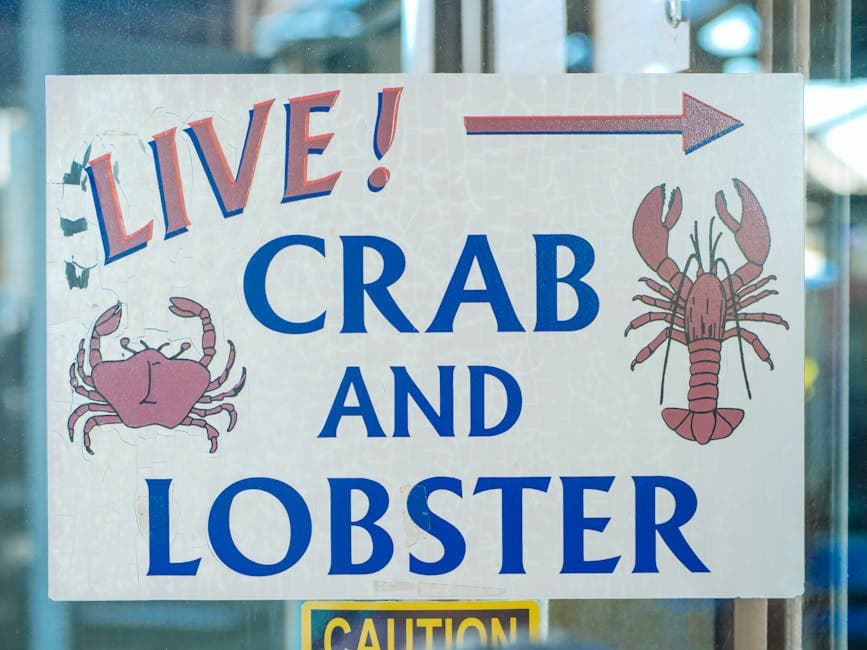
Grilled Fish
Fresh fish grilled over charcoal with local spices and hot peppers, served whole with plantains or rice. The simple treatment lets the freshness do the work. You will find it at beach restaurants and neighborhood eateries up and down the coast.
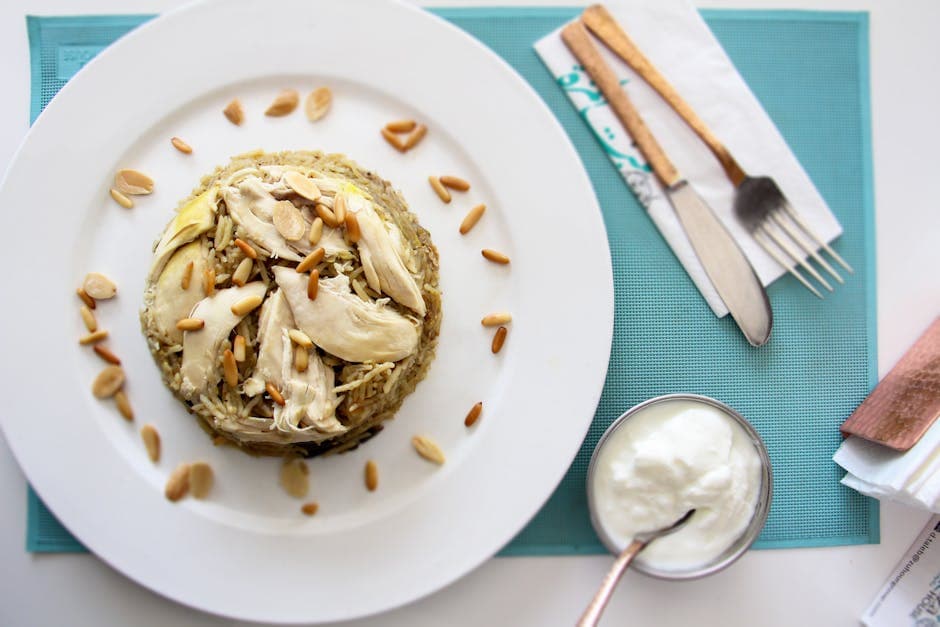
Chicken in Cream Sauce
A widely loved dish of chicken in a rich cream sauce with boiled plantain, where indigenous and colonial cooking meet. It is comfort food you will find in homes and restaurants alike: creamy, savory and filling.
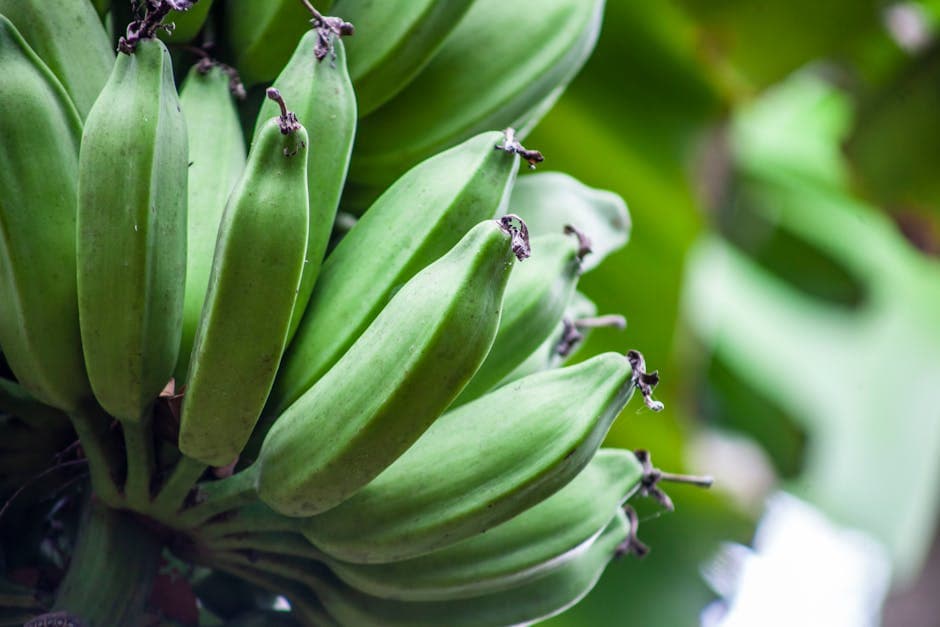
Plantains (Fried or Boiled)
A staple that shows up with nearly every meal. Fried ripe, they go sweet and caramelized; fried green, they turn savory and crisp. Boiled, they sit alongside stews and sauces. Filling, nourishing and available everywhere.
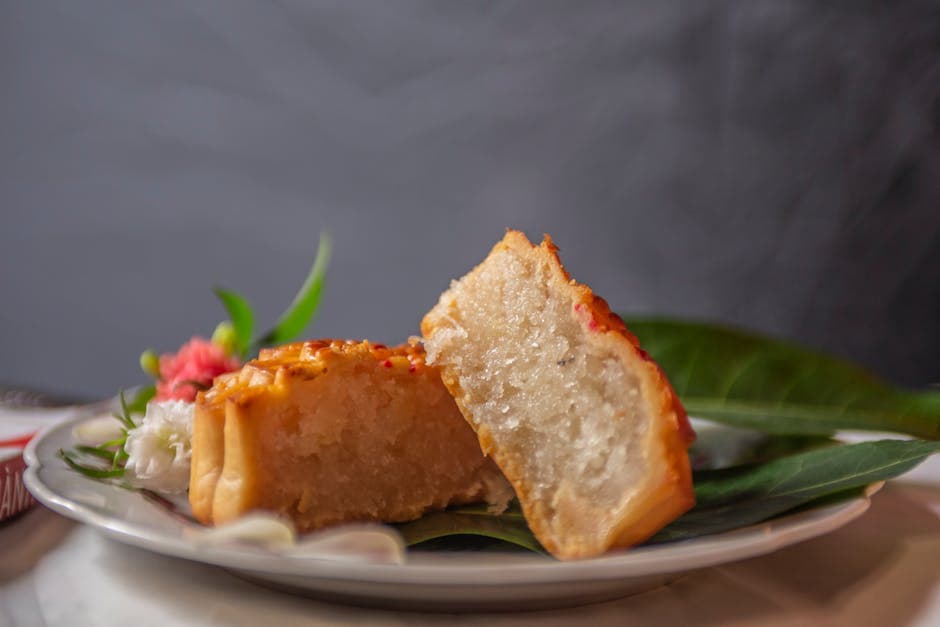
Cassava Bread
Bread made from cassava flour and a staple carbohydrate across the country. Eat it on its own or with stews and soups; it is sometimes wrapped in banana leaves. Naturally gluten-free, it stands in for wheat bread.
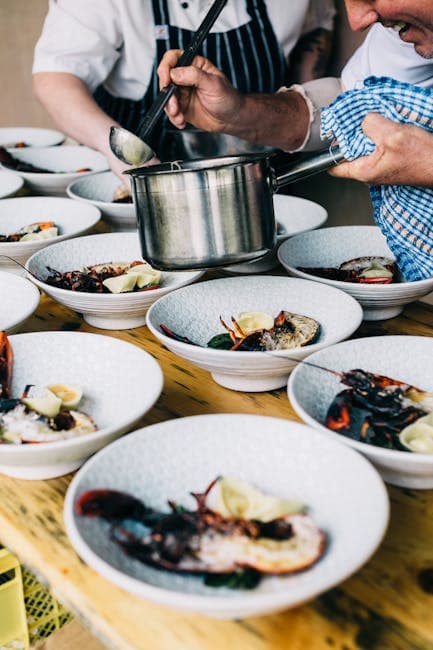
Bitalif Soup
A traditional soup that Africana restaurant in Malabo is known for. The local recipe has a flavor all its own and belongs squarely to Equatoguinean cooking. Served with fufu or rice.

Mendjaa
A traditional dish you will see at places like Africana. An indigenous preparation made with local ingredients, it carries the older Equatoguinean cooking traditions.

Chucku-Chucku
A local specialty served at traditional restaurants in Malabo. The indigenous dish draws on Equatoguinean culinary heritage, made with local ingredients and time-worn techniques.
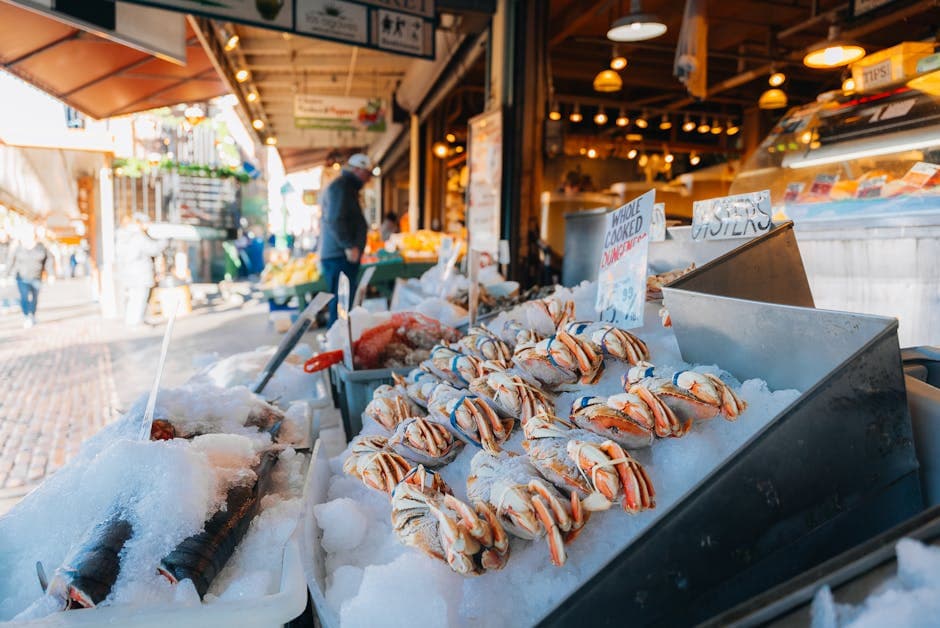
Fresh Shellfish Platter
A coastal spread of crayfish, oysters, prawns, crab and lobster, the kind of thing Paris Gastro does well. It draws straight from Equatoguinean waters and arrives fresh with local seasonings. Expect to pay for it.
Regional Specialties & Local Favorites
Discover the authentic regional dishes and local favorites that showcase Equatorial Guinea's diverse culinary traditions.
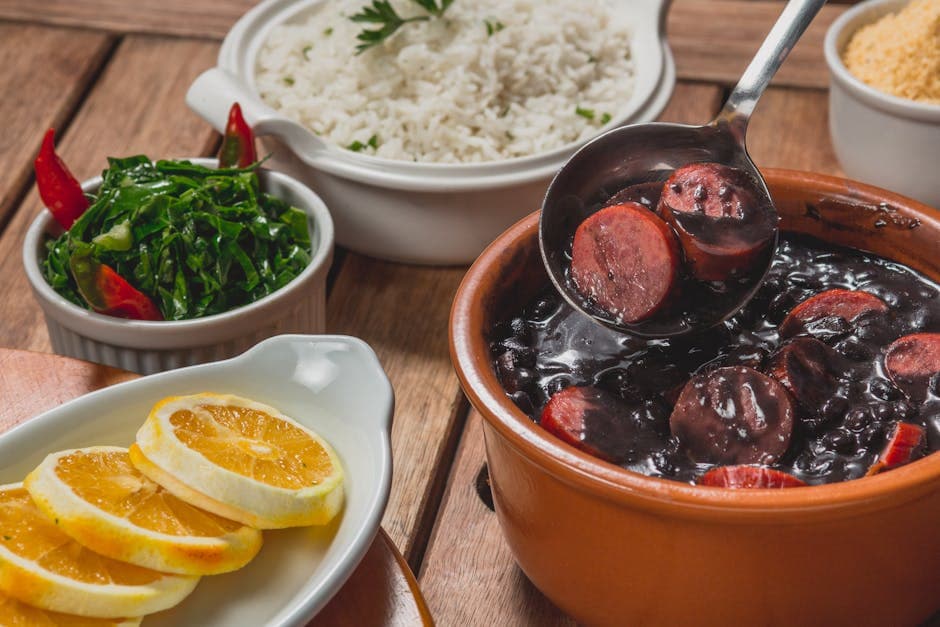
Rice and Beans
An everyday plate of rice and beans, sometimes cooked with coconut milk. Cheap and filling.
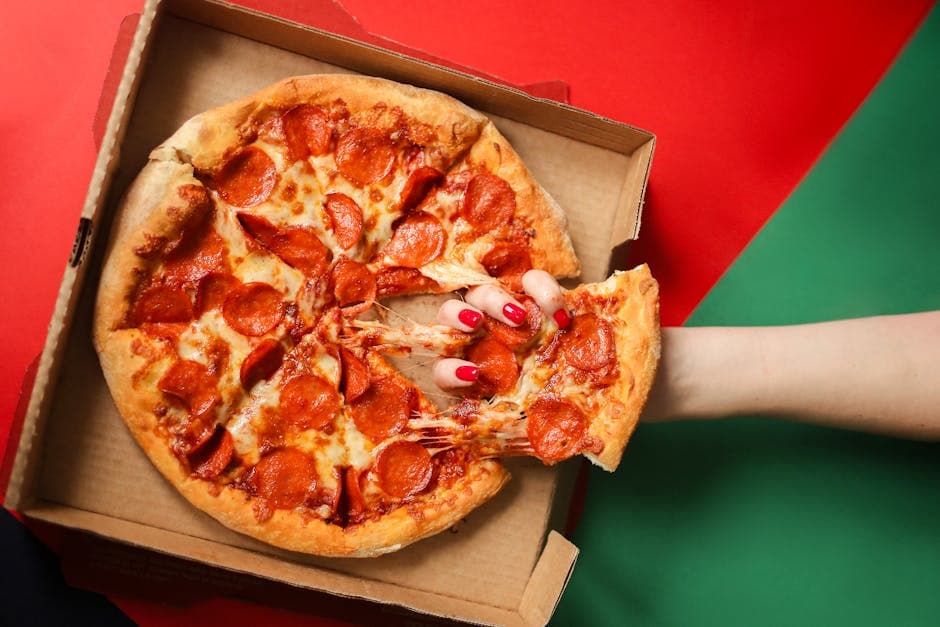
Yam Dishes
Yams boiled, fried or pounded. A staple the whole country relies on.
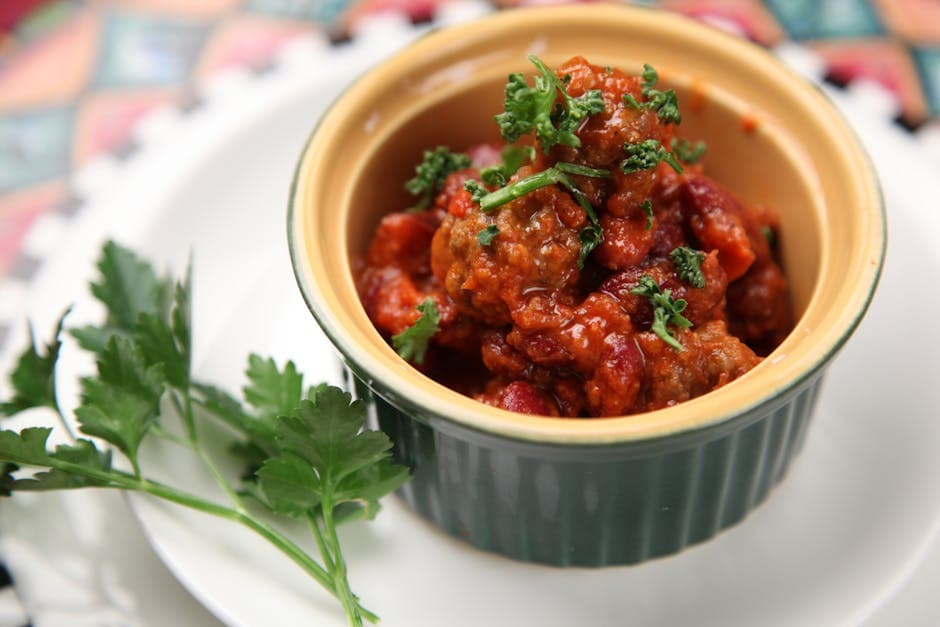
Meat Stews
Stews of local game, chicken or beef simmered with vegetables and spices.
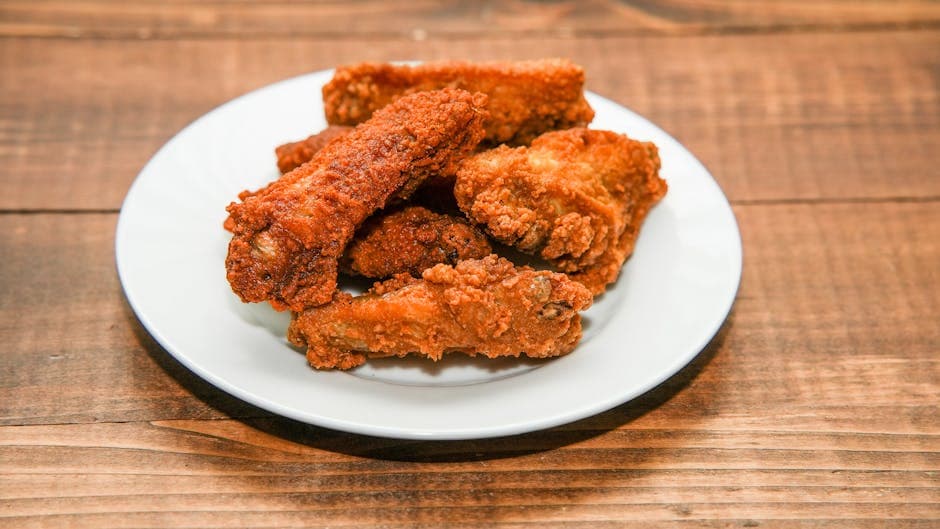
Fried Chicken
A street-food and restaurant favorite: chicken marinated in local spices and fried until crisp.
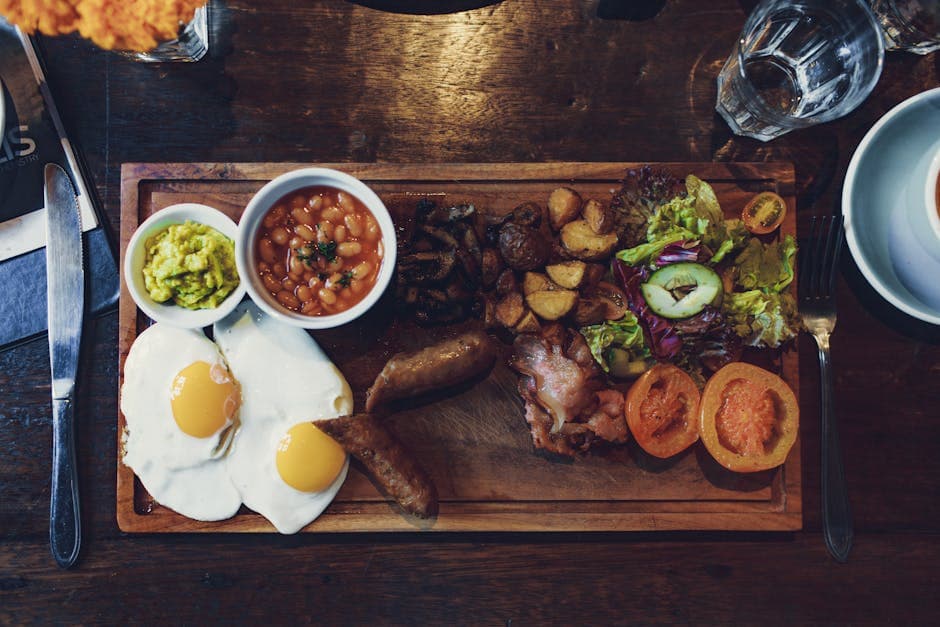
Spanish Potato Omelette
A colonial holdover you find in city restaurants: a thick, Spanish-style omelette of egg and potato.
Allergens:
Regional Cuisine Highlights
Explore the diverse culinary landscapes across different regions of Equatorial Guinea.
Bioko Island (Malabo)
The island holds the capital, Malabo, and the country's widest range of dining. Growing hotels have brought in Moroccan, French, Chinese and Italian kitchens, while the Spanish colonial mark stays visible in paella and potato omelettes. Seafood comes straight from the surrounding waters. Africana puts local specialties forward, including osang tea, chucku-chucku, bitalif soup and mendjaa. Bar le Paris runs an international menu and a welcome for foreigners, and Paris Gastro sets fresh shellfish against a tropical backdrop.
Cultural Significance:
Bioko Island is where the cosmopolitan side of Equatoguinean cooking lives, with indigenous traditions running into the Spanish colonial legacy and outside influences. Being the capital brings dining for expatriates, tourists and a growing hotel trade, and the coast keeps fresh seafood at the center of the table.
Signature Dishes:
- Fresh shellfish (crayfish, oysters, prawns, lobster)
- Peppersoup (fish)
- Spanish-style paella
- International fusion
Key Ingredients:
Rio Muni (Bata - Mainland)
The mainland region, with Bata as its main city. The restaurant range mirrors Malabo but leans more toward local Spanish fare. Bata's nightlife runs late through its bars and clubs, with the best disco at Hotel Millennium. Kitchens mix African and Western cooking, while the rural areas stick mostly to meat and fish. The further you get from the cities, the more the traditional cooking takes over.
Cultural Significance:
Rio Muni keeps the more rural, traditional side of Equatoguinean cooking, with Bata supplying the urban polish. The nightlife and restaurants are lively, but the region holds a closer tie to indigenous cooking than the island does, and the countryside still preserves food ways that predate the colonial era.
Signature Dishes:
- Traditional meat and fish dishes
- Spanish-influenced cuisine
- Local stews
- Rural game meat
Key Ingredients:
Sweet Delights & Desserts
Indulge in Equatorial Guinea's traditional sweet treats and desserts.
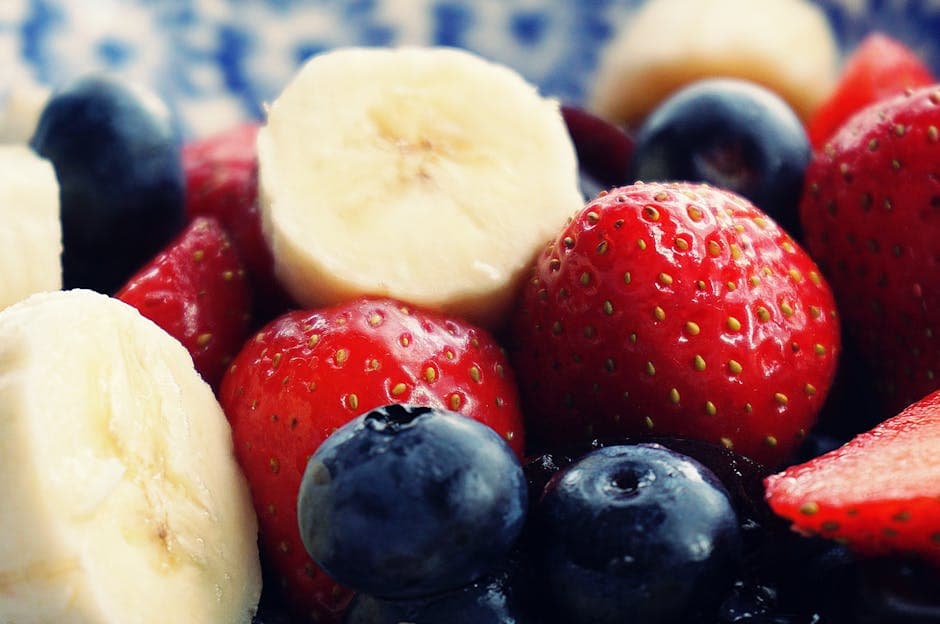
Banana Fritters
Ripe bananas or plantains dipped in batter and fried, finished with sugar or honey. A favorite sweet snack.
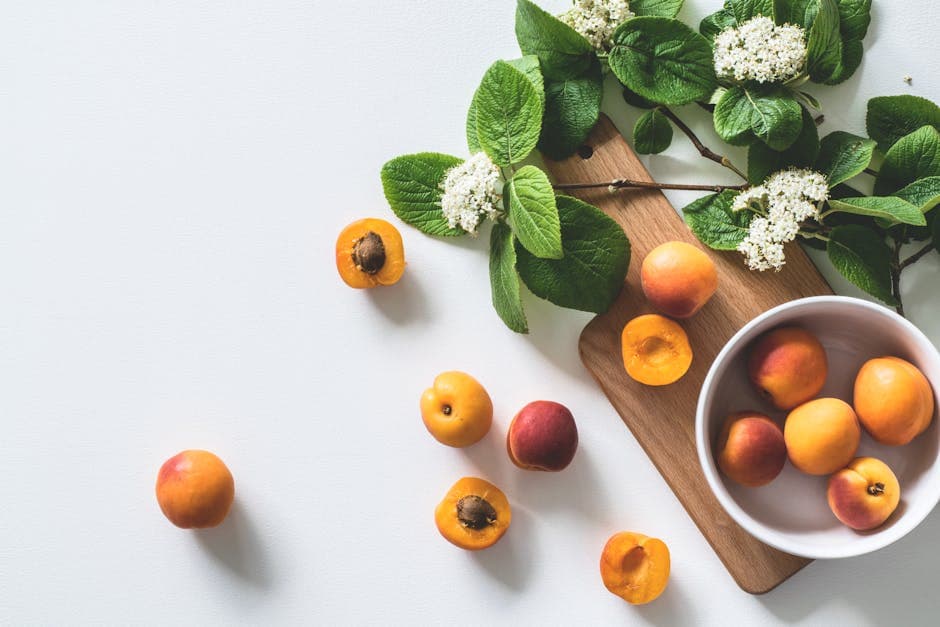
Tropical Fresh Fruit
Mangoes, pineapples, papayas and bananas, eaten fresh. A simple, refreshing way to end a meal.
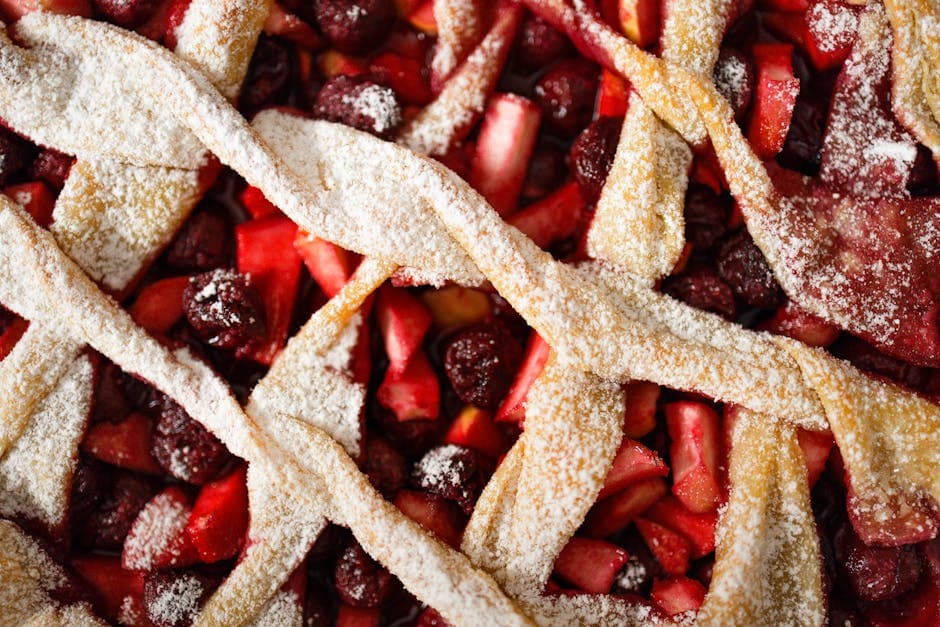
Apple Pie
An American-style dessert that shows up at international spots like Bar le Paris, a sign of how far the outside influences reach.
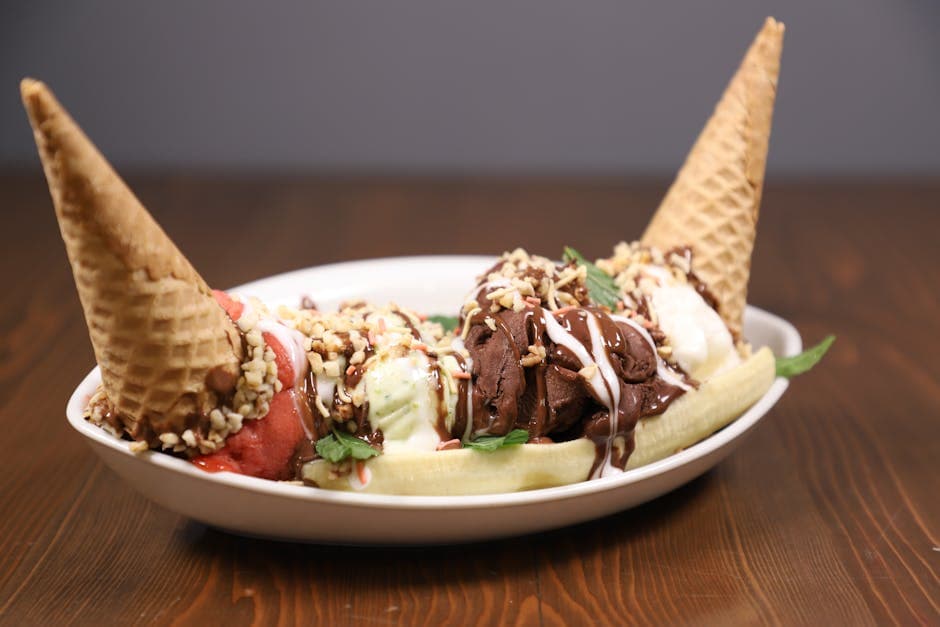
Banana Split
Bananas with ice cream and toppings, served at Bar le Paris and similar places.
Traditional Beverages
Discover Equatorial Guinea's traditional drinks, from locally produced spirits to regional wines.
Palm Wine
Fermented palm sap, milky-white and slightly sweet with a light kick. It is drunk fresh, before fermentation pushes it further.
Local Beer
Light lagers that fill the bars and restaurants. Served cold, they go down easy in the heat.
Soft Beverages
Discover Equatorial Guinea's traditional non-alcoholic drinks, from local teas to refreshing juices.

African Tea (Osang)
A traditional herbal tea served at local restaurants like Africana. Its distinct flavor makes it part of the Equatoguinean drinking culture.
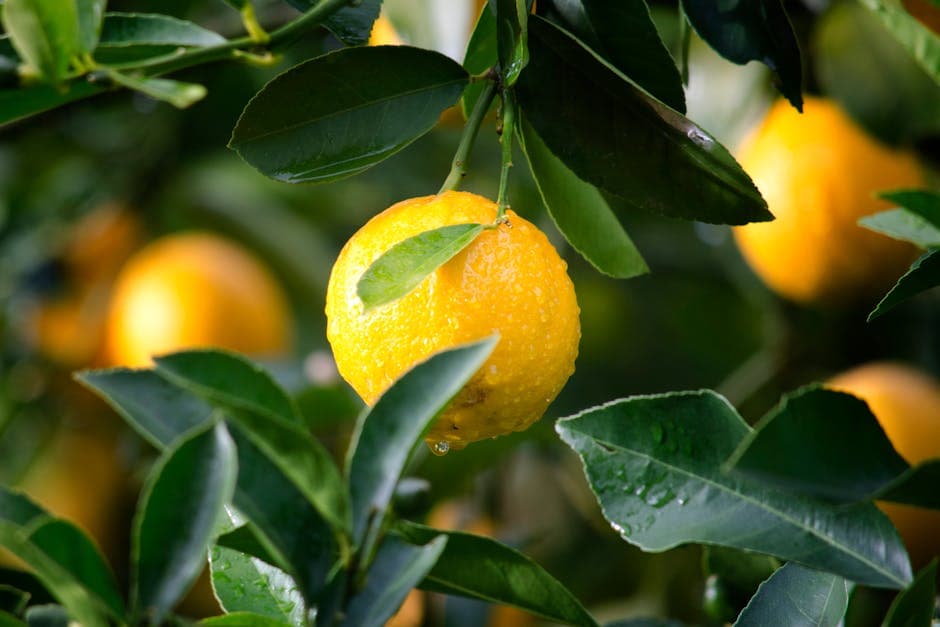
Fresh Fruit Juices
Mango, pineapple, papaya and passion fruit, squeezed fresh. Hard to beat in the heat.

Coffee
Coffee is easy to find in the towns, and the way it is served still carries the Spanish colonial habit.
Frequently Asked Questions
Essential information about food and dining in Equatorial Guinea.
What is the national dish of Equatorial Guinea?
Equatorial Guinea's most iconic dishes include Succotash, Pepesup (Peppersoup), Paella (Equatoguinean Style). The national dish: beans, corn and vegetables, usually served with meat or fish. The recipe shifts from region to region, but the ingredients stay fresh and locally grown. Its origins are argued over, traced either to freed slaves who brought it back from the northeastern United States or to an African dish that slaves introduced to the American South. Filling and nourishing.
Is street food safe in Equatorial Guinea?
Street food in Equatorial Guinea can be enjoyed safely by following these guidelines: Drink bottled water only Avoid foods at room temperature in tropical heat. Look for busy vendors with high turnover, ensure food is cooked fresh and served hot, and avoid raw ingredients if you have a sensitive stomach.
What are the best restaurants in Equatorial Guinea?
Equatorial Guinea offers diverse dining options from street food stalls to upscale restaurants. For the best experience, ask locals for recommendations, check recent reviews, and look for restaurants that specialize in regional cuisines.
Can vegetarians find food easily in Equatorial Guinea?
Vegetarian options in Equatorial Guinea are lowly available. Vegetarians have a hard time here, since the traditional cooking centers on meat and fish. International restaurants in Malabo and Bata carry a few meatless dishes, and you can always fall back on rice, plantains, yam, cassava and vegetables.. Many restaurants offer vegetarian dishes, and you'll find plant-based ingredients featured prominently in local cuisine.
What is the average cost of a meal in Equatorial Guinea?
Meal costs in Equatorial Guinea depend on where you eat. Street food and casual local restaurants are very affordable, typically offering complete meals for a few dollars. Mid-range restaurants charge moderate prices, while fine dining establishments are comparably priced to Western countries.
What are common food allergens in Equatorial Guinea?
Common allergens in Equatorial Guinea cuisine include Seafood, Peanuts. Seafood turns up constantly, a product of the coastline and the country's fishing tradition. These ingredients appear in dishes like Peppersoup (fish), Grilled fish. Always inform restaurant staff about your allergies.
When is the best time to visit Equatorial Guinea for food?
Equatorial Guinea offers great food experiences throughout the year. However, visiting during harvest seasons (typically spring and autumn) provides access to the freshest local ingredients. Food festivals and cultural celebrations also offer unique culinary experiences worth planning around.