
Malawi Food Guide
Content Information
Recently updated🔥Current Food Trends 2026
What's happening in Malawi's culinary scene right now
In 2026, Malawi's food scene still revolves around Lake Malawi, and chambo remains the fish everyone asks for. The species is endemic to the lake, accounts for roughly 4% of GDP, and anchors the menus at lakeside restaurants in Mangochi, Salima, and Nkhata Bay. Most lake tourism now comes with a plate of fresh fish and nsima, often eaten within sight of the water. Up north, kondowole, the cassava staple, is increasingly treated as heritage food and a marker of regional identity. Kachumbari, the raw salad of chopped tomatoes, onions, and chili, has become the default partner for grilled fish and meat. Peanuts run through much of the cooking, and nkhwani wozinga, pumpkin leaves cooked with peanut flour, gets attention for how nutritious it is. Thobwa, the fermented maize-and-millet drink, is being made and sold again as an everyday refreshment. Lilongwe and Blantyre have built up community-based tourism around home-style Malawian food, while Vincent's at the Sunbird Hotel draws the diplomatic crowd. Vendors selling snacks and fresh produce keep the street food trade busy. Local farms supplying vegetables, fruit, and dairy help restaurants keep quality up, and domestic beer and gin remain cheap and widely available.
Food Safety Tips
Essential food safety information to help you enjoy Malawi's cuisine safely and confidently.
Drink bottled water in most areas
Stick to sealed bottled water across Malawi, for both drinking and brushing your teeth. Tap water quality varies by area and is not always reliable.
Choose busy vendors with high turnover
Street food is usually fine if you pick stalls that cook to order. A long queue and fast turnover are good signs the food has not been sitting around.
Be cautious with foods left at room temperature
In the heat, food spoils quickly. Skip anything that has been left out for a while and order meals that come hot off the stove.
Ensure chambo fish is freshly caught
Ask whether the chambo came in that day before you order it at a lakeside restaurant. Fresh fish has clear eyes and firm flesh.
Dietary Options
vegetarian
MEDIUM AVAILABILITYVegetarians can eat well here. Nkhwani (pumpkin leaves), bean stews, and vegetable curries are common, and nsima served with a vegetable relish is meat-free by default.
vegan
LOW AVAILABILITYStrictly vegan meals can be harder to find in traditional places. Your safest bets are nsima with vegetable sides, bean dishes, and fresh fruit. Spell out your needs when you order.
gluten-free
MEDIUM AVAILABILITYNsima comes from maize flour and kondowole from cassava flour, so a lot of traditional food is gluten-free to begin with. The things to avoid are wheat breads and pastries.
halal
MEDIUM AVAILABILITYAbout 13% of Malawians are Muslim, so halal food is easy enough to find in Lilongwe and Blantyre, and many restaurants will accommodate a halal request.
Common Allergens
Peanuts
HIGH PREVALENCEPeanuts and ground peanut flour turn up all over Malawian cooking, especially in vegetable dishes such as nkhwani wozinga.
COMMONLY FOUND IN:
Fish
HIGH PREVALENCELake Malawi fish, chambo above all, is the main source of protein across the country.
COMMONLY FOUND IN:
Dairy
MEDIUM PREVALENCEDairy shows up in some dishes, mostly at city restaurants cooking international food.
COMMONLY FOUND IN:
Essential Food Experiences
These iconic dishes represent the must-have culinary experiences that define Malawi's food culture for travelers.
Nsima
Malawi's national staple, made by stirring finely ground white maize flour into a thick, dense porridge. People here will tell you nsima is more than food; it is the meal. It comes with ndiwo, a vegetable or meat relish, and shows up at lunch and dinner all over the country.
Chambo Fish
A freshwater tilapia found only in Lake Malawi, chambo has tender flesh and a mild flavor. It is usually grilled or fried and served with nsima or rice. This is the fish Malawians are proudest of, and the lakeside restaurants in Mangochi, Salima, and Nkhata Bay build their menus around it.
Kondowole
A northern Malawian staple along the lines of nsima, but made with cassava flour rather than maize. Stirring it takes real force; cooks often kneel or set the pot on the ground for leverage. It is usually served with fish or beans, and northerners take pride in it as a dish that demands strength to make.
Kachumbari
Malawi's go-to raw salad: chopped tomatoes, onions, and chili peppers, sharp and a little hot. It usually turns up next to fried fish or meat, where its crunch and bite cut through the heavier flavors.
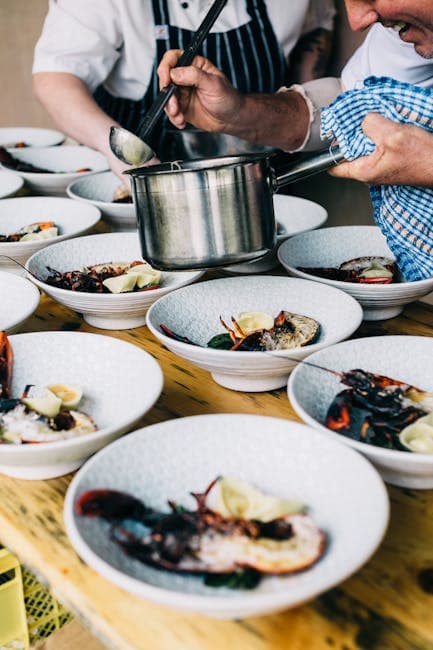
Nkhwani Wozinga
Pumpkin leaves sautéed with onions, tomatoes, and peanut flour, which thickens the dish into a creamy sauce. It is high in iron and vitamin A, so it is often cooked for mothers and young children.
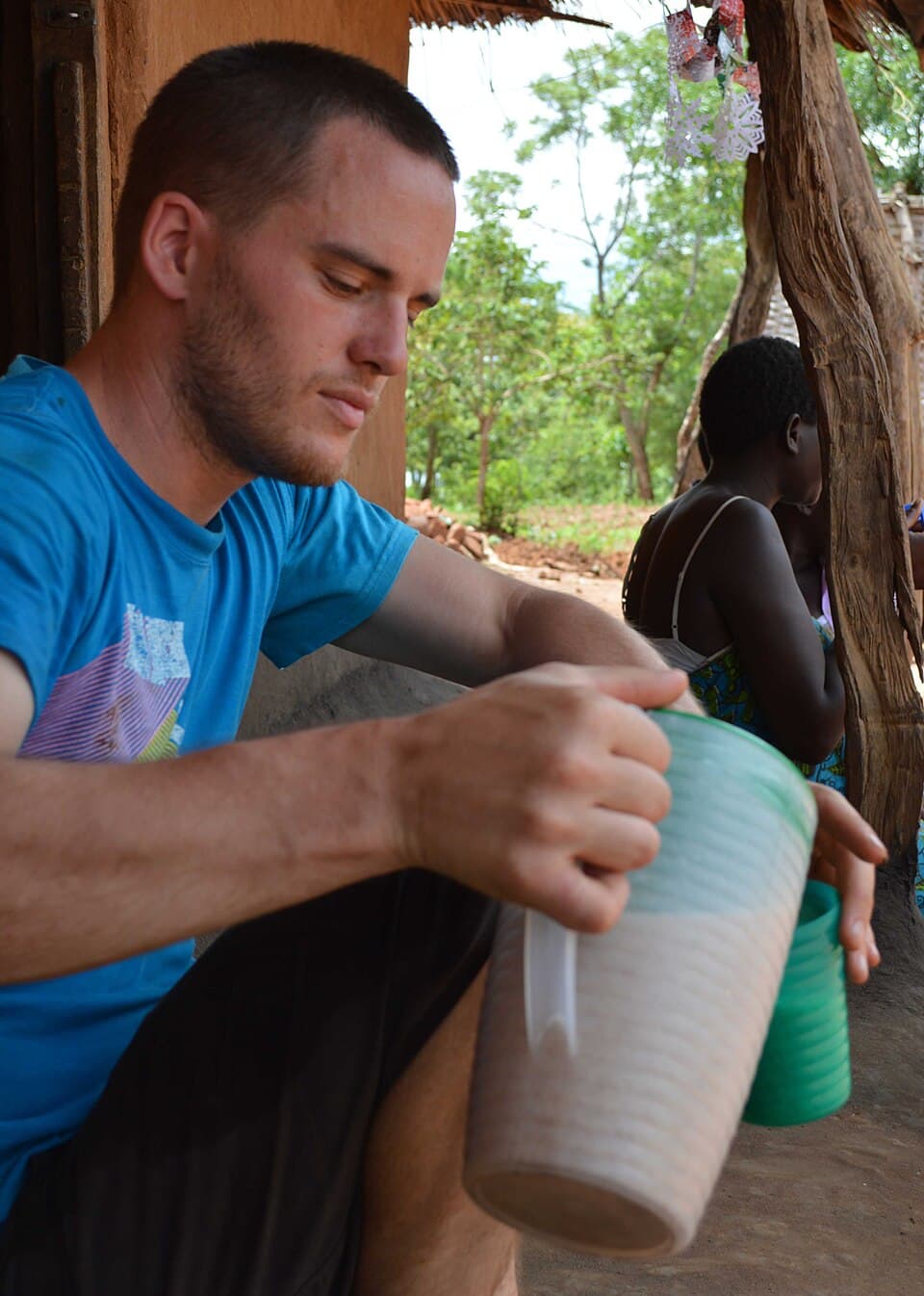
Thobwa
A fermented drink made from white maize and millet or sorghum, with a slightly sour taste and a thin porridge-like body. It is filling and nutritious, drunk either at breakfast or as an afternoon pick-me-up.
Mandasi
Sweet fried doughnuts, shaped either round or into triangles. They are soft inside with a crisp golden crust and only lightly sweet, eaten for breakfast or as a snack with tea or coffee.
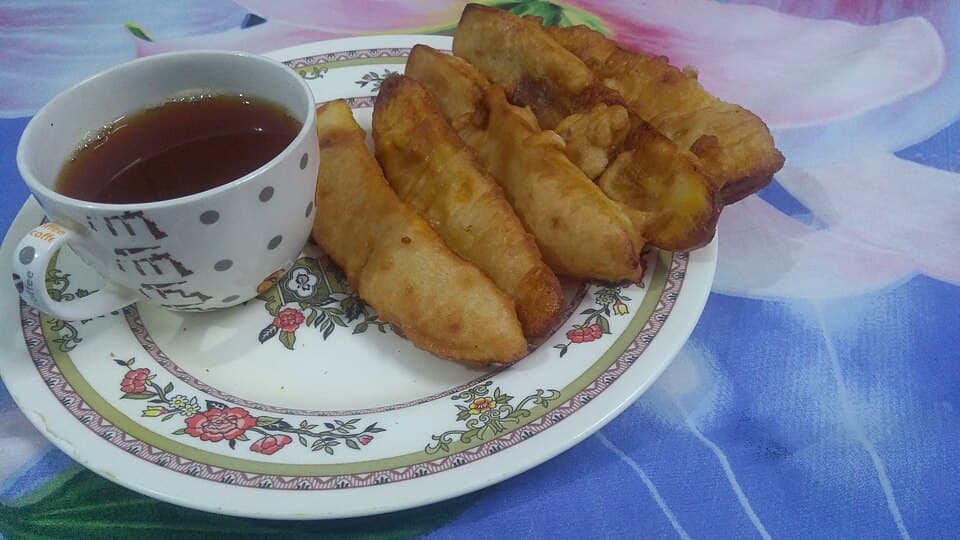
Zitumbuwa
Banana fritters made by mashing overripe bananas into flour and deep-frying the batter until golden. They are crisp outside and soft inside, sold by street vendors in towns and markets.
Chikanda
Sometimes called "African polony," chikanda is made from wild orchid tubers ground together with peanuts, chili, and spices, then steamed into a firm cake. The texture is spongy, and it is usually sliced and served cold as a snack.
Bonya
Pumpkin or squash leaves cooked down with tomatoes, onions, and sometimes groundnut powder. It is close to nkhwani but uses a different leaf, and it most often comes as a side with nsima.
Regional Specialties & Local Favorites
Discover the authentic regional dishes and local favorites that showcase Malawi's diverse culinary traditions.
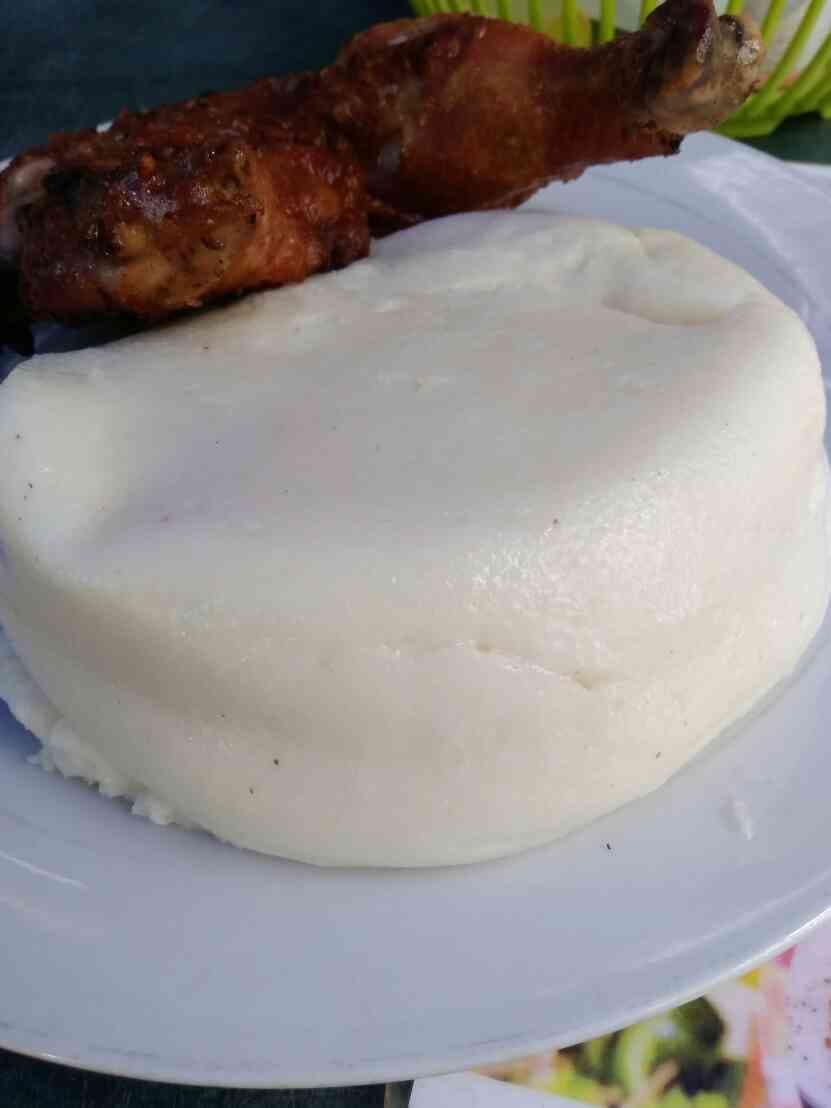
Nsima with Ndiwo
The everyday Malawian meal: nsima with ndiwo, a relish that might be vegetable, meat, or fish. This is what most families cook at home day in and day out.
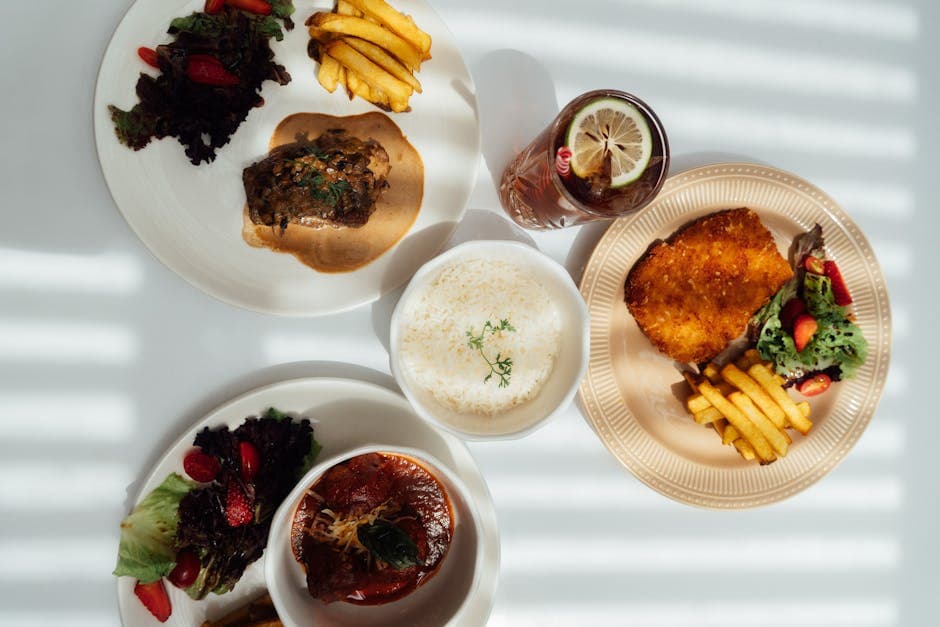
Grilled Chambo with Chips
A whole grilled chambo with a side of chips. Lakeside restaurants serve this as the tourist-friendly plate, pairing the local fish with something familiar.
Allergens:
Beef Stew with Nsima
Beef stewed slowly with tomatoes, onions, and local spices, served with nsima. It is straightforward home cooking, the kind of meal people fall back on.
Chambo Stew
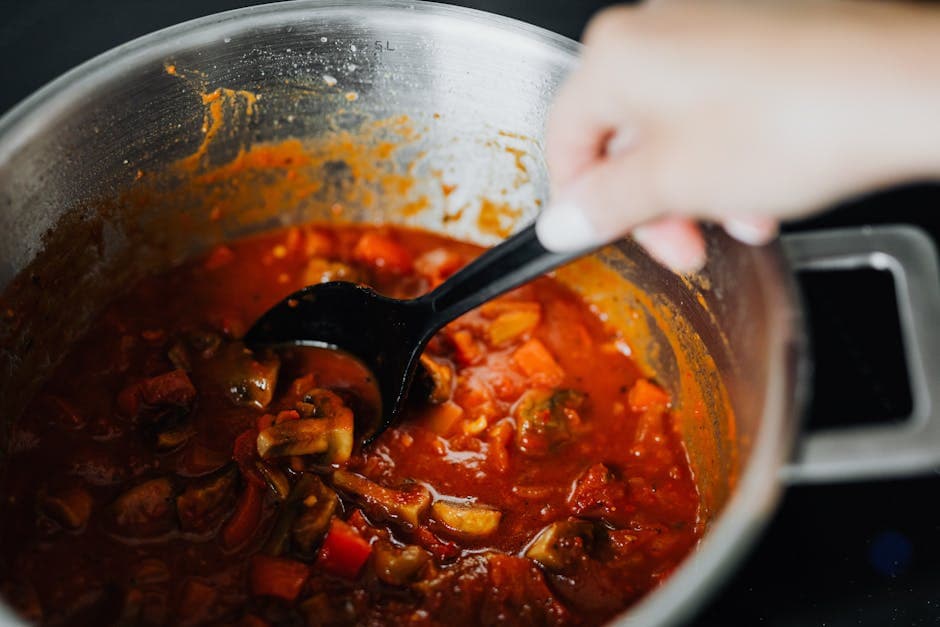
Chambo simmered in a tomato stew with onions and spices. The fish is usually cut into pieces and cooked until tender, leaving a well-flavored broth.
Allergens:
Chicken with Masamba
Chicken, grilled or stewed, served with masamba, a mix of vegetable greens cooked with tomatoes and onions and sometimes thickened with peanut powder.
Rice and Beans
A common stand-in for nsima in the cities. The beans are cooked with tomatoes, onions, and spices and spooned over steamed rice.
Matemba (Dried Fish)
Small dried fish from Lake Malawi, fried crisp and eaten as a relish with nsima. Salty and crunchy, matemba adds both flavor and protein to a meal.
Allergens:
Cabbage and Tomato Relish
A plain vegetable relish of shredded cabbage, tomatoes, and onions, cooked with a little oil and salt. It is one of the most common things to eat with nsima.
Regional Cuisine Highlights
Explore the diverse culinary landscapes across different regions of Malawi.
Northern Region
The Northern Region is the home of kondowole, the cassava staple that takes real muscle to prepare. The region sits along Lake Malawi, and its fishing communities supply fresh chambo and other lake fish. Preserved fish and hardy root vegetables do a lot of the work in the cooking here.
Cultural Significance:
Kondowole carries a lot of northern identity. Because it takes such effort to make, people in the north tie it to their own toughness and sense of who they are.
Signature Dishes:
- Kondowole
- Dried Lake Fish
- Cassava
Key Ingredients:
Central Region (Lilongwe)
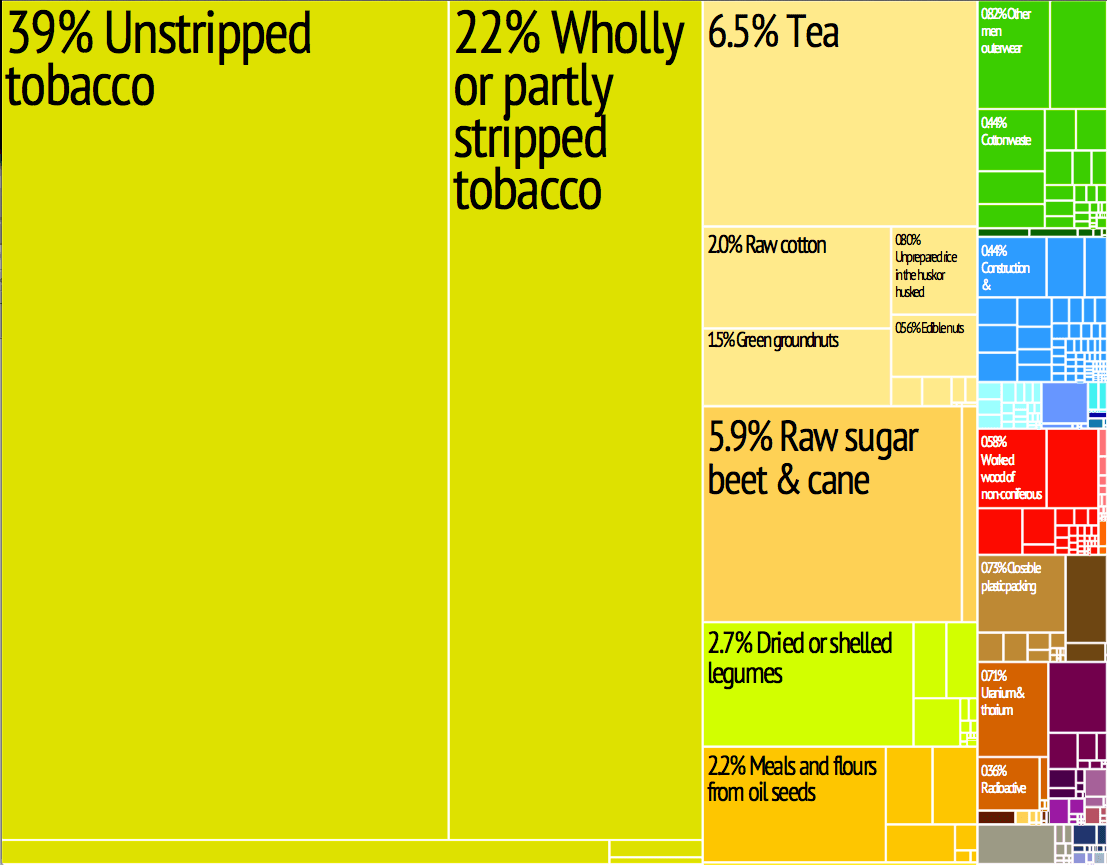
Lilongwe has the widest range of places to eat in the country, from Vincent's at the Sunbird Hotel down to the street vendors. The Central Region grows much of Malawi's tobacco, peanuts, and vegetables, and that range of produce shows up in what the kitchens cook.
Cultural Significance:
Lilongwe draws diplomats and expats, and that mix has pushed traditional Malawian food alongside international cooking. You can see local dishes shifting to suit city tastes.
Signature Dishes:
- Nsima with diverse ndiwo
- Grilled meats
- Fresh vegetables
- International cuisine
Key Ingredients:
Southern Region (Blantyre)
Blantyre, Malawi's commercial center, runs the full range from street food to upscale restaurants. The Southern Region reaches the lake's southern shores and holds good farmland, so vegetables and fruit are plentiful. Picasso and 21 Grill cook international food, while smaller local spots stick to Malawian dishes.
Cultural Significance:
As Malawi's commercial hub, Blantyre is where traditional food culture rubs up against business dining. Busy street stalls sit alongside upscale restaurants serving Ethiopian, French, and other international cooking.
Signature Dishes:
- Chambo fish
- Nsima with varied relishes
- Fresh tropical fruits
Key Ingredients:
Sweet Delights & Desserts
Indulge in Malawi's traditional sweet treats and desserts.
Banana Cake
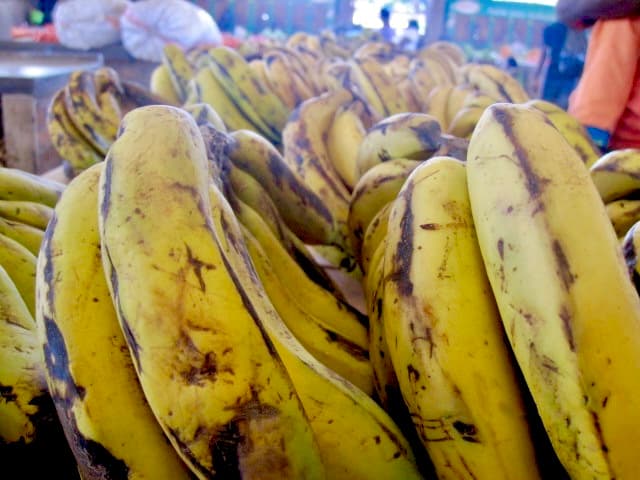
A moist cake made with ripe bananas, baked at home and sold in bakeries. Bananas grow easily in the climate, so this turns up often.
Sweet Potato Cookies
Cookies made with mashed sweet potato, which gives them a natural sweetness and color. They are usually spiced with cinnamon and nutmeg.

Peanut Butter Cookies
Crisp cookies made with local peanut butter. Malawi grows good groundnuts, and the cookies lean hard into that nutty flavor.
Traditional Beverages
Discover Malawi's traditional drinks, from locally produced spirits to regional wines.
Kachasu
A strong distilled spirit made from maize or sugarcane. Kachasu is usually produced informally and runs high in alcohol; it has long been part of rural life.
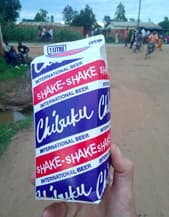
Chibuku
An opaque beer brewed from maize or sorghum and sold in its familiar cartons. It is thick, almost porridge-like, with a sour taste, and it is cheap enough to be a local favorite.
Soft Beverages
Discover Malawi's traditional non-alcoholic drinks, from local teas to refreshing juices.
Malawi Tea
Malawi grows good tea, much of it in the Thyolo and Mulanje regions. Strong black tea with milk and sugar gets drunk at all hours.
Thobwa
A non-alcoholic fermented drink made from maize and millet. Thobwa is thick, a little sour, and filling, sipped at any point in the day.
Maheu
A sweet fermented maize-meal drink, much like thobwa but sweeter. It is usually sugared and sometimes flavored with vanilla, and people often drink it at breakfast.
Frequently Asked Questions
Essential information about food and dining in Malawi.
What is the national dish of Malawi?
Malawi's most iconic dishes include Nsima, Chambo Fish, Kondowole. Malawi's national staple, made by stirring finely ground white maize flour into a thick, dense porridge. People here will tell you nsima is more than food; it is the meal. It comes with ndiwo, a vegetable or meat relish, and shows up at lunch and dinner all over the country.
Is street food safe in Malawi?
Street food in Malawi can be enjoyed safely by following these guidelines: Drink bottled water in most areas. Look for busy vendors with high turnover, ensure food is cooked fresh and served hot, and avoid raw ingredients if you have a sensitive stomach.
What are the best restaurants in Malawi?
Malawi offers diverse dining options from street food stalls to upscale restaurants. For the best experience, ask locals for recommendations, check recent reviews, and look for restaurants that specialize in regional cuisines.
Can vegetarians find food easily in Malawi?
Vegetarian options in Malawi are mediumly available. Vegetarians can eat well here. Nkhwani (pumpkin leaves), bean stews, and vegetable curries are common, and nsima served with a vegetable relish is meat-free by default.. Many restaurants offer vegetarian dishes, and you'll find plant-based ingredients featured prominently in local cuisine.
What is the average cost of a meal in Malawi?
Meal costs in Malawi depend on where you eat. Street food and casual local restaurants are very affordable, typically offering complete meals for a few dollars. Mid-range restaurants charge moderate prices, while fine dining establishments are comparably priced to Western countries.
What are common food allergens in Malawi?
Common allergens in Malawi cuisine include Peanuts, Fish, Dairy. Peanuts and ground peanut flour turn up all over Malawian cooking, especially in vegetable dishes such as nkhwani wozinga.. These ingredients appear in dishes like Nkhwani wozinga (pumpkin leaves with peanut flour), Peanut sauces. Always inform restaurant staff about your allergies.
When is the best time to visit Malawi for food?
Malawi offers great food experiences throughout the year. However, visiting during harvest seasons (typically spring and autumn) provides access to the freshest local ingredients. Food festivals and cultural celebrations also offer unique culinary experiences worth planning around.