
Democratic Republic of the Congo Food Guide
Content Information
Recently updated🔥Current Food Trends 2026
What's happening in Democratic Republic of the Congo's culinary scene right now
In 2026, Congolese cooking still anchors the food scene, and tourism around it keeps growing in Kinshasa, Lubumbashi, and Goma. Moambe, chicken in palm nut sauce, holds its place as the national dish. Nganda spots, the traditional eat-and-drink establishments, fill up across Kinshasa, where regional plates come with live makossa and soukous. Street vendors are everywhere now, selling bushmeat, fish grilled in banana leaves, and fried plantains. Branded products and convenience stores have spread through Kinshasa and Lubumbashi, though cassava dishes like fufu and chikwanga remain the backbone of meals in every region. There's more attention paid lately to sustainable fishing on the Congo River and Lake Kivu, and palm oil production stays central to how people cook. City restaurants often work French colonial habits into Congolese cooking. Markets carry the seasons: cassava leaves for saka saka, fresh river fish, tropical fruit. Because infrastructure is unreliable, cooks pay close attention to preservation, and old fermentation methods for cassava bread are getting fresh recognition. Prices stay within reach, with street food around $2-5, traditional restaurants $8-15, and upscale dining $20-40. Mpiodi fish, imported from Namibia, earned the nickname 'friend of Kinois' because it costs so little. The regions stay distinct: Kinshasa's cosmopolitan mix, Lubumbashi's mining-city plates, and Goma's Lake Kivu fish.
Food Safety Tips
Essential food safety information to help you enjoy Democratic Republic of the Congo's cuisine safely and confidently.
Drink only bottled or purified water
Tap water is not safe to drink across most of the DRC. Stick to bottled water for drinking and even for brushing your teeth, and check that the seal is intact when you buy a bottle.
Choose busy vendors with high turnover and visible cooking
Street food is usually fine when you pick a busy stall that cooks to order. Go for vendors grilling or frying right in front of you, and skip anything that has been sitting out.
Be cautious with foods left at room temperature
In the tropical heat, food spoils fast, so avoid anything left out for a while. Refrigeration is not always reliable, so order hot food that has just been cooked.
Exercise caution with bushmeat consumption
Bushmeat is a traditional food, but it can carry health risks. Make sure any meat is cooked all the way through. Given the chance of disease transmission, many travelers choose to skip it entirely.
Dietary Options
vegetarian
MEDIUM AVAILABILITYVegetarians can build meals around saka saka (cassava leaves), bean stews, plantains, and rice. The cuisine leans heavily on meat, but the vegetable dishes that usually arrive as sides work well as a main course on their own.
vegan
LOW AVAILABILITYVegan eating is harder but doable. Fufu, plantains, cassava bread, and vegetable stews made without meat stock all fit. Be clear about what you need, since palm oil is plant-based and used everywhere, but many dishes still get fish or meat stock added.
gluten-free
HIGH AVAILABILITYA lot of Congolese cooking is gluten-free by default, built on cassava, plantains, rice, and corn instead of wheat. Fufu and chikwanga contain no gluten when they are made from cassava.
Common Allergens
Peanuts
HIGH PREVALENCEPeanuts and peanut paste are extensively used in Congolese cuisine, especially in sauces
COMMONLY FOUND IN:
Fish
HIGH PREVALENCEFish is a staple protein source, used fresh, smoked, or dried in many dishes
COMMONLY FOUND IN:
Sesame
MEDIUM PREVALENCESesame seeds used in some traditional preparations and snacks
COMMONLY FOUND IN:
Essential Food Experiences
These iconic dishes represent the must-have culinary experiences that define Democratic Republic of the Congo's food culture for travelers.
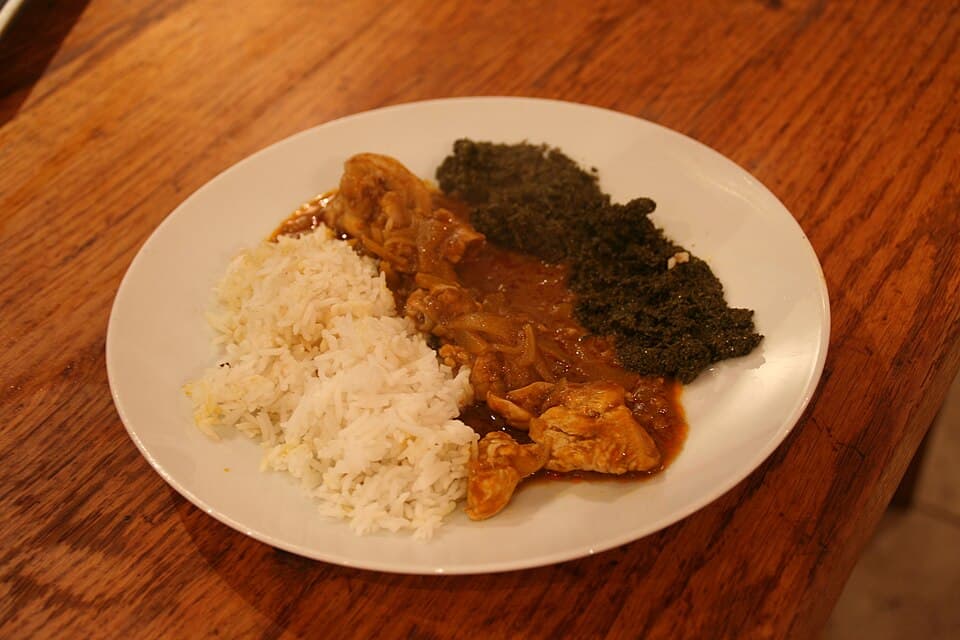
Moambe Chicken (Poulet à la Moambe)
The DRC's national dish: chicken simmered in a thick, creamy sauce of moambe (palm nut paste) that tastes nutty and earthy. Peanut butter, nutmeg, hot pepper, and onions round it out. It comes with fufu, rice, or plantains, and the depth of flavor comes from hours of slow cooking. People make it for celebrations and special occasions, and no Congolese meal feels complete without trying it.

Fufu
The starchy staple that turns up on Congolese tables everywhere, north to south. Cassava flour or cornmeal gets pounded and cooked into a thick, dough-like mass with a smooth, elastic feel. You eat it by hand, tearing off pieces and dipping them into sauces and stews. There are two main kinds, maize fufu and cassava fufu, and it's usually shared from a common bowl.

Chikwanga (Kwanga)
Traditional cassava bread: cassava flour cooked, wrapped in banana leaves, then steamed or boiled. The color shifts by region, darker in some areas and nearly white in others. It keeps for a long time and travels well, which makes it handy on the road. People eat it alongside stews or on its own as a snack, and you'll find it at stalls and markets across the country.

Saka Saka (Pondu)
A staple greens dish of pounded cassava leaves cooked down with peanut paste, onions, and garlic, sometimes coconut milk. Some cooks add dried fish or meat. It turns a deep green and tastes earthy. The work is slow, since the leaves have to be pounded and then simmered for hours. It's served with fufu, rice, or chikwanga, and the peanuts make it a good source of protein.

Liboke (Maboke)
Fish or meat wrapped in banana leaves with vegetables, spices, and a marinade, then steamed or grilled over charcoal. The leaves lend a faint flavor and keep everything moist. River fish like tilapia and capitaine are the usual choice. It's a common method across the DRC, and you can order it at markets and restaurants alike.
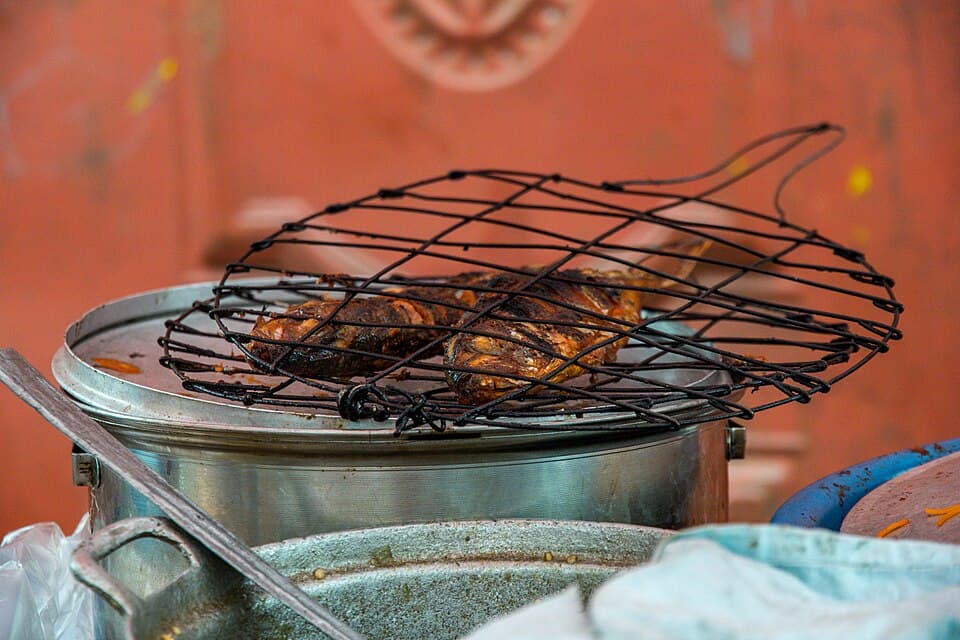
Mpiodi Fish
Imported fish, mostly from Namibia, that became a Kinshasa staple. It picked up the nickname "friend of Kinois" because it costs far less than local river fish. Cooks usually fry it in oil until crisp. You find it at street stalls and in restaurants, on tables across every income bracket, and it says a lot about how the city eats.

Makemba (Fried Plantains)
Plantains sliced and deep-fried until golden, ripe or green. Ripe ones turn sweet and caramelized; green ones stay savory. People eat them as a snack, a side, or street food. It's a plain but unmissable Congolese staple, sold by vendors and restaurants alike, often paired with bean stew or grilled meat.

Brochettes
Grilled meat skewers of goat, beef, or chicken, marinated in spices and cooked over charcoal until smoky. They turn up at street stalls and maquis (local eateries), usually with fried plantains, cassava, or hot pepper sauce on the side. This is food for hanging out, and it goes down with a cold beer.
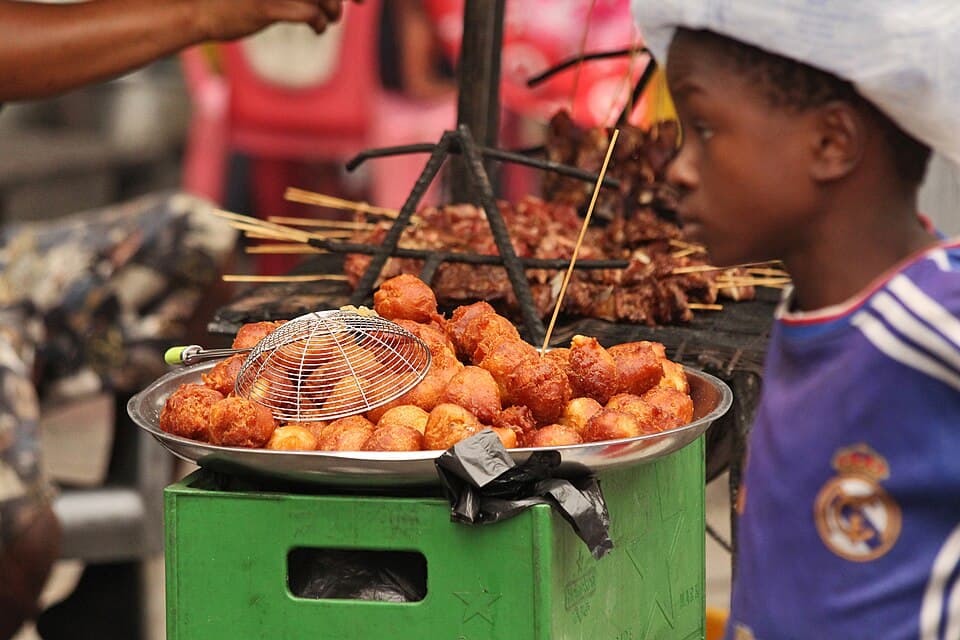
Beignets
Deep-fried dough balls that come sweet or savory, eaten at breakfast or as a snack. They're made from wheat or cassava flour and sometimes filled with beans, and the texture is light and fluffy. Vendors sell them all day, they cost very little, and most people have them with coffee or tea.

Pili Pili Sauce
A fiery pepper sauce made from small African bird's eye chilies blended with garlic, lemon, oil, and salt. It sits on nearly every Congolese table, with the heat and the recipe shifting from region to region. People spoon it onto grilled meat, fish, fufu, and rice to wake up the plate.

Madesu (Bean Stew)
Red or black beans slow-cooked with palm oil, onions, tomatoes, and spices into a hearty, filling dish that delivers plenty of plant protein. It's a regular at home tables, cheap and nourishing, and usually served with rice, fufu, or plantains. Some versions fold in smoked fish or dried meat.

Ngai Ngai (Grilled River Fish)
Fresh river fish (tilapia, capitaine, and others) grilled whole over charcoal until the skin crisps and smokes while the flesh stays tender and flaky. It arrives with pili pili sauce, lemon, and salt. You'll see it along the Congo River and the lakes, and it tastes best fresh at a riverside maquis.
Regional Specialties & Local Favorites
Discover the authentic regional dishes and local favorites that showcase Democratic Republic of the Congo's diverse culinary traditions.

Pondu (Cassava Leaves)
Pounded cassava leaves simmered into a green stew with peanuts, onions, and fish. A nourishing staple found across the DRC.
Allergens:

Soso (Chicken)
Chicken grilled or fried with local spices. You find it both at street stalls and on restaurant menus.

Fumbwa
Wild spinach cooked with palm oil, peanut butter, and fish. A green dish that feels unmistakably Congolese.
Allergens:

Mikate (Fried Dough)
Sweet fried dough, close to a donut. A common breakfast item from street vendors.
Allergens:

Goat Meat Stew
Goat meat slow-cooked with vegetables and spices until tender. A protein people eat all over the DRC.

Fried Caterpillars
Edible caterpillars fried until crisp, with a nutty taste. A traditional protein and a seasonal treat.
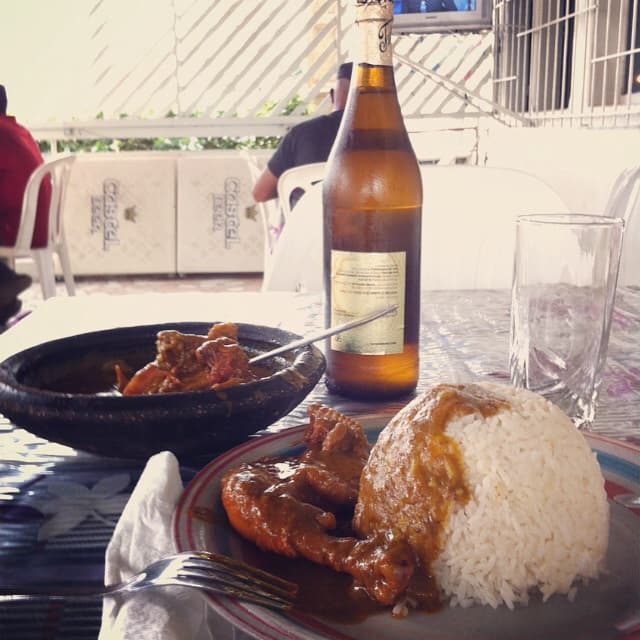
Rice with Peanut Sauce
Steamed rice under a creamy peanut sauce. An everyday meal you see often.
Allergens:
Sambaza (Small Fish)
Tiny fish from Lake Tanganyika, fried until crisp and eaten whole like chips. High in calcium.
Allergens:
Regional Cuisine Highlights
Explore the diverse culinary landscapes across different regions of Democratic Republic of the Congo.
Kinshasa
The capital has the most cosmopolitan food scene in the country. Nganda restaurants serve regional specialties to live music, and French colonial influence shows up plainly in city dining. Street food does well here, with grilled fish, brochettes, and fried plantains on every corner. The mix of ethnic backgrounds gives the restaurants real range. The Boulevard du 30 Juin is the main dining strip.
Cultural Significance:
Kinshasa is where modern Congolese city cooking takes shape. Nganda restaurants work as social hubs, pairing food with makossa and soukous. Street vendors keep the food culture lively and within reach for every income level. Traditional Congolese cooking and French colonial habits sit side by side here.
Signature Dishes:
- Moambe chicken ($8-12 with fufu)
- Mpiodi fried fish
- Street food grilled meats
- French-Congolese fusion
Key Ingredients:

Lubumbashi (Katanga)
A mining city with filling, working-class food. Cassava and plantain fufu lead the table. Street vendors put out quick, cheap meals for $2-4. There's less restaurant choice than in Kinshasa, but the traditional cooking is the real thing. On the edge of town, Bush Camp serves game meat and traditional stews in a genuine bush setting.
Cultural Significance:
Lubumbashi's food mirrors its mining culture and working-class roots. Meals are filling and cheap, built to keep you going. Bush Camp stands out for its focus on game. The cooking stays closely tied to the farming traditions of the Katanga region.
Signature Dishes:
- Cassava fufu with stews
- Game meat dishes
- Traditional Congolese stews
- Street vendor meals
Key Ingredients:
Goma (North Kivu)
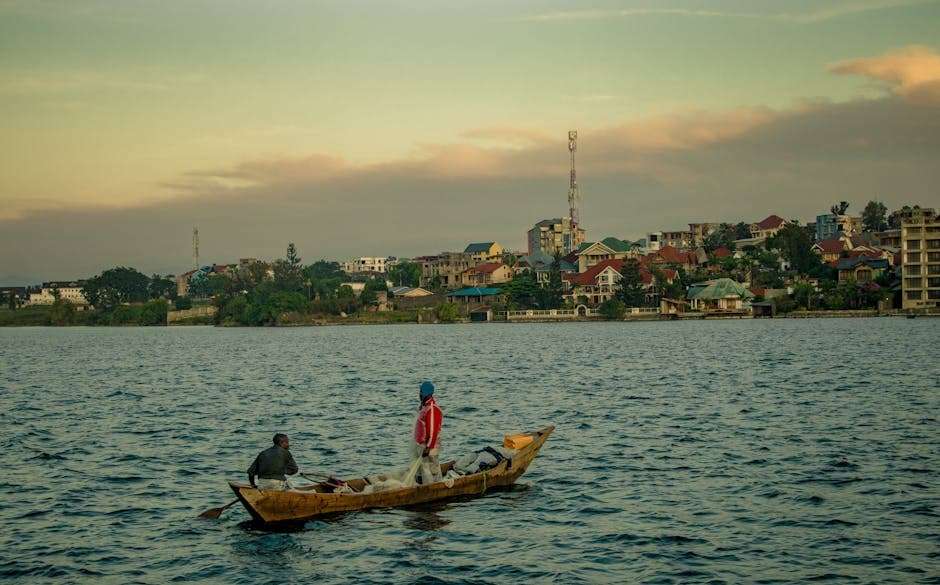
Sitting on Lake Kivu, Goma is known for its freshwater fish. The signature dish, cassava leaves with peanuts and fish, runs $4-7. The area grows most of its own staples. Petit Paris Restaurant draws a crowd in the Quartier du Volcan. Farming runs deep here, and the way cassava gets prepared shifts from one part of the region to the next.
Cultural Significance:
Goma's cooking grows out of Lake Kivu's fishing traditions and the fertile farmland of eastern Congo. The markets follow the seasons, and the food owes a lot to the lake and to the rich volcanic soil.
Signature Dishes:
- Lake Kivu fish
- Cassava leaves with peanuts
- Fresh river fish
- Local vegetables
Key Ingredients:
Sweet Delights & Desserts
Indulge in Democratic Republic of the Congo's traditional sweet treats and desserts.
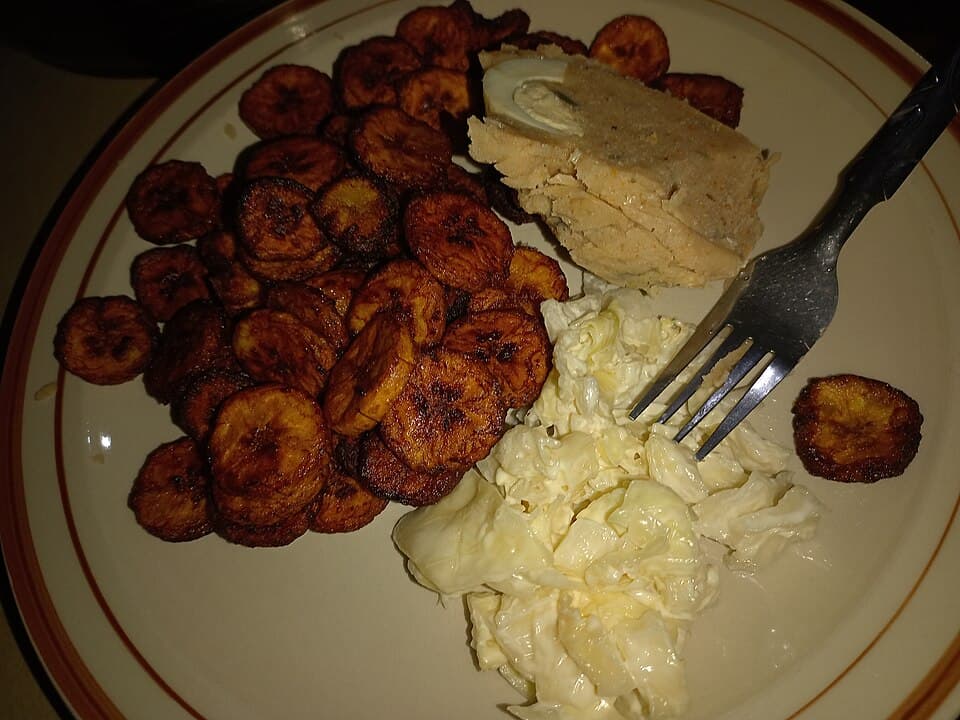
Makemba Dessert (Sweet Plantains)
Ripe plantains caramelized in sugar and butter, sometimes with a little cinnamon. A plain, traditional sweet.
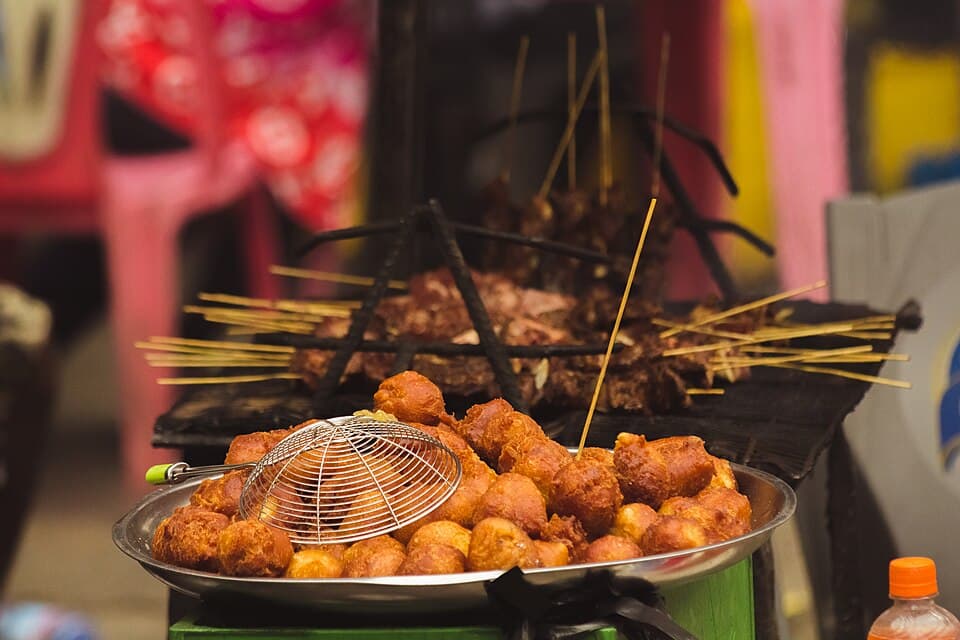
Mikate ya Mayembe (Coconut Donuts)
Fried dough balls rolled in shredded coconut and sugar. A favorite street dessert.
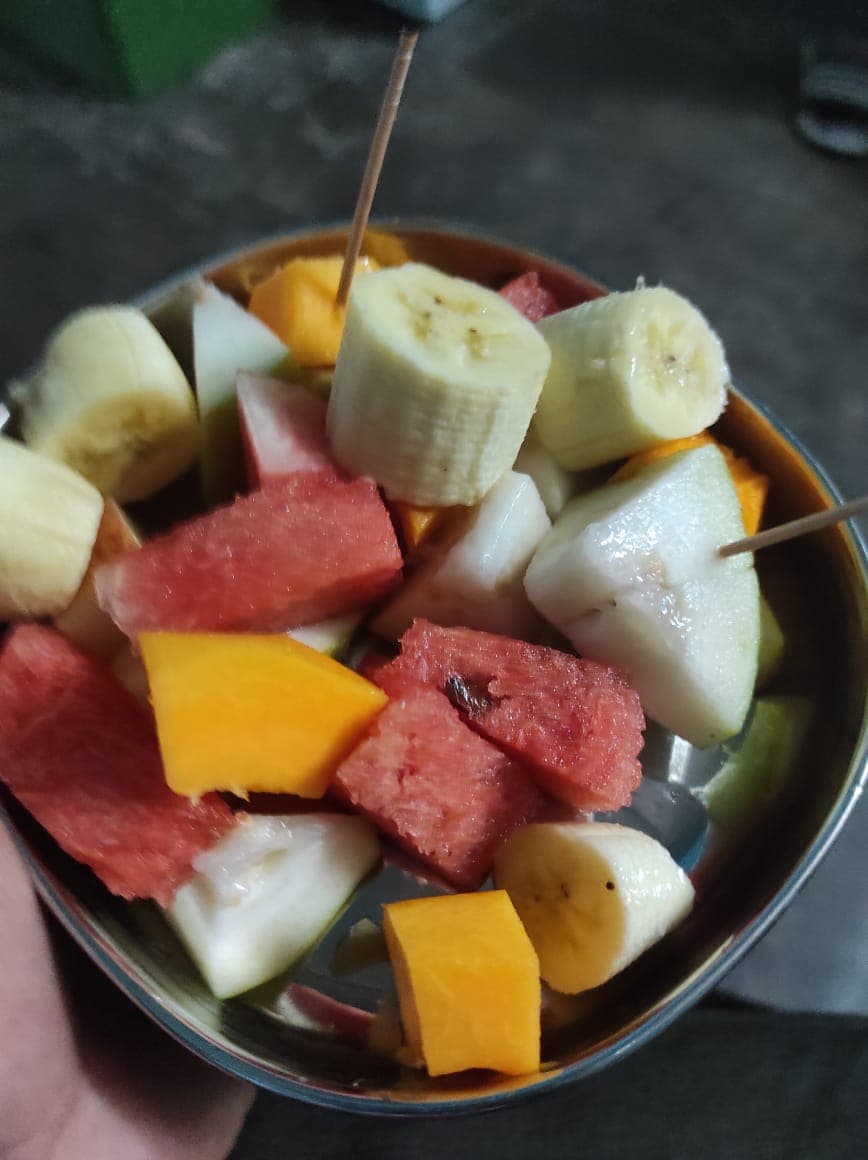
Tropical Fruit Salad
Mango, pineapple, papaya, and passion fruit served chilled. A light, refreshing way to end a meal.
Traditional Beverages
Discover Democratic Republic of the Congo's traditional drinks, from locally produced spirits to regional wines.
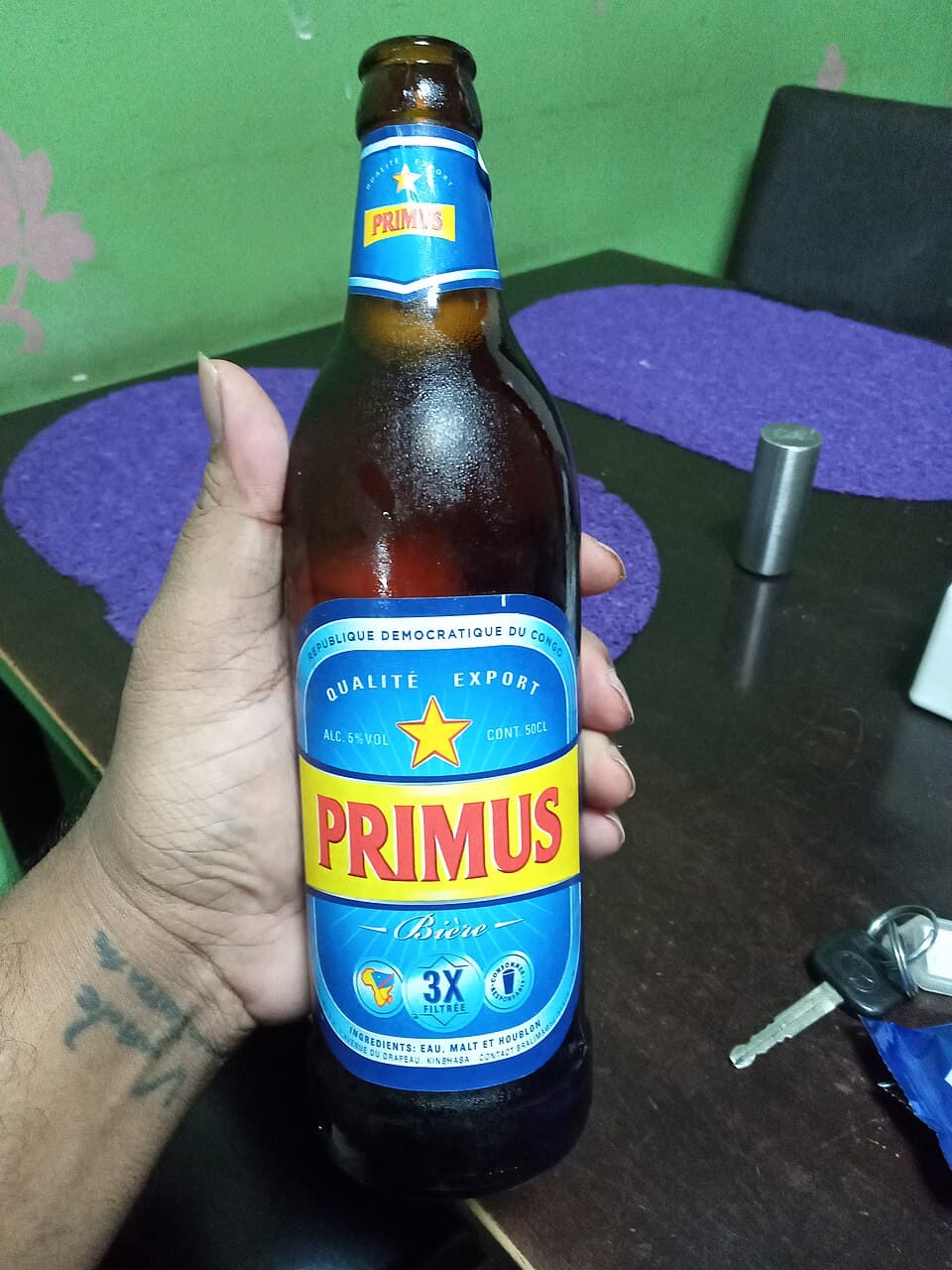
Primus Beer
The country's most popular beer, a light lager brewed locally. People drink it ice-cold, especially with grilled meat at the maquis.
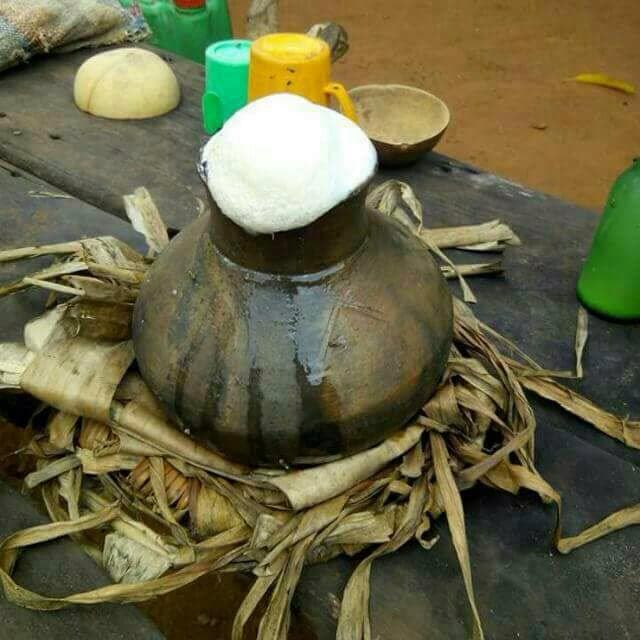
Palm Wine (Masanga)
Fermented palm sap that comes out milky-white, faintly sweet, and fizzy. Fresh palm wine is only mildly alcoholic, and the strength climbs the longer it ferments.
Soft Beverages
Discover Democratic Republic of the Congo's traditional non-alcoholic drinks, from local teas to refreshing juices.
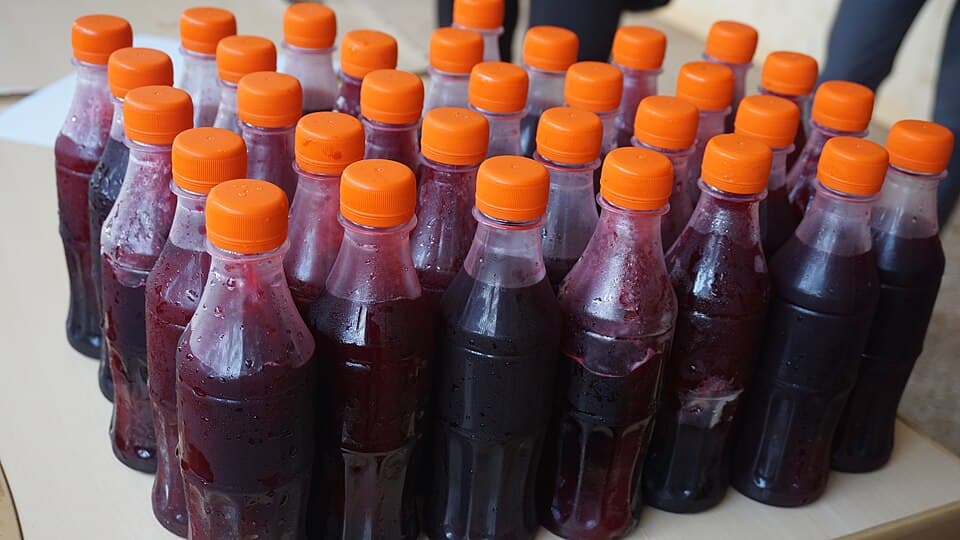
Jus de Bissap (Hibiscus Drink)
A cold, sweetened drink steeped from dried hibiscus flowers. Deep red, with a tart edge.
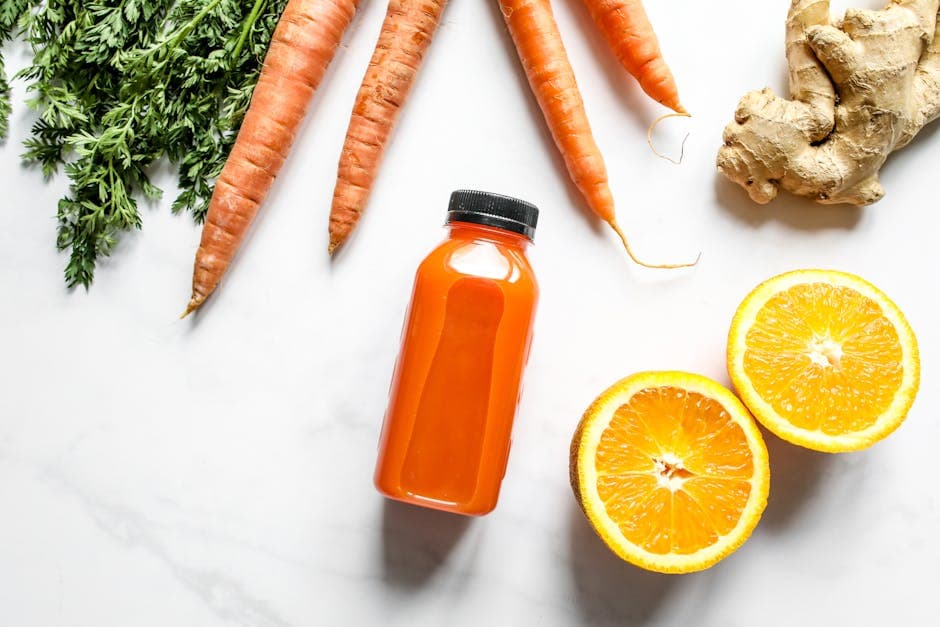
Jus de Gingembre (Ginger Juice)
A spicy-sweet drink made fresh from grated ginger, sugar, and lemon. Many people drink it to settle the stomach.

Coffee (Congolese Coffee)
The DRC grows fine Arabica, much of it from the Kivu region. It is usually drunk strong and sweet.
Frequently Asked Questions
Essential information about food and dining in Democratic Republic of the Congo.
What is the national dish of Democratic Republic of the Congo?
Democratic Republic of the Congo's most iconic dishes include Moambe Chicken (Poulet à la Moambe), Fufu, Chikwanga (Kwanga). The DRC's national dish: chicken simmered in a thick, creamy sauce of moambe (palm nut paste) that tastes nutty and earthy. Peanut butter, nutmeg, hot pepper, and onions round it out. It comes with fufu, rice, or plantains, and the depth of flavor comes from hours of slow cooking. People make it for celebrations and special occasions, and no Congolese meal feels complete without trying it.
Is street food safe in Democratic Republic of the Congo?
Street food in Democratic Republic of the Congo can be enjoyed safely by following these guidelines: Drink only bottled or purified water Be cautious with foods left at room temperature. Look for busy vendors with high turnover, ensure food is cooked fresh and served hot, and avoid raw ingredients if you have a sensitive stomach.
What are the best restaurants in Democratic Republic of the Congo?
Democratic Republic of the Congo offers diverse dining options from street food stalls to upscale restaurants. For the best experience, ask locals for recommendations, check recent reviews, and look for restaurants that specialize in regional cuisines.
Can vegetarians find food easily in Democratic Republic of the Congo?
Vegetarian options in Democratic Republic of the Congo are mediumly available. Vegetarians can build meals around saka saka (cassava leaves), bean stews, plantains, and rice. The cuisine leans heavily on meat, but the vegetable dishes that usually arrive as sides work well as a main course on their own.. Many restaurants offer vegetarian dishes, and you'll find plant-based ingredients featured prominently in local cuisine.
What is the average cost of a meal in Democratic Republic of the Congo?
Meal costs in Democratic Republic of the Congo depend on where you eat. Street food and casual local restaurants are very affordable, typically offering complete meals for a few dollars. Mid-range restaurants charge moderate prices, while fine dining establishments are comparably priced to Western countries.
What are common food allergens in Democratic Republic of the Congo?
Common allergens in Democratic Republic of the Congo cuisine include Peanuts, Fish, Sesame. Peanuts and peanut paste are extensively used in Congolese cuisine, especially in sauces. These ingredients appear in dishes like Moambe sauce, Peanut stews. Always inform restaurant staff about your allergies.
When is the best time to visit Democratic Republic of the Congo for food?
Democratic Republic of the Congo offers great food experiences throughout the year. However, visiting during harvest seasons (typically spring and autumn) provides access to the freshest local ingredients. Food festivals and cultural celebrations also offer unique culinary experiences worth planning around.