
Suriname Food Guide
Content Information
Recently updated🔥Current Food Trends 2026
What's happening in Suriname's culinary scene right now
Few countries pack as many food traditions into one place as Suriname does. Indian, Javanese, Creole, Chinese, Dutch, Portuguese, Jewish, and Amerindian cooking have crossed paths here for generations, producing dishes you won't find anywhere else. By 2026 that food is finally getting noticed beyond the country's borders, partly through food writers and social media accounts that have picked up on a cuisine most travelers still know nothing about. Paramaribo is where the range shows: Javanese warungs, roti shops, Chinese kitchens, and Creole restaurants all operate within a few blocks of each other. Pom, the baked casserole of grated pomtayer root and chicken, is still the dish families make for birthdays and other occasions worth marking. Roti arrived with Indian indentured laborers in the late 1800s and turned into something distinctly Surinamese, wrapped around curry fillings. At Central Market in Paramaribo the street food runs from saoto soup, the Javanese chicken broth, to bakabana, fried plantain with peanut sauce. After dark, the Blauwgrond night market draws people for satay, bami, nasi, and loempia straight off the grill. Moksi meti, the mixed-meat-and-rice plate, pulls African, Asian, and European cooking into a single pot. What ties all of it together is that these kitchens have never stayed separate. They borrow from each other, and the borrowing is the cuisine.
Food Safety Tips
Essential food safety information to help you enjoy Suriname's cuisine safely and confidently.
Tap water in Paramaribo is generally safe
Tap water in Paramaribo and the larger towns is treated and safe enough to drink. If your stomach is easily upset, bottled water is the safer bet, and in rural areas it is the way to go.
Choose busy vendors with high turnover
Street food is central to how people eat here, and it is safe enough when you stick to busy stalls cooking to order. Watch how a vendor handles the food before you buy.
Be mindful of food left in tropical heat
The tropical heat works against anything left standing, so skip food that has been sitting out at room temperature and order meals cooked hot and served fresh.
Surinamese food can be quite spicy
Plenty of dishes, especially the Indian and Javanese ones, carry real heat. Ask before you order, and request a milder version if that suits you better.
Dietary Options
vegetarian
HIGH AVAILABILITYVegetarians eat well here, especially at Indian and Javanese restaurants. Roti with vegetable curry, meatless nasi goreng, and the various bean dishes all do the job.
vegan
MEDIUM AVAILABILITYVegan meals are doable but take a conversation. Many Javanese and Indian kitchens will leave out the dairy and eggs if you ask, so be clear about what you can and cannot eat.
gluten-free
MEDIUM AVAILABILITYAwareness of gluten is growing slowly. Rice dishes like nasi goreng and moksi alesi are gluten-free by nature, while roti is wheat, so lean toward the rice. Shared pans can be a problem, so mention your needs when you order.
halal
HIGH AVAILABILITYWith a sizable Muslim population among the Javanese and Indian communities, halal food is easy to find. Plenty of restaurants and street vendors carry halal-certified options.
kosher
LOW AVAILABILITYDespite the country's long Jewish history, kosher food is hard to come by. Supermarkets may stock some sealed imported products, and fresh fruit, vegetables, and certain fish can be kosher on their own terms.
Common Allergens
Peanuts
HIGH PREVALENCEPeanuts turn up everywhere in Surinamese cooking, in satay sauce, over bakabana, and in countless other dishes.
COMMONLY FOUND IN:
Shellfish
MEDIUM PREVALENCEShrimp and other shellfish show up across the menu, particularly in Creole and Chinese cooking.
COMMONLY FOUND IN:
Soy
HIGH PREVALENCESoy sauce is widely used in Javanese and Chinese-influenced dishes.
COMMONLY FOUND IN:
Essential Food Experiences
These iconic dishes represent the must-have culinary experiences that define Suriname's food culture for travelers.
Pom
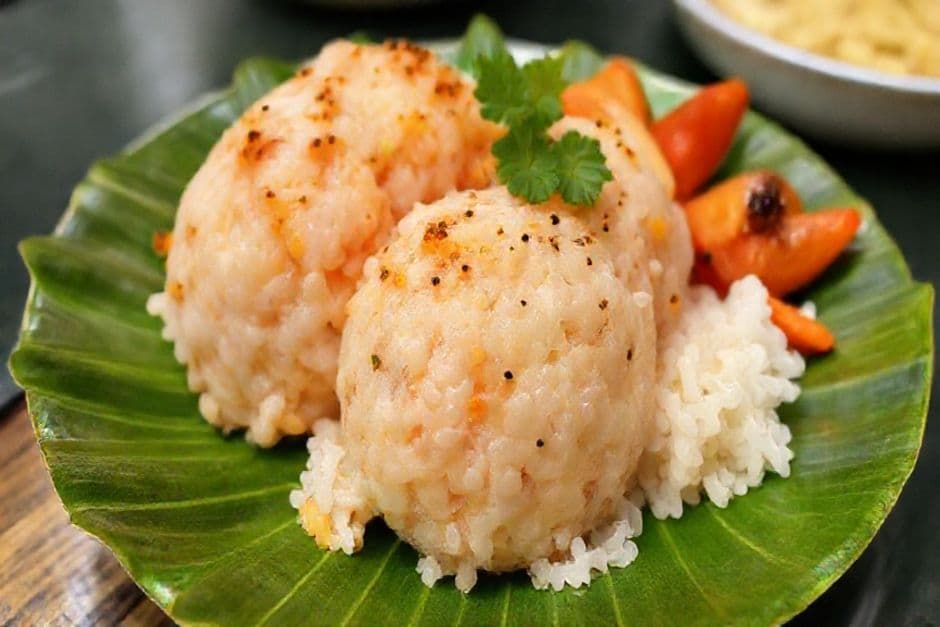
Pom is as close to a national dish as Suriname has. Grated pomtayer (a tayer root vegetable) is mixed with chicken, citrus juice, and spices, then baked until the top crisps up and the inside stays moist. Pomtayer grows easily here where potatoes struggle, and against the chicken and citrus it gives the dish a rich, slightly tangy flavor. It is celebration food, the thing people cook for birthdays and other big days, and it traces back to the country's Jewish-Creole kitchens.

Roti
The flatbread came over with Indian indentured laborers in the late 1800s and has since become its own Surinamese thing. The bread itself is flour, water, and oil, and it gets wrapped around curried vegetables, chicken, beef, or egg, with spicy chutney and a side of potatoes. It runs larger than Indian roti and usually arrives as a filled wrap. Roti shops are all over Paramaribo, including well-known names like Roopram Roti and Joosje.

Moksi Meti
The name says it plainly: moksi means mixed, meti means meat. Chicken, pork, and sometimes beef get marinated in rum or wine, then slow-cooked until the flavor turns deep and layered, and the whole thing comes together with rice and vegetables in one pot. Both the ingredients and the methods borrow from Asian, African, and European kitchens, which is exactly why the dish reads as Surinamese.

Bakabana
Bakabana is ripe plantain (bakbananen) fried until golden and crisp, usually with peanut sauce or another dip on the side. The plantain brings its own sweetness, and against the savory peanut sauce it is hard to stop eating. It works as a snack on the move or as a side with a larger meal. You will find it at vendors and markets across the country, and especially at the evening food stalls.

Saoto Soup
Saoto is the Javanese chicken soup you will see on the menu at just about every warung in the country. The base is chicken broth with shredded chicken, bean sprouts, hard-boiled egg, fried onions, and whatever toppings the cook favors, with sambal and sweet soy sauce (ketjap) on the side to adjust it yourself. The savory broth, the crisp fried bits, and the fresh vegetables land somewhere between a light soup and a full meal. Few first visits feel complete without a bowl.

Nasi Goreng
This Indonesian-style fried rice is a fixture, popular with pretty much everyone. Rice is fried in soy sauce with shrimp paste (trassi), vegetables, and your choice of chicken, shrimp, or egg, then often topped with a fried egg and served alongside cucumber and sambal. The Javanese brought it over in the 1890s and it has been Surinamese ever since. You will find it at warungs and restaurants everywhere, and locals will tell you it doubles as a hangover cure.

Bami
Bami is the stir-fried noodle dish the Javanese brought when they emigrated in the 1890s, and it remains one of the country's favorites. The noodles are fried with vegetables and meat, usually chicken, pork, or shrimp, and seasoned with soy sauce and spices, then served with pickled vegetables and sambal. It is close to mie goreng with a few Surinamese tweaks, and nearly every Javanese restaurant and food stall makes it.

Satay (Saté)
Skewered meat, Indonesian in origin, grilled and served with peanut sauce. The meat can be chicken, beef, pork, or even crocodile, marinated in spices before it hits the grill so it comes out tender. The peanut sauce does most of the work, creamy and a little sweet with some heat behind it. You buy it straight off the BBQ grills at warungs and night markets, the Blauwgrond stalls especially.

Moksi Alesi
Boiled rice cooked up with salted meat, shrimp or fish, and whatever vegetables are on hand. The dish dates to slavery, when enslaved people built it from leftovers, chicken, meat, dried fish, beans, vegetables, anything available, with rice as the base. What started as making do became comfort food, and most families cook their own version, which is part of why it matters as much as it does. It carries the African-Surinamese Creole line directly.

Grietbana Soep with Tomtom
People call this the Surinamese love soup. The Creole dish brings together root vegetables, green plantains, dried fish, salted meat, and coconut milk, with tomtom, a side of grated plantain and cassava, alongside it. The coconut broth is rich and creamy, and with the vegetables and proteins it makes a filling meal. It is one of several substantial soups in the Creole repertoire, and it is traditionally a Saturday dish.

Loempia
Surinamese-Javanese spring rolls, filled with vegetables, bean sprouts, and sometimes meat, deep-fried until crisp and served with sweet chili or soy sauce. They run larger and heartier than the spring rolls you might know, which is why they work as a snack on their own or as something to round out a meal. A staple at Javanese restaurants and street stalls.
Regional Specialties & Local Favorites
Discover the authentic regional dishes and local favorites that showcase Suriname's diverse culinary traditions.

Bara
Split-pea fritters, crisp at the edges and soft in the middle, served with chutney or tucked into a sandwich. An Indian-Surinamese snack you will find at markets and street vendors.
Allergens:
Peanut Soup
A creamy soup built on peanut butter, vegetables, and sometimes chicken or beef, with a deep nutty flavor. People reach for it on cooler evenings when they want something warming.
Allergens:

Rice and Beans
Rice cooked with kidney beans, coconut milk, and spices. Plain enough on its own but full of flavor, and a Creole staple that sits well next to meat or fish.
Allergens:

Pepperpot
An Amerindian dish that Creole kitchens took up. Meat is stewed with cassareep, a sauce made from cassava, which turns the whole thing dark, rich, and slightly sweet. Families tend to cook it in big batches for the holidays.
Moksi Alesi
Mixed rice with salted meat, fish, vegetables, and beans. Every family cooks it a little differently, which is why it feels so personal. It comes straight out of the Afro-Surinamese kitchen.
Allergens:
Dawet
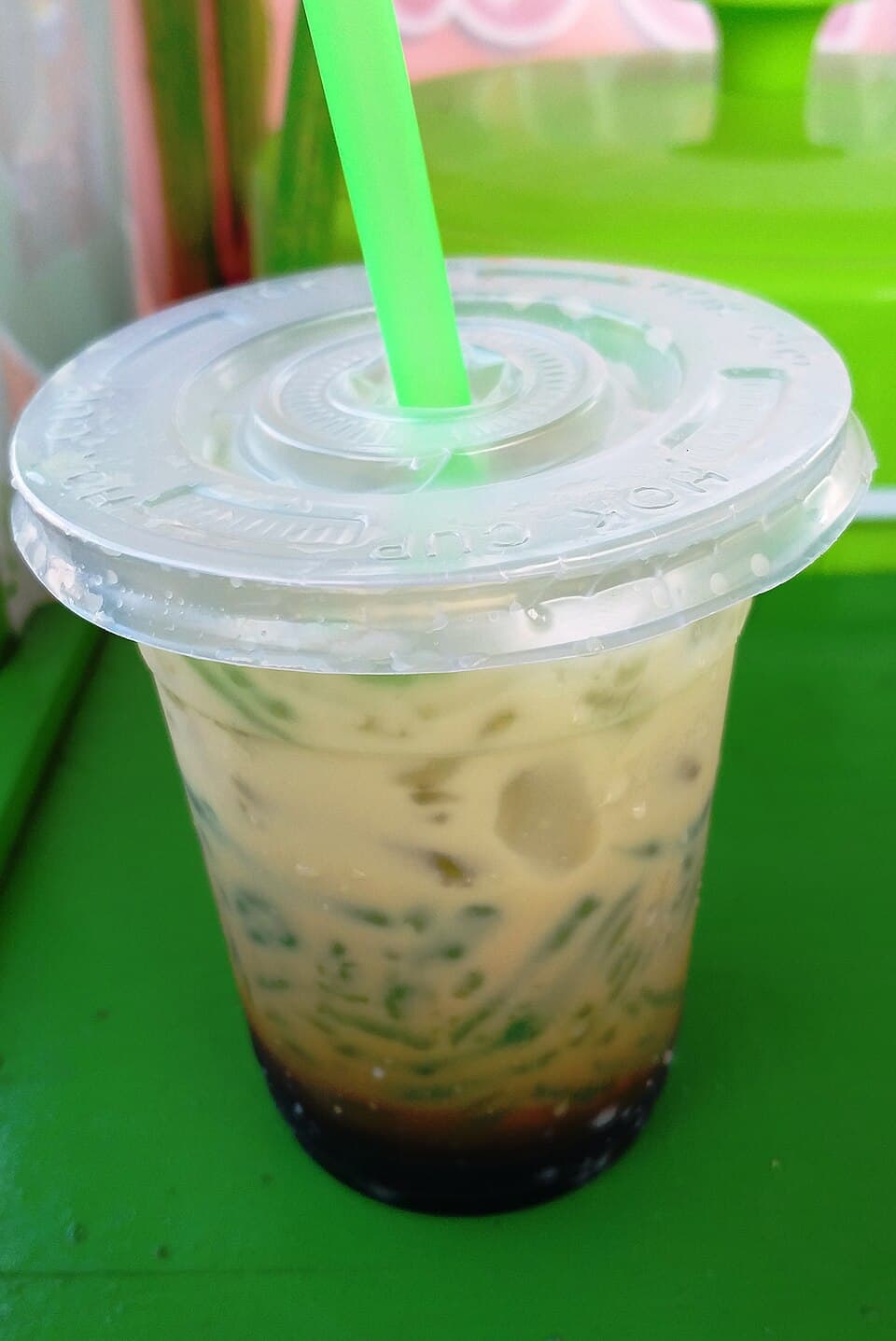
A Javanese coconut milk drink with pandan-flavored rice flour jelly, palm sugar syrup, and ice. The drink to order on a hot day.
Allergens:

Teloh (Egg Rolls)
Savory Javanese-style egg rolls with vegetables and sometimes meat, eaten as a snack or starter.
Allergens:

Chicken Foot Soup
A Surinamese soup of chicken feet, vegetables, and spices. Locals credit it with health benefits, especially for the joints. It is an acquired taste, but one a lot of people are devoted to.
Regional Cuisine Highlights
Explore the diverse culinary landscapes across different regions of Suriname.
Paramaribo (Capital) - Multicultural Hub
Paramaribo is where the country's food comes together, and different neighborhoods eat differently. Indian roti shops, Javanese warungs, Chinese restaurants, Creole kitchens, and Dutch-leaning cafes all share the same city, which makes the capital the easiest place to taste the full range.
Cultural Significance:
The UNESCO-listed historic center carries the marks of Dutch colonial architecture, while the food tells the story of immigrant communities living side by side. By 2026 the city has become a destination in its own right for people who want to eat this kind of cooking.
Signature Dishes:
- Every type of Surinamese cuisine represented
- Blauwgrond Javanese food zone - satay, bami, nasi
- Central Market street food
- Roti shops throughout the city
Key Ingredients:
Javanese Districts (Commewijne, Saramacca)
The districts with the largest Javanese populations hold onto the strongest Indonesian food traditions. Warungs cook the real thing and night markets keep the older food culture going. The rice grown in these regions feeds the nasi goreng and bami.
Cultural Significance:
Javanese immigrants began arriving in 1890 and held onto their traditions, cooking methods included, handing them down over the years. The markets here sell vegetables, prepared dishes, and sweets specific to the Javanese-Surinamese kitchen.
Signature Dishes:
- Saoto soup from family recipes
- Traditional Javanese satay
- Lotes (young mango salad)
- Homemade Javanese sweets
Key Ingredients:
Interior (Amerindian & Maroon Cuisine)
Along the rivers of the interior, the food belongs to the Amerindians and the Maroons, descendants of Africans who escaped slavery. It runs on cassava, fish, wild game, and what can be foraged, and it owes little to the immigrant cooking of the coast.
Cultural Significance:
These are the country's oldest food traditions, older than the colonial and immigrant influences that came later. Maroon communities kept their African cooking alive while adapting it to Amazonian ingredients, and that work still feeds into coastal Creole cuisine.
Signature Dishes:
- Pepperpot with cassareep
- Cassava bread and preparations
- River fish dishes
- Wild game preparations
Key Ingredients:

Sweet Delights & Desserts
Indulge in Suriname's traditional sweet treats and desserts.
Bojo Cake
A dense, moist cake of grated cassava, coconut, and raisins, spiced with cinnamon and nutmeg. Sweet and tropical, it is a Creole dessert that shows up at holidays and celebrations.
Fiadu
A Portuguese-Jewish cake heavy on eggs, raisins, almonds, and rum, dense in the way a fruitcake is. It comes from Suriname's Sephardic Jewish community.
Koksnot (Coconut Candy)
Grated coconut and sugar set into a sweet, often dyed pink and white. People make it at home and vendors sell it on the street. Simple, and hard to put down.
Boyo
A cassava and coconut dessert close to bojo cake but with a different texture. Made from grated cassava, coconut milk, sugar, and spices.
Javanese Sweets
Layered cakes and sweets made from rice flour, coconut milk, and pandan, often bright green, pink, or rainbow-colored. Sold at Javanese markets.
Traditional Beverages
Discover Suriname's traditional drinks, from locally produced spirits to regional wines.
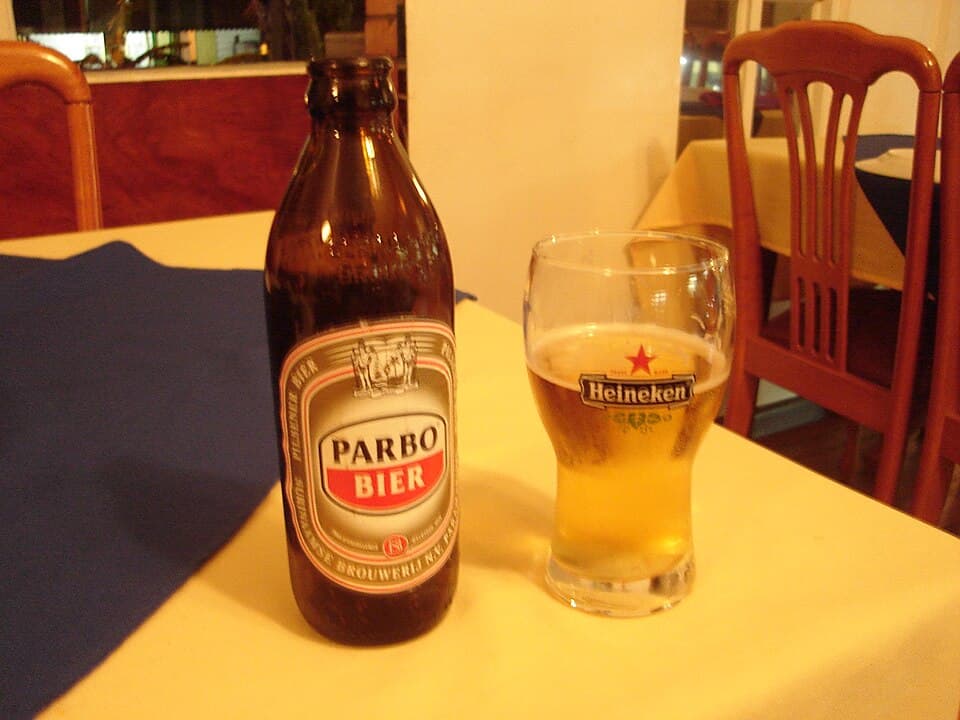
Parbo Beer
Suriname's national beer, a light lager brewed since 1955. You will see it everywhere, at gatherings and alongside spicy food where its lightness helps.

Surinamese Rum
Locally made rum, drunk straight or mixed into cocktails and also used in the kitchen, notably to marinate moksi meti. Several local brands are around.
Soft Beverages
Discover Suriname's traditional non-alcoholic drinks, from local teas to refreshing juices.
Dawet
A Javanese coconut milk drink with pandan-flavored rice flour jelly and palm sugar syrup, served over ice. The pandan gives it a bright green color, and it is exactly what you want in the heat.
Gemberbier (Ginger Beer)
A spicy ginger drink, non-alcoholic despite the name, made from fresh ginger, sugar, and spices. Common at celebrations and as a mixer.
Fresh Fruit Juices
Juices pressed from tropical fruit, mango, soursop, passion fruit, papaya, sold fresh at markets and restaurants.
Orgeade (Almond Drink)
A sweet almond drink served cold, brought out at celebrations and special occasions. Dutch in origin, it has long since become Surinamese.
Frequently Asked Questions
Essential information about food and dining in Suriname.
What is the national dish of Suriname?
Suriname's most iconic dishes include Pom, Roti, Moksi Meti. Pom is as close to a national dish as Suriname has. Grated pomtayer (a tayer root vegetable) is mixed with chicken, citrus juice, and spices, then baked until the top crisps up and the inside stays moist. Pomtayer grows easily here where potatoes struggle, and against the chicken and citrus it gives the dish a rich, slightly tangy flavor. It is celebration food, the thing people cook for birthdays and other big days, and it traces back to the country's Jewish-Creole kitchens.
Is street food safe in Suriname?
Street food in Suriname can be enjoyed safely by following these guidelines: Tap water in Paramaribo is generally safe Choose busy vendors with high turnover. Look for busy vendors with high turnover, ensure food is cooked fresh and served hot, and avoid raw ingredients if you have a sensitive stomach.
What are the best restaurants in Suriname?
Suriname offers diverse dining options from street food stalls to upscale restaurants. For the best experience, ask locals for recommendations, check recent reviews, and look for restaurants that specialize in regional cuisines.
Can vegetarians find food easily in Suriname?
Vegetarian options in Suriname are highly available. Vegetarians eat well here, especially at Indian and Javanese restaurants. Roti with vegetable curry, meatless nasi goreng, and the various bean dishes all do the job.. Many restaurants offer vegetarian dishes, and you'll find plant-based ingredients featured prominently in local cuisine.
What is the average cost of a meal in Suriname?
Meal costs in Suriname depend on where you eat. Street food and casual local restaurants are very affordable, typically offering complete meals for a few dollars. Mid-range restaurants charge moderate prices, while fine dining establishments are comparably priced to Western countries.
What are common food allergens in Suriname?
Common allergens in Suriname cuisine include Peanuts, Shellfish, Soy. Peanuts turn up everywhere in Surinamese cooking, in satay sauce, over bakabana, and in countless other dishes.. These ingredients appear in dishes like Satay with peanut sauce, Bakabana. Always inform restaurant staff about your allergies.
When is the best time to visit Suriname for food?
Suriname offers great food experiences throughout the year. However, visiting during harvest seasons (typically spring and autumn) provides access to the freshest local ingredients. Food festivals and cultural celebrations also offer unique culinary experiences worth planning around.