
Nigeria Food Guide
Content Information
Recently updated🔥Current Food Trends 2026
What's happening in Nigeria's culinary scene right now
Nigerian food in 2026 keeps circling back to the same obsessions. Jollof rice remains a point of national pride, suya is everywhere, and the cooking is spreading further abroad. The long-running jollof argument with Ghana hasn't cooled, and chefs keep pushing the dish in new directions with seafood versions and vegan takes, though the tomato-and-pepper base stays put. Yaji, the suya spice blend, now turns up well beyond the grill, on burgers, pizza, and tacos. Lagos has become the country's restaurant hub: Itan Test Kitchen serves amala as dumplings, Nok by Alara cooks with indigenous ingredients, and Terra Kulture pairs food with art and theatre. TikTok still does a lot of the work in carrying Nigerian dishes to a wider audience; Chef Hilda Baci's record-breaking cook-a-thon is the example everyone cites. Plant-based versions of staples are easier to find now, from meat-free egusi soup to cashew-based cheese. Pepper soup remains the everyday workhorse, eaten as a hangover fix, a party opener, or plain comfort food, with goat, catfish, and chicken among the usual choices. Regional cooking carries real weight: Yoruba kitchens lean on efo riro and amala, Igbo cooks on oha soup and abacha, Hausa cooks on tuwo shinkafa and miyan kuka. Diaspora chefs have built a following overseas, with Afro-Caribbean fusion spots multiplying in London, Houston, and Atlanta. Back home, food trucks, pop-ups, and night markets sell puff puff, akara, and roasted plantain late into the evening. A few craft breweries are working with local flavours like hibiscus and zobo. Farms and restaurants increasingly trade in native rice, indigenous vegetables, and local spices, and culinary tours through Lagos, Abuja, and Port Harcourt draw visitors into the markets and street-food scenes.
Food Safety Tips
Essential food safety information to help you enjoy Nigeria's cuisine safely and confidently.
Stick to bottled water with intact seals
Skip the tap water anywhere in Nigeria. Buy bottled water from established vendors and check that the seal is unbroken. Use it for brushing your teeth too. At restaurants, ask for bottled water and pass on ice unless you know where it came from.
Choose busy vendors with high turnover
Street food is usually fine, and often very good, if you pick stalls where the food is cooked to order. A long queue is a decent sign that locals trust the vendor. Make sure meat is cooked through, suya and pepper soup especially.
Be cautious with foods left at room temperature
Given how warm Nigeria gets, steer clear of food that has been sitting out for a while. Favour places where you can see decent hygiene in the kitchen. Anything freshly cooked is the safer bet.
Wash fruits and vegetables with treated water
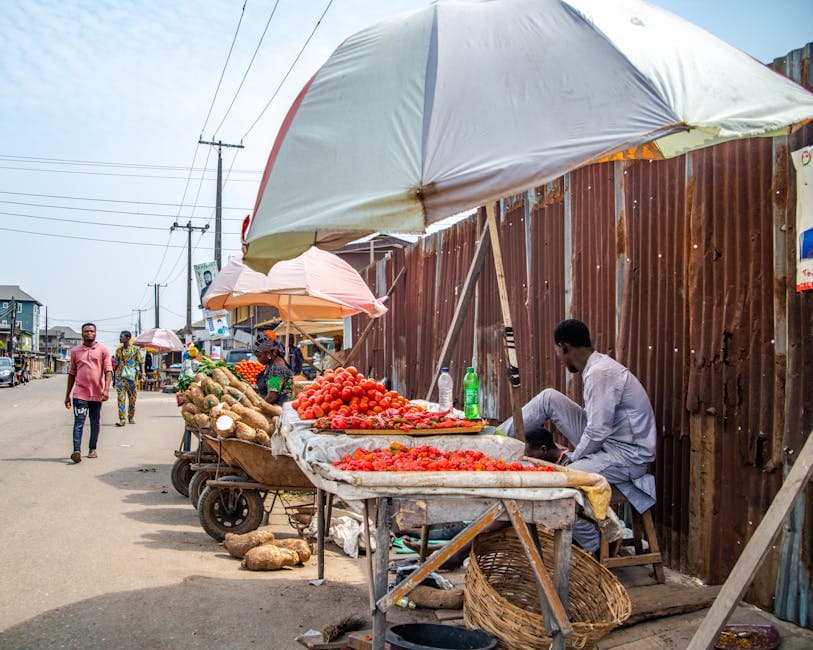
Buying from markets, wash fruit and vegetables in bottled or treated water. Peel fruit where you can, and cook vegetables through before eating them.
Dietary Options
vegetarian
MEDIUM AVAILABILITYMost Nigerian restaurants can manage something vegetarian, though the traditional cooking leans heavily on meat. Ask for vegetable soups like efo riro made without meat, bean dishes such as moi moi and akara, plantain, and rice meals. Lagos and Abuja have international restaurants with a wider range. Be clear when ordering that you want no meat at all.
vegan
LOW AVAILABILITYVegan eating can be tricky at traditional restaurants, since plenty of dishes rely on meat stock, fish, or dairy. That said, a lot of staples happen to be vegan: beans, plantains, yam, cassava, and vegetable soups made without meat or fish. Health food shops and international restaurants in the cities are your best bet. When ordering, spell out that you want nothing from an animal at all.
gluten-free
MEDIUM AVAILABILITYGluten-free eating is getting easier, though awareness can still be patchy. Stick to dishes that are naturally gluten-free: rice meals like jollof and fried rice, yam, plantains, beans, and most soups and stews. Swallows such as fufu from cassava, eba from garri, and pounded yam are all fine. Be careful with amala, since yam flour is sometimes cut with wheat, and skip the wheat-based snacks. The cities are where you will find the most awareness.
halal
VERY HIGH AVAILABILITYHalal food is easy to come by, given that Muslims make up roughly half the population, concentrated in the north. The northern states are predominantly Muslim, so halal there is the default. Lagos, Abuja, and the other cities all have plenty of halal restaurants and butchers, and most meat in the country is halal-slaughtered anyway. Pork is around in non-Muslim areas but uncommon. Wherever you travel, halal options are not hard to find.
kosher
VERY LOW AVAILABILITYKosher food is very hard to find, since the Jewish community is tiny and even Lagos has almost no kosher infrastructure. The obstacles are real: meat is halal rather than kosher, dairy and meat are routinely mixed, and there is no kosher supervision to speak of. What does work is fresh fruit and vegetables from markets, sealed imported packaged goods, and fish with scales such as tilapia and catfish. Jewish travellers are best off bringing their own provisions or leaning on vegetarian and seafood meals.
Common Allergens
Peanuts/Groundnuts
HIGH PREVALENCEGroundnuts run through Nigerian cooking, in suya spice (yaji), groundnut soup, the oil used for frying, and a long list of snacks. Anyone with a peanut allergy needs to stay on guard. Explain the allergy clearly, in a local language if you can, and bear in mind that cross-contamination is common at street stalls.
COMMONLY FOUND IN:
Seafood/Fish
HIGH PREVALENCEFish and seafood show up constantly, especially along the coast. Dried fish, crayfish, and stockfish flavour a lot of soups and stews, often where you would not expect them. If you have a seafood allergy, say so clearly and ask whether vegetable dishes were made with fish stock.
COMMONLY FOUND IN:
Gluten
MEDIUM PREVALENCEWheat turns up in bread, meat pies, chin chin, puff puff, and occasionally in swallows, since amala is sometimes made with wheat flour. If you are sensitive to gluten, stick to rice, yam, plantain, and cassava-based dishes.
COMMONLY FOUND IN:
Essential Food Experiences
These iconic dishes represent the must-have culinary experiences that define Nigeria's food culture for travelers.
Jollof Rice
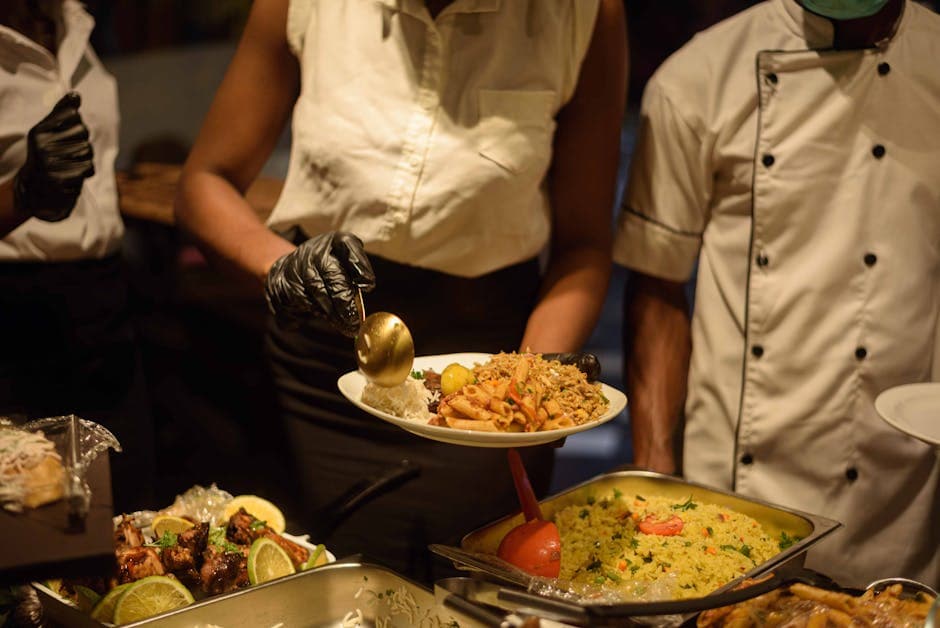
The dish Nigerians will defend to the end: rice cooked in one pot with a spiced tomato-and-pepper sauce, usually alongside fried plantain and chicken. It's at the centre of the good-natured jollof rivalry with Ghana, and it's a fixture at every party. The Nigerian version picks up a smoky note from the way party jollof is cooked over an open flame.
Egusi Soup
A thick soup built on ground melon seeds, with leafy greens like ugu or spinach, meat or fish, and palm oil. You eat it with pounded yam, fufu, or eba. The nutty flavour is closely tied to Igbo cooking, and it ranks among the country's favourite comfort foods.
Suya
Skewers of grilled beef, chicken, or ram rubbed in yaji, a spice mix of ground peanuts, ginger, garlic, and pepper. It started as a northern Hausa speciality and is now eaten everywhere. An evening street-food ritual, served with sliced onion, tomato, and cabbage.
Pounded Yam (Iyan)
Smooth, stretchy dough made by pounding boiled yam. It's one of the country's most popular swallows, eaten with soups like egusi, efo riro, or ogbono. Pounding it properly with a mortar and pestle takes real practice. Filling and about as Nigerian as food gets.
Pepper Soup
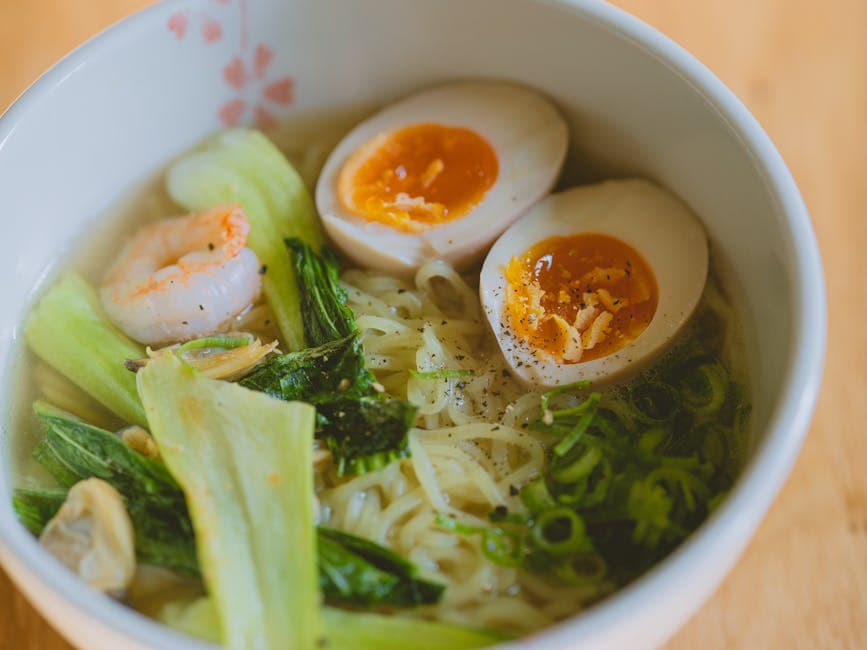
A spicy, aromatic broth with goat, chicken, catfish, or cow foot, flavoured with native spices like uda and ehuru and a few utazi leaves. People reach for it as a hangover fix, a party opener, or plain comfort food. Every region has its own spice blend, and it always arrives steaming hot.
Akara (Bean Fritters)
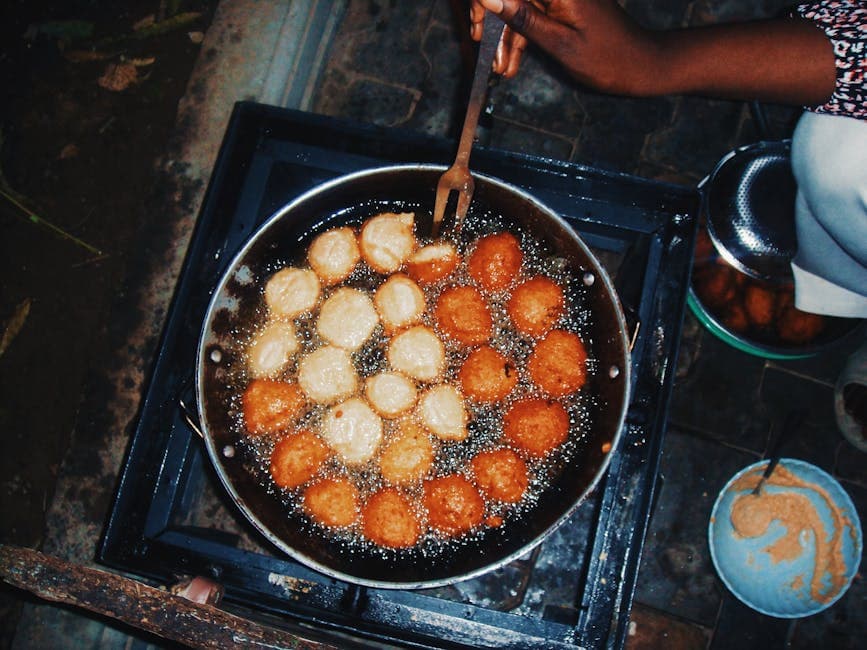
Deep-fried cakes made from peeled black-eyed peas blended with onion and pepper, crisp outside and soft within. A common breakfast, eaten with pap (ogi), bread, or custard. It's a Yoruba speciality sold by street vendors and a good protein-rich choice for vegetarians.

Moi Moi
A steamed bean pudding of blended black-eyed peas, onion, pepper, and spices, cooked in leaves or small containers. Soft, savoury, and high in protein, it often hides boiled egg, fish, or corned beef inside. A Yoruba favourite that turns up at parties and celebrations.

Puff Puff
Sweet, deep-fried dough balls, Nigeria's take on the doughnut. The outside crisps up while the inside stays soft, sweetened with sugar and sometimes a little nutmeg. A street snack and party staple that's hard to stop at one, and best eaten warm.

Efo Riro
A Yoruba spinach stew with assorted meats, stockfish, and locust beans (iru). The fermented locust beans give it a distinctive aroma that some people meet head-on and others take time to love. Served with amala, eba, or rice, it's one of the more refined dishes in the Yoruba repertoire.

Chin Chin
A crunchy, lightly sweet fried snack made from flour, sugar, butter, and spices, cut into little squares or strips before frying. You'll find it at parties and celebrations and tucked away in jars at home. Easy to keep eating, and good alongside a drink.

Nkwobi
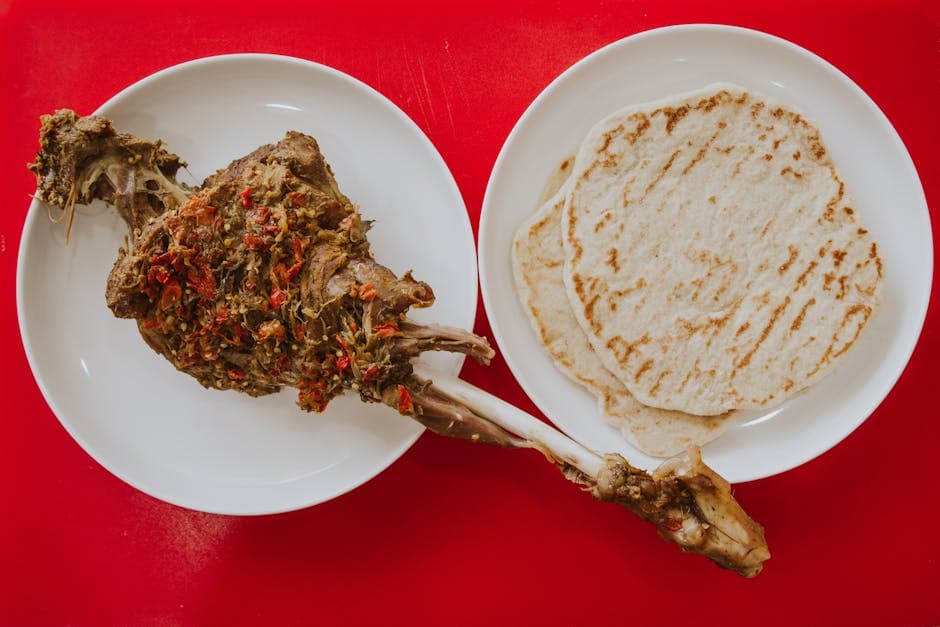
An Igbo speciality of cow foot cooked in a thick palm oil sauce with utazi leaves and ehuru spice, traditionally served in a wooden mortar with a wooden spoon. It's bar food and party food, gelatinous and seriously spicy, made for cold drinks. Worth trying if you're game.
Regional Specialties & Local Favorites
Discover the authentic regional dishes and local favorites that showcase Nigeria's diverse culinary traditions.
Fried Rice
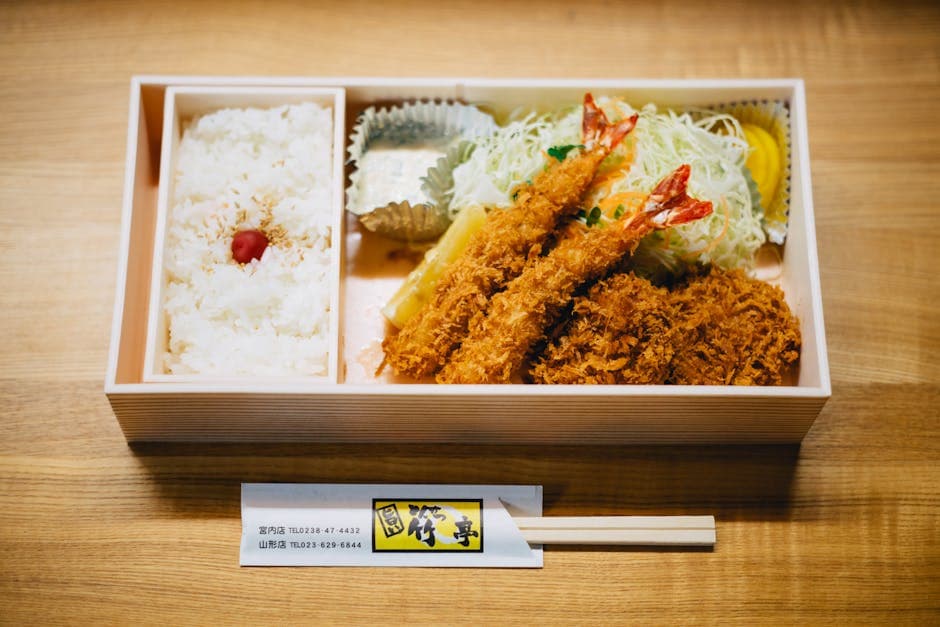
Nigerian fried rice, made with vegetables, liver, and plenty of seasoning. It sits next to jollof at most parties and runs milder, a colourful counterpoint on the plate.

Plantain (Dodo)
Fried ripe plantain, sweet and caramelised with crisp edges. A side dish you'll see everywhere, served with rice, beans, or stew, and hard to improve on.

Ofada Rice & Ayamase
Unpolished local rice paired with a green pepper sauce, ayamase or "designer stew," loaded with assorted meats. A Yoruba speciality with a smoky flavour and an aroma you'll notice before the plate reaches the table.

Amala
A dark brown swallow made from yam flour, smooth and stretchy. A Yoruba staple eaten with ewedu (jute leaf soup) and gbegiri (bean soup), the three so often served together that the combination is famous in its own right.
Allergens:
Abacha (African Salad)
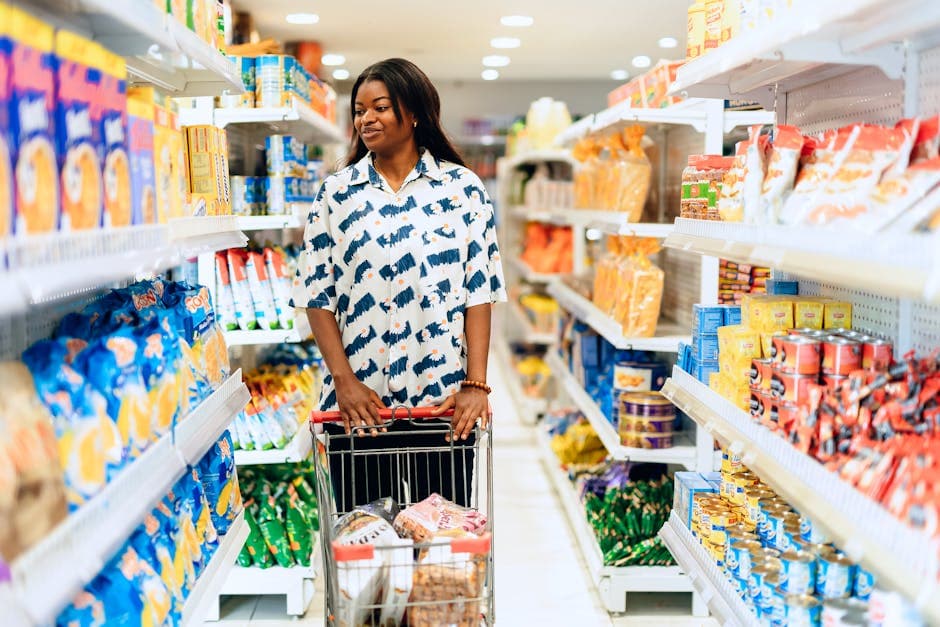
An Igbo dish of shredded dried cassava dressed with palm oil, utazi leaves, ugba (oil bean), stockfish, and kpomo. Tangy and refreshing, with a texture unlike anything else on this list.
Allergens:

Boli (Roasted Plantain)
Roasted plantain sold off street grills, served with groundnut or a palm oil sauce. Smoky and sweet, and one of the simplest good things you can eat on the street.
Allergens:

Okro Soup
A soup of okra, meat, fish, and crayfish that draws into long strands when you eat it, the texture being half the point. Eaten across the country with regional twists, and good nourishing comfort food.
Allergens:

Ewa Agoyin
Mashed beans under a spicy pepper sauce, a Yoruba street-food staple that's cheap and filling. Usually eaten with soft agege bread to mop everything up.
Regional Cuisine Highlights
Explore the diverse culinary landscapes across different regions of Nigeria.
Northern Nigeria (Hausa/Fulani)
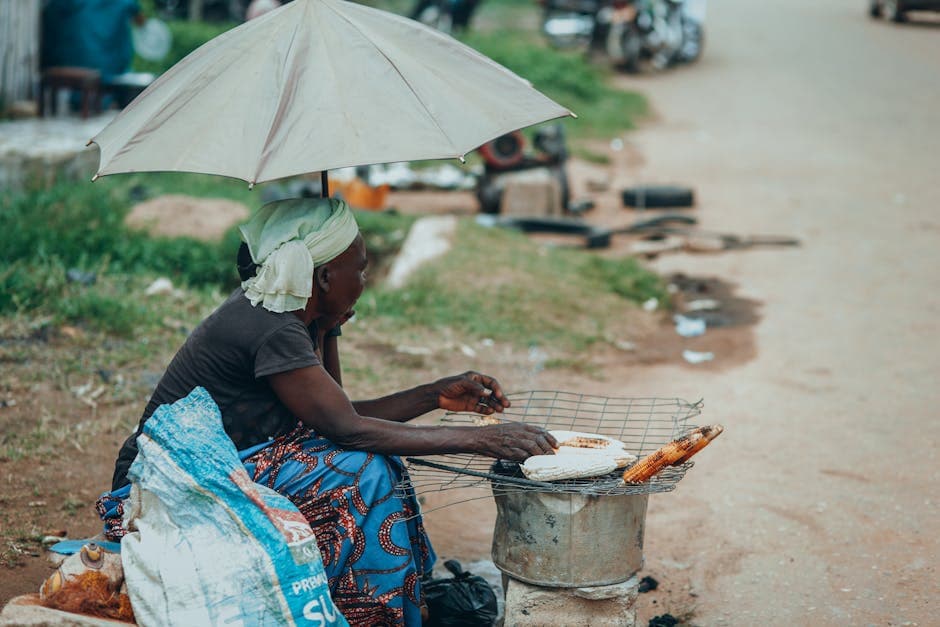
Cooking in the north grows out of Hausa-Fulani Muslim culture and has a character all its own. The base is tuwo, a thick porridge of millet, rice, or maize, eaten with miyan kuka (baobab leaf soup), miyan taushe (pumpkin soup), or groundnut soup. Suya started here. Other northern specialities include kilishi (spiced dried meat), dambu nama (shredded dried meat), and masa (rice cakes).
Cultural Significance:
The food follows Islamic dietary law and carries the imprint of the Hausa-Fulani nomadic past. Preserved meats like kilishi and suya came out of the need to carry food on long journeys. Eating together from shared bowls is a mark of hospitality, and fura da nono points back to the dairy traditions of pastoral Fulani life.
Signature Dishes:
- Suya
- Tuwo Shinkafa
- Kilishi
- Miyan Kuka
- Masa
Key Ingredients:
Southwestern Nigeria (Yoruba)
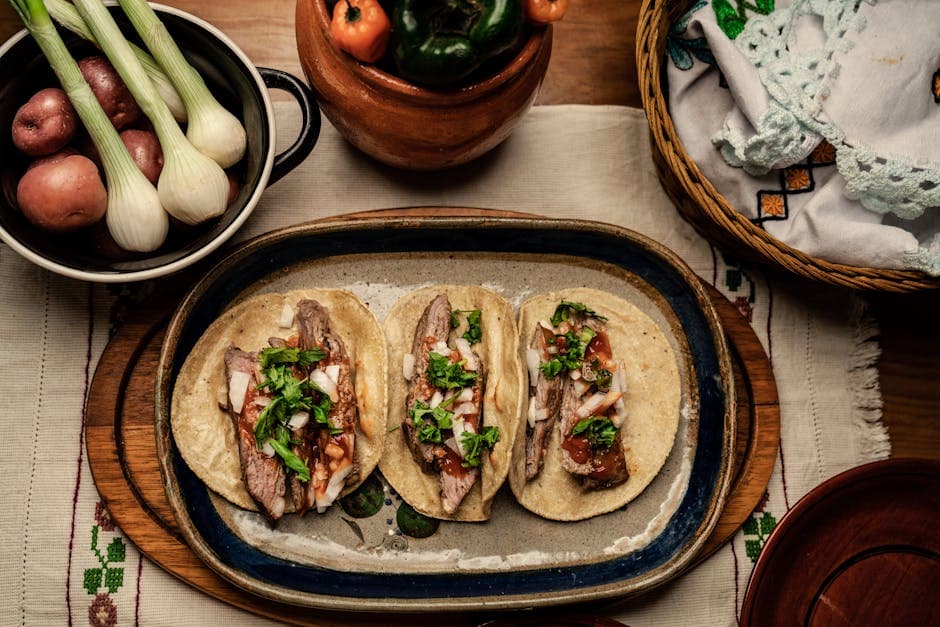
Yoruba food from Lagos, Oyo, and Ogun states is varied and well developed. It's best known for amala, a yam-flour swallow eaten with ewedu (jute leaf soup) and gbegiri (bean soup), the famous trio. Efo riro (spinach stew), ayamase (designer stew), and ofada rice round out the table, and the street-food scene runs on akara, moi moi, and ewa agoyin.
Cultural Significance:
Yoruba cooking is urban and quick to absorb new ideas. Lagos street food feeds Africa's largest city, and owanbe parties put on lavish spreads. Naming ceremonies and weddings each call for their own set of traditional dishes.
Signature Dishes:
- Amala
- Efo Riro
- Ayamase
- Akara
- Moi Moi
Key Ingredients:
Southeastern Nigeria (Igbo)
Igbo cooking from Anambra, Imo, Enugu, and Abia states is built around soups and native ingredients. Oha soup, nsala (white soup), ofe akwu (palm nut soup), and egusi soup are the mainstays. Abacha (African salad), nkwobi (spicy cow foot), and isi ewu (goat head) are local specialities, while native abakaliki rice and the yam festivals tie the food back to the farming calendar.
Cultural Significance:
Igbo food speaks to good harvests and local pride. The New Yam Festival (Iri Ji) marks the yam harvest with feasting. Oha soup sits at the meeting point of nourishment and traditional medicine, while nkwobi and isi ewu belong to the world of bars and nights out.
Signature Dishes:
- Oha Soup
- Nsala
- Abacha
- Nkwobi
- Ofe Akwu
Key Ingredients:
Sweet Delights & Desserts
Indulge in Nigeria's traditional sweet treats and desserts.
Puff Puff
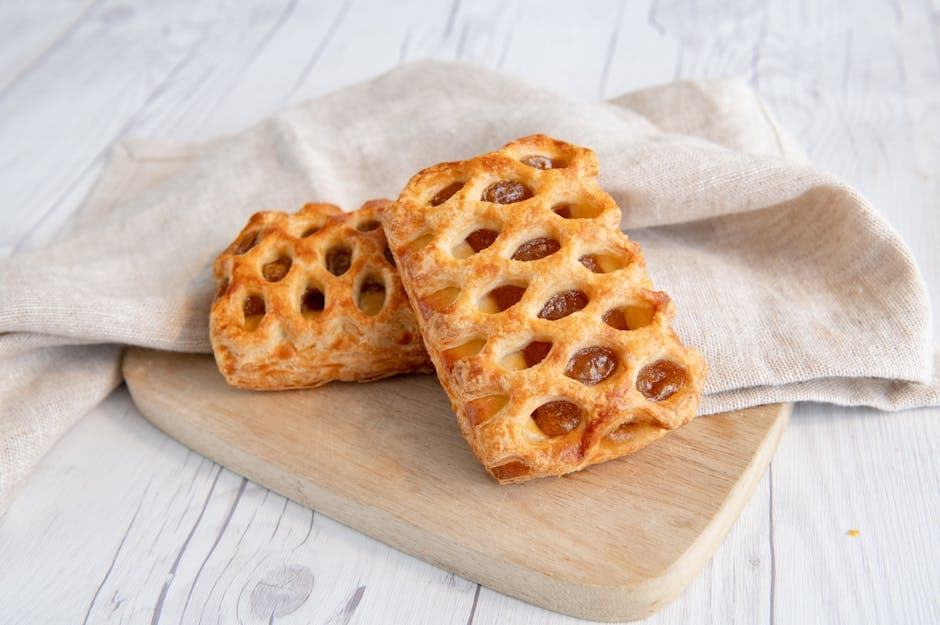
Deep-fried dough balls, lightly sweet and soft in the middle. The Nigerian doughnut, found at parties and on street corners alike.
Chin Chin
A crunchy fried snack of flour, sugar, and butter cut into small pieces. A party staple that's just as easy to snack on at home.
Coconut Candy
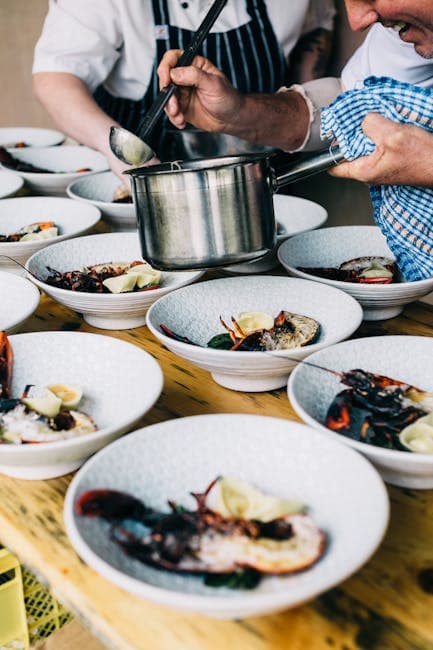
Sweets made from grated coconut and sugar, sometimes with a little flavouring added. A common confection sold by street vendors.

Groundnut Cake (Kulikuli)
A crunchy snack of roasted peanuts ground down and fried. High in protein and easy to keep eating, sold all over the country.

Buns
A sweet fried bread snack, much like puff puff but denser, often spiced with nutmeg. Eaten for breakfast or as a snack.
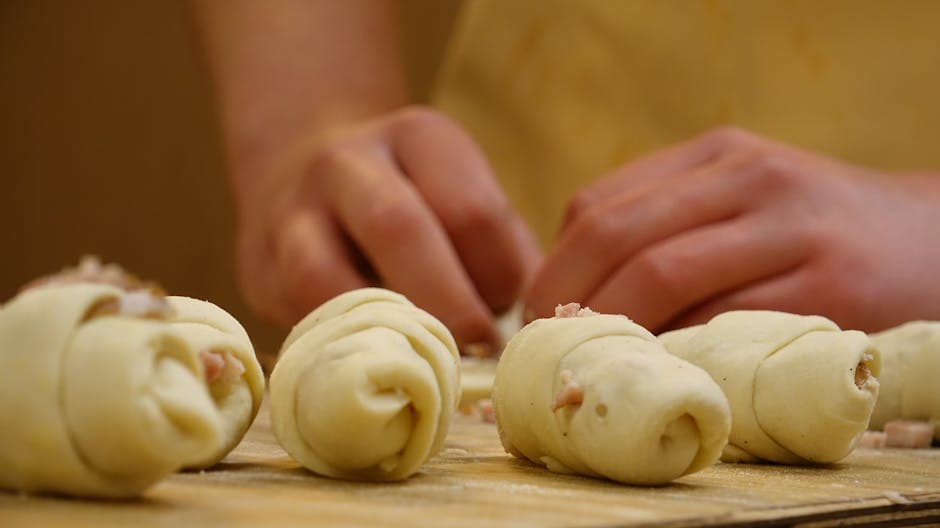
Nigerian Meat Pie
A pastry filled with minced meat, potato, and vegetables. Savoury rather than sweet, but eaten as a snack or light meal, and a regular sight at parties.
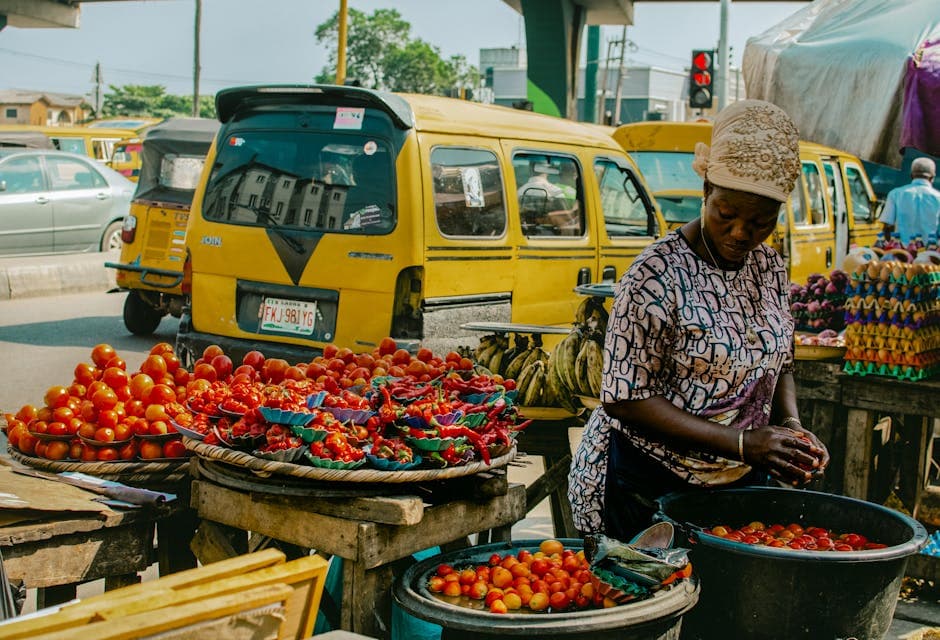
Banana Fritters (Banana Puff Puff)
Mashed ripe banana folded into a flour batter and deep-fried. Softer and sweeter than the standard puff puff.
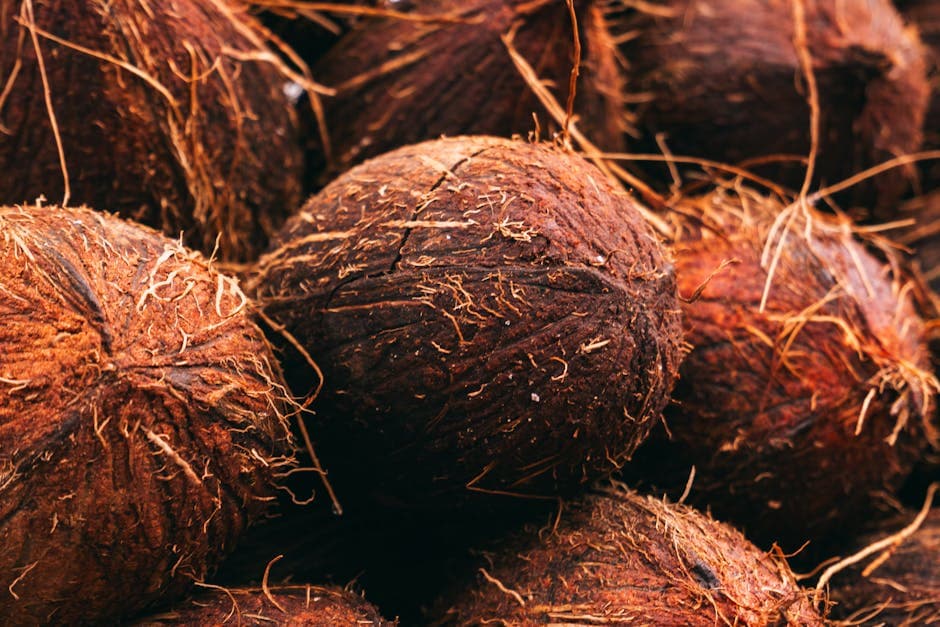
Coconut Buns
Soft, sweet bread rolls flavoured with grated coconut. A bakery favourite across the country.
Traditional Beverages
Discover Nigeria's traditional drinks, from locally produced spirits to regional wines.
Palm Wine
A fermented drink tapped from palm tree sap. Sweet when fresh, it grows stronger as it ferments through the day. Common in rural areas and at traditional ceremonies.
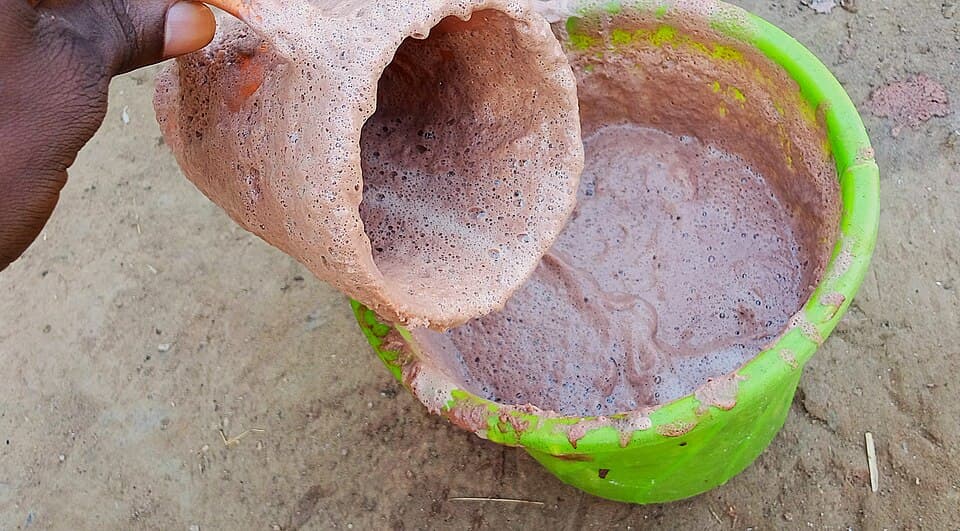
Burukutu
A fermented drink made from sorghum or millet, common in northern Nigeria. Slightly sour, with a low alcohol content.
Soft Beverages
Discover Nigeria's traditional non-alcoholic drinks, from local teas to refreshing juices.

Zobo
A deep red drink steeped from hibiscus (zobo) with ginger and sometimes pineapple or watermelon. Tart and a little sweet, and a natural stand-in for soft drinks.

Chapman
A non-alcoholic Nigerian cocktail of Fanta, Sprite, grenadine, Angostura bitters, and slices of cucumber, lemon, and orange. Colourful and festive, the kind of thing you order at a party.

Kunnu (Kununzaki)
A northern drink made from millet spiced with ginger, cloves, and pepper, sometimes with tiger nuts added. Milky-looking, slightly grainy, and refreshing.

Fura da Nono
A northern drink of fermented millet balls (fura) crumbled into fresh cow-milk yogurt (nono). Filling, nourishing, and slightly tangy.
Frequently Asked Questions
Essential information about food and dining in Nigeria.
What is the national dish of Nigeria?
Nigeria's most iconic dishes include Jollof Rice, Egusi Soup, Suya. The dish Nigerians will defend to the end: rice cooked in one pot with a spiced tomato-and-pepper sauce, usually alongside fried plantain and chicken. It's at the centre of the good-natured jollof rivalry with Ghana, and it's a fixture at every party. The Nigerian version picks up a smoky note from the way party jollof is cooked over an open flame.
Is street food safe in Nigeria?
Street food in Nigeria can be enjoyed safely by following these guidelines: Stick to bottled water with intact seals. Look for busy vendors with high turnover, ensure food is cooked fresh and served hot, and avoid raw ingredients if you have a sensitive stomach.
What are the best restaurants in Nigeria?
Nigeria offers diverse dining options from street food stalls to upscale restaurants. For the best experience, ask locals for recommendations, check recent reviews, and look for restaurants that specialize in regional cuisines.
Can vegetarians find food easily in Nigeria?
Vegetarian options in Nigeria are mediumly available. Most Nigerian restaurants can manage something vegetarian, though the traditional cooking leans heavily on meat. Ask for vegetable soups like efo riro made without meat, bean dishes such as moi moi and akara, plantain, and rice meals. Lagos and Abuja have international restaurants with a wider range. Be clear when ordering that you want no meat at all.. Many restaurants offer vegetarian dishes, and you'll find plant-based ingredients featured prominently in local cuisine.
What is the average cost of a meal in Nigeria?
Meal costs in Nigeria depend on where you eat. Street food and casual local restaurants are very affordable, typically offering complete meals for a few dollars. Mid-range restaurants charge moderate prices, while fine dining establishments are comparably priced to Western countries.
What are common food allergens in Nigeria?
Common allergens in Nigeria cuisine include Peanuts/Groundnuts, Seafood/Fish, Gluten. Groundnuts run through Nigerian cooking, in suya spice (yaji), groundnut soup, the oil used for frying, and a long list of snacks. Anyone with a peanut allergy needs to stay on guard. Explain the allergy clearly, in a local language if you can, and bear in mind that cross-contamination is common at street stalls.. These ingredients appear in dishes like Suya (yaji spice contains groundnut), Groundnut soup. Always inform restaurant staff about your allergies.
When is the best time to visit Nigeria for food?
Nigeria offers great food experiences throughout the year. However, visiting during harvest seasons (typically spring and autumn) provides access to the freshest local ingredients. Food festivals and cultural celebrations also offer unique culinary experiences worth planning around.