
Libya Food Guide
Content Information
Recently updated🔥Current Food Trends 2026
What's happening in Libya's culinary scene right now
Libyan cooking in 2026 carries on through reconstruction and continued political uncertainty, holding to its Mediterranean roots and its mix of Amazigh and Arab traditions. Bazin still anchors the table: unleavened barley bread, dense and firm, eaten with lamb stew, tomatoes, and hard-boiled eggs. Couscous is the national dish, and the Libyan version runs fluffier than its Maghrebi neighbors, built around semolina, lamb, and vegetable stews. Tripoli's restaurants keep going, from the sea-facing Radisson Blu Al Mahary Hotel to Al-Saraya in the Old Medina and Il Forno for wood-fired pizza. During Ramadan, shorba Libya appears nightly: lamb-and-mint soup with chickpeas and tiny pasta, served with lemon wedges and tanoor bread. The coast leans heavily on olive oil, fresh fish, and vegetables, and pasta remains everywhere thanks to the Italian colonial period. Imbakbaka, a spiced one-pot pasta, is the everyday comfort food, blending Turkish and Italian influences. The olive harvest comes in November, when families work their own groves and press oil the old way. Down south around Sabha, Tuareg cooking dominates, with sand-baked taguella bread and preserved staples like dried meat, fermented dairy, and barley. Sharing is the point of a Libyan meal, with large communal platters and steady hospitality. Coffee and tea fill the social calendar, drunk slowly over long conversation. The strains are real: instability since 2011, damaged infrastructure, heavy reliance on imported food, and inflation. Even so, families hold onto their recipes and the diaspora keeps the cuisine alive abroad. Interest in Amazigh (Berber) cooking is growing, with cooks reaching back to pre-Arab ingredients and methods. Dates, olives, and grains trace back to Neolithic farming. Mutton is the main meat, with camel a specialty of the south.
Food Safety Tips
Essential food safety information to help you enjoy Libya's cuisine safely and confidently.
Drink bottled water only
Tap water quality varies because of damaged infrastructure. Stick to bottled water with intact seals. In rural areas, boil water for at least a minute before drinking it.
Choose established vendors with visible fresh preparation
Street food such as khubz flatbread, sfinz donuts, and lamb skewers is usually fine when cooked to order. Pick stalls with steady crowds and hot cooking surfaces. Good areas include Al Dahra, Al Andalus, and the Old Medina in Tripoli.
Avoid foods left at room temperature in hot climate
Libya gets hot, particularly in summer. Go for meals served hot and freshly cooked. Skip dairy and meat dishes that have been sitting out for a while.
Check travel advisories before dining out
Political instability affects where it is safe to eat out. Check current travel advisories, steer clear of crowded public spaces when tensions rise, and stick to hotel restaurants or areas known to be safe. The situation shifts often, so keep up with the news.
Dietary Options
vegetarian
MEDIUM AVAILABILITYVegetarians can manage here. Plenty of dishes are vegetable-based, including the meatless version of imbakbaka, vegetable couscous, salads, and olive oil mezze. The catch is that mutton and lamb are prized, and many stews start with meat stock. Coastal Tripoli restaurants tend to have more vegetarian mezze, pasta, and salads. To explain yourself, say "Ana nabati" (I am vegetarian) or "Bidun lahma" (without meat). Orthodox Christian Lenten fasting left behind a set of plant-based dishes. Markets are well stocked with fresh vegetables, fruit, and legumes if you cook for yourself.
vegan
LOW AVAILABILITYVegan eating is harder, since the cooking leans on meat, dairy, and butter. Some things are vegan by default: vegetable couscous (check there is no butter), imbakbaka in plain tomato sauce, salads, olives, dates, and fresh fruit. Watch out for butter and ghee, yogurt served alongside dishes, and meat stock in soups. International restaurants in Tripoli may work with vegan requests. To explain, say "La akul lahma, halib, bayd, ay muntaj haywani" (I do not eat meat, milk, eggs, or any animal product). Cooking for yourself is simplest, as souks sell fresh vegetables, olive oil, grains, and legumes.
gluten-free
LOW AVAILABILITYEating gluten-free is tough because the food is built on wheat: couscous from semolina, bazin from barley flour, pasta from wheat. Safe choices include grilled lamb and mutton, the occasional rice dish, salads, vegetables, dates, and olives. The obstacles are everywhere, from khubz and tanoor bread to couscous and imbakbaka pasta. Italian restaurants sometimes have gluten-free pasta, though not always. To explain, say "Ana ladaya hassasiya lil-qamah" (I have a wheat sensitivity) or "Bidun qamah" (without wheat). Stressing that it is a medical issue helps.
halal
HIGH AVAILABILITYHalal food is the norm. Libya is 96.6% Sunni Muslim, so halal is the default. Meat is slaughtered according to Islamic law, and pork is extremely rare and not culturally accepted. Restaurants, street vendors, and homes all serve halal, so there is no need to ask unless an establishment specifically caters to foreign workers, which is uncommon. Ramadan is widely observed, and restaurants may stay closed during the day and open for iftar at sunset. Alcohol has been banned since 1969 under Gaddafi, so you will not find it in restaurants or hotels.
kosher
LOW AVAILABILITYKosher food is not available. The Jewish community that once lived here emigrated after 1967, and there is no kosher certification or ritual slaughter. Travelers keeping kosher will need to self-cater with sealed packaged goods (look for an international hechsher on imports), fresh fruit, vegetables, and eggs. Mediterranean fish with fins and scales is on hand, but there is no kosher meat or poultry. Some vegetarian Libyan dishes can work, provided you check for unsupervised grape products and insect-based ingredients, and use separate utensils.
Common Allergens
Wheat
HIGH PREVALENCEWheat (semolina, flour) fundamental to Libyan cuisine - couscous, pasta, bread staples
COMMONLY FOUND IN:
Dairy
MEDIUM PREVALENCEDairy products (yogurt, butter, milk) commonly used in cooking and accompaniments
COMMONLY FOUND IN:
Chickpeas
MEDIUM PREVALENCEChickpeas used in soups, stews, and as side dishes
COMMONLY FOUND IN:
Nuts
LOW PREVALENCENuts (pine nuts, almonds) occasionally used in stuffings, desserts
COMMONLY FOUND IN:
Essential Food Experiences
These iconic dishes represent the must-have culinary experiences that define Libya's food culture for travelers.
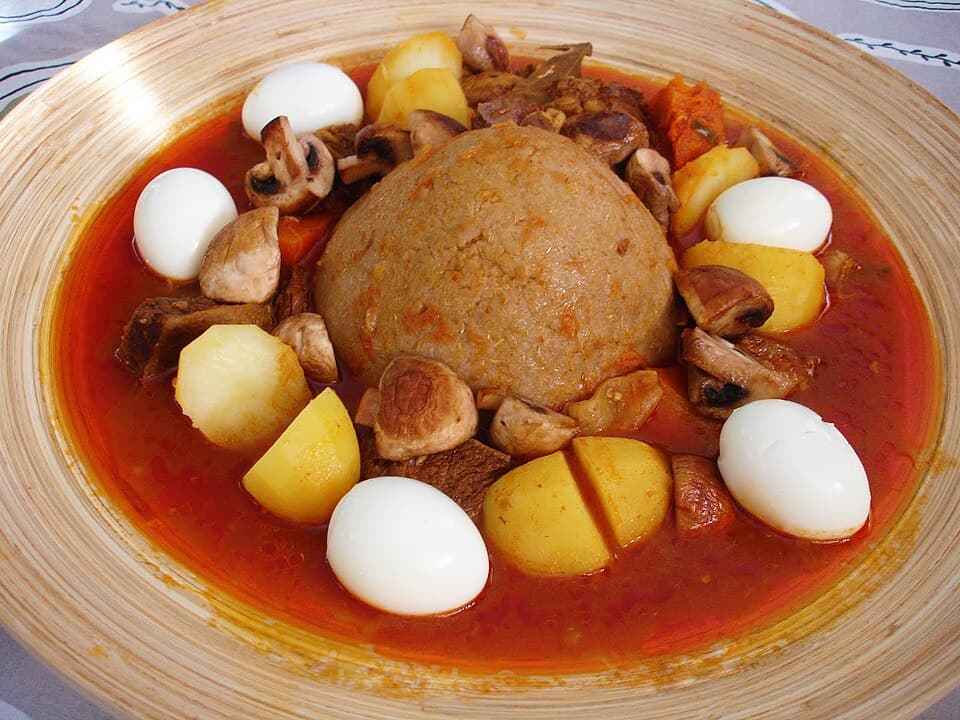
Bazin
Libya's signature unleavened bread, made by boiling barley flour with water and salt, then working it with a special stick called a magraf into a hard, dense dough. The texture is firm and the salt is generous. People share it, eating with the right hand only, alongside a tomato-based stew with lamb, potatoes, and hard-boiled eggs. It sits at the center of Libyan gatherings and celebrations, where family and friends crowd around one large platter, breaking off pieces and dipping them in the stew.
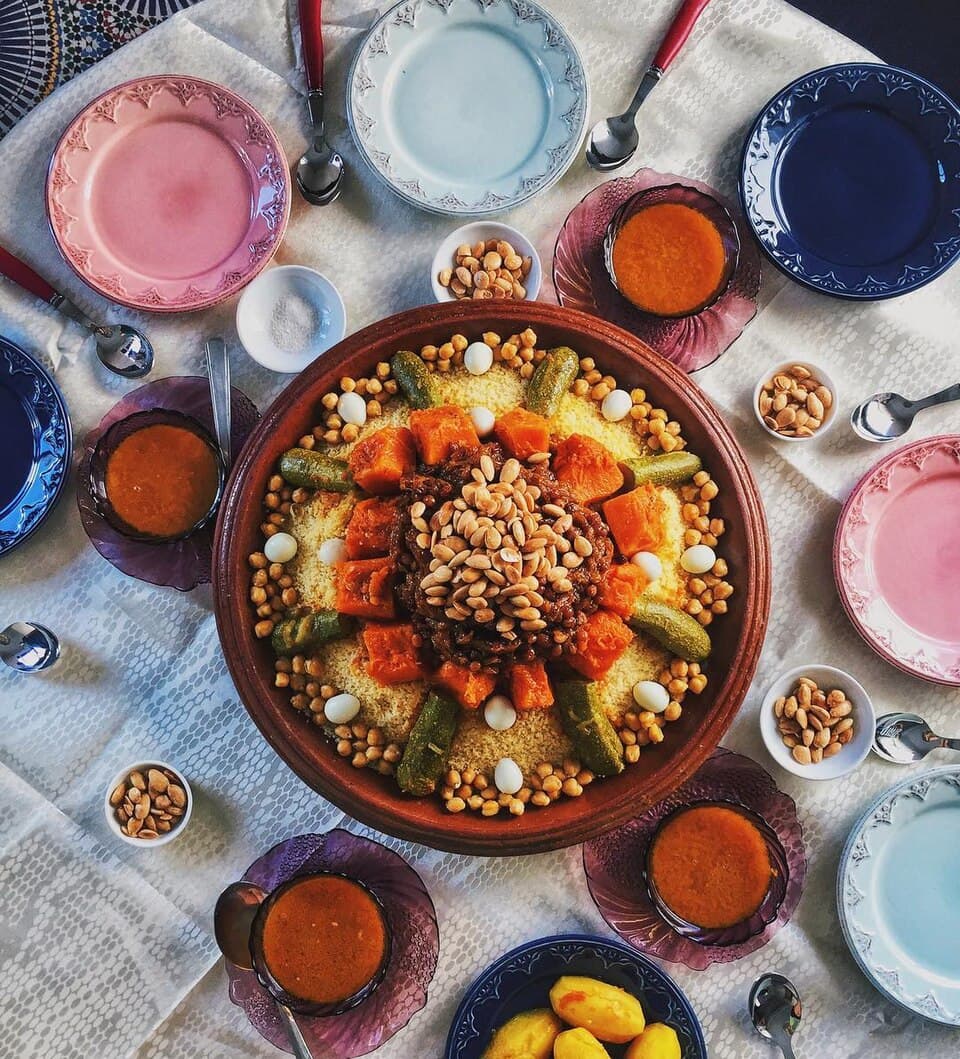
Couscous with Lamb
Libya's national dish: semolina couscous steamed until fluffy and served with tender lamb, cumin, coriander, and cinnamon, plus carrots, zucchini, chickpeas, and pumpkin. The Libyan grain comes out fluffier than the Moroccan or Tunisian kind. There are two common versions, Couscous Belbusla with onions, a spicy sauce, chickpeas, and lots of meat, and Couscous Belkhodra loaded with vegetables. It turns up at gatherings, celebrations, and Friday family meals, and it carries the wider Maghrebi tradition.
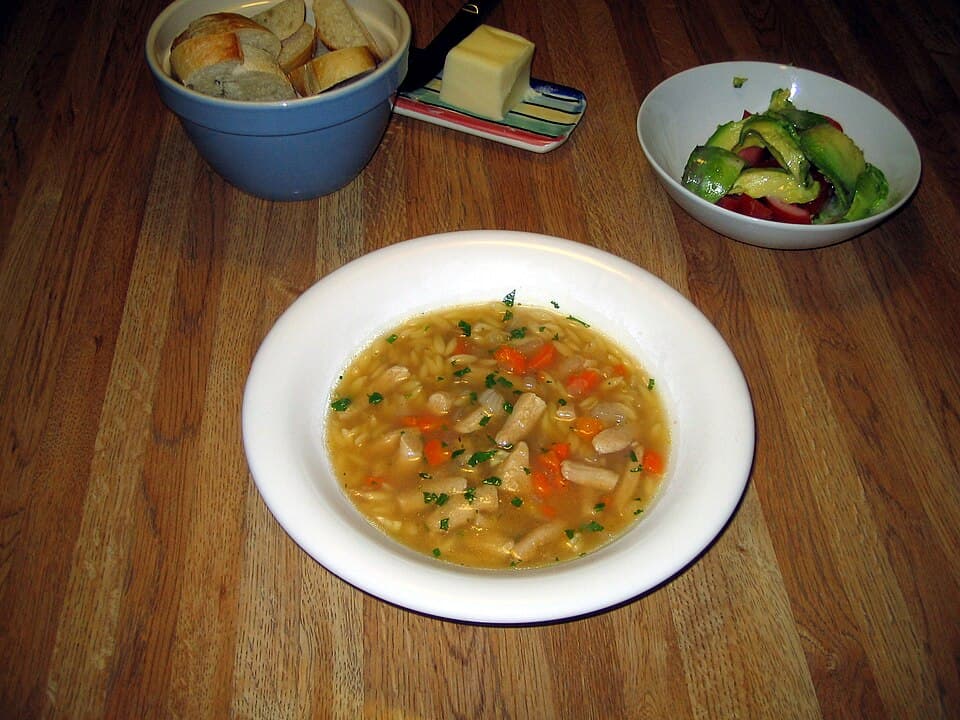
Shorba Libya (Libyan Soup)
A lamb-and-mint soup that ranks as a national dish. It uses lamb or chicken with fresh mint, olive oil, tomatoes, tomato paste, chickpeas, parsley, and tiny pasta like orzo or vermicelli. It is hearty and comforting, and it shows up most during Ramadan with tanoor bread and lemon wedges. The mint is what sets it apart from other regional soups. Every family tweaks its own recipe, adjusting the spices, the amount of mint, and the choice of meat.
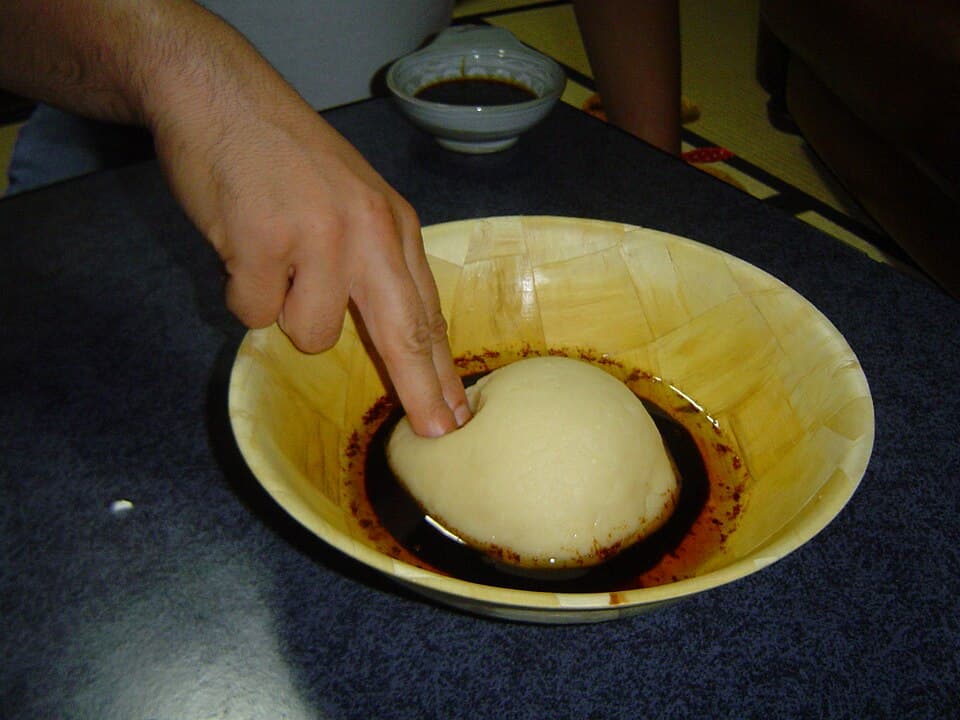
Asida
A pudding-like dessert with roots in Arabian cooking. It is a thick mass of cooked dough made from wheat flour and water, sometimes with honey and butter, then drizzled with rub, a dark syrup pressed from dates or carob, along with clarified butter and honey. The result is sweet, rich, and dense, and people eat it with the index and middle fingers rather than utensils. Cooks prepare it for big moments like births and religious festivals, and it stands in for hospitality and generosity.
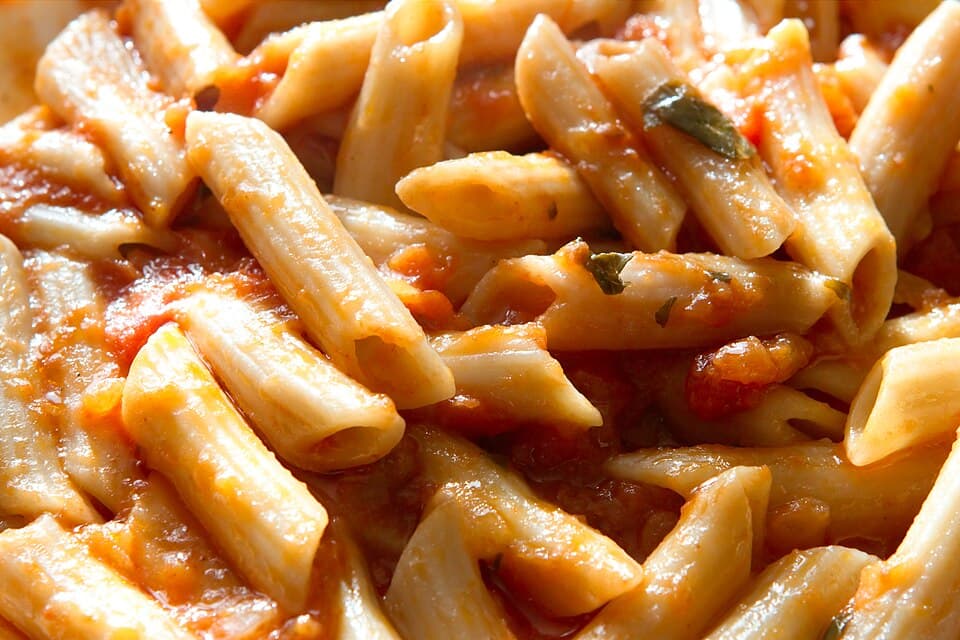
Imbakbaka (Libyan Pasta)
A spiced one-pot pasta that is distinctly Libyan, blending Turkish and Italian influences. Penne or macaroni cooks in a spiced tomato sauce with garlic, cumin, paprika, hot peppers, and sometimes meat. In eastern Libya it goes by "macarona jariya," or flowing macaroni. It is everyday comfort food, easy, cheap, and filling, and the meatless version of just pasta, tomato sauce, and spices is common. It shows how Libyan cooks took Italian pasta and made it their own with local spices.
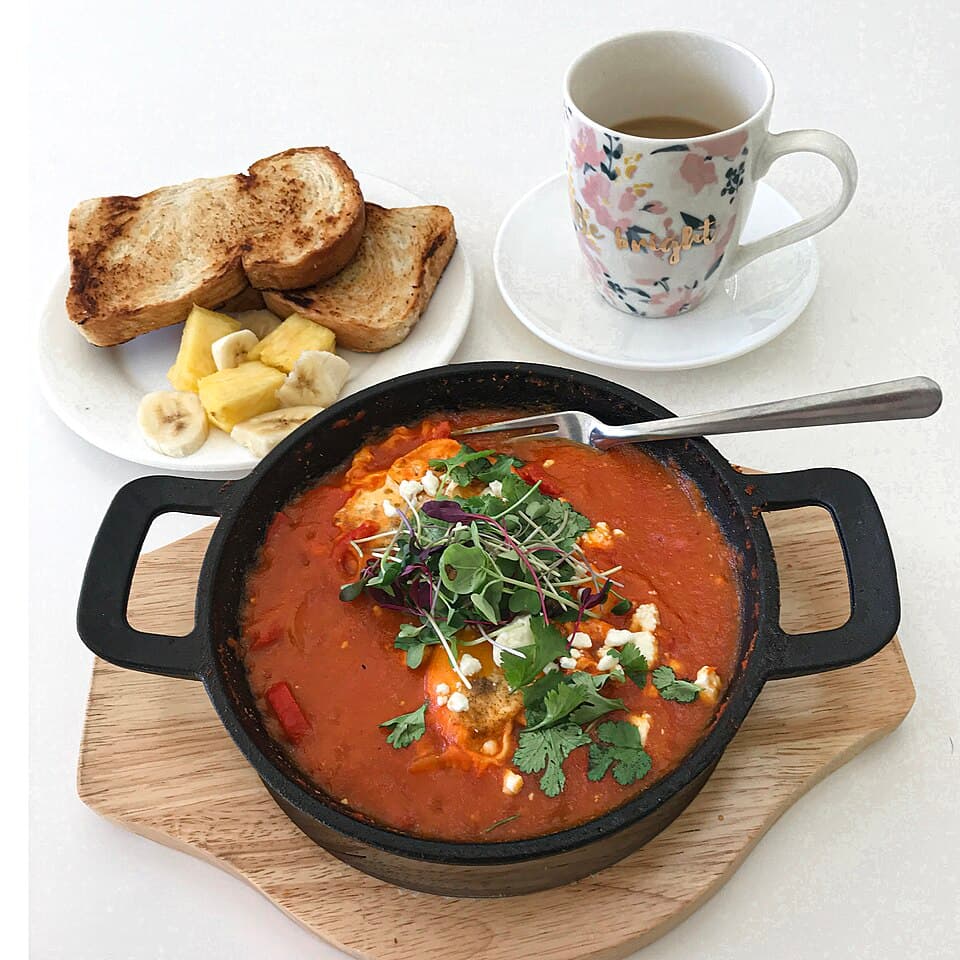
Libyan Shakshuka
A North African egg dish. The Libyan take builds a spiced tomato sauce from onions, peppers, and garlic, then poaches eggs right in it. Cumin and coriander give it a deeper, earthier flavor than you find elsewhere. It comes out hot with khubz flatbread for dipping, usually at breakfast though it works any time. The spicing sets it apart from the Tunisian and Israeli versions. It is meant to be shared, with the pan set in the middle of the table and everyone scooping up eggs and sauce with bread.
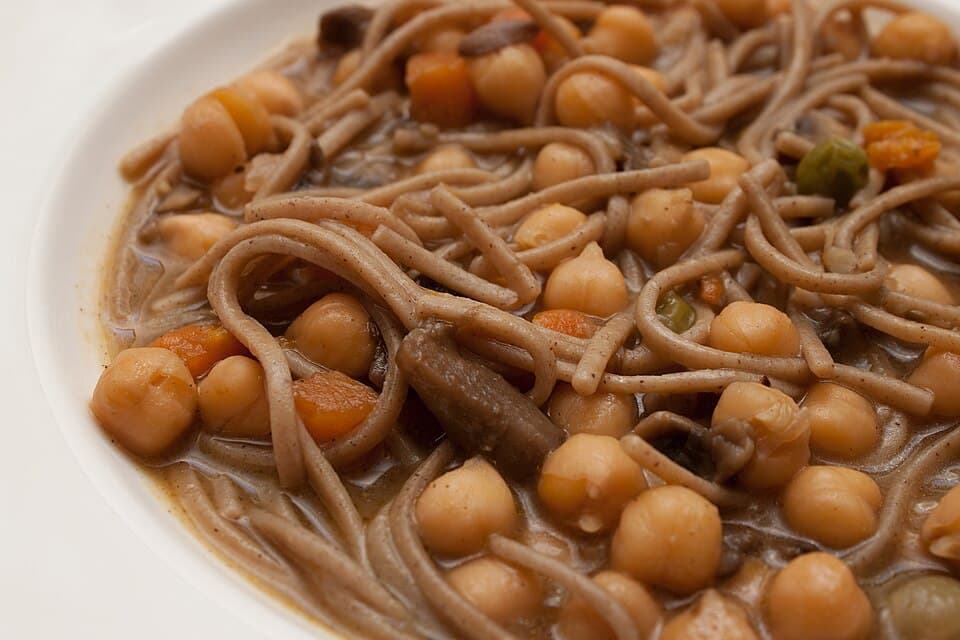
Rishda (Libyan Noodle Soup)
A noodle soup built on homemade flat noodles (rishda), chickpeas, vegetables, and sometimes lamb or chicken. It is filling and warming, which makes it a favorite in the colder months. The noodles are made by hand, with dough rolled thin, cut into strips, and simmered in a flavorful broth. Versions vary by region: coastal cooks add fish, while the south uses preserved meats. It is a frugal dish, simple ingredients turned into something filling and nourishing.
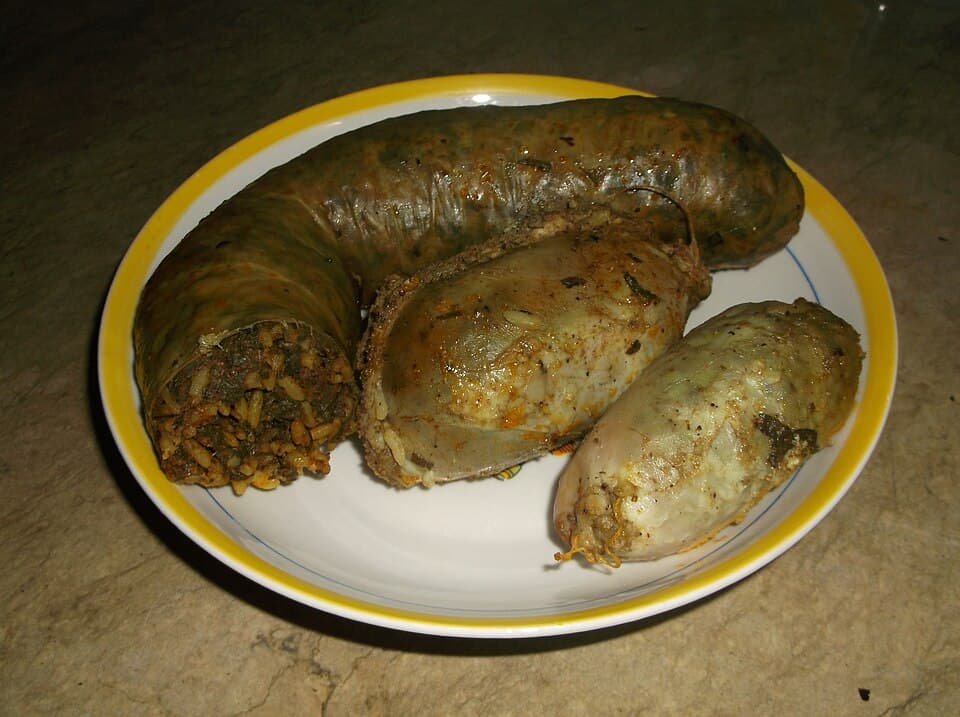
Usban (Libyan Sausage)
A stuffed-intestine sausage. Lamb or beef intestines are filled with rice, minced meat, chickpeas, spices, herbs, and tomato paste, then boiled or steamed until tender. It is rich and flavorful, and it takes real work to make. You see it at weddings, Eid, and family gatherings. It resembles Tunisian usban but carries its own spicing. It also reflects nose-to-tail cooking, using the whole animal and wasting little.
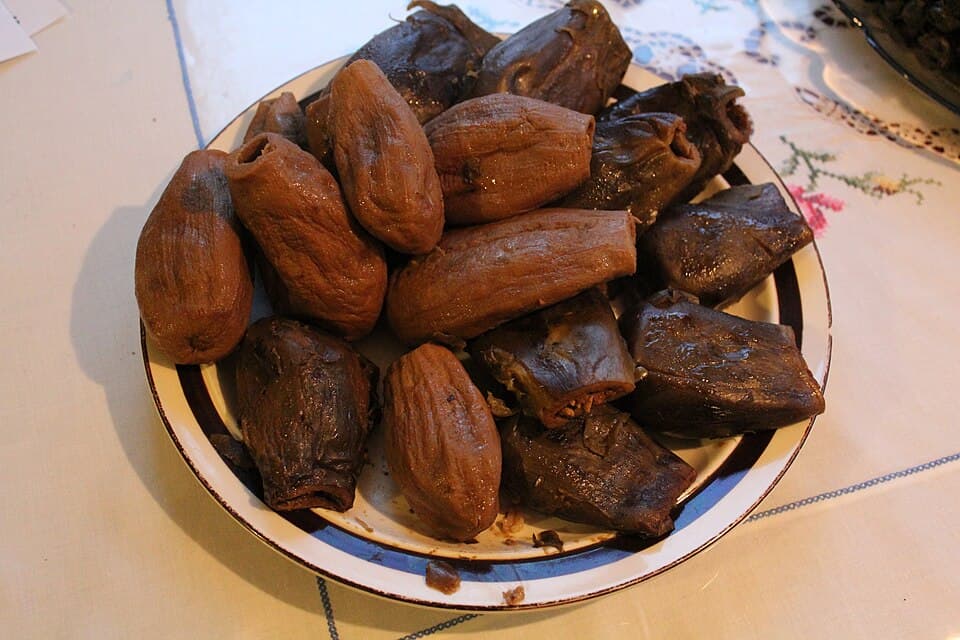
Mbattan (Stuffed Vegetables)
Zucchini, eggplant, bell peppers, tomatoes, and grape leaves stuffed with seasoned rice, minced meat, herbs, and spices, then simmered in a tomato broth until tender. Each vegetable soaks up the broth, turning soft and savory. It is a summer dish, made when vegetables are plentiful. Families differ on the spicing, the amount of meat, and the cooking method. The stuffed-vegetable idea is shared across the Mediterranean.
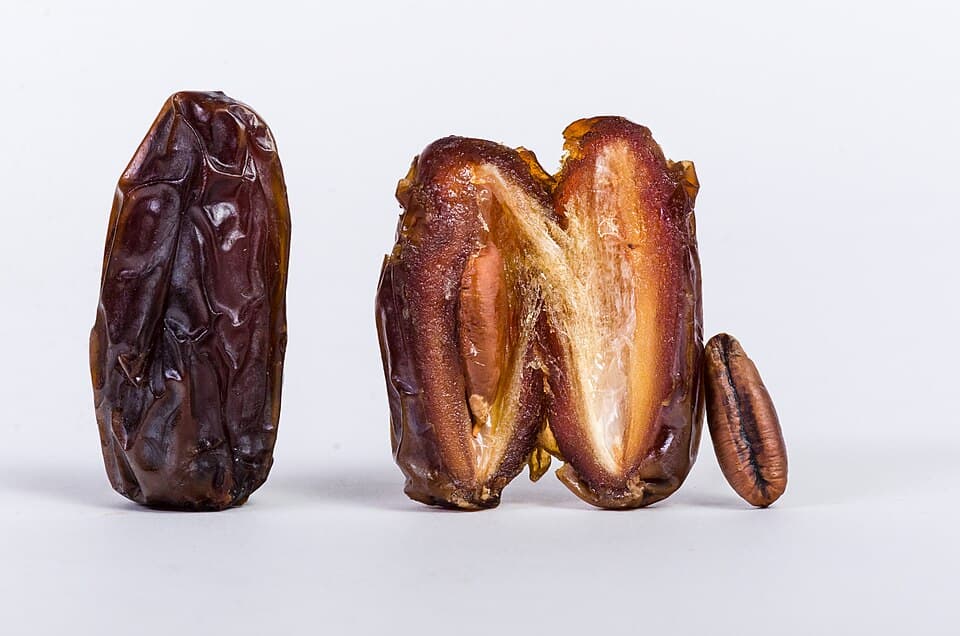
Dates and Olive Oil
Two ingredients that go back to Neolithic times: palm dates, especially from the Sabha oasis, and extra virgin olive oil from the coastal groves. Dates are eaten fresh or dried, stuffed with nuts, or boiled down into a syrup called rub. The oil goes over bread, salads, and cooked vegetables, and into the cooking itself. The olive harvest comes in November, when families gather to pick and press oil the old way. Both are staples of Libyan farming and of hospitality, since they are the first things offered to a guest.
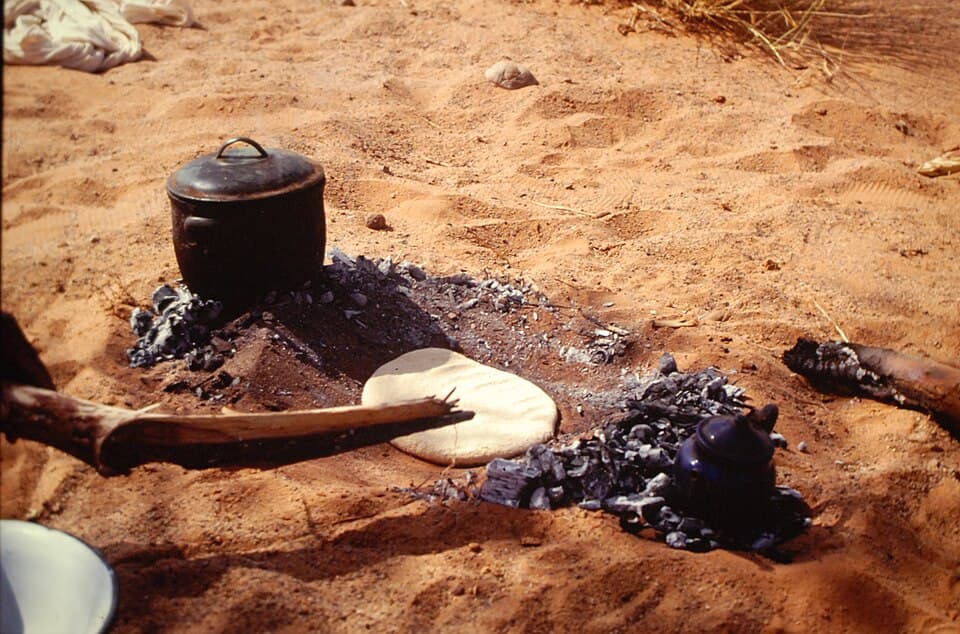
Tuareg Taguella (Southern Libya)
A Tuareg flatbread from southern Libya around Sabha. The unleavened dough is buried in hot sand and cooked over embers, which leaves it crisp outside, soft inside, and smoky. It uses only wheat flour, water, and salt, made by an old method that needs no oven, which suited a nomadic life. It is served with stews, tea, and dates. The bread belongs to Saharan and Tuareg tradition and rarely turns up outside the south.
Regional Specialties & Local Favorites
Discover the authentic regional dishes and local favorites that showcase Libya's diverse culinary traditions.
Bazin
The national unleavened barley bread, hard in texture, served with lamb stew and eaten together from one platter.
Allergens:
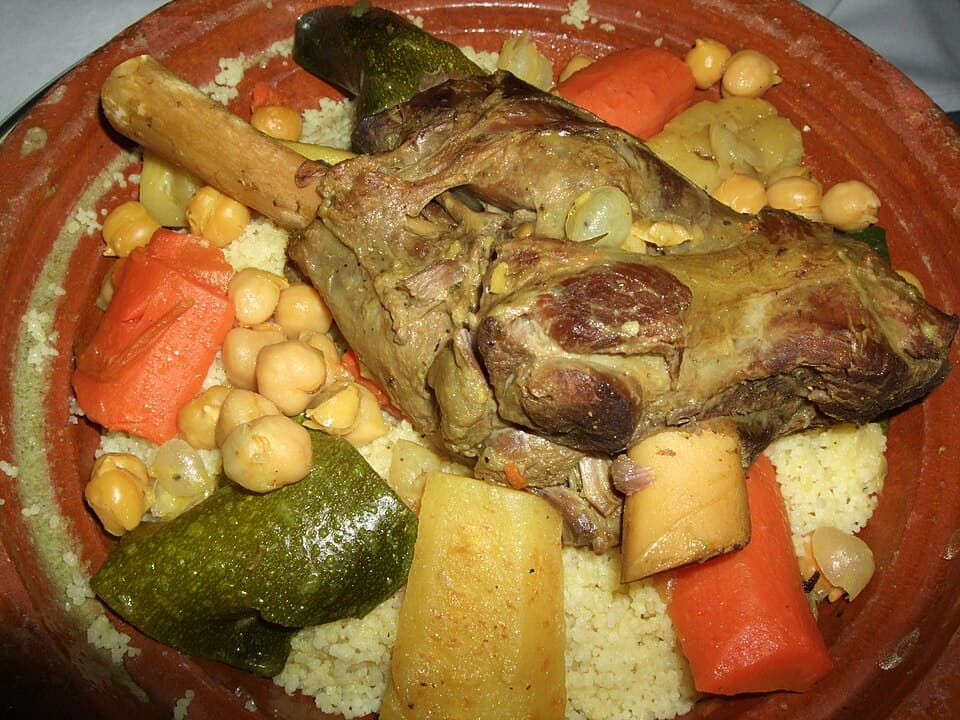
Couscous with Lamb
Fluffy semolina couscous with tender lamb, vegetables, and spices, a fixture of the Friday family meal.
Allergens:
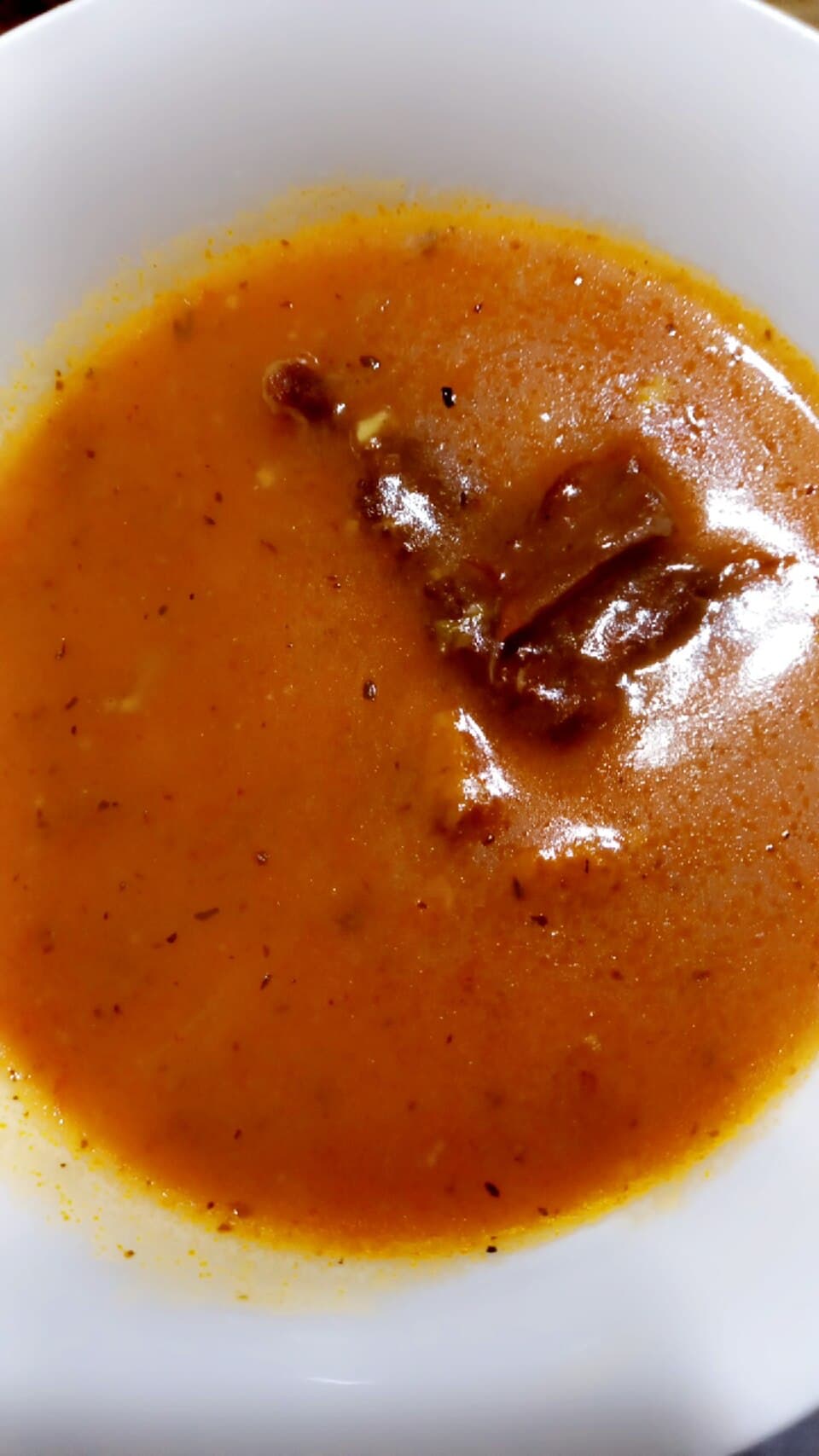
Shorba Libya
A lamb-and-mint soup with chickpeas and pasta, a Ramadan favorite and a national dish.
Allergens:
Imbakbaka (Pasta)
Spiced one-pot pasta in tomato sauce, an Italian-Libyan crossover and everyday comfort food.
Allergens:
Asida
A sweet pudding drizzled with date syrup and butter, made for celebrations.
Allergens:
Shakshuka
Eggs poached in a spiced tomato sauce with cumin and coriander, a breakfast favorite.
Allergens:
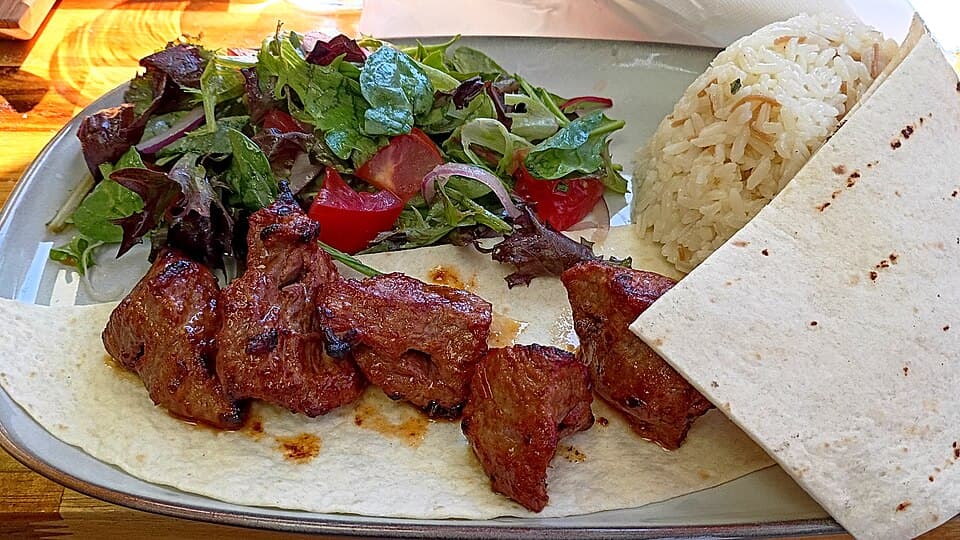
Grilled Lamb
Lamb chops or skewers grilled over charcoal. Mutton is the main meat here.
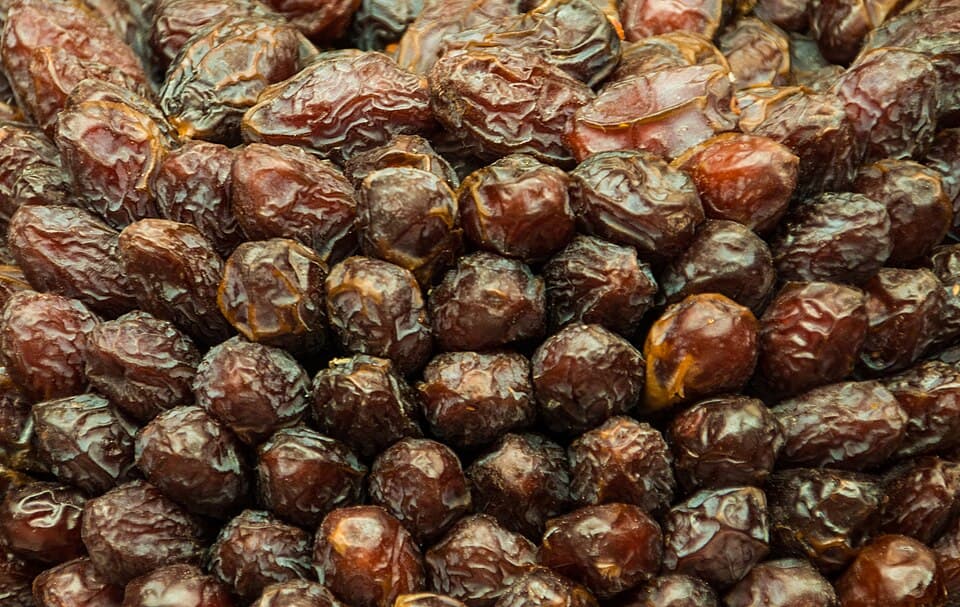
Dates
Palm dates from the Sabha oasis: sweet, nourishing, ancient, and the first thing offered to a guest.
Regional Cuisine Highlights
Explore the diverse culinary landscapes across different regions of Libya.
Tripoli (Western Coastal)
Tripoli, the capital on the Mediterranean coast, draws together Amazigh, Arab, Ottoman, and Italian cooking. Seafood is front and center, with grilled fish, shrimp, and octopus from the day's catch, and the Tripoli-style couscous often features fish. The Italian colonial period left its mark in pasta dishes like imbakbaka and in pizza spots like Il Forno. The Old Medina markets are full of spice vendors, fresh produce, and olive oil stalls. The restaurant scene has been recovering since the 2011 revolution, from the upmarket sea-view Radisson Blu to Al-Saraya for traditional Libyan food near the Red Castle, plus Lebanese places serving shawarma and mezze. Street food is everywhere, with bakeries selling khubz flatbread, sfinz donuts, and lamb skewers. Olive oil matters here too, pressed from the coastal groves at the November harvest. Meals follow the Mediterranean pattern of large shared platters, hospitality, and coffee or tea over conversation.
Cultural Significance:
Tripoli's food carries the city's layered history as a Phoenician port, Roman colony, Ottoman holding, and Italian colony from 1911 to 1943. It also shows resilience: through the 2011 war and the instability since, restaurants reopen and families hold onto their recipes. Hospitality is taken seriously, and guests get the best food, tea, and company. Coffee and tea hold the social life together, with men gathering in cafes to smoke shisha and talk politics and life. The November olive harvest brings families back together to pick olives. The Italian influence has stuck, with pizza and pasta adopted and reworked with local spices.
Signature Dishes:
- Grilled seafood
- Couscous with fish
- Imbakbaka pasta
- Fresh olive oil
- Shorba Libya
Key Ingredients:
Benghazi (Eastern Coastal)
Benghazi, Libya's second city in the east, has its own coastal cooking. Its signature dish is sharmoula, fish marinated in a spiced tomato sauce and grilled or baked, with seafood coming in fresh off the boats. The Benghazi couscous differs from the western kind in its spicing and ingredients. Proximity to Egypt shows up in falafel, ful medames, and koshari. The markets are busy with vegetable vendors, butchers, and spice stalls. Restaurants run from traditional Libyan fare like shorba and bazin to grilled fish and salads. The eastern dialect and food customs differ a little from Tripoli, and regional pride runs high. The emphasis is on fresh, seasonal ingredients and eating together.
Cultural Significance:
Benghazi food speaks to an eastern Libyan identity that is distinct from western Tripolitania and tied more closely to Egypt, this being the Cyrenaica region. It also carries the weight of recent politics, as the birthplace of the 2011 revolution, with the damage and recovery that followed. Fishing families have passed their techniques down for generations. Sharmoula shows the local knack for pairing Mediterranean fish with North African spices. The markets double as social hubs, where women shop daily, haggle, and trade gossip and recipes. There is a growing push to favor Libyan ingredients over imported processed food.
Signature Dishes:
- Sharmoula (spiced fish)
- Grilled seafood
- Benghazi-style couscous
- Rishda noodle soup
- Mediterranean salads
Key Ingredients:
Sabha & Fezzan (Southern Desert)
Sabha, an oasis city in Libya's Saharan south, carries strong Tuareg influence. The cooking is built for the desert, leaning on preserved ingredients like dried meat, fermented dairy, and barley. Tuareg taguella flatbread is cooked in hot sand over embers. Sabha's dates are well known and shipped around the country. Camel meat shows up more here than on the coast, a holdover from the Bedouin nomadic diet. The Fezzan-style couscous is hearty, sometimes made with barley and lighter on vegetables since they are scarce in the desert. Cooking stays simple, with roasting, boiling, and drying to preserve. It all reflects a nomadic past that valued portable food, long shelf life, and little water. Offering dates and tea to a guest is taken seriously.
Cultural Significance:
Southern Libyan food keeps Saharan traditions alive: Tuareg nomadic heritage, Bedouin hospitality, and hard-won desert survival knowledge. Taguella bread-making is old, with the sand method predating ovens. Dates are a cultural symbol, the lifeline of oasis farming, a trade good, and an offering to guests. Camel herding has long been a livelihood, with the meat eaten on special occasions and the milk fermented into dairy. The region sits apart from the coast, with its own ingredients, methods, and customs. The challenges are steep, from desertification and water scarcity to political marginalization. Communities lean on their own production rather than depending on outside supply.
Signature Dishes:
- Tuareg Taguella (sand bread)
- Camel meat dishes
- Sabha dates
- Barley couscous
- Preserved meats (dried, salted)
Key Ingredients:
Sweet Delights & Desserts
Indulge in Libya's traditional sweet treats and desserts.
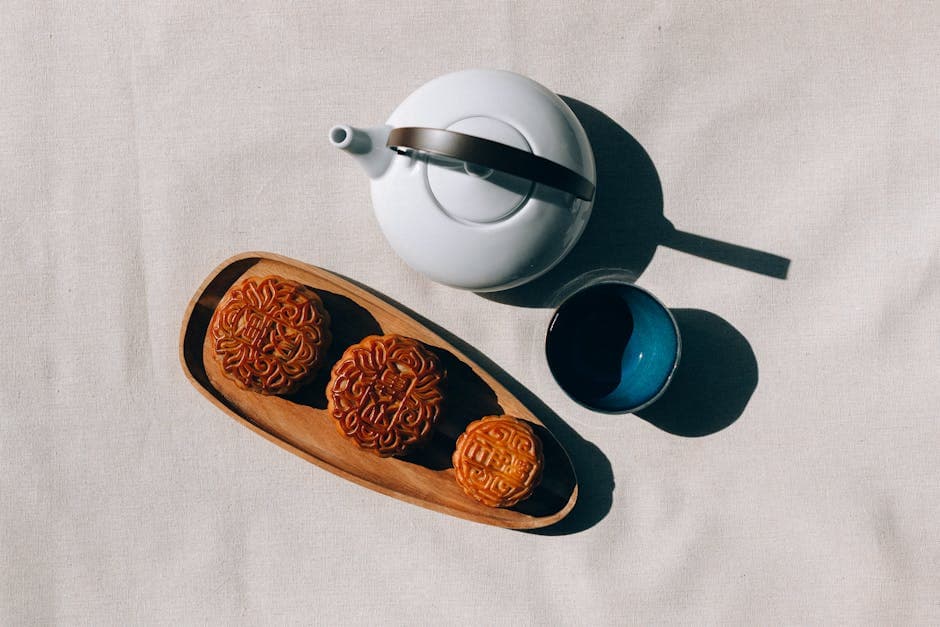
Asida
A pudding made from wheat flour dough, drizzled with date syrup (rub) or honey and clarified butter. It is dense, sweet, and rich, and people eat it with their fingers. Cooks make it for births, religious festivals, and other special occasions.
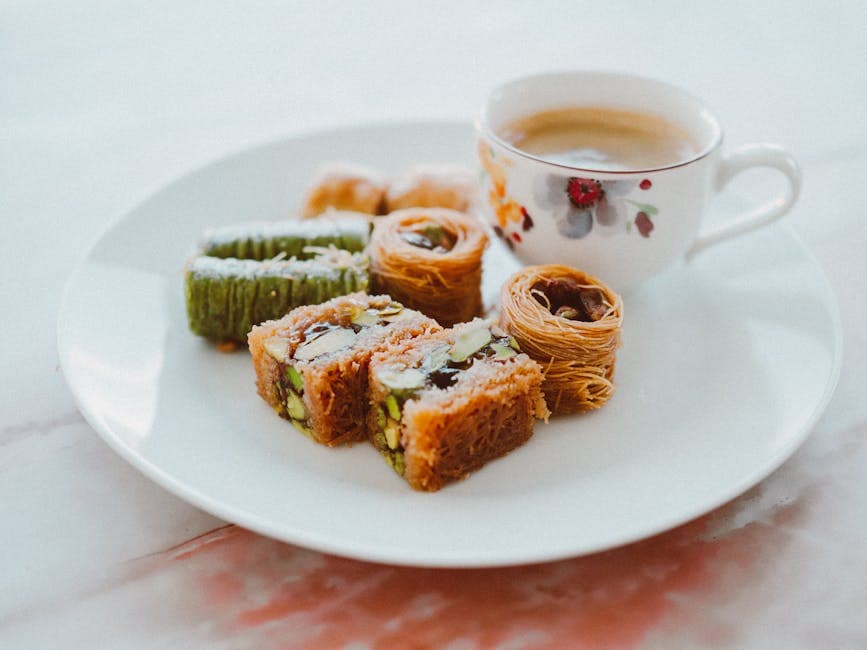
Baklava (Libyan Style)
Layers of phyllo pastry packed with chopped almonds and walnuts, sweetened with honey or sugar syrup. The Ottoman influence is clear, though the Libyan version is a little less sweet than the Turkish one and heavier on the nuts. It appears at Eid, weddings, and celebrations.
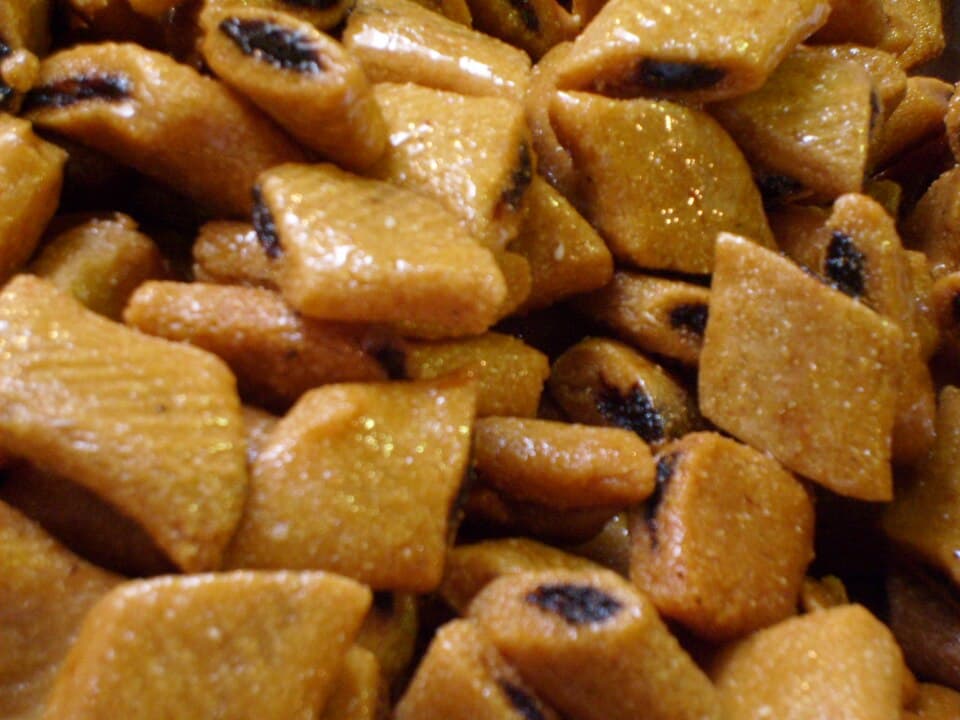
Makroudh
A semolina pastry filled with dates or figs, fried or baked, then soaked in honey or sugar syrup. The pieces are diamond-shaped, golden, and sticky. A Maghrebi sweet eaten across Libya, usually with mint tea and especially during Ramadan.
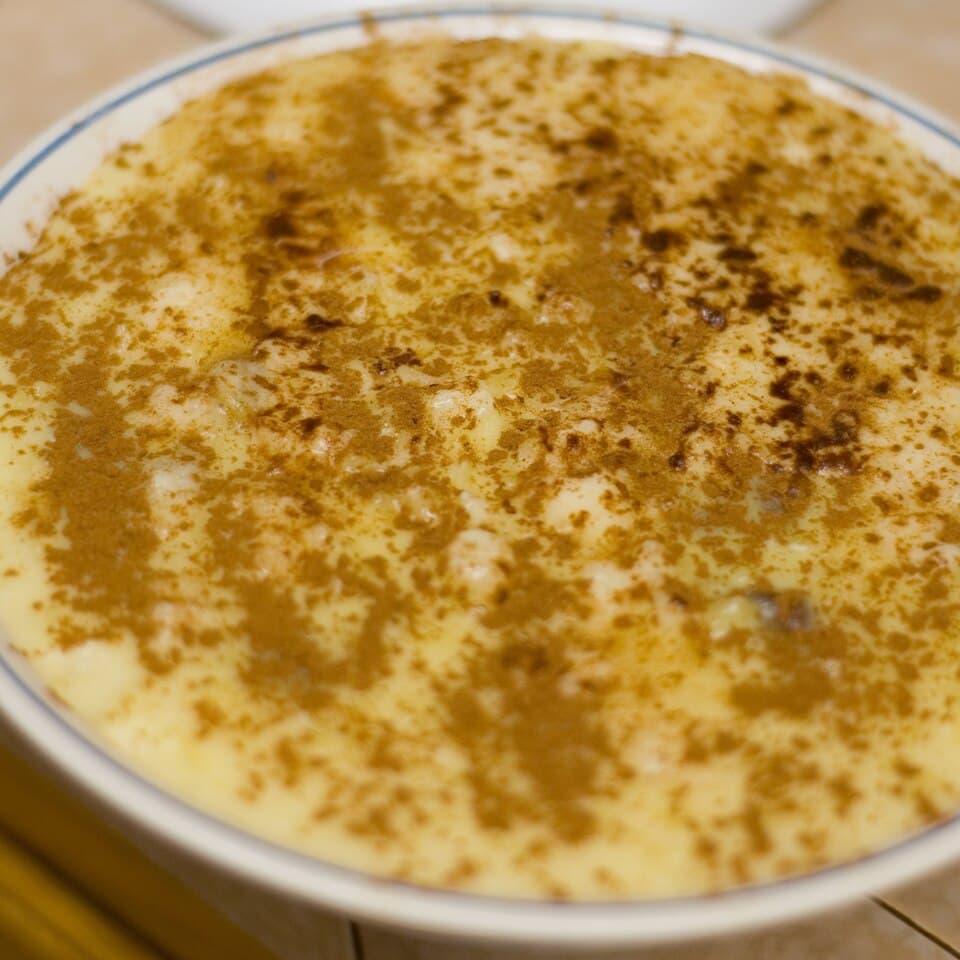
Libyan Rice Pudding
A creamy rice pudding made with milk and sugar, scented with rose water or orange blossom water and topped with cinnamon and nuts. It is served cold or warm. A simple, fragrant dessert that turns up during Ramadan and at family gatherings.
Traditional Beverages
Discover Libya's traditional drinks, from locally produced spirits to regional wines.
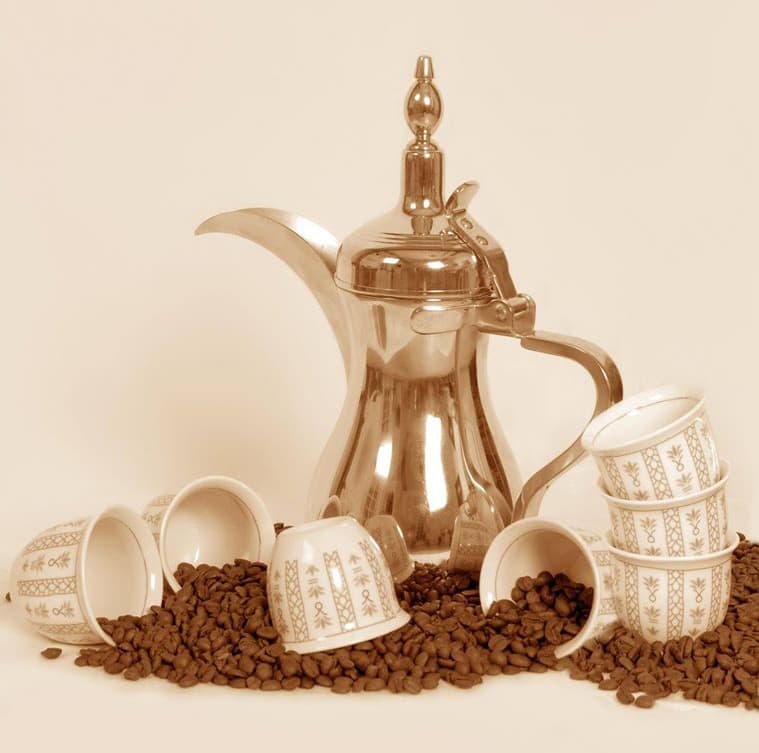
Arabic Coffee (Qahwa)
Strong coffee made from finely ground dark-roasted beans with cardamom, served in small cups without milk. Offering it to a guest is a sign of hospitality, and the point is to sit, talk, and drink slowly. It is brewed in a traditional pot called a dallah.
Soft Beverages
Discover Libya's traditional non-alcoholic drinks, from local teas to refreshing juices.
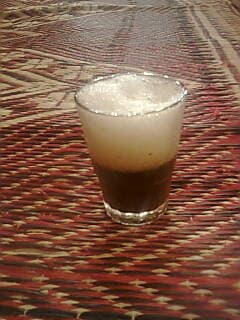
Libyan Tea (Shai)
Strong black tea, sweetened heavily, sometimes with fresh mint or sage, served in small glasses. Tea drinking is a national habit, going all day, after meals, and at every social gathering. It is brewed strong, sweetened generously, and poured from a height to raise a foam on top.
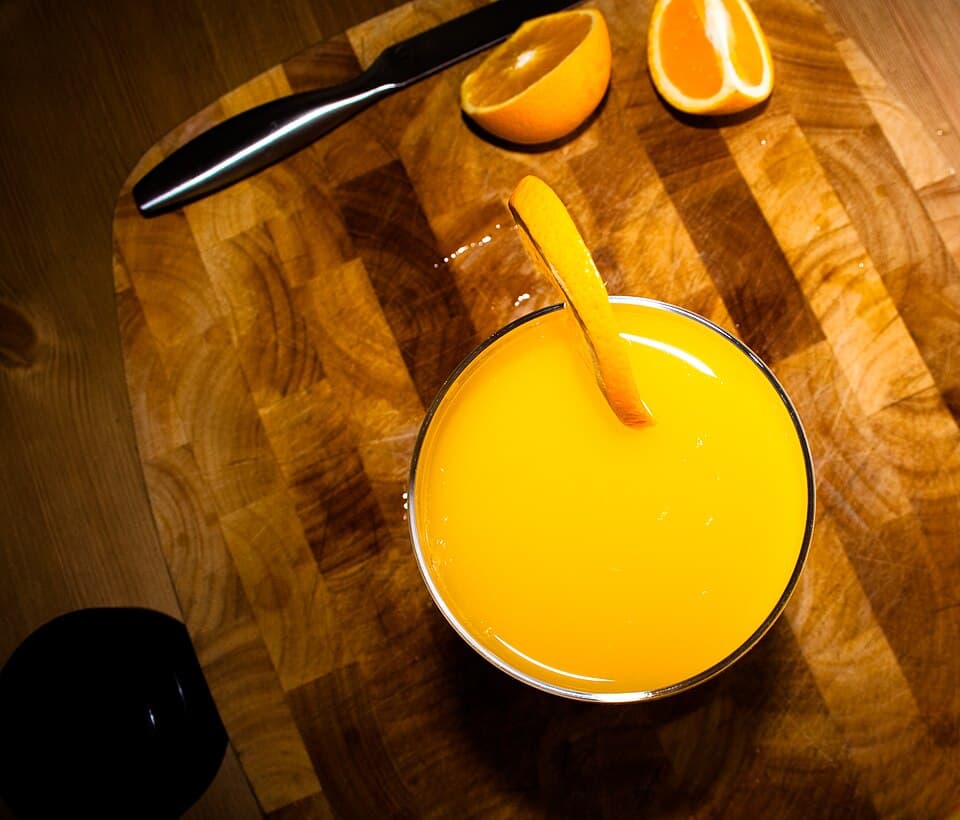
Fresh Orange Juice
Orange juice squeezed to order from fruit grown in the coastal groves. Naturally sweet and high in vitamin C. Street vendors and juice stalls press it fresh, and people drink it throughout the day, especially at breakfast.
Carob Juice
A sweet drink made from carob pods (kharroub). It is dark brown, thick, and slightly nutty, and it shows up especially during Ramadan. Carob grows along the Libyan coast, and the pods are dried, ground, and mixed with water and sugar. It is caffeine-free and nutritious.
Frequently Asked Questions
Essential information about food and dining in Libya.
What is the national dish of Libya?
Libya's most iconic dishes include Bazin, Couscous with Lamb, Shorba Libya (Libyan Soup). Libya's signature unleavened bread, made by boiling barley flour with water and salt, then working it with a special stick called a magraf into a hard, dense dough. The texture is firm and the salt is generous. People share it, eating with the right hand only, alongside a tomato-based stew with lamb, potatoes, and hard-boiled eggs. It sits at the center of Libyan gatherings and celebrations, where family and friends crowd around one large platter, breaking off pieces and dipping them in the stew.
Is street food safe in Libya?
Street food in Libya can be enjoyed safely by following these guidelines: Drink bottled water only Check travel advisories before dining out. Look for busy vendors with high turnover, ensure food is cooked fresh and served hot, and avoid raw ingredients if you have a sensitive stomach.
What are the best restaurants in Libya?
Libya offers diverse dining options from street food stalls to upscale restaurants. For the best experience, ask locals for recommendations, check recent reviews, and look for restaurants that specialize in regional cuisines.
Can vegetarians find food easily in Libya?
Vegetarian options in Libya are mediumly available. Vegetarians can manage here. Plenty of dishes are vegetable-based, including the meatless version of imbakbaka, vegetable couscous, salads, and olive oil mezze. The catch is that mutton and lamb are prized, and many stews start with meat stock. Coastal Tripoli restaurants tend to have more vegetarian mezze, pasta, and salads. To explain yourself, say "Ana nabati" (I am vegetarian) or "Bidun lahma" (without meat). Orthodox Christian Lenten fasting left behind a set of plant-based dishes. Markets are well stocked with fresh vegetables, fruit, and legumes if you cook for yourself.. Many restaurants offer vegetarian dishes, and you'll find plant-based ingredients featured prominently in local cuisine.
What is the average cost of a meal in Libya?
Meal costs in Libya depend on where you eat. Street food and casual local restaurants are very affordable, typically offering complete meals for a few dollars. Mid-range restaurants charge moderate prices, while fine dining establishments are comparably priced to Western countries.
What are common food allergens in Libya?
Common allergens in Libya cuisine include Wheat, Dairy, Chickpeas. Wheat (semolina, flour) fundamental to Libyan cuisine - couscous, pasta, bread staples. These ingredients appear in dishes like Couscous (semolina wheat), Bazin (barley flour). Always inform restaurant staff about your allergies.
When is the best time to visit Libya for food?
Libya offers great food experiences throughout the year. However, visiting during harvest seasons (typically spring and autumn) provides access to the freshest local ingredients. Food festivals and cultural celebrations also offer unique culinary experiences worth planning around.