
Mauritania Food Guide
Content Information
Recently updated🔥Current Food Trends 2026
What's happening in Mauritania's culinary scene right now
Mauritanian food sits where the Sahara meets the Atlantic, drawing on North and West African, Arab, and Berber cooking. The national dish is thieboudienne, fish and rice in a tomato sauce that comes from the coast and is most closely tied to the Soudan communities who run the fishing trade. For weddings and big occasions, families roast a whole lamb (mechoui), skewering it on a tree branch over embers. Mint tea runs through the day and through every visit, poured from a height to raise the foam. Couscous turns up in many forms, steamed and topped with a vegetable or meat stew built around camel, lamb, goat, or chicken. Camel meat carries dishes such as mahfe, a peanut, okra, and tomato sauce. Meals are often shared from a single calabash bowl, eaten with the right hand. In Nouakchott you can eat at Restaurant Merzouga, Le Prince for a local-Moroccan menu, or the smarter Sahara Cafe and Le Qasr. The coastal town of Nouadhibou leans on the day boat catch, with arroz con pescado, seafood stew, and grilled fish. Out in the desert the specialties are tagalla bread baked on hot sand and stones, babao, a barley-millet-lamb porridge, and fresh camel milk. French rule left croissants and crepes behind, and Lebanese and Syrian kitchens add their own range. Dates and dried fruit are the everyday snack.
Food Safety Tips
Essential food safety information to help you enjoy Mauritania's cuisine safely and confidently.
Drink only bottled or purified water
Tap water is not safe for drinking in Mauritania. Always use bottled water for drinking, brushing teeth, and making ice. Avoid drinks with ice unless you know it's made from purified water.
Choose busy vendors with visible hygiene
Street food is fine if you pick stalls with high turnover and hygiene you can see for yourself. Go for things cooked fresh and served hot, and skip raw vegetables and unpeeled fruit from vendors.
Avoid foods left at room temperature
Food spoils fast in Saharan heat, so steer clear of anything that has been sitting out and order meals made to order. Be especially careful with dairy and meat dishes when it is hot.
Dietary Options
vegetarian
MEDIUM AVAILABILITYYou can eat vegetarian here, though meat sits at the center of most Mauritanian meals. Couscous with vegetable stew, tagalla bread, dates, and French-leaning options like croissants and vegetable crepes will see you through. Spell out what you do not eat.
vegan
LOW AVAILABILITYVegan eating takes effort, since dairy such as milk and butter sits alongside meat in most cooking. Lean on vegetable couscous, tagalla bread, dates, fruit, and vegetables. Camel milk turns up often, so say clearly that you want no dairy. French bakeries occasionally have something that works.
gluten-free
LOW AVAILABILITYGluten-free is tricky because couscous and bread are everywhere. Rice-based thieboudienne is a safe bet. Grilled meat such as mechoui without bread, fresh fish, dates, and vegetables also work. Wheat is common thanks to the French influence, so check before ordering.
halal
HIGH AVAILABILITYMauritania is roughly 99% Muslim, so almost everything you eat is halal. Pork is not served, and alcohol is rare, found mainly at upscale hotels catering to foreigners. Meat is slaughtered according to Islamic law. During Ramadan, restaurants close through the fasting hours and put on special iftar meals after sundown. Muslim travelers have little to worry about.
Common Allergens
Peanuts
HIGH PREVALENCEPeanuts are used extensively in sauces like mahfe (peanut, okra, tomato sauce)
COMMONLY FOUND IN:
Seafood
MEDIUM PREVALENCECoastal areas feature fish prominently, especially in thieboudienne
COMMONLY FOUND IN:
Gluten
HIGH PREVALENCEWheat products are staples - couscous, bread (French influence), tagalla
COMMONLY FOUND IN:
Essential Food Experiences
These iconic dishes represent the must-have culinary experiences that define Mauritania's food culture for travelers.
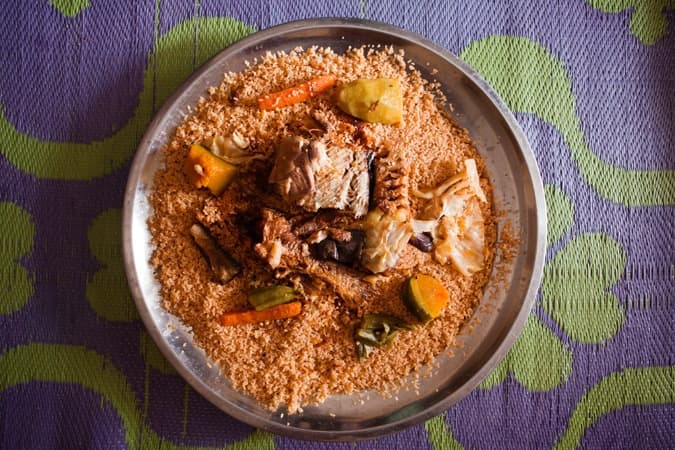
Thieboudienne (Maru Hout)
Mauritania's national dish, a coastal plate of fish and rice in a white and red tomato sauce. The fish is marinated in garlic, lemon, and spices, then fried or grilled and set over rice and vegetables. It is most closely tied to the Soudan communities who run the country's fishing.
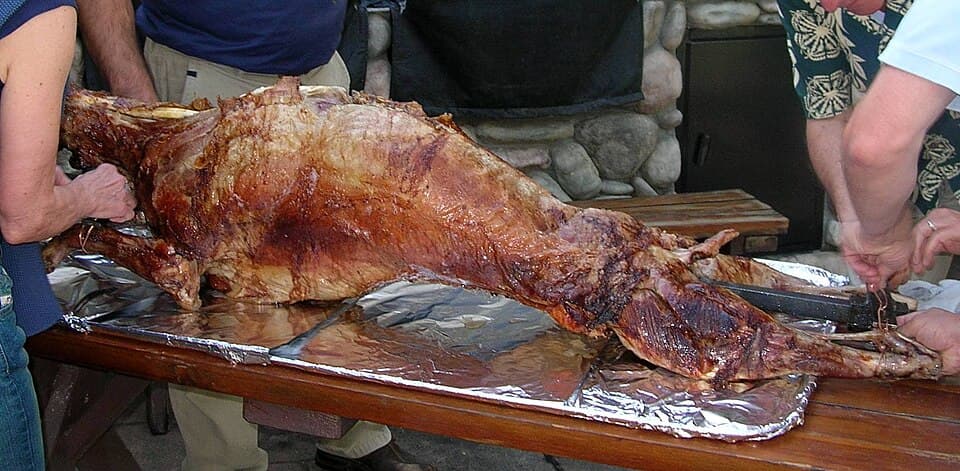
Mechoui
A whole lamb roasted or grilled for special occasions. It is seasoned simply, skewered on a tree branch, and cooked over embers until the meat is tender and the skin crisp. Morocco, Algeria, and Tunisia all do their own version, but in Mauritania it is the dish that marks a celebration.
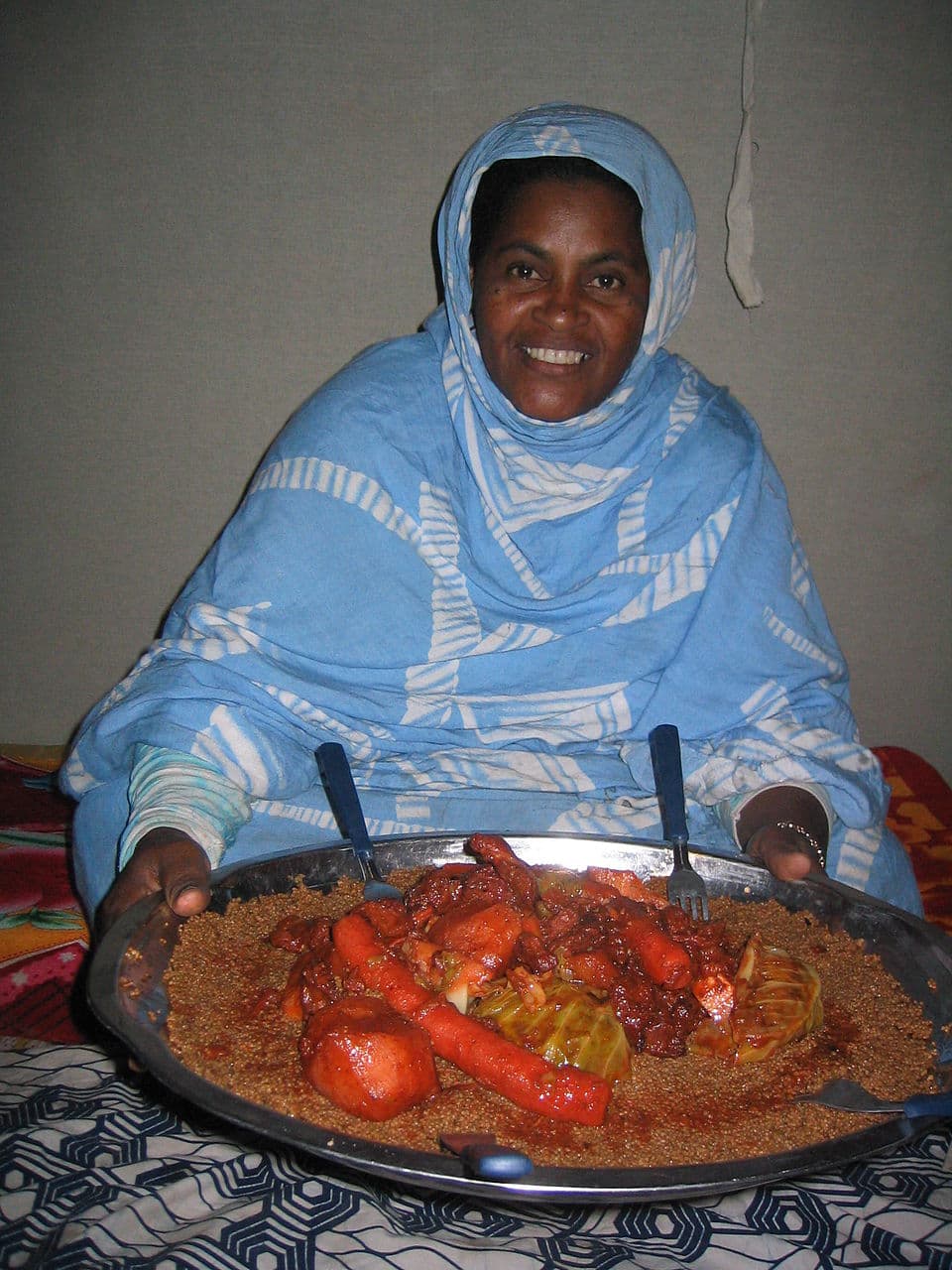
Mauritanian Couscous
A staple cooked many ways: steamed until fluffy and topped with a vegetable or meat stew of tomatoes, onions, carrots, zucchini, and spices. The meat might be camel, lamb, goat, or chicken depending on the household. Filling and well spiced, it anchors most meals.
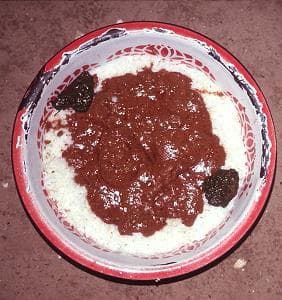
Mahfe (Maffe)
A stew of goat or camel meat in a peanut, okra, and tomato sauce, served over rice. The West African roots are clear in the thick, savory base, and it speaks to the close cooking ties between Mauritania and its southern neighbors.
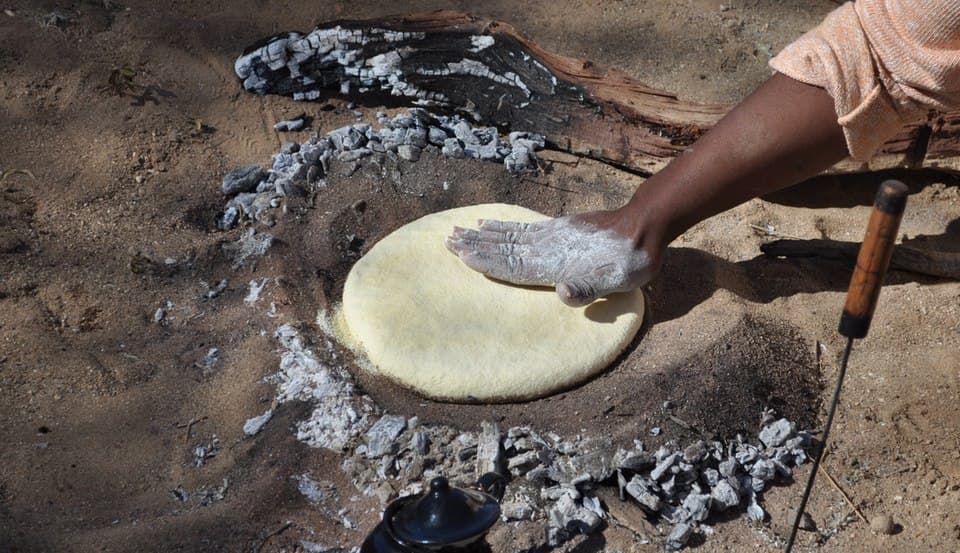
Tagalla
A plain bread baked straight on hot sand or stones in the desert. The method gives it a faint smokiness that suits spiced lamb stews. It comes out of nomadic cooking, where an oven was never an option.
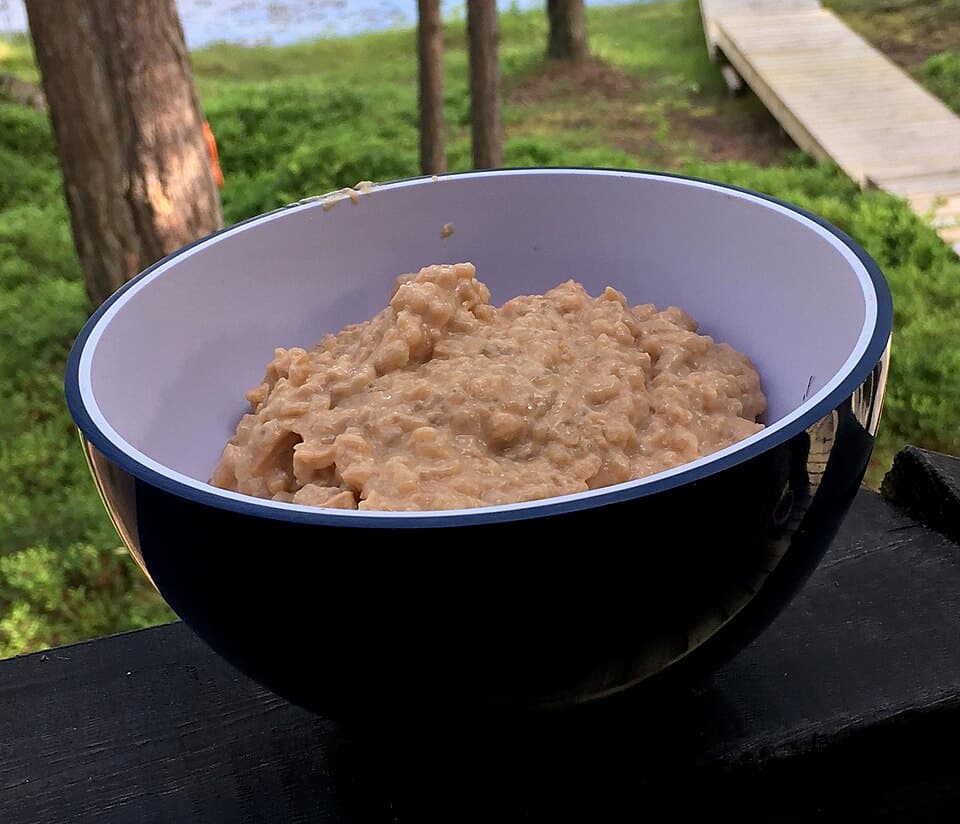
Babao
A desert dish of barley or millet slow-cooked with lamb or goat into a thick porridge, dense enough to keep travelers going across long stretches of sand. It started as survival food and is now eaten as a specialty in its own right.
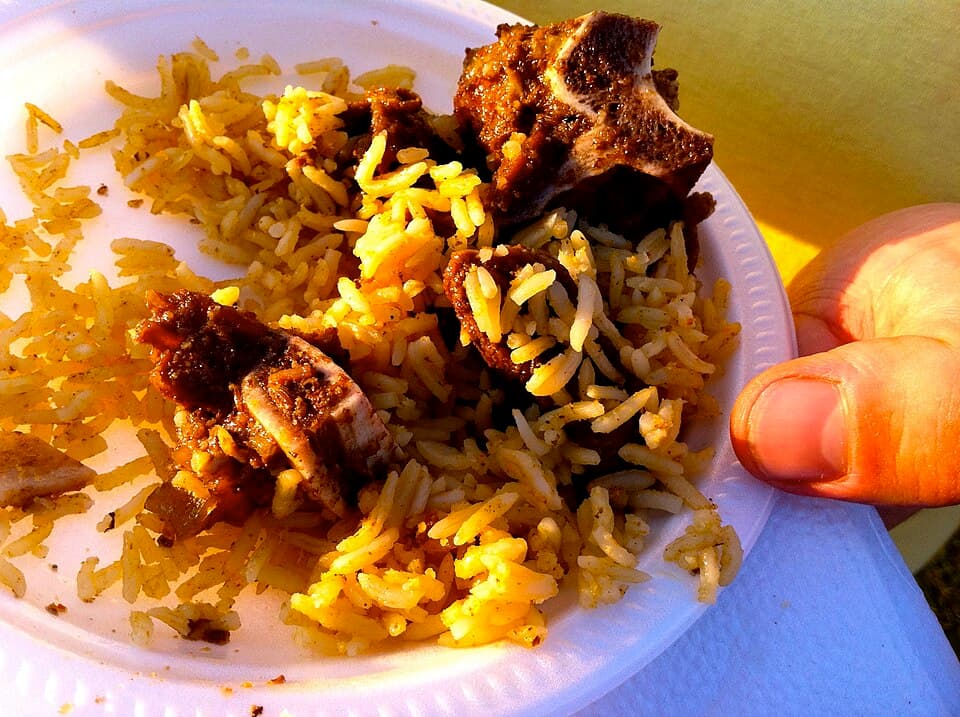
Camel Meat Dishes
Camel turns up across Mauritanian cooking, in mahfe, grilled over coals, or stewed slowly. The meat is lean with a faint sweetness. Given the country's nomadic past, camel is close to the heart of the local table.
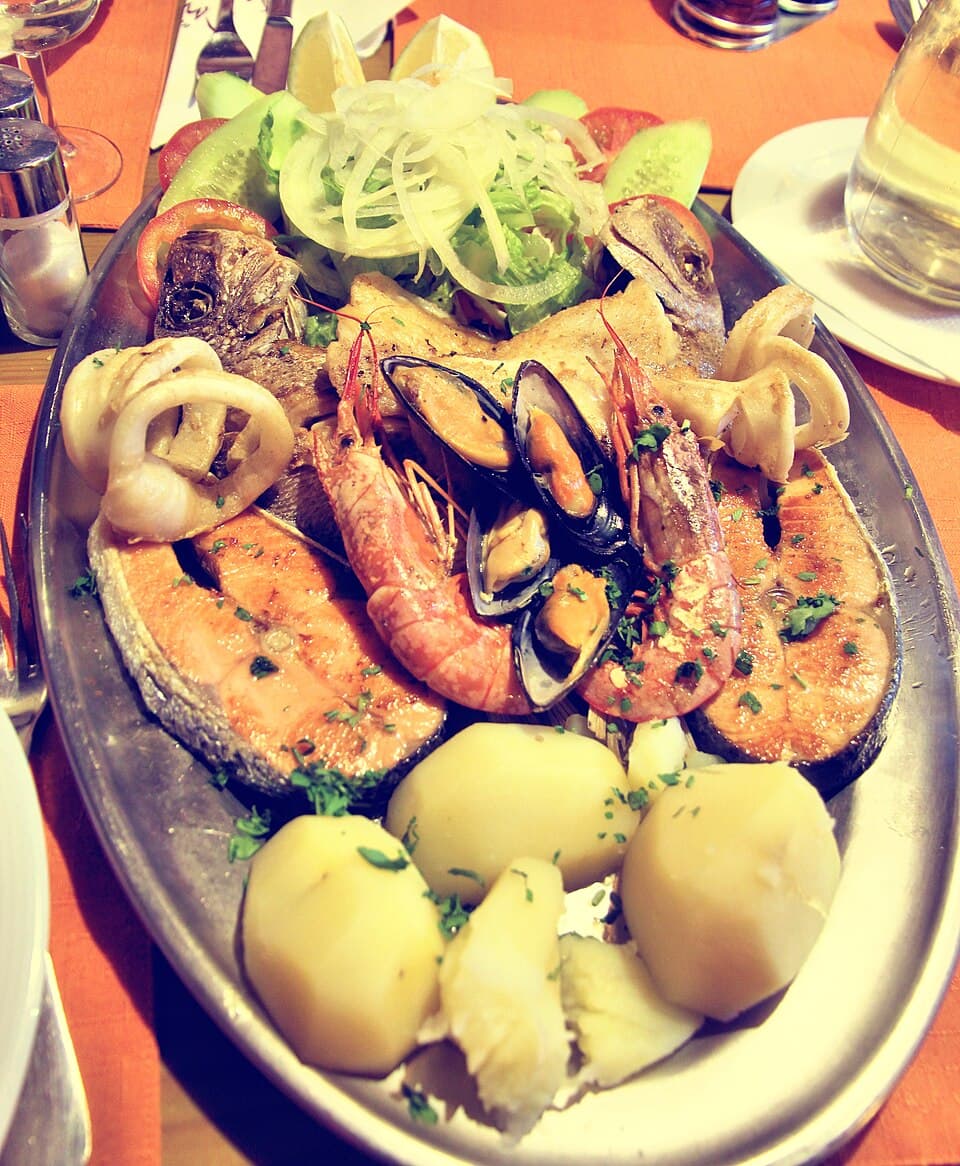
Grilled Fish (Nouadhibou Style)
A Nouadhibou specialty: fresh fish grilled and plated with a spicy sauce and vegetables. The Atlantic is right there, so the catch lands daily, and the cooking stays simple enough to let the fish speak for itself.
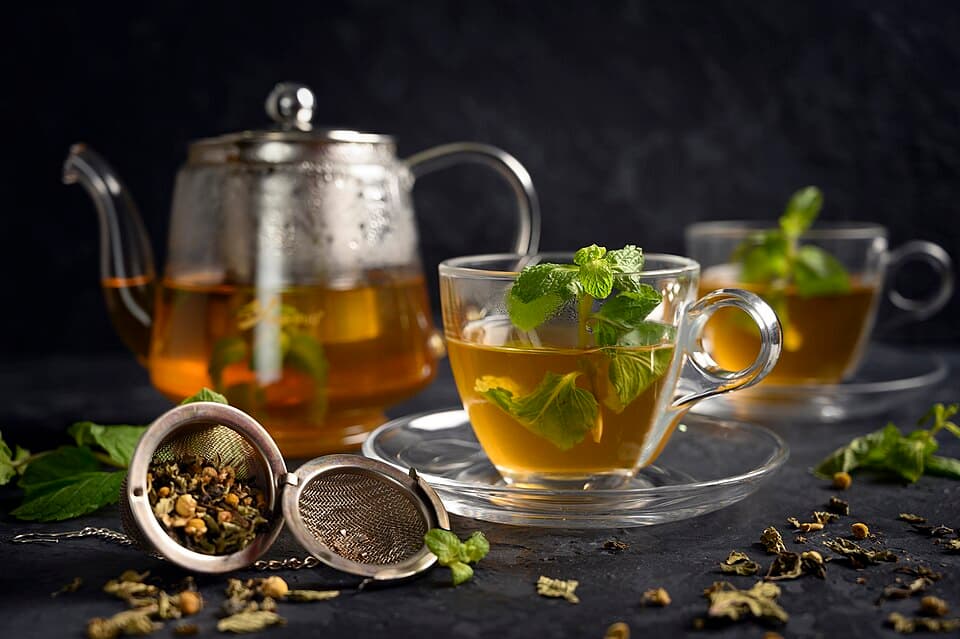
Mauritanian Mint Tea
The tea ritual is at the heart of Mauritanian hospitality. Green tea is heavily sweetened, scented with fresh mint, and poured from a height to build a head of foam. It goes round all day and is offered to guests with some ceremony, traditionally in three glasses, each a little different in sweetness and strength.
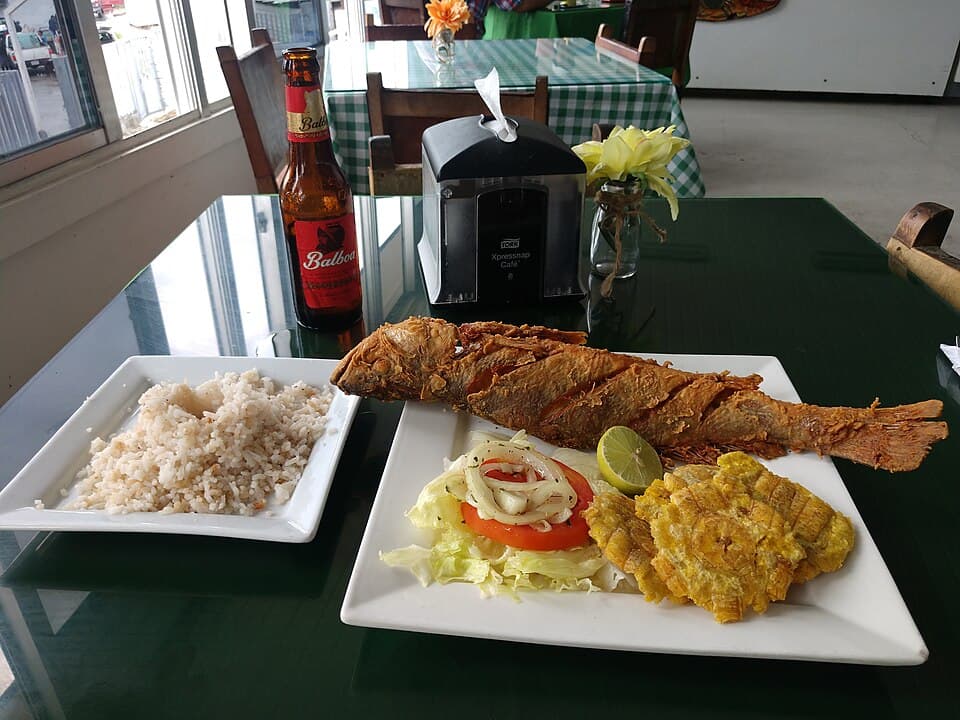
Arroz con Pescado
A Nouadhibou coastal dish of rice cooked with fish and shellfish, carrying a clear Spanish influence. It points to the maritime history of the coast and the outside flavors that have washed up there.
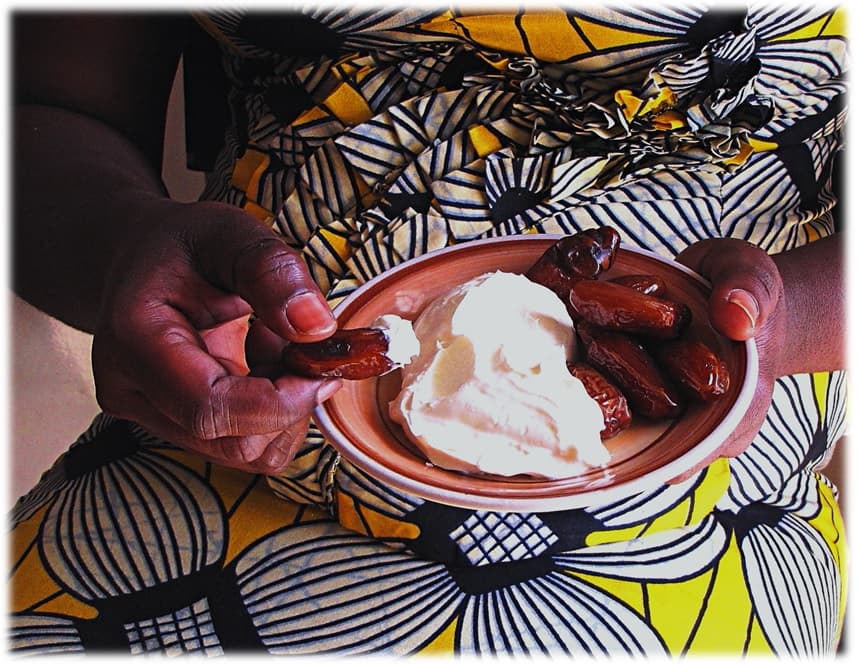
Dates and Dried Fruits
Desert staples, with dates valued above all for the energy they pack in a hard climate. They show up as a snack, alongside tea, and in desserts, and they carry real weight in nomadic Saharan life.
Regional Specialties & Local Favorites
Discover the authentic regional dishes and local favorites that showcase Mauritania's diverse culinary traditions.
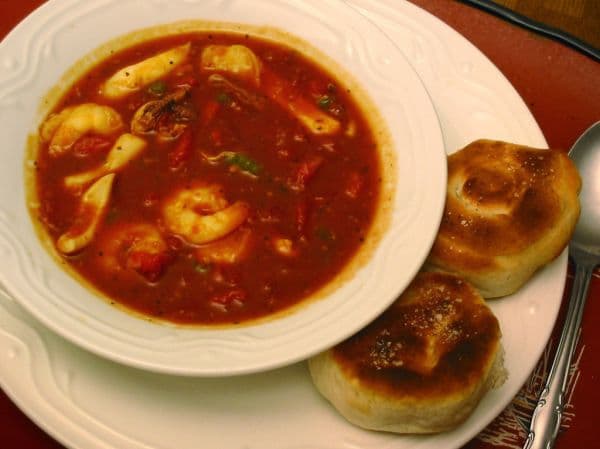
Mauritanian Seafood Stew
A stew of mixed seafood with tomatoes and peppers, a Nouadhibou specialty that pairs the Atlantic catch with North African spicing. Filling and full of flavor, it is one of the coast's standbys.
Allergens:
Croissants (French Legacy)
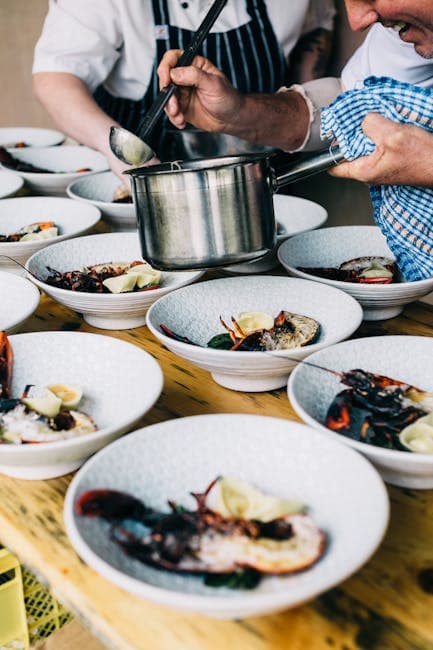
A breakfast favorite left over from French rule. Bakeries in Nouakchott and Nouadhibou still turn out croissants and other French pastries.
Allergens:
Savory Crepes
You will sometimes find crepes filled with couscous and tajine, a French-Mauritanian crossover. Sweet or savory, they show French technique bent toward local tastes.
Allergens:
Camel Milk
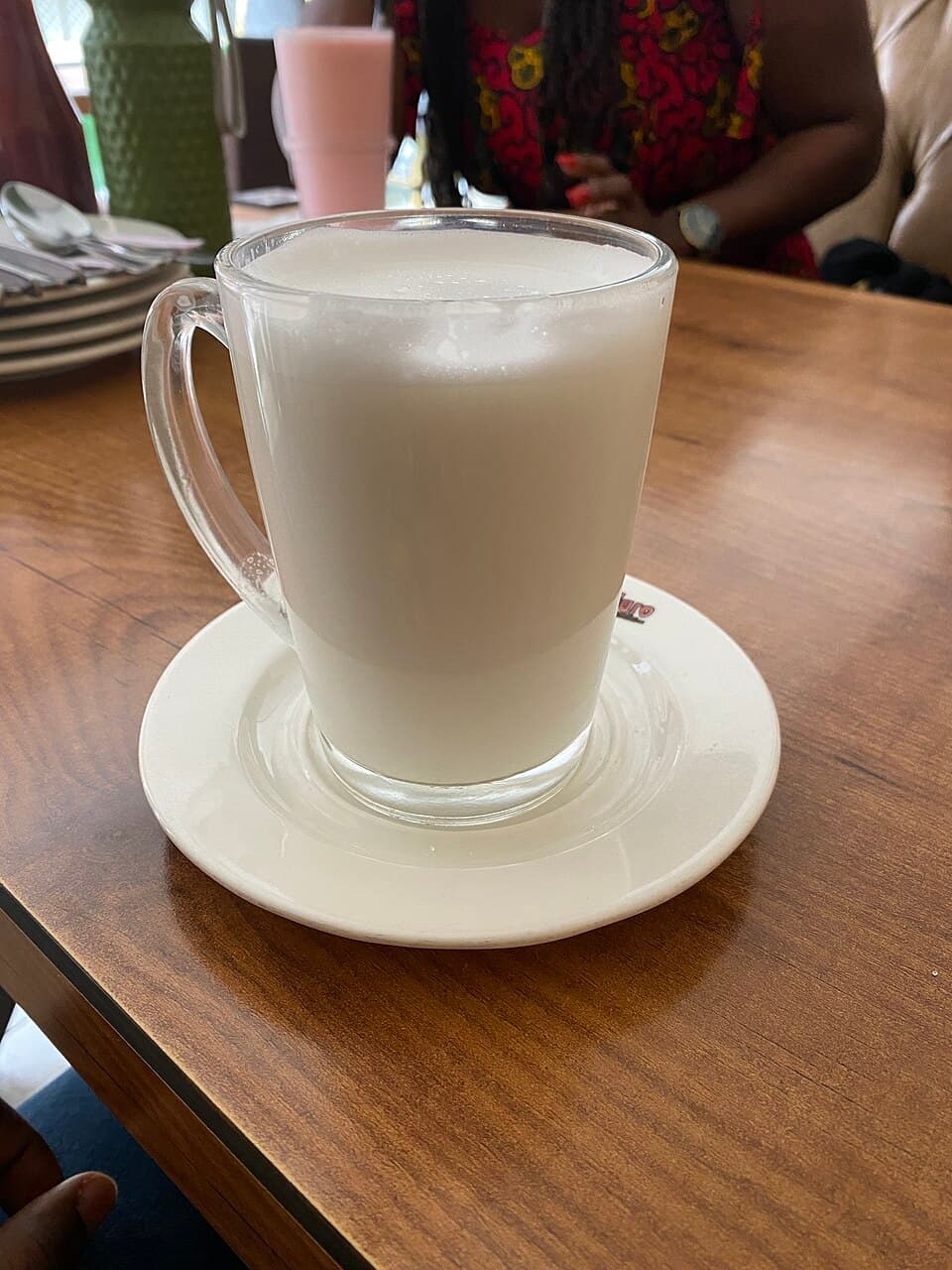
A desert staple, rich and a little tangy, usually drunk fresh. It is nourishing and matters a great deal to nomadic communities, though it can take visitors a glass or two to get used to.
Allergens:
Lamb Tajine
Lamb cooked slowly with vegetables and warm spices in a tajine pot. The technique is Moroccan, but the result has its own Mauritanian character, with tender meat and a deep sauce.
Vegetable Couscous
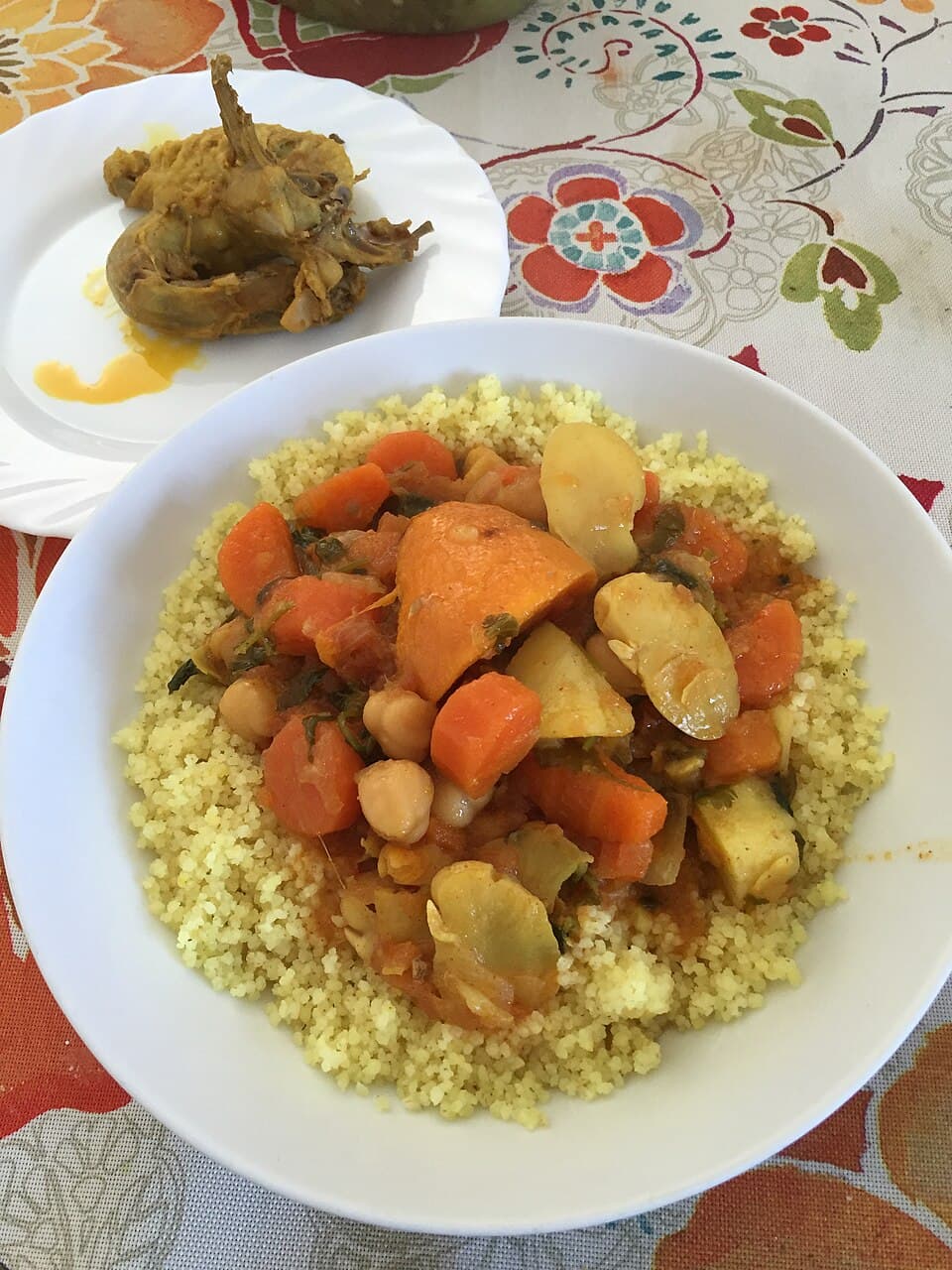
Couscous topped with whatever is in season, often carrots, turnips, zucchini, and tomatoes in a spiced broth. It is the easiest vegetarian plate to find and a good look at how the grain is handled here.
Allergens:
Grilled Camel Skewers
Chunks of camel marinated and grilled on skewers, sold both at street stalls and in restaurants. Lean and tasty, it is about as Saharan as a meal gets.
Fresh Fish Market Catches
Nouadhibou markets sell a wide range of fresh Atlantic seafood, cooked grilled, fried, or stewed. The daily catch is a direct read on the coast's fishing economy.
Allergens:
Regional Cuisine Highlights
Explore the diverse culinary landscapes across different regions of Mauritania.
Nouakchott
The capital has the widest range of food in the country, pulling together regional Mauritanian cooking and a good deal from abroad. Thieboudienne, fragrant rice with fish, vegetables, and tomato sauce, is the dish people put in front of guests. Restaurant Merzouga and Le Prince stick to the traditional menu, while Sahara Cafe and Le Qasr plate things more carefully at the upper end. Lebanese, Syrian, Chinese, Italian, and French places fill out the rest, and croissants are a common breakfast, a holdover from French rule.
Cultural Significance:
Nouakchott is where the country's food strands meet: Soudan fishing traditions, Arab-Berber meat cooking, French pastry, and Lebanese-Syrian kitchens all share the same streets. It is the easiest place to grasp how mixed Mauritania's food identity really is.
Signature Dishes:
Key Ingredients:
Nouadhibou
A coastal city whose food takes its cues from the sea and from its neighbors. With the Atlantic on its doorstep, seafood leads: arroz con pescado, the rice cooked with fish and shellfish; Mauritanian seafood stew of mixed catch with tomatoes and peppers; and grilled fish with a spicy sauce and vegetables. The markets fill up with the day's catch and local crafts. Mechoui gets its own coastal twist here, and the busy port keeps pulling in outside flavors.
Cultural Significance:
Nouadhibou is the Atlantic face of Mauritania, where the fishing economy sets the menu and Spanish and West African touches sit alongside Arab spicing. The port brings in workers and tastes from elsewhere, producing a coastal cooking that feels distinct from the interior.
Signature Dishes:
Key Ingredients:
Saharan Interior
The desert holds onto the oldest nomadic ways of cooking. Tagalla is baked on hot sand and stones for a smoky edge, babao is a barley-millet-lamb porridge that kept travelers going, camel milk is the local treat, rich and tangy, and grilled camel, dates, and dried fruit round out the basics. Underground baking, preserving, and other nomadic methods get handed down through families. With little farmland, cooks make careful use of whatever they have.
Cultural Significance:
The Saharan interior keeps nomadic cooking alive, and the constraints of a harsh place produced dishes you would not find anywhere else. Baking tagalla in sand, packing babao for the road, and relying on camel milk all show how people adapted to extreme conditions. Those methods still tie Mauritanians today to the desert know-how their ancestors lived by.
Signature Dishes:
Key Ingredients:
Sweet Delights & Desserts
Indulge in Mauritania's traditional sweet treats and desserts.
Sweetened Dates
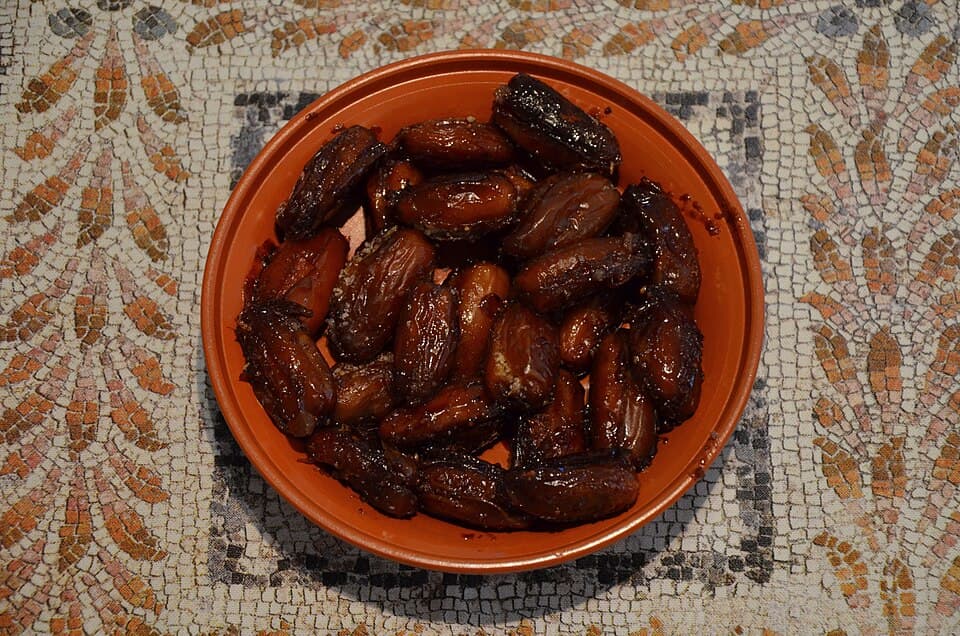
Dates stuffed with nuts or just sweetened with honey. A simple desert sweet, filling and energy-dense, usually served alongside mint tea.
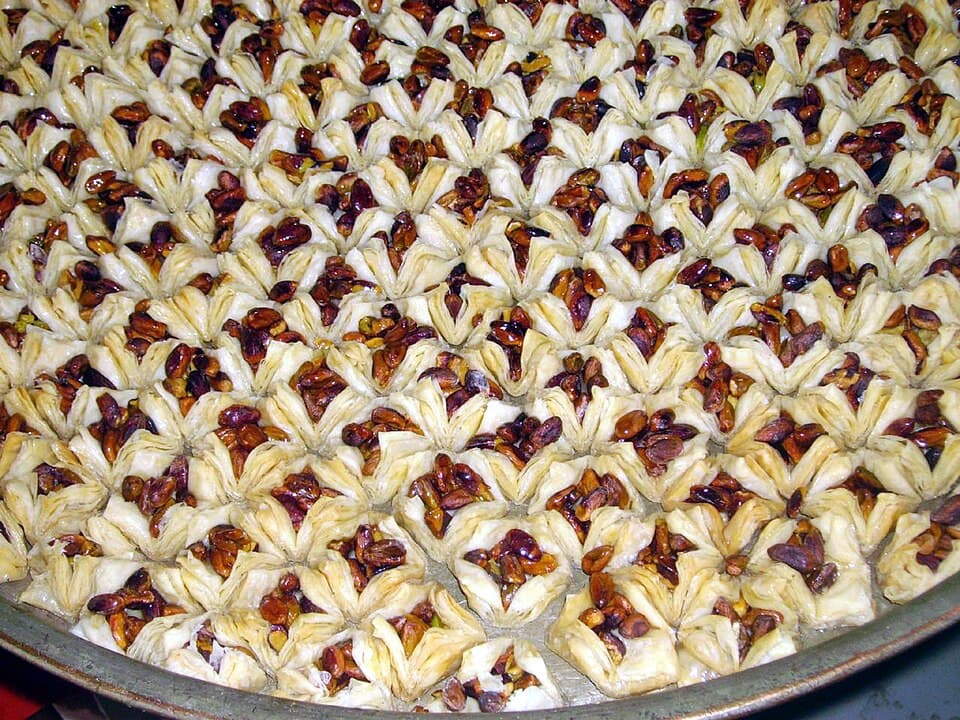
Honey Pastries
Fried dough soaked in honey and sometimes scattered with sesame seeds. An Arab-leaning sweet that is crisp, sticky, and unapologetically rich.
Dried Fruit Mix
A mix of dates, figs, apricots, and raisins. A desert standby for quick energy, eaten as a snack or as dessert with tea.
Traditional Beverages
Discover Mauritania's traditional drinks, from locally produced spirits to regional wines.
Zrig (Fermented Milk)
Fermented camel or goat milk, tangy and good for the gut, drunk mostly in the desert. It holds a long-standing place in nomadic life.
Soft Beverages
Discover Mauritania's traditional non-alcoholic drinks, from local teas to refreshing juices.
Mint Tea (Ataya)
The national drink: green tea with fresh mint and plenty of sugar, poured from a height to raise the foam. It comes in three rounds, each a little stronger or sweeter than the last, and offering it is the clearest sign of welcome.
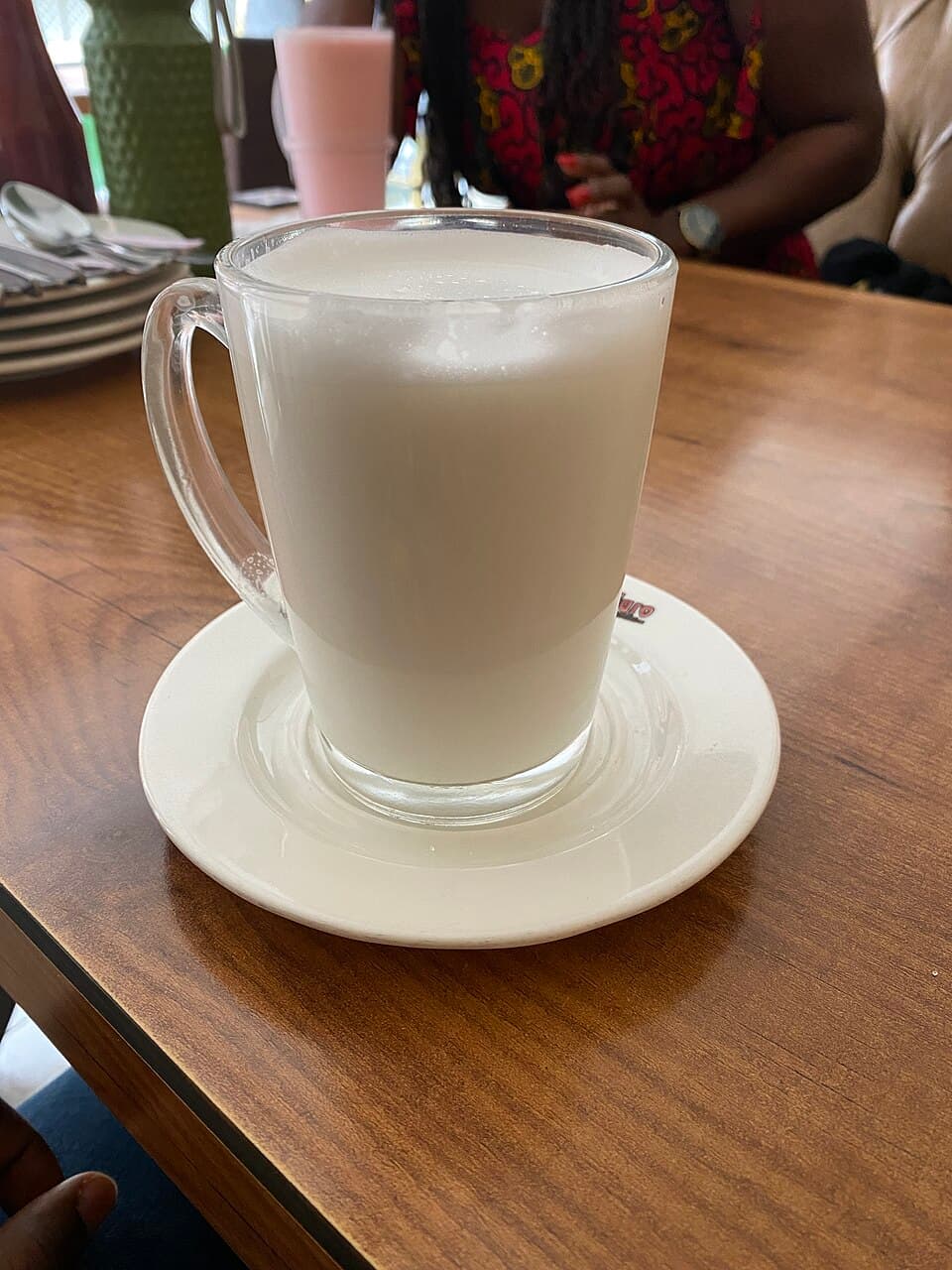
Fresh Camel Milk
Drunk straight from the animal, rich and slightly tangy. It is a desert mainstay and an old nomadic drink that is finding new fans today.
Frequently Asked Questions
Essential information about food and dining in Mauritania.
What is the national dish of Mauritania?
Mauritania's most iconic dishes include Thieboudienne (Maru Hout), Mechoui, Mauritanian Couscous. Mauritania's national dish, a coastal plate of fish and rice in a white and red tomato sauce. The fish is marinated in garlic, lemon, and spices, then fried or grilled and set over rice and vegetables. It is most closely tied to the Soudan communities who run the country's fishing.
Is street food safe in Mauritania?
Street food in Mauritania can be enjoyed safely by following these guidelines: Drink only bottled or purified water Avoid foods left at room temperature. Look for busy vendors with high turnover, ensure food is cooked fresh and served hot, and avoid raw ingredients if you have a sensitive stomach.
What are the best restaurants in Mauritania?
Mauritania offers diverse dining options from street food stalls to upscale restaurants. For the best experience, ask locals for recommendations, check recent reviews, and look for restaurants that specialize in regional cuisines.
Can vegetarians find food easily in Mauritania?
Vegetarian options in Mauritania are mediumly available. You can eat vegetarian here, though meat sits at the center of most Mauritanian meals. Couscous with vegetable stew, tagalla bread, dates, and French-leaning options like croissants and vegetable crepes will see you through. Spell out what you do not eat.. Many restaurants offer vegetarian dishes, and you'll find plant-based ingredients featured prominently in local cuisine.
What is the average cost of a meal in Mauritania?
Meal costs in Mauritania depend on where you eat. Street food and casual local restaurants are very affordable, typically offering complete meals for a few dollars. Mid-range restaurants charge moderate prices, while fine dining establishments are comparably priced to Western countries.
What are common food allergens in Mauritania?
Common allergens in Mauritania cuisine include Peanuts, Seafood, Gluten. Peanuts are used extensively in sauces like mahfe (peanut, okra, tomato sauce). These ingredients appear in dishes like Mahfe sauce, Groundnut stew. Always inform restaurant staff about your allergies.
When is the best time to visit Mauritania for food?
Mauritania offers great food experiences throughout the year. However, visiting during harvest seasons (typically spring and autumn) provides access to the freshest local ingredients. Food festivals and cultural celebrations also offer unique culinary experiences worth planning around.