
Marshall Islands Food Guide
Content Information
Recently updated🔥Current Food Trends 2026
What's happening in Marshall Islands's culinary scene right now
In 2026, Marshallese cooking still runs on breadfruit and coconut, with growing attention to where the fish comes from. Breadfruit is the everyday staple, eaten fresh, fermented as bwiro, or turned into the sweet pudding mafa. Because Majuro handles more tuna transshipment than any other port, sashimi and grilled tuna are easy to find and cheap. Coconut works its way into almost everything, whether as milk, cream, or grated flesh. Coconut crab (kōļ), prized for its sweet meat, shows up at special meals. The underground oven, or um, still does the slow, smoky cooking for fish and breadfruit. Spam and corned beef linger from the WWII military years and have become part of the local diet. More cooks and fishers now talk about protecting the reefs and keeping catches sustainable. Marshallese-style poke has caught on much like its Hawaiian cousin. Reef fish such as parrotfish, surgeonfish, grouper, and trevally get cooked with coconut and lime, often wrapped in banana leaf. Pandanus fruit comes out for special occasions. Majuro's 26 restaurants cover Pacific, American, Korean, Filipino, Chinese, and Indian cooking, with Korean food especially popular thanks to Mon-ami. A small street-food scene has taken shape around Food Truck 692 and sidewalk barbecues. Bwiro keeps for months, a preservation trick handed down from earlier generations.
Food Safety Tips
Essential food safety information to help you enjoy Marshall Islands's cuisine safely and confidently.
Drink bottled or purified water
Tap water quality varies across the Marshall Islands. Bottled water is recommended for drinking. Some areas have limited freshwater resources due to atoll geography.
Choose fresh catch from reliable sources
Majuro handles more tuna than any other transshipment port, so the fish here is very fresh. Buy the day's catch from established vendors. Um-cooked fish is safe when it comes from a trusted source.
Ensure proper preparation of coconut crab
Coconut crab is a delicacy, but it needs to be cooked properly. Pick restaurants that know the traditional preparation. What the crab has been eating can affect both its flavor and whether it is safe.
Dietary Options
vegetarian
MEDIUM AVAILABILITYMarshallese cooking leans heavily on seafood, but breadfruit, coconut, pumpkin, and banana give vegetarians plenty to work with. Bañke kalel (pumpkin in coconut milk), mã (breadfruit), and jukjuk (crushed banana) are reliable meat-free staples. Majuro's international restaurants widen the choices.
vegan
LOW AVAILABILITYVegan eating takes some effort. Coconut milk is everywhere and fine to eat, but most dishes also carry fish or meat. Stick to breadfruit dishes, fresh fruit like banana, papaya, and pandanus, and vegetable plates, and spell out your needs clearly when ordering.
gluten-free
HIGH AVAILABILITYThe traditional diet is gluten-free by default, built on breadfruit, rice, fish, coconut, taro, and banana. Watch out for American-style foods, which can contain wheat. Traditional dishes and fresh seafood are your safest bets.
Common Allergens
Seafood
HIGH PREVALENCEFish and shellfish anchor the local table, from tuna and reef fish to coconut crab and clams
COMMONLY FOUND IN:
Coconut
HIGH PREVALENCECoconut turns up in nearly every kitchen, as milk, cream, grated flesh, or oil
COMMONLY FOUND IN:
Tree Nuts
LOW PREVALENCECoconut aside, tree nuts seldom appear in traditional cooking
COMMONLY FOUND IN:
Essential Food Experiences
These iconic dishes represent the must-have culinary experiences that define Marshall Islands's food culture for travelers.
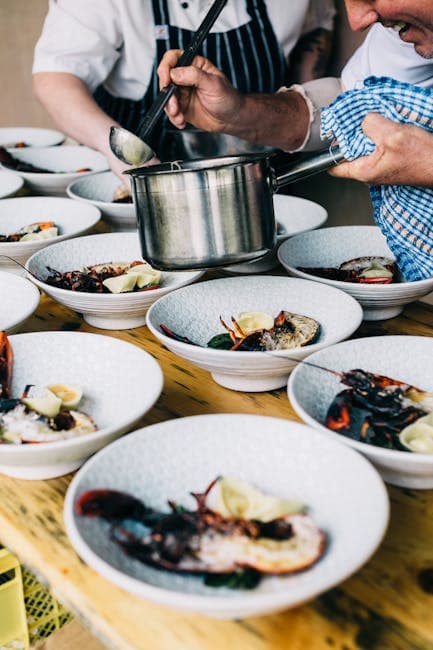
Bwiro (Fermented Breadfruit)
Fermented breadfruit paste wrapped in banana leaves and baked in the underground oven (um). It keeps for months without spoiling and has a sharp, sour tang. Bwiro is one of the old preservation methods that still ties Marshallese families to how their ancestors ate.
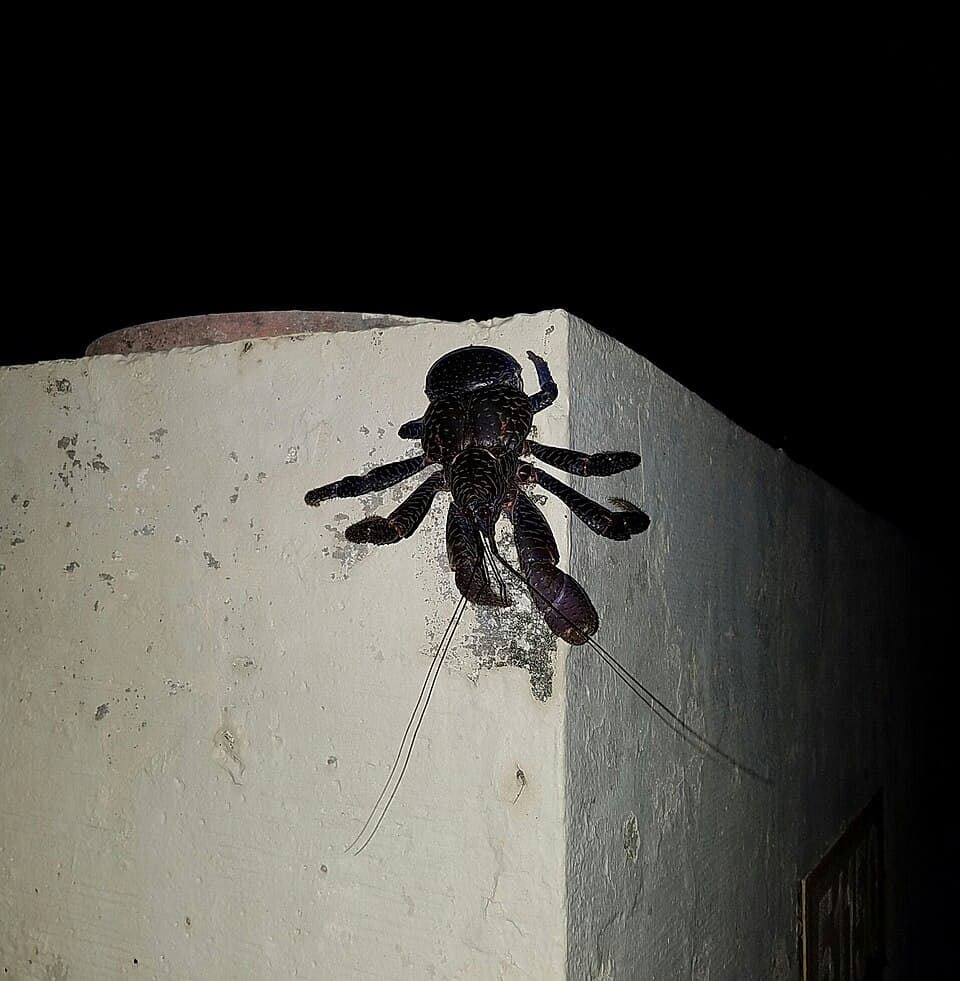
Coconut Crab (Kōļ)
A large crab prized for its sweet, tender meat, usually steamed or baked so the flavor comes through. Its diet of coconuts gives the meat a particular taste. It is reserved for special occasions and valued by islanders and visitors alike.
Bwij (Barbecue Fish)
A local favorite of fresh tuna or snapper marinated in soy sauce, lime juice, and island spices, then grilled. The result is smoky and savory, served with steamed rice or breadfruit.
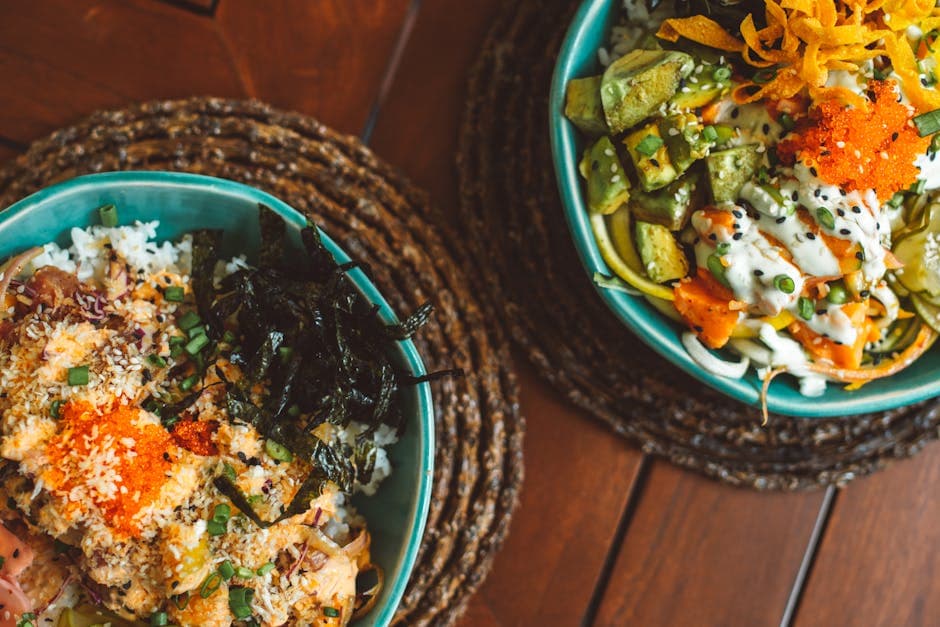
Marshallese Poke
Tuna, wahoo, or firm reef fish cubed and briefly marinated in lime juice or fermented coconut-sap vinegar with sea salt. Thick coconut milk gets folded in along with sliced onion, and sometimes cucumber or green papaya. Cool and creamy, it resembles Hawaiian poke but tastes its own.
Um-Cooked Fish
Cooking done the old way in the underground oven. The day's catch (parrotfish, surgeonfish, grouper, trevally) is scaled, cleaned, rubbed with sea salt and lime, then stuffed with grated coconut or brushed with coconut cream. Wrapped in banana or breadfruit leaves, it cooks over wood coals or in the um, picking up a slow smoky flavor.
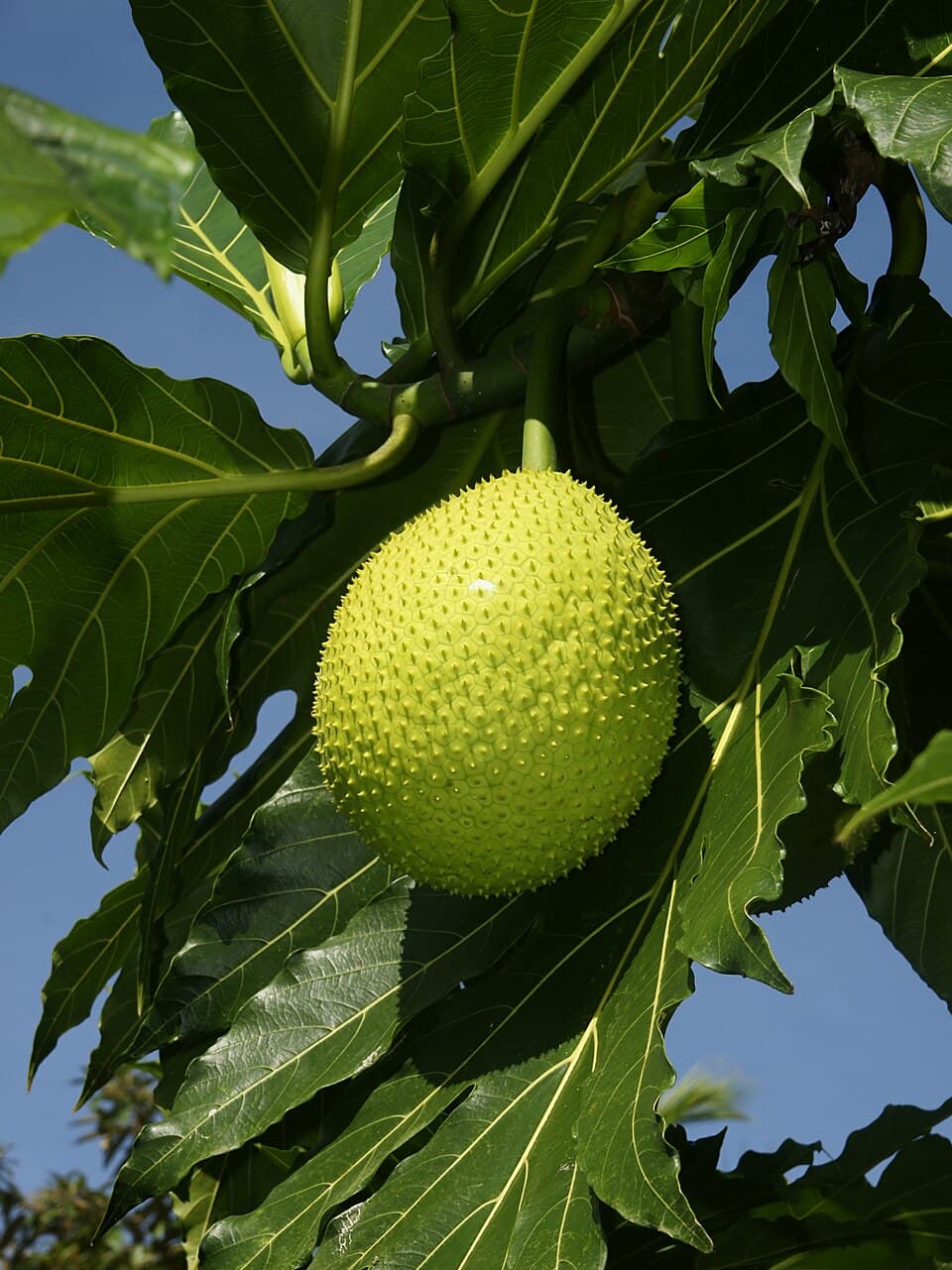
Mã (Breadfruit)
The everyday staple, cooked any number of ways: boiled, roasted, baked, or fried. It is starchy like a potato and mild enough to go with fish and coconut. Fresh breadfruit is around all year and turns up at most meals.
Bañke Kalel (Pumpkin in Coconut Milk)
Pumpkin simmered in coconut milk until rich and creamy, the sweetness of the pumpkin set off by the coconut. A meat-free comfort dish that turns up on plenty of family tables.

Jukjuk (Crushed Banana Dessert)
Crushed ripe bananas, sometimes loosened with coconut cream. Simple and sweet on its own, it usually closes out a meal.
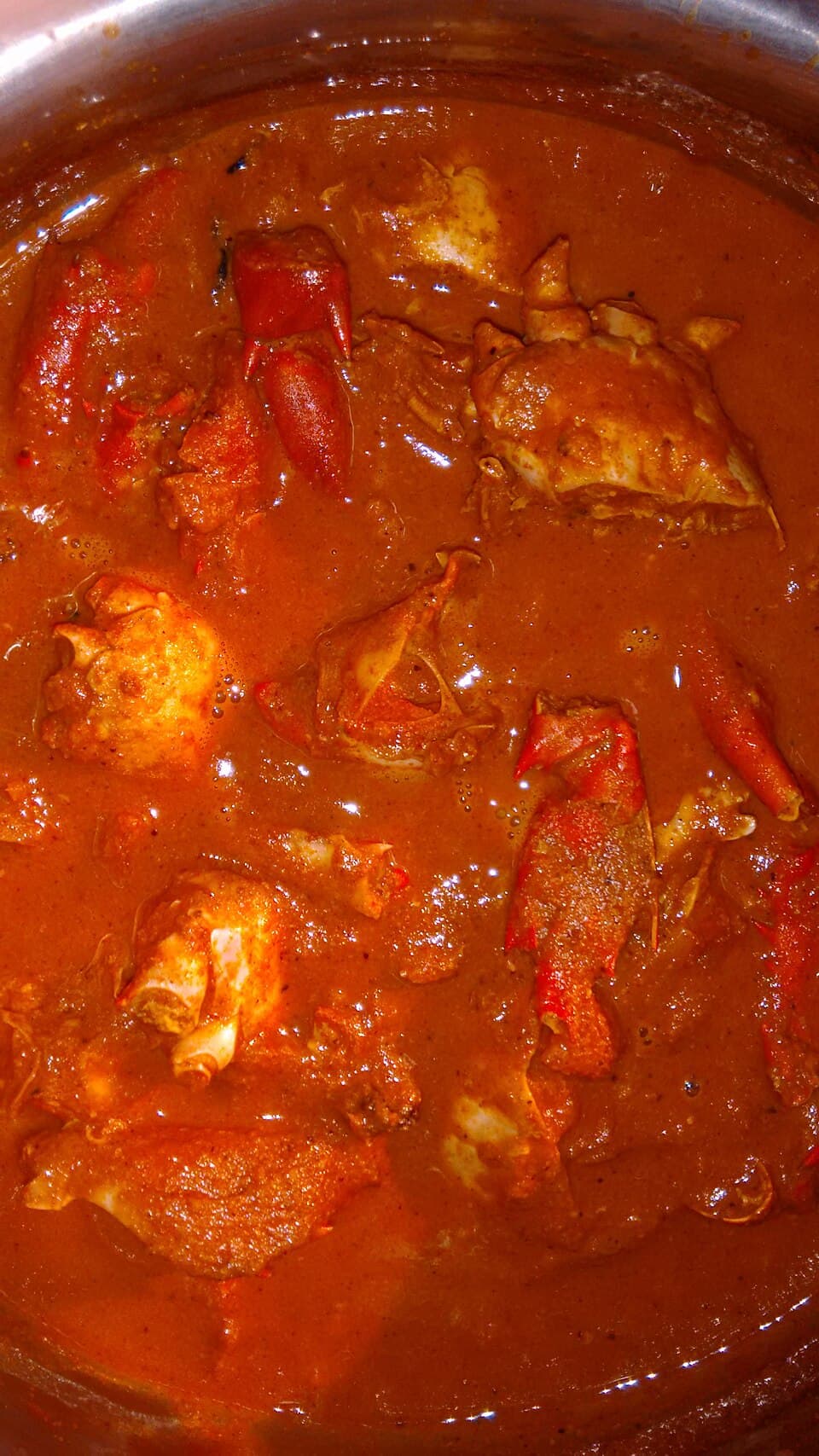
Coconut Crab Soup
Crab meat boiled with breadfruit, taro, noni fruit, and coconut cream. The result is a hearty soup that brings together what the reef and the land provide, usually made for special occasions.
Mafa (Breadfruit Pudding)
Breadfruit turned sweet by cooking it down with coconut milk and sugar into a creamy pudding. Proof that breadfruit does more than savory work.
Regional Specialties & Local Favorites
Discover the authentic regional dishes and local favorites that showcase Marshall Islands's diverse culinary traditions.
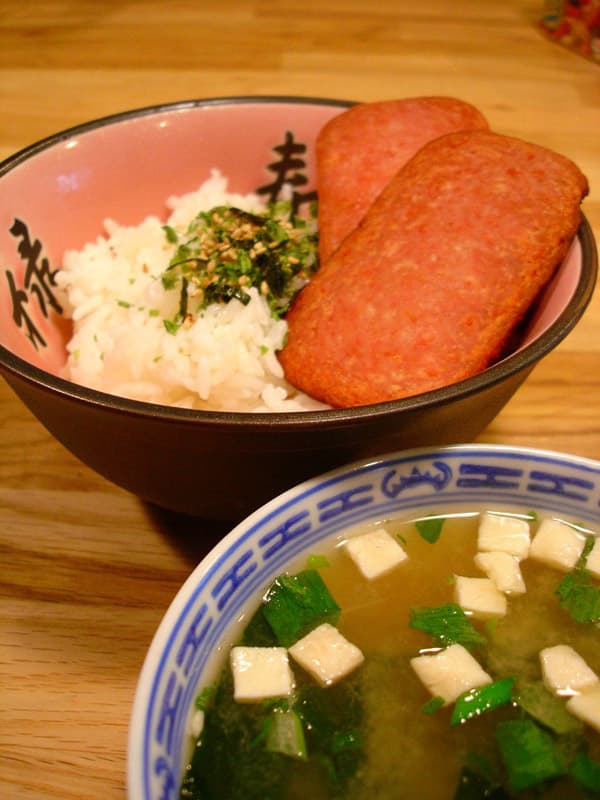
Spam and Rice
A holdover from the war years, when spam and corned beef arrived with the American military and stuck around. Fried spam with rice is a common breakfast and lunch.
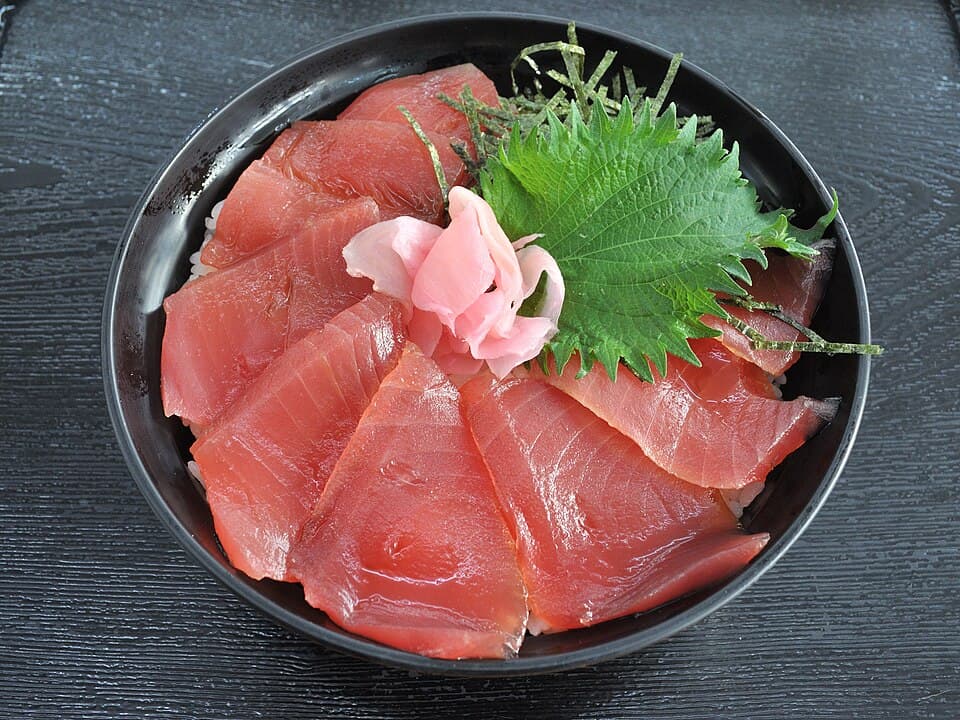
Tuna Sashimi
With Majuro handling more tuna than any other transshipment port, the sashimi here is about as fresh as it gets. Japanese technique meets the local catch. A restaurant staple and a local favorite.
Allergens:
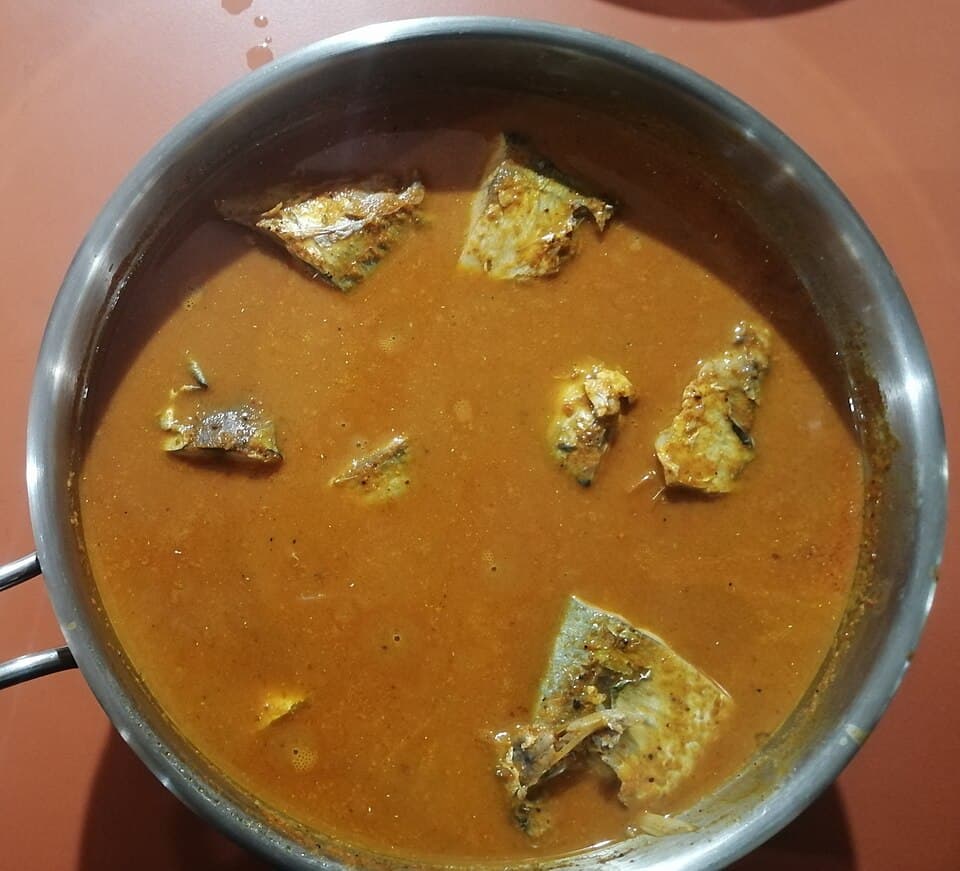
Marshallese Curry
A gentler take than its South Asian relatives, built on coconut milk, local spices, and fish or chicken. It shows how Asian cooking has settled in alongside Pacific ingredients.
Allergens:
Boiled Taro with Coconut Cream
A traditional breakfast of taro root boiled until tender and served with coconut cream. Starchy and filling, it is an old Micronesian way to start the day.
Allergens:
Grilled Reef Fish
The day's reef catch (parrotfish, surgeonfish, grouper) grilled with nothing more than sea salt and lime. You will find it at sidewalk barbecues and restaurants alike.
Allergens:
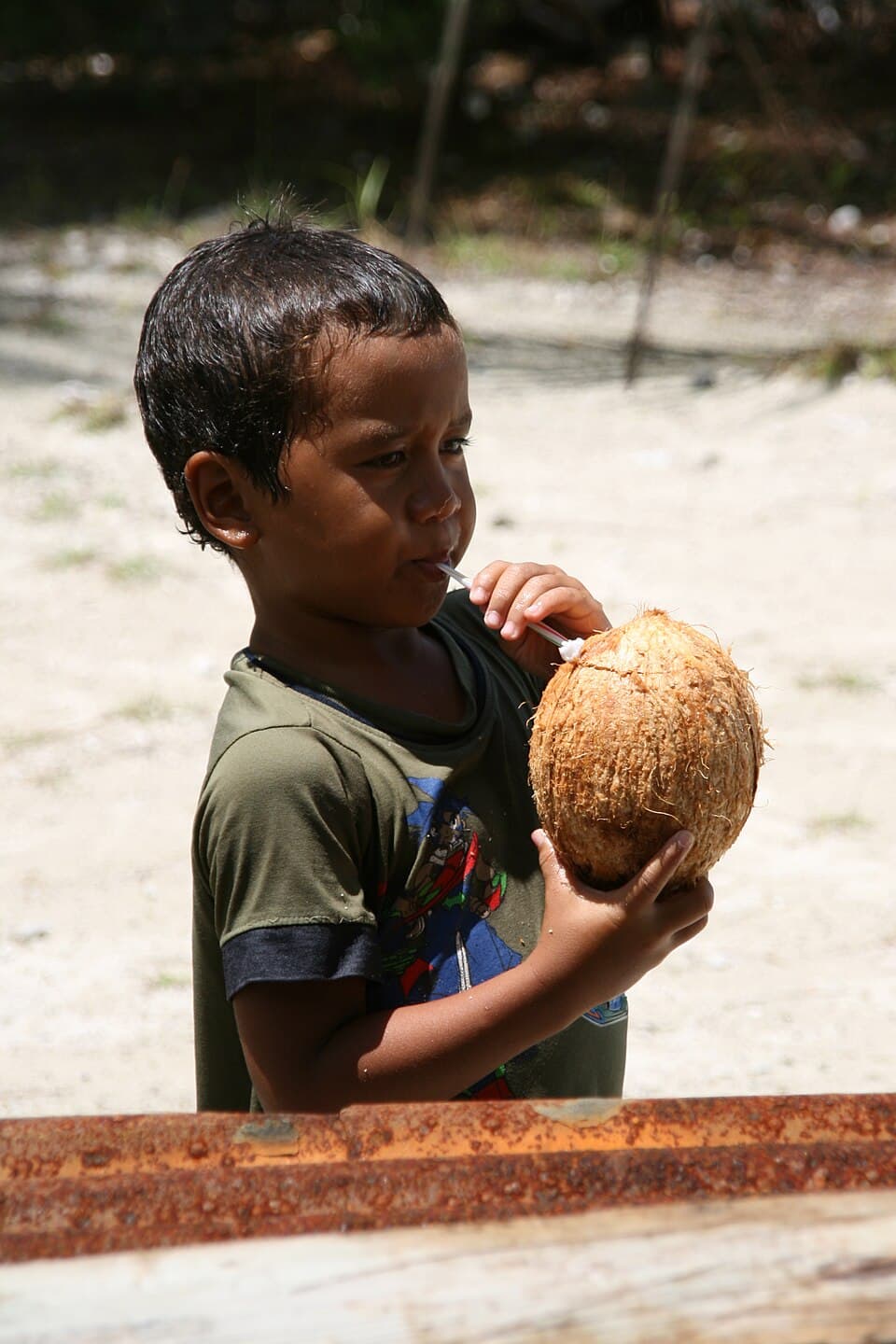
Coconut Water
Coconuts are everywhere, and the water gets served straight from the shell. Hydrating and full of electrolytes, it is the go-to drink in the heat.
Allergens:
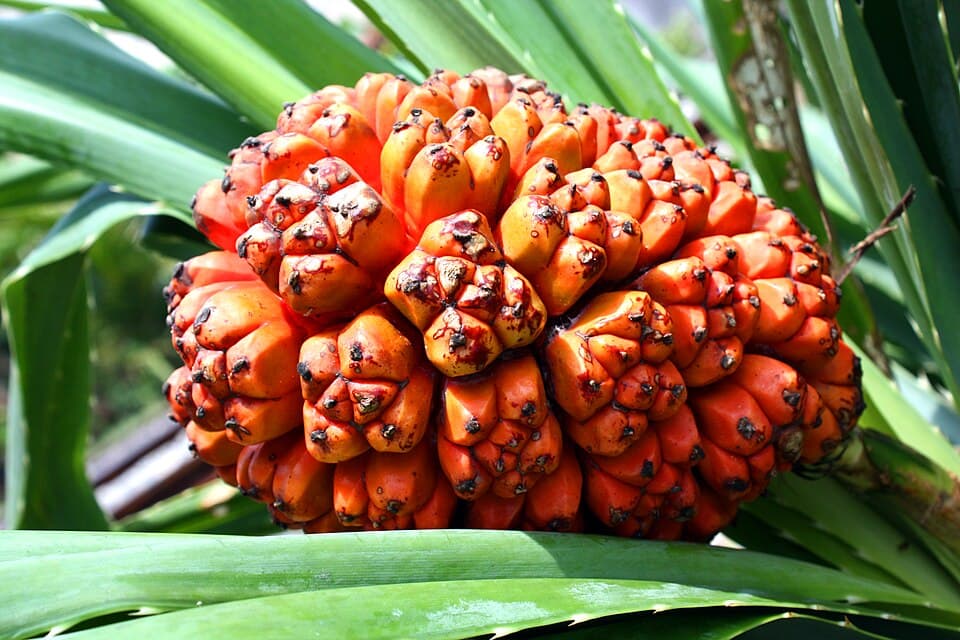
Pandanus Fruit
A traditional ingredient brought out for special occasions, with a flavor all its own and several ways to prepare it. It also has a place in ceremonial food and traditional medicine.
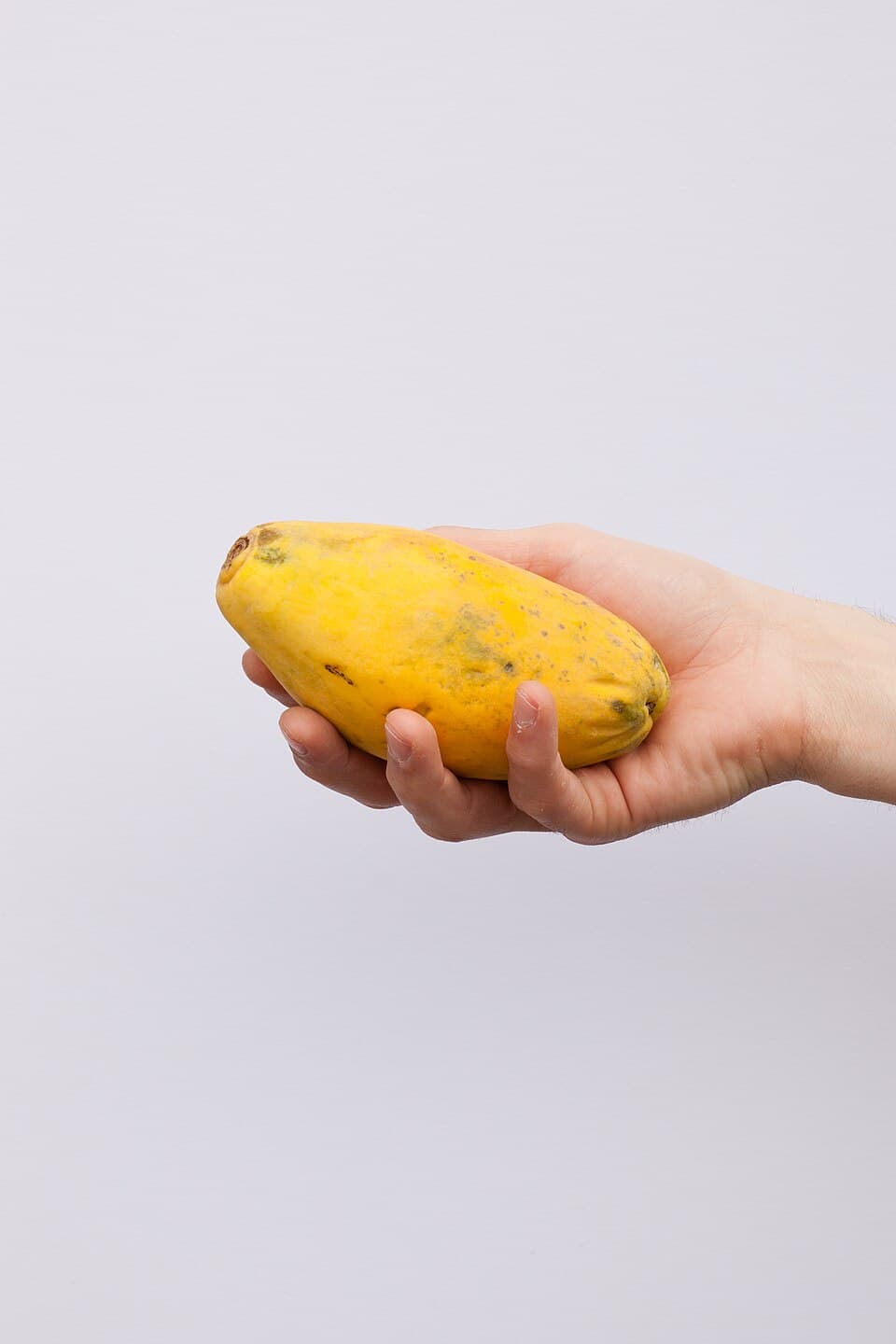
Fresh Papaya
Locally grown and available all year, with sweet orange flesh. Eaten fresh at breakfast or for dessert, and a good source of vitamins.
Regional Cuisine Highlights
Explore the diverse culinary landscapes across different regions of Marshall Islands.
Majuro Atoll
The capital atoll holds most of the country's restaurants and bars. Because it handles more tuna than any other transshipment port, the tuna and sashimi here are exceptionally fresh. The international options run mostly to American fast food, Korean, Filipino, Chinese, and Indian. Its 26 restaurants cover every budget, and a street-food scene is taking shape around Food Truck 692 and sidewalk barbecues along the Laura-Ajeltake road.
Cultural Significance:
Majuro is where the country's food traditions meet everything else: the American military legacy of spam and corned beef, the cooking of Korean, Filipino, and Chinese immigrants, and newer Pacific fusion. The tuna industry shapes both the economy and what people eat.
Signature Dishes:
Key Ingredients:
Ebeye Island
The second-largest population center, on Kwajalein Atoll. Its only restaurant, Litaki, specializes in freshly made Filipino food. Dining options are thin given the smaller community, but Filipino cooking has a strong hold here.
Cultural Significance:
Ebeye shows the Filipino mark on Marshallese food, brought by workers and their families who adapted their cooking to local ingredients. With few restaurants around, home cooking and traditional Marshallese dishes still do most of the feeding.
Signature Dishes:
Key Ingredients:
Outer Atolls
The remote atolls hold onto the oldest ways of cooking. The um does the cooking, breadfruit and coconut are the staples, and the day's reef catch comes in fresh. Breadfruit is fermented into bwiro for keeping, pandanus is used in ceremonies, and hunting coconut crab is a skill people still learn. With little commercial food around, communities live on subsistence fishing, coconut, and breadfruit, and the old methods pass from one generation to the next.
Cultural Significance:
The outer atolls carry the country's culinary heritage with little commercial interference, which keeps centuries-old techniques alive. Um cooking, breadfruit fermentation, coconut crab hunting, and pandanus preparation link today's communities to their ancestors. The subsistence way of life preserves knowledge that urban Majuro is steadily losing.
Signature Dishes:
Key Ingredients:
Sweet Delights & Desserts
Indulge in Marshall Islands's traditional sweet treats and desserts.

Jukjuk (Banana Pudding)
Crushed ripe bananas mixed with coconut cream, sometimes with a little sugar added. Simple, sweet, and creamy.
Mafa (Sweet Breadfruit Pudding)
A breadfruit dessert cooked with coconut milk and sugar into a creamy pudding, showing that breadfruit works beyond savory cooking.
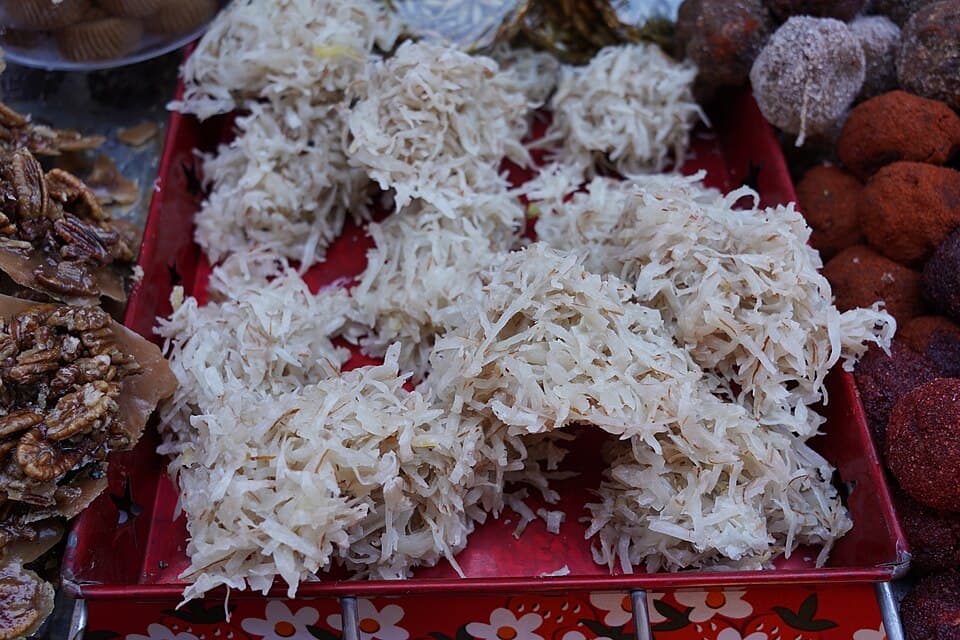
Coconut Candy
Grated coconut cooked with sugar, sometimes flavored with vanilla or pandan. Chewy and heavily coconut, sold at local markets.
Traditional Beverages
Discover Marshall Islands's traditional drinks, from locally produced spirits to regional wines.
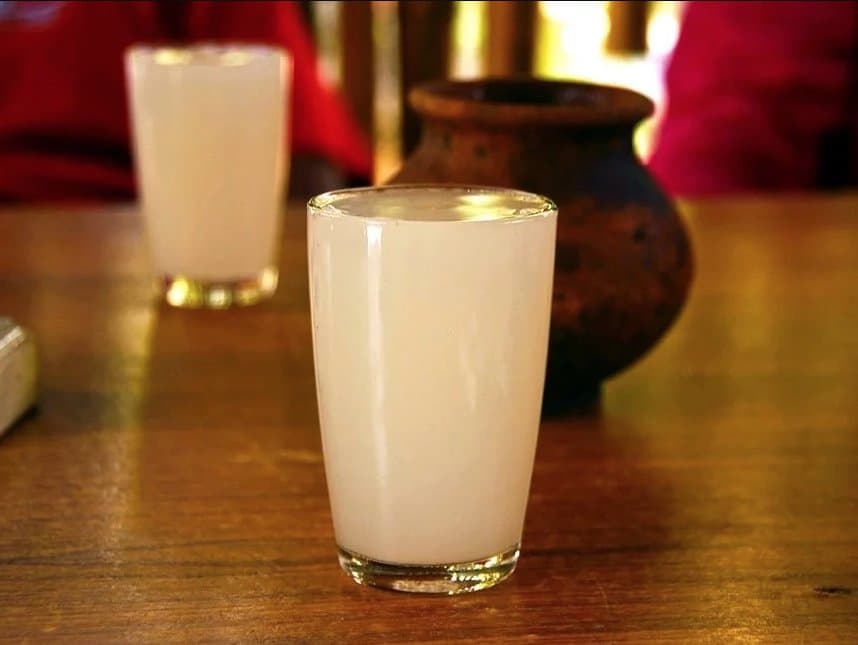
Coconut Sap Wine (Toddy)
A fermented drink made from coconut palm sap. Mildly alcoholic and a little sweet, it has long been part of community gatherings. You rarely find it sold commercially.
Soft Beverages
Discover Marshall Islands's traditional non-alcoholic drinks, from local teas to refreshing juices.
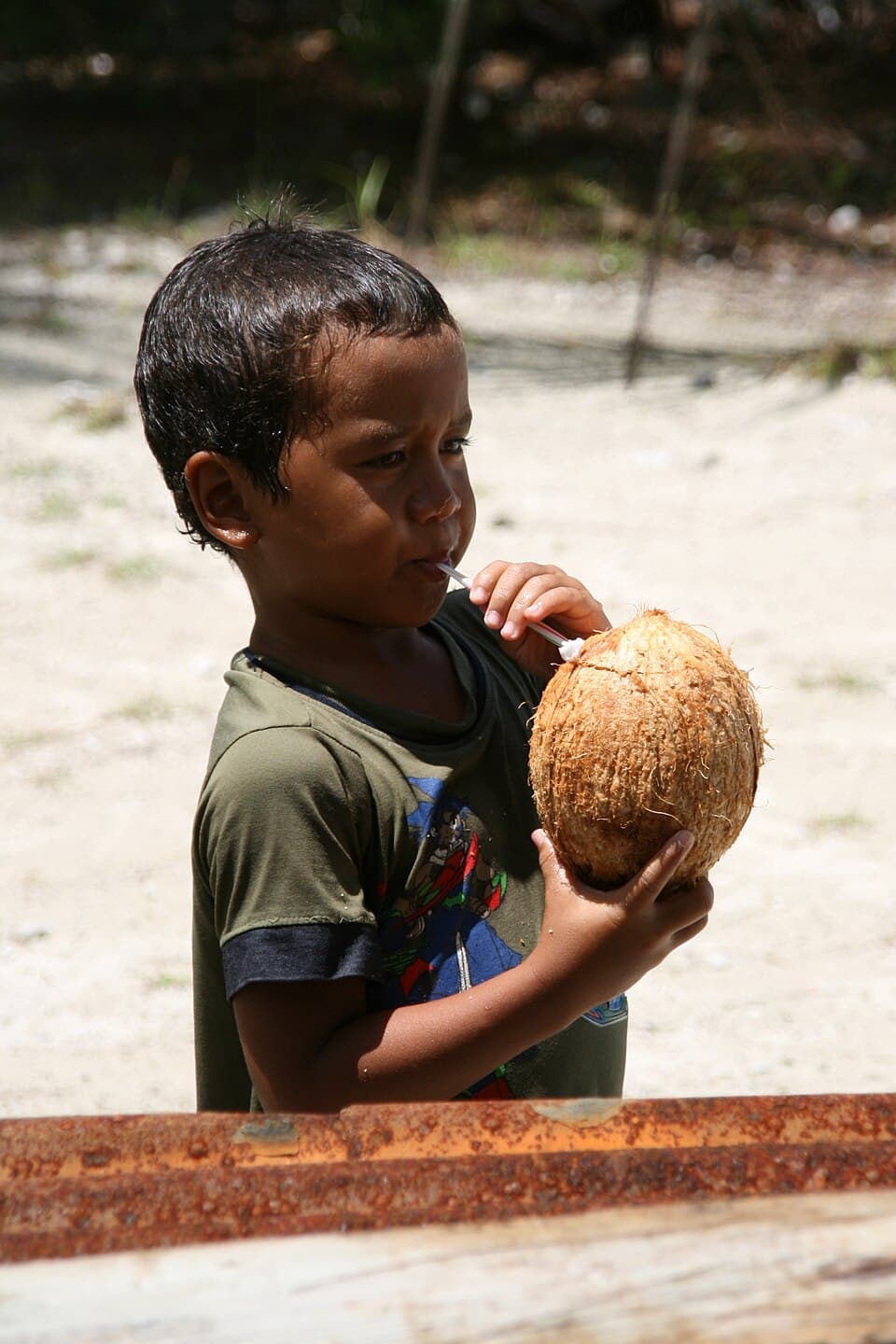
Fresh Coconut Water
Poured straight from young green coconuts. Naturally sweet, hydrating, and full of electrolytes, and you can get it just about anywhere.
Pandanus Juice
A juice pressed from pandanus fruit, with a distinctive flavor and sometimes a touch of sweetener. It tends to appear at special occasions.
Frequently Asked Questions
Essential information about food and dining in Marshall Islands.
What is the national dish of Marshall Islands?
Marshall Islands's most iconic dishes include Bwiro (Fermented Breadfruit), Coconut Crab (Kōļ), Bwij (Barbecue Fish). Fermented breadfruit paste wrapped in banana leaves and baked in the underground oven (um). It keeps for months without spoiling and has a sharp, sour tang. Bwiro is one of the old preservation methods that still ties Marshallese families to how their ancestors ate.
Is street food safe in Marshall Islands?
Street food in Marshall Islands can be enjoyed safely by following these guidelines: Drink bottled or purified water. Look for busy vendors with high turnover, ensure food is cooked fresh and served hot, and avoid raw ingredients if you have a sensitive stomach.
What are the best restaurants in Marshall Islands?
Marshall Islands offers diverse dining options from street food stalls to upscale restaurants. For the best experience, ask locals for recommendations, check recent reviews, and look for restaurants that specialize in regional cuisines.
Can vegetarians find food easily in Marshall Islands?
Vegetarian options in Marshall Islands are mediumly available. Marshallese cooking leans heavily on seafood, but breadfruit, coconut, pumpkin, and banana give vegetarians plenty to work with. Bañke kalel (pumpkin in coconut milk), mã (breadfruit), and jukjuk (crushed banana) are reliable meat-free staples. Majuro's international restaurants widen the choices.. Many restaurants offer vegetarian dishes, and you'll find plant-based ingredients featured prominently in local cuisine.
What is the average cost of a meal in Marshall Islands?
Meal costs in Marshall Islands depend on where you eat. Street food and casual local restaurants are very affordable, typically offering complete meals for a few dollars. Mid-range restaurants charge moderate prices, while fine dining establishments are comparably priced to Western countries.
What are common food allergens in Marshall Islands?
Common allergens in Marshall Islands cuisine include Seafood, Coconut. Fish and shellfish anchor the local table, from tuna and reef fish to coconut crab and clams. These ingredients appear in dishes like Fresh tuna sashimi, Grilled fish. Always inform restaurant staff about your allergies.
When is the best time to visit Marshall Islands for food?
Marshall Islands offers great food experiences throughout the year. However, visiting during harvest seasons (typically spring and autumn) provides access to the freshest local ingredients. Food festivals and cultural celebrations also offer unique culinary experiences worth planning around.