
Guinea-Bissau Food Guide
Content Information
Recently updatedFood Safety Tips
Essential food safety information to help you enjoy Guinea-Bissau's cuisine safely and confidently.
Drink only bottled or purified water
Tap water in Guinea-Bissau is not safe to drink. Always use bottled or purified water for drinking, brushing teeth, and washing produce.
Choose busy vendors with high turnover
Street food is fine when you pick stalls with a steady crowd, where the food gets cooked to order rather than sitting around. At Mercado do Bandim, small stalls serve fish straight off the grill while it is still hot.
Be cautious with foods left at room temperature
In a hot climate, food left out goes off quickly. Skip anything that has been standing at room temperature and order meals cooked fresh and served hot.
Dietary Options
vegetarian
LOW AVAILABILITYVegetarian choices are thin on the ground, since most cooking leans on fish and meat. Rice dishes and some vegetable caldos can be made without animal products if you ask.
vegan
LOW AVAILABILITYVegan food is hard to find in traditional restaurants. Rice dishes and a few vegetable preparations may work, but spell out your dietary needs clearly when you order.
gluten-free
HIGH AVAILABILITYGluten-free eating is easy here. Rice, cassava, yams, and millet are the everyday staples, so most traditional dishes contain no gluten to begin with.
Common Allergens
Peanuts
HIGH PREVALENCEPeanuts (mancarra) are extensively used, especially in the national dish Caldo de Mancarra
COMMONLY FOUND IN:
Fish and Shellfish
HIGH PREVALENCESeafood is central to Guinea-Bissauan cuisine, especially in coastal areas
COMMONLY FOUND IN:
Palm Oil
HIGH PREVALENCEPalm oil is a key ingredient in many traditional dishes
COMMONLY FOUND IN:
Essential Food Experiences
These iconic dishes represent the must-have culinary experiences that define Guinea-Bissau's food culture for travelers.

Caldo de Mancarra
Guinea-Bissau's national dish and the one most visitors are told to order. It grows directly out of the country's groundnut farming. The stew is built from peanuts in a spicy sauce, usually with shrimp, and served over rice. Peanuts arrived with Portuguese settlers, and 'mancarra' is the Guinean word for them. The local version runs creamier than peanut stews elsewhere in West Africa, leans on seafood (shrimp especially) or chicken for protein, and balances savory peanut against tomato acidity, finished with a squeeze of lime.

Caldo de Chabéu
A dish tied closely to the palm tree. Chabéu is the fruit of a particular palm; the cooks boil it, mash it, and strain it to draw off a thick liquid, much the way palm oil is made, and that liquid becomes the deep-colored broth. The caldo usually carries smoked fish, chicken, or beef, bulked out with cassava, sweet potato, and leafy greens such as potato leaves or cabbage. It shows up at family gatherings and ties into local tradition.

Jollof Rice
A rice dish eaten right across West Africa. The rice cooks with palm oil, tomato paste, and onions, with vegetables and meat or fish added in. Cooks argue endlessly over the right way to make it: which seasonings and spices belong, and whether the rice should cook straight in the sauce or be par-boiled first. The Guinea-Bissau version has its own local character.

Calulu (Fish Stew)
Fish stew with okra, tomatoes, onions, and palm oil, usually served with rice. Cooks in Guinea-Bissau tend to use grouper, which is plentiful along this coast, though some versions swap in smoked chicken. People eat it year-round, but it peaks in the rainy season (June to October) when okra and tomatoes are at their best.

Feijoada
A bean stew that carries clear Portuguese roots. Black-eyed peas or other beans simmer slowly with pork, beef, and smoked meats, plus onions, garlic, and spices. It comes with rice and often farofa, toasted cassava flour. The dish sits squarely where African and Portuguese cooking meet.

Moamba de Galinha
Chicken simmered in a palm oil sauce with okra, tomatoes, and spices. The name traces back to the red palm oil (dendê) that gives the stew its color and flavor. You will find it all over Guinea-Bissau, and it links the country to other Lusophone African kitchens.

Caldo de Peixe
Fish stew built around the day's Atlantic catch, cooked down with tomatoes, onions, peppers, palm oil, and aromatic spices. Cassava or sweet potato often goes in too. It speaks to the coastal kitchen and the seafood that comes with it.
Arroz de Coco (Coconut Rice)
Rice cooked in coconut milk, which leaves it creamy and faintly sweet. It usually arrives alongside grilled fish or chicken and is common in coastal areas where coconuts grow freely, a tropical note running through the local cooking.

Fufu
A starchy staple of cassava, yams, or plantains pounded until smooth and stretchy. It comes with soups and stews and is shared across West Africa. You pinch off small balls and swallow them rather than chew.

Cachupa
A filling stew of corn, beans, and meat such as fish or chicken. Some count it as a national dish. The Cape Verdean influence reflects long historical ties, and it tends to appear at celebrations and special occasions.
Regional Specialties & Local Favorites
Discover the authentic regional dishes and local favorites that showcase Guinea-Bissau's diverse culinary traditions.
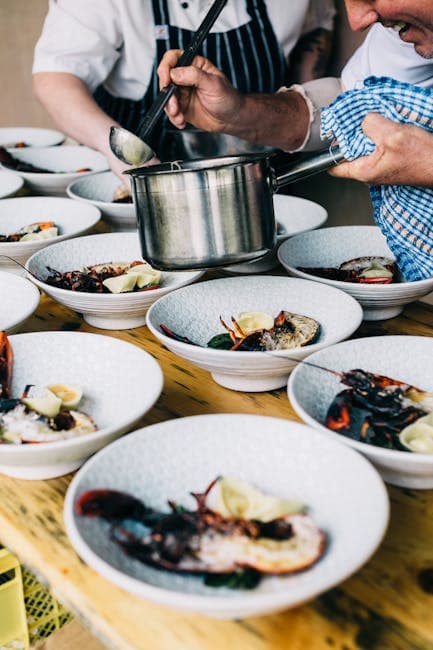
Grilled Fresh Fish
Atlantic fish grilled over charcoal, with nothing fancy done to it so the freshness does the work. At Mercado do Bandim, Bissau's largest market, small stalls hand it over hot and straight off the grill.
Allergens:
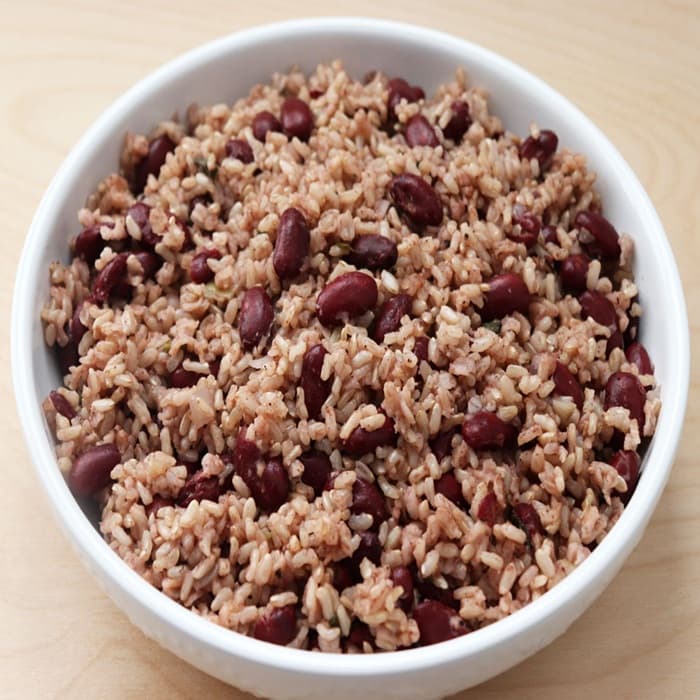
Rice and Beans
A plain but essential pairing eaten everywhere in the country. Rice cooks with beans, often with coconut milk or palm oil. It is daily fare, served either on its own or with fish or meat.
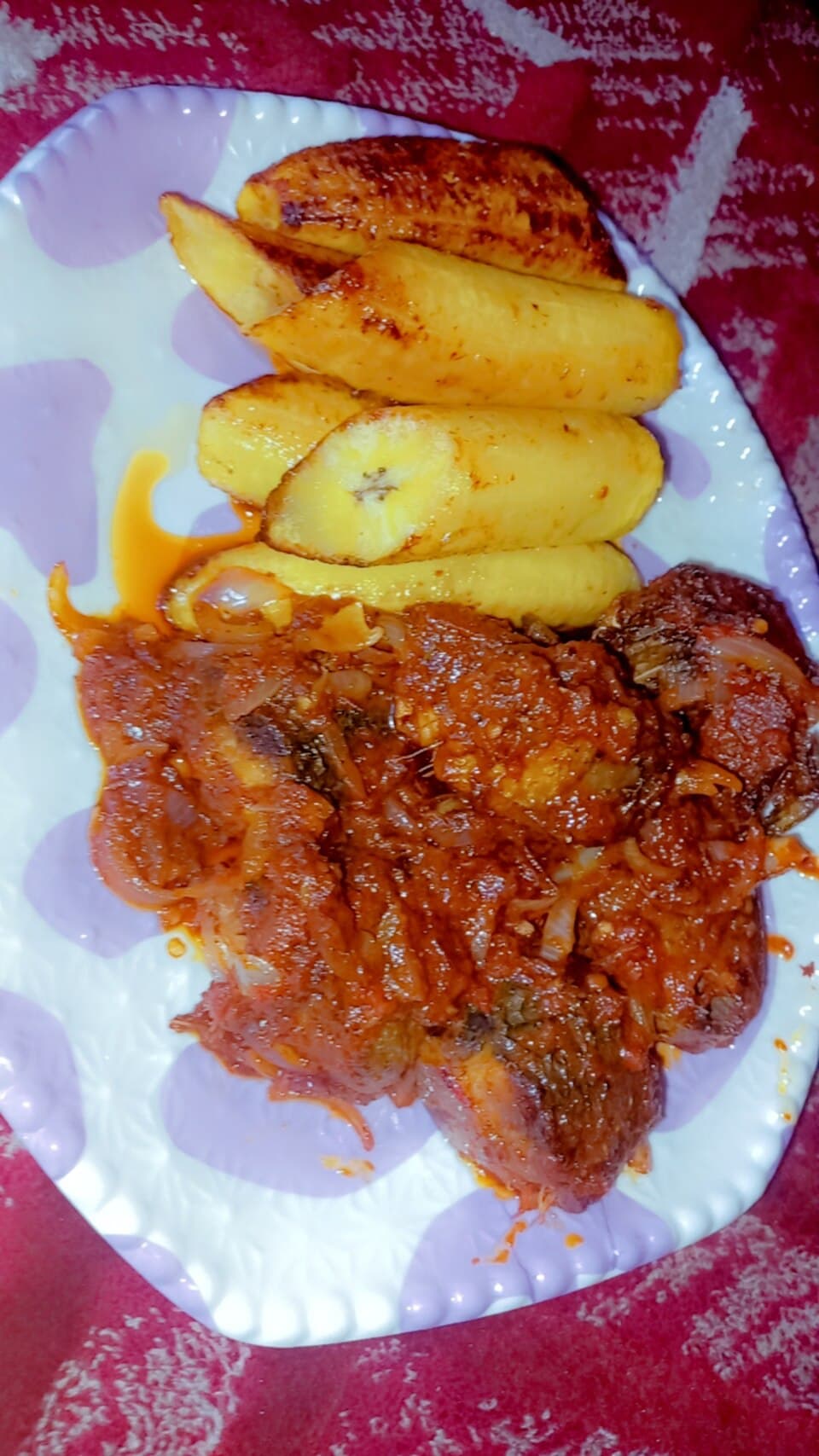
Fried Plantains
Ripe plantains sliced and fried until the edges caramelize. They turn up as a side with main meals or on their own as a snack, and you see them everywhere in Guinea-Bissau.
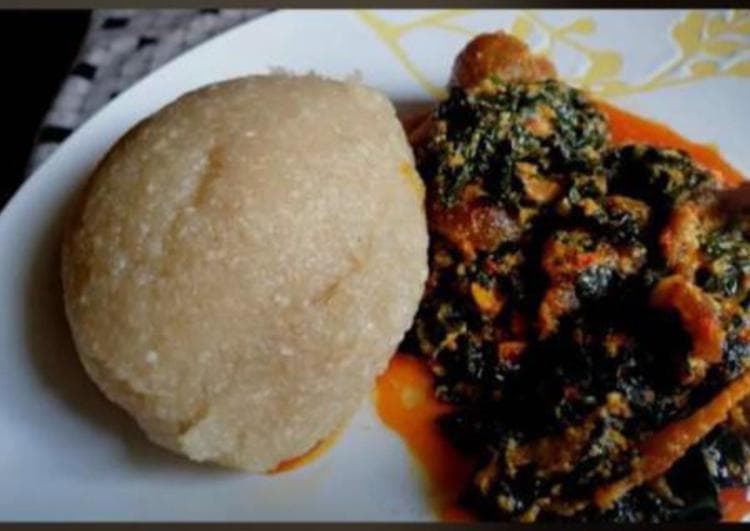
Gari (Cassava Grits)
Fried, fermented cassava granules. You can eat them dry as a snack or soak them and serve them with stews. Gari is a staple cassava product right across West Africa.
Allergens:
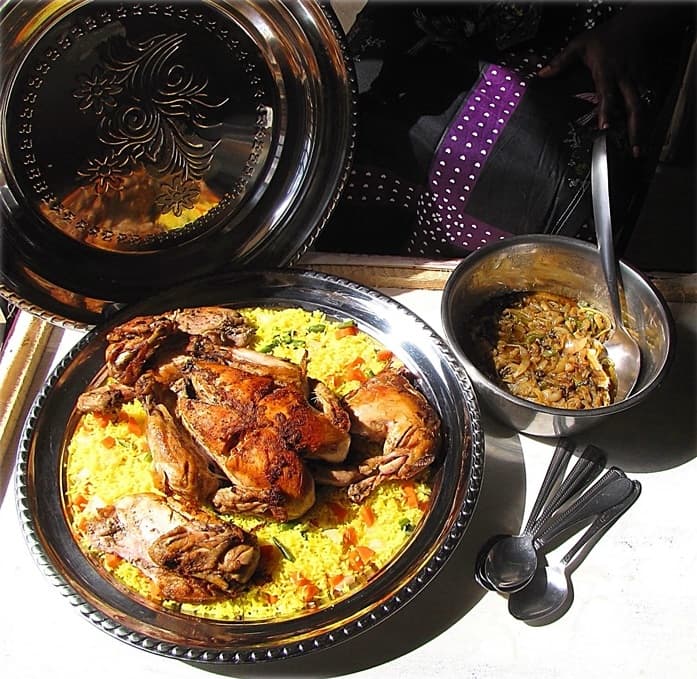
Yassa (Chicken or Fish)
Chicken or fish marinated with onions, lemon, and mustard, grilled, then simmered down with caramelized onions. The recipe came from Senegal and is well loved across West Africa.
Crab Soup
Fresh crab soup, a favorite along the coast and out in the Bijagos Islands. It is cooked with coconut milk, tomatoes, and spices, drawing on the seafood that the mangroves and coastal waters give up.
Allergens:
Regional Cuisine Highlights
Explore the diverse culinary landscapes across different regions of Guinea-Bissau.
Bijagos Archipelago
The Bijagos Islands, a UNESCO Biosphere Reserve of 88 islands, cook almost entirely around seafood, which makes sense given the ocean on every side. Grilled fish, prawns, and shellfish come with rice or cassava, and cooks season dishes with wild herbs and spices that grow on the islands. The intact landscape and the marine life around it shape what ends up on the plate.
Cultural Significance:
Bijagos cooking comes out of island isolation and a steady supply of seafood. Old fishing methods and wild herbs give it flavors you will not taste on the mainland.
Signature Dishes:
- Fresh seafood
- Grilled fish
- Prawns
- Shellfish
- Wild herbs
Key Ingredients:
Cacheu
A historic town known for its colonial buildings, the Fortaleza de Cacheu among them. The food leans on fresh seafood and traditional dishes, and you can eat well between visits to the old fortresses and the surrounding countryside. Sitting on the coast, the town has no shortage of seafood.
Cultural Significance:
Cacheu cooking blends indigenous traditions with Portuguese colonial influence, producing preparations particular to this historic stretch of the country.
Signature Dishes:
- Fresh seafood
- Traditional stews
- Colonial-influenced dishes
- Coastal fish
Key Ingredients:
Eastern Interior
Out east, the cooking leans on millet, sorghum, and wild game. Meat shows up grilled or stewed, often in groundnut sauce or alongside fufu. There is far less seafood here, and more of what the land and the hunt provide.
Cultural Significance:
Interior cooking grows out of farming and hunting, carries little Portuguese influence, and holds onto pre-colonial food ways more firmly than the coast.
Signature Dishes:
- Wild game
- Fufu
- Groundnut sauces
- Millet dishes
- Grilled meats
Key Ingredients:
Sweet Delights & Desserts
Indulge in Guinea-Bissau's traditional sweet treats and desserts.
Cashew Fruit Desserts
Sweets made from cashew fruit, which piles up during harvest season. Cooks turn it into jams, preserves, and other sweet preparations. You mostly find these in the cashew-growing regions.
Coconut Candy
Grated coconut cooked with sugar and shaped into balls or bars. A common street snack in coastal areas where coconuts are easy to come by.
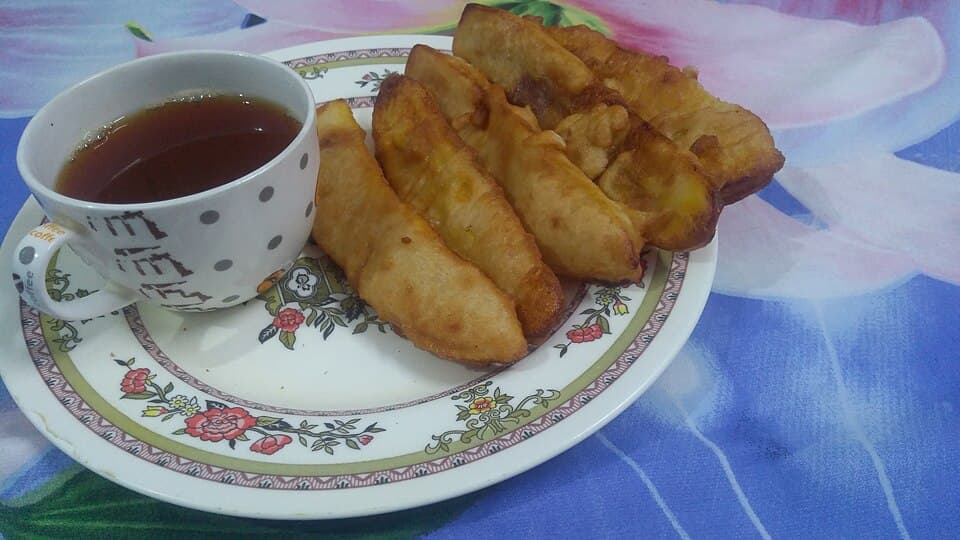
Banana Fritters
Ripe bananas mashed with flour and sugar, then deep-fried. A cheap, sweet snack that street vendors sell from morning on.
Traditional Beverages
Discover Guinea-Bissau's traditional drinks, from locally produced spirits to regional wines.
Canjira (Cashew Wine)
A local drink made from cashew fruit, fermented into something lightly alcoholic. It shows up most during the cashew harvest and runs through local celebrations.
Palm Beer
Made by fermenting the sap of coconut palms, with a taste that runs sweet and a little sour. It is tapped fresh from the trees and drunk locally.
Soft Beverages
Discover Guinea-Bissau's traditional non-alcoholic drinks, from local teas to refreshing juices.
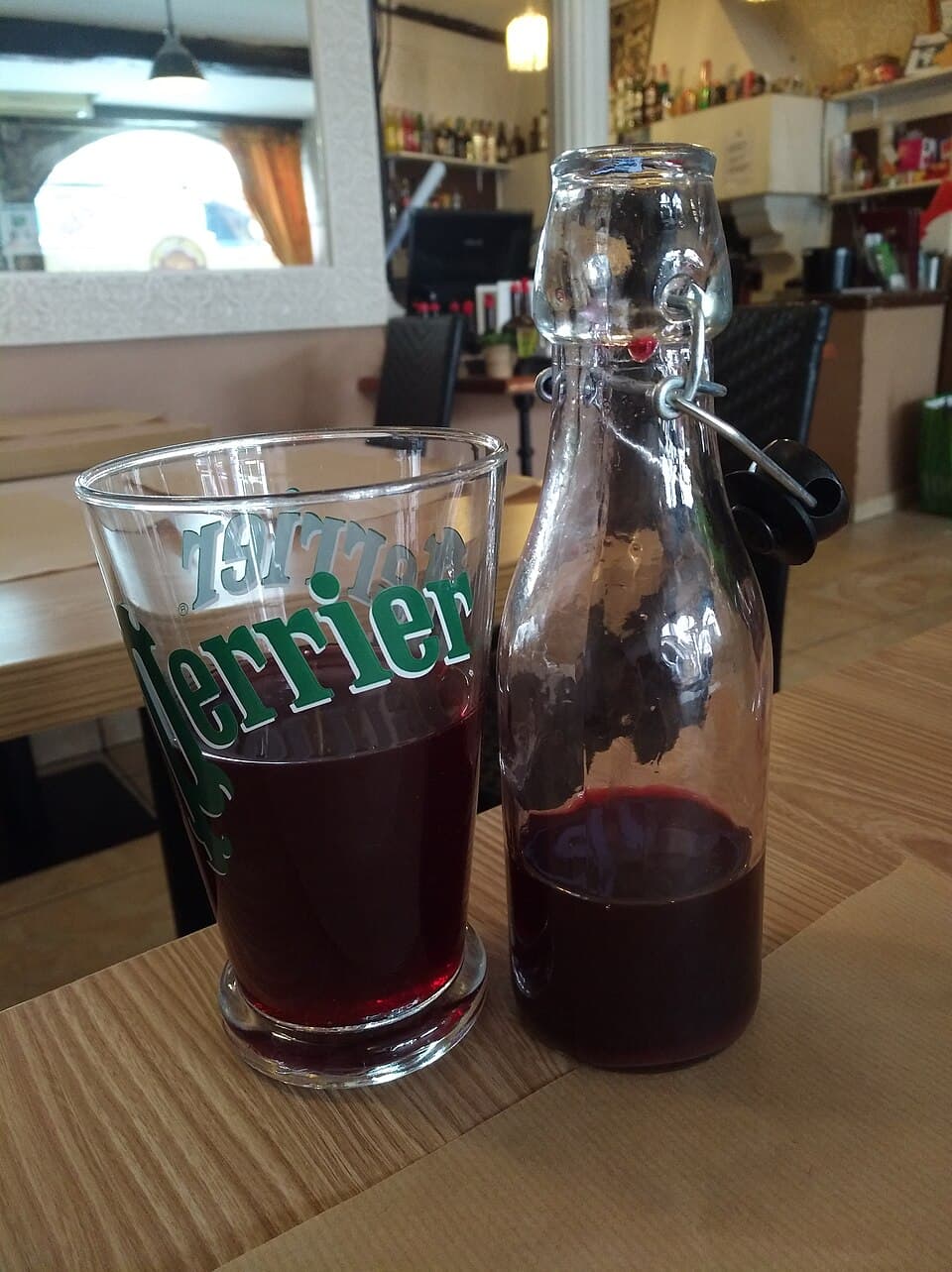
Bissap (Hibiscus Tea)
A cold drink steeped from hibiscus flowers with sugar and sometimes mint. It is deep red and tart, close to cranberry, and you find it all over West Africa.
Ginger Juice
A chilled drink of fresh ginger and sugar, sometimes with pineapple or lime. Locals credit it with medicinal benefits and drink it at any hour.
Cashew Fruit Juice
Juice pressed from cashew apples, the fruit attached to the nut. It tastes sweet with an astringent edge and is high in vitamin C. You only get it during the cashew harvest.
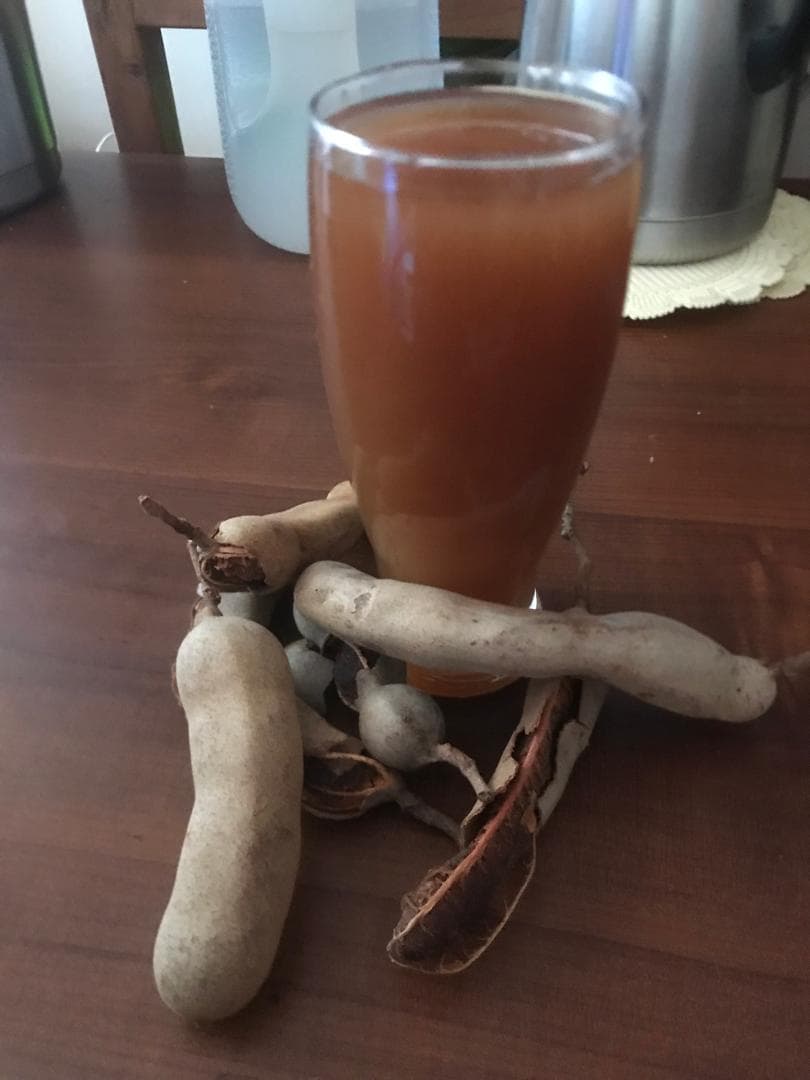
Tamarind Juice
A sweet-tart drink made from tamarind pods soaked with sugar and water. Street vendors and restaurants sell it all over the country.
Frequently Asked Questions
Essential information about food and dining in Guinea-Bissau.
What is the national dish of Guinea-Bissau?
Guinea-Bissau's most iconic dishes include Caldo de Mancarra, Caldo de Chabéu, Jollof Rice. Guinea-Bissau's national dish and the one most visitors are told to order. It grows directly out of the country's groundnut farming. The stew is built from peanuts in a spicy sauce, usually with shrimp, and served over rice. Peanuts arrived with Portuguese settlers, and 'mancarra' is the Guinean word for them. The local version runs creamier than peanut stews elsewhere in West Africa, leans on seafood (shrimp especially) or chicken for protein, and balances savory peanut against tomato acidity, finished with a squeeze of lime.
Is street food safe in Guinea-Bissau?
Street food in Guinea-Bissau can be enjoyed safely by following these guidelines: Drink only bottled or purified water. Look for busy vendors with high turnover, ensure food is cooked fresh and served hot, and avoid raw ingredients if you have a sensitive stomach.
What are the best restaurants in Guinea-Bissau?
Guinea-Bissau offers diverse dining options from street food stalls to upscale restaurants. For the best experience, ask locals for recommendations, check recent reviews, and look for restaurants that specialize in regional cuisines.
Can vegetarians find food easily in Guinea-Bissau?
Vegetarian options in Guinea-Bissau are lowly available. Vegetarian choices are thin on the ground, since most cooking leans on fish and meat. Rice dishes and some vegetable caldos can be made without animal products if you ask.. Many restaurants offer vegetarian dishes, and you'll find plant-based ingredients featured prominently in local cuisine.
What is the average cost of a meal in Guinea-Bissau?
Meal costs in Guinea-Bissau depend on where you eat. Street food and casual local restaurants are very affordable, typically offering complete meals for a few dollars. Mid-range restaurants charge moderate prices, while fine dining establishments are comparably priced to Western countries.
What are common food allergens in Guinea-Bissau?
Common allergens in Guinea-Bissau cuisine include Peanuts, Fish and Shellfish, Palm Oil. Peanuts (mancarra) are extensively used, especially in the national dish Caldo de Mancarra. These ingredients appear in dishes like Caldo de Mancarra, Peanut sauces. Always inform restaurant staff about your allergies.
When is the best time to visit Guinea-Bissau for food?
Guinea-Bissau offers great food experiences throughout the year. However, visiting during harvest seasons (typically spring and autumn) provides access to the freshest local ingredients. Food festivals and cultural celebrations also offer unique culinary experiences worth planning around.