
Luxembourg Food Guide
Content Information
Recently updated🔥Current Food Trends 2026
What's happening in Luxembourg's culinary scene right now
Heading into 2026, the conversation around Luxembourg food keeps circling the same few things: the Gault&Millau guide, the Moselle wines, the mix of cuisines a country this international ends up with, and the way French finesse and German heft sit side by side on the plate. The most recent Gault&Millau Luxembourg named François Jagut of Les Roses Chef of the Year, while Beim Schlass in Wiltz took the Terroir Restaurant prize for sticking to local produce. The Stars of the Moselle selections gave a good snapshot of how far the wines have come, among them the Crémant de Luxembourg Brut Rosé from Domaine Clos des Rochers, the Riesling Grevenmacher Paradaïs Vignum GPC 2022 from Domaines Vinsmoselle, and the Pinot Noir Machtum Ongkaf 2022 from Domaine Viticole Schlink. Cold weather always pulls the comfort food back out: Judd mat Gaardebounen, the smoked pork collar with broad beans that counts as the national dish, arrives steaming; Bouneschlupp, a green bean soup, does its work; and Gromperekichelcher, the potato fritters, turn up at every market stall. For its size, Luxembourg City packs in an unusual number of Michelin stars. The country covers only 2,586 km² with about 634,000 people, yet banking money keeps a serious fine-dining scene afloat. Wine tourism along the Moselle stays busy, with a 42km route tracing the river and more than 40 cellars and estates pouring tastings; Riesling, which fills over 60% of the vineyards, gives the mineral, dry wines the region is known for. The Wine Taste Enjoy weekends, tied to the Whit Sunday tradition, still bring winemakers and restaurants together each spring. With 170-plus nationalities and roughly 47% foreign residents, the capital eats accordingly, putting Italian, Portuguese, Asian, and Mediterranean kitchens next to the Luxembourgish ones. The regions cook differently too: the Ardennes forests up north lean on game like wild boar and venison, mushrooms, and slow stews, while the Moselle vineyards to the southeast favour lighter, fish-forward plates and Riesling sauces. Winter markets at the Knuedler and Place d'Armes sell Glühwein, Gromperekichelcher, roasted chestnuts, and grilled sausages. Farm-to-table cooking keeps gaining ground, with Beim Schlass a good example and organic farms feeding city kitchens. The French side of the food shows up in technique and baking, where baguettes, croissants, and pastries are everywhere; the German side shows up in big portions, sausages, and pork. Older specialities hang on too, like Träipen blood sausage, the various Judd smoked-pork products, and Kachkéis, the cooked cheese spread. Crémant de Luxembourg, made the same way as Champagne, keeps winning over drinkers abroad. The banking world props up the high end through expense accounts, business lunches, and corporate dinners. Around the holidays the festival calendar fills out, with Winterlights in the capital and Christmas markets in Esch-sur-Alzette, Vianden, and Echternach.
Food Safety Tips
Essential food safety information to help you enjoy Luxembourg's cuisine safely and confidently.
EU regulations ensure highest food safety
Luxembourg works to strict EU food safety rules, backed by regular inspections and tight hygiene and quality controls. By most measures its food safety record ranks among the best anywhere.
Tap water is excellent quality throughout Luxembourg
Tap water in Luxembourg is clean and safe to drink anywhere, so bottled water is a preference rather than a precaution. Mineral water from the country's own springs is a common choice at the table.
High hygiene standards at markets and food stalls
Hygiene at Luxembourg Christmas markets and food festivals is well managed. Gromperekichelcher stalls, sausage vendors, and pastry stands all fall under the same regulations. As a rule of thumb, pick the busy stalls for the freshest food.
Regular inspections ensure compliance
Restaurants are inspected often, and the results are public. Standards run high at the top end, and even small traditional bistros are held to the same rules.
Dietary Options
vegetarian
MEDIUM AVAILABILITYVegetarians have more to work with than they used to, especially in Luxembourg City and other towns. The traditional kitchen leans hard on meat, from Judd pork dishes to Träipen sausage and game, but newer restaurants adapt. The French side helps, supplying salads, vegetable gratins, and cheese dishes. Bouneschlupp (green bean soup) can be made meatless if you ask them to leave out the bacon, and Gromperekichelcher (potato fritters) are vegetarian to begin with. In the capital, international spots fill the gaps, with Italian pasta and risotto, Mediterranean, and Asian kitchens. To say it, use "Je suis végétarien/végétarienne" in French, or "Ech sinn Vegetarier" in Luxembourgish, though French is understood more widely. Gault&Millau-rated places will usually put together something from seasonal vegetables. The Knuedler market in the capital sells good fresh produce. The catch: traditional Luxembourgish cooking has few vegetarian classics, and a country this small simply has fewer specialist restaurants than its larger neighbours.
vegan
LOW AVAILABILITYEating vegan here takes planning, since French-influenced cooking lives on dairy and butter and the traditional dishes use lard, bacon, cream, and cheese freely. Luxembourg City has only a handful of dedicated vegan cafés and health food shops. International restaurants are the safer bet, with Italian vegan pasta and cheeseless pizza, Asian vegetable curries and stir-fries, and Middle Eastern falafel and hummus. Watch the French pastries, as croissants and baguettes often carry butter and eggs, so check before you buy. To explain it, use "Je suis végétalien/végétalienne" in French, or "Sans produits animaux" for without animal products. Self-catering works well: Naturata organic shops and Cactus supermarkets stock vegan products, and the markets have excellent produce, with potatoes, vegetables, and beans always on hand. The Christmas markets are harder, since most of what is sold contains dairy or meat. Better restaurants can often put together a vegan menu if you give them notice. As with so much here, the small size of the country means thinner vegan infrastructure than in the bigger European capitals.
gluten-free
MEDIUM AVAILABILITYAwareness of gluten-free needs is rising in the towns. The traditional table poses obvious problems: baguettes are everywhere, Gromperekichelcher use wheat flour, and there are the pastries and beer. Plenty of dishes are naturally clear, though, including Judd mat Gaardebounen when it comes without a thickened sauce, grilled meats, fish such as F'rell am Rèisleck (check how the Riesling sauce is made), vegetables, and cheese. Restaurants in Luxembourg City, particularly the upscale and international ones, are getting better at this. To explain it, say "J'ai une intolérance au gluten" for a gluten intolerance, or "Je suis coeliaque" if you are celiac. Auchan, Cora, and Delhaize carry gluten-free products in their imported sections, and some bakeries make gluten-free bread and pastries, usually if you pre-order. Moselle wines contain no gluten. The Christmas markets are thin on options, with roasted chestnuts a safe bet while most baked goods use wheat. Pharmacy chains like Guardian and Pharmacies Populaires sell certified gluten-free products.
halal
LOW AVAILABILITYHalal choices are limited, even though there is a Muslim community of roughly 2 to 3% of the population, mostly Turkish, Bosnian, and North African. Luxembourg City has a few halal places, mainly Turkish kebab shops and Middle Eastern eateries, with a cluster in the Bonnevoie neighbourhood. The hurdle is that the traditional kitchen runs on pork, from Judd smoked pork to Träipen blood sausage and the bacon that ends up in the soups, and French charcuterie is everywhere too. The Grand Mosque (Centre Culturel Islamique) in Mamer is a useful point of contact. Fish is easy to find, from Moselle trout to the seafood restaurants, and vegetarian dishes are the fallback when halal is not around. Cactus and Auchan stock halal-certified meat in their Turkish and Moroccan import sections. To explain it, "Halal" is widely understood, or use "Sans porc" for without pork in French. Self-catering is straightforward, since you can buy a whole chicken, vegetables, and rice and cook to your own standards. The pork shows up even more at Christmas, when hams and sausages take centre stage. The Islamic community in Mamer can point you to restaurants, and for more options the larger halal scenes of Paris (372 km) and Brussels (219 km) are within a day trip.
kosher
VERY LOW AVAILABILITYThere is almost no kosher infrastructure here. The Jewish community is small, around 1,200 to 1,500 people or about 0.2% of the population, and has no dedicated kosher restaurants or butchers. The Synagogue on Rue Münster in Luxembourg City doubles as a community centre and is the place to ask about kosher meals or Sabbath hospitality. With no kosher certification in the country, observant travellers have to self-cater or fall back on packaged imports. The workable approach is fresh produce from the Knuedler and Gare markets plus sealed packaged goods carrying a recognised hechsher (OU, OK, Kof-K), some of which Auchan and Cora stock. Fish with fins and scales is available, including Moselle trout and salmon, though you will want to confirm how it is prepared and that there is no cross-contamination. Dairy is plentiful, from local cheese to milk, but check for animal rennet or gelatin. There is no shechita available locally, so observant Jews cannot eat the local meat; a vegetarian or pescatarian plan is the realistic one. Be careful with bread, since baguettes can contain additives or lard. The nearest larger Jewish communities are a help: Paris (372 km, three to four hours by car) has extensive kosher infrastructure, Frankfurt (364 km) has a community, and Strasbourg (246 km) a small one. Plan around the holidays, when stores close on 25 and 26 December and Sabbath and holiday dates can overlap. Worth knowing: before the Second World War the community was larger before it was destroyed in the Holocaust, marked today by the Cinqfontaines deportation memorial. The community has rebuilt since, but the culinary side remains thin.
Common Allergens
Dairy
HIGH PREVALENCEDairy sits at the centre of the cooking, in butter, cream, milk, and cheese such as the Kachkéis spread. The French influence pushes it further into sauces, pastries, and desserts.
COMMONLY FOUND IN:
Gluten/Wheat
HIGH PREVALENCEWheat turns up everywhere: French baguettes at every meal, the wheat flour in Gromperekichelcher, pastries, and beer. Bread comes alongside most traditional dishes.
COMMONLY FOUND IN:
Pork
HIGH PREVALENCEPork is the dominant protein, anchoring the national dish through Judd smoked pork collar, plus Träipen blood sausage, the bacon in soups like Bouneschlupp, and Jambon d'Ardennes ham. The German influence only deepens its hold.
COMMONLY FOUND IN:
Fish/Shellfish
MEDIUM PREVALENCEMoselle river fish shows up often, in trout dishes like F'rell am Rèisleck and the fried small fish of Friture de la Moselle, with shellfish on upscale menus. Spell out any allergy clearly.
COMMONLY FOUND IN:
Essential Food Experiences
These iconic dishes represent the must-have culinary experiences that define Luxembourg's food culture for travelers.
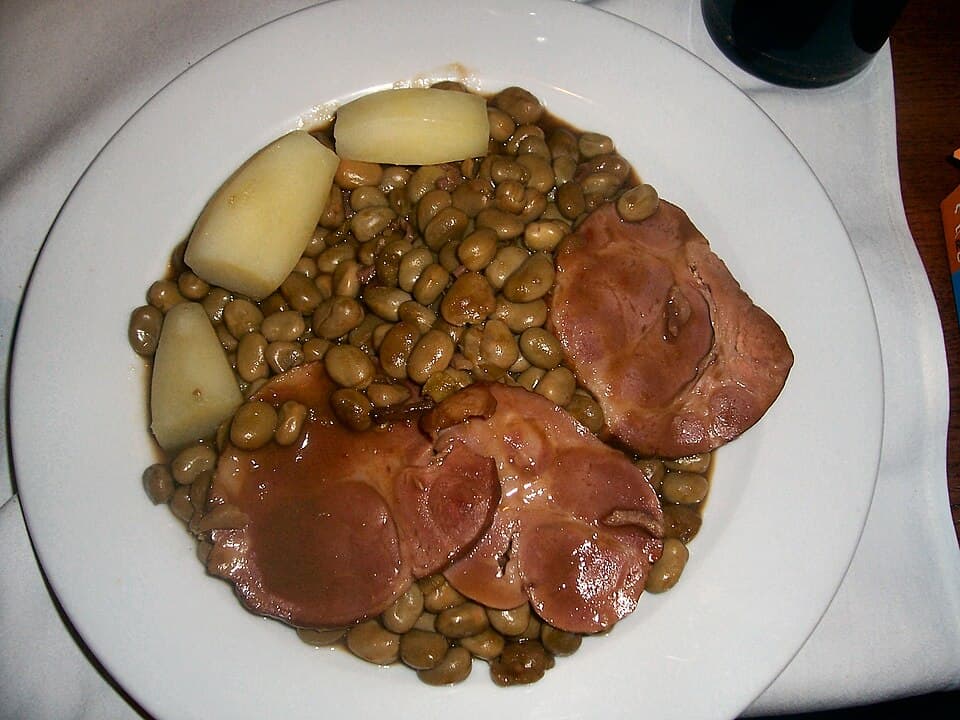
Judd mat Gaardebounen
The national dish, and the one Luxembourgers point to first. The Judd is a smoked pork collar or neck, cured by smoking back when there was no refrigeration to rely on. The collar gets an overnight soak to draw out the salt, then a long simmer with onions, carrots, leeks, bay leaves, and cloves until it falls apart. It comes with Gaardebounen, broad beans in a creamy sauce, and potatoes. The dish grew out of farm life, timed to early summer when the broad beans are young and tender; in winter the cooks use preserved beans instead. It is hearty, smoky, and savoury, the kind of food that stands in for the country's farming past. You will find it in every traditional restaurant and especially around the Moselle. It captures the German-French split nicely, with German smoking on one side and a French hand with the sauce on the other. People serve it for special occasions and Sunday family meals, and it pairs well with a Luxembourg Riesling or Pinot Noir.
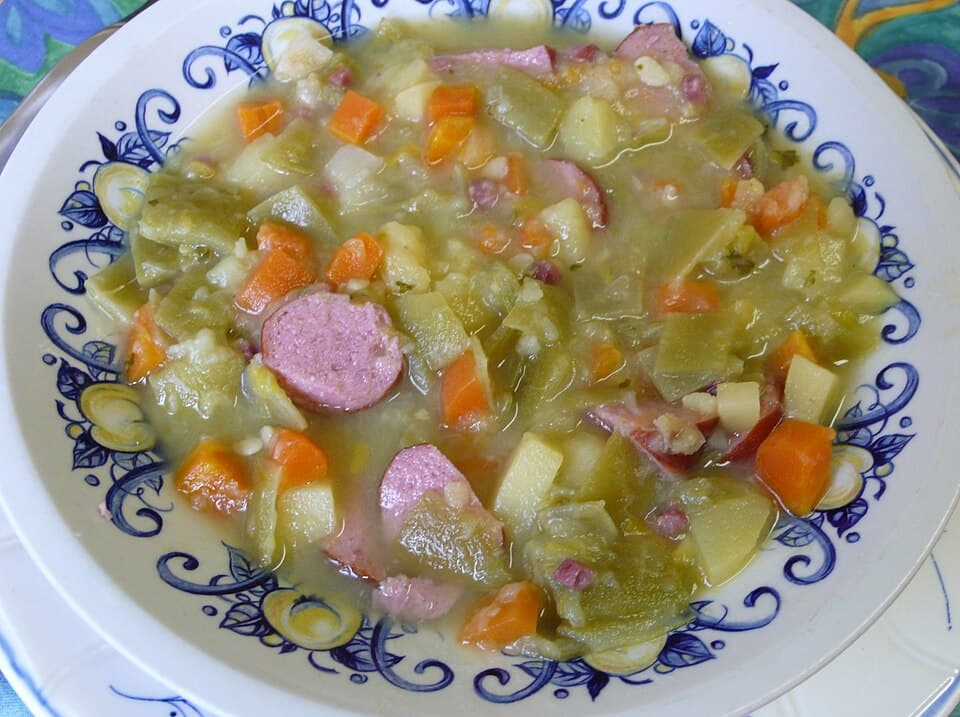
Bouneschlupp
A thick green bean soup, and a fixture of Luxembourg comfort cooking that comes into its own when it turns cold. It is built from green beans, potatoes, onions, carrots, and smoky bacon, sometimes with smoked sausage, and cream to round it out. Warming and filling, it is exactly what you want from a winter bowl. The dish reflects rural Luxembourg and its Germanic neighbours, where bean soups are common, and it does a lot with humble ingredients. The usual way to serve it is with Gromperekichelcher on the side and a spoonful of sour cream stirred in. You will find versions of it across the borders too, in Germany's Saarland, French Lorraine, and the Gaume and Arelerland of Belgium, a reminder of how much the cooking ignores the lines on the map. It is a home-kitchen staple with recipes handed down in families, and some cooks add leeks, celery, or herbs like parsley and savory. You can make it vegetarian by dropping the bacon and using vegetable broth. Crusty bread is the one thing you should not skip.

Gromperekichelcher
Luxembourg's potato fritters, a street food you will see at every fair and market. Grated potato is mixed with chopped onion, parsley, egg, flour, and salt, shaped into flat patties, and deep-fried until the outside crisps up golden and the inside stays soft. Eat them straight from the pan while they are still scorching. Some people want ketchup, others apple sauce, and plenty eat them next to a bowl of soup, usually Bouneschlupp. They turn up at the Christmas markets, at National Day, and at the Schueberfouer, the big funfair, with vendors frying on the spot and the smell pulling a crowd. It is a cheap, filling snack that gets a lot out of nothing more than potatoes and onions. There is a family resemblance to latkes and rösti, but the Luxembourg version stands on its own. Some households work in herbs or cheese. The Knuedler and Place d'Armes markets each run several Gromperekichelcher stalls.

Kachkéis
A cooked cheese spread that is more or less a Luxembourg signature. Young, mild cheese is melted down with butter and milk, with a little baking soda to keep it smooth and sometimes an egg yolk, then cooked gently until it turns spreadable. The flavour is mild and creamy with a faint tang. It goes onto bread, ideally Luxembourg rye or a baguette, either warm or at room temperature, and sits alongside cold cuts and pickles. People eat it for breakfast, as a snack, or as a light meal. It came out of thrift, a way to use young cheese that was never going to age well, and it speaks to the country's dairy tradition. It is close to German Kochkäse but distinctly its own. You will find it in supermarket chiller cabinets and traditional shops, some artisan makers keep family recipes going, and plenty of households still make their own. Pair it with a Moselle Riesling. Newer versions add caraway seeds or herbs.
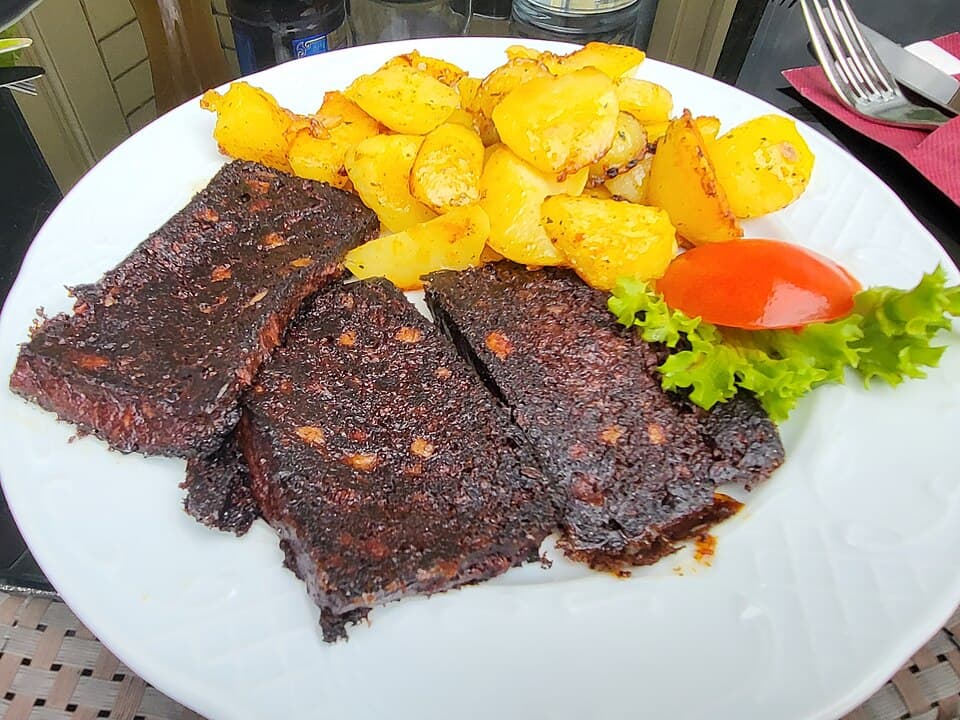
Träipen
Luxembourg's blood sausage, the sort of charcuterie that comes from using every part of the animal. It is made from pig's blood, meat scraps from the head and tongue, breadcrumbs, onions, and spices, packed into pig's stomach or large intestine, sometimes smoked depending on the maker, then cooked. The flavour is rich and robust, an acquired taste for some. It is usually pan-fried or grilled and served with sauerkraut, mashed potatoes, and apple sauce, whose sweet-tart edge cuts the richness. It speaks to old butchery skills and a no-waste habit. You will find it at specialist butchers, traditional restaurants, and festivals, and it is especially popular in the cold months and over the holidays. It sits in the same family as German Blutwurst and French boudin noir but is prepared its own way, with producers varying the spicing and smoking. It is a fading tradition that younger people know less well, kept alive mainly by artisan butchers.

F'rell am Rèisleck
Trout in Riesling sauce, a Moselle dish that ties the region's fish and its wine together. Fresh Moselle trout, or trout sourced nearby, is pan-fried or poached and served in a creamy sauce of Luxembourg Riesling, cream, shallots, and herbs. It is a delicate plate, the mild fish lifted by the aromatic wine. The dish draws on the two things the valley does well, river fishing and winemaking. You will find it in Moselle restaurants around Remich, Grevenmacher, and Schengen, and at upscale spots in Luxembourg City. The French hand shows in the refined sauce and the plating. The natural pairing is the same Riesling that went into the sauce. It is light where Judd and Bouneschlupp are heavy, popular in spring and summer but on menus all year. Some versions add mushrooms or capers, and some chefs swap in other Luxembourg wines like Pinot Blanc or Pinot Gris.

Jambon d'Ardennes
The smoked ham of the Ardennes, charcuterie from the forested north of the country. A pork leg is cured with salt, herbs, and spices, smoked over beechwood and juniper fires, then aged for months, which leaves it smoky and complex with a firm bite. It is sliced thin and served cold as a starter, on a charcuterie board, or with salad and fries. The ham comes straight out of the region's preservation habits and the forests that supplied the smoking wood. You will find it in specialist shops, restaurants, and supermarkets across the country, and it is a protected regional product tied to a specific area spanning the Luxembourg and Belgian Ardennes. It is a fixture on holiday charcuterie boards. Pair it with a Luxembourg Riesling or Pinot Noir and crusty bread. It belongs to the same world as prosciutto and Serrano but tastes different thanks to the smoking, and artisan makers tweak the spicing and the aging.
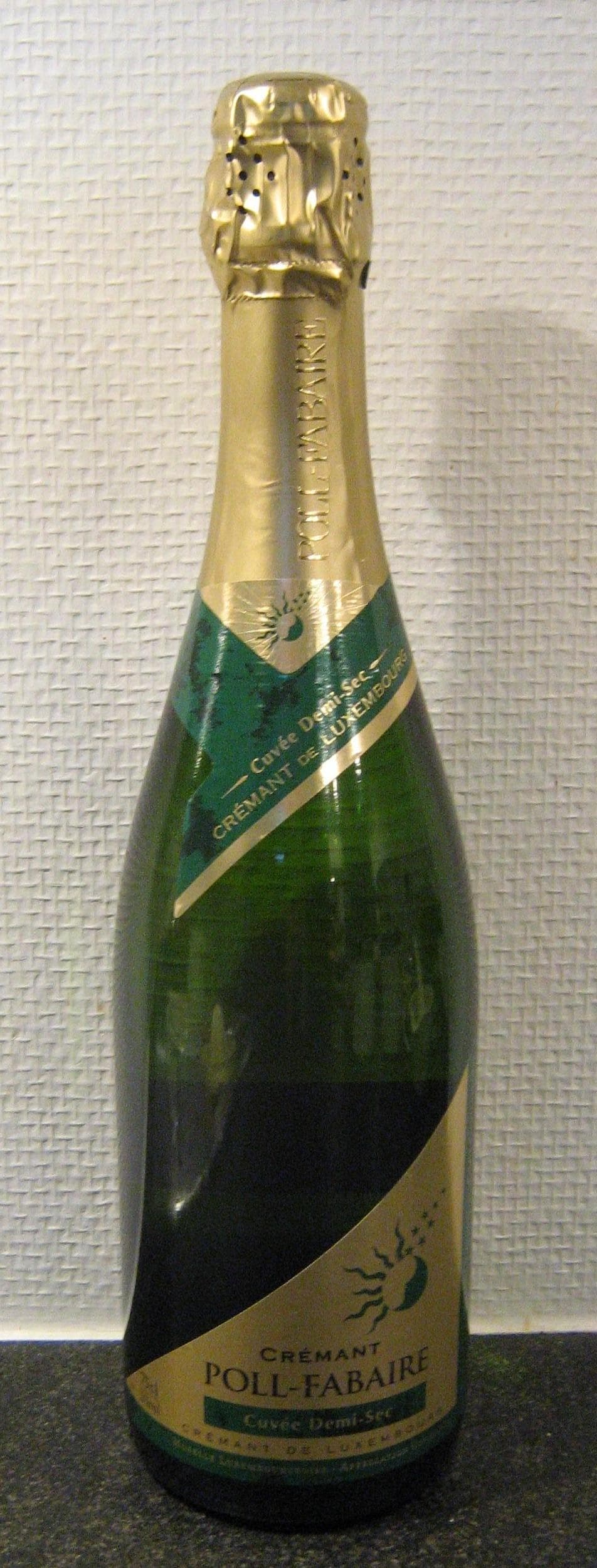
Crémant de Luxembourg
Luxembourg's sparkling wine, made by the same method as Champagne and increasingly known beyond the country. It comes mostly from Pinot Blanc, Riesling, Chardonnay, and Pinot Noir, with a second fermentation in the bottle giving it fine bubbles and depth. Crisp and mineral, it stands up well against Champagne at a friendlier price, and it shows how far the local winemaking has come. The Stars of the Moselle selection picked out the Crémant de Luxembourg Brut Rosé from Domaine Clos des Rochers as a standout. You will find it in wine shops and restaurants, and the Moselle cellars pour it for tastings. It is the obvious bottle for New Year and Christmas toasts. Production rules cover aging, grape choice, and method, which keeps the quality up. Serve it cold, around 6 to 8°C, in flutes, and pair it with smoked fish, charcuterie, seafood, or light dishes. Exports are rising, and the wine tourism along the Moselle leans on Crémant tastings and cellar tours.

Kuddelfleck
Luxembourg's tripe dish, an old offal preparation from the days of using the whole animal. Beef tripe is cleaned carefully and simmered for hours with onions, carrots, leeks, tomatoes, white wine, thyme, bay leaf, and spices, the long cooking turning something tough into something tender. It is served with boiled potatoes or bread. The gelatinous texture is an acquired taste, one for people who already like offal. The dish reflects thrifty cooking and old butchery, and you will find it at traditional restaurants such as Um Dierfgen in the capital and at regional festivals. It has fallen out of favour with younger Luxembourgers, while older ones miss their grandmother's version. It is a cousin of French tripes à la mode de Caen and Italian trippa, and it suits cold weather. Making it takes patience and some skill.
Luxembourg Riesling
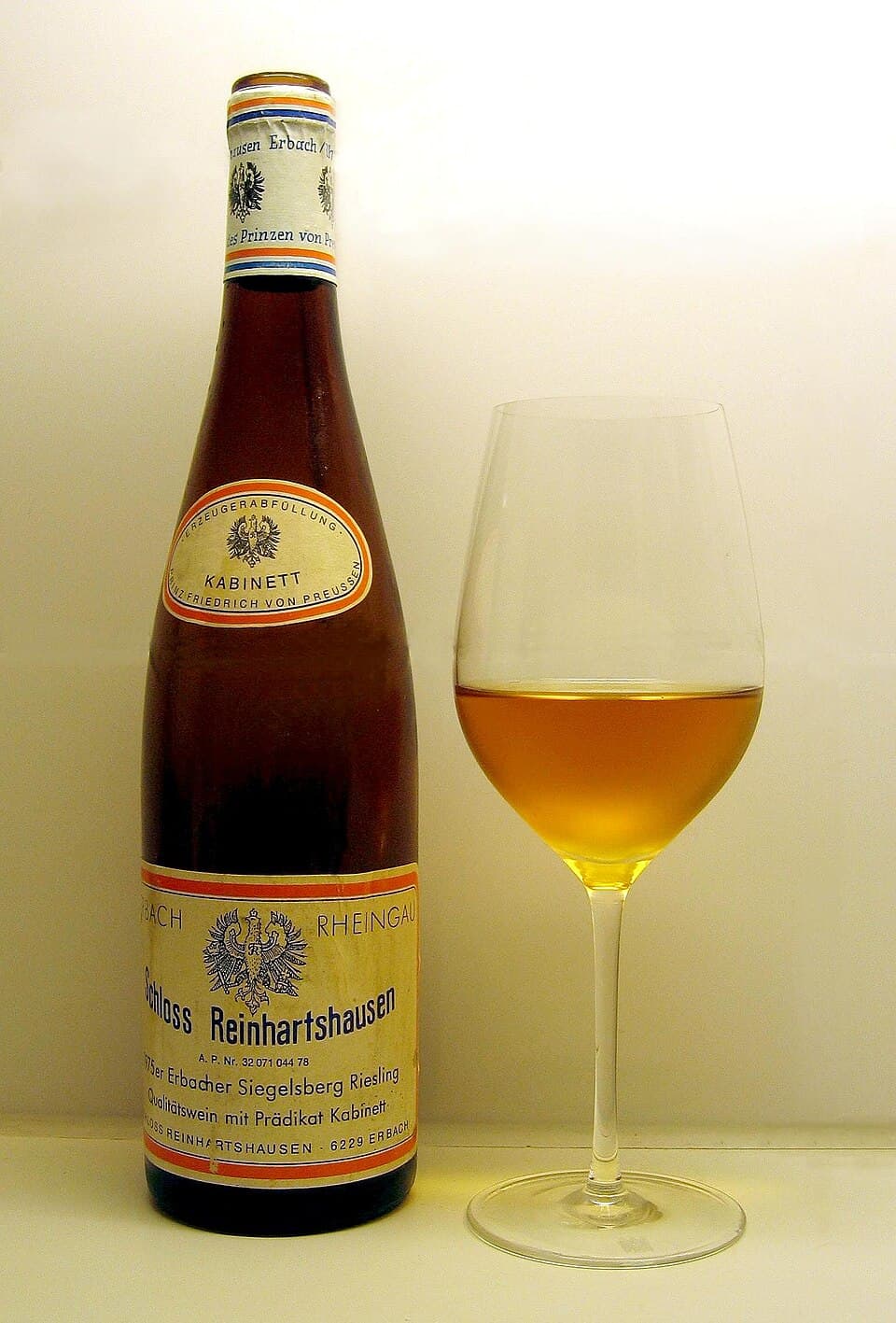
The Moselle's flagship grape, planted across more than 60% of the vineyards. Riesling here makes mineral wines with high acidity and a range that runs from citrus and stone fruit to floral notes and, in older bottles, a hint of petrol. The river's microclimate and the limestone-marl soils give it the terroir to do this. The Stars of the Moselle selection flagged the Riesling Grevenmacher Paradaïs Vignum GPC 2022 from Domaines Vinsmoselle. It comes dry (sec), off-dry (demi-sec), and as a late harvest (vendange tardive). It pairs naturally with F'rell am Rèisleck, the trout in Riesling sauce, and works with Judd mat Gaardebounen, seafood, and Asian dishes. Winemaking here goes back 2,000 years to the Romans, and the 42km Route du Vin links the villages and cellars. Winter tastings in the cellars are a cosy affair, and the wines keep picking up recognition abroad as exports grow.
Regional Specialties & Local Favorites
Discover the authentic regional dishes and local favorites that showcase Luxembourg's diverse culinary traditions.
Kniddelen
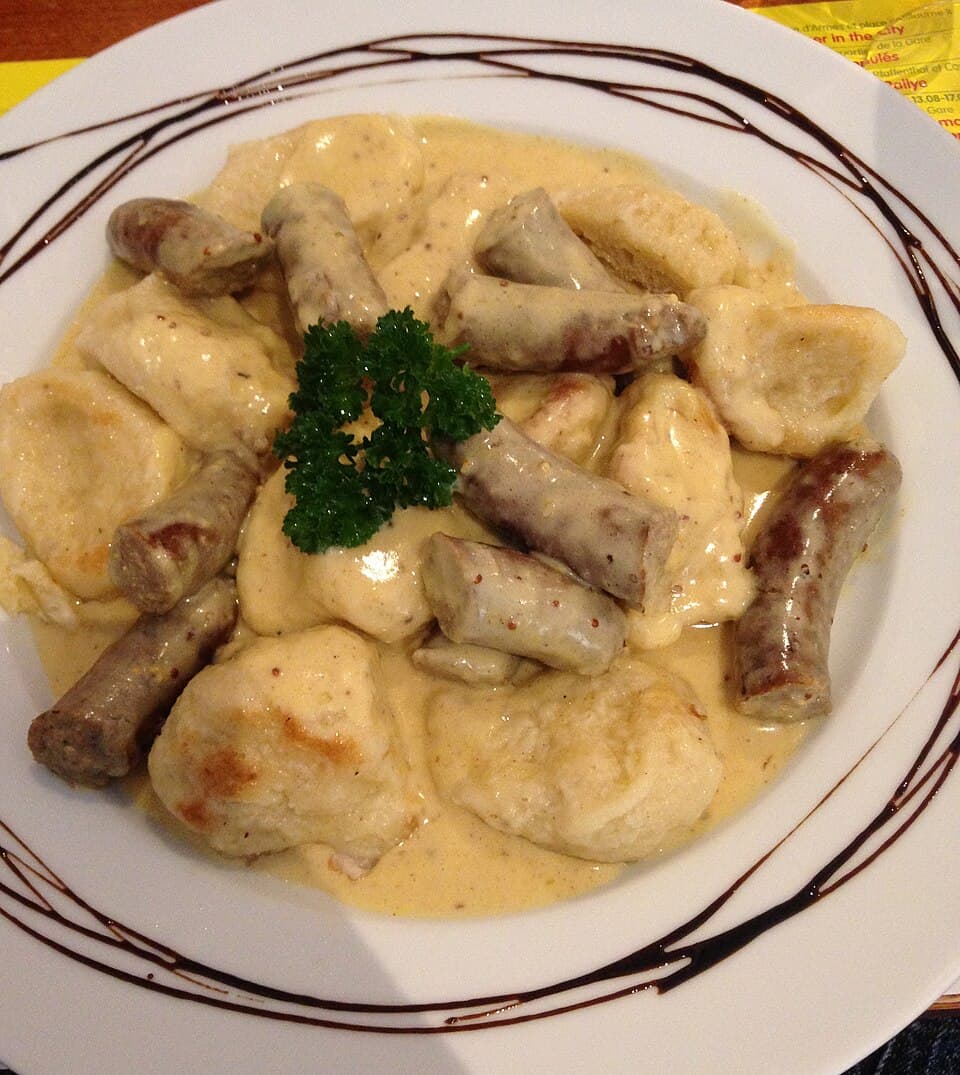
Luxembourg dumplings of flour, eggs, and water, shaped small and boiled until tender. They go either sweet, with plum sauce and cinnamon sugar, or savoury, with bacon and a cream sauce. It is home cooking and comfort food, on family tables and at traditional restaurants like Um Dierfgen. The dumpling habit points to the German influence. Simple and adaptable, it does the job.
Allergens:
Kuddelfleck
A tripe stew with tomatoes, vegetables, and white wine. It is a traditional offal dish and an acquired taste, the product of thrifty, whole-animal cooking. You will find it at traditional restaurants and regional festivals. It is fading now but still a classic people feel fondly about.
Allergens:
Friture de la Moselle
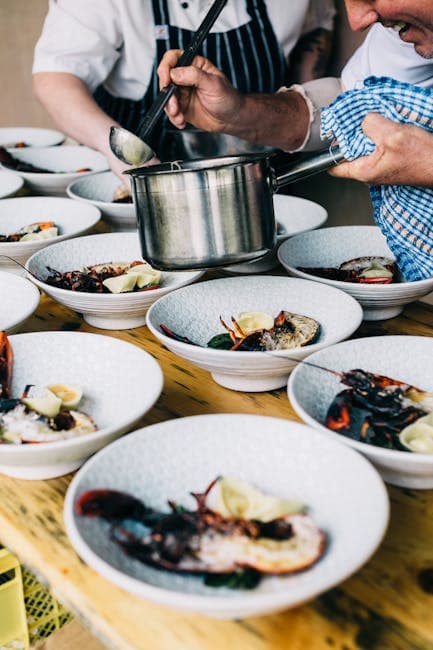
Small river fish deep-fried whole and eaten like whitebait. A Moselle speciality, crisp and savoury, served with lemon and tartar sauce. You will see it at Moselle restaurants and wine festivals. It comes out of the river fishing tradition and the lighter cooking of the valley.
Allergens:

Wäinzoossis
A wine sausage, made with wine and herbs and served grilled or pan-fried with sauerkraut and potatoes. You will find it at traditional restaurants like Um Dierfgen and at butchers. It is a small example of how the country marries its wine and its charcuterie.
Allergens:

Bouchée à la Reine
Vol-au-vent puff pastry shells filled with a creamy chicken, mushroom, or seafood sauce. A French dish the country made its own, it turns up at upscale restaurants and on special occasions. Rich and a touch indulgent.
Allergens:

Quetschentaart
A plum tart, with a sweet pastry crust packed with fresh quetsch plums and baked until the fruit caramelises. It is an autumn dish, made when the plums ripen, and served warm or at room temperature, often with whipped cream. It belongs to the country's habit of baking with whatever is in season.
Allergens:

Gromperekichelcher mat Zalot
Potato fritters with a green salad, a lighter way to eat them. The crisp Gromperekichelcher come with lettuce, tomatoes, onions, and a vinaigrette, the fresh greens balancing the fried richness. A casual café dish.
Allergens:

Paschtéit
Luxembourg meat pies, savoury pastries filled with ground pork, veal, and seasonings. Eaten hot or cold, they work for picnics, snacks, or a meal, and you buy them at traditional butchers and bakeries. They sit at the German-French crossroads the country's baking tends to.
Allergens:
Regional Cuisine Highlights
Explore the diverse culinary landscapes across different regions of Luxembourg.
Moselle Valley (Southeastern Wine Region)
The country's main wine region, strung along the Moselle. A 42km wine route links the villages of Schengen, Remich, Grevenmacher, and Wormeldange. The cooking here is lighter and tilts toward fish, with F'rell am Rèisleck (trout in Riesling sauce), Friture de la Moselle (fried small fish), and other seafood. The vineyards grow Riesling, Pinot Blanc, Pinot Gris, and Pinot Noir, helped by limestone-marl soils and a favourable microclimate. Wine tourism keeps the area busy, with more than 40 cellars pouring tastings and running vineyard tours and festivals; in winter the cellar visits and mulled wine come into their own. Winemakers hold to old methods while trying new ones, and the local cheeses pair with the wines. Fish comes from the river, with imported seafood at the restaurants. The French touch shows in the refined sauces and plating. The villages are worth the trip in their own right: Schengen, where the agreement was signed, Remich, the sparkling wine hub, and Grevenmacher with its butterfly garden.
Cultural Significance:
Winemaking in the Moselle goes back 2,000 years to the Romans, and wine is woven into local identity through the September Grape and Wine Festival, harvest celebrations, and vineyard know-how passed down in families. The Schengen Agreement was signed at Schengen castle in 1985, which turned the village into a byword for European integration, while Remich, the "Pearl of the Moselle," is the centre of Crémant production. The Wine Taste Enjoy weekends put the vintages on show, and the Moselle Cycle Route brings in cyclists. Family wineries keep things going with generations of knowledge and sustainable practices, and cooperatives like Domaines Vinsmoselle back the smaller growers. Competitions and rising exports keep lifting the profile of Luxembourg wine.
Signature Dishes:
- F'rell am Rèisleck (trout Riesling sauce)
- Friture de la Moselle (fried small fish)
- Riesling wines
- Crémant de Luxembourg
- River fish dishes
Key Ingredients:
Ardennes (Northern Forests)
The rugged north, all dense forest and medieval castles at Vianden, Bourscheid, and Esch-sur-Sûre. The cooking leans on game, with wild boar (sanglier), venison (chevreuil and biche), forest mushrooms, and slow stews. The German influence is stronger here than in the Moselle, meaning big portions, pork, and sausages. Jambon d'Ardennes, the smoked ham cured over beechwood and juniper, is the regional point of pride. Game season runs roughly September to February, and that is when restaurants put their game specialities forward. Hiking keeps the mountain restaurants and old inns going, and in winter the game stews and roasts are the comfort food of choice. Foraging supplies wild mushrooms, herbs, and berries. The cooking carries across into the Belgian and German Ardennes, which share much of the same table.
Cultural Significance:
The Ardennes were historically cut off, which helped its traditions survive. Hunting matters here, run on regulated seasons and sustainable practices. Vianden castle, where Victor Hugo once stayed, gives the region a literary footnote, and the Our National Park, established in 1999, protects the biodiversity and draws eco-tourists. The old auberges serve game and local specialities, and the Christmas markets at Vianden and Clervaux put regional foods on offer. The beechwood forests do double duty, supplying smoking wood and mushroom habitat. Cheese is made on a smaller scale than in the Moselle, mostly by artisan dairies. The landscape and cooking carry on into the Belgian Ardennes, which the region shares an identity with.
Signature Dishes:
- Jambon d'Ardennes (smoked ham)
- Wild boar stew
- Venison roasts
- Forest mushroom dishes
- Hearty pork preparations
Key Ingredients:
Luxembourg City (Capital Cosmopolitan Hub)
Luxembourg City is where the country's mix is most obvious, with 170-plus nationalities, around 47% foreign residents, the EU institutions, and international banking. Its food scene is the most varied in the country, running from Michelin-starred kitchens to Italian, Portuguese, Asian, Middle Eastern, and Mediterranean restaurants and the traditional Luxembourgish places. Banking money drives the upper end through expense accounts, business lunches, and corporate dinners. The Christmas markets at the Knuedler, Place d'Armes, and Place Guillaume II sell Gromperekichelcher, mulled wine, and food from around the world. The traditional restaurants keep the heritage alive: Um Dierfgen for Luxembourgish classics, De Feierwon where chef Yann Castano reworks them, and Restaurant Reiff for classic gastronomy. The French influence is everywhere in the boulangeries, patisseries, and brasseries. The UNESCO-listed Old Town makes for fine settings to eat in. The cosmopolitan population shows on the menus, with Portuguese restaurants reflecting a large community, Italian trattorias, Asian fusion, and a growing vegetarian and vegan corner. Auchan and Cora stock international groceries, and the Winterlights events fold food in with lights and music.
Cultural Significance:
The capital sums up the country's contradiction: a small place of 2,586 km² with the highest GDP per capita anywhere and a real cultural polish to match. Having the most Michelin stars per capita in the world says something about its commitment to good food. The EU institutions, among them the European Court of Justice, the European Investment Bank, and the European Court of Auditors, bring in an international crowd, and four working languages, Luxembourgish, French, German, and English, keep the atmosphere open. The markets are a centuries-old tradition that has survived all the modernisation around them. Looking ahead, sustainable cooking is on the rise through farm-to-table and local sourcing, vegan options are widening, and the range of cuisines keeps growing. The strains are real too: it is one of the most expensive cities in the world, gentrification presses on it, and there is the ongoing question of holding onto a Luxembourgish identity as the place keeps internationalising.
Signature Dishes:
- International fine dining
- Traditional Luxembourgish (Um Dierfgen)
- French pastries and baguettes
- Portuguese cuisine
- Asian fusion
Key Ingredients:
Sweet Delights & Desserts
Indulge in Luxembourg's traditional sweet treats and desserts.

Verwurelter
A fried pastry of twisted dough, deep-fried until golden and dusted with powdered sugar. It is a carnival and fair treat, crisp and sweet and easy to keep eating, in the same family as angel wings and funnel cakes. You will find it at Christmas markets and festivals, part of the country's festive baking.
Quetschentaart
A plum tart and an autumn favourite, with sweet pastry under fresh quetsch plums baked until they caramelise. It is served warm with whipped cream or vanilla ice cream. Bakeries make it with fresh plums from August through October and with preserved ones the rest of the year.
Äppelkuch
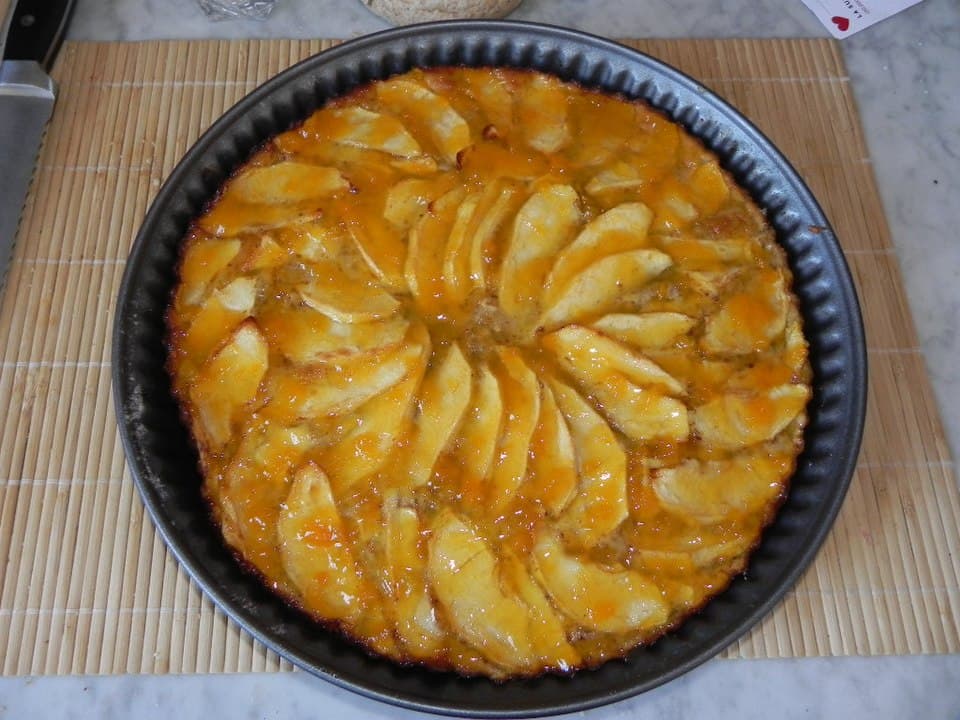
An apple cake from the home-baking tradition: a moist cake studded with apple chunks and cinnamon, sometimes raisins or nuts, served warm or at room temperature under a dusting of powdered sugar. It is a comfort dessert for family gatherings, leaning on the country's apple orchards and its rural baking.
Schokoladenmousse
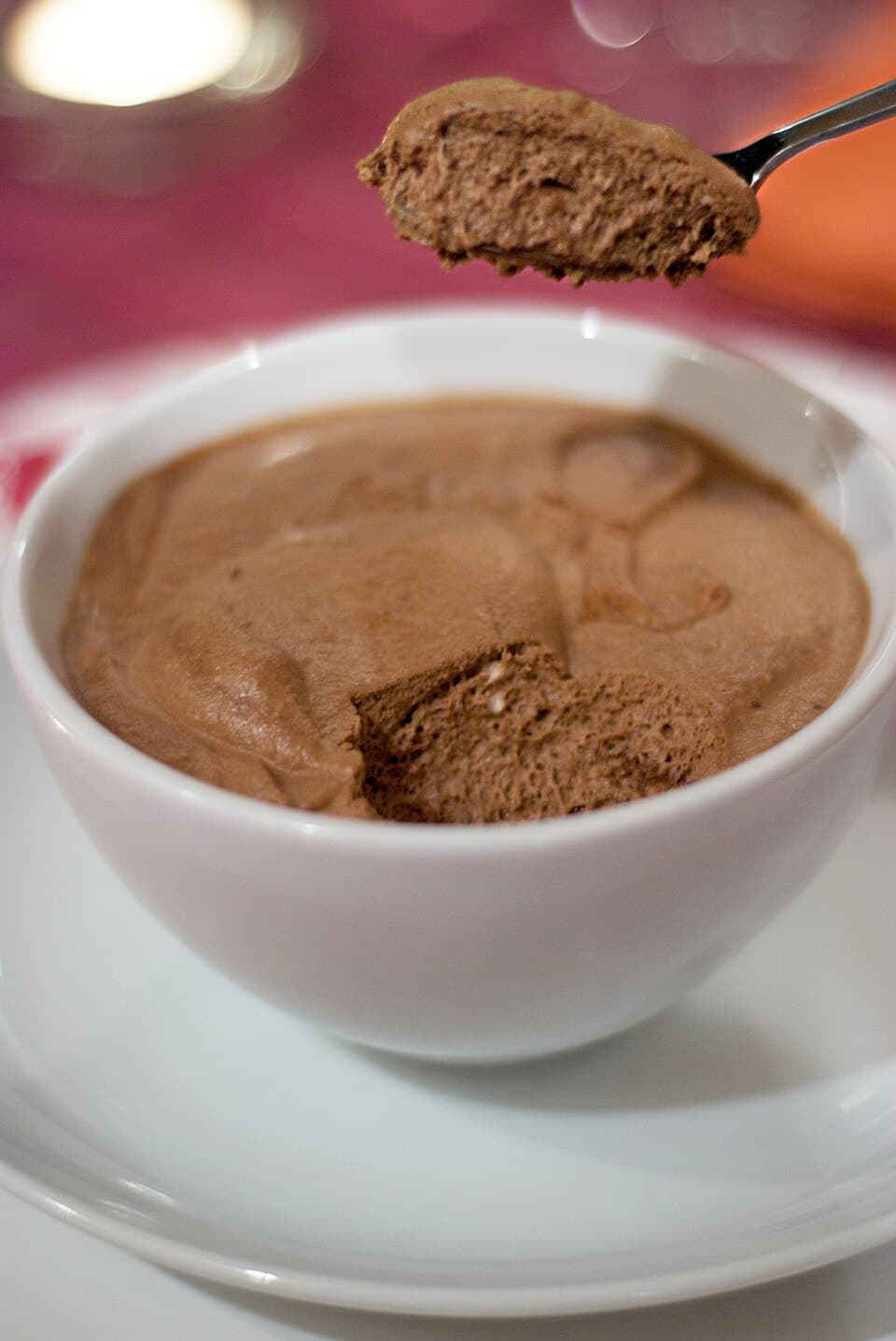
Chocolate mousse, a French dessert that found a firm home here. It is rich and airy, made with dark chocolate, eggs, and cream, and served chilled. You will find it in restaurants and patisseries, a sign of how much French technique runs through the local cooking.

Nëssknäppchen
Nut cookies baked for Christmas: small cookies made with ground hazelnuts or walnuts, cinnamon and cloves, and honey, crisp outside and chewy within, often decorated for the season. They come from the country's Christmas baking and its history of growing nuts, and you will find them at December bakeries and the Christmas markets.
Traditional Beverages
Discover Luxembourg's traditional drinks, from locally produced spirits to regional wines.
Luxembourg Riesling
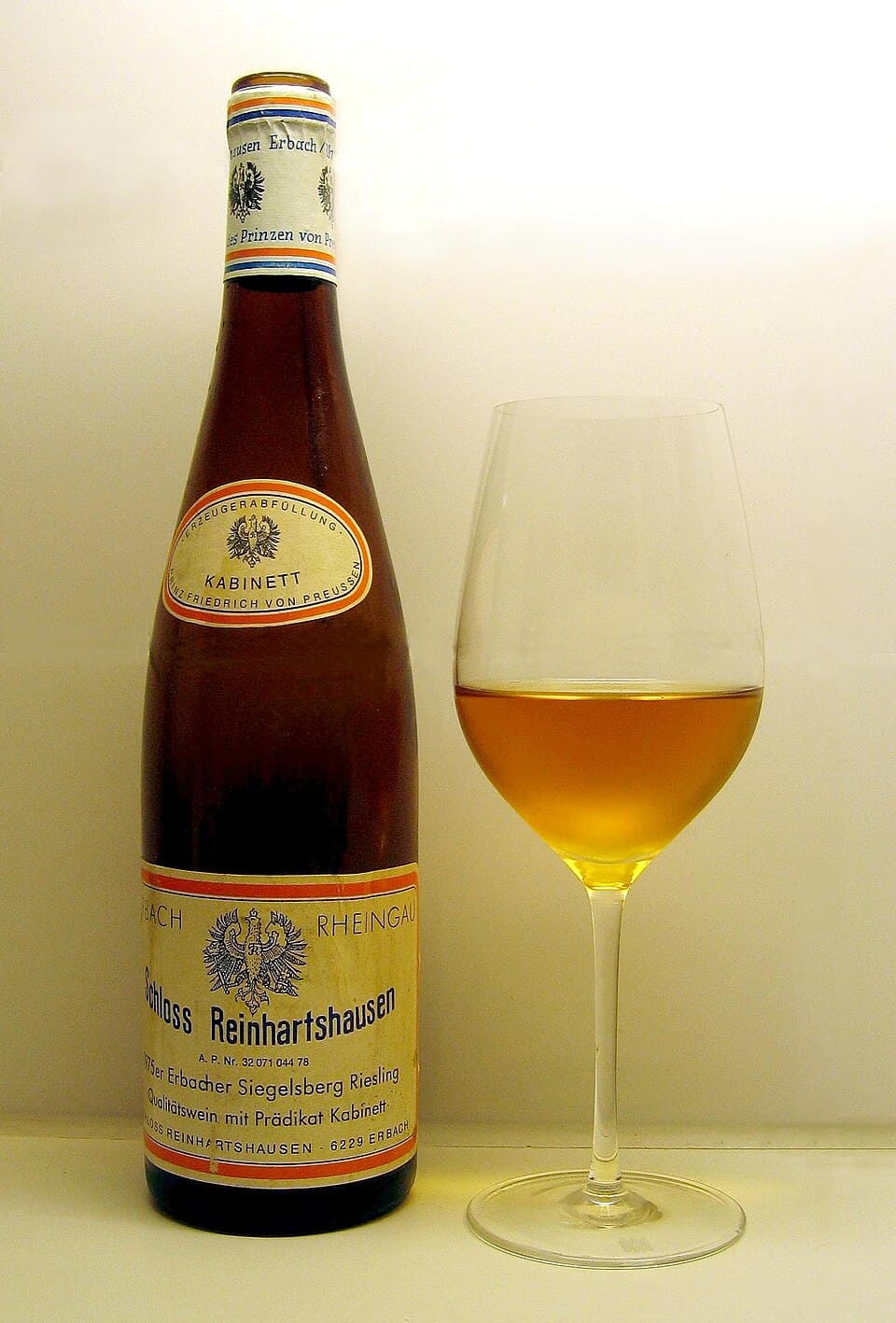
The flagship white of the Moselle, mineral and high in acidity, made in styles from dry to late harvest. It pairs well with the local cooking and carries 2,000 years of winemaking behind it. You will find it in cellars, restaurants, and wine shops, with winter tastings a popular outing.
Crémant de Luxembourg
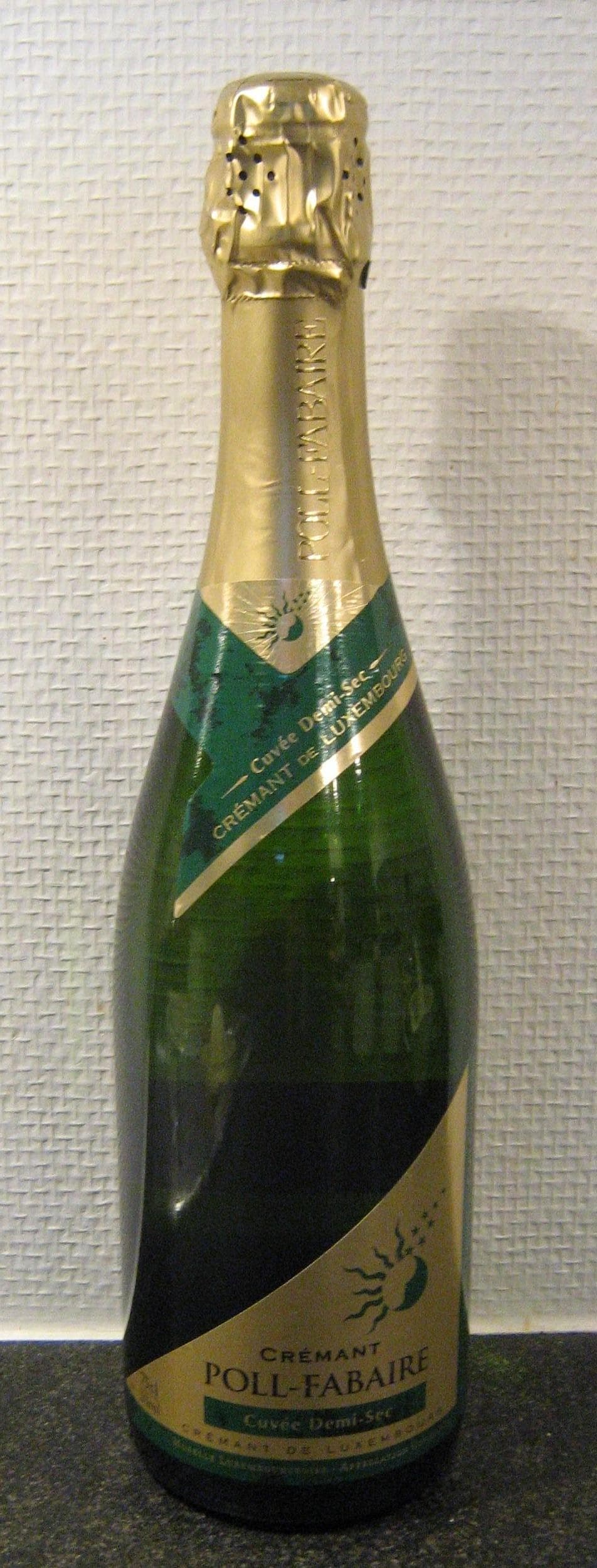
A sparkling wine made the Champagne way, with fine bubbles and real depth, holding its own against Champagne. It comes from Pinot Blanc, Riesling, and Chardonnay and shows off the modern side of the local winemaking. It is the bottle of choice for end-of-year celebrations.
Luxembourg Beer
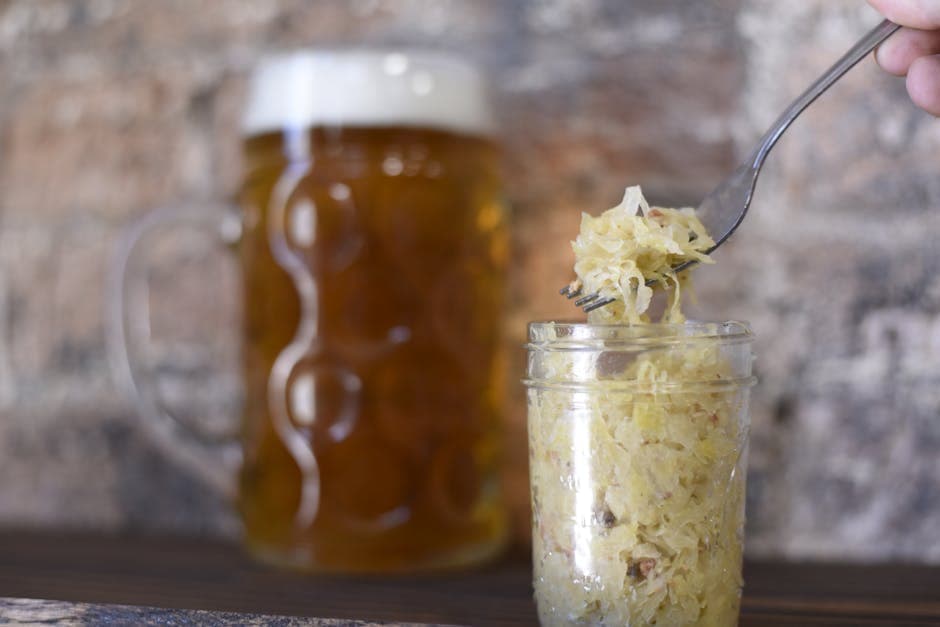
Luxembourg has a solid beer tradition, with Diekirch, Bofferding, and Battin among the local breweries. Lagers and pilsners are the mainstays, the German influence clear enough. You will find it everywhere, in bars, restaurants, and supermarkets, and it pairs with the traditional dishes.
Quetsch
A plum brandy distilled from local quetsch plums and aged. It is strong, fruity, and aromatic, poured as a digestif after a heavy meal. It comes from the fruit-distilling tradition rooted in the Ardennes.
Soft Beverages
Discover Luxembourg's traditional non-alcoholic drinks, from local teas to refreshing juices.

Luxembourg Coffee
Coffee culture runs deep, much of it French in flavour, with espresso and cappuccino the defaults. The café scene in Luxembourg City is busy, coffee being both a morning ritual and a reason to meet up, and a hot cup is welcome through the winter.
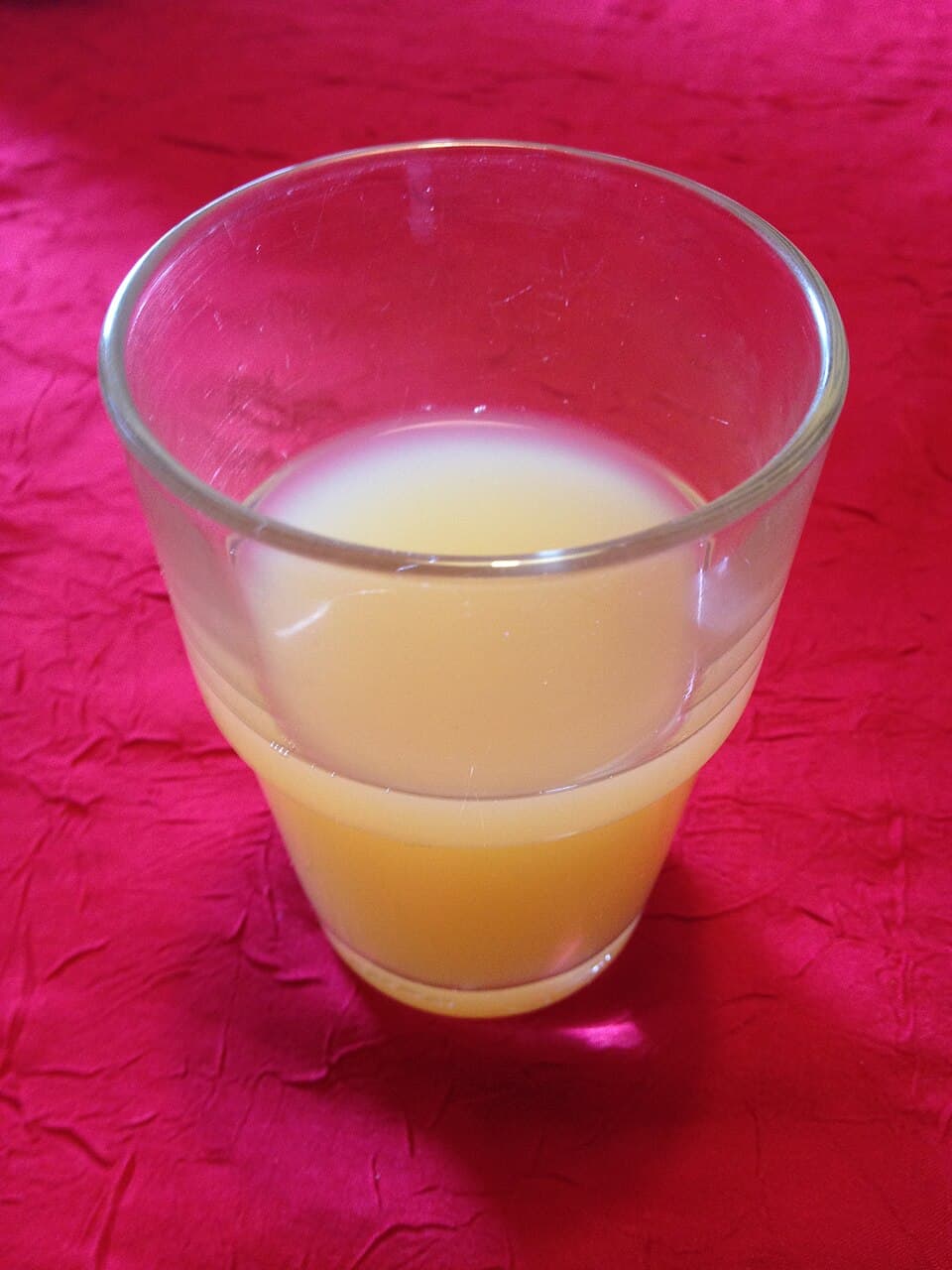
Apple Juice
Apple juice from local orchards, with fresh unfiltered versions sold at farmers markets. It comes from the country's fruit-growing tradition and is easy to find in supermarkets, cafés, and restaurants.
Hot Chocolate
Rich hot chocolate in the French style, made with good chocolate, milk, and cream. It is a winter staple at the Christmas markets, and cafés in the capital serve more elaborate versions, a comfort drink for the cold months.
Frequently Asked Questions
Essential information about food and dining in Luxembourg.
What is the national dish of Luxembourg?
Luxembourg's most iconic dishes include Judd mat Gaardebounen, Bouneschlupp, Gromperekichelcher. The national dish, and the one Luxembourgers point to first. The Judd is a smoked pork collar or neck, cured by smoking back when there was no refrigeration to rely on. The collar gets an overnight soak to draw out the salt, then a long simmer with onions, carrots, leeks, bay leaves, and cloves until it falls apart. It comes with Gaardebounen, broad beans in a creamy sauce, and potatoes. The dish grew out of farm life, timed to early summer when the broad beans are young and tender; in winter the cooks use preserved beans instead. It is hearty, smoky, and savoury, the kind of food that stands in for the country's farming past. You will find it in every traditional restaurant and especially around the Moselle. It captures the German-French split nicely, with German smoking on one side and a French hand with the sauce on the other. People serve it for special occasions and Sunday family meals, and it pairs well with a Luxembourg Riesling or Pinot Noir.
Is street food safe in Luxembourg?
Street food in Luxembourg can be enjoyed safely by following these guidelines: EU regulations ensure highest food safety Tap water is excellent quality throughout Luxembourg. Look for busy vendors with high turnover, ensure food is cooked fresh and served hot, and avoid raw ingredients if you have a sensitive stomach.
What are the best restaurants in Luxembourg?
Luxembourg offers diverse dining options from street food stalls to upscale restaurants. For the best experience, ask locals for recommendations, check recent reviews, and look for restaurants that specialize in regional cuisines.
Can vegetarians find food easily in Luxembourg?
Vegetarian options in Luxembourg are mediumly available. Vegetarians have more to work with than they used to, especially in Luxembourg City and other towns. The traditional kitchen leans hard on meat, from Judd pork dishes to Träipen sausage and game, but newer restaurants adapt. The French side helps, supplying salads, vegetable gratins, and cheese dishes. Bouneschlupp (green bean soup) can be made meatless if you ask them to leave out the bacon, and Gromperekichelcher (potato fritters) are vegetarian to begin with. In the capital, international spots fill the gaps, with Italian pasta and risotto, Mediterranean, and Asian kitchens. To say it, use "Je suis végétarien/végétarienne" in French, or "Ech sinn Vegetarier" in Luxembourgish, though French is understood more widely. Gault&Millau-rated places will usually put together something from seasonal vegetables. The Knuedler market in the capital sells good fresh produce. The catch: traditional Luxembourgish cooking has few vegetarian classics, and a country this small simply has fewer specialist restaurants than its larger neighbours.. Many restaurants offer vegetarian dishes, and you'll find plant-based ingredients featured prominently in local cuisine.
What is the average cost of a meal in Luxembourg?
Meal costs in Luxembourg depend on where you eat. Street food and casual local restaurants are very affordable, typically offering complete meals for a few dollars. Mid-range restaurants charge moderate prices, while fine dining establishments are comparably priced to Western countries.
What are common food allergens in Luxembourg?
Common allergens in Luxembourg cuisine include Dairy, Gluten/Wheat, Pork. Dairy sits at the centre of the cooking, in butter, cream, milk, and cheese such as the Kachkéis spread. The French influence pushes it further into sauces, pastries, and desserts.. These ingredients appear in dishes like Kachkéis (cheese spread), Cream sauces. Always inform restaurant staff about your allergies.
When is the best time to visit Luxembourg for food?
Luxembourg offers great food experiences throughout the year. However, visiting during harvest seasons (typically spring and autumn) provides access to the freshest local ingredients. Food festivals and cultural celebrations also offer unique culinary experiences worth planning around.