
Botswana Food Guide
Content Information
Recently updated🔥Current Food Trends 2026
What's happening in Botswana's culinary scene right now
Mopane worms keep drawing attention abroad as a low-impact protein. In Gaborone, several kitchens now plate bogobe with restaurant polish, and a handful of spots build menus around local Setswana ingredients sourced close to home. Younger city cooks have run with the idea, turning out seswaa sliders and other street-food mashups.
Food Safety Tips
Essential food safety information to help you enjoy Botswana's cuisine safely and confidently.
Tap water is safe in major cities
Tap water in Gaborone, Maun, and Francistown is treated and safe to drink. Out in remote safari areas, stick to bottled water.
Choose busy vendors for fresh food
Street food is usually fine in towns and cities. Pick vendors with a steady line of customers, particularly for grilled meats and anything fried.
Be cautious in hot weather
The Kalahari heat is hard on perishables. Skip anything that has sat out unrefrigerated for a while.
Try mopane worms from reputable sources
Mopane worms and wild greens are safe once properly prepared. Buy them from established markets or restaurants rather than roadside sellers.
Dietary Options
vegetarian
MEDIUM AVAILABILITYYou can eat well on morogo (wild greens), bogobe (porridge), beans, and vegetable stews. City hotels and restaurants usually list a few vegetarian dishes.
vegan
LOW AVAILABILITYVegan food is harder to find, though Gaborone has some. Certain bogobe preparations and morogo are vegan as cooked, but spell out your needs since groundnuts and milk turn up often.
gluten-free
MEDIUM AVAILABILITYPlenty of traditional dishes happen to be gluten-free, among them seswaa, morogo, and sorghum-based bogobe. City restaurants have grown more familiar with gluten-free requests.
Common Allergens
Peanuts/Groundnuts
HIGH PREVALENCEGroundnuts are widely used in cooking
COMMONLY FOUND IN:
Dairy
MEDIUM PREVALENCEMadila (sour milk) and dairy products are common
COMMONLY FOUND IN:
Gluten
MEDIUM PREVALENCEWheat products are common in urban areas
COMMONLY FOUND IN:
Essential Food Experiences
These iconic dishes represent the must-have culinary experiences that define Botswana's food culture for travelers.
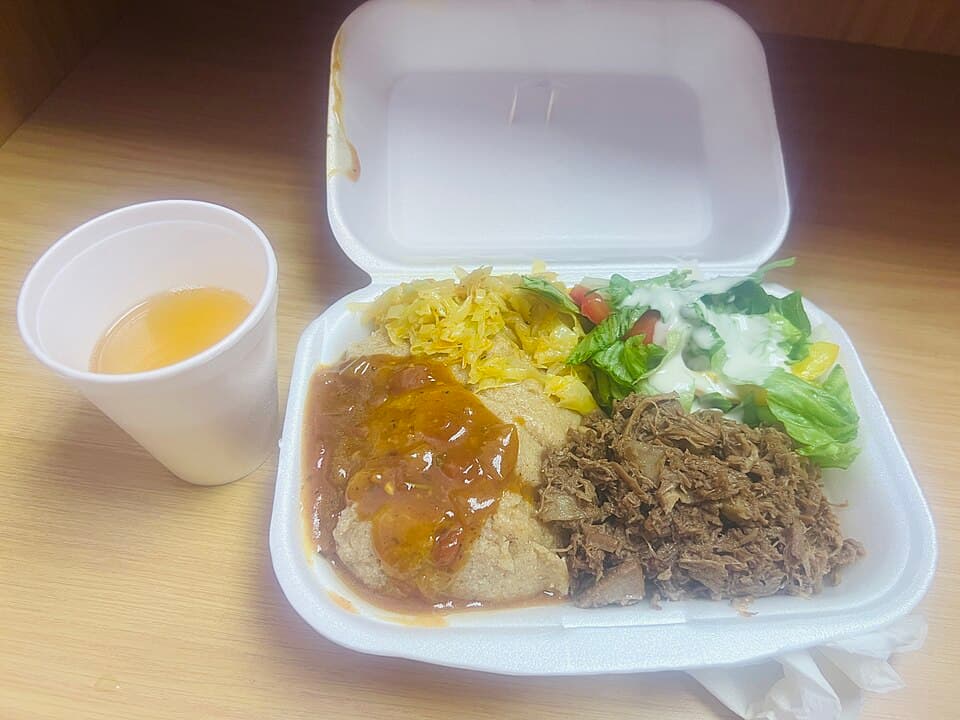
Seswaa
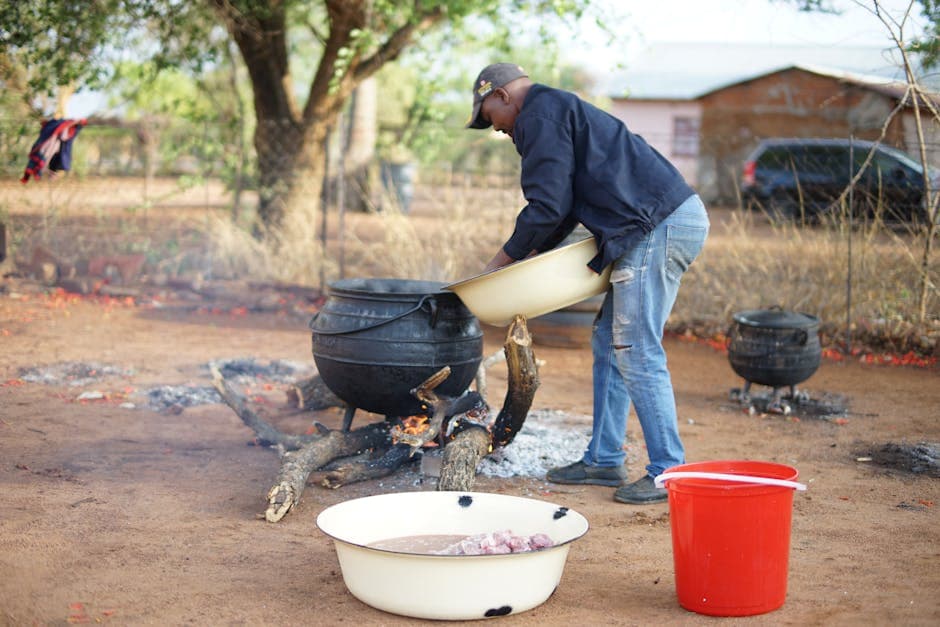
Botswana's national dish: beef or goat slow-cooked until it falls apart, then pounded or shredded. The cooking is traditionally men's work, done in three-legged iron pots for weddings, funerals, and other big occasions. Served with pap or bogobe.
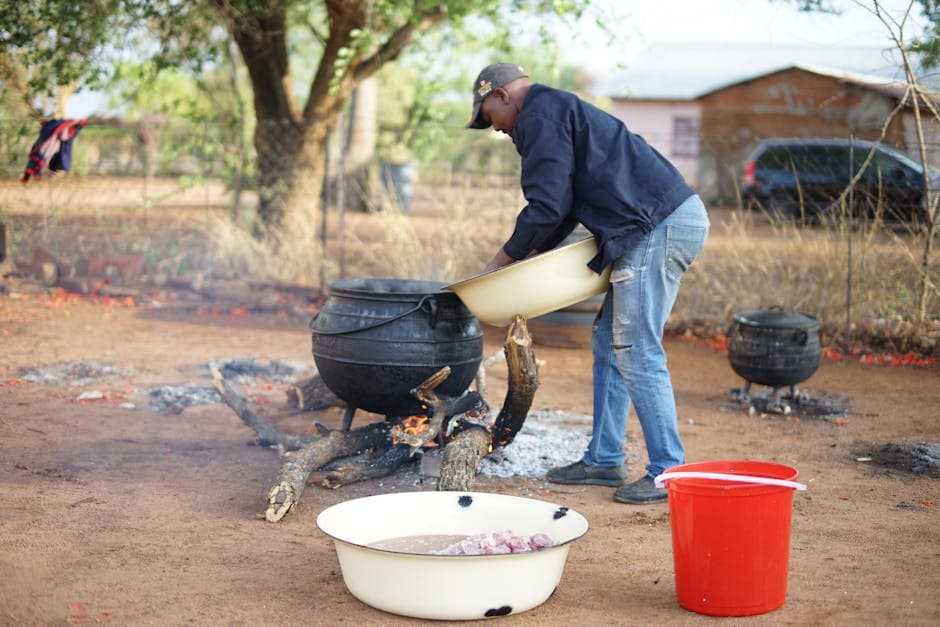
Bogobe
Thick porridge made from sorghum, millet, or maize flour, and the backbone of most Botswanan meals. It resembles pap but is prepared its own way, and fermenting it (ting) gives a sour version. Served with meat, gravy, or vegetables.

Morogo
Wild leafy greens gathered from the bush, somewhere between spinach in taste, drawn from amaranth, blackjacks, cowpea leaves, or spider plant leaves. They are cooked down with tomatoes, onions, and groundnuts, and have long been a staple of the everyday diet.

Phane (Mopane Worms)
The caterpillar of the emperor moth, collected from mophane trees and packed with protein. Dried or fried until crunchy, it tastes nutty and earthy. As a low-impact protein, it has been picking up attention well beyond Botswana.
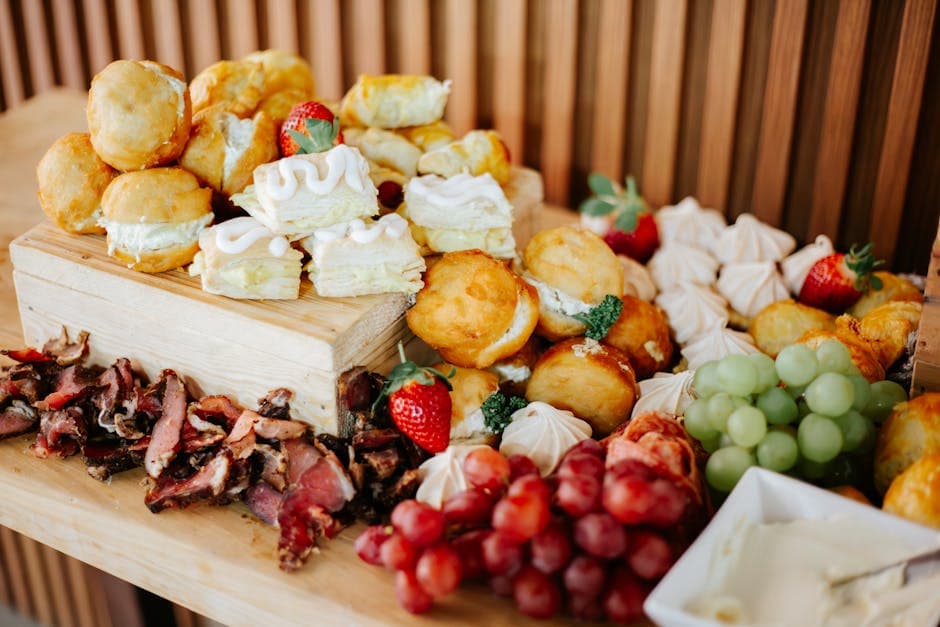
Vetkoek
Deep-fried dough bread, golden outside and soft within. It goes savory with a curried mince filling or sweet with jam or honey, and turns up as street food and breakfast across Southern Africa.

Matemekwane
Sorghum or mealie meal dumplings simmered in stew. They come out soft and doughy, soaking up whatever gravy the meat has been cooked in.

Serobe
An offal dish of goat or cattle intestines, liver, and other organ meats, cooked slowly until tender. It is an acquired taste, and a longstanding one.

Madila
Fermented sour milk, close to buttermilk or kefir. It cuts the heaviness of bogobe and carries plenty of probiotics, and it holds a place in Setswana custom.
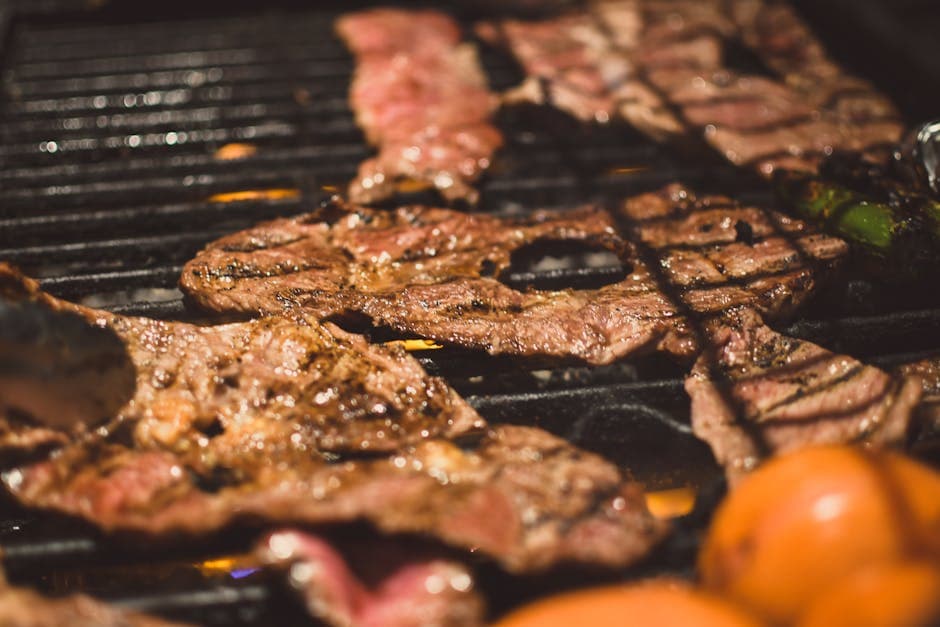
Braai (Barbecue)
The Southern African barbecue, built around grilled beef, chicken, and boerewors sausage. It is as much a gathering as a meal, often stretching over a few hours with friends and family.
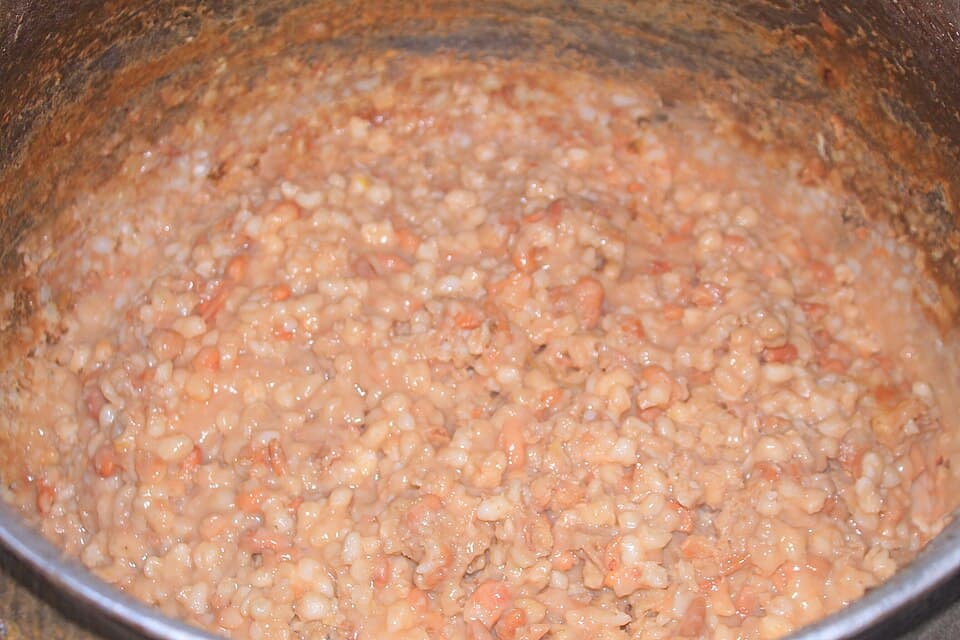
Dikgobe
A filling stew of beans and samp (crushed corn), slow-cooked with vegetables. Plain, hearty, and good for you.
Regional Specialties & Local Favorites
Discover the authentic regional dishes and local favorites that showcase Botswana's diverse culinary traditions.
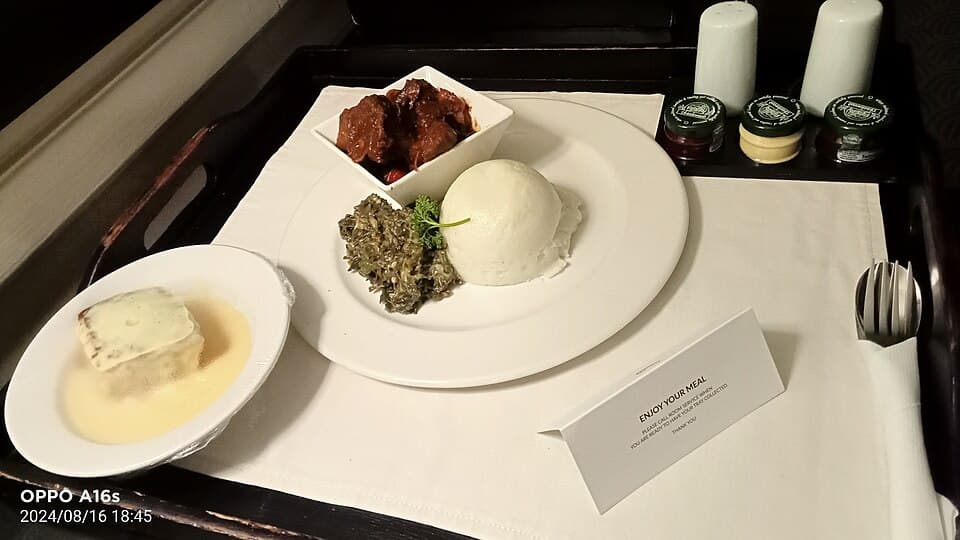
Pap and Stew
Region: Nationwide
Maize meal porridge (pap) under a tomato-based stew and meat. People eat it most days across Botswana.
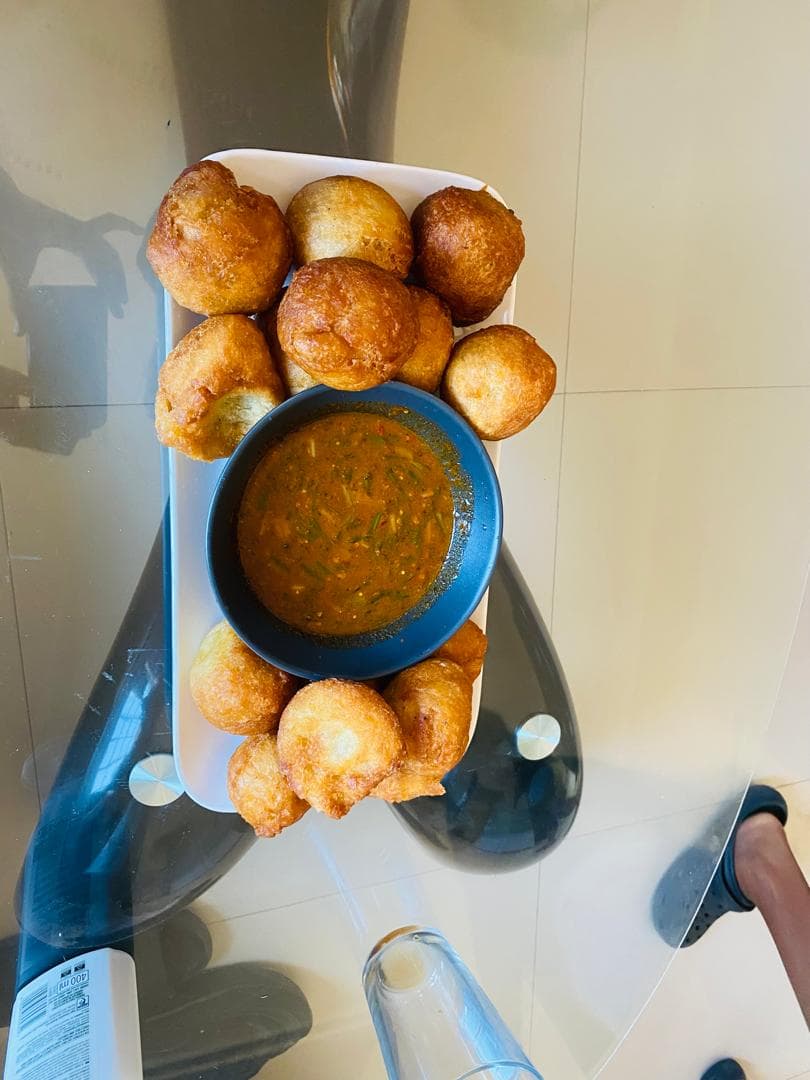
Fat Cakes
Region: Nationwide
Deep-fried balls of dough, not unlike donuts. A common street snack, usually had with tea.
Allergens:
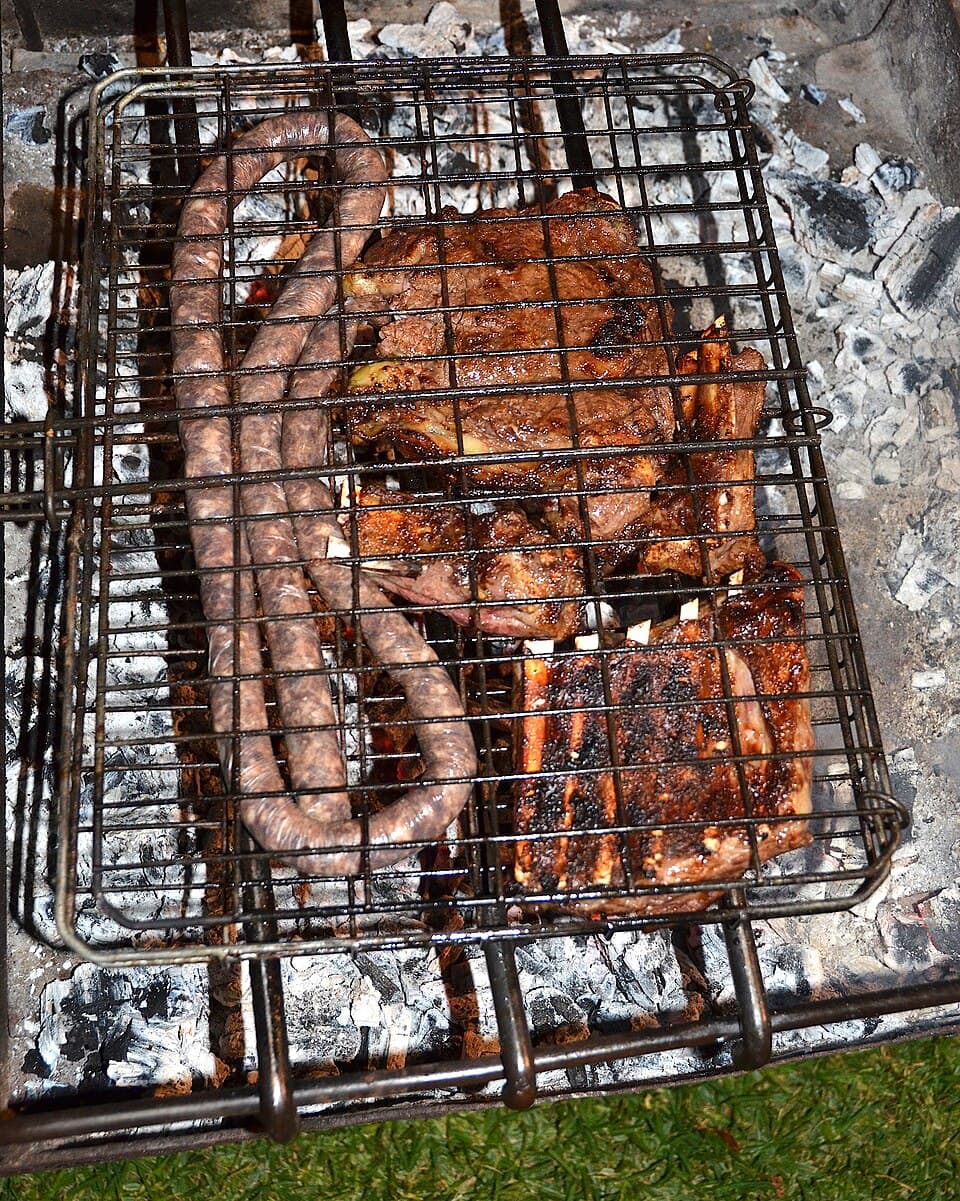
Boerewors
Region: Nationwide
A South African sausage that caught on in Botswana, made with beef and pork and seasoned with coriander.
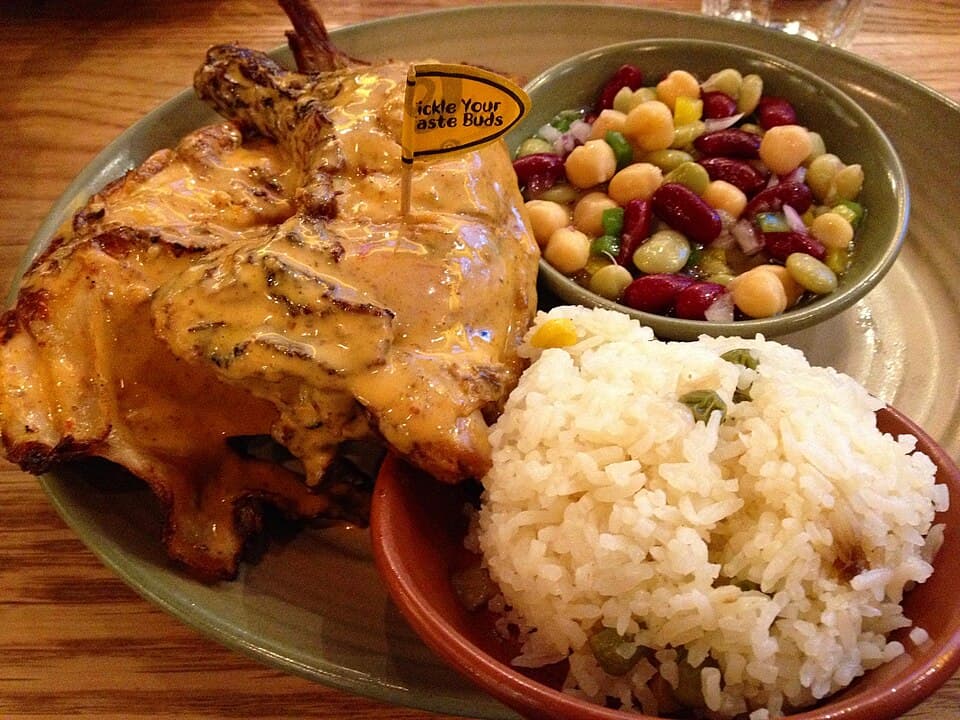
Chicken Dust
Region: Gaborone, Francistown
Grilled chicken dusted with a peri-peri spice blend. A common takeaway order in the cities.
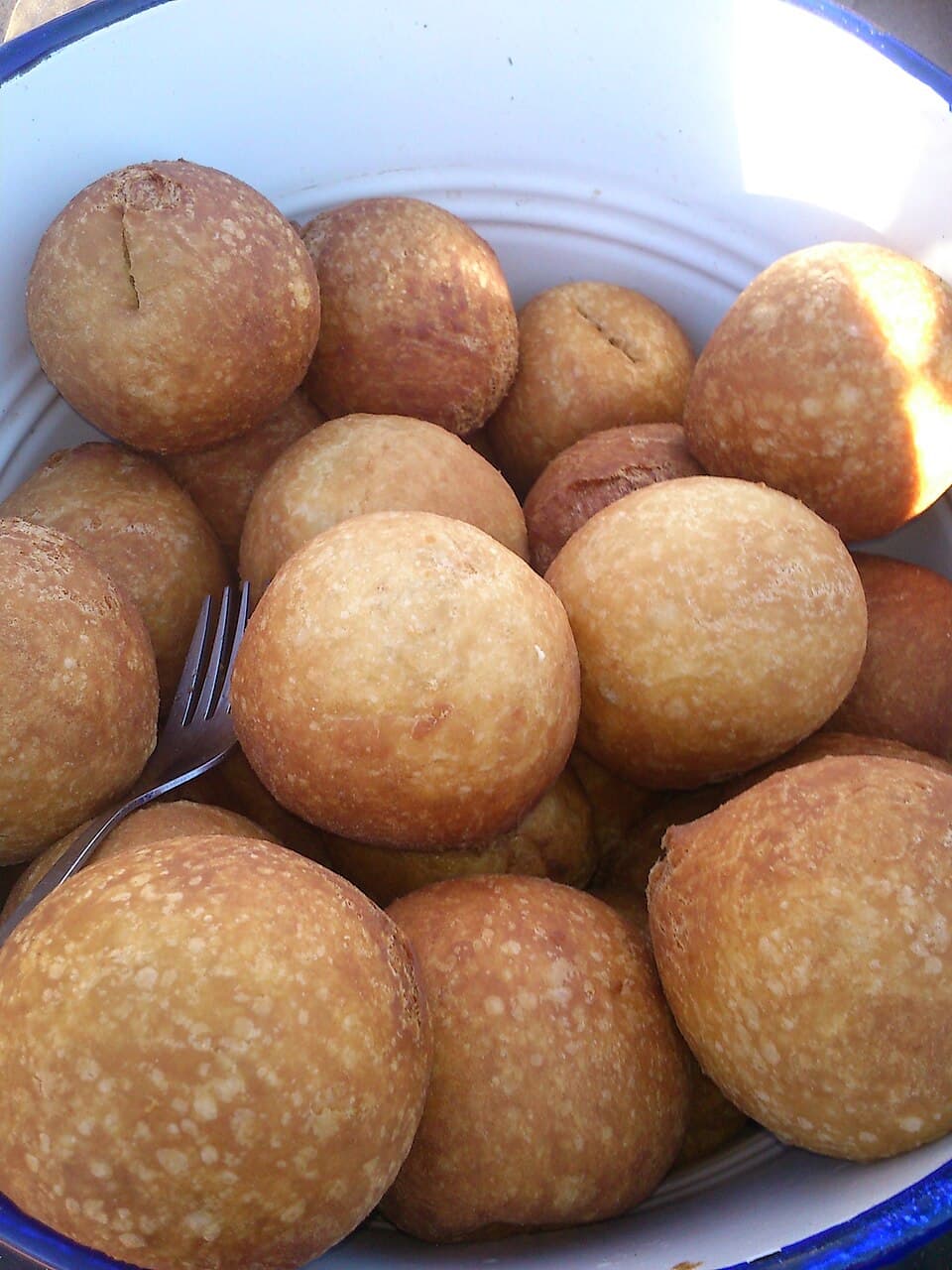
Magwinya
Region: Nationwide
Fried bread dough, crisp outside and soft inside. A street-food go-to for breakfast or a quick snack.
Allergens:
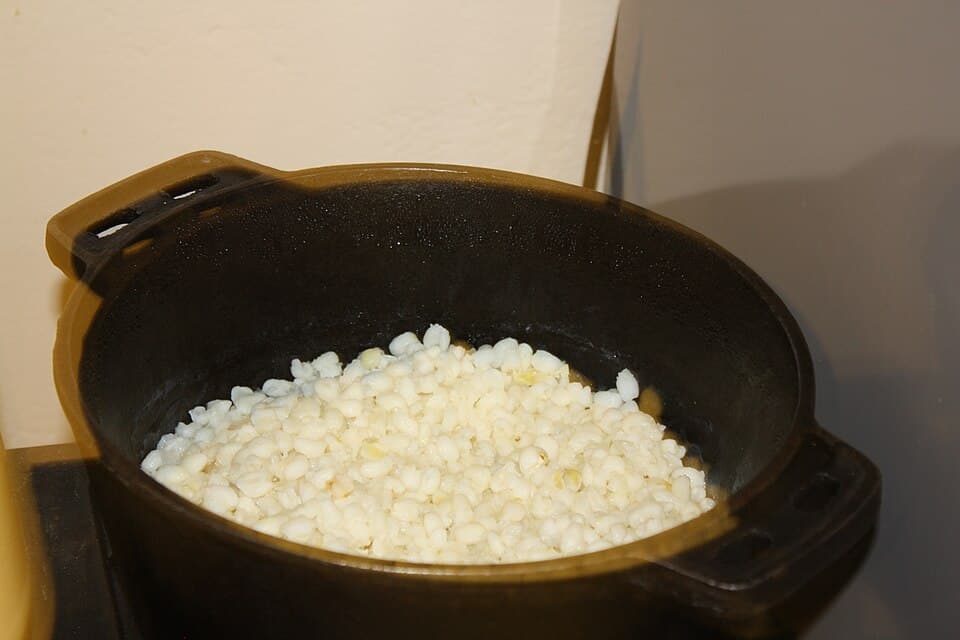
Samp
Region: Nationwide
Dried corn kernels simmered until tender, often cooked with beans or set out as a side.
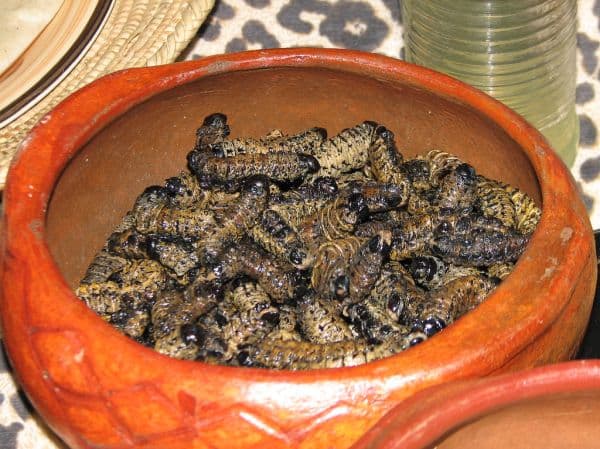
Mopani Worm Relish
Region: Northern regions
Dried mopane worms simmered in tomato sauce and spooned over pap as a relish.
Bean and Hominy Corn
Region: Nationwide
Beans and large corn kernels cooked together. Plain and nourishing.
Regional Cuisine Highlights
Explore the diverse culinary landscapes across different regions of Botswana.
Gaborone (Capital)
The capital has the widest range of places to eat, with Setswana cooking sitting alongside food from elsewhere. Expect updated versions of seswaa, a few farm-to-table kitchens, and a busy cafe scene.
Cultural Significance:
Where tradition meets modernity
Signature Dishes:
Key Ingredients:
Maun (Okavango Delta)
This safari town leans on game meats, fresh fish from the delta, and the usual Setswana dishes. Tourism has widened the choices without pushing the local cooking aside.
Cultural Significance:
Gateway to the Delta and safari culture
Signature Dishes:
Key Ingredients:

Northern Botswana
This is mopane worm country, where wild foods still matter. The cooking follows the seasons and the old habits of foraging from the bush.
Cultural Significance:
Preserving ancient foraging traditions
Signature Dishes:
Key Ingredients:

Sweet Delights & Desserts
Indulge in Botswana's traditional sweet treats and desserts.

Mogatla Porridge
Region: Nationwide
A sweet porridge of sorghum or millet, served with sugar or honey.

Melktert
Region: Urban areas
A South African milk tart that travelers will find in Botswana too: a creamy custard set in a pastry crust and dusted with cinnamon.
Koeksister
Region: Urban areas
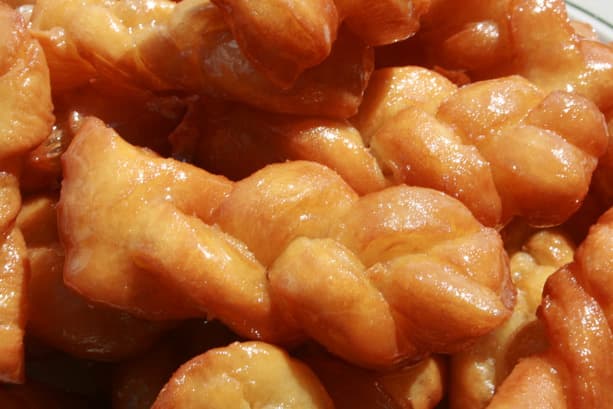
Plaited fried dough soaked in syrup until sweet and sticky. Another sweet borrowed from South African kitchens.
Traditional Beverages
Discover Botswana's traditional drinks, from locally produced spirits to regional wines.
Bojalwa (Chibuku)
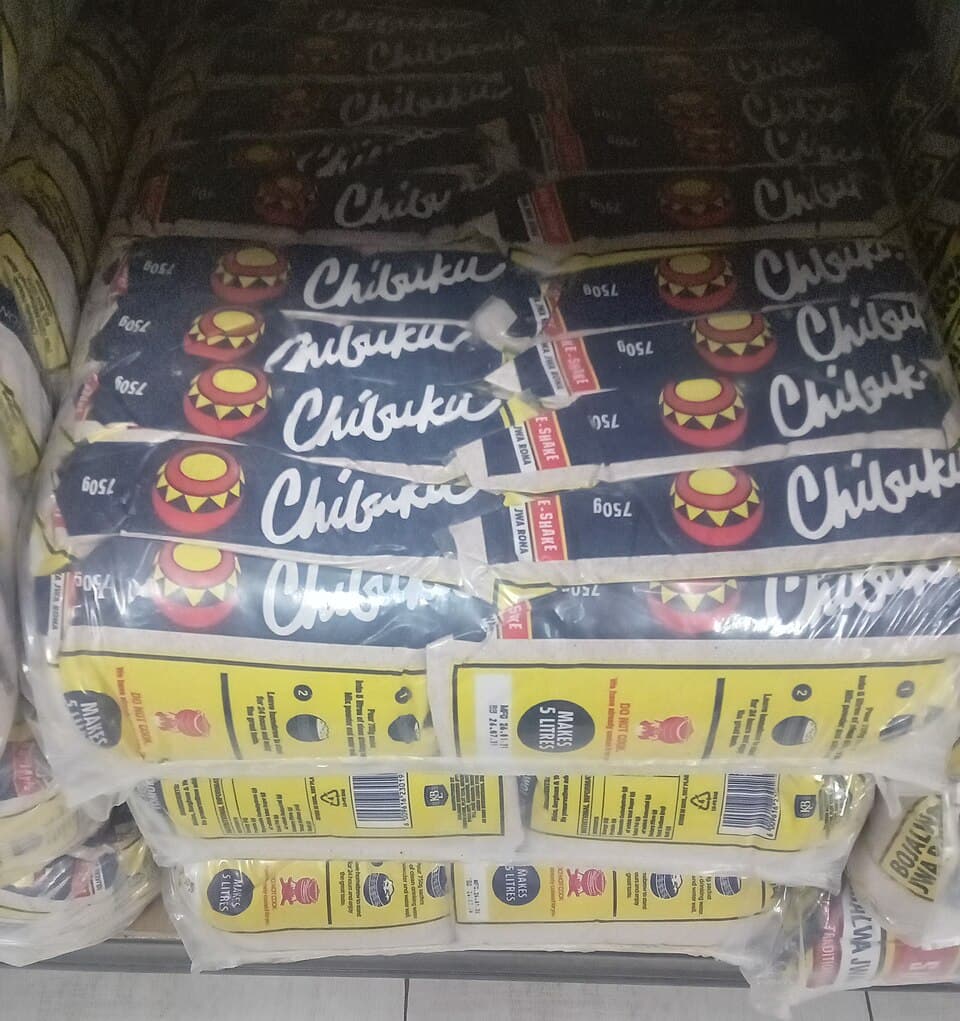
A thick, mildly sour sorghum beer with real substance to it. It is poured into shared containers and passed around at gatherings.
Kgadi
A home-brewed beer made from sorghum or millet, with more kick than the commercial bojalwa.
Soft Beverages
Discover Botswana's traditional non-alcoholic drinks, from local teas to refreshing juices.

Rooibos Tea
A red bush tea from Southern Africa, caffeine-free with a sweet, earthy taste. People drink it at any hour.
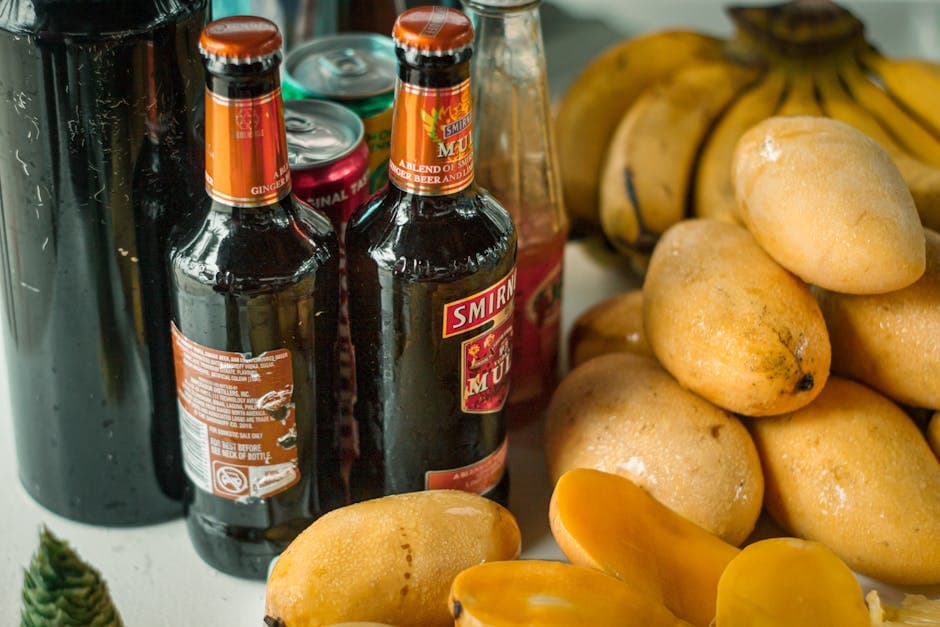
Ginger Beer
A spicy non-alcoholic drink made from ginger, lemon, and sugar.

Morula Juice
Juice pressed from marula fruit, high in vitamin C. You only get it in season, once the fruit ripens.
Frequently Asked Questions
Essential information about food and dining in Botswana.
What is the national dish of Botswana?
Botswana's most iconic dishes include Seswaa, Bogobe, Morogo. Botswana's national dish: beef or goat slow-cooked until it falls apart, then pounded or shredded. The cooking is traditionally men's work, done in three-legged iron pots for weddings, funerals, and other big occasions. Served with pap or bogobe.
Is street food safe in Botswana?
Street food in Botswana can be enjoyed safely by following these guidelines: Tap water is safe in major cities Choose busy vendors for fresh food. Look for busy vendors with high turnover, ensure food is cooked fresh and served hot, and avoid raw ingredients if you have a sensitive stomach.
What are the best restaurants in Botswana?
Botswana offers excellent dining experiences. Top-rated restaurants include Basilico, The Beef Baron Grill and Rib Room. These establishments showcase authentic Botswana cuisine with professional service and high-quality ingredients.
Can vegetarians find food easily in Botswana?
Vegetarian options in Botswana are mediumly available. You can eat well on morogo (wild greens), bogobe (porridge), beans, and vegetable stews. City hotels and restaurants usually list a few vegetarian dishes.. Many restaurants offer vegetarian dishes, and you'll find plant-based ingredients featured prominently in local cuisine.
What is the average cost of a meal in Botswana?
Meal costs in Botswana depend on where you eat. Street food and casual local restaurants are very affordable, typically offering complete meals for a few dollars. Mid-range restaurants charge moderate prices, while fine dining establishments are comparably priced to Western countries.
What are common food allergens in Botswana?
Common allergens in Botswana cuisine include Peanuts/Groundnuts, Dairy, Gluten. Groundnuts are widely used in cooking. These ingredients appear in dishes like Morogo with groundnuts, Sauces. Always inform restaurant staff about your allergies.
When is the best time to visit Botswana for food?
Botswana offers great food experiences throughout the year. However, visiting during harvest seasons (typically spring and autumn) provides access to the freshest local ingredients. Food festivals and cultural celebrations also offer unique culinary experiences worth planning around.