
São Tomé and Príncipe Food Guide
Content Information
Recently updated🔥Current Food Trends 2026
What's happening in São Tomé and Príncipe's culinary scene right now
Heading into mid-2026, São Tomé and Príncipe leans hard on two things it does well: cacao and its UNESCO Bio Reserve status. June falls in the cooler, drier stretch of the year, so the kitchens and beach grills are quieter than the December peak, but the seafood is still landing fresh every morning. Chocolate remains the headline. Claudio Corallo still draws visitors to his factory, and the Diogo Vaz plantation now runs a café in the capital pouring artisan tastings. The Cacao Route has grown into a real circuit, with plantation tours at Roça Sundy, Roça São João and the CECAB cooperative walking people through the bean-to-bar process. Chef João Carlos Silva, known from the RTP Africa show "Na Roça Com Os Tachos," keeps the spotlight on island cooking with his tasting menus. Volcanic soil gives growers coffee, vanilla, palm oil and tropical fruit that increasingly turn up in farm-to-table menus. Calulu, the fish stew, is being floated for UNESCO Intangible Heritage recognition alongside Cape Verdean traditions. Grouper, red snapper and barracuda from the Gulf of Guinea are cooked simply, with local spices and palm oil. Palm wine culture holds steady while a few small producers experiment with craft beer. Santomean feijoada keeps its own character, lighter than the Portuguese original and built on local sausage. Cooking classes at Roça São João pull in food travelers wanting to learn calulu, banana fritters and how to handle the day's catch. Specialty cafés serving the island's coffee are multiplying. Street vendors are dressing up old standbys like fried banana and grilled fish skewers. On Príncipe, the Príncipe Collection resorts have positioned the island as a high-end eco destination with farm-to-fork dining, and across both islands old colonial roças keep being reborn as boutique hotels with kitchens attached.
Food Safety Tips
Essential food safety information to help you enjoy São Tomé and Príncipe's cuisine safely and confidently.
Drink only bottled or purified water
Tap water is not safe to drink in São Tomé and Príncipe. Always use bottled water for drinking, brushing teeth, and washing fruits and vegetables. Avoid ice unless made from purified water.
Eat fresh seafood from reputable establishments
Seafood is abundant and central to local cuisine. Choose busy restaurants where fish is freshly caught and properly refrigerated. Avoid seafood that has been sitting out in the heat.
Choose busy street vendors with visible fresh preparation
Street food like fried bananas and grilled fish can be safe when vendors have high turnover and prepare food fresh. Look for vendors with many customers and proper food handling.
Wash produce with purified water or peel
Tropical fruits and vegetables are abundant. Wash with bottled water or peel fruits like bananas, mangoes, and papayas before eating.
Dietary Options
vegetarian
MEDIUM AVAILABILITYVegetarian options available but limited as seafood and meat dominate traditional cuisine. Many dishes can be adapted - plantains, fried bananas, rice, beans, and vegetable stews. Communicate dietary needs clearly.
vegan
LOW AVAILABILITYVegan options challenging but possible. Focus on rice, beans, plantains, tropical fruits, and vegetable dishes. Palm oil used extensively. Hotels and upscale restaurants more accommodating than local eateries.
gluten-free
MEDIUM AVAILABILITYMany traditional dishes naturally gluten-free based on rice, cassava, plantains, and fish. Wheat bread common but alternatives available. Clarify ingredients as wheat flour used in some preparations.
halal
VERY LOW AVAILABILITYNo dedicated halal restaurants. Muslim travelers should seek seafood and vegetarian options. Some meat may be imported. Best to inquire about slaughter methods.
kosher
VERY LOW AVAILABILITYNo kosher facilities exist. Observant travelers should rely on packaged kosher products, fresh fruits, vegetables, and plain fish dishes.
Common Allergens
Fish and Shellfish
VERY HIGH PREVALENCESeafood central to Santomean cuisine - fish, shrimp, octopus used extensively
COMMONLY FOUND IN:
Palm Oil
HIGH PREVALENCERed palm oil (dendê) used extensively in traditional cooking
COMMONLY FOUND IN:
Peanuts
MEDIUM PREVALENCEPeanuts and peanut paste used in some sauces and snacks
COMMONLY FOUND IN:
Coconut
MEDIUM PREVALENCECoconut milk and grated coconut used in desserts and some savory dishes
COMMONLY FOUND IN:
Essential Food Experiences
These iconic dishes represent the must-have culinary experiences that define São Tomé and Príncipe's food culture for travelers.
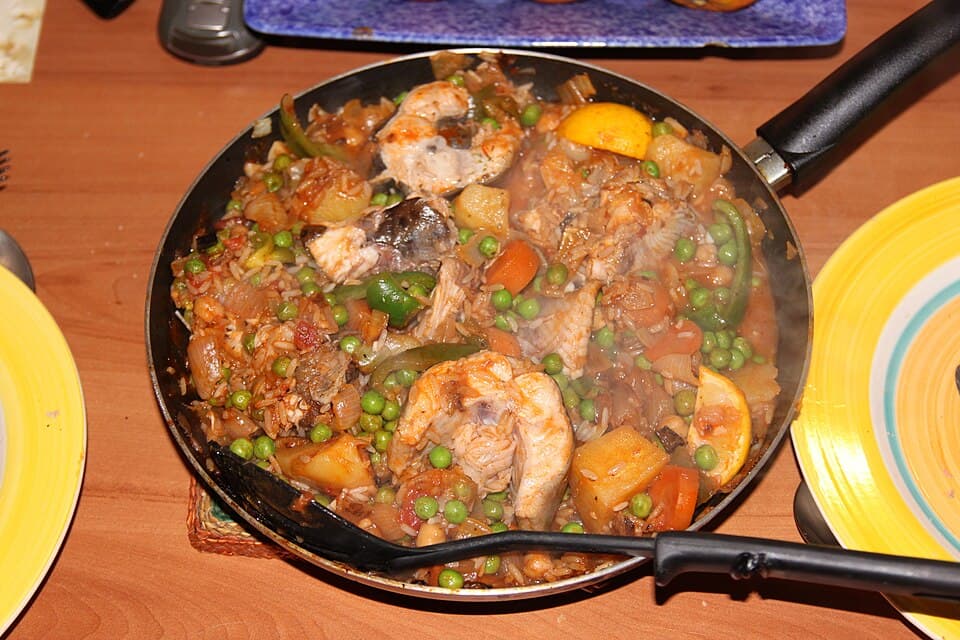
Calulu de Peixe
São Tomé and Príncipe's national dish: a fish stew simmered slowly with local vegetables. Fresh grouper or dried fish goes in with okra, spinach, eggplant, African eggplant (gilo), tomatoes, onions and red palm oil, then it's seasoned with local spices and served over funge (cassava or plantain mash) or rice. The palm oil turns the whole thing orange and gives it an earthy depth. No two families make it quite the same way. It's the clearest expression of the African, Portuguese and Creole strands that run through Santomean cooking.
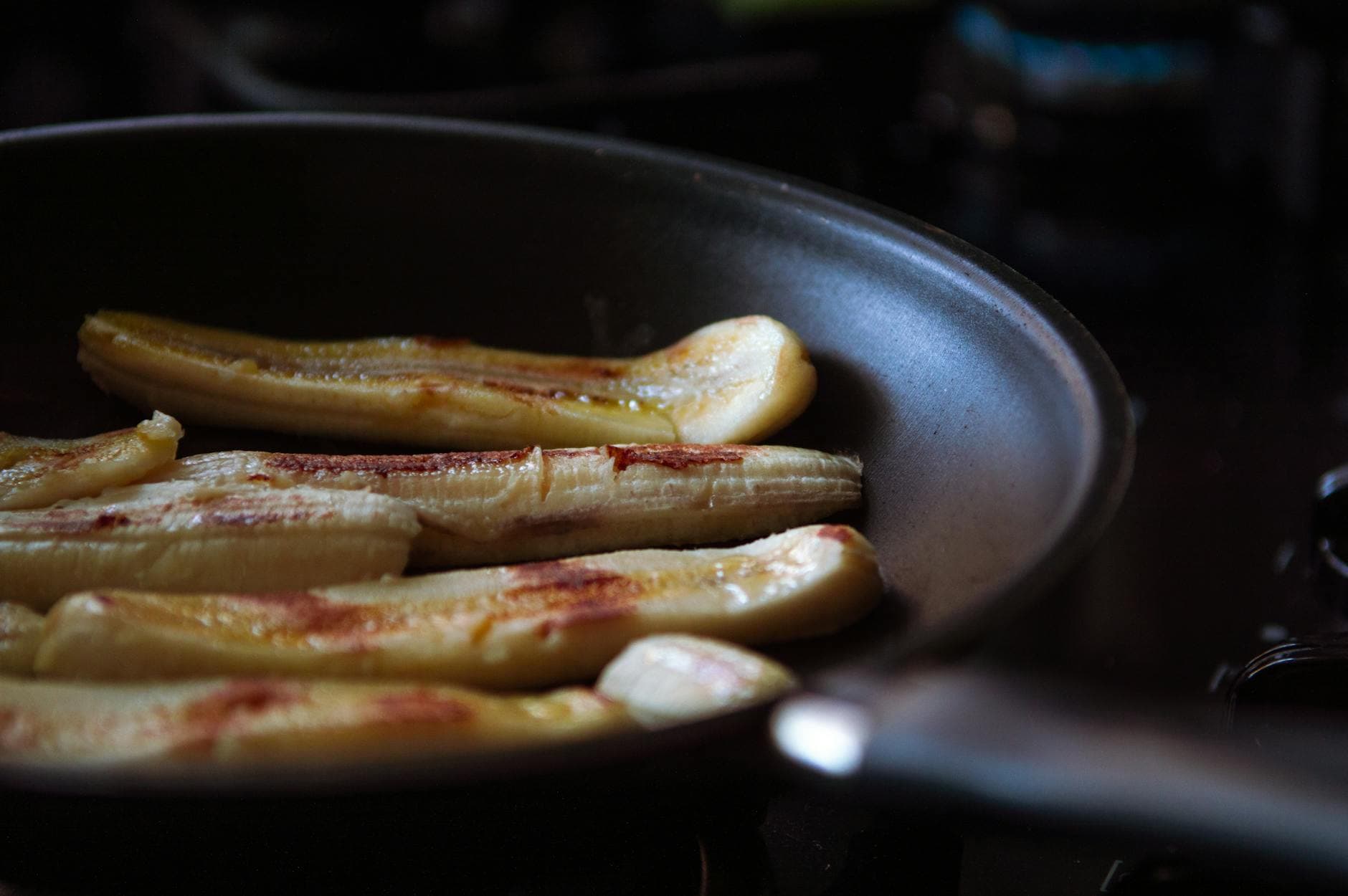
Banana Pão (Breadfruit)
Despite the name, banana-pão is breadfruit, not banana. The starchy fruit is boiled or fried until soft and golden, and it does a lot of the carbohydrate work across the islands. Fried, the slices crisp up on the outside and stay creamy in the middle. It shows up as a side with fish stews or on its own as a snack. Breadfruit trees grow everywhere here, and the plain preparation lets the fruit's own flavor come through.
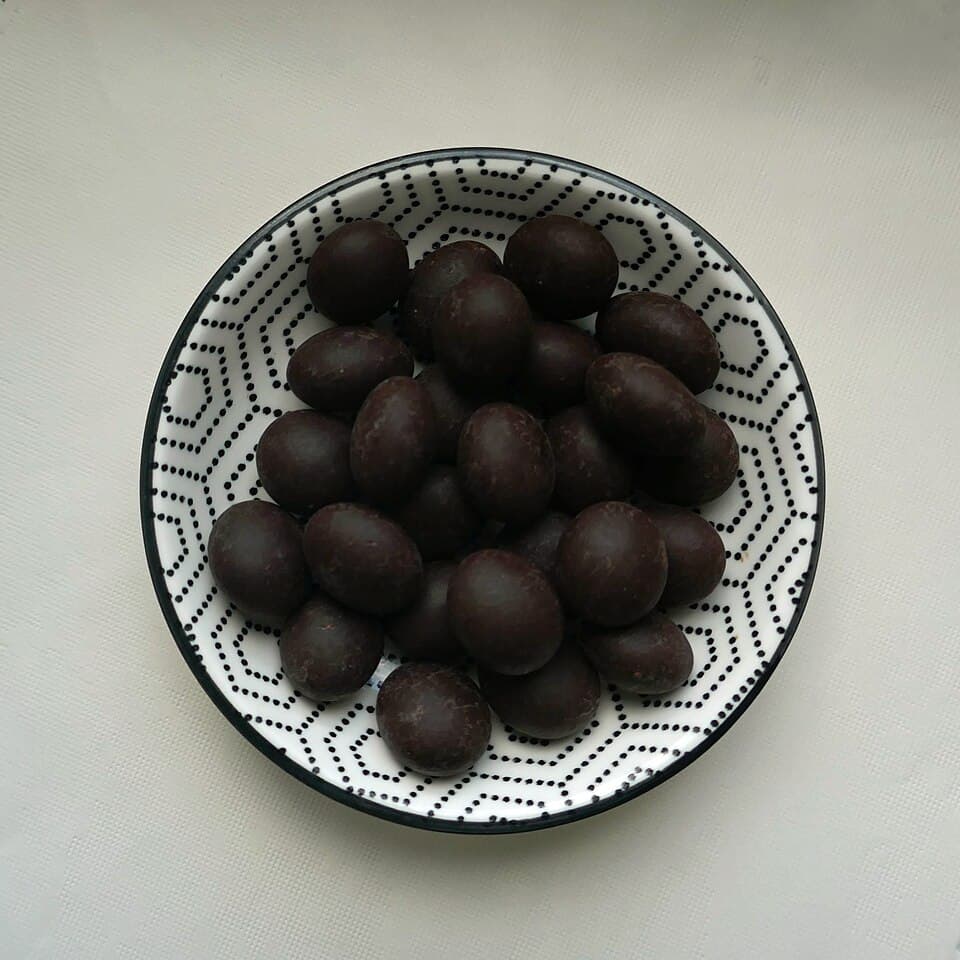
Claudio Corallo Chocolate
Artisan chocolate made on São Tomé from estate-grown cacao. Italian chocolatier Claudio Corallo arrived in 1992, and in 2011 Corriere della Sera called his work "the best chocolate in the world." It is single-origin, made from fermented and sun-dried beans. The factory on Avenue Marginal in the capital runs tastings three times a week, where you can follow the cacao through processing, fermentation and the making of the bar itself. The dark chocolate is fruity and earthy, with no added vanilla. For anyone who cares about chocolate, it is the one stop to make.
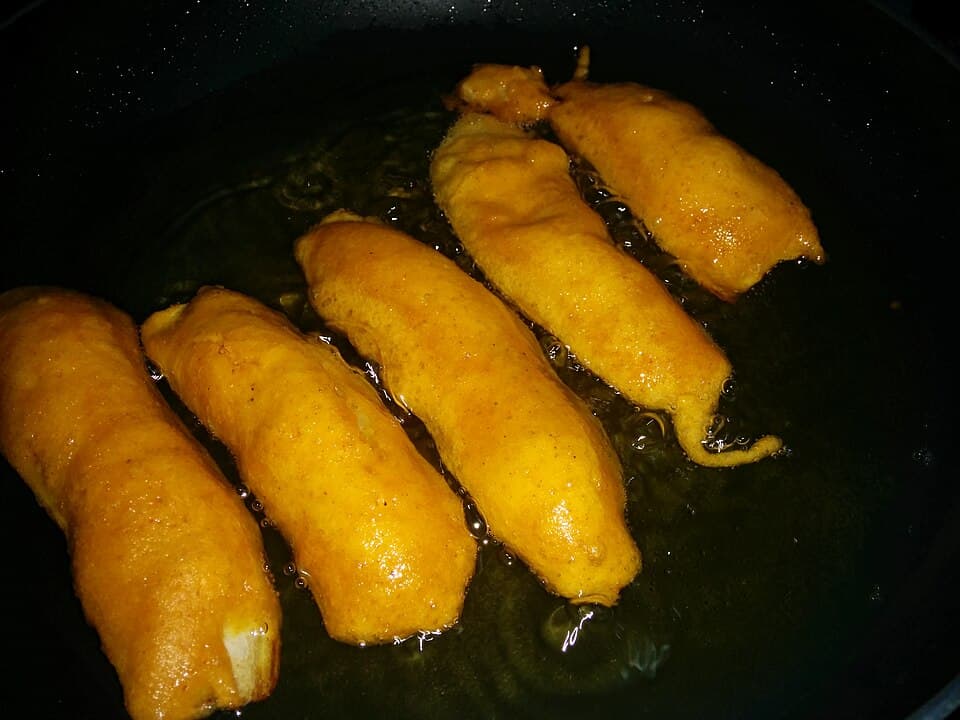
Fried Bananas
You'll find these everywhere on São Tomé and Príncipe. Ripe bananas are sliced and fried crisp on the outside, sweet within, and eaten as a snack, dessert or side. It's a plain trick that makes the most of the islands' endless bananas. Street vendors, markets and restaurants all do them, sometimes dusted with sugar or served with chocolate sauce. A good grab while you're out walking.
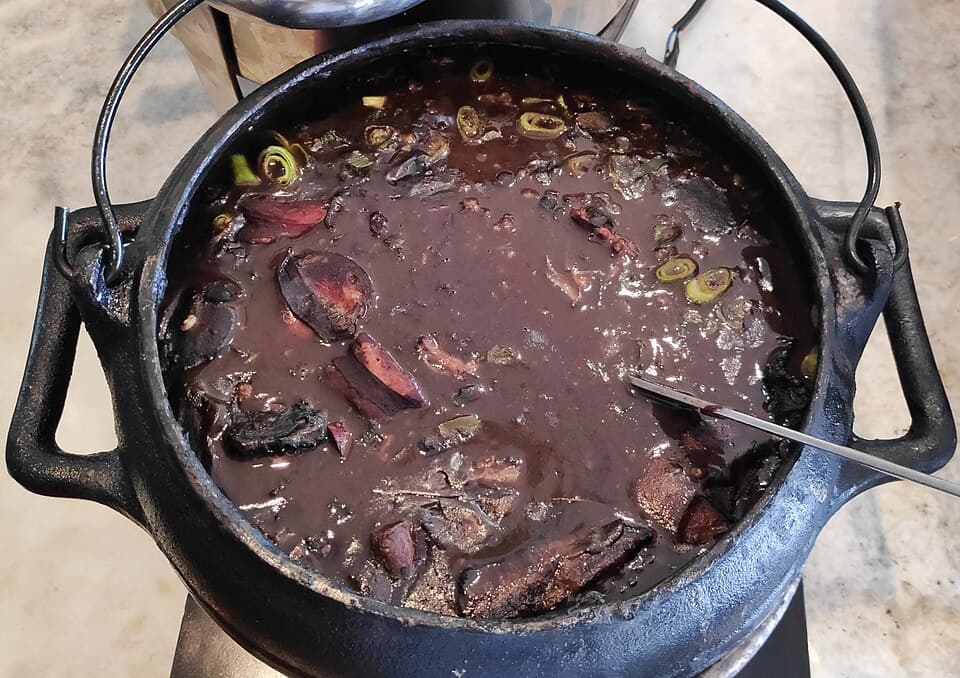
Feijoada Santomean Style
The Portuguese bean stew, reworked with island ingredients. Black beans cook down slowly with pork, sausage, sometimes fish, plus tomatoes, palm oil and local spices. It comes out lighter than the Brazilian or Portuguese versions, and it's served with rice, fried plantains and hot sauce. People make it on weekends and for special occasions. The dish sits right at the meeting point of Portuguese colonial cooking and African method.
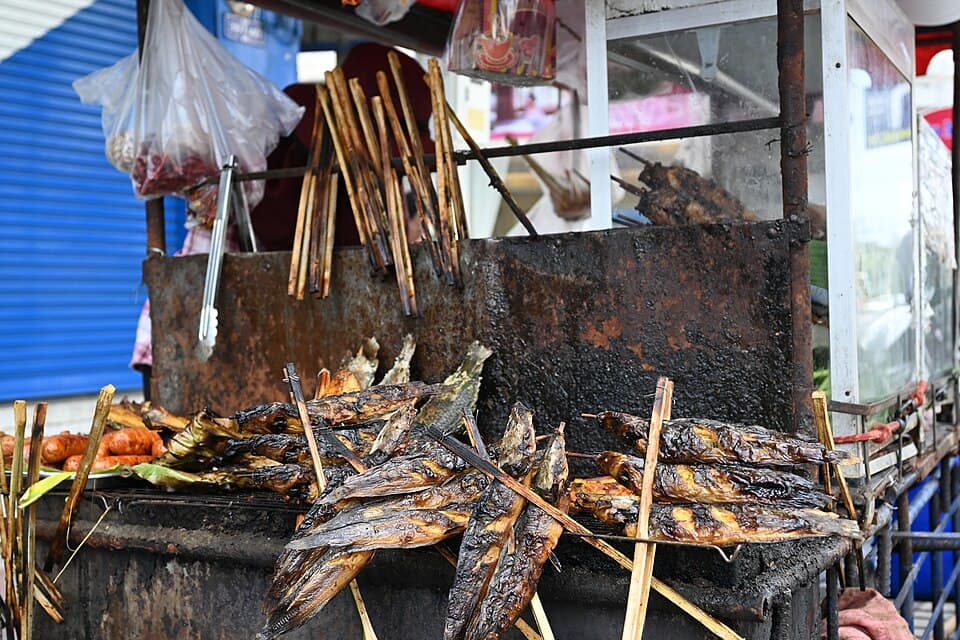
Grilled Fresh Fish (Peixe Grelhado)
Fish straight from the Gulf of Guinea, grilled over charcoal with lime, garlic and piri-piri. You'll usually see grouper, red snapper, barracuda or dentex. There's nothing fussy about it, which is the point, because the seafood here is good enough to stand on its own. It arrives whole with rice, fried plantains and spicy sauce, and beach restaurants build their whole menu around it. The charcoal smoke plays off the clean ocean flavor. Pick your fish from the display and pay by weight.
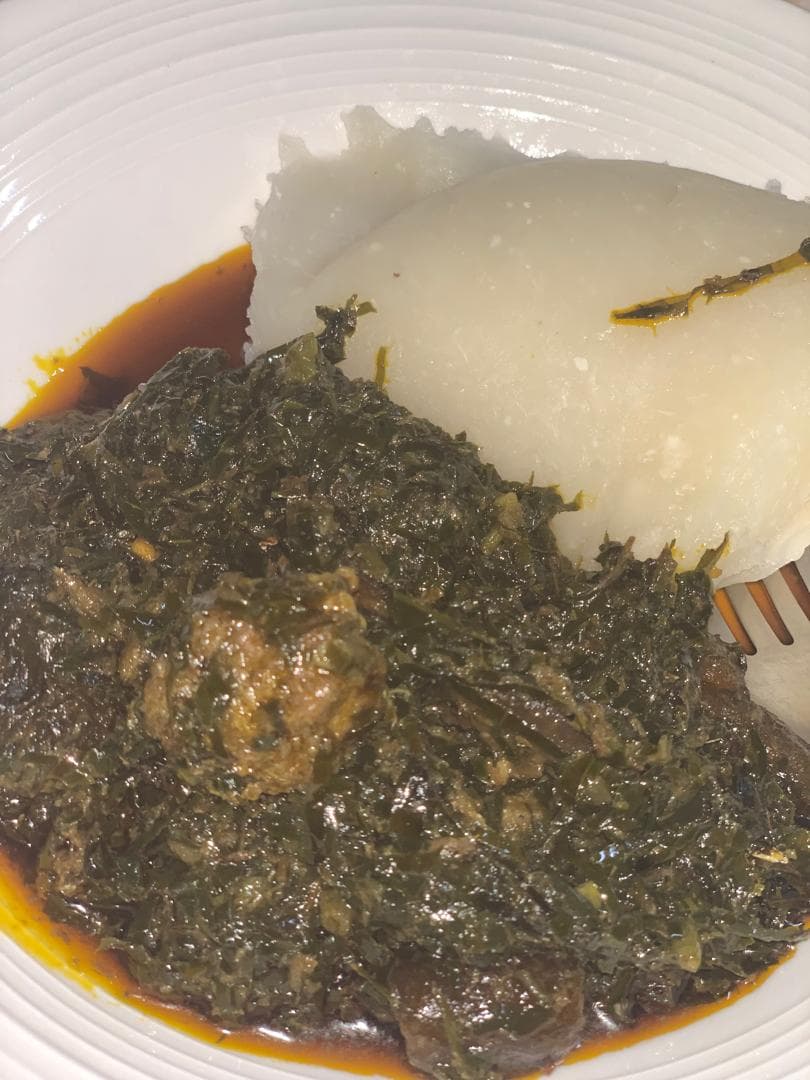
Matabala
A side of mashed breadfruit or yam, close to fufu. The boiled breadfruit or yam is pounded until smooth and stretchy. Its neutral taste soaks up sauces and stews, which makes it the natural partner to calulu and other fish stews. You eat it by hand, pinching off small balls to scoop up the stew. Pounding it is real work, and the technique has stuck around as part of the islands' African food heritage.
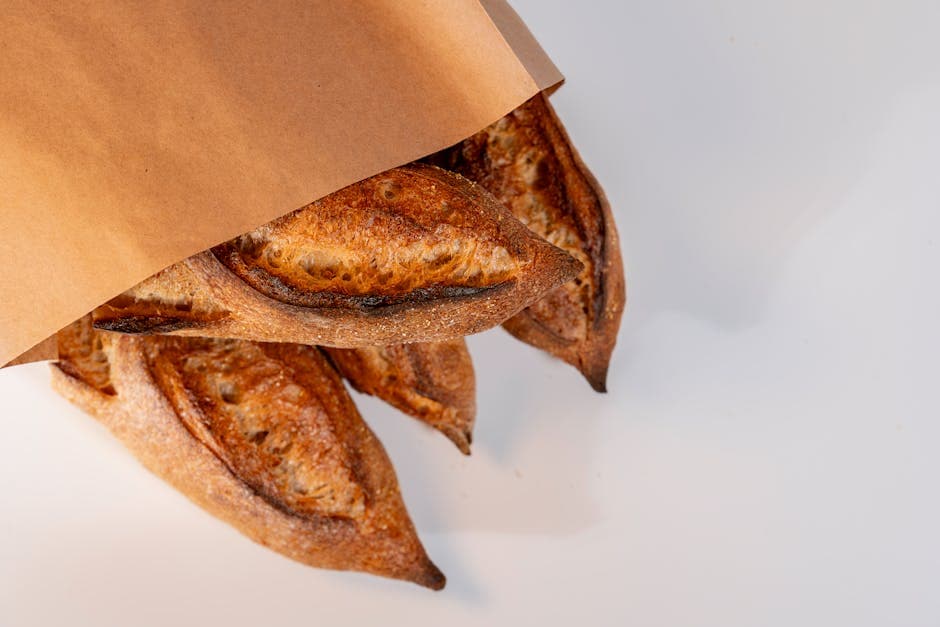
Pão Doce (Sweet Bread)
Portuguese-style sweet bread for breakfast or an afternoon snack. It's soft and lightly sweetened, often carrying a little vanilla or cinnamon, and bakeries turn it out fresh in the early morning. Locals eat it with butter and honey or jam. You'll see it as rolls or braided loaves, and it goes well with a strong cup of São Tomé coffee. It's the Portuguese baking tradition settled into tropical ingredients.
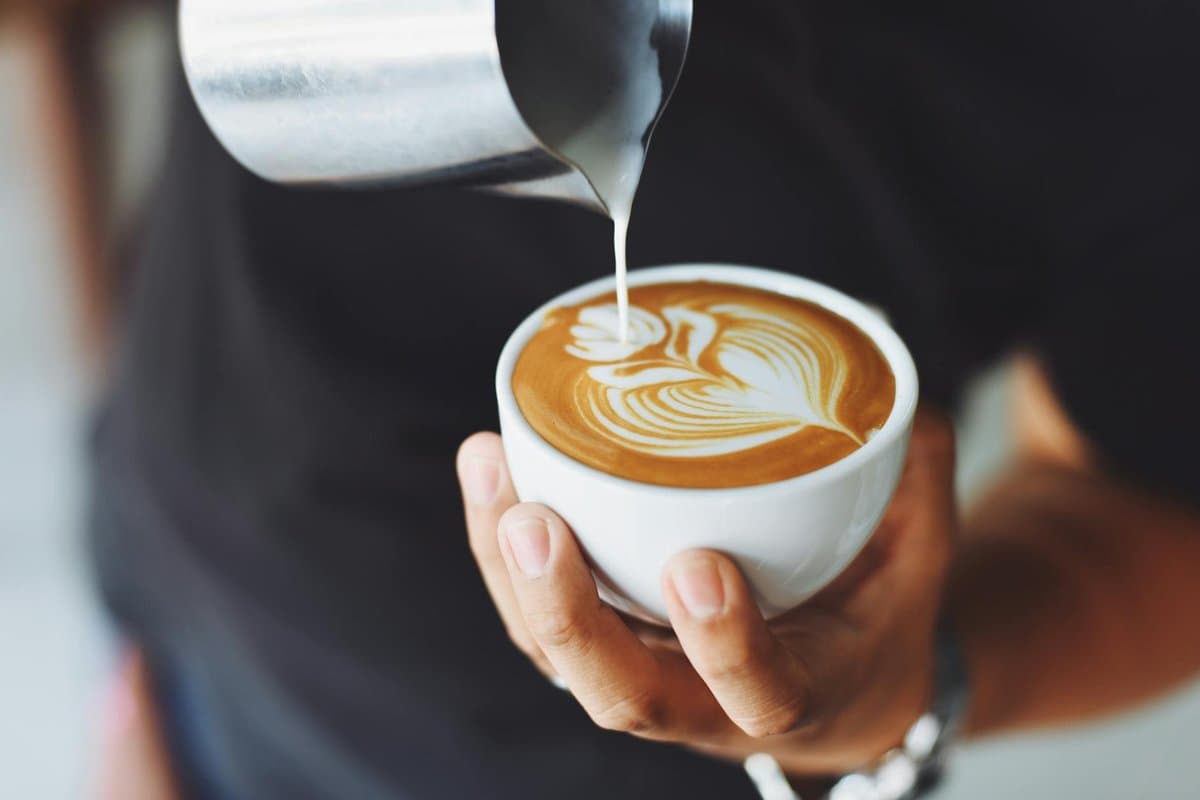
São Tomé Coffee
Coffee grown in volcanic soil at different altitudes across the islands. The arabica beans carry fruit and chocolate notes with a bright acidity, and most of it is grown organically on small farms and old roças, helped along by the islands' UNESCO Bio Reserve status. It's served strong and black in the Portuguese style, or as espresso, and you'll find it in specialty cafés and on plantation tours. Coffee has been grown here since the Portuguese colonial era, and the recent attention from abroad has pushed growers to focus on quality.
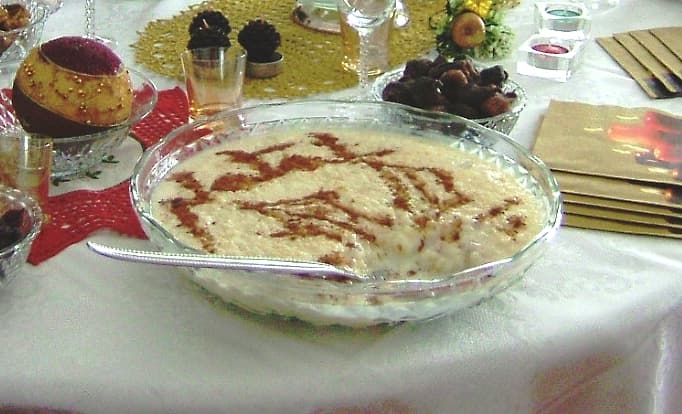
Arroz Doce (Coconut Rice Pudding)
Creamy rice pudding cooked with coconut milk, sugar, cinnamon and vanilla. It's the Portuguese dessert reworked around the islands' abundant coconuts, served chilled or at room temperature with a dusting of cinnamon. Sweet and comforting with a tropical edge, it turns up at celebrations and in homes and restaurants alike. Recipes vary from house to house, some richer with condensed milk, others lighter, and the dish lands squarely between its Portuguese and African roots.
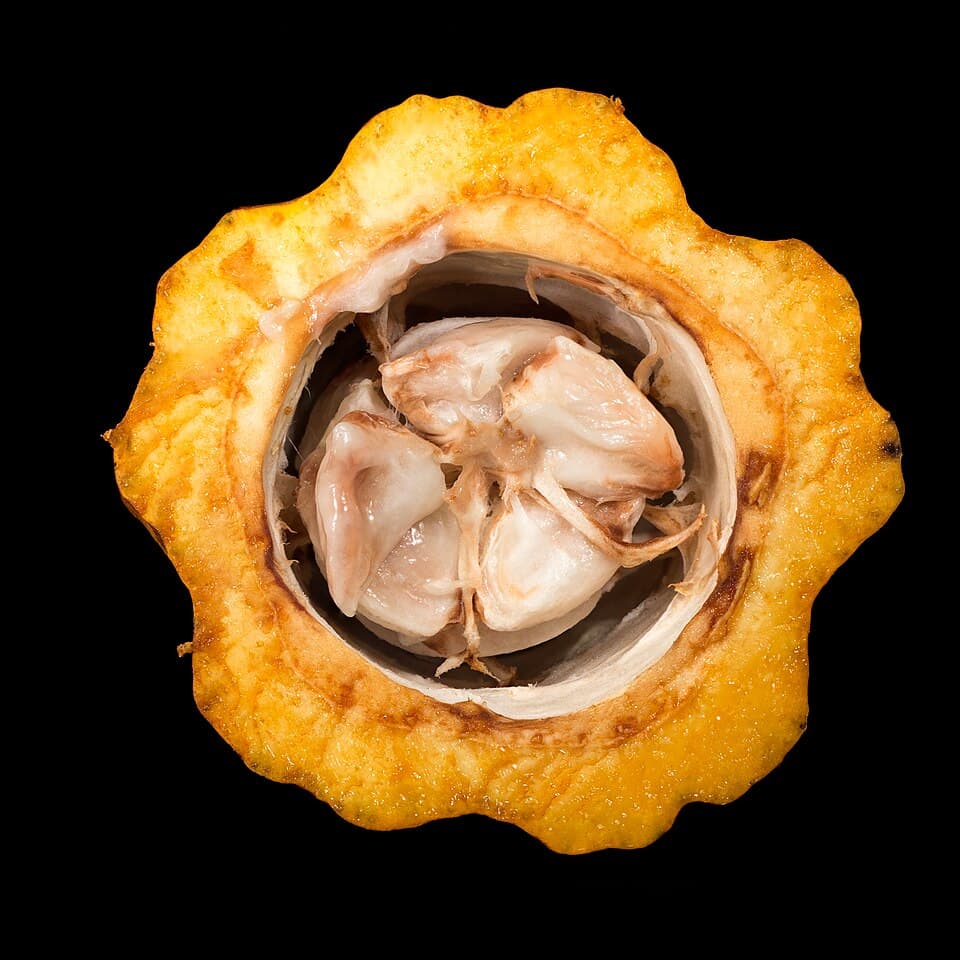
Cacao Fruit Fresh
Crack open a fresh cacao pod and you find white, sweet pulp wrapped around the beans. That pulp, the mucilage, tastes tropical and fruity, both tangy and sweet, and locals suck it straight off the beans as a snack. It tastes nothing like chocolate, because this is the fruit before any fermentation or processing. You can find it during harvest season at plantations and markets, and it's also made into juice. If you've only ever known cacao as a finished bar, tasting it at the source is a revelation.
Regional Specialties & Local Favorites
Discover the authentic regional dishes and local favorites that showcase São Tomé and Príncipe's diverse culinary traditions.
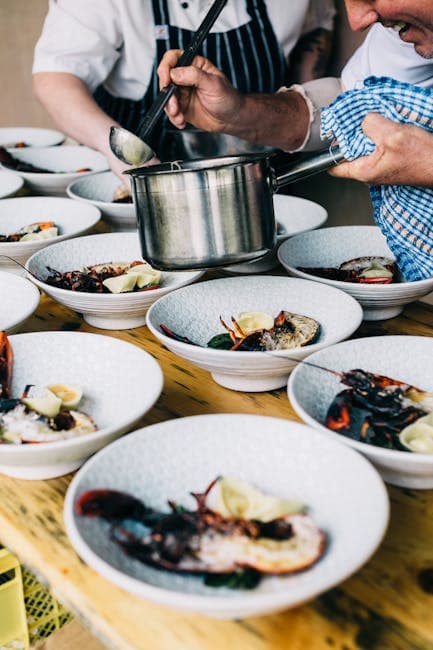
Funge de Banana
Plantain fufu, made by boiling and pounding green plantains until smooth and stretchy. It's the go-to starch alongside stews and sauces, with a neutral taste that takes on whatever it's served with. You eat it by hand. Common across Central Africa, it's a staple on São Tomé.
Izaquente
A thick fish sauce built from dried or smoked fish, tomatoes, onions, palm oil and spices. It's pungent and full-flavored, spooned over rice or funge. The sauce comes out of the islands' long habit of preserving fish, and its strong taste is one locals are devoted to.
Allergens:
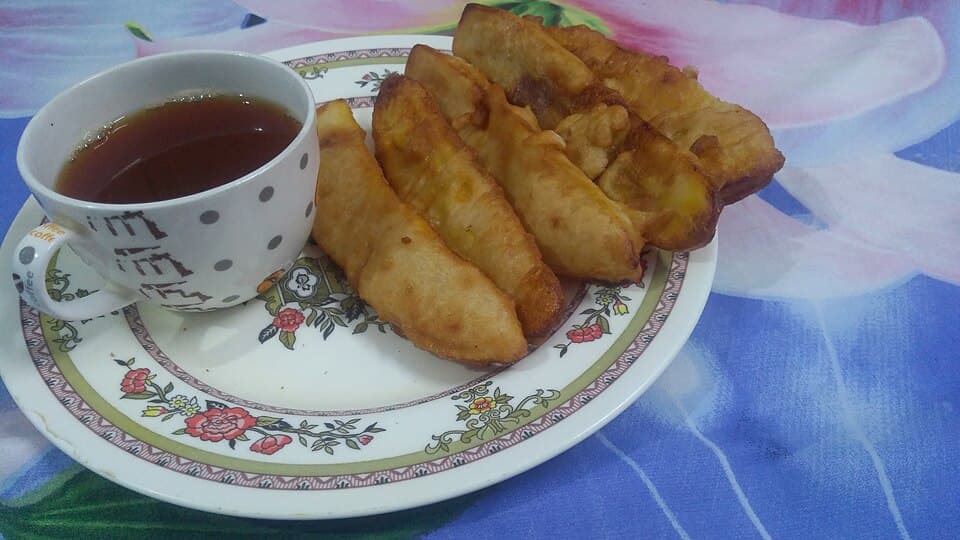
Banana Fritters
Ripe bananas mashed with flour and spices, shaped into fritters and fried. Crispy and sweet outside, soft banana within. A common street food and breakfast item, sometimes dusted with cinnamon sugar.
Allergens:
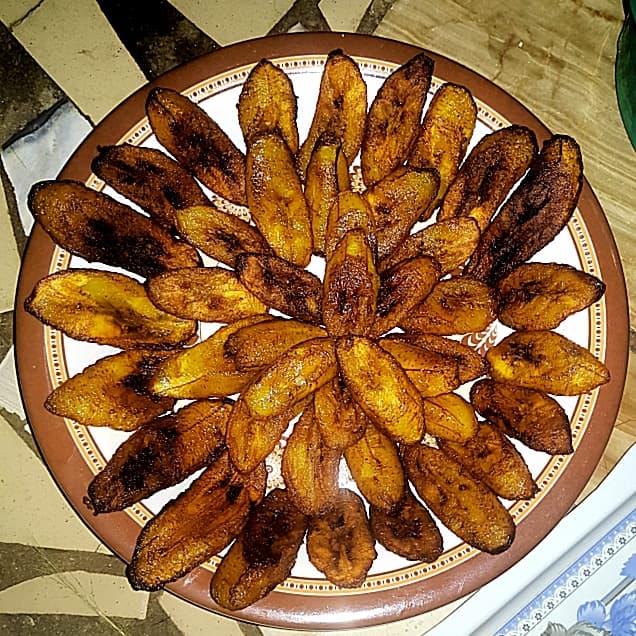
Fried Plantains
Ripe plantains sliced and fried until they caramelize. Golden and tender, naturally sweet, they go alongside fish, meat and stews and show up at nearly every Santomean meal.
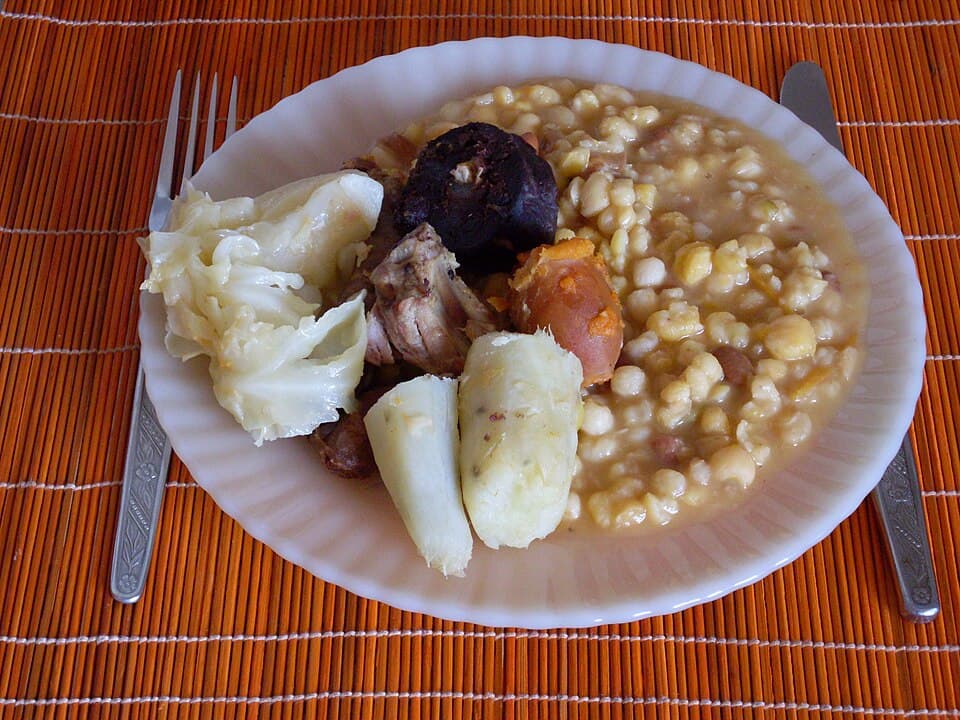
Cachupa
A slow-cooked stew of corn, beans, cassava, sweet potato and fish or meat. It's a Cape Verdean dish that took hold on São Tomé through the Cape Verdean community here. Hearty and filling, it's a one-pot meal that often comes back the next morning, reheated and fried for breakfast.
Allergens:
Mataba de Caranguejo
Crab cooked into a matabala base of breadfruit or yam with palm oil and spices. It pairs seafood with the traditional starch for something rich and full-flavored, a specialty of the coast. The work it takes to make keeps it on the special-occasion list.
Allergens:
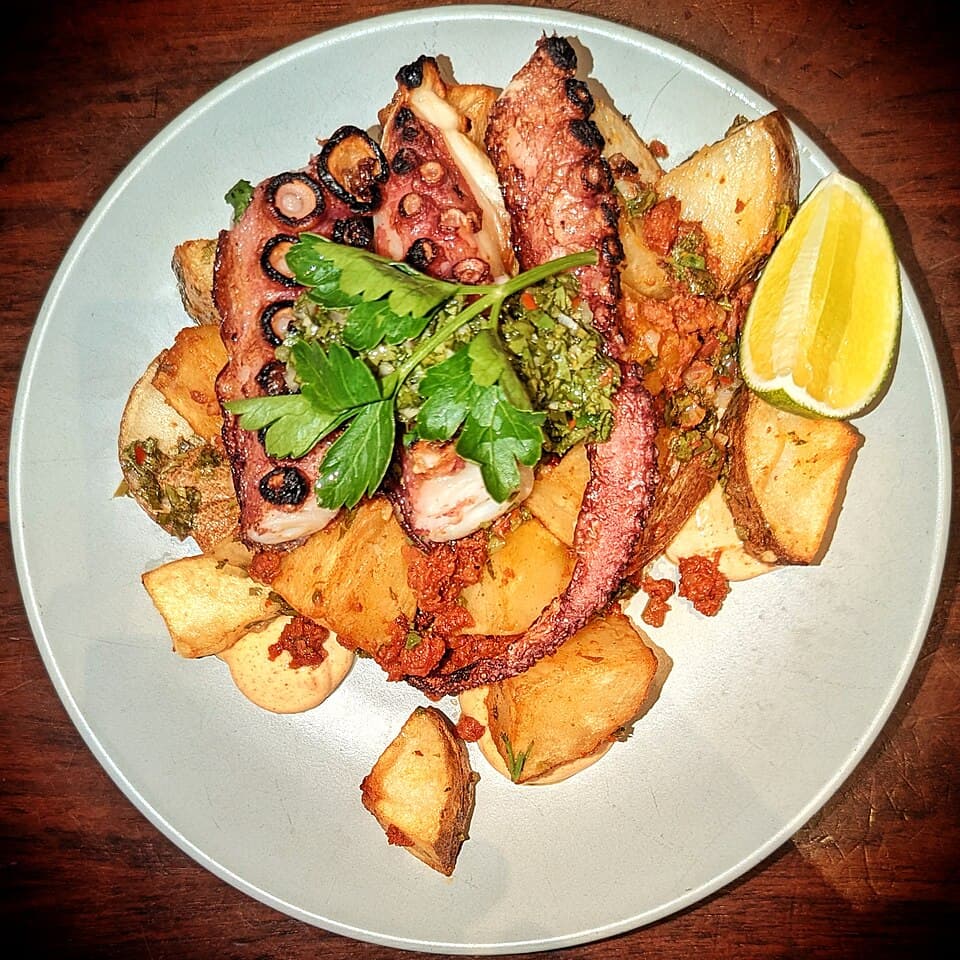
Grilled Octopus
Fresh octopus tenderized, marinated in garlic and lime, then grilled until charred and served with piri-piri. Tender and smoky, it shows up on the menu at beach restaurants and seafood spots.
Allergens:
Papaya with Lime
Fresh papaya, sliced and served with a squeeze of lime. The lime sharpens the fruit's sweetness and adds a tart edge. Papayas grow everywhere here, and you'll see this at breakfast or after a meal in homes and restaurants alike.
Regional Cuisine Highlights
Explore the diverse culinary landscapes across different regions of São Tomé and Príncipe.
São Tomé Island
The larger island and the capital hold most of the restaurants and food tourism. The cooking here balances Portuguese colonial influence with African tradition and Creole invention. In the capital you can eat well at João Carlos Silva's restaurant, tour the Claudio Corallo chocolate factory, or grill seafood on the beachfront. Inland, roças converted into hotels run farm-to-table kitchens built on plantation-grown cacao, coffee and vanilla. Markets keep the street food going, with fried fish, bananas and bread. The northern plantation belt leans into chocolate tourism while the southern beaches keep it simple with fish restaurants. UNESCO Bio Reserve status pushes the whole island toward sustainable production.
Cultural Significance:
São Tomé Island carries the Portuguese, African and Creole strands that make up Santomean identity. Its food holds onto African cooking methods while taking in Portuguese ingredients and techniques.
Signature Dishes:
Key Ingredients:
Príncipe Island
Príncipe is smaller and more remote, and it has bet on high-end eco-tourism with sustainability at the center. The Príncipe Collection resorts run farm-to-fork kitchens fed by organic gardens, local fishermen and island producers, leaning on exotic fruit, sustainably caught seafood and heirloom vegetables. Cooking classes teach traditional Príncipe recipes with a modern hand. Because it's less developed than São Tomé, the island has kept more of its old foodways, with villages living off fishing and subsistence farming. Plain beach restaurants serve fish caught that morning, and cacao plantations like Roça Sundy offer chocolate visits.
Cultural Significance:
Príncipe points to where the country is headed: sustainable luxury tourism that protects the environment and traditional culture while still serving ambitious food. The island works to hold preservation and innovation in the same hand.
Signature Dishes:
Key Ingredients:

Roças (Historic Plantations)
These are the old Portuguese coffee and cacao plantations, now being turned into boutique hotels, restaurants and agritourism stops. Roça São João, Roça Sundy and Roça Diogo Vaz are among the better-known conversions. The estates keep their colonial architecture while backing sustainable agriculture and food tourism, and their kitchens cook with what grows on site, from cacao for desserts to coffee, vanilla and tropical fruit. The Cacao Route strings several plantations together for tours, tastings and meals. It's a complicated colonial history being put to new use for both economic development and cultural memory, and eating at a roça drops you right into São Tomé's farming past.
Cultural Significance:
The roças track São Tomé's shift from a colonial plantation economy to sustainable tourism. Eating at them ties visitors to the islands' farming history while putting money into local communities and helping keep the land's biodiversity intact.
Signature Dishes:
Key Ingredients:
Sweet Delights & Desserts
Indulge in São Tomé and Príncipe's traditional sweet treats and desserts.
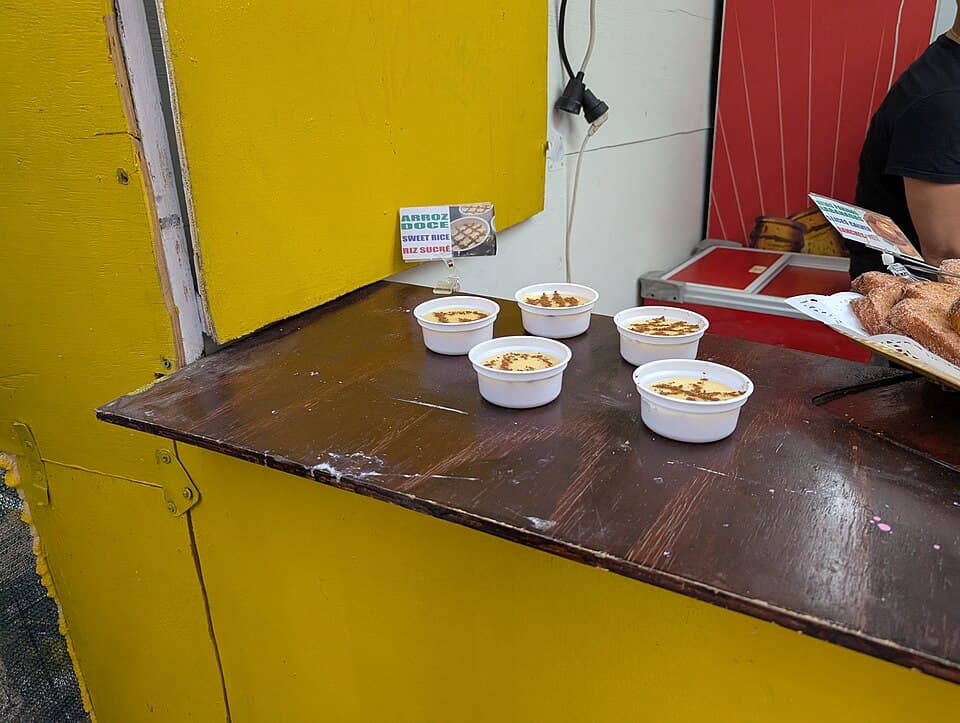
Arroz Doce (Coconut Rice Pudding)
Creamy rice pudding with coconut milk, cinnamon, and vanilla. See must-try foods for full description.
Bolo de Banana
Moist banana cake made with overripe bananas, flour, sugar, eggs and spices. It's the Portuguese cake tradition put to work on the islands' surplus of bananas, sometimes with coconut or chocolate chips folded in. You'll find it at celebrations and in bakeries.
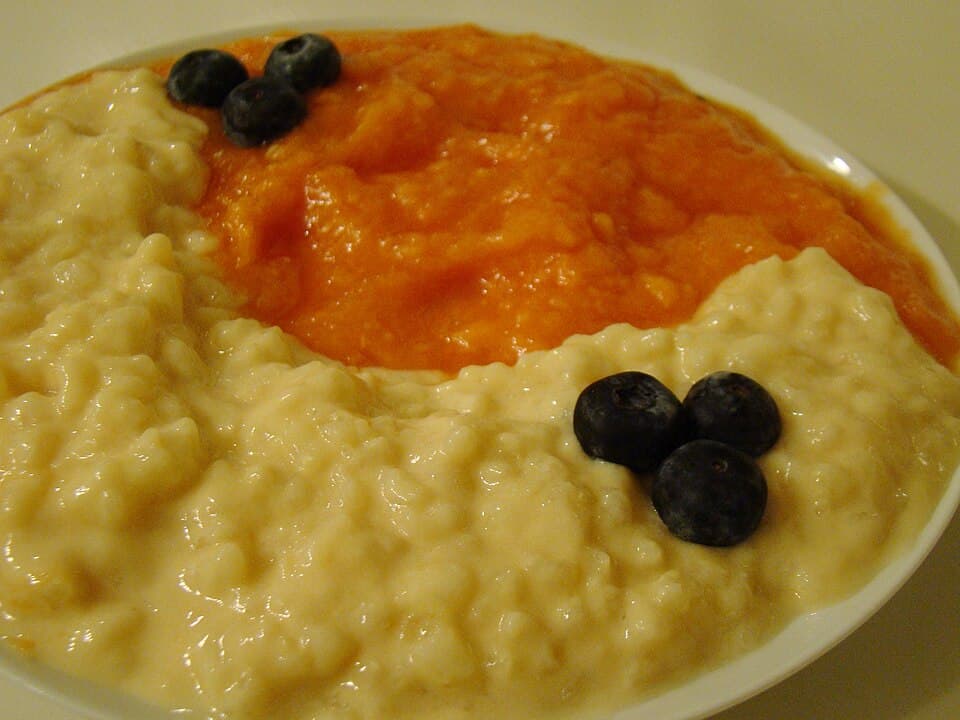
Papaya Pudding
A creamy pudding of blended papaya, condensed milk and vanilla, bright orange and tropical. Served cold, which suits the warm climate, sometimes layered with cream or set in individual portions.
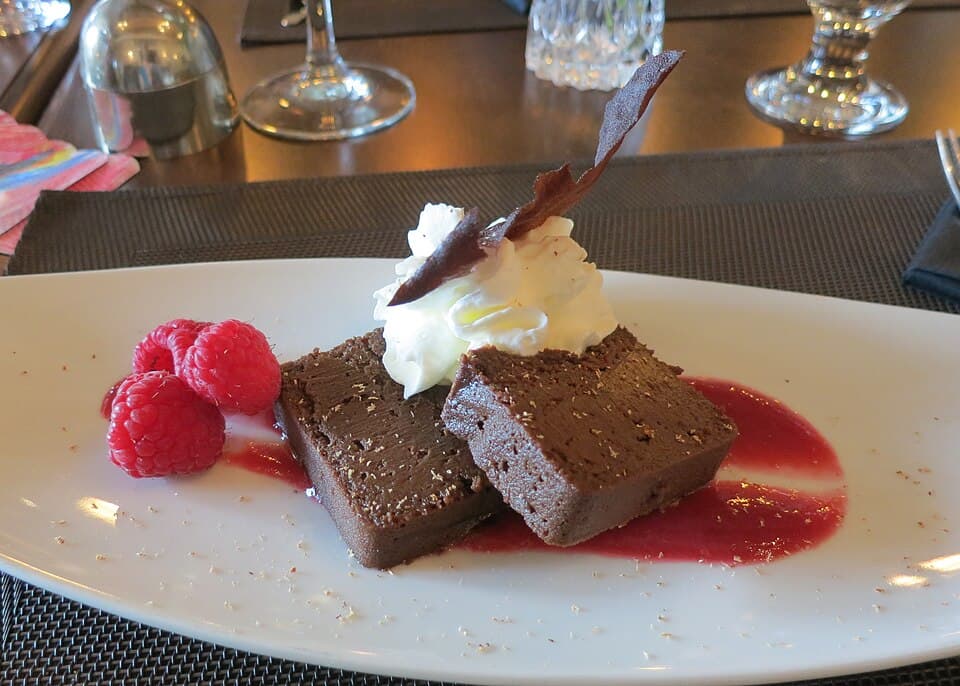
Chocolate Mousse with São Tomé Chocolate
Chocolate mousse made with dark São Tomé chocolate. Upscale restaurants and hotels use the island's single-origin cacao here, and the flavor is intense, with the light, airy texture playing against deep cocoa.
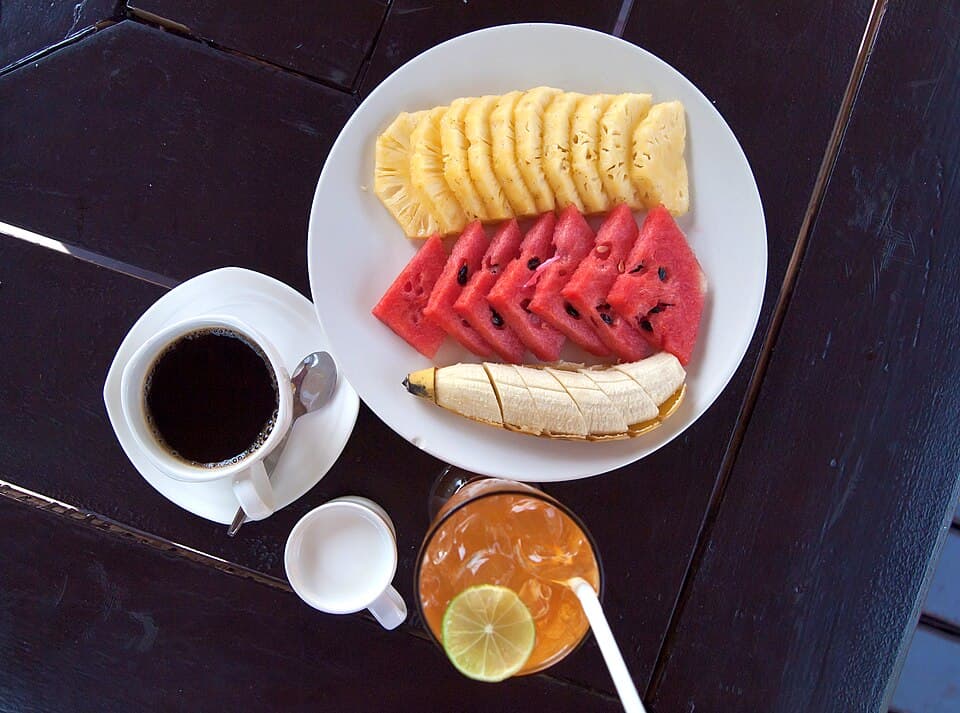
Fresh Tropical Fruit Salad
A mix of tropical fruit, papaya, pineapple, mango, passion fruit and banana, often dressed with lime juice and honey. It makes a light finish to a meal and shows off how much grows here. Street vendors and restaurants serve generous bowls.
Traditional Beverages
Discover São Tomé and Príncipe's traditional drinks, from locally produced spirits to regional wines.
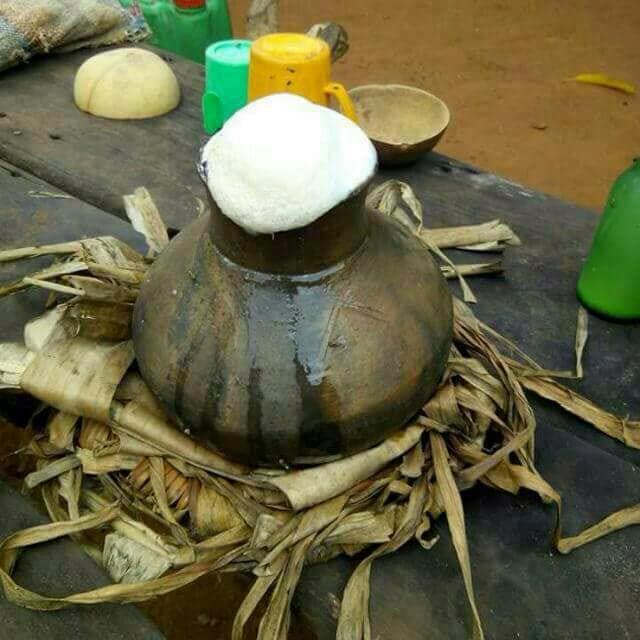
Vinho de Palma (Palm Wine)
Fermented palm sap, the national drink. The best of it is tapped from high-altitude palms. It's milky white, lightly sweet and tart from the fermentation, with the alcohol level rising the longer it sits. There are three quality grades, the high-altitude one being the purest. It has to be drunk within days of tapping, and it carries real weight at ceremonies and gatherings.
Santola (Local Rum)
Local rum distilled from island-grown sugarcane, sold clear or aged. It's strong, taken neat or in cocktails, and also turns up in cooking and as a digestif. The distilling goes back to the Portuguese colonial period.
Soft Beverages
Discover São Tomé and Príncipe's traditional non-alcoholic drinks, from local teas to refreshing juices.

São Tomé Coffee
Coffee grown in volcanic soil, served strong and black in the Portuguese style. Smooth, with fruit and chocolate notes. See must-try foods for details.
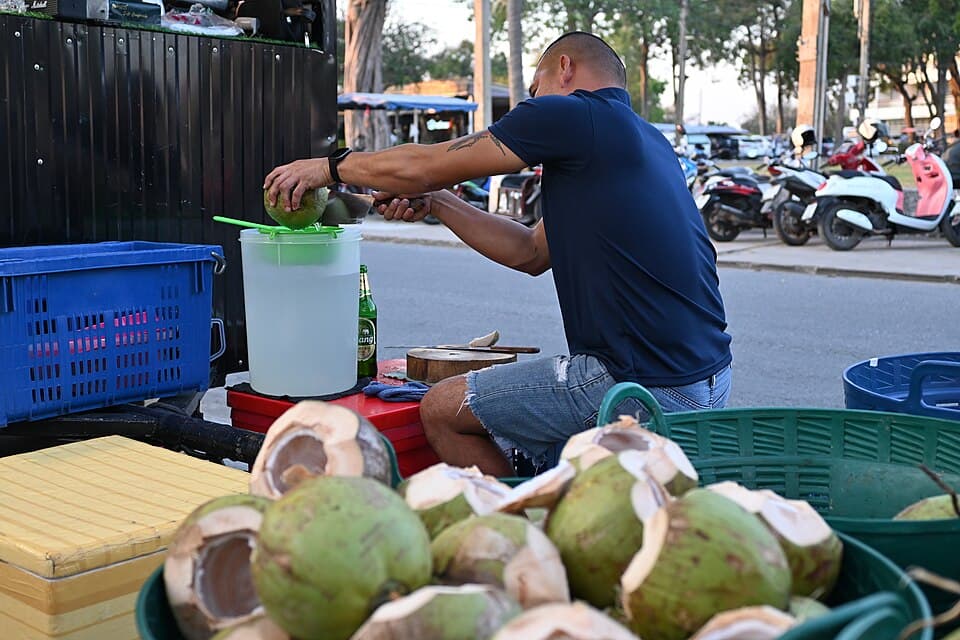
Fresh Coconut Water
Water from young green coconuts, drunk straight from the shell. Naturally sweet and good against the tropical heat. Street vendors hack the coconuts open with machetes, and once you've finished the water you can scoop out the soft meat inside.
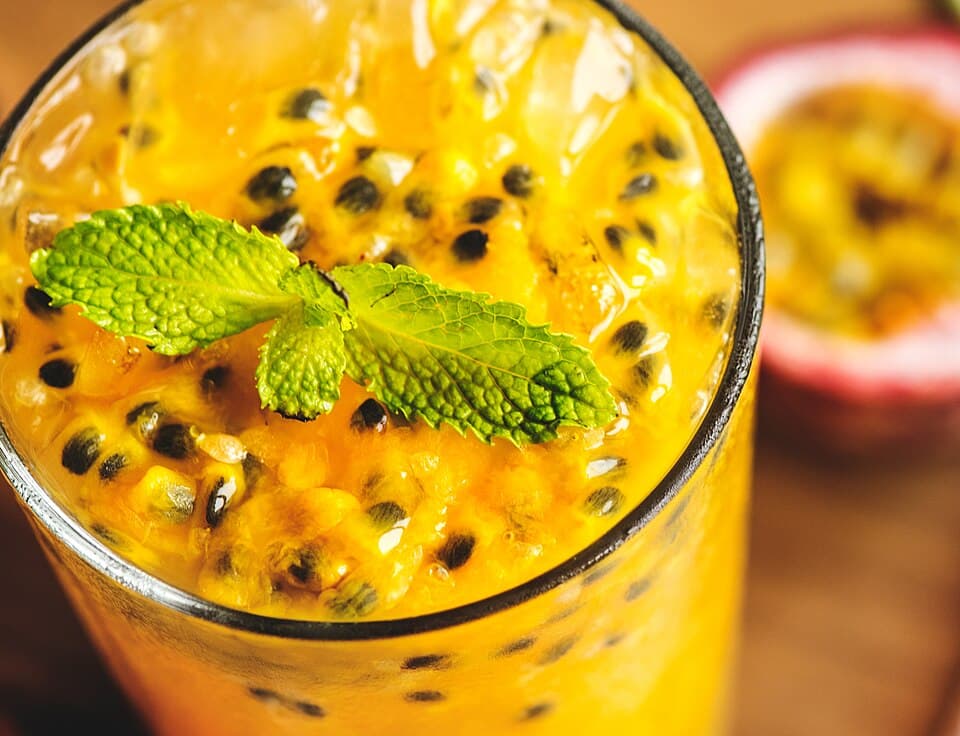
Passion Fruit Juice (Suco de Maracujá)
Fresh passion fruit juice, tart and aromatic, made by straining the pulp with water and sugar. Bright yellow-orange, high in vitamin C, and a favorite across the islands.
Frequently Asked Questions
Essential information about food and dining in São Tomé and Príncipe.
What is the national dish of São Tomé and Príncipe?
São Tomé and Príncipe's most iconic dishes include Calulu de Peixe, Banana Pão (Breadfruit), Claudio Corallo Chocolate. São Tomé and Príncipe's national dish: a fish stew simmered slowly with local vegetables. Fresh grouper or dried fish goes in with okra, spinach, eggplant, African eggplant (gilo), tomatoes, onions and red palm oil, then it's seasoned with local spices and served over funge (cassava or plantain mash) or rice. The palm oil turns the whole thing orange and gives it an earthy depth. No two families make it quite the same way. It's the clearest expression of the African, Portuguese and Creole strands that run through Santomean cooking.
Is street food safe in São Tomé and Príncipe?
Street food in São Tomé and Príncipe can be enjoyed safely by following these guidelines: Drink only bottled or purified water. Look for busy vendors with high turnover, ensure food is cooked fresh and served hot, and avoid raw ingredients if you have a sensitive stomach.
What are the best restaurants in São Tomé and Príncipe?
São Tomé and Príncipe offers diverse dining options from street food stalls to upscale restaurants. For the best experience, ask locals for recommendations, check recent reviews, and look for restaurants that specialize in regional cuisines.
Can vegetarians find food easily in São Tomé and Príncipe?
Vegetarian options in São Tomé and Príncipe are mediumly available. Vegetarian options available but limited as seafood and meat dominate traditional cuisine. Many dishes can be adapted - plantains, fried bananas, rice, beans, and vegetable stews. Communicate dietary needs clearly.. Many restaurants offer vegetarian dishes, and you'll find plant-based ingredients featured prominently in local cuisine.
What is the average cost of a meal in São Tomé and Príncipe?
Meal costs in São Tomé and Príncipe depend on where you eat. Street food and casual local restaurants are very affordable, typically offering complete meals for a few dollars. Mid-range restaurants charge moderate prices, while fine dining establishments are comparably priced to Western countries.
What are common food allergens in São Tomé and Príncipe?
Common allergens in São Tomé and Príncipe cuisine include Palm Oil, Peanuts, Coconut. Red palm oil (dendê) used extensively in traditional cooking. These ingredients appear in dishes like Calulu, Stews. Always inform restaurant staff about your allergies.
When is the best time to visit São Tomé and Príncipe for food?
São Tomé and Príncipe offers great food experiences throughout the year. However, visiting during harvest seasons (typically spring and autumn) provides access to the freshest local ingredients. Food festivals and cultural celebrations also offer unique culinary experiences worth planning around.