
Loading allergen information...
Information about Sesame in cuisine around the world.
Sesame seeds and tahini (sesame paste) are common in many Egyptian dishes and sauces.
Sesame is particularly common in the cuisine of: Egypt, Morocco, Turkey, South Korea, Lebanon, Jordan
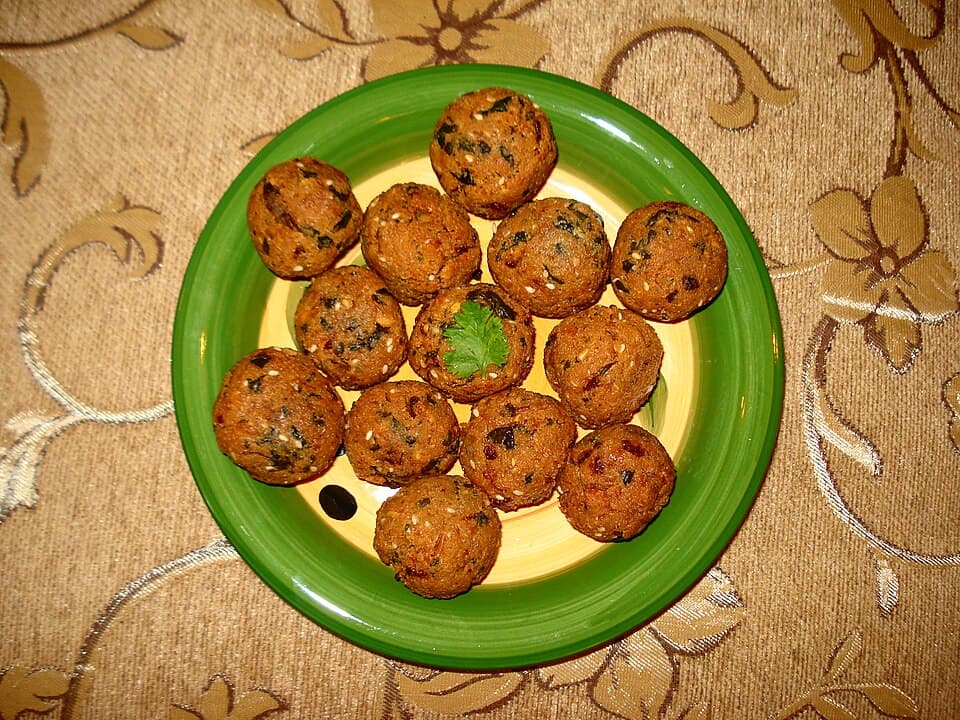
The Egyptian falafel, made from ground fava beans rather than the chickpeas used in the Levant. Herbs like parsley, cilantro and dill go in with garlic and onions before frying, which leaves the inside bright green. It's eaten in aish baladi with tahini, salad and pickles, often for breakfast, and it tastes lighter than its chickpea cousin.
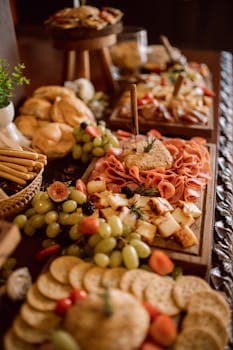
A spread of small appetizer plates such as hummus, cacık (yogurt with cucumber), and an assortment of vegetable dishes.

A ring of bread crusted in sesame seeds, chewy inside and crisp outside. It's Turkey's classic street snack, sold by simitçi vendors all over the cities and best eaten warm with tea, white cheese, olives, or Nutella. Istanbul gets through roughly 2.5 million of them a day. Lately, artisan simit shops have started offering whole-grain versions and fancier toppings and accompaniments.
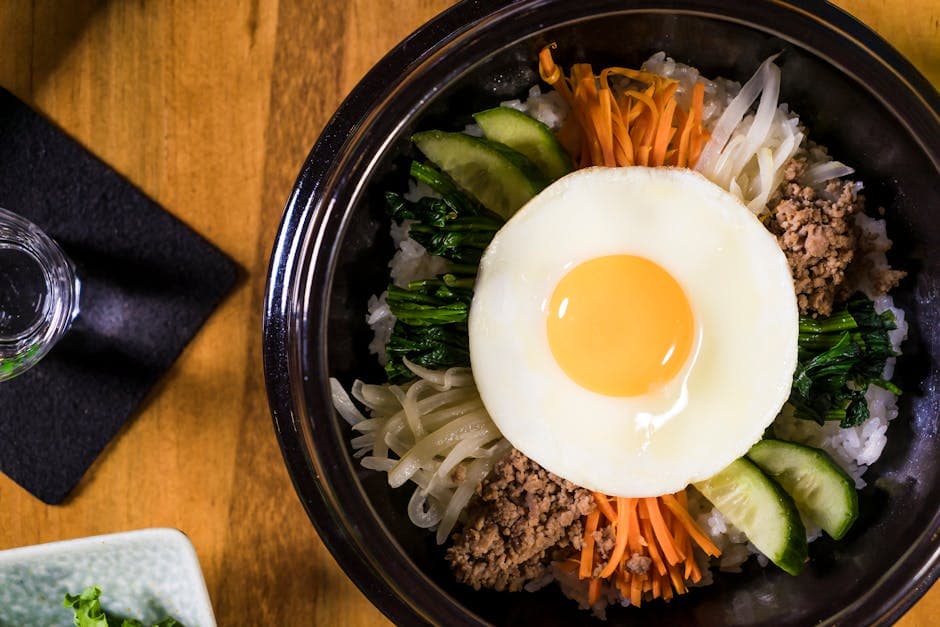
Rice topped with sautéed vegetables, seasoned meat (optional), a fried egg, and gochujang (chili paste). The name means 'mixed rice,' and you're meant to stir everything together before the first bite. The Jeonju version is the best known, piling on as many as 30 ingredients.
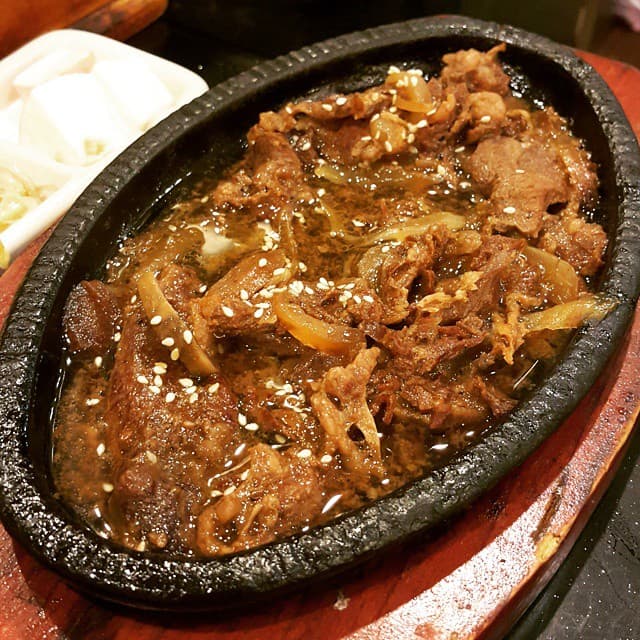
Thin slices of beef marinated in a sweet-savory blend of soy sauce, pear, garlic, and sesame oil, then grilled or stir-fried. It's one of the Korean dishes best known abroad. The pear is what makes the meat so tender, since its enzymes break the fibers down. It often comes with lettuce for wrapping.
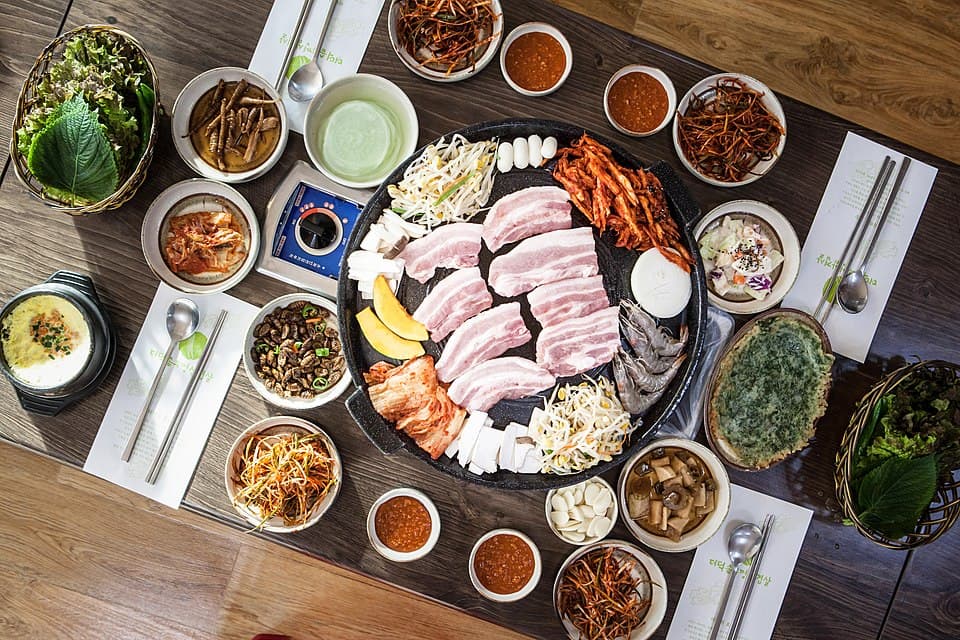
Thick slices of pork belly grilled right at the table, then wrapped in lettuce with garlic, green chilies, ssamjang (fermented bean paste), and kimchi. It's the classic group meal, the kind of communal eating Koreans call hoesik. You grill over charcoal, snip the meat with scissors, and tuck it into a leaf of lettuce or perilla (ssam). Better restaurants serve aged belly or heritage Jeju black pork.
Before traveling, learn how to say "Sesame allergy" in the local language.
Carry a card in the local language explaining your allergy to show at restaurants.
Research common dishes in your destination to identify those that typically contain Sesame.
Always carry any necessary allergy medication, including antihistamines or an epinephrine auto-injector if prescribed.