
Loading allergen information...
Information about Seafood in cuisine around the world.
Seafood is another frequent allergen, covering fish and shellfish such as prawns, crabs and mussels. With Australia's long coastline and seafood-heavy cooking, it pays to stay alert. Plenty of restaurants specialise in seafood, so cross-contamination is a real risk. Tell staff about your allergy and ask for your meal to be prepared separately.
Seafood is particularly common in the cuisine of: Australia, Japan, Peru, New Zealand, Philippines

Vinegared rice paired with other ingredients, most often seafood. It runs from plain nigiri (fish over rice) to elaborate maki rolls. Tokyo edomae remains the benchmark, though newer takes like wagyu sushi and truffle rolls have caught on.

Chinese-style wheat noodles in a meat or fish broth, usually seasoned with soy sauce or miso and topped with sliced pork, nori, and green onions. The regional styles run from Tokyo shoyu to Hokkaido miso, Kyushu tonkotsu, and Sapporo butter corn. In 2025 a ramen shop earned the first Michelin Green Star ever given to the dish.

Seafood or vegetables battered and deep-fried. The batter stays light and crisp because it's made with cold water and barely stirred. Tempura Motoyoshi has taken it somewhere new with a liquid nitrogen method.

A savory pancake mixing in cabbage, meat, and seafood, finished with okonomiyaki sauce, mayonnaise, and bonito flakes. Osaka folds everything into the batter, while Hiroshima layers it instead.

Raw fish cured in citrus juice, usually lime, and kicked up with ají peppers, then served alongside sweet potato, corn, and onions. The tangy, spicy marinade has a name of its own: leche de tigre, or tiger's milk.
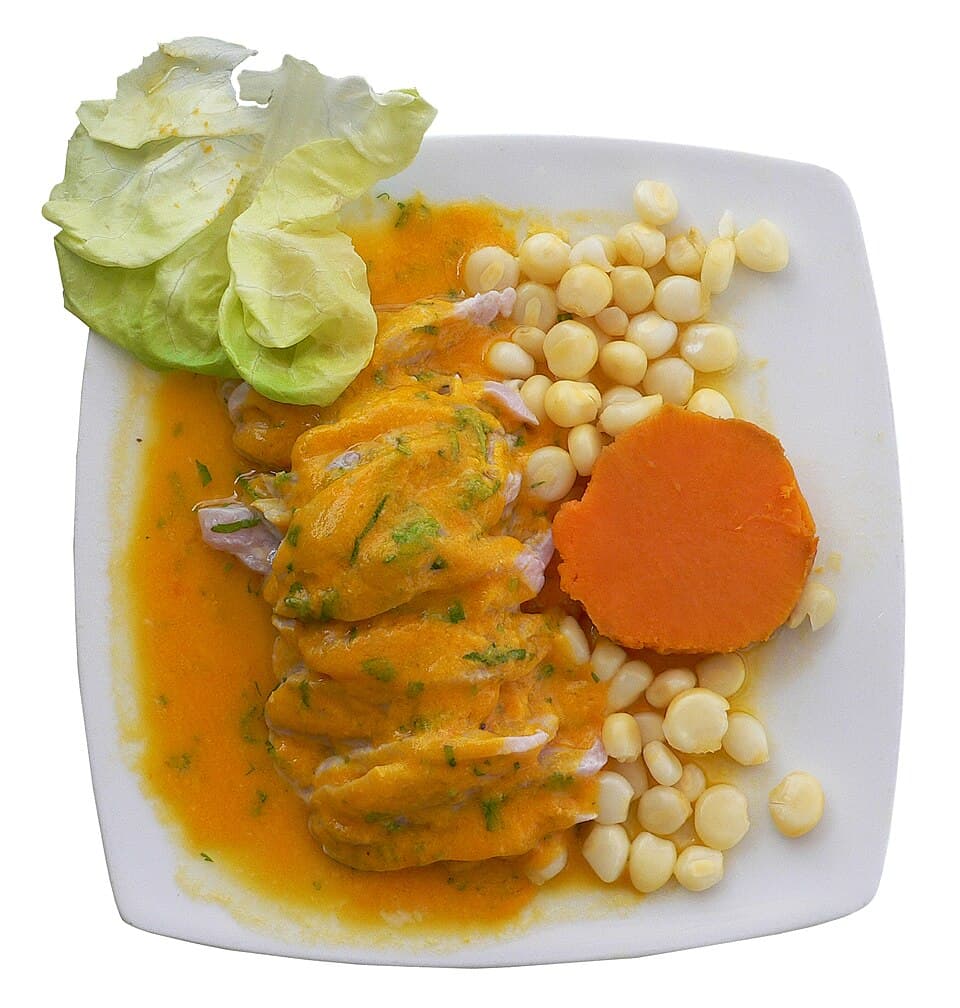
Close to ceviche, but the fish is sliced thin like sashimi rather than cubed, and the sauce runs hotter and smoother. It's a Nikkei dish, marrying Japanese knife work with Peruvian flavors, and it shows off the quality of the coastal catch.
Before traveling, learn how to say "Seafood allergy" in the local language.
Carry a card in the local language explaining your allergy to show at restaurants.
Research common dishes in your destination to identify those that typically contain Seafood.
Always carry any necessary allergy medication, including antihistamines or an epinephrine auto-injector if prescribed.