
Loading allergen information...
Information about Nuts in cuisine around the world.
Nuts are a common allergen here, both peanuts and tree nuts like almonds, cashews, walnuts and macadamias. They turn up throughout cooking and baking, in sauces, desserts, snacks and other prepared foods. Restaurants and manufacturers generally take nut allergies seriously and guard against cross-contamination, but you should still tell staff about your allergy and check ingredients yourself.
Nuts is particularly common in the cuisine of: Australia, Greece, India

A sweet pastry of paper-thin phyllo layered with chopped walnuts or pistachios and butter, then soaked in honey or sugar syrup spiced with cinnamon and cloves. Every region insists its own recipe is the best, so it's worth tasting a few as you travel.
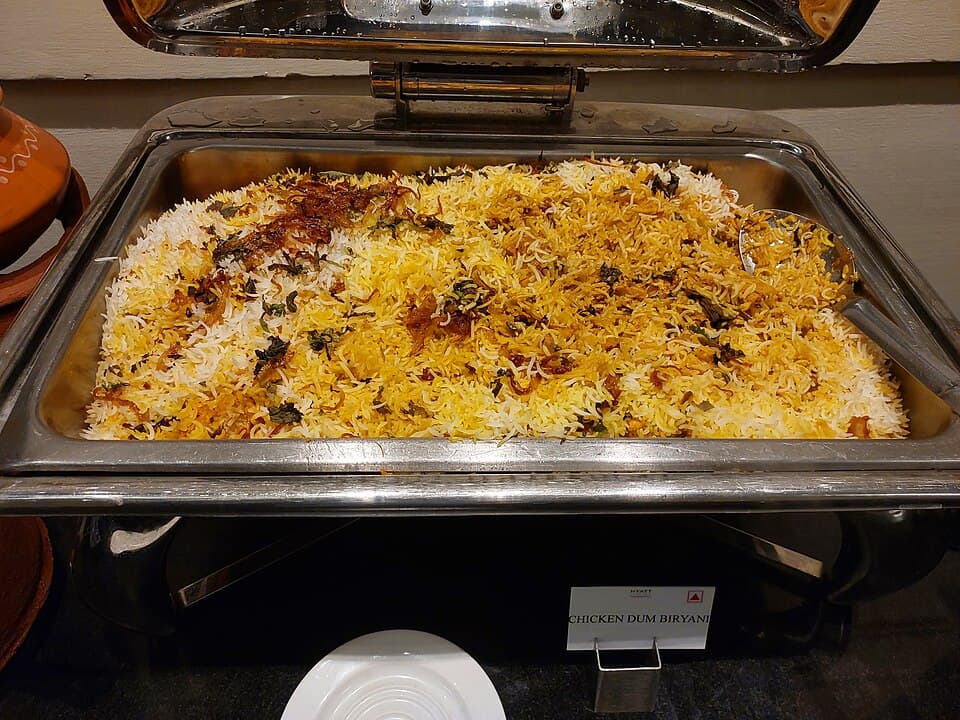
Basmati rice layered with marinated meat (chicken, mutton, or fish) or vegetables and slow-cooked with saffron, cardamom, and a house spice blend. People defend their regional versions hard: Hyderabadi is spicy and dum-cooked in sealed layers, Lucknowi or Awadhi runs milder and more perfumed, Kolkata adds potato and egg, and Malabar comes from coastal Kerala. Fine-dining rooms have taken to plating it deconstructed. You'll find it everywhere, from a street cart to a five-star hotel.

Princess cake: layers of sponge, raspberry jam, and whipped cream under a dome of pale green marzipan. A Swedish favorite that turns up at birthdays and special occasions.

A cardamom-spiced bun filled with almond paste and whipped cream. It was meant for Shrove Tuesday (Fettisdagen) before Lent, but these days bakeries sell it right through the Lenten weeks.
Before traveling, learn how to say "Nuts allergy" in the local language.
Carry a card in the local language explaining your allergy to show at restaurants.
Research common dishes in your destination to identify those that typically contain Nuts.
Always carry any necessary allergy medication, including antihistamines or an epinephrine auto-injector if prescribed.